
Drip Irrigation vs. Sprinklers: Which is Best for Your CultivateYourFood Garden?

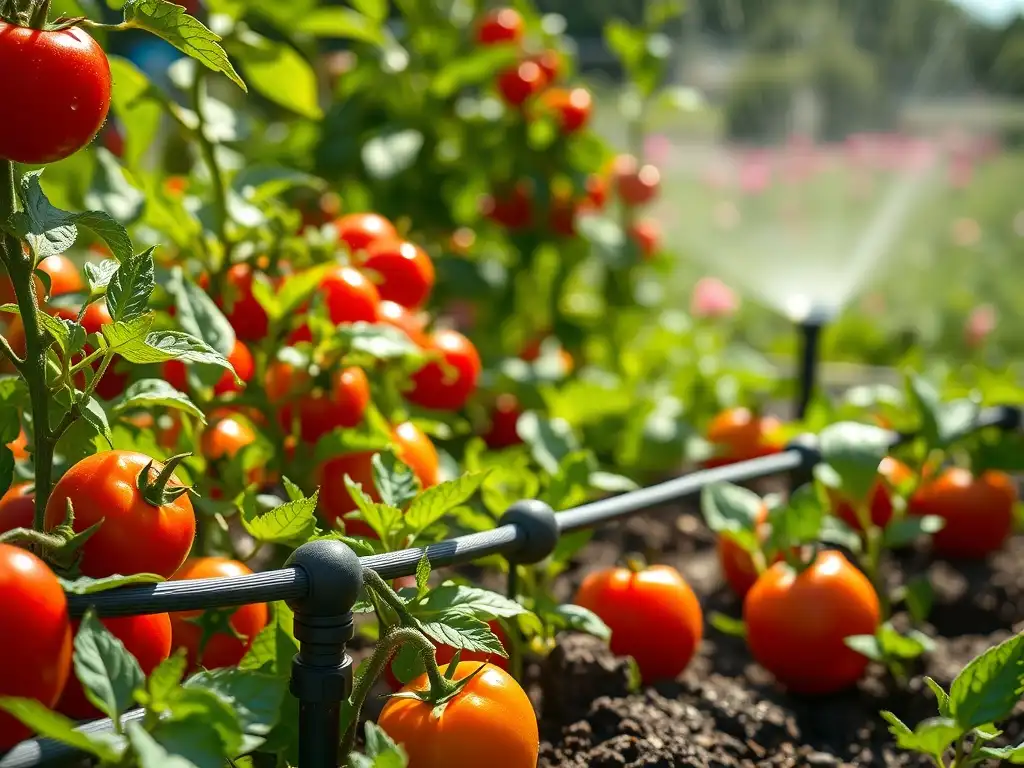
Ready to transform your backyard into a thriving oasis? At CultivateYourFood, we empower you to grow your own delicious and healthy fruits, vegetables, and herbs using sustainable methods. But choosing the right tools is key, and that starts with understanding your watering system. Discover which reigns supreme in the battle of the best drip irrigation system garden versus traditional sprinklers – and unlock the secrets to a bountiful harvest! Dive in and learn how to optimize your watering strategy for a flourishing garden.
- Understanding Your Watering Needs: Choosing the Right Irrigation System
- Drip Irrigation Systems: A Deep Dive into Efficient Watering
- Sprinkler Systems: Traditional Watering Methods for Your Garden
- Drip Irrigation vs. Sprinklers: A Head-to-Head Comparison
- Choosing the Best Irrigation System for Your Garden: A Decision Matrix
- Recommended Products for Optimal Garden Irrigation
-
Frequently Asked Questions
- What is the main difference between drip irrigation and sprinklers?
- Why is drip irrigation considered better for my CultivateYourFood garden?
- What are the benefits of using a drip irrigation system for my vegetables and herbs?
- How much does a good drip irrigation system cost?
- Where can I find the best drip irrigation system for my garden?
- Final Reflection: Cultivating a Sustainable Future, One Drop at a Time
- Unlock Your Garden's Potential: Choose the Right Watering System!
Understanding Your Watering Needs: Choosing the Right Irrigation System
Choosing the right irrigation system is crucial for a thriving and sustainable home garden. Whether you're cultivating a sprawling vegetable patch bursting with tomatoes and peppers, a fragrant herb garden, or a carefully curated collection of fruit trees, efficient watering is paramount. This article will delve into the age-old debate: drip irrigation versus sprinklers.
We'll explore the advantages and disadvantages of each system, helping you determine which method best suits your specific needs and contributes to a flourishing, organically-grown harvest. Ultimately, selecting the best drip irrigation system for your garden depends on a careful assessment of several key factors, ensuring you conserve water and optimize plant health. We'll guide you through this process, empowering you to make an informed decision and achieve optimal results in your CultivateYourFood journey.
Assessing Your Garden's Size and Plant Types for Optimal Irrigation
The size and layout of your garden significantly impact the type of irrigation system that will work best. A small, compact herb garden will have vastly different watering needs than a large vegetable plot. Consider these points when assessing your garden:
- Garden Size: A small garden (under 100 sq ft) might be easily managed with a simple soaker hose system or even manual watering. Larger gardens (over 500 sq ft) will greatly benefit from the efficiency and precision of a drip irrigation system. Larger gardens often require zoning to ensure even water distribution.
- Plant Spacing: Closely spaced plants may benefit from drip irrigation to avoid wetting foliage and promoting fungal diseases. Widely spaced plants might tolerate sprinklers more effectively.
- Plant Types: Deep-rooted plants like tomatoes and peppers generally need a more consistent and deep watering, which drip irrigation excels at. Shallow-rooted plants might do well with a more frequent, lighter watering provided by sprinklers.
- Plant Sensitivity: Certain plants, like lettuce, are prone to fungal diseases if their leaves remain wet for extended periods. In such cases, drip irrigation, which delivers water directly to the roots, is the superior option.
Evaluating Soil Type and Water Retention Capacity for Efficient Watering
Soil type plays a crucial role in determining the best irrigation strategy. Different soils retain water at varying rates. Understanding your soil's characteristics is essential for optimizing water usage and preventing both overwatering and underwatering.
- Sandy Soils: Sandy soils drain quickly, requiring more frequent, but shorter watering sessions. Drip irrigation helps to conserve water in sandy soil by delivering it directly to the roots, minimizing runoff.
- Clay Soils: Clay soils retain water for longer periods. Overwatering is a significant risk with clay soil, potentially leading to root rot. A drip irrigation system with adjustable flow rates can provide the precise amount of water needed, preventing waterlogging.
- Loam Soils: Loam soils represent a happy medium, offering good drainage and water retention. Both drip irrigation and sprinklers can work well with loam, but drip irrigation still offers the advantage of targeted watering and reduced water waste.
- Water Retention Test: A simple test to assess your soil's water retention is to dig a hole, fill it with water, and observe how quickly the water drains away. This will provide valuable insights into your soil's properties and inform your irrigation system choice. 💦
Drip Irrigation Systems: A Deep Dive into Efficient Watering
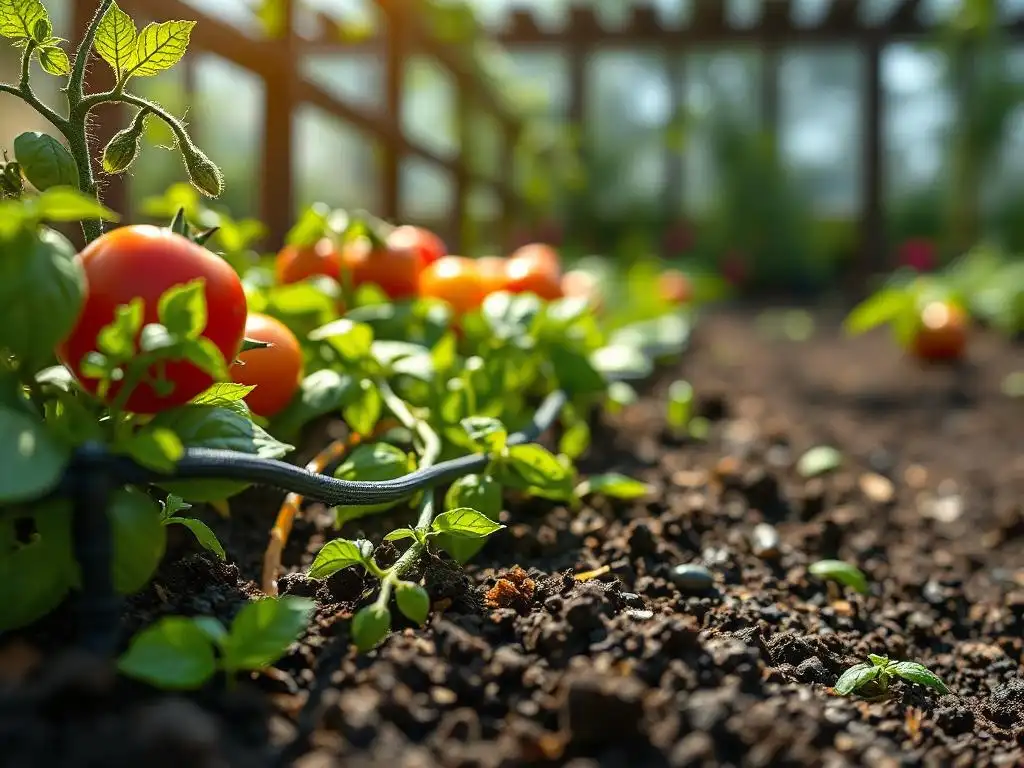
This section delves into the specifics of drip irrigation, exploring its mechanics and benefits for cultivating a thriving garden using sustainable practices. We'll examine how drip irrigation surpasses traditional sprinkler systems in terms of water conservation and plant health, making it a top choice for the discerning home gardener seeking the best drip irrigation system garden solution.
How Drip Irrigation Works: Precise Water Delivery for Healthy Plants
Drip irrigation delivers water directly to the roots of plants through a network of tubes and emitters. Unlike sprinkler systems that spray water over a wide area, often leading to evaporation and runoff, drip irrigation minimizes water waste. The slow, controlled release of water allows for deeper penetration into the soil, encouraging robust root growth and healthier plants. This targeted approach also reduces the risk of fungal diseases that can thrive in consistently damp foliage. The system typically uses low water pressure, making it suitable for most garden setups and minimizing the risk of damage to delicate plants.
Think of it like giving your plants a personalized drink – just the right amount, directly where it's needed. This precision translates to healthier plants, less weed growth (due to reduced surface moisture), and significant water savings compared to overhead watering methods. The effectiveness of drip irrigation is particularly noticeable during dry spells, helping your plants weather the heat while conserving precious resources.
Best Drip Irrigation System Garden Kits and Their Features
Choosing the best drip irrigation system garden kit depends on your specific needs. Many kits come with all the essential components, simplifying installation. However, features can vary significantly. Look for kits that include:
- Durable tubing: Consider UV-resistant tubing to withstand sun exposure and extend the lifespan of your system.
- Adjustable emitters: This allows you to customize water delivery based on plant type and size.
- Pressure regulators: Essential for maintaining consistent water flow, particularly if your water pressure is high.
- Filter: A filter protects the emitters from clogging, ensuring consistent water delivery.
- Timer: Automated watering is a significant benefit, allowing you to schedule watering based on your plants' needs.
Some advanced kits even integrate with smart home technology for remote control and monitoring.
Choosing the Right Drip Irrigation Kit Size for Your Garden
Determining the appropriate size for your drip irrigation kit involves assessing your garden's dimensions and the number of plants. Measure the area you plan to irrigate, considering the spacing between plants and rows. Most kits specify the coverage area they can effectively manage. If your garden is large or unusually shaped, you may need to combine multiple kits or consider a custom-designed system. Overestimating the size ensures sufficient coverage, while underestimating might lead to inadequate watering.
Setting up a Drip Irrigation System: A Step-by-Step Guide with Pictures
[Specific information pending: A detailed step-by-step guide with illustrative examples is needed here. This should include images showing the process of laying out the tubing, connecting emitters, and connecting to a water source. The guide should also address potential challenges and troubleshooting tips.]
Advantages of Drip Irrigation: Water Conservation and Plant Health
Drip irrigation offers numerous advantages over traditional sprinkler systems, making it a superior choice for sustainable gardening. Key benefits include:
- Significant Water Savings: By delivering water directly to plant roots, drip irrigation minimizes evaporation and runoff, conserving up to 50% more water than sprinkler systems. This is crucial for drought-prone regions and environmentally conscious gardeners.
- Improved Plant Health: Consistent, controlled watering promotes stronger root systems, leading to healthier, more vigorous plants. The reduced moisture on leaves minimizes fungal diseases.
- Reduced Weed Growth: The targeted watering prevents widespread soil moisture, discouraging weed germination and growth.
- Fertilizer Application: Many drip irrigation systems can be adapted to deliver liquid fertilizers directly to plant roots, optimizing nutrient uptake.
- Ease of Use: Modern kits are relatively easy to install and maintain, even for novice gardeners. Many systems feature simple, intuitive designs.
The best drip irrigation system garden setup will ultimately depend on your individual needs and garden layout. However, the benefits of water conservation and improved plant health make drip irrigation a worthwhile investment for any serious home gardener committed to sustainable practices. 🌱
Maintaining Your Drip Irrigation System: Troubleshooting and Long-Term Care
Regular maintenance is crucial for ensuring the longevity and efficiency of your drip irrigation system. A well-maintained system will deliver consistent, targeted watering, minimizing water waste and maximizing your harvest. Neglecting maintenance, however, can lead to clogged emitters, broken lines, and ultimately, a poorly performing system. This section will cover common issues and provide practical solutions for keeping your drip irrigation system in top shape.
One of the most common problems is clogged emitters. Minerals in your water, algae growth, or even small debris can restrict or completely block the flow of water. Regular flushing is the best preventative measure. You can do this by simply disconnecting the end of the line and allowing water to flow through at high pressure for several minutes.
A yearly thorough flushing is recommended, especially in areas with hard water. For stubborn clogs, you may need to use a specialized emitter cleaning tool or replace the affected emitters entirely. Remember to check your water filter regularly and replace it as needed to prevent clogging. Using a high-quality filter is a worthwhile investment in the long run.
Another frequent issue is leaks. These can occur anywhere in the system, from leaky connectors to punctured tubing. Regular inspections are vital for catching leaks early before they lead to significant water waste or damage to your plants. When inspecting your system, look for damp patches, unusual pooling of water, or changes in water pressure. Small leaks can often be repaired with specialized tape designed for irrigation tubing. Larger leaks may require replacing sections of tubing or connectors. Always turn off the water supply before performing any repairs.
Beyond clogging and leaks, consider the overall condition of your tubing and components. Over time, exposure to sunlight and temperature fluctuations can cause tubing to become brittle and crack. Regularly examine your tubing for signs of wear and tear. Replace any damaged sections promptly to prevent leaks and ensure the system's integrity. Similarly, check all connectors and fittings for corrosion or damage. Replacing these components as needed is essential for maintaining a reliable system. Consider using UV-resistant tubing in areas with intense sunlight for longer system lifespan.
Finally, winterizing your drip irrigation system is crucial in colder climates. Leaving water in the lines can cause them to freeze and burst, leading to costly repairs. Before the first frost, thoroughly drain your system by turning off the water supply and opening all valves and connectors to allow water to escape. In some cases, you may need to use compressed air to blow out any remaining water.
Proper winterization will protect your investment and ensure your drip irrigation system is ready for the next growing season. Remember to consult your system's specific instructions for proper winterization procedures. Careful maintenance translates into a healthier garden and a longer-lasting irrigation system, saving you time, money, and water in the long run. Investing time in these preventative measures pays off handsomely.
Sprinkler Systems: Traditional Watering Methods for Your Garden
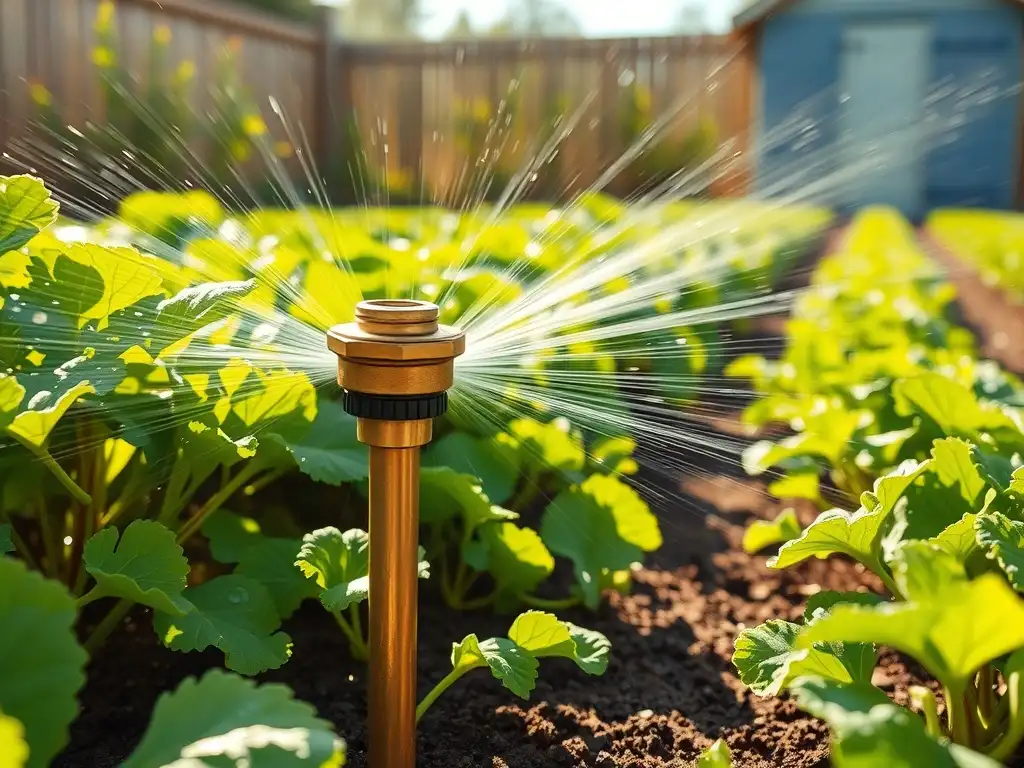
Sprinkler systems represent a classic approach to garden irrigation, offering broad coverage and relative ease of installation for larger areas. Understanding their nuances is crucial when comparing them to drip irrigation, especially when striving for the best drip irrigation system garden setup. While seemingly straightforward, choosing the right sprinkler system and maintaining it effectively can significantly impact water conservation and overall garden health. Let's delve into the specifics.
Types of Sprinkler Systems: Rotary, Impact, and Pop-Up Sprinklers
Several sprinkler types cater to different garden needs and layouts. Choosing the best option depends heavily on your garden's size, shape, and plant density.
- Rotary Sprinklers: These are the classic, rotating sprinklers that cover a circular area. They're generally inexpensive and easy to install, making them suitable for larger, relatively flat areas. However, their wide spray pattern can lead to significant water waste, especially in windy conditions, and may not be ideal for all plant types. They're best suited for lawns and less delicate plants.
- Impact Sprinklers: These sprinklers use a forceful stream of water to create a wider spray pattern. They are often used for larger areas needing higher water volume and are more durable than rotary sprinklers. However, their powerful spray can damage delicate seedlings or easily erode soil. They are less efficient than other systems in terms of water usage.
- Pop-up Sprinklers: These sprinklers are installed below ground level and pop up when activated, providing a more even and controlled watering pattern. This is a more sophisticated option, offering better control over watering zones and reducing water waste compared to rotary and impact sprinklers. They require more initial investment and installation expertise. However, their in-ground design enhances the aesthetic appeal of your garden.
Setting up a Sprinkler System: Installation and Maintenance Tips
Installing a sprinkler system involves careful planning and execution to ensure optimal performance. This includes:
- Planning the layout: Map out your garden, considering plant placement and water requirements. Proper zoning is essential for efficient watering.
- Choosing the right sprinkler heads: Select the appropriate sprinkler type and number based on your garden's size and shape. Consider the throw distance (how far the water sprays) of each sprinkler head.
- Installing the pipes and valves: This usually requires digging trenches to bury the pipes and installing valves to control water flow to different zones. Professional installation might be necessary for complex systems.
- Testing and adjusting: After installation, thoroughly test the system, adjusting sprinkler heads to ensure even coverage and avoid overwatering or underwatering.
Regular maintenance is crucial for long-term functionality and efficiency. This includes:
- Checking for leaks: Regularly inspect the entire system for leaks, which can waste significant amounts of water and increase your water bill.
- Cleaning sprinkler heads: Clogged sprinkler heads reduce water flow and spray patterns. Regular cleaning ensures optimal performance.
- Winterizing the system: In colder climates, properly winterizing the system prevents damage from freezing temperatures.
Advantages and Disadvantages of Sprinkler Systems: Reach vs. Efficiency
Sprinkler systems offer broad coverage, making them suitable for large areas. However, their efficiency is often a significant drawback.
Water Waste with Sprinklers: Addressing Inefficiencies
A major disadvantage of sprinkler systems is their tendency to waste water. Water is often sprayed onto areas where it's not needed, such as pavements, driveways, or even into the air, due to wind. This inefficiency significantly impacts water conservation efforts. Solutions include:
- Using water-efficient sprinkler heads: Modern sprinkler heads are designed to minimize water waste.
- Implementing smart controllers: Smart controllers can optimize watering schedules based on weather conditions and soil moisture levels.
- Zoning: Dividing your garden into zones allows for targeted watering, reducing water use in areas requiring less water.
Maintaining Your Sprinkler System: Regular Checks and Repairs
Regular maintenance is vital to prevent problems and ensure efficient water use. This includes:
- Regular inspections: Check for leaks, clogged heads, and damaged pipes.
- Head cleaning: Clean sprinkler heads regularly to remove debris and ensure even water distribution.
- Pressure checks: Maintain proper water pressure to optimize spray patterns and prevent damage.
- Professional servicing: Consider scheduling professional maintenance for complex systems. A well-maintained sprinkler system contributes to the overall health of your garden and improves water efficiency, although drip irrigation typically surpasses it in this aspect when aiming for the best drip irrigation system garden.
Drip Irrigation vs. Sprinklers: A Head-to-Head Comparison
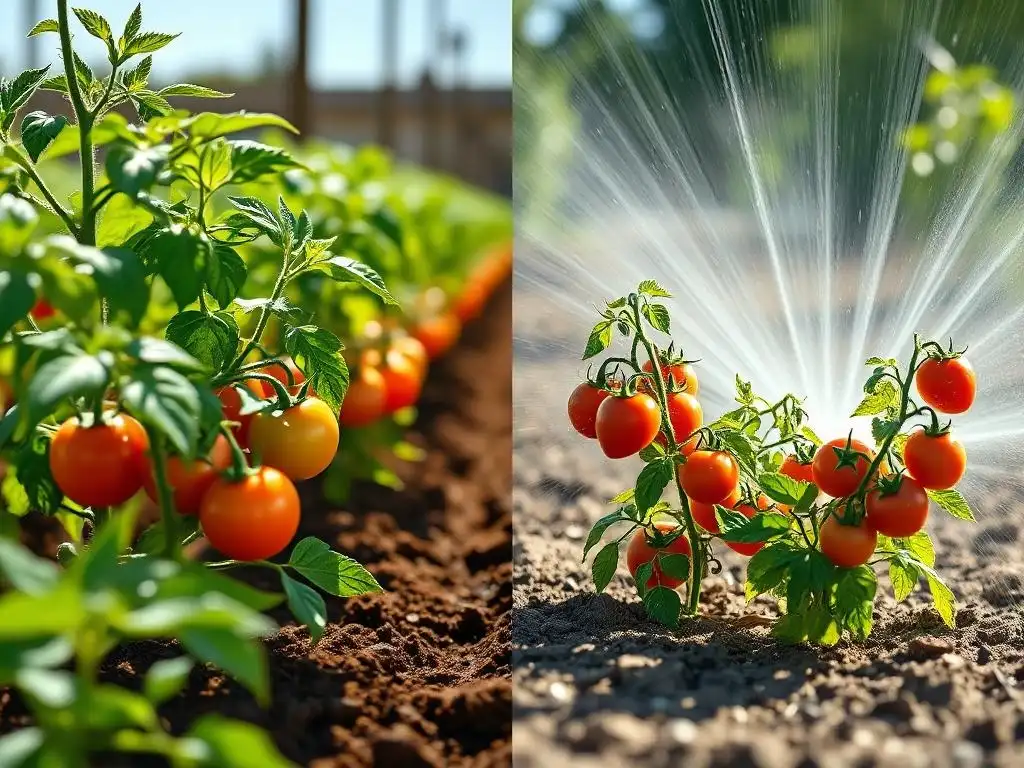
This section delves into a detailed comparison of drip irrigation and sprinkler systems, focusing on key factors to help you determine the best drip irrigation system for your garden. We'll analyze water efficiency, cost, and ease of installation to guide your decision-making process. Choosing the right irrigation system is crucial for a thriving and sustainable home garden.
Water Efficiency: Drip Irrigation vs. Sprinkler Systems - A Detailed Comparison
Water conservation is paramount in sustainable gardening. Drip irrigation systems excel in this area. They deliver water directly to the roots of plants, minimizing evaporation and runoff. Sprinkler systems, on the other hand, often lose a significant portion of water to evaporation, especially in hot, windy conditions. This difference can be substantial.
Consider this example: A 1000 square foot garden using a sprinkler system might lose 30-40% of its water to evaporation and runoff on a sunny day. A similar garden using a well-designed drip irrigation system could reduce this loss to under 10%, resulting in significant water savings and lower water bills. This translates to a more environmentally friendly approach to gardening, reducing your water footprint and contributing to responsible water management. The efficiency of drip irrigation makes it a strong contender for the title of "best drip irrigation system garden."
| Irrigation System | Water Efficiency | Evaporation Loss | Runoff Loss | Water Savings Potential |
|---|---|---|---|---|
| Drip Irrigation | High (90-95%) | Low (5-10%) | Low (0-5%) | Significant |
| Sprinkler System | Moderate (60-70%) | Moderate (20-30%) | Moderate (10-20%) | Limited |
This superior water efficiency also contributes to healthier plant growth. Overwatering, a common problem with sprinkler systems, can lead to root rot and other plant diseases. Drip irrigation provides a more controlled and precise watering method, delivering the right amount of water directly where it's needed.
Cost Comparison: Initial Investment and Long-Term Maintenance Costs
While the initial investment for a drip irrigation system might be slightly higher than a basic sprinkler system, the long-term cost savings often outweigh the initial expense. The lower water consumption translates to lower water bills over time.
Let's break down the cost comparison:
- Initial Investment: Sprinkler systems typically have a lower upfront cost, especially for simpler setups. However, more elaborate sprinkler systems with timers and multiple zones can quickly become expensive. Drip irrigation systems can range in price depending on complexity, but a well-designed system offers significant long-term value.
- Maintenance Costs: Drip irrigation systems require less maintenance than sprinkler systems. Sprinklers are prone to clogging and require more frequent cleaning and repair. Drip lines, while occasionally needing to be checked for leaks, generally need less upkeep. The reduced maintenance translates to less time and money spent on repairs and replacements.
The longevity of a well-maintained drip irrigation system can also contribute to long-term cost savings. A properly installed system can last for many years, requiring minimal replacements.
Ease of Installation: Setting up Drip Irrigation vs. Sprinkler Systems
Installing a drip irrigation system can seem more complex than installing a sprinkler system, but with careful planning and attention to detail, it’s manageable for most gardeners. Sprinkler systems are generally quicker to install, especially simpler models.
However, the complexity of drip irrigation installation is often offset by its benefits. The precise control it offers allows for tailored watering to different plant needs, promoting healthier growth.
Here’s a comparison:
- Sprinkler System Installation: Generally quicker and easier, involving minimal digging and fewer components. However, proper placement of sprinkler heads and ensuring even coverage across the garden requires careful planning.
- Drip Irrigation Installation: Requires more planning and time, including laying out drip lines and connecting emitters to individual plants or rows. However, the precise water delivery often leads to better plant health and water conservation. The initial effort pays dividends in the long run.
Ultimately, the "best" irrigation system depends heavily on your individual needs and gardening style. However, for those prioritizing water conservation and long-term cost savings, investing the time and effort into a well-designed drip irrigation system can be highly rewarding. For a garden focused on sustainable and efficient watering practices, a drip irrigation system frequently emerges as the superior choice.
Best Uses: When to Choose Drip Irrigation and When to Choose Sprinklers
Drip irrigation and sprinkler systems, while both designed to water plants, excel in different situations. Understanding these nuances is crucial for selecting the best drip irrigation system garden setup for your specific needs. Choosing the right system directly impacts water efficiency, plant health, and your overall gardening experience.
Drip irrigation shines when precise water delivery is paramount. Its slow, targeted approach minimizes water waste and prevents runoff, making it ideal for delicate plants like seedlings, herbs, and flowers. The gentle drip also reduces the risk of soil erosion, a significant concern on slopes or in loose soil. Furthermore, drip irrigation is exceptionally well-suited for areas with limited water resources, as it conserves water significantly compared to sprinkler systems.
Consider drip irrigation for container gardens, raised beds, and rows of vegetables where precise watering is key for optimal growth. For example, a drip system can be easily tailored to deliver different amounts of water to thirsty vegetables like tomatoes versus more drought-tolerant plants such as lavender. This level of control is difficult to achieve with sprinklers.
Sprinkler systems, on the other hand, are better suited for large, open areas where even coverage is prioritized. They're efficient for watering lawns, established flower beds, and large vegetable patches requiring consistent moisture. The widespread spray also helps to cool the surrounding air, which can be beneficial during hot, dry spells.
However, sprinkler systems are less efficient than drip irrigation in terms of water conservation because a significant portion of the water is lost to evaporation and runoff, especially on windy days. Furthermore, the overhead spray can lead to fungal diseases in plants due to prolonged leaf wetness. Sprinklers might be a preferable choice if you're aiming for broad coverage and less concerned about water conservation or the risk of fungal growth on your plants.
A well-designed sprinkler system is often more cost-effective upfront for large areas, although the long-term operational costs may be higher due to increased water usage. The choice really depends on your priorities and the specific characteristics of your garden.
Choosing the Best Irrigation System for Your Garden: A Decision Matrix
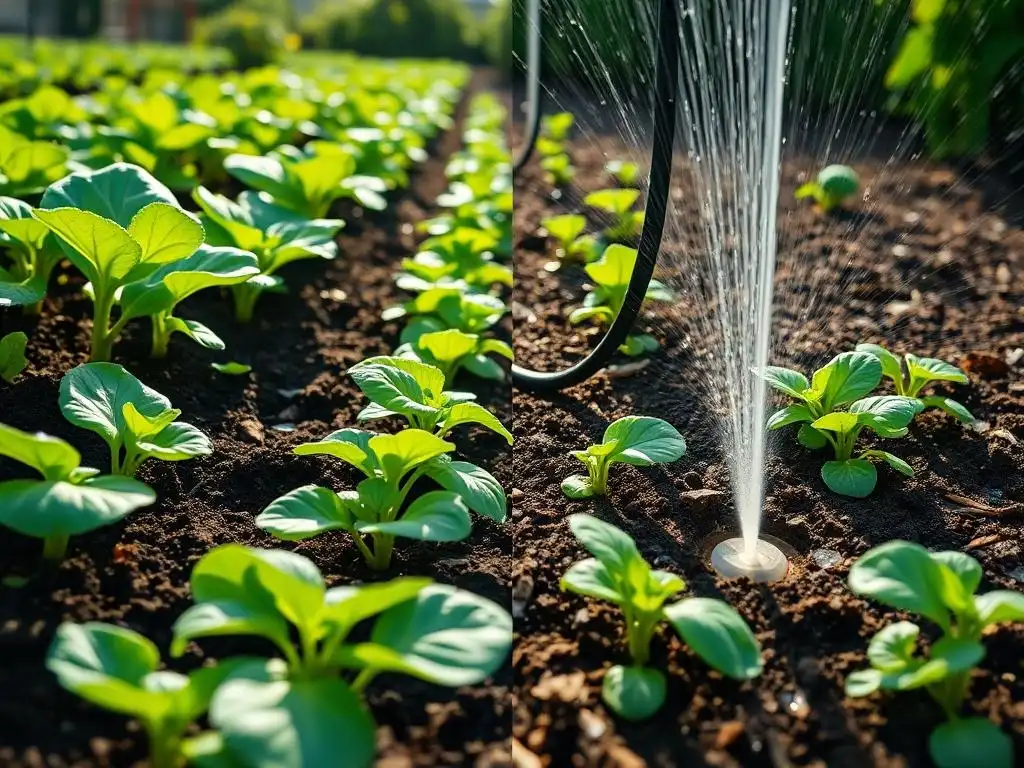
This section helps you analyze your gardening setup to determine whether a drip irrigation system or a sprinkler system is the best drip irrigation system garden solution for you. We'll use a decision matrix to weigh the pros and cons based on key factors. Finding the perfect fit ensures healthy plant growth and efficient water usage, maximizing your harvest while minimizing waste.
Factors to Consider: Budget, Garden Size, Plant Types, and Water Availability
Choosing between drip irrigation and sprinklers involves considering several crucial factors. Let's break them down:
- Budget: Drip irrigation systems typically have a higher upfront cost than sprinkler systems, especially for larger gardens. However, the long-term water savings can offset this initial investment. Sprinklers are generally cheaper to purchase initially, but may lead to higher water bills over time due to evaporation and runoff.
- Garden Size: For small gardens (under 100 sq ft), a simple sprinkler system might suffice. However, as garden size increases, drip irrigation becomes increasingly efficient and cost-effective. The precise square footage where drip irrigation surpasses sprinklers in cost-effectiveness depends on factors like water pressure and local water prices. Larger gardens benefit significantly from the targeted watering of drip systems, preventing water waste on pathways and non-planted areas.
- Plant Types: Drip irrigation is ideal for plants that require precise watering, such as vegetables, herbs, and delicate seedlings. The slow, targeted release of water minimizes water stress and prevents fungal diseases often associated with overhead watering. Sprinklers, while suitable for some plants, can lead to leaf diseases in certain species due to prolonged leaf wetness. Consider the specific needs of your chosen plants—are they drought-tolerant or water-intensive?
- Water Availability: If you have limited water access or live in a drought-prone region, drip irrigation's water efficiency is a significant advantage. It minimizes evaporation and runoff, conserving valuable water resources. Sprinklers, on the other hand, are less efficient, losing a substantial portion of water to evaporation, especially in sunny and windy conditions. This is particularly important if you're committed to sustainable and organic gardening practices.
| Factor | Drip Irrigation | Sprinkler System |
|---|---|---|
| Budget | Higher upfront cost, lower long-term water costs | Lower upfront cost, higher long-term water costs |
| Garden Size | More efficient for larger gardens | More efficient for smaller gardens |
| Plant Types | Ideal for delicate plants, precise watering | Suitable for some plants, but can cause issues |
| Water Availability | Highly efficient, minimizes water waste | Less efficient, higher water loss |
Recommendation: Selecting the Ideal System Based on Your Needs
The "best" system depends entirely on your specific circumstances. Consider the decision matrix above. If you have a large garden, limited water resources, and value water conservation, a drip irrigation system is likely the superior choice. For small gardens with readily available water and a tighter budget, a sprinkler system might be more suitable, at least initially.
Remember, even with a sprinkler system, you can implement water-saving techniques to improve efficiency. For instance, using a timer and watering during cooler parts of the day minimizes evaporation. Careful planning and consideration of your garden's unique needs are key to selecting the best drip irrigation system garden setup.
Maintaining a Thriving Garden with the Right Irrigation System
Regardless of your chosen system, regular maintenance is crucial for optimal performance. For drip irrigation, this involves checking for clogs, leaks, and ensuring proper water pressure. For sprinkler systems, this includes inspecting sprinkler heads for proper function and ensuring even water distribution. Regularly flushing your system can prevent mineral buildup and clogging, extending the lifespan of your equipment and ensuring consistent, effective watering.
Remember, a well-maintained irrigation system is key to a thriving and productive garden. Proper maintenance is a crucial element of sustainable gardening, regardless of the irrigation method you choose. This contributes to long-term cost savings and healthier plants.
Recommended Products for Optimal Garden Irrigation
Choosing the best drip irrigation system garden setup involves selecting high-quality components. Investing in durable, efficient products will ensure your system performs optimally for years, maximizing your yield and minimizing water waste. This section highlights some key elements to consider when building your ideal setup for the best drip irrigation system garden.
Top-Rated Drip Irrigation Components: Emitters, Tubing, and Filters
Selecting the right emitters, tubing, and filters is crucial for a successful drip irrigation system. The best drip irrigation system garden will utilize components designed for longevity and efficient water delivery.
Different emitters cater to diverse plant needs. Consider pressure-compensating emitters for consistent water flow across uneven terrain. These are particularly useful for larger gardens with varied elevations. For smaller gardens or individual plants, simple drip emitters offer a cost-effective solution. Remember to choose emitters with the appropriate flow rate (measured in gallons per hour or liters per hour) based on your plants' water requirements. Overwatering can be just as detrimental as underwatering.
Tubing material significantly impacts system lifespan and performance. Durable UV-resistant polyethylene tubing is a popular choice for its resilience to sunlight and temperature fluctuations. Consider the tubing diameter; larger diameters handle higher water flow rates, beneficial for larger gardens. Always ensure proper connections to avoid leaks. Regularly inspect your tubing for any signs of wear and tear.
A quality filter is essential to protect your emitters from clogging. Mesh filters are readily available and effective at removing sediment and debris. However, for gardens with particularly sandy soil or significant debris, a disc filter may be a better investment, offering superior filtration. Remember that filter maintenance is crucial; regularly clean or replace your filter to ensure optimal performance and prevent clogging which can lead to uneven watering and reduced plant health. Regular maintenance is critical for the longevity of your best drip irrigation system garden.
High-Efficiency Sprinkler Heads and Systems
While this article focuses on drip irrigation, understanding efficient sprinkler systems is important for comparison. High-efficiency sprinkler heads minimize water waste through precise water distribution. This section explores options for those who may incorporate sprinklers into their watering strategy, perhaps for areas not suitable for drip irrigation.
Rotary sprinklers are a common choice, offering wide coverage. However, their efficiency relies heavily on proper adjustment to avoid overspray and water runoff. Look for models with adjustable spray radius and arc to tailor water distribution to your specific needs. Consider impact sprinklers for larger areas that require higher water volumes. These are more robust and can handle higher pressures, but may be less efficient than rotary sprinklers if not properly adjusted.
For smaller areas, pop-up sprinklers offer a neat, retractable solution. They are typically integrated into a more complex system, often controlled by a timer. These can be very efficient when properly installed and programmed. The best drip irrigation system garden may incorporate a hybrid approach, using sprinklers for areas less suited to drip irrigation and drip lines for more precise watering of individual plants. Careful planning is key to optimizing water usage.
Water Timer Options for Automated Watering
Automated watering systems dramatically improve efficiency and convenience. A water timer allows for precise scheduling of your irrigation, ensuring your plants receive the right amount of water at the optimal times. This section explores different types of water timers to consider for your best drip irrigation system garden.
Mechanical timers are simple and reliable, using a rotating dial to set watering schedules. They are generally less expensive than electronic models but offer limited programming options. Electronic timers provide more sophisticated programming, allowing for customized watering schedules based on day of the week, time of day, and duration. Some even offer weather-sensing capabilities, adjusting watering schedules based on rainfall.
Consider features like battery backup in case of power outages. For larger, more complex systems, a smart irrigation controller offers advanced features like remote control via smartphone app, and integration with weather data for even greater efficiency and water conservation. Choosing the right timer is crucial for maximizing efficiency and minimizing water usage in your best drip irrigation system garden.
Frequently Asked Questions
What is the main difference between drip irrigation and sprinklers?
Drip irrigation delivers water directly to the roots of plants, minimizing water waste and evaporation. Sprinklers water a wider area, often leading to more water loss through evaporation and runoff.
Why is drip irrigation considered better for my CultivateYourFood garden?
Drip irrigation is more efficient and conserves water, aligning with our sustainable practices. It also reduces weed growth by keeping foliage dry, and minimizes the risk of fungal diseases.
What are the benefits of using a drip irrigation system for my vegetables and herbs?
A drip system ensures consistent moisture at the roots, promoting healthy growth of vegetables and herbs. It also allows for precise water control, catering to the specific needs of different plants.
How much does a good drip irrigation system cost?
The cost varies depending on the size of your garden and the features you choose. You can find systems ranging from budget-friendly DIY options to more advanced, automated systems.
Where can I find the best drip irrigation system for my garden?
We recommend researching different brands and reading reviews before purchasing. Consider factors like ease of installation, durability, and the specific needs of your CultivateYourFood garden to find the best system for your needs.
Final Reflection: Cultivating a Sustainable Future, One Drop at a Time
The choice between drip irrigation and sprinklers isn't just about water efficiency; it's a fundamental decision impacting the health of our planet and the future of our food systems. The escalating global water crisis underscores the urgent need for responsible water management in agriculture, making the selection of the right irrigation method more critical than ever before. We must actively seek solutions that conserve this precious resource while maximizing yields.
The shift towards water-wise gardening practices, like embracing drip irrigation, is more than just a trend; it's a vital step towards a more sustainable future. This journey of exploring efficient irrigation methods has profoundly impacted my own gardening practices, leading to healthier plants and a reduced water bill. As the saying goes, The best time to plant a tree was 20 years ago. The second best time is today.
This applies equally to adopting sustainable irrigation techniques – the sooner we embrace change, the better our collective impact on the environment.
Consider the impact of your gardening choices. Will you continue to rely on water-intensive methods, or will you actively contribute to a more sustainable future by choosing drip irrigation? I urge you to explore the possibilities of drip irrigation, not just for its efficiency, but for its potential to transform your garden and contribute to a healthier planet. Start small, research the best system for your needs, and witness the transformative power of mindful water management firsthand. The future of our gardens, and our world, depends on it.
Unlock Your Garden's Potential: Choose the Right Watering System!
Thank you for learning about drip irrigation and sprinklers! We hope you feel confident choosing the best watering system for your garden. Ready to get started?
- Design your ideal watering system: Consider your garden's unique layout, plant types, and water pressure to create a customized plan. Sketch it out, list your materials, and prepare for installation.
- Share your experiences! Tell us which watering system you chose and why. What were your most important considerations?
- Learn more! Explore our other articles on garden design and water conservation to further optimize your garden's health and productivity.
What innovative watering solutions are you considering to maximize your garden's efficiency and productivity?