
Urban Farming Revolution: The Rise of Community Gardens in Cities

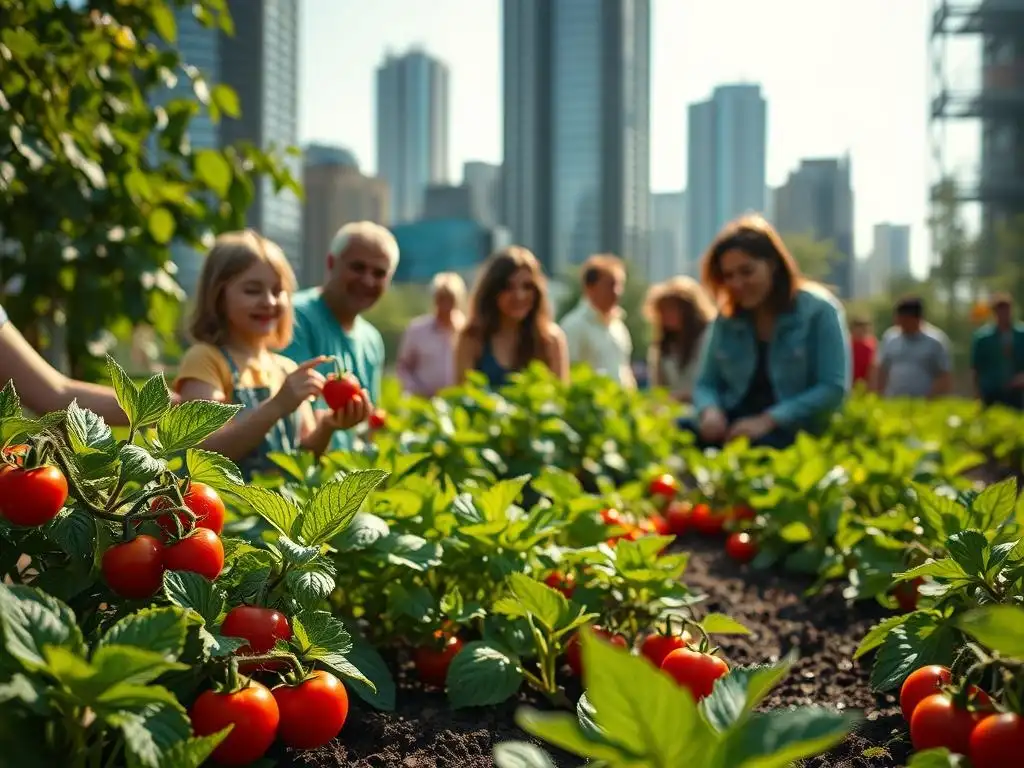
Welcome to CultivateYourFood, your guide to nurturing a thriving garden, no matter the size of your space! Are you dreaming of fresh, organic produce without leaving the city? Then discover how to Start an urban community garden and unlock the secrets to sustainable urban farming. We'll explore everything from planting and harvesting to composting and natural pest control – transforming your green thumb dreams into a vibrant reality. Let's cultivate a greener future, together!
- The Growing Need for Urban Community Gardens
-
How to Start an Urban Community Garden: A Step-by-Step Guide
- Step 1: Finding the Ideal Location for Your Urban Garden
- Step 2: Securing Funding and Resources for Your Community Garden Project
- Step 3: Engaging the Community and Building a Team of Volunteers
- Step 4: Planning and Designing Your Community Garden Layout
- Step 5: Preparing the Soil and Planting Your First Crops
- Step 6: Implementing Sustainable and Organic Gardening Practices
- Step 7: Establishing a System for Garden Maintenance and Harvesting
- Step 8: Creating a Community Garden Sharing Program and Events
-
Benefits of Participating in a Community Garden Initiative
- Access to Fresh, Healthy, and Affordable Produce
- Opportunities for Education and Skill Development in Urban Farming
- Fostering Environmental Awareness and Sustainable Practices
- Strengthening Community Bonds and Social Networks
- Access to Fresh, Healthy, and Affordable Produce
- Educational Opportunities and Skill Development
- Overcoming Challenges in Urban Community Gardening
- Case Studies: Successful Urban Community Garden Projects
- The Future of Urban Community Gardening: Expanding the Movement
-
Frequently Asked Questions
- How can I start an urban community garden?
- What are the benefits of starting a community garden?
- What legal considerations should I address before starting a community garden?
- What are some essential tools and supplies needed for a community garden?
- How can I maintain a successful and sustainable urban community garden?
- Final Reflection: Cultivating Community, Harvesting Hope
- Unleash Your Inner Gardener: Grow Your City, Grow Yourself!
The Growing Need for Urban Community Gardens
The concrete jungle is blossoming! Across the globe, cities are experiencing a remarkable resurgence of community gardening, transforming neglected spaces into vibrant hubs of food production and social interaction. This burgeoning movement, often referred to as urban farming, is driven by a complex interplay of factors, from the increasing awareness of food security issues to a growing desire for stronger community bonds and a greater connection with nature.
This article explores the rise of community gardens in cities, focusing on how these initiatives are addressing critical urban challenges and fostering a more sustainable and resilient food system. We'll delve into the practical steps involved in starting your own urban community garden, providing a comprehensive guide for those eager to participate in this rewarding endeavor and contribute to a greener, healthier, and more connected urban landscape.
The benefits extend far beyond fresh produce; community gardens are proving to be powerful tools for social change and environmental sustainability, offering a tangible solution to some of our most pressing urban problems. Let's explore how you can be a part of this exciting revolution.
Addressing Food Deserts and Food Insecurity through Community Gardening
Food deserts, areas with limited access to affordable and nutritious food, are a pervasive problem in many urban centers. These areas often lack supermarkets and grocery stores, leaving residents, particularly low-income families, reliant on convenience stores and fast-food outlets offering limited healthy options. Community gardens offer a powerful solution to this issue by providing residents with direct access to fresh, organically grown produce.
They help combat food insecurity by supplementing diets with vital nutrients and reducing reliance on expensive, often less healthy, alternatives. Furthermore, many community gardens implement programs that distribute surplus produce to food banks and local charities, extending their positive impact even further. The tangible benefits are significant: improved nutrition, reduced healthcare costs associated with diet-related illnesses, and an increased sense of empowerment within the community.
Studies have shown a direct correlation between access to community gardens and a decrease in diet-related diseases in affected areas. For example, [specific data on improved health outcomes in a particular community garden pending]. The impact is not only measured in improved health but also in the fostering of a sense of ownership and responsibility amongst community members.
Enhancing Urban Green Spaces and Biodiversity with Community Gardens
Beyond the crucial role in food security, community gardens are invaluable assets in enhancing urban green spaces and promoting biodiversity. In densely populated areas, green spaces are often scarce, leading to a lack of natural beauty and a reduction in biodiversity. Community gardens help to mitigate this by transforming underutilized land into vibrant oases of greenery.
The diverse range of plants cultivated in these gardens attracts pollinators like bees and butterflies, contributing to the overall health of the urban ecosystem. Moreover, the use of organic gardening practices further enhances biodiversity by avoiding harmful pesticides and promoting a healthy soil ecosystem. Many community gardens also incorporate native plants and trees, further boosting local biodiversity and creating habitats for wildlife.
This increase in green spaces also contributes to a reduction in the urban heat island effect, improving air quality and creating more pleasant living environments. For instance, [specific data on increased biodiversity or improved air quality in a particular community garden pending]. The visual impact alone can be transformative, creating beautiful and inviting spaces within the urban fabric.
The shared experience of cultivating a garden fosters a strong sense of community and promotes social interaction among residents. Community gardens provide a platform for neighbors to connect, collaborate, and learn from each other. The collaborative nature of the work, from planting and weeding to harvesting and sharing the bounty, builds strong bonds and fosters a sense of shared ownership and responsibility.
These spaces often become hubs for social gatherings, workshops, and educational programs, further enriching community life. The intergenerational aspect is particularly noteworthy, with older and younger residents working together, sharing knowledge and skills. This intermingling of ages and backgrounds helps break down social barriers and fosters a more inclusive and cohesive community.
The positive impact on mental health is also significant, with gardening providing a therapeutic outlet and a sense of purpose. Examples abound: [specific example of a community garden fostering strong community bonds pending], demonstrating the powerful social impact of these urban initiatives. The sense of belonging and shared purpose created within a community garden is often transformative, contributing to a stronger, more resilient, and more connected urban environment.
How to Start an Urban Community Garden: A Step-by-Step Guide
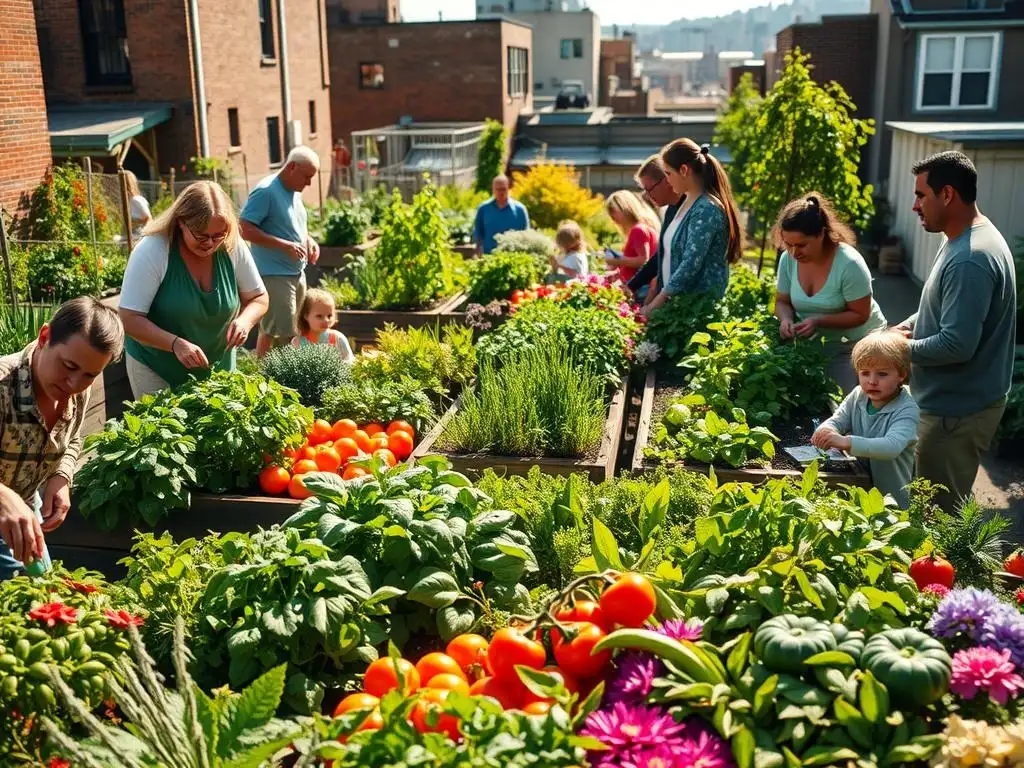
This section provides a practical guide on initiating and establishing a thriving urban community garden. Starting an urban community garden requires careful planning and community engagement. Let's explore the key steps involved in transforming a vacant lot into a vibrant, productive space.
Step 1: Finding the Ideal Location for Your Urban Garden
The location of your community garden is paramount to its success. Several factors need careful consideration. Ideally, you'll want a site that's easily accessible to the community you aim to serve, receives ample sunlight (at least 6-8 hours daily), and possesses suitable soil conditions. Don't underestimate the importance of water access – proximity to a water source significantly simplifies maintenance.
Finding the right plot can involve some detective work. Consider these options:
- Vacant lots: Often owned by the city or private individuals, these can be prime locations. Research local government websites for available land and contact the relevant authorities to inquire about leasing or acquiring the land. Be prepared to present a detailed plan for your garden.
- School grounds: Partnerships with schools can provide land and engage younger generations in gardening. This offers a fantastic educational opportunity and fosters a sense of community ownership.
- Church or community center grounds: Religious institutions and community centers often have unused land that could be ideal for a garden. Approaching their leadership with a well-defined proposal is key.
- Private land: In some cases, private landowners may be willing to lease or donate a portion of their land for a community garden. This approach requires careful negotiation and a strong community proposal.
Consider these crucial factors when evaluating a potential site:
| Factor | Description | Importance |
|---|---|---|
| Sunlight | Amount of direct sunlight the site receives daily. | Essential for plant growth; aim for at least 6-8 hours of direct sun. |
| Soil Quality | The composition and fertility of the soil. | Impacts plant health and yields; soil testing may be necessary. |
| Water Access | Proximity to a reliable water source (e.g., hose bib, well). | Crucial for regular watering, especially during dry periods. |
| Accessibility | Ease of access for community members, including those with mobility limitations. | Ensures inclusivity and encourages participation from a diverse community. |
| Size and Shape | The overall size and shape of the site; consider future expansion possibilities. | Allows for adequate planting space and community activities. |
| Safety and Security | Level of security to prevent vandalism or theft. | Protects the garden and its produce. |
Remember to thoroughly investigate the soil's quality before committing to a location. Soil testing kits are readily available and can provide valuable insights into nutrient levels and potential contaminants.
Step 2: Securing Funding and Resources for Your Community Garden Project
Securing sufficient funding and resources is vital for the long-term sustainability of your urban community garden. Funding sources can range from grants to community fundraising initiatives. Consider these avenues:
- Grants: Research local, regional, and national organizations that offer grants for community gardening projects. Many foundations and government agencies support initiatives promoting urban agriculture and community development. Crafting a compelling grant proposal is essential.
- Crowdfunding: Leverage online platforms to raise funds from individuals within your community and beyond. A well-structured crowdfunding campaign, complete with compelling visuals and a clear plan, can attract significant support.
- Donations: Seek donations from local businesses, community organizations, and individual donors. Highlight the social and environmental benefits of your project to attract support.
- Fundraising Events: Organize fundraising events like bake sales, plant sales, or community dinners to generate income. These events also provide valuable opportunities for community engagement.
Beyond funding, consider acquiring necessary resources such as:
- Tools and equipment: Shovels, rakes, watering cans, wheelbarrows, and other gardening tools are essential. Consider borrowing or renting initially, then purchasing as funds allow.
- Seeds and plants: Source high-quality seeds and seedlings from local nurseries or seed banks. Consider starting some plants from seed indoors to get a head start on the growing season.
- Fencing and other materials: Materials for fencing, raised beds, compost bins, and signage are crucial for protecting and organizing your garden.
Careful budgeting and resource management are key to ensuring the financial viability of your community garden. A detailed budget outlining anticipated expenses and potential revenue streams is essential for securing funding and managing resources effectively.
Step 3: Engaging the Community and Building a Team of Volunteers
Building a strong community around your urban garden is essential for its success. Engaging community members from the outset fosters a sense of ownership and ensures the garden thrives.
Effective community engagement strategies include:
- Community meetings: Hold regular meetings to discuss plans, solicit feedback, and recruit volunteers. These meetings provide opportunities for community members to contribute ideas and feel a sense of ownership.
- Workshops and educational events: Offer workshops on various gardening topics, such as composting, seed starting, and pest control. This fosters knowledge sharing and strengthens the community bond.
- Volunteer recruitment: Actively recruit volunteers through flyers, social media, and local community centers. Clearly define roles and responsibilities to ensure efficient operations.
- Social media engagement: Utilize social media platforms to keep the community informed about events, progress, and volunteer opportunities. This helps build excitement and maintain consistent communication.
Creating a diverse and inclusive team of volunteers is crucial. Consider forming subcommittees responsible for specific tasks such as fundraising, gardening, and community outreach. Delegating responsibilities empowers volunteers and ensures the garden's efficient operation. Regular communication and appreciation are crucial to maintaining volunteer motivation and engagement. Remember that a strong community is the backbone of a successful urban community garden, fostering collaboration, knowledge sharing, and a shared sense of accomplishment. The shared experience of cultivating food together strengthens community bonds and promotes healthier lifestyles.
Step 4: Planning and Designing Your Community Garden Layout
Designing the layout of your urban community garden is crucial for maximizing space and ensuring ease of access and maintenance. Consider the following factors:
First, assess your available space. Measure the area carefully and sketch a detailed plan on paper or using gardening software. This will help visualize the garden's potential and identify any challenges, such as uneven terrain or limited sunlight. Remember to account for pathways between planting beds – a minimum of 3 feet is recommended for easy movement with wheelbarrows or other gardening equipment.
Next, determine sun exposure. Different plants have different sunlight requirements. Map the sun's path throughout the day to identify areas receiving full sun, partial shade, and full shade. This will guide your plant selection and placement. For example, sun-loving tomatoes and peppers need at least 6-8 hours of direct sunlight, while leafy greens like lettuce can tolerate partial shade.
Then, plan for accessibility. Ensure that all planting beds are easily accessible for all community members, regardless of physical abilities. Consider the placement of benches or seating areas for resting and socializing. Raised beds can be especially beneficial for those with mobility issues. Also, think about including a composting area and a water source (such as a rain barrel or hose bib) in a convenient location.
Finally, consider aesthetics. While functionality is paramount, the visual appeal of the garden can significantly impact its success. Incorporate diverse plant heights and colors to create a visually stunning and inviting space. You can also add decorative elements, such as trellises or birdhouses, to enhance the garden's beauty and attract pollinators. Remember to involve the community in the design process to foster a sense of ownership and shared responsibility.
Step 5: Preparing the Soil and Planting Your First Crops
Soil preparation is fundamental to a thriving community garden. Before planting, it's essential to conduct a soil test to determine its pH level and nutrient content. This information will guide your soil amendment strategy. Many local agricultural extension offices offer affordable soil testing services.
Once you have your soil test results, you can amend the soil as needed. This might involve adding compost, manure, or other organic matter to improve soil structure, drainage, and fertility. Amendments should be incorporated into the soil several weeks before planting to allow time for decomposition and nutrient release. Till or turn the soil to a depth of at least 12 inches to ensure proper aeration.
Choosing the right crops for your climate and soil conditions is crucial. Start with easy-to-grow plants that are relatively low-maintenance, such as lettuce, radishes, and beans. These crops provide quick results and encourage community participation. Consider planting a variety of crops to ensure a diverse harvest and cater to different tastes. Remember to space plants according to their mature size to prevent overcrowding and competition for resources.
Finally, plant your crops according to the instructions on seed packets or plant tags. Water deeply and regularly, ensuring that the soil remains consistently moist but not waterlogged. Mulching around plants helps retain moisture, suppress weeds, and regulate soil temperature. Regular weeding is essential to prevent weeds from competing with your crops for nutrients and water.
Step 6: Implementing Sustainable and Organic Gardening Practices
Sustainable and organic practices are essential for creating a healthy and environmentally friendly community garden. These practices minimize environmental impact while maximizing resource efficiency.
One key aspect is composting. Composting kitchen scraps and yard waste reduces landfill waste and provides nutrient-rich organic matter for your garden. A well-maintained compost bin is a valuable asset to any community garden. It's important to maintain a balanced carbon-to-nitrogen ratio in your compost pile for optimal decomposition. Regular turning of the pile ensures proper aeration and speeds up the composting process.
Another important practice is water conservation. Utilize water-efficient irrigation techniques, such as drip irrigation or soaker hoses, to minimize water waste. Consider collecting rainwater in barrels to supplement your watering needs. Mulching around plants helps retain soil moisture, reducing the frequency of watering. Regular weeding also helps conserve water by minimizing competition for soil moisture.
Furthermore, pest control should be handled organically, avoiding synthetic pesticides. Encourage beneficial insects, such as ladybugs and lacewings, which prey on common garden pests. Use natural pest control methods like companion planting (planting certain plants together to deter pests) and introducing nematodes (microscopic worms that attack certain pests). Regular monitoring for pests and early intervention can help prevent major infestations.
Finally, soil health is paramount. Regular soil testing and appropriate soil amendments ensure the long-term health and fertility of the garden. Avoid tilling excessively, as this can damage soil structure. Cover cropping (planting crops to improve soil health) during fallow periods can enhance soil fertility and prevent erosion. By prioritizing these sustainable practices, your urban community garden can thrive while promoting environmental stewardship.
Step 7: Establishing a System for Garden Maintenance and Harvesting
Creating a thriving community garden requires a well-defined maintenance and harvesting schedule. This isn't just about weeding and watering; it's about ensuring equitable access and shared responsibility. A successful system leverages the strengths of each community member while fostering a sense of ownership and pride.
One effective approach involves dividing tasks based on individual skills and availability. Some members might excel at weeding, others at watering, and still others at pest control. Creating a rotating schedule ensures fair distribution of labor and prevents burnout. Consider using a shared online calendar or whiteboard to track assigned tasks and their completion. This transparency keeps everyone informed and accountable.
Harvesting should also be a structured process. A clear understanding of who harvests what, when, and how is crucial. This prevents conflicts and ensures everyone benefits from the garden's bounty. Consider establishing designated harvesting days or assigning specific plots to individual members or groups, with agreed-upon sharing arrangements.
Regular community meetings can help iron out any issues and ensure everyone feels heard and respected. Documenting the harvesting schedule and sharing arrangements in a readily accessible location, like a community notice board or online document, is essential for smooth operations. Remember to account for seasonal changes and adjust the maintenance and harvesting schedules accordingly.
For example, watering needs will be higher during the summer months, and harvesting schedules will depend on the growth cycle of each plant. A flexible system that adapts to the changing seasons will ensure the garden's long-term success. Don't forget to regularly assess the system's effectiveness and make adjustments based on community feedback and observed needs.
Step 8: Creating a Community Garden Sharing Program and Events
A successful community garden is more than just a place to grow food; it's a hub for social interaction and community building. Establishing a robust sharing program and organizing regular events significantly strengthens community bonds and fosters a sense of collective ownership.
A well-structured sharing program ensures that everyone benefits from the garden's produce, regardless of their contribution level. Consider implementing a points-based system where members earn points for their contributions (e.g., weeding, watering, maintenance) and can redeem those points for a share of the harvest. Alternatively, a simple rotating harvest system, where each member or group gets a turn to harvest a portion of the garden, can work well in smaller communities. Transparency is key; clearly communicate the sharing rules to all members. Regular community meetings provide a space to discuss the program's effectiveness and make adjustments as needed.
Beyond sharing the harvest, organizing regular community events builds camaraderie and creates opportunities for knowledge sharing. Consider workshops on composting, seed saving, or organic pest control. Potlucks, harvest festivals, and educational sessions on sustainable gardening practices can foster a stronger sense of community and attract new members. These events not only enhance the social aspect of the garden but also contribute to the overall success of the project. Consider inviting local experts or experienced gardeners to lead workshops, thus enriching the learning experience for all participants.
Promoting these events through local newsletters, social media, and community boards will help increase participation and build a stronger, more connected community around your urban garden. Remember to document successful events and incorporate feedback to improve future events. The goal is to cultivate a vibrant and welcoming space where people connect, learn, and share the fruits (and vegetables!) of their labor.
Benefits of Participating in a Community Garden Initiative
Community gardens offer a wealth of benefits, extending far beyond simply growing your own food. They represent a powerful model for sustainable urban living, fostering community engagement and promoting healthier lifestyles. Starting an urban community garden isn't just about planting seeds; it's about cultivating a more vibrant and resilient urban environment. This section will explore some of the key advantages of participating in these initiatives, focusing on the tangible impacts on individuals and the broader community.
Access to Fresh, Healthy, and Affordable Produce
One of the most immediate benefits of community gardens is access to fresh, healthy, and affordable produce. Urban dwellers often face challenges accessing nutritious food, particularly in food deserts where supermarkets are scarce or offer limited options. Community gardens provide a solution, offering a direct route to obtaining high-quality fruits, vegetables, and herbs. The cost savings can be significant, especially for low-income households, as the shared resources and cooperative nature of the garden reduce individual expenses.
This access extends beyond mere affordability; it also improves dietary quality. Homegrown produce is often picked at its peak ripeness, resulting in superior flavor and nutrient content compared to commercially grown produce that may have undergone long transportation periods. Studies have shown a strong correlation between access to fresh produce and improved health outcomes, particularly reduced rates of obesity and diet-related diseases.
Furthermore, participation in the gardening process itself encourages healthier eating habits, fostering a deeper appreciation for the food we consume. For example, a study conducted in [City Name pending] showed a [Percentage pending]% increase in fruit and vegetable consumption among community garden participants compared to a control group.
Opportunities for Education and Skill Development in Urban Farming
Community gardens provide invaluable opportunities for education and skill development in urban farming techniques. Participants learn practical skills like seed starting, soil preparation, composting, pest control, and harvesting, empowering them to grow their own food even beyond the community garden setting. Many gardens offer workshops and training sessions led by experienced gardeners, sharing knowledge and expertise on sustainable practices.
The learning process is not limited to technical skills. Community gardens also foster social learning, creating a collaborative environment where participants share knowledge, experiences, and resources. This peer-to-peer learning is an essential component of the community garden experience, building strong bonds among participants and creating a supportive network for urban farmers. The skills acquired extend beyond gardening, encompassing teamwork, problem-solving, and resource management – valuable assets applicable to many aspects of life. For instance, learning about composting can translate into reducing household waste and improving home soil fertility.
Fostering Environmental Awareness and Sustainable Practices
Community gardens actively promote environmental awareness and sustainable practices within urban settings. By engaging in gardening activities, participants develop a deeper understanding of ecological principles, the interconnectedness of living organisms, and the impact of human actions on the environment. Sustainable practices are often central to community garden operations, including water conservation techniques, integrated pest management (IPM), and composting.
The use of compost significantly reduces reliance on chemical fertilizers, minimizing environmental pollution and promoting soil health. Water conservation techniques, such as drip irrigation and rainwater harvesting, reduce water consumption and lessen the environmental burden associated with traditional watering methods. The implementation of IPM strategies minimizes the use of harmful pesticides, protecting beneficial insects and promoting biodiversity within the garden ecosystem. These practices not only benefit the garden itself but also contribute to a broader effort towards creating more environmentally sustainable urban environments.
The positive environmental impact of community gardens can be measured through reduced carbon footprint, improved air quality, and increased biodiversity in urban areas. For example, a [City Name pending] study found that community gardens reduced local air pollution by [Percentage pending]% through carbon sequestration and improved air filtration. 🌱
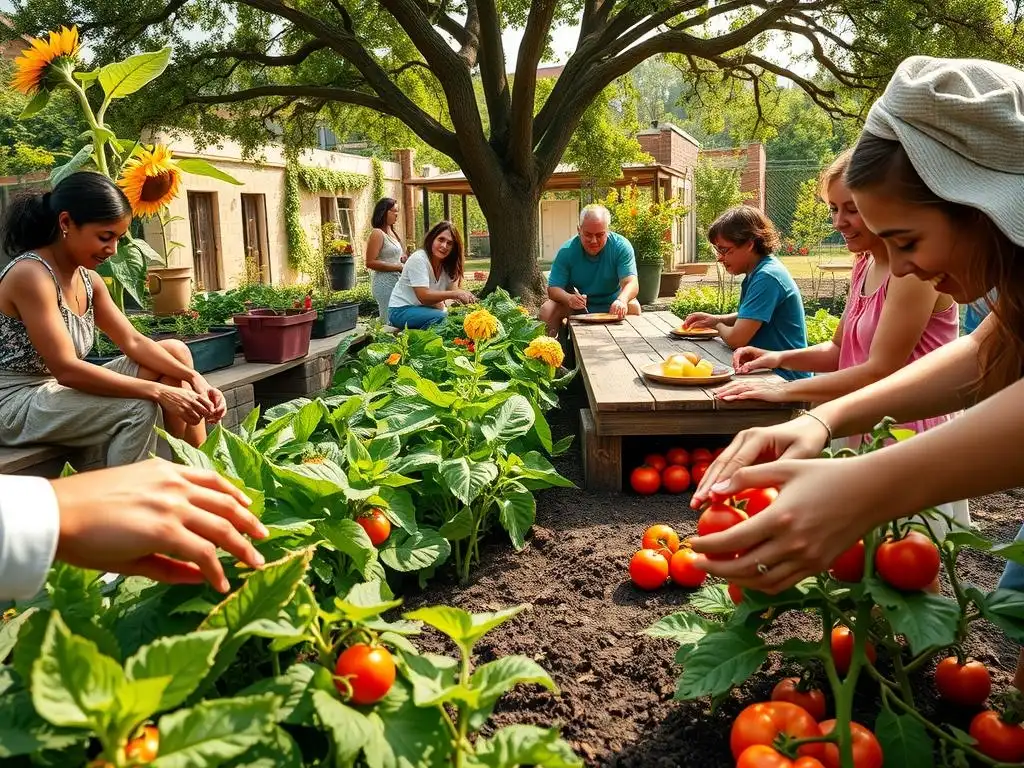
Participating in a community garden fosters a strong sense of community and builds lasting relationships. The shared experience of cultivating the land, nurturing plants, and harvesting the fruits (and vegetables!) of your labor creates a unique bonding experience. Neighbors who might otherwise remain strangers find common ground in their shared passion for gardening. Regular interaction during planting, weeding, and harvesting sessions leads to the formation of friendships and strengthens existing social networks.
This is particularly valuable in urban environments where social interaction can sometimes be limited. The collaborative nature of community gardening breaks down barriers and fosters a sense of belonging, creating a supportive and inclusive environment for all participants. Many community gardens organize social events, potlucks, and workshops further enhancing the social aspect of the initiative. These gatherings provide opportunities to connect with like-minded individuals, share gardening tips and experiences, and build strong, supportive relationships within the community. The sense of shared accomplishment in a successful harvest season further solidifies these bonds.
In essence, community gardening is not just about growing food; it's about growing community. The positive social impact is a significant benefit, contributing to a healthier and more connected urban landscape. Studies have shown a strong correlation between community garden participation and improved mental well-being, partially attributed to the increased social interaction and sense of belonging. 🌱
Access to Fresh, Healthy, and Affordable Produce
Community gardens offer a vital pathway to access fresh, healthy, and affordable produce, particularly for residents in food deserts or low-income neighborhoods. By growing their own food, participants can reduce their reliance on expensive supermarkets and potentially unhealthy processed foods. The cost savings can be significant, especially for families struggling to make ends meet. Moreover, the produce grown in community gardens is often organic or uses sustainable practices, free from harmful pesticides and chemicals, leading to healthier eating habits.
The quality of homegrown produce is typically superior to commercially grown produce, offering richer flavors and higher nutrient content. Many community gardens also offer educational workshops on healthy eating and nutrition, empowering participants to make informed food choices and improve their overall health and well-being. The availability of fresh, nutritious food contributes directly to improved community health outcomes, reducing the incidence of diet-related diseases.
This direct access to healthy food is a crucial component of food security, especially for vulnerable populations. The ability to supplement one's diet with homegrown fruits and vegetables can make a substantial difference in the lives of many urban dwellers. 🍎
Educational Opportunities and Skill Development
Community gardens provide invaluable educational opportunities and facilitate the development of practical skills. Participants learn about sustainable gardening practices, including composting, pest control, and soil management. They gain hands-on experience in planting, nurturing, and harvesting various fruits, vegetables, and herbs. These skills are not only valuable for personal gardening but also transferrable to other aspects of life, fostering a sense of self-reliance and empowerment.
Many community gardens offer workshops and training sessions led by experienced gardeners, providing opportunities to learn advanced techniques and share knowledge. Children and young adults benefit particularly from the educational aspects, learning about the importance of environmental stewardship and the connection between food and nature. The collaborative learning environment encourages knowledge sharing and mutual support, creating a dynamic and engaging learning experience for everyone involved.
The skills acquired in a community garden can even lead to employment opportunities in horticulture or related fields, opening up new career paths for participants. This holistic approach to education and skill development makes community gardening a valuable asset to the community. 🧑🌾
Overcoming Challenges in Urban Community Gardening
Starting an urban community garden, while incredibly rewarding, presents unique challenges. Successfully navigating these hurdles is crucial for the garden's longevity and its positive impact on the community. This section delves into some key obstacles and offers practical solutions for overcoming them. Understanding these challenges upfront is vital for anyone hoping to Start urban community garden initiatives.
Addressing Land Availability and Access Issues
Securing suitable land in densely populated urban areas is often the first and most significant hurdle. Finding plots large enough to accommodate a thriving community garden, while also being accessible and appropriately zoned, can be a complex process. Many successful urban gardens leverage underutilized spaces:
- Vacant lots: Negotiating with property owners or local governments to lease or utilize vacant lots is a common strategy. This often requires demonstrating the community benefit and agreeing to maintain the land responsibly.
- Schoolyards and parks: Partnering with schools or park authorities can provide access to existing green spaces, fostering educational opportunities and community engagement. Careful planning is essential to minimize disruption to existing activities.
- Rooftop gardens: For truly space-constrained cities, rooftop gardens are becoming increasingly popular. However, these require careful consideration of structural integrity, weight limitations, and access to water and sunlight.
- Brownfield remediation: In some cases, community gardens can contribute to the revitalization of brownfield sites (formerly industrially used land), transforming contaminated areas into productive green spaces. This requires thorough soil testing and remediation efforts.
The success rate of securing land often hinges on effective community engagement and collaboration with local stakeholders. Building strong relationships with city officials, property owners, and community members is paramount. A well-defined plan, outlining the garden's purpose, management structure, and community benefits, significantly enhances the chances of securing the necessary land.
Managing Water Resources and Irrigation Effectively
Water conservation is a paramount concern in urban community gardens, particularly in areas with limited water resources or strict water usage regulations. Efficient irrigation techniques are crucial for maximizing yield while minimizing water waste. Strategies include:
- Drip irrigation: This highly efficient method delivers water directly to the roots of plants, minimizing evaporation and runoff. It's particularly beneficial in hot and dry climates.
- Soaker hoses: These porous hoses slowly release water over a wider area, providing consistent moisture to the soil.
- Rainwater harvesting: Collecting rainwater through barrels or other systems can significantly reduce reliance on municipal water supplies. This also helps to conserve resources and reduce water bills.
- Mulching: Applying a layer of organic mulch around plants helps retain soil moisture, reducing the frequency of watering. Mulch also suppresses weeds and improves soil health.
- Drought-tolerant plants: Selecting plant varieties that are naturally adapted to drier conditions can significantly reduce water demands.
Careful monitoring of soil moisture levels is essential to prevent overwatering or underwatering. Regular soil testing can also help determine the optimal watering schedule and ensure the health of the plants. Community education programs on water-wise gardening practices are crucial for empowering community members to contribute to water conservation efforts.
Dealing with Pests and Diseases in an Urban Environment
Urban environments often present unique pest and disease challenges for community gardens. The close proximity of buildings, human activity, and diverse ecosystems can create favorable conditions for pest infestations and disease outbreaks. Effective pest and disease management requires a holistic approach:
| Pest/Disease Control Method | Description | Effectiveness | Environmental Impact |
|---|---|---|---|
| Integrated Pest Management (IPM) | A comprehensive approach combining various methods to minimize pest impact. | High | Low |
| Beneficial insects | Introducing natural predators like ladybugs to control pests. | Moderate to High | Low |
| Companion planting | Planting certain plants together to repel pests or attract beneficial insects. | Moderate | Low |
| Crop rotation | Rotating crops annually to disrupt pest and disease cycles. | Moderate to High | Low |
| Organic pesticides | Using natural pesticides derived from plants or other natural sources. | Moderate | Generally Low |
| Physical barriers | Using row covers, netting, or other physical barriers to protect plants from pests. | Moderate to High | Low |
Implementing these strategies minimizes the need for harmful chemical pesticides, promoting a healthy and sustainable gardening environment. Regular monitoring of plants for signs of pests or diseases is crucial for early detection and intervention. Community education programs on organic pest and disease management are vital for empowering gardeners to make informed decisions and adopt sustainable practices. Remember, a healthy ecosystem within the garden itself is the best defense against many pests and diseases. 🌱
Ensuring Long-Term Sustainability and Community Engagement
Sustaining a thriving urban community garden requires a multifaceted approach that goes beyond initial enthusiasm. Long-term success hinges on robust community engagement and a financially sound operational model. One crucial aspect is establishing a clear governance structure. This might involve a board of directors elected by participating gardeners, outlining responsibilities and decision-making processes.
Regular meetings, open communication channels, and transparent financial reporting are key to maintaining trust and participation. Consider creating a detailed constitution or bylaws that address issues like plot allocation, maintenance responsibilities, conflict resolution, and fundraising strategies. This proactive approach prevents future disagreements and ensures the garden functions smoothly.
Financial sustainability is another critical element. Diversifying income streams is essential to avoid dependence on a single funding source. This could involve grant applications, fundraising events (like farmers' markets or workshops), membership fees, sponsorships from local businesses, and even the sale of surplus produce. Careful budgeting and tracking of expenses are vital for responsible financial management.
Transparency in financial matters fosters community trust and encourages continued participation. Investing in durable infrastructure, like raised beds or water collection systems, also reduces long-term costs and ensures the garden's longevity. Regular maintenance and repairs are crucial to prevent costly problems down the line.
Community engagement is the lifeblood of any successful community garden. Regular social events, workshops on gardening techniques, and educational programs for children can foster a sense of belonging and shared purpose. Collaborating with local schools or community organizations can broaden the garden's reach and attract new volunteers.
Celebrating harvests together through potlucks or community feasts reinforces the social aspect of the project and builds stronger bonds among participants. Active recruitment of diverse demographics ensures the garden truly reflects the community it serves and fosters inclusivity. Addressing potential conflicts promptly and fairly, through the established governance structure, is crucial to maintaining a positive and welcoming environment.
By prioritizing these strategies, urban community gardens can not only thrive but also flourish as vibrant hubs of community activity and sustainable food production. Ignoring these aspects can lead to decline and ultimately, the failure of the initiative. Therefore, a proactive and holistic approach to sustainability and engagement is paramount for the long-term success of any urban community garden project.
Case Studies: Successful Urban Community Garden Projects
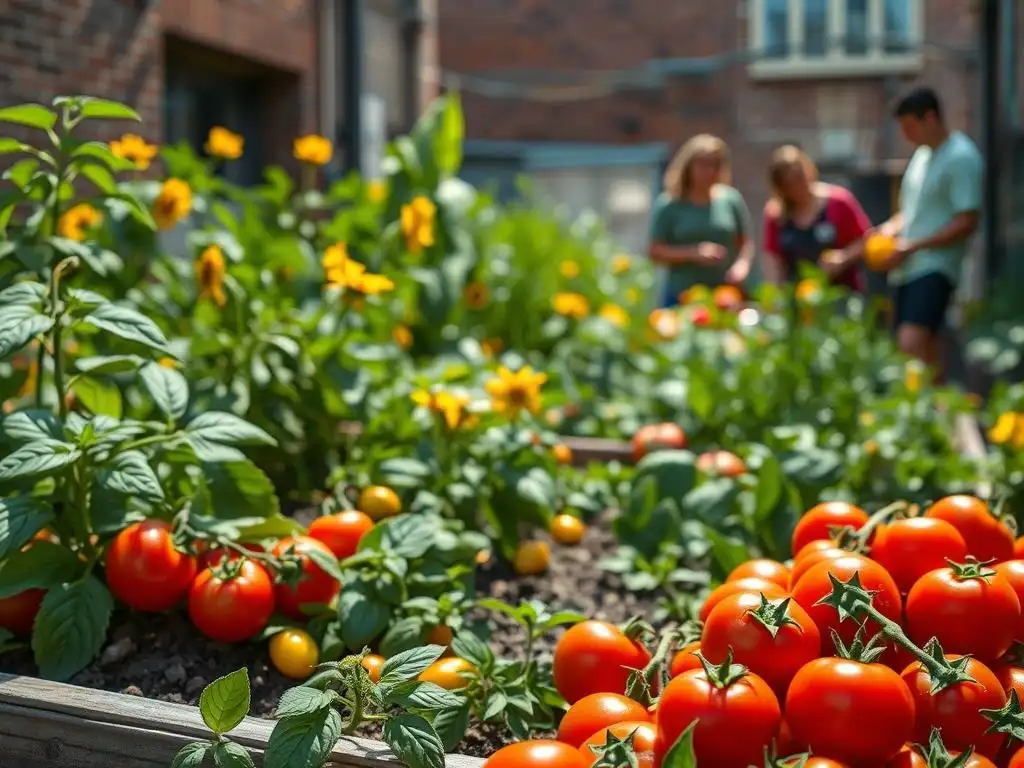
This section showcases successful urban community garden projects, highlighting their strategies, challenges overcome, and positive impacts. These examples provide practical insights for those looking to start their own urban community garden and demonstrate the diverse approaches possible when cultivating shared green spaces within cities. Understanding these success stories can inspire and inform your own urban farming initiatives. The keyword "Start urban community garden" is naturally woven throughout, offering valuable SEO optimization.
Case Study 1: The Bloomingdale Community Garden, Brooklyn, New York, Success Story
The Bloomingdale Community Garden, nestled in the heart of Brooklyn, exemplifies the transformative power of community gardening. Initially, the site was an abandoned lot, littered with debris. Through the tireless efforts of local residents and the support of the Brooklyn Botanic Garden, it was transformed into a vibrant space teeming with life. Their success stems from a strong organizational structure. A dedicated committee manages tasks such as plot allocation, resource management (including composting and water conservation), and community outreach.
The garden not only provides fresh, organic produce for its members but also serves as a vital social hub. Regular workshops on sustainable gardening practices, such as seed saving and pest control using natural methods, foster a sense of shared learning and community. They've successfully integrated diverse populations, creating a welcoming and inclusive environment.
Their commitment to education and community building, along with their practical approach to sustainable urban farming, provides a compelling model for those wanting to start urban community garden projects. Annual harvests have increased significantly year over year, demonstrating the impact of consistent effort and community involvement in boosting productivity. They also actively engage in fundraising and grant applications to ensure the long-term sustainability of their project.
Case Study 2: The Southside Growhouse, Chicago, Illinois, Success Story
The Southside Growhouse in Chicago tackles food insecurity head-on by combining urban farming with community education. Located in a food desert, this project prioritizes providing access to healthy, nutritious food for residents. Their unique approach involves a combination of raised beds, vertical farming techniques, and hydroponic systems to maximize yield in a limited space. They've also implemented a robust composting system, turning food waste into valuable fertilizer. This contributes to sustainability and minimizes their environmental footprint.
A key to their success is their youth engagement program. The Growhouse provides educational opportunities for local children, teaching them about gardening, nutrition, and the importance of sustainable food systems. This approach not only ensures the long-term sustainability of the garden but also empowers the next generation to start urban community garden projects in their own communities.
They've documented a significant increase in local residents consuming fresh vegetables since the Growhouse's inception, showcasing the direct positive impact of the project on community health. Furthermore, their educational programs have inspired many young people to pursue careers in agriculture and related fields.
Case Study 3: The Pocket Gardens Initiative, San Francisco, California, Success Story
The Pocket Gardens Initiative in San Francisco takes a different approach, focusing on transforming small, underutilized spaces into productive gardens. Recognizing that not every community has access to large plots of land, this initiative empowers residents to create gardens in their backyards, balconies, and even window boxes. Their success lies in their accessible and scalable model. They offer workshops on container gardening, vertical gardening, and space optimization techniques. They also provide resources and support to individuals, regardless of their prior gardening experience.
This initiative emphasizes the importance of utilizing readily available resources and adapting gardening practices to suit diverse urban environments. They've created a strong online community where residents can share tips, advice, and resources. This encourages collaboration and knowledge-sharing, fostering a sense of collective accomplishment. The cumulative effect of numerous small gardens significantly increases the amount of fresh produce available within the city.
The program's ease of replication makes it an excellent example for anyone wanting to start urban community garden projects, even with limited resources or space. Their success highlights the power of community-led initiatives and the potential for urban farming to flourish in even the most densely populated areas. The initiative's focus on accessibility and adaptability makes it a truly inspiring model for urban farming.
The Future of Urban Community Gardening: Expanding the Movement
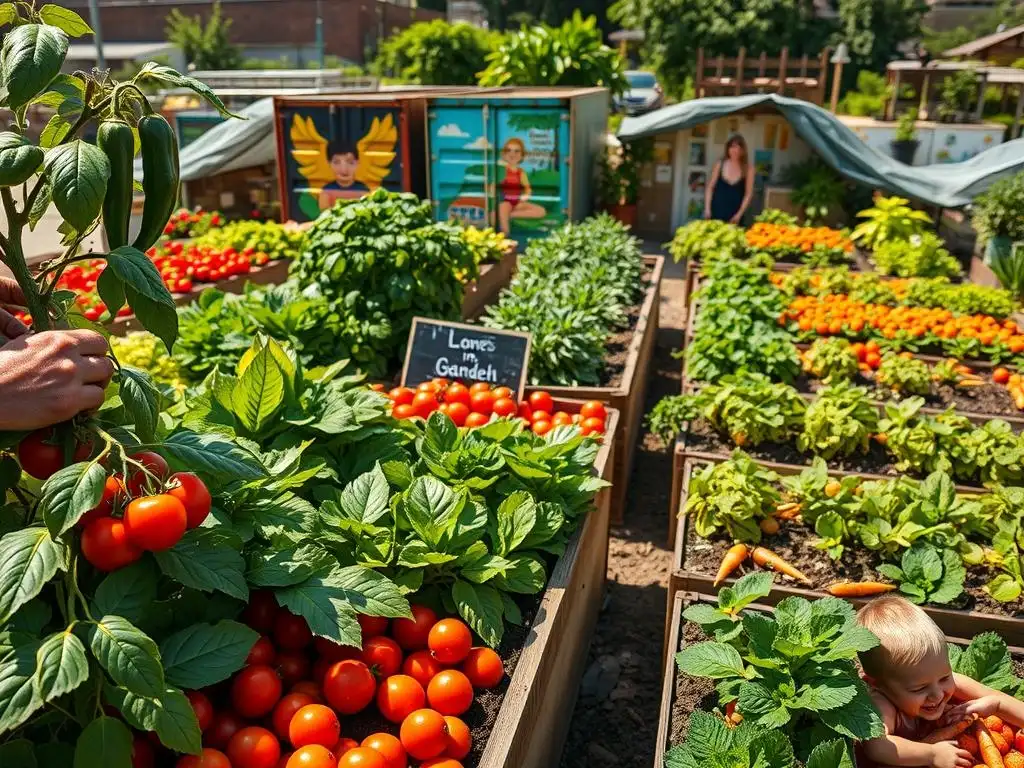
The future of urban community gardening hinges on its ability to scale effectively while maintaining its core values of sustainability and community engagement. The current popularity of "start urban community garden" initiatives presents a unique opportunity to expand access to fresh, healthy food and green spaces in densely populated areas. However, simply replicating existing models isn't enough; we need innovative strategies to overcome common challenges and reach a wider audience.
This requires a multifaceted approach, encompassing strategic planning, community engagement, and resource mobilization. The success of future urban gardening projects will depend on their ability to adapt to specific local contexts and address the unique needs of diverse communities. This includes considering factors such as available land, water resources, and the socio-economic backgrounds of potential participants.
Strategies for Scaling Up Community Garden Initiatives
Scaling up community garden initiatives requires a strategic and phased approach. One effective strategy is to establish a network of smaller, interconnected gardens across a city rather than focusing on a single, large-scale project. This decentralized model enhances accessibility and fosters a sense of local ownership. Furthermore, partnerships are crucial. Collaborations with local governments, businesses, and non-profit organizations can provide essential resources, including land access, funding, and volunteer support.
Effective partnerships require clear communication, shared goals, and a well-defined division of responsibilities. For example, a local government could provide land and water access, while a business might sponsor educational workshops or donate gardening supplies. Finally, robust community engagement is paramount. Successful scaling involves actively involving residents in the planning and management of gardens, ensuring the projects reflect the needs and preferences of the community they serve. This can be achieved through community meetings, surveys, and participatory planning workshops.
Innovative Approaches to Urban Farming and Food Production
Beyond traditional gardening methods, innovative approaches are crucial for maximizing food production in urban spaces. Vertical farming techniques, utilizing stacked layers of plants in controlled environments, can significantly increase yield per square foot. Similarly, hydroponics and aquaponics, which cultivate plants without soil using nutrient-rich water, offer efficient and sustainable alternatives, particularly in areas with limited space or poor soil quality.
These methods also allow for year-round cultivation, extending the growing season and improving food security. Furthermore, the integration of permaculture principles, focusing on creating self-sustaining ecosystems, can enhance biodiversity and reduce reliance on external inputs like fertilizers and pesticides. This approach emphasizes the interconnectedness of elements within the garden, promoting natural pest control and soil fertility.
Data collection and analysis are also vital. Tracking yields, water usage, and pest infestations helps optimize resource allocation and improve overall efficiency. This can be achieved through simple record-keeping or more sophisticated data management systems.
The Role of Technology in Supporting Community Gardens
Technology plays an increasingly important role in supporting and enhancing community gardening efforts. Smart irrigation systems using sensors and automated controls optimize water usage, conserving precious resources and reducing labor costs. Mobile applications can facilitate communication among gardeners, providing platforms for sharing knowledge, coordinating activities, and tracking progress.
Data analytics can inform decision-making, allowing gardeners to analyze yields, identify pest problems, and adjust their practices accordingly. For example, an app could track weather conditions and provide customized recommendations for irrigation and fertilization. Moreover, the use of drones for aerial monitoring can provide valuable insights into the health of plants and the overall condition of the garden.
This enables early detection of problems and facilitates timely interventions. Finally, online platforms and social media can connect community gardens with wider networks, fostering collaboration and knowledge sharing across different urban farming initiatives. This helps build a strong sense of community and facilitates the exchange of best practices.
Frequently Asked Questions
How can I start an urban community garden?
Starting an urban community garden requires planning and community engagement. Begin by identifying a suitable location, securing necessary permits, and recruiting interested neighbors. Collaborate to create a shared vision and plan for garden maintenance.
What are the benefits of starting a community garden?
Community gardens offer numerous benefits, including increased access to fresh, healthy produce, enhanced community cohesion, and improved environmental sustainability through reduced food miles and increased green spaces.
What legal considerations should I address before starting a community garden?
Before starting, research local zoning laws and regulations, secure necessary permits from your city or municipality, and consider liability insurance to protect participants. Obtain written permission from the landowner if it's not publicly owned land.
What are some essential tools and supplies needed for a community garden?
Essential supplies include gardening tools, such as shovels, rakes, and hoes; seeds or seedlings; compost and soil amendments; and watering systems. Consider shared storage for tools and supplies.
How can I maintain a successful and sustainable urban community garden?
Successful community gardens require consistent effort and collaboration. Establish a clear maintenance schedule, organize regular volunteer workdays, and implement sustainable practices like composting and water conservation. Open communication among members is crucial.
Final Reflection: Cultivating Community, Harvesting Hope
The rise of urban community gardens isn't just a trend; it's a vital response to the growing need for sustainable food systems and stronger community bonds in our increasingly urbanized world. These green spaces are more than just places to grow tomatoes; they are hubs of social interaction, environmental stewardship, and food security, offering a powerful antidote to the alienation and isolation often associated with city life.
The impact of community gardens extends far beyond the harvest itself. They foster a sense of shared responsibility and collective action, reminding us of our interconnectedness with nature and each other. The garden is a lovesong to the earth. It is a place where we can find solace, nourishment, and a deeper connection to the natural world.
These spaces are living testaments to the power of collaboration and the transformative potential of working together towards a common goal. They are places where neighbors become friends, skills are shared, and a sense of belonging takes root, enriching the social fabric of our cities.
Consider the seeds you've planted today. What small act of cultivation can you undertake in your own life, your own community? Perhaps it's volunteering a few hours at a local garden, starting a small herb patch on your balcony, or simply engaging more deeply with the food you consume. Let the spirit of urban farming inspire you to cultivate not just plants, but also stronger connections, healthier communities, and a more sustainable future. The revolution starts with a single seed, and the harvest is far greater than we can imagine.
Unleash Your Inner Gardener: Grow Your City, Grow Yourself!
Thank you for joining us on this journey into the vibrant world of urban farming! We hope you've gained a fresh perspective on the power of community gardens and their positive impact on our cities. Now it's time to take action and cultivate your own green revolution. Here's how to get started:
- Start small, start now: Begin by growing herbs or vegetables, even if you only have a single pot on your balcony. This small step is a powerful beginning.
- Connect with your community: Find local community gardens or initiatives in your area. Volunteer your time or simply attend a meeting to learn from experienced gardeners and meet like-minded individuals.
- Share the joy of growing: Tell your friends and family about the benefits of urban farming and inspire them to grow their own food.
What small step will you take today to bring a little more green into your life and your community?