
Unlocking Your Garden's Potential: Software That Analyzes Your Soil

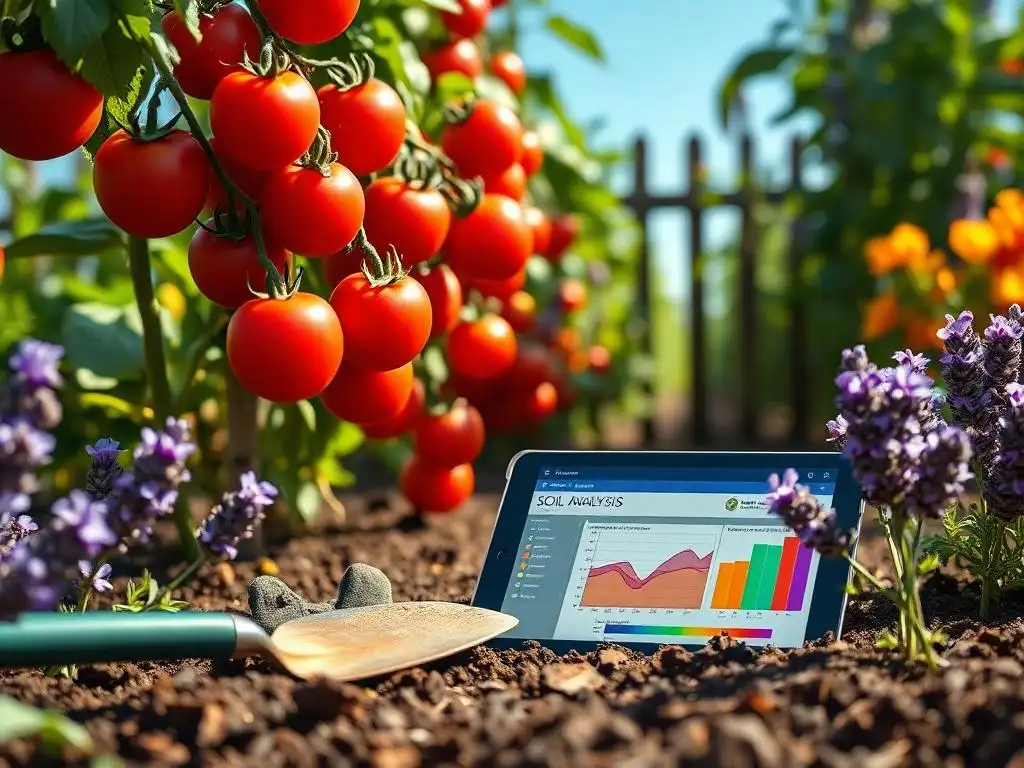
Ready to transform your backyard into a thriving oasis? At CultivateYourFood, we empower you to grow your own delicious and healthy produce using sustainable methods. But first, understanding your soil is key. Discover how the best soil analysis garden software can unlock your garden's full potential, providing insights that will dramatically improve your yields and simplify your gardening journey. Learn more and start cultivating your dream garden today!
- Understanding the Importance of Soil Analysis for Optimal Garden Growth
- Best Soil Analysis Garden Software: A Comparative Review
- Choosing the Right Soil Analysis Software for Your Needs
- Maximizing Your Garden's Yield with Soil Analysis Data
- Beyond Soil Analysis: Additional Tools for Garden Success
- Frequently Asked Questions
- Final Reflection: Cultivating a Greener Future, One Algorithm at a Time
- Unlock Your Garden's Bounty: Take Control of Your Soil Today!
Understanding the Importance of Soil Analysis for Optimal Garden Growth
Cultivating a thriving garden, bursting with vibrant fruits, vegetables, and herbs, hinges on understanding the fundamental building block of plant life: the soil. Ignoring the health of your soil is like building a house on a weak foundation – the results will inevitably be disappointing. This article explores the transformative power of soil analysis software, specifically focusing on how it can help you unlock your garden's true potential and achieve sustainable, organic growth.
We'll delve into why soil testing is essential, how software helps identify nutrient deficiencies, and ultimately, how precise analysis contributes to a healthier, more productive garden. Choosing the best soil analysis garden software can significantly improve your gardening success, making the process more efficient and rewarding. Let's explore how this technology can revolutionize your approach to gardening.
Why Soil Testing is Crucial for Healthy Plants
Healthy plants are the cornerstone of a successful garden, and healthy plants begin with healthy soil. Soil testing reveals a wealth of information often invisible to the naked eye. It provides crucial data on several key factors affecting plant growth, including:
- pH levels: Knowing your soil's pH is paramount. Different plants thrive within specific pH ranges. A soil test accurately identifies whether your soil is too acidic, too alkaline, or within the ideal range for your chosen plants. Incorrect pH can hinder nutrient uptake, leading to stunted growth and reduced yields. For example, blueberries prefer highly acidic soil (pH 4.5-5.5), while most vegetables prefer a slightly acidic to neutral pH (6.0-7.0).
- Nutrient levels: Soil tests quantify the essential macronutrients (nitrogen, phosphorus, potassium) and micronutrients (iron, manganese, zinc, etc.) present in your soil. Understanding these levels allows you to tailor your fertilization strategy, avoiding over-fertilization (which can harm plants and the environment) and ensuring your plants receive the precise nutrients they need for optimal growth. This precise approach minimizes waste and maximizes the efficiency of your fertilizer use.
- Organic matter content: Organic matter is the lifeblood of healthy soil. It improves soil structure, water retention, and nutrient availability. A soil test will indicate the organic matter content, enabling you to amend your soil with compost or other organic materials as needed, fostering a thriving soil ecosystem.
Ignoring these vital factors can lead to poor plant health, reduced yields, and increased susceptibility to pests and diseases. Regular soil testing is an investment in the long-term health and productivity of your garden.
Identifying Nutrient Deficiencies with Soil Analysis Software
Soil analysis software takes the guesswork out of diagnosing nutrient deficiencies. By inputting data from a soil test (either a home test kit or a professional lab analysis), the software can pinpoint specific deficiencies. This is far more accurate than relying on visual symptoms, which can be ambiguous and often appear late in the deficiency process, potentially causing irreversible damage.
The software can interpret complex data, presenting it in a user-friendly format, often including recommendations for corrective actions. For example, if the software detects a low level of phosphorus, it might suggest the application of a phosphorus-rich fertilizer or the incorporation of bone meal into the soil. This targeted approach ensures that you address the specific needs of your plants effectively and efficiently. This precision is particularly valuable for organic gardeners seeking to avoid unnecessary chemical inputs.
The Benefits of Precise Soil Analysis for Sustainable Gardening
Precise soil analysis, facilitated by dedicated software, is a cornerstone of sustainable gardening practices. By understanding your soil's composition, you can:
- Reduce fertilizer use: Avoid unnecessary fertilizer application, minimizing environmental impact and saving money. Targeted fertilization based on soil test results significantly reduces waste and improves environmental stewardship.
- Improve water management: Understanding soil structure and organic matter content allows for better water management practices, reducing water waste and promoting efficient irrigation.
- Enhance plant health: By providing plants with the precise nutrients they require, you promote healthy growth, reducing the need for pesticides and herbicides. Healthy plants are naturally more resistant to pests and diseases.
- Increase yields: Ultimately, precise soil analysis leads to healthier plants and increased yields, making your gardening efforts more productive and rewarding.
Soil analysis software empowers you to make informed decisions, transforming your gardening approach from guesswork to data-driven precision. This leads to a healthier, more sustainable, and ultimately more successful garden.
Best Soil Analysis Garden Software: A Comparative Review
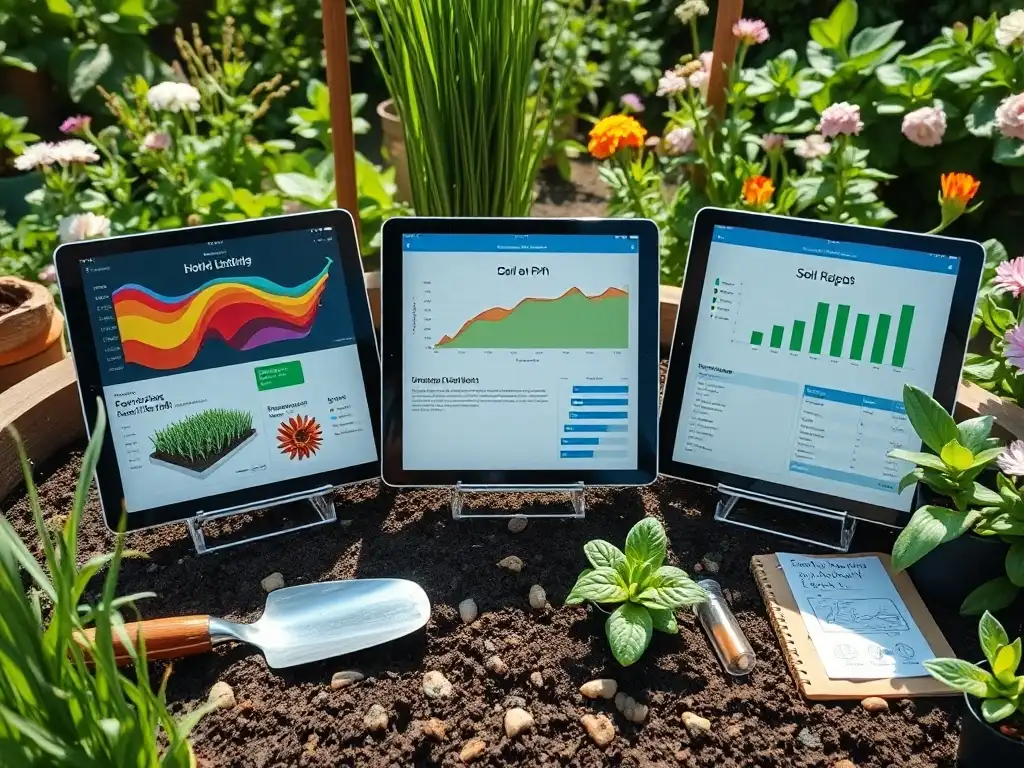
This section dives deep into a comparison of the top contenders for the title of "best soil analysis garden software," focusing on their features, pricing, user experience, and overall value for home gardeners. We'll analyze how these digital tools stack up against traditional soil testing methods, helping you make an informed decision about which software best suits your needs and budget. Choosing the right software can significantly improve your gardening success by providing crucial insights into your soil's health and nutrient levels. This empowers you to make data-driven decisions, leading to healthier plants and a more bountiful harvest.
SoilSavvy: Features, Pricing, and User Reviews
SoilSavvy is a popular choice among home gardeners seeking detailed soil analysis. It boasts a comprehensive suite of features designed to simplify the process of understanding your soil's composition. The software uses a proprietary algorithm to analyze user-inputted data, including soil texture, pH level, and nutrient concentrations. This analysis then generates personalized recommendations for soil amendments and fertilization strategies.
Pros and Cons of SoilSavvy for Home Gardeners
| Feature | Pro | Con |
|---|---|---|
| Data Analysis | Provides detailed reports on various soil parameters. | Requires meticulous data entry; inaccuracies can affect results. |
| Recommendations | Offers tailored advice on amendments and fertilization. | Recommendations might not be perfectly suited to all local conditions. |
| User Interface | Relatively intuitive, even for beginners. | Some users find the interface slightly cluttered. |
| Pricing | Offers tiered subscription plans to accommodate different needs and budgets. | Higher-tier plans can be expensive for casual gardeners. |
| Customer Support | Responsive customer support team readily available via email and phone. | Some users report occasional delays in receiving support responses. |
User reviews are generally positive, with many praising SoilSavvy's accuracy and helpful recommendations. However, some users have noted the steep learning curve for some features, and the cost of the higher-tier plans can be a barrier for budget-conscious gardeners. One common complaint is the need for precise measurements; inaccurate input can lead to unreliable results. Therefore, careful attention to detail during data entry is crucial for optimal outcomes.
SoilSavvy vs. Traditional Soil Testing Methods: A Cost-Benefit Analysis
Traditional soil testing methods, often involving sending soil samples to a laboratory, can be costly and time-consuming. SoilSavvy offers a potentially more affordable and faster alternative, although the accuracy may vary depending on the user's input. The cost-benefit analysis depends heavily on the gardener's needs and resources.
For large-scale operations or those requiring highly precise analysis, traditional methods might still be preferable. However, for home gardeners with smaller plots, SoilSavvy provides a convenient and cost-effective option for regular soil monitoring and improvement. The software's ability to provide ongoing feedback and personalized recommendations can lead to long-term cost savings by preventing nutrient deficiencies and improving crop yields.
GrowWise: A User-Friendly Option for Beginners
GrowWise is designed with ease of use in mind, making it an excellent choice for beginner gardeners. Its simplified interface and straightforward instructions minimize the technical hurdles often associated with soil analysis software. The software focuses on providing essential information in an easily digestible format, without overwhelming the user with complex data. This user-friendly approach makes it accessible to a broader audience, encouraging more people to engage in data-driven gardening practices.
Key Features and Benefits of GrowWise
GrowWise's core functionality centers around providing clear and concise soil analysis reports, along with practical recommendations for improving soil health. Its key features include:
- Simplified data entry process.
- Easy-to-understand reports with visual aids.
- Practical recommendations tailored to various plant types.
- A helpful library of gardening resources and tutorials.
- Regular updates and improvements based on user feedback.
The software's focus on simplicity doesn't compromise accuracy. While not as detailed as SoilSavvy, GrowWise provides sufficient information for most home gardeners to make informed decisions about their soil management practices. The intuitive design and clear recommendations empower users to confidently address soil-related challenges.
GrowWise's Compatibility with Different Soil Types
GrowWise is designed to be compatible with a wide range of soil types, from sandy loam to clay soils. The software's algorithm is adaptable, providing relevant recommendations regardless of the specific soil characteristics. While the level of detail might vary depending on the soil type, the software consistently provides valuable insights and actionable advice.
Furthermore, GrowWise’s developers continuously update the software's database to enhance its accuracy and expand its compatibility with a wider array of soil conditions. This ongoing improvement ensures that the software remains a relevant and reliable tool for gardeners across diverse geographic locations and soil types. The software's flexibility makes it a valuable asset for gardeners, regardless of their location or the unique challenges presented by their soil.
GardenPro: Advanced Soil Analysis for Experienced Gardeners
GardenPro is a powerful software solution designed for serious gardeners who want to deeply understand their soil's composition and optimize their planting strategies. It goes beyond basic nutrient levels, providing insights into soil structure, organic matter content, and even potential microbial activity. This level of detail makes it ideal for experienced gardeners looking to fine-tune their growing techniques and achieve maximum yields.
The software's interface, while initially requiring a learning curve, is ultimately intuitive and rewarding for those willing to invest the time. Unlike simpler apps, GardenPro allows for the input of multiple soil samples from different areas of your garden, providing a comprehensive overview of your soil's heterogeneity. This granular data is invaluable for creating customized planting plans that account for variations in soil conditions across your garden beds.
Moreover, GardenPro’s robust reporting features allow you to track soil health over time, making it easy to monitor the effects of your soil amendments and cultivation practices. This long-term perspective is crucial for continuous improvement in soil management and sustainable gardening practices.
In-depth Analysis Capabilities of GardenPro
GardenPro's analytical capabilities are its standout feature. It doesn't just tell you the levels of nitrogen, phosphorus, and potassium (NPK); it delves much deeper. The software analyzes data on a wide range of parameters, including:
- Macronutrients: Detailed breakdown of NPK levels, along with secondary macronutrients like sulfur, magnesium, and calcium. It provides recommendations tailored to specific plant needs, considering the varying nutrient requirements of different crops.
- Micronutrients: Analysis of essential micronutrients like iron, zinc, manganese, boron, copper, and molybdenum, crucial for plant health and preventing deficiencies. The software identifies potential deficiencies and suggests appropriate corrective actions.
- Soil pH: Accurate measurement of soil pH, a critical factor influencing nutrient availability and overall plant health. GardenPro provides guidance on adjusting pH levels if necessary, using organic methods.
- Organic Matter: Assessment of organic matter content, a key indicator of soil fertility and water retention capacity. The software provides insights into improving organic matter levels through composting and other sustainable practices.
- Soil Texture: Analysis of soil texture (sand, silt, clay), impacting drainage, aeration, and nutrient retention. This allows for informed decisions on soil amendments and irrigation strategies.
The software uses sophisticated algorithms to interpret this data, providing actionable recommendations for soil improvement and plant care. This detailed analysis empowers gardeners to make informed decisions, leading to healthier plants and higher yields. The accuracy of the analysis depends heavily on the quality of the soil samples provided, highlighting the importance of proper sampling techniques. GardenPro includes comprehensive instructions and guidelines to ensure accurate data input.
GardenPro's Integration with Other Gardening Apps and Tools
GardenPro excels not only in its advanced soil analysis but also in its seamless integration with other popular gardening apps and tools. This interconnectedness streamlines the gardening process, saving time and effort. For instance, it can integrate with weather apps to provide customized irrigation recommendations based on local weather conditions and soil moisture levels.
Furthermore, integration with plant databases allows gardeners to select plants best suited to their specific soil conditions, maximizing the chances of success. This holistic approach to garden management sets GardenPro apart from other soil analysis software. The ability to link your soil data with your planting plans and irrigation schedules fosters a truly integrated and efficient gardening experience.
While specific integrations may vary depending on updates and partnerships, the software is designed with an open architecture to facilitate a growing range of connections with complementary gardening tools. This forward-thinking approach ensures GardenPro remains at the forefront of innovative garden management solutions. The developers actively pursue collaborations to expand integration capabilities, continually enhancing user experience and the software's overall functionality.
Choosing the Right Soil Analysis Software for Your Needs

Selecting the best soil analysis garden software for your needs requires careful consideration of several key factors. The market offers a variety of options, each with its own strengths and weaknesses. Understanding these nuances will help you make an informed decision and maximize the benefits of soil testing for your garden.
This section delves into the crucial elements to assess before investing in any soil analysis software. Choosing wisely can significantly improve your gardening success and yield, ultimately leading to a more bountiful and sustainable harvest. Remember, the "best" software is the one that best suits your specific needs and gardening goals.
Factors to Consider When Selecting Soil Analysis Software
Several critical factors influence the effectiveness and usability of soil analysis software. These factors extend beyond the mere ability to input data; they encompass the entire user experience, from initial setup to the interpretation of results. Let's examine these factors in detail. Choosing the right software can be the difference between a frustrating experience and a powerful tool for optimizing your garden's health.
The ideal software should seamlessly integrate into your existing gardening workflow, offering intuitive navigation and clear data visualization. A user-friendly interface minimizes the learning curve, allowing you to focus on interpreting results rather than deciphering complex menus. Furthermore, the software should provide comprehensive reports that are easily understood, even for novice gardeners. Consider features like interactive maps, personalized recommendations, and the ability to export data for future reference. The software should be a valuable asset, not a source of additional stress.
Budget Considerations for Soil Testing Software
The cost of soil analysis software varies considerably depending on features, functionality, and the provider. Some offer free basic versions with limited features, while others charge a subscription fee for access to advanced tools and data analysis. Before committing to a purchase, carefully evaluate your budget and prioritize the features that align with your needs. A more expensive option isn't necessarily the best; a less expensive option might suffice if your needs are basic.
Consider the following:
- One-time purchase vs. subscription: One-time purchases offer immediate access but lack ongoing updates and support. Subscriptions provide continuous access to new features and updates but incur recurring costs.
- Cost per test: Some software charges per soil test analyzed, while others offer unlimited tests within a subscription. Consider the frequency of your soil testing to determine which model is more cost-effective.
- Hidden costs: Be aware of potential hidden costs like additional fees for data export, premium support, or access to specific features.
Ease of Use and User Interface for Different Skill Levels
Intuitive navigation and a user-friendly interface are paramount, regardless of your tech proficiency. The software should be easily accessible to both experienced gardeners and beginners alike. Look for a clean design with clear instructions, helpful tutorials, and readily available customer support.
- Beginner-friendly features: Consider the presence of guided tutorials, interactive help menus, and simplified data input methods. A well-designed onboarding process can significantly reduce the learning curve.
- Advanced features: For experienced users, look for features like customizable reports, data export options, and integration with other gardening apps or platforms. The ability to tailor the software to your specific needs is crucial.
- Mobile accessibility: The availability of a mobile app can enhance accessibility and allow for on-the-go data input and analysis.
Data Accuracy and Reliability of Soil Analysis Results
The accuracy and reliability of the soil analysis results are paramount. The software should utilize validated algorithms and reliable data sources to ensure the information provided is accurate and trustworthy. Look for software that incorporates established soil science principles and provides clear explanations of the results.
- Data validation: The software should employ rigorous data validation techniques to minimize errors and ensure the accuracy of the results.
- Calibration and updates: Regular calibration and software updates are essential to maintain accuracy and reflect the latest scientific advancements.
- Transparency: The software should clearly explain its methodology and data sources, allowing users to assess the reliability of the information provided. Transparency builds trust and allows for informed decision-making. Understanding how the software arrives at its conclusions is crucial for its effective use.
Maximizing Your Garden's Yield with Soil Analysis Data
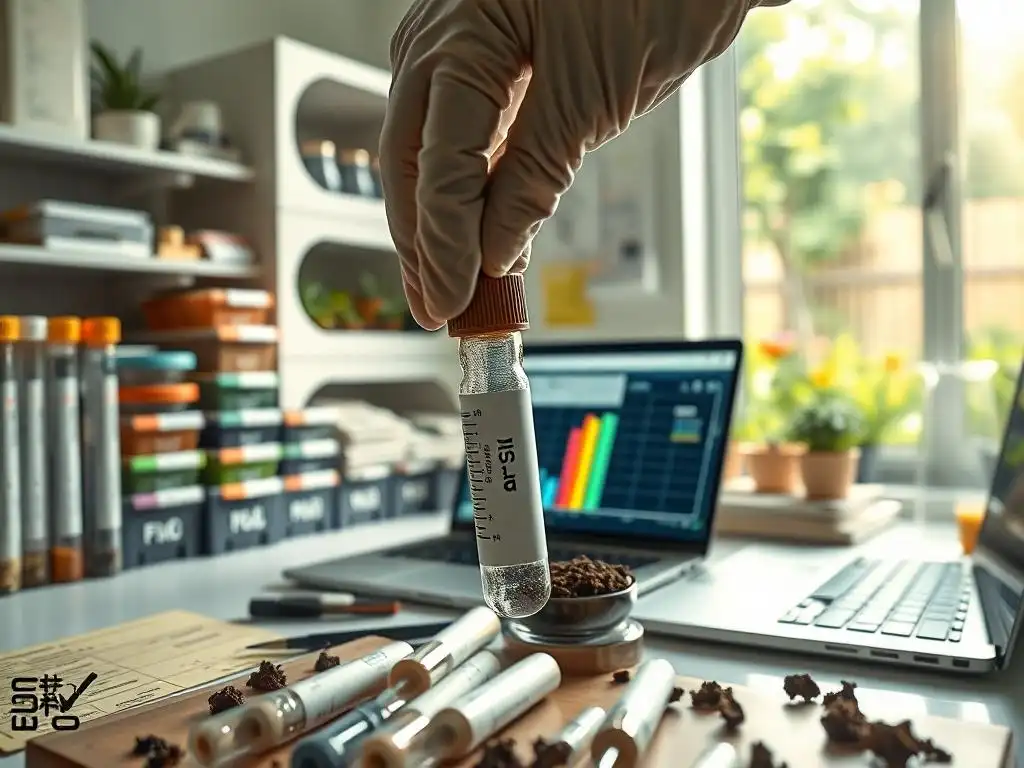
Understanding your soil is the cornerstone of successful gardening. While visual inspection offers some clues, a comprehensive soil analysis provides the detailed information needed to optimize plant health and maximize yield. The best soil analysis garden software acts as your digital soil expert, translating complex lab results into actionable steps for a thriving garden. This section explores how to leverage this data for better gardening outcomes, moving beyond simple pH readings to a holistic understanding of your soil's nutritional profile.
Using this information effectively can significantly improve your chances of producing bountiful harvests of fruits, vegetables, and herbs. The key is understanding how to translate the data into practical applications for your specific garden. Let's delve into the details.
Interpreting Soil Test Results and Adjusting Your Gardening Practices
Soil test reports often seem daunting, filled with numbers and abbreviations. However, understanding the key parameters is crucial for improving your garden's health. A typical report will include:
- pH: Indicates soil acidity or alkalinity. Most plants thrive in a slightly acidic to neutral range (6.0-7.0). Software will often provide recommendations for adjusting pH using lime (to raise pH) or sulfur (to lower pH). Knowing your soil's pH is the first step to success. For example, a pH of 5.0 might indicate a need for liming to optimize nutrient uptake for many common garden plants.
- Nutrient Levels (N, P, K): These represent Nitrogen, Phosphorus, and Potassium – essential macronutrients. Low levels indicate a need for fertilization. The best soil analysis garden software will translate these levels into specific fertilizer recommendations, tailored to your soil type and the plants you're growing. For instance, low phosphorus might indicate a need for bone meal or rock phosphate, while low nitrogen may require a nitrogen-rich compost tea or granular fertilizer.
- Organic Matter: High organic matter content is crucial for soil structure, water retention, and nutrient availability. Software can help you identify ways to increase organic matter, such as adding compost, cover crops, or incorporating other organic amendments.
- Micronutrients: Elements like iron, zinc, and manganese are essential in smaller amounts. Deficiencies can cause specific plant problems. Software might flag potential micronutrient deficiencies, allowing for targeted interventions.
Understanding these parameters allows for targeted adjustments. For instance, if your soil tests show low potassium and high acidity, the software might suggest a potassium-rich fertilizer suitable for acidic conditions. Using the software, you can move beyond guesswork and make data-driven decisions to improve your garden's productivity.
Personalized Fertilizer Recommendations Based on Soil Analysis
One of the most significant benefits of using soil analysis software is the ability to receive personalized fertilizer recommendations. Generic fertilizer advice rarely accounts for the unique characteristics of your soil. This software takes the guesswork out of fertilization, providing precise amounts of specific nutrients needed to meet your plants' requirements.
| Nutrient | Deficiency Symptoms | Recommended Fertilizer Source | Software Recommendation Example |
|---|---|---|---|
| Nitrogen (N) | Yellowing leaves, stunted growth | Compost, urea, ammonium nitrate | "Apply 20g of balanced NPK fertilizer per square meter" |
| Phosphorus (P) | Poor root development, delayed flowering | Bone meal, rock phosphate, superphosphate | "Incorporate 10g of bone meal per plant at planting" |
| Potassium (K) | Weak stems, leaf burn | Wood ash, potash, muriate of potash | "Side-dress plants with 15g of potash per plant after flowering" |
The software might also suggest organic alternatives, such as compost tea or seaweed extract, depending on your preferences and the specific nutrient deficiencies identified. By following these tailored recommendations, you'll ensure your plants receive the precise nutrients they need for optimal growth, leading to healthier plants and higher yields. This precision fertilization minimizes waste and maximizes the effectiveness of your fertilizer inputs.
Preventing Common Gardening Problems Through Proactive Soil Management
Proactive soil management, guided by soil analysis data, is key to preventing many common gardening problems. By identifying potential issues before they affect your plants, you can take steps to mitigate them. For example:
- Pest and Disease Resistance: Healthy soil supports healthy plants, which are naturally more resistant to pests and diseases. Software may highlight nutrient imbalances that compromise plant health, making them more susceptible to infestations. Addressing these imbalances proactively strengthens your plants' natural defenses.
- Nutrient Deficiencies: As discussed earlier, identifying and correcting nutrient deficiencies early on prevents stunted growth and reduced yields. The software's alerts allow for timely interventions, preventing problems before they become major setbacks.
- Waterlogging and Drought Stress: Soil analysis can reveal issues with drainage and water retention. The software might recommend amendments to improve soil structure, preventing waterlogging or excessive dryness. This leads to improved water management and healthier plants.
- Soil Compaction: Compacted soil restricts root growth. Soil analysis, coupled with software analysis, may suggest strategies such as tilling or adding organic matter to improve soil aeration and drainage.
By utilizing the insights provided by the best soil analysis garden software, you can transform your garden from a reactive to a proactive endeavor. This data-driven approach, focused on understanding and addressing soil health, is a crucial step toward unlocking your garden's full potential and cultivating a thriving, sustainable ecosystem. 🌱
Beyond Soil Analysis: Additional Tools for Garden Success
This section explores the benefits of using software beyond basic soil analysis to optimize your garden's yield and health. While understanding your soil's composition is crucial, leveraging other digital tools can significantly enhance your gardening experience, leading to a more bountiful and sustainable harvest. We’ll look at how integrated systems can streamline your gardening process and provide comprehensive support for all aspects of cultivation. The best soil analysis garden software is just one piece of the puzzle; a holistic approach will yield the best results.
Essential Gardening Apps for Plant Identification and Pest Control
Smartphones have become indispensable tools for gardeners, offering a wealth of information at your fingertips. Many apps specialize in plant identification, using image recognition to pinpoint the species of a plant, allowing for targeted care and preventing accidental removal of beneficial plants. These apps often provide details on growth requirements, potential diseases, and even recommended companion plants.
Furthermore, several apps focus specifically on pest and disease identification, providing images and descriptions to assist in diagnosis and recommending organic control methods. This rapid identification capability is crucial for timely intervention, preventing minor issues from escalating into major problems, thus maximizing the health and yield of your crops. Early detection is key to successful organic pest control and these apps offer a significant advantage.
For example, an app might identify a specific type of aphid infestation and suggest natural remedies like neem oil or insecticidal soap, avoiding the need for harmful chemicals. The combination of plant identification and pest control apps provides a powerful toolkit for any gardener committed to sustainable practices.
Best Practices for Organic Gardening and Sustainable Soil Health
Beyond software, achieving optimal soil health requires adherence to best practices in organic gardening. This includes regular soil testing, not just for initial analysis but for ongoing monitoring of nutrient levels and pH balance. Regular composting is essential for enriching the soil with organic matter, improving drainage, and fostering beneficial microbial activity.
Crop rotation is another critical technique, preventing the depletion of specific nutrients and reducing the risk of pest and disease buildup. Cover cropping, the planting of crops specifically to improve soil health, rather than for harvest, further enhances soil structure and fertility. These practices are interconnected and support each other, creating a synergistic effect that promotes sustainable soil health and maximizes the long-term productivity of your garden.
The best soil analysis garden software can inform these practices, providing data-driven insights to guide your decisions. Consider incorporating a detailed record-keeping system, either digital or analog, to track your progress, observe trends, and refine your approach over time.
Resources for Learning More About Soil Science and Gardening Techniques
Continuous learning is vital for any gardener aiming for success. Numerous resources exist to deepen your understanding of soil science and organic gardening techniques. Many universities and agricultural extension services offer online courses and workshops, providing in-depth knowledge on topics ranging from soil microbiology to sustainable pest management. Books and periodicals dedicated to organic gardening offer practical advice and valuable insights from experienced cultivators.
Online forums and communities provide platforms for sharing experiences, asking questions, and connecting with other gardening enthusiasts. Engaging with these resources empowers you to make informed decisions, optimize your practices, and continuously improve your gardening skills. A solid understanding of these principles, combined with the data provided by the best soil analysis garden software, will allow you to cultivate a thriving and productive garden year after year. Remember, continuous learning is an essential component of sustainable and successful gardening.
Frequently Asked Questions
What is the best soil analysis garden software?
There's no single "best" software, as the ideal choice depends on your specific needs. However, several programs offer detailed analysis and personalized recommendations based on your soil test results. Look for software with features that match your gardening goals.
How does soil analysis software help my garden?
Soil analysis software helps you understand your soil's nutrient levels, pH, and other crucial factors. This information allows you to amend your soil effectively, leading to healthier plants and better yields. It saves time and resources by optimizing your gardening efforts.
Can I use soil analysis software with my own soil test results?
Yes, many programs allow you to input your own soil test data. This allows for a personalized analysis tailored to your garden's specific conditions. Make sure the software is compatible with the type of test you've conducted.
Is soil analysis software expensive?
The cost varies greatly depending on the features and subscription model. Some offer free basic versions, while others charge a subscription fee for premium features. Consider your budget and the level of detail you require when making your choice.
What are the key features to look for in soil analysis garden software?
Look for features like easy data input, clear and understandable reports, personalized recommendations for amendments, and compatibility with various soil test kits. Consider if it offers features such as plant suggestions based on your soil analysis.
Final Reflection: Cultivating a Greener Future, One Algorithm at a Time
The future of gardening is digital, and the data is in the dirt. Access to sophisticated soil analysis, once the exclusive domain of large agricultural operations, is now readily available to home gardeners through innovative software. This democratization of knowledge empowers us to cultivate healthier, more productive gardens, contributing to a more sustainable and food-secure future.
The impact of readily available soil analysis extends far beyond simply improving individual gardens. It fosters a deeper understanding of the complex ecosystems we interact with daily. By understanding the precise needs of our soil, we move beyond guesswork and embrace a more scientific, and ultimately more respectful, approach to gardening. The land is what gives us our identity; it is what we are made of.
- Wendell Berry. This quote highlights the profound connection between our environment and ourselves, a connection that is strengthened through informed and mindful cultivation.
Now, consider your own garden, your own patch of earth. What stories does your soil tell? What hidden potential lies beneath the surface, waiting to be unlocked? I invite you to explore the world of soil analysis software, to delve into the data, and to discover the unique beauty and bounty your garden holds. Embrace the power of technology to nurture your green space and, in doing so, nurture a deeper connection with the natural world.
Unlock Your Garden's Bounty: Take Control of Your Soil Today!
Understanding your soil is key to a thriving garden. You've already learned how soil analysis can lead to incredible growth and abundant harvests. Now, let's put that knowledge into action!
Here's how to get started:
- Order your soil testing kit: This crucial first step will reveal your soil's composition and needs, allowing you to tailor your gardening approach for optimal results. Transform your garden from the ground up!
- Share your experiences: Join the CultivateYourFood community and connect with fellow gardeners. Share your successes, challenges, and soil-related wisdom – or ask for advice! We're all here to learn from each other.
- Explore our resources: Expand your gardening knowledge with our extensive library of articles and guides. We offer practical advice for gardeners of all levels, covering everything from soil health to specific plant care.
What aspect of your garden's soil are you most curious about?