
Eggshells: A CalciumRich Amendment for Stronger Plants

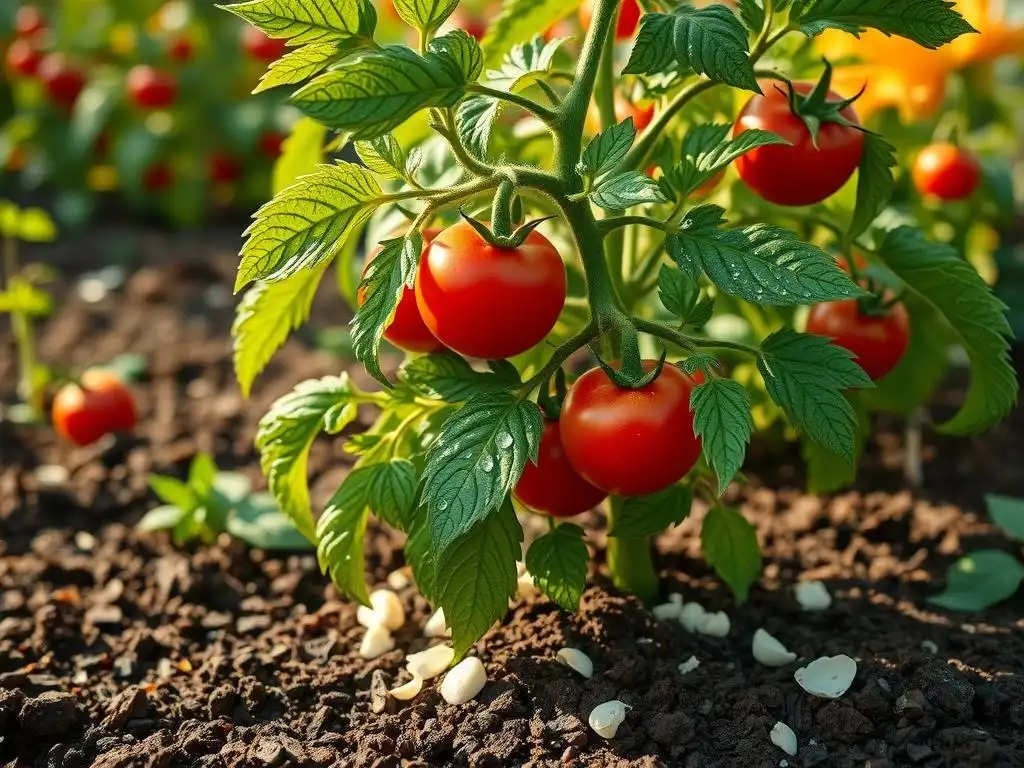
Welcome to CultivateYourFood, your guide to nurturing a thriving garden using sustainable, organic methods! Ever wondered about the hidden potential of everyday items? Prepare to be amazed by the power of eggshells—discover how this readily available resource can revolutionize your plant growth and unlock healthier, more vibrant harvests. Dive into our "Organic Gardening" section to uncover the surprising truth behind how eggshells improve plant growth and unlock the secrets to a bountiful garden. Let's cultivate a greener future, together!
- Understanding the Benefits of Eggshells for Plant Growth
- Preparing Eggshells for Your Garden
- Applying Eggshells as a Soil Amendment
- Maximizing the Effectiveness of Eggshell Amendments
- Eggshells: A Sustainable and Cost-Effective Solution
- Frequently Asked Questions
- Final Reflection: The Humble Eggshell's Unexpected Power
- Unlock Your Garden's Potential: Nourish Plants with Eggshells!
Understanding the Benefits of Eggshells for Plant Growth
Eggshells improve plant growth – it's a claim supported by centuries of anecdotal evidence and increasingly, by scientific research. This article delves into the specifics of how these readily available kitchen scraps can transform your home garden into a thriving ecosystem. We'll explore the crucial role calcium plays in plant health, how eggshells deliver this vital nutrient, and the added benefits they provide to soil structure.
By understanding these mechanisms, you can harness the power of eggshells to cultivate healthier, stronger, and more productive plants using sustainable and organic practices, all while minimizing waste and maximizing your garden's potential. This aligns perfectly with our commitment here at CultivateYourFood to provide you with practical, effective, and environmentally friendly gardening techniques. Let's discover how this simple, readily available resource can significantly enhance your gardening efforts.
Calcium's Crucial Role in Plant Health
Calcium (Ca) is a vital secondary macronutrient for plants, playing a crucial role in various physiological processes. It's not just about strong cell walls; calcium is deeply involved in numerous essential functions:
- Cell Wall Structure and Strength: Calcium is a key component of plant cell walls, contributing significantly to their strength and integrity. Strong cell walls protect plants from diseases and pests, and improve overall plant resilience. A deficiency leads to weak, easily damaged cells.
- Cell Membrane Function: Calcium helps regulate the permeability and function of cell membranes, influencing the transport of nutrients and water within the plant. This is critical for efficient nutrient uptake and overall plant health.
- Enzyme Activation: Many enzymes involved in vital metabolic processes require calcium for their proper function. Calcium deficiency can disrupt these processes, impacting growth and development.
- Signal Transduction: Calcium acts as a secondary messenger in various signaling pathways within the plant, influencing responses to environmental stresses like drought or disease.
- Nutrient Uptake: Calcium aids in the absorption of other essential nutrients, creating a synergistic effect that promotes overall plant health. A lack of calcium can lead to deficiencies in other minerals.
Plants exhibiting calcium deficiency often show symptoms such as blossom-end rot in tomatoes and stunted growth. Understanding calcium’s vital role underscores the importance of providing adequate levels to our plants.
How Eggshells Provide Essential Calcium
Eggshells are composed primarily of calcium carbonate (CaCO₃), a readily available source of calcium for plants. The process of incorporating eggshells into your garden is simple and requires minimal effort:
- Cleaning: Thoroughly rinse the eggshells to remove any residual egg matter.
- Drying: Allow the eggshells to dry completely before processing. This prevents mold and ensures proper decomposition.
- Crushing: Crush the dried eggshells into small pieces. You can use a mortar and pestle, a blender, or even a rolling pin. Smaller pieces decompose faster and are more easily absorbed by the soil.
- Incorporating into Soil: Mix the crushed eggshells into your garden soil before planting or as a top dressing. You can also add them to your compost pile to enhance its calcium content.
The rate of decomposition and calcium release depends on several factors, including particle size, soil pH, and microbial activity. Finely crushed eggshells will generally break down more quickly, releasing calcium more readily for plant uptake. Remember that while eggshells are a fantastic source of calcium, they shouldn't be the sole source. A balanced approach to soil amendments is always recommended.
Improving Soil Structure with Crushed Eggshells
Beyond their calcium content, crushed eggshells offer several additional benefits to your soil:
- Improved Drainage: The porous nature of eggshells helps improve soil drainage, preventing waterlogging and promoting healthy root development. This is especially beneficial for clay soils.
- Increased Soil Aeration: The addition of eggshells creates air pockets in the soil, enhancing aeration and promoting healthy microbial activity. Good aeration is essential for root respiration and nutrient uptake.
- Gradual Release of Calcium: Unlike many synthetic fertilizers, eggshells release calcium gradually over time, providing a sustained source of this vital nutrient. This avoids the risk of nutrient burn often associated with rapid-release fertilizers.
- Soil pH Buffering: Eggshells can help to slightly increase soil pH, making them particularly beneficial for acidic soils. However, excessive use can lead to an increase in alkalinity, so moderation is key.
By incorporating eggshells into your gardening practices, you're not only providing a valuable source of calcium but also enhancing the overall health and structure of your soil. This aligns perfectly with the principles of sustainable and organic gardening, promoting healthy plant growth while minimizing environmental impact. Remember to monitor your soil's health and adjust your amendments accordingly for optimal results. Happy gardening!
Preparing Eggshells for Your Garden
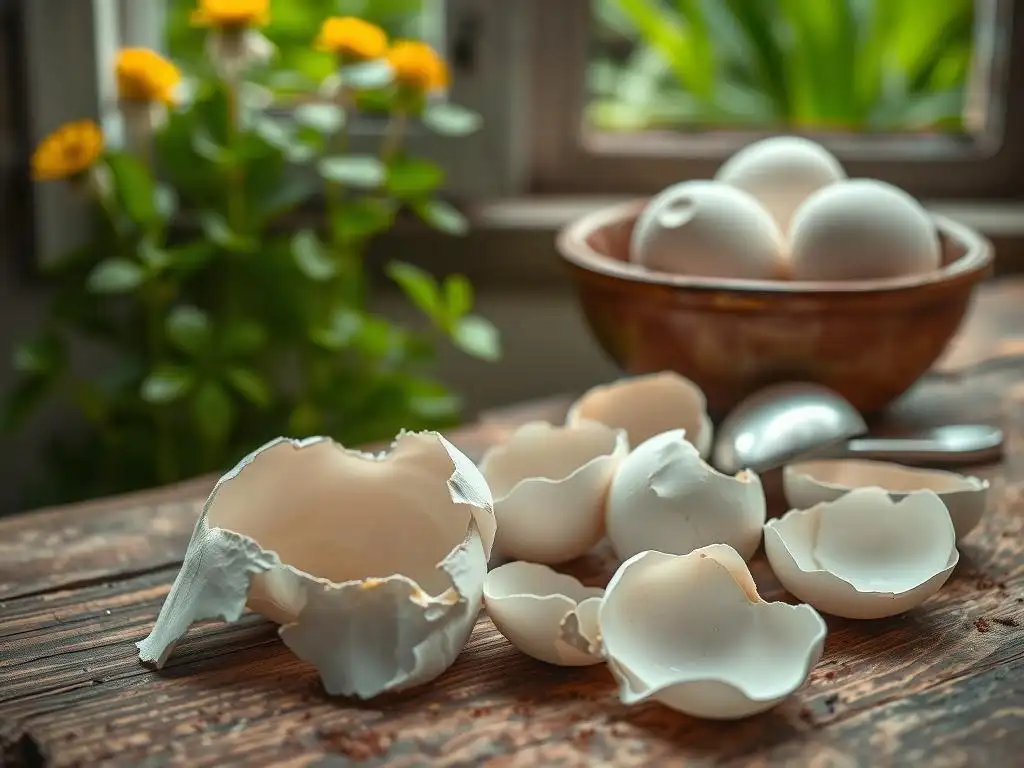
This section details the crucial first steps in transforming readily available eggshells into a valuable soil amendment that demonstrably improves plant growth. Proper preparation ensures your eggshells are effective and safe for your plants. Neglecting these steps can lead to issues such as attracting pests or introducing unwanted pathogens into your garden. Let's explore the process.
Cleaning and Drying Eggshells for Optimal Use
Before you begin crushing your eggshells, thorough cleaning and drying are paramount. This process removes any residual egg material that could attract pests or introduce bacteria and mold into your compost or soil. Simply rinsing the shells under running water isn't sufficient.
Follow these steps for optimal results:
- Rinse: Rinse the eggshells under cold running water to remove any visible egg residue.
- Soak (Optional): For particularly stubborn residue, soak the shells in a bowl of warm, soapy water for 15-20 minutes. Use a mild dish soap, avoiding harsh chemicals.
- Scrub: Use a soft brush or sponge to gently scrub the inside and outside of the eggshells, removing any remaining egg white or yolk.
- Rinse Again: Thoroughly rinse the shells again with clean water to remove all traces of soap.
- Dry: Spread the cleaned eggshells in a single layer on a clean, dry surface, such as a newspaper or a baking sheet. Allow them to air dry completely. This may take several hours or even overnight, depending on the humidity. Alternatively, you can speed up the process by using a low heat oven (around 100°F or 38°C) for 1-2 hours, ensuring they don't burn. Proper drying prevents mold growth.
Remember, completely dry eggshells are easier to crush and less likely to clump together when stored. This meticulous cleaning process directly contributes to the effectiveness of eggshells as a soil amendment, ensuring that they provide a boost to plant growth without introducing unwanted elements.
Crushing Eggshells: Methods and Considerations
Once your eggshells are thoroughly dry, the next step is crushing them to a manageable size. The size of the crushed eggshells will influence how quickly they break down and release calcium into the soil. Finely crushed eggshells integrate more quickly, while larger pieces offer a slower, more sustained release.
Here are a few methods for crushing eggshells:
- By Hand: This is the simplest method, suitable for small quantities. Place the dry eggshells in a sturdy bag (like a freezer bag) and crush them using a rolling pin or the bottom of a heavy pan.
- Using a Mortar and Pestle: This method offers more control over the size of the crushed pieces.
- Food Processor: A food processor can quickly crush large quantities of eggshells, but be cautious not to overload it. Process in batches for optimal results and avoid damaging the blades.
- Blender: Similar to a food processor, but it may be less efficient for larger, harder eggshells.
Considerations:
- Particle Size: Aim for a variety of sizes. A mix of finely crushed and slightly larger pieces provides both immediate and sustained calcium release, benefiting plant growth over a longer period.
- Avoid Dust: Very fine dust can be irritating. It's best to avoid creating excessive dust during the crushing process.
Storing Crushed Eggshells for Later Application
Proper storage prevents moisture absorption, which can lead to clumping and potential mold growth. Store crushed eggshells in an airtight container in a cool, dry place. This ensures that your valuable calcium-rich amendment remains effective and ready to use when you need it.
Several options for storage exist:
- Airtight Plastic Containers: These are readily available and ideal for preventing moisture absorption.
- Glass Jars: Glass jars offer a reusable and environmentally friendly option. Ensure the lid creates an airtight seal.
- Resealable Bags: While less ideal than airtight containers, resealable bags can work for short-term storage. Make sure to remove as much air as possible before sealing.
Proper storage is essential for maintaining the quality and effectiveness of your eggshell amendment. By following these steps, you can ensure that your eggshells contribute significantly to improving plant growth and providing your plants with the vital calcium they need. The improved plant health resulting from this simple, sustainable amendment is a testament to the power of resourceful gardening.
Applying Eggshells as a Soil Amendment
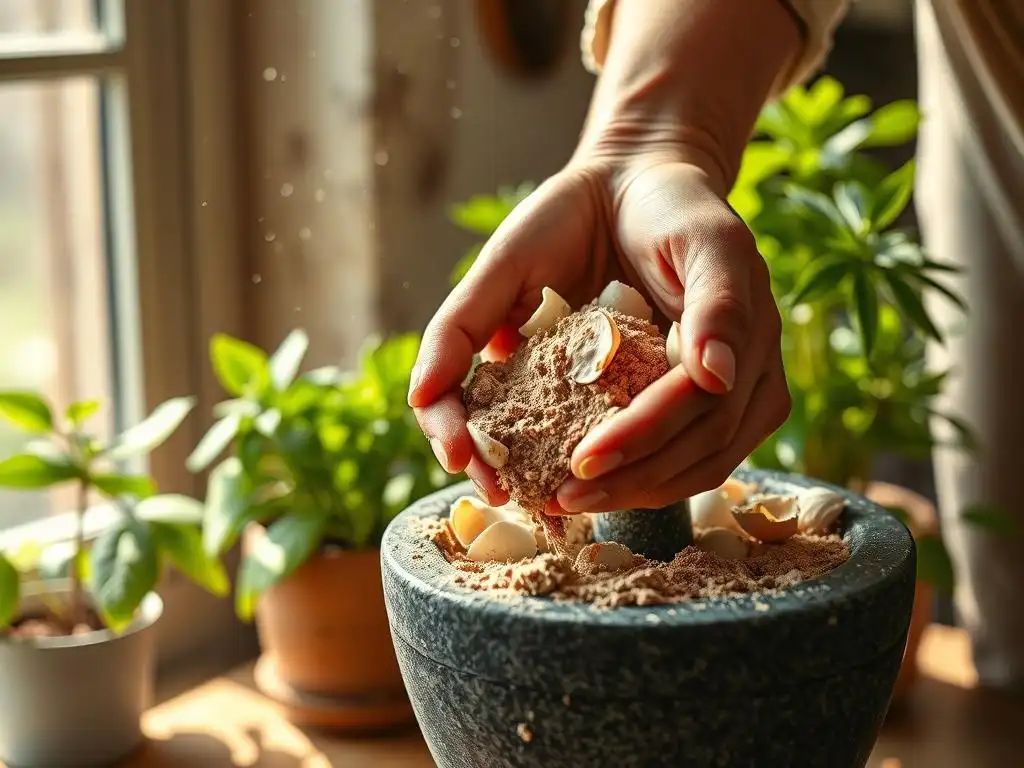
Eggshells, a readily available byproduct of your kitchen, offer a fantastic way to improve plant growth naturally. Their primary benefit stems from their high calcium carbonate content, a crucial nutrient for strong cell walls and overall plant health. This translates to healthier, more robust plants, better equipped to withstand pests and diseases. But simply tossing eggshells into your garden isn't enough to maximize their impact; proper preparation and application are key to unlocking their full potential for boosting your garden's productivity. Let's delve into the best practices for using eggshells to enrich your soil and help your plants thrive.
Direct Application to Soil: Timing and Techniques
Directly incorporating crushed eggshells into your soil is a straightforward method for delivering calcium and improving soil structure. The timing of application is important. Ideally, you should amend your soil with eggshells before planting, allowing sufficient time for the shells to break down and release their nutrients. This is particularly beneficial for plants known to be heavy calcium feeders, such as tomatoes, peppers, and leafy greens.
The technique is simple: Thoroughly dry and crush the eggshells. Avoid using very fine powder as this can compact the soil. A coarse, slightly gritty texture is ideal. Incorporate the crushed eggshells into the soil at a rate of approximately 1 cup per square foot of garden bed. Gently mix them into the top few inches of soil.
Over-application can lead to alkalinity issues, so moderation is key. For established plants, carefully work the eggshells into the soil around the base of the plants, avoiding direct contact with the stems to prevent rot. Remember to water the soil thoroughly after application to help the eggshells settle and begin to break down. Regular soil testing can help you monitor calcium levels and adjust your application accordingly.
Incorporating Eggshells into Compost
Composting eggshells offers a more indirect but equally effective method of enriching your soil with calcium. The composting process naturally breaks down the eggshells over time, releasing nutrients gradually into the compost. This slow-release mechanism provides a sustained supply of calcium to your plants, preventing nutrient spikes and ensuring a consistent supply throughout the growing season.
Adding eggshells to your compost pile is easy. Simply add the clean, dry eggshells to your compost bin, along with other organic materials such as yard waste, fruit and vegetable scraps, and coffee grounds. Ensure that the eggshells are well-distributed throughout the pile to promote even decomposition.
The presence of nitrogen-rich materials in your compost will aid in the breakdown of the calcium carbonate in the eggshells, accelerating the release of calcium into the soil. The resulting compost, rich in calcium and other beneficial nutrients, can then be used to amend your garden beds, providing a slow-release source of plant food that improves soil health and promotes vigorous plant growth. Remember, the decomposition rate can vary depending on your composting technique and environmental factors.
Using Eggshell Tea as a Liquid Fertilizer
Eggshell tea is a liquid fertilizer created by steeping crushed eggshells in water. This method provides a readily available source of calcium for your plants, ideal for addressing calcium deficiencies quickly. This technique is particularly useful for plants showing signs of calcium deficiency, such as blossom-end rot in tomatoes.
To make eggshell tea, start by crushing clean, dry eggshells into small pieces. Place approximately 1 cup of crushed eggshells in a container, such as a bucket or large jar. Add about 1 gallon of water, and stir well. Allow the mixture to steep for several days, stirring occasionally. The longer the steep time (up to 2 weeks), the more calcium will be extracted.
Once steeped, strain the liquid to remove the eggshell fragments. Dilute the eggshell tea with water at a ratio of 1:1 before applying it to your plants. Water your plants at the base, avoiding the foliage to prevent fungal diseases. Remember to use eggshell tea sparingly, as excessive application can lead to alkalinity imbalances in your soil. Regular monitoring and soil testing are crucial to avoid over-fertilizing.
Maximizing the Effectiveness of Eggshell Amendments
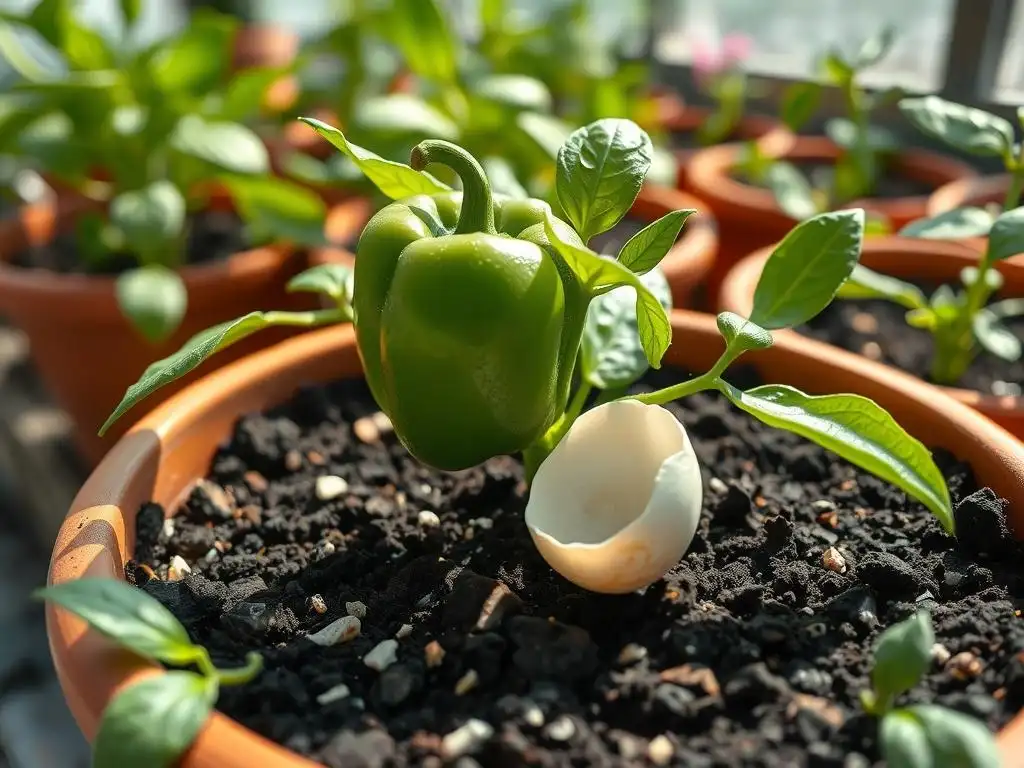
This section explores strategies to optimize the benefits of eggshells as a soil amendment, ensuring your plants receive the maximum calcium boost for robust growth. Proper preparation and application are key to unlocking the full potential of this readily available, sustainable resource. We'll examine how to prepare eggshells effectively and how their impact on plant growth can be further enhanced. Remember, the goal is to improve plant growth using a readily available, cost-effective, and environmentally friendly method.
Combining Eggshells with Other Organic Materials
Blending eggshells with other organic materials significantly enhances their effectiveness as a soil amendment. The calcium carbonate in eggshells works synergistically with other nutrients, resulting in healthier, more vigorous plants. For example, combining crushed eggshells with compost creates a nutrient-rich mix that provides a slow-release source of calcium and other essential minerals. This combination improves soil structure, aeration, and water retention, all crucial factors for optimal plant growth. The added organic matter in the compost helps prevent the eggshells from becoming compacted, ensuring better calcium availability to plant roots.
Another beneficial combination involves mixing eggshells with worm castings. Worm castings are rich in beneficial microorganisms and nutrients, complementing the calcium provided by the eggshells. This combination fosters a thriving soil ecosystem, leading to improved nutrient uptake and overall plant health. The synergistic effect of these two organic materials contributes significantly to improving plant growth, resulting in healthier and more productive plants.
Consider the following table illustrating potential combinations and their benefits:
| Combination | Benefits | Notes |
|---|---|---|
| Eggshells + Compost | Improved soil structure, slow-release calcium, enhanced nutrient availability | Best for most plants, especially those needing calcium for strong stems. |
| Eggshells + Worm Castings | Increased microbial activity, improved nutrient uptake, boosted plant growth | Ideal for seedlings and plants requiring extra nutrients. |
| Eggshells + Bone Meal | Enhanced calcium and phosphorus levels, stronger root systems | Use sparingly, as both are high in calcium and phosphorus. |
Monitoring Plant Growth and Adjusting Application
Regular monitoring of your plants' growth is crucial to determine the effectiveness of your eggshell amendment strategy and to adjust application accordingly. Observe your plants closely for signs of calcium deficiency, such as yellowing leaves, stunted growth, or blossom-end rot in fruits. These symptoms indicate the need for either increased eggshell application or a change in application method.
Keep detailed records of your eggshell application, noting the amount used, the type of plants, and the date of application. This will allow you to track the effectiveness of your approach and make informed adjustments for future applications. For example, if you notice stunted growth despite regular eggshell application, you might consider adding other organic amendments or testing your soil's pH to ensure it's optimal for calcium absorption. Remember, consistent monitoring allows for fine-tuning your strategy and optimization of results, ultimately leading to improved plant growth.
The frequency of application will depend on factors such as soil type, plant type, and the initial calcium levels in your soil. Regular soil testing can provide valuable insight into your soil's nutrient composition and guide your application strategy. However, even without testing, observing your plants for signs of deficiency or excess will provide valuable feedback. Always err on the side of caution, starting with smaller amounts and gradually increasing as needed.
Troubleshooting Potential Issues with Eggshell Use
While eggshells are generally safe and beneficial, some potential issues might arise. One common concern is the potential for slow decomposition, which could lead to a temporary increase in soil pH. To mitigate this, ensure the eggshells are finely crushed or ground before incorporation into the soil. This increases the surface area, accelerating decomposition and reducing the risk of pH imbalances. Also, avoid using excessive amounts of eggshells, as this can lead to an overly alkaline soil environment, potentially hindering nutrient uptake.
Another potential issue is the possibility of attracting pests. While unlikely, some insects might be attracted to the eggshells. To prevent this, incorporate the eggshells thoroughly into the soil and maintain good garden hygiene. Regularly removing weeds and debris will minimize pest issues. If you notice any pest problems, consider implementing standard pest control methods appropriate for your garden and plants. Remember, proactive measures and proper application techniques minimize potential problems and ensure the successful use of eggshells as a valuable soil amendment. The key is to balance the benefits with careful management for optimal results.
Eggshells: A Sustainable and Cost-Effective Solution
Eggshells offer a fantastic opportunity to improve plant growth by enriching your soil with essential nutrients, all while minimizing waste and embracing sustainable gardening practices. This readily available resource provides a significant boost to your garden's health, resulting in stronger, more vibrant plants. The process is simple, environmentally friendly, and incredibly cost-effective, making it an ideal choice for both novice and experienced gardeners alike. Let's delve into the specifics of how eggshells contribute to a thriving garden.
Environmental Benefits of Using Eggshells
Employing eggshells as a soil amendment offers numerous environmental advantages. Firstly, it significantly reduces the amount of organic waste sent to landfills. Every year, millions of eggshells end up in garbage dumps, contributing to landfill overflow and environmental pollution.
By repurposing eggshells, we actively participate in waste reduction and promote a circular economy within our gardening practices. This aligns perfectly with sustainable gardening principles, minimizing our environmental footprint. Furthermore, using eggshells avoids the need for synthetic calcium supplements, which often have significant carbon footprints associated with their production and transportation.
The inherent calcium carbonate in eggshells provides a natural and readily available source of calcium for plants, reducing reliance on potentially harmful chemical alternatives. This contributes to cleaner air and water, protecting the environment for future generations. The benefits extend beyond just calcium; the decomposition of eggshells also improves soil structure, enhancing water retention and aeration, further promoting a healthy ecosystem within the garden.
Reducing Waste and Promoting Circular Gardening
The transition to using eggshells as a soil amendment is a simple yet profound step towards circular gardening. Instead of discarding eggshells, we transform them into a valuable resource for our plants. This shift in perspective exemplifies the core principles of sustainable living: reducing waste, reusing resources, and recycling materials.
The process itself is straightforward. After thoroughly cleaning and drying the eggshells, you can crush them into smaller pieces and incorporate them directly into the soil, or create an eggshell tea by soaking crushed shells in water. This simple act of repurposing drastically reduces the amount of organic waste produced in your household and contributes to a more environmentally conscious lifestyle.
The reduction of landfill waste directly translates to a smaller carbon footprint, aligning with the broader movement towards sustainable and eco-friendly practices. This method not only benefits the environment but also saves money, making it a win-win situation for both your garden and your wallet. The transition from discarding to utilizing eggshells exemplifies the power of mindful gardening and resource management.
Long-Term Impacts on Soil Health and Plant Vigor
The consistent use of eggshells as a soil amendment leads to significant long-term improvements in soil health and plant vigor. The calcium carbonate in eggshells helps neutralize acidic soils, creating a more balanced pH level that is optimal for most plants. This improved pH contributes to better nutrient uptake, enabling plants to access essential minerals more effectively. The gradual decomposition of eggshells also improves soil structure, leading to increased water retention and better aeration.
This translates to healthier root systems, stronger plants, and increased resistance to diseases and pests. Over time, the cumulative effect of using eggshells results in healthier, more fertile soil, reducing the need for other soil amendments and fertilizers. Studies have shown that plants supplemented with eggshells exhibit improved growth rates, increased yields, and enhanced overall health.
The long-term benefits extend beyond the immediate improvement in plant health; they contribute to a more sustainable and self-sustaining garden ecosystem. The continuous cycle of adding eggshells to the soil creates a positive feedback loop, leading to a healthier garden that requires less intervention and maintenance in the long run. This makes eggshells a truly valuable asset for any gardener committed to building healthy, vibrant soil.
Frequently Asked Questions
How do eggshells improve plant growth?
Eggshells are a great source of calcium carbonate, which is crucial for strong plant growth. They help plants develop strong cell walls and improve overall plant health, particularly for plants like tomatoes and peppers.
Are all eggshells suitable for improving plant growth?
Yes, but wash and dry them thoroughly before using. Avoid using eggshells from eggs that have been treated with chemicals or pesticides. Crushing them into smaller pieces is also beneficial.
How do I use eggshells in my garden?
You can crush the eggshells and mix them into the soil before planting. Alternatively, you can place crushed eggshells around the base of your plants as a slow-release calcium supplement.
What plants benefit most from eggshells?
Plants that require high calcium levels, such as tomatoes, peppers, and leafy greens, will benefit significantly from the addition of eggshells. They also help prevent blossom-end rot in tomatoes.
Are there any downsides to using eggshells as a soil amendment?
While generally beneficial, using too many eggshells can alter the soil's pH, making it more alkaline. Monitor your soil's pH and adjust accordingly if needed. Also, ensure they are completely dry to prevent mold.
Final Reflection: The Humble Eggshell's Unexpected Power
The seemingly insignificant eggshell, a byproduct of our kitchens, holds the key to unlocking vibrant, healthier plant growth. This simple, readily available resource offers a sustainable and effective alternative to expensive commercial fertilizers, proving that sometimes the most impactful solutions are found in the most unexpected places. The potential for widespread adoption of this practice is immense, offering a tangible path towards more sustainable gardening practices for individuals and communities alike.
The journey of exploring the benefits of eggshells for plant growth has been a fascinating one, highlighting the interconnectedness of seemingly disparate elements. It underscores the importance of looking beyond the obvious and appreciating the hidden potential within everyday materials. The impact extends beyond the garden itself; it speaks to a broader movement towards mindful consumption and resourcefulness. Waste is a resource out of place,
a quote often attributed to Antoine de Saint-Exupéry, perfectly encapsulates the essence of this discovery. We are reminded that what we often discard can be repurposed to create something beautiful and beneficial.
Consider the possibilities: Imagine a world where every household contributes to a greener future by repurposing their eggshells, transforming kitchen waste into a valuable resource for thriving gardens. You, the reader, hold the power to make a difference. Start small, begin composting your eggshells, and witness the transformative power of this humble material firsthand. Observe the growth, feel the connection to nature, and share your experience with others. Let's cultivate a future where sustainability and vibrant growth go hand in hand, one eggshell at a time.
Unlock Your Garden's Potential: Nourish Plants with Eggshells!
Thank you for learning about the amazing benefits of using eggshells to improve your garden! You've discovered a simple and sustainable way to boost plant growth and health. Ready to get started?
- Start composting your eggshells today! Clean and crush them before adding them to your compost bin for a rich source of calcium. This is an easy way to transform kitchen waste into valuable garden fertilizer.
- Share your eggshell gardening tips and experiences with our community! Let's learn from each other and cultivate even more vibrant plants together.
- Experiment with different application methods: Try applying crushed eggshells directly to the soil around your plants, or mix them into your potting soil. See which method works best for you!
What wonderful changes will you see in your garden after adding this natural, powerful fertilizer?