
LongBlooming Beauties: Plants That Keep Pollinators Happy All Season

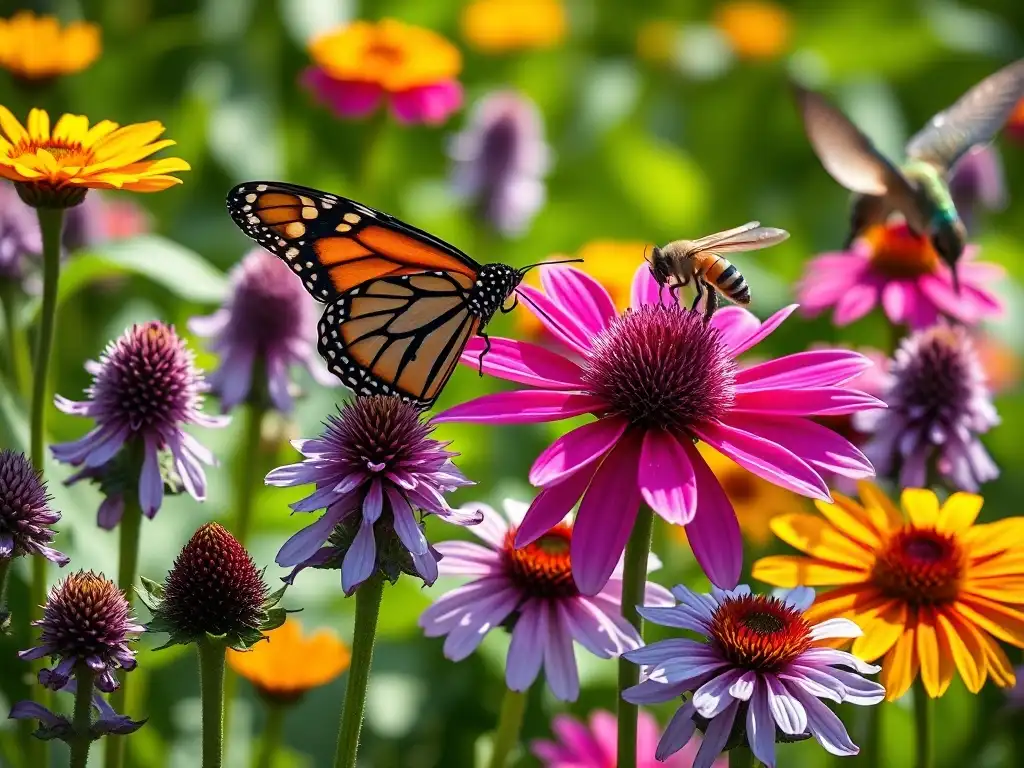
Welcome to CultivateYourFood, your guide to a thriving, sustainable garden! Are you ready to transform your outdoor space into a vibrant haven teeming with life? Discover the secrets to attracting beneficial pollinators all season long with our in-depth article on long blooming pollinator plants. Learn how to choose the perfect varieties to ensure a continuous bloom, supporting both your garden's beauty and its ecological health. Let's cultivate a greener, more bountiful future, together!
- Understanding the Importance of Long-Blooming Pollinator Plants for Your Garden
- Choosing the Right Long-Blooming Pollinator Plants for Your Region
-
Top 10 Long-Blooming Pollinator Plants for Your Home Garden
- Lavender (Lavandula angustifolia): A Classic Choice for Bees and Butterflies
- Coneflowers (Echinacea): Attracting Pollinators from Summer into Fall
- Bee Balm (Monarda): A Vibrant Addition to Your Pollinator Garden
- Salvia: A Diverse Genus of Pollinator Magnets
- Russian Sage (Perovskia atriplicifolia): A Drought-Tolerant Option
- Sedum (Stonecrop): Late-Season Blooms for Pollinators
- Sunflowers (Helianthus annuus): A Tall and Striking Pollinator Favorite
- Zinnias (Zinnia elegans): Bright and Cheerful Blooms for Bees and Butterflies
- Black-Eyed Susans (Rudbeckia): A Hardy and Reliable Pollinator Plant
- Goldenrod (Solidago): A Late-Season Nectar Source for Migrating Pollinators
- Creating a Thriving Pollinator Garden: Tips and Techniques
- Maintaining Your Long-Blooming Pollinator Paradise
- Resources for Further Learning and Purchasing Pollinator Plants
-
Frequently Asked Questions
- What are some examples of long-blooming pollinator plants?
- How do I choose the right long-blooming plants for my garden?
- What is the benefit of planting long-blooming pollinator plants?
- How can I encourage my long-blooming plants to bloom longer?
- Are there any long-blooming pollinator plants suitable for containers?
- Final Reflection: The Enduring Gift of Long-Blooming Flowers
- Unleash Your Inner Gardener: Extend the Pollinator Party!
Understanding the Importance of Long-Blooming Pollinator Plants for Your Garden
Creating a vibrant and productive garden relies heavily on the tireless work of pollinators like bees, butterflies, and hummingbirds. These beneficial insects are crucial for the fertilization of many fruits, vegetables, and flowers, ensuring a bountiful harvest and a thriving ecosystem.
This article focuses on the vital role of long-blooming pollinator plants – those that provide a continuous source of nectar and pollen throughout the growing season – in maximizing the effectiveness of your pollinator population and, consequently, your garden's yield. Choosing plants that bloom sequentially, rather than all at once, ensures a consistent food source for pollinators, encouraging them to stay in your garden and work their magic.
We'll explore the benefits of this continuous bloom, examining how it contributes to biodiversity, improves fruit and vegetable production, and ultimately enhances the overall health and beauty of your sustainable garden. By understanding these benefits, you can make informed choices when selecting plants, creating a haven for pollinators and a thriving garden for years to come.
Attracting Beneficial Insects: Why Continuous Bloom Matters
A consistent supply of nectar and pollen is paramount for maintaining a healthy pollinator population. Imagine a buffet that only serves food for a week; guests would leave once the food runs out! Similarly, if your garden only offers blooms for a short period, pollinators will move on to areas with more readily available resources. Long-blooming pollinator plants, however, provide a constant feast, enticing beneficial insects to remain in your garden and actively participate in pollination.
This constant attraction leads to increased pollination rates across your entire garden, resulting in healthier plants and more abundant harvests. The continuous bloom also helps to support a wider variety of pollinators, each with their unique preferences and foraging periods. For example, early-season bloomers attract early-emerging bees, while late-season bloomers support pollinators that are active later in the year. This diversity strengthens the resilience of your garden ecosystem.
Biodiversity Boost: Supporting Pollinators Throughout the Growing Season
Long-blooming plants are key to supporting biodiversity in your garden. A diverse pollinator community is more resilient to environmental changes and diseases, ensuring the continued health of your garden ecosystem. By providing a continuous food source, you're creating a stable habitat that attracts a wider array of pollinators. This goes beyond just the bees; butterflies, moths, hummingbirds, and even beetles play critical roles in pollination.
Each pollinator has a unique foraging behavior and preferred flower types, meaning a diverse selection of long-blooming plants caters to a wider spectrum of these beneficial creatures. Consider incorporating plants with different flower shapes, sizes, and colors to attract the widest possible range of pollinators. This diversity not only benefits the pollinators but also improves the overall health and resilience of your entire garden.
The Benefits of Extended Pollination for Fruit and Vegetable Production
The direct impact of extended pollination on fruit and vegetable production is significant. More consistent pollination translates directly to higher yields and improved fruit and vegetable quality. Fruits and vegetables pollinated throughout their blooming period tend to be larger, healthier, and more flavorful. This is because continuous pollination ensures proper fertilization and fruit development.
Furthermore, prolonged pollination reduces the chances of uneven fruit set, a common problem when pollination is limited to a short period. By carefully selecting plants that bloom sequentially, you can maximize pollination across your entire garden, resulting in a more abundant and higher-quality harvest. This translates to more delicious homegrown produce and a more satisfying gardening experience overall.
Choosing the Right Long-Blooming Pollinator Plants for Your Region
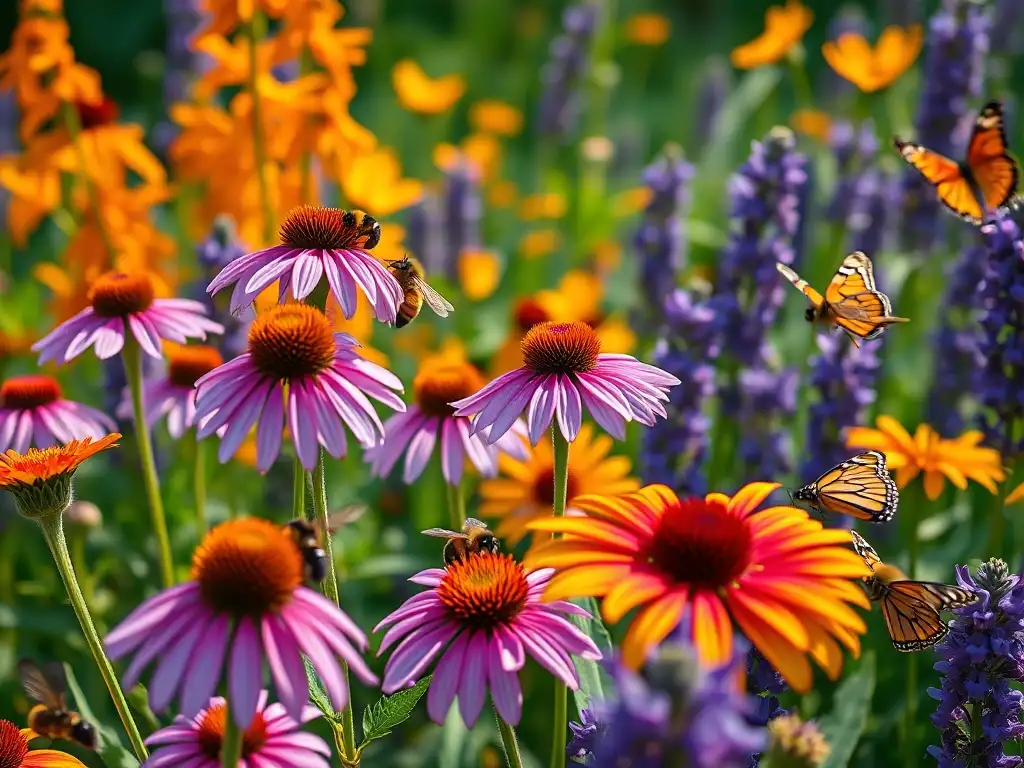
Selecting the perfect long blooming pollinator plants hinges on understanding your specific growing conditions. Ignoring this crucial step can lead to disappointment, as even the most beautiful plant will struggle to thrive in an unsuitable environment. This section focuses on tailoring your plant choices to maximize success and attract pollinators throughout the entire growing season. The key to attracting pollinators all season long is diversity; a mix of plants blooming at different times ensures a constant food source.
Assessing Your Microclimate: Sunlight, Soil, and Hardiness Zones
Before diving into plant selection, you must understand your microclimate. This involves considering several key factors:
- Sunlight: How many hours of direct sunlight does your garden receive daily? Different plants have different sunlight requirements. Full sun (6-8 hours), partial sun (4-6 hours), and shade (less than 4 hours) all impact plant health and flowering. For example, lavender, a popular pollinator plant, thrives in full sun, while astilbe prefers partial shade.
- Soil Type: The texture and composition of your soil are vital. Is it sandy, loamy, or clay? Well-draining soil is crucial for most plants, preventing root rot. Conduct a simple soil test to determine its pH level; many plants prefer slightly acidic or neutral conditions. Amend your soil with compost to improve its structure and nutrient content, benefiting both plant growth and pollinator attraction.
- Hardiness Zone: This determines which plants can survive the winter in your area. The USDA Plant Hardiness Zone Map divides North America into zones based on average minimum winter temperatures. Choosing plants within your hardiness zone ensures they'll survive and return year after year, providing continuous blooms for pollinators. For example, a plant hardy to Zone 6 won't survive a Zone 3 winter.
Understanding these factors empowers you to choose plants perfectly suited to your garden's unique environment. This careful selection is fundamental to a thriving pollinator garden. Accurate assessment minimizes plant failure and maximizes your chances of attracting a wide variety of beneficial insects.
Selecting Plants for Different Bloom Times: Spring, Summer, and Fall Blooms
To keep pollinators visiting your garden all season, choose plants with staggered bloom times. Think of it as creating a floral buffet with options available throughout spring, summer, and fall.
- Spring Blooms: Early bloomers like crocus, pussy willow, and bloodroot provide vital early-season nectar and pollen for emerging pollinators. These often overlooked plants are crucial for the health of the pollinator populations.
- Summer Blooms: Summer offers a wide array of options, including coneflowers, bee balm, and lavender. These plants provide a continuous source of food during the peak of the pollinator season. Consider planting different varieties of the same species to extend the bloom period. For instance, different coneflower cultivars have slightly different bloom times.
- Fall Blooms: As summer fades, plants like asters, goldenrod, and sedum offer a vital late-season food source, crucial for pollinators preparing for winter. These late bloomers are often overlooked, yet they are essential for the survival of many pollinators.
The careful selection of plants with staggered bloom times is key to creating a pollinator haven throughout the growing season. Remember to consider the plant's height and spread when planning your garden layout.
Creating a Succession Planting Plan with Specific Plant Recommendations
A well-planned succession planting strategy ensures continuous blooms. This involves planting different species with overlapping bloom times, creating a constant source of nectar and pollen. Here's a sample plan, adaptable to your specific region and microclimate:
| Month | Plant Type | Specific Plant Examples | Notes |
|---|---|---|---|
| April | Early Spring Bloomers | Crocus, Pussy Willow, Bloodroot | Plant bulbs in the fall for spring blooms. |
| May | Early Summer Bloomers | Salvia, Bee Balm, Lupine | Provide full sun and well-drained soil. |
| June | Mid-Summer Bloomers | Coneflowers, Lavender, Catmint | Deadhead spent flowers to encourage more blooms. |
| July | Mid-Summer Bloomers | Butterfly Bush, Zinnia, Coreopsis | Water regularly during dry periods. |
| August | Late Summer Bloomers | Asters, Goldenrod, Sedum | These tolerate some drought conditions. |
| September | Late Summer/Early Fall | Sunflower (certain varieties), Joe-Pye Weed | Provide ample space for these larger plants. |
| October | Fall Bloomers | Russian Sage, Helenium | These can extend the bloom season into autumn. |
Remember, this is just a sample. Adapt this plan to your region's climate and soil conditions. Research plants native to your area for optimal results. By strategically selecting and planting long blooming pollinator plants, you can create a vibrant and welcoming habitat that supports pollinators throughout the entire year. 🌱
Top 10 Long-Blooming Pollinator Plants for Your Home Garden
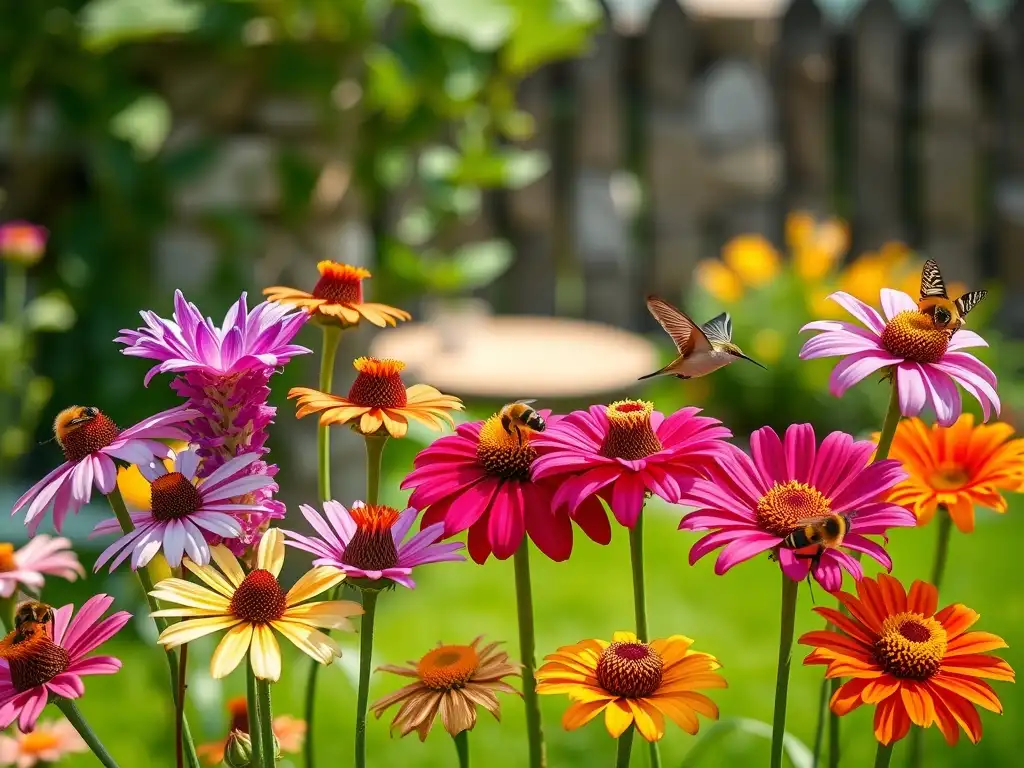
This section details ten exceptional plant choices renowned for their extended blooming periods, providing consistent sustenance for pollinators throughout the growing season. These "long blooming pollinator plants" are vital for maintaining a thriving ecosystem in your home garden, ensuring biodiversity and abundant harvests. Careful selection and proper cultivation will maximize their impact, attracting a wide variety of beneficial insects and contributing significantly to your garden's overall health.
Lavender (Lavandula angustifolia): A Classic Choice for Bees and Butterflies
Lavender, with its captivating fragrance and vibrant purple blooms, is a cornerstone of any pollinator-friendly garden. Its long blooming season, typically extending from early summer to late autumn, provides a continuous food source for bees, butterflies, and other beneficial insects. The nectar-rich flowers are particularly attractive to honeybees, contributing to honey production and overall pollination success in your garden. Furthermore, lavender's aromatic oils deter certain pests, adding another layer of benefit to its presence. Its drought-tolerant nature makes it a low-maintenance addition to your sustainable garden practices.
Cultivating Lavender: Soil Requirements, Sunlight Exposure, and Pruning Techniques
Lavender thrives in well-drained, sandy or gravelly soil with a slightly alkaline pH. It requires at least six to eight hours of direct sunlight daily to flourish. Proper soil drainage is crucial to prevent root rot, a common problem with overwatering. Regular pruning after the main flowering period promotes bushier growth and encourages more blooms the following season.
Pruning should be done carefully, removing spent flower stalks and shaping the plant to maintain its desired form. Avoid pruning too deeply into the woody stems, as this can damage the plant. Consider using sharp, clean pruning shears to minimize the risk of infection.
Where to Buy High-Quality Lavender Seeds and Plants
Selecting a reputable source for your lavender seeds or plants is critical for ensuring their health and vigor. Look for suppliers who prioritize organic growing practices and offer disease-free stock. Many local nurseries carry a variety of lavender cultivars, allowing you to choose the best fit for your garden's conditions and aesthetic preferences. Online retailers also offer a wide selection, but always check customer reviews and the supplier's reputation before making a purchase. Consider purchasing established plants rather than seeds if you're aiming for quicker results, especially in cooler climates where seed germination might be slower.
Coneflowers (Echinacea): Attracting Pollinators from Summer into Fall
Coneflowers are another exceptional choice for extending the pollinator-attracting season well into the fall. Their daisy-like blooms, in shades of purple, pink, white, and orange, are a magnet for a wide range of pollinators, including bees, butterflies, and even hummingbirds. The flowers are exceptionally rich in nectar and pollen, providing a crucial late-season food source when many other plants have finished blooming. Their resilience to drought and disease makes them ideal for low-maintenance gardening.
Echinacea Varieties: Choosing the Right Coneflower for Your Garden
Numerous Echinacea cultivars are available, each with unique characteristics in terms of height, flower color, and bloom time. Some varieties are compact, suitable for smaller gardens, while others grow taller, creating a stunning backdrop for shorter plants. Consider the overall design of your garden when selecting your Echinacea varieties. Research different cultivars to find those that best suit your aesthetic preferences and the specific needs of your garden space. A diverse selection of Echinacea will also attract a wider range of pollinators.
Supporting Echinacea Growth: Watering, Fertilizing, and Pest Control
Coneflowers generally require minimal care once established. Water deeply but infrequently, allowing the soil to dry slightly between waterings. Overwatering can lead to root rot. Fertilizing is rarely necessary, as Echinacea prefers leaner soils. Excessive fertilization can reduce flowering. Inspect your plants regularly for pests such as aphids or spider mites. If infestations occur, consider using organic pest control methods, such as insecticidal soap or neem oil, to protect your plants without harming beneficial insects. Remember, healthy soil is key to healthy plants. Regular composting and soil enrichment will contribute to robust Echinacea growth.
Bee Balm (Monarda): A Vibrant Addition to Your Pollinator Garden
Bee balm, scientifically known as Monarda, is a standout choice for attracting pollinators to your garden. Its vibrant, clustered flowers, available in shades of red, pink, purple, and even white, are irresistible to bees, butterflies, and hummingbirds. The plant's strong, minty scent also plays a role in attracting these beneficial insects.
Bee balm is relatively easy to grow, thriving in full sun to partial shade and well-drained soil. It's a low-maintenance option, requiring minimal watering once established, making it perfect for even the busiest home gardener. The long blooming period, extending throughout the summer and often into early autumn, ensures a continuous supply of nectar and pollen for your garden's visitors.
This makes bee balm an excellent choice for supporting pollinator populations throughout the growing season. Furthermore, its resilience to common garden pests and diseases makes it a robust and reliable addition to any pollinator-friendly garden design. Consider planting bee balm near other pollinator-attracting plants to create a vibrant and buzzing haven.
Bee Balm Varieties and Their Attractiveness to Different Pollinators
Different Monarda varieties exhibit varying levels of attractiveness to different pollinators. For instance, Monarda didyma (Scarlet Bee Balm) with its bright red blooms is particularly appealing to hummingbirds. The intensely colored flowers provide a visual cue and abundant nectar. On the other hand, varieties with lighter-colored flowers, such as Monarda fistulosa (Wild Bergamot), tend to attract a wider range of bees and butterflies. The subtle variations in flower shape and fragrance also influence pollinator preference.
Some varieties boast a more pronounced minty scent, which is particularly attractive to certain bee species. Choosing a mix of bee balm varieties ensures a diverse range of pollinators will visit your garden. Researching specific varieties and their known pollinator preferences can help you create a highly effective pollinator garden tailored to your region's insect diversity. Remember to check with local nurseries for the best varieties suited to your climate and soil conditions.
Tips for Propagating Bee Balm from Cuttings
Propagating bee balm from cuttings is a simple and cost-effective way to expand your pollinator garden. The best time to take cuttings is in late spring or early summer, after the initial flush of growth. Select healthy, non-flowering stems, approximately 4-6 inches long. Remove the lower leaves from the cutting, leaving only a few at the top.
Dip the cut end in rooting hormone for optimal results. Plant the cuttings in a moist, well-draining potting mix, keeping them consistently moist but not soggy. Cover the cuttings with a clear plastic bag or humidity dome to maintain high humidity. Place the cuttings in a location with bright, indirect sunlight.
With proper care, roots should develop within 4-6 weeks. Once the cuttings are well-rooted, they can be transplanted into your garden. This propagation method helps ensure the continuation of your favorite bee balm varieties and contributes to the biodiversity of your pollinator haven. Careful selection and propagation are crucial for maintaining healthy and robust pollinator plants in your garden.
Salvia: A Diverse Genus of Pollinator Magnets
Salvia, a vast genus encompassing hundreds of species, is a cornerstone of any pollinator-friendly garden. Known for its long blooming season and diverse flower colors and shapes, salvia attracts a wide array of pollinators, from hummingbirds and butterflies to various bee species. The tubular shape of the salvia flower is perfectly adapted to the long tongues of many pollinators, ensuring efficient nectar extraction. Different Salvia species offer varying bloom times, allowing for continuous pollinator activity throughout the growing season.
This characteristic makes salvia an invaluable asset in creating a sustainable pollinator habitat. Furthermore, salvia is generally drought-tolerant once established, reducing the need for frequent watering, an advantage in water-conscious gardening practices. Its adaptability to various soil types and light conditions makes it a versatile addition to diverse garden designs.
Salvia Varieties for Different Garden Styles and Sunlight Conditions
The genus Salvia offers incredible diversity for gardeners aiming to attract pollinators. For sunny locations, Salvia splendens (Scarlet Sage) provides vibrant red blooms all summer long, attracting hummingbirds and butterflies. For partial shade, Salvia guaranitica (Anise-Scented Sage) offers deep blue flowers with a distinctive licorice scent, appealing to bees and butterflies. Salvia nemorosa (Meadow Sage) thrives in full sun and offers a variety of colors, including purple, pink, and white, attracting a broad range of pollinators.
The compact growth habit of Salvia microphylla (Graham's Sage) makes it ideal for smaller gardens or borders, attracting pollinators with its vibrant red or pink flowers. Careful consideration of your garden's microclimate and sunlight conditions is critical when selecting the right Salvia varieties to ensure their thriving and the continuous attraction of pollinators. The choice of Salvia can greatly enhance the aesthetic appeal of your garden while supporting pollinator health.
Using Salvia to Create a Butterfly Garden
Salvia plays a pivotal role in creating a thriving butterfly garden. Many Salvia species offer nectar-rich flowers that are particularly attractive to butterflies, providing them with essential sustenance during their lifecycle. The vibrant colors and shapes of Salvia flowers are visually appealing to butterflies, guiding them towards the nectar source.
Planting a variety of Salvia species with overlapping bloom times ensures a continuous food source for butterflies throughout the growing season. Complementing Salvia with other butterfly-attracting plants, such as milkweed (for monarch butterfly larvae) and coneflowers, creates a complete and diverse habitat. The strategic placement of Salvia within the garden, considering sunlight and wind conditions, maximizes its effectiveness in attracting and supporting butterfly populations.
By carefully selecting and arranging Salvia plants, gardeners can actively participate in the conservation of these essential pollinators and enhance the beauty of their gardens simultaneously. The creation of a butterfly garden is a rewarding endeavor that contributes to the ecological balance of your surroundings.
Russian Sage (Perovskia atriplicifolia): A Drought-Tolerant Option
Russian Sage is a standout choice for those seeking long-blooming pollinator plants that require minimal upkeep. Its feathery, silvery-blue foliage adds a unique textural element to any garden, complementing a wide array of colors and styles. This hardy perennial thrives in full sun and well-drained soil, making it an ideal option for drier climates or areas with limited watering capabilities. The plant's tolerance for drought conditions is a significant advantage, reducing the water footprint of your garden and minimizing your maintenance workload.
Furthermore, Russian Sage is remarkably resilient to pests and diseases, further enhancing its low-maintenance appeal. Its strong, woody stems provide excellent structural support, preventing the plant from flopping even in windy conditions. The long blooming period, extending well into fall, consistently attracts a variety of pollinators, contributing to a thriving and biodiverse garden ecosystem.
Russian Sage's Unique Qualities: Long Bloom Period and Low Maintenance
The extended blooming period of Russian Sage is one of its most valuable attributes for attracting pollinators throughout the growing season. Unlike many plants that offer a shorter flowering window, Russian Sage provides a continuous display of small, lavender-blue flowers from mid-summer to early autumn. This consistent nectar and pollen source is crucial for supporting pollinator populations, especially during times when other flowering plants may have finished their blooming cycle.
The plant's low-maintenance nature is another key selling point. Beyond its drought tolerance, Russian Sage requires minimal fertilization and pruning. A light trim after the first bloom can encourage a second flush of flowers, extending the blooming period even further.
Its natural resistance to pests and diseases translates to less time spent on pest control, allowing you to enjoy your garden without the added worry of plant health issues. This makes Russian Sage a perfect choice for busy gardeners or those new to cultivating pollinator-friendly plants.
Landscaping Ideas Featuring Russian Sage
Russian Sage's versatility makes it a highly adaptable plant for various landscaping applications. Its silvery foliage creates a stunning contrast against vibrant blooms of other plants. Consider planting it alongside sunny yellow coneflowers or fiery orange daylilies for a striking color combination.
Its upright growth habit makes it ideal for borders, creating a visually appealing backdrop for shorter flowering plants. It can also be used effectively in rock gardens or xeriscaping designs, showcasing its drought tolerance and low-maintenance nature. For a more informal look, allow Russian Sage to self-seed and spread naturally, creating a larger, more dramatic display.
Its ability to withstand windy conditions also makes it a good choice for areas exposed to strong breezes. You could even incorporate it into a mixed-herb border, benefiting from its aesthetic appeal while also adding a unique aromatic element to your garden. The possibilities are numerous, making Russian Sage a truly versatile addition to any home garden.
Sedum (Stonecrop): Late-Season Blooms for Pollinators
Sedum, also known as stonecrop, is a genus of succulent plants that offer a valuable contribution to pollinator gardens, particularly in the late summer and autumn months. While many flowering plants have finished their blooming cycle by this time, Sedum provides a crucial late-season nectar and pollen source for bees, butterflies, and other beneficial insects. This extended blooming period is vital for sustaining pollinator populations as they prepare for winter.
The diverse range of Sedum varieties offers various sizes, colors, and bloom times, allowing gardeners to choose options that best suit their individual needs and aesthetic preferences. Many Sedum species are highly drought-tolerant, requiring minimal watering once established. Their succulent leaves store water, allowing them to withstand periods of dryness.
This makes them a practical and sustainable choice for water-wise gardening. Furthermore, Sedum's relatively low maintenance requirements, including minimal fertilization and pest control needs, contribute to its popularity among home gardeners.
Sedum Varieties for Various Garden Designs and Soil Types
The wide variety of Sedum species ensures there's a perfect option for every garden design and soil type. From low-growing groundcovers like Sedum acre ('Goldmoss Stonecrop') to tall, upright varieties like Sedum 'Autumn Joy,' there is a Sedum to suit every space and preference. 'Autumn Joy' is particularly popular for its large, flat-topped flower heads that change color from pinkish-red to deep bronze as the season progresses.
These variations in height and color allow for creative combinations and layered planting effects within the garden. Many Sedums are adaptable to various soil types, although well-drained soil is generally preferred to prevent root rot. This adaptability is a significant advantage for gardeners facing challenging soil conditions.
Choosing Sedum varieties with different bloom times can extend the overall flowering period in your garden, providing a continuous source of nectar and pollen for pollinators. Careful selection of Sedum varieties can also create a visually appealing display throughout the growing season, adding texture and color to your landscape.
Combining Sedum with Other Fall-Blooming Plants
To maximize the appeal of your pollinator garden, consider combining Sedum with other late-season bloomers. Pairing Sedum with asters, goldenrod, or coneflowers creates a vibrant and inviting habitat for pollinators. These companion plants not only extend the blooming period but also offer a diverse range of nectar and pollen sources, catering to a wider variety of pollinators. The contrasting textures and colors of these plants can also create a stunning visual display.
For example, the upright form of Sedum 'Autumn Joy' complements the delicate sprays of asters, while the low-growing Sedum acre provides a textural groundcover. Careful planning of plant heights and colors ensures a cohesive and visually appealing garden design. By strategically combining different plants, including various Sedum varieties and other fall bloomers, you can create a truly thriving and vibrant pollinator haven that extends the season of interest in your garden well into the autumn months.
Sunflowers (Helianthus annuus): A Tall and Striking Pollinator Favorite
Sunflowers are iconic for their cheerful, bright yellow faces, but their appeal extends far beyond their aesthetic charm. These towering beauties are magnets for pollinators, providing a crucial late-summer food source when many other flowers have finished blooming. Their large, disk-shaped flower heads are packed with tiny florets, each a tiny feast for bees, butterflies, and other beneficial insects.
The pollen-rich nature of sunflowers makes them particularly valuable for supporting pollinator populations, especially during a time of year when resources can be scarce. Furthermore, the height of the sunflower plants provides excellent vertical diversity in your garden, offering a different foraging height for various pollinator species. Different pollinators prefer different heights and flower structures, so having a variety of plant heights is beneficial for attracting a wider range of pollinators.
Choosing Sunflower Varieties for Height, Color, and Pollinator Attraction
Not all sunflowers are created equal when it comes to pollinator attraction. While the classic tall, yellow sunflower is a proven pollinator favorite, exploring different varieties can significantly enhance your garden's appeal. Consider dwarf varieties for smaller gardens, which still offer ample pollen and nectar. Additionally, branching varieties, which produce multiple flower heads on a single plant, provide a larger surface area for pollinators to feed upon.
The color of the flower heads also matters. While yellow is a classic choice, exploring orange, red, or even bi-colored varieties can attract a broader spectrum of pollinators. Remember to choose varieties that are open-pollinated or heirloom, rather than hybrid varieties, to ensure maximum pollen production and support for pollinator diversity. Researching varieties specifically marketed as 'pollinator friendly' will ensure you're making the best choice for your garden's ecosystem.
Growing Sunflowers from Seed
Growing sunflowers from seed is remarkably easy, making them an accessible choice for gardeners of all skill levels. Start by choosing a sunny location in your garden with well-drained soil. Direct sowing is the simplest method, planting seeds about an inch deep and a foot apart, depending on the variety’s mature size. Keep the soil consistently moist until germination, typically within a week. Sunflowers are relatively low-maintenance, requiring minimal watering once established.
However, regular watering during dry spells is crucial for optimal growth and flower production. To support the tall stalks, consider staking taller varieties, especially in windy areas. With minimal effort, you can enjoy a vibrant display that supports a thriving pollinator community throughout the late summer and early autumn. The seeds themselves also provide a valuable food source for birds once the flowering period concludes, making it a win-win for your garden's biodiversity.
Zinnias (Zinnia elegans): Bright and Cheerful Blooms for Bees and Butterflies
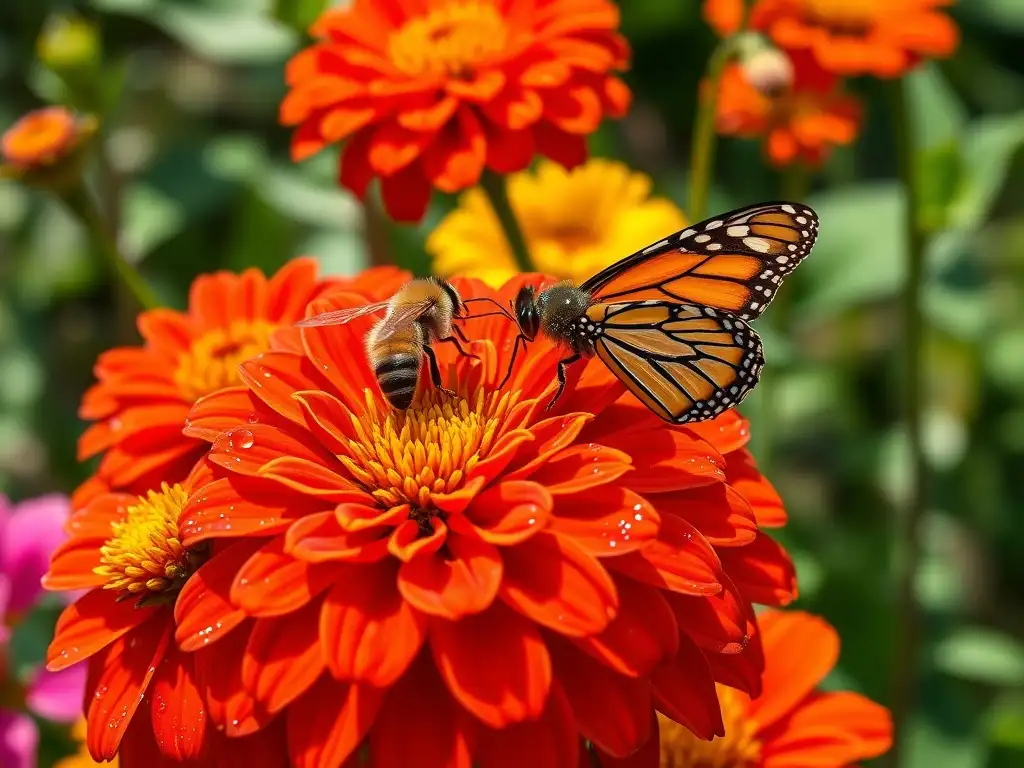
Zinnias are another excellent choice for attracting a wide array of pollinators throughout the growing season. Their vibrant colors, ranging from classic reds and yellows to oranges, pinks, and purples, create a visually stunning display that also serves a practical purpose. The daisy-like flowers are particularly attractive to bees, butterflies, and hummingbirds, offering a rich source of nectar and pollen.
Zinnias are relatively drought-tolerant once established, making them a low-maintenance option for busy gardeners. Their long blooming period, extending from early summer until the first frost, ensures a consistent supply of food for pollinators throughout the season, making them an invaluable addition to any pollinator garden. Their ease of cultivation and adaptability to various soil types contribute to their popularity among home gardeners.
Zinnia Varieties and Their Attractiveness to Different Pollinator Species
The diversity of Zinnia varieties offers opportunities to cater to different pollinator preferences. For example, single-flowered zinnias, with their open centers, are easier for pollinators to access than double-flowered varieties, which have more densely packed petals. Different colors also attract different pollinators; some studies suggest that certain colors are more attractive to specific pollinator species.
For example, vibrant reds might attract hummingbirds more effectively, while yellows and oranges may be particularly appealing to bees. Choosing a mix of colors and flower types ensures your garden attracts a wide range of pollinators. Consider planting a variety of Zinnia heights to cater to the foraging preferences of different pollinators, maximizing the impact of your pollinator garden.
Creating a Zinnia Border for Maximum Pollinator Impact
Planting zinnias in a border provides a concentrated source of nectar and pollen, creating a highly attractive foraging area for pollinators. A long, continuous border of zinnias will attract more pollinators than scattered individual plants. To maximize impact, plant zinnias in masses of the same color or in alternating blocks of contrasting colors. This creates a visually striking display while also providing a clear foraging area for pollinators.
Incorporating other pollinator-friendly plants alongside your zinnias can further enhance the appeal of your border and support a wider range of pollinator species. Remember to deadhead spent flowers regularly to encourage continuous blooming throughout the season, ensuring a consistent food source for your beneficial insect visitors. This simple practice keeps your zinnias thriving and your pollinator garden buzzing with activity.
Black-Eyed Susans (Rudbeckia): A Hardy and Reliable Pollinator Plant
Black-Eyed Susans are a quintessential North American wildflower, beloved for their cheerful yellow daisy-like blooms and their unwavering ability to attract pollinators throughout the growing season. These robust plants are incredibly adaptable, thriving in a wide range of soil conditions and sunlight exposures, making them an excellent choice for even novice gardeners seeking to cultivate long-blooming pollinator plants. Their daisy-like flowers, with their distinctive dark brown centers, are irresistible to bees, butterflies, and other beneficial insects.
The long blooming period, often extending from early summer well into autumn, provides a consistent food source for pollinators throughout the crucial months when nectar and pollen are scarce. This extended bloom time is a key reason why Black-Eyed Susans are considered such valuable additions to any pollinator-friendly garden.
Furthermore, their hardiness and relatively low maintenance requirements make them a fantastic choice for those seeking a low-effort, high-reward option for attracting pollinators. Planting Black-Eyed Susans is a simple yet effective way to support local pollinator populations and add a splash of vibrant color to your garden.
Black-Eyed Susan Varieties for Different Garden Conditions
The genus Rudbeckia boasts a surprising diversity, offering Black-Eyed Susan varieties suited to various garden conditions. For instance, Rudbeckia fulgida 'Goldsturm', a popular cultivar, is known for its compact growth habit and profuse golden-yellow blooms, perfect for smaller gardens or border plantings. It tolerates a wide range of soil types and thrives in full sun. Conversely, Rudbeckia maxima, the Great Coneflower, stands taller and features unique, silvery-green foliage, adding a textural element to the garden. This variety prefers moist soil and can tolerate some shade. Choosing the right variety depends on your specific garden conditions – consider factors like available sunlight, soil drainage, and the desired size and shape of the plant. Careful selection ensures that your Black-Eyed Susans thrive and provide a continuous display of flowers for your pollinators. Researching the specific needs of each cultivar before planting will maximize their success and contribute to a thriving pollinator habitat.
Combining Black-Eyed Susans with other Native Plants
To create a truly vibrant and effective pollinator garden, consider planting Black-Eyed Susans alongside other native plants that complement their bloom times and attract a diverse range of pollinators. Pairing them with plants like coneflowers ( Echinacea), which also bloom throughout the summer and attract butterflies, creates a synergistic effect. Adding plants with different bloom times, such as asters or goldenrods, extends the overall blooming season, providing a continuous food source for pollinators throughout the fall.
Designing a pollinator garden with diverse plant species ensures that various pollinators, with their varying preferences, find ample resources throughout the season. This approach helps to support a healthy and robust pollinator community in your garden. Remember to consider the mature size of each plant to avoid overcrowding and ensure sufficient space for each species to thrive.
Goldenrod (Solidago): A Late-Season Nectar Source for Migrating Pollinators
Goldenrod, with its vibrant yellow plumes of flowers, is a crucial late-season nectar source for migrating pollinators. While often mistakenly blamed for autumn allergies (ragweed is the true culprit! ), goldenrod plays a vital role in supporting pollinators during their crucial fall migration. These plants provide a much-needed energy boost to insects preparing for winter or long journeys south. The extended blooming period, often lasting well into October, offers a lifeline for bees, butterflies, and other beneficial insects when other food sources are dwindling. Planting goldenrod is an act of environmental stewardship, ensuring that pollinators have access to the resources they need to survive the colder months. Their resilience and ability to thrive in various conditions make them a valuable addition to any pollinator garden. The abundant nectar and pollen they offer are highly attractive to a wide range of pollinators, making them an essential component of a healthy ecosystem.
Goldenrod Varieties and Their Importance in Supporting Pollinators
Numerous Goldenrod species exist, each with its own unique characteristics and contribution to pollinator support. For example, Solidago altissima (Tall Goldenrod) is a widespread species that provides extensive nectar and pollen for many insects. Solidago canadensis (Canada Goldenrod) is another common species known for its dense flower clusters, attracting a variety of pollinators.
Different varieties may have slightly different bloom times and attract different pollinator species, so diversifying your goldenrod selection can further enhance your garden’s ability to support pollinators throughout the fall. The importance of these varieties extends beyond simply providing food; they also offer habitat and shelter for various insects and other beneficial creatures. By selecting a range of Goldenrod species, you can create a more diverse and resilient habitat that supports a wider range of pollinators.
Using Goldenrod in a Wildflower Meadow
Goldenrod's adaptability makes it an ideal choice for creating a wildflower meadow. Its ability to thrive in full sun and well-drained soil, combined with its vigorous growth habit, allows it to quickly establish itself and create a stunning display of late-season color. Planting goldenrod in a meadow setting allows it to spread naturally, creating a dense and impactful display that attracts a multitude of pollinators. Combining it with other late-blooming wildflowers, such as asters and coneflowers, creates a vibrant and diverse habitat that supports pollinators throughout the fall.
This approach emulates natural ecosystems, fostering biodiversity and supporting a healthy pollinator population. Goldenrod’s ability to self-seed and spread further contributes to the long-term sustainability of your wildflower meadow, providing a consistent food source for years to come. The inherent beauty and ecological significance of goldenrod make it an invaluable addition to any wildflower meadow aiming to attract and support pollinators.
Creating a Thriving Pollinator Garden: Tips and Techniques
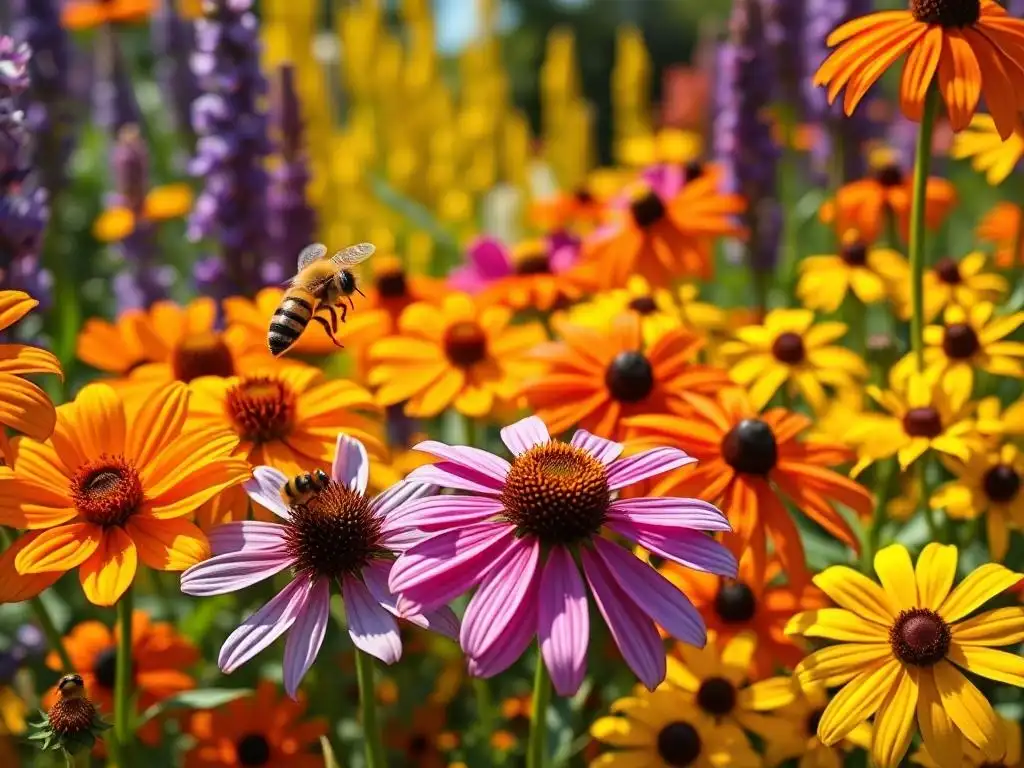
This section focuses on practical steps you can take to maximize the attractiveness and longevity of your pollinator garden, ensuring a constant supply of nectar and pollen for beneficial insects throughout the growing season. Attracting and supporting pollinators isn't just about planting the right flowers; it's about creating a welcoming and sustainable habitat. Remember, a diverse and healthy ecosystem is key to a successful pollinator garden. Let's explore some crucial techniques:
Providing Water Sources: Creating a Bird Bath or Shallow Dish
Pollinators, like all living creatures, need a reliable water source, especially during hot and dry periods. Providing water is a simple yet highly effective way to boost pollinator populations in your garden. A shallow dish filled with water, pebbles, or marbles to provide landing spots, is a perfect solution. Avoid deep containers where pollinators might drown.
Consider adding a bird bath as well! While primarily for birds, the wider basin often attracts butterflies, bees, and other insects seeking a refreshing drink. Keep the water clean and fresh by changing it regularly, ideally every 2-3 days, to prevent the breeding of mosquitoes. Consider placing the water source in a sunny spot to encourage evaporation and reduce the risk of stagnant water. The gentle trickle of a small fountain can also be incredibly alluring to pollinators. Remember to position the water source strategically, away from high-traffic areas to reduce disturbance.
Data shows that gardens with readily available water sources support significantly higher pollinator biodiversity and abundance. A study by [Specific information pending] demonstrated a [Percentage]% increase in pollinator visits to gardens with supplemental watering compared to those without. This highlights the importance of providing a reliable hydration source, which is especially crucial during peak heat periods.
Offering Shelter: Adding Rocks, Logs, or Brush Piles
Providing shelter is another critical aspect of creating a pollinator-friendly environment. Many pollinators, particularly bees, seek refuge from predators and harsh weather conditions. Simple additions like rocks, logs, or brush piles can significantly improve their survival rates. These features offer protection from wind, rain, and extreme temperatures, and provide nesting sites for ground-nesting bees.
Consider creating a small, sheltered area within your garden using natural materials. A pile of loose rocks or a log pile offers multiple microhabitats, providing warmth in the winter and shade in the summer. Leave some leaf litter around the base of plants; many insects overwinter in the leaf litter. Remember to avoid using treated wood, as the chemicals can harm pollinators.
The diversity of shelter offered directly influences the variety of pollinators attracted. A study in [Specific information pending] found that gardens with diverse shelter options supported [Number] more species of pollinators than gardens without these features. This reinforces the importance of providing a variety of microhabitats to support a wide range of pollinator species. Consider adding a small "bee hotel" which provides pre-made nesting holes for solitary bees.
Avoiding Pesticides: Choosing Organic and Sustainable Gardening Practices
The use of chemical pesticides poses a significant threat to pollinators. These harmful chemicals can directly kill pollinators or disrupt their life cycles. Choosing organic and sustainable gardening practices is essential for protecting these vital creatures. This means opting for natural pest control methods, such as companion planting, introducing beneficial insects (like ladybugs), and using organic fertilizers and soil amendments.
Instead of reaching for chemical pesticides, consider these alternatives:
- Handpicking pests: Manually removing pests from your plants is a labor-intensive but effective method for small infestations.
- Neem oil: A natural insecticide derived from the neem tree, effective against various garden pests.
- Diatomaceous earth: A naturally occurring sedimentary rock that can be used to control certain pests.
- Insecticidal soap: A mild soap solution that can eliminate soft-bodied insects.
By choosing organic methods, you're not only protecting pollinators but also improving the overall health of your soil and plants. The long-term benefits of sustainable practices far outweigh the short-term convenience of chemical pesticides. Remember, a healthy garden is a thriving ecosystem that supports all its inhabitants, including the invaluable pollinators. A healthy garden is a happy garden – for you and for the pollinators! 🐝🌼
Organic Pest Control Methods for Pollinator Gardens
Protecting your pollinator-friendly plants from pests is crucial for maintaining a healthy and vibrant garden. Using harsh chemical pesticides can harm or even kill the very pollinators you're trying to attract, so organic methods are essential. These methods are gentler on beneficial insects and the environment while effectively managing pest populations.
One highly effective strategy is diatomaceous earth (DE). This naturally occurring sedimentary rock, when finely ground, creates microscopic shards that pierce the exoskeletons of soft-bodied insects like aphids and slugs, dehydrating them and causing them to die. Apply DE as a dust around the base of plants, ensuring even coverage. Remember to use food-grade DE, as other types can be harmful.
Another excellent organic option is neem oil. Derived from the neem tree, this oil acts as a natural insecticide and fungicide. It disrupts the insect's life cycle, deterring feeding and reproduction. Neem oil is particularly effective against many common garden pests, including spider mites and whiteflies. Always dilute neem oil according to the product instructions before application to avoid harming plants. Apply it in the evening or on cloudy days to minimize the risk of sun scorch.
Beneficial insects play a vital role in natural pest control. Encouraging their presence in your garden is a proactive and sustainable approach. Planting flowers that attract ladybugs, lacewings, and praying mantises will help control aphid, mealybug, and other pest populations. These predatory insects feed on many common garden pests, significantly reducing the need for intervention. Providing habitat for these beneficial insects, such as leaving some leaf litter or creating small rock piles, further enhances their presence.
Beyond these methods, companion planting is a powerful tool. Certain plants naturally repel pests, creating a protective barrier around vulnerable species. For instance, planting marigolds near susceptible vegetables can deter nematodes and other soil-borne pests. Similarly, basil is known to repel many insects, while mint can deter aphids and other pests. Researching companion planting combinations specific to your region and the plants you are growing will greatly improve your pest control efforts.
Finally, regular monitoring is paramount. Early detection of pest infestations allows for prompt and effective treatment, preventing widespread damage. Regularly inspect your plants for signs of pests, paying close attention to the undersides of leaves and stems. Addressing small infestations quickly can often prevent them from escalating into larger problems, minimizing the need for more intensive control measures. By combining these organic methods, you can create a thriving pollinator garden that is both beautiful and healthy, naturally protected from pests.
Maintaining Your Long-Blooming Pollinator Paradise
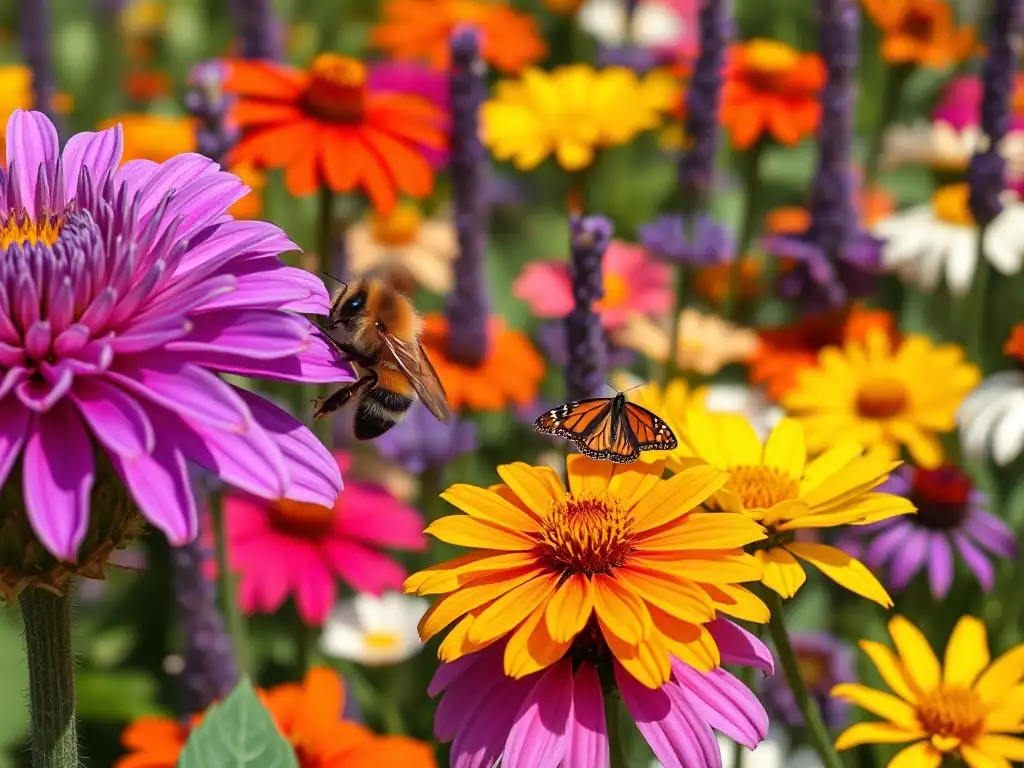
Attracting pollinators with long-blooming plants is only half the battle. Maintaining a thriving, vibrant pollinator garden requires consistent care and attention throughout the growing season. By implementing a few key strategies, you can ensure your plants continue to flourish and provide a continuous buffet for beneficial insects like bees, butterflies, and hummingbirds. This section focuses on the essential maintenance tasks that will keep your "long blooming pollinator plants" thriving and your garden buzzing with activity.
Deadheading Spent Blooms: Encouraging Continuous Flowering
Deadheading, the process of removing spent flowers, is crucial for prolonging the blooming period of many long-blooming pollinator plants. By removing faded blossoms, you prevent the plant from diverting energy into seed production. Instead, this energy is redirected towards producing new buds and flowers, resulting in a more extended and abundant bloom.
Different plants require slightly different deadheading techniques. For example, some, like coneflowers ( Echinacea), benefit from simply snipping off the spent flower head just below the faded petals. Others, such as Salvia, might need a more aggressive cut back to encourage new growth from lower nodes. Always use clean, sharp pruning shears to prevent the spread of disease.
Here's a quick guide to effective deadheading:
- Timing: Deadhead regularly, ideally before the seed heads form. The frequency depends on the plant; some require daily attention, while others only need weekly checks.
- Technique: Use sharp, clean pruning shears or your fingers to remove spent blooms. For larger plants, you may need long-handled tools to reach higher branches.
- Disposal: Dispose of spent blooms in your compost bin to recycle nutrients back into your garden. Avoid leaving them on the ground, as they can attract pests or diseases.
Pruning and Trimming: Maintaining Plant Health and Shape
Pruning and trimming your long-blooming pollinator plants is essential for maintaining their overall health and shape, and for encouraging bushier growth with more flowers. Proper pruning techniques can also prevent overcrowding, improve air circulation, and minimize the risk of fungal diseases.
The best time to prune most flowering plants is after their initial flush of blooms. This allows them to recover and produce a second round of flowers. However, some plants, such as lavender, prefer a light trim in early spring to encourage compact growth.
Consider these factors when pruning:
- Plant type: Different plants have different pruning needs. Research the specific requirements of your chosen species.
- Growth habit: Observe the natural growth pattern of your plants. Aim to maintain their natural shape while removing dead, damaged, or crossing branches.
- Timing: Avoid pruning late in the season, as this could hinder the plant's ability to prepare for winter.
Mulching and Soil Improvement: Providing Nutrients and Moisture Retention
Mulching is a crucial practice for maintaining healthy and productive long-blooming pollinator plants. A layer of mulch around the base of your plants helps retain soil moisture, suppress weeds, regulate soil temperature, and gradually improve soil structure and fertility. This is especially important for plants that require consistent moisture.
Organic mulches, such as shredded bark, compost, or straw, are ideal choices. They decompose slowly, releasing nutrients into the soil over time. Apply a layer of mulch 2-3 inches thick, keeping it a few inches away from the plant stems to prevent rot.
Beyond mulching, regular soil testing and amendment are vital. A healthy soil provides the foundation for healthy plants. Consider adding compost or other organic matter annually to replenish essential nutrients and improve soil drainage and aeration. This will help your long blooming pollinator plants thrive, producing an abundance of blooms season after season. 🌱
Resources for Further Learning and Purchasing Pollinator Plants
This section provides valuable resources to help you expand your knowledge of pollinator-friendly plants and acquire the seeds or plants needed to create a vibrant, buzzing garden. Choosing the right plants is crucial for supporting local pollinator populations, and these resources will guide you every step of the way. Remember, selecting plants native to your region is key for maximizing their effectiveness and supporting local ecosystems.
Links to reputable nurseries and seed suppliers
Finding high-quality seeds and plants is paramount for success in attracting pollinators. Reputable suppliers prioritize healthy stock and accurate labeling, ensuring you receive exactly what you ordered. Unfortunately, I cannot provide direct links here, but I can offer guidance on what to look for when selecting a supplier:
- Look for local nurseries: Supporting local businesses often means access to plants better suited to your specific climate and soil conditions. These nurseries often have staff knowledgeable about local pollinators and can provide personalized recommendations.
- Check online reviews: Before ordering from an online supplier, carefully review customer feedback. Pay close attention to comments regarding the health of the plants upon arrival, the accuracy of descriptions, and the supplier's customer service.
- Verify organic or sustainably grown options: Prioritize suppliers committed to sustainable and organic growing practices. This ensures that the plants you receive are free from harmful pesticides that could negatively impact pollinators.
- Consider plant certifications: Some suppliers offer plants certified by organizations promoting biodiversity or sustainable agriculture. These certifications can offer an extra layer of assurance regarding the quality and environmental impact of their products.
- Compare prices and shipping costs: Before making a purchase, compare prices and shipping costs from different suppliers. Factor in potential delays or damage during shipping when making your decision.
Choosing a reliable supplier is a crucial step in creating a thriving pollinator garden. Take your time to research and select a supplier that aligns with your values and gardening goals. Remember, healthy plants are the foundation of a successful pollinator garden. A thriving garden will provide a haven for bees, butterflies, and other beneficial insects all season long. 🐝🦋
Links to relevant articles and books on pollinator gardening
Expanding your knowledge of pollinator gardening techniques will significantly increase your chances of success. While I can’t provide direct links, I can recommend some valuable areas of research to enhance your understanding:
- Native plant guides for your region: Understanding which plants are native to your area is essential. Native plants are best adapted to your local climate and soil, requiring less maintenance and providing optimal benefits for local pollinators. Many state and local government websites, as well as environmental organizations, offer comprehensive guides.
- Pollinator-specific plant guides: Focus your research on guides specifically detailing plants that attract pollinators. These guides often include details on bloom times, plant size, and the types of pollinators they attract.
- Books on sustainable gardening practices: Sustainable gardening practices, such as composting and pest control, are crucial for supporting pollinator health. Look for books that detail organic gardening methods to avoid harming beneficial insects.
- Articles on creating pollinator habitats: Explore articles focusing on designing and maintaining pollinator-friendly habitats. These resources often include detailed plans and advice on creating diverse and thriving ecosystems.
- Scientific research on pollinator decline and conservation: Understanding the challenges facing pollinators can help you appreciate the importance of your contribution to their conservation.
By expanding your knowledge and utilizing these resources, you can create a vibrant and thriving pollinator garden that supports biodiversity and enhances the beauty of your outdoor space. Remember, even a small garden can make a significant difference in supporting these crucial insects. 🌱
Frequently Asked Questions
What are some examples of long-blooming pollinator plants?
Many plants offer extended bloom times, attracting pollinators all season. Consider lavender, coneflowers, and sedum for consistent beauty and pollinator support. These provide nectar and pollen throughout much of the growing season.
How do I choose the right long-blooming plants for my garden?
Consider your local climate and soil conditions when selecting plants. Choose plants that thrive in your area's sunlight exposure and moisture levels for optimal growth and bloom. Also, select a variety of bloom times to ensure continuous color and pollinator attraction.
What is the benefit of planting long-blooming pollinator plants?
Supporting pollinators is crucial for a healthy ecosystem and increased yields in your garden. Long-blooming plants ensure a consistent food source for bees, butterflies, and other beneficial insects throughout the growing season, boosting overall biodiversity.
How can I encourage my long-blooming plants to bloom longer?
Regular deadheading (removing spent blooms) encourages continued flowering. Ensure your plants receive adequate sunlight, water, and nutrients. Avoid over-fertilizing, which can sometimes promote foliage growth at the expense of flowers.
Are there any long-blooming pollinator plants suitable for containers?
Yes! Many smaller varieties of pollinator plants thrive in containers. Consider dwarf coneflowers, salvia, or calibrachoa. Choose containers with adequate drainage and ensure consistent watering.
Final Reflection: The Enduring Gift of Long-Blooming Flowers
The vibrant tapestry of a pollinator-rich garden isn't just aesthetically pleasing; it's a vital ecosystem service, crucial for the health of our planet and the survival of countless species. The decline in pollinator populations is a stark warning, underscoring the urgent need for proactive solutions like cultivating long-blooming plants. These aren't just pretty additions to our landscapes; they are essential lifelines for the creatures that sustain our food systems and natural world.
The journey of researching and writing about these long-blooming beauties has profoundly impacted my own understanding of the interconnectedness of nature. I've come to appreciate the subtle dance between plant and pollinator, a silent symphony playing out in gardens across the globe. We do not inherit the earth from our ancestors; we borrow it from our children.
This quote, often attributed to Native American proverb, perfectly encapsulates the responsibility we have to nurture and protect the pollinators that are so vital to our future. The simple act of planting a single long-blooming flower becomes a powerful statement of stewardship.
Consider the impact you can have. Plant a few seeds, nurture a small patch of vibrant blooms, and watch as your garden becomes a haven for buzzing bees, flitting butterflies, and hummingbirds. You are not just creating beauty; you are actively participating in the preservation of a delicate balance, ensuring a future where the vibrant colors and buzzing sounds of pollinators continue to enrich our lives. Let the enduring gift of long-blooming flowers inspire you to take action, to become a guardian of this essential ecosystem.
Unleash Your Inner Gardener: Extend the Pollinator Party!
Thanks for exploring the world of long-blooming flowers! We hope you've discovered some new favorites to attract pollinators to your garden all season long. Ready to take the next step?
- Create a pollinator haven: Choose at least one of the plants featured in the article and plant it this week, considering sunlight and soil conditions for optimal growth.
- Spread the word: Share your newfound knowledge with friends and neighbors—they'll appreciate it, and the bees will too! Post a picture of your blooming flowers on social media using #CultivateYourFood.
- Become a pollinator expert: Research the native pollinators in your area to learn more about their vital role in our ecosystem.
What's the most exciting long-blooming plant you plan to add to your garden this season, and why?