
Companion Planting for Vertical Gardens: Maximizing Space and Yield

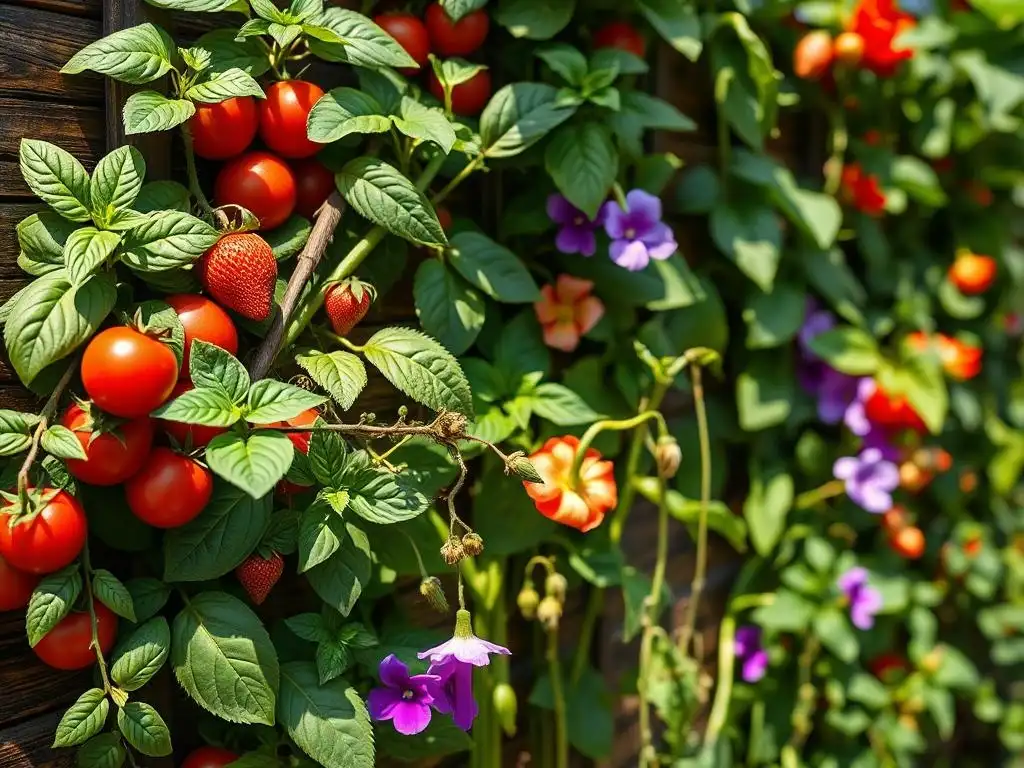
Ready to unlock the secrets of a bountiful harvest in even the smallest space? At CultivateYourFood, we champion sustainable and organic home gardening. This Advanced Techniques section dives deep into maximizing your yield, and we're thrilled to introduce you to our comprehensive Vertical garden companion planting guide. Discover how strategic planting can revolutionize your vertical garden, boosting growth and minimizing pests. Let's cultivate success together – explore the guide now and transform your gardening journey!
- Understanding Vertical Garden Companion Planting
- Vertical Garden Companion Planting Guide: Key Plant Combinations
- Optimizing Your Vertical Garden Setup for Companion Planting
- Troubleshooting Common Challenges in Vertical Companion Planting
- Harvesting and Maintaining Your Vertical Companion Planting Garden
- Advanced Vertical Garden Companion Planting Techniques
- Frequently Asked Questions
- Final Reflection: Harvesting Harmony in the Vertical Garden
- Unleash Your Vertical Garden's Potential!
Understanding Vertical Garden Companion Planting
Vertical gardening, a space-saving marvel, offers a unique challenge and opportunity when it comes to companion planting. Unlike traditional garden beds, vertical systems necessitate a more strategic approach to maximize yields and ensure plant health. This guide delves into the art of companion planting specifically for vertical gardens, offering practical advice and proven techniques to help you cultivate a thriving and productive vertical ecosystem.
We'll explore the benefits of companion planting in this unique context, discuss choosing the right plant pairings, and provide space-optimization strategies tailored to the constraints and advantages of vertical structures. By the end, you’ll be equipped to design a vertical garden that not only saves space but significantly boosts your harvest through the power of synergistic plant relationships. This is your comprehensive Vertical garden companion planting guide.
Benefits of Companion Planting in Vertical Gardens
Companion planting, the practice of strategically planting certain species together to enhance growth and deter pests, offers significant advantages in vertical gardens. The close proximity of plants in these systems makes these benefits even more pronounced. For example, tall plants can provide shade for more delicate companions, protecting them from harsh sun and reducing water loss. Simultaneously, shallow-rooted plants can coexist harmoniously with deep-rooted ones, minimizing competition for resources.
Consider the example of tomatoes and basil. The strong scent of basil repels tomato hornworms, a common tomato pest. In a vertical system, this protective effect is amplified because the plants are in closer proximity, increasing the basil's effectiveness. Similarly, planting marigolds amongst your vegetables can deter nematodes and other soil-borne pests, keeping your vertical garden healthy and productive. The benefits extend beyond pest control; some companion plants improve soil health, enriching the growing medium with nutrients and improving drainage. This is especially valuable in vertical gardens where the growing medium is often limited in volume.
Furthermore, some plant combinations enhance pollination. For instance, placing bee-attracting flowers near your fruiting plants can significantly increase fruit production. In a vertical garden, strategically placing these flowering companions can make pollination more efficient, leading to a richer harvest. Finally, the aesthetic benefits of companion planting shouldn't be overlooked. The thoughtful arrangement of different plant colors, textures, and heights can create a visually stunning and productive vertical garden, improving your overall gardening experience.
Choosing the Right Companion Plants for Vertical Systems
Selecting the right companion plants for your vertical garden requires careful consideration of several factors, primarily space constraints and the specific needs of your chosen plants. You need to choose plants with compatible growth habits and sunlight requirements. Avoid overcrowding, which can lead to competition for resources and reduced yields. Here’s a simplified approach:
- Consider plant height and growth habit: Tall plants should be placed at the back or top of your vertical system, allowing smaller plants to receive adequate sunlight.
- Match sunlight needs: Ensure all plants in close proximity have similar sunlight requirements to avoid shading issues.
- Assess root systems: Pair shallow-rooted plants with deep-rooted plants to optimize resource utilization.
- Select pest-repelling companions: Incorporate plants known for their pest-repelling properties to minimize pest infestations.
- Improve soil health: Include plants that improve soil health and nutrient content.
A well-planned vertical garden utilizing companion planting will exhibit a harmonious balance, allowing each plant to thrive and contribute to the overall productivity of the system. Careful planning and selection are key to success. Remember to research specific plant pairings to ensure compatibility before planting. For example, while basil and tomatoes are a classic companion pair, some other combinations might not be as successful. Thorough research is crucial for optimal results.
Space Optimization Strategies for Vertical Companion Planting
Maximizing space in a vertical garden requires creative companion planting strategies. The limited space necessitates a thoughtful approach to plant arrangement and selection. Here are some effective space-optimization techniques:
| Technique | Description | Example |
|---|---|---|
| Interplanting | Planting smaller plants between larger ones to fill gaps and utilize space efficiently. | Lettuce between tomato plants |
| Succession Planting | Planting fast-growing crops in succession to maximize yield over time. | Planting quick-growing greens after harvesting early-season crops. |
| Vertical Layering | Utilizing different heights to create layers, maximizing vertical space. | Using climbing plants and hanging baskets to create a multi-level system. |
| Trellises and Supports | Using trellises, stakes, or other supports to guide the growth of climbing plants, maximizing vertical space and preventing overcrowding. | Using a trellis for climbing beans or cucumbers. |
| Container Combinations | Using different sized containers to create a tiered system, accommodating plants with varying root systems and space requirements. | Combining large pots for tomatoes with smaller pots for herbs. |
Remember, successful vertical garden companion planting is a dynamic process. Regular observation and adjustments are necessary to ensure the health and productivity of your plants. By carefully selecting companion plants and employing space-optimization techniques, you can create a vibrant and productive vertical garden that maximizes yield and minimizes space.
Vertical Garden Companion Planting Guide: Key Plant Combinations
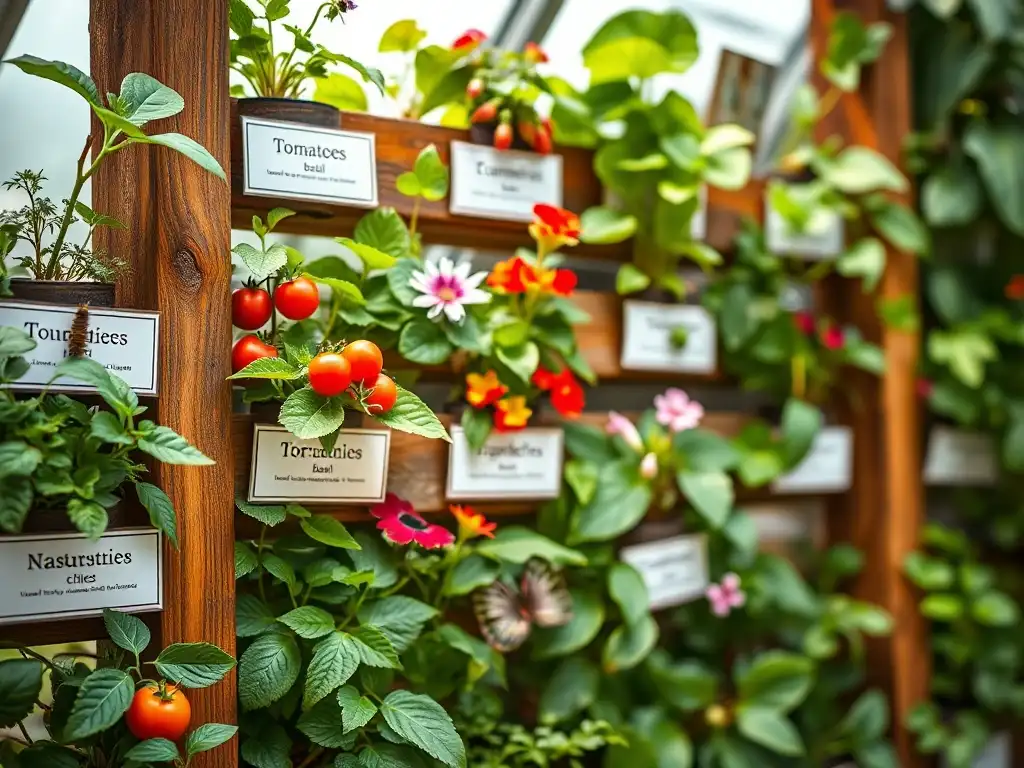
This section delves into specific companion planting strategies optimized for vertical gardening, maximizing space and yield while promoting healthy plant growth. We'll explore proven combinations, highlighting the synergistic benefits each pairing offers. Remember, successful companion planting requires careful consideration of plant needs, including sunlight, water requirements, and mature size. This guide provides a starting point for your vertical gardening adventures. Let's get started!
Tomatoes and Basil: A Classic Duo for Vertical Gardens
The tomato and basil combination is a cornerstone of companion planting, particularly effective in vertical gardens where space is at a premium. Basil's strong aroma repels common tomato pests like aphids and whiteflies, reducing the need for chemical pesticides – a key element of sustainable gardening. Simultaneously, tomatoes provide shade for the basil, preventing wilting in hot, sunny conditions.
This mutually beneficial relationship extends to improved flavor. The basil's scent enhances the tomato's aroma and taste, creating a richer, more flavorful harvest. Furthermore, the vertical structure allows for optimal air circulation, minimizing the risk of fungal diseases that can plague tomatoes.
Consider this planting arrangement: Plant tomato seedlings in larger containers spaced along a vertical trellis or wall. Intersperse basil plants between the tomatoes, ensuring adequate spacing for growth. Regular watering and fertilization will optimize the yield of both plants. Harvesting basil regularly encourages bushier growth, further enhancing its pest-repelling abilities.
Cucumbers and Nasturtiums: Pest Control and Flavor Enhancement
Cucumbers, known for their sprawling vines, are surprisingly well-suited to vertical gardening systems when appropriately trained. Pairing them with nasturtiums offers a powerful combination of pest control and flavor enhancement. Nasturtiums are known to deter aphids, squash bugs, and whiteflies—common cucumber pests. Their vibrant flowers add a splash of color to your vertical garden, while their peppery leaves and flowers can be harvested and added to salads or other dishes, adding a unique zest.
The vertical arrangement helps prevent fungal diseases in cucumbers by promoting better air circulation. Consider planting cucumber seedlings along a trellis or net, training the vines upward. Intersperse nasturtium seedlings among the cucumbers. Regular watering and support for the cucumber vines are crucial for maximizing yield. The nasturtiums will self-seed readily, providing a continuous supply of pest-repelling flowers and leaves.
Strawberries and Thyme: Sweet Success in Vertical Spaces
Strawberries and thyme form an excellent companion planting pair for vertical gardens, showcasing the versatility of this technique. Thyme's aromatic oils repel various strawberry pests, including aphids and slugs. Moreover, thyme improves soil drainage, beneficial for strawberries which require well-drained soil to prevent root rot. The compact growth habit of thyme makes it ideally suited for planting amongst strawberry plants in vertical planters or hanging baskets.
The vertical structure allows for optimal sunlight exposure for both plants. Remember that strawberries require consistent moisture, so regular watering is essential. Thyme is relatively drought-tolerant, making it a low-maintenance companion. Harvesting thyme regularly encourages bushier growth and further strengthens its pest-repelling properties. The combination results in a bountiful harvest of sweet strawberries complemented by the earthy aroma of thyme. This pairing offers a delightful sensory experience in addition to a productive harvest. Enjoy!
Lettuce and Chives: A Cool-Season Companion Planting Strategy
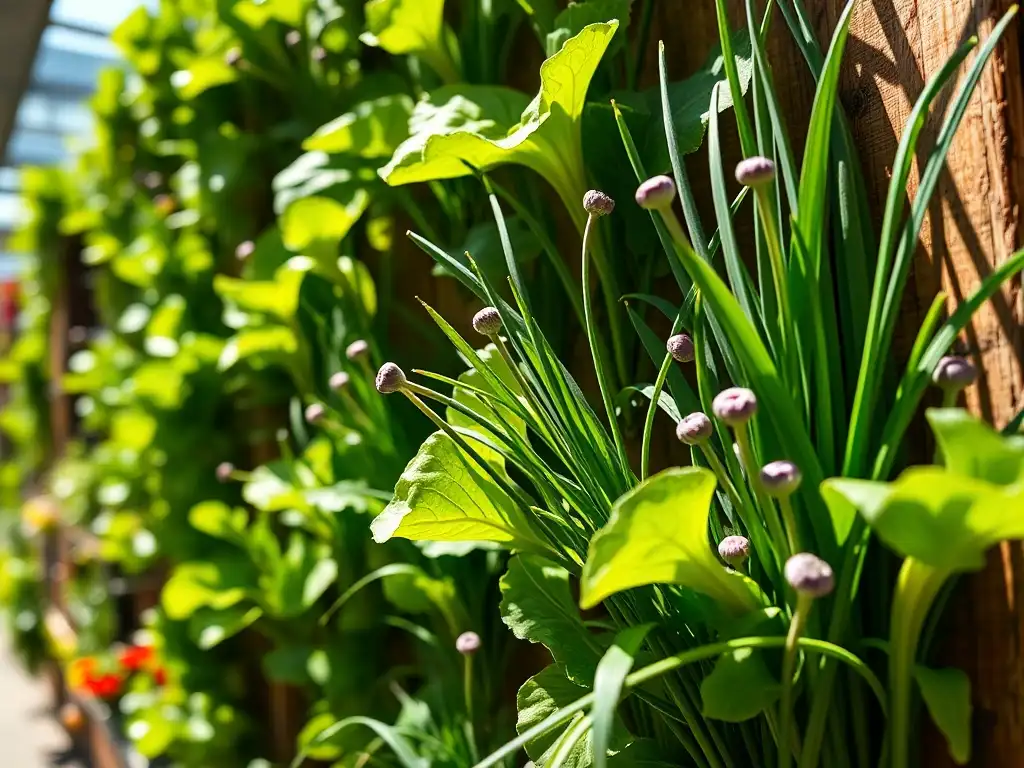
Lettuce, a cool-season crop thriving in spring and fall, benefits significantly from companion planting with chives. Chives, known for their pungent aroma, act as a natural deterrent against several common lettuce pests like aphids and slugs. The strong scent masks the lettuce's fragrance, making it less appealing to these unwanted visitors. This reduces the need for chemical pesticides, aligning perfectly with the sustainable practices promoted by CultivateYourFood.
Furthermore, the chives themselves are a valuable addition to the vertical garden, providing a readily available culinary herb. Their delicate, onion-like flavor enhances salads and other dishes, complementing the fresh lettuce perfectly. The compact growth habit of chives also means they won't overshadow the lettuce plants, making them ideal companions in a space-constrained vertical garden. Consider planting chives around the perimeter of your lettuce patch or interspersing them amongst the lettuce plants for optimal pest control and easy access to fresh herbs.
Remember to harvest chives regularly to encourage bushier growth and maintain their pest-deterrent properties. Proper spacing between chives and lettuce is crucial; overcrowding can lead to competition for resources, impacting the yield of both plants. A well-planned vertical garden design will ensure both plants thrive.
Peppers and Marigolds: Deterrents and Deliciousness Combined
Combining peppers and marigolds in a vertical garden is a strategic move that benefits both yield and plant health. Marigolds, with their vibrant blooms and strong scent, are renowned for their pest-repelling capabilities. They effectively deter nematodes, whiteflies, and aphids—common pests that can severely damage pepper plants. This natural pest control minimizes the reliance on harmful chemicals, keeping your vertical garden truly organic.
Moreover, the marigolds' bright colors add a visually appealing element to your vertical setup, making your garden a feast for the eyes as well as the palate. The peppers, whether sweet bell peppers or spicy chili peppers, thrive alongside the marigolds, benefiting from the improved soil health and pest protection. It's crucial to choose marigold varieties that are compact and won't overpower the pepper plants in your vertical space. Planting marigolds at the base of pepper plants or strategically interspersed among them ensures optimal pest deterrence.
Remember to deadhead spent marigold blossoms to encourage continuous flowering and maintain their pest-repelling effectiveness throughout the growing season. The combination of delicious peppers and beautiful marigolds creates a thriving and aesthetically pleasing vertical garden, showcasing the power of companion planting for maximizing both yield and visual appeal. This combination is a perfect example of how a well-planned "vertical garden companion planting guide" can lead to a bountiful harvest.
Optimizing Your Vertical Garden Setup for Companion Planting
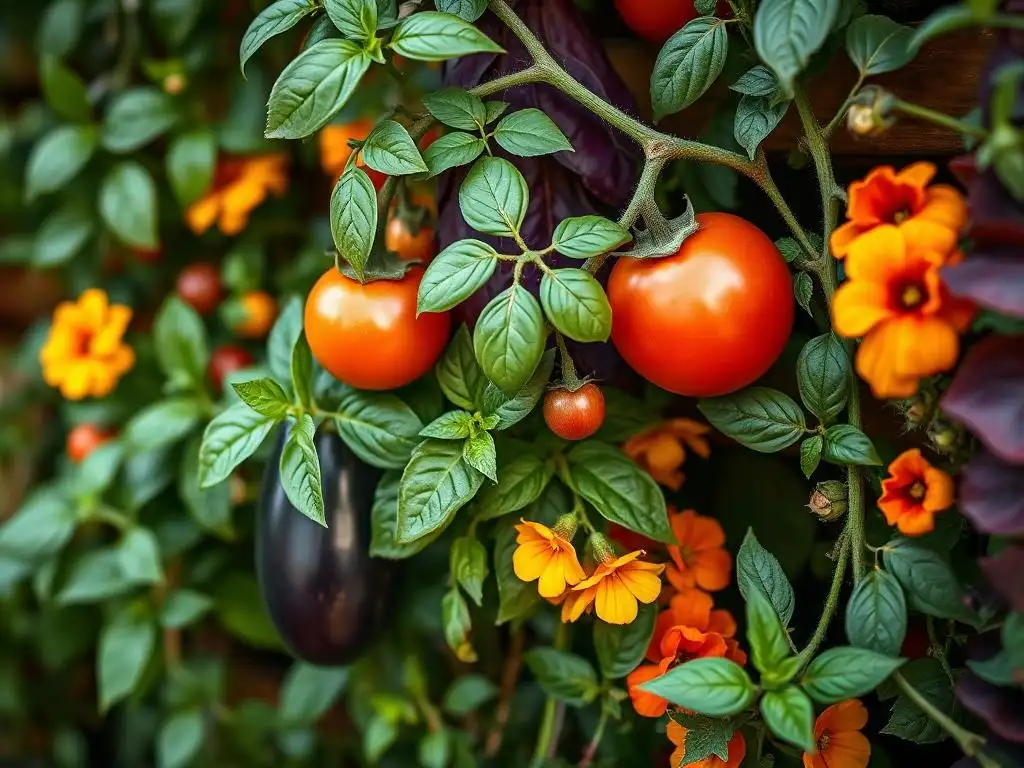
This section delves into the specifics of setting up your vertical garden for optimal companion planting. Successful companion planting in a vertical environment requires careful consideration of plant needs and space limitations. We'll explore suitable structures and techniques to maximize your yield while minimizing competition between plants. Remember, the goal of vertical garden companion planting is to create a synergistic ecosystem where plants benefit each other, leading to healthier growth and higher yields. This guide will help you achieve just that, making your vertical garden a thriving example of sustainable gardening.
Vertical Garden Structures Suitable for Companion Planting
Choosing the right vertical garden structure is crucial for successful companion planting. Not all structures are created equal when it comes to accommodating diverse plant needs and ensuring adequate spacing.
Some ideal structures for companion planting include:
- Trellises: These offer excellent vertical support for vining plants like tomatoes and cucumbers, which can be interplanted with herbs like basil or oregano. Ensure the trellis is sturdy enough to support the combined weight of the plants.
- Living Walls: These offer a high-density planting system, perfect for compact companion pairings. Careful planning is essential to ensure adequate sunlight and airflow reach all plants. Consider using pockets or individual containers within the living wall system for greater control over plant spacing.
- Stacked Planters: These allow for the strategic layering of plants with different height and root systems. For example, you could stack low-growing lettuce underneath taller tomatoes, maximizing space utilization.
- Hanging Baskets: These are suitable for trailing plants and herbs that can be combined with smaller, upright plants. Ensure the baskets are large enough to accommodate the roots and provide adequate drainage.
Choosing the right structure is a crucial first step in your vertical garden companion planting journey. The best structure will depend on your space, available sunlight, and the specific plants you plan to grow together. Consider the mature size of your chosen companions to avoid overcrowding.
Spacing and Planting Techniques for Maximum Yield
Proper spacing is paramount in vertical gardening, particularly when implementing companion planting. Overcrowding can lead to competition for resources like sunlight, water, and nutrients, hindering growth and reducing yields. Conversely, inadequate spacing can limit the benefits of companion planting.
Here’s a breakdown of effective spacing techniques:
| Plant Type | Recommended Spacing (inches) | Notes |
|---|---|---|
| Tomatoes | 12-18 | Consider spacing based on variety; larger varieties need more room. |
| Peppers | 12-18 | Similar spacing to tomatoes; avoid overcrowding. |
| Lettuce/Spinach | 6-8 | Can be planted more closely together. |
| Herbs (Basil, Oregano) | 6-8 | Plant close but ensure adequate airflow. |
| Climbing Beans | 6-12 (between plants) | Train them up a trellis or other support structure. |
Consider using staggered planting to optimize space and sunlight penetration. This involves planting smaller plants in the gaps between larger ones. Remember that different plants have different mature sizes, so plan accordingly. Proper spacing will significantly impact the success of your vertical companion planting experiment.
Watering and Fertilizing Companion Plants in Vertical Gardens
Watering and fertilizing requirements can vary greatly depending on the specific plants you choose for your vertical garden. However, the vertical nature of the garden presents unique challenges that require attention.
- Watering: Vertical gardens tend to dry out faster than in-ground gardens. Regular watering is essential, especially during hot and dry periods. Consider using a drip irrigation system for efficient and targeted watering. This minimizes water waste and ensures all plants receive adequate moisture. Observe your plants closely for signs of wilting or stress, adjusting your watering schedule as needed.
- Fertilizing: The limited soil volume in vertical gardens means that nutrients can be depleted quickly. Regular fertilization is crucial for optimal growth and yield. Use a balanced organic fertilizer and follow the product instructions carefully. Consider using a liquid fertilizer for easy application and better nutrient absorption. Over-fertilizing can harm your plants, so start with a lower concentration and gradually increase as needed. Observe your plants for any signs of nutrient deficiency (yellowing leaves, stunted growth) and adjust your fertilization accordingly. Remember that companion planting itself can contribute to soil health, reducing the need for excessive fertilization. Monitor your plants closely and adapt your fertilization strategy as needed to achieve the best results.
Troubleshooting Common Challenges in Vertical Companion Planting
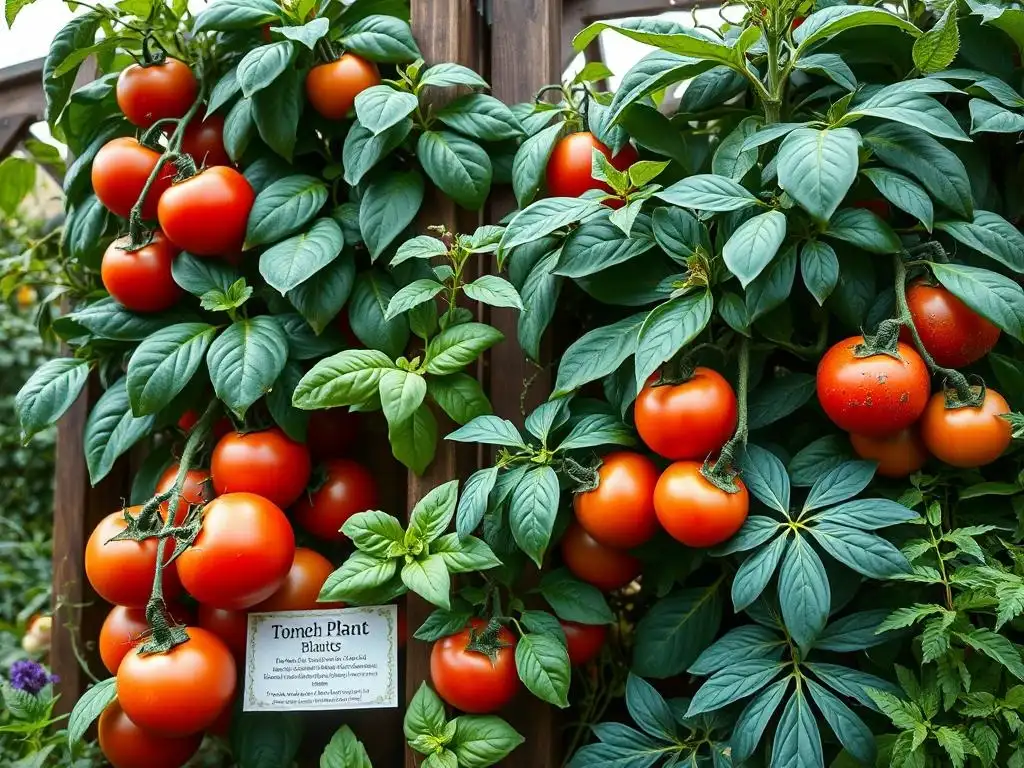
Vertical gardening, while offering space-saving advantages, presents unique challenges when implementing companion planting. Successfully maximizing yields and minimizing issues requires proactive planning and diligent monitoring. This section addresses common problems and offers practical solutions to ensure a thriving vertical garden. Understanding these challenges is key to mastering the art of vertical garden companion planting guide strategies.
Pest and Disease Management in Vertical Companion Planting Systems
Close proximity in vertical gardens can unfortunately increase the risk of pest and disease spread. Unlike traditional gardening, where pests might be localized, a single infestation in a vertical system can quickly affect multiple plants. Proactive measures are crucial.
Effective pest control starts with careful plant selection. Choosing pest-resistant varieties is a foundational step. For example, incorporating basil alongside tomatoes helps repel whiteflies and aphids, a common problem in vertical setups. Similarly, marigolds planted strategically throughout the system deter nematodes.
Regular inspection is paramount. Daily or bi-weekly checks allow for early detection of infestations. Early intervention, even with simple methods like hand-picking pests, can prevent widespread damage. For more significant infestations, consider using organic pest control methods like neem oil or insecticidal soap, always following label instructions carefully. Remember to avoid harsh chemicals that can harm beneficial insects and contaminate your produce. The aim is to create a balanced ecosystem, not to wage war on all insects.
Addressing Nutrient Deficiencies in Vertical Gardens
Vertical gardens, especially those using limited soil volume, are more susceptible to nutrient deficiencies. The restricted root systems have less access to nutrients compared to plants in ground beds. Careful planning and monitoring are essential to prevent nutrient depletion.
Regular soil testing is vital. This allows you to identify specific deficiencies early, before they significantly impact plant health and yield. A soil test will reveal the levels of essential nutrients like nitrogen, phosphorus, and potassium, as well as micronutrients. Based on the results, you can tailor your fertilization strategy. Using a balanced organic fertilizer is generally recommended, but you might need to supplement with specific nutrients depending on your test results.
Using compost tea or other organic soil amendments can significantly enrich the soil in your vertical garden. These amendments not only add nutrients but also improve soil structure and drainage, both crucial for healthy plant growth. Remember that consistent monitoring and adjustments are key to maintaining optimal nutrient levels. Don't be afraid to adjust your fertilization strategy as the growing season progresses and your plants' needs change.
Maintaining Balance and Preventing Overcrowding
Overcrowding is a common pitfall in vertical gardening. While maximizing space is the goal, cramming too many plants into a limited area can lead to competition for resources, hindering growth and increasing susceptibility to pests and diseases. Proper spacing and plant selection are crucial for maintaining a healthy balance.
Careful plant selection is paramount. Choose plants with compatible growth habits and mature sizes. Consider the ultimate height and width of each plant to ensure adequate spacing. Avoid overcrowding – allow enough room for air circulation to prevent fungal diseases. A well-planned vertical garden design, factoring in the mature size of each plant, is crucial.
Regular pruning and thinning can help maintain balance throughout the growing season. Remove any dead or diseased leaves promptly and prune back plants that are becoming overcrowded. This improves air circulation and allows sunlight to reach all plants, promoting healthy growth and maximizing yields. Remember that a well-maintained and balanced vertical garden will reward you with a bountiful harvest. This careful attention to detail is what separates successful vertical garden companion planting from less effective attempts.
Harvesting and Maintaining Your Vertical Companion Planting Garden
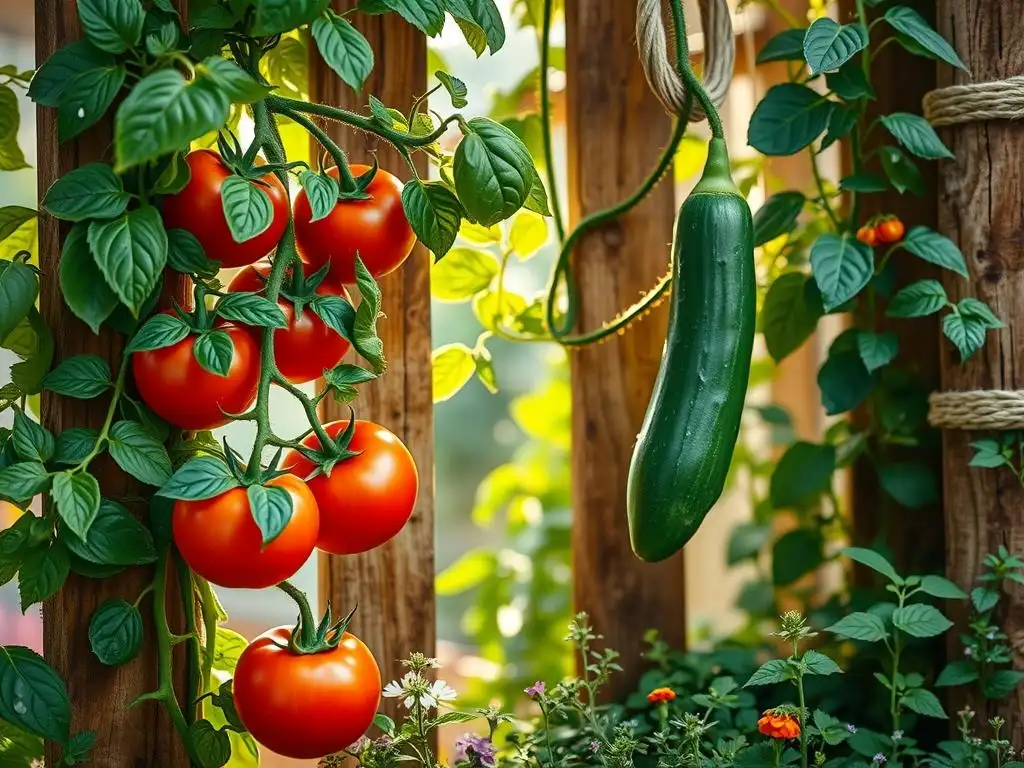
This section focuses on the practical aspects of managing your thriving vertical companion planting garden, ensuring a bountiful harvest and preparing for future planting cycles. We'll explore efficient harvesting techniques tailored for vertical setups and delve into the ongoing maintenance needed to keep your plants healthy and productive. Finally, we'll discuss the strategic use of succession planting to maximize your vertical garden's yield throughout the growing season. Remember, a well-maintained vertical garden is key to reaping the rewards of companion planting.
Harvesting Techniques for Vertical Gardens
Harvesting from a vertical garden requires a slightly different approach than traditional ground-level gardening. The key is to minimize damage to surrounding plants and ensure safe access to your produce. Here are some effective techniques:
- Careful Selection: Before you begin, carefully inspect your plants. Choose ripe fruits and vegetables that are easily accessible without disturbing neighboring plants. Overripe produce can attract pests and diseases, affecting the overall health of your vertical garden.
- Gentle Handling: Use sharp, clean tools like pruning shears or small hand pruners to harvest delicate herbs and fruits. For larger vegetables, carefully support the plant while harvesting to avoid damaging stems or roots. Avoid pulling or tugging, as this can damage the plant and reduce future yield.
- Strategic Harvesting: Consider the growth pattern of your companion plants. Harvest from the bottom upwards, removing only what you need to avoid overcrowding and promote healthy growth. Regular harvesting of certain plants, like lettuces, encourages continuous growth and prevents bolting (premature flowering).
- Tiered Harvesting: In multi-tiered vertical gardens, start harvesting from the lower levels first to prevent accidental damage to plants on upper levels. This approach also allows for easier access and reduces strain.
- Proper Cleaning and Storage: After harvesting, immediately clean your tools and store your produce correctly to maintain freshness and prevent spoilage. Proper storage varies depending on the type of produce; some may need refrigeration, while others are best kept at room temperature.
Ongoing Maintenance and Plant Support
Maintaining a vertical companion planting garden involves regular monitoring and adjustments to ensure optimal growth and yield. This includes:
- Watering: Vertical gardens can dry out more quickly than in-ground gardens due to increased exposure to sun and wind. Regular watering, potentially multiple times a day during hot, dry periods, is crucial. Consider using a drip irrigation system for efficient water delivery.
- Fertilizing: Companion planting can enhance nutrient uptake, but supplemental feeding may be necessary, particularly during periods of rapid growth. Use organic fertilizers to maintain soil health and avoid harming beneficial insects. The specific fertilizer needs will vary depending on your chosen plants.
- Pest and Disease Control: Regularly inspect your plants for signs of pests or diseases. Companion planting helps deter some pests, but additional measures like introducing beneficial insects or using organic pest control methods may be required. Early detection is key to preventing widespread infestations.
- Plant Support: As your plants grow, they may require additional support. Use trellises, stakes, or netting to prevent overcrowding and ensure proper air circulation. This is particularly important for vining plants like tomatoes and cucumbers. Regular pruning can also help manage plant size and shape within the vertical structure.
- Weeding: Even in vertical gardens, weeds can find their way in. Regularly remove weeds to prevent competition for resources and maintain the health of your companion plants.
Planning for the Next Season: Succession Planting in Vertical Gardens
Succession planting is a crucial aspect of maximizing the yield of a vertical garden. This involves planting new crops at regular intervals to ensure a continuous harvest throughout the growing season. For example:
- Cool-Season Crops: Plant cool-season crops like lettuce and spinach in early spring and again in late summer or fall for a double harvest.
- Warm-Season Crops: Succession planting for warm-season crops like tomatoes and peppers involves starting seeds indoors or using transplants for staggered planting. This ensures a continuous supply of fresh produce throughout the summer months.
- Fast-Growing Crops: Utilize fast-growing crops like radishes and leafy greens to fill gaps between slower-growing plants. This efficient use of space maximizes your vertical garden's potential.
- Crop Rotation: Rotate your crops each season to prevent soil depletion and reduce the risk of pest and disease buildup. This is essential for long-term sustainability and health of your vertical garden.
Planning your succession planting schedule requires knowledge of the growth cycles of your chosen plants and the local climate. A well-planned succession planting strategy ensures a continuous harvest and optimal utilization of your vertical garden space throughout the year. Careful consideration of plant spacing and growth habits is crucial for successful succession planting. Remember to account for the specific needs of each plant variety within your companion planting scheme.
Advanced Vertical Garden Companion Planting Techniques
This section delves into sophisticated companion planting strategies specifically designed for maximizing the potential of your vertical garden. We'll move beyond basic pairings and explore techniques to truly optimize space and yield, creating a thriving, interconnected ecosystem. Remember, successful vertical garden companion planting requires careful planning and observation. The benefits extend beyond increased yield; you'll also find reduced pest problems and healthier plants.
Using Trellises and Other Support Structures
Effective trellis systems are crucial for many vertical garden companion planting strategies. They provide essential support for vining plants and allow for strategic layering. Consider the height and width of your trellis, ensuring sufficient space between plants to prevent overcrowding and promote airflow. Different trellis designs cater to various plant needs. For example:
- A-frame trellises: Ideal for climbing beans and tomatoes, allowing for even sunlight distribution.
- Oblique trellises: Excellent for cucumbers and melons, maximizing vertical space while supporting sprawling growth.
- Vertical panels: Perfect for herbs and smaller vining plants, offering a dense, yet manageable planting arrangement.
When pairing plants on a trellis, consider their growth habits. Fast-growing plants should be positioned strategically to avoid shading slower-growing companions. For instance, a vigorous climbing bean variety could be planted alongside a slower-growing basil, providing shade protection during the hottest part of the day while still allowing sufficient sunlight for the basil. Regular pruning and training are essential to maintain optimal plant spacing and airflow, preventing disease and encouraging healthy growth. Consider using natural twine or biodegradable materials to support your plants, aligning with sustainable gardening practices.
Integrating Hanging Baskets into Your Vertical Garden System
Hanging baskets offer a unique dimension to vertical gardening, allowing you to maximize space utilization and create visually appealing arrangements. The key to success lies in selecting appropriate plant pairings and ensuring adequate watering and drainage.
Here's a sample of effective hanging basket companion planting combinations:
| Top Plant | Bottom Plant | Benefits | Considerations |
|---|---|---|---|
| Petunias | Nasturtiums | Petunias provide shade for heat-sensitive nasturtiums; nasturtiums deter pests. | Ensure sufficient drainage to prevent root rot. |
| Strawberries | Herbs (e.g., thyme) | Thyme repels pests affecting strawberries; strawberries thrive in well-drained soil. | Regular watering and fertilization are essential. |
| Lobelia | Alyssum | Alyssum attracts beneficial insects; Lobelia adds height and visual interest. | Choose varieties with similar water requirements. |
Remember to choose plants with similar light and water requirements for best results. Regular monitoring of moisture levels is vital, as hanging baskets tend to dry out faster than in-ground plantings. Consider using self-watering baskets or incorporating water-retaining materials to minimize the frequency of watering.
Creating a Thriving Vertical Ecosystem Through Companion Planting
The ultimate goal of advanced vertical garden companion planting is to create a self-sustaining ecosystem. This involves carefully selecting plants that interact synergistically, minimizing the need for chemical interventions. Consider incorporating:
- Nitrogen-fixing plants: Such as beans or peas, which enrich the soil, benefiting neighboring plants.
- Pest-repelling plants: Like marigolds or basil, which deter common garden pests.
- Beneficial insect attractors: Such as dill or fennel, which attract pollinators and beneficial insects that help control pest populations.
Careful planning is key. Consider the mature size of each plant and its specific needs in terms of sunlight, water, and nutrients. Regular observation and adjustments are crucial for maintaining a balanced ecosystem. For example, if you notice a particular plant is struggling, you might need to adjust its position or provide additional support.
Document your successes and failures to refine your approach over time. The learning process is continuous, and each season presents new opportunities to optimize your vertical garden companion planting strategy. Careful observation and record-keeping are essential for success in this advanced technique. This iterative process allows for continuous improvement and contributes to a more sustainable and productive vertical garden.
Frequently Asked Questions
What is companion planting?
Companion planting is the practice of planting compatible plant species together to improve growth, yield, and pest control. Beneficial plants can help each other thrive in a shared space.
Why is companion planting beneficial for vertical gardens?
Vertical gardens often have limited space, making companion planting crucial for maximizing yield and efficiently using available resources. It allows you to grow more in a smaller footprint.
What are some good companion plants for a vertical garden?
Excellent choices include basil (repels insects), tomatoes (benefit from basil's presence), and strawberries (thrive with herbs). Research specific needs for your chosen plants.
How do I choose companion plants for my vertical garden?
Consider the specific needs of your chosen plants, including sun exposure, water requirements, and growth habits. Select plants with complementary needs and beneficial interactions.
Where can I find more information on vertical garden companion planting?
Explore resources like CultivateYourFood for detailed guides and planting charts. We offer extensive information on sustainable gardening practices and vertical gardening techniques.
Final Reflection: Harvesting Harmony in the Vertical Garden
The principles of companion planting, when applied to vertical gardening, offer not just increased yields, but a more sustainable and resilient approach to urban farming. This isn't simply about squeezing more plants into a smaller space; it's about fostering a thriving ecosystem that benefits both the gardener and the environment. The potential for increased productivity and reduced pest problems makes this a crucial strategy for anyone seeking to maximize their vertical garden's potential.
The impact of companion planting extends beyond the individual garden, influencing our relationship with food and nature itself. By understanding the symbiotic relationships between different plants, we cultivate a deeper appreciation for the interconnectedness of life. This mindful approach to gardening encourages a more holistic and sustainable lifestyle, moving away from the isolated, chemical-dependent practices of conventional agriculture. The glory of gardening: hands in the dirt, head in the sun, heart with nature. To nurture a garden is to feed not just the body, but the soul.
This quote perfectly encapsulates the enriching experience of companion planting, transforming a simple act of cultivation into a deeply rewarding connection with the natural world.
Consider the possibilities: imagine the vibrant tapestry of life you can create in your own vertical garden, a miniature ecosystem teeming with beneficial insects and healthy, thriving plants. You have the power to design this harmonious space, to experiment with different combinations, and to witness firsthand the magic of companion planting. Embrace the challenge, learn from your successes and failures, and share your knowledge with others. Let your vertical garden become a testament to the power of nature's collaboration, a testament to your own creativity and commitment to a more sustainable future.
Unleash Your Vertical Garden's Potential!
Thank you for exploring the world of companion planting in vertical gardens! You've learned how to maximize space and boost your harvest. Ready to put your knowledge into action?
- Design your dream vertical garden: Sketch a plan, considering the best companion plants for your chosen crops. Think creatively—what unusual combinations will you try? For example, basil and tomatoes are a classic pairing, but have you considered the benefits of planting nasturtiums nearby to deter pests?
- Source your seeds or seedlings: Gather the necessary plants to create a thriving vertical ecosystem. Explore local nurseries or start seeds indoors for an earlier harvest.
- Share your vertical garden journey: Tell us about your plant choices and your experience with companion planting! Let's inspire each other to grow!
What exciting plant combinations are you most eager to try this season?