
The Impact of Drought on Gardens: Understanding the Challenges

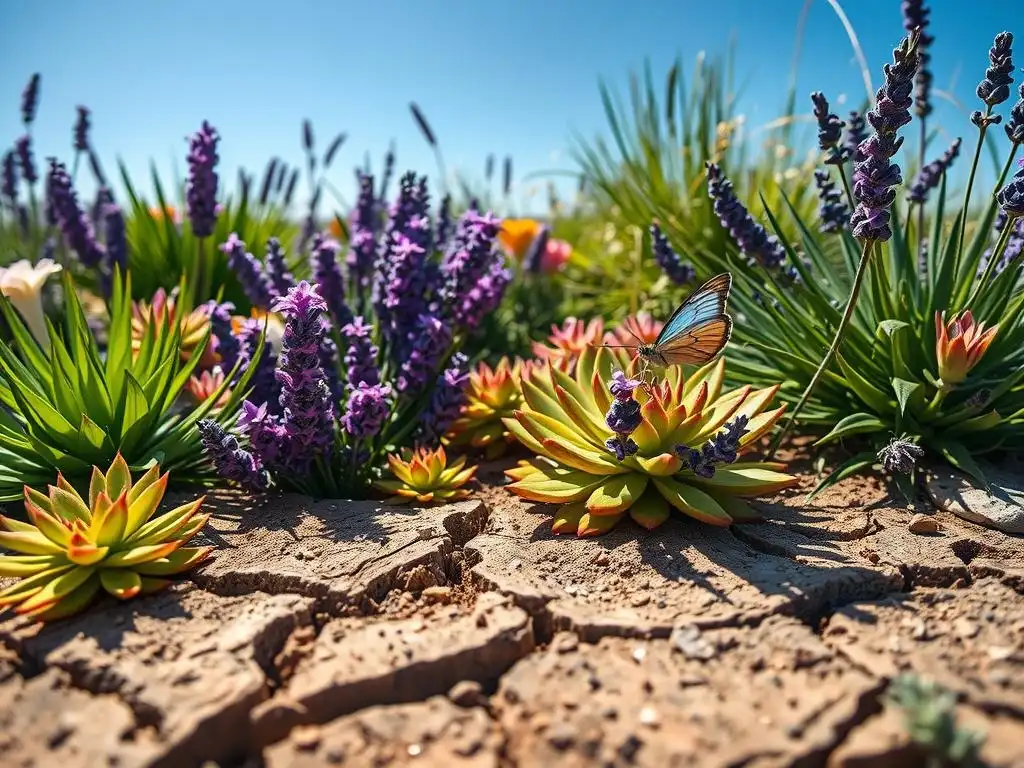
Welcome to CultivateYourFood, your guide to a thriving, sustainable home garden! Are you ready to unlock the secrets to a bountiful harvest, even in the face of challenging conditions? This website is dedicated to helping you grow your own fruits, vegetables, and herbs organically. We'll explore everything from planting and harvesting to composting and pest control.
But first, let's tackle a crucial topic: the impact of drought on your garden. Discover the resilience of drought-resistant garden plants and learn how to create a thriving oasis, no matter the climate. Continue reading to learn more and begin your journey towards a truly rewarding gardening experience.
- Recognizing the Signs of Drought Stress in Your Garden
- Understanding the Effects of Drought on Plant Health
- Strategies for Creating a Drought-Resistant Garden
- Specific Drought-Resistant Plants for Your Garden
- Long-Term Strategies for Drought Resilience
- Resources for Further Learning on Drought-Resistant Gardening
-
Frequently Asked Questions
- What are the biggest challenges drought poses to home gardens?
- Which plants are best suited for drought-resistant gardening?
- How can I improve my soil's water retention to help during droughts?
- What are some watering techniques to conserve water during a drought?
- Are there any pest control strategies specifically for drought-stressed plants?
- Final Reflection: Nurturing Resilience in a Changing Climate
- Unlock Your Garden's Drought Resilience
Recognizing the Signs of Drought Stress in Your Garden
Drought conditions pose a significant challenge to home gardeners, regardless of experience level. Understanding the impact of drought on your plants is crucial for implementing effective mitigation strategies and ensuring a thriving, sustainable garden. This article will explore the key signs of drought stress in your garden, focusing on how to identify these issues early and select drought-resistant garden plants to build resilience against water scarcity.
We'll delve into specific indicators, helping you proactively address water limitations and maintain the health and productivity of your fruits, vegetables, and herbs, even during extended periods of dryness. Learning to recognize these early warning signs allows for timely intervention, preventing irreversible damage and maximizing your harvest, even in the face of challenging climatic conditions. This is crucial for anyone striving for a successful and sustainable organic garden.
Wilting and Leaf Drop in Plants
One of the most visible signs of drought stress is wilting. Plants experiencing water deficiency will often exhibit drooping leaves and stems. This is a direct result of the plant's inability to maintain turgor pressure, the internal water pressure that keeps cells firm and upright.
The severity of wilting can vary depending on the plant species and the duration of the drought. Some plants may show only slight drooping during the hottest part of the day, recovering somewhat in the evening, while others may exhibit severe, irreversible wilting, leading to leaf drop. Observing the timing and severity of wilting can provide valuable insights into the extent of water stress.
For example, consistent midday wilting that doesn't recover overnight indicates a serious problem requiring immediate attention. Regular monitoring of your plants, paying close attention to leaf turgidity, is key to early drought detection. Specific examples of plants exhibiting these symptoms include tomatoes showing curled leaves and lettuce exhibiting a limp appearance.
Changes in Soil Moisture Levels
Beyond visible signs on the plants themselves, monitoring soil moisture is critical. Drought conditions significantly alter soil moisture levels, making the soil dry and crumbly. You can assess soil moisture by digging a few inches into the soil and feeling the texture. Dry, powdery soil indicates a severe lack of moisture, while slightly moist soil suggests a less critical, but still concerning situation.
The use of a soil moisture meter can provide a more precise measurement, removing the guesswork from assessing moisture levels. Different soil types retain moisture differently; sandy soils drain quickly, while clay soils retain moisture for longer periods. Understanding your soil type is essential for adapting your watering practices and selecting appropriate drought-resistant garden plants. Consistent monitoring of soil moisture, coupled with knowledge of your soil type, allows for proactive adjustments in watering schedules and plant selection, preventing drought-related damage.
Reduced Plant Growth and Flowering
Drought stress significantly impacts plant growth and flowering. Plants experiencing water deficiency will exhibit stunted growth, with smaller leaves and reduced overall size. Flowering may be delayed or reduced altogether, leading to a decrease in fruit and seed production. This is because the plant prioritizes survival over growth and reproduction under drought conditions.
Reduced growth and flowering are often subtle initially, making regular monitoring crucial for early detection. Comparing current growth rates to previous years or to healthy plants in similar conditions provides a valuable benchmark for identifying potential issues. For example, a pepper plant that is producing significantly fewer peppers than usual or a significantly smaller overall size compared to previous years is indicative of drought stress. Observing these subtle changes allows for timely intervention, minimizing the negative impact of drought on your harvest.
Increased Pest and Disease Susceptibility
Drought stress significantly weakens plants, making them far more vulnerable to pest infestations and diseases. A plant struggling to access sufficient water has compromised immune responses. Its cellular structure becomes less robust, leaving it susceptible to attack from a wider range of pathogens and insects. This is because a dehydrated plant can't effectively produce the natural defenses—chemical compounds and physical barriers—that typically ward off pests and diseases.
For example, a drought-stressed tomato plant might be more easily targeted by aphids, which then spread viral diseases more effectively. Similarly, a weakened rose bush might succumb to fungal infections like black spot far more readily than a well-hydrated counterpart. The weakened state of the plant also means it's less able to repair damage caused by pests, leading to more extensive harm and potentially the death of the plant.
Regular monitoring for early signs of infestation is crucial during drought conditions, allowing for timely intervention and potentially saving your plants. Early detection and treatment are key to mitigating the damage caused by this increased susceptibility. Consider using organic pest control methods to minimize the environmental impact.
This heightened vulnerability isn't just limited to obvious signs of disease; subtle changes in leaf color or texture can also indicate underlying issues exacerbated by drought. For instance, a slight yellowing or browning of leaves, often dismissed as a minor problem, could actually signal a weakening of the plant's defenses, making it an easier target for pests and diseases. Therefore, even seemingly minor symptoms warrant closer inspection during periods of drought.
Careful observation and proactive measures can significantly improve your chances of preserving your drought-resistant garden plants. Remember, prevention is always better than cure, especially when dealing with stressed plants.
Understanding the Effects of Drought on Plant Health
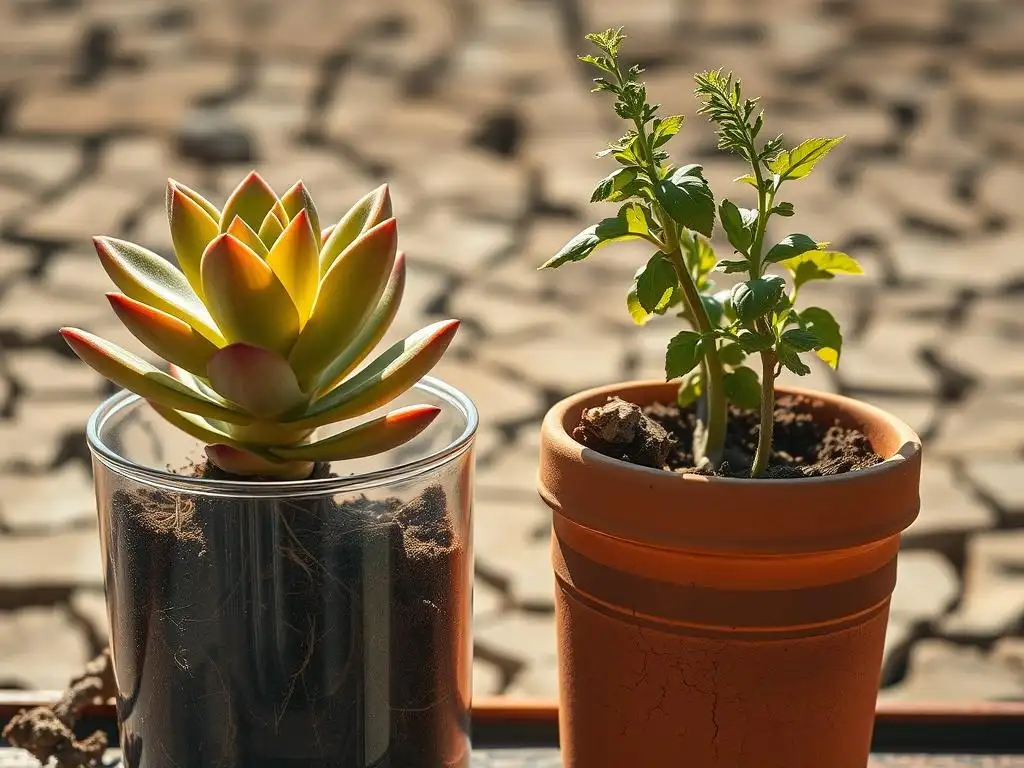
Drought significantly impacts plant health, leading to reduced yields and even plant death. Understanding the mechanisms behind these effects is crucial for creating a thriving drought-resistant garden. This section explores the key physiological processes affected by water scarcity, focusing on how drought stress manifests in plants and the cascading effects it has on growth and productivity. We'll examine how understanding these processes informs the selection and care of drought-resistant garden plants.
Water Stress and its Impact on Photosynthesis
Water stress, the condition where plants lack sufficient water, severely impacts photosynthesis – the vital process by which plants convert light energy into chemical energy. Photosynthesis relies heavily on water for several reasons. Firstly, water is a crucial reactant in the light-dependent reactions, where it is split to provide electrons for the electron transport chain. Secondly, water maintains the turgor pressure in plant cells, keeping stomata – tiny pores on leaves – open for gas exchange (CO2 intake and O2 release).
Under drought conditions, plants close their stomata to conserve water, limiting CO2 uptake and thus reducing the rate of photosynthesis. This leads to decreased sugar production, hindering plant growth and development. The severity of this impact varies depending on the plant species; some drought-resistant garden plants have evolved mechanisms to minimize stomatal closure or to efficiently utilize water during photosynthesis. For example, certain succulents have adapted to store water in their leaves, reducing the need for frequent water uptake.
This adaptation allows them to maintain photosynthesis even under prolonged dry spells. The extent of photosynthetic reduction can be quantified through measurements of chlorophyll fluorescence, a technique commonly used to assess plant stress. Data shows a strong negative correlation between water stress levels and photosynthetic efficiency, highlighting the critical nature of adequate hydration for plant health.
Nutrient Uptake and Deficiency in Dry Conditions
Drought significantly impacts nutrient uptake by plants. Water acts as a solvent, transporting essential nutrients from the soil to the plant roots. When water is scarce, the movement of nutrients is restricted, leading to nutrient deficiencies. This is exacerbated by the fact that many nutrients are absorbed through the root system via an active transport mechanism that requires energy.
Under drought stress, plants prioritize water uptake over nutrient acquisition, as water is essential for survival. This leads to a decreased concentration of essential nutrients, such as nitrogen, phosphorus, and potassium, within plant tissues. Nutrient deficiencies manifest in various ways, including stunted growth, chlorosis (yellowing of leaves), and reduced fruit production. For example, nitrogen deficiency can lead to pale green or yellow leaves, while phosphorus deficiency often results in stunted growth and dark green leaves.
The selection of drought-resistant garden plants often considers their efficiency in nutrient uptake under water-limited conditions. These plants may have developed deeper root systems to access water and nutrients further down in the soil profile or have enhanced nutrient uptake mechanisms. Addressing nutrient deficiencies in drought conditions often involves employing soil amendments to improve water retention and nutrient availability. Proper soil testing is crucial to identify existing deficiencies and tailor fertilization strategies accordingly.
The Role of Soil Structure in Drought Tolerance
Soil structure plays a vital role in a plant's ability to withstand drought. Well-structured soil, with good porosity and aeration, allows for better water infiltration and retention. This helps to maintain soil moisture content for longer periods, providing a more consistent water supply to plant roots. Conversely, compacted soils with poor drainage and aeration result in faster water loss, leaving plants vulnerable to drought stress.
The addition of organic matter, such as compost, significantly improves soil structure, enhancing its water-holding capacity. Organic matter helps to create a stable soil aggregate structure, improving water infiltration and reducing runoff. Furthermore, the presence of organic matter enhances the soil's ability to retain nutrients, which further contributes to drought tolerance. Analyzing soil texture and structure using methods like particle size analysis provides crucial information about soil water-holding capacity.
Data indicates that soils with a higher proportion of clay and silt particles tend to have higher water retention capacities compared to sandy soils. However, excessive clay content can also hinder drainage, leading to waterlogging in wet conditions. Therefore, achieving an optimal balance of soil texture and organic matter is critical for building drought-resistant soil. Understanding these soil properties is key to selecting appropriate drought-resistant garden plants and implementing sustainable soil management practices.
Choosing Drought-Resistant Garden Plants for Your Region
Selecting drought-resistant plants is crucial for maintaining a thriving garden during periods of low rainfall. The key is to choose varieties that are naturally adapted to your specific region's climate and soil conditions. Ignoring this crucial step can lead to significant plant loss and a disappointing harvest.
Different regions experience varying levels of drought intensity and duration, influencing the types of plants that will flourish. For example, a plant that thrives in the arid Southwest of the United States might struggle in the Mediterranean climate of California, despite both being drought-prone areas. The soil type also plays a significant role; sandy soil drains quickly, requiring plants with deep root systems to access water, whereas clay soils retain moisture longer, allowing for a wider variety of choices.
Understanding your USDA Plant Hardiness Zone is paramount. This zone system categorizes regions based on average annual minimum temperatures, giving you a valuable starting point for selecting plants likely to survive your winters. However, it doesn't fully account for drought tolerance. Therefore, researching plants specifically known for their drought resilience within your zone is essential.
Local nurseries and gardening centers are invaluable resources; their staff possesses in-depth knowledge of plants that perform well in your area's specific conditions, including its drought patterns. They can advise you on the most suitable drought-resistant options for your garden, considering factors like sun exposure and soil type. Don't hesitate to ask for recommendations!
Furthermore, consider the microclimate of your garden. Areas with significant shade will retain moisture longer than those exposed to full sun. This influences the types of drought-resistant plants you can successfully cultivate. Plants adapted to full sun often have adaptations like smaller leaves and hairy surfaces to reduce water loss through transpiration.
Conversely, plants that prefer shade generally have larger leaves and may not tolerate prolonged periods of intense sunlight and heat. Careful observation of your garden's sun exposure will help you make informed choices. Taking note of the sun's path throughout the day can be particularly helpful in identifying areas of varying sun exposure.
When researching drought-resistant garden plants, remember that "drought-resistant" doesn't mean "no water needed." Even the most resilient plants benefit from occasional watering, especially during establishment and extended periods of extreme heat. Deep, infrequent watering encourages deep root growth, making plants more resilient to drought in the long run. Avoid frequent shallow watering, which can lead to shallow root systems and increased vulnerability to drought stress.
The goal is to provide enough water to support healthy growth without encouraging dependence on frequent watering. This approach promotes stronger, more self-sufficient plants better equipped to withstand drought conditions. Proper soil preparation, including the addition of organic matter to improve water retention, also contributes significantly to a drought-resistant garden.
Strategies for Creating a Drought-Resistant Garden
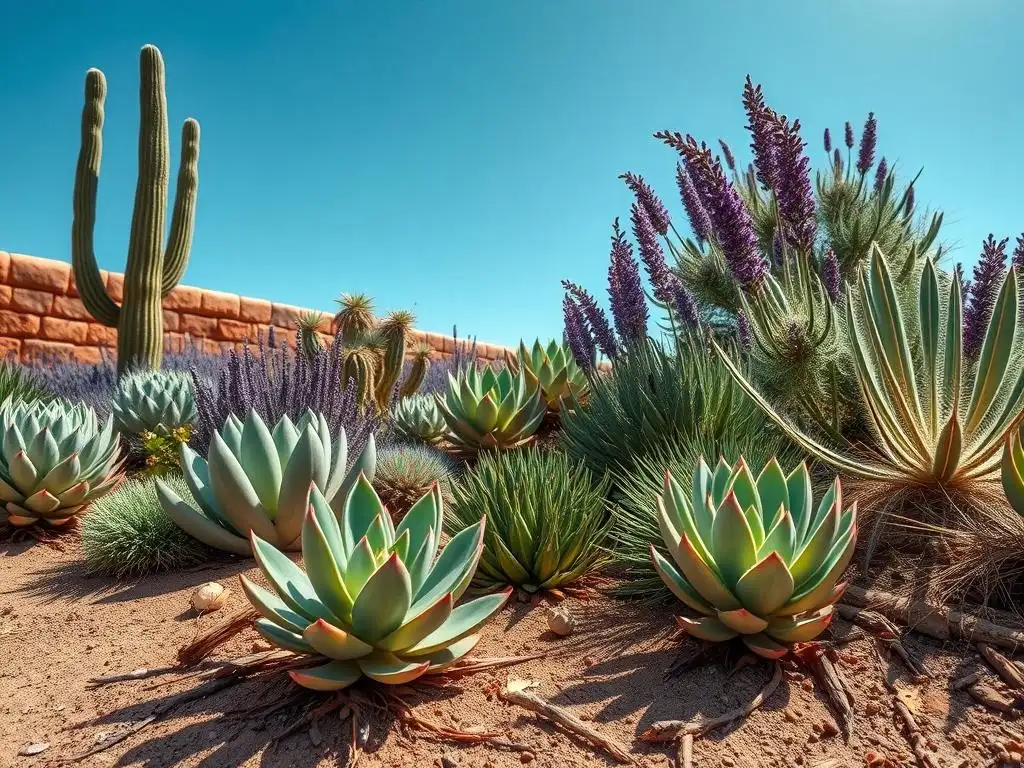
Creating a thriving garden during periods of drought requires careful planning and the implementation of effective strategies. A drought-resistant garden isn't about sacrificing beauty or yield; it's about choosing the right plants and employing smart gardening techniques to maximize water efficiency. This section will explore key strategies to build resilience against water scarcity, ensuring a bountiful harvest even under challenging conditions. Focusing on selecting appropriate drought-resistant garden plants is paramount.
Selecting Drought-Tolerant Vegetables and Herbs
Choosing vegetables and herbs naturally adapted to arid conditions is crucial for a successful drought-resistant garden. These plants possess physiological mechanisms that allow them to survive and even thrive with minimal water. Instead of relying on frequent watering, they conserve moisture efficiently.
Here's a table showcasing some excellent options:
| Vegetable/Herb | Water Needs | Characteristics | Notes |
|---|---|---|---|
| Tomatoes (certain varieties) | Moderate-Low | Deep roots, hairy leaves reduce transpiration | Choose varieties bred for heat and drought |
| Peppers (certain varieties) | Moderate-Low | Similar to tomatoes | Research heat-tolerant varieties |
| Zucchini | Moderate | Relatively drought-tolerant, but needs regular watering during fruiting | Supplement with drip irrigation if needed |
| Beans (bush beans) | Moderate-Low | Relatively drought-tolerant once established | Avoid overwatering, especially when young |
| Basil | Moderate-Low | Aromatic herb, relatively drought-tolerant | Prefers well-drained soil |
| Rosemary | Low | Highly drought-tolerant, thrives in dry conditions | Very low maintenance |
| Thyme | Low | Highly drought-tolerant, thrives in dry conditions | Very low maintenance |
Remember that even drought-tolerant plants need some water, especially when young and establishing their root systems. Observe your plants closely; wilting leaves are a clear sign of needing water. However, avoid overwatering, as this can lead to root rot and other problems. Deep, infrequent watering is generally preferable to shallow, frequent watering.
Implementing Water-Wise Irrigation Techniques
Efficient irrigation is essential for conserving water while ensuring your drought-resistant garden receives the necessary moisture. Avoid overhead watering, which leads to significant water loss through evaporation. Instead, consider these techniques:
- Drip Irrigation: This method delivers water directly to the roots of plants, minimizing evaporation and runoff. It's highly efficient and allows for precise control of water delivery. This is especially beneficial for established plants that have a well-developed root system.
- Soaker Hoses: Similar to drip irrigation, soaker hoses release water slowly along their length, providing consistent moisture to the root zone. They are a more affordable alternative to drip irrigation systems.
- Rain Barrels: Collecting rainwater is an excellent way to supplement your watering needs, reducing reliance on municipal water supplies. This helps conserve water and is a sustainable practice.
Choosing the right irrigation method depends on your garden's size, plant layout, and budget. Consider a combination of methods for optimal results. Regularly inspect your irrigation system for leaks and ensure that it's delivering water efficiently.
Mulching to Conserve Soil Moisture
Mulching plays a vital role in creating a drought-resistant garden. A layer of mulch on the soil surface significantly reduces evaporation, keeping the soil cooler and moister for longer periods. This is particularly important during hot, dry weather. Suitable mulching materials include:
- Organic Mulches: Compost, shredded leaves, straw, and wood chips are excellent organic mulches. They decompose over time, enriching the soil with nutrients.
- Inorganic Mulches: Gravel, pebbles, and landscape fabric are inorganic options. They are less effective at enriching the soil but are very durable.
When applying mulch, ensure a layer of at least 2-3 inches thick. Avoid piling mulch directly against the stems of plants, as this can promote fungal diseases. Regularly replenish the mulch layer as it decomposes or gets washed away. Mulching is a simple yet highly effective technique for conserving water and maintaining soil health in your drought-resistant garden. It's a crucial element of sustainable gardening practices.
Improving Soil Health for Better Water Retention
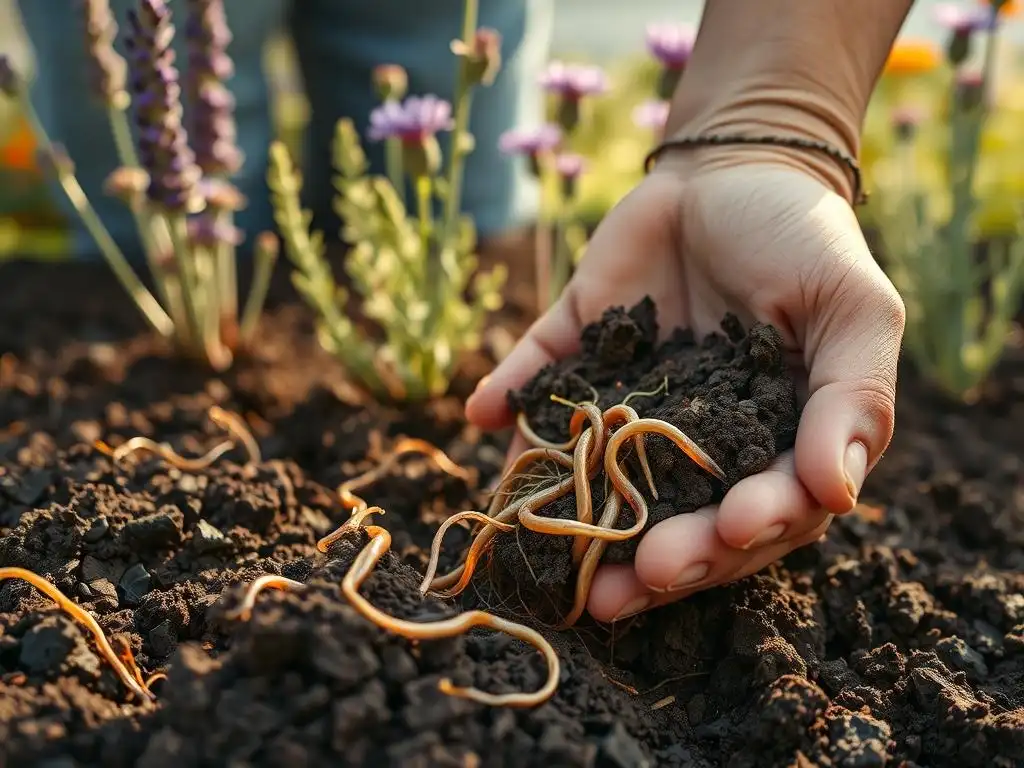
Healthy soil is the cornerstone of a drought-resistant garden. Improving your soil's structure significantly enhances its ability to retain moisture, reducing the frequency of watering needed during dry spells. This involves increasing the soil's organic matter content, which acts like a sponge, absorbing and holding water.
Adding compost, aged manure, or leaf mold improves soil structure, creating spaces for water to be stored. The addition of organic matter also promotes the growth of beneficial soil microbes that further enhance water retention and nutrient availability. These microbes create a complex network of interconnected pathways within the soil, helping to hold water molecules and release them to plant roots as needed.
Furthermore, consider the soil type. Sandy soils, for example, drain quickly and require more frequent watering. Amend these soils with organic matter like peat moss or coco coir to improve their water-holding capacity. Clay soils, on the other hand, can become waterlogged, hindering root development.
Adding organic materials like perlite or vermiculite to clay soils improves drainage and aeration, while still maintaining a level of moisture retention. Regular soil testing can help you understand your soil's specific needs and guide your amendment strategy. Remember, building healthy soil is a long-term process that requires consistent effort, but the rewards—a more resilient and drought-tolerant garden—are well worth it. A healthy soil structure minimizes water runoff, maximizing the effectiveness of any irrigation you do implement.
Utilizing Water Harvesting Methods for Your Garden
Water harvesting is a crucial strategy in creating a drought-resistant garden. This involves collecting rainwater and reusing greywater (water from showers, sinks, and washing machines) to supplement your garden's water needs. Simple rainwater harvesting systems can be implemented using rain barrels connected to downspouts. These barrels collect rainwater that would otherwise run off, providing a free and readily available source of water for your plants. The size of the barrel you need will depend on your roof size and the average rainfall in your area. Remember to clean your barrels regularly to prevent mosquito breeding and maintain water quality.
Beyond rain barrels, consider creating swales or berms in your garden design. Swales are shallow ditches that direct rainwater flow towards planting areas, while berms are raised areas of earth that help retain water. These landscape features naturally capture and store rainwater, reducing the amount of water lost to runoff. Greywater harvesting requires a more sophisticated system, often involving filtering and treatment to remove harmful chemicals and pathogens.
However, properly treated greywater can provide a significant supplemental water source for your garden, particularly during extended dry periods. Always research local regulations concerning greywater reuse before implementing such a system. By combining rainwater harvesting with smart irrigation techniques, you can significantly reduce your reliance on municipal water supplies, creating a more sustainable and resilient garden that thrives even during drought conditions. This also contributes to water conservation efforts within the wider community.
Specific Drought-Resistant Plants for Your Garden
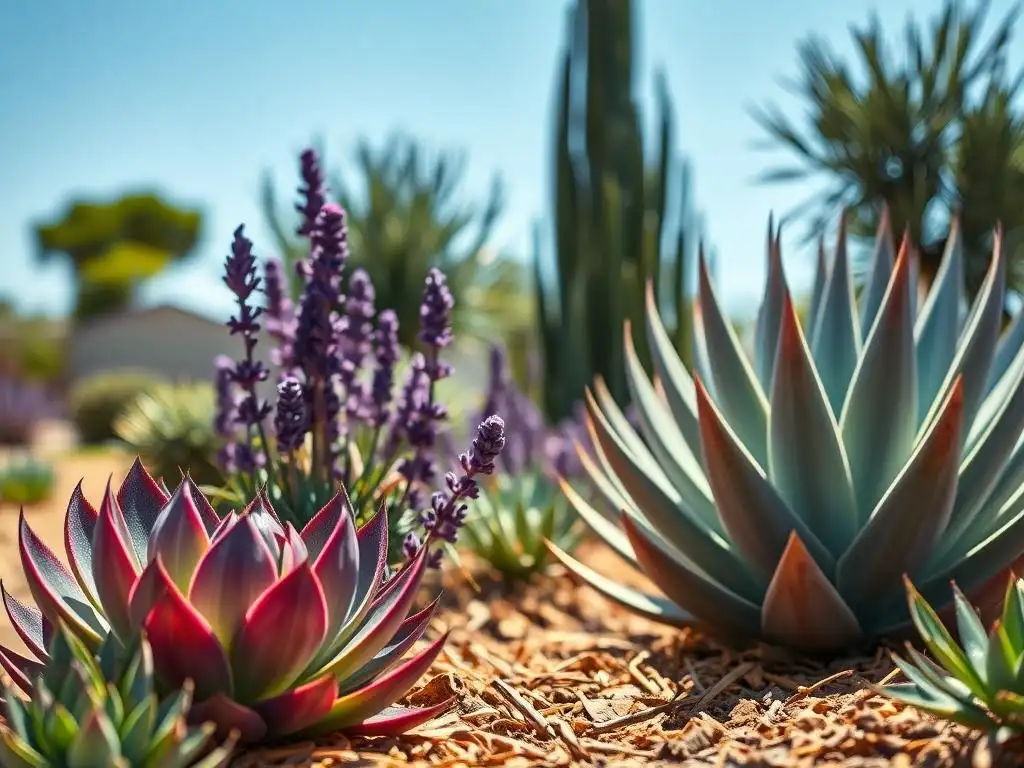
This section focuses on selecting drought-resistant plants suitable for home gardens, minimizing water consumption while maximizing yield and aesthetic appeal. Choosing the right plants is crucial for creating a thriving, sustainable, and visually pleasing drought-resistant garden. We'll explore vegetables, herbs, and flowering plants that excel in arid conditions. Remember, even drought-tolerant plants benefit from occasional deep watering, especially during establishment.
Drought-Resistant Vegetables for Home Gardens
Many vegetables can surprisingly tolerate dry conditions, especially if planted correctly and given a good start. Here are some excellent choices for your drought-resistant garden:
- Tomatoes: Certain tomato varieties, particularly those bred for hot, dry climates, are remarkably drought-tolerant. Look for determinate varieties, which produce fruit all at once, rather than indeterminate varieties, which continue to grow and produce fruit over a longer period, requiring more consistent moisture. Proper mulching is key to retaining soil moisture.
- Beans: Bush beans, especially those with smaller leaves, are more resistant to drought than pole beans. Their shallower root systems benefit from consistently moist, but not waterlogged, soil. Regular weeding helps conserve moisture.
- Squash: Summer squash like zucchini and yellow squash are relatively drought-tolerant, particularly if planted in well-draining soil. However, consistent watering during fruiting will maximize yield.
- Peppers: Similar to tomatoes, certain pepper varieties perform well in dry conditions. Choose compact varieties and ensure proper soil drainage to prevent root rot.
- Eggplant: While eggplant prefers consistent moisture, some varieties show better drought tolerance than others. Select varieties specifically bred for heat and drought.
The success of these drought-resistant vegetables hinges on several factors: proper soil preparation (rich, well-draining soil is essential), appropriate spacing to prevent overcrowding and competition for resources, and the use of organic mulch to conserve soil moisture and suppress weeds. Remember that even drought-tolerant plants will benefit from supplemental watering during particularly dry spells, especially during the flowering and fruiting stages. Observe your plants carefully and adjust your watering schedule accordingly.
Top Drought-Tolerant Herbs for Culinary Use
Many culinary herbs are naturally adapted to drier climates, making them ideal for drought-resistant gardening. These low-maintenance plants not only add flavor to your dishes but also contribute to a beautiful and fragrant garden:
- Rosemary: A classic drought-tolerant herb, rosemary thrives in full sun and well-drained soil. Its needle-like leaves minimize water loss.
- Thyme: Another highly drought-tolerant herb, thyme prefers dry, rocky soil and full sun. It's incredibly hardy and requires minimal watering once established.
- Lavender: Known for its beautiful flowers and calming fragrance, lavender is exceptionally drought-resistant and thrives in hot, sunny conditions.
- Sage: Sage is relatively drought-tolerant and prefers well-drained soil and plenty of sunshine. It's a versatile herb used in many cuisines.
- Oregano: Oregano is a low-maintenance herb that tolerates dry conditions once established. It spreads easily and requires minimal care.
These herbs are resilient and require minimal watering once established. However, regular pruning can help maintain their shape and encourage bushier growth. Consider planting them in raised beds or containers with well-draining soil for optimal results. Regular deadheading (removing spent flowers) will also encourage continued growth and flowering.
Flowering Plants that Thrive in Dry Conditions
Creating a vibrant and colorful garden even during drought conditions is achievable with the right plant selection. Here are some flowering plants known for their drought tolerance:
- Coneflowers (Echinacea): These daisy-like flowers are native to North America and are exceptionally drought-tolerant. They attract pollinators and add a rustic charm to any garden.
- Sedum: Also known as stonecrop, sedum is a succulent that thrives in dry, sunny conditions. Its fleshy leaves store water, making it highly drought-resistant. It comes in various colors and sizes.
- Yarrow (Achillea): Yarrow is a hardy perennial that tolerates dry conditions and full sun. Its feathery foliage and clusters of small flowers add texture and color to the garden.
- Russian Sage (Perovskia atriplicifolia): This silvery-leaved shrub is incredibly drought-tolerant and attracts pollinators with its lavender-blue flowers.
- Daylilies (Hemerocallis): Many daylily cultivars are remarkably drought-tolerant once established. They come in a vast array of colors and bloom times.
These drought-resistant flowering plants can significantly enhance the beauty of your garden while minimizing your water usage. Consider grouping them together in sunny areas with well-draining soil for optimal growth. Remember that a layer of mulch around the base of these plants will help conserve soil moisture and suppress weeds, further promoting their health and resilience. Proper spacing is also important to prevent overcrowding and competition for resources.
Low-Water Landscaping Options for Your Garden
Creating a drought-resistant garden doesn't mean sacrificing beauty or biodiversity. Many landscaping choices can significantly reduce your water consumption while maintaining a vibrant and attractive outdoor space. The key is to select plants and design elements that thrive in arid conditions and minimize water waste. This involves a thoughtful approach to plant selection, soil management, and irrigation techniques.
One effective strategy is to incorporate xeric landscaping, a design approach that emphasizes the use of drought-tolerant plants and water-wise gardening practices. This goes beyond simply planting drought-resistant species; it encompasses the entire garden design, considering factors like sun exposure, soil type, and wind patterns. For example, grouping plants with similar water needs together optimizes irrigation efficiency. Placing drought-tolerant plants in sunny areas and those needing more moisture in shadier spots minimizes water stress.
Choosing the right type of mulch is crucial. Organic mulches like shredded bark or wood chips help retain soil moisture, suppress weeds (reducing competition for water), and regulate soil temperature. A thick layer of mulch (around 2-4 inches) can dramatically reduce the frequency of watering. Remember to avoid placing mulch directly against the stems of plants, as this can promote rot.
Beyond plant selection and mulching, efficient irrigation is paramount. Drip irrigation systems deliver water directly to the roots of plants, minimizing evaporation and runoff. Soaker hoses are another excellent option, providing a slow, gentle release of water. Avoid overhead sprinklers, which lose a significant amount of water to evaporation, especially in hot, sunny conditions.
Regularly check your irrigation system for leaks and ensure it's properly adjusted to meet the specific needs of your plants. Consider using smart irrigation controllers that monitor weather conditions and adjust watering schedules accordingly. This technology can significantly conserve water while ensuring your plants receive the optimal amount of moisture.
Finally, consider incorporating hardscaping elements strategically. Paved areas, patios, and gravel pathways reduce the overall area requiring irrigation. These elements also add visual interest and structure to your garden. Choosing permeable paving materials allows water to seep into the ground, replenishing the water table and reducing runoff. By combining these low-water landscaping techniques, you can create a beautiful, sustainable garden that thrives even during extended periods of drought. Remember, careful planning and mindful choices will lead to a thriving, drought-resistant garden that requires minimal maintenance and water.
Long-Term Strategies for Drought Resilience
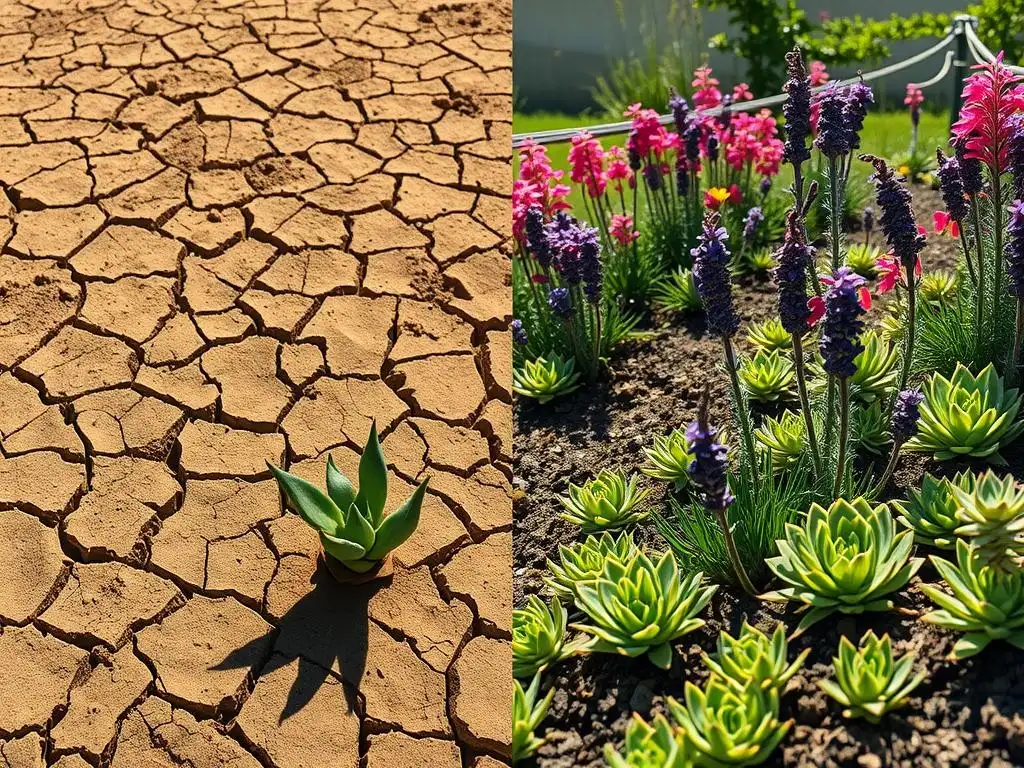
This section focuses on proactive measures to build drought resilience in your garden, ensuring its health and productivity even during extended dry periods. Ignoring the threat of drought is a recipe for disaster; proactive planning is key to a thriving garden, even in arid climates. We'll explore long-term strategies that go beyond immediate responses, establishing a foundation for a consistently successful harvest.
Planning for Future Drought Events
Effective drought preparation begins with anticipating future water scarcity. This isn't about predicting the exact timing of droughts, but rather establishing systems that can withstand extended dry spells. This involves a shift in mindset from reactive crisis management to proactive risk mitigation. A key aspect is understanding your local climate patterns and historical drought occurrences. Analyzing long-term weather data can provide valuable insights into the frequency and severity of droughts in your region, informing your long-term gardening strategy.
Consider these points when planning for future drought events:
- Develop a detailed water budget: Calculate your garden's water needs based on plant type, soil type, and expected rainfall. This allows for precise irrigation scheduling and helps identify potential water shortages before they become critical.
- Diversify your planting: Don't rely on a single water-intensive crop. Incorporate a variety of drought-resistant garden plants, ensuring a more resilient and diverse harvest. This reduces the overall impact of drought on your food production.
- Monitor soil moisture levels regularly: Use a soil moisture meter to track soil hydration and adjust watering accordingly. Avoid overwatering, which can be detrimental to plant health and water conservation.
- Create a drought contingency plan: This plan should detail steps to take during a drought, including alternative water sources, irrigation adjustments, and strategies for protecting vulnerable plants.
Implementing Sustainable Water Management Practices
Sustainable water management is paramount for a drought-resistant garden. It's not merely about reducing water usage; it's about optimizing water use efficiency while minimizing environmental impact. This involves a holistic approach that considers all aspects of water consumption, from irrigation techniques to soil management.
Here are some key sustainable water management practices:
- Drip irrigation: This highly efficient method delivers water directly to plant roots, minimizing evaporation and runoff. It significantly reduces water consumption compared to traditional overhead sprinkler systems.
- Mulching: Applying a layer of mulch (organic matter like straw or wood chips) helps retain soil moisture, reducing the frequency of watering. This also suppresses weeds, which compete with plants for water.
- Rainwater harvesting: Collecting rainwater through rain barrels or other systems provides a supplementary water source during dry spells. This reduces reliance on municipal water supplies and promotes water conservation.
- Soil improvement: Healthy soil with good structure retains water more effectively. Adding compost and other organic matter improves soil drainage and water-holding capacity, reducing the need for frequent watering. This also fosters a thriving soil microbiome, essential for plant health.
Community Initiatives for Drought Preparedness
Collaboration is crucial in building community-wide drought resilience. Sharing knowledge, resources, and experiences can significantly enhance the effectiveness of individual efforts. Participating in or initiating community-based initiatives can amplify your impact and build a more resilient local food system.
Examples of community initiatives include:
- Community gardens: Shared gardening spaces can promote collaborative water management strategies and knowledge sharing among gardeners.
- Water-wise workshops: Educational programs can empower community members with the knowledge and skills needed to create drought-resistant gardens.
- Seed sharing and plant exchanges: Exchanging drought-resistant seeds and plants fosters biodiversity and strengthens community resilience. This allows for the sharing of successful drought-resistant cultivars within the community.
- Collaborative water conservation projects: Community-level projects focusing on rainwater harvesting or greywater recycling can provide shared resources and reduce overall water consumption.
By adopting these long-term strategies, you can build a garden that thrives even in the face of drought. Remember that drought resilience is a continuous process of learning, adapting, and collaborating. The key is proactive planning and the implementation of sustainable practices.
Resources for Further Learning on Drought-Resistant Gardening
This section provides valuable resources to deepen your understanding of drought-resistant gardening and help you cultivate a thriving garden even in arid conditions. Learning about drought-tolerant plants is crucial for sustainable gardening practices, and these resources offer a wealth of information to get you started. Remember, a well-planned droughtresistant garden requires careful consideration of plant selection and water management techniques.
Recommended Books and Online Resources on Drought-Tolerant Plants
Choosing the right plants is paramount when designing a drought-resistant garden. Many excellent resources are available to guide you in selecting appropriate species for your region. Don't rely solely on online articles; a well-rounded approach involves both digital and physical resources.
Here are some examples:
- Books: Look for books focusing on xeric gardening or gardening in your specific climate zone. These often contain detailed plant lists, planting guides, and landscaping tips tailored to water-wise gardening. Search for titles with keywords like "drought-tolerant plants," "water-wise landscaping," or "[your region] gardening." Pay attention to publication dates; more recent books often incorporate the latest research on water conservation.
- Online Databases: Many universities and botanical gardens maintain online databases of plants suitable for dry climates. These databases often include detailed information on each plant's water requirements, sun exposure needs, and other crucial details. These resources are invaluable for identifying the best droughtresistant garden plants for your specific location and soil conditions.
- Specialized Websites: Several websites are dedicated to sustainable and drought-tolerant gardening. These websites often feature articles, forums, and plant guides specifically curated for gardeners facing water restrictions. They can be a fantastic source of practical advice and community support. Look for websites focusing on organic gardening and water conservation strategies.
- YouTube Channels: Many gardening YouTubers create content on drought-resistant gardening, offering visual demonstrations of planting techniques, plant care tips, and landscaping designs for dry climates. These channels can provide valuable insights and visual learning experiences. Search for channels that specifically address droughtresistant garden plants and water-wise gardening practices.
Local Gardening Organizations and Experts
Connecting with local experts and organizations can significantly enhance your drought-resistant gardening efforts. Local knowledge is invaluable when it comes to understanding the specific challenges and opportunities of your region.
- Local Master Gardener Programs: Many counties and universities offer Master Gardener programs. These programs train volunteers to provide horticultural advice to the community. Master Gardeners are excellent resources for obtaining region-specific guidance on plant selection, pest control, and water conservation techniques. They often hold workshops and clinics that can provide hands-on learning opportunities.
- Native Plant Societies: Joining a native plant society can connect you with individuals passionate about using native species in their gardens. Native plants are often well-adapted to local conditions, including drought, and require less water than many non-native species. These societies often offer plant sales, workshops, and field trips, providing opportunities to learn about suitable droughtresistant garden plants within your area.
- Local Nurseries and Garden Centers: Don't underestimate the value of your local nursery. Experienced staff can offer personalized recommendations on drought-tolerant plants that thrive in your specific microclimate and soil type. They can also provide practical advice on planting, maintenance, and other essential aspects of gardening in dry conditions. Asking specific questions about your soil type and sun exposure will help them provide the most relevant recommendations for droughtresistant garden plants.
Remember that building a successful drought-resistant garden is a journey, not a destination. Continuous learning and adaptation are key to thriving in dry conditions. Utilizing the resources listed above will equip you with the knowledge and support needed to create a beautiful and sustainable garden, regardless of water limitations. 🌱
Frequently Asked Questions
What are the biggest challenges drought poses to home gardens?
Drought creates water stress for plants, leading to wilting, stunted growth, and reduced yields. Lack of sufficient moisture also makes plants more susceptible to pests and diseases.
Which plants are best suited for drought-resistant gardening?
Many options exist! Consider native plants, as they're adapted to local conditions. Succulents, lavender, and certain grasses are also excellent drought-tolerant choices.
How can I improve my soil's water retention to help during droughts?
Adding organic matter like compost significantly improves soil structure. This allows for better water absorption and retention, benefiting your plants during dry spells. Mulching also helps retain moisture.
What are some watering techniques to conserve water during a drought?
Deep, infrequent watering is more effective than shallow, frequent watering. Water deeply at the base of plants to encourage deep root growth. Consider using drip irrigation for efficient water delivery.
Are there any pest control strategies specifically for drought-stressed plants?
Drought-stressed plants are more vulnerable. Monitor your plants closely for signs of pests. Use organic pest control methods like neem oil or insecticidal soap, avoiding harsh chemicals which can further stress the plants.
Final Reflection: Nurturing Resilience in a Changing Climate
The devastating impact of drought on our gardens is no longer a distant threat; it's a present reality shaping our landscapes and demanding a fundamental shift in how we cultivate beauty and sustenance. The increasing frequency and intensity of droughts worldwide underscore the urgent need for sustainable gardening practices, pushing us to move beyond traditional approaches and embrace drought-resistant solutions. This necessitates a deeper understanding of water conservation and the selection of plants specifically adapted to arid conditions.
The journey towards drought-resistant gardening is not merely about selecting the right plants; it's about fostering a deeper connection with the natural world and recognizing the interconnectedness of our actions. The glory of gardening: hands in the dirt, head in the sun, heart with nature. To nurture a garden is to feed not just the body, but the soul.
This quote beautifully encapsulates the profound impact of gardening, and adapting our practices to drought conditions allows us to continue this enriching experience while contributing to a more sustainable future. The shift towards drought-resistant gardens is a powerful statement about our commitment to environmental responsibility and the resilience of the human spirit in the face of adversity.
Consider the plants you choose for your garden, the water management strategies you employ, and the overall impact your gardening practices have on the environment. You have the power to transform your garden into a haven of resilience, a testament to the beauty and strength that can emerge even in the face of challenging conditions. Embrace the opportunity to learn more about drought-resistant plants, experiment with water-wise techniques, and share your knowledge with others. Let your garden become a symbol of hope and a beacon of sustainable living.
Unlock Your Garden's Drought Resilience
Thanks for exploring the challenges of drought on gardens with us! You now have the knowledge to help your plants thrive even in dry conditions. Ready to put this knowledge into action?
- Start with a water-wise gardening technique: This is the first step toward a more resilient garden. Consider mulching, drip irrigation, or xeriscaping, choosing the method best suited to your needs and garden.
- Share your drought-busting gardening tips and tricks with fellow gardeners in the comments below! Let's build a thriving community of resilient growers.
- Expand your garden's drought tolerance: Try planting a new drought-tolerant species this season. Experiment to discover which plants flourish best in your unique environment.
What drought-resistant strategies will you prioritize for your garden this year?