
Online Workshops: Starting a Community Garden: A StepbyStep Guide

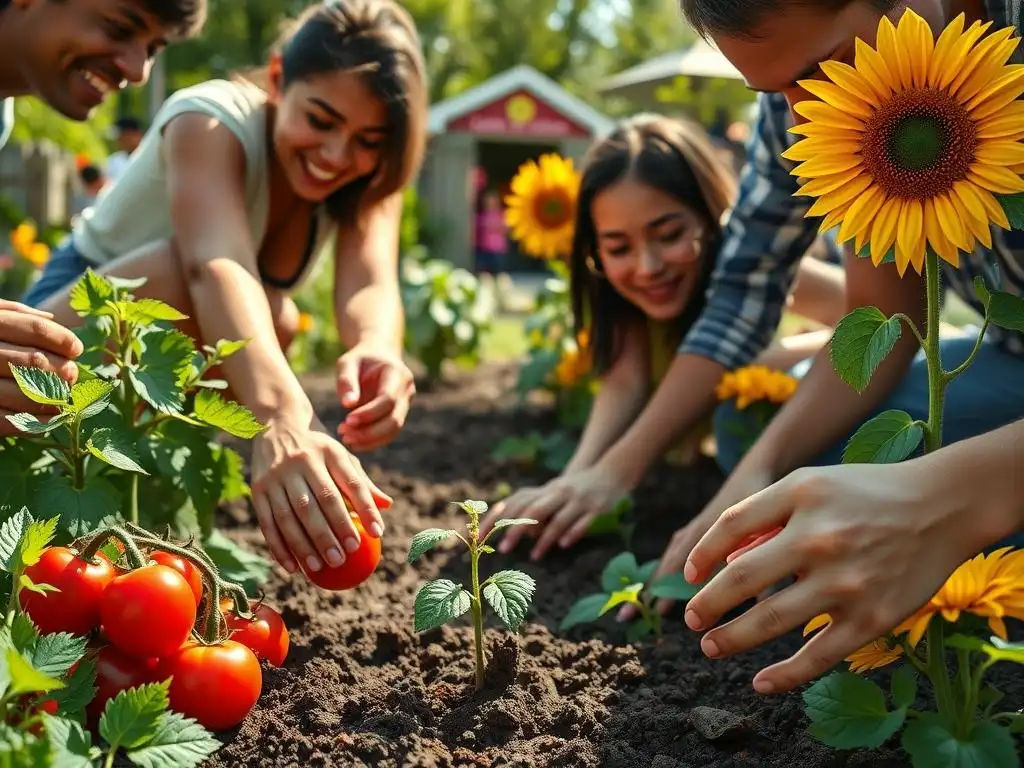
Ready to transform your green thumb into a flourishing community garden? CultivateYourFood is your guide to sustainable and organic home gardening. We’ll help you grow bountiful harvests of fruits, vegetables, and herbs. Discover the secrets to success with our comprehensive Community Garden Workshop Guide, a step-by-step resource designed to empower you to build a thriving community garden from the ground up. Let's get growing!
-
Planning Your Community Garden Workshop: A Comprehensive Guide
- Assessing Your Community's Needs for a Successful Community Garden Workshop
- Finding the Ideal Location for Your Community Garden: Space Requirements and Considerations
- Securing Funding and Resources for Your Community Garden Project: Grants and Sponsorships
- Building a Strong Team: Recruiting Volunteers and Engaging Community Members
-
Designing Your Community Garden Workshop Curriculum: A Step-by-Step Approach
- Lesson 1: Introduction to Community Gardening: Benefits and Principles
- Lesson 2: Soil Preparation and Testing for Optimal Growth: Using Soil Testing Kits
- Lesson 3: Selecting the Right Plants for Your Community Garden: Choosing Organic Seeds and Seedlings
- Lesson 4: Planting Techniques and Strategies for Success: Utilizing Gardening Tools for Efficient Planting
- Lesson 5: Watering and Irrigation Strategies for a Thriving Community Garden: Implementing efficient watering systems
- Lesson 6: Organic Pest and Disease Control: Natural Solutions for a Healthy Garden
- Lesson 7: Harvesting and Preserving Your Community Garden's Bounty: Techniques for maximizing yield and minimizing waste
- Lesson 8: Composting and Sustainable Practices in Your Community Garden: Utilizing Composting Bins for efficient composting
- Marketing and Promoting Your Community Garden Workshop: Reaching Your Target Audience
- Running Your Community Garden Workshop: Practical Tips and Best Practices
- Measuring the Success of Your Community Garden Workshop: Evaluation and Feedback
-
Monetizing Your Community Garden Workshop: Generating Revenue
- Charging Workshop Fees: Setting competitive pricing based on value and market research
- Offering Additional Services: Consultations, garden design, and ongoing support
- Affiliate Marketing: Partnering with relevant gardening businesses
- Sponsorships and Grants: Securing funding to support future workshops.
- Frequently Asked Questions
- Final Reflection: Cultivating Community, One Seed at a Time
- Unleash Your Green Thumb: Grow Your Community Garden Today!
Planning Your Community Garden Workshop: A Comprehensive Guide
Starting a community garden can be a rewarding experience, fostering a sense of community, promoting healthy eating habits, and enhancing local biodiversity. This comprehensive guide will walk you through the essential steps of planning and executing a successful community garden workshop, equipping you with the knowledge and resources to cultivate a thriving green space within your community. We'll cover everything from assessing your community's needs to securing funding and resources, ensuring your workshop empowers participants to create a flourishing and sustainable community garden.
This guide is specifically designed to help you organize a workshop that addresses the practical aspects of community gardening, making it accessible and engaging for participants of all skill levels. We'll emphasize sustainable and organic practices, aligning with the ethos of CultivateYourFood. Let's get started on your journey to building a vibrant community garden!
Assessing Your Community's Needs for a Successful Community Garden Workshop
Before launching your community garden workshop, understanding your community's specific needs is paramount. A successful workshop isn't just about teaching gardening techniques; it's about addressing the unique challenges and aspirations of your local population. This involves more than just identifying the number of interested participants. Consider these crucial factors:
- Existing green spaces: Are there existing green areas that could be repurposed or expanded upon? What are their limitations? Are there areas already used for community activities that could potentially integrate a garden?
- Community demographics: Who are your potential participants? What are their gardening experience levels? Are there specific age groups or demographics you want to target? Understanding the diversity of your community will help tailor the workshop content to be inclusive and relevant.
- Soil conditions and climate: Conduct a preliminary soil test to assess its quality and suitability for gardening. Consider the local climate and its impact on plant growth, choosing appropriate crops and techniques.
- Access to resources: Is there sufficient access to water, tools, and other necessary resources? Are there local organizations or businesses that might be willing to contribute?
- Community involvement: Gauge the level of interest and commitment within the community. Are people willing to contribute time and effort to maintaining the garden? Consider ways to ensure ongoing participation beyond the initial workshop.
By carefully considering these elements, you can design a community garden workshop that directly addresses the needs and capabilities of your community, increasing the likelihood of its long-term success. Accurate assessment is key to building a truly sustainable and impactful community garden.
Finding the Ideal Location for Your Community Garden: Space Requirements and Considerations
The location of your community garden significantly impacts its success. Choosing a suitable site involves careful consideration of several key factors:
- Sunlight: Select a location that receives at least 6-8 hours of direct sunlight daily, essential for optimal plant growth. Consider the sun's path throughout the year to ensure consistent sunlight exposure.
- Accessibility: The garden should be easily accessible to all members of the community, especially those with mobility limitations. Consider proximity to public transportation, parking, and walkways.
- Water access: Proximity to a reliable water source is crucial. This could be a water tap, a well, or a rainwater harvesting system.
- Soil quality: Assess the soil's composition, drainage, and fertility. Poor soil quality may require significant amendment before planting.
- Size and layout: The garden's size should be appropriate for the number of participants and the planned activities. Consider the layout, ensuring efficient use of space and easy access to all planting areas. A well-designed layout will promote ease of maintenance and maximize yield.
- Security: Choose a location that offers adequate security to protect plants from theft or vandalism. Consider fencing, lighting, or other security measures.
This careful selection process ensures that the chosen location fosters a thriving and accessible community garden. Remember to factor in future expansion possibilities as the garden grows and evolves.
Securing Funding and Resources for Your Community Garden Project: Grants and Sponsorships
Funding is essential to make your community garden a reality. Explore various avenues to secure the necessary resources:
- Grants: Research local, regional, and national grants specifically designed to support community garden projects. Many organizations offer funding for initiatives that promote environmental sustainability, community development, and food security.
- Sponsorships: Approach local businesses and corporations that align with your community garden's mission. Sponsorships can provide financial support, materials, or volunteer labor.
- Crowdfunding: Utilize online platforms to raise funds from individuals within your community and beyond. A compelling campaign highlighting the garden's benefits can attract significant support.
- Donations: Organize fundraising events, such as bake sales or plant sales, to generate donations from community members.
- Volunteer labor: Recruit volunteers to assist with various aspects of the garden's development and maintenance. This can significantly reduce labor costs.
A well-structured fundraising plan is crucial. This plan should clearly outline the project's budget, anticipated expenses, and the funding sources you will pursue. Remember to acknowledge all contributors appropriately and transparently. The success of your fundraising efforts will directly impact the scale and sustainability of your community garden.
Building a Strong Team: Recruiting Volunteers and Engaging Community Members
Building a successful community garden relies heavily on the dedication and participation of its members. Recruiting volunteers and fostering a sense of community ownership are crucial steps in the planning process. This involves more than just finding willing hands; it requires building a team that shares a common vision and is committed to the long-term success of the garden.
One effective strategy is to leverage existing community networks. Partnering with local schools, churches, or community centers can provide access to a wider pool of potential volunteers. Consider reaching out to organizations that already focus on environmental sustainability or community development; they often have members eager to participate in such initiatives. Announcing your workshop and the subsequent garden project through local newsletters, community bulletin boards, and social media platforms can also broaden your reach.
Beyond simply recruiting volunteers, it's crucial to cultivate a sense of ownership and shared responsibility. This can be achieved by holding regular meetings where everyone feels heard and valued. Encourage input from all participants regarding garden design, planting choices, and maintenance schedules.
This participatory approach ensures that the garden truly reflects the community's needs and preferences, fostering a stronger sense of collective pride and investment. Consider creating different roles and responsibilities within the team, such as a treasurer, a communications officer, and various gardening-focused roles (e.g., composting specialist, pest control coordinator). This structured approach can improve efficiency and ensure that tasks are shared fairly.
Remember to highlight the benefits of participation. Emphasize the social aspects—the opportunity to meet new people, build friendships, and create a shared space for community bonding. Also, highlight the educational and practical benefits: participants will learn valuable gardening skills, contribute to a sustainable initiative, and enjoy the fresh produce harvested from their collective efforts.
A well-organized, engaging community garden can become a vibrant hub of activity, enriching the lives of its participants and strengthening the social fabric of the community. Regular communication, open dialogue, and a shared appreciation for the project are key to building a strong and dedicated team. Consider using a collaborative online platform or shared document to facilitate communication and task assignment, improving transparency and efficiency.
Designing Your Community Garden Workshop Curriculum: A Step-by-Step Approach

This section details a comprehensive curriculum for a community garden workshop, focusing on practical skills and sustainable practices. The goal is to empower participants to successfully establish and maintain a thriving community garden, enriching their lives and fostering a sense of community. This guide will help you structure your "community garden workshop" to be both informative and engaging, providing a solid foundation for participants to build upon. We'll explore key elements, from understanding the benefits of community gardening to selecting the right plants and soil preparation.
Lesson 1: Introduction to Community Gardening: Benefits and Principles
This introductory lesson sets the stage for the entire workshop. We will begin by exploring the numerous benefits of community gardens, addressing both the individual and collective advantages. Participants will learn how community gardens foster social connections, improve access to fresh, healthy produce, and contribute to environmental sustainability. We'll discuss the principles of sustainable gardening, emphasizing organic practices and minimizing environmental impact.
The lesson will cover:
- The Social Benefits: Building community bonds, fostering a sense of belonging, and creating opportunities for social interaction and collaboration. Real-world examples will illustrate how community gardens can be powerful tools for social cohesion, particularly in diverse neighborhoods. We'll examine case studies of successful community gardens that have dramatically improved social interactions within their communities.
- Environmental Impact: The role of community gardens in promoting biodiversity, reducing carbon footprints, and conserving water. We will discuss composting techniques and the importance of reducing pesticide use. Quantifiable data, such as the carbon sequestration potential of a typical community garden, will be presented.
- Health and Wellness: The positive impacts on physical and mental health through increased physical activity, access to nutritious food, and stress reduction. We'll explore studies that have linked community garden participation to improved dietary habits and reduced rates of obesity and stress-related illnesses.
- Economic Aspects: The potential for cost savings through shared resources and the possibility of generating income through surplus produce. Examples will be given on how some community gardens have successfully implemented small-scale sales of produce or created community supported agriculture (CSA) programs.
Lesson 2: Soil Preparation and Testing for Optimal Growth: Using Soil Testing Kits
This lesson focuses on the crucial first step in establishing a successful community garden: preparing the soil. Participants will learn practical techniques for soil testing and amendment, ensuring optimal growing conditions for their chosen plants. We will delve into the importance of soil health and its direct impact on plant growth and overall yield.
We'll cover:
- Soil Testing Methods: Detailed instructions on using readily available soil testing kits, interpreting the results, and understanding the significance of pH levels, nutrient content, and soil texture. We will compare different types of soil testing kits available on the market, highlighting their pros and cons and offering guidance on selecting the most appropriate option for a community garden setting.
- Soil Amendments: Strategies for improving soil quality through the addition of organic matter, such as compost and aged manure. We'll discuss the benefits of different types of compost and provide practical guidance on composting methods suitable for a community garden. We'll also cover the use of cover crops to improve soil structure and fertility. Participants will learn how to assess their soil’s needs and select the appropriate amendments for optimal results.
- Practical Exercises: Hands-on activities, such as taking soil samples and preparing soil amendments, will solidify the learning process. The lesson will include a step-by-step guide on how to conduct a soil test, interpret the results, and formulate a soil amendment plan.
- Troubleshooting Common Soil Issues: Addressing common soil problems, such as compacted soil, poor drainage, and nutrient deficiencies. We'll provide solutions for each issue, emphasizing sustainable and organic approaches. We'll also discuss the use of natural soil conditioners and how to prevent common soil problems through proactive management.
Lesson 3: Selecting the Right Plants for Your Community Garden: Choosing Organic Seeds and Seedlings
This lesson guides participants in selecting plants suitable for their specific community garden environment and their community's needs. The emphasis will be on choosing organic seeds and seedlings, ensuring a healthy and sustainable harvest.
The topics covered include:
- Site Assessment: Evaluating the available space, sunlight exposure, and soil conditions to determine the best plant choices. We will provide a checklist to help participants assess their site and identify suitable planting areas. We'll also discuss the importance of considering microclimates within the garden.
- Plant Selection: Choosing a diverse range of vegetables, fruits, herbs, and flowers suitable for the local climate and growing season. We'll provide a list of recommended plants for community gardens, categorized by their growth habits, sunlight requirements, and yield. We'll also address the importance of choosing pest-resistant varieties.
- Organic Seeds and Seedlings: Sources for acquiring high-quality organic seeds and seedlings. We'll discuss the benefits of using organic seeds and seedlings and provide information on reputable suppliers. We'll also cover seed saving techniques for future plantings.
- Succession Planting: Techniques for maximizing yields and extending the harvest season through strategic planting of different crops throughout the growing season. We'll provide a sample planting schedule for a community garden, illustrating the principles of succession planting. We'll also cover the use of companion planting to improve crop yields and deter pests. The lesson will include a detailed explanation of the benefits of using a variety of planting techniques to maximize the yield and sustainability of the community garden.
Lesson 4: Planting Techniques and Strategies for Success: Utilizing Gardening Tools for Efficient Planting
This lesson focuses on mastering efficient planting techniques and utilizing the right tools for optimal results in your community garden. We'll cover everything from preparing the soil to proper plant spacing and the use of various gardening tools. Successful planting begins with soil preparation. This involves amending the soil with compost to improve drainage and fertility.
Different plants have different needs, so understanding your chosen plants' soil requirements is crucial. For example, tomatoes thrive in well-drained, slightly acidic soil, while leafy greens prefer a more neutral pH. Testing your soil's pH using a home testing kit is a simple yet effective practice.
Next, we'll delve into the importance of proper plant spacing. Overcrowding can lead to competition for resources, resulting in stunted growth and reduced yields. Conversely, underplanting can waste valuable space. Knowing the mature size of each plant is key to determining the appropriate spacing. Resource guides and plant tags often provide this information. For example, you should allow more space for sprawling plants like pumpkins compared to compact herbs like basil.
Finally, let's explore the various gardening tools that can significantly enhance planting efficiency. These include trowels for digging small holes, hand rakes for smoothing the soil surface, and garden forks for loosening compacted soil. Using the right tools not only saves time but also minimizes soil compaction and reduces the risk of damaging plant roots. Investing in high-quality, ergonomic tools is important for comfort and efficiency, especially during large-scale planting events. We'll demonstrate proper techniques for using each tool to achieve optimal results. Remember, the goal is to create a healthy and productive growing environment for your community garden.
Lesson 5: Watering and Irrigation Strategies for a Thriving Community Garden: Implementing efficient watering systems
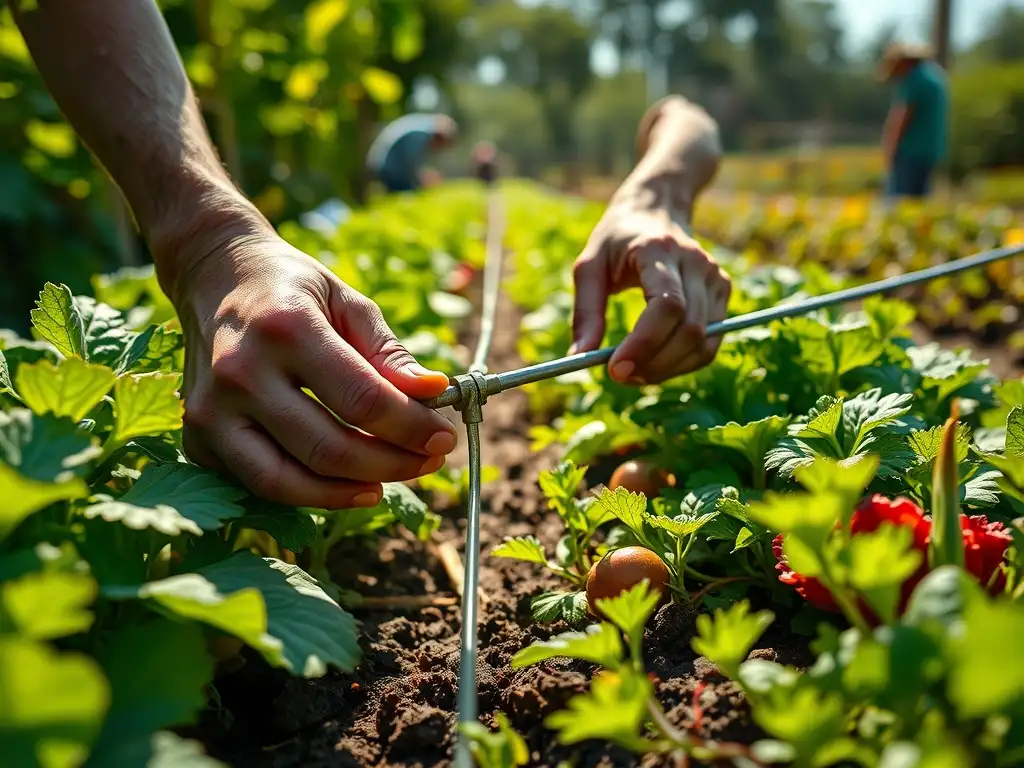
This lesson covers the crucial aspects of watering and irrigation in your community garden. Efficient watering practices are essential for maximizing plant health and minimizing water waste. We'll explore various watering techniques and discuss the advantages and disadvantages of each method. The most effective method will depend on factors such as the size of your garden, the type of plants you're growing, and the availability of water resources.
Deep watering, rather than frequent shallow watering, is generally preferred. Deep watering encourages deeper root growth, making plants more drought-tolerant. The best time to water is typically in the early morning, minimizing evaporation and allowing plants to absorb water before the hottest part of the day. Using a soaker hose or drip irrigation system can significantly reduce water waste compared to overhead watering, which can lead to fungal diseases and water runoff. These systems deliver water directly to the roots, reducing evaporation and ensuring even moisture distribution.
Furthermore, we'll discuss the importance of monitoring soil moisture levels. A simple way to check is to stick your finger about an inch into the soil. If it feels dry, it's time to water. Regular monitoring helps avoid both underwatering and overwatering, both of which can negatively impact plant growth. We'll also discuss how to adjust watering schedules based on weather conditions and plant needs. Remember, a well-hydrated garden is a thriving garden! Consider using rain barrels to collect rainwater for irrigation, a sustainable and cost-effective practice.
Lesson 6: Organic Pest and Disease Control: Natural Solutions for a Healthy Garden
This lesson teaches participants about organic pest and disease control methods for maintaining a healthy community garden without the use of harmful chemicals. We will explore a variety of natural and sustainable strategies to prevent and manage common garden pests and diseases. The focus will be on proactive measures, fostering a healthy environment that discourages pests and diseases in the first place.
One of the key principles is promoting biodiversity. A diverse garden, with a variety of plants and beneficial insects, is naturally more resistant to pests. Planting companion plants, such as marigolds which repel certain insects, can also help. Regular garden maintenance, including weeding and removing diseased plants, is crucial in preventing the spread of pests and diseases. We'll discuss the importance of proper sanitation practices and the disposal of infected plant material.
We will also delve into natural pest control methods, such as introducing beneficial insects like ladybugs, which feed on aphids. Other options include using insecticidal soaps or neem oil, which are organic and relatively safe for people and beneficial insects. For disease control, we will cover the importance of proper plant spacing and air circulation to prevent fungal diseases.
We'll also explore the use of compost tea and other organic soil amendments to improve plant health and resilience. Remember, a healthy, balanced ecosystem is the best defense against pests and diseases. By implementing these organic practices, we can create a thriving and sustainable community garden for everyone to enjoy.
Lesson 7: Harvesting and Preserving Your Community Garden's Bounty: Techniques for maximizing yield and minimizing waste
This lesson focuses on the crucial aspects of harvesting and preserving the fruits of your community garden's labor. Maximizing yield and minimizing waste are key to a successful and sustainable community gardening experience. We'll explore best practices for harvesting at peak ripeness, proper handling techniques to avoid damage, and efficient preservation methods to extend the enjoyment of your harvest throughout the year.
One of the most important aspects is understanding the optimal harvesting time for different plants. For example, tomatoes should be harvested when they're fully colored and slightly soft to the touch, while peppers are best picked when they've reached their mature size and color. Knowing these specifics for each plant in your garden is crucial. We'll delve into detailed charts and examples of optimal harvesting times for common vegetables, fruits, and herbs, including specific indicators of ripeness. This will empower community gardeners to harvest at the peak of flavor and nutritional value.
Proper handling after harvesting is equally vital. Gentle handling prevents bruising and extends shelf life. We'll discuss techniques for careful picking, sorting, and cleaning produce, emphasizing the importance of minimizing damage. This includes using appropriate tools, like sharp pruning shears for delicate herbs, and gentle handling for fruits prone to bruising. This section will also address the importance of immediate cooling or processing after harvest to maintain freshness.
Preservation techniques are essential to avoid waste and enjoy your harvest long after the growing season ends. We will explore a variety of methods, including canning, freezing, drying, and pickling. We'll cover the specifics of each method, emphasizing safe food handling practices and proper equipment use. For instance, we'll discuss the importance of using appropriate jars and lids for canning, and the proper temperature and time settings for freezing different types of produce.
Real-world examples of successful preservation techniques from established community gardens will be shared, highlighting best practices and potential challenges. We will also examine the economic benefits of preserving your harvest, showcasing how it can reduce food costs for community members. This section will help participants develop a comprehensive understanding of how to preserve their bounty in a safe and efficient manner.
Lesson 8: Composting and Sustainable Practices in Your Community Garden: Utilizing Composting Bins for efficient composting
This lesson emphasizes the importance of composting within a community garden setting, highlighting its role in creating a closed-loop system that minimizes waste and enriches the soil naturally. We'll explore the benefits of composting, practical techniques for efficient composting, and the optimal use of composting bins to maximize decomposition.
Composting is a cornerstone of sustainable gardening practices. It transforms organic waste — such as vegetable scraps, fruit peels, yard waste, and even coffee grounds — into nutrient-rich compost, a natural fertilizer that improves soil structure, water retention, and nutrient availability. This reduces reliance on synthetic fertilizers, minimizing the environmental impact of your gardening efforts and promoting healthier plant growth. We will quantify the benefits, demonstrating how much waste can be diverted from landfills through effective composting and the resulting improvement in soil health.
This section provides a detailed guide to building and maintaining efficient composting bins. We'll explore various types of compost bins, including those suitable for different scales of community gardens—from small, individual bins to larger shared systems. We'll cover the principles of effective composting: the importance of maintaining a proper carbon-to-nitrogen ratio, ensuring sufficient moisture and aeration, and turning the compost regularly to promote decomposition.
We'll also discuss troubleshooting common composting problems, such as unpleasant odors or slow decomposition, providing practical solutions for each issue. Participants will learn how to optimize their composting process to achieve high-quality compost quickly and efficiently.
Furthermore, we'll explore the different types of organic materials suitable for composting and those that should be avoided (such as diseased plants or meat products). We'll discuss strategies for managing compost in a community garden setting, ensuring equitable access and shared responsibility among participants. We'll also highlight the importance of educating community members about proper composting techniques and waste reduction strategies to enhance the overall sustainability of the garden.
Finally, we'll showcase examples of successful composting programs implemented in existing community gardens, highlighting best practices and lessons learned. This will provide practical insights and inspiration for participants to replicate successful strategies within their own community garden.
Marketing and Promoting Your Community Garden Workshop: Reaching Your Target Audience
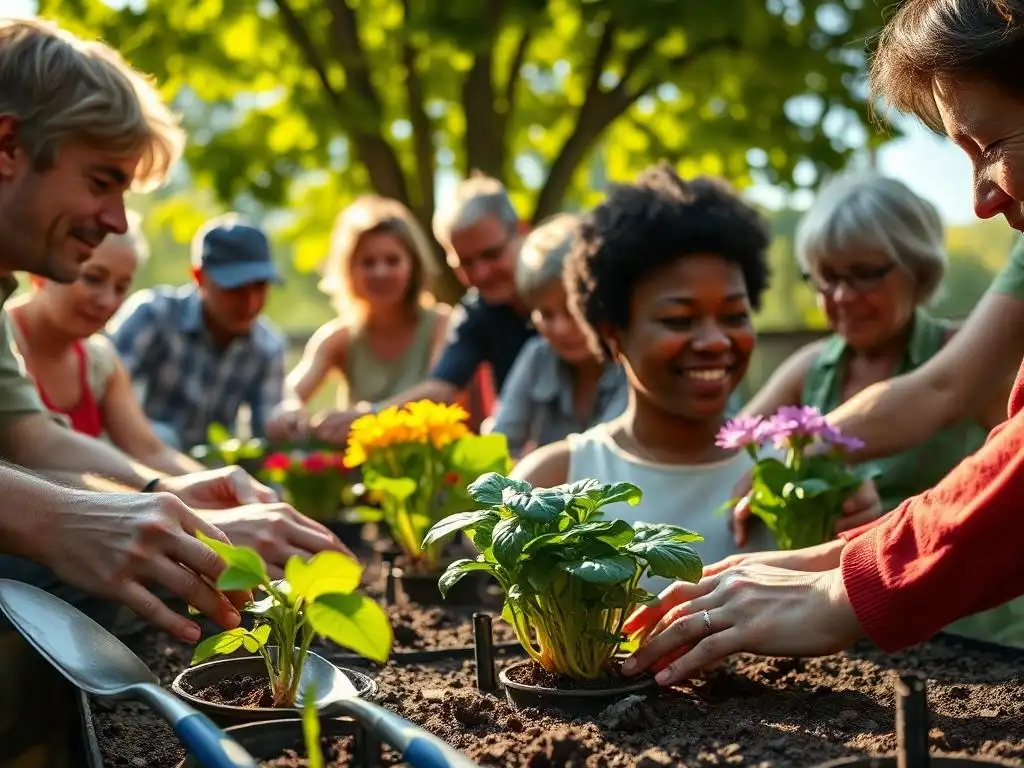
Successfully launching a community garden workshop hinges on effectively reaching your target audience. This involves a multi-pronged approach leveraging various marketing channels to maximize visibility and attract participants. A well-defined marketing strategy is crucial for ensuring a successful and well-attended workshop. The key is to create a buzz and generate excitement around the opportunity to learn practical community gardening skills. This section will explore several key strategies to help you promote your "Community garden workshop".
Social media platforms offer powerful tools for reaching potential participants. Facebook, Instagram, and even TikTok can be used to create engaging content and build anticipation for your workshop. Consider these strategies:
- Targeted Advertising: Facebook and Instagram allow for highly targeted advertising campaigns. You can specify demographics, interests (e.g., gardening, sustainability, local community groups), and even location to ensure your ads reach the most relevant audience. A/B testing different ad creatives is crucial to optimize your campaign's performance. Track key metrics like click-through rates and conversion rates to refine your approach.
- Engaging Content: Share visually appealing content, such as photos and videos showcasing successful community gardens, happy participants in previous workshops, and snippets of the workshop's curriculum. Use relevant hashtags such as #communitygarden, #gardeningworkshop, #urbanfarming, #sustainableliving to increase discoverability. Run polls and quizzes to engage your followers and gather insights into their interests.
- Community Building: Create a Facebook group or use relevant existing groups to foster a sense of community among potential participants. Share updates, answer questions, and encourage discussions related to community gardening. This builds trust and establishes your expertise.
- Influencer Marketing: Partner with local gardening influencers or community leaders to promote your workshop to their followers. This can significantly expand your reach and credibility. Consider a mutually beneficial collaboration, such as offering a discount code to their followers.
Creating Engaging Content: Blog posts, videos and other materials promoting community gardening
Beyond social media, creating high-quality content can further enhance your workshop's visibility and appeal. This content should be informative, engaging, and easily shareable. Consider these options:
- Blog Posts: Create blog posts covering topics related to community gardening, such as the benefits of community gardens, tips for starting a garden, and the importance of sustainable practices. These posts can serve as lead magnets, driving traffic to your workshop registration page. Optimize your blog posts for relevant keywords, such as "community garden benefits," "how to start a community garden," and "sustainable community gardening."
- Videos: Short, informative videos demonstrating gardening techniques or showcasing the positive impact of community gardens can be highly effective. These videos can be shared across various social media platforms and embedded on your website. High-quality visuals are key to capturing attention and making a lasting impression.
- Infographics: Create visually appealing infographics summarizing key information about the workshop, such as dates, times, location, and benefits of participation. Infographics are easily shareable and can be used across different marketing channels.
- Email Marketing: Build an email list and send out regular newsletters promoting your workshop and sharing relevant gardening tips. Segment your email list to personalize your message and improve engagement.
Partnering with Local Organizations: Collaborating for increased reach and impact
Collaborating with local organizations can significantly expand your reach and enhance the impact of your workshop. Consider partnering with:
- Local Government Agencies: Partnering with city councils or parks and recreation departments can provide access to wider audiences and potentially secure funding or resources.
- Community Centers: Community centers often have established networks within their neighborhoods, providing a ready-made audience for your workshop.
- Schools and Educational Institutions: Partnering with schools can introduce gardening to a younger generation and promote the importance of sustainable practices.
- Non-profit Organizations: Many non-profit organizations focus on environmental sustainability or community development. Collaborating with them can align your workshop with their mission and attract a like-minded audience.
By strategically combining these marketing and promotional strategies, you can effectively reach your target audience and create a successful and impactful community garden workshop. Remember to track your results and adjust your approach as needed to optimize your outreach efforts.
Running Your Community Garden Workshop: Practical Tips and Best Practices
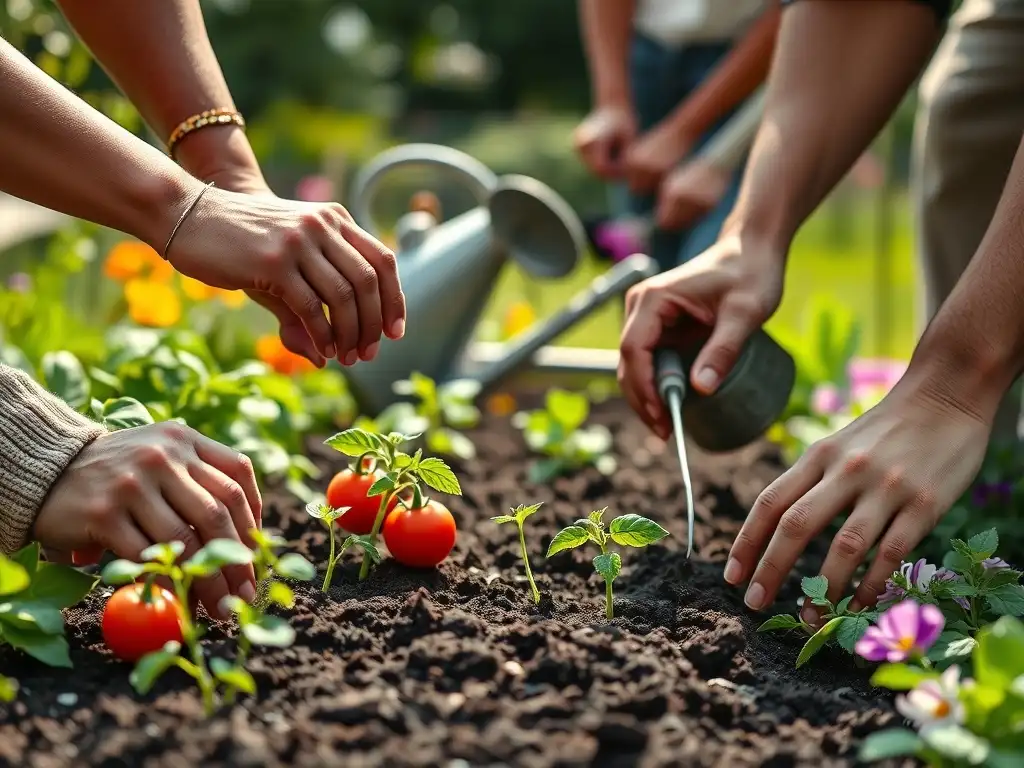
This section delves into the practical aspects of running a successful community garden workshop, focusing on elements crucial for participant engagement and long-term success. We'll explore strategies for fostering a collaborative environment and providing ongoing support beyond the initial workshop sessions. Effective execution is key to establishing a thriving community garden and empowering participants with the knowledge and skills they need. Remember, a well-run workshop is the foundation for a flourishing community garden.
Facilitating Engaging Workshop Sessions: Interactive activities and group discussions
Effective facilitation is paramount for creating a dynamic and engaging learning experience. Avoid lecturing; instead, prioritize interactive activities and group discussions. Think beyond passive listening. For example, a hands-on session demonstrating seed starting techniques, followed by small group discussions on individual challenges, is far more effective than a purely lecture-based approach.
Consider incorporating these interactive elements:
- Brainstorming sessions: Start with a brainstorming session to identify participants' existing knowledge and gardening goals. This helps tailor the workshop content to their specific needs and interests.
- Role-playing scenarios: Use role-playing to simulate common gardening challenges, such as pest control or irrigation management. This allows participants to practice problem-solving skills in a safe environment.
- Group projects: Divide participants into smaller groups for collaborative projects, such as designing a garden layout or creating a composting system. This encourages teamwork and shared learning.
- Q&A sessions: Dedicate ample time for questions and answers. Address concerns openly and honestly, fostering a sense of trust and open communication.
- Visual aids: Incorporate charts, diagrams, and even short videos to enhance understanding and retention of information. A picture is worth a thousand words, especially when teaching practical gardening techniques!
Remember, the goal is to create a welcoming and inclusive atmosphere where everyone feels comfortable participating and sharing their experiences. Active participation translates into better understanding and greater commitment to the community garden project.
Managing Volunteers and Participants: Effective communication and organization
Successful community garden initiatives rely heavily on effective volunteer management and clear communication with all participants. This involves establishing clear roles, responsibilities, and communication channels from the outset. Efficient organization is crucial for a smooth-running workshop and a thriving garden.
Here's a breakdown of key strategies:
- Clear Roles and Responsibilities: Define roles and responsibilities for both workshop facilitators and volunteers. This ensures everyone understands their contributions and avoids confusion. A simple chart outlining roles (e.g., lead facilitator, note-taker, materials manager) can be incredibly helpful.
- Communication Channels: Establish clear communication channels, such as email lists or a dedicated online forum, to keep participants informed of updates, events, and important announcements. Consider using a project management tool for task assignments and progress tracking.
- Conflict Resolution: Develop a conflict resolution strategy to address disagreements or conflicts that may arise among volunteers or participants. Fair and consistent conflict resolution is essential for maintaining a positive and productive environment.
- Volunteer Appreciation: Recognize and appreciate the efforts of your volunteers. A simple "thank you" goes a long way in boosting morale and encouraging continued participation. Consider organizing a volunteer appreciation event or providing small gifts.
Implementing these strategies will contribute to a well-organized and harmonious community garden experience. Proactive management minimizes potential issues and maximizes the positive impact of the workshop.
Post-Workshop Support and Resources: Continuing education and community building
The workshop should not be a one-off event. Sustained engagement and support are vital for the long-term success of the community garden. Providing ongoing resources and opportunities for continued learning fosters a sense of community and ensures the garden thrives.
Consider these post-workshop strategies:
- Follow-up Emails: Send follow-up emails with key takeaways, additional resources, and links to relevant online communities or gardening groups.
- Regular Check-ins: Schedule regular check-in meetings or online forums to address questions, share updates, and provide ongoing support.
- Mentorship Program: Implement a mentorship program pairing experienced gardeners with newer participants. This provides personalized guidance and fosters a sense of community.
- Resource Library: Create a resource library with helpful articles, videos, and gardening guides. This can be an online resource or a physical collection available at the community garden site.
- Social Media Group: Establish a social media group (e.g., Facebook group) for ongoing communication and sharing of experiences. This helps build a strong sense of community among participants.
By providing ongoing support and resources, you'll cultivate a vibrant and sustainable community garden that continues to flourish long after the workshop concludes. This continued engagement is essential for the long-term success of the project and empowers participants to become confident and self-sufficient gardeners.
Measuring the Success of Your Community Garden Workshop: Evaluation and Feedback

Successfully launching a community garden requires more than just planting seeds; it necessitates fostering a thriving community around shared green spaces. Therefore, evaluating the effectiveness of your "Community garden workshop guide" is crucial for ensuring long-term success and continuous improvement. This section details methods to measure the impact of your workshop and gather valuable feedback. Understanding participant satisfaction and the garden's growth are key metrics to assess the overall success of your initiative. Analyzing this data allows you to refine future workshops and strengthen the community garden's sustainability.
Collecting Participant Feedback: Surveys and feedback forms for continuous improvement
Gathering participant feedback is paramount for refining your workshop's content and delivery. Employing diverse feedback collection methods ensures a comprehensive understanding of the learning experience. Consider these approaches:
- Pre-Workshop Survey: A short questionnaire sent before the workshop can gauge participants' prior gardening knowledge, expectations, and motivations. This baseline data helps you tailor the workshop content and assess the impact of your teaching. For instance, you might ask: "What is your current level of experience with gardening (Beginner, Intermediate, Advanced)?" or "What are your primary goals for participating in this workshop? ".
- Post-Workshop Survey: This survey, administered immediately following the workshop, assesses participant satisfaction with various aspects, including the workshop's structure, content clarity, instructor engagement, and overall learning experience. Include rating scales (e.g., 1-5 stars) for different aspects and open-ended questions for more detailed feedback. An example question could be: "What was the most valuable aspect of this workshop? ".
- Follow-up Email/Feedback Form: A week or two after the workshop, send a follow-up email with a short feedback form focusing on practical application. Ask questions such as: "Have you implemented any of the techniques learned in the workshop in your own garden or the community garden? ", "What challenges, if any, have you encountered since the workshop? ".
Using a combination of quantitative (rating scales, multiple-choice questions) and qualitative (open-ended questions) data will provide a rich understanding of participant perceptions and areas for improvement. Analyzing this data can help identify gaps in the curriculum, improve teaching methods, and enhance overall participant satisfaction. Remember to guarantee anonymity to encourage honest and candid feedback. The use of online survey tools can streamline the data collection and analysis process.
Assessing the Impact of the Workshop: Measuring the growth and sustainability of the community garden
Beyond participant satisfaction, the ultimate success of your "Community garden workshop guide" lies in the growth and sustainability of the community garden itself. This requires a more holistic evaluation approach encompassing various aspects:
- Plant Growth and Yield: Monitor the health and growth of the plants throughout the growing season. Document plant height, the number of fruits/vegetables produced, and any pest or disease issues encountered. This data quantifies the practical application of the workshop's teachings. Regular photographic documentation can visually showcase the garden's progress.
- Community Engagement: Assess the level of community involvement in the garden's maintenance and upkeep. Track the number of volunteers participating in various activities (planting, weeding, harvesting). Observe the interactions among participants and the sense of community fostered by the shared gardening experience. High participation indicates a successful community building aspect of the workshop.
- Long-Term Sustainability: Evaluate the garden's ability to thrive beyond the initial planting phase. Consider factors such as water conservation strategies, composting practices, and pest management techniques implemented. The long-term health and productivity of the garden demonstrate the workshop's lasting impact. A sustainable community garden becomes a testament to the effectiveness of your workshop.
By combining these quantitative and qualitative measures, you can gain a comprehensive understanding of the impact of your community garden workshop, ensuring that your efforts contribute to a thriving and sustainable community green space. Remember to document your findings thoroughly to track progress over time and inform future iterations of your "Community garden workshop guide".
Monetizing Your Community Garden Workshop: Generating Revenue
Successfully running a community garden workshop isn't just about sharing knowledge; it's also about ensuring its sustainability. Monetizing your efforts allows you to reinvest in resources, expand your offerings, and continue providing valuable educational opportunities. This section explores effective strategies for generating revenue from your "Community garden workshop guide."
Charging Workshop Fees: Setting competitive pricing based on value and market research
Determining the right price for your workshop requires a careful balance between value and market competitiveness. Don't undervalue your expertise and the time invested in creating a high-quality learning experience. Consider several factors when setting your fees:
- Workshop Length and Content: A comprehensive, multi-session workshop will naturally command a higher fee than a single, shorter session. Factor in the depth of instruction, materials provided, and the overall learning experience. For example, a beginner's workshop might cost $50-$75, while an advanced workshop focusing on specific techniques could be priced at $100-$150 or more.
- Target Audience: Are you targeting beginners or experienced gardeners? Advanced workshops catering to a niche audience might justify higher fees.
- Market Research: Investigate what other community garden workshops or similar educational programs in your area charge. This research will give you a benchmark to compare against and help you set a competitive price. Consider the perceived value of your workshop – if you offer unique expertise or highly sought-after skills, you can justify a higher price point.
- Included Materials: Will you be providing participants with seeds, seedlings, tools, or handouts? The cost of these materials should be factored into your pricing. Offering a comprehensive materials kit can justify a slightly higher fee.
- Venue Costs: If you are renting a space for your workshop, remember to account for these expenses when setting your prices.
Here's a table summarizing potential pricing structures based on workshop length and content:
| Workshop Type | Length | Estimated Price Range |
|---|---|---|
| Beginner's Community Gardening | Half-day | $50 - $75 |
| Intermediate Community Gardening | Full-day | $75 - $125 |
| Advanced Techniques (e.g., composting) | Two full days | $150 - $250 |
| Specialized Workshop (e.g., permaculture) | Weekend | $200 - $350+ |
Remember, clearly communicate the value proposition of your workshop to justify your pricing. Highlight the unique benefits participants will receive, such as practical skills, hands-on experience, and networking opportunities.
Offering Additional Services: Consultations, garden design, and ongoing support
Expanding your revenue streams beyond workshop fees can significantly enhance your financial success. Offering supplementary services caters to the diverse needs of your community and provides additional income opportunities. Consider these options:
- Individual Consultations: Provide personalized gardening advice to participants or other community members. This could involve site visits, troubleshooting plant problems, or creating customized garden plans.
- Garden Design Services: Offer comprehensive garden design services, creating detailed plans tailored to individual needs and preferences. This can be a lucrative add-on, especially for those looking to establish or revamp their home gardens.
- Ongoing Support: Provide continued support to workshop participants through email, online forums, or follow-up sessions. This builds community, fosters loyalty, and provides additional revenue streams through membership fees or subscription-based services.
- Workshops on Specific Topics: You can also expand by offering more focused workshops on topics like specific plant care, pest control, or advanced composting techniques.
By offering a range of services, you cater to a wider audience and create multiple income streams, increasing the overall profitability of your community gardening endeavor. Think of your workshop as a gateway to a broader range of services.
Affiliate Marketing: Partnering with relevant gardening businesses
Affiliate marketing provides a passive income stream by partnering with businesses that align with your workshop's focus. This involves promoting relevant products or services (e.g., seeds, tools, gardening supplies) and earning a commission on sales generated through your unique referral links.
To effectively utilize affiliate marketing:
- Identify Relevant Partners: Collaborate with reputable gardening businesses offering high-quality products that complement your workshop content.
- Transparent Disclosure: Always disclose your affiliate relationships to maintain transparency and build trust with your audience.
- Strategic Promotion: Integrate affiliate links naturally within your workshop materials, website, or social media platforms. Avoid aggressive or intrusive promotional tactics.
- Track Performance: Monitor your affiliate marketing efforts to identify successful partnerships and optimize your strategies for maximum ROI.
By carefully selecting partners and integrating affiliate marketing strategically, you can generate a consistent and sustainable income stream that supports your community garden workshop initiatives. This synergistic approach benefits both you and your affiliate partners.
Sponsorships and Grants: Securing funding to support future workshops.
Securing funding is crucial for the long-term sustainability of your community garden workshops. Sponsorships and grants offer excellent avenues to generate revenue and ensure the continued success of your educational initiatives. Let's explore how to effectively pursue these funding opportunities.
One effective strategy is to target local businesses that align with your community garden's values and mission. Think of nurseries, organic food stores, sustainable landscaping companies, and even local farmers' markets. These businesses often have a vested interest in supporting community initiatives that promote healthy eating and environmental sustainability. Crafting a compelling sponsorship proposal that highlights the mutual benefits – increased brand visibility for the sponsor and increased resources for your workshops – is key.
For example, you could offer prominent logo placement on workshop materials, social media mentions, or even a dedicated sponsor recognition section during workshops. Remember to tailor your proposal to each individual sponsor, highlighting how your workshop aligns with their specific marketing goals. Quantifiable metrics, such as expected workshop attendance and social media reach, can strengthen your case.
Beyond local businesses, exploring grant opportunities is vital. Many foundations and government agencies offer grants to support community gardening and educational programs. Thorough research is essential here. Start by identifying grant-making organizations that focus on environmental sustainability, community development, or education.
Pay close attention to their specific grant guidelines and eligibility requirements. A well-written grant proposal needs to demonstrate a clear need, a well-defined plan, a realistic budget, and a measurable impact. Highlighting the positive community impact of your workshops – increased access to fresh produce, improved community cohesion, and enhanced environmental awareness – will significantly strengthen your application. Don't underestimate the power of a strong narrative; tell a compelling story that resonates with the grant reviewers.
Consider involving community members in your proposal writing process to demonstrate broad support for your initiative. Remember, persistence is key; don't be discouraged by rejections, and learn from each application to improve your future submissions. Many successful grant applications are the result of several attempts.
Finally, consider diversifying your funding sources. Don't rely solely on one type of funding. A balanced approach, combining sponsorships with grants and perhaps even small fundraising events, will create a more resilient and sustainable financial model for your community garden workshops.
This diversified approach mitigates the risk associated with relying on a single funding stream and allows for greater flexibility and adaptability in the future. Regularly review and update your funding strategy to ensure it remains aligned with your evolving needs and opportunities. The pursuit of funding is an ongoing process requiring dedication and strategic planning, but the rewards are well worth the effort.
Frequently Asked Questions
What topics are covered in the "Starting a Community Garden" workshop?
The workshop provides a step-by-step guide covering everything from initial planning and site selection to planting, maintenance, and harvesting. We also discuss conflict resolution and community building aspects.
Is the workshop suitable for beginners?
Absolutely! The workshop is designed for all skill levels, from complete beginners to experienced gardeners. We provide clear, easy-to-understand instructions and address common challenges.
How long does the workshop last, and what format is it in?
The workshop is delivered entirely online and is broken down into easily digestible modules. The total time commitment is approximately 3-4 hours, spread across several sessions to fit your schedule.
What materials will I need to participate in the workshop?
You will need a reliable internet connection and a device capable of accessing online video content. No prior gardening experience or special equipment is required; we'll cover everything you need to know.
How can I apply the workshop's knowledge to my own community garden?
The workshop provides practical, actionable steps you can immediately implement in your community garden. You'll learn how to effectively organize your space, manage resources, and build a thriving community garden using sustainable practices.
Final Reflection: Cultivating Community, One Seed at a Time
The rise of online learning has democratized access to vital skills, and nowhere is this more evident than in the burgeoning world of online community gardening workshops. These virtual spaces offer a powerful tool for fostering connection, promoting sustainable practices, and building resilient communities, even across geographical boundaries. The potential for positive impact is immense, far exceeding the limitations of traditional, in-person instruction.
The shift towards online community gardening workshops reflects a deeper societal yearning for connection and a renewed focus on environmental stewardship. This trend isn't just about learning how to plant a tomato; it's about cultivating a sense of belonging, fostering collaboration, and reclaiming our relationship with the natural world. The best way to find yourself is to lose yourself in the service of others,
– Mahatma Gandhi. This quote resonates deeply with the collaborative spirit inherent in community gardening, whether online or offline, highlighting the transformative power of shared purpose.
Now, consider the seeds of knowledge you've sown today. Take this newfound understanding and nurture it. Perhaps you'll start your own online community garden, sharing your expertise and passion with others. Maybe you'll join an existing group, contributing your unique skills and perspective. Or, simply, you'll plant a single seed in your own backyard, inspired by the possibilities you've explored. The journey towards a greener, more connected future begins with a single step – a single seed, a single click, a single act of participation. Let's cultivate a world where community gardens flourish, both online and offline.
Unleash Your Green Thumb: Grow Your Community Garden Today!
Thank you for joining us on this journey to cultivate your own community garden! We hope you found this step-by-step guide insightful and inspiring. Now it's time to put those ideas into action.
Here's what you can do next:
- Begin planning your community garden! Consider the available space, your resources, and the types of plants you'd like to grow. Download our free planning checklist (available on our website) to help you get started. This is the first step towards a thriving and productive garden.
- Connect with your neighbors and local community groups. Building a shared vision is essential for a successful community garden. Collaborating with others will make the process more enjoyable and ensure the garden thrives.
- Share this article with anyone else who is passionate about growing food and connecting with nature. Let's work together to cultivate a greener future!
What unique challenge or opportunity are you most excited to address as you begin building your community garden? Let us know in the comments!