
How to Plan a Garden for a Busy Lifestyle

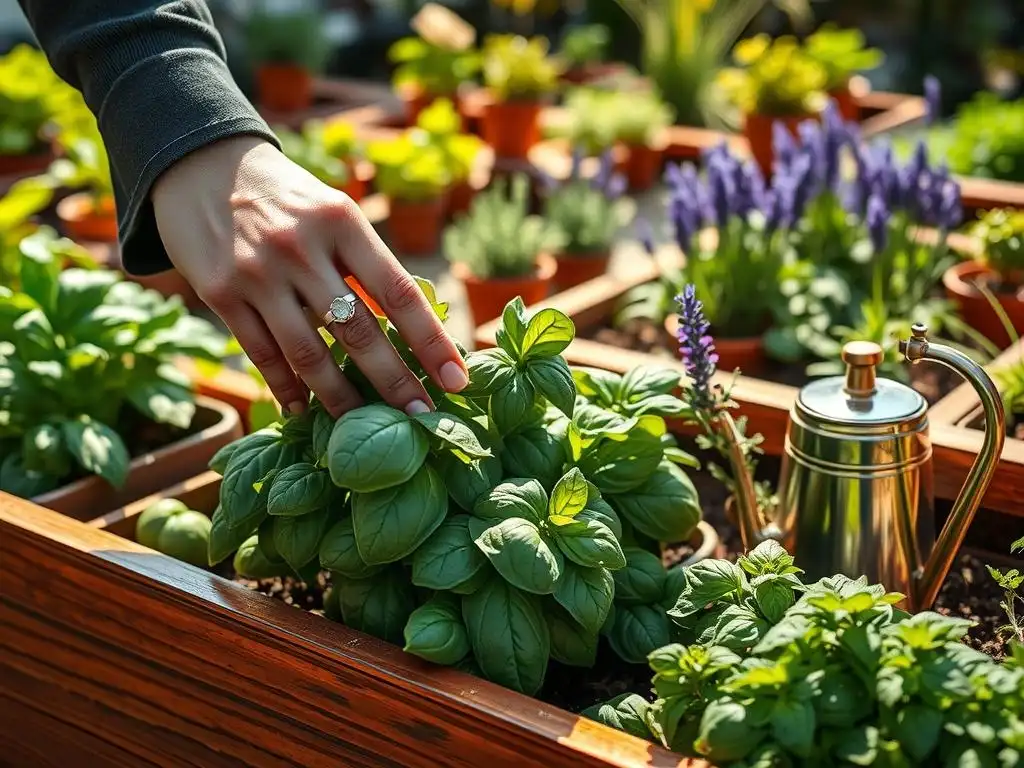
Welcome to CultivateYourFood, your guide to growing a thriving, organic garden—even with a busy schedule! Are you dreaming of fresh, homegrown produce but worried about finding the time? Discover how our Busy person's organic garden plan can help you transform your backyard (or even balcony!) into a productive oasis, effortlessly integrating sustainable practices into your life. Let's unlock the secrets to a bountiful harvest, no matter how packed your days are. Learn more and start cultivating your food today!
- Designing a Low-Maintenance Organic Garden for Busy Individuals
- Streamlining Your Organic Gardening Schedule: Time-Saving Strategies
- Maintaining Your Organic Garden with Minimal Time Commitment
- Harvesting and Preserving Your Organic Produce: A Busy Person's Guide
- Tools and Resources for the Busy Organic Gardener
- Adapting Your Plan: A Flexible Approach to Organic Gardening for Busy Lives
-
Frequently Asked Questions
- How can I create an organic garden if I have very little time?
- What are some time-saving organic gardening techniques?
- Which organic vegetables are best for busy gardeners?
- How can I manage pests and diseases organically without spending too much time?
- Is it possible to have a productive organic garden even with a small space?
- Final Reflection: Cultivating Abundance, Even Amidst the Chaos
- Unlock Your Green Thumb: Start Growing Today!
Designing a Low-Maintenance Organic Garden for Busy Individuals
Juggling a demanding career, family commitments, and social life while nurturing a thriving organic garden might seem like an impossible feat. However, with careful planning and the right techniques, even the busiest individual can cultivate a bountiful harvest without sacrificing precious time or energy. This guide provides a practical, step-by-step approach to designing a low-maintenance organic garden tailored specifically for those with limited time. We'll explore plant selection, space-saving techniques, and efficient gardening methods to ensure you reap the rewards of homegrown produce without the overwhelming commitment.
This plan focuses on maximizing yield and minimizing effort, allowing you to enjoy the fruits (and vegetables!) of your labor without feeling perpetually behind schedule. We'll cover everything from choosing the right plants to utilizing innovative gardening strategies, all while adhering to sustainable and organic practices. Let's get started on your journey to a flourishing, yet manageable, organic garden!
Choosing the Right Plants for a Time-Efficient Garden
Selecting the right plants is paramount for a successful and low-maintenance garden. Opting for low-maintenance, high-yield varieties significantly reduces the time spent on weeding, pruning, and pest control. Consider these factors when making your plant selections:
- Fast-growing varieties: Choose vegetables and herbs that mature quickly, providing a harvest sooner rather than later. Examples include radishes, lettuce (certain varieties), bush beans, and zucchini.
- Disease-resistant plants: Disease-resistant varieties minimize the need for constant monitoring and treatment, saving you valuable time and effort. Check seed packets or plant tags for disease resistance ratings.
- Low-maintenance crops: Focus on plants that require minimal attention, such as self-pollinating varieties or those less susceptible to pests. Examples include tomatoes (certain determinate varieties), peppers, and many herbs.
- Drought-tolerant options: Incorporating drought-tolerant plants reduces the frequency of watering, a significant time saver, especially during hot and dry periods. Consider succulents, certain herbs, and drought-tolerant vegetables like certain types of beans.
Remember to prioritize plants you genuinely enjoy eating – the satisfaction of harvesting your own produce will be a significant reward, motivating you to maintain your garden even during busy periods. A well-planned selection of plants will significantly reduce the overall time investment required to maintain a healthy and productive organic garden.
Selecting Space-Saving Gardening Techniques for Small Gardens
Space is often a limiting factor for busy individuals, making efficient space utilization crucial. Employing space-saving techniques maximizes your yield without requiring an expansive garden plot. Here are some effective strategies:
- Vertical gardening: Utilize vertical space with trellises, hanging baskets, or stacked planters to grow climbing plants like tomatoes, cucumbers, and beans. This technique increases your growing area dramatically while minimizing the footprint of your garden.
- Companion planting: Strategically planting compatible plants together can enhance growth and reduce the need for pest control. For example, basil planted near tomatoes helps repel pests. Research companion planting guides to optimize your plant combinations.
- Square foot gardening: This method divides your garden bed into one-foot squares, allowing for precise planting and maximizing space utilization. Each square is dedicated to a specific plant, optimizing growth and minimizing competition for resources.
- Succession planting: Plant fast-growing crops in stages, ensuring a continuous harvest throughout the growing season. This approach keeps your garden productive and prevents periods of low yield. For example, plant a new batch of lettuce every two weeks to maintain a constant supply.
By strategically employing these space-saving techniques, you can create a highly productive garden even in a limited space, making it more manageable for your busy schedule.
Utilizing Raised Beds and Vertical Gardening for Maximum Yield
Raised beds and vertical gardening are highly effective methods for maximizing yield in a limited space, while also improving soil drainage and ease of access. Let's delve into the benefits of each:
- Raised Beds: Raised beds offer superior soil drainage, warmth, and ease of access, making gardening more efficient and enjoyable. They also minimize bending and kneeling, reducing physical strain. The elevated position allows for better sun exposure and warmer soil temperatures, leading to faster growth. You can easily customize the size and shape of raised beds to fit your available space and gardening preferences.
- Vertical Gardening: Vertical gardening is a space-saving miracle for busy gardeners! It utilizes walls, fences, and trellises to grow climbing plants vertically, maximizing space utilization. This technique is particularly suitable for vining plants like cucumbers, tomatoes, and beans, allowing them to climb upwards instead of sprawling horizontally. Vertical gardening also improves air circulation, reducing the risk of fungal diseases.
Combining raised beds with vertical gardening techniques offers a powerful strategy for maximizing yield and efficiency in a limited garden space. This approach allows you to cultivate a substantial amount of produce without requiring a large area, making it ideal for busy individuals with limited time and space. The improved accessibility and soil conditions further enhance the ease of maintenance, making it an ideal solution for a productive yet manageable organic garden.
Streamlining Your Organic Gardening Schedule: Time-Saving Strategies
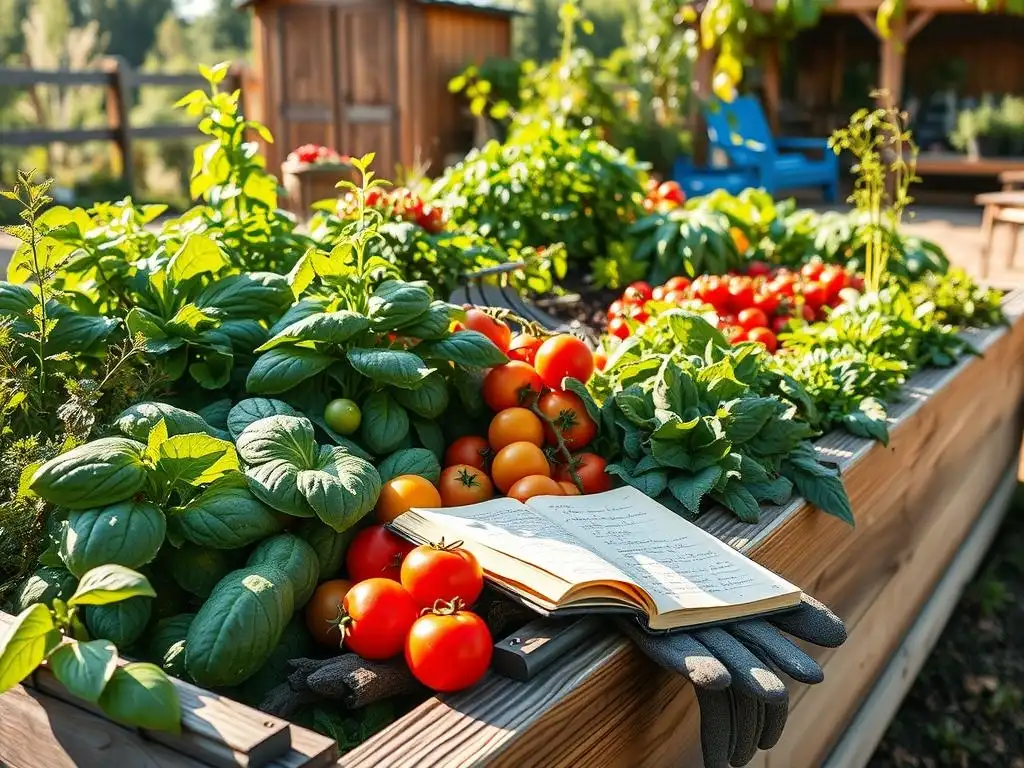
A busy person's organic garden plan hinges on efficient scheduling and smart techniques. Forget the idealized image of leisurely tending to your plants; this section focuses on maximizing your yield with minimal time investment. The key is strategic planning and the implementation of labor-saving methods. We'll explore practical strategies to fit organic gardening into even the busiest lifestyle. Remember, even small plots can provide a bountiful harvest with the right approach.
Creating a Realistic Planting Schedule for Busy People
Creating a realistic planting schedule is paramount for success. Avoid overwhelming yourself by starting small and focusing on a few high-yield, easy-to-grow crops. Consider your available time realistically. For example, if you only have 30 minutes on weekends, choose plants that don't require daily attention. Leafy greens like lettuce and spinach are relatively low-maintenance and offer quick harvests. Root vegetables like radishes and carrots also require less frequent attention than fruiting plants.
Instead of planting everything at once, stagger your plantings. This extends your harvest season and reduces the workload at any given time. For instance, plant a succession of lettuce every two weeks to ensure a continuous supply throughout the growing season. Utilize a garden planner or calendar app to schedule planting and harvesting dates; this digital tool can significantly aid in managing your busy person's organic garden plan.
Here's a sample staggered planting schedule for a small garden:
| Crop | Planting Date 1 | Planting Date 2 | Planting Date 3 | Harvest (approx.) |
|---|---|---|---|---|
| Lettuce | April 15 | May 1 | May 15 | 4-6 weeks after planting |
| Radishes | April 15 | May 1 | May 15 | 3-4 weeks after planting |
| Spinach | April 15 | May 1 | May 15 | 4-6 weeks after planting |
| Bush Beans | May 1 | June 1 | June 15 | 50-70 days after planting |
Remember to adjust the planting dates to suit your specific climate and growing zone.
Implementing Efficient Watering Systems for Minimal Effort
Efficient watering is crucial for a thriving organic garden, especially for busy individuals. Frequent, shallow watering encourages shallow root systems, making plants more vulnerable to drought stress and requiring more frequent attention. Instead, opt for deep, infrequent watering which promotes deeper root growth, leading to more drought-tolerant plants. This reduces the frequency of watering significantly.
Consider installing a drip irrigation system. Drip irrigation delivers water directly to the roots, minimizing water waste and reducing the need for frequent hand-watering. This system is particularly beneficial for busy gardeners as it automates the watering process, freeing up valuable time. Alternatively, soaker hoses are another efficient and low-maintenance watering solution. They deliver water slowly and evenly along their length, keeping the soil consistently moist.
Proper soil preparation is also key. Adding compost and other organic matter improves soil structure, increasing its water-holding capacity. This reduces the frequency of watering needed, saving you time and effort. A well-prepared soil acts like a reservoir, retaining moisture for longer periods.
Employing Mulching Techniques to Reduce Weeding Time
Mulching is a powerful technique in a busy person's organic garden plan for weed suppression. A thick layer of mulch, such as straw, wood chips, or shredded leaves, acts as a barrier, preventing weed seeds from germinating and reducing the frequency of weeding. This translates to significant time savings. Applying mulch once at the beginning of the season is far less time-consuming than repeatedly weeding throughout the growing season.
Beyond weed control, mulch also helps retain soil moisture, reducing the need for frequent watering (as discussed above). Furthermore, it regulates soil temperature, protecting plant roots from extreme heat or cold. Choosing the right mulch for your garden and climate is important. For example, straw mulch is excellent for vegetable gardens, while wood chips are suitable for larger areas or around trees. The benefits extend beyond mere time-saving; it also contributes to soil health and overall garden productivity. The initial investment of time in mulching pays off handsomely in the long run.
Maintaining Your Organic Garden with Minimal Time Commitment
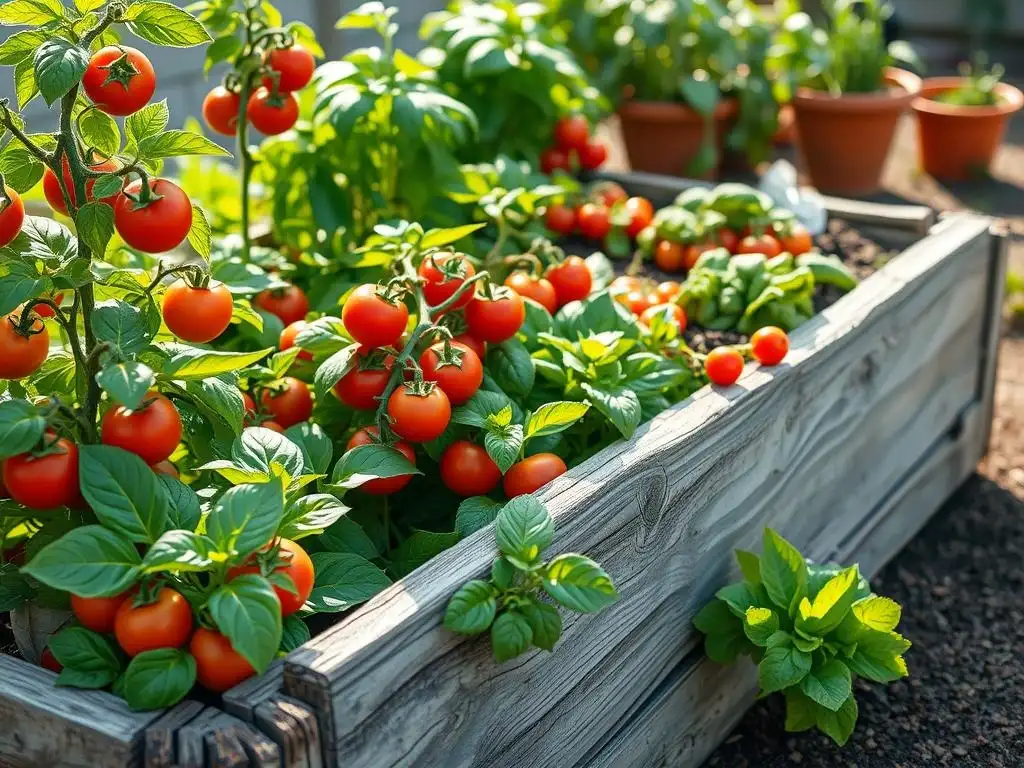
A thriving organic garden doesn't require hours of daily toil. With smart planning and efficient techniques, even the busiest person can cultivate a bountiful harvest. This section focuses on minimizing your time investment while maintaining the integrity of your organic garden. We'll explore strategies to streamline pest control, fertilization, and plant selection, ensuring a rewarding gardening experience without sacrificing precious time. The key is to prioritize efficiency and choose low-maintenance options that yield high rewards for a busy person's organic garden plan.
Low-Maintenance Organic Pest Control Methods
Organic pest control can seem daunting, but it doesn't have to be time-consuming. Instead of constant vigilance, focus on preventative measures and targeted interventions. A proactive approach minimizes the need for frequent treatments.
Several techniques minimize pest problems:
- Companion Planting: Strategically planting certain species together can deter pests. For example, basil repels aphids and tomatoes benefit from the presence of marigolds. Research companion planting combinations suitable for your chosen plants.
- Beneficial Insects: Encourage beneficial insects like ladybugs and lacewings, which prey on common garden pests. Provide habitats for them by planting flowering plants that attract them.
- Physical Barriers: Row covers can protect seedlings from pests like slugs and caterpillars. Consider using floating row covers for larger areas.
- Natural Sprays: In case of infestation, use diluted neem oil or insecticidal soap. These are readily available and effective against many common pests. Always follow product instructions carefully.
- Handpicking: For small infestations, handpicking pests is an effective and simple solution. This might take some time but is often sufficient for small-scale gardens.
Remember, consistent monitoring is key, even with low-maintenance methods. Regular, quick checks will allow you to address problems early before they become major infestations, saving you time and effort in the long run. A dedicated 15 minutes once a week can make a significant difference in maintaining a healthy, pest-free organic garden, perfectly suited for a busy person's organic garden plan.
Simple and Effective Organic Fertilizing Strategies
Organic fertilization doesn't require complex recipes or constant applications. Focus on enriching your soil before planting and supplementing with simple, effective methods throughout the growing season.
- Composting: Composting kitchen scraps and yard waste creates a rich, nutrient-rich amendment. This reduces waste and provides a slow-release fertilizer for your plants. Even a small compost bin can make a big difference.
- Mulching: Applying a layer of mulch (straw, wood chips, or shredded leaves) suppresses weeds, retains moisture, and gradually releases nutrients into the soil. This reduces the need for frequent watering and weeding, saving you considerable time.
- Compost Tea: Brewing compost tea is a simple way to provide a liquid fertilizer boost to your plants. It’s a quick and easy way to give your plants a nutrient boost.
- Cover Crops: Planting cover crops like clover or alfalfa between growing seasons adds nutrients to the soil and improves its structure. This minimizes the need for heavy fertilization in subsequent seasons.
By prioritizing soil health upfront, you'll minimize the need for frequent fertilizer applications throughout the growing season. This approach aligns perfectly with a busy person's organic garden plan, offering a sustainable and efficient way to nourish your plants.
Choosing Easy-to-Care-For Organic Vegetables and Herbs
Selecting low-maintenance varieties is crucial for a busy gardener. Certain plants are inherently more resilient and require less attention than others.
Here are some excellent choices:
| Vegetable/Herb | Description | Maintenance Level |
|---|---|---|
| Lettuce (loose-leaf) | Requires less precise spacing and thinning. | Low |
| Radishes | Fast-growing and relatively pest-resistant. | Low |
| Zucchini | Produces abundantly with minimal intervention. | Low |
| Bush Beans | Requires less support than pole beans. | Medium |
| Rosemary | Drought-tolerant and requires little watering. | Low |
| Mint | Thrives with minimal care and spreads easily. | Medium |
| Chives | Low maintenance and self-seeds readily. | Low |
Prioritizing these easy-to-grow options reduces the overall time commitment required for your garden. This strategic selection is key to a successful busy person's organic garden plan, ensuring a plentiful harvest without excessive effort. Remember to always choose varieties suited to your climate and soil conditions.
Harvesting and Preserving Your Organic Produce: A Busy Person's Guide
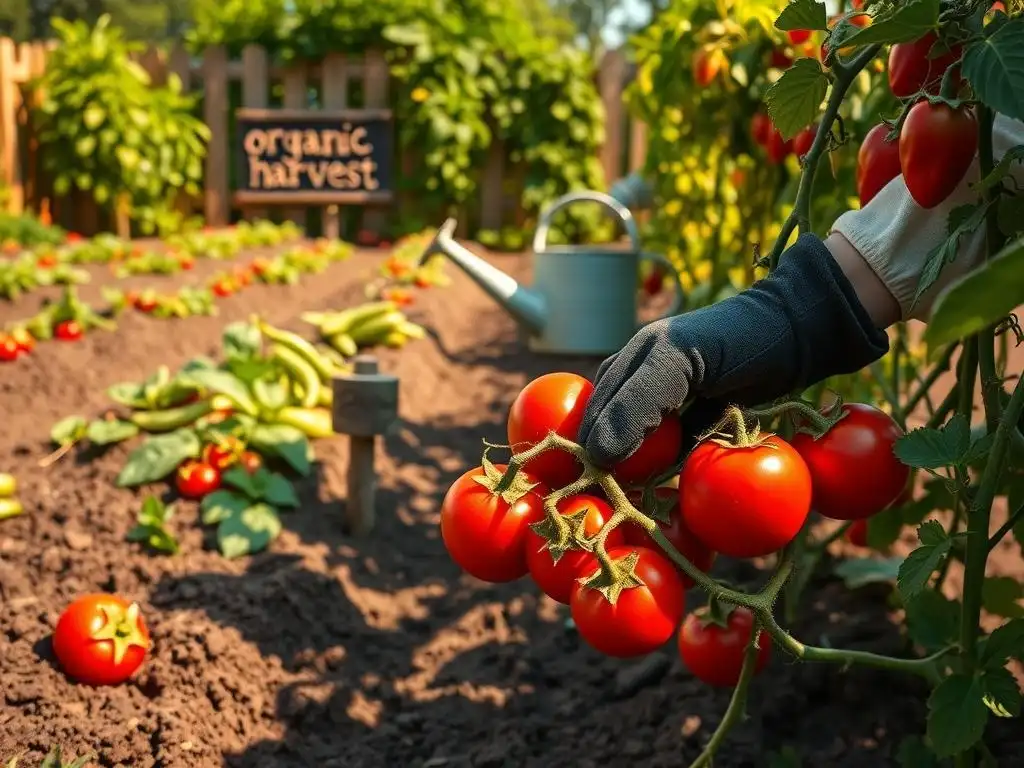
This section focuses on maximizing your harvest and minimizing time spent on it, crucial for the busy person's organic garden plan. We'll explore efficient harvesting techniques and simple preservation methods to enjoy your homegrown bounty all year round. Remember, the key is strategic planning and leveraging simple, effective techniques.
Time-Efficient Harvesting Techniques for Busy Gardeners
Harvesting doesn't have to be a time-consuming chore. By implementing a few smart strategies, you can significantly reduce the time spent gathering your produce while maintaining the quality and freshness of your organic vegetables, fruits, and herbs. The secret lies in mindful planning and efficient methods.
First, schedule regular, shorter harvesting sessions. Instead of dedicating a large block of time once a week, aim for shorter, more frequent harvests – perhaps 15-20 minutes every other day. This prevents overripe produce and keeps you consistently engaged with your garden's progress.
Second, harvest in the cooler parts of the day. Early morning or late evening harvesting minimizes wilting and extends the shelf life of your produce. This is especially important for leafy greens and herbs.
Third, use appropriate tools. Sharp shears or pruning snips make quick work of harvesting herbs and delicate vegetables, while a sturdy trowel is essential for root crops. Investing in the right tools is an investment in your time.
Finally, consider companion planting. Some plants naturally deter pests and improve the growth of others. For example, basil planted near tomatoes can repel certain insects, reducing the need for frequent pest checks and potentially saving you time. This contributes to a more efficient and less time-consuming "busy person's organic garden plan."
Simple Preservation Methods for Extending the Harvest Season
Preserving your harvest is key to enjoying your organic produce long after the growing season ends. Fortunately, several simple methods require minimal time and effort, perfect for the busy gardener.
- Refrigeration: This is the simplest method for short-term storage, ideal for leafy greens, herbs, and some root vegetables. Proper washing and storage in airtight containers is crucial. Remember to regularly check for spoilage and discard anything that has gone bad.
- Dehydration: Dehydrating herbs and some vegetables (like tomatoes and peppers) is surprisingly easy using a food dehydrator or even your oven at a low temperature. This method preserves flavor and nutrients, extending the shelf life considerably. Dried herbs and vegetables can be stored in airtight containers in a cool, dark place for months.
- Pickling: This method is ideal for preserving cucumbers, onions, and other vegetables. Quick pickling recipes often require minimal cooking time and yield delicious, flavorful results. Pickled produce can last for weeks or even months if properly stored.
Utilizing Freezing and Canning for Long-Term Storage
Freezing and canning provide long-term storage solutions for a wider variety of produce. While slightly more involved than other methods, they extend the enjoyment of your harvest well beyond the growing season.
Freezing is a relatively quick method suitable for many fruits and vegetables. Blanching (briefly boiling) vegetables before freezing helps retain their color and texture. Properly packaged and frozen produce can last for several months.
Canning, while requiring more preparation and equipment, offers a longer shelf life. Water bath canning is suitable for high-acid foods like fruits and tomatoes, while pressure canning is necessary for low-acid foods like vegetables. Following safe canning procedures is crucial to prevent spoilage and potential foodborne illness. Properly canned produce can last for one to two years or more. This is a more advanced technique, but offers a significant advantage for the "busy person's organic garden plan" seeking long-term storage of their harvest. Remember to always consult reliable resources for detailed instructions on safe canning practices.
Tools and Resources for the Busy Organic Gardener
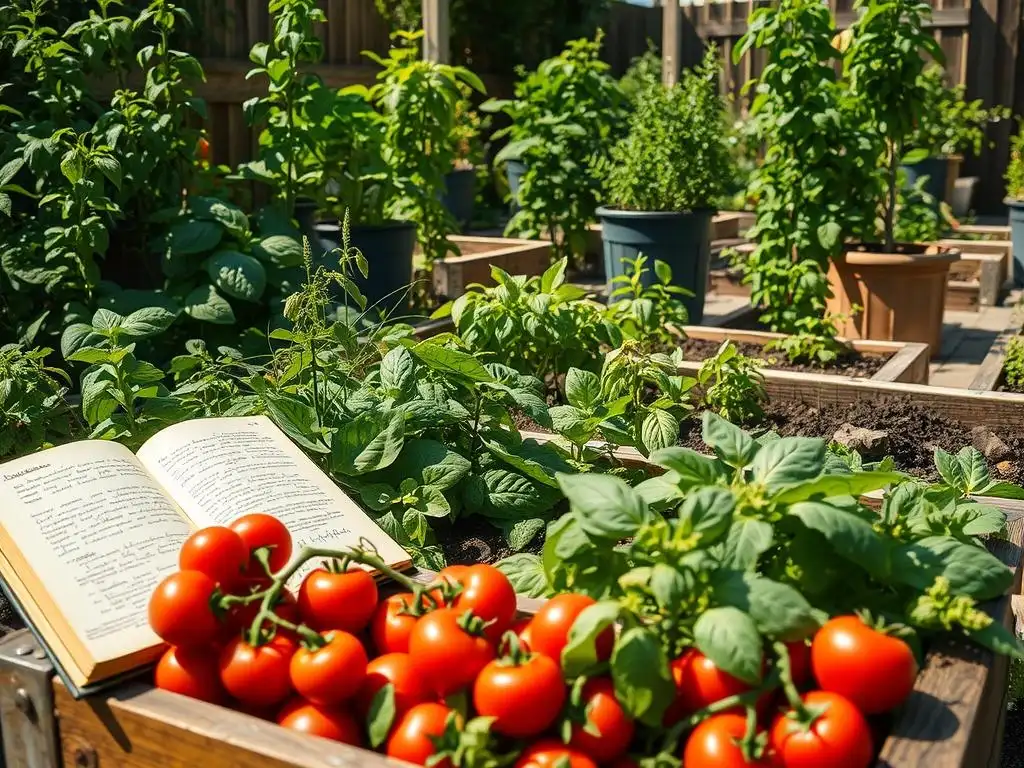
This section focuses on streamlining your organic gardening efforts, even with a packed schedule. We'll explore essential tools, helpful apps, and local resources to maximize your gardening efficiency and minimize your time commitment. Remember, a successful "busy person's organic garden plan" hinges on smart resource management.
Essential Gardening Tools for a Time-Conscious Approach
Efficiency is key when time is limited. Investing in the right tools can significantly reduce the time spent on various gardening tasks. Here's a curated list of must-have items for the busy organic gardener:
- High-quality gardening gloves: Protect your hands while weeding and planting. Look for durable, comfortable gloves with good dexterity.
- A sturdy garden trowel and hand rake: These are indispensable for planting seedlings, weeding, and general soil preparation. Opt for lightweight yet robust options.
- A soil cultivator: This tool aerates the soil, making planting easier and promoting healthy root growth, saving you time and effort compared to manual tilling.
- A wheelbarrow or garden cart: Essential for transporting soil, compost, and harvested produce, minimizing trips back and forth.
- A watering can with a rose head: Precise watering is crucial for efficient water usage and healthy plant growth. A rose head allows for gentle, even watering.
- A good quality hoe: Perfect for weeding and removing unwanted plants quickly and efficiently.
- Pruning shears: Essential for maintaining the health and shape of your plants. Choose a pair that's comfortable to use and sharp enough for clean cuts.
Choosing ergonomic tools that are lightweight and easy to maneuver will further enhance your gardening efficiency. Remember, investing in quality tools upfront will save you time and frustration in the long run. A well-maintained toolset is an investment in your "busy person's organic garden plan".
Time-Saving Apps and Resources for Organic Gardening
Technology can be a valuable ally in efficient gardening. Several apps and online resources are designed to simplify various gardening tasks, from planning to pest control.
- Gardening planning apps: These apps help you design your garden layout, track planting schedules, and manage your harvest. Some even offer personalized recommendations based on your location and climate. Consider features like plant selection guides and reminders for watering and fertilizing.
- Pest and disease identification apps: Quickly identify and address potential problems before they escalate. These apps often provide solutions and preventative measures, saving you valuable time and potentially saving your plants.
- Local weather apps: Staying informed about weather patterns is crucial, especially for watering and protecting your plants from harsh conditions. Real-time updates can help you adjust your gardening schedule accordingly.
- Composting guides and trackers: Many apps help you monitor your compost pile's progress, ensuring efficient decomposition and providing valuable organic matter for your garden.
Leveraging these digital tools can significantly reduce the time spent on research, planning, and problem-solving, freeing up more time for other aspects of your life. A well-structured digital workflow is a key component of a successful "busy person's organic garden plan".
Finding Local Organic Resources and Communities
Connecting with local resources and communities can provide valuable support and access to materials. This can save you time and money while promoting sustainable gardening practices.
- Local nurseries and garden centers: These are excellent sources for organic seeds, seedlings, and soil amendments. Many offer advice and support tailored to your local climate and growing conditions. Ask for recommendations on suitable plants for your region and time constraints.
- Community gardens: Joining a community garden can provide shared resources and a supportive environment. You can share knowledge, tools, and even labor, easing the workload.
- Local farmers' markets: Connect with local organic farmers to source high-quality seeds, plants, and compost. This supports local businesses and reduces your environmental footprint.
- Online forums and social media groups: Connect with other gardeners to share tips, advice, and resources. This is a great way to learn from experienced gardeners and troubleshoot any problems you encounter.
Building a strong local network is invaluable for a busy organic gardener. These connections provide not just resources but also a sense of community and shared learning, making your "busy person's organic garden plan" more enjoyable and successful. The collaborative aspect often leads to time-saving tips and shared expertise.
Adapting Your Plan: A Flexible Approach to Organic Gardening for Busy Lives
A successful "busy person's organic garden plan" hinges on adaptability. Rigid schedules rarely mesh with the unpredictable nature of gardening. Mother Nature, after all, doesn't consult your calendar! This section focuses on strategies to make organic gardening work for you, not the other way around. We'll explore how to adjust your planting scheme, scale your garden appropriately, and prioritize tasks to maximize yield while minimizing stress. Remember, a slightly imperfect harvest is far better than no harvest at all! Embrace the flexibility inherent in this approach; it's key to long-term gardening success for those with limited time.
Adjusting Your Garden Plan Based on Your Schedule
Your weekly schedule dictates your gardening schedule. Are you a morning person? Plan your weeding and watering for early mornings before work. Evening person? Dedicate your post-work hours to harvesting and pest checks. Consider your busiest days and weeks. During particularly hectic periods, you might choose to focus on low-maintenance tasks like harvesting ripe produce or deadheading flowers. Conversely, you can dedicate your less busy days to more intensive tasks like soil preparation or planting.
Here's a sample weekly schedule to illustrate this concept:
| Day of the Week | Morning (Before Work) | Afternoon/Evening (After Work) |
|---|---|---|
| Monday | Water raised beds | Inspect for pests, harvest herbs |
| Tuesday | Weed walkways | Plant seedlings (if time permits) |
| Wednesday | Water containers | Mulch around plants |
| Thursday | Deadhead spent flowers | Monitor soil moisture |
| Friday | Quick weed patrol | Relax and enjoy your garden! |
| Weekend | Larger tasks (e.g., composting, soil amendment) | Harvesting, relaxing in the garden |
Remember to adjust this template to your specific schedule and energy levels. The key is consistency, even if it's just 15 minutes a day. Small, regular efforts add up to a thriving garden.
Scaling Your Garden to Fit Your Available Time
Don't feel pressured to create a sprawling, elaborate garden if you're short on time. Start small! A few containers on your balcony or a small raised bed in your backyard can be incredibly rewarding and manageable. Begin with a manageable number of plants—perhaps three or four types of vegetables or herbs—and gradually expand as your confidence and available time increases.
Think of it as a gradual scaling process, not a race. This approach minimizes overwhelm and allows you to master fundamental gardening techniques before taking on more ambitious projects. It's better to have a small, thriving garden than a large, neglected one.
Consider utilizing space-saving techniques like vertical gardening or trellising to maximize your yield in a limited area. These methods are particularly beneficial for busy individuals who want to grow a variety of plants without sacrificing valuable square footage. Additionally, selecting fast-growing and easy-to-care-for varieties will significantly reduce your workload.
Prioritizing Tasks and Accepting Imperfect Results
Organic gardening isn't always picture-perfect. Sometimes, weeds win. Sometimes, pests get the upper hand. Accepting that imperfection is part of the process is crucial, especially for busy gardeners. Prioritize tasks based on their impact on your harvest. For example, watering is essential for plant survival, while weeding, although important, can sometimes be delayed without catastrophic consequences.
Prioritization Example
High Priority: Watering, pest control (especially during outbreaks), harvesting ripe produce.
Medium Priority: Weeding, fertilizing, mulching.
Low Priority: Deadheading (unless for seed saving), aesthetic improvements.
Remember, your garden is a journey, not a race. Celebrate small victories, learn from setbacks, and adjust your approach as needed. A "busy person's organic garden plan" is a flexible, evolving plan that adapts to the demands of your life, not the other way around. Enjoy the process, and savor the fruits (and vegetables!) of your labor!
Frequently Asked Questions
How can I create an organic garden if I have very little time?
You can start small with a low-maintenance design. Focus on easy-to-grow vegetables like lettuce, radishes, and bush beans. Prioritize raised beds or containers for easier access and weed control.
What are some time-saving organic gardening techniques?
Use mulch to suppress weeds and retain moisture, reducing the need for frequent watering and weeding. Employ drip irrigation for efficient watering. Choose disease-resistant varieties to minimize pest and disease issues.
Which organic vegetables are best for busy gardeners?
Leafy greens like lettuce and spinach grow quickly. Root vegetables like radishes and carrots require less maintenance. Consider bush beans over pole beans for easier harvesting.
How can I manage pests and diseases organically without spending too much time?
Use companion planting, placing certain plants together to deter pests. Introduce beneficial insects like ladybugs to control pest populations naturally. Practice crop rotation to prevent disease build-up.
Is it possible to have a productive organic garden even with a small space?
Absolutely! Vertical gardening, container gardening, or utilizing small raised beds can maximize yield in limited spaces. Choose compact plant varieties to optimize space utilization.
Final Reflection: Cultivating Abundance, Even Amidst the Chaos
The pursuit of a thriving organic garden, once considered a luxury for the leisurely, is now a vital necessity for a healthier, more sustainable future. Even in our fast-paced world, the simple act of nurturing life, even in a small space, offers profound rewards that extend far beyond the bounty of fresh produce. The principles of mindful gardening, as explored in this article, are not just about efficient planting; they are about reclaiming a connection with nature and fostering a sense of calm amidst the whirlwind of daily life.
The impact of this simple act of gardening extends beyond the individual, weaving its way into the fabric of our communities and our planet. By embracing organic practices, we contribute to a healthier ecosystem, reducing our reliance on harmful pesticides and supporting biodiversity. This resonates deeply with me, as I've witnessed firsthand the transformative power of nurturing life, even in the smallest of plots. The glory of gardening: hands in the dirt, head in the sun, heart with nature. To nurture a garden is to feed not just the body, but the soul.
This quote perfectly captures the essence of what a busy person's garden can truly offer.
Now, I invite you to consider how you can integrate these principles into your own life. Perhaps it's starting with a single herb pot on your windowsill, or dedicating a small corner of your yard to a raised bed. No matter the scale, the act of cultivating your own food, however small, is a powerful step towards a more mindful, sustainable, and fulfilling life. Embrace the challenge, embrace the earth, and discover the unexpected joy that awaits you in your own little patch of organic abundance.
Unlock Your Green Thumb: Start Growing Today!
Thank you for learning how to create a thriving garden, even with a busy schedule! We hope you feel empowered to bring the joy of gardening into your life. Now it's time to put your knowledge into action.
- Design your dream garden: Grab a pen and paper, or use your favorite design app, to sketch your ideal garden layout, keeping in mind the tips and tricks we've discussed. This is the first step towards a flourishing garden tailored to your lifestyle.
- Share your gardening plans: Tell us about your garden design in the comments below! We love hearing from our community and are happy to offer support and ideas.
- Explore our free gardening resources: Visit our website for additional articles, videos, and downloadable guides to assist you every step of the way.
Ready to transform your space and enjoy the fruits (and vegetables) of your labor? What's the first plant you'll grow?