
Troubleshooting Common Issues in Terrariums and Fairy Gardens

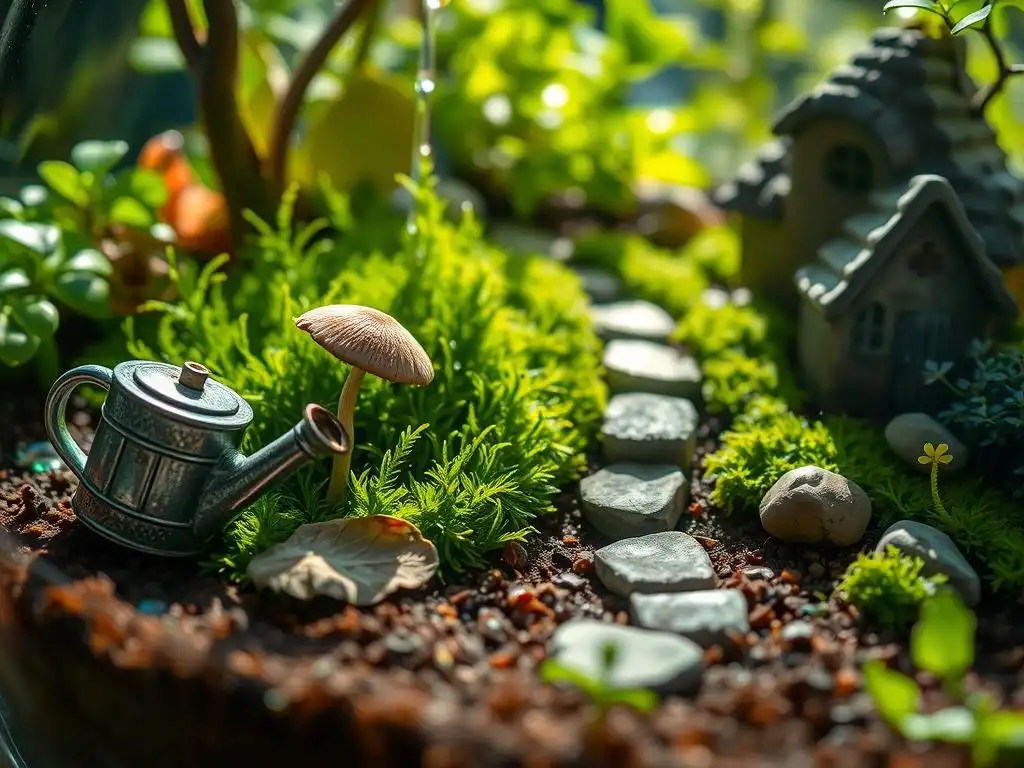
Welcome to CultivateYourFood, your guide to growing a thriving garden using sustainable, organic methods! Are you captivated by the miniature world of terrarium fairy gardens, but struggling with unexpected challenges? Discover the solutions to common terrarium fairy garden problems and unlock the secrets to creating a flourishing, magical ecosystem right in your home. Dive in and learn how to nurture your miniature landscape to its full potential!
- Understanding Common Terrarium and Fairy Garden Problems
- Maintaining the Right Humidity Levels in Your Terrarium
- Solving Lighting Issues in Indoor Fairy Gardens and Terrariums
- Choosing the Right Soil and Drainage for Your Miniature Garden
- Addressing Common Terrarium and Fairy Garden Design Mistakes
- Preventing and Treating Algae Growth in Your Terrarium
- Maintaining a Healthy Ecosystem: Long-Term Care and Prevention
- Frequently Asked Questions
- Final Reflection: Cultivating Miniature Worlds, Cultivating Inner Peace
- Unleash Your Inner Gardener: Thrive with Thriving Terrariums!
Understanding Common Terrarium and Fairy Garden Problems
Creating a thriving terrarium or fairy garden is a rewarding experience, offering a miniature world of beauty and tranquility within your home. However, these enchanting ecosystems require careful attention to detail to flourish. This guide delves into common issues encountered by both novice and experienced enthusiasts, providing practical solutions to ensure your miniature landscapes remain healthy and vibrant. From the subtle signs of overwatering to the more obvious symptoms of plant disease, we'll equip you with the knowledge to troubleshoot effectively and maintain the lush beauty of your terrarium or fairy garden.
Understanding these potential problems and implementing preventative measures is key to long-term success in this captivating hobby. We'll cover everything from identifying problems early to effective treatment strategies, focusing on sustainable and organic solutions in line with the CultivateYourFood ethos. Let's get started on nurturing your miniature wonderland!
Identifying Signs of Overwatering in Your Miniature Ecosystem
Overwatering is a frequent culprit in the demise of terrarium and fairy garden plants. The enclosed environment traps moisture, making it easy to inadvertently create overly saturated conditions. Recognizing the signs early is crucial for preventing irreversible damage. Look for these key indicators:
- Yellowing or browning leaves: This is often one of the first signs. Leaves may turn yellow and then brown, starting at the lower leaves and progressing upwards.
- Mushy or rotting stems: If the stems of your plants feel soft and mushy, it's a clear indication of root rot, a direct result of excessive moisture.
- Mold or mildew growth: The humid environment of a terrarium can promote mold and mildew growth, especially if there's poor air circulation or excessive moisture. Look for fuzzy white or gray patches on the soil or plants.
- Soggy soil: The soil should feel moist but not waterlogged. If it's consistently soaking wet, your terrarium is likely overwatered.
- Unpleasant odor: A foul smell emanating from your terrarium often signals decay and overwatering.
To remedy overwatering, you need to act quickly. First, remove any affected plants. Then, carefully remove excess moisture from the soil. You can do this by gently removing some of the top layer of soil and allowing the remaining soil to dry out.
Increase air circulation by slightly opening the terrarium lid (if applicable) or by placing it in a well-ventilated area. Avoid watering until the soil is completely dry to the touch. Remember to prevent future overwatering by only watering when the top inch of soil feels dry. Regularly check the soil moisture levels to prevent this common problem.
Dealing with Underwatering and Dry Soil in Fairy Gardens
While overwatering is a common problem, underwatering can also severely impact the health of your fairy garden. Fairy gardens, often more exposed than terrariums, are more susceptible to drying out, especially during hot, dry periods. Signs of underwatering include:
- Wilting leaves: Leaves will droop and appear limp, a clear sign that the plants are thirsty.
- Dry, brittle soil: The soil surface will appear cracked and dry.
- Stunted growth: Plants will not grow as vigorously, and new growth may be sparse or stunted.
- Leaf drop: Plants may shed leaves in an attempt to conserve water.
Addressing underwatering involves a careful and gradual approach. Don't immediately drown the plants; instead, water thoroughly but gently, ensuring the water reaches the roots. Water until you see water draining from the bottom of the container. Mulching the soil surface can help to retain moisture and reduce the frequency of watering. Consider using a moisture meter to monitor soil moisture levels and avoid both under and overwatering. Choosing drought-tolerant plants for your fairy garden can also minimize the risk of underwatering.
Recognizing and Treating Common Terrarium Plant Diseases
Even with proper watering, your terrarium plants can still fall victim to diseases. Early detection and treatment are vital. Common diseases include fungal infections and bacterial blight, often manifested as:
- Leaf spots: Small, discolored spots on leaves can indicate a fungal infection.
- Powdery mildew: A white, powdery coating on leaves is a sign of powdery mildew, a common fungal disease.
- Root rot (again, but from disease): Root rot can also be caused by fungal pathogens, leading to mushy roots and wilting plants.
- Bacterial blight: This disease can cause leaf spots, wilting, and stem cankers.
Treatment options vary depending on the disease. For fungal infections, ensure good air circulation to reduce humidity. You can also use organic fungicides, such as neem oil or baking soda solutions (always following instructions carefully). For bacterial blight, removing affected plants and ensuring good sanitation practices are crucial. Preventing disease involves using healthy, disease-free plants and maintaining a clean and well-ventilated environment. Regularly inspect your plants for any signs of disease and address issues promptly to prevent their spread. Remember, prevention is always the best medicine!
Pest Control in Miniature Gardens
Maintaining a thriving terrarium or fairy garden requires vigilance against pests, which can quickly overrun your miniature ecosystem. These tiny invaders can decimate your plants and ruin the aesthetic appeal of your carefully crafted world. Effective pest control in these confined spaces requires a delicate approach, prioritizing organic methods to protect both your plants and the environment.
One of the most common pests encountered in terrariums and fairy gardens are fungus gnats. These small, flying insects are attracted to moist soil and decaying organic matter. Their larvae feed on the roots of plants, potentially stunting growth or even killing smaller specimens. Effective control involves allowing the top layer of soil to dry slightly between waterings, reducing the humidity that attracts them.
Yellow sticky traps placed strategically within the terrarium can also capture many adult gnats. Introducing beneficial nematodes to the soil is another organic method; these microscopic worms prey on the larvae, reducing their population naturally. Avoid overwatering, as this is the root cause of many fungus gnat infestations.
Another frequent nuisance is aphids. These sap-sucking insects can quickly multiply, causing leaf curling, yellowing, and stunted growth. In small terrariums, manual removal with a cotton swab dipped in soapy water can be effective. For larger fairy gardens, introducing ladybugs, a natural aphid predator, can provide long-term control. Regularly inspecting your plants for aphids is crucial for early detection and prevention of widespread infestations. A strong spray of water can dislodge aphids, especially if applied in the early morning before the sun dries them.
Dealing with mites in a terrarium requires a different strategy. Spider mites are particularly troublesome because of their small size and rapid reproduction. Regularly inspecting your plants for fine webbing, a telltale sign of mite infestation, is essential. A solution of water and insecticidal soap can be used to control mite populations, but care must be taken to avoid over-application, which could harm your delicate plants. Improving air circulation within the terrarium can help prevent mite infestations by reducing humidity levels. Consider using a small fan to gently circulate air without disturbing your miniature landscape.
Remember, prevention is key. Starting with healthy, pest-free plants is crucial. Regularly cleaning your terrarium or fairy garden, removing any dead leaves or debris, will help minimize the attractiveness of your miniature world to pests. Maintaining proper humidity and watering practices will also reduce the likelihood of infestations. By employing a combination of preventative measures and organic control methods, you can keep your terrarium or fairy garden thriving and pest-free for years to come. The key is to be observant and react quickly to any signs of infestation, preventing a small problem from becoming a major one.
Maintaining the Right Humidity Levels in Your Terrarium
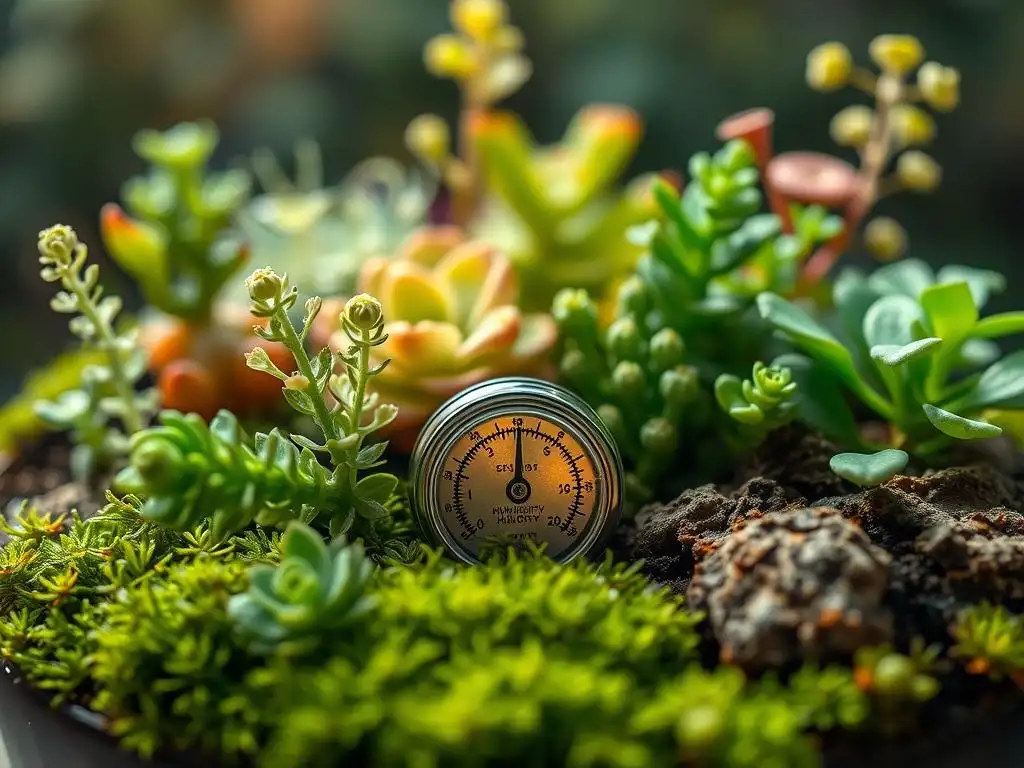
Maintaining the appropriate humidity levels is crucial for the health and longevity of your terrarium fairy garden. Too much moisture leads to mold and rot, while insufficient humidity causes plants to wilt and dry out. Finding that "Goldilocks" zone—not too wet, not too dry—is key to a thriving miniature ecosystem. This section delves into practical strategies for monitoring and adjusting humidity levels to ensure your fairy garden flourishes.
Understanding the specific needs of your chosen plants is also paramount; some miniature varieties tolerate drier conditions than others. Remember, consistent monitoring is essential for preventing problems and ensuring the continued success of your terrarium fairy garden project. This proactive approach is far more effective than reactive measures, allowing you to address potential issues before they escalate.
Achieving Optimal Humidity for Thriving Miniature Plants
The ideal humidity level for a terrarium fairy garden typically ranges from 50% to 70%. However, this can vary depending on the specific plants you've selected. Some succulents, for instance, prefer drier conditions, while mosses and ferns thrive in more humid environments. Careful plant selection is therefore paramount. To achieve optimal humidity, consider these factors:
- Ventilation: Adequate airflow prevents stagnant air and the buildup of excessive moisture. Small openings in the terrarium lid or container can help regulate humidity. Avoid completely sealing the terrarium, especially in warmer climates.
- Watering: Overwatering is a common mistake. Water only when the top inch of soil feels dry to the touch. Avoid letting water pool at the bottom of the terrarium. Use a mister to gently water the plants, avoiding direct spraying on delicate blooms.
- Plant Selection: Choose plants with similar humidity requirements. Combining high-humidity plants with drought-tolerant ones can lead to an imbalance. Research the needs of each plant before incorporating it into your terrarium.
- Substrate: The type of soil or substrate used also plays a role in humidity regulation. A well-draining mix prevents waterlogging, while a slightly moisture-retentive mix can help maintain humidity.
Regular observation of your plants is crucial. Signs of overwatering include yellowing leaves, wilting, and the presence of mold. Underwatering, on the other hand, results in dry, brittle leaves and stunted growth.
Using a Specific Humidity Meter Brand to Monitor Humidity Levels
Precise humidity monitoring is essential for maintaining a healthy terrarium fairy garden. While various brands offer humidity meters, choosing a reliable device is critical for accurate readings. [Specific humidity meter brand and model recommendations pending]. These devices often feature a digital display showing the current humidity level, temperature, and sometimes even a minimum/maximum reading function.
Regularly checking the humidity level, ideally once or twice a day, allows you to proactively adjust ventilation or watering as needed. This consistent monitoring prevents drastic fluctuations in humidity, which can negatively impact your miniature plants. Consider placing the humidity meter inside the terrarium for the most accurate readings.
Addressing High Humidity Issues and Preventing Mold Growth
High humidity can lead to the development of mold and mildew, which can quickly damage or kill your plants. If you notice excessive moisture or the appearance of mold, take immediate action. Here are some steps to address high humidity issues:
- Increase Ventilation: Open the terrarium lid more frequently or create larger ventilation holes. Improved airflow helps reduce moisture buildup.
- Remove Affected Plants: If mold has already appeared on plants, remove the affected parts immediately to prevent its spread. In severe cases, you may need to remove the entire plant.
- Reduce Watering: Temporarily reduce or cease watering until the humidity level decreases. Allow the soil to dry out slightly before watering again.
- Use Activated Charcoal: Adding a thin layer of activated charcoal to the terrarium's substrate can help absorb excess moisture and prevent mold growth. It acts as a natural filter, improving air quality within the enclosed environment.
- Improve Drainage: Ensure the terrarium has adequate drainage to prevent water from accumulating at the base. Good drainage is fundamental to preventing rot.
Regular cleaning and maintenance are crucial for preventing mold growth. Remove any dead leaves or debris promptly. By addressing high humidity problems swiftly and effectively, you can protect your precious terrarium fairy garden and ensure its continued health and beauty. Remember, a proactive approach to humidity management is essential for long-term success. 🌱
Solutions for Low Humidity
Maintaining the appropriate humidity level is crucial for the thriving of your miniature ecosystem within a terrarium or fairy garden. Low humidity can lead to desiccation of plants, hindering their growth and potentially causing them to die. Several factors can contribute to low humidity, including insufficient watering, poor sealing of the terrarium, and environmental conditions. Addressing these issues requires a multi-pronged approach, focusing on both immediate fixes and long-term preventative measures.
One of the most straightforward solutions is increasing the frequency and amount of watering. However, it's crucial to avoid overwatering, which can lead to root rot. Instead, observe the soil moisture carefully. If the top inch feels dry, it's time to water gently, allowing excess water to drain away.
Using a spray bottle to mist the plants directly can also boost humidity temporarily. This method is particularly useful for smaller terrariums or those with delicate plants. Remember to use filtered or distilled water to prevent mineral build-up on the leaves and soil. Regularly checking the soil moisture and adjusting your watering schedule accordingly is key to maintaining optimal humidity.
Another effective strategy involves improving the terrarium's seal. Small cracks or gaps can significantly impact humidity levels, allowing moisture to escape. Inspect your terrarium carefully for any openings. If any are found, sealing them with aquarium-safe silicone sealant is a good solution.
Ensure a tight-fitting lid and consider adding a layer of plastic wrap under the lid for an extra barrier, especially in drier environments. This extra layer acts as a temporary humidity dome, increasing moisture retention. Remember to remove the plastic wrap after a few days to prevent excessive moisture build-up and possible mold growth. Proper sealing is a cornerstone of long-term humidity maintenance.
Finally, consider the placement of your terrarium. Positioning your terrarium in a location away from direct sunlight, heating vents, or air conditioning units can significantly impact humidity levels. These environmental factors can rapidly dry out the air inside the terrarium, negating your efforts to maintain optimal moisture. A cooler, shadier spot within your home will help maintain consistent humidity and prevent rapid evaporation.
Experiment with different locations to find the spot that best suits your terrarium and its inhabitants. Remember to monitor your terrarium regularly, adjusting its location as needed to maintain ideal humidity levels. Careful observation and proactive adjustments will ensure a healthy and flourishing miniature landscape.
Solving Lighting Issues in Indoor Fairy Gardens and Terrariums
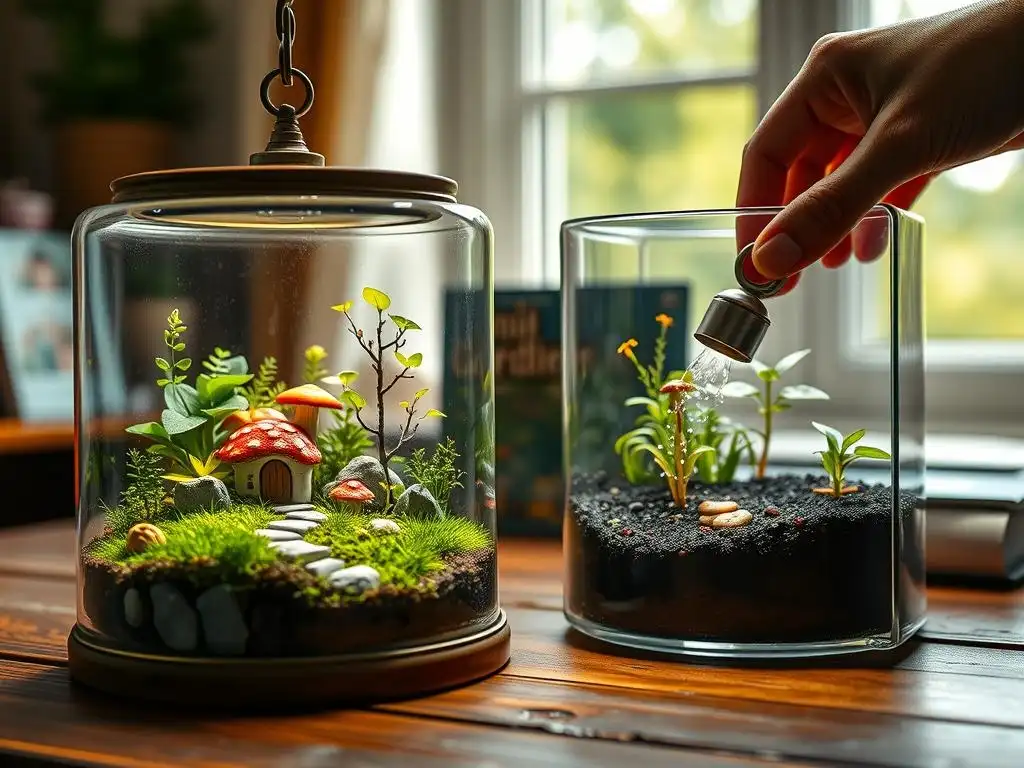
Creating a thriving terrarium or fairy garden indoors requires careful attention to lighting. These miniature ecosystems, while charming, are particularly sensitive to light levels, impacting plant health and overall aesthetic appeal. Addressing lighting problems is crucial for maintaining a vibrant and flourishing miniature landscape. This section focuses on common lighting issues and effective solutions to ensure your fairy garden or terrarium thrives. Addressing these "Terrarium fairy garden problems" related to light is key to success.
Insufficient Light and Its Impact on Plant Growth
Insufficient light is a prevalent problem for indoor terrariums and fairy gardens. Plants deprived of adequate light exhibit several telltale signs: leggy growth (where stems become elongated and weak in search of light), pale or yellowing leaves, stunted growth, and a general lack of vigor. This is especially true for plants that naturally thrive in bright, indirect sunlight. The intensity and duration of light are both crucial. For example, a fern placed in a dimly lit corner might struggle, while the same fern in a brighter location with filtered sunlight will flourish.
The impact of insufficient light extends beyond just the aesthetic appeal. Weak, unhealthy plants are more susceptible to diseases and pests, further compromising the miniature ecosystem's balance. A lack of photosynthesis directly impacts the plant's ability to produce energy, hindering its growth and overall health. Monitoring the light levels in your terrarium or fairy garden is therefore a critical aspect of plant care. Consider using a light meter to quantify the light intensity and adjust accordingly. Observing your plants closely for the above symptoms is also a crucial step in early diagnosis.
Selecting the Right LED Grow Light for Terrariums
When natural light is insufficient, supplemental lighting becomes necessary. LED grow lights are a popular choice for terrariums and fairy gardens due to their energy efficiency, low heat output, and customizable spectrum. However, selecting the right LED grow light requires careful consideration.
The spectrum of light is crucial; plants require both red and blue light for optimal photosynthesis. Look for grow lights that offer a full-spectrum output, mimicking natural sunlight. The intensity of the light, measured in lumens or PPFD (Photosynthetic Photon Flux Density), should also be appropriate for the size and type of plants in your terrarium. Too much light can scorch leaves, while too little will lead to the problems discussed earlier.
Consider the size and placement of the grow light. Smaller terrariums might only need a small clip-on light, while larger ones may benefit from a larger fixture. Ensure the light is positioned to provide even coverage across the entire terrarium without creating hot spots. Regularly monitoring your plants' response to the supplemental lighting is key to fine-tuning the setup for optimal growth and preventing further "Terrarium fairy garden problems".
Too Much Direct Sunlight: Preventing Sunburn and Leaf Damage
While adequate light is crucial, too much direct sunlight can be equally detrimental. Direct sunlight, especially through a south-facing window, can quickly overheat a terrarium, leading to sunburn and leaf damage. The intense heat and UV radiation can scorch leaves, causing brown or bleached spots and potentially killing the plants. This is a common "Terrarium fairy garden problems" scenario.
Protecting your terrarium from excessive sunlight requires careful placement and potentially the use of diffusing materials. Avoid placing your terrarium in direct sunlight for extended periods. Consider using sheer curtains or blinds to filter the sunlight, reducing its intensity.
You can also monitor the temperature inside the terrarium using a thermometer; if it gets excessively hot, it's a sign that you need to adjust its position or add more shading. Regularly rotating your terrarium can also help to ensure that all plants receive even light exposure without any one area being subjected to excessive direct sunlight. Remember, even filtered light can be too intense for some delicate plants, so observation and adjustment are key.
Optimizing Light Placement for Even Growth in Your Fairy Garden
Achieving even growth in your terrarium or fairy garden hinges significantly on proper light placement. Uneven lighting leads to leggy plants reaching for the light source, leaving others stunted and potentially causing imbalances within the miniature ecosystem. To avoid this, consider the type of light you're using and the specific needs of your plants. For instance, succulents and cacti, common inhabitants of fairy gardens, require bright, indirect light. Placing your terrarium near a sunny window, but not in direct sunlight, is ideal. Direct sunlight can scorch delicate leaves and overheat the enclosed environment.
The optimal placement will also depend on the size and shape of your terrarium. A tall, narrow terrarium might benefit from a light source placed slightly above and to the side, promoting even illumination throughout. A wider, shallower terrarium might need a diffused light source positioned directly above to prevent shadows from forming. Experimentation is key; observe your plants carefully for signs of stretching or yellowing. These are telltale signs of insufficient or uneven light.
Regular rotation of your terrarium can also help. By rotating it every few days, you ensure that all sides receive an equal amount of light, preventing the development of uneven growth patterns. This is particularly important for larger terrariums or those with a dense plant population. Remember, even with optimal placement, monitoring your plants regularly is crucial for maintaining a thriving fairy garden.
Regular observation allows for timely adjustments to light placement and prevents minor problems from escalating into significant issues. Consider using a grow light timer to ensure a consistent daily light cycle, further promoting healthy growth and preventing light stress. This consistent light cycle mimics natural daylight patterns and contributes to the overall well-being of your miniature ecosystem.
Choosing the Right Soil and Drainage for Your Miniature Garden
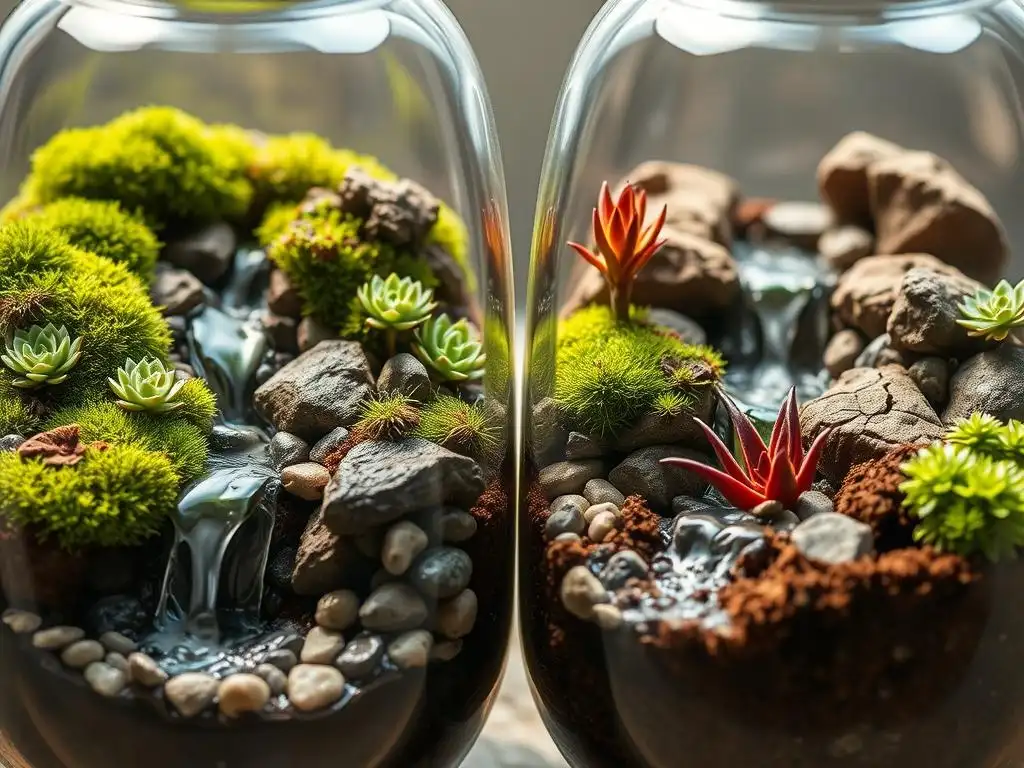
Creating a thriving terrarium or fairy garden hinges on selecting the appropriate soil and ensuring excellent drainage. Poor drainage is a leading cause of "Terrarium fairy garden problems," leading to root rot and plant death. This section will guide you through choosing the right soil mix and implementing effective drainage strategies to prevent these common issues. Remember, even the most enchanting miniature landscape will fail without proper soil management.
Importance of Well-Draining Soil Mixes for Terrariums
Well-draining soil is paramount in terrarium and fairy garden environments. Unlike larger outdoor gardens, these miniature ecosystems lack the natural drainage provided by the earth's larger volume. Waterlogging quickly leads to anaerobic conditions, suffocating plant roots and creating a breeding ground for fungal diseases. A well-draining mix allows excess water to escape, preventing waterlogged conditions and ensuring that your plants receive adequate oxygen.
This is especially crucial for small, delicate plants often used in these miniature worlds. The ideal soil mix should retain some moisture, but not become waterlogged. Think of it like a sponge – it should be able to absorb water, but not remain saturated. Ignoring this crucial aspect is a common mistake leading to many "Terrarium fairy garden problems."
Poor drainage manifests in several ways: yellowing leaves, wilting despite watering, a foul odor emanating from the soil, and eventually, plant death. Addressing drainage issues early is critical for the long-term health of your miniature garden.
Using Perlite and Activated Charcoal to Improve Drainage
To enhance drainage, incorporating amendments like perlite and activated charcoal is vital. Perlite, a volcanic glass, is lightweight and porous, improving aeration and preventing soil compaction. It helps the soil retain its structure, allowing for better water percolation. Activated charcoal, on the other hand, is an excellent filter and helps absorb excess moisture and any harmful chemicals. It also helps to control unpleasant odors that can develop in a closed terrarium environment.
The optimal ratio of these amendments depends on the base soil mix you choose. A general guideline is to incorporate 20-30% perlite and 5-10% activated charcoal by volume into your potting mix. For example, a mix of 50% peat moss, 25% perlite, 10% activated charcoal, and 15% vermiculite provides excellent drainage and moisture retention for most terrarium plants. Experimentation might be needed to fine-tune the ratio based on your specific plant choices and the humidity levels in your terrarium. Remember, always prioritize good drainage to avoid common "Terrarium fairy garden problems."
Preventing Soil Compaction and Root Suffocation
Soil compaction is another significant contributor to "Terrarium fairy garden problems." Compacted soil restricts root growth and oxygen flow, leading to stunted plants and ultimately, plant failure. Gentle handling of the soil during planting and avoiding overwatering are crucial in preventing compaction. Avoid tamping down the soil excessively; instead, gently firm it around the plant roots.
Using a well-draining mix, as discussed above, also helps prevent compaction. The porous nature of perlite and other amendments creates space between soil particles, preventing them from packing tightly together. Regularly checking the soil for compaction is essential. If you notice the soil becoming overly dense, gently loosen it with a small tool, being careful not to damage the plant roots. This proactive approach will ensure your miniature ecosystem thrives and avoids common "Terrarium fairy garden problems," allowing you to enjoy the beauty of your creation for years to come.
Repotting Your Plants
Repotting is crucial for the long-term health of your terrarium or fairy garden plants. Over time, the soil can become compacted, depleting essential nutrients and hindering proper drainage. Roots can become bound, restricting growth and potentially leading to root rot. Knowing when and how to repot is a key skill in maintaining a thriving miniature ecosystem. Signs that your plants need repotting include stunted growth despite adequate watering and sunlight, roots circling the bottom of the pot, and poor drainage resulting in consistently soggy soil.
The process of repotting involves carefully removing the plant from its existing container, gently loosening any compacted roots, and transplanting it into a slightly larger pot with fresh, well-draining soil. It's important to handle the plants delicately to avoid damaging their fragile roots. Before repotting, ensure you have the appropriate size pot – only slightly larger than the previous one to prevent the plant from becoming overwhelmed by excess soil.
Using a soil mix specifically formulated for terrariums or succulents will provide the best drainage and nutrient profile for your miniature garden inhabitants. Remember to water thoroughly after repotting, but avoid overwatering, which can lead to root rot in the newly transplanted plants. Regularly assess your plants for signs of stress after repotting, such as wilting or yellowing leaves, and adjust your watering schedule accordingly.
This careful attention to detail will help ensure your miniature garden continues to flourish. Successful repotting is a significant step in preventing many common "terrarium fairy garden problems". 🌱
Addressing Common Terrarium and Fairy Garden Design Mistakes
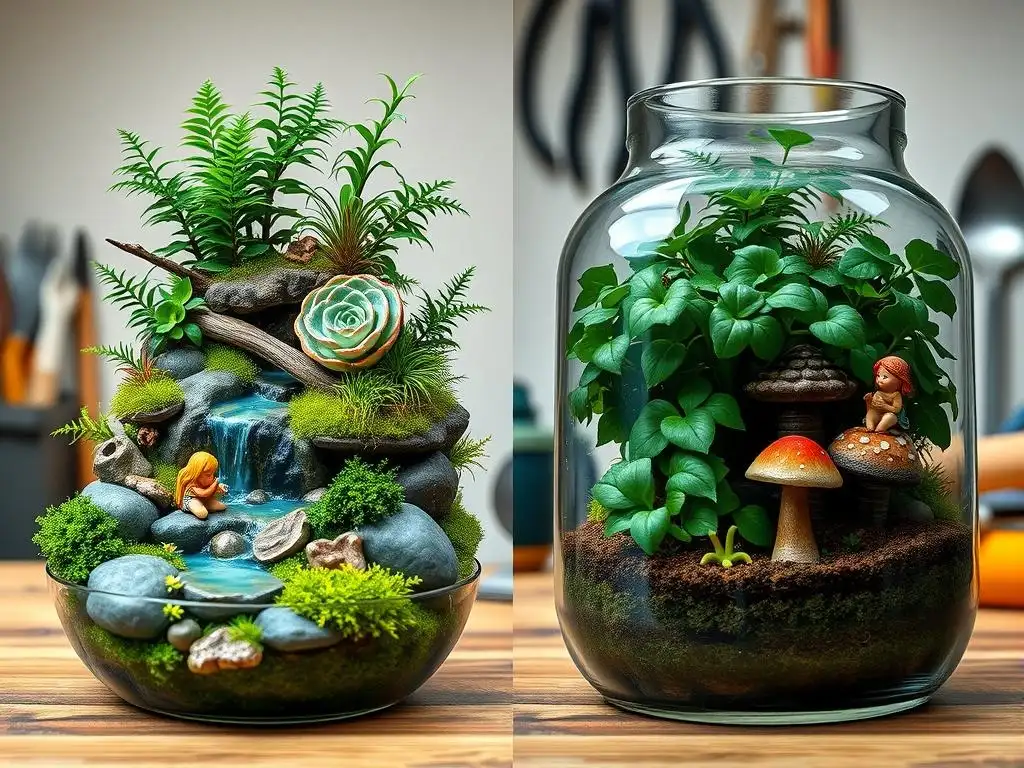
This section focuses on preventing problems before they arise in your miniature ecosystems. Careful planning and selection are key to a thriving terrarium or fairy garden, minimizing the need for later intervention and ensuring a beautiful, healthy display. Understanding the specific needs of your chosen plants and designing your miniature landscape accordingly is crucial for long-term success. Let's delve into some common mistakes and how to avoid them.
Overcrowding: Preventing Competition and Disease
Overcrowding is a significant issue in terrariums and fairy gardens. Packing too many plants into a confined space leads to several problems. Firstly, plants compete for limited resources like water, nutrients, and light. This competition results in stunted growth, weakened plants, and increased susceptibility to diseases. Secondly, poor air circulation in an overcrowded environment fosters the growth of mold and fungal pathogens. These can quickly spread throughout the terrarium, decimating your carefully cultivated miniature world.
Imagine a small terrarium with ten different types of succulents crammed together. The plants in the center will struggle to receive adequate light, leading to etiolation (leggy growth) and potentially death. The outer plants, while receiving more light, will still compete for water and nutrients, potentially resulting in smaller, less vibrant specimens. Furthermore, the lack of airflow will create a humid microclimate, perfect for mold to thrive.
To avoid overcrowding, carefully consider the mature size of each plant. Research the specific space requirements of your chosen species before planting. A good rule of thumb is to leave sufficient space between plants for them to grow without touching. Think of it like planting a real garden – you wouldn’t cram all your vegetables together, would you? Use the space strategically, creating visual interest through careful placement rather than sheer density. Regular pruning can also help manage growth and prevent overcrowding. A well-spaced terrarium not only looks better but is also much healthier and easier to maintain.
Choosing the Right Plants for Your Terrarium Environment
Selecting the appropriate plants is paramount to the success of your terrarium or fairy garden. Many enthusiasts make the mistake of choosing plants based solely on aesthetics, neglecting their environmental requirements. Remember, your miniature ecosystem has a unique microclimate, often differing significantly from the conditions in your larger garden. Humidity, light levels, and soil composition all play crucial roles in plant health.
For instance, a desert-themed terrarium requires drought-tolerant succulents and cacti, thriving in well-drained soil and bright, indirect sunlight. Conversely, a tropical terrarium needs moisture-loving plants that appreciate higher humidity levels and shaded conditions. Introducing plants with conflicting needs into the same environment will inevitably lead to problems. A fern, needing consistently moist soil and low light, will struggle to survive alongside a cactus demanding arid conditions and bright light.
Before purchasing any plants, research their specific needs and ensure they're compatible with the environment you've created. Consider creating a simple chart outlining each plant's light, water, and soil requirements. This will help you make informed decisions and prevent costly mistakes. Prioritize plants known for their adaptability and resilience within the specific microclimate of your chosen terrarium or fairy garden type. This meticulous selection process will greatly increase your chances of success. This careful planning will significantly minimize the risk of plant failure.
Avoiding Plants that Need Excessive Watering or Sunlight
Certain plants, while visually appealing, are simply unsuitable for the contained environment of a terrarium or fairy garden. Plants that require frequent watering or intense sunlight can quickly disrupt the delicate balance of your miniature ecosystem. Overwatering leads to root rot, a common problem in terrariums due to poor drainage. Excessive sunlight can overheat the enclosed space, scorching delicate foliage.
For example, plants with large, thirsty leaves, such as some varieties of philodendrons or peace lilies, may be too demanding for a small terrarium. Their high water needs could lead to consistently soggy soil, promoting fungal growth and harming other plants. Similarly, plants that require direct sunlight, like many flowering succulents, might overheat in a closed glass container, especially during warmer months. The resulting high temperatures could easily kill more delicate species.
Instead, opt for plants with low water requirements and tolerance for lower light levels. Many succulents, certain types of ferns, and small, slow-growing vines are excellent choices for enclosed environments. Remember, a terrarium is not a typical garden; it's a self-contained ecosystem with its own unique limitations. Choosing plants that respect these limitations is key to creating a thriving and aesthetically pleasing miniature landscape. Careful consideration of these factors will contribute to a healthier and more sustainable miniature garden.
Creating Proper Air Circulation Within Your Miniature Ecosystem
Maintaining adequate air circulation is crucial for the health and longevity of your terrarium or fairy garden. Stagnant air can lead to a build-up of humidity, fostering the growth of mold and mildew, and potentially harming your plants. This is especially problematic in closed terrariums, where the lack of airflow can create a humid, oxygen-poor environment. Conversely, overly dry conditions can also stress your plants, leading to wilting and death. Finding the right balance is key to a thriving miniature ecosystem.
One common mistake is creating a terrarium that is too densely packed with plants and decorative elements. This restricts airflow and can quickly lead to problems. Leave sufficient space between plants to allow for proper air circulation. Consider the mature size of your plants; overcrowding will become even more problematic as they grow. Regularly inspect your terrarium for signs of excessive moisture or dryness. The presence of mold or mildew is a clear indicator of poor air circulation and excessive humidity. Similarly, excessively dry soil or wilting plants suggest insufficient humidity or poor airflow.
Improving air circulation can involve several strategies. In closed terrariums, carefully consider the size and number of openings for ventilation. Small, strategically placed vents can help regulate humidity and air movement. For open terrariums, the challenge is less about creating ventilation and more about preventing excessive drying. In such cases, careful selection of plants adapted to drier conditions is crucial.
Proper soil drainage is also vital in both open and closed terrariums to prevent waterlogging, which contributes to poor air circulation and the growth of harmful microorganisms. Consider using a layer of gravel or charcoal at the bottom of your terrarium to improve drainage and prevent water stagnation. Regular monitoring and adjustment of your terrarium's environment are essential to creating a thriving miniature ecosystem. Remember, a balance of proper moisture and airflow is key to preventing common "terrarium fairy garden problems".
Preventing and Treating Algae Growth in Your Terrarium
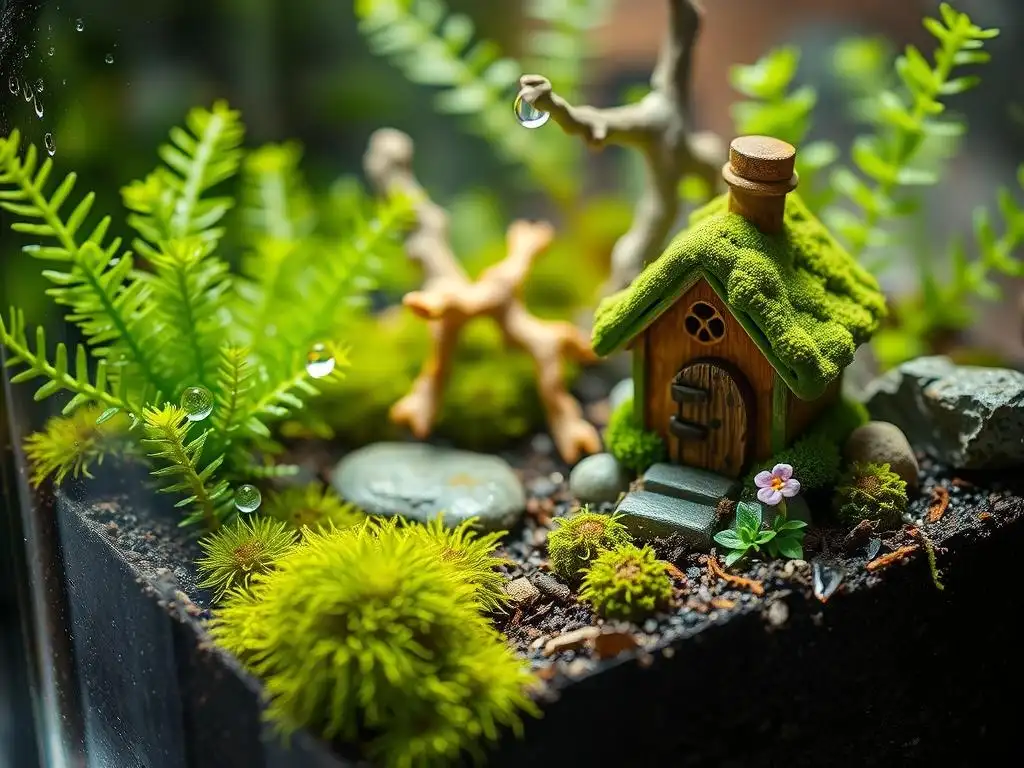
Algae blooms are a common problem in terrariums and fairy gardens, often appearing as a slimy green film on the soil, glass, or plants. This unsightly growth can quickly overtake your miniature ecosystem, harming your plants and spoiling the aesthetic appeal. Fortunately, understanding the causes and implementing preventative measures can significantly reduce or eliminate this issue. Proactive management is key to maintaining a thriving and algae-free terrarium fairy garden. This section focuses on practical strategies for preventing and treating algae growth, ensuring your miniature world remains healthy and beautiful.
Identifying the Causes of Algae Blooms
Algae thrive in environments with ample moisture, nutrients, and light. In terrariums, these conditions are often naturally present. Several factors contribute to algae blooms:
- Excessive Watering: Overwatering creates a perpetually damp environment, providing an ideal breeding ground for algae. The soil should be allowed to dry slightly between waterings. Signs of overwatering include soggy soil and condensation consistently accumulating on the glass.
- Nutrient-Rich Soil: Using soil rich in organic matter can inadvertently provide excessive nutrients that fuel algae growth. Opt for well-draining potting mixes specifically designed for terrariums, and avoid over-fertilizing. It's also important to avoid using soil taken directly from your garden, as it may contain excessive nutrients and potential pests.
- High Light Intensity: Bright, direct sunlight or intense artificial light can stimulate rapid algae growth. While plants need light, excessive light encourages algae proliferation. Observe your terrarium's light exposure; if it receives several hours of direct sunlight daily, consider relocating it to a less intensely lit area.
- Poor Ventilation: Inadequate air circulation within the terrarium can lead to high humidity levels, favoring algae development. Ensure sufficient air exchange, but avoid creating drafts that could dry out the plants too quickly. A small gap between the lid and the base can be beneficial for ventilation.
- Lack of Maintenance: Regularly inspecting and cleaning your terrarium helps prevent algae buildup. Accumulated dead leaves and other debris provide nutrients for algae. Ignoring these issues allows algae to establish and spread rapidly. This neglect can lead to a more significant problem that is harder to resolve.
Controlling Light Exposure to Reduce Algae Growth
Managing light exposure is crucial for preventing and controlling algae growth in your terrarium fairy garden. Direct sunlight should be avoided, as it provides ideal conditions for algae to flourish. Indirect sunlight or filtered light is preferable. Consider these strategies:
- Relocation: Move your terrarium to a location that receives indirect sunlight, such as a north-facing window (in the Northern Hemisphere) or a shaded area. This reduces the intensity of light reaching the terrarium, hindering algae growth while still providing sufficient light for your plants.
- Light Filtering: Use a sheer curtain or blinds to diffuse direct sunlight, reducing its intensity and preventing algae blooms. This method allows you to maintain the terrarium in a brighter location without exposing it to harsh, direct light.
- Artificial Lighting: If natural light is insufficient, use low-intensity artificial lighting specifically designed for plants. Avoid using strong, high-heat bulbs that can increase temperature and humidity within the terrarium, creating a favorable environment for algae. LED grow lights are a good option, offering controlled light intensity and minimal heat output.
- Light Cycle: Monitor the duration of light exposure. Reduce the overall daily light exposure time if algae growth persists, even with indirect lighting. A shorter light cycle can significantly limit algae development.
Cleaning Your Terrarium: Removing Algae and Debris Safely
Cleaning your terrarium involves removing algae and debris carefully to avoid damaging your plants. Gentle methods are essential to maintain the terrarium's delicate ecosystem.
- Manual Removal: For small amounts of algae, use a soft-bristled brush or cotton swab to gently scrub the affected areas. Be careful not to damage the plants during this process. Clean the glass using a soft cloth and distilled water.
- Water Changes: If the algae is more extensive, carefully remove some of the topsoil, taking care not to disturb the roots of your plants. Replace the removed soil with fresh, well-draining terrarium mix. Avoid using tap water, which can contain minerals that encourage algae growth. Use filtered or distilled water instead.
- Hydrogen Peroxide Solution: In case of persistent algae, a diluted hydrogen peroxide solution (3%) can be used cautiously. Apply it directly to the affected areas using a spray bottle, making sure not to over saturate the soil. Hydrogen peroxide acts as a natural algaecide, but use it sparingly to avoid harming your plants.
- Regular Maintenance: Regularly inspect your terrarium for signs of algae and debris. Promptly addressing minor issues prevents them from escalating into major problems. Regular cleaning is crucial for maintaining a healthy and attractive terrarium fairy garden, minimizing the risk of algae blooms and promoting the overall health of your plants. Remember, consistent care is the best defense against terrarium fairy garden problems.
Using a Specific Algae Control Product for Severe Cases
When standard preventative measures fail and algae blooms become overwhelming, you may need to resort to a targeted algae control product. These products are usually available at garden centers or online retailers specializing in aquarium supplies, as the principles of controlling algae in a closed ecosystem like a terrarium are similar to managing algae in an aquarium. It's crucial to choose a product specifically designed for use in enclosed environments and to follow the instructions meticulously. Using too much product can harm your plants and even create toxic conditions within the terrarium.
Before applying any product, carefully identify the type of algae you're dealing with. Different algae species respond differently to various treatments. Some products target specific types, while others offer broader spectrum control. Identifying the algae will help you choose the most effective product and optimize its application. For example, if you have a fuzzy, green algae, you might need a different product than if you are battling a slimy, brown algae.
Remember that introducing any chemical into your terrarium ecosystem disrupts the delicate balance. While a targeted product can effectively eliminate an algae bloom, it's vital to monitor the terrarium closely after treatment. Observe your plants for any signs of stress, such as wilting or discoloration. If you notice any adverse effects, immediately flush the terrarium with clean water to dilute the product. Consider using activated charcoal in the substrate to help absorb any residual chemicals.
The application process will vary depending on the product, but generally involves carefully applying the solution directly to the affected areas, avoiding direct contact with plants as much as possible. Always wear gloves and eye protection when handling these products. After application, ensure adequate ventilation to allow any fumes to dissipate. This is especially important if working indoors. Proper ventilation will help prevent the build-up of harmful gases within the terrarium's sealed environment.
It's also important to note that while these products can offer immediate results, they often don't address the underlying causes of algae growth. After treating the algae bloom, revisit the preventative measures discussed earlier to prevent future outbreaks. This includes carefully monitoring light levels, humidity, and ensuring proper drainage to prevent the build-up of excess moisture, all key factors contributing to algae proliferation in your terrarium fairy garden. The long-term solution to managing algae is a proactive approach, rather than relying solely on chemical intervention.
Maintaining a Healthy Ecosystem: Long-Term Care and Prevention
Creating a thriving terrarium or fairy garden requires more than just initial setup; it demands ongoing care and attention to prevent common problems. A proactive approach to maintenance significantly reduces the likelihood of encountering issues like mold, pest infestations, or wilting plants. This section focuses on establishing a sustainable miniature ecosystem that flourishes over time, addressing the core concerns often associated with "Terrarium fairy garden problems."
Regular Maintenance Schedule for Your Terrarium
A consistent maintenance schedule is crucial for a healthy terrarium. Think of it as preventative medicine for your miniature world. Here's a suggested schedule:
- Weekly: Check moisture levels. Lightly mist the soil if it appears dry, avoiding overwatering. Observe plants for any signs of disease or pests. Gently remove any dead leaves or debris.
- Bi-weekly: Assess the overall environment. Check for condensation buildup (excess moisture can lead to mold). Ensure adequate ventilation, especially in sealed terrariums.
- Monthly: Inspect the drainage layer (if applicable). Ensure it's functioning correctly and not becoming clogged. Consider adding a small amount of fresh compost to replenish nutrients.
- Quarterly: Consider a thorough cleaning. Carefully remove any visible mold or algae. Repot plants if necessary, ensuring the soil remains fresh and well-draining.
This schedule is a guideline; adjust it based on your specific terrarium's needs and the type of plants you've included. Remember, observation is key. Regular checks allow for early detection and intervention, preventing minor issues from escalating into major "Terrarium fairy garden problems."
Monitoring Plant Health and Addressing Issues Promptly
Early detection is paramount in tackling terrarium issues. Regularly inspect your plants for these common signs of distress:
- Wilting: This often indicates underwatering or overwatering. Adjust your watering schedule accordingly. Check the drainage layer for clogs.
- Yellowing Leaves: This could signify nutrient deficiencies, overwatering, or root rot. Assess your watering practices and consider adding compost.
- Mold or Algae: Excessive moisture is usually the culprit. Improve ventilation and carefully remove the affected areas. Avoid overwatering.
- Pest Infestations: Small insects like gnats or aphids can infest terrariums. Use organic pest control methods appropriate for your plants and the enclosed environment (e.g., insecticidal soap).
Addressing these issues promptly prevents them from spreading and causing widespread damage. A quick response minimizes the chances of experiencing significant "Terrarium fairy garden problems." Keep a small notebook to record your observations and maintenance actions. This will help you track your progress and identify patterns.
Creating a Sustainable Miniature Ecosystem
Creating a sustainable miniature ecosystem is the ultimate goal in preventing long-term "Terrarium fairy garden problems." This involves mimicking the natural balance found in larger ecosystems. Consider these factors:
- Proper Plant Selection: Choose plants with similar light and water requirements. Avoid overcrowding. Research plants known for their adaptability to enclosed environments.
- Balanced Soil Mix: Use a well-draining soil mix suited to your chosen plants. This prevents waterlogging and root rot.
- Adequate Ventilation: Ensure sufficient airflow, especially for sealed terrariums. This prevents the buildup of humidity and mold. Consider adding small openings or using a lid that allows for some air circulation.
- Light Exposure: Provide appropriate light levels for your plants. Too much or too little light can stress them and lead to problems.
By carefully considering these factors during setup and consistently applying the maintenance schedule, you can cultivate a thriving and sustainable terrarium or fairy garden, minimizing the occurrence of common issues and ensuring the long-term health and beauty of your miniature landscape. Remember, patience and observation are key components in successfully managing your miniature ecosystem and avoiding those frustrating "Terrarium fairy garden problems."
Resources and Further Learning on Terrarium and Fairy Garden Care
Maintaining a thriving terrarium or fairy garden requires ongoing learning and attention. Fortunately, numerous resources are available to help you troubleshoot problems and keep your miniature ecosystem flourishing. Beyond this article, dedicated books on terrarium and fairy garden creation and maintenance offer in-depth guidance. These books often cover a wide range of topics, from selecting appropriate plants to advanced techniques for humidity control and pest management. Look for titles that specifically address the unique challenges of creating and maintaining miniature gardens, as general gardening books may not fully cover the specific needs of these enclosed environments.
Beyond books, online communities and forums dedicated to terrarium and fairy garden enthusiasts provide invaluable support and practical advice. Many experienced hobbyists share their successes and failures, offering solutions to common problems and answering specific questions. These online spaces are excellent places to find detailed instructions, innovative ideas, and encouragement from a supportive community. Engaging with these communities can help you learn from others' experiences and avoid common pitfalls. Remember to be an active participant, contributing your own knowledge and insights to benefit the collective.
Consider exploring educational videos and webinars on terrarium and fairy garden care. These visual learning resources can demonstrate techniques and provide insights that are difficult to convey solely through text. Look for videos that cover topics like proper watering techniques, effective ventilation strategies, and identifying common pests and diseases. High-quality videos often feature close-up views of plants and miniature garden features, making it easier to understand the details of care and maintenance. Remember to choose reputable sources that offer accurate and up-to-date information.
Furthermore, local botanical gardens or horticultural societies often offer workshops and classes on terrarium and fairy garden creation. These in-person learning opportunities provide hands-on experience and the chance to ask questions directly to experts. Attending such workshops can significantly enhance your knowledge and skills, allowing you to address potential "terrarium fairy garden problems" proactively.
Check your local community centers and gardening organizations for upcoming events. These workshops often cover a wide range of topics, including plant selection, soil composition, and long-term maintenance strategies, providing a comprehensive learning experience. The networking opportunities are also valuable, allowing you to connect with other enthusiasts and share your experiences.
Frequently Asked Questions
Why are my terrarium plants turning yellow?
Yellowing leaves often indicate overwatering or poor drainage. Ensure your terrarium has adequate drainage holes and isn't receiving too much water. Check for signs of root rot.
My fairy garden plants are leggy and weak. What's wrong?
Leggy growth usually means your plants aren't getting enough light. Move your terrarium to a brighter location (but avoid direct sunlight) or consider supplemental grow lights.
How do I deal with pests in my fairy garden terrarium?
Small infestations can often be managed with manual removal. For larger problems, introduce beneficial insects like ladybugs or use a diluted organic insecticide specifically designed for indoor plants.
My terrarium has mold growing. How can I fix it?
Mold indicates too much moisture. Improve air circulation by slightly opening the terrarium lid. Remove affected plants and soil, and let the terrarium dry out before replanting.
What kind of soil is best for a fairy garden terrarium?
Use a well-draining potting mix specifically formulated for indoor plants. Avoid using garden soil, which can compact and retain too much water, leading to root rot.
Final Reflection: Cultivating Miniature Worlds, Cultivating Inner Peace
The art of terrarium and fairy garden creation isn't merely about arranging plants and figurines; it's about nurturing a miniature ecosystem, mirroring the delicate balance of our own lives. The common issues discussed—from overwatering to pest infestations—highlight the importance of mindful observation and patient intervention, skills transferable far beyond the confines of a glass enclosure.
Creating these enchanting miniature worlds has been a deeply rewarding experience, teaching me not only about plant care but also about the interconnectedness of all things. The process of troubleshooting, of diagnosing a wilting plant or a struggling miniature tree, mirrors the challenges we face in our own lives. As the poet Mary Oliver wisely wrote: Tell me, what is it you plan to do with your one wild and precious life?
This question, posed in the context of nurturing a terrarium, takes on a new and profound meaning. It's a reminder to approach life with the same care and attention we give to our miniature gardens.
Now, consider your own "miniature world"—your home, your relationships, your personal projects. What imbalances need addressing? What nurturing touch is required? Take a moment to reflect on the parallels between the challenges of terrarium maintenance and the challenges of life. Apply the principles of observation, patience, and careful intervention to your own world, and watch as your own "garden" flourishes. Let the lessons learned from these tiny ecosystems inspire you to cultivate a richer, more fulfilling life.
Unleash Your Inner Gardener: Thrive with Thriving Terrariums!
Thank you for exploring the wonderful world of terrariums and fairy gardens! We hope you feel inspired to create thriving miniature ecosystems. Ready to begin your next project?
- Design your dream terrarium: Gather your supplies and let your creativity flourish! Personalize your miniature landscape with unique elements such as miniature figurines, colored sand, or unusual plants.
- Share your creation: Show off your miniature masterpiece on social media using #CultivateYourFoodTerrariums and inspire others!
- Join our community: Visit the CultivateYourFood forum to share experiences, ask questions, and connect with fellow terrarium enthusiasts. Let's grow together!
What interesting plant or design element will you incorporate into your next terrarium?