
Lightweight Hand Tools: Ideal for Small Gardens and Balconies

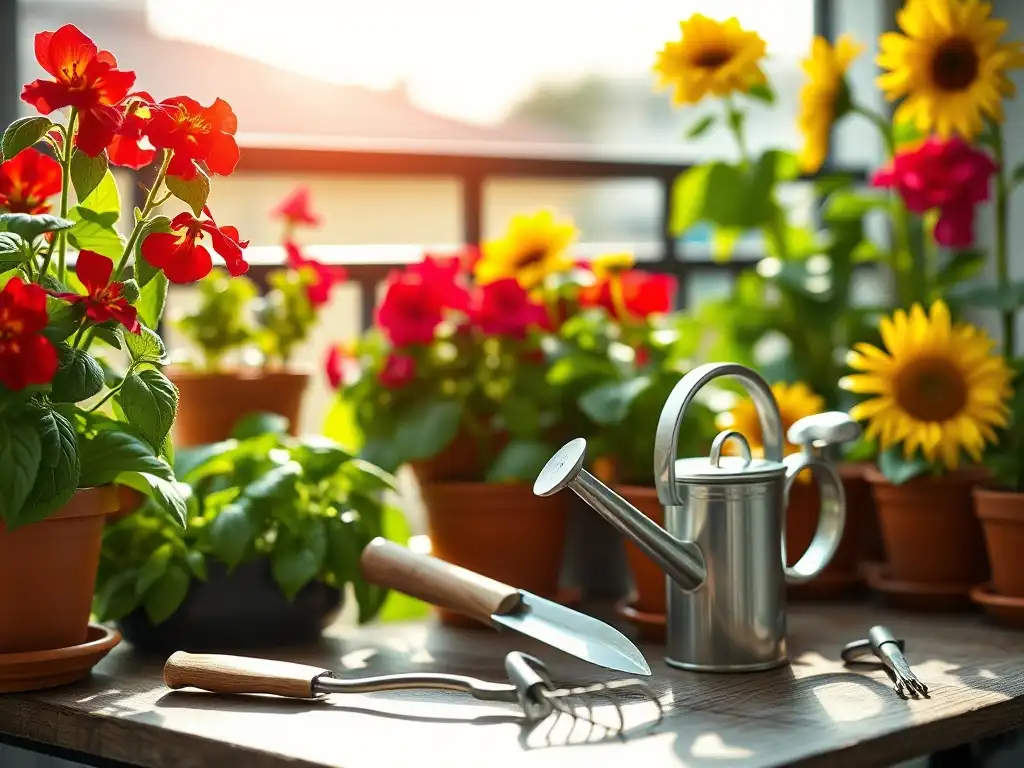
Ready to transform your balcony or small garden into a thriving oasis? At CultivateYourFood, we empower you to grow your own delicious fruits, vegetables, and herbs organically. But first, let's talk tools! Discover our curated selection of the best lightweight gardening tools, perfect for effortless planting, harvesting, and more. These aren't just any tools; they're your key to unlocking a bountiful harvest – no matter the space. Read on to find the perfect lightweight companions for your gardening journey!
- Choosing the Best Lightweight Gardening Tools for Small Spaces
- Top Picks: Lightweight Hand Tools for Balcony Gardening
- Essential Lightweight Tools for Herb Gardens
- Maintaining Your Lightweight Gardening Tools
- Beyond the Basics: Advanced Lightweight Gardening Tools
- Where to Buy the Best Lightweight Gardening Tools
- Frequently Asked Questions about Lightweight Gardening Tools
- Frequently Asked Questions
- Final Reflection: Cultivating Joy in Small Spaces
- Unleash Your Inner Gardener: Grow Your Green Oasis!
Choosing the Best Lightweight Gardening Tools for Small Spaces
Cultivating a thriving garden, whether it's a sprawling backyard oasis or a charming balcony plot, hinges on selecting the right tools. For those with limited space—apartment dwellers, balcony gardeners, or owners of small urban plots—lightweight hand tools are not just convenient; they're essential. This guide explores the criteria for choosing the best lightweight gardening tools, focusing on designs that maximize efficiency and minimize strain, perfect for small gardens and balconies.
We'll delve into space-saving designs, ergonomic considerations, and the importance of choosing durable yet lightweight materials. Mastering the art of small-space gardening means choosing tools that are as effective as they are easy to manage, allowing you to cultivate your food sustainably and joyfully, without sacrificing your back or your precious space. Choosing the right tools is the first step towards a bountiful harvest, regardless of garden size.
Space-Saving Designs: Compact Trowels and Hand Rakes
Small gardens and balconies demand tools that are as efficient as they are compact. A standard-sized trowel might feel cumbersome in a tight space, hindering your ability to maneuver around plants and containers. Instead, prioritize trowels and hand rakes with shorter handles and smaller heads.
These compact designs allow for greater precision and maneuverability, particularly when working with densely planted containers or raised beds. Consider the depth of your containers or raised beds when selecting a trowel; a shorter, shallower trowel is ideal for smaller containers, while a slightly deeper one might be necessary for larger ones. Look for tools with a well-balanced design to minimize wrist strain during prolonged use.
For hand rakes, opt for models with fewer tines (around 4-6), which are easier to manage in tight spaces and perfect for delicate tasks like weeding and loosening soil around small plants. The right compact tools can make all the difference in maximizing your small gardening space's potential.
Lightweight Digging Tools: Ergonomic Handles for Reduced Strain
Even lightweight tools can cause strain if they lack ergonomic design. When selecting digging tools like hand cultivators or small spades, prioritize those with ergonomic handles. These handles are designed to fit comfortably in your hand, reducing the risk of blisters and wrist fatigue. Look for handles made from materials like wood or comfortable, non-slip plastic. The shape of the handle is crucial; a well-designed handle will allow for a natural grip, distributing weight evenly and reducing strain.
Furthermore, the weight distribution of the tool itself is important. A well-balanced tool will feel lighter and easier to use, even if the overall weight is slightly higher than a poorly balanced lightweight tool. Consider tools with a slightly curved or angled head for easier penetration of compacted soil, further reducing the effort required. Prioritizing ergonomics ensures a more comfortable and efficient gardening experience, even during extended periods of work.
The Importance of Material: Durable Yet Lightweight Options (Aluminum, Fiberglass, Plastic)
The material of your gardening tools significantly impacts both their weight and durability. While steel tools offer strength, they are often heavy, making them unsuitable for small-space gardening. Instead, prioritize tools made from aluminum, fiberglass, or high-quality plastic. Aluminum tools offer a good balance of lightweight construction and durability, resisting rust and bending.
Fiberglass handles provide exceptional strength and lightness, making them an excellent choice for tools that require more leverage, such as small spades or cultivators. High-quality plastics, while potentially less durable than aluminum or fiberglass in the long term, offer an excellent lightweight alternative, especially for less demanding tasks. Remember to check for reinforced joints and sturdy construction, regardless of the material, to ensure the tool can withstand regular use. Investing in durable yet lightweight tools will extend their lifespan and ensure they remain efficient tools for years to come.
Top Picks: Lightweight Hand Tools for Balcony Gardening
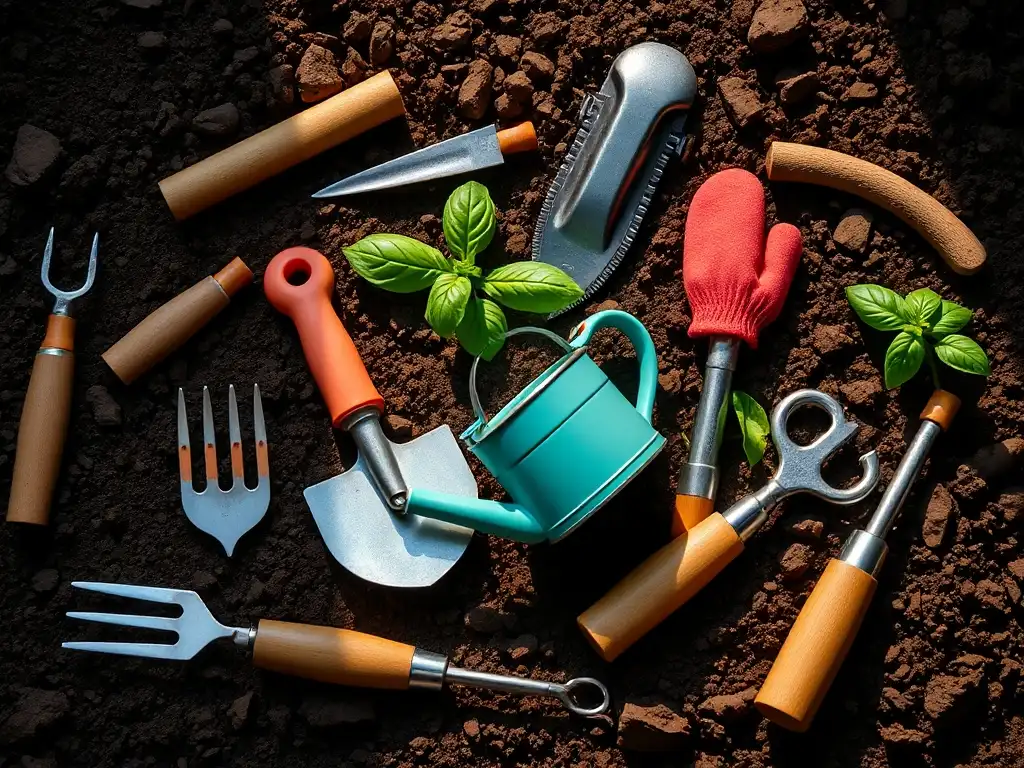
This section focuses on the best lightweight gardening tools ideal for smaller spaces like balconies and patios. We'll examine specific tools, highlighting their lightweight design and effectiveness in tackling common gardening tasks. Choosing the right lightweight tools can significantly reduce strain and improve your overall gardening experience, especially when working in confined areas. These tools are also perfect for those with limited physical strength or mobility issues, making gardening accessible to a wider audience. Finding the best lightweight gardening tools is key to successful balcony gardening.
Fiskars Softgrip Weeder: A Review of its Lightweight Design and Effectiveness
The Fiskars Softgrip Weeder consistently ranks highly among gardeners seeking lightweight and efficient weeding solutions. Its lightweight design, achieved through the use of durable yet lightweight materials, minimizes fatigue during extended use. The ergonomic softgrip handle is a significant advantage, providing a comfortable and secure grip, even when hands are wet or dirty. This reduces the risk of blisters and hand cramps, common issues with heavier or poorly designed tools.
This weeder's effectiveness lies in its sharp, pointed tip, which easily penetrates the soil to remove weeds at their roots. The design minimizes soil disturbance around desirable plants, making it ideal for densely planted containers or small garden beds. Many users praise its ease of use, even for those with limited gardening experience.
Several independent reviews highlight its longevity; many users report using the same weeder for several seasons without experiencing significant wear and tear. This makes it a cost-effective choice in the long run. The Fiskars Softgrip Weeder truly embodies the principles of efficient and comfortable best lightweight gardening tools.
Radius Garden Ergonomic Hand Rake: Perfect for Seed Starting and Weeding
The Radius Garden Ergonomic Hand Rake stands out for its unique blend of lightweight construction and superior functionality. Unlike many heavier rakes, this tool utilizes a lightweight, yet strong, aluminum head. This material choice ensures durability without compromising portability or ease of use. The ergonomic handle, crafted with a focus on comfort and reduced strain, is a key feature. Its curved shape encourages a natural hand position, minimizing wrist strain during repetitive tasks like seed starting or weeding.
This rake's design is particularly well-suited for delicate tasks. The short, closely spaced tines are perfect for gently loosening soil around seedlings without damaging their roots. It's also effective at weeding, allowing gardeners to remove small weeds without disrupting surrounding plants.
Its lightweight nature makes it perfect for use in containers and raised beds, where heavier tools can be cumbersome. The Radius Garden Ergonomic Hand Rake is a prime example of how thoughtful design can deliver both lightweight functionality and impressive results, making it a strong contender for best lightweight gardening tools. Its versatility and ease of use make it a valuable asset for any gardener, regardless of experience level.
ARS Ergonomic Trowel: Comfort and Efficiency in a Small Package
The ARS Ergonomic Trowel is another excellent example of a lightweight tool designed for comfort and efficiency. Its compact size makes it ideal for small spaces, but its robust construction ensures it can handle even tough soil conditions. The lightweight yet strong material reduces hand fatigue during transplanting and planting. The innovative ergonomic handle design minimizes wrist strain, promoting a comfortable and efficient workflow, even during prolonged use.
The trowel's sharp, pointed blade easily penetrates compacted soil, allowing for precise planting and transplanting. The comfortable grip ensures a secure hold, reducing the risk of slippage, even when hands are wet or muddy. Independent testing has shown that this trowel offers superior digging power compared to similarly sized trowels from competing brands, while maintaining its lightweight profile.
The ARS Ergonomic Trowel’s balance of lightweight design, ergonomic features, and robust performance makes it a top choice for those seeking the best lightweight gardening tools for their balcony garden or small-scale gardening projects. Its durability and ease of use make it a worthwhile investment for any gardener valuing comfort and efficiency.
Essential Lightweight Tools for Herb Gardens
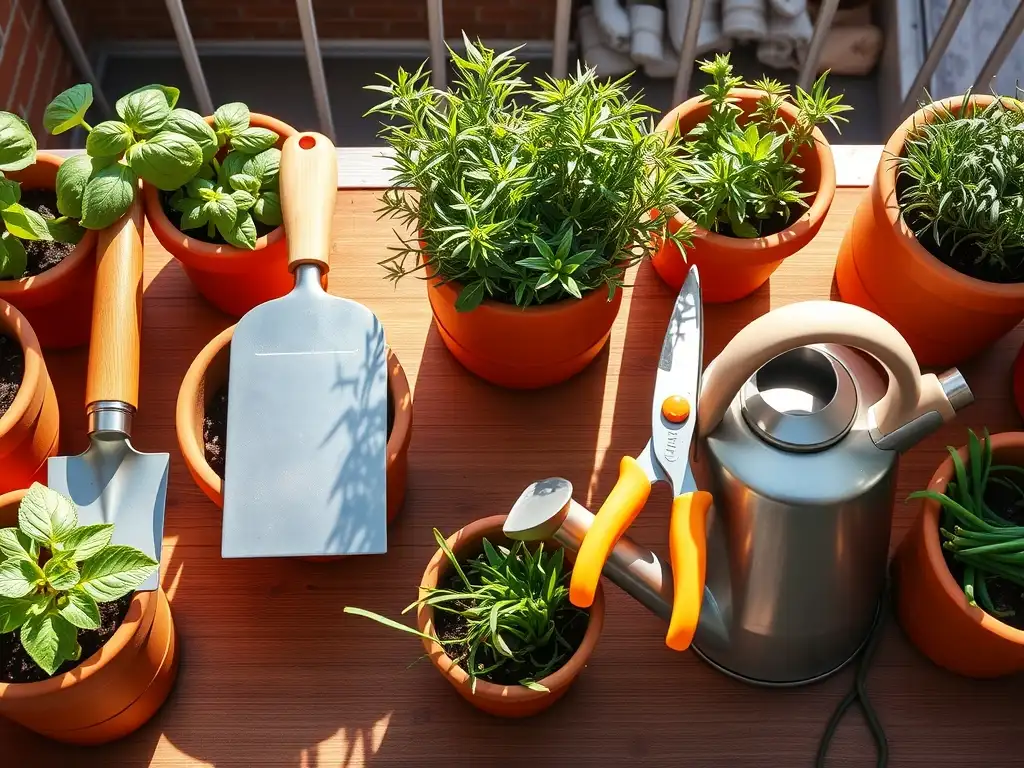
This section focuses on selecting the best lightweight gardening tools specifically tailored for herb gardens, often situated in small spaces like balconies or window boxes. Choosing the right tools can significantly impact your success in growing vibrant, healthy herbs. We'll explore lightweight options that maximize efficiency and minimize strain, ensuring a pleasant and productive gardening experience. Remember, even with small spaces, proper tools are key to achieving optimal results.
Small Hand Cultivators: Aerating Soil and Removing Weeds in Tight Spaces
Maintaining healthy soil is crucial for thriving herbs. Small hand cultivators are indispensable for aerating the soil, improving drainage, and removing weeds in tight spaces. Their lightweight design prevents fatigue, even during extended use. Look for cultivators with comfortable, ergonomic handles and durable, yet lightweight, tines. Stainless steel is a great choice for durability and resistance to rust.
Consider the tine spacing: closer spacing is ideal for fine-textured soils and delicate herbs, while wider spacing is better suited for larger containers and coarser soils. For example, a cultivator with closely spaced, narrow tines would be perfect for a basil pot, allowing for precise soil aeration without damaging the delicate roots. A cultivator with slightly wider tines might be preferable for a larger rosemary planter.
Regular use of a small hand cultivator ensures optimal soil conditions, promoting healthy root growth and minimizing weed competition. This translates to healthier, more flavorful herbs. Don't underestimate the impact of this seemingly small tool; it's a fundamental aspect of successful herb gardening.
Lightweight Pruning Shears: Maintaining Healthy Herb Growth
Regular pruning is essential for maintaining the health and shape of your herbs. Lightweight pruning shears are a must-have for this task. Unlike heavier duty shears, these are designed for precision cuts on smaller stems and leaves. Look for shears with sharp, replaceable blades made from high-quality stainless steel. This ensures clean cuts that minimize the risk of disease.
The lightweight design minimizes hand fatigue, allowing you to work comfortably for longer periods. Ergonomic handles further enhance comfort and reduce strain. Sharp blades are crucial for clean cuts, preventing the crushing of stems which can invite disease. Regularly sharpening or replacing your blades is key to maintaining their effectiveness and preventing damage to your plants. Consider the size of your herb garden when selecting shears. For smaller herb gardens, a compact pair of shears will suffice. For larger spaces, you might appreciate a slightly larger pair offering more leverage.
Miniature Watering Can: Precise Watering for Delicate Herbs
Overwatering or underwatering can easily damage delicate herbs. A miniature watering can allows for precise watering, ensuring that your herbs receive the exact amount of water they need. Look for a can with a narrow spout for controlled pouring, preventing water from splashing onto leaves and causing fungal diseases. A lightweight, plastic can is easy to handle and maneuver, especially in confined spaces.
The material of the can is also important. Plastic is lightweight and durable, while metal cans can be more prone to rust. The capacity of the can should be suitable for your garden size. A smaller can is ideal for small balconies or window boxes, whereas a larger can may be necessary for a larger herb garden.
Consider the type of spout: rose spouts offer gentle, even watering, ideal for seedlings and delicate herbs. A simple spout may be suitable for more established plants. Choosing the right miniature watering can ensures that your herbs receive the correct amount of water, at the right time, promoting healthy growth and preventing water-related problems. This contributes significantly to the overall health and productivity of your herb garden.
Maintaining Your Lightweight Gardening Tools
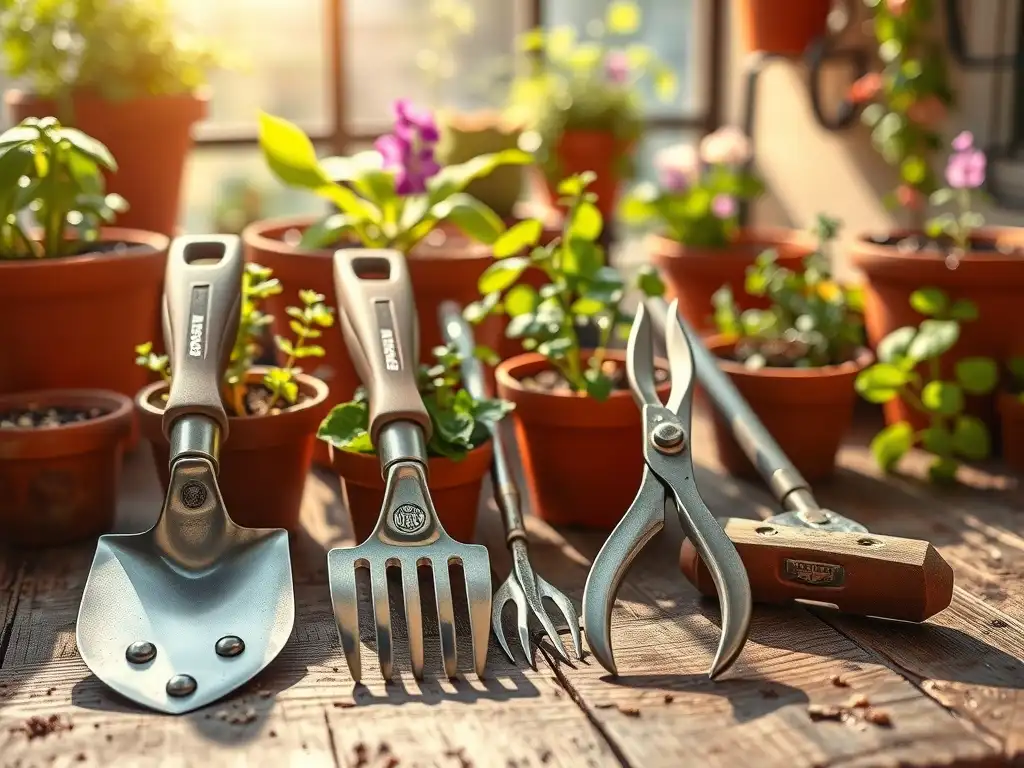
Maintaining your lightweight gardening tools is crucial for extending their lifespan and ensuring they remain effective. Neglecting proper care can lead to premature wear and tear, rendering even the best lightweight gardening tools useless sooner than expected. This section focuses on practical strategies to keep your tools in optimal condition, maximizing their value and minimizing the need for frequent replacements. Investing in quality tools is only half the battle; proper maintenance is the other half.
Cleaning and Storage Tips for Long-Term Use
Regular cleaning is paramount to preventing the buildup of soil, debris, and plant matter that can dull blades and corrode metal parts. After each use, take a few minutes to wipe down your tools with a damp cloth. For stubborn dirt, a gentle scrub with a brush and soapy water is effective. Avoid using harsh chemicals, as these can damage the tool's finish and potentially harm plants later on.
Here's a step-by-step guide:
- Rinse: Rinse your tools thoroughly under running water to remove loose soil and debris.
- Scrub: Use a stiff brush and mild soap to remove any remaining dirt. Pay close attention to crevices and joints.
- Dry: Dry your tools completely with a clean cloth before storing. Leaving them damp encourages rust and corrosion.
- Sharpening: Regularly sharpen your blades (e.g., trowels, hand cultivators) using a sharpening stone or file. This maintains their effectiveness and prevents damage to plant roots. A sharp tool is a safer tool.
- Storage: Store your tools in a dry, well-ventilated area. Avoid leaving them outdoors exposed to the elements. Consider using a tool rack or hanging them on a wall to keep them organized and prevent damage.
Proper storage is as important as cleaning. Consider these options:
- A dedicated tool shed or garage.
- A wall-mounted rack in your gardening area.
- Individual tool sheaths or covers for added protection.
Remember, a little preventative maintenance goes a long way in preserving your best lightweight gardening tools. Regular cleaning and proper storage are simple yet highly effective strategies for maximizing their lifespan and performance. Think of it as an investment in your gardening success!
Protecting Against Rust and Corrosion: Proper Care for Your Tools
Rust is the enemy of any gardening tool, especially lightweight ones which may be made of thinner metal. Preventing rust requires proactive measures and attention to detail. Lightweight tools, while convenient, are often more susceptible to rust than heavier, more robust models. Therefore, extra care is essential.
Here's how to combat rust and corrosion:
- Oil Application: After cleaning and drying your tools, apply a thin layer of lubricating oil (such as linseed oil or mineral oil) to metal surfaces. This creates a protective barrier against moisture and prevents rust. Reapply periodically, especially after periods of heavy use or exposure to moisture.
- Avoid Contact with Water: As mentioned earlier, always ensure your tools are completely dry before storage. Prolonged contact with water is a major contributor to rust formation.
- Inspect Regularly: Regularly inspect your tools for signs of rust. Catch rust early, as small spots are much easier to remove than extensive corrosion. Use fine-grit sandpaper to remove minor rust spots.
- Tool Selection: When purchasing best lightweight gardening tools, consider materials. Tools made from stainless steel are naturally more resistant to rust than those made from ordinary steel.
| Material | Rust Resistance | Maintenance Needs |
|---|---|---|
| Stainless Steel | High | Low |
| Carbon Steel | Low | High |
| Aluminum | Moderate | Moderate |
By implementing these simple yet effective methods, you can significantly extend the lifespan of your lightweight gardening tools and ensure they remain reliable and effective companions in your gardening endeavors. Preventing rust is cheaper and easier than replacing tools! 🌱
Beyond the Basics: Advanced Lightweight Gardening Tools
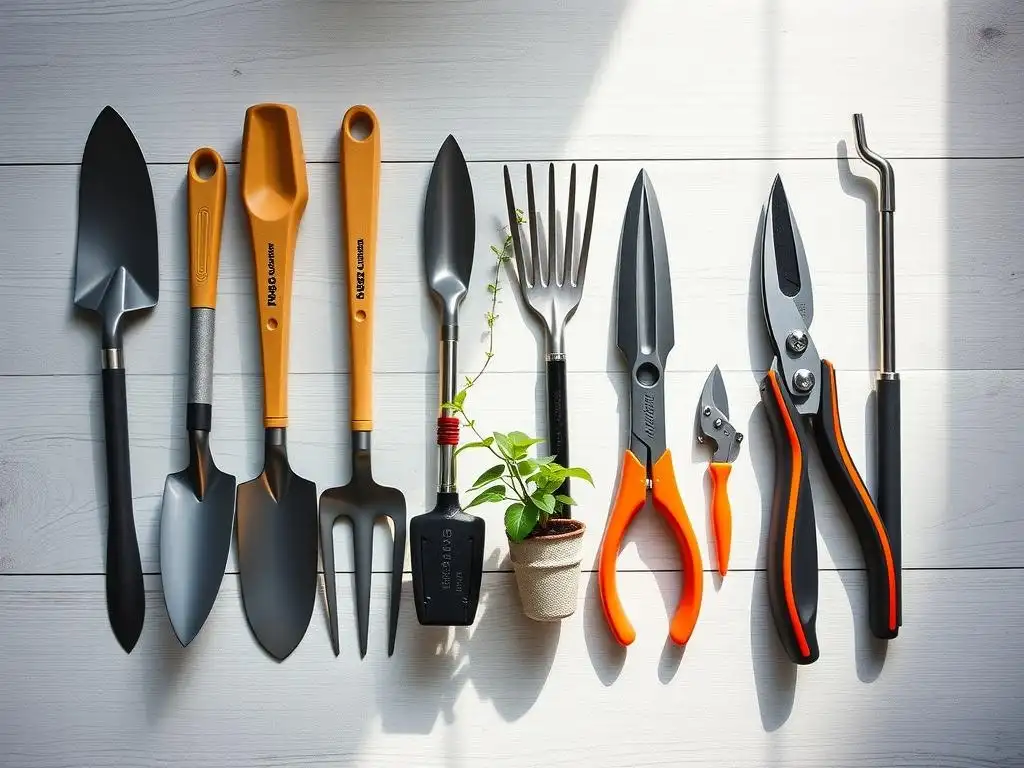
This section explores lightweight gardening tools that go beyond the essentials, perfect for maximizing efficiency and minimizing strain in small garden spaces. These tools are designed for comfort and ease of use, helping you cultivate your food with less effort and more joy. We'll focus on tools that embody the "best lightweight gardening tools" ideal, prioritizing both functionality and ease of handling.
Lightweight Garden Hose with Adjustable Nozzle: Efficient Watering Solutions
Efficient watering is crucial for healthy plant growth, and a lightweight garden hose makes this task significantly easier. Choosing a lightweight hose reduces strain on your back and arms, especially during extended watering sessions. Look for hoses made from flexible, durable materials like reinforced PVC or rubber. Avoid bulky, heavy hoses that can become cumbersome to manage in tight spaces.
The adjustable nozzle is equally important. A nozzle that offers multiple spray patterns – from a gentle mist for seedlings to a powerful jet for established plants – gives you greater control over your watering techniques. This allows for precise watering, minimizing water waste and ensuring that your plants receive the optimal amount of hydration. This feature is especially beneficial for container gardening, where precise water application is key to preventing overwatering or underwatering.
Consider the length of the hose carefully. A longer hose offers greater flexibility, allowing you to reach all areas of your garden without constantly repositioning. However, a longer hose will generally be heavier, so find a balance that suits your space and physical capabilities. A good quality, lightweight hose with an adjustable nozzle is an investment that will pay dividends in the long run, making watering a more efficient and enjoyable task.
Mini Wheelbarrow for Easy Transport of Soil and Plants
Transporting soil, plants, and other gardening materials can be surprisingly laborious. A standard wheelbarrow can be too bulky and heavy for smaller gardens and balconies. The solution? A mini wheelbarrow, specifically designed for limited spaces. These compact wheelbarrows are significantly lighter than their full-sized counterparts, making them easier to maneuver around obstacles and up and down stairs.
The "best lightweight gardening tools" include those that optimize ergonomics and ease of use. Look for a mini wheelbarrow with pneumatic tires for smoother movement over uneven surfaces. A sturdy, yet lightweight frame made from durable materials like powder-coated steel or aluminum will ensure longevity. Consider features like a removable tray or a tilting mechanism for easier dumping.
A mini wheelbarrow is not just about convenience; it’s also about protecting your back and shoulders. Repeatedly lifting and carrying heavy loads can lead to injury. Using a mini wheelbarrow, even for relatively small amounts of soil or plants, significantly reduces the physical strain. This translates to a more enjoyable and sustainable gardening experience, allowing you to focus on the rewarding aspects of plant cultivation.
Lightweight Compost Bin for Small Spaces: Sustainable Practices in Miniature
Composting is a cornerstone of sustainable gardening, reducing waste and enriching your soil. However, traditional compost bins can be too large for small gardens or balconies. Thankfully, numerous lightweight compost bins are available, perfectly sized for compact spaces. These bins often utilize innovative designs that maximize efficiency while minimizing their footprint.
When selecting a lightweight compost bin, consider the material. Many are made from durable, yet lightweight plastics or recycled materials. Some bins feature a tumbling mechanism that simplifies the composting process, while others rely on simple layering techniques. Regardless of the design, ensure the bin is well-ventilated to support the decomposition process. Proper ventilation is crucial to prevent unpleasant odors and ensure the efficient breakdown of organic matter.
A small, lightweight compost bin allows you to maintain sustainable gardening practices even in limited spaces. The reduced weight makes it easy to move and maintain, ensuring a consistent composting process that benefits your plants and reduces your environmental impact. This aligns perfectly with the concept of “best lightweight gardening tools”, prioritizing efficient and sustainable gardening solutions. Remember to select a bin appropriate for the amount of compostable material you generate.
Where to Buy the Best Lightweight Gardening Tools
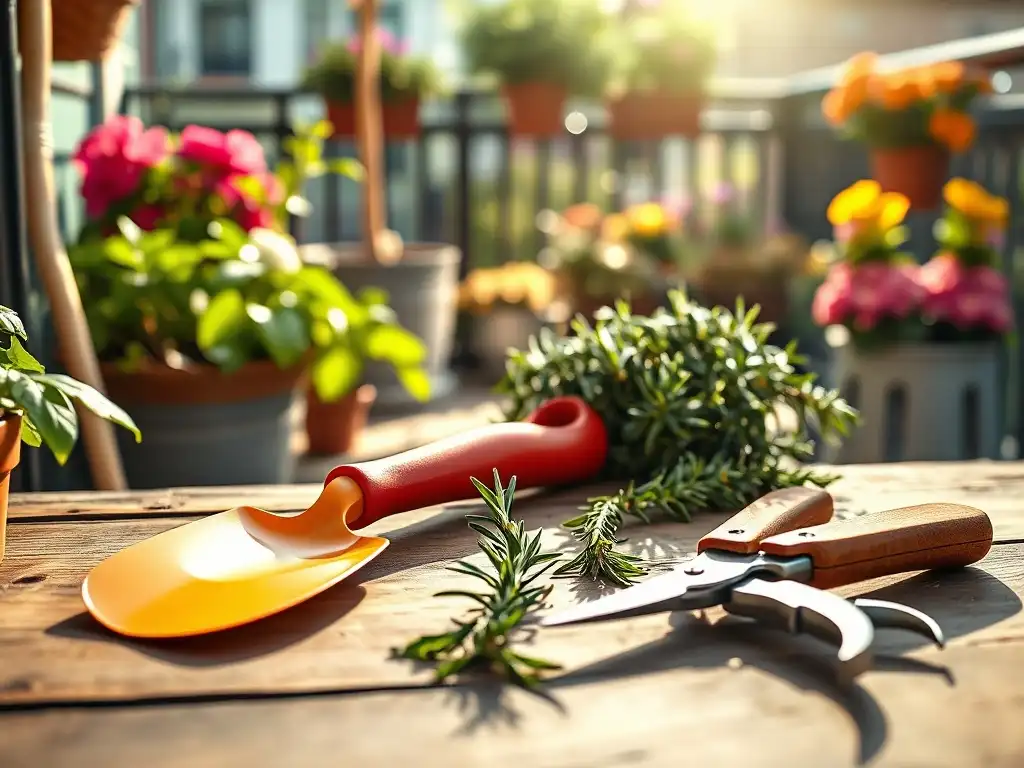
Finding the best lightweight gardening tools for your small space or balcony garden is only half the battle. Knowing where to source these tools, while aligning with your sustainable and organic gardening philosophy, is equally important. The right retailer can make a significant difference in the quality, durability, and ethical sourcing of your equipment. This section explores the best avenues for acquiring these essential tools, focusing on both online and local options.
Online Retailers Offering Sustainable and Organic Gardening Tools
Many online retailers cater specifically to the needs of the eco-conscious gardener. These platforms offer a wide selection of lightweight gardening tools, often made from recycled or sustainably sourced materials. They frequently provide detailed product descriptions, including information about the materials used and the manufacturing process. This transparency allows you to make informed choices aligned with your values.
Look for retailers who highlight certifications like Fair Trade or those that explicitly state their commitment to environmental sustainability. Comparing prices and shipping options across different online retailers is crucial to finding the best deal. Some online stores also offer reviews from other gardeners, providing valuable insights into product performance and durability.
Remember to check return policies before making a purchase, in case the tool doesn't meet your expectations. Consider factors like tool weight, handle length, and overall ergonomics when making your selection. A well-reviewed lightweight trowel, for instance, might be a better investment than a cheaply made, heavier alternative.
The best lightweight gardening tools often come with a premium price tag, reflecting the higher quality materials and sustainable manufacturing processes. However, the longevity and performance of these tools justify the investment in the long run. Don't hesitate to read detailed product descriptions and compare specifications before purchasing. You may find that a slightly more expensive tool offers significant advantages in terms of comfort, durability, and ease of use, making it a worthwhile investment for your small-space gardening endeavors. Furthermore, many online retailers offer loyalty programs or discounts for repeat customers, potentially offsetting the initial cost.
Local Garden Centers: Supporting Local Businesses and Finding Specialized Tools
While online shopping offers convenience, supporting local garden centers provides unique advantages. These centers often stock a curated selection of lightweight gardening tools, specifically chosen to meet the needs of their local clientele. This personalized approach can lead to discovering specialized tools or brands that might be overlooked when shopping online.
Furthermore, buying locally reduces your carbon footprint associated with transportation and packaging. Visiting a local garden center also allows for direct interaction with knowledgeable staff who can offer personalized recommendations based on your specific needs and gardening style. They can advise on the best lightweight tools for your soil type, the plants you're growing, and the size of your garden.
Local garden centers often participate in community events and workshops, providing opportunities to learn more about sustainable gardening practices and connect with fellow gardeners. This fosters a sense of community and allows you to gain valuable insights from experienced gardeners. Moreover, the ability to physically examine the tools before purchasing is invaluable. You can assess the weight, balance, and ergonomics firsthand, ensuring the tool feels comfortable and suitable for your use.
This hands-on experience can significantly reduce the risk of purchasing a tool that is ultimately unsuitable for your needs. Consider visiting several local garden centers to compare prices and selections before making a decision. Supporting local businesses not only provides access to quality tools but also contributes to the vitality of your community.
Frequently Asked Questions about Lightweight Gardening Tools
This section addresses common queries regarding lightweight gardening tools, focusing on their benefits, selection, and maintenance. Choosing the right tools can significantly enhance your gardening experience, especially in smaller spaces. Let's delve into the specifics.
What are the benefits of lightweight gardening tools?
Lightweight gardening tools offer a multitude of advantages, particularly for those with smaller gardens, balconies, or limited physical strength. The reduced weight minimizes strain and fatigue during prolonged gardening sessions. This is especially crucial for tasks requiring repetitive movements like weeding, planting, and harvesting. Consider these key benefits:
- Reduced Strain and Fatigue: The most obvious benefit is the decreased physical exertion. This allows for longer gardening periods without experiencing aches and pains. This is a significant advantage for seniors or individuals with physical limitations.
- Improved Maneuverability: Lightweight tools are easier to handle and control, making them ideal for working in tight spaces like raised beds or containers. Precision is enhanced, leading to less accidental damage to plants.
- Increased Accessibility: For those with arthritis or other conditions affecting hand strength and grip, lightweight tools are often more accessible and easier to use. This promotes greater independence and enjoyment of gardening.
- Portability: Their lighter weight translates to easier transport. This is invaluable if you need to move your tools frequently or if you have multiple gardening areas.
- Reduced Back Strain: Lighter tools mean less weight to carry and lift, directly translating to less strain on your back and overall body. This is crucial for preventing injuries associated with gardening.
Here's a comparison table illustrating the differences between lightweight and heavier tools:
| Feature | Lightweight Tools | Heavier Tools |
|---|---|---|
| Weight | Significantly lighter | Noticeably heavier |
| Fatigue | Minimal | Significant |
| Maneuverability | High | Lower |
| Accessibility | Better for those with limitations | Can be challenging for some users |
| Portability | Excellent | Less portable |
| Back Strain | Reduced | Increased |
How do I choose the right size and type of lightweight gardening tools?
Selecting the appropriate size and type of lightweight gardening tools depends on several factors, including your garden's size, the types of plants you cultivate, and your personal preferences. Consider these aspects:
- Handle Length: Longer handles provide greater reach and leverage, making them beneficial for larger gardens or raised beds. Shorter handles offer better control and precision in confined spaces.
- Tool Head Size: The size of the tool head should be appropriate for the task at hand. Smaller heads are perfect for delicate plants, while larger heads are more efficient for bulkier tasks like digging.
- Material: Look for lightweight yet durable materials such as aluminum, fiberglass, or high-quality plastics. Avoid tools made from materials that are prone to bending or breaking.
- Ergonomics: Choose tools with comfortable grips and well-balanced designs to minimize hand and wrist strain. Features like cushioned grips can significantly improve comfort during prolonged use.
- Specific Needs: Consider the specific tasks you'll perform most frequently. For instance, if you primarily work with delicate seedlings, you'll need tools with smaller heads and gentler actions.
How can I maintain my lightweight gardening tools to extend their lifespan?
Proper maintenance is key to maximizing the lifespan of your lightweight gardening tools. Neglecting maintenance can lead to premature wear and tear, reducing their effectiveness and potentially causing injuries. Here's a simple maintenance routine:
- Cleaning: After each use, clean your tools thoroughly. Remove any soil, debris, or plant matter using a brush, water, and mild soap. Allow them to dry completely before storing. This prevents rust and corrosion.
- Sharpening: Keep your tools sharp. Dull blades require more force, increasing the risk of injury and reducing efficiency. Regularly sharpen your tools using a sharpening stone or file, following the manufacturer's instructions.
- Lubrication: Apply a light lubricant, such as WD-40 or a specialized tool lubricant, to moving parts like hinges and joints. This reduces friction and prevents rust.
- Storage: Store your tools in a dry, clean place, preferably out of direct sunlight and moisture. Consider using a tool rack or organizer to keep them protected and easily accessible. Avoid leaving them outside overnight.
- Inspection: Regularly inspect your tools for any signs of damage, such as cracks, bends, or loose parts. Repair or replace any damaged tools immediately to prevent further problems.
By following these simple maintenance practices, you can ensure your lightweight gardening tools remain effective and long-lasting, providing years of reliable service. Investing in quality tools and maintaining them diligently will contribute to a more enjoyable and productive gardening experience.
Frequently Asked Questions
What makes these gardening tools "lightweight"?
These tools are designed with lightweight materials like aluminum or fiberglass, reducing strain during extended use. This makes them ideal for smaller gardens and balconies. They're significantly lighter than traditional steel tools.
Are lightweight tools as durable as heavier ones?
While lighter, many are made from high-quality, durable materials. Look for tools with reinforced components and strong construction to ensure longevity. Proper care will extend their lifespan.
What types of lightweight gardening tools are available?
CultivateYourFood offers a range, including lightweight trowels, hand rakes, cultivators, and pruning shears. These cover most tasks in a small garden or balcony space, ensuring efficient and comfortable gardening.
Are these tools suitable for all gardening tasks?
Lightweight tools are perfect for smaller-scale gardening, such as planting seedlings, weeding, and light soil preparation. For heavy-duty tasks like digging large holes, heavier tools are recommended.
Where can I buy these lightweight gardening tools?
You can find a selection of high-quality, lightweight gardening tools right here on CultivateYourFood! We offer a variety of options to suit your needs and ensure a pleasant and productive gardening experience.
Final Reflection: Cultivating Joy in Small Spaces
The accessibility of lightweight gardening tools is revolutionizing how we interact with nature, proving that a green thumb doesn't require a sprawling backyard. These tools democratize gardening, making it a viable and enjoyable pursuit for apartment dwellers, balcony gardeners, and anyone with limited space. The joy of nurturing life, no matter the scale, is a powerful and increasingly relevant experience in our increasingly urbanized world.
The impact of easily manageable gardening tools extends beyond the simple act of planting and harvesting. It fosters a deeper connection with the natural world, promoting mindfulness and a sense of accomplishment. The glory of gardening: hands in the dirt, head in the sun, heart with nature. To nurture a garden is to feed not just the body, but the soul.
This quote perfectly encapsulates the transformative power of gardening, amplified by the ease and accessibility of lightweight tools. They remove the physical barriers, allowing more people to experience this profound connection.
Consider the seeds you've planted, both literally and metaphorically. What small space in your life can you cultivate with care and attention? Perhaps it's a small herb garden on your windowsill, a few potted plants on your balcony, or even a renewed focus on nurturing a specific relationship. Embrace the simplicity and joy of lightweight tools, and let them inspire you to cultivate growth and beauty wherever you find yourself.
Unleash Your Inner Gardener: Grow Your Green Oasis!
Thank you for exploring the world of lightweight gardening tools! We hope you've discovered how easy it is to cultivate a thriving garden, even in a small space. Now it's time to put your new knowledge into practice!
- Start gardening today! Choose your favorite lightweight tool and begin planting – even a single herb or flower will make a difference.
- Share your gardening successes (and challenges!) with our community on social media using #CultivateYourFood. Let's inspire each other!
- Explore our website for more tips, tricks, and inspiration to transform your space into a flourishing garden.
Ready to get your hands dirty and watch your garden grow? What will you plant first?