
From Seed to Supper: How Homegrown Herbs Elevate Your Cooking

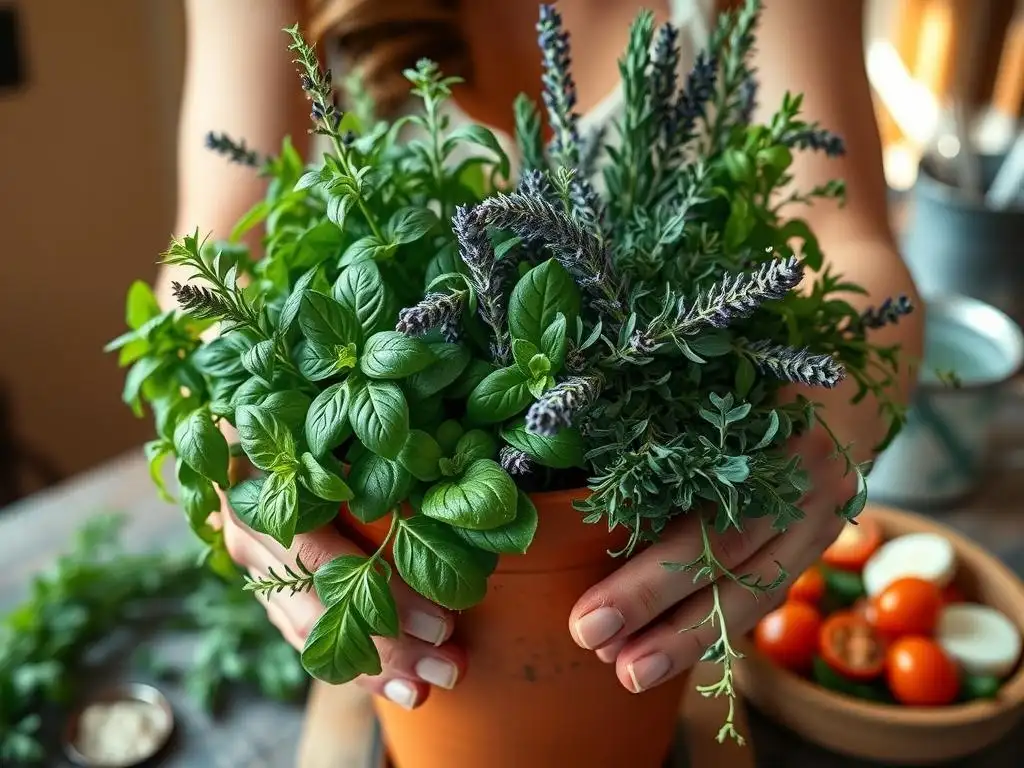
Welcome to CultivateYourFood, your guide to a greener, more flavorful life! Are you ready to transform your kitchen and elevate your cooking with the freshest, most aromatic herbs imaginable? Discover the secrets to effortlessly growing herbs at home and unlock a world of culinary possibilities. Learn how simple it is to go from seed to supper, and experience the unparalleled satisfaction of using homegrown ingredients in your favorite recipes. Dive into our article, " Grow herbs home cooking," and begin your journey towards a sustainable and delicious harvest today!
- Selecting the Right Herbs for Your Kitchen Garden and Cooking Style
- Creating the Ideal Growing Environment for Your Herbs
- Growing Herbs in Containers: A Guide for Small Spaces
- Harvesting and Preserving Your Homegrown Herbs
- Incorporating Homegrown Herbs into Your Cooking
- The Benefits of Growing Your Own Herbs
- Troubleshooting Common Herb Growing Challenges
- Expanding Your Herb Garden: Year-Round Herb Growing Techniques
- Frequently Asked Questions
- Final Reflection: The Enduring Power of Homegrown Flavor
- Unleash Your Inner Herb Gardener!
Selecting the Right Herbs for Your Kitchen Garden and Cooking Style
Growing your own herbs for cooking is a rewarding experience that elevates the flavor and freshness of your dishes. This guide will walk you through the process of selecting, planting, and harvesting herbs, transforming your culinary creations and enriching your connection with nature. From the initial seed to the final supper, homegrown herbs offer an unparalleled sensory journey, adding depth and complexity to even the simplest recipes.
We'll explore how to choose the right herbs for your kitchen and cooking style, how to start them from seed, and where to source healthy seedlings, all while emphasizing sustainable and organic practices. This journey will empower you to cultivate a thriving herb garden that becomes an indispensable part of your cooking routine, enhancing both the taste and the nutritional value of your meals.
The satisfying process of nurturing these plants, from tender seedlings to robust, fragrant herbs, is deeply fulfilling and contributes to a healthier, more sustainable lifestyle. Let's delve into the world of homegrown herbs and discover how they can transform your cooking!
Choosing Herbs Based on Culinary Preferences: Italian Herbs, Mexican Herbs, etc.
The key to a successful herb garden lies in selecting varieties that align with your cooking style and preferences. Think about the types of cuisines you enjoy most. Do you frequently prepare Italian dishes? Then basil, oregano, rosemary, and thyme are essential additions to your garden. These classic Italian herbs are readily available as seeds or seedlings and thrive in sunny locations.
For those who love the vibrant flavors of Mexican cuisine, cilantro, epazote, and Mexican oregano are excellent choices. Cilantro, known for its bright, citrusy notes, is a cool-season annual that prefers partial shade. Epazote, a unique herb with a pungent aroma, pairs beautifully with beans and other traditional Mexican dishes. Mexican oregano, with its earthy and slightly peppery flavor, adds depth to many Mexican recipes.
Beyond these regional preferences, consider your individual tastes. Do you enjoy the subtle anise flavor of fennel? The refreshing mint in your mojitos? The peppery bite of chives sprinkled on potatoes?
Planning your herb garden around your favorite flavors guarantees a consistently delicious and personalized culinary experience. Remember to consider the space you have available and the amount of sunlight each herb requires to flourish. A little research into the specific needs of each herb can go a long way in ensuring a successful harvest. A well-planned herb garden, tailored to your culinary preferences, is a testament to your culinary passion and commitment to sustainable living.
Starting Herbs from Seed: A Step-by-Step Guide for Beginners
Starting herbs from seed can be a deeply rewarding experience, allowing you to nurture your plants from their earliest stages. While it may seem daunting at first, the process is relatively straightforward, especially with the right guidance. Here's a step-by-step guide to help you get started:
- Choose High-Quality Seeds: Select seeds from reputable suppliers known for their high germination rates. Look for organic seeds whenever possible.
- Prepare Seed Starting Mix: Use a well-draining seed-starting mix, avoiding garden soil which can be too dense for delicate seedlings.
- Sow the Seeds: Gently sow seeds according to the instructions on the seed packet. Many herbs benefit from a light covering of soil.
- Provide Adequate Moisture: Keep the soil consistently moist, but not waterlogged. A humidity dome or plastic wrap can help retain moisture.
- Ensure Proper Light: Provide plenty of light, either with a sunny windowsill or grow lights.
- Thin Seedlings: Once seedlings emerge and have a few sets of true leaves, thin them to give each plant enough space to grow.
- Transplant to Larger Pots: As seedlings mature, transplant them into larger pots to encourage robust growth.
- Harden Off Before Planting Outdoors: Before transplanting outdoors, gradually acclimate seedlings to outdoor conditions to prevent shock.
This process, while requiring some attention to detail, is incredibly fulfilling and offers a deeper connection to the food you grow and consume. Starting herbs from seed is a sustainable practice that reduces your reliance on commercially produced plants.
Sourcing Healthy Herb Seedlings: Local Nurseries and Online Retailers
If starting from seed isn't for you, purchasing healthy herb seedlings is a convenient alternative. Local nurseries are a fantastic resource, offering a wide selection of locally adapted varieties. The staff at your local nursery can provide valuable advice on selecting the right herbs for your climate and soil conditions. They can also offer tips on planting and care, ensuring your seedlings thrive in your garden.
Online retailers offer a broader selection, including heirloom and specialty herbs that may not be available locally. However, it's crucial to choose reputable online retailers with a strong track record of delivering healthy, viable seedlings. Be sure to check reviews and consider shipping times to ensure your seedlings arrive in good condition.
Regardless of your choice, always inspect seedlings carefully before purchasing, ensuring they are free from pests and diseases. Investing in healthy seedlings sets the stage for a bountiful herb harvest and a successful gardening experience. Remember to prioritize quality over quantity when choosing your herb seedlings for the best results.
Creating the Ideal Growing Environment for Your Herbs
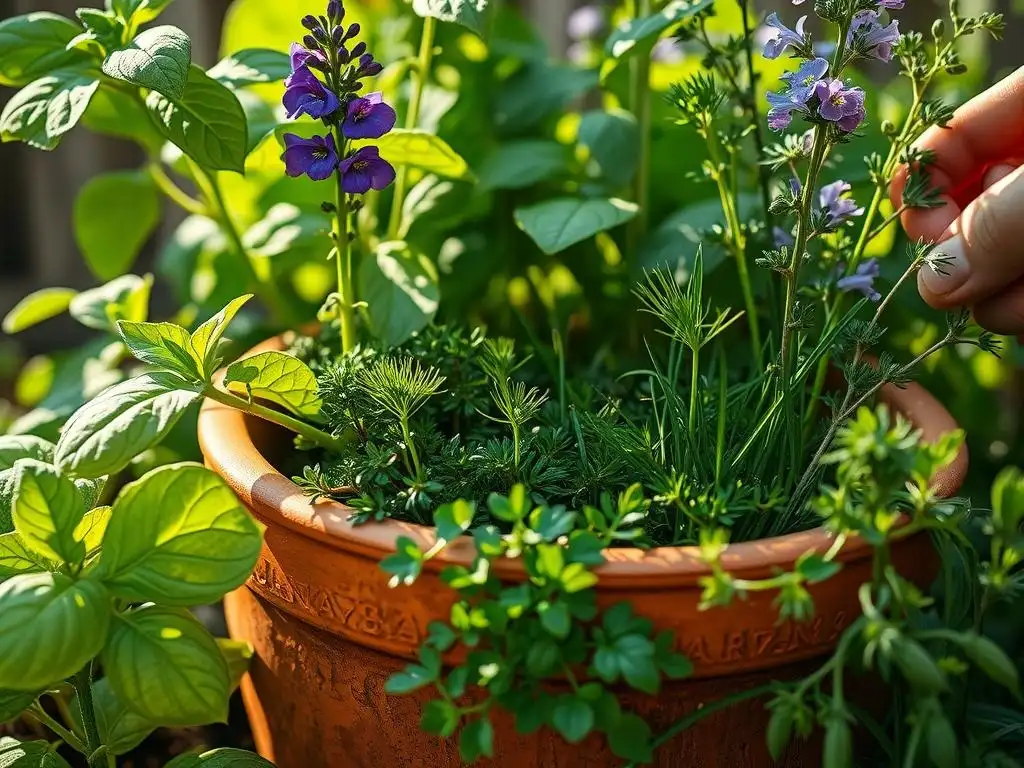
Growing herbs at home for cooking offers a rewarding experience, enhancing the flavor of your dishes while connecting you to the source of your ingredients. Successfully growing herbs, however, requires understanding their specific needs. This section focuses on creating the ideal environment for thriving herb plants, maximizing their growth and yield for your culinary adventures. Mastering these techniques will significantly improve your "grow herbs home cooking" experience. Let's dive into the key elements.
Sunlight Requirements for Optimal Herb Growth
Sunlight is crucial for photosynthesis, the process by which herbs produce energy and develop their characteristic flavors and aromas. The amount of sunlight your herbs require varies depending on the species. Generally, most culinary herbs thrive in at least six hours of direct sunlight per day. However, some, like mint and parsley, tolerate partial shade, especially during the hottest parts of the day. Insufficient sunlight can lead to leggy growth, pale leaves, and a reduction in essential oils responsible for the herb's distinctive flavor. Conversely, too much sun can scorch the leaves, especially for delicate herbs.
To optimize sunlight exposure, consider the location of your herb garden. A south-facing location (in the Northern Hemisphere) generally receives the most sunlight. Observe your garden throughout the day to determine the sunniest spots. For herbs needing partial shade, you can strategically place them under taller plants or use shade cloth during the peak sun hours. Regular monitoring of your herbs' growth and appearance will help you fine-tune their sun exposure. Experimentation and observation are key to understanding the ideal sunlight requirements for each herb variety in your specific climate.
Soil Preparation and Essential Nutrients for Healthy Herbs
The foundation for healthy herb growth lies in well-prepared soil. Herbs, like all plants, need nutrient-rich soil with good drainage to thrive. Poor soil drainage can lead to root rot, a common problem that can quickly kill your plants. Before planting, amend your soil with compost or other organic matter to improve its structure, drainage, and nutrient content. This enriches the soil with essential micronutrients that support robust growth and vibrant flavor development.
Consider conducting a soil test to determine its pH level and nutrient composition. Most herbs prefer slightly alkaline to neutral soil (pH 6.0-7.5). Adjusting the pH accordingly is crucial for optimal nutrient uptake. You can amend acidic soil with lime and alkaline soil with sulfur. Regular fertilization, using a balanced organic fertilizer, is vital for sustaining healthy growth throughout the growing season. Avoid over-fertilizing, as this can burn the roots and negatively impact flavor. A slow-release organic fertilizer is a great option for consistent nutrient delivery.
Watering Techniques for Lush and Flavorful Herbs
Consistent and appropriate watering is essential for lush and flavorful herb growth. Overwatering can lead to root rot, while underwatering results in wilting and stunted growth. The key is to maintain consistently moist, but not soggy, soil. The frequency of watering depends on factors such as climate, soil type, and plant size. During hot and dry periods, you may need to water daily, while in cooler and wetter conditions, watering every other day or even less frequently might suffice.
Observe your herbs regularly for signs of thirst. Wilting leaves are a clear indication that the plants need water. Water deeply and thoroughly, ensuring the water reaches the roots. Avoid overhead watering, which can lead to fungal diseases. Instead, use a watering can or soaker hose to water at the base of the plants. Mulching around the base of the herbs helps retain soil moisture, reducing the frequency of watering. Proper watering techniques, combined with careful observation, will contribute significantly to the overall health and quality of your homegrown herbs, ensuring delicious additions to your home cooking.
Protecting Your Herbs from Pests and Diseases: Organic Pest Control
Growing herbs at home offers the delightful reward of fresh, flavorful additions to your cooking, but it also comes with the responsibility of protecting your plants from pests and diseases. A crucial aspect of successful herb gardening, especially when aiming for organic practices, is implementing effective pest and disease control strategies. This involves a proactive approach that minimizes the need for harsh chemicals, preserving the health of your plants and the integrity of your homegrown produce.
One of the first lines of defense is preventative care. This means selecting disease-resistant herb varieties whenever possible. Researching the specific needs of your chosen herbs, such as basil, rosemary, or thyme, will help you identify varieties less susceptible to common problems in your region. Proper spacing between plants also improves air circulation, reducing the humidity that encourages fungal growth. Regularly inspecting your plants for any signs of infestation or disease is crucial for early detection and intervention. Early identification allows for less intensive control measures.
Organic pest control relies heavily on natural methods to deter and eliminate pests. Simple techniques like handpicking pests (such as aphids or caterpillars) can be highly effective for small infestations. Introducing beneficial insects, such as ladybugs which prey on aphids, can create a natural balance in your garden ecosystem. You can also create barriers by using row covers to protect plants from flying insects. These lightweight fabrics allow sunlight and water to reach your herbs while keeping many pests at bay.
Another effective organic method is companion planting. Certain herbs repel pests naturally. For example, planting strong-smelling herbs like rosemary or mint near susceptible plants can deter many common herb pests. Similarly, marigolds planted amongst your herbs can act as a natural pest deterrent.
For more severe infestations or disease outbreaks, consider using natural sprays. A simple solution of water and insecticidal soap is often effective against many soft-bodied insects. Neem oil is another natural pesticide that can be used to control a range of pests. Remember to always follow the instructions carefully when using any organic pesticide. Consider rotating your organic pest control methods to prevent pests from developing resistance.
Finally, maintaining healthy soil is paramount. Healthy soil supports strong, resilient plants better able to withstand pest and disease pressure. Regular composting and the addition of organic matter like well-rotted manure improve soil health and provide essential nutrients for robust growth. By combining these preventative measures and organic control methods, you can successfully cultivate healthy, thriving herbs, free from harmful chemicals, ensuring a consistently delicious supply for your home cooking. Remember, patience and observation are key to successfully managing pests and diseases organically.
Growing Herbs in Containers: A Guide for Small Spaces
Even without a sprawling backyard, you can successfully grow herbs home cooking. Container gardening opens up a world of culinary possibilities, allowing you to cultivate fresh herbs even in the smallest of spaces. Apartment balconies, windowsills, and even patios can become thriving herb gardens with a little planning and the right techniques. This section focuses on maximizing your herb yield in containers, ensuring you have a constant supply of fresh herbs for your dishes. The key to success lies in selecting the appropriate containers, creating the ideal growing medium, and mastering the art of watering.
Choosing the Right Pots and Containers for Herb Gardening
Selecting the right pots is crucial for successful container herb gardening. The size and material of your containers directly impact drainage, root development, and overall plant health. Avoid using containers that are too small, as restricted root systems can stunt growth. Aim for pots that are at least 6-8 inches in diameter for most herbs. Larger pots are better for faster-growing herbs like basil or mint.
Consider the following factors when choosing your containers:
- Material: Terracotta pots offer excellent drainage but can dry out quickly. Plastic pots retain moisture better, which can be advantageous in hot climates, but ensure they have drainage holes to prevent root rot. Recycled materials, such as repurposed food containers (thoroughly cleaned! ), are a sustainable option.
- Drainage: Adequate drainage is paramount. Ensure all containers have drainage holes at the bottom to prevent waterlogging, a common cause of herb death. Consider adding a layer of gravel or broken pottery shards at the bottom of the pot to further enhance drainage.
- Size and Shape: Choose pots that are proportionate to the size of the herb plants. Overly large pots may retain too much water, while overly small pots can restrict root growth. The shape of the pot isn't as critical as the size and drainage, but taller pots are generally better for herbs with deeper root systems.
For example, a small terracotta pot might be ideal for a single thyme plant, whereas a larger plastic container would be more suitable for a bushy rosemary plant.
Creating a Well-Draining Potting Mix for Container Herbs
The potting mix you choose is just as important as the container itself. Herbs, like most plants, thrive in well-draining soil that is rich in organic matter. Avoid using garden soil directly in your containers as it can become compacted and impede drainage. Instead, opt for a commercial potting mix specifically designed for containers. You can even enhance a standard potting mix by adding organic amendments to improve drainage and aeration.
Here’s a recipe for a custom well-draining potting mix:
- 2 parts peat moss (or coco coir for a more sustainable option)
- 1 part perlite (or vermiculite)
- 1 part compost
This mix provides excellent drainage while retaining enough moisture to keep your herbs hydrated. The addition of compost provides essential nutrients for healthy growth. Remember to thoroughly mix the ingredients before using them to ensure even distribution. A well-balanced potting mix is a cornerstone of successful container herb gardening; it directly impacts the health and yield of your herbs.
Maintaining Optimal Moisture Levels in Container Gardens
Overwatering and underwatering are common pitfalls for container gardening. The key is to maintain consistently moist but not soggy soil. Check the moisture level of the soil regularly, especially during hot and dry periods. Stick your finger about an inch into the soil; if it feels dry, it's time to water. Water thoroughly until water drains from the drainage holes. Avoid letting the soil completely dry out, as this can stress the plants and affect their growth and flavor.
Several factors influence watering frequency:
| Factor | Impact on Watering Frequency |
|---|---|
| Pot Size | Smaller pots dry out faster |
| Pot Material | Terracotta dries faster than plastic |
| Climate | Hot, dry climates require more frequent watering |
| Plant Type | Some herbs (e.g., mint) need more water than others |
| Season | Watering needs increase during the growing season |
Regular monitoring and adjusting your watering schedule based on these factors will help you maintain optimal moisture levels for healthy herb growth, leading to a bountiful harvest for your home cooking endeavors. Remember, consistent care is key to successful grow herbs home cooking. 🌱
Harvesting and Preserving Your Homegrown Herbs
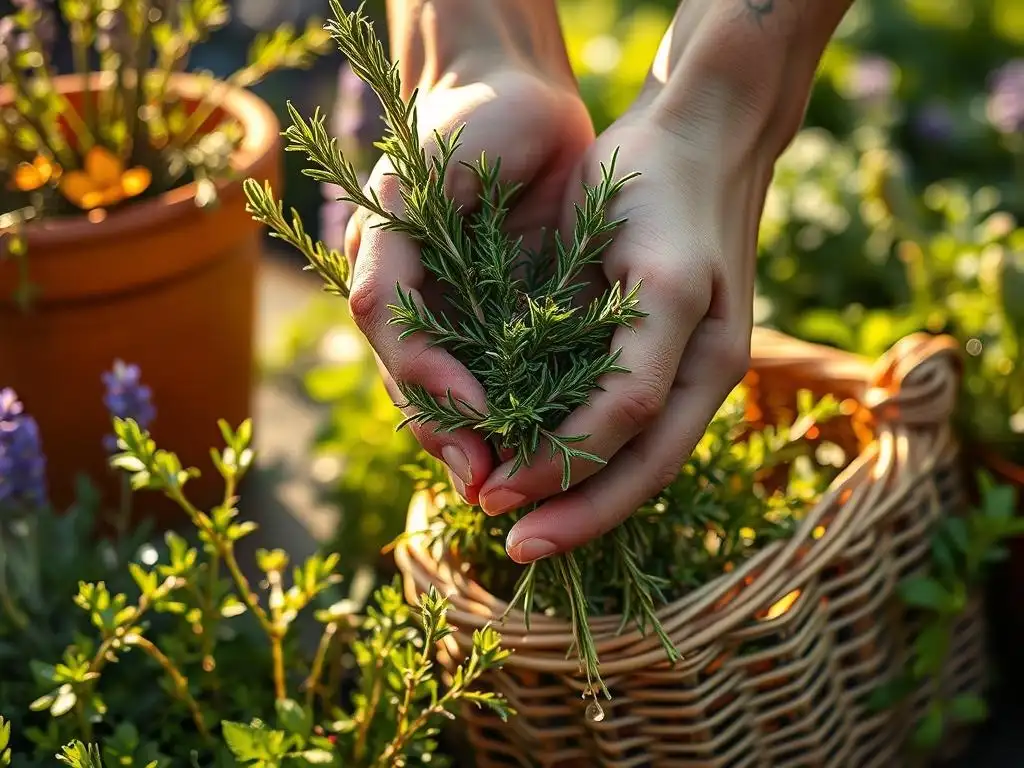
This section focuses on maximizing the yield and longevity of your homegrown herbs, ensuring you can enjoy their vibrant flavors throughout the year. Successfully harvesting and preserving your herbs is key to reaping the rewards of your gardening efforts and incorporating fresh, flavorful herbs into your home cooking year-round. Proper techniques ensure both optimal flavor and encourage robust regrowth, maximizing your herb garden's productivity.
Knowing When to Harvest for Peak Flavor and Aroma
The timing of your herb harvest significantly impacts the intensity of their flavor and aroma. Harvesting at the right moment is crucial for "Grow herbs home cooking," optimizing the culinary experience. Generally, the best time to harvest most herbs is just before they flower. This is when their essential oils, responsible for their characteristic tastes and scents, are at their peak concentration. However, there are exceptions:
- Basil: Harvest basil leaves regularly, pinching off the top sets of leaves to encourage bushier growth. Harvesting before flowering prevents the plant from becoming bitter.
- Cilantro: Harvest cilantro leaves when they are young and tender, before the plant bolts (sends up a flower stalk). Bolting results in a bitter, less flavorful plant.
- Rosemary: Harvest rosemary sprigs throughout the growing season, as needed. You can trim back woody stems to encourage new growth.
- Mint: Harvest mint leaves frequently, as they grow rapidly. Regular harvesting helps prevent the plant from becoming leggy and encourages bushier growth. This is especially vital if you are growing mint for culinary use.
Remember to always use sharp, clean scissors or shears to prevent damaging the plant. Avoid harvesting when the plants are wet, as this can encourage disease.
Proper Harvesting Techniques to Encourage Regrowth
Proper harvesting techniques are crucial not only for obtaining the best flavor but also for promoting vigorous regrowth. This ensures a continuous supply of fresh herbs for your home cooking throughout the growing season. Consider these tips:
- Pinch and Snip: For tender herbs like basil and mint, pinching off the top sets of leaves encourages bushier growth. For herbs like rosemary and thyme, use sharp pruning shears to snip stems, removing no more than one-third of the plant at a time.
- Harvest at the Right Time: As discussed earlier, harvesting before flowering generally results in the most flavorful herbs. This also helps to prolong the plant's productive life.
- Avoid Over-Harvesting: Don't strip the plant bare. Leaving sufficient foliage allows the plant to photosynthesize and continue producing new leaves.
- Rotate Harvesting Points: Harvest from different parts of the plant each time to encourage even growth.
Following these techniques will ensure a bountiful harvest and extend the life of your herb plants, providing you with a steady supply of fresh herbs for your culinary creations.
Preserving Fresh Herbs: Drying, Freezing, and Infusing in Oil
Preserving your homegrown herbs allows you to enjoy their delicious flavors throughout the year, even after the growing season ends. Several methods effectively preserve herbs for "Grow herbs home cooking" purposes. Here's a breakdown of popular techniques:
- Drying: Air drying is a simple and effective method. Bundle small bunches of herbs and hang them upside down in a cool, dark, and well-ventilated area. Alternatively, you can lay herbs on a screen or paper towels in a single layer, ensuring good air circulation. Once completely dry (usually 1-2 weeks), store them in airtight containers in a cool, dark place.
- Freezing: Freezing preserves the color and flavor of herbs remarkably well. Finely chop the herbs and place them in ice cube trays filled with water or olive oil. Once frozen, transfer the cubes to freezer bags for long-term storage. Alternatively, you can blanch the herbs briefly in boiling water before freezing to preserve their vibrancy.
- Infusing in Oil: Infusing herbs in oil is a fantastic method for preserving their flavor and creating flavorful cooking oils. Pack a clean, dry jar with herbs, fill it with olive oil, seal tightly, and store it in a cool, dark place for several weeks. Strain the oil before use.
Choosing the best preservation method depends on your preferences and the type of herb. Experiment with different techniques to find what works best for your culinary needs and your garden's bounty. Proper preservation ensures you can enjoy the fruits (or rather, herbs!) of your labor all year round, enriching your home cooking with fresh, vibrant flavors.
Incorporating Homegrown Herbs into Your Cooking
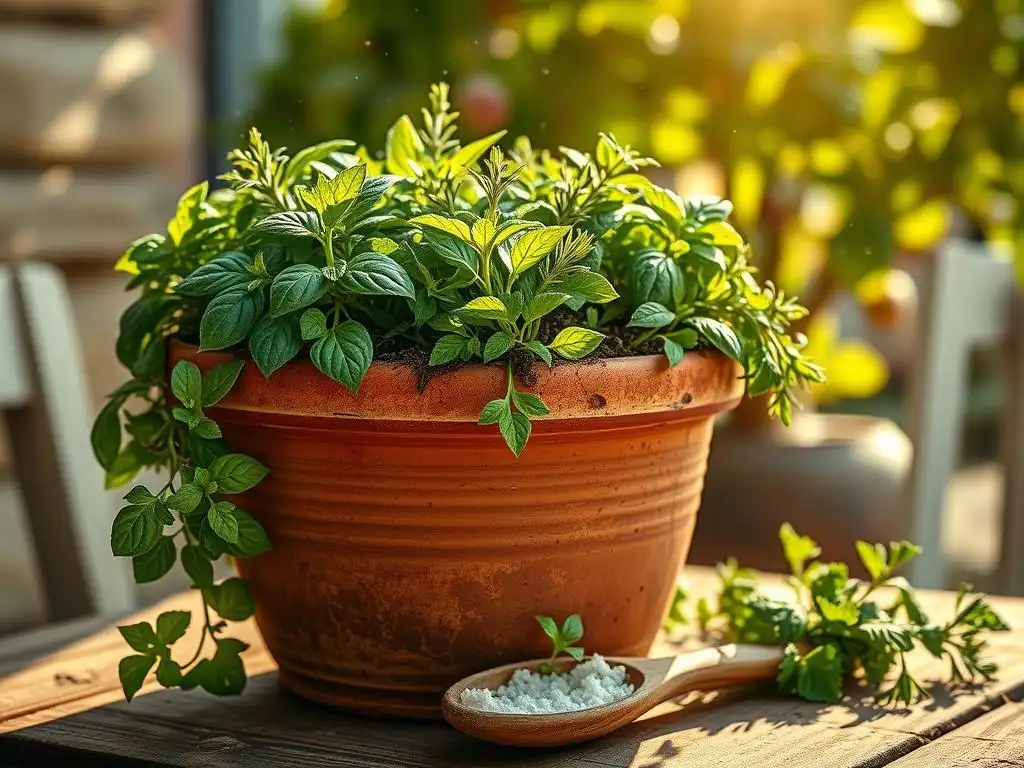
This section explores the practical applications of your homegrown herb garden, transforming your culinary creations from ordinary to extraordinary. Growing herbs at home offers a unique opportunity to enhance the flavor and nutritional value of your meals, while also reducing your environmental impact by minimizing food miles and packaging waste. Let's delve into how to seamlessly integrate these fragrant additions into your daily cooking.
Elevating Everyday Dishes with Fresh Herbs: Simple Recipe Ideas
Fresh herbs possess a vibrancy and complexity that dried herbs simply can't match. Their delicate flavors can easily elevate even the simplest dishes. Consider these examples:
- Pasta with Pesto: Instead of store-bought pesto, create your own using fresh basil, pine nuts, parmesan cheese, garlic, and olive oil. The difference in flavor is remarkable. The fresh basil provides a brighter, more intense flavor compared to the dried variety often found in pre-made pesto. You can experiment with adding other fresh herbs like parsley or mint for a unique twist.
- Roasted Chicken with Rosemary and Thyme: A whole roasted chicken becomes a culinary masterpiece with the addition of fresh rosemary and thyme sprigs tucked under the skin. The aromatic herbs infuse the chicken with a rich, savory flavor, creating a succulent and flavorful meal. The earthy notes of rosemary complement the chicken beautifully.
- Scrambled Eggs with Chives: A simple breakfast staple is transformed with a sprinkle of freshly chopped chives. Their mild oniony flavor adds a touch of elegance and freshness. Experiment with adding other herbs like dill or parsley for different flavor profiles.
- Grilled Salmon with Dill: The delicate, slightly sweet flavor of fresh dill perfectly complements the richness of grilled salmon. A simple sprinkle over the cooked salmon before serving elevates the dish significantly. The fresh dill brightens the dish's overall flavor.
The key to successfully using fresh herbs is to add them at the end of cooking to preserve their delicate flavors and aromas. Overcooking can diminish their vibrant taste.
Using Herbs to Enhance Flavor Profiles: Pairing Herbs with Different Foods
Understanding the flavor profiles of different herbs is crucial for creating harmonious and delicious dishes. Here are some classic pairings to inspire your culinary adventures:
| Herb | Flavor Profile | Best Pairings |
|---|---|---|
| Basil | Sweet, slightly peppery, anise-like | Tomatoes, pesto, mozzarella, grilled vegetables |
| Cilantro/Coriander | Citrusy, slightly soapy | Mexican dishes, curries, salads, fish |
| Parsley | Fresh, slightly peppery | Salads, soups, stews, garnishes |
| Rosemary | Earthy, piney, slightly bitter | Roasted meats, potatoes, bread |
| Thyme | Earthy, slightly lemony | Roasted vegetables, poultry, soups, stews |
| Oregano | Pungent, slightly bitter | Italian dishes, pizzas, tomatoes, lamb |
| Mint | Cool, refreshing | Lamb, salads, desserts, cocktails, mojitos |
| Chives | Mild oniony | Eggs, potatoes, salads, soups, dips |
| Dill | Slightly sweet, anise-like | Fish, salads, potatoes, yogurt dips |
Experimenting with these pairings will help you discover your own favorite combinations. Remember, the beauty of using homegrown herbs is the ability to personalize your cooking experience.
Creating Homemade Herb Blends and Infusions for Unique Flavors
Take your herb usage to the next level by creating your own custom blends and infusions. This allows for unique flavor profiles tailored to your preferences.
- Herbes de Provence: A classic blend of dried herbs, easily replicated with your fresh homegrown herbs. A typical blend might include rosemary, thyme, oregano, marjoram, and lavender. Experiment with the ratios to find your perfect balance. This blend is fantastic with roasted vegetables, poultry, or fish.
- Italian Herb Blend: A simple blend focusing on Italian staples, such as basil, oregano, and parsley. The ratios are adjustable to suit individual tastes. This blend works well with pasta dishes, pizzas, and tomato-based sauces.
- Herb Infused Oils: Infuse olive oil with herbs like rosemary, thyme, or chili peppers for a flavorful addition to salads, roasted vegetables, or dips. Simply add the herbs to the oil and let them steep for a few weeks.
- Herb Vinegars: Similarly, create herb-infused vinegars by steeping herbs in vinegar. This adds a unique tang and depth of flavor to salads and marinades.
By experimenting with different combinations and techniques, you can create a wide range of unique and delicious flavors, significantly enhancing your culinary creations with your homegrown herbs. This will elevate your "grow herbs home cooking" experience to a whole new level.
Grow herbs home cooking: Recipes and Culinary Applications
Growing your own herbs opens up a world of culinary possibilities, transforming everyday meals into flavor-packed experiences. The fresh, vibrant taste of homegrown herbs is unparalleled, adding depth and complexity that dried herbs simply can't match. This translates to a more nuanced and exciting dining experience, allowing you to experiment with different flavor profiles and create dishes unique to your garden's bounty.
Consider the versatility of basil, for example. Beyond the classic pesto, fresh basil can elevate a simple tomato salad, add a bright note to pasta sauces, or become a key ingredient in vibrant summer gazpacho. Similarly, rosemary's piney aroma complements roasted meats beautifully, while thyme's subtle earthiness enhances stews and casseroles. The possibilities are truly endless.
Let's explore some specific examples: A simple grilled chicken breast can be transformed with a rub of fresh rosemary, thyme, and garlic. A vibrant salsa verde benefits immensely from the addition of homegrown cilantro and parsley, offering a fresher, more intense flavor than store-bought versions. Even a basic omelet can be elevated with a sprinkle of chives or a few leaves of finely chopped mint.
Beyond individual herbs, consider the power of herb combinations. A mixture of oregano, basil, and marjoram can create a fragrant and flavorful base for pizza toppings, while a blend of parsley, dill, and chives can add a burst of freshness to a potato salad. Experimenting with different combinations will allow you to discover your own signature herb blends, perfect for your favorite dishes.
Furthermore, the impact on your cooking extends beyond taste. Using homegrown herbs allows you to control the quality and freshness of your ingredients, avoiding the potential for pesticides or preservatives often found in commercially grown herbs. This translates to healthier, more flavorful meals for you and your family.
The satisfaction of using herbs you nurtured from seed to plate is an added bonus, enriching the entire culinary experience. The process of growing your own herbs enhances your connection to your food, fostering a deeper appreciation for the ingredients and the meals you create. This heightened awareness often leads to more mindful eating habits and a greater appreciation for the culinary arts.
The Benefits of Growing Your Own Herbs
Growing your own herbs for home cooking offers a multitude of advantages, extending far beyond simply having fresh ingredients readily available. This section delves into the key benefits, focusing on the tangible improvements you can expect in your culinary experiences and overall lifestyle. From enhanced flavor to environmental consciousness and cost savings, cultivating your own herbs is a rewarding endeavor with significant returns.
Freshness and Superior Flavor Compared to Store-Bought Herbs
The most immediate benefit of growing your own herbs is the unparalleled freshness. Store-bought herbs, even those labeled "fresh," often undergo significant processing and transportation, leading to a decline in flavor and nutritional value. The journey from farm to supermarket shelf can take days, even weeks, resulting in herbs that are less vibrant and aromatic.
In contrast, homegrown herbs are picked just moments before use, ensuring maximum freshness and a burst of flavor that significantly elevates your dishes. This difference is particularly noticeable in delicate herbs like basil, cilantro, and parsley, where the loss of essential oils during storage is most pronounced.
Consider this: a simple pesto made with homegrown basil will have a far more intense and nuanced flavor than one made with supermarket basil. The difference isn't subtle; it's a transformation from acceptable to exceptional. The vibrant green color and potent aroma alone are indicators of the superior quality. Furthermore, homegrown herbs retain more of their beneficial vitamins and antioxidants, contributing to a healthier culinary experience. This translates to richer, more complex flavors in your soups, salads, sauces, and other dishes. You'll notice the difference immediately; the intensity of flavor is simply unmatched.
Reduced Food Miles and a Smaller Environmental Footprint
Growing herbs at home contributes significantly to reducing your carbon footprint. Store-bought herbs often travel thousands of miles, incurring substantial greenhouse gas emissions through transportation. By cultivating your own herbs, you eliminate these food miles entirely, minimizing your environmental impact. This aligns perfectly with sustainable and organic practices, allowing you to enjoy delicious herbs while contributing to a healthier planet.
Moreover, homegrown herbs often require less packaging than store-bought alternatives. Many supermarket herbs are packaged in plastic containers, contributing to plastic waste. By growing your own, you significantly reduce your reliance on single-use plastics, making a positive contribution towards environmental sustainability. This aligns with the growing global movement towards reducing plastic consumption and promoting eco-friendly practices. Consider the cumulative effect: countless households embracing homegrown herbs can make a substantial difference in reducing the overall environmental burden associated with food production and distribution.
Cost Savings: Long-Term Benefits of Homegrown Herbs
While the initial investment in seeds or starter plants may seem small, the long-term cost savings of growing your own herbs are substantial. Regularly purchasing fresh herbs from the grocery store can add up quickly, especially if you're a frequent user. By growing your herbs at home, you eliminate these recurring expenses, creating a budget-friendly and sustainable approach to culinary enrichment.
Think about it: a single small basil plant can yield enough basil to last for weeks, if not months, significantly outweighing the cost of repeatedly purchasing pre-packaged herbs. Furthermore, many herbs, once established, are relatively low-maintenance, requiring minimal resources beyond sunlight, water, and occasional fertilizer. This makes homegrown herbs a truly cost-effective and sustainable solution for any home cook seeking to enhance their dishes without breaking the bank.
The initial investment in seeds or starter plants pays for itself many times over in the long run, transforming a seemingly small act of gardening into a significant financial benefit. This represents a smart, practical, and environmentally conscious way to improve your cooking.
Health Benefits of Consuming Fresh, Organic Herbs
Growing your own herbs offers a significant advantage: access to incredibly fresh, organic produce. This translates directly into enhanced health benefits compared to store-bought herbs, often harvested weeks or even months before reaching your kitchen. The nutritional value of herbs diminishes over time, so the shorter the time between harvest and consumption, the better.
Consider the potent antioxidants found in many herbs. Basil, for example, is rich in Vitamin K and beta-carotene, both powerful antioxidants that combat free radicals and protect your cells from damage. These antioxidants contribute to overall health and may reduce the risk of chronic diseases. Similarly, rosemary boasts significant amounts of antioxidants and anti-inflammatory compounds, potentially benefiting brain health and reducing the risk of neurodegenerative diseases.
The vibrant green leaves of parsley are packed with vitamins A, C, and K, essential for immune function and bone health. The difference between a freshly picked sprig of parsley and one that's been sitting in a supermarket for days is substantial. The latter has already lost a significant portion of its valuable nutrients.
Furthermore, growing your own herbs allows you to avoid pesticides and other harmful chemicals often used in commercial agriculture. This is crucial because pesticide residues can accumulate in your body, potentially contributing to various health problems. By choosing to cultivate your own organic herbs, you're ensuring you're consuming a cleaner, healthier product.
This is particularly relevant for those with sensitivities or allergies to certain chemicals. The purity of homegrown herbs allows for a more wholesome and less reactive addition to your diet, contributing significantly to your overall well-being. The peace of mind knowing exactly what's in your food is invaluable.
The flavor difference is also a key benefit. Fresh, homegrown herbs have a vibrant, intensely flavorful profile that simply cannot be replicated by their store-bought counterparts. This heightened flavor not only enhances your culinary creations but also encourages you to consume larger quantities of these nutrient-rich plants. The more you enjoy the taste, the more likely you are to incorporate them regularly into your meals, reaping the full spectrum of their health benefits. This positive feedback loop is a powerful incentive for growing your own herbs, contributing to a healthier and more flavorful lifestyle.
Troubleshooting Common Herb Growing Challenges
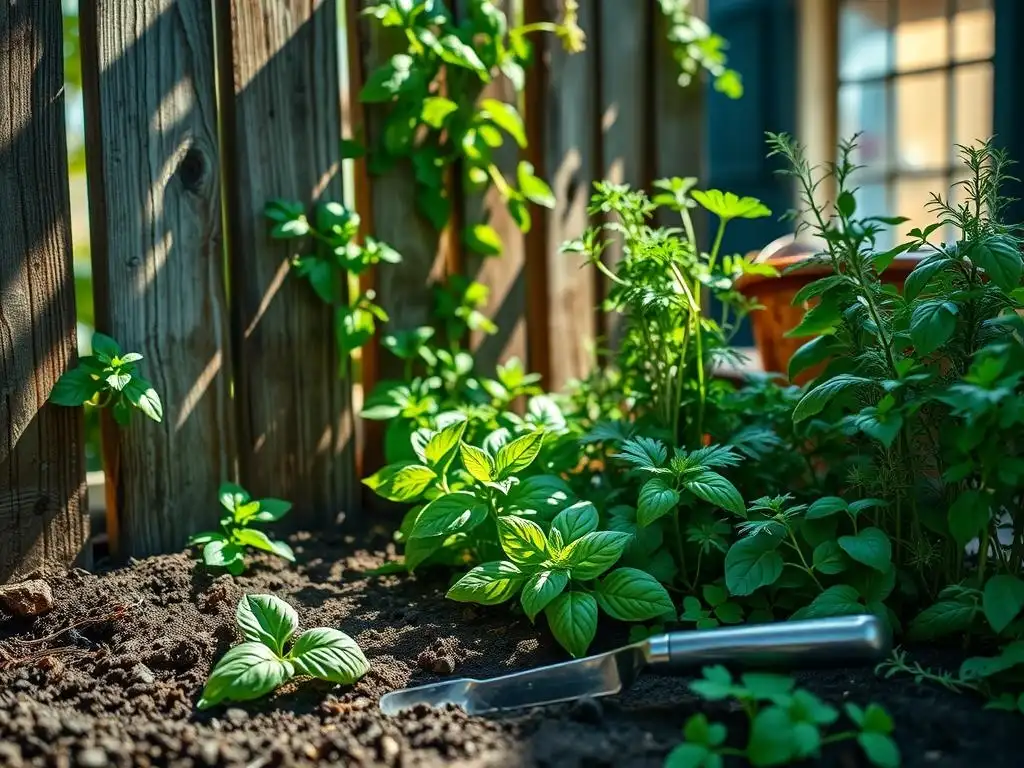
Growing herbs at home, while incredibly rewarding, can present some challenges. Understanding these hurdles and implementing organic solutions is key to a thriving herb garden and maximizing your "grow herbs home cooking" experience. This section tackles some of the most common problems, providing practical, sustainable solutions to keep your herbs healthy and productive.
Dealing with Common Herb Pests and Diseases Organically
Pests and diseases can significantly impact herb yield and quality. A proactive, organic approach is crucial for protecting your plants and ensuring safe consumption. Common herb pests include aphids, spider mites, and whiteflies. These tiny creatures can suck the life out of your plants, leading to stunted growth and wilting.
Several organic methods effectively combat these pests. Neem oil, a natural insecticide derived from the neem tree, is a highly effective and safe option. It disrupts the pests' life cycle, preventing further infestation. Simply dilute neem oil according to the product instructions and apply it directly to affected plants, focusing on the undersides of leaves where pests often hide. Remember to always follow application instructions carefully.
For diseases like fungal leaf spots or powdery mildew, improving air circulation is key. Ensure your herbs have adequate spacing to prevent overcrowding, which encourages the spread of fungal pathogens. A diluted solution of baking soda and water can also help control powdery mildew. Mix 1 tablespoon of baking soda with 1 gallon of water and spray the solution onto affected leaves. Regularly removing and discarding affected leaves can also prevent the spread of disease.
Using companion planting can also help deter pests. Planting strong-smelling herbs like rosemary and thyme near susceptible plants can repel insects. This natural pest control strategy is both effective and environmentally friendly, aligning perfectly with the "grow herbs home cooking" ethos of sustainable gardening.
Addressing Nutrient Deficiencies in Herb Plants
Nutrient deficiencies manifest in various ways, impacting the health and flavor of your herbs. Yellowing leaves, stunted growth, and poor yields are common indicators. Regular soil testing is crucial for identifying specific deficiencies. However, even without testing, observing your plants closely can provide clues.
For example, a nitrogen deficiency often leads to pale green or yellow leaves, especially on older leaves. Nitrogen is crucial for leaf growth. To address this, you can use organic fertilizers like compost tea or worm castings, which are rich in nitrogen and other essential nutrients. These natural fertilizers improve soil structure and provide a slow-release of nutrients, promoting healthy herb growth without harsh chemicals.
Phosphorus deficiency can result in stunted growth and dark green leaves. Phosphorus is vital for root development and flowering. Bone meal is a great organic source of phosphorus, enriching the soil and providing your plants with the nutrients they need.
Reviving Wilting or Stressed Herb Plants
Wilting herbs are a clear sign of stress. Several factors can contribute to this, including underwatering, overwatering, extreme temperatures, or pest infestations. The first step in reviving wilted herbs is identifying the underlying cause.
If underwatering is the culprit, gently water the plants deeply, ensuring the water reaches the roots. Avoid overwatering, as this can lead to root rot. If the soil is consistently soggy, improve drainage by amending the soil with organic matter like compost. This will improve aeration and water retention.
Extreme temperatures can also stress herb plants. Providing shade during hot periods or protecting them from frost during cold snaps can help prevent wilting. Regularly monitoring the weather and adjusting your gardening practices accordingly is crucial for maintaining healthy herbs. A consistent watering schedule, appropriate sunlight exposure, and pest control measures will help ensure your homegrown herbs thrive, allowing you to truly enjoy the benefits of "grow herbs home cooking".
Expanding Your Herb Garden: Year-Round Herb Growing Techniques
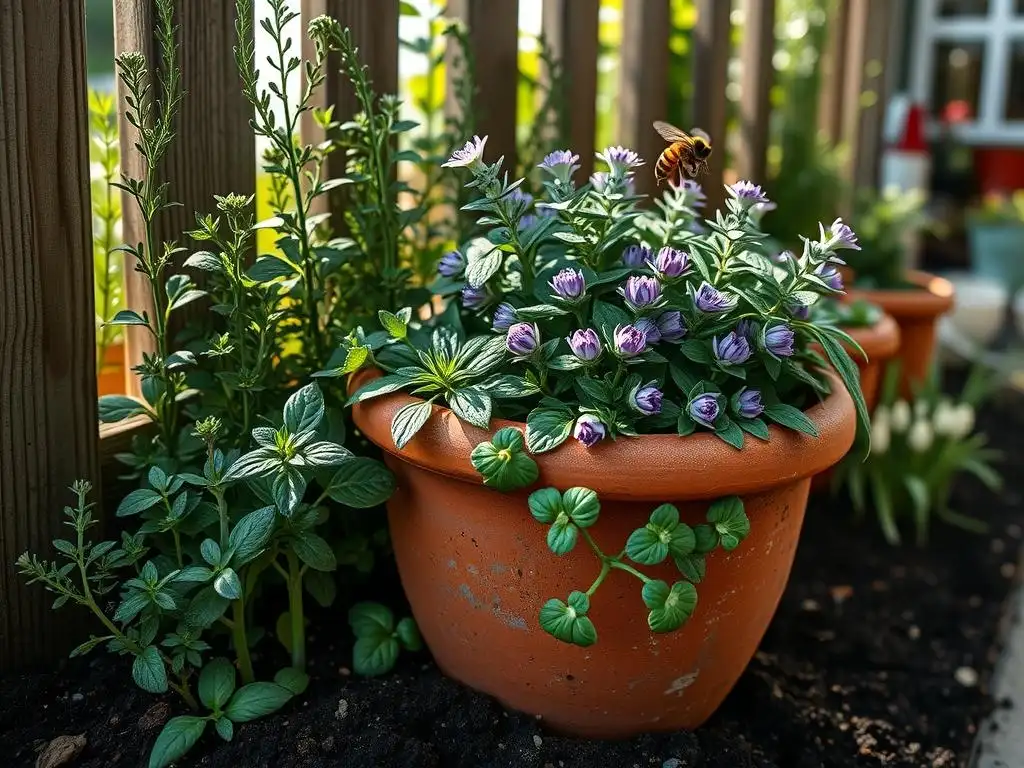
Growing herbs at home for cooking offers incredible benefits, from fresher flavors to reduced grocery bills. But the joy of homegrown herbs extends beyond the summer months. With the right techniques, you can enjoy a continuous supply of fresh herbs all year round, enhancing your "grow herbs home cooking" experience significantly. This section explores strategies for extending your herb harvest well beyond the typical growing season.
Overwintering Herbs Indoors: Extending the Growing Season
Many hardy herbs can survive the winter indoors, providing a continuous supply of fresh herbs for your culinary creations. This process requires careful planning and execution. Before the first frost, select healthy, vigorous plants. Gently remove them from the ground, shaking off excess soil. Trim back any leggy stems or damaged foliage.
Pot the herbs in containers slightly larger than their root balls, using a well-draining potting mix. Place your potted herbs in a sunny location near a window, ensuring they receive at least six hours of sunlight daily. Regular watering is crucial, but avoid overwatering, which can lead to root rot. Monitor for pests and diseases, and address any issues promptly. Consider supplementing natural light with grow lights, especially during shorter winter days, to optimize growth.
Herbs like rosemary, thyme, oregano, and sage are particularly well-suited for overwintering. Experimenting with different herbs will help you identify which thrive best in your indoor environment. Remember to adjust watering frequency based on the specific needs of each herb and environmental conditions. The key to success lies in mimicking their outdoor growing conditions as closely as possible.
Succession Planting for a Continuous Herb Harvest
Succession planting is a crucial technique for maintaining a steady supply of fresh herbs throughout the growing season. This involves planting new batches of herbs at regular intervals, ensuring that there's always a crop ready for harvesting. For example, instead of planting all your basil seeds at once, plant a new batch every two to three weeks. This staggered approach will provide a continuous harvest, preventing a glut at one time and a shortage later.
The specific interval between plantings will depend on the herb's growth rate and your climate. Fast-growing herbs like basil and cilantro require more frequent succession planting than slower-growing herbs like rosemary and thyme. Careful planning is key; create a planting schedule that accounts for the germination time and maturity period of each herb.
Keep a detailed record of your planting dates to optimize your harvest. This method allows you to enjoy a constant supply of fresh herbs for cooking, maximizing the benefits of your "grow herbs home cooking" endeavor. The careful planning involved also reduces waste and ensures the best possible flavor and quality.
Exploring Different Herb Varieties to Expand Your Culinary Repertoire
The world of herbs is vast and varied, offering endless possibilities for culinary exploration. Experimenting with different herb varieties can significantly enhance your cooking and provide a more diverse flavor profile. Consider these examples:
| Herb Type | Flavor Profile | Culinary Uses | Growing Conditions |
|---|---|---|---|
| Basil | Sweet, slightly peppery | Pesto, pasta sauces, salads | Full sun, well-drained soil |
| Cilantro | Bright, citrusy | Mexican dishes, salsas, curries | Full sun, well-drained soil |
| Oregano | Earthy, slightly bitter | Italian dishes, pizzas, roasted vegetables | Full sun, well-drained soil |
| Rosemary | Piney, slightly camphoraceous | Roasted meats, potatoes, bread | Full sun, well-drained soil, tolerates drought |
| Thyme | Earthy, slightly lemony | Soups, stews, roasted vegetables | Full sun, well-drained soil |
| Mint | Refreshing, cool | Teas, desserts, cocktails | Partial shade, moist soil |
| Parsley | Mild, slightly grassy | Garnishes, salads, soups | Full sun or partial shade, well-drained soil |
Expanding your herb garden beyond the common varieties opens up a world of new culinary possibilities. Consider experimenting with less common herbs such as lemon verbena, chives, tarragon, and chervil to discover new flavor combinations and elevate your home cooking. Remember to research the specific growing requirements of each herb to ensure optimal growth and yield. This careful selection and cultivation will greatly enhance your "grow herbs home cooking" journey. 🌱
Frequently Asked Questions
What are the easiest herbs to grow at home for cooking?
Basil, mint, and chives are excellent choices for beginners. They are relatively low-maintenance and grow quickly, providing you with fresh herbs in no time. Consider your climate when choosing.
How much sunlight do herbs need to thrive indoors?
Most culinary herbs require at least six hours of sunlight daily. A sunny windowsill is ideal, or consider using grow lights to supplement natural light, especially during winter months.
What's the best way to start herbs from seed indoors?
Use seed-starting mix, not garden soil. Sow seeds according to package directions, keeping the soil moist but not soggy. Provide plenty of warmth and light for germination.
How can I prevent pests from damaging my homegrown herbs?
Regularly inspect your plants for pests. Natural pest control methods such as introducing beneficial insects or using insecticidal soap are effective and safe for consumption.
When is the best time to harvest herbs for optimal flavor?
Harvest herbs in the morning after the dew has dried, when their essential oils are most concentrated. Pinch or cut stems, leaving some foliage for continued growth. Harvest frequently for the best flavor and yield.
Final Reflection: The Enduring Power of Homegrown Flavor
The simple act of nurturing a herb from seed to supper plate is more than just a culinary pursuit; it's a profound connection to nature and a powerful statement about the food we consume. In a world increasingly dominated by mass-produced ingredients and disconnected food systems, the resurgence of homegrown herbs represents a vital shift towards mindful eating and a deeper appreciation for the origins of our food. This conscious choice, however small it may seem, ripples outwards, impacting our health, our environment, and our relationship with the natural world.
The journey from tiny seedling to fragrant garnish has profoundly impacted my own cooking and perspective. It's not just about the superior taste and freshness; it's about the quiet satisfaction of tending to life, witnessing growth, and harvesting the fruits (or rather, herbs!) of my labor. This intimate connection fosters a deeper respect for the ingredients we use and encourages a more mindful approach to cooking and consumption. The best things in life are simple,
a sentiment perfectly encapsulates the joy and satisfaction derived from homegrown herbs. Their subtle yet potent flavors elevate even the simplest dishes, transforming them into culinary masterpieces imbued with a sense of personal accomplishment.
Now, consider your own kitchen. Imagine the vibrant aroma of freshly picked basil infusing your pasta sauce, or the invigorating zest of homegrown rosemary enhancing your roasted vegetables. Take the first step. Plant a seed, nurture its growth, and experience the transformative power of homegrown herbs. Let this journey be a testament to the simple pleasures life offers, and a reminder that even the smallest actions can have a profound impact on our lives and the world around us.
Unleash Your Inner Herb Gardener!
Thank you for joining us on this journey from seed to supper! We hope you've discovered the incredible flavor and freshness that homegrown herbs bring to cooking. Now it's time to put your knowledge into practice.
Here's how to take the next steps:
- Start your herb garden today! Even a small herb garden, whether a single pot on a windowsill or a dedicated patch in your backyard, can make a big difference. Choose your favorite herbs and start planting!
- Share your experiences! Join our CultivateYourFood community forum and tell us about your herb-growing journey—the challenges, triumphs, and everything in between. Let's inspire each other!
- Try a new herb recipe tonight! Browse our website for exciting options and let the delicious results be your reward.
Ready to transform your cooking with the vibrant flavors of homegrown herbs? What will you plant first?