
Designing for Function: Selecting Furniture that Supports Your Gardening Needs


Welcome to CultivateYourFood, your guide to nurturing a thriving garden using sustainable and organic methods. Ready to elevate your outdoor space? Our Luxury & High-End Gardening section begins with a deep dive into Gardening furniture selection guide, revealing how the right pieces can transform your gardening experience from a chore into a luxurious escape. Discover how strategic furniture choices can enhance both the functionality and beauty of your garden, maximizing yields and minimizing effort. Let's cultivate a space you'll love.
- The Ultimate Gardening Furniture Selection Guide: Comfort Meets Utility
- Choosing the Right Materials for Durable Gardening Furniture
- Essential Features for Functional Gardening Furniture
- Top Picks: Best Gardening Furniture for Different Needs
- Budget-Friendly Gardening Furniture Options: High-Quality Without Breaking the Bank
- Maintaining Your Gardening Furniture: Extending its Lifespan
- The Investment in Comfort and Functionality: Why Quality Gardening Furniture Matters
-
Frequently Asked Questions
- What types of gardening furniture are essential?
- How do I choose furniture that is durable and weather-resistant?
- What features should I look for in gardening furniture?
- How can I incorporate sustainable practices when selecting gardening furniture?
- Where can I find high-quality, yet affordable, gardening furniture?
- Final Reflection: Cultivating Comfort: The Enduring Power of Functional Garden Furniture
- Unleash Your Green Thumb: Design Your Dream Garden Workspace!
The Ultimate Gardening Furniture Selection Guide: Comfort Meets Utility
Cultivating a thriving garden isn't just about nurturing plants; it's about creating a comfortable and functional outdoor space where you can enjoy the process. This guide focuses on selecting the right gardening furniture, marrying comfort with practicality to enhance your gardening experience. We'll explore how to assess your individual needs, optimize your garden's layout, and choose furniture that promotes ergonomic well-being, all while maintaining a luxurious and aesthetically pleasing environment.
This comprehensive approach ensures your garden becomes a haven of productivity and relaxation, reflecting your commitment to sustainable and organic practices. Choosing the right furniture is a crucial step in transforming your gardening journey from a chore into a delightful and rewarding experience. This guide serves as your roadmap to achieving just that – a space where luxury meets functionality, creating the perfect setting for your green thumb to flourish.
Understanding Your Gardening Needs: A Personalized Approach to Furniture Selection
Before diving into specific furniture options, it's crucial to understand your unique gardening needs. This personalized approach will ensure you invest in pieces that genuinely enhance your gardening experience, rather than cluttering your space with unnecessary items. Consider the following key aspects:
Assessing Space and Layout: Maximizing Your Garden's Potential
The size and layout of your garden directly influence the type and quantity of furniture you can accommodate. A small, compact garden might necessitate space-saving solutions like folding chairs or a compact potting bench, while a larger garden offers more flexibility to incorporate more substantial pieces, such as a comfortable chaise lounge or a full-sized outdoor dining set. Accurate measurements of your garden are paramount. Sketch a rough plan, noting existing features like pathways, raised beds, and water sources. This will help visualize furniture placement and ensure optimal workflow. Consider the following:
- Pathways: Ensure sufficient space around furniture to allow for easy movement and access to all areas of the garden.
- Sunlight: Position seating areas strategically to take advantage of sunlight or shade, depending on your preference and the time of day you typically garden.
- Accessibility: Choose furniture that is easily accessible for all users, considering any physical limitations.
Identifying Your Primary Gardening Activities: From Planting to Harvesting
Different gardening activities require different types of furniture. If you spend considerable time potting plants, a sturdy and ergonomically designed potting bench is essential. If you enjoy leisurely harvesting, consider comfortable seating options that allow you to relax and enjoy the fruits (and vegetables!) of your labor. For example:
- Seed starting: A dedicated seed-starting station with ample counter space and good lighting is ideal.
- Potting and transplanting: A stable potting bench with ample storage for tools and supplies is crucial.
- Harvesting: Comfortable seating, possibly with a side table for collecting produce, makes harvesting a more enjoyable experience.
- Weeding and maintenance: Kneeling pads or ergonomic stools can significantly reduce strain during extended periods of weeding.
Considering Ergonomic Factors for Comfortable Gardening
Prolonged periods of gardening can lead to physical strain if you are not using appropriate furniture. Prioritizing ergonomic factors is crucial for ensuring your comfort and preventing injuries. Look for furniture that:
- Promotes good posture: Chairs and benches should offer adequate back support and a comfortable seat height.
- Reduces strain on joints: Consider adjustable height options for potting benches and work surfaces.
- Allows for comfortable movement: Ensure adequate space around furniture to facilitate easy movement and prevent awkward reaching.
- Is made from durable, weather-resistant materials: This ensures long-lasting comfort and functionality.
Choosing the right gardening furniture is an investment in your well-being and the overall success of your gardening endeavors. By carefully considering these factors, you can create a functional and aesthetically pleasing outdoor space that supports your gardening needs and enhances your enjoyment of the process.
Choosing the Right Materials for Durable Gardening Furniture
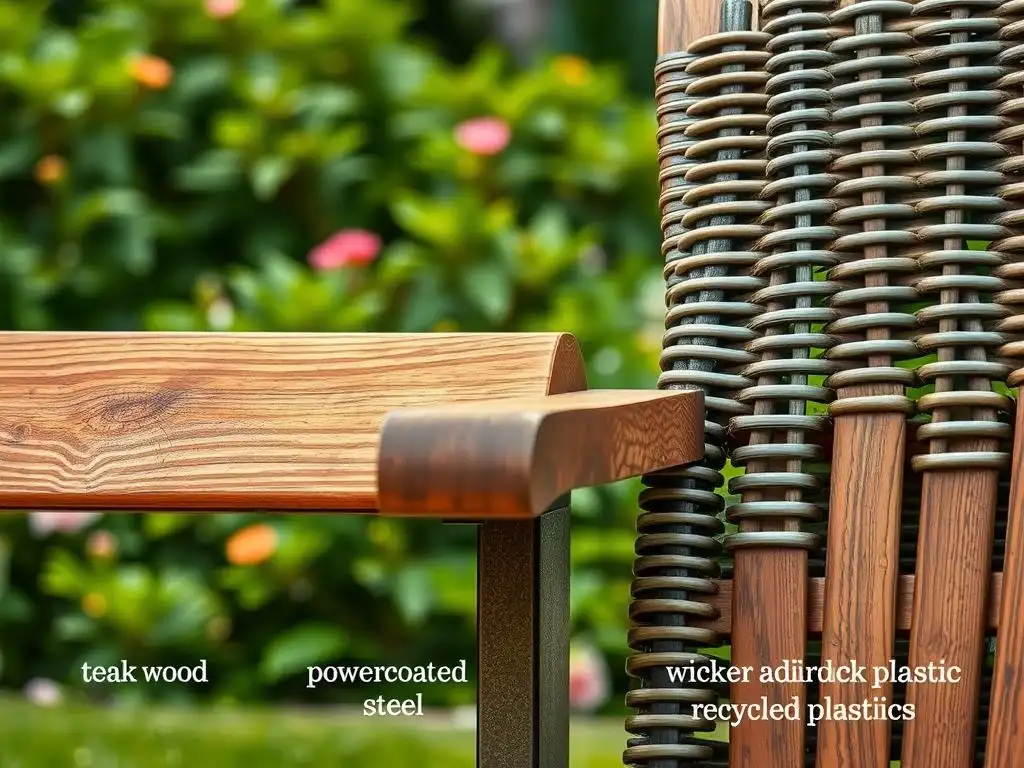
Selecting the right materials for your gardening furniture is crucial for both its longevity and your enjoyment of your outdoor space. The harsh realities of sun, rain, and temperature fluctuations demand careful consideration. This section will guide you through choosing materials that stand up to the elements while complementing your luxurious garden aesthetic. A well-informed decision in material selection will be a significant step in creating your ideal "Gardening furniture selection guide".
Weather-Resistant Options: Protecting Your Investment from the Elements
Your outdoor furniture will face considerable weathering. Choosing weather-resistant materials is paramount to protecting your investment and ensuring years of use. This means selecting materials that can withstand prolonged exposure to sunlight (UV degradation), moisture (rot and rust), and temperature extremes (expansion and contraction). Poor material choices can lead to costly replacements and a diminished gardening experience.
High-Quality Treated Wood Furniture
High-quality treated wood, such as cedar or redwood, offers a classic and elegant look. However, "treated" doesn't mean indestructible. Look for wood that has undergone pressure treatment with preservatives to resist rot, insects, and fungal growth. The higher the pressure treatment, the better the protection.
Regular maintenance, such as applying a high-quality outdoor sealant every 1-2 years, is essential to prolong the life of treated wood furniture. This helps to prevent fading and cracking, ensuring your furniture retains its beauty and functionality for longer. Consider the specific climate in your region when choosing wood; some species perform better in more humid or arid environments.
Powder-Coated Aluminum Furniture
Powder-coated aluminum is a popular choice for its durability and low maintenance. Aluminum itself is naturally resistant to rust, and the powder coating adds an extra layer of protection against the elements and scratching. A thick, high-quality powder coat is essential; thinner coatings can chip or fade more easily.
This material is lightweight, making it easy to move and rearrange your furniture as needed. Furthermore, powder-coated aluminum furniture often comes in a wide variety of stylish colors and designs, allowing for seamless integration into any luxury garden setting. The colorfast nature of powder coating contributes to the furniture's longevity, maintaining its attractive appearance for many years.
Weatherproof Wicker Furniture
Weatherproof wicker, often made from synthetic resin wicker or all-weather wicker, provides a sophisticated and stylish alternative to traditional wicker. Unlike natural wicker, which is highly susceptible to moisture damage, synthetic wicker is designed to withstand the elements. Look for furniture with a tightly woven construction to prevent water from seeping into the core.
These materials are typically UV-resistant, preventing fading and deterioration from prolonged sun exposure. Regular cleaning with mild soap and water will keep your synthetic wicker furniture looking its best. Choosing weatherproof wicker offers a blend of style and practicality, making it a suitable choice for many high-end garden designs.
Sustainable and Eco-Friendly Materials
Increasingly, gardeners are prioritizing sustainability in their choices. Look for furniture made from recycled materials, such as recycled aluminum or reclaimed wood. These options reduce environmental impact while offering durable and stylish furniture. Bamboo is another excellent sustainable choice; it's a rapidly renewable resource and remarkably strong and weather-resistant.
When selecting sustainable options, ensure the manufacturing process is also environmentally friendly. Certification from reputable organizations can provide assurance of responsible sourcing and production practices. Choosing eco-friendly materials is a significant step towards creating a truly sustainable and luxurious garden environment, aligning perfectly with the principles of organic gardening and responsible land stewardship. This conscious choice adds another layer to your "Gardening furniture selection guide", reflecting a commitment to both beauty and environmental responsibility.
Essential Features for Functional Gardening Furniture

This section delves into the crucial features to consider when selecting gardening furniture, ensuring both practicality and comfort for your outdoor space. Choosing the right furniture can significantly enhance your gardening experience, making tasks easier and more enjoyable. This guide will help you navigate the options available and make informed decisions based on your specific needs and preferences, ultimately improving your gardening efficiency and reducing strain. Remember, investing in high-quality, functional furniture is an investment in your overall gardening success.
Storage Solutions: Keeping Tools and Supplies Organized
Efficient storage is paramount in any successful garden. Clutter not only detracts from the aesthetic appeal but also hinders workflow. The right storage solutions will keep your tools readily accessible and your supplies protected from the elements. Consider these options to optimize your garden's organization.
Built-in Storage in Garden Benches
Garden benches with built-in storage offer a stylish and practical solution. These benches often feature compartments underneath the seating area, providing ample space for storing smaller tools, seed packets, gloves, and other gardening essentials. Look for benches constructed from durable materials like cedar or treated pine to withstand outdoor conditions.
The size and number of compartments can vary greatly, so choose a bench that aligns with your storage needs. For instance, a bench with several smaller compartments might be ideal for organizing different types of seeds, while a bench with one large compartment might be better suited for storing larger tools. Consider the weight capacity of the storage area to ensure it can safely hold your items.
Separate Garden Storage Sheds
For larger gardens and more extensive tool collections, a separate garden storage shed is an invaluable asset. These sheds offer significant storage space, protecting your tools and supplies from rain, snow, and extreme temperatures. Look for sheds made from durable materials like metal or pressure-treated wood, and ensure they are properly secured to prevent theft or damage.
Consider features like shelving, workbenches, and ventilation to maximize functionality. Think about the size of your shed in relation to the size of your garden and the amount of equipment you need to store. A larger shed might be necessary if you have a lot of tools and supplies, or if you use your shed for more than just storage.
Mobile Garden Carts
Mobile garden carts provide flexible storage and easy transport of tools and supplies around your garden. These carts are particularly useful for larger gardens or when working on different areas of your garden simultaneously. Choose a cart with sturdy wheels that can handle various terrains, and consider the weight capacity to ensure it can carry your tools and supplies without issue. Look for carts with multiple shelves or compartments for better organization.
Some carts even include features like tool holders or cup holders for added convenience. Consider the size and maneuverability of the cart to ensure it's suitable for your garden layout. A smaller cart might be more appropriate for smaller gardens, while a larger cart might be better suited for larger gardens or for transporting bulkier items.
Comfort and Ergonomics: Preventing Strain During Gardening Tasks
Gardening can be physically demanding. Investing in ergonomic furniture can significantly reduce strain and prevent injuries, allowing you to enjoy your gardening hobby for years to come. Prioritizing comfort will improve your overall gardening experience and reduce the risk of back pain, muscle fatigue, and other common gardening-related ailments.
Adjustable Height Seating
Adjustable height seating allows you to customize your working height, reducing strain on your back and knees. Whether it's a stool, a chair, or a bench, adjustable height options ensure you can maintain a comfortable posture while working in your garden. Look for options with sturdy construction and smooth height adjustment mechanisms.
Consider the range of adjustment to ensure it accommodates various tasks and your individual height. A wider range of adjustment will offer greater flexibility and accommodate a wider variety of tasks and body types. Consider the material of the seat and whether it offers adequate cushioning and support.
Ergonomic Kneeling Pads
Ergonomic kneeling pads provide comfortable support for your knees while you're working on the ground. These pads are essential for tasks like weeding, planting, and harvesting. Look for pads with sufficient cushioning and support, and consider the material to ensure it’s durable and weather-resistant. Consider the size and shape of the pad to ensure it provides adequate support for your knees. A larger pad might be more comfortable for longer periods of kneeling, while a smaller pad might be more portable. Consider features such as water resistance and easy cleaning.
Back Support and Cushioning
Adequate back support is crucial for preventing back pain and fatigue during prolonged gardening sessions. Choose furniture with proper lumbar support, whether it's a garden chair, bench, or stool. Consider the cushioning material and its density to ensure comfortable seating for extended periods. Look for furniture with adjustable features to ensure a perfect fit for your body type.
The level of back support should be considered carefully, especially if you anticipate spending long periods of time gardening. Features like adjustable backrests or headrests can significantly enhance comfort and support. Consider the overall durability of the cushioning material and its ability to withstand outdoor conditions.
Top Picks: Best Gardening Furniture for Different Needs
This section offers a curated selection of high-end gardening furniture designed to enhance both the functionality and aesthetic appeal of your outdoor space. We've carefully considered ergonomic design, durability, and storage capacity to provide you with the best options for a truly luxurious gardening experience. This "Gardening furniture selection guide" will help you navigate the choices and select pieces that perfectly complement your needs and style.
Best Ergonomic Garden Kneeler and Seat Combo
Choosing the right kneeling pad can significantly reduce strain during extended gardening sessions. A combination kneeler and seat offers versatility, allowing you to switch positions as needed. This selection focuses on premium materials and ergonomic design for superior comfort and support.
Features and Benefits
- Ergonomic Design: Contoured padding and adjustable height options ensure proper spinal alignment and reduce back pain. Many models incorporate lumbar support for added comfort during prolonged use. Look for features like padded knee rests and comfortable seating surfaces.
- Premium Materials: High-quality materials, such as weather-resistant padded foam and durable frames (often powder-coated steel or treated wood), provide long-lasting performance and withstand the elements. Consider materials that are easy to clean and maintain.
- Versatility: The ability to easily switch between kneeling and seated positions minimizes strain and maximizes efficiency during different gardening tasks. A lightweight design allows for easy movement around the garden.
- Storage: Some models include built-in storage compartments for small gardening tools, gloves, and other essentials, keeping everything organized and within easy reach.
Pros and Cons
| Feature | Pros | Cons |
|---|---|---|
| Ergonomics | Reduced back and knee strain; improved posture; increased comfort. | May require some assembly; could be bulky for smaller gardens. |
| Durability | Weather-resistant materials; long lifespan; withstands regular use. | Higher initial cost compared to basic kneeling pads. |
| Versatility | Easy transition between kneeling and sitting; efficient workflow. | May not be suitable for all gardening tasks or body types. |
| Storage | Convenient storage for small tools and supplies; keeps everything organized. | Some models may have limited storage capacity. |
Where to Buy
[Specific retailer information pending] Consider seeking out specialized garden supply stores or high-end home furnishing retailers for the best selection of ergonomic kneelers and seat combos. Look for brands known for their commitment to quality and ergonomic design.
Best Outdoor Storage Shed for Garden Tools
Proper storage is crucial for maintaining your gardening tools and equipment. An outdoor shed provides protection from the elements and keeps everything organized. This guide focuses on selecting a shed that is both aesthetically pleasing and highly functional.
Features and Benefits
- Weather Resistance: The shed should be constructed from durable, weather-resistant materials such as treated wood, vinyl, or metal to protect your tools from rain, snow, and extreme temperatures. Look for features like a robust roof and sealed walls.
- Ample Storage Space: Choose a shed with sufficient space to accommodate all your gardening tools, equipment, fertilizers, and other supplies. Consider the size of your collection and plan accordingly. Shelving and hanging racks can maximize storage efficiency.
- Security Features: Invest in a shed with secure locking mechanisms to protect your valuable tools and equipment from theft. Consider features like reinforced doors and sturdy hinges.
- Aesthetic Appeal: A well-designed shed can enhance the overall appearance of your garden. Choose a style and color that complements your home and landscape.
Pros and Cons
| Feature | Pros | Cons |
|---|---|---|
| Weather Resistance | Protects tools from damage; extends tool lifespan. | Higher initial cost compared to less durable options. |
| Storage Space | Keeps tools organized; maximizes efficiency; prevents clutter. | Requires sufficient space in your garden for installation. |
| Security | Protects tools from theft and vandalism. | More expensive models might require professional installation. |
| Aesthetics | Enhances garden appearance; complements landscaping. | Requires regular maintenance to preserve its appearance and function. |
Where to Buy
[Specific retailer information pending] High-quality garden sheds can be purchased from specialized retailers, home improvement stores, or online marketplaces. Read reviews and compare prices before making a purchase. Consider factors such as warranty and customer support.
Best Weather-Resistant Garden Table and Chair Set
This section focuses on selecting outdoor furniture explicitly designed to withstand the elements, ensuring longevity and consistent usability throughout the gardening season. Choosing the right weather-resistant set is crucial for maximizing enjoyment and minimizing the need for frequent replacements. The ideal set should offer durability, comfort, and aesthetic appeal, seamlessly blending into your garden's design.
Consider factors such as material composition, construction quality, and the overall style to find the perfect fit for your outdoor space. A well-chosen set will become a central hub for enjoying your garden's bounty, from relaxing after a day of tending to your plants to hosting outdoor gatherings with friends and family. Investing in high-quality, weather-resistant furniture is an investment in the long-term enjoyment of your garden.
Features and Benefits
The best weather-resistant garden table and chair sets boast a number of key features that contribute to their superior performance and longevity. These include:
- Materials: High-quality materials are paramount. Look for sets constructed from materials like powder-coated aluminum, all-weather wicker (often polyethylene or resin), or teak wood (properly treated for outdoor use). These materials resist rust, rot, and fading, ensuring the furniture remains attractive and functional for years. The choice depends on your aesthetic preference and budget. Aluminum offers lightweight durability, wicker provides a more relaxed style, and teak exudes timeless elegance.
- Construction: Robust construction is essential for withstanding harsh weather conditions. Check for sturdy frames, reinforced joints, and high-quality fasteners. Well-constructed furniture will withstand strong winds, heavy rain, and temperature fluctuations without damage. Look for furniture with reinforced legs and supports to ensure stability.
- Ergonomics: Comfort is key. Choose chairs with comfortable seating and backrests, ensuring prolonged periods spent in the garden are enjoyable. Consider adjustable features or cushions for added comfort. The table should be a comfortable height for dining or working.
- Design: The design should complement your garden's aesthetic. Options range from sleek and modern to classic and rustic. Consider the overall style of your garden when making your selection. Think about the color and finish to ensure it harmonizes with the surrounding environment.
- Easy Maintenance: Low-maintenance materials are a significant advantage. Some materials require minimal cleaning, while others might need occasional sealing or treatment. Consider the level of maintenance you are willing to undertake when making your selection.
Pros and Cons
| Feature | Pros | Cons |
|---|---|---|
| Aluminum | Lightweight, durable, rust-resistant, relatively inexpensive | Can become hot in direct sunlight, may dent if struck hard. |
| Wicker (Resin) | Weather-resistant, comfortable, variety of styles available | Can fade over time with prolonged sun exposure, may require occasional cleaning. |
| Teak Wood | Durable, naturally weather-resistant, elegant appearance | Expensive, requires occasional oiling or sealing to maintain appearance. |
Where to Buy
High-quality, weather-resistant garden furniture can be purchased from various retailers, both online and in physical stores. Specialty garden centers often carry a curated selection of high-end options, while larger home improvement stores offer a broader range of price points and styles. Online retailers provide access to a wider selection, but it's crucial to carefully review customer reviews and return policies before purchasing. Consider visiting showrooms to physically examine the furniture's quality and comfort before committing to a purchase. Remember to factor in shipping costs and delivery times when shopping online.
Budget-Friendly Gardening Furniture Options: High-Quality Without Breaking the Bank
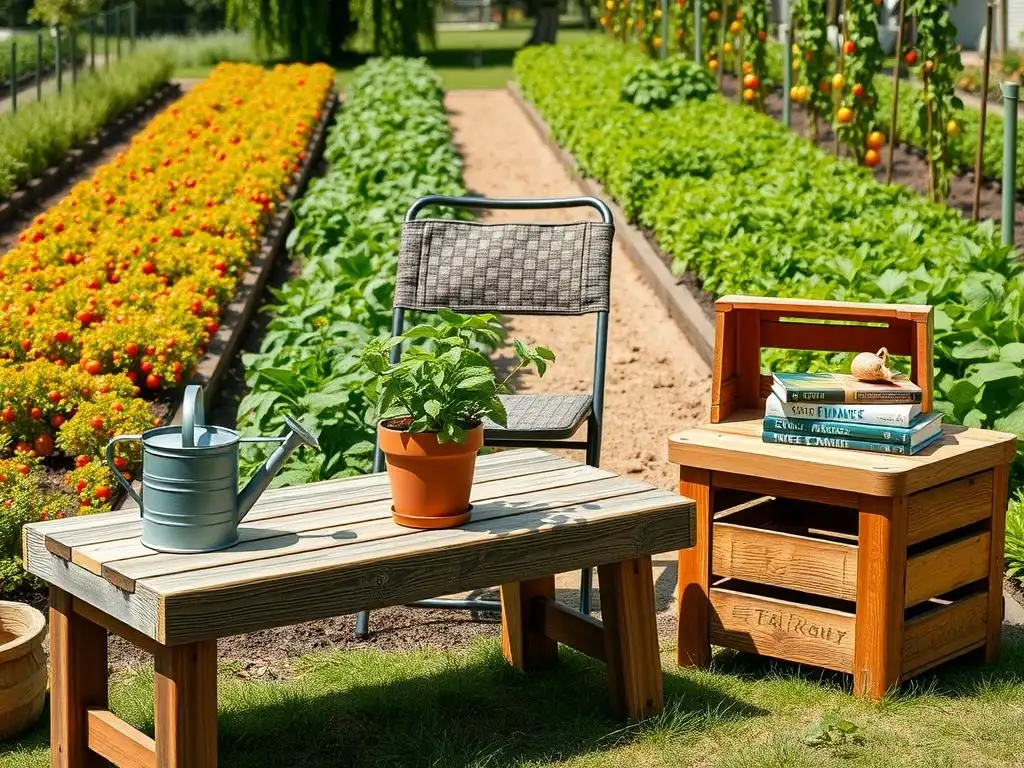
Creating a luxurious and functional garden doesn't necessitate a hefty price tag. Many excellent gardening furniture options exist that deliver high-quality without breaking the bank. A strategic approach to material selection, clever repurposing, and a dash of DIY ingenuity can transform your outdoor space into a haven of style and practicality, all while remaining budget-conscious. This section of our Gardening furniture selection guide explores smart ways to furnish your garden without compromising on quality or aesthetics.
Affordable Yet Durable Materials: Smart Choices for Budget-Conscious Gardeners
Choosing the right materials is paramount when building or buying budget-friendly gardening furniture. Focusing on durable, weather-resistant, and relatively inexpensive options is key. Consider these materials:
- Recycled Plastic Lumber: This material offers exceptional durability, resisting rot, insects, and harsh weather conditions. It often comes in a variety of colors and styles, mimicking the look of natural wood without the maintenance. Its longevity makes it a worthwhile investment in the long run, justifying the slightly higher initial cost compared to some other options.
- Pressure-Treated Pine: While requiring regular maintenance (staining or sealing every few years), pressure-treated pine is a relatively affordable choice. It provides a classic, rustic look and is readily available. Remember that proper maintenance is essential to extend its lifespan and prevent rot.
- Cedar and Redwood: These naturally rot-resistant woods offer a beautiful aesthetic and are relatively durable. While more expensive than pine, their longevity and minimal maintenance requirements can make them a cost-effective choice over the long term. Choose carefully graded lumber to ensure minimal knots and imperfections for better strength and stability.
Repurposed Materials: Creative and Sustainable Solutions
Repurposing existing materials is not only budget-friendly but also environmentally responsible. Many items can be transformed into unique and functional gardening furniture pieces. Consider these ideas:
- Old Pallets: These can be easily disassembled and reassembled into benches, raised garden beds, or even small shelving units. Ensure the wood is treated appropriately to prevent splintering and ensure longevity. Sanding and sealing are essential steps to protect the wood and improve its appearance.
- Wine Barrels: These offer a charming rustic aesthetic and can be repurposed as planters, seating, or small tables. Their unique shape adds character to any garden. Cleaning and sealing are necessary to prevent leakage and maintain their structural integrity.
- Used Metal Furniture: With some cleaning, repainting, and potentially some minor repairs, old metal chairs or tables can be given a new lease on life. Consider adding a fresh coat of weather-resistant paint for a revitalized look. Choosing a durable finish is vital for outdoor use.
DIY Garden Furniture Projects: Saving Money and Personalizing Your Space
Building your own gardening furniture allows for complete customization and significant cost savings. Numerous online resources offer detailed plans and instructions for various projects, catering to different skill levels. Remember to prioritize safety when working with tools and materials. Here are some project ideas:
- Simple Wooden Bench: A straightforward project ideal for beginners, requiring basic woodworking skills and readily available materials. This is a great starting point for those new to DIY projects. Consider adding a backrest for enhanced comfort.
- Treated Lumber Raised Garden Bed: A perfect project for the more experienced DIY enthusiast, allowing for complete control over size and design. This enhances functionality and organization in your garden space. Ensure proper drainage is incorporated into the design.
- Metal and Wood Combination Planters: Combining different materials can create visually appealing and functional planters. This project requires a bit more advanced skills, including welding or metalworking techniques. This option is suitable for those with more experience in crafting.
The key to successful budget-friendly gardening furniture is careful planning, creative repurposing, and a willingness to embrace DIY projects. By carefully considering materials and designs, you can create a beautiful and functional outdoor space without compromising your budget. Remember, a little creativity can go a long way in transforming your garden into a personal sanctuary.
Maintaining Your Gardening Furniture: Extending its Lifespan
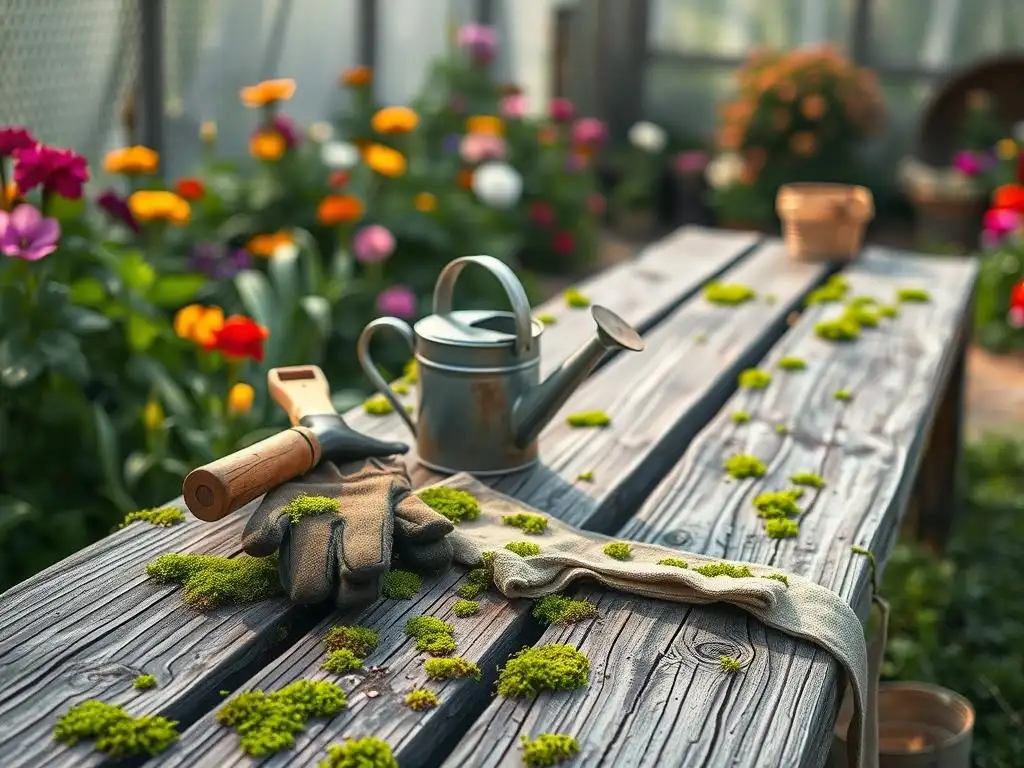
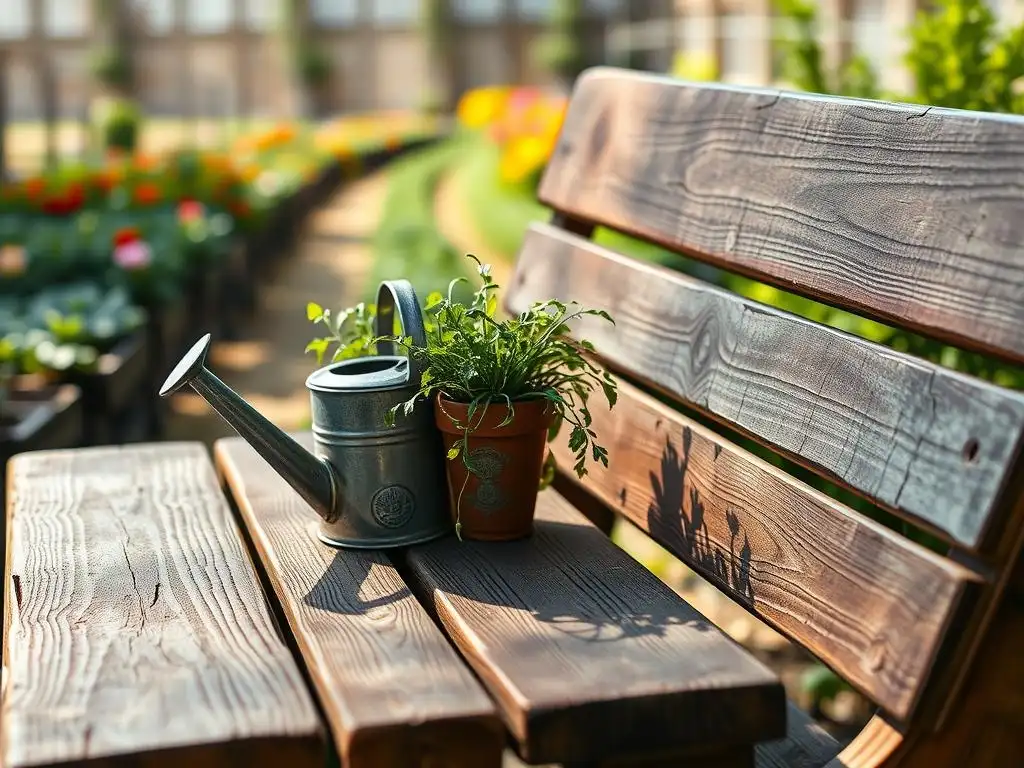
Investing in high-quality gardening furniture is a significant step towards creating a luxurious and functional outdoor space. However, the longevity of your investment depends heavily on proper maintenance. Understanding how to care for your furniture will not only extend its lifespan but also preserve its aesthetic appeal, ensuring years of enjoyment in your cultivated paradise. This section provides a comprehensive guide on maintaining your gardening furniture, focusing on practical cleaning and protective measures. This is crucial for preserving the value of your "Gardening furniture selection guide" investment.
Cleaning and Protecting Your Furniture: Simple Maintenance Tips
Regular cleaning and protective treatments are paramount in extending the life of your outdoor furniture. Neglecting these steps can lead to premature deterioration, fading, and structural damage, ultimately reducing the lifespan of your beautiful pieces. The specific cleaning methods will vary depending on the material (wood, wrought iron, wicker, etc. ), but the underlying principle remains consistent: preventative care is key. A proactive approach to maintenance will significantly reduce the need for extensive repairs or replacements down the line, making your "Gardening furniture selection guide" even more valuable.
Regular Cleaning Schedules: Preventing Dirt and Debris Buildup
Establishing a regular cleaning schedule is the cornerstone of effective furniture maintenance. The frequency will depend on your climate and usage, but aim for at least a weekly light cleaning to remove dust, pollen, and debris. More intense cleaning, involving soap and water or specialized cleaning solutions, should be conducted every few months or as needed. For example, after a particularly rainy season or a significant amount of use, more thorough cleaning is recommended.
Consider using a soft-bristled brush to avoid scratching delicate surfaces. Remember to always follow the manufacturer's instructions for cleaning, as some materials may require specific cleaning agents or techniques. This diligent approach to cleaning is a vital part of a comprehensive "Gardening furniture selection guide."
Protective Coatings and Treatments: Shielding from the Elements
Exposure to the elements—sun, rain, snow, and extreme temperatures—can significantly damage your outdoor furniture. Applying protective coatings and treatments is crucial for mitigating these effects. For wooden furniture, consider using a high-quality wood sealant or stain to protect against moisture and UV damage. This will prevent cracking, warping, and fading, maintaining the rich color and texture of your pieces. For metal furniture, a rust-resistant coating or paint is vital, particularly in humid climates.
Regularly inspect your furniture for signs of wear and tear and reapply protective coatings as needed. This proactive approach not only preserves the beauty of your furniture but also maximizes its lifespan, aligning perfectly with the principles of a well-informed "Gardening furniture selection guide." Maintaining your furniture in this way ensures a longer return on your investment. Remember to always choose products specifically designed for outdoor use, ensuring optimal protection and longevity.
The Investment in Comfort and Functionality: Why Quality Gardening Furniture Matters
Investing in high-quality gardening furniture is more than just a splurge; it's a strategic decision that significantly impacts your gardening experience and the overall value of your outdoor space. Choosing durable, comfortable, and functional pieces directly translates to increased productivity, enjoyment, and long-term savings. Let's explore the multifaceted benefits of prioritizing quality in your gardening furniture selection.
Enhancing Your Gardening Experience: A More Enjoyable and Productive Time in the Garden
Spending hours tending to your garden should be a pleasurable experience, not a chore. Ergonomic design is paramount. Imagine the difference between hunching over your plants for hours on an uncomfortable stool versus relaxing on a comfortable, adjustable chair designed for prolonged sitting. This seemingly small detail dramatically impacts your posture, reducing back strain and fatigue. A well-designed gardening bench allows you to comfortably work at a suitable height, fostering better posture and reducing the risk of injury. This translates to increased productivity—you can work longer and more efficiently without experiencing physical discomfort.
Furthermore, the right furniture can elevate the entire gardening process. A sturdy potting bench with ample workspace significantly streamlines tasks like potting seedlings, mixing soil, and cleaning tools. Integrated drawers and shelves provide convenient storage for essential gardening supplies, keeping your workspace organized and clutter-free.
Consider the added joy of enjoying a cup of tea or a light lunch amidst your flourishing plants while seated comfortably on a weather-resistant chair – a luxury afforded by quality furniture. This contributes to a more mindful and rewarding gardening experience. The improved comfort and efficiency directly correlate to a more enjoyable and productive time spent in your garden, making gardening a truly enriching activity.
Increasing the Value of Your Outdoor Space: A Beautiful and Functional Garden Oasis
Beyond the personal benefits, investing in high-quality gardening furniture significantly enhances the aesthetic appeal and overall value of your outdoor living space. Durable, well-designed pieces transform your garden from a functional area into a beautiful and inviting oasis. Imagine the elegance of a wrought-iron seating set, or the rustic charm of a handcrafted wooden bench perfectly complementing your landscape. These pieces aren't merely functional; they are statement pieces that elevate the overall design and ambiance of your garden.
The longevity of quality furniture is another factor contributing to its value. Unlike cheaply made alternatives that may require frequent replacement, durable materials like teak, cedar, or powder-coated aluminum withstand the elements, providing years of reliable service. This long-term investment translates to cost savings in the long run, avoiding the expense and inconvenience of replacing inferior furniture.
Moreover, well-maintained, high-quality gardening furniture can significantly increase the perceived value of your property, making it a worthwhile investment if you ever plan to sell your home. Therefore, choosing quality furniture isn't just about functionality and comfort; it's about creating a lasting legacy of beauty and practicality in your outdoor space. The return on investment, both in terms of enjoyment and potential property value, is undeniable.
Frequently Asked Questions
What types of gardening furniture are essential?
Essential furniture includes a comfortable chair or stool for extended periods of working, a sturdy table for potting and tool storage, and a wheelbarrow or cart for easy transport of materials. Consider your space and needs when choosing.
How do I choose furniture that is durable and weather-resistant?
Opt for materials like pressure-treated wood, metal with powder-coating, or resin wicker. These materials withstand the elements and require minimal maintenance. Always check the manufacturer's warranty for weather resistance guarantees.
What features should I look for in gardening furniture?
Prioritize ergonomics for comfortable use. Look for features like adjustable height, storage compartments, and easy-to-clean surfaces. Consider the size and weight capacity to suit your needs.
How can I incorporate sustainable practices when selecting gardening furniture?
Choose furniture made from recycled or sustainably sourced materials. Look for eco-friendly finishes and products with minimal packaging. Support companies committed to environmental responsibility.
Where can I find high-quality, yet affordable, gardening furniture?
Explore options at local garden centers, home improvement stores, and online retailers. Compare prices and features before purchasing. Consider used or refurbished furniture for a budget-friendly option.
Final Reflection: Cultivating Comfort: The Enduring Power of Functional Garden Furniture
The careful selection of garden furniture isn't merely about aesthetics; it's about creating a sanctuary where functionality and comfort intertwine to enhance the gardening experience. This is especially relevant today, as more people seek solace and connection with nature amidst increasingly busy lives. Our gardens have become vital spaces for relaxation, productivity, and mindful engagement, and the right furniture is key to unlocking their full potential.
The impact of thoughtfully designed garden furniture extends beyond mere practicality; it shapes our relationship with our outdoor spaces. It influences how we interact with our gardens, impacting everything from the amount of time we spend tending to our plants to the quality of our relaxation time. A garden is a friend who always listens.
This sentiment rings truer when we have comfortable, supportive furniture that invites us to linger and appreciate the beauty we've cultivated. The ongoing trend towards creating outdoor living spaces reflects a deeper societal need for connection with nature, and the furniture we choose plays a vital role in fostering this connection.
Now, consider your own garden. What kind of furniture best supports your gardening needs and personal style? Do you envision yourself enjoying a quiet cup of tea amidst blooming flowers, or perhaps working diligently on a potting bench? Take the time to reflect on your ideal gardening experience, and let that vision guide your furniture choices. Invest in pieces that not only look beautiful but also enhance your comfort and productivity, transforming your garden into a truly personal and fulfilling haven.
Unleash Your Green Thumb: Design Your Dream Garden Workspace!
Thanks for exploring how the right furniture can truly enhance your gardening experience! You've learned how to choose pieces that perfectly suit your needs and style. Ready to put this knowledge to use?
- Design your ideal gardening workspace: Create a plan, considering the essential furniture you've identified for your gardening tasks. This will help you visualize your space and budget effectively.
- Share your vision: Post a photo of your garden workspace (or your design!) on social media and tag #CultivateYourFood. Let's inspire each other!
- Join our community forum: Connect with fellow gardeners and share your experiences with garden furniture – we'd love to hear your success stories and challenges!
What's the one piece of furniture you're most excited to add to your garden?