
Advanced Techniques for Square Foot Gardening: Elevate Your Gardening Game

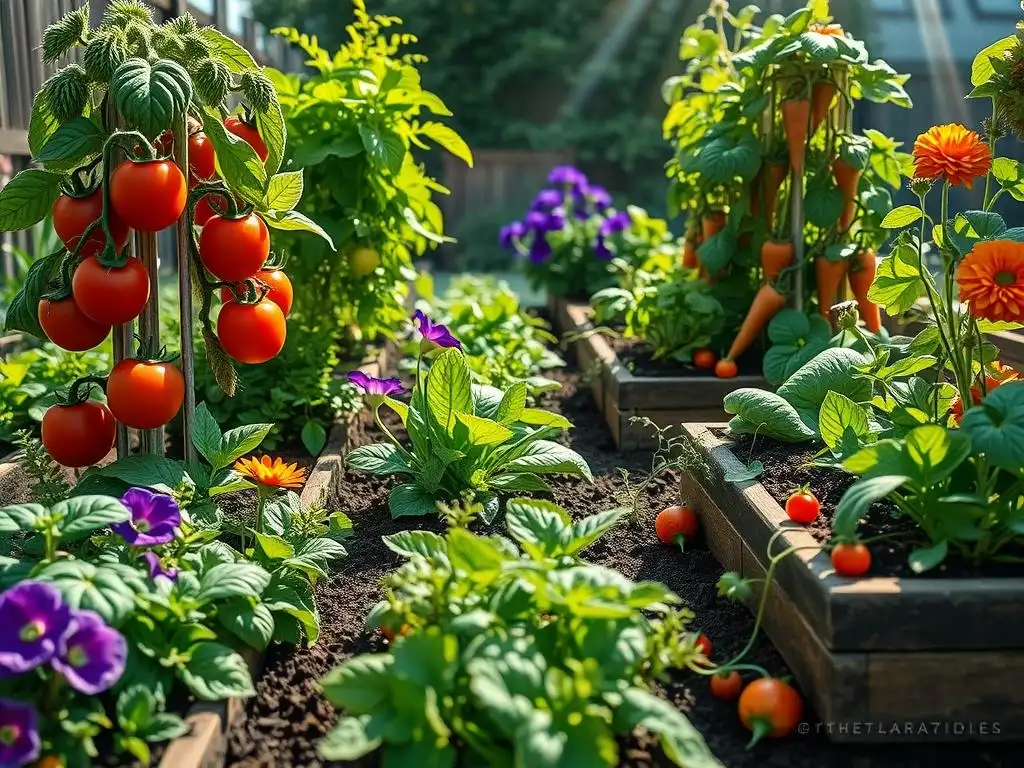
Ready to unlock the secrets to a bountiful harvest? At CultivateYourFood, we empower you to grow your own delicious fruits, vegetables, and herbs organically. Dive into the world of sustainable gardening with our expert guide on Square Foot Gardening advanced techniques. Discover how to maximize your yield and minimize your effort – your journey to a thriving, homegrown garden starts now!
- Mastering Square Foot Gardening: Advanced Planting Strategies
- Advanced Soil Management for Square Foot Gardening Success
- Advanced Irrigation and Water Management for Square Foot Gardens
- Advanced Pest and Disease Control in Square Foot Gardening
- Harvesting and Post-Harvest Care in Advanced Square Foot Gardening
- Advanced Square Foot Garden Design and Planning
- Troubleshooting Common Problems in Advanced Square Foot Gardening
-
Frequently Asked Questions
- What are some advanced square foot gardening techniques beyond the basics?
- How can I improve soil fertility in my square foot garden using advanced techniques?
- What are some advanced pest and disease control methods for square foot gardening?
- How can I optimize water usage in my square foot garden using advanced techniques?
- What advanced techniques can I use to maximize yield in square foot gardening?
- Final Reflection: Harvesting Abundance: The Enduring Power of Square Foot Gardening
- Unleash Your Inner Green Thumb: Grow More, Worry Less!
Mastering Square Foot Gardening: Advanced Planting Strategies
Square foot gardening, with its efficient use of space and focus on maximizing yields, has become a popular choice for home gardeners. But mastering this technique goes beyond simply planting seeds in a grid. This article delves into advanced square foot gardening techniques, moving beyond the basics to unlock the true potential of this method.
We'll explore strategies for optimizing plant spacing, utilizing companion planting to enhance growth and pest control, and even incorporating vertical gardening elements to dramatically increase your harvest in a limited space. These advanced techniques, when implemented correctly, can transform your square foot garden from a productive space into a thriving ecosystem brimming with healthy, organic produce. Get ready to elevate your gardening game and experience the rewards of truly optimized square foot gardening!
Optimizing Plant Spacing for Maximum Yield in Square Foot Gardens
Proper spacing is paramount in square foot gardening. While the basic grid system provides a framework, understanding the mature size of each plant is crucial for maximizing yields. Cramming too many plants together leads to competition for resources, resulting in stunted growth and reduced harvests. Conversely, leaving too much space wastes valuable growing area.
The key lies in careful observation and planning. For example, sprawling plants like zucchini might only occupy one square foot initially, but will quickly expand. Therefore, strategically placing them with ample space around them is critical. Smaller, more compact plants, such as lettuce, can be planted more densely.
Consider using a planting chart that accounts for mature plant size and spacing requirements for each species. This chart should be tailored to your specific climate and growing conditions. Remember that variations in sunlight and soil composition can significantly impact growth rates, so regular monitoring and adjustments may be necessary. This meticulous planning ensures that every square foot is utilized efficiently, leading to a bountiful harvest. Don't forget to account for the growth habit of each plant – some plants grow vertically, while others spread horizontally. This knowledge informs your spacing strategy considerably.
Advanced Companion Planting Techniques for Square Foot Gardens
Companion planting leverages the synergistic relationships between different plant species to improve growth, deter pests, and enhance overall garden health. In square foot gardening, this strategy becomes even more crucial due to the close proximity of plants. Careful selection of companion plants can significantly boost yields and reduce the need for chemical pesticides.
For example, planting basil near tomatoes is a classic companion planting technique. Basil is believed to repel tomato hornworms, while also improving the flavor of the tomatoes. Similarly, marigolds planted amongst vegetables can deter nematodes and other soil-borne pests. However, it's crucial to understand that not all plant pairings are beneficial.
Some plants may compete for resources or even inhibit each other's growth. Researching and understanding the specific needs and interactions of your chosen plants is vital for success. A well-planned companion planting strategy can transform your square foot garden into a resilient and productive ecosystem. Consider creating a small-scale experiment to track the effectiveness of different companion plant combinations in your specific environment.
Utilizing Trellises and Vertical Gardening in Your Square Foot Garden
Expanding your square foot garden vertically opens up a whole new dimension of possibilities. Utilizing trellises, stakes, and other vertical supports allows you to grow vining and climbing plants like cucumbers, beans, and tomatoes upwards, significantly increasing your yield within the same footprint. This vertical gardening approach maximizes space utilization, especially valuable in small gardens or urban settings.
Vertical gardening also improves air circulation, reducing the risk of fungal diseases which commonly affect densely planted crops. Selecting the appropriate support structure for each plant is crucial. For example, sturdy stakes are ideal for tomatoes, while a trellis might be better suited for cucumbers.
Furthermore, consider the weight and growth habit of your plants when choosing your vertical support system. Investing in a well-designed vertical support system can transform your square foot garden from a flat plane of growth into a three-dimensional marvel of productivity. Remember to regularly monitor and adjust your support structures as your plants grow to prevent damage and ensure optimal support.
Succession Planting for Continuous Harvesting in Square Foot Gardens
Succession planting is a cornerstone of maximizing yields in square foot gardening, allowing for a continuous harvest throughout the growing season. Instead of planting an entire square foot bed with one variety of, say, lettuce, at once, succession planting involves planting smaller batches of the same crop at staggered intervals. This ensures that as one batch matures and is harvested, another is ready to take its place. This technique is particularly effective with fast-growing crops like lettuce, spinach, radishes, and bush beans.
For example, you might plant a quarter of a square foot of lettuce every two weeks. This way, you’ll have a consistent supply of fresh lettuce throughout the summer. The key is to understand the growth cycle of your chosen plants. Knowing the time from planting to harvest allows you to accurately space out your plantings for optimal yield. Careful observation of plant maturity is crucial; don't wait until the plants are past their prime before planting the next batch. Overcrowding can negatively impact the yield of your subsequent plantings.
Planning is essential for successful succession planting. A simple calendar or spreadsheet can help you track your planting schedule. Consider factors like the plant's specific needs (sunlight, water, soil conditions) and potential for pest infestations. Some crops are more susceptible to certain pests at different stages of growth, and planning accordingly helps minimize losses. Rotating crops within your square foot garden beds can further help reduce pest and disease pressure. For instance, planting a pest-resistant variety of lettuce after a susceptible one can help to break the pest cycle.
Moreover, the success of succession planting hinges on proper soil preparation and consistent care. Maintaining healthy soil through regular composting and fertilization is key to ensuring vigorous growth in each successive planting. Regular watering, weeding, and pest monitoring are also critical to maximize the potential of this technique. Failure to adequately maintain soil health and plant care can lead to lower yields despite the strategic scheduling of successive plantings.
Remember, healthy soil translates to healthy plants, which ultimately leads to a more bountiful and continuous harvest. This approach allows you to enjoy the fruits—or vegetables—of your labor consistently throughout the growing season. 🌱
Advanced Soil Management for Square Foot Gardening Success
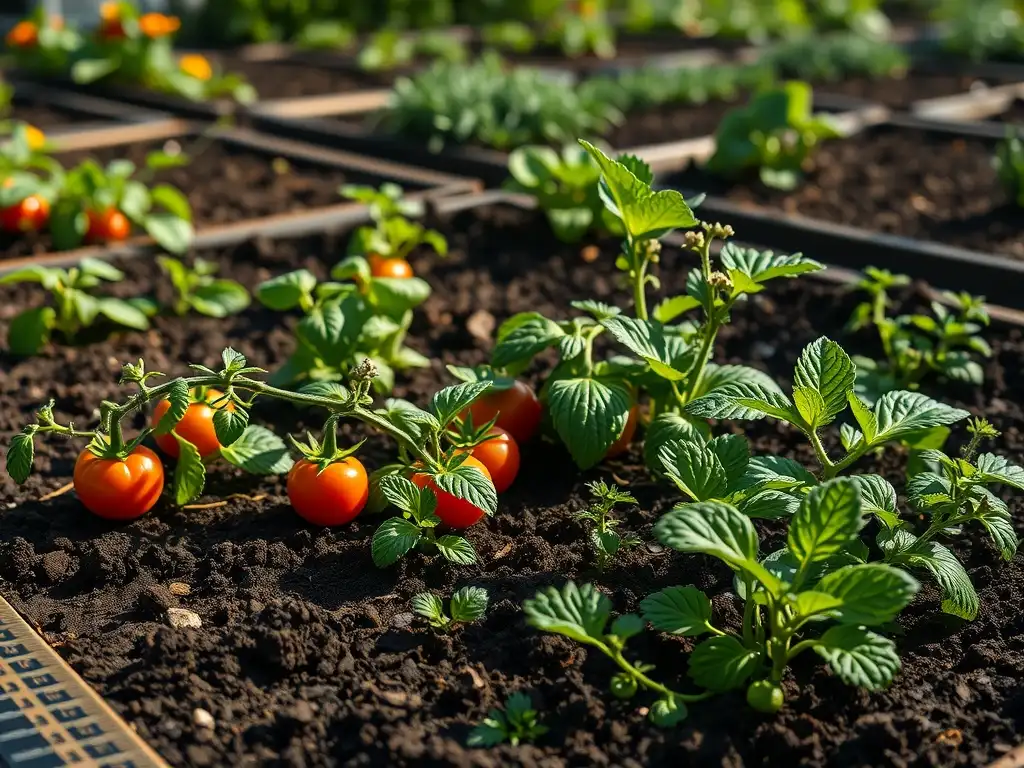
Square foot gardening, while seemingly simple, thrives on meticulous soil management. Mastering advanced soil techniques is crucial for maximizing yields and ensuring healthy plant growth. This section delves into the intricacies of building, maintaining, and troubleshooting your square foot garden soil. Optimizing your soil translates directly into healthier plants, more abundant harvests, and a more sustainable gardening practice. Let's explore the key aspects of advanced soil management for your square foot garden.
Building the Perfect Square Foot Garden Soil Mix: Advanced Composting Techniques
Creating the ideal soil mix is the cornerstone of successful square foot gardening. Forget generic potting soil; we're aiming for a custom blend optimized for your specific needs. A balanced mix ensures proper drainage, aeration, and nutrient retention. Advanced composting plays a vital role here. Instead of relying on store-bought compost, consider creating your own using advanced techniques to maximize nutrient content and microbial diversity.
This involves understanding the carbon-to-nitrogen ratio (C:N ratio) of your compost ingredients. A balanced ratio (around 30:1) ensures efficient decomposition. You can achieve this by combining "brown" materials (high in carbon, like dried leaves and shredded paper) with "green" materials (high in nitrogen, like grass clippings and fruit/vegetable scraps). Consider adding beneficial microbes through the use of compost teas or inoculants to further accelerate decomposition and enhance nutrient availability.
Regularly monitoring moisture levels and turning the compost pile are also crucial for optimal decomposition. A well-made compost will be dark, crumbly, and earthy-smelling, a testament to its richness and readiness for your square foot garden. The resulting soil mix will be lighter and airier than typical garden soil, promoting strong root development and water retention.
Nutrient Management and Soil Testing for Optimal Plant Growth in Square Foot Gardens
Nutrient management goes beyond simply adding fertilizer. Understanding your soil's specific needs is paramount. Regular soil testing provides invaluable insights into nutrient levels (nitrogen, phosphorus, potassium – NPK), pH, and other essential elements. This allows for precise adjustments to your fertilization strategy, preventing nutrient deficiencies or excesses that can hinder plant growth. Soil testing kits are readily available, offering simple and accurate results.
Based on your soil test results, you can tailor your nutrient application. Instead of relying on generic fertilizers, consider using organic options like compost, worm castings, or bone meal. These provide slow-release nutrients, mimicking the natural processes of the ecosystem. For specific nutrient deficiencies, you can use targeted amendments such as Epsom salts (for magnesium) or seaweed extract (for micronutrients).
Remember that over-fertilizing can be just as detrimental as under-fertilizing, potentially harming beneficial soil microorganisms and leading to nutrient runoff. By adopting a precise, data-driven approach to nutrient management, you can optimize plant health and maximize your harvest. This approach is essential for sustainable square foot gardening.
Dealing with Soil-borne Diseases and Pests in Square Foot Gardens
Soil-borne diseases and pests can significantly impact your square foot garden's success. Proactive measures are key to preventing infestations and managing outbreaks effectively. Good soil health is your first line of defense. Healthy, well-balanced soil supports a robust community of beneficial microorganisms that compete with harmful pathogens and pests. Regular soil testing can help identify potential problems early on.
Implementing crop rotation is crucial for breaking disease cycles. Rotating crops helps reduce the buildup of specific pathogens in the soil. Consider using companion planting techniques, selecting plant species that repel common pests or attract beneficial insects. For example, marigolds are known to deter nematodes, while basil can help repel aphids.
In cases of severe infestations, consider using organic pest control methods, such as neem oil or insecticidal soap. Always choose organic options to maintain the integrity of your sustainable gardening practices. Remember to carefully follow application instructions and prioritize prevention over cure. By proactively addressing soil-borne issues, you can ensure a healthy and productive square foot garden.
Advanced Irrigation and Water Management for Square Foot Gardens
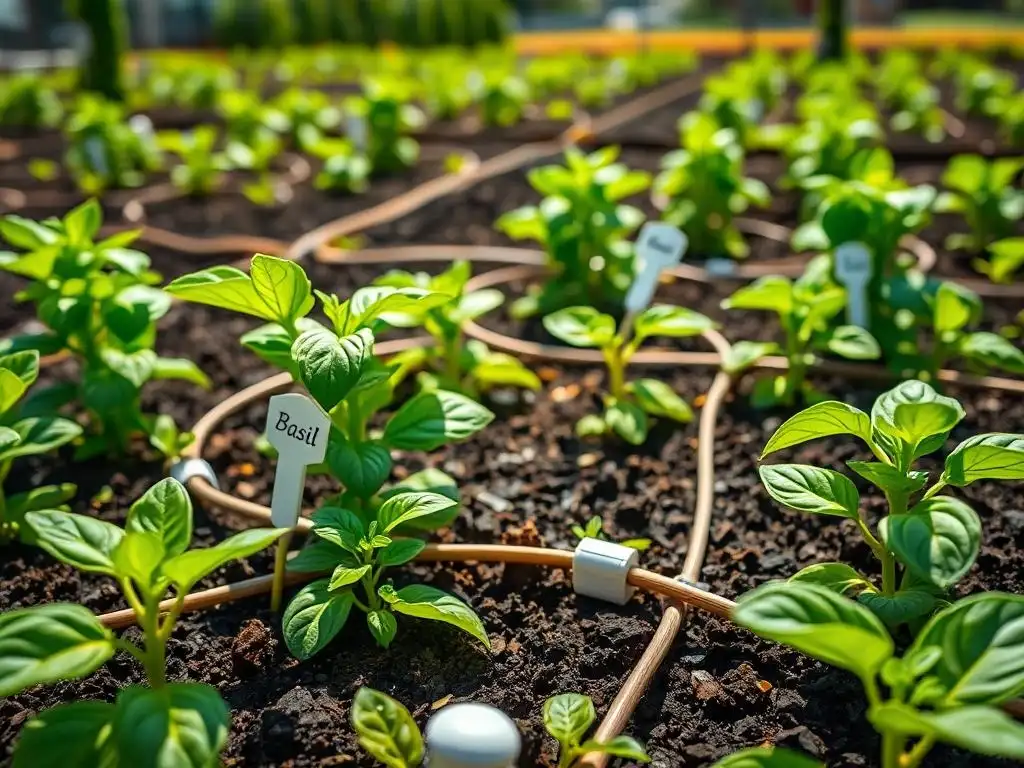
Efficient and sustainable water management is crucial for maximizing yields in square foot gardening. While basic watering might suffice for smaller setups, advanced techniques become essential as your garden expands or you tackle more demanding plants. Mastering these techniques helps conserve water, prevent common issues like overwatering and underwatering, and ensures optimal plant health. This section focuses on elevating your square foot gardening game through improved irrigation and water management strategies.
The key is to deliver the right amount of water directly to the roots, minimizing waste and maximizing efficiency. This directly impacts the success of your square foot garden, especially during periods of drought or intense heat. Proper water management also helps prevent fungal diseases that thrive in excessively moist soil.
Efficient Watering Techniques for Square Foot Gardens: Drip Irrigation and Beyond
Drip irrigation is a game-changer for square foot gardening. Instead of overhead watering, which leads to water loss through evaporation and can splash soil onto foliage (promoting disease), drip irrigation delivers water directly to the plant's root zone. This targeted approach significantly reduces water consumption and minimizes the risk of fungal diseases. Several options exist:
- Soaker hoses: These porous hoses can be laid along the rows of your square foot garden beds, providing a gentle and consistent stream of water. They're inexpensive and easy to install.
- Drip tape: This thin tubing with built-in emitters delivers water directly to individual plants, offering even greater precision. It's particularly useful for larger square foot gardens.
- DIY drip systems: With some basic plumbing supplies, you can create a customized drip system tailored to your specific needs. This allows for greater control over water delivery to individual plants or sections of your garden.
Beyond drip irrigation, consider using a timer to automate watering schedules, ensuring consistent moisture levels regardless of your availability. Regularly monitor soil moisture using a moisture meter to fine-tune your watering schedule and avoid both overwatering and underwatering. Overwatering can lead to root rot, while underwatering stunts plant growth and reduces yields. Finding the sweet spot is key to success.
Water Retention and Soil Moisture Control in Square Foot Gardens
Maintaining optimal soil moisture is critical for healthy plant growth. The soil in a square foot garden must retain enough water to support plant needs but not become waterlogged. Several strategies enhance water retention:
- Amendments: Incorporating organic matter like compost, well-rotted manure, or coconut coir into your soil improves its water-holding capacity. These materials increase soil porosity, allowing for better water infiltration and retention.
- Soil type: Selecting a soil mix appropriate for your climate and plants is essential. Sandy soils drain quickly, requiring more frequent watering, while clay soils retain water excessively, potentially leading to waterlogging. A well-balanced mix of sand, silt, and clay, amended with organic matter, provides optimal drainage and water retention.
- Raised beds: Raised beds can improve drainage and reduce waterlogging, especially in areas with poorly draining soil. This is particularly beneficial for square foot gardens, as they allow for better control over soil composition and drainage.
Mulching Strategies for Improved Water Retention and Weed Control
Mulching is a crucial aspect of advanced square foot gardening that significantly enhances water retention and reduces weed growth. A layer of mulch acts as a barrier, reducing evaporation and keeping the soil cooler. Several effective mulching options include:
- Straw: A readily available and cost-effective option, straw provides excellent water retention and weed suppression.
- Wood chips: Larger wood chips offer good weed control and water retention, but they decompose more slowly than straw.
- Compost: Using compost as mulch not only retains water but also enriches the soil with nutrients.
The optimal mulch layer thickness varies depending on the material used and the climate. Generally, a 2-4 inch layer is sufficient, ensuring adequate weed suppression and moisture retention without hindering air circulation to the roots. Regularly check your mulch layer and replenish it as needed. A well-maintained mulch layer is a key component of efficient water management and overall garden health. This contributes significantly to the overall success of your square foot gardening efforts and reduces your workload by minimizing weed maintenance.
Advanced Pest and Disease Control in Square Foot Gardening
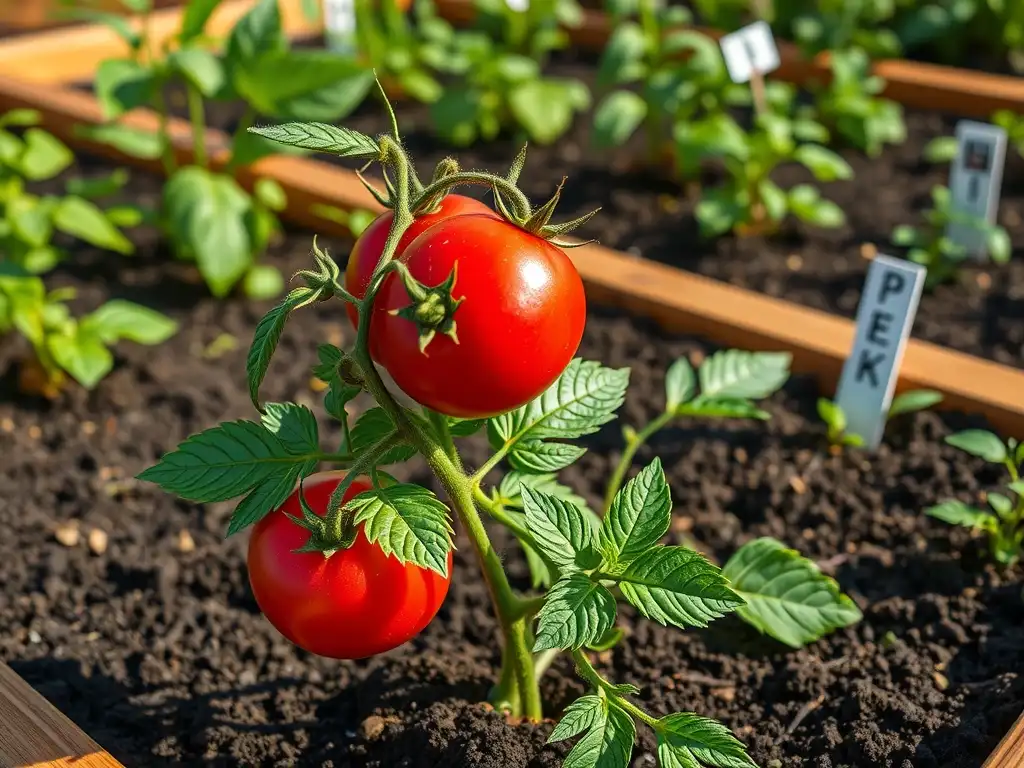
Square foot gardening, while efficient, isn't immune to pest and disease problems. Successfully navigating these challenges requires a proactive, multi-pronged approach that prioritizes prevention and utilizes sustainable, organic methods. This section delves into advanced techniques for pest and disease control specifically tailored to the square foot gardening method, helping you cultivate a thriving and healthy garden. Mastering these techniques will significantly improve your harvest and minimize reliance on harmful chemicals.
Natural Pest Control Methods for Square Foot Gardens: Organic Solutions
Organic pest control in square foot gardening hinges on creating a healthy ecosystem that is less hospitable to pests. This involves several strategies working in concert:
- Companion Planting: Strategically placing plants that repel pests amongst your vegetables is a powerful technique. For example, basil planted near tomatoes can deter tomato hornworms, while marigolds repel many common garden pests. Careful planning of your square foot grid is key to maximizing the benefits of companion planting. Consider researching which companion plants are most effective for the specific vegetables you're growing.
- Beneficial Insects: Encourage the presence of beneficial insects like ladybugs, lacewings, and praying mantises. These natural predators feed on many common garden pests, reducing the need for intervention. Providing habitat, such as leaving some areas slightly unkempt or planting flowering plants that attract them, can significantly increase their populations.
- Diatomaceous Earth (DE): DE is a naturally occurring sedimentary rock that, when finely ground, acts as a desiccant, effectively dehydrating and killing soft-bodied insects like slugs and snails. Apply it as a dust around the base of your plants, being mindful not to inhale it. Remember to reapply after watering.
- Neem Oil: Derived from the neem tree, neem oil is a potent natural insecticide that disrupts the life cycle of many pests. It's effective against aphids, whiteflies, and other sucking insects. Always dilute neem oil according to package instructions and apply it in the early morning or evening to minimize damage to beneficial insects.
- Homemade Sprays: Simple solutions like diluted insecticidal soap or a mixture of water and chili peppers can effectively deter some pests. These offer a cost-effective and environmentally friendly alternative to commercially produced pesticides. Experiment to find what works best in your specific garden environment.
Identifying and Addressing Common Square Foot Garden Diseases
Disease prevention is paramount in square foot gardening. Early detection and appropriate action are crucial to minimize the spread of disease and protect your plants. Here are some common diseases and how to address them:
| Disease | Symptoms | Prevention | Treatment |
|---|---|---|---|
| Damping-off | Seedling wilting and death | Sterilize soil, ensure good drainage, proper spacing | Remove affected seedlings, improve air circulation |
| Powdery Mildew | White powdery coating on leaves | Good air circulation, avoid overhead watering | Apply baking soda solution or horticultural oil |
| Leaf Spot | Brown or black spots on leaves | Remove infected leaves, avoid overhead watering | Remove affected leaves, consider copper fungicide (organic) |
| Blossom End Rot | Rotting at the blossom end of fruits | Consistent watering, adequate calcium levels | Remove affected fruits, improve calcium levels |
| Root Rot | Wilting, yellowing leaves, root decay | Well-draining soil, avoid overwatering | Improve drainage, remove affected plants |
Careful observation is key. Regularly inspect your plants for any signs of disease. Early detection allows for quicker intervention, often preventing widespread damage.
Implementing Integrated Pest Management (IPM) in Your Square Foot Garden
Integrated Pest Management (IPM) is a holistic approach that combines various strategies to minimize pest and disease problems while minimizing environmental impact. In a square foot garden, IPM is particularly effective because of the controlled environment. It emphasizes prevention and monitoring before resorting to interventions.
The core principles of IPM in square foot gardening include:
- Monitoring: Regularly inspect your plants for signs of pests and diseases. Early detection allows for timely and targeted intervention. Keep a detailed garden journal to track pest and disease occurrences.
- Prevention: Employ preventative measures such as crop rotation, companion planting, and maintaining healthy soil conditions. A strong, healthy plant is less susceptible to pests and diseases.
- Intervention: Only intervene when necessary, using the least toxic methods possible. This might involve handpicking pests, using natural pest control methods, or, as a last resort, employing organic pesticides.
- Evaluation: After implementing any control measure, evaluate its effectiveness. Track the results to refine your IPM strategy and optimize your approach for future growing seasons.
Implementing IPM requires patience and observation. It's a continuous process of learning and adaptation. By embracing these principles, you can create a thriving square foot garden that is both productive and environmentally friendly. Remember, the goal is to maintain a balance, minimizing the use of harsh chemicals while protecting your valuable crops. 🎉
Harvesting and Post-Harvest Care in Advanced Square Foot Gardening
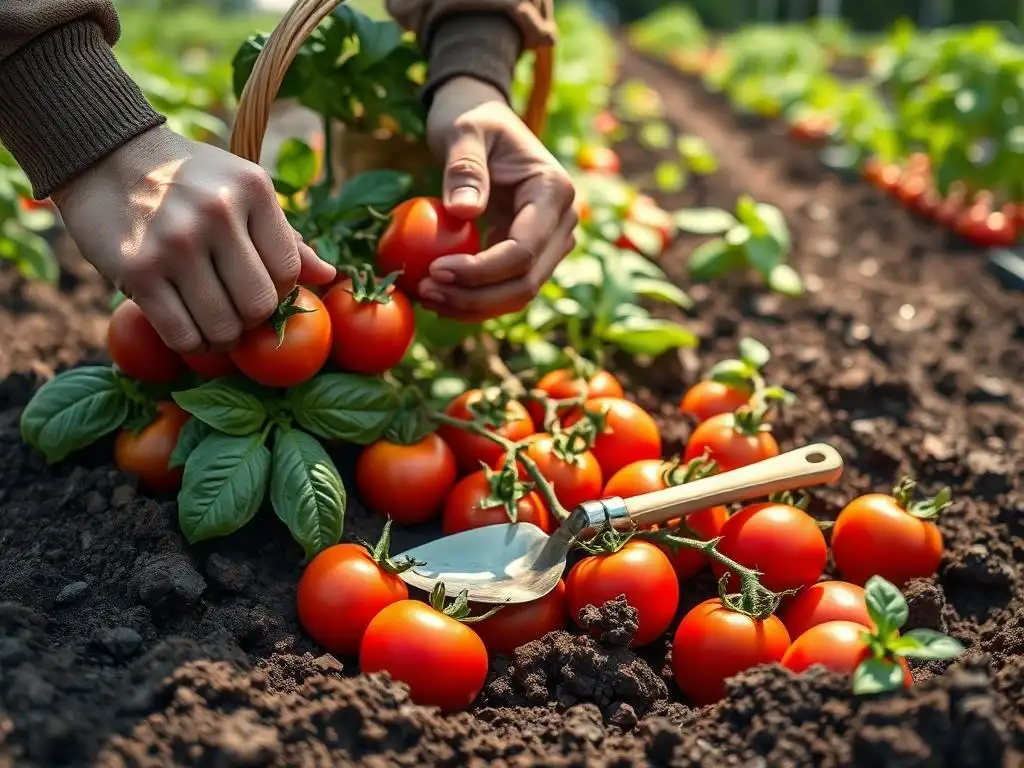
This section delves into the crucial aspects of harvesting and post-harvest care within the context of advanced square foot gardening techniques. Mastering these steps is essential to maximizing the yield and quality of your homegrown produce, ensuring you reap the full rewards of your efforts. We'll explore optimizing harvest timing, proper storage, and extending the growing season for year-round harvests. Proper post-harvest handling directly impacts the flavor, texture, and nutritional value of your fruits, vegetables, and herbs.
Optimizing Harvest Timing for Maximum Flavor and Quality
Harvesting at the optimal time is paramount for achieving peak flavor and nutritional value. This requires careful observation and understanding of each plant's specific needs. For instance, tomatoes should be harvested when they exhibit a deep, rich color and give slightly to gentle pressure – this indicates ripeness and optimal sugar content. Similarly, herbs like basil should be harvested just before flowering, as this is when their essential oil content and flavor are at their most potent. Overripe produce loses flavor and nutritional value, while harvesting too early can result in a lack of flavor development.
Timing also depends on the intended use. For example, if you plan to preserve your harvest (e.g., canning tomatoes or freezing herbs), slightly less ripe produce may be preferable to ensure a longer shelf life. Conversely, if you plan to eat your harvest immediately, focusing on peak ripeness is crucial.
Regular monitoring of your square foot garden beds, noting the growth stages of each plant, is vital for timely harvesting. Maintaining a detailed gardening journal can be beneficial for tracking optimal harvest times for each variety year after year. This refined approach to harvesting is a hallmark of advanced square foot gardening.
Proper Storage Techniques to Extend the Shelf Life of Your Harvest
Proper storage is crucial for extending the shelf life of your harvested produce. Different fruits and vegetables have different storage requirements. Some thrive in cool, dark, and humid environments, while others need good air circulation and lower humidity. Understanding these specific needs is key to minimizing post-harvest losses.
Consider these storage techniques:
- Refrigeration: Many leafy greens, herbs, and some fruits benefit from refrigeration. Properly washing and drying produce before refrigeration helps prevent spoilage.
- Root Cellars/Cool, Dark Spaces: Root vegetables like carrots, potatoes, and beets are often best stored in a cool, dark, and well-ventilated space to prevent spoilage.
- Proper Containers: Using breathable containers, such as paper bags or perforated plastic bags, allows for optimal air circulation, preventing moisture buildup and rot.
- Freezing: Freezing is an effective method for preserving many fruits and vegetables for extended periods. Blanching before freezing helps to maintain color and texture.
| Produce Type | Optimal Storage Method | Notes |
|---|---|---|
| Leafy Greens | Refrigerator, airtight container | Wash and dry thoroughly before storing. |
| Root Vegetables | Cool, dark, well-ventilated space | Avoid storing with fruits that release ethylene. |
| Tomatoes | Cool, dark place, stem-side up | Avoid refrigeration unless very ripe. |
| Herbs | Refrigerator, airtight container | Wrap in damp paper towels for added freshness. |
The effective use of these techniques significantly extends the enjoyment of your square foot garden's bounty. This careful attention to detail separates advanced square foot gardening from basic techniques.
Utilizing Square Foot Gardening for Year-Round Harvesting (Techniques for Extending the Season)
Extending the growing season in square foot gardening requires strategic planning and the use of several advanced techniques. These techniques allow for the cultivation of crops even during colder months, maximizing the yield throughout the year.
- Cold Frames and Greenhouses: These structures provide protection from frost and harsh weather, allowing for the cultivation of heat-loving plants even during the colder months.
- Row Covers: Lightweight row covers protect plants from frost and light freezes, extending the growing season into early spring and late fall.
- Succession Planting: This involves planting new crops regularly to ensure a continuous harvest throughout the growing season. For example, you can plant a new batch of lettuce every few weeks to maintain a constant supply.
- Indoor Growing: Growing certain crops indoors, using grow lights and hydroponic systems, can provide a continuous harvest regardless of the outdoor climate. This requires a more significant investment in equipment and resources, however.
- Crop Selection: Choosing varieties of plants with varying cold hardiness levels ensures a continuous harvest through the changing seasons.
By implementing these advanced techniques, a well-managed square foot garden can provide fresh, homegrown produce throughout the year. This consistent yield is a testament to the efficiency and versatility of the square foot gardening method when applied with expertise. Careful planning and adaptation to the local climate are critical for maximizing this year-round harvest.
Advanced Square Foot Garden Design and Planning
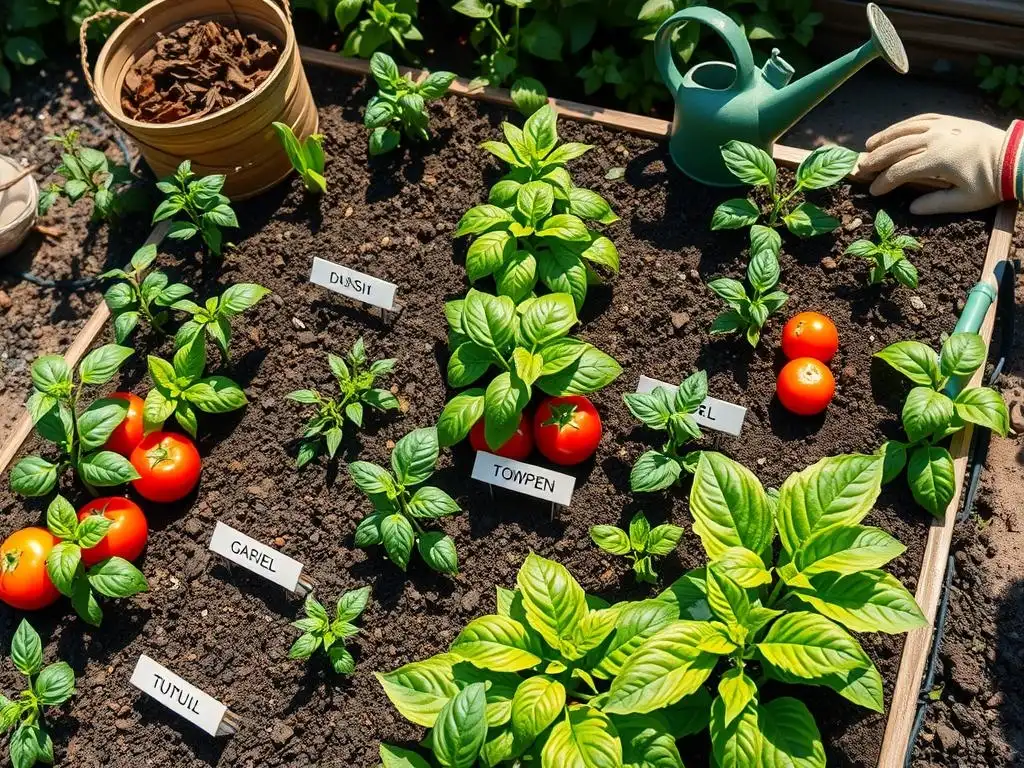
This section delves into the strategic planning and design elements crucial for maximizing the yield and efficiency of your square foot garden. We move beyond the basics, exploring advanced techniques to optimize your gardening space and adapt to various environmental conditions. Mastering these techniques will elevate your square foot gardening game to a new level of productivity and sustainability.
Designing Raised Beds for Optimal Sunlight and Drainage
Optimal sunlight exposure and efficient drainage are paramount for successful square foot gardening. Simply building a box isn't enough; thoughtful design significantly impacts plant health and growth. Consider these key factors:
- Sunlight Analysis: Before constructing your raised beds, meticulously track the sun's path across your garden area throughout the day. Document the hours of direct sunlight each potential location receives. Most vegetables thrive with at least 6-8 hours of direct sunlight daily. South-facing beds (in the Northern Hemisphere) generally receive the most sun.
- Drainage Solutions: Poor drainage can lead to root rot and stunted growth. Incorporate drainage features into your raised bed design. This could involve:
- Elevated Base: Constructing your beds on a slightly elevated base, perhaps using bricks or landscape fabric, allows for better water runoff.
- Drainage Holes: Drill strategically placed drainage holes in the bottom of your raised beds, ensuring they are not clogged with soil.
- Gravel Layer: A layer of gravel at the bottom of the bed improves drainage and aeration.
- Sloped Base: If building on level ground, consider slightly sloping the base of the bed away from the center to encourage water drainage.
- Material Selection: The material you choose for your raised beds impacts drainage and heat retention. Untreated wood, for example, can rot over time, while some plastics can retain excessive heat. Consider using cedar or redwood for durability and longevity or explore alternative sustainable materials like recycled plastic lumber.
- Bed Dimensions: While the classic square foot garden uses 4' x 4' beds, experimenting with different dimensions can optimize sunlight exposure depending on your garden's orientation and shading. Longer, narrower beds may be more suitable for areas with limited direct sunlight.
Planning Your Square Foot Garden Layout for Efficient Space Utilization
Efficient space utilization is the cornerstone of square foot gardening. Advanced techniques extend beyond simply planting in squares. Consider these strategies:
- Companion Planting: Strategic companion planting maximizes space and improves plant health. For example, planting basil near tomatoes repels pests and enhances tomato flavor. Research companion planting combinations suited to your chosen plants. A well-planned layout can significantly increase your yield in a limited space.
- Vertical Gardening: Incorporate vertical gardening techniques to maximize your three-dimensional space. Use trellises, stakes, or hanging baskets to grow vining plants like cucumbers or beans vertically, freeing up valuable ground space for other crops.
- Succession Planting: Plan for succession planting to ensure a continuous harvest throughout the growing season. Plant fast-maturing crops alongside slower-growing ones, ensuring that your garden is always productive. This requires careful planning and knowledge of the growth cycles of your chosen vegetables.
- Crop Rotation: Implement a comprehensive crop rotation plan to prevent soil depletion and pest build-up. Rotating crops annually helps maintain soil fertility and reduces the risk of disease. Keep a detailed record of your planting plan each year to optimize rotation.
Adapting Square Foot Gardening Techniques for Different Climates and Microclimates
Square foot gardening's adaptability is a key strength. However, tailoring your approach to your specific climate and microclimate is essential for success.
- Climate Considerations: The length of your growing season significantly impacts your plant choices. In shorter seasons, opt for fast-maturing varieties. In hotter climates, prioritize drought-tolerant plants and consider providing shade during the hottest parts of the day. Conversely, in colder climates, utilize cold frames or row covers to extend the growing season.
- Microclimate Assessment: Observe your garden's microclimates. Are there areas that are consistently wetter or drier than others? Are there areas prone to strong winds or excessive shade? Adjust your bed placement and plant choices accordingly. For example, place drought-tolerant plants in sunnier areas and moisture-loving plants in shadier, more humid microclimates. Utilizing windbreaks can also protect delicate plants.
- Soil Temperature Management: Soil temperature is crucial. In colder climates, consider using black plastic mulch to warm the soil faster. In hotter climates, use reflective mulch to prevent excessive heat buildup. Monitoring your soil temperature with a thermometer ensures you're providing the optimal growing conditions for your plants. This level of precision is key to optimizing your square foot garden, regardless of your climate.
This detailed planning and design will ensure your square foot garden thrives, maximizing your yield and bringing the joy of homegrown produce to your table. Remember, even advanced square foot gardening is about careful observation and adaptation to your specific environment. Happy gardening!
Troubleshooting Common Problems in Advanced Square Foot Gardening
Advanced square foot gardening, while rewarding, presents unique challenges beyond the basics. Mastering these techniques requires a keen eye for detail and proactive problem-solving. This section will delve into common issues and provide practical solutions to help you cultivate a thriving, high-yield garden. We'll explore nutrient deficiencies, pest and disease management, and space/sunlight optimization—critical aspects of achieving advanced square foot gardening success.
Diagnosing and Solving Nutrient Deficiencies in Square Foot Gardens
Nutrient deficiencies are a common hurdle in intense square foot gardening. The concentrated planting means plants compete fiercely for resources. Identifying deficiencies early is crucial for preventing stunted growth and reduced yields. Visual clues are your first line of defense.
For example, yellowing leaves often indicate a nitrogen (N) deficiency. This is often seen first on older, lower leaves. A lack of phosphorus (P) can manifest as stunted growth and dark green or purplish leaves, especially on younger leaves. Potassium (K) deficiency might present as leaf scorching or browning at the edges. Magnesium (Mg) deficiency can cause yellowing between leaf veins (interveinal chlorosis).
To address these deficiencies, you can employ several strategies:
- Soil Testing: A professional soil test provides a precise analysis of nutrient levels. This allows for targeted amendments.
- Organic Amendments: Instead of synthetic fertilizers, incorporate compost, worm castings, and aged manure to replenish nutrients naturally. These provide a slow-release of nutrients, reducing the risk of over-fertilization.
- Foliar Feeding: For a quick fix, a foliar spray of liquid seaweed or diluted compost tea can supply micronutrients directly to the leaves. This is particularly useful for addressing immediate deficiencies.
- Crop Rotation: Rotating crops annually helps prevent the depletion of specific nutrients in the soil. Different plants have different nutrient needs.
Remember, prevention is key. Regular soil testing and the use of high-quality organic compost are vital for maintaining optimal nutrient levels and preventing deficiencies. The key to success in square foot gardening is building and maintaining healthy soil.
Addressing Common Pests and Diseases in Your Advanced Square Foot Garden
The close proximity of plants in a square foot garden can increase the risk of pest and disease outbreaks. Early detection and preventative measures are essential. Common pests include aphids, spider mites, slugs, and whiteflies. Diseases like powdery mildew and blight can also be problematic.
Here's a breakdown of effective management strategies:
| Pest/Disease | Symptoms | Control Methods |
|---|---|---|
| Aphids | Sucking sap, leaf curling, honeydew | Insecticidal soap, ladybugs, neem oil |
| Spider Mites | Fine webbing, stippling on leaves | Miticides, insecticidal soap, predatory mites |
| Slugs & Snails | Holes in leaves, slimy trails | Beer traps, diatomaceous earth, handpicking |
| Whiteflies | White, flying insects, yellowing leaves | Yellow sticky traps, insecticidal soap, neem oil |
| Powdery Mildew | White powdery coating on leaves | Fungicides (e.g., neem oil, potassium bicarbonate), improve air circulation |
| Blight (various) | Leaf spots, wilting, stem lesions | Remove infected plants, fungicides (consult specific recommendations), crop rotation |
Implementing integrated pest management (IPM) is crucial. This involves combining preventative measures (e.g., healthy plants, good sanitation) with targeted interventions only when necessary, minimizing the use of harsh chemicals. Remember to always identify the pest or disease accurately before applying any treatment.
Square foot gardening excels in maximizing space, but even with this efficient method, space and sunlight can be limiting factors, especially in smaller gardens or areas with limited sun exposure. Optimizing these resources requires careful planning and strategic choices.
- Vertical Gardening: Utilize vertical space with trellises or hanging baskets to grow vining plants like cucumbers or tomatoes, increasing yield without expanding footprint. This is particularly helpful in small urban gardens.
- Sunlight Optimization: Careful plant placement is vital. Tall plants should be positioned to avoid shading shorter ones. Consider using reflective surfaces (like aluminum foil) to direct more light to plants in shadier areas. East-facing gardens receive morning sun, best for plants that don't need intense afternoon heat.
- Dwarf Varieties: Selecting compact or dwarf varieties of plants maximizes space efficiency. These varieties produce a good yield despite their smaller size. Look for plant descriptions that specifically mention compact growth habits.
- Succession Planting: Plan your planting calendar to maximize the use of available space throughout the growing season. Harvest early-maturing crops and immediately replace them with later-season varieties.
Careful consideration of these factors allows you to overcome space constraints and ensure your plants receive adequate sunlight, even in challenging conditions. Remember that even a small, strategically planned square foot garden can yield substantial results.
Frequently Asked Questions
What are some advanced square foot gardening techniques beyond the basics?
Advanced techniques include vertical layering to maximize space, using specialized soil mixes for specific plants, implementing advanced irrigation systems, and employing companion planting strategies to enhance growth and deter pests.
How can I improve soil fertility in my square foot garden using advanced techniques?
Employ advanced composting methods like vermicomposting or bokashi composting to create nutrient-rich soil. Consider using soil amendments like biochar or aged manure to improve drainage and fertility. Regular soil testing is crucial to monitor nutrient levels.
What are some advanced pest and disease control methods for square foot gardening?
Utilize beneficial insects and natural predators to control pests organically. Implement crop rotation strategies to break pest cycles. Consider using diatomaceous earth or neem oil as natural pest deterrents.
How can I optimize water usage in my square foot garden using advanced techniques?
Implement a drip irrigation system for precise water delivery directly to plant roots. Use water-retaining soil amendments like coco coir to reduce watering frequency. Employ mulching techniques to retain soil moisture and suppress weeds.
What advanced techniques can I use to maximize yield in square foot gardening?
Employ succession planting to ensure continuous harvests. Utilize trellising and vertical supports to maximize space and optimize sunlight exposure for climbing plants. Select high-yielding and compact plant varieties suited for square foot gardening.
Final Reflection: Harvesting Abundance: The Enduring Power of Square Foot Gardening
The principles of square foot gardening, while seemingly simple, offer a powerful solution to modern challenges in food production and environmental sustainability. Efficient space utilization and maximized yields are not just quaint gardening practices; they are increasingly vital in a world facing population growth and climate change. This method empowers individuals to cultivate their own food, regardless of space constraints, fostering a deeper connection with nature and a greater sense of self-reliance.
The impact of square foot gardening extends beyond the individual plot, influencing community gardens, urban farming initiatives, and even educational programs. It's a testament to the power of accessible, sustainable practices to create positive change. The best way to find yourself is to lose yourself in the service of others.
– Mahatma Gandhi. This quote resonates deeply, as the act of growing food, even on a small scale, connects us to a larger community and fosters a sense of shared responsibility for the planet. The knowledge and skills gained through mastering advanced square foot gardening techniques can be shared, inspiring others to cultivate their own gardens and contribute to a more resilient food system.
Now, consider your own space, however small. Imagine the possibilities: vibrant herbs, juicy tomatoes, crisp lettuce – all flourishing within the confines of your own square-foot garden. Don't let limitations define your potential. Embrace the challenge, experiment with the advanced techniques discussed, and experience the profound satisfaction of nurturing life and harvesting your own bounty. The journey of mastering square foot gardening is a journey of self-discovery, resilience, and connection to the earth – a journey I encourage you to embark on today.
Unleash Your Inner Green Thumb: Grow More, Worry Less!
Thanks for exploring the world of advanced square-foot gardening! You now have the tools to create a thriving, productive garden, even in a small space. Ready to put your new knowledge into practice?
- Design your ideal garden layout today! Grab a pen and paper, or use your favorite design app, to plan your square-foot garden using the techniques you've learned. Consider which plants will thrive together and how to maximize your space.
- Share your garden plans and ask questions! Join our CultivateYourFood community forum—let's learn and grow together! Show off your designs, get feedback, and connect with other passionate gardeners.
- Document your progress with photos. Tracking your plants' growth and successes is incredibly rewarding and helps you refine your technique for even better harvests next season.
What's the first improvement you'll make to your square-foot garden design today?