
Soil Amendments for Different Soil Types: A Detailed Guide

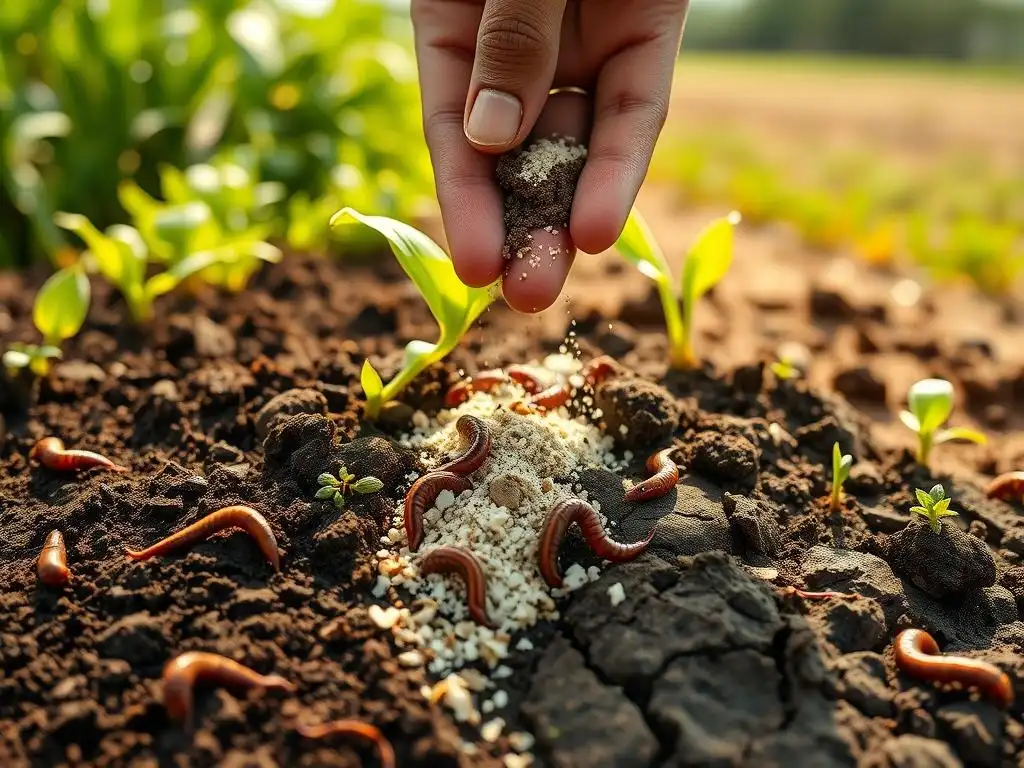
Ready to unlock the secrets to a thriving home garden? At CultivateYourFood, we believe everyone can grow their own delicious and healthy produce. This journey begins with understanding your soil, and that's why we've created the ultimate guide to best soil amendments. Discover how to transform even the most challenging soil into a fertile paradise, ensuring bountiful harvests of fruits, vegetables, and herbs. Dive in and learn how to cultivate your food sustainably, one amendment at a time!
- Understanding Your Soil Type: The Foundation for Successful Gardening
- Best Soil Amendments Guide: Choosing the Right Amendment for Your Needs
- Soil Amendment Application Techniques for Optimal Results
- Best Soil Amendments Guide: Addressing Specific Soil Problems
- Maintaining Soil Health with Regular Amendments
- Case Studies: Successful Soil Amendment Applications
- Frequently Asked Questions
- Final Reflection: Cultivating a Healthier Future, One Soil Amendment at a Time
- Unleash Your Garden's Potential: Take Action Now!
Understanding Your Soil Type: The Foundation for Successful Gardening
Cultivating a thriving garden, whether brimming with vibrant vegetables, luscious fruits, or fragrant herbs, hinges on one crucial factor: understanding your soil. This comprehensive guide delves into the world of soil amendments, providing you with the knowledge and tools to tailor your soil's composition for optimal plant growth. We'll explore different soil types, how to identify them, and how to interpret the results of a simple soil test to determine the best amendments for your specific needs.
Choosing the right soil amendments is crucial for achieving a bountiful and sustainable harvest, maximizing the health and yield of your plants while minimizing your environmental impact. This is the key to unlocking the secrets to successful organic gardening, leading you towards a flourishing garden and delicious homegrown produce.
This guide is your roadmap to becoming a soil expert, ensuring your plants receive the nutrients they need to thrive. Let's get started on your journey to mastering soil amendment!
Identifying Your Soil Type: Clay, Sandy, Silty, and Loamy Soils
Understanding your soil type is the first step towards successful gardening. Different soil types have varying textures and water retention capabilities, directly impacting plant growth. The four main soil types are clay, sandy, silty, and loamy.
- Clay Soil: Clay soils are heavy, dense, and retain water well. They can become compacted, hindering root penetration and aeration. They often feel sticky when wet and hard when dry. Think of trying to dig through hard-packed mud – that’s clay!
- Sandy Soil: Sandy soils are light, loose, and drain very quickly. They don't retain moisture well, leading to frequent watering needs. They feel gritty between your fingers. Imagine the texture of a beach – that’s sandy soil.
- Silty Soil: Silty soils are intermediate between clay and sand. They feel smooth and floury when dry and slightly sticky when wet. They retain moisture better than sandy soils but not as well as clay soils.
- Loamy Soil: Loamy soil is considered the ideal soil type. It's a mixture of sand, silt, and clay, offering excellent drainage, aeration, and water retention. It’s the “Goldilocks” of soil – not too heavy, not too light, just right!
Knowing your soil type allows you to choose the appropriate amendments to improve its structure and nutrient content. For example, clay soils benefit from amendments that improve drainage, while sandy soils need amendments that enhance water retention.
Conducting a Simple Soil Test at Home
While professional soil testing provides detailed analysis, a simple home test can give you valuable insights into your soil's pH and nutrient levels. Here’s a straightforward method:
- Collect a Soil Sample: Gather soil samples from several areas of your garden to get a representative sample. Dig about 6-8 inches deep.
- Prepare the Sample: Mix the soil samples thoroughly in a clean container.
- Visual Inspection: Observe the soil's color, texture, and any visible signs of organic matter. Darker soil generally indicates higher organic matter content.
- pH Test (Optional): Use a home soil testing kit to measure your soil's pH. This kit will typically provide a clear indication of whether your soil is acidic, neutral, or alkaline. Many garden centers offer these inexpensive kits.
- Nutrient Observation (Qualitative): While not precise, a visual inspection can offer clues. Lush, healthy growth generally suggests adequate nutrients, while stunted or yellowing plants might signal nutrient deficiencies.
This simple test, combined with the visual assessment, provides valuable information to guide your amendment choices. Remember, this is a basic test; for a more precise analysis, consider using a professional soil testing service.
Interpreting Your Soil Test Results: Understanding pH and Nutrient Levels
Once you've conducted your soil test, interpreting the results is crucial. The pH level indicates the soil's acidity or alkalinity, ranging from 0 to 14. A pH of 7 is neutral; below 7 is acidic, and above 7 is alkaline. Most plants prefer a slightly acidic to neutral pH (around 6.0-7.0), but this can vary depending on the plant species. Nutrient levels, often indicated by the presence or absence of specific nutrients like nitrogen (N), phosphorus (P), and potassium (K), directly impact plant health and growth.
Understanding Nutrient Deficiencies
Nutrient deficiencies manifest in various ways, affecting plant growth and health. For example, nitrogen deficiency often results in yellowing leaves, while phosphorus deficiency can cause stunted growth. Potassium deficiency may lead to weak stems and brown leaf edges. A professional soil test will usually provide a more detailed breakdown of nutrient levels, allowing for more targeted amendment choices.
Understanding your soil's pH and nutrient levels allows you to select the appropriate amendments to correct imbalances and optimize plant growth. For example, acidic soil may require the addition of lime to raise the pH, while alkaline soil might benefit from sulfur or other acidifying agents. Nutrient deficiencies can be addressed by adding organic matter, such as compost, or specific fertilizers containing the missing nutrients. Remember, using organic amendments not only improves soil health but also promotes sustainable gardening practices.
Best Soil Amendments Guide: Choosing the Right Amendment for Your Needs

This section delves into the specifics of choosing the best soil amendment for your particular needs, focusing on both organic and inorganic options. Understanding your soil type is paramount before selecting an amendment; a sandy soil will require different treatment than a heavy clay soil. This guide will empower you to make informed decisions to cultivate healthy, thriving plants. We'll explore the properties and applications of various amendments, providing a comprehensive overview to help you become a soil amendment expert.
Organic Soil Amendments: Compost, Manure, and Cover Crops
Organic soil amendments offer a sustainable and environmentally friendly way to improve soil structure, fertility, and overall health. They enhance water retention, increase beneficial microbial activity, and provide essential nutrients for plant growth. Let's explore some of the most popular options.
Benefits of Compost for Soil Improvement
Compost, the product of decomposing organic matter, is a cornerstone of organic gardening. It's a rich source of nutrients, improving soil structure by increasing aeration and drainage in clay soils, and water retention in sandy soils. The addition of compost also stimulates beneficial microbial life, creating a thriving soil ecosystem. For example, a study by the University of California, Davis, showed that adding compost to clay soil increased water infiltration by 30% and improved plant growth significantly.
The improved soil structure also reduces the need for frequent watering, contributing to water conservation efforts. Compost's versatility allows for application to various plants and soil types, making it a truly indispensable soil amendment. Remember to incorporate compost thoroughly into the soil before planting.
Utilizing Manure as a Soil Amendment
Animal manure, when properly composted, provides a potent source of nutrients and organic matter. Different manures offer varying nutrient profiles; for instance, chicken manure is high in nitrogen, while cow manure is richer in potassium. However, using fresh manure can burn plants due to its high salt content. Always ensure manure is well-rotted and composted before application to avoid potential damage.
The decomposition process reduces harmful pathogens and salts, making it safe for use in your garden. Proper application methods are critical; spreading a thin layer and mixing it into the soil is recommended to prevent nutrient burn and ensure even distribution. Different manure types also offer different levels of organic matter; horse manure, for example, is known for its excellent drainage-improving qualities.
Implementing Cover Crops for Soil Health
Cover crops, plants grown specifically to improve soil health, play a crucial role in soil amendment. Legumes like clover and alfalfa fix nitrogen from the atmosphere, enriching the soil with this essential nutrient. Other cover crops, such as rye and oats, improve soil structure by adding organic matter and preventing erosion. Planting cover crops during fallow periods prevents soil erosion, reduces weed growth, and suppresses soil-borne pests.
Their decomposition adds organic matter and nutrients, improving soil fertility for subsequent crops. The selection of the appropriate cover crop depends on the specific needs of your soil and the climate. Proper management, including timely planting and termination, is essential for maximizing the benefits of cover crops.
Inorganic Soil Amendments: Gypsum, Lime, and Fertilizer
Inorganic soil amendments, while offering quick results, require careful use to avoid imbalances. These amendments address specific soil issues, such as pH and structure. Their application should be based on soil testing results to ensure optimal effectiveness and avoid potential harm to plants.
Gypsum for Improving Clay Soil Structure
Gypsum, calcium sulfate, is a highly effective amendment for improving the structure of heavy clay soils. It enhances drainage and aeration by separating clay particles, improving water infiltration and root penetration. Gypsum doesn't alter soil pH, making it a safe choice for most plants. Application rates vary depending on soil type and condition; a soil test is recommended to determine the appropriate amount. Regular application over time yields the best results, gradually improving soil structure and drainage. The improvement in aeration also allows for better root growth, leading to healthier and more productive plants.
Lime for Adjusting Soil pH
Lime, primarily calcium carbonate, is used to raise the pH of acidic soils. Acidic soils can hinder nutrient availability, impacting plant growth. Lime increases the pH gradually, making nutrients more accessible to plants. The type of lime used (dolomitic or calcitic) depends on the soil's magnesium content. Soil testing is crucial to determine the appropriate amount of lime to apply, as over-liming can negatively impact plant growth. Lime application is typically done in the fall or early spring, allowing ample time for it to react with the soil before planting.
Selecting the Right Fertilizer for Your Plants
Fertilizers provide plants with essential nutrients like nitrogen (N), phosphorus (P), and potassium (K), represented by the NPK ratio. Choosing the right fertilizer depends on the specific needs of your plants and the nutrient levels already present in your soil. A soil test can help determine nutrient deficiencies and guide you in selecting the appropriate fertilizer. Over-fertilizing can harm plants and pollute the environment; therefore, following the recommended application rates on the product label is critical.
Understanding the NPK ratio and its implications for different plants is key to successful fertilization. Organic fertilizers, such as composted manure, offer a slower release of nutrients, whereas synthetic fertilizers provide a quicker, more immediate impact. The choice between organic and inorganic fertilizers depends on your gardening philosophy and soil conditions.
Soil Amendment Application Techniques for Optimal Results

This section details the best practices for applying soil amendments to achieve optimal results in your garden, regardless of your soil type. The success of your soil amendment strategy hinges not only on what you amend with but also how you incorporate those amendments. Improper application can lead to uneven nutrient distribution, reduced effectiveness, and even damage to your plants.
This guide will cover three primary techniques: incorporating amendments into existing soil, preparing seedbeds, and topdressing. Remember, always test your soil before amending to determine its specific needs and the appropriate amendment types and quantities. A proper soil test is the cornerstone of a successful "best soil amendments guide."
Incorporating Amendments into Existing Soil
Incorporating amendments directly into existing soil is ideal for improving overall soil structure and fertility. This method is particularly beneficial for clay soils, which benefit from improved drainage and aeration, and sandy soils, which need enhanced water retention and nutrient-holding capacity.
The process involves tilling or digging the amendment into the soil to a depth appropriate for the target plants. For most vegetable gardens, a depth of 6-12 inches is sufficient. For deeper-rooted plants like trees or shrubs, deeper incorporation is necessary.
- For smaller areas: A garden fork or hand trowel can effectively mix amendments into the soil. This allows for meticulous placement and ensures even distribution, especially important when dealing with granular amendments like compost or gypsum.
- For larger areas: A tiller or rotary cultivator can significantly speed up the process, especially for larger gardens or raised beds. However, be cautious not to over-till, as this can damage soil structure. Remember to adjust tiller depth according to the amendment's incorporation depth.
- Amendment Types and Incorporation: The type of amendment dictates the best incorporation method. For example, finely ground amendments like rock dust can be mixed more easily than coarse materials like wood chips. Always follow the specific instructions for each amendment.
Here’s a table illustrating suitable amendment types and their application:
| Amendment Type | Incorporation Depth (inches) | Best Application Method | Benefits |
|---|---|---|---|
| Compost | 6-12 | Fork, tiller, or hand mixing | Improved soil structure, fertility, aeration |
| Gypsum | 6-12 | Tiller or hand mixing | Improves drainage in clay soils |
| Peat Moss | 4-6 | Hand mixing or light tilling | Improves water retention in sandy soils |
| Rock Dust | 4-6 | Hand mixing or light tilling | Provides micronutrients |
Remember to water the soil thoroughly after incorporating amendments to help them settle and activate beneficial microorganisms.
Preparing Seedbeds with Amendments
Preparing seedbeds with amendments provides young seedlings with the best possible start. This method focuses on creating a nutrient-rich environment for germination and early growth. This is crucial because young plants are more vulnerable to nutrient deficiencies than established plants.
The process involves mixing amendments into the top few inches of soil before sowing seeds or transplanting seedlings. This ensures that the roots have immediate access to essential nutrients.
- Creating a well-drained seedbed: Ensure proper drainage to prevent waterlogging, which can damage seeds and young seedlings. Amendments like perlite or vermiculite can improve drainage, especially in heavy clay soils.
- Optimizing nutrient availability: Choose amendments that are rich in organic matter, such as compost or well-rotted manure. These provide slow-release nutrients that support healthy growth.
- Enhancing soil structure: Amendments like peat moss or coir can improve soil structure, creating a loose and airy environment ideal for root development.
The process is similar to incorporating amendments into existing soil, but on a smaller scale and with a focus on the top layer. Hand mixing is often the most effective method for seedbeds to ensure even distribution and prevent damage to the delicate seedlings.
Topdressing with Amendments for Established Plants
Topdressing involves applying a layer of amendments to the surface of the soil around established plants. This technique is ideal for replenishing nutrients, improving soil structure, and suppressing weeds. This method is particularly useful for perennials and established vegetable plants.
- Nutrient replenishment: Topdressing with compost or other organic matter provides a slow-release source of nutrients that feeds plants throughout the growing season.
- Weed suppression: A thick layer of organic mulch, such as straw or shredded leaves, can help suppress weeds, reducing competition for water and nutrients.
- Soil moisture retention: Topdressing with organic matter helps retain soil moisture, reducing the frequency of watering.
The amount of amendment used depends on the plant's size and the type of amendment used. A layer of 1-3 inches is generally sufficient for most plants. Avoid piling the amendment directly against the plant stem to prevent rot. Gently work the amendment into the soil surface around the plant. Regular topdressing throughout the growing season can significantly improve plant health and yield, making it a valuable tool in your arsenal of "best soil amendments" practices.
Best Soil Amendments Guide: Addressing Specific Soil Problems

This section delves into the specifics of amending different soil types to optimize your home garden's health and productivity. Understanding your soil's unique characteristics is crucial for successful gardening, and the right amendments can transform even the most challenging soil into a thriving ecosystem. This guide focuses on three common soil problems and their solutions, providing you with the knowledge to cultivate a bountiful harvest using sustainable practices. Remember, a soil test can provide invaluable insights into your soil's specific needs.
Improving Drainage in Clay Soils
Clay soils are notorious for their poor drainage. Waterlogging can suffocate plant roots, leading to stunted growth and increased susceptibility to disease. The key to improving drainage in clay soil is to increase its porosity – essentially, creating more space between soil particles for water to move through. This is achieved through the addition of organic matter.
Several organic amendments excel at improving clay soil drainage. Compost, for instance, is a fantastic choice. Its decomposition process creates air pockets within the soil structure, enhancing drainage and aeration. Adding several inches of compost to your clay soil before planting can make a significant difference. The amount needed will vary depending on the clay's density, but a general guideline is to incorporate at least 2-4 inches of well-rotted compost.
Another effective amendment is gypsum. Gypsum, a calcium sulfate mineral, helps to break down the clay particles, improving soil structure and permeability. It doesn't add organic matter like compost, but it works synergistically to improve drainage when used in conjunction with organic amendments. Follow product instructions carefully for application rates.
| Amendment | Benefits | Application Rate (approximate) | Considerations |
|---|---|---|---|
| Compost | Improves drainage, aeration, and fertility | 2-4 inches | Use well-rotted compost for best results. |
| Gypsum | Improves soil structure, breaks down clay | Follow product instructions | May not be necessary in all cases. |
| Coarse Sand (limited) | Improves drainage but can reduce water retention | Use sparingly, mix thoroughly | Can be less sustainable than organic options |
Remember that improving clay soil drainage is an ongoing process. Regular additions of organic matter will help maintain its improved structure over time. Consistent tilling (though not excessive) can also help, but be mindful not to compact the soil further.
Increasing Water Retention in Sandy Soils
Sandy soils, on the other hand, suffer from the opposite problem: poor water retention. Water drains quickly through the large spaces between sand particles, leaving plants thirsty and vulnerable to drought stress. The solution here is to increase the soil's water-holding capacity by adding materials that retain moisture.
Organic matter is again your best friend. Peat moss, composted manure, and even shredded leaves are excellent choices for increasing the water retention of sandy soils. These materials act like tiny sponges, absorbing and holding water within their structure. They also improve soil structure, creating a more stable environment for roots. Aim for a substantial layer of organic amendment, often 2-4 inches or even more, depending on the sand's texture.
Another effective amendment is vermiculite. This mineral expands when wet, holding a significant amount of water. It's especially beneficial in sandy soils because it doesn't break down over time, providing long-lasting water retention. However, it's not a substitute for organic matter, which is essential for overall soil health and nutrient availability. Use vermiculite in conjunction with organic amendments for optimal results.
🤔 Consider the climate and rainfall patterns in your region when deciding on the quantity of amendments. In drier climates, you might need to add more organic matter to compensate for faster evaporation.
Enhancing Nutrient Levels in Poor Soils
Many soils lack essential nutrients needed for healthy plant growth. This nutrient deficiency can manifest as yellowing leaves, stunted growth, and reduced yields. Addressing this requires adding amendments that provide the necessary nutrients.
Compost, once again, proves its versatility. It's a rich source of organic matter, which provides a slow-release of essential nutrients as it decomposes. Different compost types may offer different nutrient profiles, so consider the source material (e.g., leaf compost, vegetable scraps compost). A balanced compost is ideal for overall soil enrichment.
Other options include specific fertilizers tailored to your plant's needs. For instance, if your soil test reveals a nitrogen deficiency, you can supplement with a nitrogen-rich fertilizer. However, always prioritize organic options whenever possible, as they contribute to long-term soil health rather than providing a quick fix. Synthetic fertilizers can disrupt soil ecology and harm beneficial microbes.
Furthermore, cover cropping can be an excellent method for improving nutrient levels. Planting legumes, such as clover or beans, adds nitrogen to the soil through their symbiotic relationship with nitrogen-fixing bacteria. Incorporating cover crops into your soil improvement strategy adds sustainability and long-term benefits. Remember to choose cover crops appropriate to your climate and growing season.
Using a combination of organic amendments and careful observation of your plants will help you achieve a thriving garden. Remember, patience and consistent care are key! 🌱
Correcting Soil pH Imbalances
Soil pH, a measure of soil acidity or alkalinity, significantly impacts nutrient availability for your plants. An ideal pH range for most plants lies between 6.0 and 7.0, although some plants prefer slightly more acidic or alkaline conditions. Understanding your soil's pH is crucial for selecting the right amendments and ensuring optimal plant growth. Testing your soil pH using a home testing kit or sending a sample to a soil testing lab is the first step. This provides a baseline for determining the necessary adjustments.
If your soil is too acidic (pH below 6.0), you'll need to raise the pH, making it less acidic. This process is called liming, and it involves adding alkaline materials to the soil. Common liming agents include ground limestone (calcium carbonate), which is a slow-acting amendment, and dolomitic limestone, which also provides magnesium. The amount of lime needed depends on the severity of the acidity and the type of soil.
It's crucial to follow package instructions carefully, as over-liming can also harm plants. Applying lime in the fall allows it to break down over the winter and be fully incorporated into the soil by spring. Consider spreading it evenly across the garden bed and then tilling it into the top few inches of soil.
Conversely, if your soil is too alkaline (pH above 7.0), you need to lower the pH, increasing acidity. This involves adding acidic materials, such as elemental sulfur or aluminum sulfate. Elemental sulfur is a slow-acting amendment that gradually lowers the pH over time, while aluminum sulfate acts more quickly. Again, following package instructions is paramount to avoid over-application.
Similar to liming, it’s best to incorporate these amendments into the soil in the fall to allow sufficient time for the reaction to occur. Regular soil testing is essential to monitor pH changes and ensure that the desired pH range is achieved. Remember that adjusting soil pH is a gradual process, and you may need to make adjustments over several growing seasons to achieve optimal results.
Patience and careful monitoring are key to success. Consider keeping a detailed record of your soil tests and amendments applied to track progress and refine your approach over time. This data will prove invaluable for future gardening endeavors.
Maintaining Soil Health with Regular Amendments
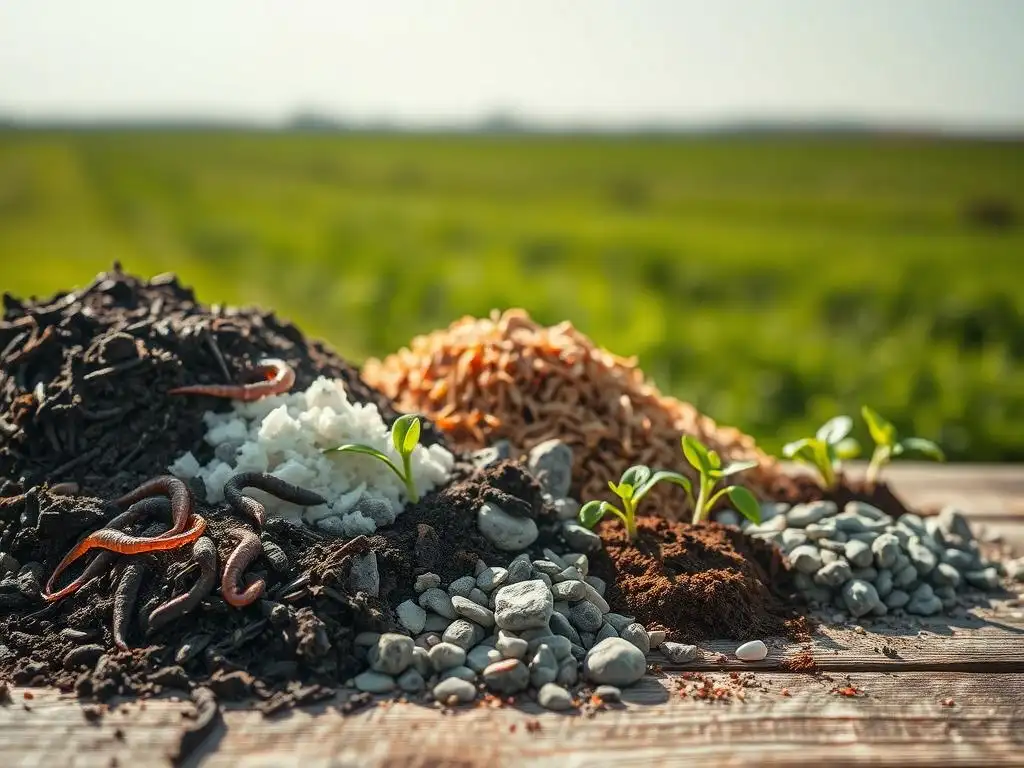
Maintaining healthy soil is crucial for successful gardening, and regular soil amendments are key. This isn't a one-time fix; it's an ongoing process that supports vibrant plant growth and improves your garden's overall ecosystem. Think of it like this: just as we need a balanced diet, our soil needs a balanced supply of nutrients and organic matter to thrive. Ignoring this aspect can lead to nutrient deficiencies, poor drainage, compacted soil, and ultimately, unhappy plants. The "best soil amendments guide" emphasizes consistent attention to your soil's needs.
Long-Term Soil Health Strategies
Adopting long-term strategies is paramount for building and maintaining fertile soil. These strategies go beyond simply addressing immediate needs; they focus on creating a self-sustaining soil ecosystem. This involves a holistic approach that encompasses several key practices:
- Regular Composting: Composting kitchen scraps and yard waste provides a readily available source of rich organic matter. Aim for at least a few cubic yards of compost annually, depending on your garden size. This is arguably the single most impactful long-term amendment you can make. The benefits are numerous: improved soil structure, increased water retention, enhanced nutrient availability, and a boost in beneficial microbial activity. Think of compost as "food" for your soil.
- Cover Cropping: Planting cover crops like clover, rye, or vetch between growing seasons adds organic matter and helps prevent soil erosion. These crops also fix nitrogen in the soil, reducing the need for synthetic fertilizers. This is particularly beneficial for sandy soils which are prone to nutrient leaching. The benefits extend beyond nutrient cycling; cover crops suppress weeds and improve soil structure.
- Crop Rotation: Rotating different plant families in your garden beds each year helps to break pest and disease cycles and prevent nutrient depletion. Certain plants are heavier feeders than others; rotating ensures that you don't exhaust nutrients in specific areas. For example, legumes fix nitrogen, enriching the soil for subsequent crops.
- No-Till Gardening: Avoiding tilling helps preserve soil structure and the beneficial organisms that live within it. Tilling disrupts the soil's delicate ecosystem, damaging the structure and releasing carbon. No-till gardening, in conjunction with mulching, creates a more stable and productive garden environment.
Creating a Sustainable Soil Amendment Plan
Developing a sustainable soil amendment plan requires understanding your soil's unique needs and tailoring your approach accordingly. This involves regular soil testing to determine nutrient levels and pH. A simple soil test kit can reveal valuable information; professional soil testing provides even more detailed analysis. Based on the results, you can create a personalized amendment schedule.
Consider these factors when creating your plan:
- Soil Type: Sandy soils require more frequent amendments than clay soils due to their poor water retention and nutrient-holding capacity. Clay soils, on the other hand, benefit from amendments that improve drainage and aeration. Loam soils usually require less intervention.
- Plant Needs: Different plants have varying nutrient requirements. Heavy feeders like tomatoes and peppers demand more frequent fertilization and nutrient-rich amendments.
- Climate: Your local climate influences nutrient breakdown and decomposition rates. Warmer climates generally have faster decomposition rates, requiring more frequent amendments.
| Soil Type | Primary Issues | Recommended Amendments | Frequency |
|---|---|---|---|
| Sandy Soil | Poor water retention, nutrient leaching | Compost, peat moss, aged manure | Every planting |
| Clay Soil | Poor drainage, compaction | Gypsum, compost, sand | Annually, or as needed |
| Loam Soil | Generally well-balanced | Compost, balanced fertilizer (as needed) | Every few years |
The optimal plan is iterative. Observe your plants' growth, monitor the soil's condition, and adjust your plan accordingly.
Monitoring Soil Health Over Time
Consistent monitoring is essential to ensure the long-term success of your soil amendment strategy. Regularly assessing your soil's health allows you to identify potential problems early and make timely adjustments. This monitoring can involve several practices:
- Visual Inspection: Observe your plants' growth. Yellowing leaves, stunted growth, or other signs of distress can indicate nutrient deficiencies or other soil issues.
- Soil Texture: Assess the soil's texture. Is it loose and crumbly, or compacted and hard? This gives you a good indication of soil structure and aeration.
- Periodic Soil Testing: Conduct soil tests at least annually, or more frequently if you suspect problems. This provides quantitative data on nutrient levels and pH, allowing for informed decisions on amendment needs. Pay attention to the levels of nitrogen (N), phosphorus (P), and potassium (K), as these are essential macronutrients.
By consistently monitoring and adapting your soil amendment plan, you'll cultivate healthy, fertile soil that supports thriving plants year after year. This commitment ensures your garden's long-term success and contributes to a sustainable gardening practice. Remember, healthy soil is the foundation of a successful harvest. 🌱
Case Studies: Successful Soil Amendment Applications
This section presents real-world examples of how different soil amendments transformed various garden scenarios. These case studies illustrate the practical application of the principles discussed earlier and demonstrate the significant impact proper soil amendment can have on plant health and yield. Understanding these examples will help you better assess your own soil needs and choose the most effective amendments for your specific situation. Remember, successful soil amendment is a journey, not a destination; regular monitoring and adjustments are key to achieving optimal results.
Case Study 1: Transforming a Clay Soil Garden
A homeowner in a region known for its heavy clay soil struggled with poor drainage and stunted plant growth. Their vegetable garden, despite diligent watering, frequently suffered from waterlogged conditions, leading to root rot and reduced yields. The soil was compacted, difficult to work with, and lacked adequate aeration.
To improve this situation, the homeowner implemented a multi-pronged approach to soil amendment. Firstly, they incorporated a generous amount of composted organic matter. This amendment not only improved the soil structure by breaking up the clay particles but also boosted the soil's water retention capacity without compromising drainage. The addition of coarse sand further enhanced drainage, creating a better balance between aeration and water retention. Finally, they added well-rotted manure to enrich the soil with essential nutrients.
The results were dramatic. Within a single growing season, the soil became noticeably lighter and easier to work with. Drainage improved significantly, eliminating the waterlogging issue. Plant growth was noticeably healthier, leading to a substantial increase in vegetable yields. Regular soil testing confirmed improved nutrient levels and better overall soil health. This case study highlights the effectiveness of combining organic matter, sand, and manure to address the challenges of clay soil.
Case Study 2: Reviving a Depleted Sandy Soil Patch
A community garden plot, consistently used for intensive vegetable production without adequate replenishment, suffered from severely depleted sandy soil. This soil type, naturally low in organic matter and nutrients, exhibited poor water retention, leading to frequent irrigation requirements and stunted plant growth. The sandy soil was light and loose, making it prone to erosion.
The gardeners addressed this problem by focusing on increasing the soil's organic matter content and water retention capacity. They implemented a strategy of regular mulching with straw and wood chips, which helped retain moisture and suppress weeds. Additionally, they regularly incorporated compost tea, a liquid form of compost rich in beneficial microorganisms and nutrients. They also used aged sawdust, which, unlike fresh sawdust, provides a slow release of nutrients and improves soil structure.
Over time, the soil gradually improved. The mulching helped retain moisture, reducing the frequency of watering. The compost tea and aged sawdust provided essential nutrients, resulting in healthier and more vigorous plant growth. The improved soil structure reduced erosion. This case study demonstrates the importance of consistent soil amendment, even in cases of severe depletion, to restore soil health and fertility in sandy soils.
Case Study 3: Improving Soil pH and Nutrient Levels in a Vegetable Garden
A home gardener, aiming to grow a diverse range of vegetables, discovered their soil had an unbalanced pH and low levels of essential nutrients. This imbalance hindered the uptake of nutrients by plants, leading to poor growth and reduced yields. Specifically, the soil was too acidic (pH 5.0), unsuitable for many vegetables that prefer a slightly alkaline environment (pH 6.0-7.0).
To address this, the gardener used a combination of amendments. To raise the pH, they incorporated ground limestone, a common soil amendment known for its ability to neutralize acidity. They also added rock phosphate and greensand, both rich in phosphorus and other essential minerals. Finally, they added compost to improve the overall soil structure and nutrient content.
Regular soil testing monitored the progress. The limestone effectively raised the pH to the optimal range. The added rock phosphate and greensand significantly increased the phosphorus and other nutrient levels. The compost improved soil structure and water retention. The result was a healthier, more productive vegetable garden with improved plant growth and increased yields. This case study emphasizes the importance of soil testing and targeted amendment application to correct pH imbalances and supplement essential nutrients.
Frequently Asked Questions
What are soil amendments, and why are they important?
Soil amendments are materials added to the soil to improve its structure, drainage, nutrient content, and overall health. They're crucial for optimizing plant growth and promoting a thriving garden. Healthy soil leads to healthy plants!
What are some common types of soil amendments?
Common amendments include compost, manure, peat moss, vermiculite, and perlite. The best choice depends on your soil's specific needs and the plants you're growing. Consider your soil's texture and drainage when selecting an amendment.
How do I determine which soil amendment is best for my garden?
First, perform a soil test to identify deficiencies. Sandy soils benefit from organic matter to improve water retention. Clay soils need amendments to improve drainage, such as sand or perlite. Follow the recommendations based on your soil test results.
Can I over-amend my soil?
Yes, it's possible to over-amend your soil, potentially leading to nutrient imbalances or poor drainage. Always follow the recommended application rates for each amendment. Start with a smaller amount and adjust as needed.
Where can I find high-quality soil amendments?
Many garden centers, nurseries, and online retailers offer a wide variety of soil amendments. Look for organic and sustainably sourced materials whenever possible to ensure the best results for your garden and the environment. Consider making your own compost for a cost-effective and eco-friendly solution.
Final Reflection: Cultivating a Healthier Future, One Soil Amendment at a Time
Understanding soil health is no longer a niche interest; it's a critical component of ensuring global food security and environmental sustainability. The choices we make regarding soil amendments directly impact the health of our planet, from the food we grow to the ecosystems we inhabit. Ignoring this fundamental truth has far-reaching consequences, impacting everything from biodiversity to climate change mitigation.
The journey through different soil types and their appropriate amendments has underscored the intricate relationship between human activity and the natural world. This exploration has highlighted the urgent need for responsible land management practices. The land is our mother; we must treat her with respect.
This simple yet profound statement encapsulates the responsibility we bear in nurturing the soil, ensuring its fertility for generations to come. The impact of our choices resonates far beyond our own gardens; it touches the lives of countless others and the health of the planet itself.
Now, consider your own garden, your own patch of earth. What steps will you take to improve its health? Will you embrace the knowledge gained here to enrich your soil, fostering a thriving ecosystem? The power to cultivate a healthier future, one rich in biodiversity and sustainable practices, rests in your hands. Let's work together, one soil amendment at a time, to build a more fertile and resilient world.
Unleash Your Garden's Potential: Take Action Now!
You've learned about soil amendments and are ready to cultivate healthier, more vibrant plants. Let's put that knowledge into practice!
- Prioritize a soil test: This crucial first step will reveal your soil's specific needs, guiding your choices for maximum impact.
- Start amending your soil now: Even small changes can make a big difference. Begin with amendments appropriate for your soil type—even a single pot or raised bed will show improvement.
- Share your results: Tell us about your experience amending your soil. What worked well? What challenges did you encounter? Let's learn from each other!
What soil amendment are you most excited to try, and why?