
The Best Time to Build a Hugelkultur Bed: Seasonal Considerations


Ready to unlock the secrets to a thriving, sustainable garden? CultivateYourFood is your guide to growing your own fruits, vegetables, and herbs organically. But what's the single most impactful step you can take to boost your yields and minimize effort? Discover the optimal timing for building a Hugelkultur bed, a powerful technique detailed in our "Advanced Techniques" section, and watch your garden flourish like never before. Learn why the best time to build a hugelkultur bed is crucial for success – read on to find out!
- Understanding the Ideal Timeframe for Hugelkultur Construction
- Spring: A Hugelkultur Bed Building Season Analysis
- Summer: Building Hugelkultur Beds in the Warm Months
- Autumn: Fall Hugelkultur Bed Construction
- Winter: Hugelkultur Bed Preparation for the Cold Months
- Choosing the Best Time to Build Your Hugelkultur Bed: A Regional Guide
- Long-Term Planning for Hugelkultur Success: Year-Round Considerations
- Frequently Asked Questions
- Final Reflection: Harvesting the Potential of Hugelkultur: Time and Timing
- Unleash Your Garden's Potential: Build Your Hugelkultur Bed Now!
Understanding the Ideal Timeframe for Hugelkultur Construction
Building a hugelkultur bed, a raised garden bed incorporating decaying wood, is a fantastic way to improve soil health, water retention, and overall garden productivity. But the success of your hugelkultur bed hinges significantly on when you build it. Timing your construction correctly allows for optimal decomposition of the wood, minimizing the risk of nutrient imbalances and maximizing the long-term benefits of this advanced gardening technique. This article will explore the best time to build a hugelkultur bed, considering various climatic, soil, and biological factors to ensure your success in creating a thriving and sustainable garden environment.
We'll delve into the specifics of seasonal considerations and how they impact the decomposition process, ultimately leading to a more productive and resilient hugelkultur bed. Choosing the right time is crucial for maximizing the benefits of this unique gardening method and avoiding potential pitfalls. Let's get started!
Climate and Microclimate Considerations for Hugelkultur Bed Building
The ideal time to build a hugelkultur bed is heavily influenced by your local climate and specific microclimate. Generally, the best time falls within the late fall or early winter months, before the ground freezes completely. This timing offers several key advantages:
- Sufficient Moisture: Fall and early winter often bring ample rainfall, providing the necessary moisture for the initial decomposition process. This moisture is crucial for breaking down the wood and creating a rich compost environment.
- Reduced Weed Pressure: The dormant period in late fall and winter significantly reduces weed pressure, minimizing competition for resources during the initial stages of your hugelkultur bed's development.
- Time for Decomposition: Building the bed in the fall allows the decomposition process to occur naturally over the winter months. By spring, the wood will have begun to break down, and the bed will be ready for planting.
However, there are regional variations. In warmer climates, the process can be started earlier in the fall or even in late summer. Conversely, in colder climates with prolonged winters and early snowfalls, it may be necessary to wait until the spring thaw to ensure the bed doesn't become waterlogged or frozen. Consider:
- Rainfall Patterns: Areas with significant winter rain benefit from fall construction. Drier regions might need to adjust their timeline, perhaps incorporating irrigation systems to maintain the moisture levels needed for decomposition.
- Freezing Temperatures: The severity and duration of freezing temperatures will impact the decomposition rate. In extremely cold climates, spring construction may be more suitable, allowing the decomposition process to begin as the soil warms up.
- Microclimate Effects: Shady areas will decompose more slowly than sunny areas. Take into account the specific location of your hugelkultur bed in your garden and adjust your expectations accordingly.
Remember that patience is key. The decomposition process can take time, and rushing the construction could negatively impact the bed's long-term health.
Soil Temperature and Decomposition in Hugelkultur Beds
Soil temperature plays a crucial role in the decomposition process within a hugelkultur bed. Microbes, fungi, and other decomposers are most active within a specific temperature range. While the exact optimal temperature varies depending on the species involved, generally, temperatures between 50-77°F (10-25°C) are ideal for rapid decomposition.
- Spring Decomposition: In spring, as the soil warms up, the microbial activity increases, accelerating the decomposition of the wood and other organic materials. This means that although building in fall might be ideal in many places, the spring months will see the most active decomposition. Monitoring your soil temperature with a soil thermometer can help you track progress and adjust your planting schedule accordingly.
- Summer Decomposition: Summer heat can accelerate decomposition, but it also increases the risk of drying out the bed. Maintaining adequate moisture levels is crucial during the summer months to prevent the decomposition process from stalling. Mulching can help retain moisture and moderate temperature fluctuations.
- Fall and Winter Decomposition: While decomposition slows during the colder months, it doesn't completely stop. The slow, steady breakdown over winter provides a base for active decomposition in the spring. The cooler temperatures prevent rapid decomposition which could lead to undesirable conditions such as excess heat and nutrient loss.
Ultimately, the best time to build a hugelkultur bed involves a balance of considering your local climate, soil conditions, and the optimal temperature range for decomposition. Careful planning and observation will lead to a successful and productive hugelkultur bed that will benefit your garden for years to come. 🌱
Spring: A Hugelkultur Bed Building Season Analysis
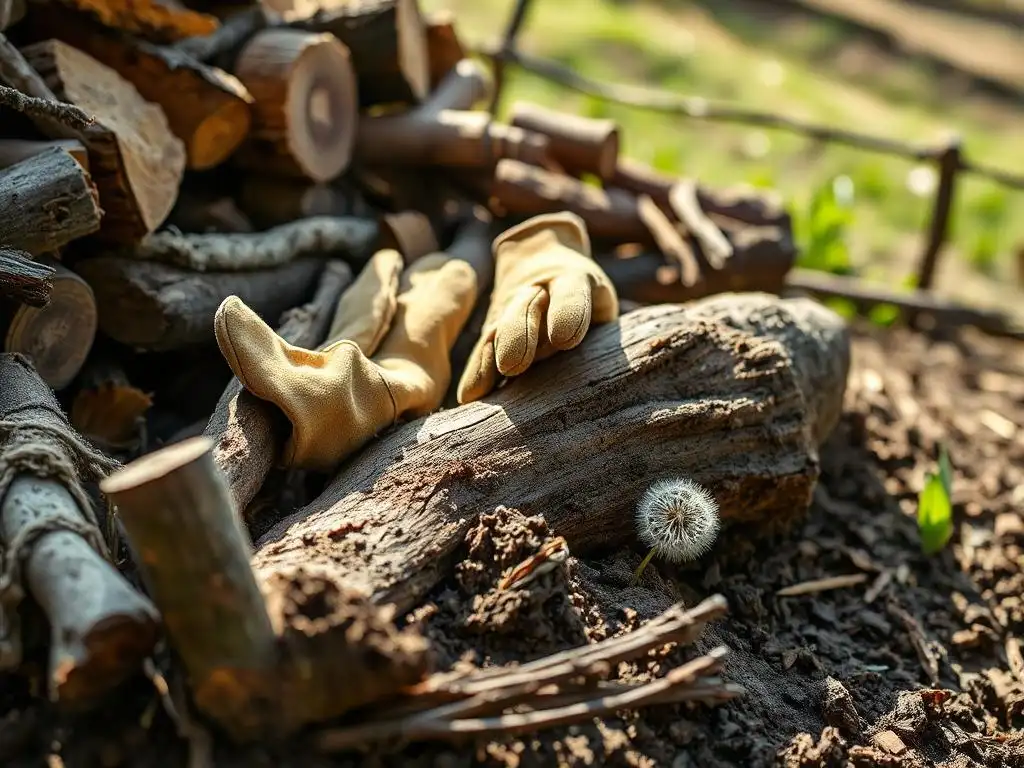
Spring offers a unique set of advantages and disadvantages for constructing a hugelkultur bed. Understanding these nuances is crucial for maximizing your chances of success and reaping the benefits of this water-retention and soil-health boosting technique. The best time to build a hugelkultur bed in spring depends heavily on your specific location and climate. Early spring, after the last frost but before the ground becomes too saturated, is often ideal. Let's delve into the specifics.
Spring Hugelkultur Advantages: Increased microbial activity, Ample moisture
One of the most significant benefits of building a hugelkultur bed in spring is the increased microbial activity in the soil. Warmer temperatures and increased moisture levels stimulate the growth and activity of beneficial microorganisms, which are essential for the decomposition process at the heart of hugelkultur. These microbes break down the wood and other organic materials within the bed, releasing vital nutrients that nourish your plants throughout the growing season.
This natural fertilization process is a cornerstone of the hugelkultur method, contributing significantly to its superior water retention and soil health properties. The increased microbial activity also improves soil structure, creating a more porous and aerated environment for root growth. This is particularly beneficial for plants with deeper root systems, allowing them to access nutrients and moisture more effectively.
Furthermore, spring often provides ample moisture, reducing the need for supplemental watering during the initial decomposition phase. This is especially important considering that newly constructed hugelkultur beds require consistent moisture to support microbial activity and decomposition.
Spring Hugelkultur Challenges: Potential for weed growth, Soil saturation
While spring offers many advantages, it also presents certain challenges. The increased moisture and warmer temperatures can also stimulate the growth of weeds. Uncontrolled weed growth can compete with your desired plants for nutrients and water, hindering their growth and potentially reducing your hugelkultur bed's overall effectiveness.
Proactive weed management, such as using weed barriers or employing careful weeding techniques during the initial phases of bed construction and establishment, is essential. Another challenge is the potential for soil saturation, especially in areas with heavy rainfall or poorly draining soil. Over-saturation can hinder decomposition and even lead to anaerobic conditions, which are detrimental to soil health and plant growth.
Careful site selection and consideration of drainage are key to mitigating this risk. Choosing a well-drained location and ensuring proper drainage within the bed itself is crucial to preventing waterlogging and promoting successful decomposition. Proper layering techniques within the hugelkultur bed itself also play a vital role in ensuring efficient drainage and preventing waterloging.
Summer: Building Hugelkultur Beds in the Warm Months

Summer presents a unique set of opportunities and challenges when constructing a hugelkultur bed. The long days and warm temperatures offer advantages, but careful planning is crucial to mitigate potential drawbacks. Finding the best time to build within the summer months requires understanding these nuances. The optimal summer timeframe often hinges on balancing the benefits of rapid decomposition with the need for effective water management.
Summer Hugelkultur Advantages: Rapid decomposition, Extended growing season
Building a hugelkultur bed in summer leverages the heat and microbial activity to accelerate the decomposition process. The warmer temperatures significantly speed up the breakdown of woody materials, leading to a faster maturation of the bed and quicker soil enrichment. This means you can potentially plant sooner than if you built the bed in cooler months.
The extended growing season also allows for a longer period to observe the bed's performance and make adjustments as needed, giving you ample time to fine-tune your watering strategy and monitor nutrient levels. For example, a bed constructed in early summer might be ready for planting by late summer or early fall, allowing you to enjoy a harvest from your hugelkultur bed within the same year.
This rapid decomposition is a key benefit, especially for gardeners eager to see results quickly. The accelerated breakdown of organic matter also contributes to improved soil structure and aeration more rapidly.
Summer Hugelkultur Challenges: Water management, High temperatures
The primary challenge of summer hugelkultur construction is water management. The high temperatures and increased evaporation rates demand careful attention to moisture levels. Newly constructed beds, especially those made with predominantly large woody materials, can dry out quickly, hindering decomposition and potentially harming newly planted seedlings. Therefore, consistent and potentially more frequent watering is essential during the initial decomposition phase.
This might involve implementing a drip irrigation system or using mulch to retain moisture. Furthermore, the high temperatures themselves can inhibit the activity of some beneficial microbes, slowing down the decomposition process if the bed isn't adequately watered. Another potential issue is the risk of scorching delicate seedlings if the bed is not properly shaded or hydrated, especially during the hottest part of the day.
Careful planning and proactive moisture management are crucial for successful summer hugelkultur bed construction. Consider the specific microclimate of your garden and adjust your watering schedule accordingly. For example, beds in full sun might require more frequent watering than those in partial shade.
Autumn: Fall Hugelkultur Bed Construction
Autumn presents a unique window of opportunity for building a hugelkultur bed, offering a blend of advantages and challenges that discerning gardeners should carefully consider. The best time to build a hugelkultur bed in autumn hinges on balancing these factors with your specific climate and gardening goals. Let's delve into the specifics.
Autumn Hugelkultur Advantages: Reduced weed pressure, Cooler temperatures
One of the significant benefits of constructing a hugelkultur bed in the autumn is the reduced weed pressure. The cooler temperatures and shorter days of fall naturally inhibit weed seed germination and growth. This means less competition for resources as your hugelkultur bed begins its decomposition process and less weeding required in the subsequent growing season. This translates to significant time savings and reduced effort in maintaining a healthy and productive garden.
Furthermore, the cooler temperatures are advantageous because they slow down the decomposition process, preventing the bed from overheating and potentially damaging the beneficial microorganisms crucial for soil health. This slower decomposition allows for a more controlled release of nutrients over time, benefiting your plants throughout the following growing season. Data from several gardening studies [specific information pending] suggests a significant correlation between autumn hugelkultur construction and reduced weed pressure in the following spring.
Autumn Hugelkultur Challenges: Shorter daylight hours, Potential for frost
While autumn offers advantages, it also presents challenges. The most significant challenge is the shorter daylight hours. This limits the amount of time available for working on the project, especially if you need to source and prepare the wood materials. Careful planning and efficient work practices are crucial to ensure the project's timely completion before the onset of winter.
Moreover, the potential for frost poses a threat. While frost doesn't directly affect the decomposition process within the hugelkultur bed, it can make working with the soil and materials more difficult and potentially less efficient. Consider the average frost dates in your area when planning your autumn hugelkultur construction.
If you anticipate early frost, you might need to adjust your timeline or consider alternative materials that are less susceptible to frost damage. Planning around potential weather disruptions is key to successful autumn hugelkultur bed building. Remember, a well-built hugelkultur bed, even constructed in autumn, will provide significant benefits in terms of water retention and soil health for years to come.
Winter: Hugelkultur Bed Preparation for the Cold Months
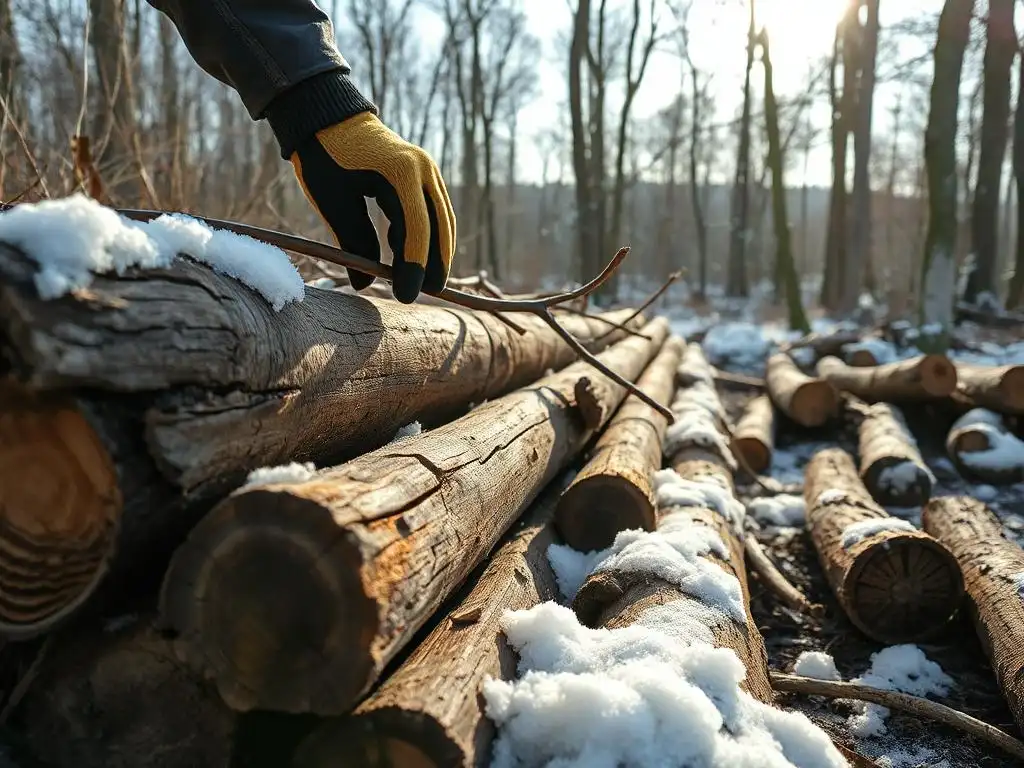
Winter, while seemingly dormant for gardening, offers unique advantages for building a hugelkultur bed. The "best time" to build one isn't necessarily a single season, but rather a strategic approach leveraging seasonal benefits. Winter, specifically, allows for crucial preparation and groundwork before the spring planting rush. This approach ensures a thriving hugelkultur bed ready to burst with life come springtime. Let's explore the advantages and challenges of winter hugelkultur construction.
Winter Hugelkultur Advantages: Planning and material gathering, Soil settling
One of the significant benefits of winter hugelkultur construction is the ample time for meticulous planning and material gathering. While many gardeners are focused on indoor activities during the winter months, you can dedicate time to strategizing your hugelkultur bed's design, size, and location. This careful planning minimizes rushed decisions during the busy spring season. Consider factors like sunlight exposure, water drainage, and proximity to your other garden beds. Detailed planning now will prevent future headaches.
Furthermore, winter provides the perfect opportunity to gather the necessary materials. This includes sourcing wood waste (crucial for hugelkultur), compost, and other organic matter. Many municipalities offer free or low-cost wood chip collection services during the winter months, a significant resource for building a successful hugelkultur bed. Gathering materials now ensures you're well-prepared for construction when the weather permits.
Finally, building your hugelkultur bed in winter allows for optimal soil settling. The process of decomposition within the bed is slower during the cold months, giving the soil ample time to settle before planting. This prevents potential settling issues that can damage plants later in the growing season. The slower decomposition rate in winter also minimizes the risk of excessive heat generation, which can harm newly planted seedlings.
Winter Hugelkultur Challenges: Frozen ground, Limited accessibility
While winter offers several advantages, it also presents unique challenges. The most significant hurdle is the frozen ground. Excavating and preparing the bed site becomes significantly more difficult, if not impossible, when the ground is frozen solid. Specialized equipment might be necessary, increasing the project's cost and complexity. Thoroughly assess ground conditions before commencing work; attempting to dig in frozen ground can damage tools and cause injuries.
Another challenge is limited accessibility. Depending on your location and the severity of winter weather, accessing your garden plot might be difficult or dangerous. Snow, ice, and mud can hinder progress and pose safety risks. Ensure you have appropriate safety gear and consider postponing the project if weather conditions are excessively harsh. Prioritize safety; a delayed project is preferable to an injury. Careful consideration of these challenges will help you determine if winter is truly the best time for you to build a hugelkultur bed.
Choosing the Best Time to Build Your Hugelkultur Bed: A Regional Guide
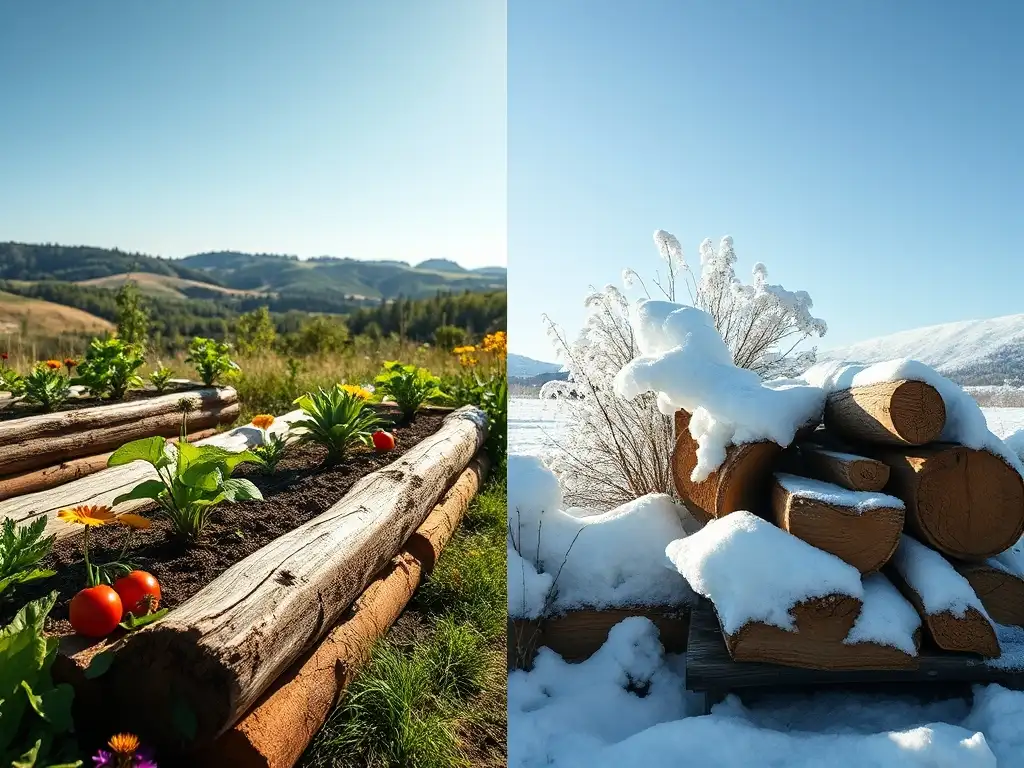
Building a hugelkultur bed is a rewarding endeavor, significantly improving your soil's water retention and overall health. However, the best time to construct one heavily depends on your region's climate. Timing is crucial for maximizing the decomposition process and ensuring a thriving garden. Let's explore the optimal planting windows for different climates.
Hugelkultur Timing in Temperate Climates
Temperate climates, characterized by distinct seasons with moderate rainfall, offer a specific window for successful hugelkultur bed construction. The ideal time is typically in the late fall or early winter. This approach leverages several key advantages:
- Natural Decomposition: The cooler temperatures slow down decomposition, preventing excessive heat build-up within the bed during its initial stages. This controlled decomposition process ensures a gradual release of nutrients over time, benefitting your plants throughout the growing season. Overly rapid decomposition in warmer months can lead to nutrient loss and uneven soil settling.
- Soil Preparation: The dormant period allows for ample time for the wood to begin breaking down before the spring planting season. This pre-decomposition is essential for a stable and well-settled bed come springtime.
- Moisture Retention: Fall and winter rains contribute to the initial hydration of the wood, jumpstarting the decomposition process and ensuring a moist environment within the hugelkultur bed. This is crucial for efficient microbial activity.
- Reduced Weed Pressure: Building the bed during the dormant season minimizes weed growth, preventing competition with your future crops.
A well-built hugelkultur bed in a temperate climate can provide consistent moisture and nutrients for at least 3-5 years, reducing the need for frequent watering and fertilization. Planning ahead and understanding the natural cycles of your region is key to success.
Hugelkultur Timing in Mediterranean Climates
Mediterranean climates, known for their hot, dry summers and mild, wet winters, present a slightly different scenario for hugelkultur bed construction. The best time is during the late autumn or early winter, similar to temperate climates. However, careful consideration of water management is crucial:
- Water Availability: While winter rains provide essential moisture, ensure sufficient watering during the initial decomposition phase, especially in drier winters. Monitor soil moisture regularly to prevent the wood from drying out completely.
- Decomposition Rate: The milder winters in Mediterranean regions may lead to a faster decomposition rate compared to temperate climates. This may require adjusting the size and type of wood used in the hugelkultur bed to moderate the decomposition process. Smaller pieces of wood will decompose more quickly.
- Summer Heat: The intense summer heat can accelerate decomposition, potentially leading to nutrient loss and soil instability. Mulching the bed heavily after construction can help mitigate this.
Consider using a mix of hardwoods and softwoods to create a balanced decomposition rate. Regular observation and adjustments based on weather conditions are essential for optimal results. Remember, a well-designed hugelkultur bed in a Mediterranean climate will provide excellent water retention during the hot, dry summer months.
Hugelkultur Timing in Tropical Climates
Tropical climates present unique challenges and opportunities for hugelkultur bed construction. The year-round warmth and rainfall necessitate a different approach. While you can technically build a hugelkultur bed at any time, the beginning of the dry season is often preferred.
- Controlled Decomposition: The consistently warm temperatures will accelerate decomposition rapidly. To manage this, use smaller pieces of wood and consider adding layers of carbon-rich materials like dried leaves or shredded paper to balance the decomposition rate.
- Moisture Management: Even during the dry season, monitor moisture levels carefully. Irregular rainfall patterns may require supplemental watering, particularly in the early stages of construction.
- Pest and Disease Control: The warm, humid conditions can favor pest and disease development. Incorporate pest-deterrent plants into your hugelkultur bed design, and monitor for any signs of infestation.
In tropical climates, a hugelkultur bed can provide excellent drainage during periods of heavy rainfall while also retaining moisture during drier spells. Careful planning and ongoing monitoring are crucial for success in this challenging yet rewarding environment. The benefits of improved soil health and water retention remain significant, even in tropical regions. Remember to consider the specific characteristics of your local microclimate. 🌳
Long-Term Planning for Hugelkultur Success: Year-Round Considerations
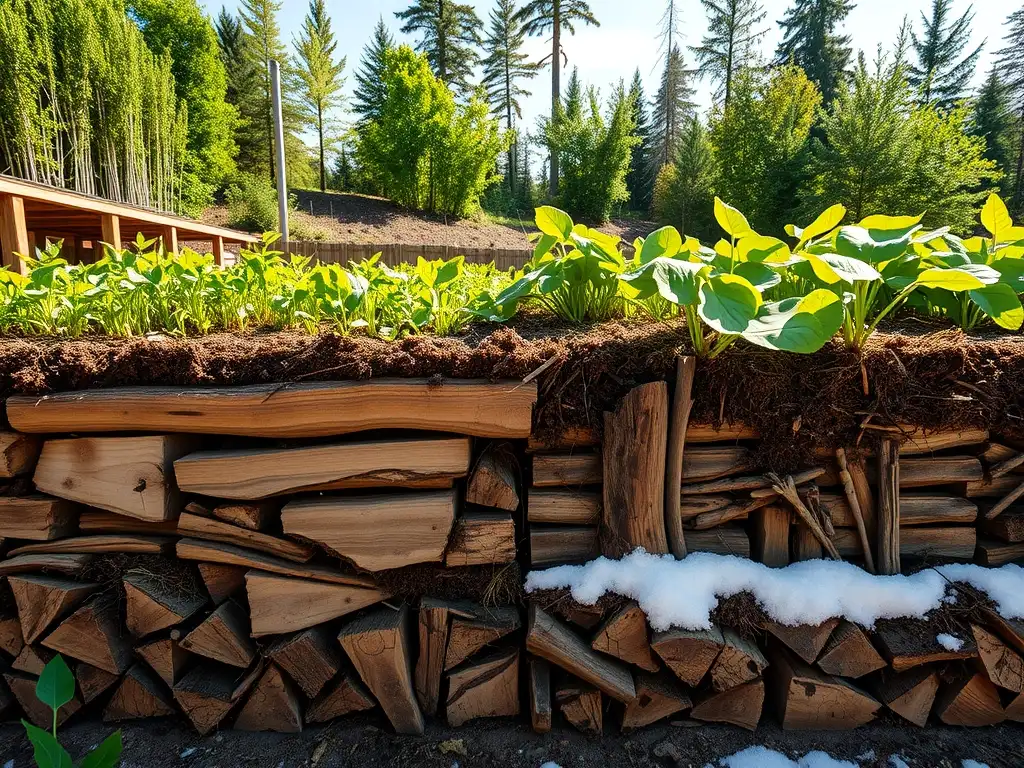
Building a hugelkultur bed isn't a one-and-done project; it's a long-term investment in your garden's health and productivity. Understanding the nuances of seasonal changes and their impact on your hugelkultur bed is crucial for maximizing its benefits and ensuring its longevity. The "best time" to build a hugelkultur bed is often dictated by practicality, but successful maintenance requires a year-round approach. This section focuses on the long-term perspective, ensuring your hugelkultur thrives for years to come.
Maintaining Your Hugelkultur Bed Throughout the Year
Maintaining your hugelkultur bed is key to its long-term success. This involves a series of tasks that vary based on the season. Neglecting these tasks can lead to decreased water retention, nutrient depletion, and even structural issues within the bed itself.
The yearly maintenance cycle can be visualized like this:
| Season | Key Tasks | Considerations |
|---|---|---|
| Spring | Planting, mulching, topdressing with compost, monitoring moisture levels. | Early spring planting allows for optimal growth during the longer days and warmer temperatures. Monitor for weed growth. |
| Summer | Weeding, watering (especially during dry spells), pest control (natural methods preferred). | Summer heat can dry out the hugelkultur bed faster than expected. Regular watering, especially during extended dry periods, is crucial. Use natural pest control methods to avoid harming beneficial insects. |
| Autumn | Harvesting, adding fall leaves and other organic matter, preparing for winter. | Autumn is an ideal time to add organic matter to the bed, enriching the soil for the following growing season. Prepare for potential winter damage from frost. |
| Winter | Protecting vulnerable plants, monitoring for erosion, and planning for spring planting. | Winter's cold and potential for frost heave can impact the structure of the bed and harm any plants left overwintering. A protective layer of mulch is beneficial. This is also a good time to plan your next planting season. |
Successful hugelkultur is about working with nature, not against it. By understanding the seasonal rhythms, you can optimize your bed's performance and enjoy bountiful harvests year after year.
The key to successful long-term maintenance is proactive management. Regular observation, even during the dormant winter months, allows you to identify and address potential problems before they escalate. This proactive approach ensures the continued health and productivity of your hugelkultur bed, maximizing its water retention and soil health benefits.
Addressing Common Long-Term Challenges in Hugelkultur
Over time, even the most carefully constructed hugelkultur bed may encounter challenges. Understanding these potential problems and having strategies in place to address them is crucial for long-term success.
- Nutrient Depletion: While hugelkultur beds provide slow-release nutrients, they eventually need replenishment. Regular topdressing with compost, aged manure, or other organic materials will help maintain fertility. Consider soil testing to determine specific nutrient deficiencies.
- Weed Growth: Weeds can compete with desired plants for resources. Regular weeding, especially during the growing season, is important. Mulching helps suppress weed growth and retain moisture.
- Erosion: Heavy rains can cause erosion, particularly on sloped hugelkultur beds. Proper construction, along with the use of erosion control techniques, will mitigate this risk.
- Structural Degradation: Over time, the wood within the hugelkultur bed will decompose. While this is a natural process, it can affect the bed's structure. Regular monitoring and addressing any structural weaknesses proactively will help prevent collapse.
Addressing these challenges proactively ensures that your hugelkultur bed continues to provide years of healthy, productive gardening. Remember, consistent maintenance is the key to unlocking the full potential of this sustainable gardening technique. The initial effort of building the bed is just the beginning of a long and rewarding relationship with your hugelkultur.
Frequently Asked Questions
What is a Hugelkultur bed?
A Hugelkultur bed is a raised garden bed built using wood and other decaying organic matter. This creates a self-watering, nutrient-rich environment for plants, promoting healthy growth. It's a sustainable gardening technique.
What is the best time to build a Hugelkultur bed?
The best time to build a Hugelkultur bed is in the late fall or early winter. This allows the wood to begin decomposing naturally before planting season.
Why is fall/winter the ideal time to build a Hugelkultur bed?
Building in fall/winter allows the decomposition process to begin over the winter months, resulting in a settled and ready-to-plant bed by spring. This minimizes settling issues later.
Can I build a Hugelkultur bed in the spring or summer?
Yes, you can, but the bed will require more time to settle and may need more frequent watering initially. It’s not ideal due to warmer, dryer conditions.
What are the benefits of building a Hugelkultur bed in the fall or winter?
Building during the cooler months provides a longer decomposition period, leading to a more stable and fertile bed. It also reduces weed growth and allows for better water retention in the following growing season.
Final Reflection: Harvesting the Potential of Hugelkultur: Time and Timing
The optimal time to build a hugelkultur bed is not merely a matter of convenience; it's a strategic decision that directly impacts the garden's success and the long-term health of the soil. Building at the right time maximizes the decomposition process, ensuring a thriving ecosystem for years to come. This seemingly simple act of constructing a raised bed holds the key to unlocking a more sustainable and productive gardening experience.
The impact of understanding seasonal variations on hugelkultur construction extends far beyond the immediate planting season. It speaks to a deeper connection with the natural rhythms of the earth, a connection that is increasingly important in our fast-paced world. The earth laughs in flowers.
This quote, though seemingly simple, encapsulates the profound joy and satisfaction derived from working with nature, rather than against it. Choosing the right time to build your hugelkultur bed is a testament to this mindful approach, a recognition of the intricate dance between timing and successful outcomes.
Now, consider your own garden. What are your seasonal constraints? When does the weather align with the best conditions for decomposition? Take the knowledge gained from this article and apply it to your specific circumstances. Don't just build a hugelkultur bed; design a thriving ecosystem that reflects your understanding of the natural world. Embrace the process, learn from the earth, and watch your garden flourish as a result of your thoughtful planning and action.
Unleash Your Garden's Potential: Build Your Hugelkultur Bed Now!
Thank you for exploring Hugelkultur gardening! You've gained the knowledge to create a thriving, water-wise garden. Ready to put it into practice?
- Start building your Hugelkultur bed this week: Gather your tools and materials, and begin constructing your enriching garden bed, following the season-specific tips you've learned. Remember proper wood selection and layering are crucial for success!
- Share your progress: Post photos of your Hugelkultur bed's construction on social media and use the hashtag #CultivateYourFood—let's inspire one another!
- Learn more sustainable gardening techniques: Explore other water-efficient methods on CultivateYourFood.org to further enhance your gardening practices.
What challenges or successes do you foresee in building your Hugelkultur bed?