
Sustainable Style: EcoFriendly Designer Furniture Options for Your Garden

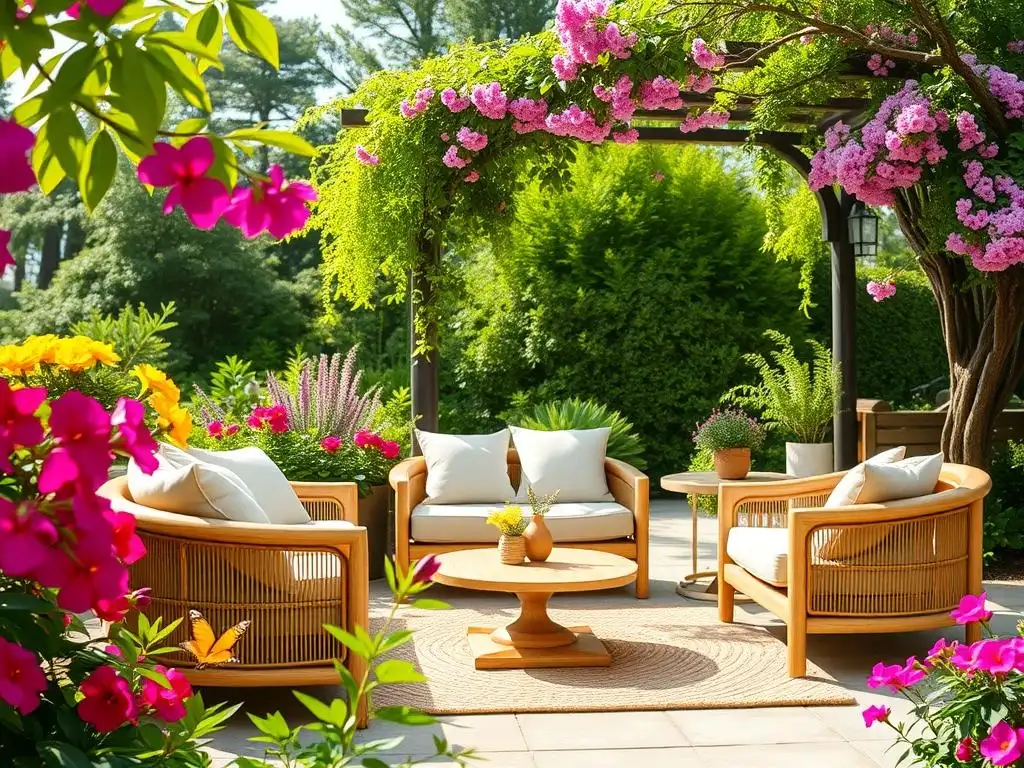
Welcome to CultivateYourFood, your guide to a thriving, eco-conscious garden! Ready to elevate your outdoor space beyond the ordinary? We're diving into the world of luxury gardening with our latest article on ecofriendly garden furniture options. Discover how sustainable design can seamlessly blend with your passion for homegrown fruits, vegetables, and herbs, creating a haven that's both beautiful and environmentally responsible. Let's explore the possibilities together – your dream garden awaits!
- Choosing Sustainable Garden Furniture: Materials and Manufacturing
- Top Eco-Friendly Designer Garden Furniture Brands
- Designing Your Sustainable Garden Oasis: Placement and Care
- Beyond Furniture: Sustainable Accessories for Your Eco-Friendly Garden
- Investing in Sustainable Garden Furniture: Long-Term Benefits
- Frequently Asked Questions about Sustainable Garden Furniture (FAQ)
-
Frequently Asked Questions
- What types of wood are best for eco-friendly garden furniture?
- How can I ensure my garden furniture is truly eco-friendly?
- What are some eco-friendly alternatives to wood for garden furniture?
- How can I maintain my eco-friendly garden furniture?
- Where can I find eco-friendly garden furniture options?
- Final Reflection: Cultivating a Greener Garden, One Sustainable Choice at a Time
- Unleash Your Garden's Potential: Design a Sustainable Oasis
Choosing Sustainable Garden Furniture: Materials and Manufacturing
Creating a luxurious and thriving garden isn't just about the plants; it's about the overall aesthetic and experience. This includes carefully considering the furniture you choose. More and more gardeners are prioritizing eco-friendly garden furniture options, recognizing the significant environmental impact of conventionally manufactured outdoor furniture. This article explores sustainable and stylish choices for your garden, focusing on materials and manufacturing processes that minimize their carbon footprint and promote responsible resource management.
We'll delve into the specifics of eco-conscious materials like reclaimed wood and sustainable wicker, helping you make informed decisions that align with your commitment to environmentally friendly gardening practices. Choosing sustainable garden furniture isn't just a trend; it's a responsible way to enhance your outdoor space while contributing to a healthier planet. Let's explore the options available to create a beautiful and eco-conscious garden retreat.
Understanding the Environmental Impact of Garden Furniture
The production of traditional garden furniture often involves significant environmental consequences. Many pieces are made from rapidly depleting timber resources, contributing to deforestation and habitat loss. The manufacturing process itself can be energy-intensive, releasing greenhouse gases into the atmosphere. Furthermore, the use of harmful chemicals in treatments and finishes can pollute soil and water systems. Consider the following:
- Deforestation: The logging industry's impact on biodiversity and carbon sequestration is substantial. Many conventionally produced furniture pieces contribute to this issue.
- Chemical Treatments: Pressure-treated lumber often contains chemicals that can leach into the soil, harming plant life and potentially contaminating groundwater.
- Transportation: The transportation of raw materials and finished products adds to the overall carbon footprint of garden furniture.
- Waste Generation: The disposal of old garden furniture often ends up in landfills, contributing to waste problems.
Choosing sustainable options dramatically reduces these negative impacts. By opting for eco-friendly materials and ethically sourced products, you can minimize your environmental footprint and contribute to a more sustainable future for your garden and the planet. 🌎
Sustainable Wood Choices: Reclaimed Timber and FSC-Certified Options
Sustainable wood options offer a beautiful and environmentally responsible way to furnish your garden. Two excellent choices are reclaimed timber and FSC-certified wood.
- Reclaimed Timber: Using reclaimed wood diverts waste from landfills, reduces the demand for newly harvested timber, and often results in unique, character-filled pieces. Reclaimed wood comes in various forms, from old railway sleepers to salvaged barn wood, each with its own distinct story and aesthetic appeal. The carbon footprint of reclaimed wood is significantly lower than newly harvested wood.
- FSC-Certified Wood: The Forest Stewardship Council (FSC) certifies wood harvested from forests managed according to strict environmental and social standards. Choosing FSC-certified wood ensures that the timber comes from responsibly managed forests, promoting sustainable forestry practices and protecting biodiversity. Look for the FSC label to verify the wood's origin and sustainability.
The use of these materials contributes to responsible forestry and reduces the demand for newly harvested timber, making them excellent choices for eco-conscious gardeners.
Eco-Friendly Wicker and Rattan Alternatives: Durability and Style
Wicker and rattan furniture offer a stylish and sustainable alternative to wood. However, it is crucial to ensure that the materials are sourced sustainably. Ethically sourced rattan and wicker are often made from rapidly renewable resources, requiring less energy and fewer chemicals to produce than other materials. Furthermore, these materials are often highly durable and long-lasting, reducing the need for frequent replacements.
While traditional wicker and rattan can sometimes involve unsustainable harvesting practices, choosing suppliers committed to responsible sourcing is key. Look for certifications or assurances that the materials are harvested sustainably and that fair labor practices are employed throughout the production process. This ensures that your beautiful garden furniture also reflects your commitment to environmental and social responsibility. The inherent beauty and durability of sustainably sourced wicker and rattan make them an excellent choice for creating a sophisticated and eco-conscious garden oasis.
Recycled Plastic and Metal Furniture: A Durable and Eco-Conscious Choice
Recycled plastic and metal furniture offers a compelling blend of durability and environmental responsibility, making it a top choice for eco-conscious gardeners seeking stylish and long-lasting outdoor seating. The manufacturing process itself contributes to sustainability by diverting waste from landfills. Instead of ending up in overflowing dumps, plastic bottles, containers, and even industrial plastic scraps are collected, cleaned, and processed into durable lumber-like planks or molded into various shapes.
Similarly, scrap metal from construction sites or discarded appliances can be melted down and recast into elegant and sturdy furniture frames. This closed-loop system significantly reduces reliance on virgin materials, minimizing the environmental impact associated with extraction and production.
The durability of this type of furniture is another significant advantage. Recycled plastic is exceptionally resistant to weathering, UV degradation, and insect damage, ensuring your furniture will withstand the elements for years, even decades, without significant deterioration. This longevity reduces the need for frequent replacements, further minimizing the environmental footprint. Metal frames, often constructed from recycled steel or aluminum, offer similar resilience and strength. Properly treated and maintained, these metal frames can resist rust and corrosion, providing a robust and stable base for your outdoor relaxation area.
Furthermore, the aesthetic appeal of recycled plastic and metal furniture is constantly improving. Manufacturers are developing innovative techniques to create furniture with a wide range of textures, colors, and designs, moving far beyond the utilitarian appearance often associated with recycled materials. You can now find pieces that seamlessly blend into sophisticated garden settings, offering both functionality and a visually appealing element to your outdoor space. The availability of different styles and finishes ensures that there's an option to suit any garden design, from modern minimalist to rustic charm.
This means you can prioritize sustainability without compromising on style or aesthetics. Choosing recycled plastic and metal furniture is a smart investment that benefits both your garden and the planet. It’s a testament to the fact that sustainable choices don't have to compromise on quality or design.
Top Eco-Friendly Designer Garden Furniture Brands
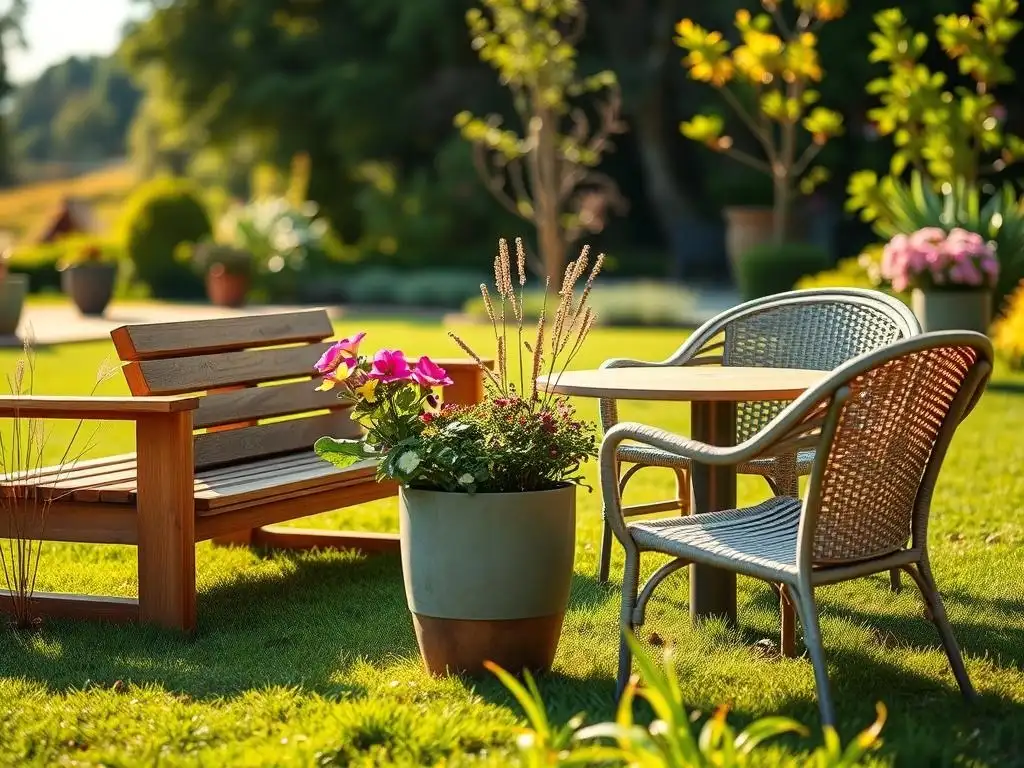
Choosing eco-friendly garden furniture doesn't mean sacrificing style. Many high-end brands are now incorporating sustainable materials and ethical manufacturing practices into their designs. This commitment to environmental responsibility translates into beautiful, durable pieces that enhance your outdoor space while minimizing your environmental footprint. Let's explore some leading examples of brands prioritizing "ecofriendly garden furniture options".
Luxury and Sustainability Combined
Several luxury brands are leading the charge in sustainable design. They understand that their clientele values both elegance and environmental consciousness. This translates into pieces crafted from reclaimed wood, recycled aluminum, or sustainably harvested bamboo.
These materials often boast unique textures and patinas, adding character and sophistication to the overall aesthetic. The production processes themselves are often scrutinized, with a focus on minimizing waste and utilizing renewable energy sources. For example, one prominent brand might source its wood from responsibly managed forests, certified by organizations like the Forest Stewardship Council (FSC), ensuring that the materials are harvested sustainably and that the forests are managed for long-term health.
Another might utilize innovative manufacturing techniques to reduce energy consumption and waste during production. The cost reflects the higher quality materials and ethical sourcing, making it a premium investment in both your garden and the environment. This segment of the market offers truly exquisite "ecofriendly garden furniture options" for discerning gardeners.
Modern Designs with an Eco-Conscious Approach
Modern design often embraces minimalism and clean lines, and this aesthetic is perfectly compatible with sustainability. Many designers are creating stunning modern furniture using recycled materials like plastic bottles transformed into durable outdoor seating or using innovative techniques to reduce the overall material usage in the design. Think sleek, streamlined benches crafted from recycled steel, or lightweight chairs made from sustainably sourced rattan. The emphasis is on functionality and longevity – pieces designed to withstand the elements and last for years, reducing the need for frequent replacements.
This approach minimizes the long-term environmental impact, making these pieces a responsible and stylish choice. The use of recycled materials also often reduces the carbon footprint associated with manufacturing new materials. This approach, which offers many attractive "ecofriendly garden furniture options," is particularly appealing to those seeking a contemporary and environmentally conscious garden design.
Affordable and Eco-Friendly Outdoor Furniture
While high-end brands often set the standard for sustainable design, there are also many more affordable options available. Several companies focus on producing eco-friendly outdoor furniture without compromising on quality or style. These brands often utilize rapidly renewable materials such as bamboo or sustainably sourced wood from managed forests.
They may also prioritize simple designs and efficient manufacturing processes to keep costs down while maintaining a commitment to sustainability. This doesn’t mean sacrificing style; many affordable options offer clean lines and modern aesthetics. The use of recycled materials, while sometimes less visually striking, can significantly reduce the environmental cost of production.
Consumers on a budget can still find stylish and responsible "ecofriendly garden furniture options" that fit both their needs and their values. Consider brands that clearly outline their sourcing and manufacturing practices, ensuring transparency and accountability in their commitment to sustainability. This segment offers a great way to enjoy an eco-friendly garden without breaking the bank.
Designing Your Sustainable Garden Oasis: Placement and Care
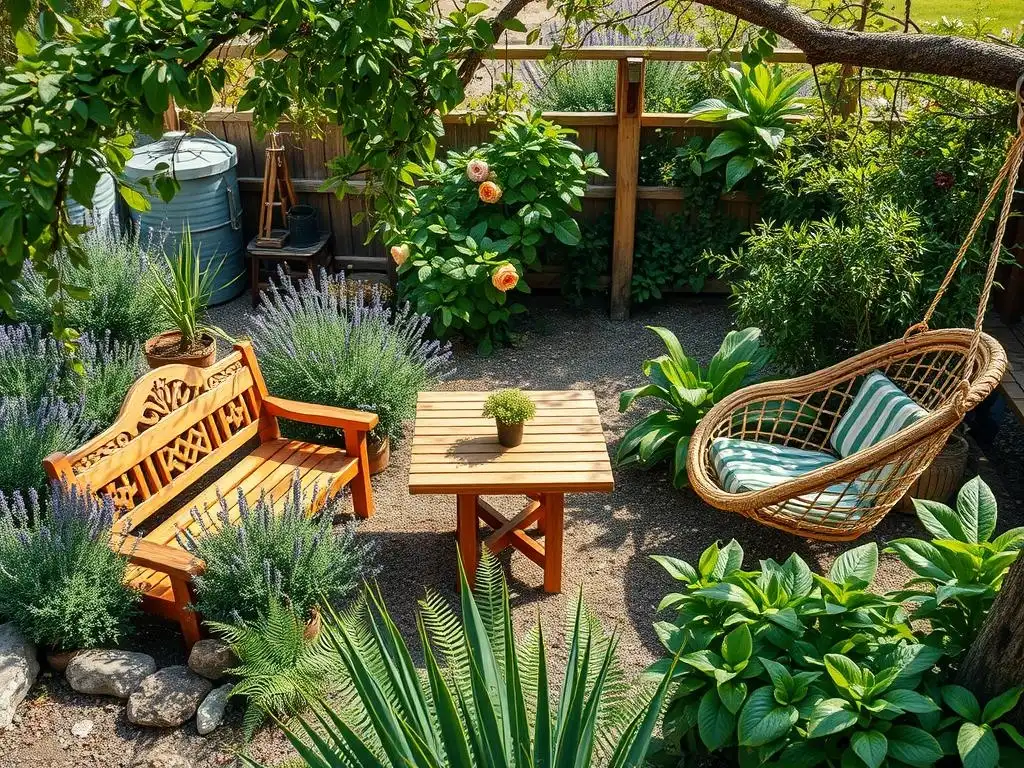
This section focuses on strategically integrating eco-friendly garden furniture into your existing landscape design, maximizing both aesthetic appeal and functionality while minimizing environmental impact. Proper placement and ongoing care are crucial for extending the lifespan of your sustainable furniture and ensuring it continues to enhance your garden's beauty for years to come.
Integrating Eco-Friendly Furniture into Your Garden Design
Consider the overall design aesthetic of your garden before selecting and placing your eco-friendly furniture. Do you have a minimalist modern garden, a vibrant cottage garden, or a tranquil Zen garden? The style of your furniture should complement your existing landscape. For instance, sleek, minimalist benches made from recycled teak would be perfect for a modern garden, while rustic, hand-carved benches from sustainably harvested wood might better suit a cottage garden.
When placing your furniture, think about sunlight exposure, shade, and potential weather conditions. Avoid placing furniture in areas constantly exposed to direct sunlight, as this can cause fading and damage, especially for natural materials. Similarly, consider drainage to prevent water damage and rot. Strategic placement can also highlight focal points in your garden, such as a beautiful water feature or a stunning flower bed.
Here's a table illustrating furniture placement ideas based on garden style:
| Garden Style | Furniture Material | Ideal Placement | Considerations |
|---|---|---|---|
| Modern Minimalist | Recycled Aluminum/Steel | Open, sunny area near patio | Durability, sleek lines, easy cleaning |
| Cottage Garden | Reclaimed Wood | Shaded area near flowerbeds | Rustic charm, weather protection, potential rot |
| Tropical/Mediterranean | Woven Rattan/Wicker | Partially shaded pergola | Weather resistance, ventilation, natural look |
| Zen Garden | Natural Stone/Bamboo | Quiet corner near water feature | Serenity, natural materials, low maintenance |
Remember, the goal is to create a harmonious and functional outdoor space. Consider the flow of traffic and ensure ample space for movement around your furniture.
Maintaining and Extending the Lifespan of Your Sustainable Furniture
Proper maintenance is key to prolonging the life of your eco-friendly garden furniture and reducing the need for replacements. This contributes to a more sustainable approach to gardening. Regular cleaning and protection from the elements are essential.
For wood furniture, consider using a natural wood sealant or oil to protect it from moisture and UV damage. This will prevent cracking, warping, and rot. Apply the sealant according to the manufacturer's instructions. Regularly inspect your wooden furniture for any signs of damage, such as cracks or insect infestation. Address these issues promptly to prevent further deterioration.
For metal furniture, regular cleaning with mild soap and water can prevent rust and corrosion. Consider applying a rust-inhibitor for added protection, especially in humid climates. For wicker or rattan furniture, use a soft brush to remove dust and debris. You can also use a mild soap solution for cleaning. Avoid using harsh chemicals, as these can damage the natural fibers.
Responsible Disposal and Recycling of Garden Furniture
Even eco-friendly furniture eventually reaches the end of its lifespan. Proper disposal and recycling are crucial for minimizing environmental impact. Avoid simply discarding your furniture in a landfill. Instead, explore options for recycling or repurposing.
Many municipalities offer recycling programs for specific materials, such as metal and wood. Check with your local waste management department to see what options are available. Some materials, such as wood, may be suitable for composting or biomass energy generation.
If your furniture is still in good condition but you no longer need it, consider donating it to a charity or selling it secondhand. This extends the lifespan of the furniture and reduces the demand for new production. Repurposing is another great option. Old wooden chairs could be transformed into planters, for example. Creative repurposing minimizes waste and adds a unique touch to your garden. Consider the environmental impact at every stage, from selection to disposal, to truly cultivate a sustainable garden oasis. ♻️
Beyond Furniture: Sustainable Accessories for Your Eco-Friendly Garden
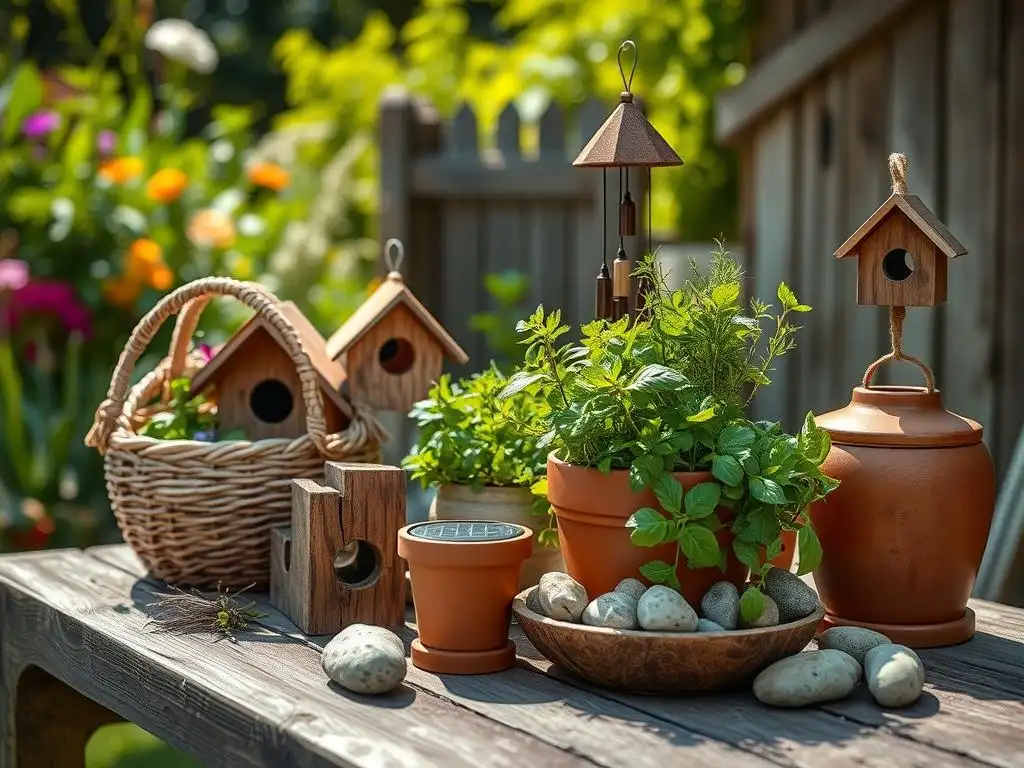
This section explores sustainable accessories that complement your eco-friendly garden furniture, enhancing both the aesthetic appeal and the environmental consciousness of your outdoor space. Choosing sustainable accessories is just as crucial as selecting eco-friendly furniture; it ensures a holistic approach to creating a truly green garden haven. From comfortable seating to stylish lighting, these details contribute significantly to the overall sustainability of your garden design. Remember, even small choices can make a big difference in minimizing your environmental footprint.
Eco-Friendly Cushions and Throws: Organic Cotton and Recycled Materials
Creating a comfortable and inviting atmosphere in your garden requires more than just sturdy furniture. Cushions and throws add a touch of luxury and warmth, but their sustainability is often overlooked. Opting for organic cotton cushions and throws is a significant step towards minimizing your impact. Organic cotton is grown without harmful pesticides and fertilizers, reducing water pollution and protecting biodiversity. Look for certifications like GOTS (Global Organic Textile Standard) to ensure authenticity.
Furthermore, consider throws made from recycled materials. These can be crafted from recycled plastic bottles, old clothing, or other post-consumer waste, giving these materials a new life and reducing landfill waste. The textures and colors of recycled materials often offer unique and appealing aesthetics, adding character to your garden setting.
Choosing recycled options not only reduces waste but also supports innovative recycling practices. Investing in high-quality, durable cushions and throws made from these sustainable materials will also extend their lifespan, minimizing the need for frequent replacements. This translates to less waste in the long run, contributing to a more sustainable lifestyle.
Sustainable Planters and Pots: Biodegradable and Recycled Options
Planters and pots are essential elements of any garden, but their production often involves significant environmental impact. Fortunately, many eco-friendly alternatives are available. Biodegradable planters, made from materials like coconut husks, bamboo, or recycled paper pulp, offer a sustainable solution. These planters decompose naturally at the end of their lifespan, enriching the soil instead of contributing to landfill waste. They often boast a natural aesthetic, complementing the organic feel of your sustainable garden.
Recycled plastic planters are another excellent option. These are created from recycled plastics, reducing the demand for new plastic production and decreasing plastic pollution. Many manufacturers now offer a wide range of styles and colors, ensuring you can find aesthetically pleasing options that align with your garden's design. Consider the durability and longevity of the material when making your choice, opting for robust options that will withstand the elements and require less frequent replacement. Remember to check for certifications or labels that indicate the percentage of recycled content. This transparency ensures you're making a truly sustainable choice.
Solar-Powered Garden Lighting: Energy-Efficient and Stylish
Lighting is crucial for extending the enjoyment of your garden into the evening hours. However, traditional garden lighting often relies on energy-intensive electricity. Switching to solar-powered garden lighting offers an energy-efficient and stylish alternative. These lights harness the power of the sun during the day and illuminate your outdoor space at night without relying on the electrical grid. This reduces your carbon footprint and minimizes your reliance on fossil fuels.
Solar-powered lights come in a variety of styles, from classic lanterns to modern spotlights, allowing you to find options that perfectly complement your eco-friendly garden furniture and overall design aesthetic. Consider factors like brightness, battery life, and durability when selecting your solar lights. Investing in high-quality solar lights ensures they will provide reliable illumination for many years, further minimizing your environmental impact. The subtle, ambient glow of solar lights can create a magical atmosphere in your garden, enhancing the overall experience while remaining environmentally responsible. This represents a simple yet impactful step towards a more sustainable and stylish garden.
Investing in Sustainable Garden Furniture: Long-Term Benefits
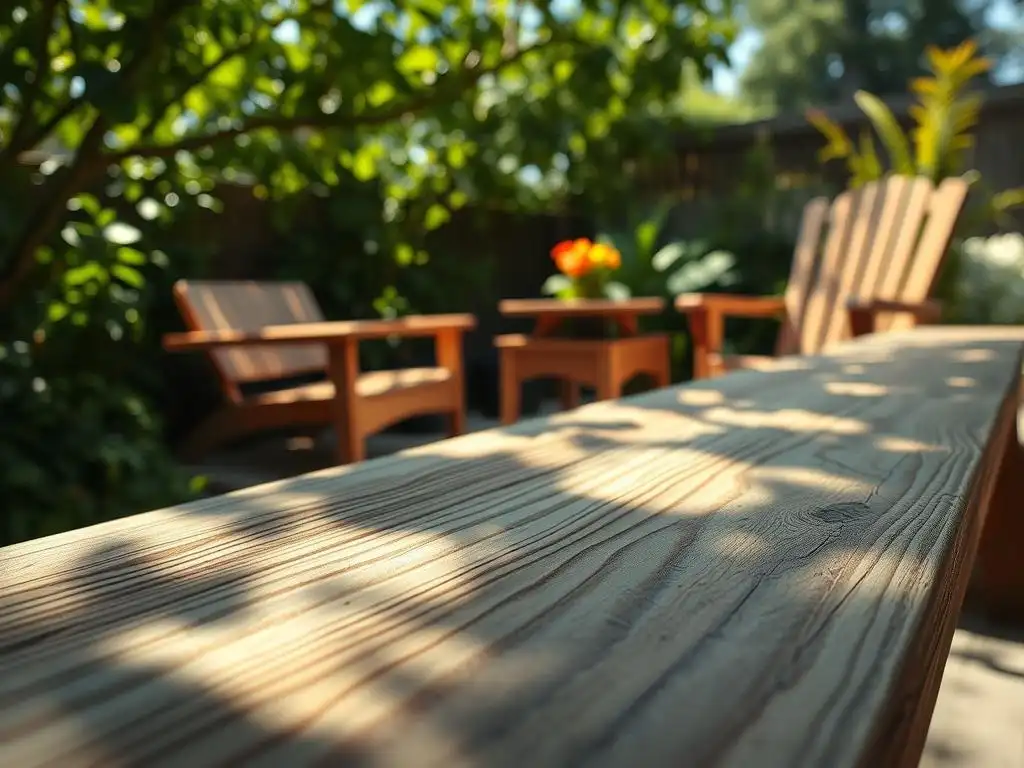
This section explores the compelling reasons to invest in eco-friendly garden furniture, focusing on the long-term advantages that extend beyond the initial purchase price. Choosing sustainable materials and ethically produced pieces offers a significant return on investment, both environmentally and economically. Let's delve into the specifics.
The Value of Eco-Conscious Choices: Environmental and Economic Advantages
Selecting eco-friendly garden furniture significantly reduces your environmental footprint. Unlike mass-produced options often made from unsustainable materials like tropical hardwoods harvested irresponsibly, sustainable alternatives minimize deforestation and habitat destruction. Consider the lifecycle of your furniture: sustainable materials generally require less energy to process and manufacture, resulting in lower carbon emissions. This contributes to mitigating climate change and protecting our planet.
Furthermore, durable, high-quality sustainable furniture offers long-term economic benefits. While the upfront cost might be higher than cheaply made alternatives, the extended lifespan of sustainably sourced and well-crafted pieces translates into significant savings in the long run. You avoid frequent replacements, reducing waste and saving money.
This translates to a more responsible and financially sound investment in your outdoor space. For example, recycled teak furniture, known for its durability and weather resistance, can last for decades with proper maintenance, significantly outweighing the initial cost compared to cheaper, less durable options that need replacing every few years. This approach to purchasing aligns perfectly with the principles of sustainable living and responsible consumption, key values for the eco-conscious gardener.
Supporting Ethical and Sustainable Businesses: Making a Difference
Choosing eco-friendly garden furniture is not just about the materials; it's about supporting businesses committed to ethical and sustainable practices. Look for companies that prioritize fair labor practices, safe working conditions, and environmentally responsible manufacturing processes. These businesses often invest in local communities, source materials responsibly, and minimize their impact on the environment throughout their entire supply chain. By supporting these businesses, you're contributing to a more just and sustainable global economy.
This conscious consumption directly impacts the lives of workers and the health of our planet. Transparency in sourcing and manufacturing is key; look for companies that openly share details about their supply chain and commitment to sustainability. This active choice reflects your values and contributes to a more responsible and ethical consumer landscape. Supporting these businesses helps create a ripple effect, encouraging other companies to adopt similar practices.
Creating a Harmonious and Sustainable Outdoor Space: A Guide to Long-Term Enjoyment
Investing in sustainable garden furniture is an investment in creating a harmonious and long-lasting outdoor space. The beauty of sustainably sourced materials, such as reclaimed wood or recycled aluminum, adds a unique character to your garden, reflecting your commitment to environmental responsibility. Proper care and maintenance, which are often simpler with sustainable materials, ensure the longevity of your furniture, maximizing your investment and minimizing waste. This creates a space that is not only aesthetically pleasing but also reflects your dedication to sustainable living. The longevity of eco-friendly furniture means you can enjoy your garden space for years to come without the guilt of contributing to landfill waste or supporting unsustainable practices. This long-term perspective aligns perfectly with the principles of mindful gardening and creating a truly sustainable outdoor oasis. Think of it as an investment in your personal well-being and the health of the planet – a truly rewarding endeavor.
Frequently Asked Questions about Sustainable Garden Furniture (FAQ)
This section addresses common queries regarding eco-friendly garden furniture, helping you make informed decisions for your outdoor space. Choosing sustainable options not only benefits the environment but also enhances the aesthetic appeal of your garden, aligning perfectly with the principles of CultivateYourFood. Let's delve into the specifics:
What are the most durable eco-friendly materials for garden furniture?
Selecting durable, eco-friendly materials is crucial for long-lasting, sustainable garden furniture. Several options stand out:
- Reclaimed Wood: This is a top choice. Using reclaimed wood reduces deforestation and gives character to your furniture. Hardwoods like teak, which naturally resists rot and insects, are particularly excellent choices. However, ensure the wood has been responsibly sourced and treated with eco-friendly preservatives if necessary. The lifespan of reclaimed wood furniture can be exceptionally long, often exceeding 20 years with proper care.
- Bamboo: A rapidly renewable resource, bamboo is incredibly strong and naturally resistant to pests and moisture. It's a fantastic sustainable alternative to traditional hardwoods. Bamboo furniture offers a sleek, modern look and requires minimal maintenance. Expect a lifespan comparable to well-maintained hardwoods.
- Recycled Aluminum: Aluminum is highly durable, weather-resistant, and completely recyclable. It requires minimal processing, making it a low-impact material. Recycled aluminum furniture is lightweight, easy to clean, and available in a range of stylish designs. Its lifespan is potentially decades, provided minor surface scratches are addressed.
- Sustainable Plastics: While plastics often have negative environmental connotations, some are made from recycled materials and designed for durability and recyclability at the end of their life. Look for options made from recycled HDPE (high-density polyethylene) or other post-consumer recycled plastics. These are typically very weather-resistant but may require more careful cleaning to maintain their appearance.
Choosing the right material depends on your specific needs and aesthetic preferences. Consider factors like climate, frequency of use, and desired style when making your selection. Remember that even the most durable materials benefit from proper care and maintenance.
How can I maintain my sustainable garden furniture?
Maintaining your eco-friendly garden furniture is essential to prolong its lifespan and ensure its continued beauty. The maintenance techniques vary slightly depending on the material:
- Reclaimed Wood: Regular cleaning with a mild soap and water solution is sufficient. Avoid power washing, which can damage the wood's surface. Apply a natural, eco-friendly wood sealant every 1-2 years to protect against the elements and prevent cracking.
- Bamboo: Clean with a damp cloth and mild soap. Avoid leaving it constantly wet as this can encourage mold growth. A light sanding and re-application of a natural oil-based finish might be necessary every few years, depending on weather exposure.
- Recycled Aluminum: Simply wipe clean with a damp cloth. Aluminum is naturally resistant to corrosion, but regular cleaning will prevent dirt buildup and maintain its shine.
- Sustainable Plastics: Usually easily cleaned with soap and water. More stubborn stains might require a stronger cleaner, but always check the manufacturer’s recommendations first.
Regular inspection for any damage or signs of wear is also crucial. Addressing minor issues promptly can prevent them from becoming major problems. For example, tightening loose screws or replacing damaged parts when necessary will extend the furniture's lifespan significantly. Remember, preventative maintenance is key to keeping your eco-friendly garden furniture looking its best for years to come.
Where can I find reputable suppliers of sustainable garden furniture?
Finding reputable suppliers is crucial to ensure the authenticity and sustainability of your purchase. Look for companies that:
- Transparency in Sourcing: Reputable suppliers will be transparent about their sourcing practices, clearly stating the origin of their materials and their commitment to sustainable forestry or recycling.
- Certifications: Look for certifications such as the Forest Stewardship Council (FSC) for wood products, indicating responsible forestry practices.
- Eco-Friendly Finishes: Inquire about the finishes used on the furniture. Avoid those containing harmful chemicals; opt for water-based or plant-based alternatives.
- Customer Reviews: Check online reviews to gauge the quality and durability of the furniture and the supplier's customer service.
- Local Craftspeople: Consider supporting local craftspeople or smaller businesses committed to sustainable practices. This often offers unique designs and better quality control.
By researching thoroughly and asking the right questions, you can ensure that your investment in sustainable garden furniture is both aesthetically pleasing and environmentally responsible, complementing your organic gardening efforts perfectly. 🌳
Frequently Asked Questions
What types of wood are best for eco-friendly garden furniture?
Many sustainable hardwoods like teak, cedar, and acacia are naturally durable and require less treatment, making them excellent choices. Recycled wood is another great option. Avoid tropical hardwoods that are not sustainably sourced.
How can I ensure my garden furniture is truly eco-friendly?
Look for certifications like the Forest Stewardship Council (FSC) label, which guarantees responsible forestry practices. Check for furniture made from recycled materials or fast-growing, renewable resources. Consider the furniture's overall lifespan and repairability.
What are some eco-friendly alternatives to wood for garden furniture?
Recycled metal, such as aluminum or steel, is a durable and recyclable option. Bamboo is a rapidly renewable resource that offers a stylish, eco-conscious choice. Sustainable wicker made from rattan or seagrass is also a possibility.
How can I maintain my eco-friendly garden furniture?
Regular cleaning with mild soap and water will keep your furniture looking its best. Use natural oils or wood preservatives to protect it from the elements, avoiding harsh chemicals. Proper storage during harsh weather will extend its lifespan significantly.
Where can I find eco-friendly garden furniture options?
Many online retailers and local garden centers are now stocking eco-conscious furniture. Look for companies that explicitly highlight their sustainable practices and sourcing of materials. Check out independent artisans and makers who often focus on sustainable options.
Final Reflection: Cultivating a Greener Garden, One Sustainable Choice at a Time
The quest for eco-friendly living extends beyond our homes; it blossoms in our gardens. Creating outdoor spaces that are both beautiful and sustainable is not just a trend, it's a necessity for a healthier planet and a more enriching personal experience. The choices we make regarding our garden furniture directly impact the environment, and understanding those impacts is the first step towards positive change.
The shift towards sustainable garden furniture reflects a growing awareness of our interconnectedness with nature. We're moving beyond simply wanting aesthetically pleasing spaces; we're seeking harmony between design and environmental responsibility. This conscious shift is vital, as our outdoor spaces are increasingly becoming extensions of our homes and sanctuaries for relaxation and connection with the natural world. The earth laughs in flowers.
- Ralph Waldo Emerson. This simple quote encapsulates the joy and responsibility we hold in nurturing both our gardens and the planet that sustains them.
Consider the impact of your choices. Will you opt for mass-produced furniture with questionable origins, or will you invest in pieces crafted from recycled materials, sustainably sourced wood, or innovative, eco-friendly alternatives? The power to create a truly sustainable garden lies in your hands. Embrace the opportunity to design a space that reflects your values, nurtures your soul, and contributes to a healthier planet. Let your garden be a testament to your commitment to a greener future.
Unleash Your Garden's Potential: Design a Sustainable Oasis
Thanks for exploring eco-friendly garden furniture with us! You've learned how to create a beautiful and sustainable outdoor space. Ready to transform your garden into a greener haven?
- Design your dream sustainable space: Begin sketching your ideal garden, incorporating the eco-friendly furniture ideas discussed. Consider the materials, layout, and how it complements your existing landscape. This is your opportunity to personalize your outdoor retreat.
- Share your inspiration: Post pictures of your favorite sustainable furniture or your initial garden designs on social media using #CultivateYourGarden. Let's inspire one another!
- Support local artisans: Seek out local craftspeople and businesses that create sustainable garden furniture. Support local makers and discover unique pieces that reflect your style.
What unique sustainable feature will you prioritize in your garden redesign?