
The Importance of Soil Structure: Creating a Healthy Root Environment

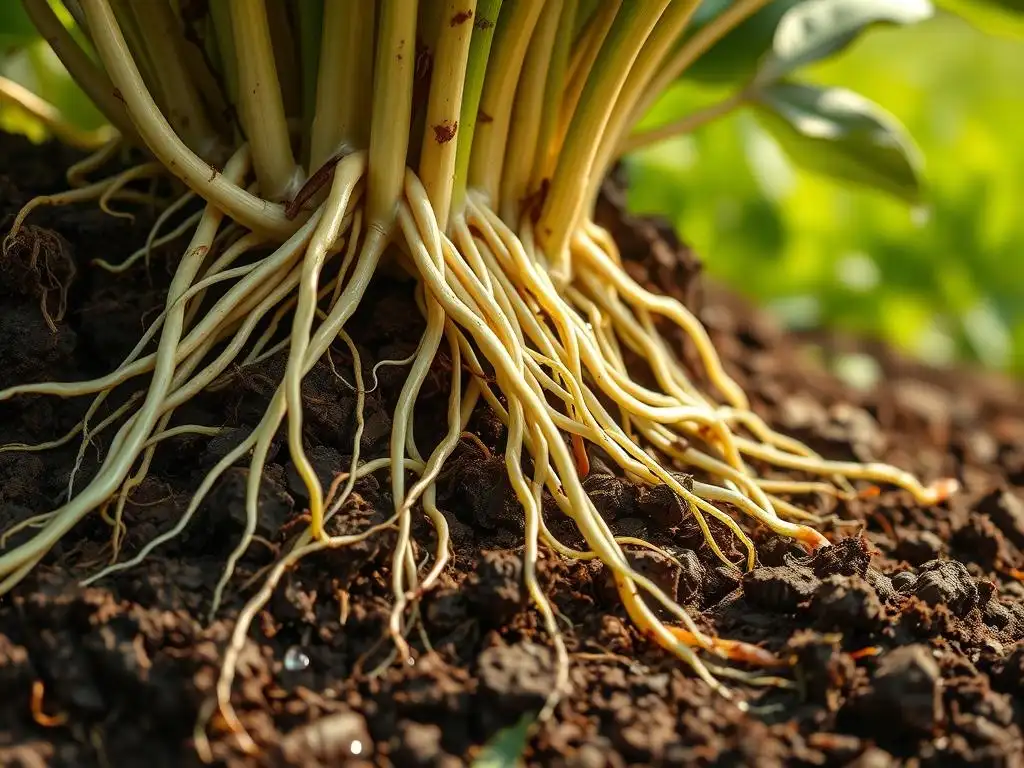
Welcome to CultivateYourFood, your guide to nurturing a thriving garden using sustainable, organic methods! Are you ready to unlock the secrets to bountiful harvests? We'll show you how, starting with the foundation of any successful garden: healthy soil structure. Discover the surprising benefits of cultivating a vibrant root environment and learn how to cultivate the perfect soil for your fruits, vegetables, and herbs. Dive in and explore the world of organic gardening; your journey to healthier, homegrown food begins now!
- Understanding Healthy Soil Structure Benefits for Plant Growth
- Factors Affecting Soil Structure and Root Health
-
Improving Soil Structure for a Thriving Garden
- Practical Techniques for Enhancing Soil Structure: No-Till Farming
- Practical Techniques for Enhancing Soil Structure: Cover Cropping
- Practical Techniques for Enhancing Soil Structure: Compost Tea Application
- Choosing the Right Soil Amendments to Improve Structure and Fertility
- The Importance of Mulching for Soil Health and Structure
- Maintaining Healthy Soil Structure Long-Term
- Frequently Asked Questions
- Final Reflection: Cultivating a Future Rooted in Healthy Soil
- Unlock Your Garden's Potential: Nurture Thriving Roots!
Understanding Healthy Soil Structure Benefits for Plant Growth
Creating a thriving garden, bursting with vibrant fruits, vegetables, and herbs, hinges on a fundamental principle often overlooked: healthy soil structure. This isn't just about the type of soil you have – sandy, clay, or loam – but rather the intricate arrangement of soil particles, organic matter, water, and air within your growing medium. A healthy soil structure is the cornerstone of successful organic gardening, directly impacting every aspect of plant growth, from germination to harvest.
Understanding the benefits of a well-structured soil is crucial for cultivating a bountiful and sustainable home garden, and this article will delve into the key aspects that contribute to healthy soil and ultimately, a healthier yield. We'll explore how proper soil structure enhances water retention and drainage, facilitates optimal aeration for robust root systems, and promotes healthy root development, all contributing to the overall health and productivity of your plants. Mastering these principles translates to healthier plants, reduced pest and disease issues, and ultimately, a more rewarding gardening experience.
Let's dig in! 🥕
The Crucial Role of Soil Structure in Water Retention and Drainage
The ideal soil structure is akin to a sponge – able to hold ample water for plant use while simultaneously allowing for excellent drainage, preventing waterlogging. Poor soil structure, on the other hand, often leads to either waterlogging (in compacted soils) or rapid runoff (in loose, sandy soils), both detrimental to plant health. A well-structured soil, rich in organic matter like compost, creates a network of pores of varying sizes. Larger pores allow for efficient drainage, preventing water from becoming stagnant and suffocating roots.
Smaller pores, meanwhile, hold onto water, making it readily available to plant roots, even during dry spells. This balance is key. Think of it this way: a soil with poor structure is like a sieve (allowing water to drain too quickly) or a brick (preventing water from draining at all).
A healthy soil structure, however, offers the perfect equilibrium, ensuring consistent moisture and preventing both drought stress and root rot. The presence of beneficial soil organisms further enhances this process, creating stable aggregates that improve both water retention and drainage. Maintaining this delicate balance is crucial for healthy plant growth and maximizing yields.
Optimal Soil Aeration: Benefits for Root Respiration and Nutrient Uptake
Healthy soil structure is not just about water; it's equally crucial for air circulation. Plant roots, like all living things, require oxygen for respiration. A compacted soil, lacking sufficient pore space, restricts oxygen flow, leading to anaerobic conditions where roots struggle to breathe and absorb nutrients.
This can manifest as stunted growth, yellowing leaves, and increased susceptibility to diseases. Conversely, a well-structured soil, with its network of air pockets, allows for optimal oxygen diffusion to the roots, facilitating respiration and energy production. This improved aeration also enhances the activity of beneficial soil microbes, which play a vital role in nutrient cycling.
These microbes break down organic matter, releasing essential nutrients like nitrogen, phosphorus, and potassium into forms readily available to plants. Improved aeration directly translates to more efficient nutrient uptake, resulting in healthier, more vigorous plants. Regular soil testing, combined with practices like tilling (in moderation) and the addition of organic matter, can significantly improve soil aeration and unlock the full potential of your plants.
The Impact of Soil Structure on Root Development and Expansion
The structure of your soil directly impacts the ability of your plants to develop robust and extensive root systems. A healthy soil structure provides ample space for roots to explore, penetrate deeper into the soil profile, and access water and nutrients more effectively. This leads to increased drought tolerance, improved nutrient uptake, and overall plant vigor.
Conversely, in compacted soils, root growth is restricted, leading to shallow, poorly developed root systems. These shallow roots are more vulnerable to drought stress, nutrient deficiencies, and damage from temperature fluctuations. A well-structured soil, rich in organic matter, creates a soft, crumbly texture that encourages root penetration and exploration.
The presence of earthworms and other soil organisms further enhances this, creating channels and pathways for roots to easily navigate through the soil. This improved root development translates to healthier, more resilient plants, better able to withstand environmental challenges and produce higher yields. Investing in improving your soil structure is an investment in the long-term health and productivity of your garden.
How Soil Structure Influences Nutrient Availability for Plants
Healthy soil structure is paramount for optimal nutrient uptake by plants. The arrangement of soil particles—sand, silt, and clay—directly impacts the availability of essential nutrients. A well-structured soil, with its aggregates and pore spaces, creates an environment conducive to nutrient cycling and root penetration. This contrasts sharply with compacted soils, where poor aeration and waterlogging restrict root growth and nutrient access.
Consider the role of soil microorganisms. These beneficial bacteria, fungi, and other organisms are crucial in breaking down organic matter, releasing nutrients in a plant-available form. A healthy soil structure provides the ideal habitat for these microorganisms to thrive. The porous nature of such soil allows for sufficient oxygen penetration, essential for aerobic microbial activity. In contrast, anaerobic conditions prevalent in compacted soils inhibit microbial activity, hindering nutrient release and potentially leading to the buildup of harmful substances.
The size and distribution of pores in the soil also affect nutrient availability. Larger pores facilitate water drainage and aeration, while smaller pores hold onto water and nutrients, making them available to plant roots. A balanced pore size distribution is crucial; a soil with only large pores will readily drain nutrients, while a soil with only small pores might become waterlogged, restricting root access. This delicate balance is a key component of achieving healthy soil structure benefits. Maintaining this balance through practices like adding organic matter significantly improves nutrient retention and availability.
Specific nutrients are affected differently by soil structure. For example, immobile nutrients like phosphorus are more readily available in soils with good aggregation, as they are held close to the root system. Conversely, mobile nutrients like nitrates can be leached more easily from soils with poor structure. Understanding these dynamics is essential for optimizing nutrient management practices and maximizing the benefits of healthy soil structure for plant growth. Careful consideration of soil texture and organic matter content allows for tailored approaches to nutrient management, leading to healthier, more productive plants.
Factors Affecting Soil Structure and Root Health
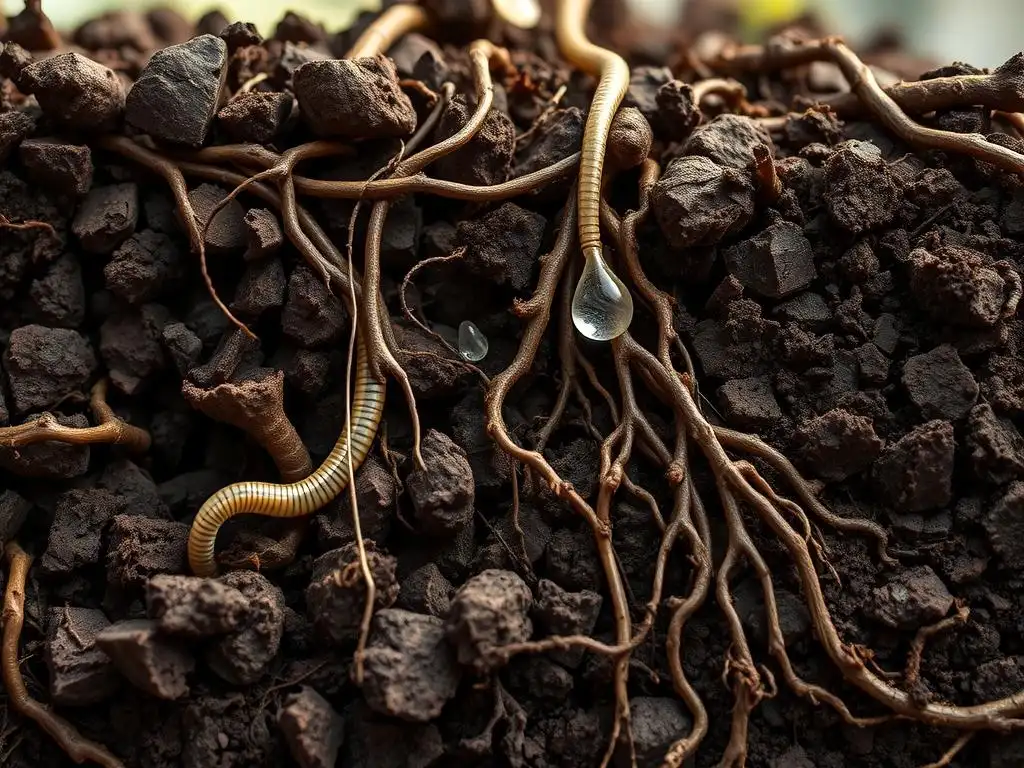
This section delves into the key factors influencing soil structure and its direct impact on root health, a crucial aspect of successful home gardening. Understanding these factors allows for informed decision-making in cultivating a thriving garden using sustainable practices. A healthy soil structure is the cornerstone of robust plant growth, ensuring access to essential nutrients and water. We will explore how organic matter, soil organisms, and tillage practices significantly affect this crucial aspect of your garden's success.
The Influence of Organic Matter on Soil Aggregation and Stability
Organic matter is the lifeblood of healthy soil structure. Its presence dramatically improves soil aggregation – the clumping together of soil particles to form larger, stable units. These aggregates create pore spaces of varying sizes, crucial for aeration, water infiltration, and root penetration. The larger aggregates provide excellent drainage, preventing waterlogging which can suffocate roots. Conversely, the smaller pores hold water and nutrients, making them readily available to plants.
Think of it like this: imagine trying to grow roots in a solid block of clay versus a well-structured soil with a mix of aggregate sizes. The latter allows for easy root penetration and exploration, leading to a stronger, more resilient plant. Adding organic matter, such as compost, aged manure, or leaf mold, increases the soil's water holding capacity. This is because organic matter acts like a sponge, absorbing and retaining moisture, preventing both drought stress and water runoff. Moreover, the decomposition of organic matter releases nutrients, feeding the soil microbiome and enriching the soil with essential plant foods.
Studies have consistently shown that increasing organic matter content significantly enhances soil aggregation and stability. For example, a study published in the Journal of Soil Science demonstrated a 30% increase in aggregate stability in soils amended with 5% compost compared to control soils. This improved stability translates directly into healthier root systems and more vigorous plant growth.
The benefits extend to reduced soil erosion, improved water use efficiency, and enhanced nutrient cycling – all essential for sustainable gardening practices. The more organic matter you incorporate, the better your soil structure will be, leading to healthier plants and a more sustainable garden.
The Role of Soil Organisms in Improving Soil Structure and Fertility
The unseen world of soil organisms plays a vital role in building and maintaining healthy soil structure. These microscopic heroes, including bacteria, fungi, earthworms, and protozoa, are the architects of soil aggregation. They create and stabilize soil aggregates by binding soil particles together with their secretions and by creating channels through the soil.
Earthworms, for instance, are particularly important. Their burrowing activity creates channels that enhance aeration and drainage, allowing roots to penetrate more easily. Their castings (worm excrement) are rich in nutrients and contribute significantly to soil fertility. Fungi, particularly mycorrhizal fungi, form symbiotic relationships with plant roots, extending their reach into the soil and providing access to water and nutrients. These fungi also help bind soil particles together, further strengthening soil structure.
The activity of these organisms is directly linked to the availability of organic matter. A diverse and thriving soil community requires a steady supply of organic matter to fuel its activity. Therefore, incorporating organic materials into your soil is not only beneficial for soil structure but also essential for supporting a healthy and productive soil ecosystem. This ecosystem, in turn, will reward you with more productive plants and a healthier, more sustainable garden. Neglecting this aspect can lead to poor soil structure, impacting nutrient availability and ultimately, plant health.
Impact of Tillage Practices on Soil Structure and Root Systems
Tillage practices, or the methods used to cultivate soil, significantly impact soil structure and root development. Conventional tillage, which involves intensive plowing and tilling, disrupts soil structure, damaging aggregates and leading to soil compaction. This compaction reduces pore space, hindering water infiltration and root penetration. The constant disturbance also reduces the populations of beneficial soil organisms, further weakening soil structure.
No-till farming, on the other hand, minimizes soil disturbance. By leaving crop residues on the soil surface, no-till farming protects the soil from erosion, improves water infiltration, and encourages the development of a healthy soil structure. The undisturbed soil allows for the development of a robust network of roots, increasing plant resilience and improving water and nutrient uptake.
The choice between tillage methods has profound implications for long-term soil health. While conventional tillage may offer short-term benefits, its long-term effects on soil structure and fertility are often detrimental. No-till or minimal tillage methods, while requiring a shift in farming practices, offer significant advantages in terms of soil health and sustainability. Careful consideration of tillage practices is crucial for achieving the benefits of healthy soil structure and promoting sustainable gardening practices. The decision should be based on your specific soil type, climate, and gardening goals, keeping the long-term health of your soil as a primary concern.
Understanding Soil Compaction and its Negative Effects on Root Growth
Soil compaction, the process by which soil particles are pressed together, reducing pore space, significantly impacts root health and overall plant growth. This reduction in pore space severely limits the ability of air and water to penetrate the soil profile. Roots, needing both oxygen for respiration and water for nutrient uptake, are directly affected. Compacted soil creates a physical barrier, restricting root elongation and exploration of the soil volume.
This leads to shallower, less extensive root systems, making plants more vulnerable to drought stress and nutrient deficiencies. Imagine trying to grow a robust taproot in a densely packed clay brick – the result is stunted growth and limited access to resources. This is analogous to what happens in compacted soil.
The negative effects extend beyond simply limited access to water and oxygen. Compacted soil can also hinder the activity of beneficial soil organisms, such as earthworms and mycorrhizal fungi. These organisms are crucial for nutrient cycling and soil structure improvement. Their reduced activity further compromises the soil's ability to support healthy plant growth.
Furthermore, compacted soil can lead to increased runoff and erosion, further degrading soil quality and diminishing its capacity to support a thriving root system. The overall impact is a less productive and more vulnerable plant, susceptible to diseases and pests. The long-term consequences of soil compaction can be significant, impacting the yield and health of crops for years to come. Addressing compaction through practices like no-till farming, cover cropping, and the addition of organic matter is crucial for maintaining healthy soil structure and promoting vigorous root growth.
The benefits of improving soil structure, in terms of water retention, aeration, and nutrient availability, are manifold and directly contribute to achieving optimal plant health and yield. The healthier the soil structure, the healthier the plant. 🌱
Improving Soil Structure for a Thriving Garden
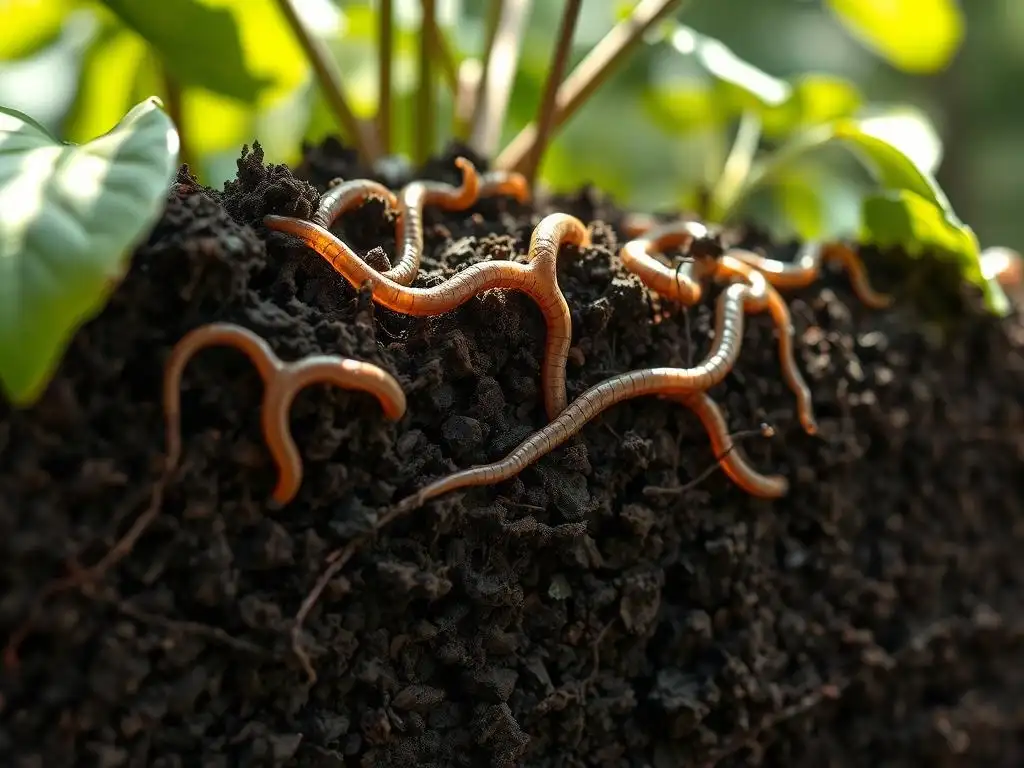
Healthy soil structure benefits plant growth immensely. A well-structured soil provides optimal conditions for root development, water retention, and nutrient availability, leading to healthier, more vigorous plants. Understanding how to improve soil structure is crucial for any gardener aiming for a bountiful and sustainable harvest.
This section explores practical techniques to achieve this goal, focusing on the positive impact on root systems and overall plant health. We'll delve into methods that enhance aeration, drainage, and water retention, all critical components of a thriving garden ecosystem. The goal is to create a soil environment that fosters strong, resilient root systems, leading to increased yields and improved plant resilience to stress.
Practical Techniques for Enhancing Soil Structure: No-Till Farming
No-till farming is a revolutionary approach that significantly improves soil structure. Instead of tilling the soil, which disrupts its delicate structure and reduces beneficial microbial activity, no-till farming leaves plant residues on the surface. These residues act as a natural mulch, protecting the soil from erosion, suppressing weeds, and gradually improving its organic matter content. This leads to a soil rich in beneficial microorganisms, creating a more stable structure with improved aeration and water infiltration.
The benefits extend beyond structural improvements. No-till farming reduces soil compaction, a common problem in conventionally tilled gardens. Compacted soil restricts root growth, limiting access to water and nutrients. By avoiding tillage, no-till practices allow for the development of a complex network of soil pores, creating pathways for air and water to penetrate deep into the soil profile.
This enhanced aeration is vital for root respiration and overall plant health. Furthermore, the increased organic matter content resulting from no-till farming improves water retention, reducing the frequency of irrigation and saving water. Studies have shown that no-till gardens consistently exhibit higher yields compared to conventionally tilled gardens, further highlighting the positive impact on plant health.
Practical Techniques for Enhancing Soil Structure: Cover Cropping
Cover cropping is another powerful technique for improving soil structure and promoting healthy root environments. Cover crops are plants grown specifically to improve soil health, rather than for harvest. These plants, such as legumes (peas, beans, clover), grasses (rye, oats), and brassicas (mustard, radish), are planted during fallow periods or between cash crops. Their roots penetrate the soil, creating channels that improve aeration and drainage. Their above-ground biomass provides organic matter when incorporated into the soil, enriching its texture and increasing its water-holding capacity.
Different cover crops offer unique benefits. Legumes, for example, fix nitrogen from the atmosphere, enriching the soil with this essential nutrient. Grasses help prevent erosion and improve soil structure. Brassicas can help suppress soilborne diseases. The choice of cover crop depends on the specific needs of the soil and the growing season.
For instance, a fast-growing cover crop like radish might be ideal for breaking up compacted soil before planting a main crop, while a slower-growing legume could provide long-term nitrogen benefits. The key is to select a mix of species to maximize the benefits and create a diverse and resilient soil ecosystem. The integration of cover cropping into a sustainable gardening practice significantly contributes to long-term soil improvement and enhanced plant growth, leading to better yields and improved soil health. 🌱
Practical Techniques for Enhancing Soil Structure: Compost Tea Application
Compost tea is a liquid extract derived from compost, teeming with beneficial microorganisms like bacteria and fungi. Applying compost tea to the soil introduces these microbes directly into the root zone, enhancing soil biology and improving its structure. These microorganisms play a vital role in nutrient cycling, breaking down organic matter and making nutrients available to plants. Furthermore, they enhance aggregate stability, contributing to a more porous and well-structured soil.
The application of compost tea is a relatively simple process, and its benefits are multifaceted. By improving soil aggregation, compost tea helps reduce compaction and improve aeration. This results in better root penetration and nutrient uptake, leading to healthier plants. The increased microbial activity also enhances the soil's water-holding capacity, reducing the need for frequent watering. Compost tea application is a sustainable and environmentally friendly way to boost soil health and improve plant growth.
Regular applications can lead to a significant improvement in soil structure over time, contributing to a thriving and productive garden. Moreover, it supports a healthy balance of soil organisms, fostering a robust and resilient soil ecosystem. The positive impacts on soil structure translate directly into healthier plants and increased yields. Regular use of compost tea is a valuable tool in any gardener's arsenal for achieving optimal soil health and maximizing crop production.
Choosing the Right Soil Amendments to Improve Structure and Fertility
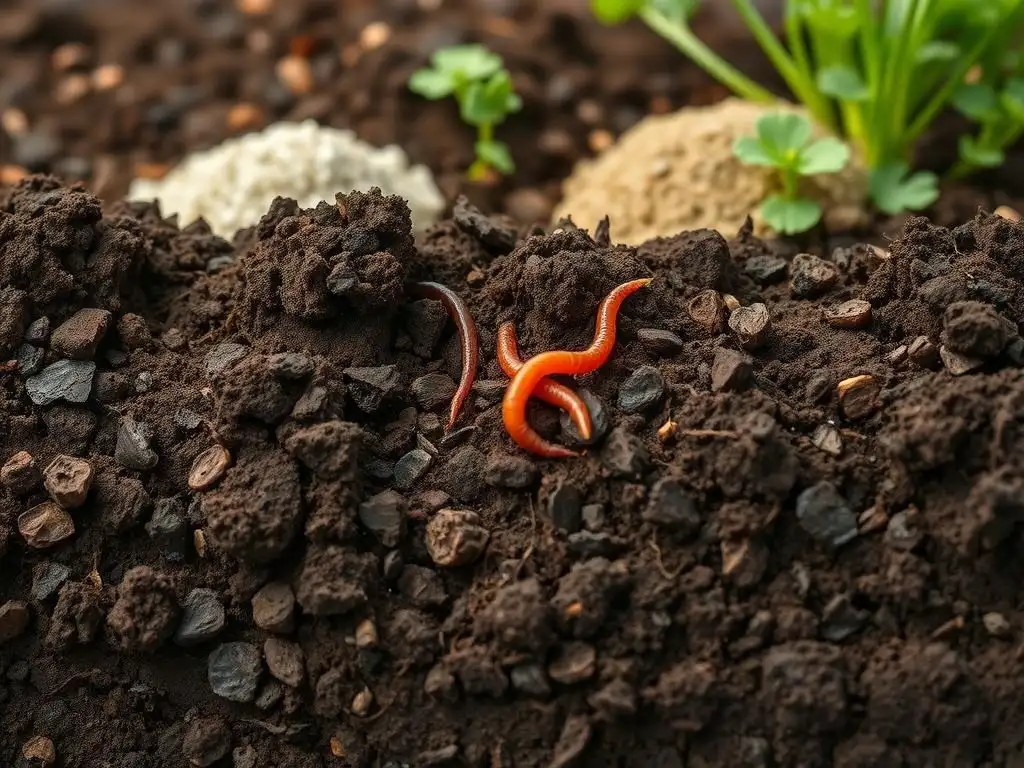
Improving soil structure is crucial for a thriving garden, and the right soil amendments play a vital role. Amendments aren't fertilizers; they improve the physical properties of the soil, allowing for better water retention, aeration, and root penetration. The best choice depends heavily on your soil's current condition. A simple soil test can reveal deficiencies and guide your amendment selection. For example, clay soils, known for their compaction and poor drainage, benefit greatly from incorporating organic matter like compost.
Compost not only improves drainage but also introduces beneficial microorganisms, enhancing soil fertility. The addition of coarse sand can also improve drainage in clay soils, increasing the pore space and allowing for better air circulation. Conversely, sandy soils, which drain too quickly and lack water retention, require amendments that increase their water-holding capacity. Adding peat moss, aged manure, or coco coir can significantly improve the sandy soil's structure, helping it retain moisture and nutrients for longer periods. The amount of amendment needed will vary, but a general guideline is to start with a 2-4 inch layer and mix it thoroughly into the top 6-12 inches of soil.
Remember, it's a gradual process; consistent amendment application over time yields the best results. Always consider the specific needs of your plants when choosing amendments. For instance, plants that thrive in slightly acidic conditions might benefit from the addition of peat moss or composted pine bark, while those preferring alkaline conditions might benefit from lime. Careful observation and monitoring are key; adjust your amendment strategy based on the plant's growth and the soil's response. Consistent soil improvement leads to healthier plants, reduced need for chemical fertilizers, and increased yields.
The Importance of Mulching for Soil Health and Structure
Mulching is a simple yet powerful technique that significantly improves soil structure and overall garden health. A mulch layer, typically composed of organic materials like shredded leaves, straw, wood chips, or even grass clippings, acts as a protective blanket for the soil. This layer prevents soil erosion, particularly crucial during heavy rainfall or strong winds. By reducing water evaporation, mulching helps conserve moisture, reducing the frequency of watering and saving water. This is especially beneficial during dry spells. Furthermore, mulching helps regulate soil temperature, preventing extreme temperature fluctuations that can harm plant roots.
The layer acts as an insulator, keeping the soil cooler in summer and warmer in winter, creating a more consistent and favorable root environment. Perhaps the most significant benefit of mulching is its contribution to soil structure improvement. As the organic matter in the mulch decomposes, it gradually enriches the soil with vital nutrients and improves its overall texture. This decomposition process introduces beneficial microorganisms, creating a healthier and more active soil ecosystem. The mulch also prevents soil compaction by reducing the impact of rainfall and foot traffic. This prevents the formation of hardpans, which hinder root growth and water infiltration.
The choice of mulch material depends on your specific needs and preferences. However, selecting a mulch that decomposes at a moderate rate is generally recommended to provide long-term benefits. Avoid using fresh grass clippings as they can compact and smother the soil. A layer of 2-4 inches is typically sufficient, ensuring that the mulch doesn't directly contact the plant stems to prevent rot or pest issues. With consistent mulching, you'll notice healthier plants, improved soil structure, and a more efficient watering system. The long-term benefits of mulching far outweigh the initial effort, contributing to a more sustainable and productive garden.
Maintaining Healthy Soil Structure Long-Term
Maintaining a healthy soil structure isn't a one-time fix; it's an ongoing commitment crucial for thriving plants. Consistent effort translates directly into bountiful harvests and resilient plants better equipped to withstand environmental stresses. The benefits of a robust soil structure are numerous, contributing significantly to overall plant health and yield. Think of it as investing in the foundation of your garden—a strong foundation guarantees a strong structure above ground.
Sustainable Gardening Practices for Long-Term Soil Health
Sustainable gardening practices are paramount for maintaining healthy soil structure over the long term. These methods focus on nurturing the soil's natural ecosystem rather than depleting it. Key practices include:
- Crop Rotation: Rotating crops annually prevents the depletion of specific nutrients and reduces the buildup of pest and disease problems. For instance, planting legumes (like beans or peas) one year helps replenish nitrogen levels, benefiting subsequent crops.
- Cover Cropping: Planting cover crops (like rye or clover) during fallow periods protects the soil from erosion, adds organic matter, and improves soil structure. Their roots help break up compacted soil, increasing aeration and drainage. The decomposition of cover crops adds valuable nutrients to the soil.
- Composting: Regular composting is essential. Adding compost enriches the soil with organic matter, improves water retention, and enhances the soil's overall structure. This organic matter acts like a sponge, holding onto moisture and nutrients, making them readily available to plant roots. Aim for a consistent addition of compost annually, ideally before planting.
- Mulching: Applying mulch (wood chips, straw, shredded leaves) protects the soil surface from erosion, regulates soil temperature, and suppresses weeds. It also gradually decomposes, adding organic matter to the soil, improving its structure and water retention.
- Avoid Tilling: Excessive tilling disrupts soil structure, damaging beneficial soil organisms and leading to compaction. Minimize tilling or adopt no-till methods whenever possible. No-till gardening protects the soil structure and encourages a thriving soil ecosystem.
Monitoring Soil Structure and Making Adjustments
Regular monitoring is key to maintaining a healthy soil structure. Several methods can help assess your soil's condition:
- Visual Inspection: Carefully examine your soil. Healthy soil will have a crumbly texture, with visible aggregates (small clumps of soil particles). Poor soil structure will appear compacted, muddy, or excessively dry.
- Finger Test: Take a handful of soil and gently squeeze it. Healthy soil should form a loose ball that crumbles easily when released. Soil that stays clumped together indicates compaction.
- Soil Penetration Test: Try pushing a shovel or trowel into the soil. Easy penetration suggests good structure; difficult penetration points to compaction.
- Water Infiltration Test: Dig a small hole and pour water into it. Observe how quickly the water is absorbed. Slow absorption indicates poor drainage and compaction. This test is particularly useful for assessing the impact of heavy rainfall and the effectiveness of drainage measures.
Based on your observations, adjustments can be made. Compacted soil might benefit from the addition of organic matter (compost, cover crops) and the avoidance of heavy machinery. Poor drainage could require amending the soil with sand or creating raised beds. Regular monitoring allows for proactive adjustments, ensuring optimal soil health.
Recognizing Signs of Poor Soil Structure and Taking Corrective Action
Several signs indicate poor soil structure:
- Poor Drainage: Waterlogging or runoff after rainfall indicates compacted soil, hindering water infiltration and root growth. This can lead to root rot and nutrient deficiencies.
- Erosion: Soil easily washes away during rainfall, revealing poor aggregation and a lack of organic matter. This is especially prevalent on slopes.
- Compaction: Difficulty digging or planting, along with slow-growing plants, suggests compacted soil. Roots struggle to penetrate compacted soil, leading to stunted growth.
- Crusting: A hard layer forms on the soil surface after rain or irrigation, preventing seedling emergence and hindering water infiltration. This often occurs in clay soils.
- Weed Infestation: Excessive weeds often indicate poor soil structure, as they thrive in disturbed or compacted soils. They compete with your crops for water and nutrients.
Corrective actions depend on the specific problem. For compacted soil, consider adding organic matter, avoiding heavy machinery, and using cover crops. Poor drainage might require amending the soil with sand or gravel, or creating raised beds. Crusting can be addressed by using mulch or avoiding excessive watering. Addressing these issues promptly is vital for restoring soil health and ensuring successful cultivation. Remember, healthy soil is the foundation for a thriving garden! 🌱
The Long-Term Benefits of Investing in Healthy Soil Structure for Sustainable Yields
Investing in healthy soil structure offers numerous long-term benefits that extend far beyond a single growing season. A well-structured soil acts as a reservoir, holding onto vital water and nutrients that plants can readily access. This reduces the need for frequent watering and fertilization, saving you time, money, and resources. Over time, this translates into significant cost savings and a more sustainable gardening practice. Think of it as an investment in the future of your garden. The initial effort in improving soil structure pays dividends year after year, leading to healthier plants and higher yields.
Furthermore, a healthy soil structure enhances the overall resilience of your plants. Soils with good structure are better able to withstand periods of drought and flooding, protecting your crops from environmental stresses. This is particularly crucial in the face of increasingly unpredictable weather patterns associated with climate change. A robust soil structure buffers against these fluctuations, ensuring more consistent growth and harvests, even in challenging conditions. This resilience is a key component of sustainable agriculture and contributes to food security, both at a personal and larger scale.
Improved soil structure also contributes to a more vibrant and diverse ecosystem within your garden. A well-aerated soil supports beneficial microorganisms, earthworms, and other soil life that contribute to nutrient cycling and pest control. This natural ecosystem reduces the need for chemical pesticides and fertilizers, aligning perfectly with organic and sustainable gardening principles. The long-term effect is a healthier, more self-regulating garden that requires less intervention and produces higher-quality produce.
The enhanced biodiversity contributes to a more resilient and thriving garden ecosystem, minimizing the need for external inputs. This is a cornerstone of sustainable, ecologically sound gardening practices. The healthier the soil, the healthier the plants, and the healthier the entire garden ecosystem. This holistic approach ensures long-term productivity and minimizes environmental impact.
Frequently Asked Questions
What are the key benefits of a healthy soil structure?
A healthy soil structure provides optimal aeration, allowing roots to breathe and access essential nutrients efficiently. It also improves water retention and drainage, preventing both drought and waterlogging.
How does soil structure impact plant growth?
Good soil structure is vital for strong root development, leading to healthier, more vigorous plants. Strong roots enable better nutrient and water uptake, resulting in higher yields and greater resilience to stress.
What are some ways to improve soil structure?
Adding organic matter, such as compost, is crucial. No-till farming and cover cropping also help to improve soil structure by increasing the presence of beneficial organisms and improving soil aggregation.
How does healthy soil structure relate to sustainable gardening?
A healthy soil structure is fundamental to sustainable gardening practices. It reduces the need for chemical fertilizers and pesticides, promoting environmental health and reducing your environmental impact.
Can poor soil structure be reversed?
Yes, with consistent effort and the right techniques. Regular additions of organic matter, along with practices like cover cropping and mulching, can gradually improve even the most compacted soils over time.
Final Reflection: Cultivating a Future Rooted in Healthy Soil
The health of our soil directly impacts the health of our planet, and understanding its intricate structure is paramount to securing a sustainable future. Ignoring the vital role of healthy soil structure is not an option; it's a gamble with our food security, environmental stability, and the very air we breathe. The interconnectedness of soil health, plant growth, and global well-being is undeniable.
The journey into understanding soil structure has profoundly shifted my perspective on the seemingly mundane. It's not just dirt; it's a complex ecosystem teeming with life, a foundation upon which all terrestrial life depends. The land is what gives us our identity. It is the source of our strength and the foundation of our future.
This quote encapsulates the profound connection between healthy soil and the well-being of communities worldwide, highlighting the need for collective action to protect this precious resource. The ongoing degradation of soil through unsustainable practices is a stark reminder of our responsibility to nurture and protect this vital component of our planet.
Now, consider your own relationship with the earth. What steps can you take, however small, to improve soil health in your own life? Whether it's choosing organic produce, composting food scraps, or simply learning more about the soil beneath your feet, every action contributes to a larger movement towards a healthier planet. Let's cultivate a future rooted in the understanding and appreciation of healthy soil – a future where the earth thrives, and so do we.
Unlock Your Garden's Potential: Nurture Thriving Roots!
Thank you for exploring the vital role of soil structure in healthy plant growth! You've gained valuable insights into creating a thriving root environment. Ready to put this knowledge into action?
- Improve your soil today: Begin by testing your soil's structure and adjusting it based on your findings. This might involve adding compost, incorporating organic matter, or modifying your watering techniques. This initial step will significantly benefit your garden.
- Share your progress: Post a picture of your soil improvement project on social media and tag us! Let's inspire others to cultivate healthy gardens together.
- Experiment with soil amendments: Research various organic materials and methods to determine what best suits your garden's unique needs and conditions.
Ready to transform your garden into a haven for healthy, flourishing plants? What's the first step you'll take to improve your soil?