
Container Herbs for Beginners: Simple and EasytoGrow Options

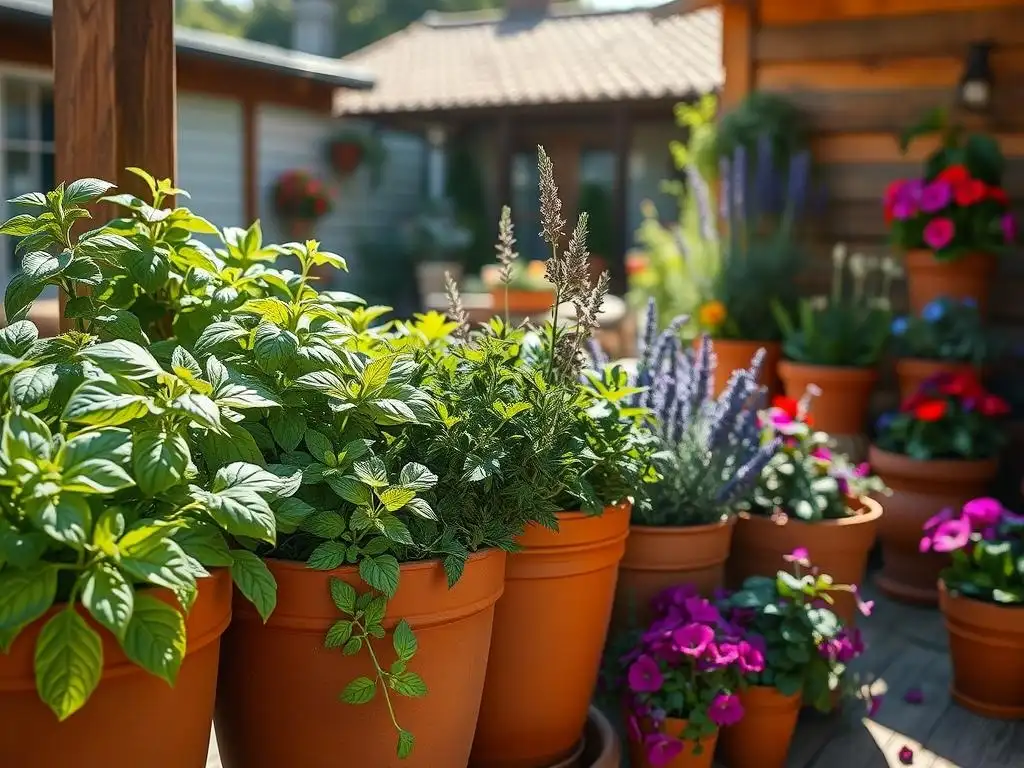
Ready to transform your balcony or patio into a fragrant herb garden? At CultivateYourFood, we believe everyone can enjoy the rewards of homegrown goodness. Discover the secrets to easy container herb gardening, a surprisingly simple path to fresh, flavorful herbs all season long. Learn how to select the perfect plants, master essential techniques, and overcome common challenges – your journey to a thriving herb garden starts now!
- Choosing the Right Herbs for Easy Container Gardening
- Essential Supplies for Your Container Herb Garden
- Planting Your Container Herbs: A Step-by-Step Guide
- Easy Container Herb Gardening: Watering and Care
- Protecting Your Container Herb Garden from Pests and Diseases
- Harvesting and Using Your Homegrown Herbs
- Troubleshooting Common Container Herb Gardening Problems
- Expanding Your Easy Container Herb Garden
- Frequently Asked Questions
- Final Reflection: The Bountiful Harvest of Your Own Backyard
- Unleash Your Inner Gardener: Start Growing Today!
Choosing the Right Herbs for Easy Container Gardening
Embarking on your journey into the rewarding world of herb gardening doesn't require vast outdoor spaces or years of horticultural expertise. This guide focuses on "Easy container herb gardening," providing beginners with simple, straightforward steps to cultivate a thriving herb garden, even if your only available space is a sunny balcony or a small windowsill. We'll explore low-maintenance herb varieties ideal for beginners, perfect choices for limited spaces, and the crucial sun requirements to ensure your herbs flourish.
By the end, you'll be equipped to select the perfect herbs and confidently start your own container herb garden using sustainable and organic practices, reaping the delicious rewards of fresh, homegrown herbs. Let's cultivate your culinary and aromatic dreams! 🌿
Selecting Low-Maintenance Herb Varieties for Beginners
Starting with easy-to-grow herbs is key to a successful and encouraging gardening experience. Certain herbs are naturally more forgiving of beginner mistakes and less demanding in terms of care. Here are some excellent options:
- Basil: A classic choice, basil thrives in warm, sunny conditions and is relatively quick to grow. Regular harvesting encourages bushier growth. Just remember to water regularly, especially during hot weather.
- Mint: Known for its vigorous growth, mint is incredibly easy to propagate from cuttings. However, its aggressive nature means it needs its own container to prevent it from overtaking other plants. Consider a pot with a barrier to prevent spreading.
- Chives: These hardy perennials are remarkably low-maintenance, tolerating some neglect and providing a continuous supply of flavorful snippings.
- Parsley: While it might take a bit longer to establish than basil, parsley is a rewarding herb that offers a consistent supply of leaves. Choose curly parsley for a more visually appealing plant.
- Rosemary: A wonderfully aromatic herb, rosemary is drought-tolerant once established, making it perfect for beginners who might accidentally overwater.
These herbs offer a great starting point for beginners, providing a diverse range of flavors and culinary applications. Remember to choose organic seeds or seedlings whenever possible to support sustainable gardening practices.
Best Container Herbs for Small Spaces and Balconies
Limited space shouldn't limit your herb gardening ambitions! Many herbs are perfectly suited to small containers and balconies. The key is to select compact varieties and use vertical gardening techniques where possible. Here are some top choices:
| Herb | Container Size (approx.) | Sun Requirements | Notes |
|---|---|---|---|
| Thyme | 6-inch pot | Full sun | Drought-tolerant, spreads easily |
| Oregano | 6-inch pot | Full sun | Compact variety recommended |
| Cilantro | 8-inch pot | Partial sun | Fast-growing, best harvested young |
| Lemon Balm | 8-inch pot | Partial shade | Spreads readily, may need pruning |
| Miniature Rosemary | 4-inch pot | Full sun | Stays compact, ideal for small spaces |
Consider using hanging baskets or stacking pots to maximize your vertical space and create a visually appealing herb garden, even in a small area.
Sun Requirements for Easy Container Herb Gardening
Sunlight is crucial for healthy herb growth. Most herbs require at least six hours of direct sunlight per day. However, some prefer partial shade, especially during the hottest part of the day. Understanding your herb's sun requirements is critical for success.
- Full Sun Herbs (6-8 hours): Basil, Rosemary, Thyme, Oregano
- Partial Sun Herbs (4-6 hours): Parsley, Cilantro, Mint, Lemon Balm
Incorrect sunlight exposure can lead to leggy growth, poor flavor, and reduced yield. Pay close attention to the sun exposure in your chosen location before planting your herbs. Consider using a sun tracker app to assess sunlight hours in your chosen spot. Remember that the intensity of sunlight can vary throughout the year.
Essential Supplies for Your Container Herb Garden
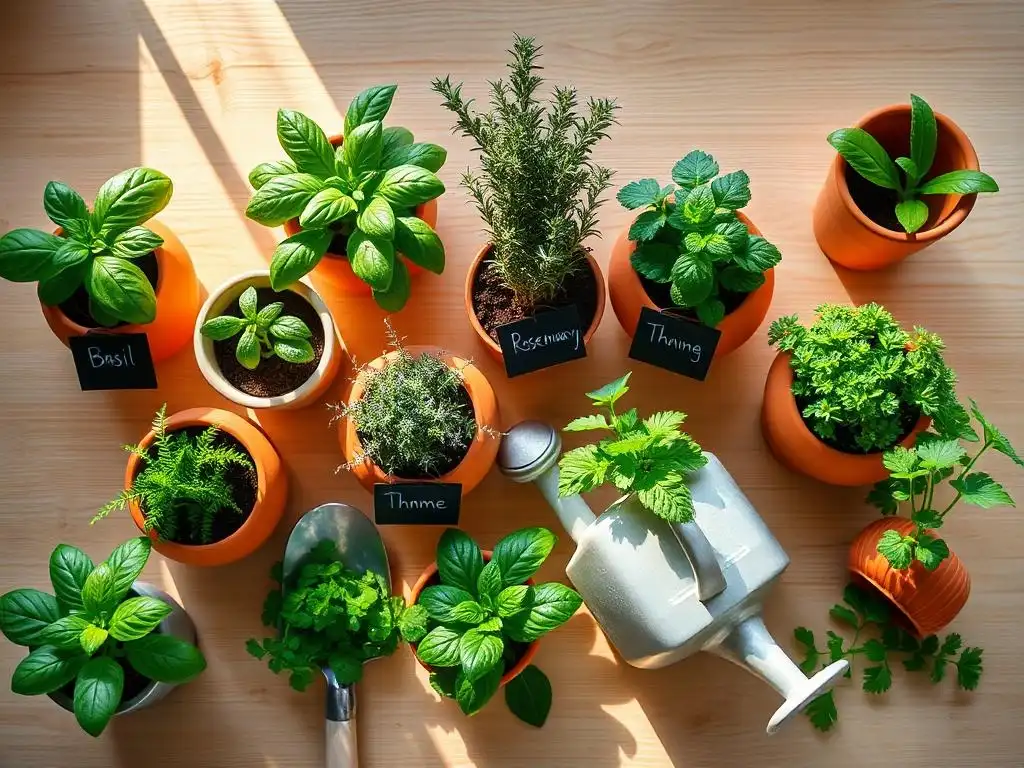
Starting your easy container herb gardening journey requires careful consideration of the essential supplies. Investing in high-quality materials will significantly impact the health and growth of your herbs, leading to a more rewarding and successful experience. This section focuses on the key elements needed to create a thriving container herb garden, even for complete beginners. Remember, even small details can make a big difference in "easy container herb gardening."
Selecting the Right Pots and Containers for Herbs
Choosing the right pots is crucial for successful container herb gardening. The size, material, and drainage of your containers directly affect your herbs' growth and overall health. Avoid using containers that are too small, as this can restrict root development and lead to stunted growth. Conversely, excessively large pots can retain too much water, leading to root rot.
Here's a breakdown of ideal container characteristics:
- Size: Select pots that are at least 6-8 inches in diameter for most herbs. Larger herbs like rosemary or thyme might benefit from 10-12 inch containers.
- Material: Terracotta pots offer excellent drainage but can dry out quickly, requiring more frequent watering. Plastic pots retain moisture better, reducing the watering frequency. Consider the climate and your watering habits when making your choice. Choosing the right material is a key aspect of easy container herb gardening.
- Drainage: Adequate drainage is paramount. Ensure your pots have drainage holes to prevent waterlogging, a common cause of root rot. If your chosen pot lacks drainage, consider adding a layer of gravel or broken pottery shards at the bottom to improve drainage.
- Material Considerations:
- Terracotta: Excellent drainage, but dries out quickly. Best suited for warmer climates or for gardeners who are diligent about watering.
- Plastic: Retains moisture well, reducing watering frequency. Ideal for beginners or those with busy schedules.
- Metal: Can overheat in direct sunlight, potentially damaging roots. Requires careful monitoring, especially during hot weather.
- Wood: Offers a rustic aesthetic but requires careful treatment to prevent rot and ensure proper drainage.
Choosing the Perfect Soil Mix for Container Herb Gardening
The soil mix you choose is just as important as the container itself. Using a well-draining, nutrient-rich potting mix specifically formulated for herbs ensures optimal growth and minimizes the risk of common problems. Avoid using garden soil directly in containers, as it can compact and become waterlogged, suffocating the roots.
Here's what to look for in a good container herb gardening soil mix:
- Well-draining: The soil should allow excess water to drain easily, preventing waterlogging and root rot. Look for mixes that contain perlite, vermiculite, or coco coir to improve drainage.
- Nutrient-rich: Herbs require a consistent supply of nutrients. Choose a potting mix that is enriched with organic matter, such as compost or peat moss, to provide essential nutrients for healthy growth.
- pH Level: Most herbs thrive in slightly acidic to neutral soil, with a pH range of 6.0 to 7.0. Check the pH level of your chosen mix to ensure it's appropriate for your chosen herbs. Soil testing kits are readily available to help you monitor pH.
- Specific Considerations: For easy container herb gardening, pre-mixed potting mixes specifically designed for herbs are readily available and provide a convenient and effective solution.
Essential Tools for Successful Container Herb Growing
Having the right tools makes container herb gardening significantly easier and more enjoyable. While you don't need a vast array of equipment, a few essential tools will streamline the process and ensure your herbs thrive. This is especially true for beginners navigating the world of "easy container herb gardening."
Here's a list of essential tools:
| Tool | Purpose |
|---|---|
| Trowel | For planting, transplanting, and weeding. |
| Hand Rake | For mixing soil and removing debris. |
| Watering Can | For gentle and controlled watering. A rose-head nozzle is highly recommended. |
| Gardening Gloves | To protect your hands from dirt and potential irritants. |
| Small Garden Fork | Useful for aerating the soil and improving drainage. |
| Measuring Cups and Spoons | For accurately measuring soil amendments and fertilizers. |
| Soil Thermometer (optional) | To monitor soil temperature, particularly important in colder climates. |
Remember, a little preparation goes a long way in creating a successful and enjoyable container herb garden. By selecting the right supplies, you'll set the stage for a bountiful harvest of fresh, homegrown herbs. 🌿
Planting Your Container Herbs: A Step-by-Step Guide
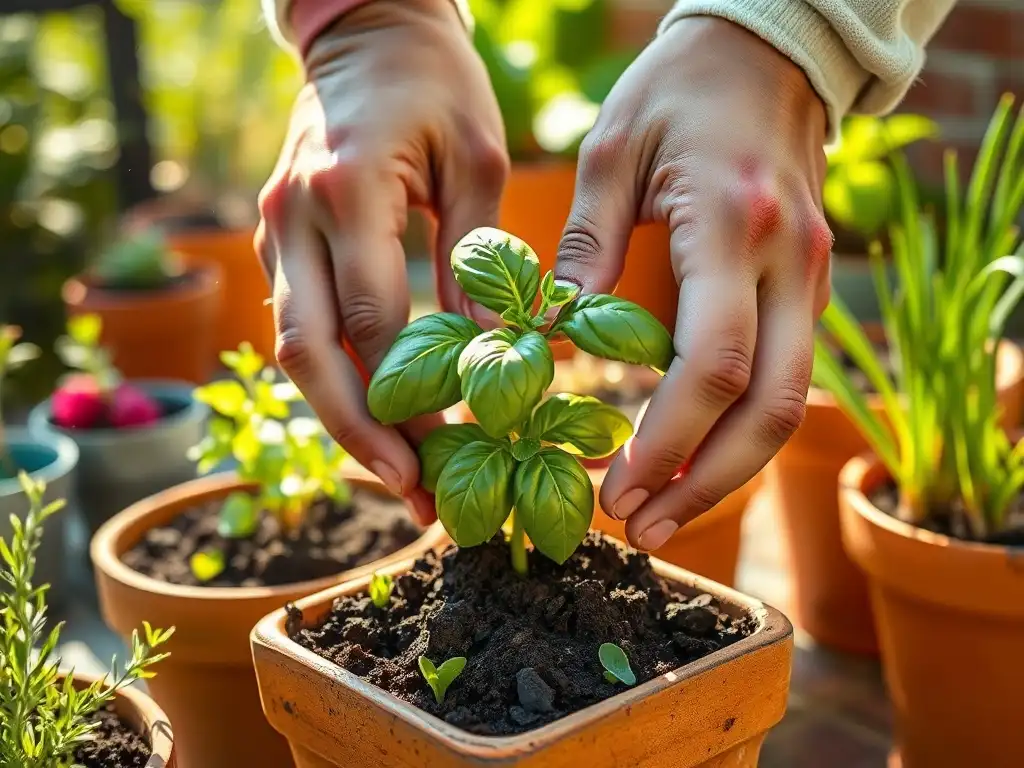
This section details the process of planting your chosen herbs, ensuring a successful and bountiful harvest. We'll cover preparing your containers, planting seedlings, and direct sowing of seeds, providing you with the knowledge to confidently embark on your easy container herb gardening journey. Remember, even the simplest steps, executed correctly, contribute significantly to the overall success of your herb garden.
Preparing Your Pots and Soil for Planting
Before you even think about planting, the foundation – your pots and soil – needs careful consideration. Choosing the right pot size and using high-quality soil are crucial for easy container herb gardening. Here's what to keep in mind:
- Pot Selection: Select pots with drainage holes to prevent root rot. The pot size depends on the herb; smaller herbs like chives or thyme can thrive in smaller containers (6-8 inches), while larger herbs like basil or rosemary will require larger pots (12-18 inches or even larger). Consider using terracotta pots, which allow for better aeration, or plastic pots, which retain moisture more effectively. Experiment to find what works best for your climate and herbs.
- Soil Preparation: Use a well-draining potting mix, not garden soil. Garden soil is often too heavy and can compact, hindering root growth. A good potting mix will contain a blend of peat moss, perlite, and vermiculite, providing excellent drainage and aeration. You can also improve your soil by adding compost for added nutrients. Avoid using soil that's already been used for other plants, as it may contain pathogens or pests. Always check the soil moisture before planting – it should be evenly moist but not soggy.
- Example: For a rosemary plant, a 12-inch terracotta pot filled with a high-quality potting mix amended with compost provides optimal growing conditions. For a small thyme plant, a 6-inch plastic pot with the same soil mix will suffice.
Planting Herb Seedlings in Containers
Planting herb seedlings offers a faster route to enjoying fresh herbs. Here's a step-by-step guide for successful transplanting:
- Gently remove the seedling from its original container: Be careful not to damage the roots. If the roots are root-bound (growing in a tight circle), gently loosen them.
- Prepare the planting hole: Dig a hole slightly larger than the seedling's root ball.
- Place the seedling in the hole: Ensure the top of the root ball is level with the soil surface.
- Fill in the hole with soil: Gently firm the soil around the base of the seedling.
- Water thoroughly: This helps settle the soil and encourages root growth. Avoid overwatering, as this can lead to root rot.
- Provide adequate sunlight: Most herbs need at least 6 hours of sunlight per day. Choose a location accordingly.
Remember to space your seedlings appropriately, considering their mature size. Overcrowding can lead to competition for resources and reduced yields. This careful approach ensures easy container herb gardening, even for beginners.
Planting Herb Seeds Directly in Containers
Direct sowing herb seeds offers another avenue for easy container herb gardening. Here's how to do it successfully:
- Choose the right seeds: Select high-quality seeds from a reputable supplier.
- Prepare the soil: Use a well-draining potting mix as described above. Lightly moisten the soil before sowing.
- Sow the seeds: Sow seeds according to the package instructions. Generally, you should sow seeds at a depth of about twice their diameter.
- Cover with soil: Gently cover the seeds with a thin layer of soil.
- Water gently: Use a gentle spray bottle to avoid dislodging the seeds.
- Provide adequate sunlight and warmth: Most herb seeds germinate best in warm temperatures and with adequate sunlight.
- Thin seedlings: Once seedlings emerge, thin them to the recommended spacing to avoid overcrowding. This crucial step ensures each plant receives sufficient nutrients and sunlight.
Remember to label your containers with the type of herb and planting date. This will help you track their growth and harvest time. With careful planning and execution, direct sowing can be a rewarding and efficient way to grow herbs in containers. This method, combined with the right soil and adequate sunlight, contributes to easy container herb gardening.
Easy Container Herb Gardening: Watering and Care
Growing herbs in containers offers a convenient and rewarding experience, especially for beginners. However, successful "easy container herb gardening" hinges on proper watering and care. Unlike herbs planted directly in the ground, containerized herbs rely entirely on you for hydration and nutrients. This section focuses on establishing a consistent watering schedule, recognizing signs of both overwatering and underwatering, and understanding their essential fertilizer needs.
Establishing a Consistent Watering Schedule for Container Herbs
Consistent watering is paramount for thriving container herbs. The frequency depends on several factors: pot size, type of herb, soil type, sun exposure, and weather conditions. Smaller pots dry out quicker than larger ones. Clay pots, being porous, evaporate moisture faster than plastic or ceramic pots. Sunny locations demand more frequent watering.
A good rule of thumb is to check the soil moisture daily, especially during hot, dry periods. Stick your finger about an inch into the soil; if it feels dry, it's time to water. Water thoroughly until water drains from the drainage holes, ensuring the entire root system is saturated. Avoid letting the soil completely dry out, as this can stress the plants and impact their growth and flavor. Conversely, constantly soggy soil can lead to root rot.
To maintain consistent moisture, consider using a moisture meter. These handy tools provide a precise reading of soil moisture levels, helping you avoid both under- and overwatering. You can also incorporate mulch on top of the soil to help retain moisture and suppress weeds. Mulch options include shredded bark, straw, or even pebbles.
Recognizing Signs of Overwatering and Underwatered Herbs
Knowing the signs of overwatering and underwatering is crucial for maintaining healthy container herbs. Overwatering is a common issue, often leading to root rot and fungal diseases. Underwatering, on the other hand, results in wilting, stunted growth, and reduced flavor.
Signs of Overwatering:
- Yellowing or browning leaves, especially the lower ones.
- Soggy soil that remains wet for extended periods.
- A foul odor emanating from the soil.
- Wilting, despite seemingly adequate watering (roots can't absorb water due to rot).
- Leaves that are limp and droopy.
Signs of Underwatered Herbs:
- Dry, brittle soil.
- Wilting leaves that perk up after watering.
- Leaves that are curled or crispy.
- Stunted growth and reduced leaf production.
- Pale or dull leaf color.
If you notice these signs, adjust your watering schedule accordingly. For overwatered herbs, allow the soil to dry out somewhat before watering again, and ensure your containers have adequate drainage. For underwatered herbs, water deeply and consistently to rehydrate the root system. Consider improving drainage if water is pooling on the surface.
Essential Fertilizer and Nutrient Requirements for Container Herbs
Container herbs require regular fertilization to thrive, as the limited soil volume restricts nutrient availability. Unlike herbs in the ground, they don't have access to a vast reservoir of nutrients. Therefore, supplementing with fertilizer is essential for robust growth and flavor.
You can use a balanced liquid fertilizer, diluted to half strength, every 2-4 weeks during the growing season (spring and summer). Look for a fertilizer formulated for herbs or vegetables, providing a balanced NPK ratio (Nitrogen, Phosphorus, Potassium). Avoid over-fertilizing, as this can burn the roots and negatively impact flavor.
Alternatively, consider using slow-release fertilizer granules at planting time. These granules gradually release nutrients over several months, reducing the frequency of fertilization. Organic options, such as compost tea or worm castings, provide a natural and sustainable way to boost nutrient levels. Remember to always follow the fertilizer instructions carefully to avoid damaging your plants. Regular fertilization, combined with proper watering and sunlight, will help ensure your container herbs flourish and provide a bountiful harvest throughout the growing season. 🌱
Protecting Your Container Herb Garden from Pests and Diseases
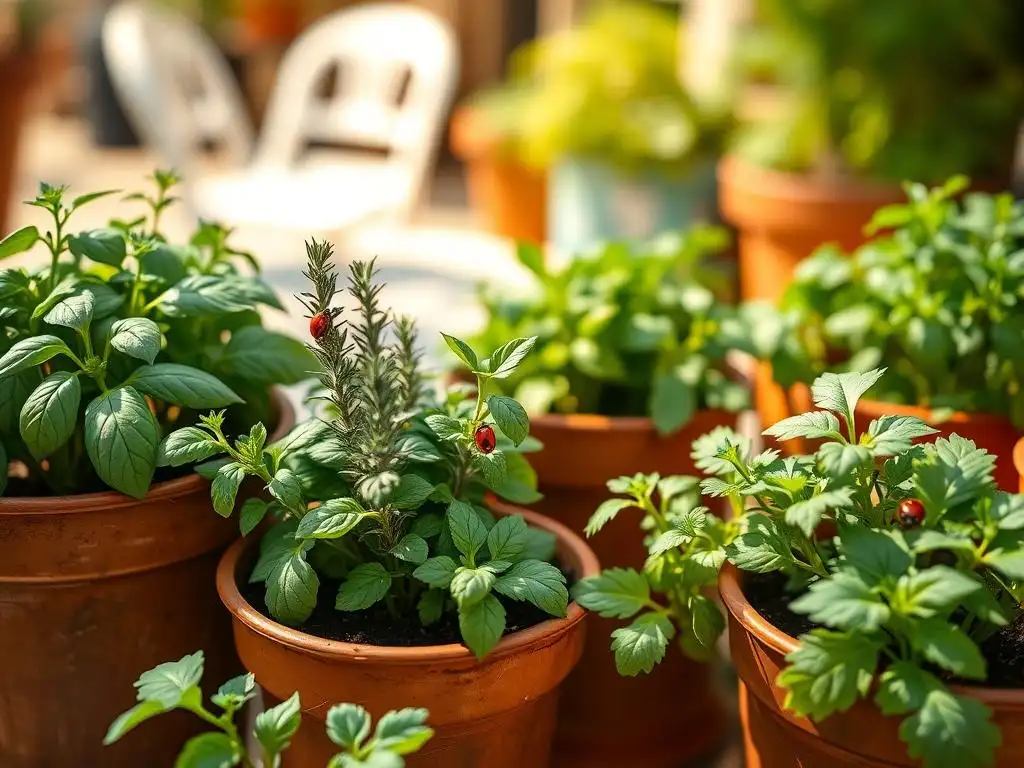
Even the easiest container herb gardening can face challenges from pests and diseases. A proactive approach is key to ensuring a healthy and thriving herb garden. This section will outline common issues and provide effective, sustainable solutions for maintaining the health of your herbs. Remember, a healthy plant is much more resistant to pests and diseases than a stressed one. Proper care, including consistent watering and adequate sunlight, forms the first line of defense.
Common Herb Pests and Diseases in Container Gardens
Container herb gardening, while convenient, can sometimes attract certain pests and diseases. Let's explore some of the most common culprits and their tell-tale signs:
- Aphids: These tiny, soft-bodied insects suck sap from leaves, causing curling, yellowing, and stunted growth. You might also notice honeydew (a sticky substance) on leaves. They are particularly fond of basil and mint.
- Spider mites: These microscopic pests also suck plant sap, causing stippling (tiny yellow dots) and webbing on leaves. They thrive in dry conditions. Rosemary and thyme can be affected.
- Whiteflies: These small, white, flying insects congregate on the undersides of leaves, causing similar damage to aphids and spider mites. They are attracted to herbs like parsley and dill.
- Fungal diseases: Overwatering and poor drainage are major contributors to fungal diseases like leaf spot and root rot. These diseases manifest as brown or black spots on leaves, wilting, and eventually plant death. All herbs are susceptible, but basil is particularly vulnerable to leaf spot.
| Pest/Disease | Symptoms | Affected Herbs |
|---|---|---|
| Aphids | Curling, yellowing leaves; honeydew | Basil, mint, many others |
| Spider mites | Stippling, webbing on leaves | Rosemary, thyme, many others |
| Whiteflies | White, flying insects; leaf damage | Parsley, dill, many others |
| Fungal diseases (e.g., leaf spot, root rot) | Brown/black spots, wilting, root decay | All herbs, especially basil |
This table provides a quick reference, but careful observation of your plants is crucial for early detection. Early intervention is key for successful pest and disease management.
Natural Pest Control Methods for Container Herb Gardening
Fortunately, many effective natural pest control methods exist for your easy container herb gardening. These methods minimize environmental impact while protecting your herbs:
- Neem oil: This organic insecticide is effective against a wide range of pests, including aphids, spider mites, and whiteflies. Always follow label instructions carefully.
- Insecticidal soap: Another effective organic option, insecticidal soap disrupts the cell membranes of soft-bodied insects, leading to their death.
- Diatomaceous earth: This natural powder dehydrates and kills many insects, including slugs and snails. Apply it around the base of your plants.
- Companion planting: Certain plants repel pests. For example, planting marigolds near your herbs can deter some insects. Experiment to find what works best for your garden.
- Handpicking: For small infestations, handpicking pests can be an effective and environmentally friendly solution. Simply remove the affected leaves or gently wipe away the pests.
Remember to always identify the pest before choosing a control method. Using the wrong method can be ineffective or even harmful to your plants. Careful observation and a multi-pronged approach often yield the best results.
Preventing Diseases in Your Container Herb Garden
Preventing diseases in your easy container herb garden is often easier than curing them. Here are some crucial preventative measures:
- Proper watering: Avoid overwatering, which promotes fungal growth. Water deeply but infrequently, allowing the soil to dry slightly between waterings. Ensure adequate drainage in your containers.
- Good air circulation: Space your plants appropriately to allow for good air circulation, reducing humidity and the risk of fungal diseases. Avoid overcrowding.
- Cleanliness: Remove and dispose of any diseased leaves or plant debris promptly to prevent the spread of disease. Sterilize your gardening tools regularly.
- Healthy soil: Use well-draining potting mix specifically designed for herbs or vegetables. Avoid using garden soil, which can contain disease-causing organisms.
- Crop rotation: While not always practical with container gardening, if you reuse containers, rotate your herbs yearly to prevent the buildup of soilborne pathogens.
By following these preventative measures and employing natural pest control methods when needed, you can significantly reduce the risk of pests and diseases in your container herb garden, ensuring a bountiful and healthy harvest. Remember that consistent monitoring and prompt action are key to maintaining a thriving and productive herb garden.
Harvesting and Using Your Homegrown Herbs
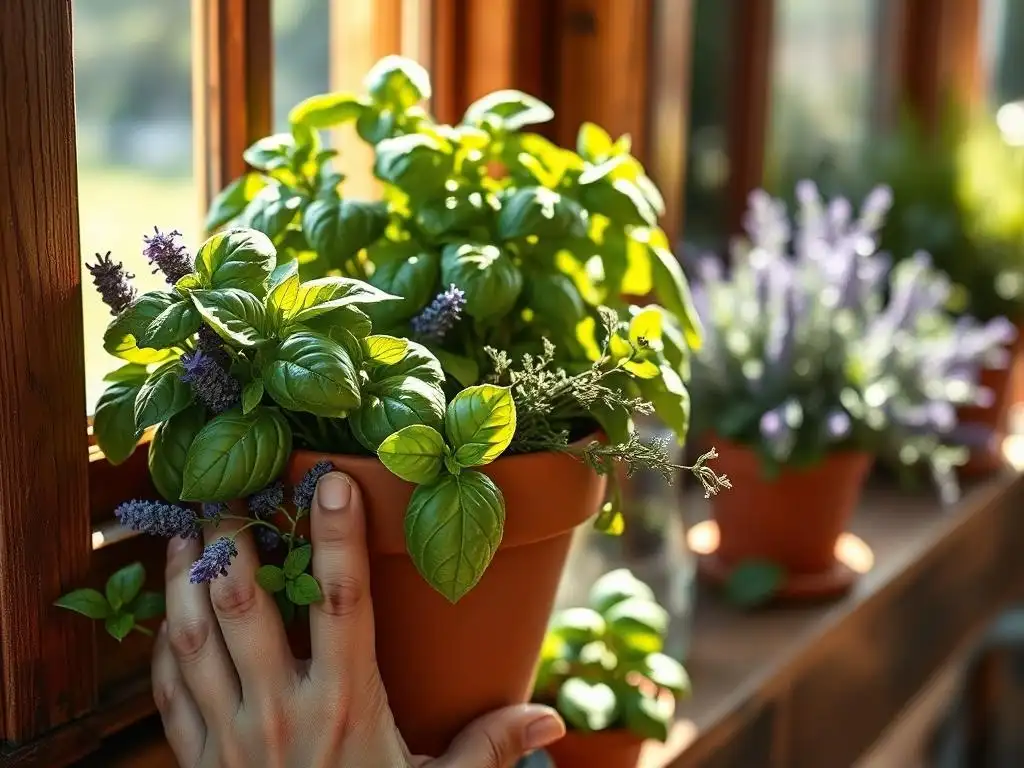
This section focuses on maximizing the yield and enjoyment of your easy container herb gardening efforts. Proper harvesting is key to encouraging continuous growth and ensuring a flavorful supply of fresh herbs throughout the growing season. We'll cover the optimal timing, various harvesting techniques, and effective storage methods to keep your herbs fresh and vibrant for as long as possible. Remember, even with easy container herb gardening, a little knowledge goes a long way!
Knowing When to Harvest Your Container Herbs
The best time to harvest herbs depends largely on the specific type of herb and your intended use. Generally, harvesting herbs in the morning, after the dew has dried but before the heat of the day intensifies, is recommended. This ensures the essential oils are at their most concentrated, leading to the best flavor and aroma. Here's a helpful guide:
- Basil: Harvest regularly, pinching off the top sets of leaves to encourage bushier growth. Harvest before flowering for the best flavor. Aim for harvesting every 2-3 weeks. Avoid harvesting more than 1/3 of the plant at a time.
- Cilantro/Coriander: Harvest leaves when they are young and tender for the best flavor. If you want to harvest seeds, let some plants flower and go to seed. Harvest seeds when they are dry and brown.
- Mint: Harvest stems by cutting them back to about 2 inches from the base. This promotes vigorous new growth. Mint is a prolific grower, so don't be shy about harvesting!
- Rosemary: Harvest sprigs as needed. You can also prune back larger stems to maintain shape and encourage new growth. Avoid removing too much at once.
- Thyme: Harvest sprigs as needed, or cut back stems to maintain a compact shape. Harvesting before flowering yields the most flavorful leaves.
Tip: Observe your plants closely. They'll give you visual cues. Wilting leaves, for example, might indicate it's time to harvest. Overgrown plants often signal a need for a trim. Easy container herb gardening involves getting to know your plants!
Different Harvesting Techniques for Various Herbs
Different herbs benefit from different harvesting approaches. Careful techniques help ensure healthy growth and abundant yields, making your easy container herb gardening experience even more rewarding.
| Herb | Harvesting Technique | Notes |
|---|---|---|
| Basil | Pinch off individual leaves or cut stems | Harvest frequently to encourage bushier growth. |
| Cilantro | Cut entire stems or individual leaves | Harvest young leaves for best flavor. |
| Mint | Cut stems back to encourage new growth | Mint is vigorous; cut back liberally. |
| Rosemary | Snip sprigs or prune larger stems | Avoid removing too much at once. |
| Thyme | Cut sprigs or prune to maintain shape | Harvest before flowering for best flavor. |
| Parsley | Cut entire stems or individual leaves | Harvest selectively to maintain shape and vigor. |
| Oregano | Cut stems back to encourage new growth | Harvest after flowering for a more robust flavor (optional). |
Storing and Preserving Your Harvested Herbs
Proper storage is crucial for maintaining the freshness and flavor of your easy container herb gardening bounty. Here are several methods:
- Refrigeration: Wrap herbs loosely in a damp paper towel and store in a plastic bag in the refrigerator. This method keeps herbs fresh for about a week.
- Freezing: Chop herbs and freeze them in ice cube trays with water or olive oil. Once frozen, transfer the cubes to a freezer bag for longer storage.
- Drying: Hang herbs upside down in a cool, dry, dark place until they are completely brittle. Then, store them in airtight containers in a cool, dark place. Drying helps preserve herbs for months.
Pro-Tip: Consider using your herbs immediately for the best flavor and aroma. The freshness of homegrown herbs is unmatched! Easy container herb gardening rewards you with the peak flavor of your herbs.
Remember, consistent monitoring and proper care will ensure a bountiful harvest from your easy container herb garden, allowing you to enjoy the fruits (or rather, herbs!) of your labor for months to come. 🌿
Troubleshooting Common Container Herb Gardening Problems
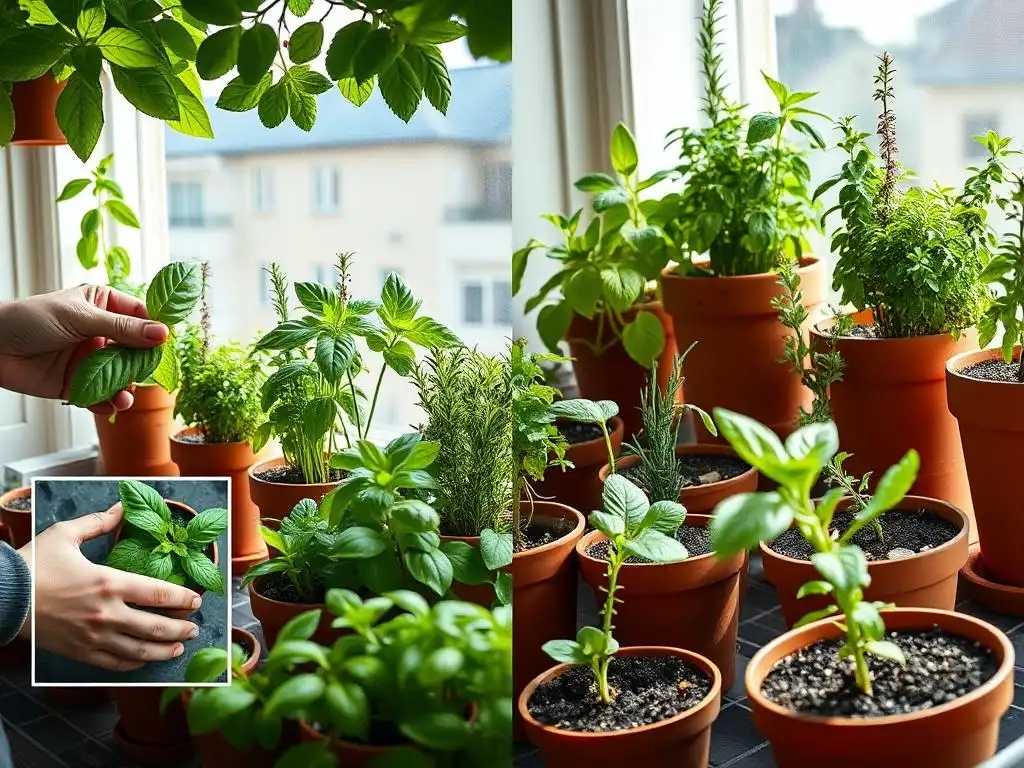
Growing herbs in containers offers a convenient and rewarding way to enjoy fresh, flavorful additions to your culinary creations. However, even the easiest container herb gardening can present a few challenges. This section addresses some of the most common issues encountered by beginner gardeners, providing practical solutions to keep your herbs thriving. Remember, understanding the needs of your herbs is key to successful easy container herb gardening.
Dealing with Yellowing Leaves in Container Herbs
Yellowing leaves are a common sign of distress in container herbs. Several factors can contribute to this issue, and accurate diagnosis is crucial for effective treatment. Let's examine some of the most frequent culprits:
- Overwatering: This is perhaps the most common cause of yellowing leaves. Soggy soil suffocates roots, preventing them from absorbing nutrients and oxygen. The leaves then begin to yellow and eventually wilt. Always check soil moisture before watering; only water when the top inch of soil feels dry. Consider using well-draining potting mixes specifically designed for containers.
- Underwatering: While overwatering is more common, underwatering can also cause yellowing, especially lower leaves. Dehydrated plants struggle to produce chlorophyll, leading to yellowing. Consistent watering, ensuring the soil is adequately moist but not waterlogged, is critical.
- Nutrient Deficiencies: Yellowing can also indicate a lack of essential nutrients, such as nitrogen, iron, or magnesium. Regular fertilization with a balanced, organic fertilizer specifically formulated for herbs can prevent this. Consider soil testing to identify specific deficiencies.
- Pests and Diseases: Certain pests and diseases can cause yellowing leaves. Regularly inspect your plants for signs of infestation or disease. Early detection and appropriate treatment are crucial to preventing widespread damage.
Addressing Leggy Herb Growth in Containers
Leggy herb growth, characterized by tall, spindly stems and sparse foliage, is often caused by insufficient sunlight. Herbs need ample sunlight (at least 6 hours a day) to thrive. If your herbs are receiving less than optimal sunlight, they will stretch towards the light source, resulting in leggy growth.
Solutions include:
- Increase Sunlight Exposure: Relocate your containers to a sunnier spot. South-facing locations generally receive the most sunlight. Consider using grow lights for indoor herb gardening, especially during winter months.
- Pruning: Regular pruning encourages bushier growth. Pinch back the tips of stems to stimulate lateral branching and create a fuller, more compact plant. This also promotes the growth of more leaves, which is vital for easy container herb gardening.
- Proper Spacing: Overcrowding can lead to leggy growth as plants compete for light and nutrients. Ensure adequate spacing between plants to allow for optimal sunlight penetration and air circulation.
Remember, consistent pruning is key to maintaining a healthy, compact herb plant. It's a simple technique that greatly improves the overall appearance and yield of your herbs.
Resolving Problems with Slow or Stunted Herb Growth
Slow or stunted herb growth can stem from a variety of factors, often a combination of issues rather than a single cause. Here are some key areas to investigate:
- Poor Soil Quality: Using a poorly draining or nutrient-deficient potting mix can severely restrict plant growth. Choose a well-draining, high-quality potting mix specifically formulated for herbs. Amending your soil with compost can improve its structure and nutrient content.
- Incorrect Watering Practices: Both overwatering and underwatering can hinder growth. Establish a consistent watering schedule, checking soil moisture before each watering. Avoid letting the soil dry out completely or becoming waterlogged.
- Improper Fertilization: Insufficient fertilization can lead to stunted growth. Use a balanced, organic fertilizer specifically designed for herbs, following the package instructions carefully.
- Pest Infestations: Pests can significantly impact herb growth. Regularly inspect your plants for signs of infestation. Use appropriate organic pest control methods if necessary. Early detection is crucial for effective pest management. Proactive measures such as companion planting can also help deter pests.
Careful attention to these factors will significantly improve the chances of successful and rewarding easy container herb gardening. Remember, patience and observation are key to understanding the unique needs of your herbs and ensuring their healthy growth.
Expanding Your Easy Container Herb Garden
This section focuses on simple and effective methods to expand your easy container herb garden, building upon the beginner-friendly options already discussed. We'll explore efficient propagation techniques and suggest additional herb varieties perfect for container cultivation. Remember, the key to successful "easy container herb gardening" lies in choosing the right plants and employing straightforward growing methods.
Propagating Herbs from Cuttings for Easy Expansion
One of the most rewarding and economical ways to expand your herb collection is through propagation from cuttings. This technique allows you to multiply your existing plants without purchasing new ones, saving you money and resources. Many common culinary herbs, like rosemary, mint, and basil, readily root from cuttings.
Here’s a step-by-step guide:
- Select healthy cuttings: Choose stems from vigorous, disease-free plants. Cuttings should be about 4-6 inches long, taken from the current season's growth. The ideal time for taking cuttings is usually in spring or early summer when the plant is actively growing.
- Prepare the cuttings: Remove lower leaves from the bottom 2 inches of the cutting to prevent rotting. A clean, sharp knife or pruning shears is crucial for a clean cut, minimizing damage to the stem.
- Root the cuttings: You can root cuttings in several ways:
- Water Propagation: Place the cuttings in a glass of water, ensuring that the lower nodes (where leaves once were) are submerged. Change the water every few days to prevent bacterial growth. Roots usually appear within 2-4 weeks.
- Soil Propagation: Plant the cuttings directly into a well-draining potting mix, burying the lower nodes. Keep the soil consistently moist but not soggy. Cover the cutting with a plastic bag or humidity dome to create a humid environment, promoting root development.
- Transplant: Once the cuttings have developed a robust root system (usually indicated by visible roots in water or strong growth in soil), carefully transplant them into individual containers filled with fresh potting mix.
This propagation method is particularly effective for easy container herb gardening because it allows you to quickly increase your herb supply without needing to start from seed. Remember to choose appropriate-sized containers for the newly rooted plants, considering their mature size. Consistent watering and adequate sunlight are crucial for successful establishment. 🌱
Growing More Herbs from Seeds for a Larger Harvest
Starting herbs from seed is another excellent way to expand your easy container herb garden. While it requires a bit more patience than propagation from cuttings, it offers the advantage of a wider selection of varieties and potentially a larger harvest.
Several factors contribute to successful seed germination:
- High-quality seeds: Choose seeds from reputable suppliers to ensure high germination rates. Older seeds may have reduced viability.
- Proper sowing: Sow seeds according to the instructions on the seed packet. This usually involves planting them at the correct depth and spacing. Generally, small seeds like basil and parsley need only light covering, while larger seeds like dill and coriander need to be buried slightly deeper.
- Ideal growing conditions: Maintain consistent moisture and warmth. Many herbs prefer temperatures between 65-75°F (18-24°C). Adequate sunlight is also essential for germination and seedling growth.
Consider using seed starting trays or small pots for sowing. Once seedlings have developed a few true leaves, they can be transplanted into individual containers. This method provides excellent control over the plants' development and allows for efficient use of space in your container garden. This is a great strategy for expanding your options within easy container herb gardening.
Choosing Additional Easy-to-Grow Herbs for Your Container Garden
Once you've mastered the basics of easy container herb gardening, you can expand your selection with other herbs known for their ease of cultivation. Here are a few suggestions:
| Herb | Sunlight Needs | Soil Requirements | Special Considerations |
|---|---|---|---|
| Chives | Full sun to part shade | Well-drained | Self-seeds readily; can be divided |
| Parsley | Full sun to part shade | Well-drained | Slow to germinate |
| Oregano | Full sun | Well-drained | Drought-tolerant |
| Thyme | Full sun | Well-drained | Drought-tolerant; woody stems |
| Cilantro | Full sun | Well-drained | Bolts (goes to seed) quickly |
Remember to choose herbs that are compatible in terms of their sunlight and watering needs. Grouping similar herbs together simplifies care and ensures optimal growth. Enjoy the process of expanding your culinary herb garden—the fresh flavors and aromatic scents are well worth the effort! 🎉
Frequently Asked Questions
What are some easy-to-grow herbs for container gardening?
Basil, mint, chives, and parsley are excellent choices for beginners. They are relatively low-maintenance and thrive in sunny locations with well-drained soil. Regular watering is key to their success.
How large of a container do I need for herb gardening?
The size depends on the herb, but generally, a pot at least 6 inches in diameter is sufficient for most herbs. Larger pots allow for more root development and better water retention. Consider the mature size of the herb when selecting a container.
What type of soil is best for container herbs?
Use a well-draining potting mix, not garden soil. A good quality potting mix contains the right balance of nutrients and allows for proper aeration of the roots, preventing waterlogging. Avoid heavy clay soils.
How often should I water my container herbs?
Water your herbs when the top inch of soil feels dry. Overwatering can lead to root rot, while underwatering will result in wilting. The frequency will depend on factors like weather, pot size, and type of herb.
How can I prevent pests and diseases in my container herb garden?
Regularly inspect your plants for signs of pests and diseases. Good air circulation helps prevent fungal problems. Using organic pest control methods, such as neem oil or insecticidal soap, can address infestations. Healthy plants are less susceptible to pests.
Final Reflection: The Bountiful Harvest of Your Own Backyard
The ease and accessibility of container herb gardening are revolutionizing how we connect with nature, offering a vibrant, flavorful addition to even the smallest urban spaces. Imagine the fragrant basil wafting from your balcony, the peppery bite of rosemary enhancing your evening meal – all grown by your own hand. This simple act transforms the mundane into something deeply rewarding.
The impact of growing your own food, even on a small scale, extends far beyond the culinary. It fosters a deeper appreciation for the natural world, a sense of accomplishment, and a connection to the cyclical rhythms of life. The glory of gardening: hands in the dirt, head in the sun, heart with nature. To nurture a garden is to feed not just the body, but the soul.
This quote perfectly encapsulates the profound and often overlooked benefits of container herb gardening, enriching our lives in ways that extend beyond the simple act of harvesting fresh herbs.
Now, consider your own space. What small corner, balcony, or windowsill could be transformed into a miniature herb garden? What simple steps can you take today to bring the joy and bounty of fresh herbs into your life? Don't underestimate the power of a single pot of thriving mint or a cheerful clump of chives. Embrace the simplicity, nurture your plants, and savor the delicious rewards – both culinary and spiritual – of your own little patch of green.
Unleash Your Inner Gardener: Start Growing Today!
Thank you for exploring the wonderful world of container herbs! We hope you're feeling inspired and ready to bring the freshness of homegrown herbs into your kitchen. Now it's time to put your knowledge into practice.
- Start small: Begin with a single herb—perhaps one that particularly excites you—and order seeds or a small plant. Even a small pot of basil can significantly enhance your cooking.
- Share the joy: Tell your friends and family about your new gardening adventure! Inspire others to grow their own food. Sharing your passion makes the experience even more rewarding.
- Document your progress: Take photos of your herb garden as it grows and share them online using #CultivateYourFood. Let's build a vibrant community of beginner gardeners!
What's the first step you'll take to enjoy the delicious taste of fresh herbs?