
How to Choose the Right Automated System for Your Gardening Needs

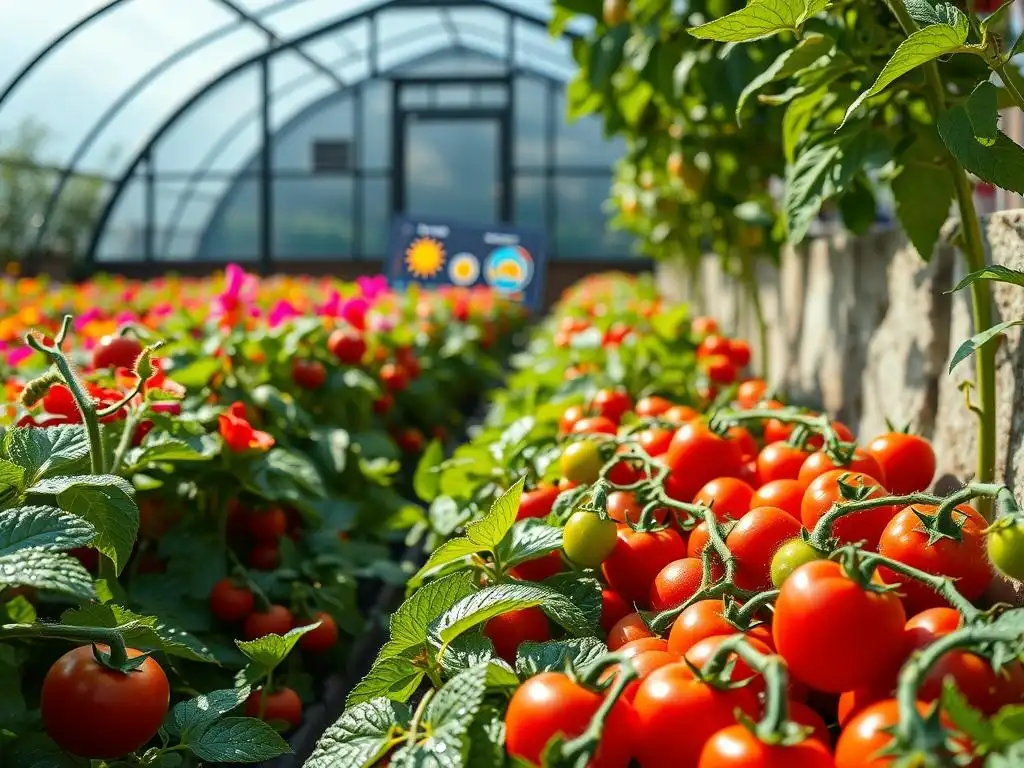
Ready to transform your home into a thriving oasis of fresh, organic produce? At CultivateYourFood, we empower you to grow your own food sustainably. But with so many options, choosing the right tools can feel overwhelming. That's why we're diving deep into Automated Gardening System Reviews, exploring the luxury and high-end options available to help you achieve your gardening dreams. Discover the systems that will perfectly match your needs and budget – and get ready to harvest the rewards!
- Understanding Your Gardening Needs and Goals
- Top Automated Gardening System Features to Consider
- Types of Automated Gardening Systems: A Comparative Analysis
- Best Automated Gardening Systems for Different Needs: 2024
- Setting up and Maintaining Your Automated Gardening System
- Investing in the Future of Sustainable Gardening
- Conclusion: Finding the Perfect Automated Gardening System
- Frequently Asked Questions
- Final Reflection: Cultivating a Smarter, Greener Future
- Unleash Your Green Thumb: Take Control of Your Garden!
Understanding Your Gardening Needs and Goals
Choosing the right automated gardening system can significantly enhance your homegrown harvest, offering convenience and efficiency. This guide provides a comprehensive overview to help you navigate the world of automated gardening systems, ultimately selecting the perfect setup for your specific needs and lifestyle.
We'll explore crucial factors like space limitations, budget constraints, and your desired plant types to ensure a successful and rewarding automated gardening experience. This detailed look at automated gardening systems will equip you with the knowledge to make an informed decision, helping you maximize yield and minimize effort while adhering to sustainable and organic practices, aligning perfectly with the CultivateYourFood ethos.
From initial assessment to system selection, we’ll cover all the essential steps to transform your gardening aspirations into a thriving reality. This article serves as a crucial step in your journey towards effortless, high-yield gardening, directly addressing the need for objective and reliable "Automated gardening system reviews".
Defining Your Space and Budget
Before diving into the specifics of different automated systems, it's crucial to realistically assess your available space and budget. The size of your garden directly impacts the scale of the system you can accommodate. A small balcony might only suit a compact, vertical hydroponic system, while a spacious backyard could accommodate a larger, more complex setup. Consider the dimensions of your growing area – length, width, and height – to determine the system's physical footprint.
Furthermore, accurately determining your budget is paramount. Automated systems range significantly in price, from entry-level models suitable for beginners to high-end, sophisticated systems with advanced features. Factor in not only the initial purchase cost but also ongoing expenses like electricity, nutrient solutions, and potential maintenance or repair costs. Carefully analyzing these financial aspects will prevent unexpected expenses and ensure a long-term sustainable gardening practice.
| Space Type | Suitable System Types | Budget Range (USD) | Considerations |
|---|---|---|---|
| Small Balcony/Patio | Compact hydroponic systems, vertical gardens | $100 - $500 | Limited space, potential for light limitations |
| Medium-Sized Garden | Modular hydroponic systems, small aeroponic systems | $500 - $1500 | More space flexibility, requires more maintenance |
| Large Backyard | Large-scale hydroponic or aquaponic systems | $1500 - $5000+ | Significant space, higher initial investment |
Assessing Your Plant Preferences
Your choice of automated gardening system should also align with the types of plants you wish to cultivate. Different systems are better suited for specific plant varieties. For example, leafy greens thrive in hydroponic systems, while fruiting plants might benefit from the more controlled environment of an aeroponic system. Consider the following:
- Leafy Greens: Hydroponic systems are generally ideal due to their efficient use of space and nutrient delivery.
- Fruits and Vegetables: Aeroponic systems offer excellent control over environmental factors, promoting faster growth and higher yields.
- Herbs: Both hydroponic and aeroponic systems work well, depending on the specific herb and your space constraints.
- Flowering Plants: While less common, some automated systems can be adapted to support flowering plants.
Thoroughly researching the specific needs of your desired plants will ensure compatibility with your chosen automated system, maximizing growth and productivity. Understanding the plant's light, water, and nutrient requirements is fundamental to success.
Choosing Between Hydroponic, Aeroponic, or Aquaponic Systems
The three primary types of automated gardening systems—hydroponic, aeroponic, and aquaponic—each offer unique advantages and disadvantages.
Hydroponic Systems
Hydroponic systems cultivate plants without soil, using nutrient-rich water solutions. They are known for their space efficiency and high yields. They require less water than traditional gardening and offer precise control over nutrient delivery.
Aeroponic Systems
Aeroponic systems suspend plant roots in the air, misting them with nutrient-rich water solutions. This method allows for exceptional oxygenation of the roots, promoting rapid growth and higher yields compared to hydroponics. They require precise control of environmental factors and more technical expertise.
Aquaponic Systems
Aquaponic systems combine hydroponics with aquaculture, integrating fish farming to provide natural nutrients for the plants. This sustainable approach reduces waste and offers a unique, self-sustaining gardening experience. They require a larger space and more comprehensive understanding of both plant and fish care.
Careful consideration of these factors will lead you to the automated gardening system that best fits your needs and goals, ensuring a fruitful and enjoyable gardening experience. Remember to prioritize sustainability and organic practices throughout the process.
Top Automated Gardening System Features to Consider
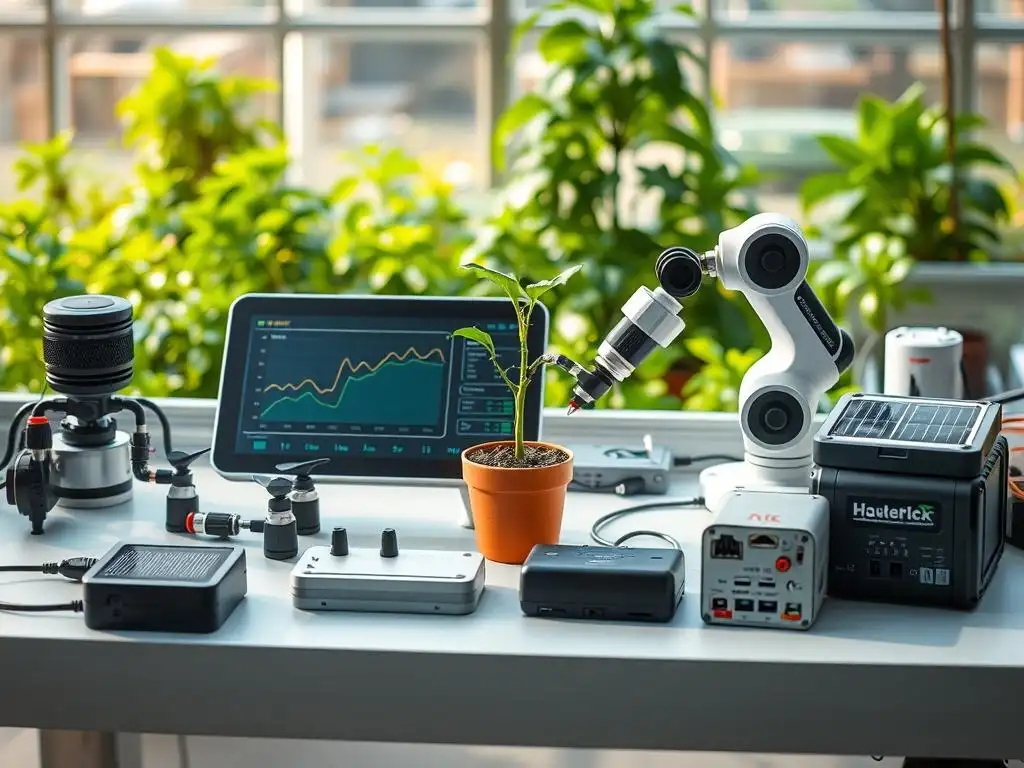
This section delves into the crucial features you should prioritize when selecting an automated gardening system. Choosing the right system hinges on understanding your specific needs and the level of automation you desire. We'll explore key components that significantly impact yield, ease of use, and overall gardening success. Remember, investing in a high-end automated gardening system is a commitment, so careful consideration is key. This guide will help you navigate the world of "automated gardening system reviews" and find the perfect fit for your luxury gardening aspirations.
Smart Irrigation and Water Management Systems
Smart irrigation is a cornerstone of any successful automated gardening system. These systems go beyond basic timers, offering precise control over watering schedules based on various factors. Consider these key aspects:
- Soil Moisture Sensors: These sensors continuously monitor soil moisture levels, preventing overwatering or underwatering. This precision conserves water and optimizes plant health. High-end systems often utilize multiple sensors per growing area for granular control. For example, a system might use three sensors per planter box, providing a more accurate reading than a single sensor.
- Weather Integration: The best systems integrate with local weather data, adjusting watering schedules based on rainfall, temperature, and humidity. This adaptive approach ensures plants receive the optimal amount of water, regardless of external conditions. This feature is crucial for maximizing efficiency and minimizing water waste.
- Variable Flow Rates: Advanced systems offer variable flow rates, delivering more water to areas needing it most. This feature is particularly useful in setups with plants having diverse water requirements. Imagine a system that delivers a higher flow rate to thirsty tomatoes while providing a more gentle flow to delicate herbs.
- Remote Control and Monitoring: The ability to monitor and control your irrigation system remotely, via a smartphone app, is a significant convenience. This allows for adjustments on the go, even when you're away from home. This is a key feature in "automated gardening system reviews," often rated highly by users.
Automated Nutrient Delivery Systems
Automated nutrient delivery systems are essential for maintaining optimal plant nutrition. These systems simplify the process of providing balanced nutrients, improving yields and reducing the risk of nutrient deficiencies or excesses. Key considerations include:
- Reservoir Capacity: The size of the nutrient reservoir directly impacts the frequency of refills. Larger reservoirs are more convenient, reducing the need for frequent maintenance. Consider the size of your garden and your desired refill schedule when choosing a system.
- Nutrient Delivery Methods: Systems utilize different methods, including drip irrigation, direct injection, or even hydroponic solutions. Each method has its advantages and disadvantages, influencing plant health and system maintenance. Hydroponic systems, for example, often require more precise nutrient control and monitoring.
- Nutrient Monitoring and Adjustment: Advanced systems offer real-time nutrient monitoring, allowing for adjustments based on plant needs. This level of precision enhances plant growth and overall health. Some systems may even suggest nutrient adjustments based on sensor data and plant type.
- Flexibility and Customization: The ability to customize nutrient solutions and schedules is crucial. Different plants have different nutrient requirements, and a flexible system allows for tailored nutrition plans. This is a feature frequently praised in "automated gardening system reviews" for its adaptability.
Environmental Control: Temperature, Humidity, and Light Regulation
Maintaining a stable environment is crucial for optimal plant growth. Automated systems offer precise control over temperature, humidity, and light, replicating ideal growing conditions. Consider these features:
| Feature | Benefits | Considerations |
|---|---|---|
| Temperature Control | Maintains optimal temperature range for plant health, regardless of external conditions. | Requires accurate temperature sensors and effective heating/cooling mechanisms. |
| Humidity Control | Prevents stress from excessive dryness or humidity, promoting healthy growth. | Requires accurate humidity sensors and effective humidification/dehumidification. |
| Light Regulation | Provides the necessary light intensity and duration for different growth stages. | Requires high-quality LED grow lights with adjustable intensity and timers. |
Successful environmental control relies on accurate sensors and effective control mechanisms. Consider the size of your growing area and the level of precision needed when selecting a system. Many systems offer integrated control panels or smartphone apps for managing these parameters. Choosing a system with robust environmental controls is a key aspect frequently highlighted in positive "automated gardening system reviews." The ability to precisely control these elements can significantly impact the quality and quantity of your harvest.
Pest and Disease Management in Automated Systems
Automated gardening systems offer varying levels of pest and disease management capabilities. Understanding these features is crucial for choosing a system that aligns with your gardening goals and minimizes the risk of crop loss. Some systems integrate sophisticated sensors that detect early signs of infestation or disease, alerting you via an app or notification system.
This early warning system allows for prompt intervention, preventing widespread damage. The speed of response is a key differentiator; some systems might only provide notifications, requiring manual intervention, while others might automatically adjust environmental controls (like humidity or temperature) to deter pests or slow disease progression.
Effective pest management strategies employed by automated systems often include integrated pest management (IPM) principles. This holistic approach minimizes pesticide use by focusing on preventative measures like maintaining optimal growing conditions, attracting beneficial insects, and employing physical barriers. However, the level of automation in IPM varies significantly. Some systems might offer automated watering schedules optimized to prevent fungal diseases, while others might include automated dispensers for beneficial nematodes or other biological pest control agents. It's vital to research the specifics of each system's IPM capabilities before purchasing.
The quality of the materials used in the system's construction also plays a crucial role in pest and disease management. Systems made from materials resistant to mold and mildew will significantly reduce the risk of fungal growth. Similarly, the design should minimize areas where pests can easily hide or breed. Look for systems with smooth surfaces and readily cleanable components.
Regular cleaning and maintenance, even in an automated system, are essential for preventing pest and disease buildup. The ease of cleaning and maintenance should also be a factor in your decision-making process, as systems with complex or hard-to-reach parts may require professional cleaning, adding to the overall cost. Consider systems that have easily removable trays or components for efficient cleaning. Ultimately, the best automated gardening system for pest and disease management will balance automated preventative measures with ease of access for manual intervention when needed.
Types of Automated Gardening Systems: A Comparative Analysis
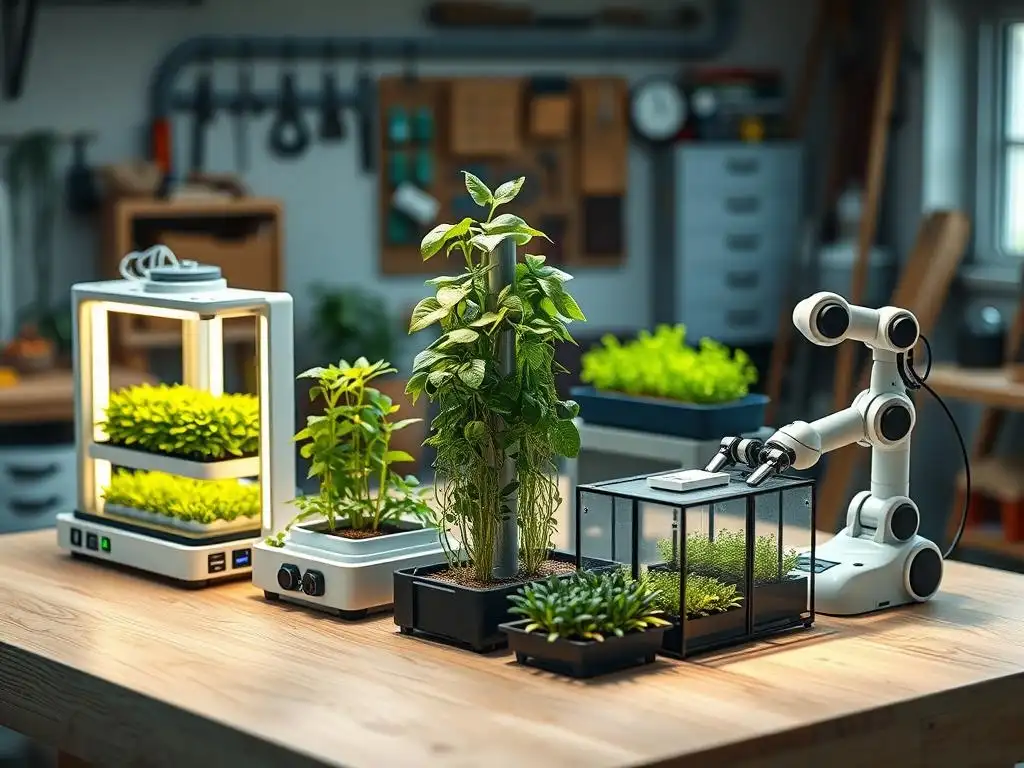
This section delves into the specifics of different automated gardening systems, providing a detailed comparison to help you choose the best fit for your needs and budget. We'll examine the advantages and disadvantages of each, focusing on factors relevant to sustainable and organic practices. Remember, the "best" system depends entirely on your individual circumstances, including available space, desired yield, and your comfort level with technology.
Hydroponic Systems
Hydroponic systems cultivate plants without soil, using nutrient-rich water solutions. Automated hydroponic systems often incorporate sensors to monitor water levels, nutrient concentrations, and environmental conditions like temperature and humidity. They offer precise control over the growing environment, leading to potentially higher yields and faster growth cycles compared to traditional soil-based methods. This makes them a popular choice among those seeking higher efficiency and a more controlled growing environment. Several different types of hydroponic systems exist, including Deep Water Culture (DWC), Nutrient Film Technique (NFT), and Drip systems, each with its own set of complexities and advantages.
Advantages and Disadvantages of Hydroponic Automated Gardening Systems
| Feature | Advantage | Disadvantage |
|---|---|---|
| Water Usage | Significantly less water used compared to soil-based gardening. | Requires precise monitoring to prevent water imbalances and potential issues. |
| Space Efficiency | Can be implemented in smaller spaces, including vertical setups. | Initial setup can be complex and require specialized equipment. |
| Yield | Potentially higher yields due to optimized nutrient delivery and environmental control. | Requires careful nutrient management to prevent nutrient deficiencies or toxicity. |
| Pest Control | Reduced risk of soilborne pests and diseases. | Susceptible to other types of pests and diseases if not properly maintained. |
| Cost | Can range from relatively inexpensive to very expensive, depending on system complexity. | Higher initial investment compared to traditional gardening methods. |
| Maintenance | Requires regular monitoring and maintenance of the system's components. | System failures can lead to significant crop loss if not addressed promptly. |
The success of an automated hydroponic system hinges on consistent monitoring and maintenance. Regular checks of nutrient levels, pH balance, and water flow are crucial. A slight imbalance can quickly impact plant health, leading to stunted growth or even crop failure. Therefore, while offering significant advantages, these systems demand a higher level of attention and technical understanding than traditional gardening.
Aeroponic Systems
Aeroponic systems suspend plants in the air and mist their roots with a nutrient-rich solution. This method allows for even greater control over the growing environment than hydroponics, potentially leading to even faster growth and higher yields. Automated aeroponic systems often include features like automated misting cycles, environmental monitoring, and even automated lighting controls. This level of automation is particularly attractive to those seeking a "set-it-and-forget-it" approach (with regular maintenance, of course! ).
Advantages and Disadvantages of Aeroponic Automated Gardening Systems
Aeroponic systems, while offering impressive potential, present unique challenges. The precise control required makes them more complex to set up and maintain than even hydroponic systems. Furthermore, the delicate root systems are more vulnerable to issues like clogs in the misting system or fluctuations in nutrient delivery.
- Advantages:
- Extremely high yields potential.
- Minimal water usage.
- Excellent control over environmental factors.
- Reduced risk of soilborne diseases.
- Disadvantages:
- High initial investment cost.
- Complex setup and maintenance.
- Increased risk of system failures leading to crop loss.
- Requires more technical expertise than other methods.
- Susceptible to power outages which can severely impact plant health.
Choosing the right automated gardening system requires careful consideration of your specific needs and resources. While both hydroponic and aeroponic systems offer significant advantages in terms of yield and efficiency, their complexity and maintenance requirements should not be underestimated. Thorough research and planning are essential before investing in any automated gardening solution. Remember to weigh the initial investment cost against the potential long-term benefits. Careful consideration of your technical skills and available time for maintenance is also crucial for success.
Aquaponic Systems
Aquaponic systems represent a fascinating blend of aquaculture (raising fish) and hydroponics (growing plants without soil). These automated gardening systems offer a unique approach to sustainable food production, integrating the waste products of fish to nourish plants, creating a closed-loop ecosystem. The system typically involves a fish tank where fish are raised, and a separate growing bed where plants are cultivated. Waste from the fish tank, rich in ammonia, is filtered and converted into nitrites and then nitrates by beneficial bacteria.
These nitrates then serve as a natural fertilizer for the plants growing in the hydroponic system. The plants, in turn, filter the water, keeping it clean for the fish. The level of automation can vary greatly; some systems require significant manual intervention for tasks like water level monitoring and cleaning, while others incorporate sophisticated sensors and automated controls for near-complete autonomy. Several companies offer pre-assembled kits, while more ambitious gardeners can design and build their own custom aquaponic systems.
Careful planning and understanding of the delicate balance within the system is crucial for success. Poor water quality management can lead to fish deaths and plant failure. Regular monitoring of water parameters like pH, temperature, and nutrient levels is essential for optimal performance.
Advantages and Disadvantages of Aquaponic Automated Gardening Systems
| Advantage | Disadvantage |
|---|---|
| Sustainable and Eco-Friendly: Reduces water usage compared to traditional gardening. | Initial Investment: Can be significantly higher than traditional gardening methods. |
| High Yield Potential: Plants can grow faster and produce more due to consistent nutrient supply. | Technical Expertise: Requires understanding of both aquaculture and hydroponics. |
| Reduced Pest and Disease Issues: The closed-loop system minimizes exposure to external pests and diseases. | Space Requirements: Can be bulky, requiring dedicated space indoors or outdoors. |
| Year-Round Growing: Suitable for indoor cultivation, allowing for year-round harvests regardless of climate. | Maintenance: Requires regular monitoring and maintenance to ensure the system's health. |
| Multiple Harvests: Produces both fish and plants, maximizing yield and resource utilization. | Potential for System Failure: Malfunctions can lead to loss of fish and plants. |
The success of an automated aquaponic system hinges on careful planning and consistent monitoring. For example, a poorly designed system might lead to an ammonia buildup, causing fish kills and harming plant growth. Conversely, a well-maintained system can provide a continuous and sustainable supply of fresh produce and fish, showcasing the potential of this innovative approach to automated gardening.
Understanding the nuances of water chemistry and biological processes is critical for achieving optimal results. Regular cleaning and maintenance, including filter changes and water adjustments, are essential to prevent problems and ensure long-term success. Careful consideration of these factors is key to maximizing the benefits of automated aquaponic systems.
Best Automated Gardening Systems for Different Needs: 2024
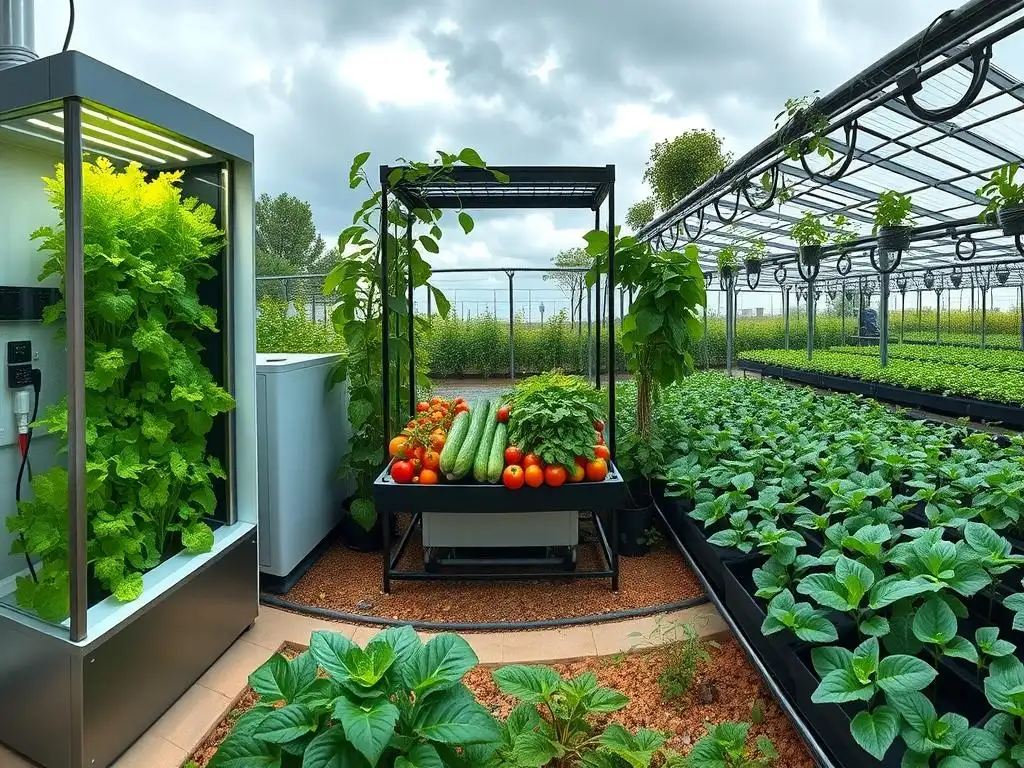
This section provides in-depth reviews of automated gardening systems, categorized by user experience level and space constraints. We'll analyze key features and functionalities to help you choose the perfect system for your needs. Remember, selecting the right automated gardening system is crucial for maximizing yield and minimizing effort in your sustainable gardening journey. This directly impacts your overall success with organic and sustainable growing practices.
Best Automated System for Beginners
For novice gardeners venturing into the world of automated systems, simplicity and ease of use are paramount. A system with intuitive controls, minimal maintenance requirements, and clear instructions is essential. Look for systems with pre-programmed settings and readily available customer support. Features like automatic watering and nutrient dispensing should be straightforward to operate. Overly complex systems with numerous adjustable parameters can be overwhelming for beginners and may lead to frustration.
Consider systems that offer a "starter kit" approach, including all necessary components and pre-seeded or pre-started plants. This eliminates the guesswork and allows you to focus on learning the basics of automated gardening. Many beginner-friendly systems also incorporate smart apps, providing real-time monitoring and alerts, such as low water levels or nutrient deficiencies.
This proactive approach helps prevent potential problems before they significantly impact your plants. These apps often include helpful tutorials and troubleshooting guides, further enhancing the learning experience. The focus should be on a smooth learning curve and a positive initial experience to foster long-term engagement with automated gardening techniques.
Best Automated System for Experienced Growers
Experienced growers often seek advanced features and customization options. They're looking to optimize their yields and experiment with different growing techniques. For this group, systems with highly adjustable parameters, such as precise control over temperature, humidity, lighting, and nutrient delivery, are ideal. The ability to integrate with other smart home devices or environmental sensors enhances control and data analysis capabilities.
Advanced systems might incorporate features like automated pest control mechanisms, sophisticated hydroponic or aeroponic systems, and data logging capabilities for detailed analysis of plant growth. The ability to fine-tune the system based on specific plant needs and environmental conditions is crucial. Data-driven decision making is a key advantage for experienced growers seeking to optimize their harvest.
Look for systems that offer extensive customization options and advanced monitoring tools. The ability to program custom schedules and automate complex tasks allows for efficient management of large or diverse gardens. This level of control enables experienced growers to push the boundaries of sustainable growing practices and achieve exceptional results.
Best Automated System for Small Spaces
Space-saving designs are crucial for urban or apartment gardeners. Vertical farming systems, compact hydroponic units, and wall-mounted automated planters are excellent choices for limited spaces. These systems maximize growing area while minimizing footprint. Consider the overall dimensions of the system, including its height, width, and depth, to ensure it fits comfortably within your available space.
Look for systems with energy-efficient components, as small spaces may have limited power outlets or ventilation options. Modular designs allow for scalability, enabling you to expand your growing area as needed. Many compact systems prioritize ease of maintenance and cleaning, essential in smaller spaces where access might be limited.
Lightweight materials are also beneficial, making it easier to move or relocate the system if necessary. The focus should be on maximizing yield per square foot while maintaining a user-friendly and aesthetically pleasing design that complements the home environment. Prioritizing efficiency in both space and energy usage is key to successful small-space gardening.
Best Automated Gardening System for Large-Scale Production
For large-scale production, the demands on an automated gardening system are significantly higher. You're not just looking for convenience; you need robust, reliable technology capable of handling substantial yields and minimizing manual intervention across a considerable area. Systems designed for this purpose often incorporate sophisticated features beyond those found in smaller, home-based units. Think advanced climate control with precise temperature and humidity regulation across multiple zones, automated nutrient delivery systems that cater to the specific needs of different crops at various growth stages, and sophisticated irrigation systems that ensure optimal water usage and prevent overwatering or underwatering. These systems often utilize data analytics and machine learning to optimize resource allocation, predict potential issues, and maximize yields.
The integration of sensors for monitoring soil conditions, light levels, and plant health is crucial, providing real-time feedback to adjust parameters for optimal growth. Furthermore, large-scale systems frequently incorporate automated harvesting technologies, significantly reducing labor costs and improving efficiency. The initial investment for such a system is considerably higher than smaller models, reflecting the advanced technology and scale of operation. However, the potential for increased yield, reduced labor costs, and optimized resource management often results in a strong return on investment over time for commercial growers and large-scale agricultural operations. Choosing the right system for large-scale production necessitates careful consideration of factors like available space, the types of crops to be grown, budget, and the level of automation desired.
A thorough needs assessment and consultation with a specialist in automated agricultural systems is highly recommended before making a significant investment in this area. Proper planning is key to maximizing efficiency and ensuring a successful large-scale operation. The long-term benefits often outweigh the initial investment, contributing to the sustainability and profitability of commercial agricultural endeavors. This level of automated gardening system truly represents a leap forward in modern agriculture, pushing the boundaries of efficiency and productivity.
Setting up and Maintaining Your Automated Gardening System
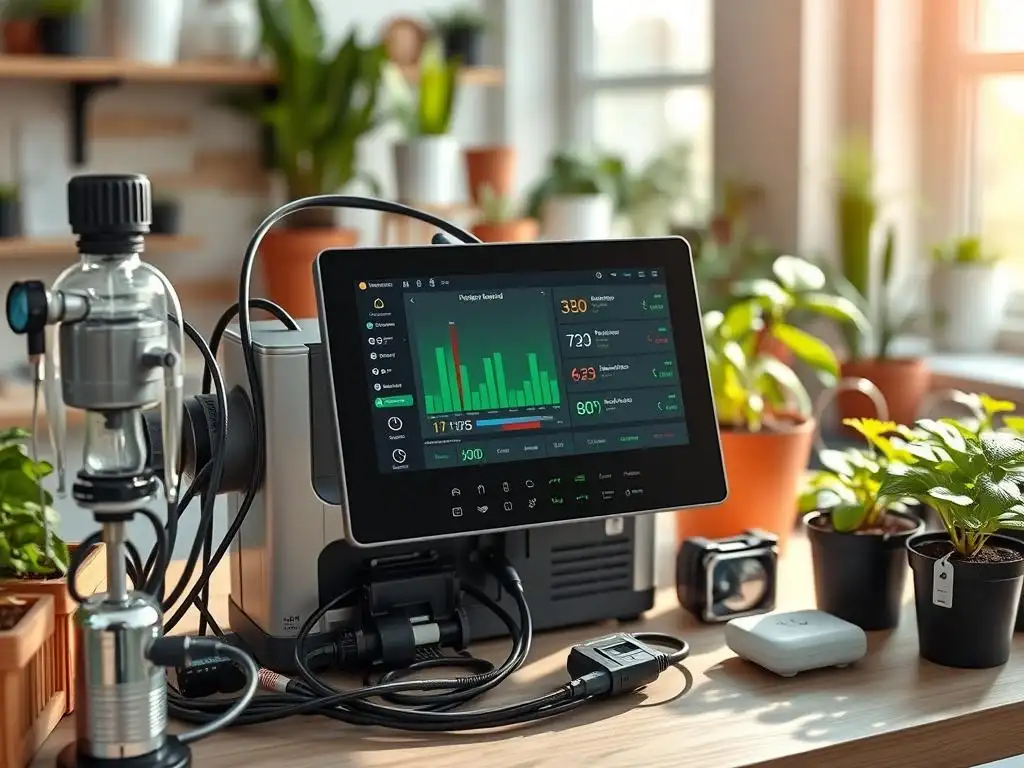
This section delves into the practical aspects of owning and operating an automated gardening system, focusing on installation, maintenance, and troubleshooting. Choosing the right system is only half the battle; understanding its upkeep is crucial for long-term success and maximizing your yield. We'll explore these essential steps to ensure your automated garden thrives.
Installation and Setup Guide
Installing your automated gardening system might seem daunting, but with a methodical approach, it's manageable. Most systems come with comprehensive manuals, but here's a general guideline to simplify the process. Remember to always consult your specific system's instructions for detailed steps and safety precautions.
First, carefully review the system's requirements. This includes assessing the space needed, considering factors like sunlight exposure, access to water and power sources, and the overall structural integrity of the area. Accurate measurements are paramount to avoid issues during installation.
Next, prepare the location. This may involve clearing the area, leveling the ground (if necessary), and ensuring adequate drainage. For systems involving raised beds or hydroponic setups, proper assembly and leveling are crucial for even water distribution and plant growth.
The installation process itself typically involves assembling the various components, connecting the water and power supplies, and configuring the system's control unit. This usually includes programming watering schedules, nutrient delivery systems (if applicable), and lighting timers. Some systems offer mobile apps for convenient control and monitoring.
Finally, test the entire system thoroughly before planting. Run a full cycle to check for leaks, power issues, or any malfunctions. Addressing problems early saves time and potential damage to your plants. Consider a test run with a few hardy plants to ensure optimal functionality before committing your main crops. This step is critical for preventing costly mistakes.
Regular Maintenance and Troubleshooting Tips
Regular maintenance is key to the longevity and efficiency of your automated gardening system. Neglecting maintenance can lead to malfunctions, reduced yields, and even system failure. Think of it as preventative care for your high-tech garden.
A crucial aspect is regular cleaning. This includes cleaning the water reservoir, filters, pumps, and any other components that may accumulate debris or mineral deposits. The frequency of cleaning depends on the system and water quality, but aim for at least a monthly cleaning. Regular cleaning prevents clogging and ensures optimal performance of the system.
Another important aspect is checking for leaks and malfunctions. Regularly inspect all connections, tubing, and components for any signs of leaks or damage. Address any issues promptly to prevent water damage and potential system failures. A small leak can lead to significant water wastage and affect the health of your plants.
Finally, monitor the system's performance. Keep an eye on the water levels, nutrient levels (if applicable), and the overall health of your plants. If you notice any irregularities, investigate the cause and adjust the system's settings accordingly. This proactive approach ensures your plants receive the optimal growing conditions.
Here's a handy checklist for regular maintenance:
| Task | Frequency | Notes |
|---|---|---|
| Clean water reservoir | Monthly (minimum) | Check for mineral buildup and algae growth. |
| Check tubing for leaks | Weekly | Look for cracks, disconnections, and wear. |
| Inspect pumps and filters | Monthly (minimum) | Clean or replace as needed. |
| Monitor plant health | Daily | Check for signs of stress or disease. |
| Review system logs | Weekly | Identify potential problems early. |
Addressing Common Problems in Automated Gardening Systems
Even with meticulous planning and regular maintenance, problems can arise. Here, we address some common issues encountered in automated gardening systems, offering practical solutions to get your garden back on track.
One common issue is malfunctioning pumps. This can be due to clogs, worn-out parts, or power supply problems. Troubleshooting involves checking for clogs, inspecting the pump for damage, and verifying the power connection. Replacing the pump might be necessary in some cases. Remember to always disconnect the power before performing any maintenance on the pump.
Another frequent problem is inconsistent water delivery. This could stem from clogged tubing, faulty sensors, or programming errors. Thoroughly check the tubing for clogs, ensure the sensors are functioning correctly, and review the system's programming to ensure accurate water delivery. A simple recalibration might solve the issue.
Finally, nutrient imbalances can affect plant health in hydroponic systems. This can manifest as stunted growth, leaf discoloration, or other signs of nutrient deficiency or toxicity. Regular monitoring of nutrient levels and adjusting the nutrient solution according to the plants' needs is crucial for preventing this issue. Accurate nutrient monitoring and timely adjustments are essential for optimal plant health. Remember to always use high-quality nutrients specifically designed for hydroponic systems. Using the wrong nutrients can lead to serious problems. 🌱
Investing in the Future of Sustainable Gardening
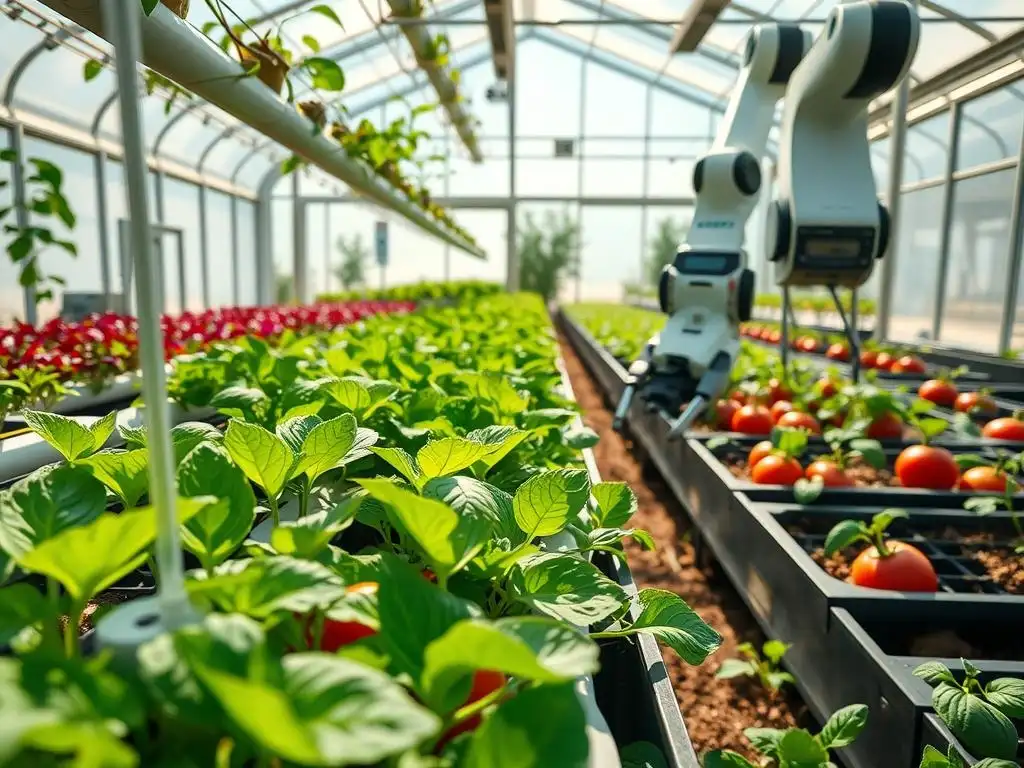
This section explores the long-term implications of adopting automated gardening systems, focusing on their role in fostering sustainable practices and future-proofing your homegrown food production. Investing in an automated system represents a significant upfront cost, but the long-term benefits extend beyond mere convenience. It's an investment in a more resilient and sustainable food future. Consider it an upgrade to your home’s infrastructure, not just a purchase. This shift in perspective highlights the true value proposition of automated gardening technologies.
Long-Term Cost Savings with Automated Gardening Systems
While the initial investment in an automated gardening system might seem substantial, long-term cost savings can be significant. Let's analyze this through concrete examples. A high-quality automated system, while expensive upfront (let's say, $3000-$5000 depending on features and scale), can drastically reduce water consumption. Studies show that automated irrigation systems, using sensors and smart controllers, can reduce water usage by 30-50% compared to traditional methods. 1 This translates to substantial savings on your water bill over the system's lifespan (often 5-10 years or more).
Furthermore, the precision of automated systems minimizes fertilizer and pesticide use. Precise nutrient delivery and early pest detection features prevent over-application and reduce the need for broad-spectrum pesticides. This translates into direct savings on these inputs, as well as indirect savings from reduced crop loss due to pests or nutrient deficiencies. The reduced need for manual labor also contributes to long-term cost savings. Time is a valuable resource, and automated systems free up significant time that can be used for other activities.
| Feature | Traditional Gardening Cost (Estimate) | Automated Gardening Cost (Estimate) | Savings per Year (Estimate) |
|---|---|---|---|
| Water | $200 | $100 | $100 |
| Fertilizer/Pesticide | $150 | $50 | $100 |
| Labor (Time Value) | $500 (estimated at $25/hour x 20 hours) | $100 (estimated at $25/hour x 4 hours) | $400 |
| Total | $850 | $250 | $600 |
Estimates are based on average values and may vary depending on location, system size, and crop type.
Environmental Benefits of Automated Gardening Systems: Water Conservation and Reduced Pesticide Use
The environmental advantages of automated gardening systems are substantial and directly contribute to sustainable living. The most significant impact lies in water conservation. Precise irrigation, triggered by soil moisture sensors, eliminates wasteful overwatering. This is crucial in regions facing water scarcity, promoting responsible water management. This aligns perfectly with sustainable gardening practices, minimizing the environmental footprint of food production.
Automated systems also minimize the use of chemical pesticides. Many systems incorporate early pest detection mechanisms, such as image recognition software and sensors that detect changes in plant health. This allows for timely intervention using eco-friendly methods like biological pest control, dramatically reducing or eliminating the need for harmful synthetic pesticides. This reduction in pesticide use protects beneficial insects and prevents groundwater contamination, further enhancing the environmental sustainability of your garden. The reduced need for tilling, often a feature of automated systems, also minimizes soil erosion and improves soil health.
The Future of Automated Gardening Technology: Innovations and Trends
The field of automated gardening is rapidly evolving. Expect to see advancements in several key areas in the coming years. Artificial intelligence (AI) will play an increasingly important role, with smarter systems capable of adapting to changing environmental conditions and optimizing growth parameters in real-time. Improved sensor technology will provide even more precise data on plant health and environmental factors, leading to more efficient resource management.
We can also anticipate greater integration with smart home technology. Systems will seamlessly integrate with other smart devices, allowing for remote monitoring and control from anywhere in the world. Furthermore, the development of more affordable and user-friendly systems will make automated gardening accessible to a wider range of consumers. The future of automated gardening promises increased efficiency, sustainability, and convenience, making homegrown food production more accessible and environmentally responsible than ever before. The continuous innovation in this sector ensures that automated gardening systems will continue to improve, offering ever more effective and sustainable solutions for home gardeners.
1 [Specific information pending: Source for water usage reduction statistics]
Conclusion: Finding the Perfect Automated Gardening System
Choosing the right automated gardening system is a significant investment, demanding careful consideration of your specific needs and resources. This decision shouldn't be taken lightly, as the wrong system can lead to frustration and ultimately, a less-than-successful harvest. Remember, the "best" automated gardening system is subjective and depends entirely on your individual circumstances. Factors such as available space, budget, desired crops, and technical expertise all play crucial roles in determining the optimal choice.
Don't be afraid to thoroughly research different models, compare features, and read independent reviews before committing to a purchase. Investing time in this research phase will significantly increase your chances of selecting a system that aligns perfectly with your gardening goals and ensures a bountiful and rewarding experience. The process might seem daunting initially, but the satisfaction of a thriving, automated garden makes it all worthwhile. Embrace the journey, and happy gardening!
Recap of Key Considerations for Choosing an Automated Gardening System
Before making a final decision on an automated gardening system, let's recap the essential factors to consider. This checklist will help you ensure you haven't overlooked any critical aspects:
- Budget: Automated systems vary drastically in price. Determine a realistic budget before beginning your search to avoid disappointment. Consider not only the initial cost but also ongoing expenses like electricity, water, and replacement parts.
- Space Availability: Measure your available space precisely. Systems come in various sizes, from compact indoor units to large-scale outdoor installations. Accurate measurements prevent purchasing a system that's too large or too small for your area.
- Desired Crops: Some systems are better suited for specific plants. Consider which fruits, vegetables, or herbs you want to grow and choose a system compatible with their growth requirements. Research the compatibility of your chosen system with your preferred plants.
- Technical Proficiency: Automated systems range in complexity. Evaluate your comfort level with technology and choose a system with a user interface that suits your skills. Some systems offer extensive customization options, while others are designed for ease of use.
- Environmental Factors: Consider your local climate. Outdoor systems require protection from harsh weather conditions, while indoor systems need appropriate lighting and temperature control. Understanding your environment will help you choose a system that thrives in your specific conditions.
- Maintenance Requirements: Automated systems still require some level of maintenance. Research the specific maintenance needs of each system before purchasing. Some require more frequent cleaning and part replacements than others. This will influence your decision and ensure you can commit to the required upkeep.
| Feature | Importance Level | Considerations |
|---|---|---|
| Budget | High | Set a realistic budget, including ongoing costs. |
| Space | High | Accurate measurements are crucial to avoid incompatibility. |
| Crop Compatibility | High | Research system compatibility with your desired plants. |
| Technical Skills | Medium | Choose a system with a user-friendly interface suited to your abilities. |
| Environmental Factors | Medium | Consider climate, lighting, and temperature requirements. |
| Maintenance | Medium | Research the level of maintenance required for each system. |
This table summarizes the key considerations, highlighting their importance levels to aid in your decision-making process. Remember, prioritizing these factors will significantly improve your chances of selecting the perfect automated gardening system.
Resources and Further Reading on Automated Gardening Systems
Further research is always beneficial when making such a significant investment. To enhance your understanding and knowledge of automated gardening systems, consider exploring these avenues:
- Independent Reviews: Seek out reputable websites and publications that provide unbiased reviews of various automated gardening systems. Look for reviews that detail both the pros and cons of each system. Pay attention to user experiences and long-term performance data.
- Online Forums and Communities: Engage with online communities dedicated to gardening and automated systems. These platforms offer valuable insights from experienced users who can share their experiences and provide advice. This peer-to-peer interaction can offer invaluable perspectives.
- Manufacturer Websites: While manufacturer information can be biased, it's still a valuable source for detailed specifications and technical information about their products. Compare specifications across different brands to find the best fit for your needs.
- Gardening Books and Magazines: While not specifically focused on automated systems, many gardening resources offer valuable information on plant care and cultivation techniques. This knowledge is crucial for maximizing your success with any automated system.
By utilizing these resources, you can gain a comprehensive understanding of automated gardening systems and make an informed decision that best suits your individual needs and aspirations. Remember, a well-researched purchase translates to a more successful and rewarding gardening experience.
Frequently Asked Questions
What is an automated gardening system?
An automated gardening system uses technology to simplify and optimize the gardening process. This can include features like automatic watering, lighting, and nutrient delivery, reducing manual labor and increasing efficiency. They often incorporate sensors to monitor plant health.
What are the benefits of using an automated gardening system?
Automated systems offer several benefits, including increased yields, reduced water waste, and less time spent on maintenance. They can also help create a more consistent growing environment, leading to healthier plants and better harvests, regardless of your experience level.
How much do automated gardening systems cost?
The cost of automated gardening systems varies widely depending on size, features, and brand. You can find smaller, simpler systems for a few hundred dollars, while larger, more sophisticated systems can cost several thousand. Consider your budget and needs carefully.
What factors should I consider when choosing an automated gardening system?
Consider factors like your available space, the types of plants you want to grow, your budget, and the level of automation you desire. Research different systems and read reviews to find the best fit for your needs and gardening goals.
Are automated gardening systems difficult to use?
Most modern systems are designed to be user-friendly, with intuitive interfaces and easy-to-follow instructions. However, the complexity can vary, so read reviews and check the system's documentation before purchasing to ensure it matches your technical skills and comfort level.
Final Reflection: Cultivating a Smarter, Greener Future
The quest for efficient and sustainable gardening practices is no longer a niche interest; it's a necessity. The increasing awareness of climate change and the growing demand for locally sourced food are driving a surge in interest in automated gardening systems, making the choices discussed in this article more relevant than ever. We've explored the diverse landscape of automated gardening solutions, from simple irrigation timers to sophisticated hydroponic setups, highlighting the importance of careful consideration before investing.
The impact of technology on our relationship with nature is profound and multifaceted. It's not just about convenience; it's about reimagining how we interact with the environment, fostering a deeper connection with the food we consume and the ecosystems we inhabit. The earth laughs in flowers.
This simple quote encapsulates the joy and wonder that gardening can bring, and technology, when used responsibly, can amplify that experience, making it accessible to a wider audience and allowing us to cultivate even more vibrant and productive gardens.
Now, consider your own gardening aspirations. What are your needs and limitations? What level of automation best suits your lifestyle and resources? Take the time to reflect on the information presented in this article, and use it as a springboard to design a gardening system that not only meets your practical needs but also nourishes your soul. Embrace the opportunity to cultivate a greener, more sustainable future, one carefully chosen automated system at a time.
Unleash Your Green Thumb: Take Control of Your Garden!
Thank you for learning how to choose the right automated watering system for your garden! We hope this article has given you the knowledge to create a thriving and efficient garden. Now it's time to put that knowledge into practice.
- Find the perfect automated watering system: Use the criteria we discussed to research and compare different systems, focusing on your specific needs and budget. This is the most crucial step! Don't hesitate to contact vendors with questions.
- Share your experience: Tell us (and other gardeners!) about your experience choosing an automated watering system. What factors were most important? What surprised you during your research?
- Plan your installation: Begin sketching out a plan for where and how you'll install your chosen system, considering factors like water sources, sunlight, and plant placement.
Ready to transform your gardening? What's the first step you'll take to automate your garden's watering?