
Maintaining Moisture: The Key to a Healthy Compost Pile

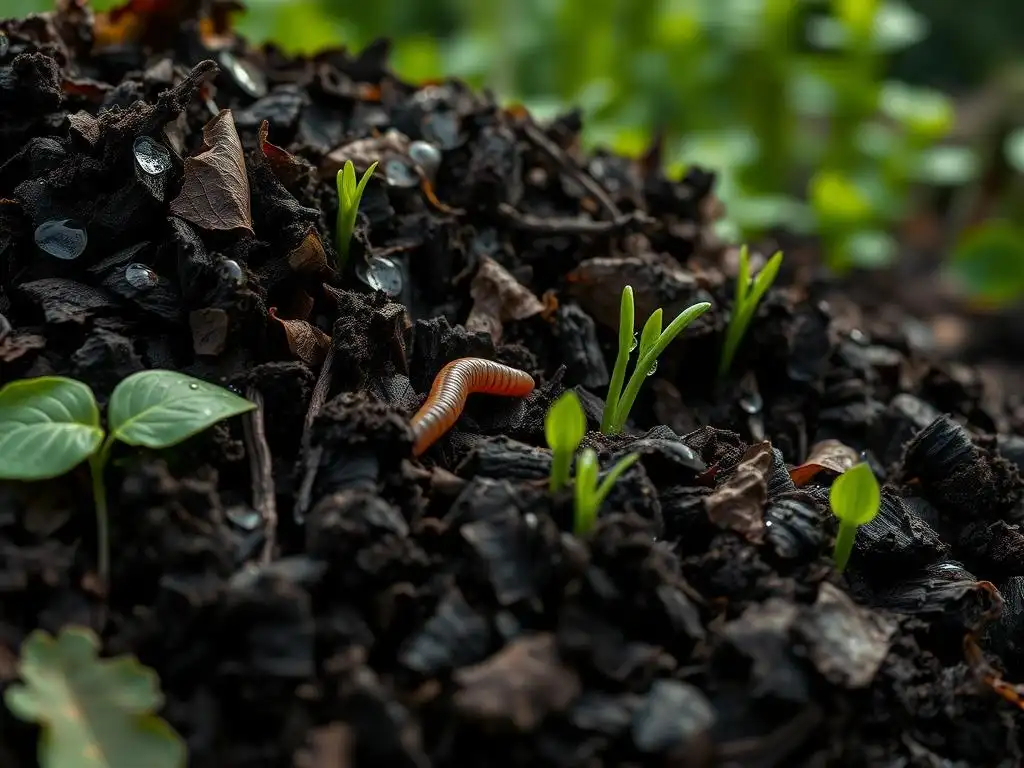
Ready to unlock the secrets to a thriving garden bursting with flavour? At CultivateYourFood, we empower you to grow your own fruits, vegetables, and herbs using sustainable, organic methods. But did you know that the key to successful composting, and therefore healthy plants, lies in achieving the perfect Healthy compost moisture levels? Discover the crucial role moisture plays in your compost pile and learn how to nurture the life within, transforming your garden waste into fertile soil. Let's get started!
- Understanding Optimal Moisture Levels for Compost
- Methods for Maintaining Proper Compost Moisture
- Troubleshooting Common Moisture Problems
- Maintaining a Balanced Compost Ecosystem: Moisture and Beyond
- Frequently Asked Questions
- Final Reflection: The Living Symphony of a Healthy Compost Pile
- Unlock Your Compost's Potential: Get Growing!
Understanding Optimal Moisture Levels for Compost
Maintaining the right moisture content is crucial for a thriving compost pile. A healthy compost heap is a bustling ecosystem teeming with microorganisms – bacteria, fungi, and actinomycetes – that break down organic matter. These beneficial decomposers require specific conditions to flourish, and moisture is paramount amongst them. Getting the moisture levels just right is key to accelerating the composting process, preventing unpleasant odors, and ultimately yielding nutrient-rich compost for your garden.
This article will guide you through identifying and maintaining the ideal moisture levels for your compost, ensuring a healthy and productive composting experience. We'll explore the signs of both over-watering and underwatering, providing you with the knowledge to cultivate a flourishing compost pile and improve your garden's health. Mastering this aspect of composting is a significant step towards achieving sustainable and organic gardening practices. Let's delve into the specifics of achieving optimal "Healthy compost moisture levels."
The Importance of Moisture for Microbial Activity
Microbial activity is the engine driving the composting process. Bacteria, fungi, and other microorganisms are responsible for breaking down organic materials into humus, the dark, nutrient-rich substance that enriches your soil. These organisms require a specific moisture level to thrive. Think of it like this: they need water to “digest” the organic matter, much like we need water to digest our food.
Too little moisture, and the decomposition process slows dramatically, leading to a dry, inactive pile. Too much moisture, and anaerobic conditions develop (lack of oxygen), resulting in foul smells and potentially harmful pathogens. The ideal moisture content is akin to a wrung-out sponge – it should be damp but not soggy. Maintaining this balance ensures optimal microbial activity and efficient decomposition.
This is critical for achieving the desired nutrient-rich end product. The proper moisture content directly impacts the speed and efficiency of your composting process. A consistently moist pile will noticeably outperform a dry or overly wet one.
Signs of Too Much Moisture in Your Compost
Overwatering your compost is a common mistake, and it can severely hinder the decomposition process. Several signs indicate your compost pile is too wet:
- Runoff: Water consistently draining from the bottom of your pile indicates excessive moisture.
- Foul Odor: A pungent, ammonia-like smell is a clear sign of anaerobic conditions, caused by a lack of oxygen due to excessive moisture.
- Soggy Texture: If you squeeze a handful of compost and water freely drips out, it's too wet. The material should feel damp, not saturated.
- Slow Decomposition: Ironically, even though you might think water speeds up the process, excessive water actually slows it down due to the lack of oxygen.
- Presence of Slime or Gunk: Excessive moisture can lead to the formation of slimy or gunk-like substances within the compost pile.
Signs of Too Little Moisture in Your Compost
Conversely, insufficient moisture can also impede the composting process. Here are some signs that your compost is too dry:
- Dry, Brittle Material: The compost feels dry and crumbles easily.
- Slow or Stalled Decomposition: Without sufficient moisture, microbial activity slows, and the decomposition process stalls.
- Lack of Heat: A healthy, actively composting pile generates heat. A dry pile will be noticeably cooler.
- Difficult to Turn: Dry compost is difficult to turn, requiring more effort and potentially damaging the pile's structure.
- No Visible Microbial Activity: A dry compost pile will show little to no signs of worms, insects, or other beneficial organisms. These are indicators of an active and healthy composting environment.
Ideal Moisture Content: The "Squeeze Test"
Maintaining the right moisture level is crucial for a thriving compost pile. Too dry, and decomposition slows to a crawl; too wet, and your pile becomes anaerobic, producing foul odors and potentially harmful pathogens. The best way to gauge your compost's moisture is through a simple technique known as the "squeeze test."
This test is incredibly straightforward and provides a reliable assessment of your compost's hydration. Grab a handful of compost from different areas of your pile – aim for a mix of materials from the inside and outside. Squeeze the handful firmly in your fist. The ideal consistency should resemble a wrung-out sponge. If water drips freely from your fist, your compost is too wet. If the compost feels dry and crumbly, resembling soil dust, then it's too dry. The "just right" feeling is a dampness that holds its shape briefly before crumbling slightly when released.
Remember that the ideal moisture content can fluctuate depending on the materials in your compost and the ambient weather conditions. During hot, dry periods, you might need to water your pile more frequently to maintain optimal moisture. Conversely, during rainy spells, you might need to consider covering your compost bin or pile to prevent excessive saturation.
Regularly performing the squeeze test, perhaps once a week, allows you to proactively adjust your watering schedule and ensure your compost remains at peak performance. Consistent monitoring is key to achieving and maintaining healthy compost moisture levels. Don't be afraid to experiment and refine your technique over time; with practice, you'll become an expert at judging the perfect moisture content for your compost.
This simple test is your most valuable tool for achieving a successful and productive compost pile, resulting in nutrient-rich soil for your home garden. The "squeeze test" empowers you to achieve healthy compost moisture levels, leading to faster decomposition and richer compost.
Methods for Maintaining Proper Compost Moisture
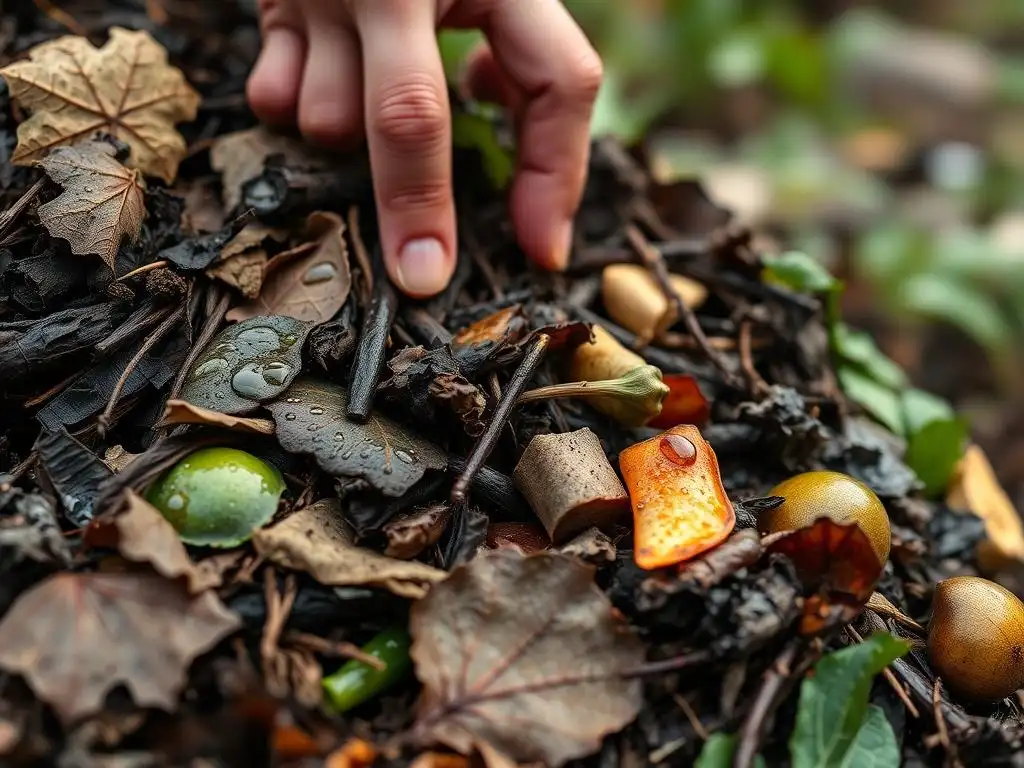
Maintaining the right moisture content is crucial for a thriving compost pile. Too dry, and decomposition slows to a crawl; too wet, and your pile becomes anaerobic, producing foul odors and potentially harmful pathogens. Achieving the ideal "healthy compost moisture levels" requires consistent monitoring and adjustments. Think of it like Goldilocks and the Three Bears – you want your compost just right! This section will detail effective methods for keeping your compost pile at peak hydration.
Watering Your Compost Pile: Frequency and Techniques
Regular watering is key to achieving optimal healthy compost moisture levels. However, the frequency depends on several factors including your climate, the type of materials you're composting, and the size of your pile. A good rule of thumb is to check your compost's moisture at least once a week, especially during drier months. To assess moisture, grab a handful of compost; it should feel like a wrung-out sponge. If it crumbles easily, it's too dry. If water drips readily, it's too wet.
The best watering technique involves using a gentle spray or a hose with a low-pressure nozzle. Avoid powerful streams that can disrupt the pile's structure and wash away valuable nutrients. Water slowly and thoroughly, allowing the water to penetrate deeply into the pile. It's better to water less frequently but more deeply than to water often with small amounts of water. This encourages even moisture penetration and prevents surface drying. Consider adding a layer of mulch on top of your compost pile to help retain moisture and reduce evaporation, especially in hot, sunny climates.
For smaller compost bins, a watering can works perfectly. For larger piles, a garden hose is more efficient. Remember to always water your compost pile in the morning or late afternoon, avoiding the hottest part of the day to prevent rapid evaporation.
Using a Compost Thermometer to Monitor Moisture
While the "squeeze test" is a reliable method for assessing moisture, a compost thermometer offers a more precise and objective measurement. A compost thermometer not only measures temperature, a key indicator of decomposition, but also provides insights into moisture levels indirectly. Extremely high temperatures, coupled with dry compost, often suggest insufficient moisture. Conversely, low temperatures in a wet pile are suggestive of anaerobic conditions due to excessive moisture.
Using a compost thermometer is straightforward. Simply insert the probe into the center of your pile, ensuring it reaches the interior. Regularly monitor the temperature readings in conjunction with your visual and tactile assessments. This combined approach will give you a comprehensive understanding of your compost's state. The optimal temperature range for active composting is generally between 130°F and 160°F (54°C and 71°C). While the thermometer doesn't directly measure moisture, it provides valuable contextual information that helps you fine-tune your watering strategy. Consistent monitoring helps you maintain the ideal balance for healthy compost moisture levels.
Adjusting Watering Based on Season and Climate
The amount of water your compost pile requires varies significantly throughout the year and depends heavily on climatic conditions. During hot, dry summers, you'll need to water more frequently and possibly more deeply. The increased evaporation rate necessitates more frequent moisture replenishment to maintain healthy compost moisture levels. Conversely, during cooler, wetter seasons, you may need to water less often, or even not at all, depending on rainfall.
Consider these seasonal adjustments:
| Season | Watering Frequency | Considerations |
|---|---|---|
| Summer | Every 2-3 days | Increased evaporation; monitor closely; consider mulch |
| Spring/Autumn | Every 5-7 days | Moderate evaporation; adjust based on rainfall |
| Winter | As needed (less often) | Reduced evaporation; check for dryness |
Remember that these are just guidelines. The specific needs of your compost pile will be influenced by factors such as the materials used, the size and design of your compost bin or pile, and the prevailing weather conditions. Regular observation and adjustments are essential to achieving and maintaining the optimal moisture content for successful composting. Always prioritize monitoring and adapting your watering strategy to the specific needs of your compost. This ensures a healthy, thriving compost pile, rich in nutrients and ready to enrich your garden.
Incorporating Materials with Different Moisture Retention
Maintaining optimal moisture levels in your compost pile is crucial for microbial activity, the key to successful decomposition. A diverse mix of materials plays a vital role in this process. Some materials, like green waste (grass clippings, fruit and vegetable scraps), naturally retain more moisture than others. These "wet" ingredients contribute significantly to the overall moisture content of your pile. However, relying solely on these materials can lead to anaerobic conditions, where decomposition slows down due to a lack of oxygen. This results in a foul-smelling, slimy compost that isn't suitable for your garden.
To counteract this, it's essential to balance the wet ingredients with "brown" materials, such as dried leaves, shredded paper, and small twigs. These drier materials help to absorb excess moisture, preventing the pile from becoming waterlogged. The ideal ratio of browns to greens is often cited as 2:1 or even 3:1, although this can vary based on the specific materials and climate.
For example, in a particularly humid environment, you might need a higher proportion of brown materials to offset the naturally high moisture levels. Conversely, during dry spells, you might need to increase the proportion of green materials or supplement with water. The key is observation and adjustment; regularly check your compost's moisture content and adapt your input accordingly.
Think of it like a sponge – you need the right balance of wet and dry to achieve optimal water retention without becoming overly saturated. This careful balance ensures sufficient moisture for decomposition while maintaining good aeration.
Remember, the goal isn't to achieve a specific percentage of moisture; it's to maintain a consistently moist, but not soggy, environment. A well-balanced compost pile will feel damp and springy to the touch, like a wrung-out sponge. If it feels dry and crumbly, it needs more water.
If it's dripping wet and slimy, it needs more brown materials and potentially better aeration. By carefully monitoring and adjusting the ratio of wet and dry materials, you can effectively manage the moisture content of your compost, fostering a thriving environment for decomposition and producing nutrient-rich compost for your garden. This attention to detail is a key element in cultivating a healthy compost pile and maximizing its benefits for your plants.
Troubleshooting Common Moisture Problems
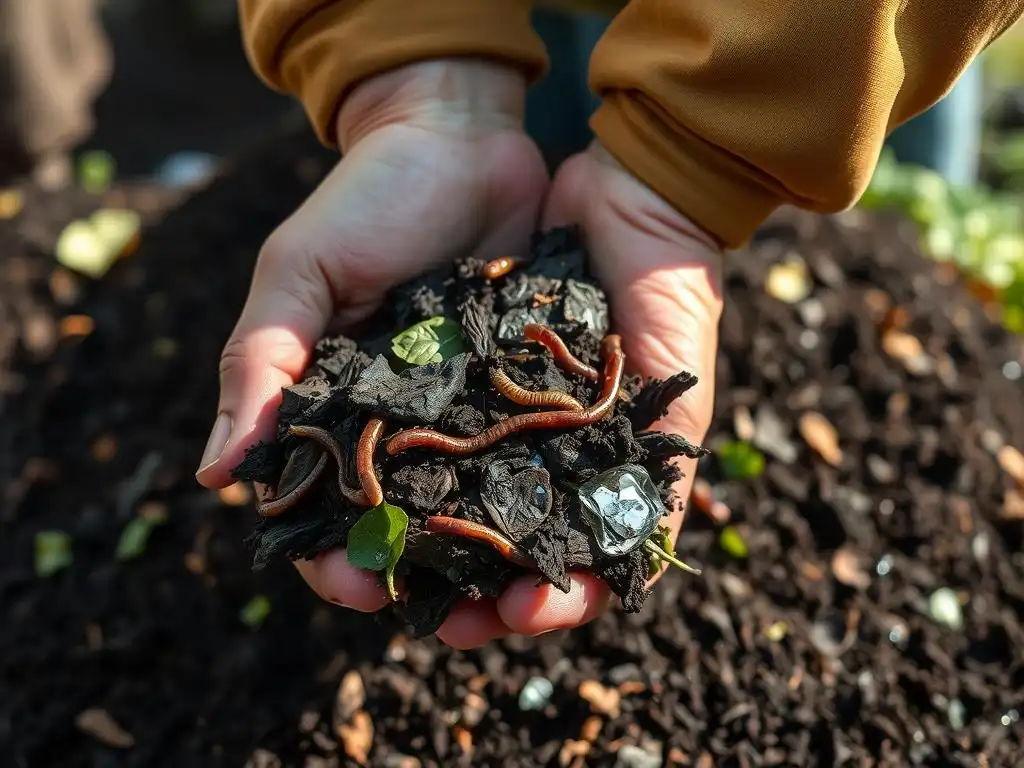
Maintaining the optimal moisture content in your compost pile is crucial for successful decomposition. Too much or too little water can significantly hinder the process, impacting the overall health and efficiency of your compost. Understanding how to diagnose and address moisture imbalances is key to achieving a healthy and thriving compost pile. This section will explore common moisture problems and provide practical solutions to keep your compost pile humming along. Mastering healthy compost moisture levels is a cornerstone of successful composting, leading to nutrient-rich soil amendments for your garden.
Dealing with a Too-Wet Compost Pile: Aeration and Drainage Solutions
A compost pile that's too wet is often characterized by a foul odor, slimy texture, and slow decomposition. Excess moisture inhibits the aerobic bacteria responsible for breaking down organic matter, promoting anaerobic decomposition and the release of unpleasant smells. The solution lies in improving aeration and drainage.
Several strategies can address this issue:
- Increase Air Circulation: Turn the pile regularly, at least once a week, using a pitchfork or garden spade. This helps to introduce oxygen and distribute moisture evenly. Aim for a thorough mixing, reaching all parts of the pile. For larger piles, consider incorporating aeration tubes or pipes to enhance airflow from the bottom.
- Improve Drainage: If your pile is situated in a poorly draining area, consider relocating it to a spot with better drainage. Adding a layer of coarse material, such as wood chips or gravel, at the base of your compost bin can also improve drainage.
- Add Brown Materials: Brown materials, like dried leaves, straw, or shredded paper, are relatively dry and can help absorb excess moisture. Incorporate a generous amount of brown materials into the wet pile to help balance the moisture content. Think of it as adding a natural sponge to your compost.
- Reduce Water Input: If you're frequently watering your compost, consider reducing the frequency and amount of water added. Observe the pile's moisture level before adding more water; a consistently damp, not soggy, feel is the goal.
Remediating a Dry Compost Pile: Effective Rehydration Strategies
A dry compost pile will also struggle to decompose efficiently. The lack of moisture hinders microbial activity, resulting in slow decomposition and a less effective compost product. Remediating a dry pile involves carefully reintroducing moisture.
Here's how to effectively rehydrate your compost:
- Gentle Watering: Water your compost pile slowly and thoroughly, allowing the water to penetrate deeply. Avoid using a high-pressure hose, as this can wash away valuable nutrients. Instead, use a watering can or hose with a gentle spray setting.
- Monitor Moisture Levels: Regularly check the moisture content of your compost by squeezing a handful. It should feel damp, like a wrung-out sponge. If it feels dry, add more water; if it drips freely, it's too wet.
- Strategic Placement: Consider the location of your compost bin. If it's in a sunny, exposed area, it may dry out more quickly. Relocating it to a shadier spot might reduce the frequency of watering.
- Covering the Pile: A simple, breathable cover can help retain moisture, especially during dry spells. This can be as simple as a tarp or a layer of burlap. Remember to allow for sufficient airflow to prevent anaerobic conditions.
Preventing Future Moisture Imbalances: Proactive Measures
Preventing moisture problems starts with establishing good composting practices from the beginning. Proactive measures can significantly reduce the likelihood of encountering excessively wet or dry compost piles.
Here are some key preventative strategies:
- Maintain the Right Carbon-to-Nitrogen Ratio: The ratio of brown (carbon-rich) to green (nitrogen-rich) materials is crucial. A balanced ratio helps maintain optimal moisture levels. Aim for a higher proportion of brown materials to help absorb excess moisture.
- Layer Materials Properly: When adding materials to your compost pile, layer them strategically, alternating between brown and green materials. This helps to create a more balanced and evenly moist environment.
- Regularly Monitor and Adjust: Regularly check your compost pile's moisture level and adjust your watering accordingly. Consistent monitoring is key to maintaining a healthy compost pile. This proactive approach will prevent the need for extensive remediation later on.
- Choose the Right Compost Bin: Consider using a compost bin designed for optimal aeration and drainage. Many bins incorporate features that facilitate airflow and prevent waterlogging. Proper bin selection can significantly improve your composting success.
This careful attention to healthy compost moisture levels will ensure your compost pile thrives, producing nutrient-rich compost for your garden. Remember, consistent monitoring and proactive adjustments are key to long-term success.
Maintaining a Balanced Compost Ecosystem: Moisture and Beyond
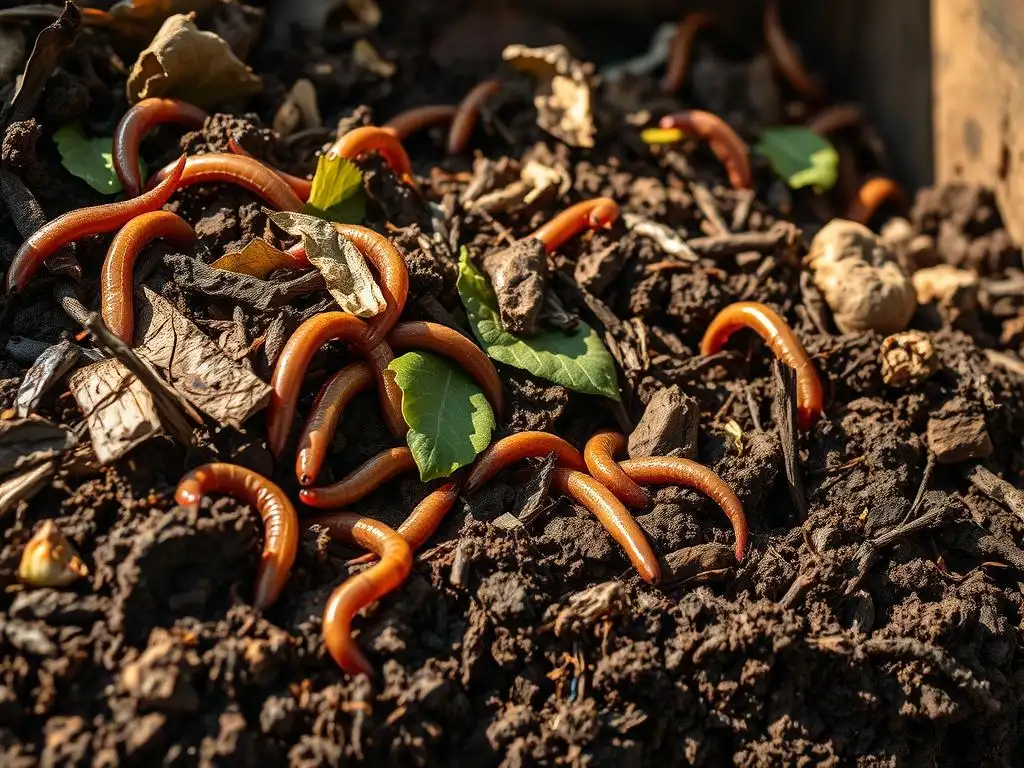
Maintaining optimal moisture levels is crucial for a thriving compost pile. Too much water leads to anaerobic conditions, creating foul odors and hindering decomposition. Too little, and the process slows to a crawl, resulting in a dry, unproductive heap. Achieving the "Goldilocks" zone of moisture—not too wet, not too dry, just right—requires understanding the interplay of several factors beyond simply adding water. This section delves into these critical elements, helping you achieve the perfect balance for healthy compost moisture levels.
The Role of Aeration in Moisture Management
Aeration is inextricably linked to moisture management in your compost pile. Proper airflow prevents waterlogging, allowing excess moisture to evaporate. Conversely, insufficient aeration traps moisture, creating a soggy environment ideal for anaerobic bacteria. These bacteria produce methane, a potent greenhouse gas, and contribute to the unpleasant smell often associated with poorly managed compost.
Think of it like this: a well-aerated compost pile breathes. Oxygen facilitates the work of aerobic bacteria, the beneficial microorganisms responsible for breaking down organic matter efficiently. These bacteria require oxygen to thrive and, as a byproduct of their activity, generate heat, further accelerating decomposition. This heat also helps to evaporate excess moisture, maintaining a balanced moisture content.
Several techniques improve aeration:
- Turning the pile: Regularly turning your compost pile (every few days to a couple of weeks, depending on size and materials) introduces oxygen and distributes moisture evenly. This is arguably the single most important step in maintaining healthy compost moisture levels.
- Using a compost bin with built-in aeration: Bins with slats or holes in the sides and bottom promote better airflow.
- Adding bulky materials: Including larger materials like twigs, shredded branches, or cardboard helps create air pockets within the pile.
The Importance of Carbon-to-Nitrogen Ratio for Moisture Retention
The carbon-to-nitrogen (C:N) ratio significantly influences moisture retention in your compost. A balanced C:N ratio ensures efficient decomposition and helps regulate moisture levels. An imbalance can lead to either excessively wet or dry conditions.
A high carbon content (e.g., brown materials like dried leaves, straw, and shredded paper) provides structure and helps absorb excess moisture. Conversely, a high nitrogen content (e.g., green materials like grass clippings, vegetable scraps, and coffee grounds) can contribute to a wetter pile due to its higher water content.
Aim for a C:N ratio of approximately 30:1. While precise measurement is unnecessary for most home composters, maintaining a rough balance of brown and green materials is crucial. Too many "greens" will result in a slimy, smelly mess; too many "browns" will create a slow-decomposing, dry pile. Monitoring and adjusting the ratio is key to maintaining healthy compost moisture levels. This constant monitoring is integral to achieving optimal decomposition rates.
Monitoring Temperature as an Indicator of Moisture Levels
Temperature is a reliable indicator of the composting process's health and, indirectly, the moisture level. A consistently high temperature (around 130-160°F or 54-71°C) indicates active decomposition and usually signifies a good moisture balance. This heat is generated by the aerobic bacteria breaking down the organic matter.
A drop in temperature can signal several problems, including insufficient moisture. If the temperature falls significantly, it might be time to add water or turn the pile to improve aeration and moisture distribution. Conversely, excessively high temperatures can indicate overheating, potentially due to excessive moisture and lack of aeration. In such cases, turning the pile and potentially adding more brown materials would be beneficial.
Regular temperature checks, using a compost thermometer, are essential for effective compost management. This allows you to proactively adjust moisture levels and maintain a healthy, efficient composting process. Consistent monitoring, along with adjustments based on the observed temperatures, are vital for achieving and maintaining healthy compost moisture levels. Remember, a happy compost pile is a warm compost pile!
Recognizing the Signs of a Healthy, Moist Compost Pile
A thriving compost pile, rich with microbial activity, boasts specific visual and textural cues indicating optimal moisture levels. Think of it like a well-hydrated sponge – not sopping wet, but consistently damp. You should be able to squeeze a handful of compost, and a few drops of liquid should emerge. This indicates the perfect balance, allowing for efficient decomposition without becoming anaerobic (lacking oxygen). If you squeeze and nothing comes out, it's too dry. Conversely, if water freely pours out, it's oversaturated.
The color of your compost also provides valuable clues. A healthy, moist pile will generally exhibit a dark brown or even black hue. This rich color suggests the active breakdown of organic matter by beneficial microorganisms. A lighter brown color often signifies dryness, while a slimy, foul-smelling pile indicates excessive moisture and anaerobic conditions, where harmful bacteria thrive instead of the beneficial ones crucial for composting.
The smell itself is another key indicator; a healthy compost pile will have an earthy, slightly sweet aroma, akin to fresh soil. The absence of this pleasant scent, or the presence of a pungent, ammonia-like odor, suggests problems with moisture levels or other aspects of your compost management. Finally, observe the texture. A properly moist pile will feel loose and crumbly, yet hold its shape when squeezed gently.
A pile that's too dry will crumble into dust, while an overly wet pile will be clumpy and sticky. Regularly checking for these visual and textural cues allows you to make timely adjustments to maintain the ideal moisture content, fostering a thriving and efficient composting process. Remember, maintaining healthy compost moisture levels is paramount for achieving optimal decomposition and producing nutrient-rich compost for your garden. This balance ensures a robust ecosystem within the pile, supporting the vital microorganisms responsible for transforming organic waste into valuable garden gold.
Frequently Asked Questions
What is the ideal moisture content for a compost pile?
The ideal moisture content for healthy composting is similar to a wrung-out sponge. Too dry, and decomposition slows; too wet, and it becomes anaerobic, leading to foul odors. Aim for dampness, not soaking wet.
How can I tell if my compost is too dry or too wet?
Squeeze a handful of compost: If water barely drips, it's too dry. If water freely runs out, it's too wet. A good compost pile will feel moist but not soggy.
What are the consequences of having overly dry compost?
Dry compost decomposes much slower because microorganisms need moisture to thrive. The process becomes inefficient, and you'll end up with a less nutrient-rich end product.
How can I adjust the moisture level in my compost pile if it's too dry?
Simply add water gradually, mixing it thoroughly into the pile. Avoid adding too much at once, and monitor regularly until you achieve the desired moisture content.
What should I do if my compost pile is too wet?
Add more "brown" materials, such as shredded paper, dry leaves, or straw, to absorb excess moisture. You can also turn the pile more frequently to improve aeration and help it dry out.
Final Reflection: The Living Symphony of a Healthy Compost Pile
Maintaining optimal moisture levels isn't just a technical detail in composting; it's the lifeblood of the entire process. A perfectly balanced compost pile, teeming with microbial activity, is a testament to the power of understanding this fundamental principle. Ignoring moisture levels leads to stalled decomposition, wasted resources, and ultimately, a less effective compost.
The journey of learning about compost moisture has been a fascinating exploration into the hidden world of decomposition. It's a reminder that even seemingly simple processes like composting are intricate ecosystems, requiring careful attention and balance. Compost is a living thing, and like all living things, it needs the right conditions to thrive.
This quote encapsulates the essence of what I've learned, highlighting the importance of nurturing this delicate balance for optimal results. The impact of healthy compost extends far beyond the pile itself; it enriches our soil, supports biodiversity, and contributes to a more sustainable future.
Now, I invite you to consider your own relationship with the natural world. Think about the small, often overlooked details that contribute to a larger, more vibrant ecosystem. Are you providing the right conditions for growth and flourishing in your own life, whether it's in your garden, your community, or even within yourself? Take the lessons learned about compost moisture and apply them to other areas of your life – nurture the balance, tend to the details, and watch the magic unfold.
Unlock Your Compost's Potential: Get Growing!
Thanks for exploring the world of healthy composting! You've now learned the secrets to maintaining optimal moisture—a crucial factor for a thriving garden. Ready to put this knowledge into practice?
- Monitor your pile's moisture daily: This simple step ensures consistent decomposition and prevents dry, unproductive compost. A moisture meter can provide precise readings.
- Share your composting journey: Tell us about your experiences—what challenges have you overcome, and what successes have you achieved? We love hearing from our community!
- Experiment with different moisture-control techniques: Try covering your pile with a tarp or adjusting the types of materials you add to see how it affects moisture levels. Which method works best for you?
What unexpected insights have you gained about maintaining the perfect compost moisture level? Let's discuss in the comments below!