
Identifying Common Fruit Tree Diseases: A Visual Guide for Home Growers

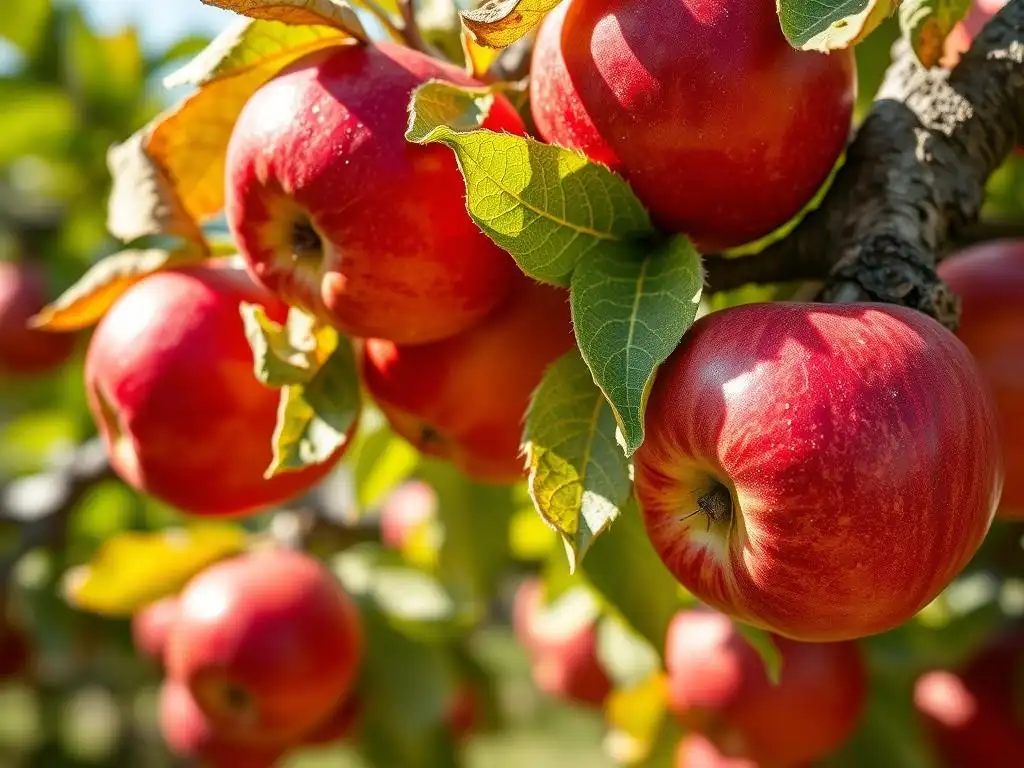
Welcome to CultivateYourFood, your guide to a thriving, sustainable home garden! Are you ready to unlock the secrets to a bountiful harvest? This website is dedicated to empowering you with the knowledge and techniques you need to grow your own fruits, vegetables, and herbs. But first, let's tackle a common challenge: learning to identify common fruit tree diseases. Our comprehensive visual guide will help you diagnose problems quickly and effectively, ensuring your trees remain healthy and productive. Dive in and discover how to cultivate your food with confidence!
- Recognizing Common Fruit Tree Diseases: A Visual Guide for Home Gardeners
- Preventing Fruit Tree Diseases Through Sustainable Practices
- When to Seek Professional Help for Fruit Tree Diseases
- Resources for Identifying and Treating Fruit Tree Diseases
- Frequently Asked Questions
- Final Reflection: Cultivating Healthier Harvests, One Diagnosis at a Time
- Unveil Healthier Harvests: Take Action Now!
Recognizing Common Fruit Tree Diseases: A Visual Guide for Home Gardeners
Cultivating a thriving fruit orchard at home is a rewarding experience, but it requires vigilance against various diseases that can significantly impact your harvest. This comprehensive guide will equip you with the knowledge to identify common fruit tree diseases, focusing on visual cues and organic treatment options, helping you maintain a healthy and productive orchard using sustainable practices. We'll delve into specific diseases, providing detailed descriptions and practical solutions to keep your fruit trees flourishing.
Early detection and appropriate intervention are crucial for preventing widespread damage and ensuring a bountiful harvest, minimizing the need for harsh chemicals and promoting environmentally friendly gardening. This guide emphasizes organic methods, aligning with the CultivateYourFood ethos of sustainable and organic cultivation. Let's explore the most prevalent diseases affecting fruit trees and how to effectively manage them.
Identifying Leaf Spot Diseases in Fruit Trees
Leaf spot diseases, caused by various fungi and bacteria, are widespread among fruit trees. These diseases manifest as distinct spots on leaves, often impacting the tree's overall health and fruit production. Early identification is key to preventing significant yield loss.
Common Leaf Spot Symptoms and Visual Identification
Leaf spot symptoms vary depending on the specific pathogen, but some common indicators include:
- Small, circular spots: Often brown, black, or reddish-brown in color, sometimes with a yellow halo.
- Lesions with defined margins: The spots are usually well-defined, not merging into each other initially.
- Leaf discoloration and premature defoliation: Severe infections can cause leaves to yellow, brown, and eventually drop prematurely.
- Fruit spotting: In some cases, the disease can spread to the fruit, causing blemishes and reducing quality.
Accurate identification often requires close examination of the spots' size, shape, color, and the presence of any fruiting bodies (fungal structures). A hand lens can be extremely helpful in this process. Unfortunately, visual identification alone might not always be conclusive, and in ambiguous cases, professional advice from a local agricultural extension office or arborist might be necessary. Accurate diagnosis is crucial for effective treatment.
Diagnosing and Treating Leaf Spot Diseases Organically
Organic treatment strategies focus on preventing disease establishment and boosting the tree's natural defenses. These methods are generally safer for the environment and beneficial insects. Effective organic approaches include:
- Sanitation: Removing and destroying infected leaves and fallen fruit prevents the pathogen from overwintering and spreading the following season. Proper disposal, such as burying or burning, is essential.
- Improving air circulation: Pruning to improve airflow through the canopy reduces humidity, creating an unfavorable environment for many leaf spot pathogens.
- Strengthening tree health: Healthy trees are better equipped to resist disease. This requires proper fertilization with organic compost and ensuring adequate watering, particularly during periods of stress.
- Copper-based fungicides: While considered relatively safe, copper-based fungicides should be used judiciously and according to label instructions, as overuse can harm beneficial soil organisms. Always prioritize preventative measures before resorting to any fungicide application.
- Biological control agents: Certain microorganisms can suppress the growth of leaf spot pathogens. Researching and applying appropriate biological control agents can be a highly effective, environment-friendly strategy.
Recognizing Fruit Rot and Blight in Your Orchard
Fruit rot and blight are devastating diseases that can severely impact fruit quality and yield. These diseases can affect various parts of the tree, from blossoms to fruits and branches, resulting in significant losses if not managed properly. Prompt identification and appropriate treatment are crucial for minimizing damage and saving your harvest.
Identifying Common Fruit Rot Symptoms
Fruit rot typically manifests as:
- Soft, mushy areas on the fruit: These areas often start small but rapidly expand, causing the fruit to decay.
- Discoloration: The affected areas may change color, becoming brown, black, or gray, depending on the pathogen.
- Molds or fungal growth: Fuzzy or powdery growth may appear on the surface of the rotting fruit.
- Premature fruit drop: Severely infected fruits may drop prematurely from the tree.
Careful observation of the fruit's condition, including the color, texture, and presence of any fungal growth, is crucial for accurate identification. The presence of specific symptoms, such as fuzzy mold or distinct discoloration patterns, can help narrow down the possible pathogens.
Effective Organic Treatments for Fruit Rot and Blight
Organic management of fruit rot and blight involves a multifaceted approach combining preventive measures and targeted treatments:
- Pruning: Removing diseased branches and thinning the canopy improves air circulation and reduces humidity, which inhibits fungal growth.
- Sanitation: Collecting and disposing of fallen fruit and infected plant debris prevents the spread of the disease. Proper composting at high temperatures can help eliminate pathogens.
- Resistant varieties: Planting fruit tree varieties known for their resistance to specific rot and blight diseases is a proactive and sustainable approach.
- Bacillus subtilis: This beneficial bacterium can suppress the growth of many plant pathogens, acting as a natural biocontrol agent.
- Crop rotation: This practice helps to break the disease cycle by reducing the inoculum in the soil. This is particularly useful for soilborne pathogens.
Remember, prevention is key. By implementing good orchard hygiene practices and promoting the health of your trees, you can significantly reduce the risk of fruit rot and blight. Early intervention is critical for successful management of these diseases.
Dealing with Canker Diseases in Fruit Trees
Canker diseases, caused by various fungi and bacteria, are a significant threat to fruit tree health. These diseases manifest as sunken, cracked areas on the bark, branches, and sometimes even the fruit itself. The affected areas often exude a gum-like substance, and the surrounding tissue may be discolored. Left untreated, cankers can girdle branches, restricting nutrient flow and ultimately leading to dieback or even the death of the entire tree.
Early detection is crucial for effective management. Different fruit trees exhibit varying susceptibility to specific canker pathogens; for example, apple trees are prone to Nectria galligena (European canker), while citrus trees are susceptible to Phytophthora species. The severity of the disease can also depend on environmental factors like humidity and temperature.
A wet, warm spring, for instance, can create ideal conditions for canker development. Regular inspection of your trees, particularly during periods of high humidity, is vital for early detection and intervention. Prompt action can often prevent the spread and limit the damage caused by canker diseases.
Visual Identification of Canker Diseases
Accurate visual identification is the first step in managing canker diseases. Look for characteristic symptoms such as sunken, discolored lesions on the bark. These lesions might be reddish-brown, dark brown, or even black, depending on the pathogen and the stage of infection. The margins of the canker may be sharply defined or diffuse.
The presence of gummosis (the oozing of gum) is another key indicator. The gum may be clear, amber, or dark brown, again varying depending on the specific disease. Examine branches carefully, looking for cracks or splits in the bark, which are often associated with canker infections. If you suspect a canker disease, take clear photographs of the affected areas for later reference or to share with an agricultural extension office or arborist for diagnosis.
Remember that accurate identification is crucial for selecting the appropriate treatment strategy. Sometimes, seemingly minor lesions can quickly escalate into serious problems if left untreated. 🤝
Preventing and Managing Canker Disease Organically
Preventing canker diseases is far more effective than trying to cure them once established. Maintaining tree vigor through proper fertilization, watering, and pruning is essential. Avoid wounding the tree during pruning, as these wounds provide entry points for pathogens. Use sharp, clean pruning tools and sterilize them between cuts with rubbing alcohol or a diluted bleach solution.
Choose disease-resistant cultivars whenever possible. Consult your local agricultural extension office or nursery for recommendations on varieties suited to your region and less susceptible to common canker diseases. Organic management strategies focus on strengthening the tree's natural defenses and inhibiting pathogen growth. Copper-based fungicides can be effective in some cases, but always follow label instructions carefully.
Pruning out infected branches well below the affected area is crucial to prevent the spread of the disease. Dispose of pruned material properly, ideally by burning or burying it deeply, to prevent the pathogen from reinfecting the tree or spreading to other plants. Good sanitation practices, including removing fallen leaves and fruit, can also help reduce the inoculum of the pathogen. 🍎
Identifying Pests that Contribute to Fruit Tree Diseases
Many insect pests can weaken fruit trees, making them more susceptible to diseases. These pests can directly damage the tree's tissues, providing entry points for pathogens or indirectly impacting the tree's overall health, making it vulnerable to infection. Understanding the role of insects in disease development is vital for effective integrated pest management.
Careful observation and monitoring are crucial for early detection of pest infestations before they escalate into significant problems. Knowing the specific pests prevalent in your region and their respective damage patterns helps in implementing appropriate control measures. Early intervention can often prevent widespread damage and reduce the risk of secondary infections.
Common Insect Pests and Their Impact
Several common insect pests significantly impact fruit tree health and increase susceptibility to diseases. Aphids, for example, suck sap from leaves and shoots, weakening the tree and making it more vulnerable to fungal infections. Scale insects create protective coverings, making them difficult to control, and their feeding activity can lead to similar weakening effects. Borers tunnel into the wood, causing structural damage and providing avenues for disease entry. Leaf miners create unsightly blotches on leaves, reducing photosynthetic capacity and potentially leading to secondary infections.
Codling moths bore into fruit, causing damage that can lead to rot and decay. The impact of each pest varies depending on the severity of the infestation and the overall health of the tree. Regular monitoring and prompt action are key to mitigating their effects. Early detection of these insects is crucial for minimizing damage and preventing the spread of disease. 🐛
Organic Pest Control Strategies for Fruit Trees
Organic pest control for fruit trees emphasizes methods that minimize environmental impact while effectively managing pests. This often involves a combination of strategies, focusing on preventing pest infestations in the first place. Cultural practices like proper pruning, maintaining soil health, and providing adequate water and nutrients strengthen the tree's natural defenses, making it less susceptible to pest attacks. Biological control, using beneficial insects like ladybugs to prey on aphids or parasitic wasps to control other insects, can be highly effective.
Introducing natural predators can significantly reduce pest populations without resorting to harmful chemicals. Physical methods, such as handpicking pests or using sticky traps, are also valuable tools, particularly for smaller infestations. Neem oil, a natural insecticide derived from the neem tree, is a safe and effective option for controlling various pests.
Always follow label instructions and consider the impact on beneficial insects when using any control method. A well-integrated approach, combining several organic strategies, is generally the most effective and sustainable way to manage pests on fruit trees. 🌿
Preventing Fruit Tree Diseases Through Sustainable Practices
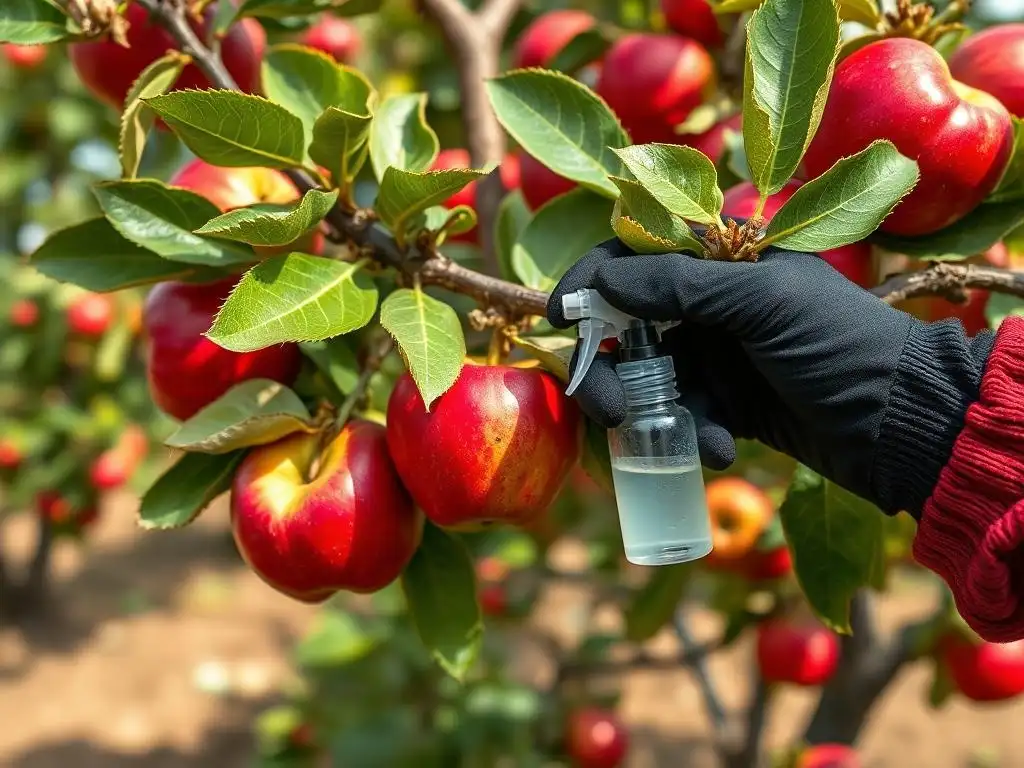
Sustainable practices are crucial in preventing fruit tree diseases and minimizing the need for chemical interventions. By fostering a healthy environment for your trees, you significantly reduce their susceptibility to various pathogens. This proactive approach not only protects your trees but also aligns with environmentally conscious gardening. Adopting these methods can lead to a healthier orchard and a more abundant harvest. Remember, prevention is always better – and cheaper – than cure when it comes to fruit tree health. Identifying common fruit tree diseases early is also key, but let's focus on preventing them in the first place.
Choosing Disease-Resistant Fruit Tree Varieties
Selecting disease-resistant fruit tree varieties is the cornerstone of preventative disease management. Nurseries often provide information on a tree's resistance to common diseases in your region. Look for varieties known for their resilience to local fungal infections, bacterial diseases, and common viral problems. For example, some apple varieties exhibit greater resistance to apple scab than others. Similarly, certain pear cultivars show increased resistance to fire blight.
Researching your local climate and prevalent diseases will guide you towards the best choices for your orchard. Investing time in this research upfront pays dividends in reduced disease issues and long-term tree health. Don't hesitate to consult with local agricultural extension offices or experienced arborists for personalized advice tailored to your specific area. Choosing wisely can save you significant time and effort in the long run.
Proper Planting and Spacing for Disease Prevention
Proper planting and spacing are often overlooked aspects of disease prevention, but they play a vital role. Crowded trees create a humid microclimate, ideal for the proliferation of fungal spores and other pathogens. Adequate spacing ensures good air circulation, reducing humidity and minimizing the risk of disease spread. The recommended spacing varies depending on the mature size of the tree variety. Always follow the nursery's planting guidelines.
Furthermore, ensure proper planting depth to avoid stress on the tree, which can weaken its defenses against diseases. A healthy, well-spaced tree is a more resilient tree. Consider the mature size of your trees and plan accordingly to avoid future issues. This seemingly simple step can significantly reduce the incidence of many common diseases. Proper planting is an investment in your trees' long-term health and yields.
Maintaining Soil Health for Strong Fruit Trees
Healthy soil is the foundation of healthy fruit trees. Nutrient-rich soil provides the trees with the necessary resources to develop strong immune systems, making them more resistant to diseases. Regular soil testing can help determine nutrient deficiencies and guide appropriate fertilization strategies. Avoid over-fertilizing, as this can stress the trees and make them more susceptible to disease. Incorporate organic matter such as compost into the soil to improve drainage, aeration, and nutrient availability. This organic matter also supports beneficial soil microbes that contribute to overall tree health.
Healthy soil is a proactive approach to preventing diseases and promoting robust growth. Consider adding beneficial nematodes to your soil to help naturally control some pests and improve soil health. A thriving soil ecosystem is your best defense against many fruit tree diseases. Think of healthy soil as a natural shield, bolstering your trees' resistance and improving their overall vigor. 🌱
Pruning Techniques to Minimize Disease Risk
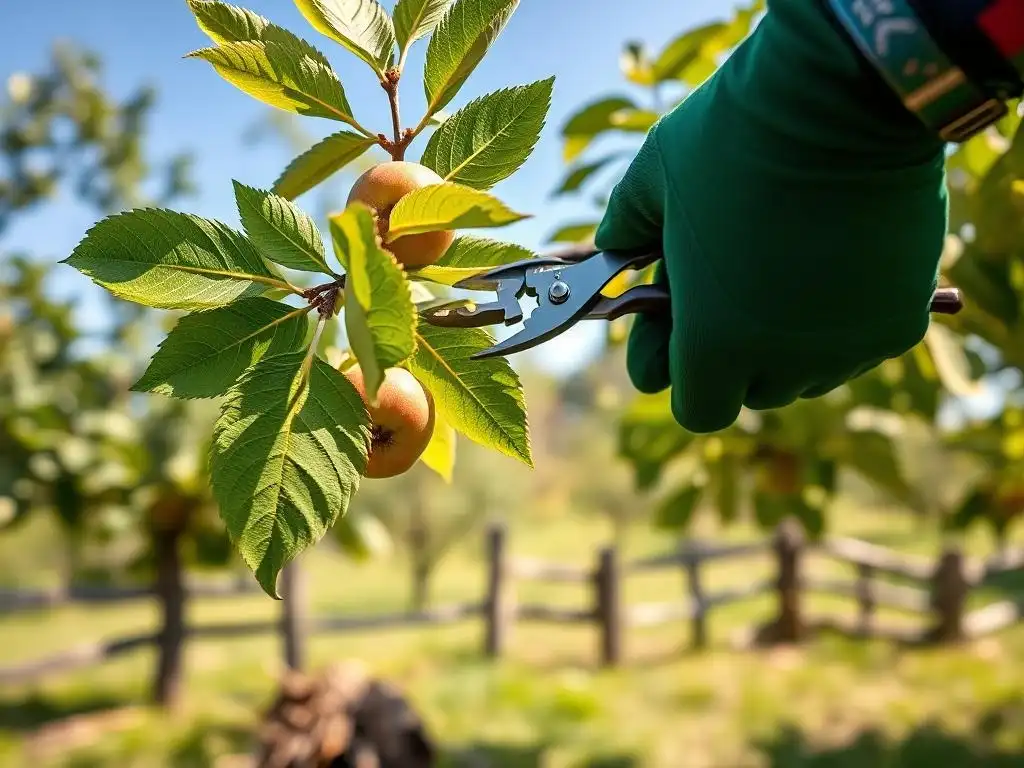
Proper pruning is crucial for preventing many common fruit tree diseases. By removing dead, diseased, or overcrowded branches, you improve air circulation and sunlight penetration within the tree canopy. This creates a less hospitable environment for fungal pathogens and other disease-causing organisms that thrive in damp, shaded conditions. Think of it like opening windows in a house – better airflow prevents mold and mildew.
For example, consider apple scab, a prevalent fungal disease. Apple scab spores require moisture to germinate and infect leaves and fruit. Proper pruning, particularly during the dormant season, helps to reduce the overall humidity within the tree, making it more difficult for the disease to take hold. Removing infected branches promptly and disposing of them properly (burning or bagging) is also essential to prevent the spread of the disease. Furthermore, ensuring that pruning cuts are clean and smooth minimizes entry points for pathogens.
Using sharp, sterilized pruning tools is paramount to avoid introducing infections. Failure to do so can lead to the entry of various opportunistic pathogens that could otherwise be kept at bay. Regular, well-executed pruning – not just aggressive pruning – is key for long-term disease prevention. Over-pruning can weaken the tree and make it more susceptible to disease.
Organic Fertilization for Disease Resistance
Nutrient deficiencies weaken trees, making them more vulnerable to diseases. Organic fertilization strengthens the tree's natural defenses and promotes vigorous growth, enhancing its resistance to pathogens. Avoid using synthetic fertilizers which can disrupt the soil's natural ecosystem and harm beneficial microorganisms that aid in disease suppression. Instead, opt for organic options like compost, aged manure, or cover crops. These provide a slow-release of nutrients, preventing sudden nutrient spikes that can stress the tree. A balanced nutrient profile – sufficient nitrogen, phosphorus, and potassium, along with micronutrients – is particularly important.
For instance, a citrus tree deficient in zinc might be more susceptible to citrus canker. Similarly, a lack of potassium can reduce a tree's resistance to fungal infections. By incorporating organic matter into the soil, you improve its structure, drainage, and water retention capacity. This healthier soil environment allows for better nutrient uptake by the tree's roots, leading to enhanced disease resistance.
Furthermore, the introduction of beneficial soil microbes through composting and other organic practices helps to suppress soilborne pathogens, further reducing the risk of disease. Regular soil testing can help determine specific nutrient deficiencies and guide your fertilization strategy for optimal disease prevention. Remember that a healthy soil is the foundation for a healthy tree, significantly reducing the need for chemical interventions in disease management.
When to Seek Professional Help for Fruit Tree Diseases
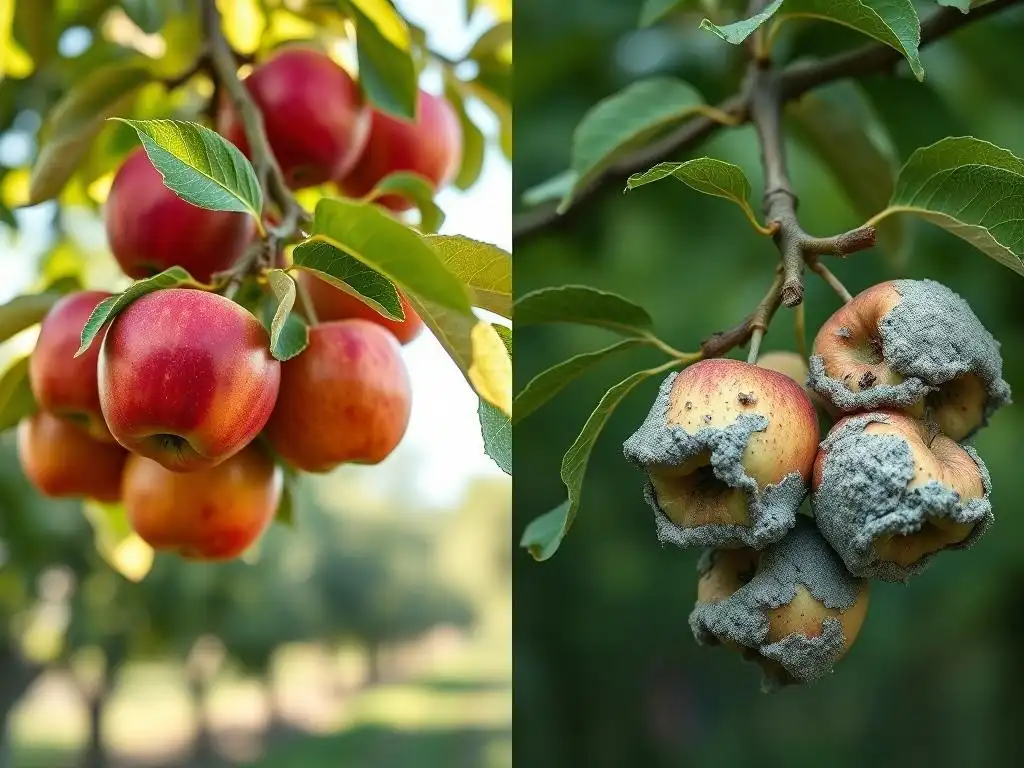
Identifying common fruit tree diseases is a crucial skill for any home grower aiming for a bountiful harvest. While many minor issues can be addressed with home remedies and preventative measures, some diseases require the expertise of a professional. Knowing when to call in the experts can save your trees and prevent the spread of serious infections. This section will help you determine when your DIY approach needs reinforcement from a professional.
Recognizing When Home Remedies Aren't Enough
Early detection is key in managing fruit tree diseases. However, even with diligent monitoring, some situations necessitate professional intervention. Consider seeking professional help if:
- The disease is widespread or severe: A few affected leaves or branches might respond to home treatments like pruning or organic fungicides. But if a significant portion of the tree shows signs of disease, especially if it's affecting the trunk or main branches, professional help is essential. For example, a severe case of fire blight, exhibiting extensive cankers and dieback, rarely responds to home remedies.
- You've tried home remedies without success: After implementing several home treatments (e.g., pruning infected parts, applying organic fungicides, improving drainage) and observing no improvement or even worsening of the condition over several weeks, it's time to consult a professional. This indicates a more complex issue requiring specialized diagnosis and treatment.
- You can't identify the disease: Accurate identification is crucial for effective treatment. If you're unsure of the disease affecting your tree, a professional can provide a proper diagnosis based on symptoms, potentially using laboratory analysis to confirm the pathogen. Misdiagnosis can lead to ineffective treatments and potentially worsen the situation.
- The disease is unusual or new: If you notice symptoms you've never encountered before, or if a disease suddenly appears in your orchard after a period of healthy growth, seeking expert advice is prudent. This could indicate a new or emerging disease requiring specialized management. Unusual symptoms might require more advanced diagnostic tools beyond the scope of a home grower.
- The tree is valuable or irreplaceable: For prized heirloom varieties or trees of sentimental value, it's better to err on the side of caution and seek professional help early on, even for seemingly minor issues. The cost of professional treatment is often outweighed by the value of saving a cherished tree.
Finding Certified Arborists and Horticulturalists
Locating qualified professionals is essential for effective disease management. Look for certified arborists or horticulturalists with experience in fruit tree diseases. These professionals possess the knowledge and skills to accurately diagnose diseases, recommend appropriate treatments, and implement effective management strategies.
Here's what to consider when searching for a professional:
- Certifications and credentials: Verify their qualifications and certifications. Look for certifications from reputable organizations relevant to your region. A certified arborist, for instance, has demonstrated expertise in tree care.
- Experience with fruit trees: Ensure the professional has experience diagnosing and treating diseases specific to fruit trees. Their experience with the types of fruit trees you have is particularly important.
- Reviews and testimonials: Check online reviews and testimonials from previous clients to gauge their level of expertise and customer service. This provides insights into their effectiveness and reliability.
- Sustainable and organic practices: If you prioritize sustainable and organic methods, find a professional who shares this commitment and offers treatments aligned with your values. This ensures the health of your trees and the environment.
Remember, proactive disease management is crucial for maintaining the health and productivity of your fruit trees. While home remedies are valuable tools, knowing when to seek professional assistance is vital for ensuring the long-term success of your home orchard. A timely intervention can often save your trees from significant damage and ensure a healthy and fruitful harvest for years to come.
Resources for Identifying and Treating Fruit Tree Diseases
This section provides valuable resources to help you accurately identify and effectively treat common fruit tree diseases, ensuring a healthy and productive orchard in your backyard. We emphasize sustainable and organic approaches whenever possible, aligning with the CultivateYourFood ethos.
Recommended Books and Online Resources for Home Growers
Identifying common fruit tree diseases accurately requires a keen eye and a wealth of knowledge. Fortunately, numerous resources exist to assist home growers in this crucial aspect of orchard management. Below, we highlight some excellent books and online resources that offer detailed descriptions, high-quality images, and practical advice for diagnosis and treatment.
Many excellent field guides focus on fruit tree diseases specific to your region. These often include detailed photographs and illustrations to aid in visual identification. Look for titles that specifically address the types of fruit trees you cultivate. For example, a guide focusing on apple and pear diseases will be far more useful than a general guide to plant pathology.
Beyond printed materials, several reputable online resources provide invaluable information. Many university extension programs offer detailed fact sheets and online diagnostic tools. These resources often include regional information, making them highly relevant to your specific climate and growing conditions. Look for websites associated with agricultural colleges and universities in your area. They are often a treasure trove of reliable information.
Furthermore, online forums and communities dedicated to home orcharding can be incredibly helpful. Experienced growers often share their insights and photographs of diseased trees, enabling you to compare your observations and gain valuable perspectives. However, always exercise caution and cross-reference information from multiple sources to ensure accuracy. Remember, a misdiagnosis can lead to ineffective or even harmful treatments.
| Resource Type | Example Resource | Benefits | Considerations |
|---|---|---|---|
| Book | The Organic Gardener's Handbook of Pest and Disease Control | Comprehensive coverage of organic pest and disease management techniques. | May require additional research for specific regional diseases. |
| Online University Extension | [University Extension Website - Example Pending] | Region-specific information and often includes diagnostic tools. | Information may vary based on university and geographic location. |
| Online Forums/Communities | [Online Forum Example - Pending] | Peer-to-peer support and access to experienced growers' insights. | Verify information from multiple sources for accuracy. |
Remember to always carefully examine your fruit trees regularly, paying close attention to any unusual spots, discoloration, or wilting. Early detection is key to successful treatment and preventing widespread damage. Early detection is crucial for effective management and minimizing the spread of disease.
Organic Disease Control Products and Suppliers
Once you've identified a disease, choosing the right treatment is paramount. Prioritizing organic methods aligns with sustainable practices and protects beneficial insects and pollinators. This section explores organic disease control products and reliable suppliers.
Many organic products effectively combat common fruit tree diseases. These often utilize natural ingredients such as neem oil, copper fungicides, and potassium bicarbonate. These products target specific pathogens without harming beneficial organisms in your orchard ecosystem. Always follow the product label instructions carefully, paying close attention to application rates and safety precautions. Improper use can be ineffective or even harmful to your trees.
Finding reliable suppliers of organic disease control products is crucial. Look for companies that prioritize quality, transparency, and environmentally friendly practices. Many online retailers specialize in organic gardening supplies, offering a wide selection of products and often providing detailed product information and customer reviews. Local nurseries and garden centers may also offer a selection of organic treatments. It's always a good idea to compare prices and product offerings before making a purchase.
Choosing the right organic treatment requires understanding the specific disease affecting your tree. For example, powdery mildew often responds well to potassium bicarbonate, while bacterial diseases might require a copper-based fungicide. Always read product labels carefully, ensuring the treatment is appropriate for your specific disease and fruit tree type. Consult the resources mentioned earlier to confirm the correct diagnosis before applying any treatment.
Further Considerations for Organic Pest and Disease Control
Remember that preventative measures are just as important as curative treatments. Maintaining good orchard hygiene, providing adequate water and nutrients, and selecting disease-resistant cultivars can significantly reduce the risk of disease outbreaks. A healthy tree is far more resilient to disease than a stressed one.
Remember, a proactive approach to orchard management, combined with access to reliable resources and appropriate organic treatments, is key to cultivating healthy and productive fruit trees. 🍎
Frequently Asked Questions
How can I identify common fruit tree diseases?
Careful observation is key! Look for unusual spots, discoloration, wilting, or growths on leaves, branches, fruit, or the trunk. Use a visual guide or consult a local expert for confirmation.
What are some common diseases affecting apple trees?
Apple trees are susceptible to diseases like apple scab (causing dark spots on fruit and leaves), powdery mildew (a white coating), and fire blight (causing branch dieback). Early detection and treatment are crucial.
What are the best ways to prevent fruit tree diseases?
Proper sanitation is vital – remove fallen leaves and fruit. Ensure good air circulation around your trees by proper spacing and pruning. Choose disease-resistant varieties whenever possible.
How can I treat fruit tree diseases organically?
Organic treatments include using neem oil for many fungal diseases and kaolin clay for protection. Copper fungicides can also be used, but follow label instructions carefully.
When should I prune my fruit trees to help prevent disease?
Pruning during dormant season (late winter or early spring) is best for disease prevention. Remove any dead, damaged, or diseased branches to improve air circulation and sunlight penetration.
Final Reflection: Cultivating Healthier Harvests, One Diagnosis at a Time
Recognizing and treating fruit tree diseases isn't just about saving a crop; it's about safeguarding the future of our food systems. The ability to accurately identify common ailments, as detailed in this visual guide, is crucial for both seasoned gardeners and enthusiastic beginners alike. Early detection and appropriate intervention can mean the difference between a bountiful harvest and a devastating loss.
The impact of healthy fruit trees extends far beyond the individual garden. They contribute to biodiversity, support local ecosystems, and provide a vital source of nourishment for communities. The knowledge shared here empowers individuals to become active participants in preserving this vital resource. The earth laughs in flowers.
– Ralph Waldo Emerson. This simple truth highlights the interconnectedness of our actions and the health of the natural world, emphasizing the importance of nurturing our fruit trees as a vital part of that ecosystem.
Now, consider your own fruit trees, or even the ones you see in your neighborhood. Take a moment to observe them closely. Are there any signs of disease? Armed with the knowledge gained from this guide, you are now better equipped to identify potential problems and take proactive steps to ensure a healthy and thriving orchard, whether it's a single tree in your backyard or a larger community garden. Let's work together to cultivate healthier harvests for generations to come.
Unveil Healthier Harvests: Take Action Now!
Thank you for learning about common fruit tree diseases! We hope this visual guide has given you the knowledge to keep your orchard thriving. Now it's time to put that knowledge into practice.
- Identify a potential problem: Carefully examine your trees, focusing on the symptoms discussed. Determine the most likely disease affecting your fruit trees.
- Document your observations: Take detailed photos of any affected areas. This will help you track progress and, if needed, consult with local experts or agricultural extension services.
- Share your experience and learn from others: Join our CultivateYourFood community forum and share your findings, or any questions you may have. Let's learn from each other!
Ready to give your fruit trees the care they deserve? What's the first step you will take to ensure a bountiful harvest this year?