
Vertical Gardening with Ferns: Adding a Touch of Elegance

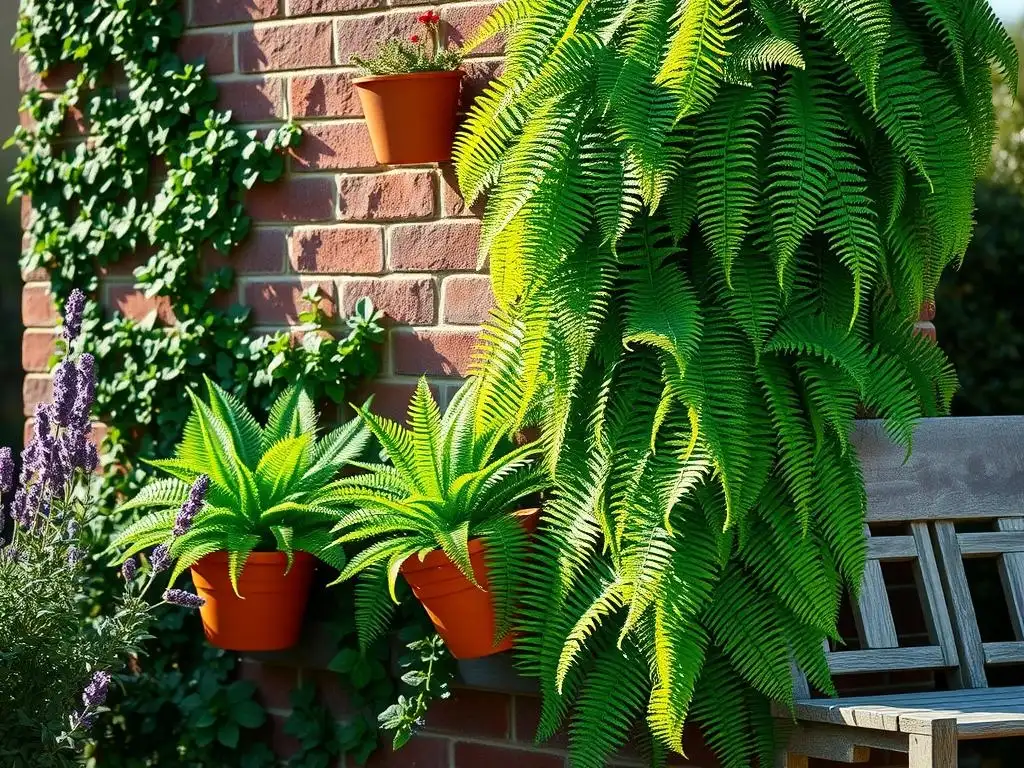
Welcome to CultivateYourFood, your guide to nurturing a thriving garden, no matter the space! Are you dreaming of a lush, verdant oasis but limited by square footage? Then prepare to be inspired by our exploration of vertical fern garden ideas. Discover how to transform even the smallest corner into a thriving ecosystem, brimming with the elegance of ferns and the satisfaction of homegrown bounty. Let's embark on this journey together and cultivate your own slice of paradise!
- Why Choose Ferns for Vertical Gardening?
- Planning Your Vertical Fern Garden: Choosing the Right Ferns and Setup
- Creating Your Vertical Fern Garden: A Step-by-Step Guide
- Maintaining Your Thriving Vertical Fern Garden: Care Tips
- Harvesting and Propagating Your Ferns
- Design Ideas for Stunning Vertical Fern Gardens
- Advanced Vertical Fern Gardening Techniques
- Frequently Asked Questions
- Final Reflection: Cultivating Green Walls, Cultivating Ourselves
- Unleash Your Inner Green Thumb: Grow Gorgeous Ferns!
Why Choose Ferns for Vertical Gardening?
Ferns, often overlooked in the realm of home gardening, offer a surprisingly versatile and elegant solution for vertical gardening enthusiasts, especially those working with limited space. This article explores the unique advantages of incorporating ferns into your vertical garden, providing practical ideas and highlighting the aesthetic and practical benefits they bring. From their lush, textured foliage to their relatively low-maintenance nature, ferns provide a sophisticated and rewarding addition to any vertical gardening project, seamlessly blending beauty and practicality. We'll delve into specific vertical fern garden ideas, focusing on maximizing space and minimizing effort while achieving a stunning visual impact. Whether you're a seasoned gardener or a beginner, this guide will empower you to create a thriving and visually appealing vertical fern garden that enhances your home and promotes sustainable, organic practices. Let's explore the world of vertical fern gardening and discover how these often-underestimated plants can transform your small space.
The Beauty and Versatility of Ferns in Vertical Spaces
Ferns bring an undeniable elegance to any garden setting, and their adaptability makes them perfect candidates for vertical gardening. Their delicate, often feathery fronds create a lush, textured backdrop that contrasts beautifully with other plants or hardscaping elements. The variety within the fern family is astounding; from the cascading fronds of the Boston fern to the more compact and upright growth habit of sword ferns, there's a fern species to suit almost any vertical garden design. Their ability to thrive in various light conditions (though most prefer partial shade) further expands their versatility. Consider these visual aspects:
- Textural Contrast: The soft, feathery texture of ferns contrasts beautifully with the harder lines of a vertical structure, adding visual interest and depth.
- Color Palette: Many ferns offer a wide range of greens, from light and airy to deep and rich, allowing you to create a visually harmonious or boldly contrasting vertical garden.
- Cascading Effect: Certain fern varieties, like the Boston fern, lend themselves beautifully to cascading down from hanging planters or shelves, creating a dramatic and eye-catching display.
Low-Maintenance Vertical Fern Garden Ideas
One of the most appealing aspects of using ferns in a vertical garden is their relatively low-maintenance nature. This doesn't mean they require no care, but their needs are generally less demanding than many flowering plants. Here are some low-maintenance vertical fern garden ideas to inspire you:
- Repurposed Shelves: Transform old bookshelves or wooden pallets into vertical fern displays. Simply line the shelves with moss or coco coir to retain moisture and plant your ferns directly into pots or hanging baskets.
- Hanging Baskets: Hanging baskets are a classic choice for vertical gardening, and ferns thrive in this environment. Choose a basket with good drainage and use a well-draining potting mix specifically formulated for ferns.
- Wall-Mounted Planters: Wall-mounted planters offer a space-saving and visually appealing way to incorporate ferns into your vertical garden. Select planters that are lightweight yet durable and provide adequate drainage.
- Vertical Garden Towers: Vertical garden towers made of recycled materials or purchased commercially provide a structured and aesthetically pleasing backdrop for a variety of fern species.
Benefits of Vertical Fern Gardening for Small Spaces
Vertical gardening is an excellent solution for maximizing space in small gardens, balconies, or even indoor environments. Ferns, with their relatively compact growth habit (depending on the species), perfectly complement this approach. The benefits are numerous:
- Space Optimization: Vertical gardening allows you to grow more plants in a smaller area compared to traditional ground-level gardening. Ferns, especially those with a more upright growth habit, are ideal for stacking and maximizing vertical space.
- Improved Air Circulation: Vertical gardens generally offer better air circulation than ground-level gardens, reducing the risk of fungal diseases that can affect ferns.
- Enhanced Aesthetics: A well-designed vertical fern garden can dramatically enhance the aesthetic appeal of a small space, transforming a cramped area into a lush and inviting oasis. The cascading effect of certain ferns can particularly add a touch of elegance to smaller spaces.
- Sustainable Practices: Vertical gardening often promotes sustainable practices by minimizing the use of land and resources. Growing ferns organically further enhances the sustainability of your vertical garden.
Planning Your Vertical Fern Garden: Choosing the Right Ferns and Setup
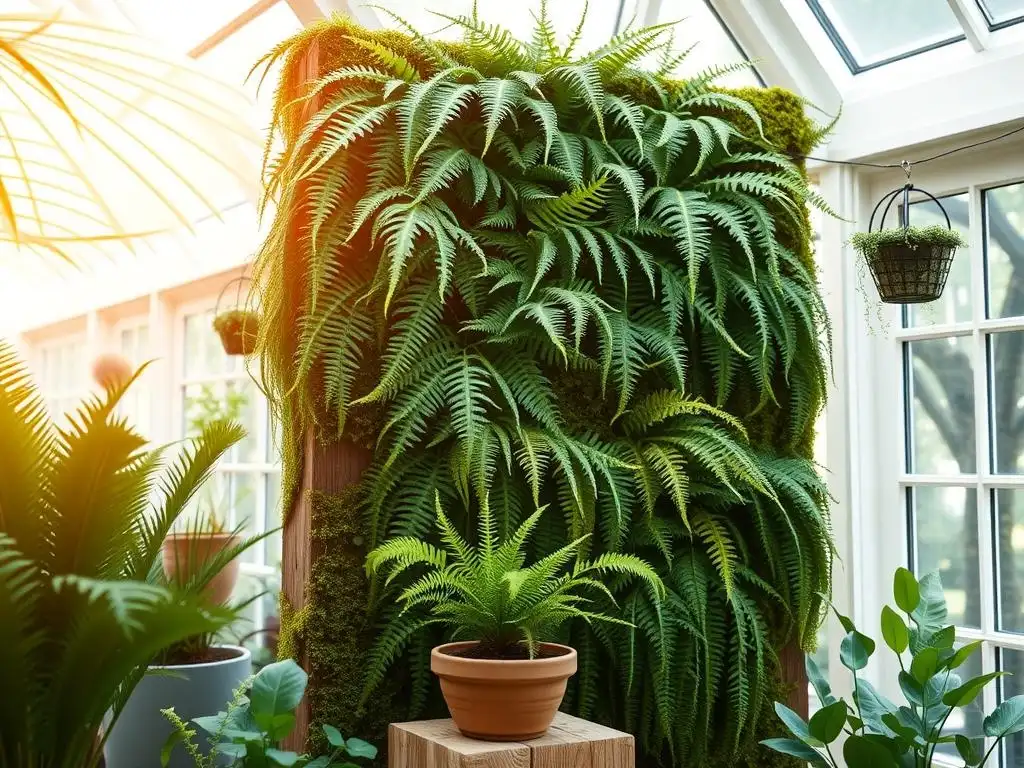
This section delves into the crucial first steps of creating a thriving vertical fern garden. Success hinges on selecting the appropriate fern species and designing a suitable structure. Let's explore these key aspects for your "Vertical fern garden ideas."
Selecting the Perfect Fern Species for Vertical Gardening
Not all ferns are created equal when it comes to vertical gardening. Some species thrive in hanging baskets, while others prefer the support of a wall-mounted system. Consider these factors when choosing your ferns:
- Light Tolerance: Many ferns prefer dappled shade or indirect light. Avoid placing sun-sensitive ferns in direct sunlight, which can scorch their fronds. Species like Asplenium nidus (Bird's Nest Fern) tolerate low light conditions better than others. Conversely, Nephrolepis exaltata (Boston Fern) prefers bright, indirect light.
- Moisture Requirements: Ferns need consistently moist soil, but not waterlogged conditions. Choose ferns that match the watering capabilities of your chosen vertical system. For instance, self-watering planters are ideal for ferns with higher moisture needs.
- Size and Growth Habit: Consider the mature size of the fern and its growth habit. Trailing ferns, like Davallias (Rabbit's Foot Ferns), are perfect for hanging baskets, while upright ferns might be better suited for wall-mounted systems.
- Hardiness: Select ferns that are appropriate for your climate. Some ferns are more cold-hardy than others. Research the hardiness zones for your area before selecting your plants.
Here's a table comparing the suitability of a few popular fern species for vertical gardening:
| Fern Species | Light Tolerance | Moisture Needs | Growth Habit | Suitability for Vertical Gardening |
|---|---|---|---|---|
| Asplenium nidus | Low | High | Upright | Excellent, especially in low-light areas |
| Nephrolepis exaltata | Bright Indirect | High | Trailing/Upright | Excellent, but needs bright indirect light |
| Pteris cretica | Medium | Medium | Upright | Good, adaptable to various conditions |
| Adiantum raddianum | Medium | High | Trailing | Excellent in hanging baskets |
| Davallias (Rabbit's Foot) | Medium | Medium | Trailing | Excellent in hanging baskets |
Remember to check the specific needs of the individual fern varieties you choose, as there can be variations even within species.
Essential Considerations for Light and Humidity
Maintaining the right light and humidity levels is paramount for the success of your vertical fern garden. Ferns, being rainforest inhabitants, generally prefer high humidity. Here are some key strategies:
- Light: Avoid direct sunlight, which can quickly dry out the ferns and scorch their fronds. East- or north-facing walls or areas with dappled shade are ideal. Consider using sheer curtains to diffuse bright light.
- Humidity: Increase humidity using various techniques:
- Grouping plants: Clustering your ferns together creates a microclimate with higher humidity.
- Pebble trays: Place the pots on a tray filled with pebbles and water; the evaporating water will increase humidity.
- Humidifiers: For drier climates, a small humidifier can be beneficial, especially during winter months.
- Regular misting: Misting the ferns regularly with water can help maintain humidity, but ensure you don't overwater the soil.
Monitoring your ferns for signs of dryness (crisp fronds, browning tips) or overwatering (yellowing, limp fronds) is crucial for adjusting your watering and humidity strategies. Regular observation is key to maintaining a healthy vertical fern garden.
Choosing the Right Vertical Gardening Structure: Options and Materials
The structure you choose will significantly impact your vertical fern garden's success. The right structure provides adequate support, drainage, and access for watering and maintenance.
Several options exist, each with its own advantages and disadvantages:
- Hanging Baskets: These are a classic choice, offering excellent drainage and allowing trailing ferns to cascade beautifully. Choose baskets made from materials that won't rot easily, such as terracotta, plastic, or metal.
- Wall-Mounted Planters: These provide a more structured approach, ideal for upright ferns or creating a vertical wall of greenery. Consider using lightweight materials like wood or plastic to avoid stressing your walls.
- Vertical Planters with Pockets: These are modular systems with individual pockets for each plant. They often come in various sizes and materials, offering flexibility in design.
- Repurposed Items: Get creative! Old ladders, pallets, or even shelves can be transformed into unique vertical fern gardens. Ensure that any repurposed materials are cleaned and treated appropriately to prevent rot or pest infestations.
When selecting materials, prioritize durability, water resistance, and ease of maintenance. Consider the weight of the plants and the structure's ability to support them. Good drainage is also vital to prevent root rot. A well-planned structure is the foundation of a thriving vertical fern garden. Remember to always prioritize safety when installing your vertical garden.
Creating Your Vertical Fern Garden: A Step-by-Step Guide
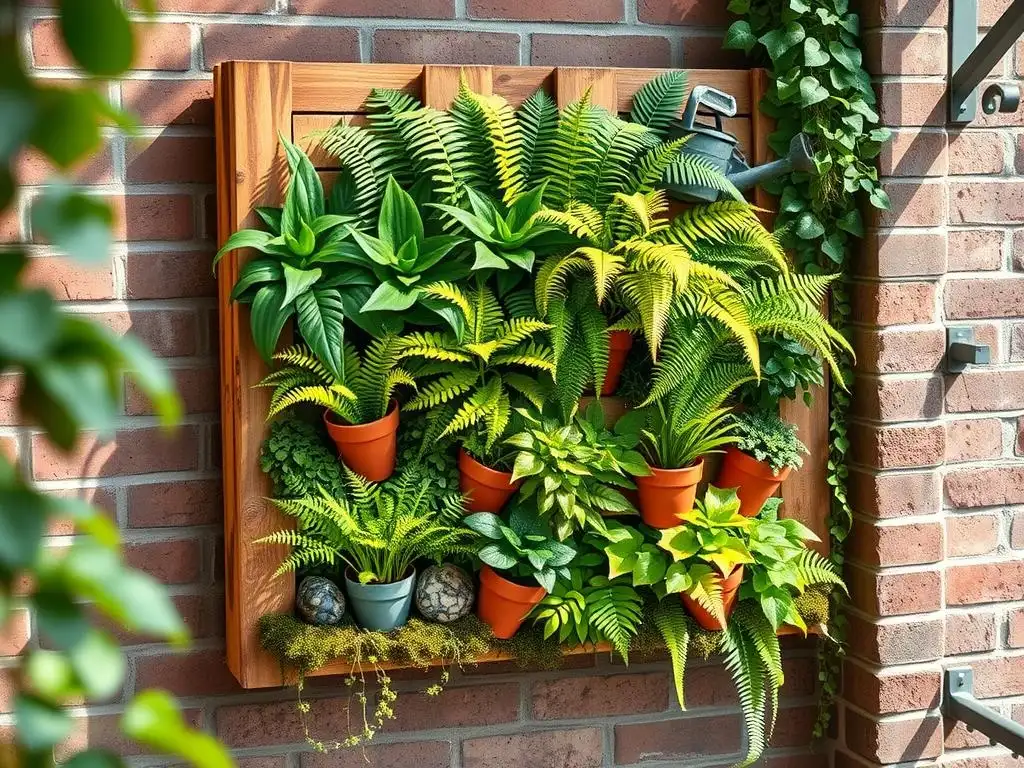
This section details the practical steps involved in establishing a thriving vertical fern garden, offering specific advice for successful cultivation. Remember, careful planning and execution are key to achieving a lush and elegant vertical fern display. We'll cover everything from choosing the right structure to selecting and planting your ferns. Let's get started!
Step 1: Preparing Your Chosen Vertical Structure
Before you even think about ferns, the foundation of your vertical fern garden – the structure itself – needs careful preparation. The success of your vertical fern garden hinges on providing the right environment. This means considering factors like material, drainage, and overall stability.
Several options exist for vertical structures, each with its own advantages and disadvantages. Repurposed materials are particularly appealing for sustainable gardening. For instance, a pallet vertical garden offers a rustic charm, while upcycled shelving units provide a more modern aesthetic. Regardless of your choice, ensuring adequate drainage is paramount. Stagnant water is a fern's worst enemy, leading to root rot and eventual plant death.
To prepare your chosen structure:
- Clean thoroughly: Remove any dirt, debris, or old paint. A thorough cleaning prevents the introduction of pests or diseases.
- Assess drainage: Ensure there are sufficient drainage holes. If using a pallet, you might need to drill additional holes to prevent waterlogging. For other structures, consider lining the planting pockets with a permeable material like landscape fabric to further aid drainage.
- Prepare planting pockets: Depending on your chosen structure, you'll need to create individual planting pockets for each fern. These can be created using fabric pots, plastic containers with drainage holes, or even by simply dividing sections within the structure. Ensure each pocket is large enough to accommodate the fern's root ball and allow for growth.
Remember to choose a location that receives dappled shade; ferns generally thrive in areas that avoid direct, harsh sunlight.
Step 2: Selecting and Preparing Your Fern Plants
Choosing the right fern species is crucial for a successful vertical garden. Consider the size and growth habit of the fern, selecting varieties suitable for vertical spaces. Some ferns, such as Asplenium nidus (Bird's Nest Fern) or Platycerium (Staghorn Fern), lend themselves well to vertical arrangements due to their unique growth patterns.
Before planting, inspect each fern for signs of disease or pests. Gently remove any dead or damaged fronds. If you're transplanting ferns from pots, carefully loosen the root ball to encourage healthy root growth in the new vertical structure. Avoid damaging the delicate roots during this process. Gently tease apart the roots if they are tightly bound.
Here's a table comparing some popular fern varieties for vertical gardens:
| Fern Variety | Light Requirements | Water Needs | Mature Size | Growth Habit |
|---|---|---|---|---|
| Asplenium nidus | Shade | Moderate | Medium to Large | Upright |
| Platycerium | Shade | Moderate | Medium to Large | Antler-like |
| Adiantum pedatum | Shade | Moderate | Medium | Spreading |
| Dryopteris erythrosora | Partial Shade | Moderate | Medium | Bushy |
Remember to select ferns that are appropriately sized for your vertical structure. Overcrowding can lead to competition for resources and hinder growth.
Step 3: Planting Your Ferns in the Vertical Structure
With your structure prepared and ferns selected, it's time for planting! This process requires a gentle touch to avoid damaging the delicate fern roots.
First, fill each planting pocket with a well-draining potting mix specifically formulated for ferns. A peat-based mix is often recommended, ensuring good moisture retention while still allowing for adequate drainage. Avoid using heavy clay soils.
Next, carefully place each fern into its designated pocket, ensuring the root ball is completely covered with the potting mix. Gently firm the soil around the base of the plant to ensure stability. Avoid compacting the soil too tightly, as this can restrict root growth.
Finally, water thoroughly after planting. This helps settle the soil and provides the ferns with the moisture they need to establish themselves. Consistent watering is key, especially during the initial establishment phase. Monitor the moisture levels regularly, avoiding both overwatering and underwatering. Remember that a well-draining structure is crucial to prevent root rot, a common issue in vertical gardens. Regularly check for signs of pests and diseases and take appropriate action if needed. Enjoy your elegant and thriving vertical fern garden! 🎉
Step 4: Watering and Maintaining Your Vertical Fern Garden
Maintaining the health and vibrancy of your vertical fern garden requires consistent attention to watering and ongoing maintenance. Ferns, while relatively low-maintenance, thrive in consistently moist but not soggy environments. Overwatering can lead to root rot, a common problem in vertical gardens where drainage can be less efficient than in traditional ground plantings. Conversely, underwatering will result in wilting and browning fronds, significantly impacting the aesthetic appeal of your garden.
The frequency of watering will depend on several factors, including the type of fern, the size of your vertical garden, the material used for the structure, and the ambient temperature and humidity. In warmer climates or during periods of intense sun exposure, you'll likely need to water more frequently, perhaps even daily. During cooler, more humid periods, watering every other day or even less frequently might suffice. Always check the moisture level of the growing medium before watering. Stick your finger a couple of inches into the soil; if it feels dry, it's time to water.
The best way to water a vertical fern garden is to use a gentle, slow drip method. This allows the water to penetrate the growing medium thoroughly and minimizes the risk of runoff and leaching of nutrients. Avoid using a forceful spray, as this can dislodge the delicate ferns or damage their fronds.
Consider using a watering can with a rose head or a drip irrigation system for consistent and efficient watering. If you notice water pooling at the bottom of your vertical garden, adjust your watering frequency to prevent root rot. Regularly inspect your garden for signs of pests or diseases and address any issues promptly.
Beyond watering, regular maintenance is crucial for a thriving vertical fern garden. This includes removing any dead or yellowing fronds to encourage new growth and maintain the overall aesthetic appeal. You might also need to prune back overly vigorous ferns to prevent them from overcrowding other plants. Fertilizing your ferns periodically with a balanced, water-soluble fertilizer diluted to half strength will provide essential nutrients for healthy growth.
Remember to always follow the manufacturer's instructions for fertilizer application. Finally, cleaning your vertical garden occasionally will help prevent the build-up of dust and debris, allowing the ferns to receive adequate sunlight and air circulation. A little regular attention will keep your vertical fern garden looking its best and ensure its longevity.
Maintaining Your Thriving Vertical Fern Garden: Care Tips
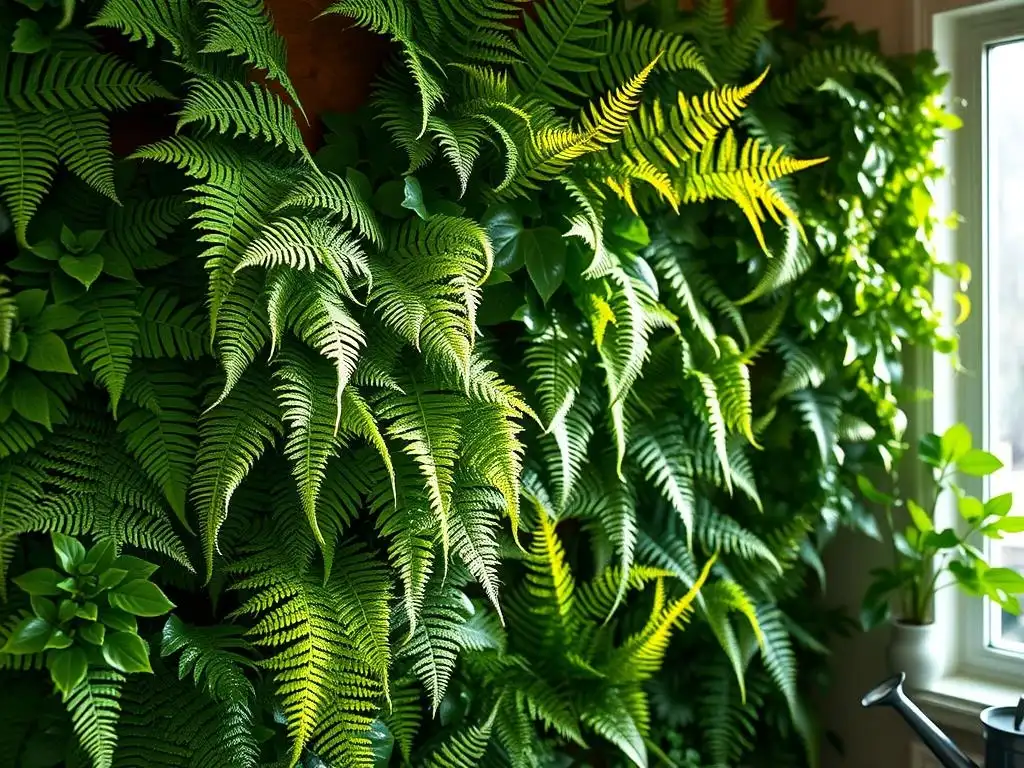
Maintaining a lush and healthy vertical fern garden requires consistent attention to detail. Unlike sprawling ground-level ferns, vertical arrangements necessitate a slightly different approach to watering, fertilizing, and pest control. This section will provide you with the specific techniques needed to keep your vertical fern garden thriving. Remember, consistent care is key to achieving a beautiful and vibrant display of these elegant plants. This guide will explore the nuances of caring for your vertical fern garden, ensuring its long-term health and aesthetic appeal. Let's delve into the specifics.
Watering Techniques for Vertical Fern Gardens
Watering a vertical fern garden differs significantly from watering traditional garden beds. The key is to prevent both underwatering and overwatering, both of which can quickly damage your ferns. Overwatering leads to root rot, a common problem in vertical gardens where drainage can be limited. Underwatering, on the other hand, results in wilting and stunted growth.
Here's a breakdown of effective watering strategies:
- Frequency: The frequency of watering depends on several factors, including the type of fern, the size of your vertical garden, the material of your structure, and the ambient temperature and humidity. Generally, aim for watering when the top inch or two of the growing medium feels dry to the touch. During hotter, drier periods, you may need to water more frequently—perhaps even daily.
- Method: Avoid simply pouring water from the top; this can lead to runoff and uneven moisture distribution. Instead, consider using a bottom-up watering method. If your vertical garden allows, water from the bottom reservoir or use a drip irrigation system for more precise and efficient watering. This ensures even moisture penetration throughout the growing medium.
- Water Quality: Use rainwater whenever possible, as it’s naturally soft and lacks the chlorine and other chemicals often found in tap water, which can harm sensitive ferns. If using tap water, allow it to sit overnight to allow chlorine to dissipate.
Fertilizing Your Vertical Ferns for Optimal Growth
Ferns, while not heavy feeders, still require regular fertilization to maintain optimal growth and vibrant foliage. However, over-fertilizing can be detrimental, so a balanced approach is crucial. Using a diluted liquid fertilizer specifically formulated for ferns is recommended.
Here's a simple fertilization plan:
- Frequency: Fertilize your vertical fern garden every 2-4 weeks during the growing season (spring and summer). Reduce fertilization frequency during the fall and winter months, as growth slows down.
- Type: Opt for a balanced, water-soluble fertilizer with a lower nitrogen content. High nitrogen can encourage leggy growth and reduce the overall aesthetic appeal of your ferns. A balanced NPK ratio (e.g., 10-10-10) is generally suitable. Consider organic options, aligning with the sustainable practices promoted on CultivateYourFood.
- Application: Always dilute the fertilizer to half the recommended strength on the product label to avoid burning the delicate fern roots. Apply the diluted fertilizer directly to the growing medium, ensuring even distribution. Avoid getting fertilizer directly on the fronds.
Pest and Disease Control in Your Vertical Fern Garden
While ferns are generally relatively pest-resistant, they can still be susceptible to certain pests and diseases, especially in a vertical garden environment where air circulation might be restricted. Early detection and prevention are key to maintaining a healthy vertical fern garden.
Here are some common issues and their solutions:
| Pest/Disease | Symptoms | Control Methods |
|---|---|---|
| Spider mites | Fine webbing on fronds, yellowing leaves | Regularly inspect fronds, use insecticidal soap or neem oil if infestation occurs. |
| Mealybugs | White, cottony masses on stems and fronds | Manually remove mealybugs or use insecticidal soap. |
| Fungal diseases | Brown spots, wilting, leaf discoloration | Improve air circulation, avoid overwatering, use a fungicide if necessary. |
| Root rot | Yellowing leaves, wilting, soft stems | Improve drainage, avoid overwatering, repot if necessary using well-draining soil. |
Regular inspection is crucial for early detection. Addressing issues promptly will prevent widespread damage and help maintain the health and beauty of your vertical fern garden. Remember to always choose organic and environmentally friendly pest and disease control methods whenever possible, aligning with the sustainable ethos of CultivateYourFood. 🌱
Troubleshooting Common Vertical Fern Gardening Problems
Vertical fern gardening, while aesthetically pleasing, presents unique challenges. Understanding and addressing these issues proactively is crucial for maintaining a healthy and vibrant display. Let's delve into some common problems and their solutions.
One frequent issue is overwatering. Ferns, while enjoying moisture, are susceptible to root rot in overly saturated environments. In a vertical setup, excess water can pool at the bottom, leading to stagnant conditions ideal for fungal growth. Signs of overwatering include yellowing or browning fronds, mushy stems, and a foul odor emanating from the soil. To remedy this, ensure your vertical garden has adequate drainage.
Consider using a well-draining potting mix specifically formulated for ferns, and avoid overwatering. Allow the top inch or two of soil to dry out between waterings. Regularly check for water accumulation at the bottom of your planter and empty it as needed. Improving air circulation around the plants can also help prevent overwatering issues.
Another common problem is insufficient light. While many ferns thrive in shade, they still require some indirect sunlight. In a vertical garden, particularly those placed indoors, ferns may struggle to receive enough light. The symptoms of insufficient light include pale, leggy growth, and fewer new fronds.
To address this, carefully monitor the light levels your ferns receive. If necessary, supplement with grow lights, strategically positioning them to provide adequate illumination without burning the delicate fronds. Regularly rotate your vertical garden to ensure even light exposure to all plants. Consider the positioning of your vertical garden in relation to windows and natural light sources.
Pest infestations can also significantly impact the health of your vertical fern garden. Common pests include aphids, mealybugs, and spider mites. These pests can suck the sap from the ferns, leading to stunted growth, yellowing leaves, and overall weakening of the plants. Early detection is key. Regularly inspect your ferns for any signs of infestation.
For small infestations, you can often manually remove pests using a cotton swab dipped in rubbing alcohol or insecticidal soap. For larger infestations, consider using organic pest control methods, such as introducing beneficial insects or using neem oil. Always follow the instructions carefully when using any pest control product. Remember to regularly check for re-infestations.
Finally, nutrient deficiencies can manifest in various ways. Ferns require a balanced supply of nutrients to thrive. If your ferns are exhibiting signs of poor growth, such as yellowing leaves or stunted development, they may be lacking essential nutrients. Regular fertilization with a balanced, slow-release fertilizer specifically formulated for ferns can help prevent this problem. Avoid over-fertilizing, as this can also damage the plants.
You can also improve soil health by incorporating organic matter such as compost. This will provide a slow release of nutrients and improve drainage. Observe your ferns closely and adjust your fertilization strategy accordingly. Consider soil testing to determine specific nutrient deficiencies.
Harvesting and Propagating Your Ferns
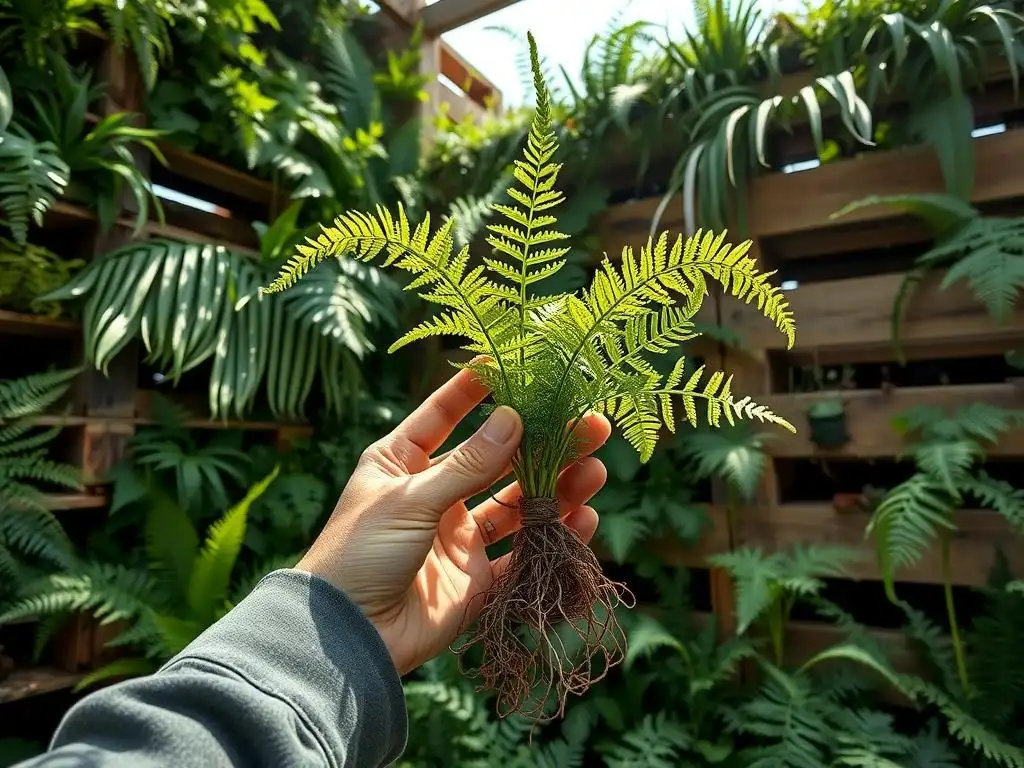
Vertical fern gardens offer a unique aesthetic, but their longevity depends on successful propagation. Understanding how to harvest and propagate ferns is crucial for maintaining a thriving vertical display year after year. This section details two primary methods: spore propagation and division of mature plants, both offering distinct advantages for expanding your vertical fern garden. Successful propagation ensures the continued beauty and sustainability of your vertical fern garden, a key aspect of sustainable gardening practices.
Harvesting Spores for Propagation
Spore propagation, while requiring patience, offers a rewarding method for increasing your fern collection. Ferns reproduce through spores, tiny dust-like particles found on the underside of their fronds. These spores, unlike seeds, don't contain an embryo; instead, they develop into a gametophyte, a small, heart-shaped structure that eventually produces the fern plant.
To harvest spores, select healthy, mature fronds displaying fully developed sori (clusters of spore cases). These sori often appear as brown or reddish-brown bumps on the underside of the fronds. Gently brush the underside of a frond over a piece of clean paper or a shallow container. The spores will fall onto the surface, creating a fine, powdery layer.
Store the collected spores in a cool, dry, dark place in an airtight container until ready for propagation. Proper storage ensures spore viability, a critical step for successful propagation of your vertical fern garden. Remember, patience is key; spore germination can take several weeks, even months.
Dividing Mature Ferns for Propagation
Dividing mature ferns provides a quicker method for propagation compared to spore harvesting. This technique involves separating established fern clumps into smaller, independent plants. This method is particularly effective with rhizomatous ferns, those that spread via underground stems.
Before division, carefully remove the fern from its pot or from the ground. Gently loosen the root ball, separating the clump into smaller sections, each with its own roots and several fronds. Ensure each division has a healthy root system to support its growth. Replant these divisions into individual pots or directly into your vertical garden structure, ensuring adequate spacing for growth. This method is ideal for quick expansion of your vertical fern garden, allowing for immediate visual impact. The success of this method depends on careful handling to avoid damaging the delicate root system.
Creating New Vertical Fern Gardens from Propagated Plants
Once you've successfully propagated your ferns through spores or division, it's time to establish new vertical gardens. Planning is crucial here. Consider the size and growth habit of your ferns when selecting a vertical structure. Ensure adequate spacing to prevent overcrowding and allow for air circulation, which helps prevent fungal diseases. Use a well-draining potting mix specifically formulated for ferns, as they prefer moist but not waterlogged conditions.
When planting, carefully position the propagated ferns, ensuring their roots are nestled comfortably in the planting medium. Water gently after planting, avoiding overwatering. Regular monitoring is vital to ensure consistent moisture levels and prevent the drying out of the potting mix. The success of your new vertical fern gardens hinges on providing the right environment – sufficient light (avoid direct sunlight), consistent moisture, and appropriate spacing. Regular fertilization with a balanced, slow-release fertilizer can further enhance growth and vibrancy, adding to the overall aesthetic appeal of your vertical fern garden. Enjoy the elegant, thriving vertical gardens you've cultivated!
Design Ideas for Stunning Vertical Fern Gardens
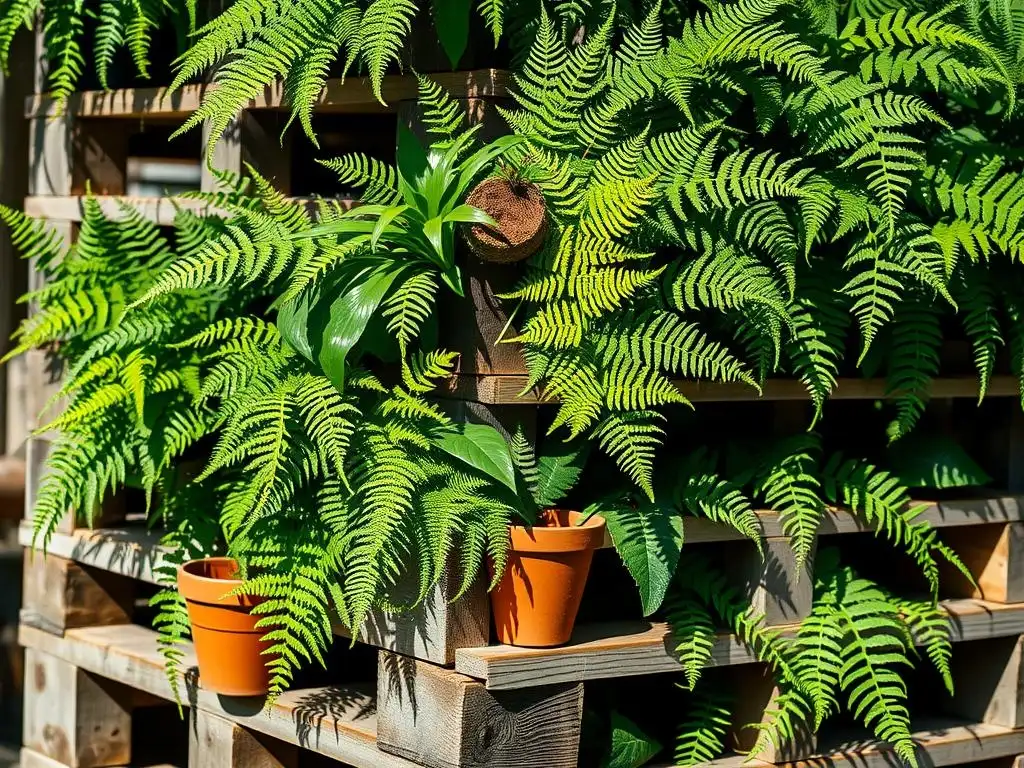
This section explores creative and practical approaches to designing breathtaking vertical fern gardens, catering to various spaces and preferences. We'll delve into specific design elements that maximize aesthetic appeal while ensuring the ferns thrive. Remember, successful vertical fern gardening hinges on understanding the specific needs of your chosen fern species – light, moisture, and air circulation are key. Let's explore some inspiring "vertical fern garden ideas" to transform your home and outdoor areas.
Elegant Vertical Fern Garden Designs for Patios and Balconies
Patios and balconies offer excellent opportunities for creating stunning vertical fern displays. Utilizing hanging planters, wall-mounted trellises, and even repurposed items can dramatically enhance the space. Consider incorporating a variety of fern types with differing textures and colors to add visual interest.
For instance, a tiered hanging planter system allows for the cascading effect of ferns like Asplenium nidus (Bird's Nest Fern) and Nephrolepis exaltata (Boston Fern), creating a lush and verdant focal point. The cascading nature of these ferns complements the vertical design beautifully. Remember to choose planters with adequate drainage holes to prevent root rot. Regular watering is crucial, especially during hot and dry periods. Consider using self-watering planters for added convenience and to maintain consistent moisture levels.
A wall-mounted trellis provides another elegant solution. Attaching smaller pots or pockets to the trellis allows for a more structured and controlled arrangement. This method is particularly suitable for smaller fern varieties or those that require more support. Alternatively, you could create a living wall using a specialized system designed for vertical gardening. This offers a high-density planting solution, creating a truly immersive experience. Careful consideration of light exposure is vital for this setup to ensure the ferns receive adequate but not excessive sunlight.
Integrating Ferns into Existing Vertical Gardens
Adding ferns to an existing vertical garden structure is a simple yet effective way to enhance its overall aesthetic appeal and biodiversity. The key is selecting ferns that complement the existing plants in terms of light and water requirements. Avoid overcrowding to ensure adequate air circulation and prevent competition for resources.
For example, if your existing vertical garden features drought-tolerant succulents, you might integrate smaller, less water-intensive fern varieties like Pellaea rotundifolia (Roundleaf Fern) or Adiantum raddianum (Delta Maidenhair Fern). These ferns will thrive in drier conditions compared to other, more moisture-loving species. Conversely, if your vertical garden is composed of moisture-loving plants, you have a wider range of fern options to choose from, including the aforementioned Bird's Nest and Boston ferns.
Remember to carefully consider the growth habits of both the existing plants and the ferns you intend to introduce. Fast-growing ferns might quickly outgrow their allocated space, potentially overshadowing other plants. Regular pruning and maintenance are essential to prevent this issue and maintain a balanced, visually appealing vertical garden.
Creative Vertical Fern Garden Designs for Indoor Spaces
Indoor vertical fern gardens bring a touch of nature's tranquility to interior spaces. Here, creativity knows no bounds. Repurposed items like old ladders, bookshelves, or even pallet walls can be transformed into unique vertical fern displays.
Consider using a repurposed ladder to create a charming rustic display. Simply place small hanging planters or pots along the rungs, choosing ferns of varying heights and textures for a visually engaging arrangement. Ensure the ladder is stable and securely positioned to prevent accidents. Regular misting might be necessary to maintain humidity levels, especially during winter months.
A vertical herb garden can be enhanced by carefully integrating ferns. The ferns' delicate foliage contrasts beautifully with the more robust herbs. However, ensure the ferns have enough space and don't compete with the herbs for sunlight and water. Proper spacing and careful selection of compatible species are vital. This creative approach combines practicality and aesthetics, providing both fresh herbs and a calming green backdrop.
Remember, successful indoor vertical fern gardening requires attention to light levels, humidity, and consistent watering. Consider using a humidifier to maintain optimal humidity levels, particularly during dry periods. Regular monitoring of the ferns’ health is crucial to ensure they thrive in their new environment. Proper lighting, whether natural or artificial, is essential for healthy growth.
Advanced Vertical Fern Gardening Techniques
This section delves into sophisticated techniques for cultivating ferns vertically, maximizing space and aesthetic appeal in your home garden. We'll explore methods beyond basic vertical gardening, focusing on creating thriving ecosystems and showcasing rare fern varieties. Remember, successful vertical fern gardening hinges on understanding their specific needs – consistent moisture, indirect sunlight, and well-draining environments. Let's elevate your vertical fern garden to the next level!
Creating a Thriving Indoor Vertical Fern Garden Ecosystem
Creating a thriving indoor vertical fern garden ecosystem requires a holistic approach, considering not just the ferns themselves, but also the surrounding environment. Think of it as a miniature rainforest, carefully balanced to mimic the ferns' natural habitat. This involves strategic choices in substrate, humidity control, and even the introduction of beneficial microorganisms.
One key element is the substrate. While standard potting mixes work, a blend optimized for ferns will yield better results. Consider a mix of peat moss, perlite, and orchid bark, providing excellent drainage and aeration, crucial for preventing root rot, a common problem in vertical setups. Adding charcoal can further enhance drainage and prevent fungal growth.
Maintaining optimal humidity is paramount. Ferns thrive in humid conditions. You can increase humidity levels using several methods:
- Grouping plants: Placing your vertical fern garden near other plants increases ambient humidity.
- Humidity trays: Placing the pots on trays filled with pebbles and water creates a microclimate.
- Regular misting: Gently misting the ferns daily, especially during drier periods, helps maintain appropriate humidity levels.
- Humidifiers: For particularly dry environments, a small humidifier can be a valuable addition.
Furthermore, consider introducing beneficial microorganisms. These microbes help break down organic matter, enriching the soil and enhancing nutrient uptake. Compost tea, diluted and applied sparingly, can introduce beneficial bacteria and fungi to your vertical fern garden. Remember to monitor closely for any signs of imbalance, such as mold or pest infestations, adjusting your approach as needed. A healthy, balanced ecosystem will result in lush, vibrant ferns.
Using Different Vertical Structures for Unique Fern Displays
Beyond basic wall-mounted planters, numerous creative structures can elevate your vertical fern garden design. The choice depends on your space, aesthetic preferences, and the specific fern varieties you're cultivating.
Here are a few innovative ideas for unique vertical fern displays:
| Structure Type | Advantages | Disadvantages | Fern Variety Suggestions |
|---|---|---|---|
| Repurposed Ladders | Rustic charm, easy to assemble, adaptable | Requires sturdy ladder, limited space | Maidenhair ferns, Button ferns |
| Hanging Planters (Macrame) | Boho aesthetic, space-saving, visually appealing | Can be delicate, needs careful placement | Staghorn ferns, Bird's nest ferns |
| Vertical Trellises | Customizable, supports climbing ferns | Requires strong support, may need training | Climbing ferns, Boston ferns (with support) |
| Pallet Gardens | Rustic and eco-friendly, large planting area | Can be heavy, requires pre-treatment | Various ferns, depending on pallet size |
| Upcycled Furniture | Unique and personalized, creative reuse | May require modifications, size limitations | Choose ferns based on furniture style |
Experimentation is key! Consider combining different structures and materials to create a truly unique and personalized vertical fern garden that reflects your style and complements your home decor. Remember to always prioritize the structural integrity of your chosen method to prevent accidents.
Advanced Propagation Techniques for Rare Fern Varieties
Propagating rare fern varieties requires patience and precision. While some ferns readily propagate through spores, others require more specialized techniques, such as division or tissue culture.
Spore Propagation: This method is ideal for ferns that produce abundant spores, but it can be time-consuming and requires sterile conditions to prevent contamination. Spores are collected and sown onto a sterile medium, typically a mix of peat moss and perlite. High humidity and consistent temperature are crucial for successful germination.
Division: This technique involves carefully dividing a mature fern rhizome into sections, each containing healthy roots and fronds. This method is relatively straightforward and successful for many fern varieties. Ensure each division has sufficient root mass before planting.
Tissue Culture: This advanced technique involves growing ferns from small tissue samples in a sterile laboratory environment. It's particularly useful for preserving rare or endangered fern species. This method requires specialized equipment and expertise, often best left to professionals or experienced hobbyists.
Successful propagation hinges on understanding the specific requirements of each fern species. Research your chosen variety thoroughly before attempting propagation. Patience is key; some ferns may take months, even years, to establish themselves. Careful observation and prompt action to address any issues are crucial for success in cultivating these unique plants. The reward, however, is a flourishing collection of rare and beautiful ferns, a testament to your dedication and expertise in vertical fern gardening.
Frequently Asked Questions
What are the benefits of a vertical fern garden?
Vertical fern gardens save space, are aesthetically pleasing, and improve air quality. They're also great for smaller spaces and can be easily adapted to various environments.
Which ferns are best suited for vertical gardening?
Boston ferns, maidenhair ferns, and sword ferns are excellent choices due to their trailing habit and tolerance for slightly shaded conditions. Choose varieties suited to your climate and light conditions.
What type of container is ideal for a vertical fern garden?
You can use various containers, including hanging baskets, wall-mounted planters, and DIY structures made from wood or repurposed materials. Ensure adequate drainage to prevent root rot.
How often should I water a vertical fern garden?
Watering frequency depends on the size of the container, the type of fern, and the climate. Check the soil moisture regularly; let the top inch dry out before watering thoroughly.
How can I prevent pests and diseases in my vertical fern garden?
Regularly inspect your ferns for pests. Use organic pest control methods like neem oil or insecticidal soap. Ensure good air circulation to prevent fungal diseases.
Final Reflection: Cultivating Green Walls, Cultivating Ourselves
The resurgence of vertical gardening, particularly with the elegant addition of ferns, speaks volumes about our growing need to reconnect with nature within increasingly urbanized spaces. It's a testament to our inherent desire to bring the calming beauty of the natural world into our homes and communities, a vital counterpoint to the often-sterile environments we inhabit. This simple act of cultivating a vertical fern garden is more than just a design choice; it's a statement about our values and our relationship with the environment.
The enduring appeal of ferns, with their delicate fronds and lush textures, transcends mere aesthetics. They represent resilience, adaptability, and the quiet strength of nature's persistence. Their ability to thrive in diverse environments, mirroring our own capacity for growth and change, is profoundly inspiring. Nature does not hurry, yet everything is accomplished.
– Lao Tzu. This ancient wisdom perfectly encapsulates the patient, rewarding process of nurturing a vertical fern garden, and indeed, nurturing ourselves through connection with the natural world.
Consider the possibilities. Imagine the tranquility a thriving vertical fern garden could bring to your balcony, your patio, or even the corner of your living room. This isn't just about adding a touch of green; it's about cultivating a space for peace, reflection, and a deeper appreciation for the intricate beauty of the natural world.
Take the time to explore the diverse varieties of ferns, experiment with different mounting techniques, and discover the joy of nurturing life, however small, within your own space. Let your vertical fern garden be a testament to your commitment to beauty, sustainability, and the enduring power of nature.
Unleash Your Inner Green Thumb: Grow Gorgeous Ferns!
Thank you for exploring the elegant world of vertical fern gardening! We hope you've gained valuable insights into creating a lush and vibrant display. Now it's time to put your knowledge into practice.
- Design your dream fern wall: Sketch out your ideal vertical garden, considering the available light, space, and the types of ferns you'd like to grow. Let your creativity flourish!
- Share your ideas: Let's inspire each other! Share your design sketches or photos of your fern collection on our CultivateYourFood community forum—a thriving online garden of ideas!
- Start small, then expand: Begin with one or two fern varieties that excite you. This allows you to experiment and learn, ensuring your vertical gardening journey is enjoyable and rewarding.
Ready to transform your space with the magic of ferns? What's your first step towards creating your own vertical fern haven?