
Compost is Covered in Ants: Natural Ways to Control Them

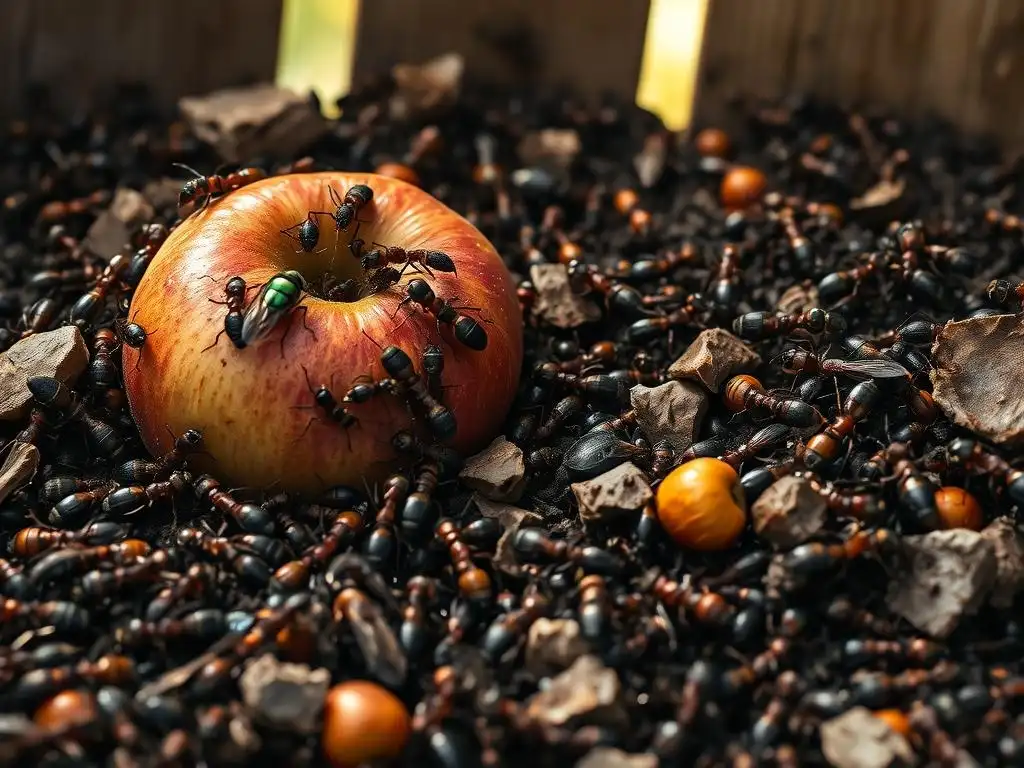
Welcome to CultivateYourFood, your guide to growing a thriving, sustainable garden! Are you ready to transform your backyard into a haven of fresh fruits, vegetables, and herbs? Then you've come to the right place. But what happens when nature's helpers become a little too helpful? Learn how to deal with a common composting challenge – ants in compost bin naturally – and discover effective, organic solutions in our latest article on Soil and Composting. Let's cultivate a healthier, more bountiful harvest together!
- Understanding the Ant Infestation in Your Compost Bin
-
Natural and Effective Ant Control Methods for Compost
- Removing Food Sources: Eliminating Ant Attractants from Compost
- Improving Compost Aeration: Preventing Moisture Buildup and Ant Habitats
- Using Diatomaceous Earth (DE): A Safe and Effective Ant Control Agent for Compost
- Applying Essential Oils: Natural Repellents for Ants in Compost Bins.
- Creating Physical Barriers: Preventing Ant Access to Your Compost Pile.
- Utilizing Vinegar: A Simple and Effective Ant Deterrent for Compost.
-
Preventing Future Ant Infestations in Your Compost
- Maintaining Proper Compost Moisture Levels: Preventing Ant-Friendly Environments.
- Regularly Turning Your Compost: Improving Aeration and Reducing Ant Attraction.
- Choosing the Right Compost Bin Location: Strategic Placement to Deter Ants.
- Using Compost Bin Covers: Protecting Your Compost from Ants and Other Pests.
- Keeping the Surroundings Clean: Removing Ant Food Sources Near the Compost.
- When to Seek Professional Help for Ant Control in Compost
- Frequently Asked Questions
- Final Reflection: A Symbiotic Future: Living with Ants in the Compost
- Unleash Your Ant-Free Compost!
Understanding the Ant Infestation in Your Compost Bin
Ants in your compost bin can be a frustrating but common problem for home gardeners dedicated to sustainable practices. This guide will explore the reasons behind ant infestations in compost piles, help you identify the culprits, and offer natural and effective methods to control them, ensuring your compost remains a valuable resource for your garden without unwanted guests. We'll focus on tackling this issue using environmentally friendly solutions, keeping in line with the organic principles of CultivateYourFood.
Successfully managing this pest problem will not only protect your compost but also contribute to a healthier, more balanced garden ecosystem. Ignoring ant activity in your compost can lead to larger infestations and potentially compromise the decomposition process, resulting in less effective compost for your plants. Let's delve into the specifics to help you reclaim your compost pile!
Why are ants attracted to my compost? Attracting Factors for Ants in Compost Piles.
Ants are attracted to compost piles for several key reasons, all boiling down to the availability of food and resources. A thriving compost heap is, unfortunately, a buffet for many ant species. Think of it from their perspective:
- Food Source: The decaying organic matter in your compost bin is teeming with insects, other invertebrates, and microorganisms. These provide a readily available and nutritious food source for ants, particularly for species that feed on decaying matter or other insects. The sugars and other nutrients released during decomposition are also highly attractive.
- Moisture: A properly functioning compost pile needs moisture to facilitate decomposition. This moisture is also highly appealing to ants, providing hydration and a suitable environment for their nests. Overly wet compost is especially prone to attracting ants.
- Shelter: The structure of a compost pile, with its layers of organic material, provides ample shelter and nesting opportunities for ants. They can easily create tunnels and chambers within the pile, protecting themselves from predators and the elements.
- Accessibility: If your compost bin isn't properly sealed or has gaps, ants will have easy access to the rich resources inside. This makes it crucial to maintain a well-constructed and secured compost system.
Identifying the Ant Species: Common Compost Ant Types and Their Behaviors.
Identifying the specific ant species infesting your compost can help you tailor your control methods. While many ant species might be present, some are more commonly associated with compost piles than others. Unfortunately, pinpointing the exact species often requires expert entomological knowledge. However, observing their behavior can provide clues:
- Size and Color: Note the size and color of the ants. Are they small and black, large and reddish, or something else? This helps narrow down potential species. A simple magnifying glass can be helpful.
- Nesting Habits: Observe whether the ants are simply foraging in the compost or establishing nests within the pile. Extensive tunneling within the compost indicates a more significant infestation.
- Activity Levels: Monitor the number of ants present throughout the day. Are they constantly active, or only present during specific times? This can provide insights into their foraging patterns and nest locations.
- Trail Formation: Ants often follow established trails to and from their nests. Observe these trails to identify potential nest locations within or near your compost bin. Following the trail might lead you to the nest.
Assessing the Severity of the Infestation: Light vs. Heavy Ant Activity in Compost.
Determining the extent of the ant infestation is crucial for choosing the appropriate control strategy. A light infestation might require minimal intervention, while a heavy infestation necessitates a more comprehensive approach. Consider the following:
-
Number of Ants: A light infestation might involve only a few ants foraging in the compost. A heavy infestation, however, will show a large number of ants constantly moving in and out of the compost bin, possibly forming visible trails.
-
Nest Presence: The presence of visible nests within or near the compost bin points to a more established and potentially severe infestation. This often requires a more targeted approach to control.
-
Impact on Composting: While a small number of ants are unlikely to disrupt the composting process significantly, a large infestation might affect the decomposition rate and even contaminate the finished compost. Observe if the overall composting process is slowing down or producing undesirable results.
Click to expand for a visual guide to assessing severity: | Severity Level | Number of Ants Observed | Nest Presence | Impact on Composting |
|---|---|---|---|
| Light | A few scattered ants | Absent or minimal | Negligible |
| Moderate | Dozens of ants, visible trails | Possible small nest near bin | Slight slowing of decomposition |
| Heavy | Hundreds of ants, extensive trails | Visible nests in or near bin | Significant disruption of composting |
Remember, a proactive approach is key to preventing and managing ant infestations in your compost. The following sections will detail effective, natural methods to control ant populations and maintain a healthy composting system.
Natural and Effective Ant Control Methods for Compost
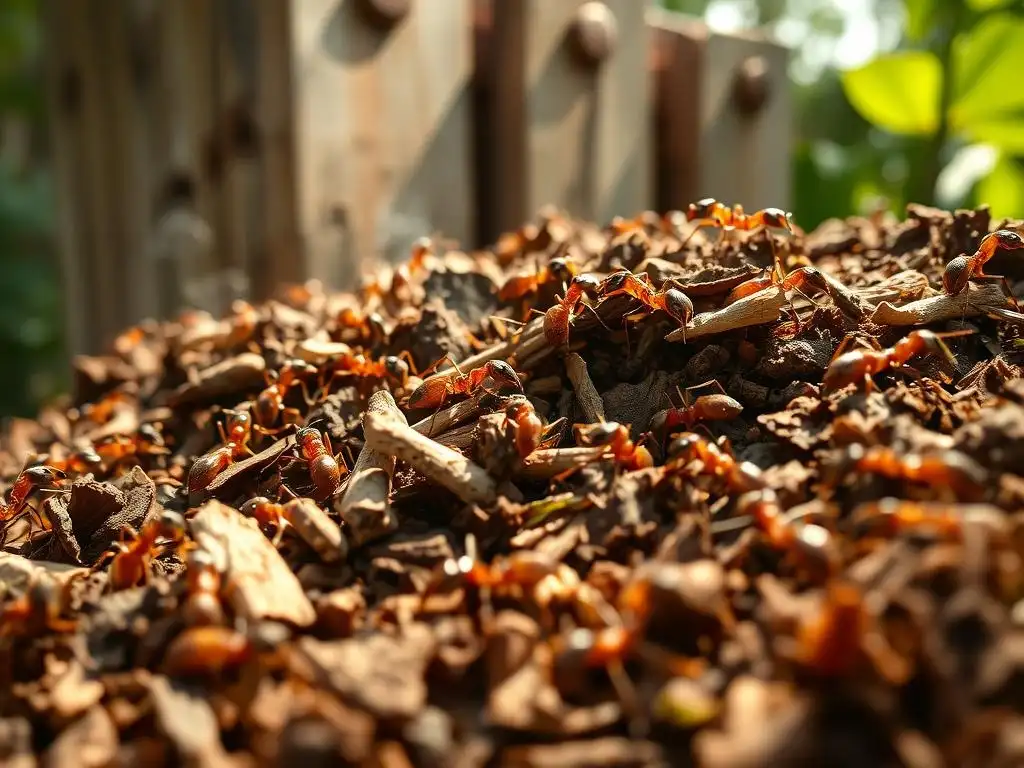
Ants in your compost bin are a common problem, but thankfully, there are many natural and effective ways to manage them without resorting to harmful chemicals. This section focuses on sustainable solutions to address the issue of "ants in compost bin naturally," ensuring your composting process remains environmentally friendly and efficient. Remember, a healthy compost pile is less attractive to ants, so focusing on proper composting techniques is key.
Removing Food Sources: Eliminating Ant Attractants from Compost
The primary reason ants are drawn to your compost is the presence of readily available food sources. Sweet fruits, sugary vegetables, and even meat scraps can become irresistible attractants. The first step in ant control is to diligently remove these items.
This means carefully sorting through your compost before adding new materials. Avoid adding:
- Overripe or rotting fruits (bananas, melons, etc.)
- Sugary vegetables (corn, carrots, etc., especially if excessively sweet)
- Meat, dairy, and oily foods – these attract not only ants but also other pests and can create unpleasant odors.
- Processed foods – these often contain sugars and preservatives that are appealing to ants.
Instead, focus on adding "browns" like dried leaves, shredded paper, and cardboard, which are less attractive to ants. Maintaining a proper carbon-to-nitrogen ratio also helps to reduce the attractiveness of your compost to ants. A balanced compost pile will decompose more effectively, minimizing the presence of appealing food scraps. Regularly turning your compost also helps speed up decomposition, reducing the time food scraps are available to ants.
Improving Compost Aeration: Preventing Moisture Buildup and Ant Habitats
Ants thrive in moist, humid environments. Poorly aerated compost piles tend to retain moisture, creating ideal conditions for ant nests. Therefore, improving aeration is crucial in deterring ants.
Effective aeration techniques include:
- Regular turning: Turning your compost pile every few days or weeks improves airflow and reduces moisture buildup. This simple act disrupts ant nests and makes their survival more challenging.
- Building a well-ventilated bin: Ensure your compost bin has adequate ventilation holes or slats to allow for proper airflow. Stagnant air contributes to moisture retention and attracts ants.
- Adding coarse materials: Incorporating materials like twigs, branches, and shredded wood chips improves the pile's overall structure, increasing air pockets and reducing compaction. This helps prevent waterlogging and creates a less hospitable environment for ants. Avoid compacting the pile tightly.
By focusing on proper aeration, you create a less attractive and less suitable habitat for ants, reducing their presence naturally. Remember, a well-aerated compost pile decomposes faster and more efficiently, minimizing the time ants have to exploit food resources.
Using Diatomaceous Earth (DE): A Safe and Effective Ant Control Agent for Compost
Diatomaceous earth (DE) is a naturally occurring sedimentary rock composed of fossilized diatoms. When used as a pest control agent, DE's microscopic particles act as a desiccant, causing ants to dehydrate and die. It's a safe and effective option for controlling ants in your compost, particularly when combined with the other methods mentioned above.
To use DE effectively:
- Apply a light dusting: Sprinkle a thin layer of food-grade DE around the perimeter of your compost bin and on top of the pile. Avoid excessive use, as it can affect beneficial microorganisms in your compost.
- Reapply as needed: Rain can wash away DE, so reapplication might be necessary, especially after periods of heavy rainfall.
- Wear a mask: When handling DE, wear a dust mask to prevent inhalation of the fine particles.
While DE is a relatively safe and effective method, it's important to remember that it's most effective as part of a comprehensive approach to ant control. Addressing the root causes of ant attraction, such as food sources and moisture, is crucial for long-term success. DE works best as a supplementary control method, not a standalone solution. Combining DE with improved aeration and food source management provides the most effective and sustainable way to manage ants in your compost naturally.
Applying Essential Oils: Natural Repellents for Ants in Compost Bins.
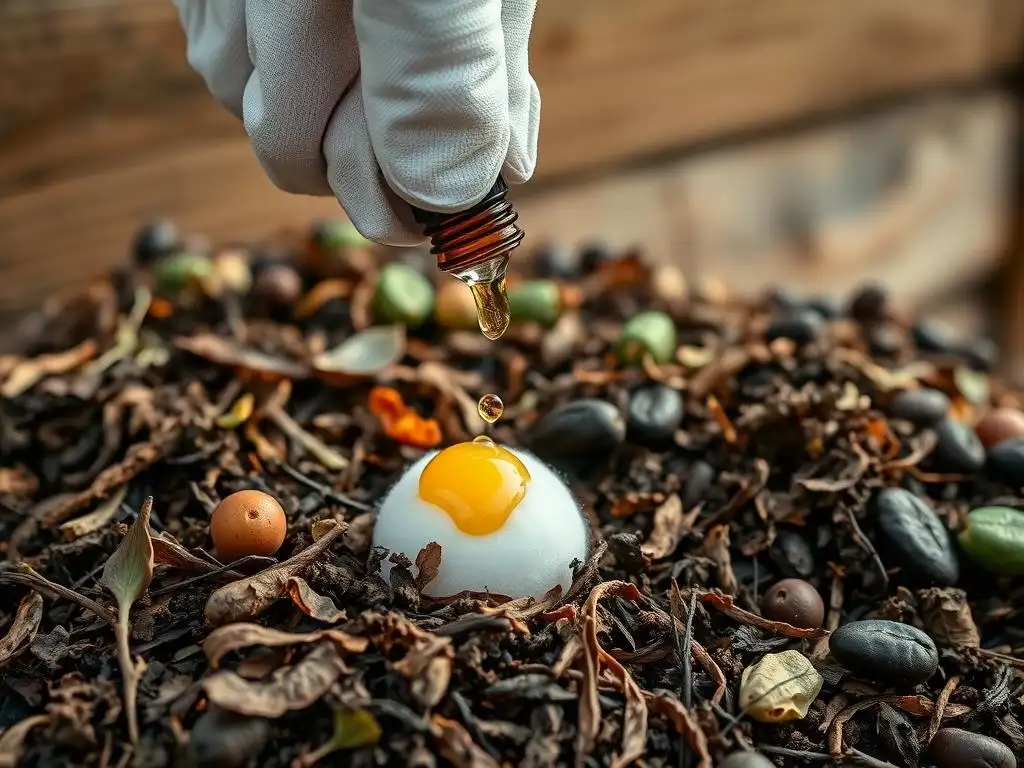
Essential oils offer a potent yet natural solution to deter ants from your compost bin. Many ants dislike strong scents, making essential oils a surprisingly effective repellent. However, it's crucial to choose oils carefully, opting for those known for their ant-repelling properties and safety for the compost environment. Peppermint oil, for example, is a popular choice.
Its strong aroma masks the enticing smells that attract ants to decomposing organic matter. To use peppermint oil effectively, dilute a few drops in water (approximately 10-15 drops per quart of water) and spray the perimeter of your compost bin, focusing on areas where ants are entering. Avoid drenching the compost itself, as excessive moisture can hinder the decomposition process. Remember to reapply the solution every few days, or after rainfall, to maintain its effectiveness.
Other effective essential oils include tea tree oil, eucalyptus oil, and lemon oil. Always test a small area first to ensure the oil doesn't negatively impact the beneficial microbes within your compost. Remember to always check the essential oil label for safety guidelines and potential interactions with plants or compost microorganisms.
Creating Physical Barriers: Preventing Ant Access to Your Compost Pile.
Preventing ants from reaching your compost in the first place is often the most effective long-term solution. This involves creating physical barriers that disrupt their access. A simple and effective method is to elevate your compost bin slightly off the ground. This creates a gap that ants find difficult to bridge. You can achieve this using bricks, pallets, or even sturdy stones.
The height of the elevation depends on the type of ant; larger ants may require a higher barrier. Additionally, consider surrounding the base of your compost bin with a barrier material. Diatomaceous earth (DE), a naturally occurring sedimentary rock, is a popular choice. DE's sharp edges cut into the exoskeletons of insects, dehydrating and killing them. Spread a thin layer of DE around the base of your bin, ensuring it creates a continuous barrier.
However, be mindful of pets and children as DE can be irritating if inhaled. Another option is to use fine-mesh hardware cloth, wrapping it around the base of your compost bin to prevent ants from burrowing underneath. This provides a sturdy and long-lasting barrier. Regularly inspect your chosen barrier method for any gaps or damage, ensuring its continued effectiveness in keeping ants away from your precious compost.
Utilizing Vinegar: A Simple and Effective Ant Deterrent for Compost.
Vinegar, a common household item, is a surprisingly effective ant deterrent. Its acidic nature disrupts the ants' scent trails, making it difficult for them to navigate and locate food sources. To use vinegar for ant control in your compost bin, create a simple solution by mixing equal parts white vinegar and water. Pour this solution carefully around the perimeter of your compost bin, concentrating on areas where ants are entering.
Avoid pouring it directly onto the compost itself, as it may alter the pH balance and negatively impact the composting process. The strong smell of vinegar will temporarily mask the attractive scents that lure ants to your compost. However, rain or watering may wash away the vinegar solution, requiring reapplication. For a more persistent solution, consider mixing the vinegar solution with a small amount of liquid dish soap.
The soap helps to break the surface tension of the vinegar, allowing it to spread more effectively and adhere to surfaces for a longer duration. Remember, while vinegar is generally safe for compost, using it excessively could potentially alter the pH balance. Monitor your compost regularly after applying vinegar to ensure the decomposition process remains unaffected. Always test a small area of your compost first to observe any potential negative reactions.
Preventing Future Ant Infestations in Your Compost
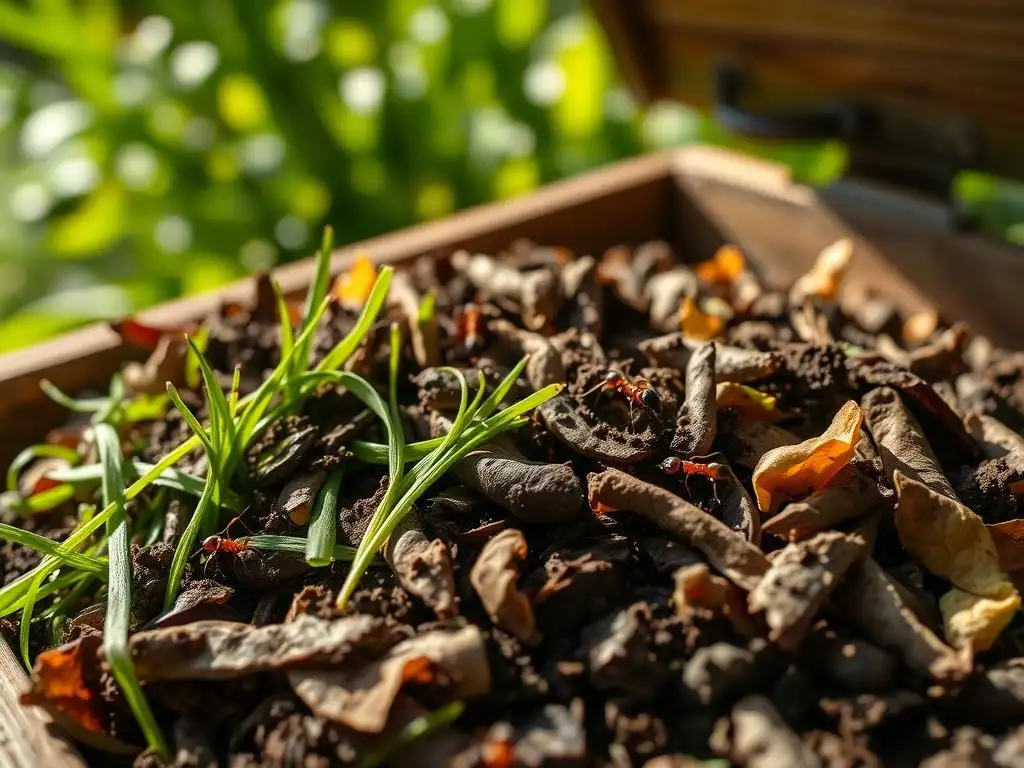
Ants in your compost bin are a common problem, but thankfully, there are many natural ways to prevent them from becoming a recurring issue. By understanding what attracts ants to your compost and taking proactive steps, you can significantly reduce the chances of future infestations and maintain a healthy, ant-free composting system. This section focuses on preventative measures, ensuring your compost remains a haven for beneficial microorganisms, not unwanted insects. Remember, a well-managed compost pile is less attractive to ants.
Maintaining Proper Compost Moisture Levels: Preventing Ant-Friendly Environments.
Maintaining the correct moisture level in your compost is crucial for preventing ant infestations. Ants are attracted to damp, decaying matter, which provides them with both food and a suitable habitat. Overly wet compost becomes a perfect breeding ground for pests, including ants. Conversely, extremely dry compost will also attract ants as they search for water sources.
The ideal compost should have a moisture content similar to a wrung-out sponge. You should be able to squeeze a handful of compost and see a few drops of water, but not a steady stream. Regularly check your compost's moisture level, especially during periods of heavy rainfall or drought. If it's too wet, add more dry brown materials like shredded paper or dry leaves.
If it's too dry, gently water it, ensuring the water penetrates the entire pile. Consistent monitoring and adjustments are key to preventing ant problems. Think of it as a Goldilocks scenario: not too wet, not too dry, but just right! 🐜
Regularly Turning Your Compost: Improving Aeration and Reducing Ant Attraction.
Regularly turning your compost pile is a vital practice for many reasons, and ant control is one of them. Turning, or aerating, your compost helps to improve airflow, which reduces moisture buildup—a major ant attractant. The process also speeds up decomposition, reducing the amount of readily available food sources for ants.
Aim to turn your compost at least once a week, especially during warmer months. Use a garden fork or shovel to thoroughly mix the materials, ensuring that the inner layers are exposed to air. This process helps to break down organic matter more efficiently and discourages the establishment of ant colonies. A well-aerated compost pile is less likely to attract ants searching for a moist and sheltered environment. The improved decomposition also means less appealing food sources for them. This is a simple, yet highly effective, method for natural ant control within your compost system.
Choosing the Right Compost Bin Location: Strategic Placement to Deter Ants.
The location of your compost bin plays a significant role in preventing ant infestations. Strategic placement can deter ants from accessing your compost in the first place. Avoid placing your bin directly on the ground, as this provides easy access for ants. Instead, elevate it using bricks or a compost bin stand.
Additionally, keep your compost bin away from structures that ants might use to access it, such as walls, fences, or overhanging branches. Consider placing it in a sunny, well-ventilated area, as ants generally prefer shaded, damp locations. A location with good airflow will help to keep your compost drier and less attractive to ants. Careful consideration of your compost bin's placement is a fundamental aspect of long-term ant prevention. Proactive planning in this area can save you considerable hassle down the line.
Using Compost Bin Covers: Protecting Your Compost from Ants and Other Pests.
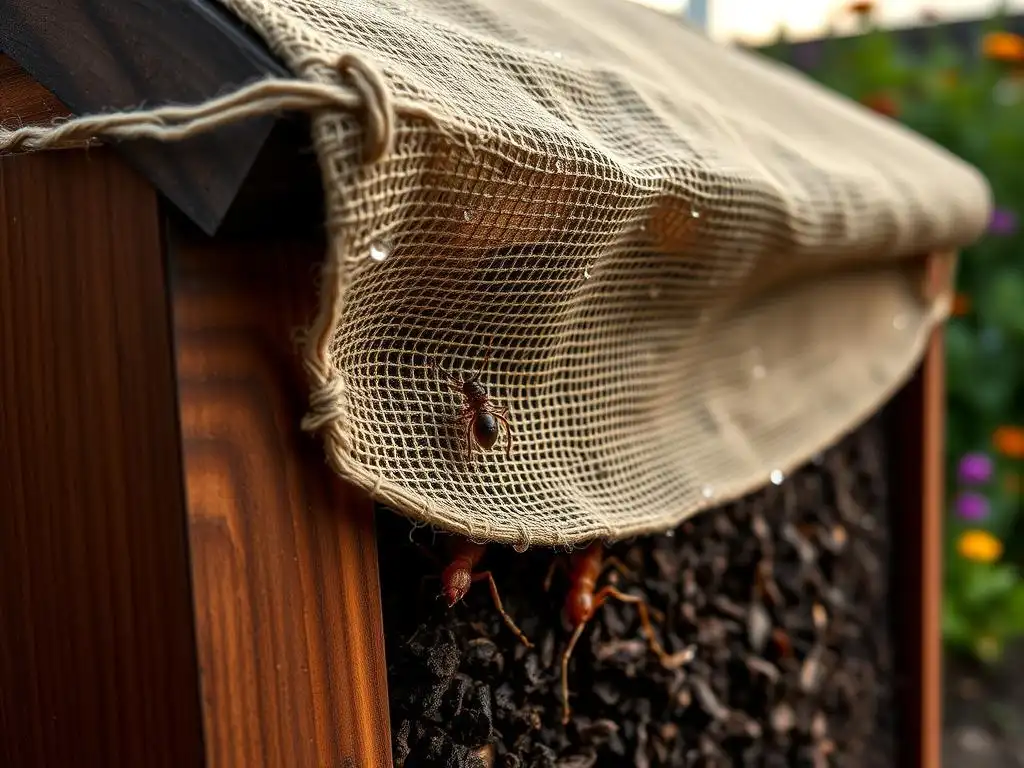
Ants, attracted to the moist, nutrient-rich environment of a compost bin, will readily invade if given the opportunity. A simple yet highly effective preventative measure is using a proper compost bin cover. This isn't just about any old lid; the cover needs to be secure, preventing ants from easily crawling underneath or squeezing through gaps. Many commercially available compost bins boast tightly fitting lids, often with latches or clips.
However, even with a simple bin, you can significantly improve its ant-resistance by adding a layer of mesh or a tightly woven fabric over the top before placing the lid. This creates a double barrier, making it much harder for ants to access the compost. Remember, the goal is to eliminate any potential entry points. Regularly inspect the cover for any damage or wear and tear, replacing or repairing it promptly to maintain the protective barrier.
A well-maintained cover is a crucial first line of defense against ants and other unwanted pests in your compost. Consider using a cover made of durable, weather-resistant material to ensure longevity and effectiveness. This proactive approach will save you considerable time and effort in the long run, preventing infestations before they even begin. Furthermore, a good cover also helps retain moisture within the compost, benefiting the decomposition process.
Keeping the Surroundings Clean: Removing Ant Food Sources Near the Compost.
Ants are attracted to food, and your compost bin, while intended for organic waste, inadvertently becomes a beacon for these insects if the surrounding area is unclean. A crucial step in preventing future ant infestations is maintaining a clean perimeter around your compost bin. Remove any spilled food scraps, fallen fruit, or sugary drinks that might attract ants. Regular sweeping and cleaning of the area will significantly reduce the appeal of your compost bin as a food source.
Consider creating a small, clean zone around the compost bin by placing gravel, wood chips, or other materials that ants find less appealing to traverse. This creates a physical barrier and reduces the likelihood of ants reaching your compost. Regularly check for any cracks or crevices in nearby pavements or structures where ants might be nesting, and address these issues promptly.
Remember, ants often follow established trails, so breaking these trails by cleaning up food sources and creating barriers disrupts their foraging behavior and discourages future infestations. This holistic approach, focusing on both the compost bin itself and its immediate surroundings, is essential for long-term ant control. A clean and organized composting area is not only more effective but also visually appealing and contributes to a more pleasant gardening experience.
When to Seek Professional Help for Ant Control in Compost
Dealing with ants in your compost bin is a common frustration for home gardeners. While many natural methods exist to deter ants, sometimes the infestation becomes overwhelming, requiring more decisive action. Knowing when to call in the professionals is crucial to protecting your compost and preventing the spread of ants to other areas of your garden.
This section will help you determine when natural ant control strategies are insufficient and when professional intervention is necessary. Understanding the limits of DIY methods is key to effective and sustainable pest management. Remember, the goal is to maintain a healthy and thriving compost pile without resorting to harmful chemicals.
Recognizing When Natural Methods Fail: Signs You Need Additional Assistance.
Persistent ant activity, despite your best efforts, is a clear indicator that natural methods may not be enough. Simply sprinkling diatomaceous earth or creating barriers might temporarily deter ants, but a large, established colony will likely find ways around these obstacles. Consider seeking professional help if you observe the following:
- Massive Ant Populations: A few ants foraging in your compost is manageable. However, if you see hundreds or even thousands of ants constantly swarming your compost bin, it's time to consider professional intervention. This indicates a large, established colony nearby that's actively using your compost as a resource.
- Ants Infiltrating Your Home or Garden: Ants leaving the compost bin and entering your house or spreading to other garden beds is a significant problem. This indicates a serious infestation that requires more than just localized control within the compost itself.
- Damage to Plants or Structures: While ants primarily seek food and water, some species can cause damage to plant roots or even the structure of your compost bin itself. If you notice significant damage, professional help might be necessary to address the root cause.
- Ineffectiveness of Natural Remedies: After consistently applying multiple natural ant control methods over a period of several weeks, and still seeing no significant reduction in ant activity, it's a strong sign that professional intervention is the next logical step. This suggests the ants are resilient to your chosen natural deterrents.
- Recurring Infestations: If you've successfully dealt with an ant infestation in your compost using natural methods, only to have the problem reappear repeatedly, it may be worthwhile to seek a professional assessment to identify and eliminate the source of the recurring problem. This could involve locating and treating the main ant nest.
Finding Certified Organic Pest Control Services: Choosing Eco-Friendly Solutions.
When you decide to seek professional help, it's vital to choose a service that aligns with your commitment to sustainable and organic gardening. Look for certified organic pest control services that utilize environmentally friendly methods. Avoid companies that rely heavily on chemical pesticides, as these can harm beneficial insects, contaminate your soil, and ultimately compromise the integrity of your compost.
When selecting a service, ask about their methods, the products they use, and their experience dealing with ant infestations in compost bins. A reputable company will be transparent about their practices and will offer solutions that are both effective and environmentally responsible. Inquire about their approach to identifying the source of the infestation and their long-term strategies for preventing future ant problems. Remember, a healthy compost pile is a cornerstone of successful organic gardening, so choosing the right professional is crucial to maintaining that balance.
Frequently Asked Questions
Why are there ants in my compost bin?
Ants are attracted to moist, decaying organic matter, which is abundant in a compost bin. They're also looking for food scraps and sugary substances. Keeping your compost dry and removing excess food waste can help.
Are ants harmful to my compost?
Generally, ants aren't harmful to the composting process. They actually help aerate the compost and break down organic matter. However, large infestations can be a nuisance.
How can I prevent ants from entering my compost bin?
Consider using a compost bin with a tight-fitting lid to deter ants. You can also place the bin on legs or a platform to prevent ground access. Regularly cleaning the area around the bin helps too.
What natural methods can I use to get rid of ants in my compost?
Try sprinkling diatomaceous earth around the bin's base. Citrus peels can also repel ants. Vinegar and water solutions sprayed around the bin can help too. These methods are environmentally friendly.
Will these natural methods harm my compost?
The natural methods mentioned are generally safe for your compost and beneficial organisms. Avoid using harsh chemicals, as they can disrupt the composting process and harm beneficial microorganisms.
Final Reflection: A Symbiotic Future: Living with Ants in the Compost
The humble compost bin, a symbol of sustainable living, often faces an unexpected challenge: ants. Their presence, while sometimes frustrating, highlights the delicate balance of nature within even our most carefully constructed eco-systems. Understanding this balance, and finding harmonious solutions, is crucial for both successful composting and a deeper appreciation for the interconnectedness of life.
The struggle with ants in the compost reflects a larger societal struggle: our desire for control versus the acceptance of nature's unpredictable rhythms. We strive for perfectly managed systems, yet nature often reminds us of its inherent wildness. Nature does not hurry, yet everything is accomplished.
- Lao Tzu. This quote speaks to the patience and observation required not just for successful composting, but for navigating life's complexities. Learning to coexist with ants, rather than eradicating them, teaches us valuable lessons about resilience, adaptation, and the beauty of imperfection in natural processes.
So, as you tend your compost, consider the ants not as enemies, but as fellow inhabitants of a vibrant ecosystem. Reflect on the strategies discussed – the simple, natural methods of deterring ants without harming them or disrupting the composting process. Embrace the opportunity to learn from nature's wisdom, finding solutions that honor both your goals and the intricate web of life that surrounds us. Let your compost bin become a microcosm of sustainable living, a testament to the possibility of harmonious coexistence, even in the smallest of spaces.
Unleash Your Ant-Free Compost!
Thanks for exploring the world of ant-free composting! You now have the knowledge to combat those tiny invaders and keep your compost thriving. Ready to put your expertise to the test?
- Choose your most effective ant deterrent: Implement your preferred method immediately! Whether it's using diatomaceous earth, citrus peels, or adjusting the moisture level of your compost, consistency is crucial.
- Share your results (and challenges!): Tell us – which ant deterrent strategy are you most eager to try, and what are your hopes for success? We value hearing from our community!
- Experiment and refine your technique: Composting is an ongoing process! Try combining different methods for optimal results. Consider exploring other natural solutions.
Ready to transform your compost heap into an ant-free haven? We'd love to hear about your experience!