
Composting: A Simple Way to Reduce Your Household Waste and Benefit Your Garden

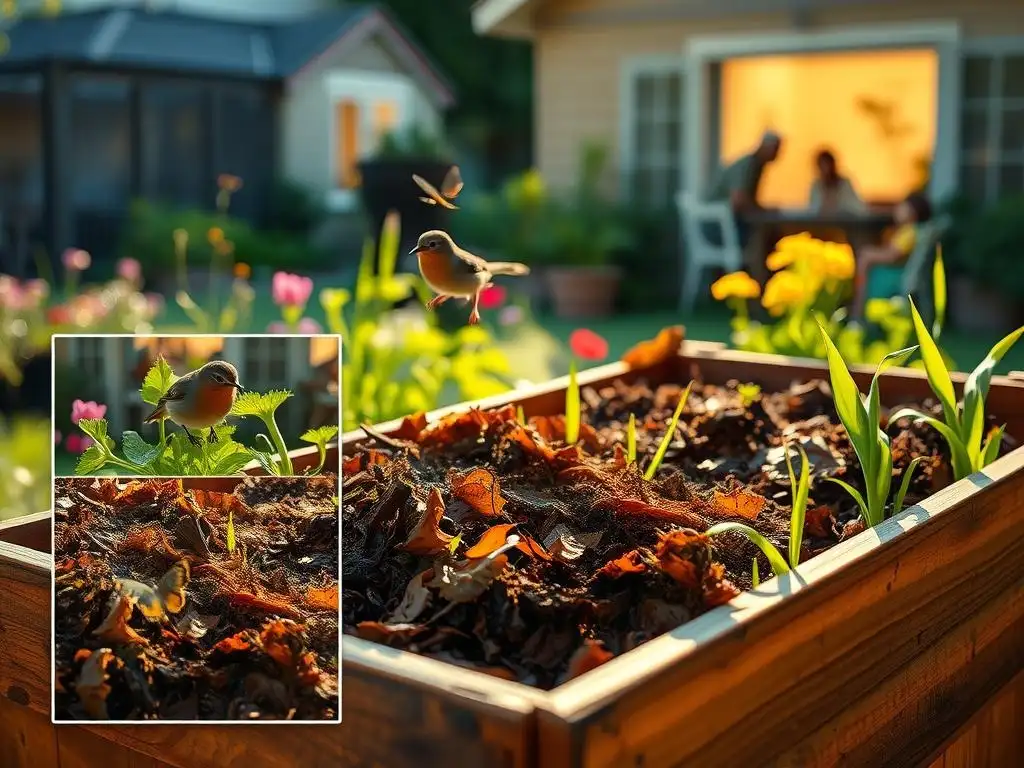
Welcome to CultivateYourFood, your guide to a greener, more bountiful life! Are you ready to transform your kitchen scraps into rich, nutrient-packed soil for a thriving garden? Discover the secrets to easy home composting for gardens, a sustainable practice that will dramatically improve your plant's health and reduce your environmental impact. Learn how simple composting can be and unlock the potential of your own backyard oasis. Let's get started!
- Easy Home Composting for Gardens: Getting Started
- What to Compost and What to Avoid: A Comprehensive Guide
- The Composting Process: From Kitchen Scraps to Garden Gold
- Harvesting and Using Your Compost: Enriching Your Garden Soil
- Troubleshooting Common Composting Problems
- Sustainable Gardening with Compost: Environmental Benefits
- Frequently Asked Questions
- Final Reflection: The Enduring Power of Compost
- Unleash the Power of Compost: Start Your Zero-Waste Journey Today!
Easy Home Composting for Gardens: Getting Started
Composting is a fantastic way to transform your kitchen and yard waste into a valuable resource for your garden – nutrient-rich compost! This practice significantly reduces household waste, minimizes your environmental footprint, and provides a natural, sustainable way to enrich your soil. This guide focuses on setting up and maintaining an easy home composting system, perfect for even the most novice gardener.
We'll explore different composting methods, materials needed, and the essential ingredients for success, ensuring you'll be well on your way to creating nutrient-rich compost to nourish your plants and cultivate a thriving garden. Learning how to easily compost at home not only benefits your garden but also contributes to a healthier planet. Let's dive into the simple steps to achieving this rewarding and environmentally friendly practice.
This guide will cover everything from choosing the right composting method to understanding the essential ingredients for successful composting. By the end, you'll be confident in your ability to create rich, organic compost to enhance your garden's fertility and yield.
Choosing the Right Composting Method for Your Needs
Choosing the right composting method depends largely on your available space, the amount of waste you generate, and your personal preferences. There are several popular methods to consider:
- Simple Bin Composting: This is a great starting point for beginners. A simple bin, whether store-bought or homemade, allows for easy access to your compost. You'll need to turn the pile regularly to ensure proper aeration and decomposition. This method is suitable for smaller gardens and moderate amounts of waste.
- Three-Bin Composting: This system uses three separate bins: one for fresh materials, one for actively composting materials, and one for finished compost. The staged approach simplifies the process and makes it easier to manage the composting process. It's ideal for larger gardens and a higher volume of waste.
- Worm Composting (Vermicomposting): This method utilizes worms to break down organic matter. It's perfect for smaller spaces and produces a high-quality liquid fertilizer as a byproduct. However, it requires a dedicated worm bin and careful attention to moisture levels.
- No-Dig Composting: For those seeking the simplest approach, this method involves layering organic matter directly onto the garden bed. While requiring less effort, it's less efficient than other methods and may take longer to produce usable compost. It is, however, a very gentle and natural composting method.
The best method for you will depend on your specific circumstances. Consider factors like space, waste volume, and your level of commitment before making your choice. Remember, even the simplest method can yield amazing results!
Setting Up Your Compost Bin: Materials and Construction
Building a compost bin is surprisingly straightforward. For a basic bin, you'll need:
- Materials: Untreated wood planks (preferably cedar or redwood for longevity), wire mesh (to prevent animals from accessing the compost), screws or nails. Alternatively, you can use readily available materials such as pallets (ensure they are untreated).
- Construction: The design is flexible. A simple rectangular bin with removable sides or a three-sided structure is easy to construct. Ensure adequate ventilation by leaving gaps between the planks or using a wire mesh on one or more sides. The size will depend on the amount of waste you generate, but aim for a volume large enough to hold several months' worth of materials.
Remember to position your bin in a shaded area to prevent the compost from drying out too quickly. Proper construction will ensure your compost decomposes efficiently and produces high-quality compost.
Essential Ingredients for Successful Composting
A successful compost pile requires a balance of "greens" and "browns." This balance ensures proper decomposition and prevents unpleasant odors.
| Material Category | Examples | Carbon/Nitrogen Ratio |
|---|---|---|
| Browns (Carbon-rich) | Dried leaves, twigs, shredded paper, cardboard, straw | High |
| Greens (Nitrogen-rich) | Grass clippings, fruit and vegetable scraps, coffee grounds, tea bags | Low |
Aim for a roughly equal ratio of browns and greens. Too many greens can lead to foul-smelling compost, while too many browns can slow down the decomposition process. Regularly turning the compost pile helps to maintain the correct balance and aeration. Maintaining the correct moisture level, similar to a damp sponge, is also critical for successful decomposition. Regular monitoring and adjustment of your compost pile will significantly contribute to the quality of the end product. Happy composting!
What to Compost and What to Avoid: A Comprehensive Guide
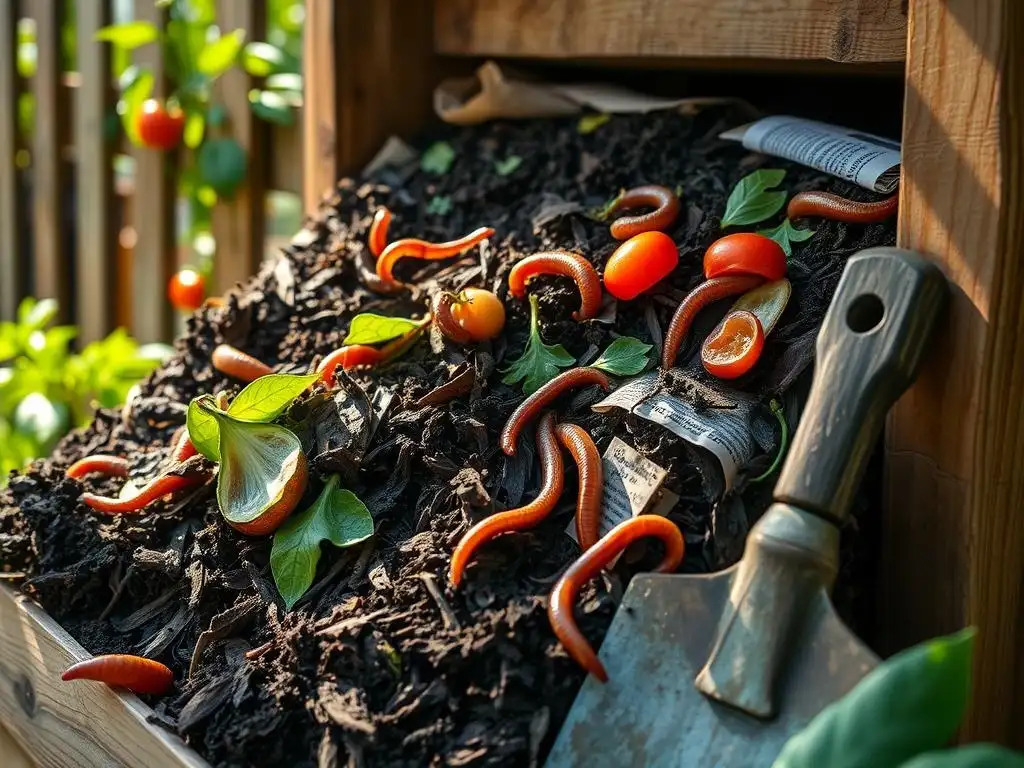
Creating a thriving compost pile is all about understanding what materials break down effectively and which ones can hinder the process or even harm your garden. This guide provides a clear distinction, helping you master the art of "easy home composting for gardens." Successfully composting relies on a balanced mix of "greens" (nitrogen-rich) and "browns" (carbon-rich) materials. Let's delve into the specifics.
Suitable Materials for Your Home Compost Pile
The key to successful composting lies in balancing "greens" and "browns." "Greens" decompose quickly, providing nitrogen, while "browns" offer carbon and structure. Aim for a roughly equal ratio. Here's a breakdown of ideal materials:
Greens (Nitrogen-rich):
- Vegetable scraps (onion peels, potato skins, carrot tops – avoid diseased parts)
- Fruit scraps (banana peels, apple cores, melon rinds)
- Coffee grounds and tea bags (remove staples)
- Grass clippings (avoid chemically treated lawns)
- Seaweed (in moderation)
- Manure (from herbivores only; ensure it's well-aged)
- Food waste (cooked and raw, but avoid meat, dairy, and oily foods)
Browns (Carbon-rich):
- Dried leaves
- Shredded paper and cardboard (uncoated and ink-free)
- Sawdust (untreated)
- Wood chips (untreated)
- Straw
- Small twigs and branches (chopped into smaller pieces)
Think of it like this: imagine a perfect compost mix as a delicious cake! Greens are like the sugar and eggs – they add moisture and energy, while browns are like the flour – they provide the structure. Too many greens and your pile becomes slimy and smells bad; too many browns and it decomposes too slowly. Striving for that perfect balance is the secret to "easy home composting for gardens."
Here's a quick visual aid:
| Material | Type | Nitrogen/Carbon Ratio | Notes |
|---|---|---|---|
| Grass Clippings | Green | High | Avoid chemically treated grass |
| Dried Leaves | Brown | Low | Excellent carbon source |
| Fruit Scraps | Green | Medium | Avoid citrus fruits in large quantities |
| Coffee Grounds | Green | Medium | A great nitrogen source |
| Cardboard | Brown | Low | Ensure it's uncoated and ink-free |
Materials to Exclude from Your Compost
Certain materials can hinder the composting process, attract pests, or introduce unwanted elements into your garden soil. Avoid these:
- Meat, poultry, and fish: These attract pests and create foul odors, leading to slow decomposition.
- Dairy products: These also attract pests and create unpleasant smells.
- Oily foods: These can create a slimy mess and repel beneficial microorganisms.
- Diseased plants: Composting diseased plants can spread pathogens to your healthy plants.
- Pet waste: Contains harmful bacteria and parasites.
- Chemically treated wood: Can leach harmful chemicals into your compost.
- Coal ash and other toxic materials: These are harmful to the environment and your garden.
- Large bones: These take a very long time to decompose.
Remember, proper material selection is crucial for "easy home composting for gardens." By carefully choosing what you add, you ensure a smooth and efficient composting process.
Dealing with Problematic Compost Ingredients
Even with careful planning, you might encounter unexpected materials in your compost pile. Here's how to handle some common issues:
- Too many greens: If your pile is slimy and smells bad, add more brown materials like dried leaves or shredded paper to balance the nitrogen.
- Too many browns: If your pile is dry and decomposing slowly, add more green materials like grass clippings or vegetable scraps.
- Unwanted weeds: Ensure you remove seeds from weeds before adding them to the compost. High heat during the composting process will usually kill weed seeds, but it is safer to remove them.
- Persistent large items: Chop or shred any large items to speed up the decomposition process.
By understanding the nuances of composting and actively managing your pile, you'll be well on your way to creating nutrient-rich compost that will significantly benefit your garden. Mastering these techniques transforms "easy home composting for gardens" from a daunting task to a rewarding and sustainable practice. Enjoy the process and the bountiful rewards!
The Composting Process: From Kitchen Scraps to Garden Gold
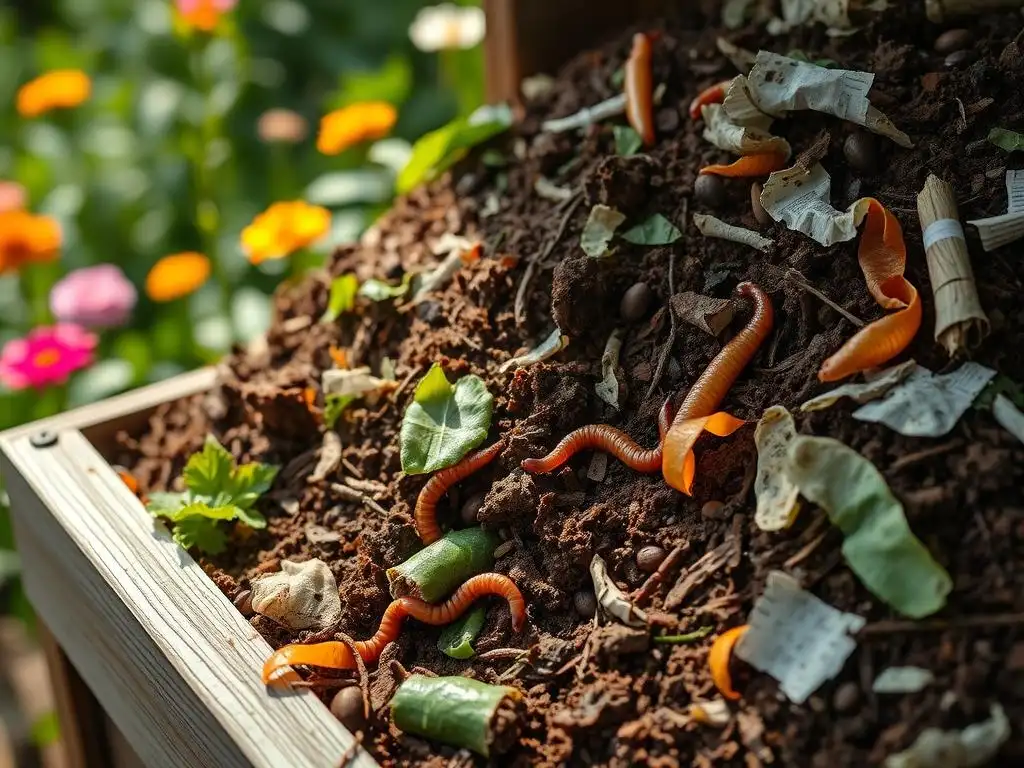
This section details the journey of your kitchen waste from discarded scraps to nutrient-rich compost, ready to enrich your garden soil. Easy home composting for gardens is simpler than you might think, requiring minimal effort for maximum reward. The process hinges on understanding the natural breakdown of organic matter and providing the right conditions for this transformation. We'll explore the key stages and factors that contribute to successful composting. Remember, patience is key – nature works at its own pace!
Understanding the Decomposition Process: Aerobic vs. Anaerobic Composting
Composting relies on the activity of microorganisms like bacteria and fungi. These tiny decomposers break down organic materials, transforming them into humus, a dark, nutrient-rich substance. The key difference between successful and unsuccessful composting lies in the presence or absence of oxygen.
- Aerobic Composting: This is the preferred method for home composting. It involves ensuring sufficient oxygen flow within the compost pile. Aerobic decomposition is faster and produces less odor. This process generates heat, which further accelerates the breakdown of organic materials. Think of it as a controlled miniature ecosystem thriving on oxygen.
- Anaerobic Composting: This occurs when oxygen is limited or absent. Anaerobic decomposition is slower and produces unpleasant odors, often associated with rotting garbage. It results in less desirable compost and can even attract pests. Preventing anaerobic conditions is crucial for easy home composting for gardens.
The following table summarizes the key differences:
| Feature | Aerobic Composting | Anaerobic Composting |
|---|---|---|
| Oxygen | Abundant | Limited or absent |
| Decomposition Rate | Fast | Slow |
| Odor | Pleasant (earthy) | Unpleasant (rotten) |
| Temperature | High (can reach 140-160°F/60-71°C) | Low |
| Compost Quality | High nutrient content, dark brown color | Low nutrient content, foul smell |
Maintaining Your Compost Pile: Turning and Moisture Control
Maintaining a thriving compost pile is not about constant intervention, but rather about consistent, mindful care. Two crucial aspects are turning the pile and regulating moisture. Proper moisture and oxygen levels are vital for easy home composting for gardens.
Turning your compost pile, also known as "aerating," is essential. It introduces oxygen to the decomposing materials, preventing anaerobic conditions. Aim to turn your pile every 1-2 weeks, using a pitchfork or garden spade to mix the materials thoroughly. This ensures even decomposition and prevents unpleasant smells.
Moisture is equally important. The compost should feel like a wrung-out sponge. If it's too dry, add water. If it's too wet, add more brown materials (like dried leaves or shredded paper) to absorb excess moisture. Monitoring and adjusting the moisture content is crucial for optimal decomposition. Too much water leads to anaerobic conditions and unpleasant odors; too little hinders the microbial activity.
Monitoring Your Compost's Progress: Signs of Healthy Decomposition
Knowing when your compost is ready is crucial for reaping the benefits of your efforts. Several indicators point to healthy decomposition and a finished compost product.
- Temperature: A healthy compost pile will generate heat during the active decomposition phase. Use a compost thermometer to monitor the temperature. A temperature consistently around 130-160°F (54-71°C) indicates vigorous decomposition.
- Color and Texture: As the organic matter breaks down, the color will change from a mixture of browns and greens to a dark brown or black humus. The texture should be crumbly and earthy, resembling soil.
- Odor: A mature compost pile will have a pleasant, earthy smell. Any foul odor indicates anaerobic conditions, requiring immediate attention (turning and adding brown materials).
- Time: The composting process typically takes several months, depending on factors like the size of the pile, the materials used, and environmental conditions. Patience is a virtue! Don't rush the process. The finished compost will be a dark, crumbly material, rich in nutrients and ready to enrich your garden beds. This is the reward for your dedication to easy home composting for gardens.
Remember, easy home composting for gardens is a rewarding process that benefits both your garden and the environment. By following these simple steps, you can successfully transform your kitchen scraps and yard waste into a valuable resource for your plants. 🎉
Harvesting and Using Your Compost: Enriching Your Garden Soil
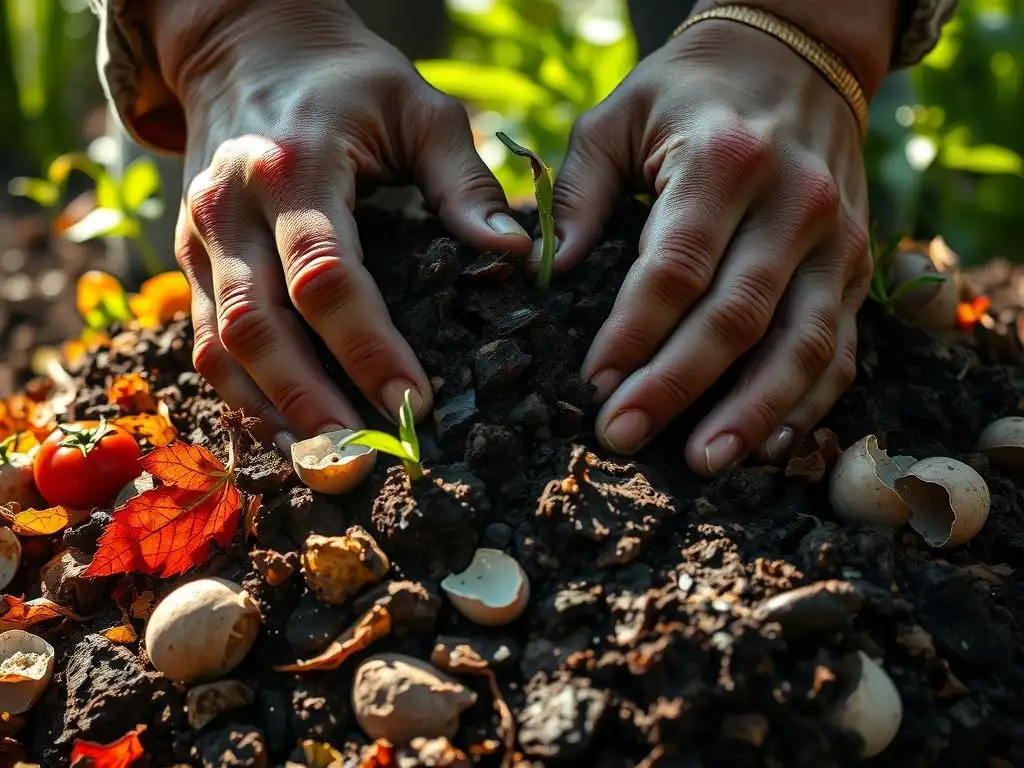
This section focuses on the final stage of the composting process: harvesting and utilizing your nutrient-rich compost to enhance your garden's health and productivity. Successfully creating compost is only half the battle; knowing when and how to use it effectively is crucial for maximizing its benefits. We'll explore how to identify mature compost, and the best practices for incorporating it into your garden beds and containers. This will help you achieve thriving plants and a more sustainable gardening practice, all stemming from your easy home composting for gardens.
Recognizing When Your Compost is Ready for Use
Determining when your compost is ready requires a keen eye and a few simple tests. Avoid the common mistake of prematurely using immature compost, which can harm your plants. Mature compost is dark brown or black, crumbly, and has a pleasant earthy smell – almost like fresh soil. It should be free of recognizable food scraps or other organic materials. Here's a checklist to help you determine compost maturity:
- Visual Inspection: Is the material dark brown or black? Are there no visible pieces of food scraps or other easily identifiable organic matter?
- Texture Test: Is the compost crumbly and well-decomposed? Does it resemble rich topsoil? If it's still chunky or stringy, it needs more time.
- Smell Test: Does it have a pleasant earthy aroma? An unpleasant odor suggests anaerobic decomposition (lack of oxygen) and indicates a need for more aeration.
- Temperature Check: While not always necessary, a significantly cooler temperature than the surrounding environment suggests the composting process is complete.
Several factors influence composting time, including the size of the materials, moisture levels, and ambient temperature. For example, smaller pieces of food scraps will decompose faster than larger branches. In warmer climates, the process will typically proceed more quickly. Patience is key; don't rush the process! Improperly composted material can introduce pests and diseases into your garden.
How to Incorporate Compost into Your Garden Beds and Pots
Once your compost is ready, incorporating it into your garden is straightforward. The method you choose will depend on whether you are amending existing garden beds or preparing new ones.
For existing garden beds, lightly till or loosen the top few inches of soil. Then, spread a 2-3 inch layer of compost evenly over the surface. Gently mix the compost into the soil using a garden fork or cultivator, taking care not to damage existing plant roots. This gentle mixing ensures the compost's nutrients are readily available to your plants.
For potted plants, mix the compost with your potting mix before planting. A good ratio is typically 25-50% compost to potting mix, depending on the quality of the potting mix. For example, if you are using a lower-quality potting mix, you may want to use a higher percentage of compost. This will improve drainage, aeration, and nutrient content. Always ensure your pots have adequate drainage holes to prevent waterlogging.
Remember, using too much compost can be detrimental, potentially leading to excessive moisture retention and nutrient imbalances. Start with a smaller amount and adjust based on your plants' needs and soil type.
Benefits of Using Compost: Improved Soil Structure and Nutrient Content
Using compost offers a multitude of benefits for your garden, far surpassing the simple act of waste reduction. It significantly improves soil structure, nutrient content, and overall soil health. This leads to healthier, more vigorous plants and a more sustainable gardening practice, making your easy home composting for gardens a truly rewarding experience.
| Benefit | Description | Example |
|---|---|---|
| Improved Soil Structure | Enhances aeration, water retention, and drainage. | Creates a better environment for root growth, reducing compaction and runoff. |
| Increased Nutrient Content | Provides essential macro and micronutrients, promoting healthy plant growth. | Adds nitrogen, phosphorus, potassium, and trace minerals, reducing fertilizer needs. |
| Enhanced Microbial Activity | Supports beneficial soil microorganisms that improve nutrient cycling and disease suppression. | Improves soil fertility and reduces the risk of plant diseases. |
| Reduced Erosion | Improves soil aggregation, reducing soil erosion and runoff. | Protects topsoil and reduces the need for chemical soil stabilizers. |
| Increased Water Retention | Improves the soil's ability to retain water, reducing the frequency of watering. | Less frequent watering saves time and water, especially during dry spells. |
By integrating easy home composting for gardens into your routine, you're not only reducing your environmental footprint but also nurturing the health and vitality of your plants. The enriched soil will reward you with bountiful harvests and a more sustainable gardening experience. The effort invested in creating and utilizing your compost is repaid many times over in healthier, more productive plants.
Troubleshooting Common Composting Problems
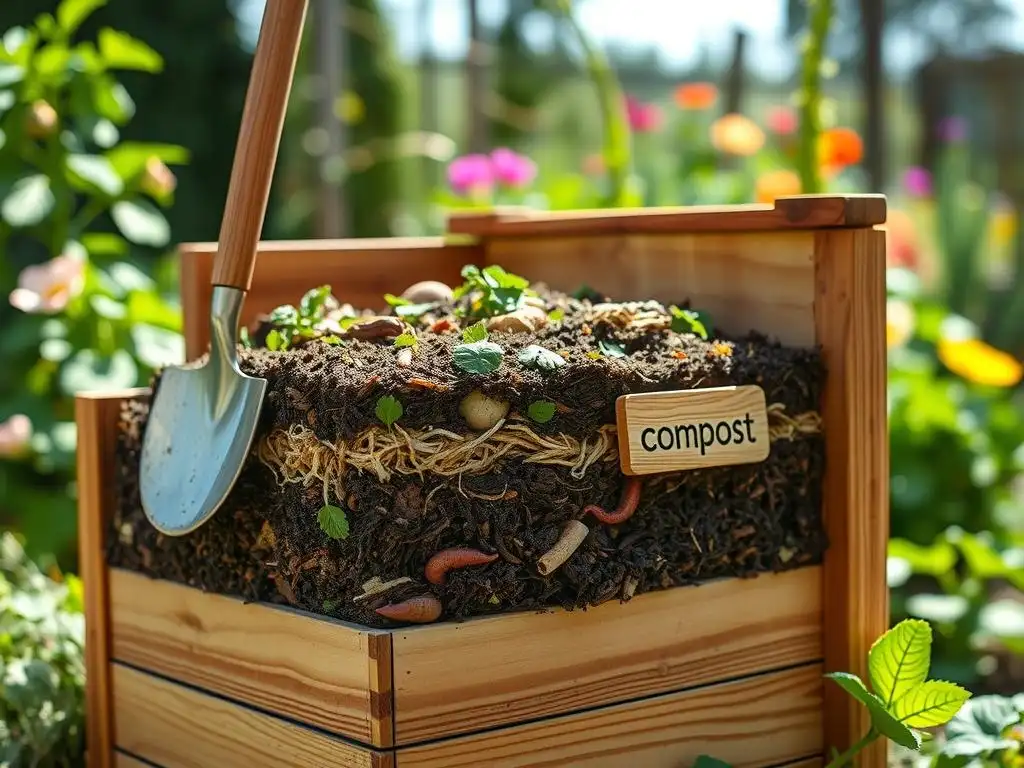
Home composting, while rewarding, can present challenges. This section addresses common issues, offering practical solutions to keep your composting efforts thriving and your garden benefiting from nutrient-rich compost. Successfully navigating these hurdles is key to achieving "easy home composting for gardens."
Dealing with Unpleasant Odors: Identifying and Fixing the Issue
Unpleasant smells emanating from your compost bin are a common sign of an imbalance. The culprit is often anaerobic decomposition – the breakdown of organic matter without sufficient oxygen. This leads to the production of foul-smelling gases.
Several factors contribute to this:
- Too much moisture: A waterlogged compost pile creates an anaerobic environment. The ideal moisture content should resemble a wrung-out sponge. If it's too wet, add more brown materials (like dried leaves or shredded paper) to absorb excess moisture.
- Insufficient brown materials: "Brown" materials (carbon-rich) are crucial for balancing the "green" materials (nitrogen-rich) in your compost. An excess of green materials (fruit and vegetable scraps, grass clippings) can lead to anaerobic conditions and odors. Aim for a carbon-to-nitrogen ratio of approximately 30:1.
- Lack of airflow: Poor aeration prevents oxygen from reaching the composting materials, hindering aerobic decomposition. Turning your compost regularly (at least once a week) introduces oxygen and speeds up the process, reducing odor. Consider using a compost bin with built-in aeration features.
- Incorrect materials: Adding certain materials, like meat, dairy products, and oily foods, can attract pests and create unpleasant odors due to their slow decomposition and tendency to become putrid. Stick to plant-based materials for the best results.
Addressing these issues is crucial for successful composting. Regularly checking moisture levels, maintaining the correct carbon-to-nitrogen ratio, and ensuring adequate airflow are fundamental practices for odor control. Addressing these points will greatly improve your experience with "easy home composting for gardens."
Addressing Slow Decomposition: Tips for Speeding Up the Process
A slow-composting process can be frustrating, but several factors can accelerate decomposition. Remember, patience is key, but understanding these factors can significantly improve the speed and efficiency of your compost pile.
- Chop materials finely: Smaller pieces of organic matter have a larger surface area, allowing for faster microbial activity and decomposition. Shredding larger materials like branches or leaves is highly beneficial.
- Maintain optimal moisture: As mentioned before, maintaining the right moisture level is critical. Too dry, and the process slows; too wet, and anaerobic conditions develop.
- Ensure sufficient aeration: Regular turning of the compost pile is essential for introducing oxygen, which is vital for aerobic decomposition. Aeration also helps to regulate temperature and moisture.
- Layer materials effectively: Create alternating layers of "green" and "brown" materials to ensure a balanced mix. This helps to maintain the correct carbon-to-nitrogen ratio and promotes optimal decomposition.
- Consider adding compost activators: Compost activators, often containing beneficial microorganisms, can speed up the decomposition process. However, these are not strictly necessary for successful composting.
By following these tips, you can significantly reduce the time it takes to produce nutrient-rich compost, making your "easy home composting for gardens" even more efficient.
Pest Control in Your Compost Pile: Preventing and Managing Infestations
While composting is a natural process, it can sometimes attract pests. Prevention is key, but understanding how to manage infestations is also essential for maintaining a healthy and productive compost pile.
- Prevention:
- Avoid adding meat, dairy, and oily foods: These attract pests and contribute to unpleasant odors.
- Use a well-ventilated compost bin: Good airflow discourages pest infestations.
- Turn your compost regularly: This helps to maintain optimal conditions and discourages pest breeding.
- Keep your compost bin clean: Regularly remove any finished compost to prevent build-up.
- Managing Infestations:
- Identify the pests: Different pests require different management strategies. Common pests include fruit flies, rodents, and various insects.
- Physical removal: Manually removing pests is often sufficient for minor infestations.
- Natural predators: Introducing beneficial insects or nematodes can help control pest populations.
- Cover your compost bin: A lid or cover can prevent pests from accessing your compost.
By implementing these preventative measures and understanding how to manage infestations, you can ensure that your compost pile remains healthy and productive, contributing to your successful "easy home composting for gardens" experience. Remember, a balanced compost pile is less likely to attract pests.
Sustainable Gardening with Compost: Environmental Benefits
This section delves into the significant environmental advantages of incorporating easy home composting for gardens into your sustainable gardening practices. By understanding these benefits, you can make informed choices that positively impact both your garden's health and the planet's well-being. We'll explore how composting reduces landfill waste, creates nutrient-rich soil, and contributes to a more sustainable gardening approach overall.
Reducing Landfill Waste: The Environmental Impact of Composting
Landfills are major contributors to greenhouse gas emissions, primarily methane, a potent greenhouse gas far more damaging than carbon dioxide. Every time organic waste like food scraps and yard debris ends up in a landfill, it contributes to this problem. By composting at home, you actively divert this organic matter from landfills, significantly reducing your carbon footprint. Consider this: the average American household generates approximately 1.5 pounds of food waste daily.
Composting even a portion of that drastically reduces the amount of waste destined for landfills. This simple act translates to a measurable decrease in methane emissions and a smaller environmental impact. The reduction in landfill waste is a tangible benefit of easy home composting for gardens, contributing to a cleaner, healthier environment. Furthermore, the reduced reliance on synthetic fertilizers, often produced with high energy consumption and resulting in pollution, is another significant environmental benefit.
Creating Nutrient-Rich Soil Naturally: Avoiding Chemical Fertilizers
Chemical fertilizers, while providing a quick boost to plant growth, often come with detrimental environmental consequences. They can contaminate groundwater, harm beneficial soil organisms, and contribute to air pollution. Easy home composting for gardens provides a natural and sustainable alternative.
Compost acts as a natural fertilizer, enriching the soil with essential nutrients like nitrogen, phosphorus, and potassium. This process not only nourishes your plants but also improves the overall soil structure, increasing water retention and aeration. The resulting healthier soil fosters a thriving ecosystem of beneficial microorganisms, further enhancing plant growth and resilience.
For instance, a study by [Specific study and data pending] showed a significant increase in soil microbial diversity and activity in plots amended with compost compared to those treated with chemical fertilizers. This illustrates how easy home composting for gardens contributes to a healthier, more sustainable ecosystem. The natural process avoids the environmental damage associated with chemical fertilizer production and application, making it an environmentally responsible choice.
Composting as a Sustainable Gardening Practice: Long-Term Benefits for Your Garden and the Environment
Easy home composting for gardens is more than just a waste reduction strategy; it's a cornerstone of sustainable gardening. The long-term benefits extend beyond the immediate improvement of soil health. By reducing reliance on external inputs like chemical fertilizers and pesticides, you create a more self-sufficient and resilient gardening system. This reduces your environmental impact while simultaneously enhancing the health and productivity of your garden.
The closed-loop system, where garden waste is recycled back into the soil, promotes biodiversity and reduces the need for resource-intensive agricultural practices. Moreover, the improved soil structure resulting from composting leads to reduced water consumption, as the soil retains moisture more effectively. This is especially valuable in regions facing water scarcity.
The cumulative effect of these long-term benefits underscores the importance of easy home composting for gardens as a vital component of sustainable and environmentally responsible gardening practices. The benefits are not only environmentally sound but also economically advantageous in the long run, reducing reliance on purchased fertilizers and promoting healthier, more productive plants. 🌱
Frequently Asked Questions
What is composting, and why should I do it?
Composting is the natural process of decomposing organic matter like food scraps and yard waste. It creates nutrient-rich soil amendment that benefits your garden, reducing your waste and improving soil health. It's a sustainable and environmentally friendly practice.
What materials can I compost at home?
You can compost fruit and vegetable scraps, coffee grounds, eggshells, yard waste (leaves, grass clippings), and shredded paper. Avoid meat, dairy, oily foods, and diseased plants, as they can attract pests and create unpleasant odors.
How do I start a simple compost bin at home?
A simple compost bin can be as easy as a pile in your backyard turned regularly with a shovel or a plastic bin with holes for aeration. You can also use a commercially available compost bin for a more structured approach. Regular turning is key for proper decomposition.
How long does it take for my compost to be ready to use?
The composting process takes time, typically several months to a year, depending on factors like the materials used, bin type, and climate. You'll know it's ready when it's dark brown, crumbly, and has an earthy smell.
How do I use compost in my garden?
Simply mix the finished compost into your garden soil before planting or as a top dressing. It improves soil structure, water retention, and nutrient levels, resulting in healthier and more productive plants. Use it generously!
Final Reflection: The Enduring Power of Compost
The simple act of composting, once a niche practice, is rapidly becoming a vital tool in the fight against environmental degradation and a key element of sustainable living. It's not just about reducing landfill waste; it's about actively participating in a circular economy, enriching our gardens, and fostering a deeper connection with the natural world.
The shift towards home composting reflects a growing awareness of our impact on the planet and a desire to live more sustainably. This isn't just a trend; it's a fundamental change in how we view waste and resource management. We do not inherit the earth from our ancestors, we borrow it from our children.
This quote, often attributed to Native American proverb, perfectly encapsulates the responsibility we have to nurture and protect our environment, and composting is a tangible step in that direction. The rich, dark soil produced from our kitchen scraps and yard waste is a testament to the power of mindful consumption and responsible stewardship.
You now possess the knowledge to transform your household waste into a valuable resource. Consider starting small – a single bin in your kitchen, a designated compost pile in your yard. Observe the transformation, feel the connection to the earth, and witness the bounty your garden will yield. Embrace the simplicity, embrace the change, and embrace the rewarding cycle of composting. Let your actions speak louder than words, and let your compost pile be a symbol of your commitment to a healthier planet and a more sustainable future.
Unleash the Power of Compost: Start Your Zero-Waste Journey Today!
Thank you for exploring the world of composting! You've discovered a simple yet powerful way to reduce your environmental impact and enrich your garden. Ready to transform your waste into a valuable resource?
Here's how to get started:
- Start small. A simple backyard bin or even a small countertop composter is all you need to begin composting.
- Share your success! Tell friends and family about the benefits of composting and inspire them to reduce their waste. Let's build a community of environmentally conscious individuals!
- Experiment with different methods. From vermicomposting to bokashi, various techniques exist. You'll find a method that suits your lifestyle.
What's your first step towards a healthier planet and a thriving garden?