
Vertical Gardening: Maximizing Space with Permaculture Principles

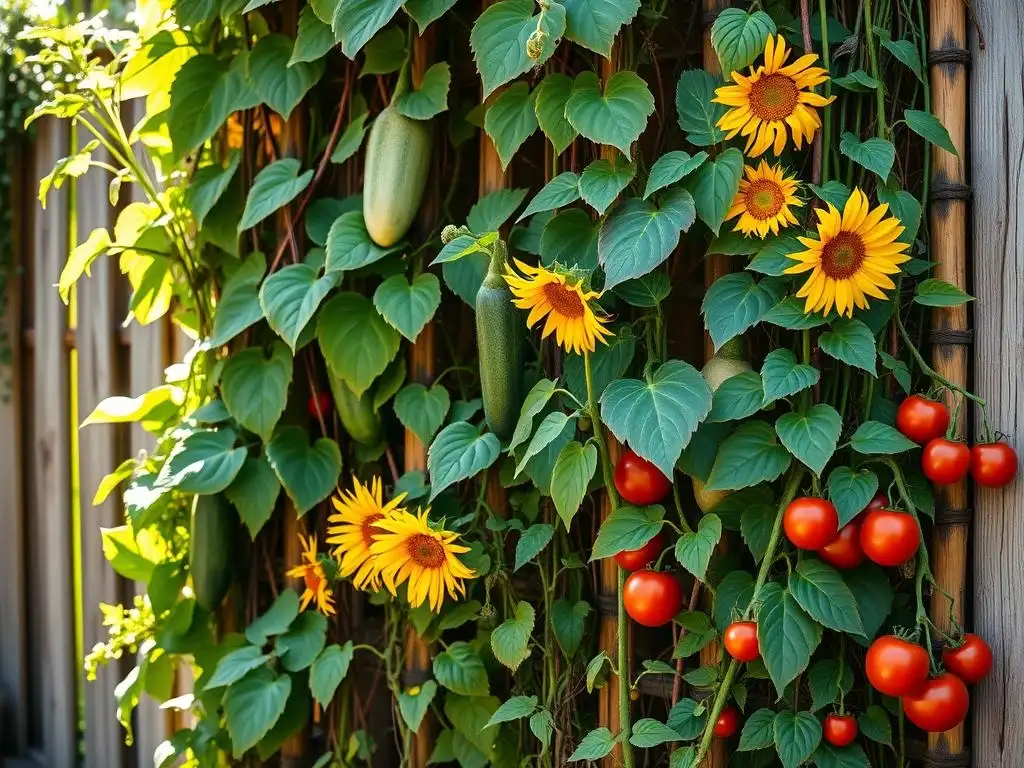
Welcome to CultivateYourFood, your guide to nurturing a thriving garden, sustainably and organically! Are you ready to revolutionize your growing space? Discover the secrets to maximizing yield and minimizing footprint with our in-depth exploration of vertical garden permaculture techniques. Learn how to transform even the smallest area into a bountiful harvest—this is more than just gardening, it's a journey towards self-sufficiency. Let's cultivate a greener, more abundant future, together.
- Introduction to Vertical Gardening and Permaculture
- Designing Your Vertical Permaculture Garden
- Implementing Permaculture Design in Vertical Gardens
- Building and Maintaining Your Vertical Permaculture Garden
- Advanced Vertical Gardening Permaculture Techniques
- Case Study: A Successful Vertical Permaculture Garden
-
Frequently Asked Questions
- What are the benefits of using permaculture principles in vertical gardening?
- How can I design a vertical garden using permaculture techniques?
- What types of plants are best suited for vertical permaculture gardens?
- What are some sustainable materials I can use to build a vertical garden?
- How do I manage pests and diseases in my vertical permaculture garden?
- Final Reflection: Cultivating Abundance in Vertical Spaces
- Unleash Your Inner Gardener: Grow More, Worry Less!
Introduction to Vertical Gardening and Permaculture
Vertical gardening, the practice of growing plants vertically instead of horizontally, is experiencing a surge in popularity. This innovative approach offers a compelling solution for urban dwellers and suburban gardeners alike, maximizing yield in limited spaces. Coupled with the principles of permaculture – a design system that mimics natural ecosystems – vertical gardening transforms from a space-saving technique into a highly sustainable and productive method for cultivating fruits, vegetables, and herbs.
This article delves into the synergy between vertical gardening and permaculture, exploring practical techniques to create thriving, environmentally conscious vertical gardens that yield abundant harvests. We will explore how to maximize space, minimize resource consumption, and create a self-regulating ecosystem right in your backyard (or balcony!).
This guide is designed to empower you to cultivate your food sustainably, no matter how limited your space. Learn how to harness the power of nature to create a bountiful vertical garden that thrives on permaculture principles, leading to improved yields and a reduced environmental footprint.
What is Vertical Gardening? Benefits and Advantages
Vertical gardening encompasses a variety of techniques used to grow plants upwards, rather than outwards. This includes methods such as using trellises, hanging baskets, stacked planters, and living walls. The benefits are numerous and extend beyond simply saving space:
- Increased yield: Vertical gardening allows you to grow more plants in a smaller area, significantly increasing your harvest compared to traditional ground-level planting. This is especially beneficial for those with limited space, such as apartment dwellers or those with small yards.
- Improved air circulation: Vertical structures promote better air circulation around plants, reducing the risk of fungal diseases and pest infestations. This leads to healthier plants and a more robust harvest.
- Optimized sunlight exposure: By arranging plants vertically, you can optimize their exposure to sunlight, ensuring that all plants receive adequate light for photosynthesis.
- Reduced soil erosion: Vertical gardens minimize soil disturbance and erosion, leading to better soil health and reduced environmental impact.
- Aesthetic appeal: Vertical gardens can be incredibly visually appealing, adding a touch of green and beauty to any space, whether it's a patio, balcony, or backyard.
Permaculture Principles: A Foundation for Sustainable Vertical Gardens
Permaculture, short for "permanent agriculture," is a design system that seeks to create sustainable and resilient ecosystems. Several core permaculture principles are particularly relevant to vertical gardening:
- Observe and interact: Before designing your vertical garden, carefully observe your site's conditions – sunlight, wind, water availability, etc. This will inform your plant choices and garden design.
- Catch and store energy: This principle encourages the collection and storage of resources like water and sunlight. In a vertical garden, this could involve using water-retaining materials and strategically placing plants to maximize sun exposure.
- Obtain a yield: The goal is to produce food and other useful resources. Vertical gardening, when properly designed, can yield a significant amount of produce from a limited space.
- Apply self-regulation and accept feedback: A successful permaculture system works in harmony with nature. Observe your garden's performance and make adjustments as needed to optimize its productivity and sustainability.
- Use and value renewable resources and services: Prioritize materials that are renewable and readily available, like recycled containers or locally sourced wood for your vertical garden structures.
Combining Vertical Gardening and Permaculture for Maximum Yield
Integrating permaculture principles into your vertical garden design leads to increased efficiency and sustainability. This includes:
- Choosing appropriate plant species: Select plants that complement each other, such as nitrogen-fixing plants (e.g., beans) and heavy feeders (e.g., tomatoes). Consider companion planting techniques to maximize yield and reduce pest issues.
- Optimizing water management: Implement water-efficient irrigation systems, such as drip irrigation or rainwater harvesting, to minimize water waste.
- Utilizing natural pest control: Attract beneficial insects by including flowering plants in your vertical garden, reducing the need for chemical pesticides. Consider using companion planting to deter pests naturally.
- Composting and recycling: Compost food scraps and yard waste to create nutrient-rich soil for your vertical garden, reducing reliance on external inputs.
By combining the space-saving advantages of vertical gardening with the sustainable practices of permaculture, you can create a highly productive and environmentally friendly food-growing system, even in limited spaces. This approach contributes to a more sustainable lifestyle and provides a rewarding connection to nature and the food you consume. Enjoy the process and the bountiful harvest!
Designing Your Vertical Permaculture Garden
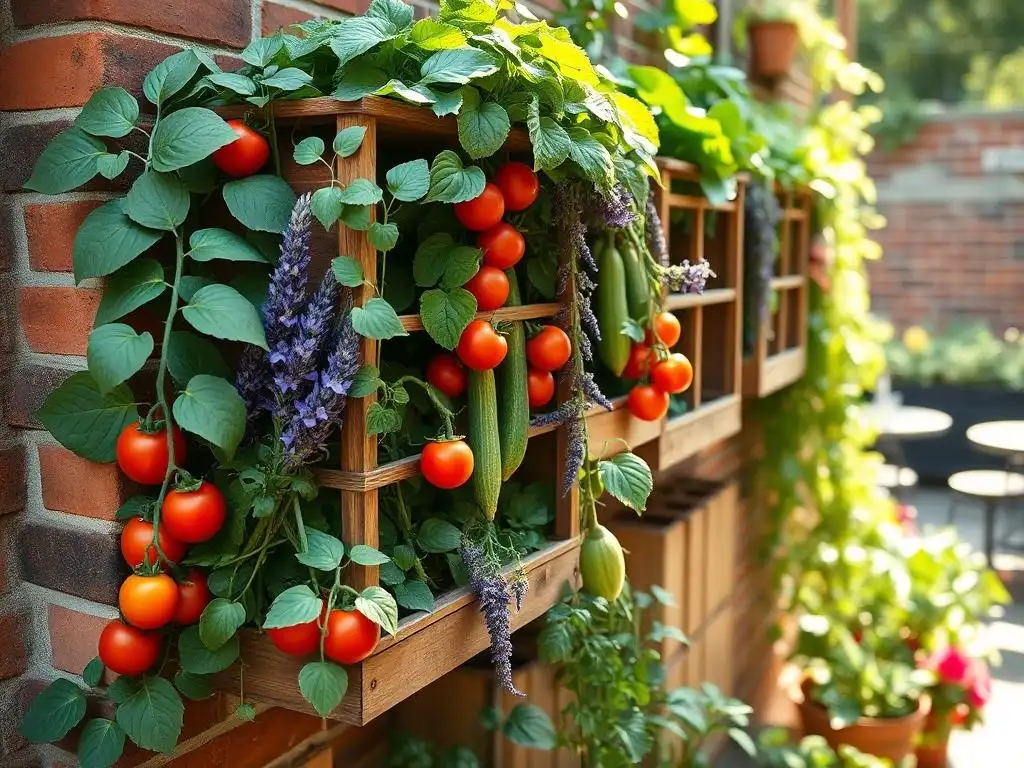
This section delves into the practical aspects of designing a thriving vertical garden that aligns with permaculture principles. We'll explore how to maximize space and yield while minimizing environmental impact. Remember, a successful vertical garden is not just about stacking plants; it's about creating a self-regulating ecosystem that mimics nature's efficiency. Effective vertical garden permaculture techniques require careful planning and consideration of several key factors.
Site Selection and Sunlight Considerations for Vertical Systems
Sunlight is paramount for successful plant growth, regardless of whether you're gardening horizontally or vertically. When choosing a location for your vertical garden, prioritize areas that receive at least six to eight hours of direct sunlight daily. This is crucial for photosynthesis and overall plant health. Consider the sun's path throughout the day – a south-facing location (in the Northern Hemisphere) generally receives the most sunlight.
However, even with ample sunlight, you need to consider potential shading from nearby structures or trees. Taller plants within your vertical system can also cast shade on lower-growing plants. Careful plant selection and placement are therefore essential. For example, you might place sun-loving tomatoes at the top of a tower and shade-tolerant lettuces lower down.
Monitoring sunlight exposure throughout the year is also important. The angle of the sun changes seasonally, affecting the amount of light received at different times of the year. You might need to adjust your plant placement or supplement with artificial lighting during shorter winter days. Consider using a sun tracker app or simple observations to monitor the light conditions in your chosen location.
Choosing the Right Vertical Gardening Structures: Trellises, Walls, and Towers
The structure you choose significantly impacts the success of your vertical garden. Different structures suit different plants and spaces. Let's explore some popular options:
- Trellises: These are excellent for climbing plants like beans, cucumbers, and peas. Simple DIY trellises can be constructed from readily available materials like bamboo canes or reclaimed wood. More elaborate trellises can be purchased or built for larger spaces. Consider the strength and stability of the trellis, especially if supporting heavy fruiting plants.
- Walls: Vertical walls can be created using various methods, including living walls, which use specialized systems to support plants directly on a wall. These are more complex to establish but can be incredibly visually appealing and productive. Other wall-based systems might involve hanging baskets or attaching containers directly to the wall.
- Towers: Vertical towers offer a unique solution for maximizing space in smaller areas. These structures allow for a layered approach, with different plants at varying heights. They can be constructed from a variety of materials, including wood, PVC pipes, or even repurposed pallets. The design should consider drainage and ease of access for planting and harvesting.
The choice of structure will depend on factors like available space, budget, plant selection, and your personal aesthetic preferences. Consider the overall structural integrity and longevity of your chosen system. A well-built structure will last for years, providing a long-term investment in your vertical garden.
Selecting Suitable Plants for Vertical Growth: Climbers, Trailers, and Bushy Varieties
Plant selection is crucial for a successful vertical garden. Understanding the growth habits of different plants is essential for optimal placement and yield.
- Climbers: These plants, such as beans, cucumbers, and tomatoes, naturally climb using tendrils or other structures. They are ideal for trellises and towers, making the most of vertical space. Choose varieties known for their vigorous growth and high yield.
- Trailers: Trailing plants, like strawberries and some varieties of peppers, cascade downwards, creating a beautiful and productive display. They are well-suited for hanging baskets or containers placed at higher levels in a vertical system.
- Bushy Varieties: Even compact, bushy plants can be incorporated into a vertical garden, particularly in tiered systems or containers. Herbs, lettuces, and smaller fruiting plants can thrive in these spaces, maximizing the use of available area. Consider their mature size to avoid overcrowding.
Careful consideration of plant spacing is vital to ensure each plant receives adequate sunlight, water, and nutrients. Overcrowding can lead to reduced yields and increased susceptibility to pests and diseases. Planning your plant placement using a simple diagram can help ensure a balanced and productive vertical garden, maximizing your harvest using effective vertical garden permaculture techniques. Remember to research the specific needs of each plant you choose to ensure its success within your vertical system.
Implementing Permaculture Design in Vertical Gardens
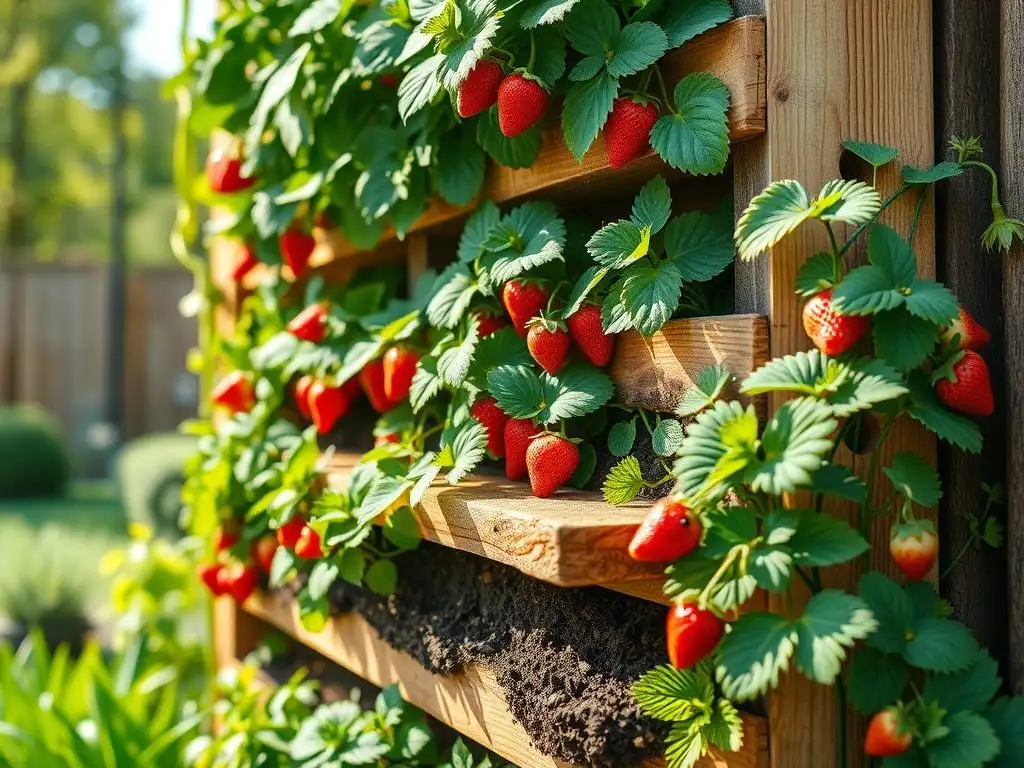
This section delves into the practical application of permaculture principles within the context of vertical gardening. We'll explore how to maximize yield and minimize environmental impact by integrating key permaculture strategies into your vertical garden design. The core tenets of permaculture—earth care, people care, and fair share—are crucial for creating a thriving and sustainable vertical food production system. By mimicking natural ecosystems, we can cultivate a resilient and productive vertical garden that requires less maintenance and yields more. Effective vertical garden permaculture techniques emphasize observation, interaction, and adaptation to your specific environment and resources.
Guild Planting for Vertical Spaces: Companion Plants and Synergistic Relationships
Guild planting, a cornerstone of permaculture, is exceptionally well-suited to vertical gardening. By strategically placing plants with complementary needs and characteristics together, you can create a synergistic environment that enhances growth and pest control. For instance, a vertical herb garden might include:
- Basil: Repels insects like aphids and flies that might target nearby tomatoes or peppers.
- Marigolds: Their strong scent deters nematodes and other soil-borne pests, protecting the roots of your climbing vegetables.
- Nasturtiums: Attract beneficial insects while also acting as a trap crop, diverting pests away from more desirable plants. They are also edible!
Consider the vertical structure itself. A trellis system allows for layering different plants with varying heights and needs. Taller plants can provide shade for more delicate species below, mimicking the layering found in natural forests. Careful planning ensures optimal sunlight exposure for all plants within the guild. Regular observation is key; you might need to adjust plant placement based on growth patterns and environmental changes. Documenting your successes and failures will greatly improve your future guild designs. The key is to find the right balance, creating a miniature ecosystem that thrives on mutual support.
Utilizing Vertical Space for Efficient Water Management: Water-retaining fabrics and drip irrigation
Water conservation is paramount in permaculture, and vertical gardening presents unique opportunities for efficient water management. Traditional watering methods can lead to significant water loss through runoff and evaporation. Implementing water-wise techniques is vital for a sustainable vertical garden.
Water-retaining fabrics, such as coco coir or other organic materials, are excellent additions to vertical systems. These fabrics help retain moisture, reducing the frequency of watering and minimizing water waste. The fabric also helps regulate soil temperature, protecting roots from extreme heat or cold.
Drip irrigation systems are another highly effective water management strategy for vertical gardens. These systems deliver water directly to the roots of plants, minimizing evaporation and runoff. This targeted approach ensures that water is used efficiently, reducing overall water consumption and preventing water stress in your plants. Precise control over water delivery allows for customized watering schedules based on the specific needs of different plants within the vertical structure. Properly designed drip irrigation systems can significantly improve the efficiency of water use in vertical gardens, aligning perfectly with permaculture’s emphasis on responsible resource management.
Integrating Vertical Composting and Mulching Strategies
Vertical composting and mulching are innovative ways to integrate permaculture into your vertical garden. Instead of traditional ground-level composting, consider using vertical compost bins or integrating composting directly into your vertical system. Worm composting, for instance, can be incorporated into a layered vertical garden, providing nutrient-rich castings directly to the plants above.
Mulching plays a crucial role in water retention and weed suppression. Using organic mulches like shredded leaves or wood chips within your vertical garden helps retain moisture, suppresses weeds, and regulates soil temperature. These mulches can be layered within the vertical structure, further enhancing the efficiency of your system and reducing the need for supplemental watering and weeding.
The decomposition of the mulch also enriches the soil over time, providing a continuous supply of nutrients to your plants. By integrating vertical composting and mulching, you create a closed-loop system that mimics natural processes, reinforcing the sustainability and resilience of your vertical garden. This approach aligns perfectly with permaculture’s principles of minimizing waste and maximizing resource utilization.
Pest and Disease Control in Vertical Permaculture Systems
Vertical gardening, while offering space-saving advantages, can sometimes present unique challenges regarding pest and disease management. The close proximity of plants in a vertical system can facilitate the rapid spread of infestations. However, permaculture principles offer effective, sustainable solutions that minimize the need for harmful chemical interventions. A key strategy is to foster biodiversity.
Instead of relying on monocultures, which are highly susceptible to widespread damage, incorporate a variety of plant species into your vertical garden. This diversity disrupts pest life cycles and reduces the likelihood of a single pest overwhelming the entire system. For example, planting strong-smelling herbs like rosemary or mint amongst your vegetables can naturally repel many common garden pests.
Another crucial aspect is the careful selection of plant varieties. Choosing disease-resistant cultivars is paramount. Investing time in researching locally adapted, resilient plants is a proactive step towards preventing major outbreaks. Regular inspection is also vital; early detection of pests or diseases allows for prompt intervention before significant damage occurs. This can involve simply visually inspecting plants for signs of infestation or disease, checking for unusual wilting, discoloration, or the presence of insects.
Furthermore, beneficial insects play a significant role in natural pest control within a permaculture vertical garden. Ladybugs, lacewings, and praying mantises are just a few examples of beneficial insects that prey on common garden pests. Attracting these beneficials involves providing habitat, such as leaving some areas slightly unkempt to provide shelter. Planting flowering plants that attract these insects also helps. Avoid using broad-spectrum insecticides, as these will harm beneficial insects along with pests.
Composting and proper soil management are also critical. Healthy soil supports healthy plants, making them more resilient to pests and diseases. Composting provides essential nutrients and improves soil structure, boosting plant health. Regularly adding compost tea or other organic soil amendments can further enhance soil health and plant vigor.
Remember, a strong, healthy plant is far less susceptible to pest and disease problems than a weakened one. Finally, practicing crop rotation within your vertical system can help break pest and disease cycles, preventing the build-up of pathogens in the soil. By rotating the location of different plant families, you reduce the chances of re-infestation. This proactive approach, combined with careful observation and a commitment to organic practices, is key to successful pest and disease management in your vertical permaculture garden.
Building and Maintaining Your Vertical Permaculture Garden
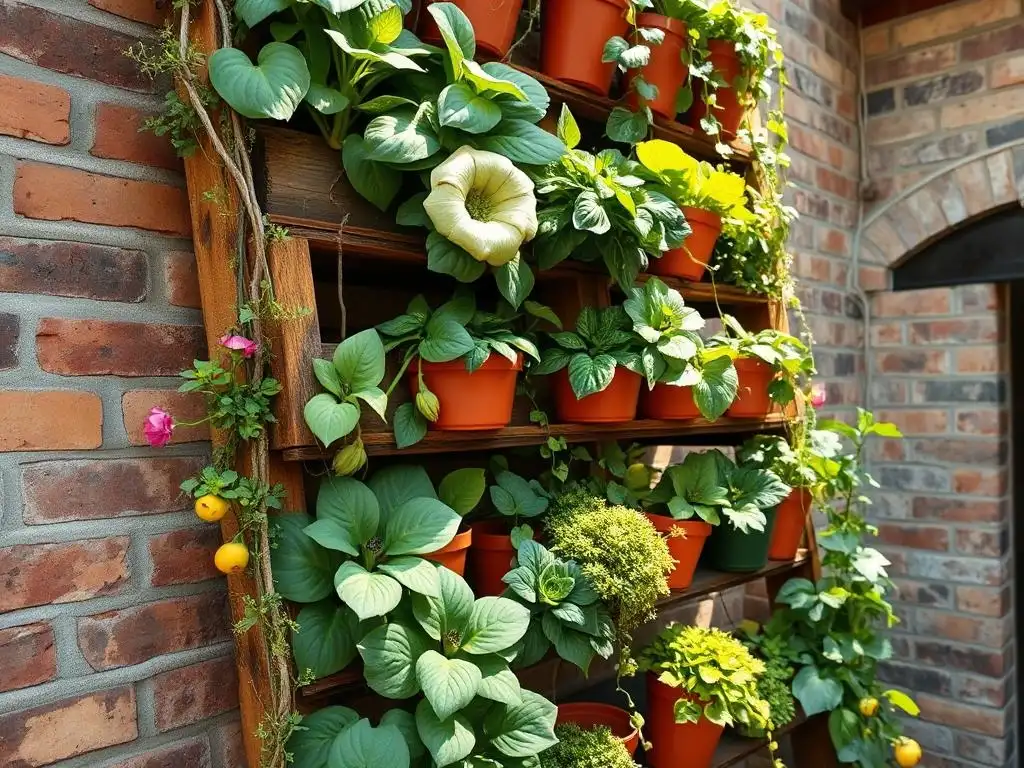
This section delves into the practical aspects of constructing and caring for a thriving vertical permaculture garden. We'll explore techniques that maximize yield while minimizing environmental impact, aligning perfectly with permaculture principles. Remember, successful vertical gardening hinges on careful planning and consistent maintenance. Let's get started!
Step-by-Step Guide to Building a Simple Vertical Trellis
Creating a vertical trellis is a fantastic entry point into vertical gardening with permaculture techniques. This method is economical, adaptable to various spaces, and easily integrates with other permaculture elements. Here's a step-by-step guide:
- Material Selection: Choose durable, readily available materials. Recycled wood pallets, bamboo poles, or even sturdy branches from pruned trees can work wonderfully. Consider the weight your plants will bear and select materials accordingly. For a truly sustainable approach, prioritize reclaimed or locally sourced materials.
- Structure Design: Plan the size and shape of your trellis based on your available space and the types of plants you intend to grow. A simple A-frame trellis is easy to construct and provides excellent support. Alternatively, a series of vertical posts connected by horizontal supports offers flexibility.
- Assembly: Securely fasten the chosen materials together using screws, nails, or strong twine. Ensure the structure is stable and capable of withstanding wind and the weight of mature plants. Consider using natural, biodegradable fasteners where possible.
- Plant Selection: Select climbing or vining plants suitable for vertical growth. Examples include beans (pole beans are ideal! ), cucumbers, tomatoes (certain varieties), and various herbs like basil or mint. Research varieties that thrive in your climate and soil conditions.
- Planting and Training: Plant seedlings or seeds at the base of the trellis, ensuring adequate spacing between plants. Gently guide the plants as they grow, tying them loosely to the trellis supports to encourage upward growth. Avoid overly tight bindings that could restrict growth or damage the stems.
Maintaining Soil Health and Nutrient Levels in Vertical Systems
Vertical gardens, while space-saving, require diligent attention to soil health and nutrient management. The confined growing medium can deplete nutrients quickly, impacting plant vigor and yield. Effective strategies are crucial for maximizing the productivity of your vertical garden using permaculture principles.
Maintaining soil fertility in a vertical garden requires a multi-pronged approach. Firstly, start with high-quality soil mix. A blend of compost, vermiculite, and perlite provides excellent drainage and aeration, crucial for preventing root rot in confined spaces. Secondly, regular fertilization is essential. Compost tea, a liquid fertilizer brewed from compost, is an environmentally friendly option. Alternatively, consider using slow-release organic fertilizers to minimize the frequency of applications.
The use of companion planting also plays a significant role in maintaining soil health. Certain plant combinations can enhance nutrient uptake and suppress pests. For instance, planting marigolds alongside tomatoes can help deter certain pests and improve soil health. Regular monitoring of soil pH is also recommended. A slightly acidic to neutral pH (6.0-7.0) is generally optimal for most plants. Soil testing kits are readily available to ensure your soil remains within the ideal range. Remember, healthy soil is the foundation of a thriving vertical permaculture garden.
Harvesting and Pruning Techniques for Vertical Gardens
Harvesting and pruning are essential for maximizing yields and maintaining the health of your vertical permaculture garden. These practices, when executed correctly, promote vigorous growth and prevent overcrowding.
Harvesting should be done regularly, depending on the maturity of the plants. For example, beans can be harvested continuously as pods mature, while tomatoes require more patience, allowing them to fully ripen on the vine. Regular harvesting prevents overcrowding and encourages further fruiting. Pruning, likewise, is crucial for managing growth and directing energy towards fruit production.
Removing suckers (small shoots that grow from the base of the plant) in tomatoes, for example, focuses the plant's energy on fruit development. Regularly inspecting plants for dead or diseased leaves and removing them promptly prevents the spread of disease. Remember that proper pruning techniques vary depending on the specific plant species; research the best practices for each plant in your vertical garden. Careful harvesting and pruning, combined with other permaculture techniques, will ensure your vertical garden thrives and provides a bountiful harvest.
Adapting to Different Climates and Seasons in Vertical Gardening
Vertical gardening, while offering space-saving advantages, requires careful consideration of climate and seasonal changes to ensure optimal plant growth and yield. Successful vertical permaculture techniques hinge on understanding and adapting to these variations. For instance, a sunny, arid climate will necessitate different plant choices and watering strategies compared to a cool, humid environment.
One key aspect is selecting plants appropriate for your specific climate zone. Hardy varieties that thrive in colder temperatures are crucial for regions experiencing frost or prolonged periods of low temperatures. Conversely, heat-tolerant plants are essential for warmer climates to avoid sun scorch and wilting. Understanding the average temperature range, rainfall, and sunlight hours throughout the year is paramount in choosing suitable species for your vertical garden. Researching native plants or those known to adapt well to your local conditions is a sustainable and effective approach.
Seasonal changes also dictate the types of plants you can cultivate. Many vertical gardening systems can accommodate various plant heights and growth habits, allowing you to rotate crops throughout the year. For example, in spring, you might plant fast-growing leafy greens like lettuce and spinach, followed by heat-loving tomatoes and peppers in summer, and finally, hardy root vegetables like carrots and radishes in the fall. This succession planting maximizes the use of your vertical space and yields a continuous harvest.
Furthermore, the design of your vertical garden should take seasonal variations into account. In regions with harsh winters, you might need to consider protective measures, such as using frost-resistant materials or relocating more sensitive plants indoors during colder months. In contrast, during hotter summer months, you might need to implement shading techniques or increase watering frequency to prevent plants from drying out. Adaptable structures, such as those that can be easily covered or adjusted for different light levels, offer greater flexibility and resilience in the face of changing seasons.
Careful observation of your plants’ responses to the changing climate is crucial. Monitoring for signs of stress, such as wilting, discoloration, or pest infestations, allows for timely interventions. Adapting your watering schedule, fertilization regime, or pest control strategies based on seasonal conditions ensures the health and productivity of your vertical garden. Regularly assessing the effectiveness of your techniques and making adjustments as needed is a key component of successful vertical permaculture gardening. This iterative approach ensures that your vertical garden remains a thriving, productive ecosystem year-round.
Advanced Vertical Gardening Permaculture Techniques
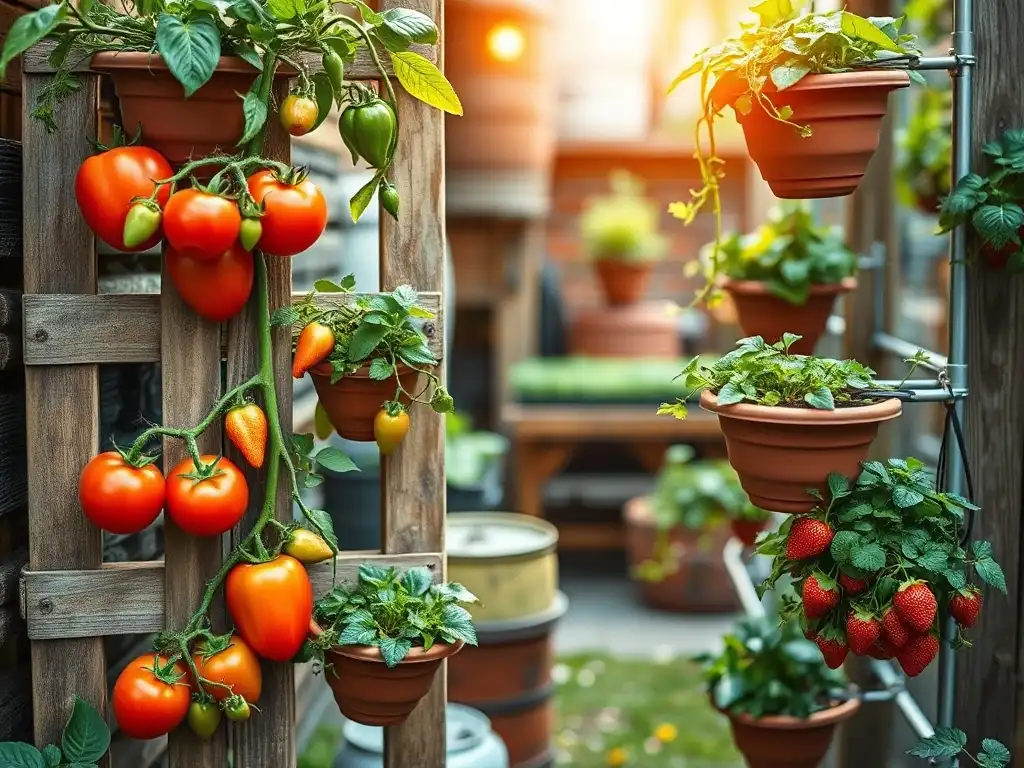
This section delves into sophisticated methods for implementing vertical gardening within a permaculture framework, maximizing space efficiency and mimicking natural ecosystems. We’ll explore techniques beyond basic vertical gardening, focusing on advanced design and nutrient cycling strategies to create thriving, sustainable vertical food production systems. These techniques are crucial for optimizing yield and minimizing environmental impact in your home garden, refining your approach to vertical garden permaculture techniques.
Creating a Multi-Level Vertical Garden System
Creating a truly effective multi-level vertical garden requires careful consideration of plant needs and system design. Simple stacking of planters isn't sufficient for optimal permaculture principles. Instead, we must mimic the layering found in natural ecosystems.
Consider this example: A three-tiered system could incorporate a bottom layer of nitrogen-fixing plants like clover or beans in self-watering containers. These plants enrich the soil for the plants above. The middle tier could house fruiting vegetables such as tomatoes or peppers, supported by sturdy trellises or cages. The top layer could feature vining plants like cucumbers or climbing beans, utilizing the vertical space efficiently.
This system is designed to reduce competition for resources and to create a symbiotic relationship between the different plant layers. The nitrogen-fixing plants at the base provide essential nutrients for the plants above, minimizing the need for external fertilizers – a core principle of permaculture. Furthermore, careful selection of plant heights and growth habits is crucial to avoid overshadowing lower layers and to ensure adequate airflow for disease prevention.
- Plant Selection: Choosing compatible species is paramount. Consider mature plant heights, sunlight requirements, and root systems to avoid competition.
- Structural Integrity: The structure itself must be robust enough to support the weight of the plants and soil, particularly in taller systems. Use durable materials like treated wood or recycled metal.
- Watering System: A well-designed watering system is crucial. Consider drip irrigation or self-watering planters to minimize water waste and ensure even moisture distribution across all levels. This is especially important for vertical systems, which can dry out quickly.
Integrating Water Features into Vertical Permaculture Designs
Integrating water features into vertical permaculture designs offers multiple benefits. It enhances the microclimate, improves humidity, and can even provide a source of irrigation. This aligns perfectly with permaculture's emphasis on water conservation and utilizing natural resources effectively.
A small, recirculating pond at the base of a vertical garden can provide moisture and moderate temperature fluctuations. The evaporation from the pond increases humidity around the plants, reducing the need for frequent watering. Furthermore, the pond can be stocked with aquatic plants that can then be used as compost or mulch.
Another option is to incorporate a simple rainwater harvesting system. Rainwater collected from the roof can be channeled into a storage tank and used to irrigate the vertical garden. This minimizes reliance on municipal water supplies and promotes water conservation. This system enhances the overall sustainability of your vertical garden permaculture techniques.
The key is to design the water feature to integrate seamlessly with the vertical garden, not as a separate element. Consider the size and placement of the water feature relative to the plants and the overall aesthetics of your garden. The goal is to create a harmonious and productive ecosystem.
Advanced Vertical Composting Methods for Nutrient Cycling
Closed-loop nutrient cycling is a cornerstone of permaculture. In vertical gardening, this requires innovative composting techniques. Traditional composting methods may not be practical or efficient in a vertical system, thus requiring alternative solutions.
One advanced technique is vermicomposting, using earthworms to break down organic waste. Vermicomposting can be easily integrated into a vertical garden system using tiered worm bins. The worm castings produced are an excellent fertilizer, rich in nutrients, providing a natural and sustainable way to enrich the soil of your vertical garden. This minimizes waste and maximizes nutrient cycling within the system.
Another approach involves creating a "Bokashi" composting system within the vertical garden. Bokashi uses an anaerobic fermentation process to break down organic matter, producing a nutrient-rich compost tea. This tea can be used to irrigate the vertical garden, providing plants with essential nutrients and beneficial microorganisms.
These advanced composting methods, when properly implemented, are crucial for maintaining soil fertility and minimizing the need for external inputs, a core tenant of sustainable vertical garden permaculture techniques. They significantly reduce waste and enhance the self-sufficiency of the vertical garden. Careful monitoring of the composting process and appropriate adjustments are key to its success.
Utilizing Vertical Space for Seed Saving and Propagation
Vertical gardening offers unparalleled opportunities for efficient seed saving and propagation, aligning perfectly with permaculture's emphasis on resource conservation and self-sufficiency. Instead of sprawling seed-starting trays that consume valuable floor space, consider utilizing vertical structures. Simple methods include repurposed shelving units, where individual seed trays or small pots can be neatly organized, maximizing light exposure for optimal germination. This layered approach allows for the simultaneous propagation of a diverse range of plants, from delicate herbs to robust vegetables, all within a compact area.
Furthermore, the vertical orientation facilitates better air circulation, reducing the risk of fungal diseases common in overcrowded seed trays. This is crucial for maintaining the health of seedlings and ensuring a high success rate for seed germination and propagation. The reduced humidity also helps prevent damping-off, a devastating fungal disease that can wipe out entire seedling batches. Careful spacing between trays and pots is still important, however, to prevent competition for light and nutrients.
Advanced vertical propagation techniques can incorporate structures like hanging planters or vertical hydroponic systems. These systems allow for the precise control of environmental factors such as humidity and nutrient delivery, further optimizing the propagation process. Hanging baskets, for instance, can be used to grow trailing plants from cuttings, maximizing space utilization and providing an aesthetically pleasing element to your vertical garden. These systems are particularly beneficial for seed starting, especially when space is limited, as they allow for a large number of seedlings to be grown in a small footprint.
Careful consideration of plant selection is crucial—choosing fast-growing species that thrive in hanging baskets will ensure a productive setup. This approach not only saves space but also adds a visually appealing element to your gardening space. The integration of vertical propagation directly into your vertical garden further reinforces the permaculture principles of minimizing waste and maximizing resource utilization.
Case Study: A Successful Vertical Permaculture Garden
This section details a real-world example of a thriving vertical garden implemented using permaculture principles. We'll analyze the design, implementation, results, and lessons learned, providing practical insights for your own vertical garden projects. The focus here is on demonstrating effective vertical garden permaculture techniques in action.
Design and Implementation Details
The garden, located in a small urban backyard (approximately 10ft x 10ft), utilized a three-tiered system. The first tier consisted of raised beds (2ft x 4ft) filled with a compost-rich soil mix. This provided a base layer for taller, sun-loving plants like tomatoes and peppers. These plants were strategically placed to maximize sun exposure and minimize shading on lower tiers.
The second tier incorporated a living wall constructed from repurposed pallets. These pallets were spaced to allow for adequate airflow and were planted with a mix of herbs (basil, oregano, thyme) and vining vegetables (cucumbers, zucchini). This tier benefited from the shade provided by the upper tier, creating a microclimate ideal for these plants. The pallets were treated with a natural, non-toxic wood preservative.
The third tier consisted of hanging baskets and vertical planters filled with strawberries, trailing herbs, and leafy greens. These plants were chosen for their ability to thrive in slightly less sunlight and their tolerance for slightly drier conditions. The entire system utilized a drip irrigation system to ensure efficient water usage, minimizing water waste.
The following table summarizes the plant selection and placement:
| Tier | Plant Type | Variety Examples | Notes |
|---|---|---|---|
| 1 | Sun-loving Vegetables | Tomatoes, Peppers, Eggplant | Raised beds, ample sunlight |
| 2 | Herbs & Vining Plants | Basil, Oregano, Cucumbers | Repurposed pallets, partial shade |
| 3 | Hanging Plants | Strawberries, Lettuce | Hanging baskets, less sunlight, drip irrigation |
Careful consideration was given to companion planting. For example, basil was planted near tomatoes to deter pests and improve tomato growth. This reflects a core permaculture principle of working with nature, rather than against it. Furthermore, the use of repurposed materials minimized environmental impact, aligning with permaculture's emphasis on sustainability.
Results and Lessons Learned
Over a growing season, the vertical garden yielded a significant amount of produce. The yield was comparable to a much larger, traditional garden, demonstrating the space-saving efficiency of vertical gardening. The system proved to be remarkably resilient to pests and diseases, likely due to the diverse plant community and the healthy soil mix.
However, some challenges were encountered. Maintaining the moisture levels in the upper tiers proved more difficult than in the lower tiers. Regular monitoring and adjustments to the drip irrigation system were necessary. Additionally, the weight of the plants in the upper tiers required reinforcing the pallet structure.
The use of natural pest control methods, such as introducing beneficial insects and using neem oil, proved highly effective, further demonstrating the advantages of integrating permaculture principles. The overall experience highlighted the importance of careful planning, regular maintenance, and adapting the system to the specific microclimate. The success of this vertical garden underscores the potential of vertical garden permaculture techniques for maximizing food production in limited spaces.
Adapting the Model to Your Own Garden
Adapting this model to your specific needs requires careful consideration of several factors. Firstly, assess your available space and sunlight exposure. Choose plants that are suitable for your climate and growing conditions. Consider the weight of mature plants when designing your vertical structures. The use of repurposed materials is encouraged to minimize waste and reduce costs.
Remember, successful vertical gardening hinges on understanding the specific needs of your chosen plants. Regular monitoring and adjustments to watering, fertilization, and pest control are crucial. Don't be afraid to experiment and adapt your design based on your observations and experiences. Start small, learn from your mistakes, and enjoy the process of cultivating your own food using innovative and sustainable vertical garden permaculture techniques. The rewards—both in terms of fresh, healthy produce and environmental benefits—are well worth the effort. 🌱
Frequently Asked Questions
What are the benefits of using permaculture principles in vertical gardening?
Permaculture design emphasizes efficiency and sustainability. In vertical gardens, this translates to maximizing space, minimizing resource use (like water and fertilizer), and creating a self-sustaining ecosystem. This leads to higher yields with less effort.
How can I design a vertical garden using permaculture techniques?
Start by observing your space and the sunlight it receives. Choose plants that complement each other (e.g., nitrogen-fixing plants with heavy feeders). Consider using stacked layers and incorporating elements like trellises or living walls to optimize vertical space and support plant growth.
What types of plants are best suited for vertical permaculture gardens?
Choose vining plants like cucumbers, tomatoes, and beans, which readily climb. Herbs like basil and mint also thrive vertically. Select varieties suitable for your climate and consider using companion planting to promote growth and deter pests.
What are some sustainable materials I can use to build a vertical garden?
Repurpose recycled materials like pallets, plastic bottles, or even old tires. Use compost and other organic materials as soil. Prioritize materials that are durable, weather-resistant, and easily accessible to minimize environmental impact.
How do I manage pests and diseases in my vertical permaculture garden?
Employ natural pest control methods, such as introducing beneficial insects or using companion planting to deter pests. Regularly inspect plants for signs of disease and promptly address any issues using organic solutions. Maintaining a healthy soil ecosystem is crucial for disease prevention.
Final Reflection: Cultivating Abundance in Vertical Spaces
The principles of permaculture, when applied to vertical gardening, offer a powerful solution to the challenges of limited space and resource depletion in modern urban environments. This isn't just about growing food; it's about creating resilient, sustainable ecosystems right in our backyards, balconies, and even rooftops. The potential for widespread adoption of these techniques is immense, promising a greener, more food-secure future.
The shift towards vertical gardening reflects a growing awareness of our interconnectedness with the natural world and a desire to live more sustainably. It's a movement that transcends mere aesthetics; it's about reclaiming our relationship with the earth, one carefully planned vertical garden at a time. This resonates deeply with me, as I've witnessed firsthand the transformative power of nurturing life in even the smallest of spaces. The earth laughs in flowers.
– Ralph Waldo Emerson. This quote perfectly encapsulates the joy and abundance that can be cultivated through thoughtful application of permaculture principles in vertical gardening.
Now, consider your own space. What possibilities exist for you to integrate these principles? Perhaps a small herb garden on your balcony, a living wall in your kitchen, or even a community vertical garden project in your neighborhood? The journey towards a more sustainable future begins with a single seed, a single plant, a single act of creation. Embrace the challenge, embrace the abundance, and let your vertical garden flourish.
Unleash Your Inner Gardener: Grow More, Worry Less!
Thank you for exploring the world of vertical gardening with us! We hope you feel empowered to maximize your space and adopt sustainable growing practices. Ready to put your new knowledge into action?
- Start small, then expand: Find a sunny spot—even a small balcony will suffice—and choose a simple vertical gardening system to begin. A wall-mounted planter or a tiered herb tower are excellent starting points.
- Share your success and inspire others: Take a picture of your flourishing vertical garden and share it on social media using #CultivateYourFood. Let's build a thriving community of vertical gardening enthusiasts!
- Learn more: Deepen your understanding of permaculture principles and discover more creative vertical gardening solutions by exploring our extensive resources on the CultivateYourFood website.
What's your first vertical gardening project? Let us know in the comments below!