
How to Make the Most of Your Garden: Tips for Success

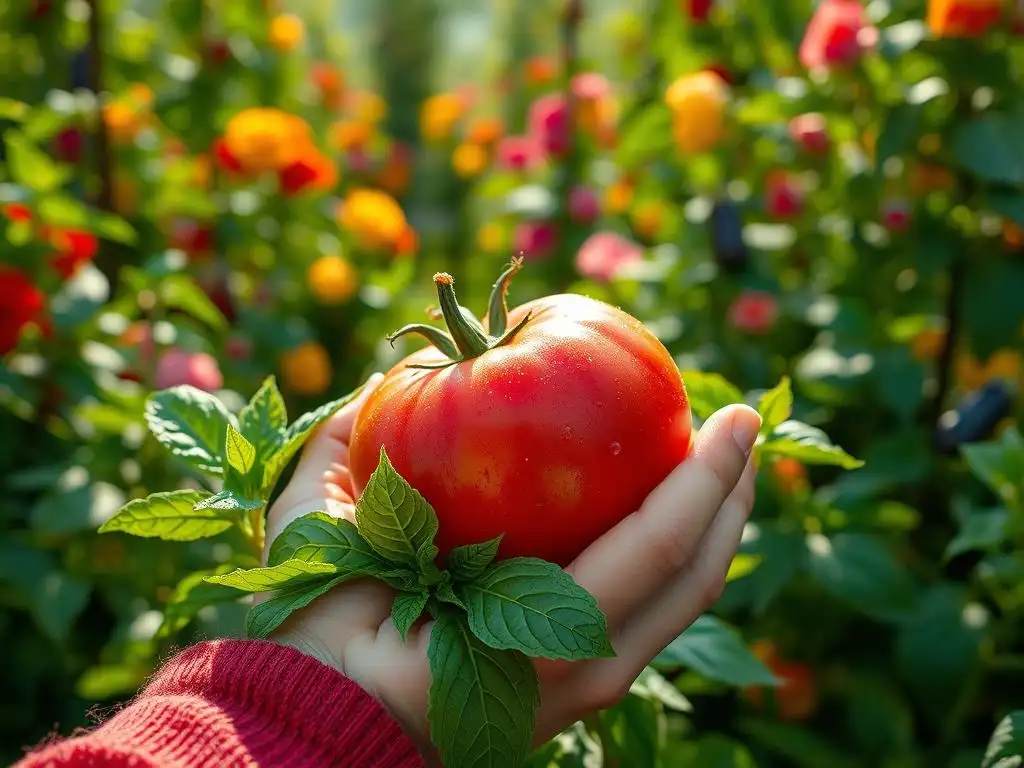
Ready to transform your backyard into a thriving oasis of fresh, organic produce? CultivateYourFood is your guide to unlocking the secrets of successful home gardening. Discover essential organic gardening tips for bountiful harvests, from planting to pest control, and learn how to cultivate a sustainable and rewarding garden. Dive into our expert advice and unlock the path to organic gardening success – your journey to a healthier, more flavorful life begins here!
- Maximize Your Garden's Potential: Essential Organic Gardening Tips
- Sustainable Practices for a Thriving Organic Garden
- Harvesting and Preserving Your Organic Bounty
- Troubleshooting Common Organic Gardening Challenges
- Year-Round Organic Gardening: Extending Your Growing Season
-
Frequently Asked Questions
- What are the essential steps for starting an organic garden?
- How can I ensure my organic garden thrives without using chemical pesticides?
- What's the best way to maintain healthy soil for organic gardening?
- How do I harvest my organic fruits and vegetables at their peak?
- What are some common mistakes to avoid for organic gardening success?
- Final Reflection: Cultivating a Bountiful Life, One Seed at a Time
- Unleash Your Inner Gardener: Grow Your Green Oasis!
Maximize Your Garden's Potential: Essential Organic Gardening Tips
Cultivating a thriving organic garden brimming with fruits, vegetables, and herbs isn't just about planting seeds; it's about understanding and implementing sustainable practices that nurture the earth and reward you with an abundant harvest. This article delves into key strategies for maximizing your garden's yield while minimizing waste, providing you with actionable organic gardening tips for success. We'll explore crucial aspects from initial planning and soil preparation to selecting the right plants and optimizing your planting schedule, all within the context of responsible, environmentally-conscious gardening.
Successfully implementing these organic gardening tips will not only increase your harvest but also contribute to a healthier planet. Let's get started on your journey to a more productive and sustainable garden!
Planning Your Organic Garden for Success: Site Selection and Soil Preparation
Before you even think about seeds, the foundation of your organic garden lies in careful planning. Site selection is paramount. Consider the amount of sunlight your chosen area receives. Most vegetables thrive with at least six hours of direct sunlight daily. Observe the area throughout the day to assess sun exposure patterns.
Also, consider water access – proximity to a water source simplifies watering, especially during dry spells. Proper soil preparation is equally crucial. Healthy soil is the backbone of a successful organic garden. Begin by conducting a soil test to determine its pH level and nutrient content. This will inform you about any necessary amendments.
Amendments might include adding compost (a fantastic way to reduce kitchen waste! ), aged manure, or other organic matter to improve soil structure, drainage, and fertility. The goal is to create a rich, well-draining soil that's teeming with beneficial microorganisms. Remember, healthy soil equals healthy plants!
A well-structured garden bed, whether raised or in-ground, can significantly improve drainage and ease of access. Consider the dimensions based on your available space and the types of plants you intend to cultivate. Think about pathways to ensure easy navigation and minimize soil compaction. Planning ahead minimizes wasted effort and maximizes your chances of a bountiful harvest. This initial investment of time and effort will pay dividends throughout the growing season.
Choosing the Right Organic Seeds and Seedlings for Your Climate
Selecting the right seeds or seedlings is critical for maximizing your garden's success. Consider your local climate, including the average temperature, rainfall, and frost dates. Choosing varieties suited to your specific climate zone significantly increases your chances of a successful harvest. Opt for organically certified seeds or start with organic seedlings from reputable nurseries.
This ensures that your plants haven't been exposed to harmful pesticides or chemicals. Research different varieties within each plant type. Some varieties are more resistant to pests and diseases, requiring less intervention on your part. Some vegetables, for example, mature faster than others, allowing you to harvest multiple crops during a single growing season.
Consider your family's preferences and dietary needs when making your selections. Planning for diversity also ensures a continuous supply of fresh produce throughout the growing season. Don’t forget to account for space constraints and the mature size of your chosen plants to avoid overcrowding.
Optimizing Your Planting Schedule for Maximum Yield
Timing is everything in organic gardening. Understanding your region's last frost date is crucial for determining when to plant frost-sensitive crops. Consult a planting calendar specific to your area, which will provide guidance on the ideal planting times for various vegetables, fruits, and herbs. Succession planting – planting new crops as others are harvested – is a fantastic way to maximize space and yield. This technique ensures a continuous supply of fresh produce throughout the growing season, reducing waste and maximizing the productivity of your garden.
Consider companion planting, where certain plant combinations benefit each other. For instance, basil planted near tomatoes can help repel pests. Careful planning and strategic planting maximize your garden’s potential, leading to a plentiful and sustainable harvest. Remember, a little planning goes a long way in organic gardening.
Essential Organic Gardening Tools and Equipment for Beginners
Starting an organic garden doesn't require a massive investment in expensive tools. However, having the right equipment can significantly improve your efficiency and enjoyment. Beginners should focus on acquiring a few essential items that will cover most gardening tasks. These tools will help you achieve success in your organic gardening journey, minimizing waste and maximizing yield.
One of the most fundamental tools is a good quality trowel. A sturdy trowel with a comfortable grip is crucial for planting seedlings, weeding, and transplanting. Look for one made from durable stainless steel to avoid rust and ensure longevity. Avoid flimsy plastic trowels, as they often break under pressure. Investing in a quality trowel from the outset will save you money in the long run.
Next, a garden fork is invaluable for turning over soil, loosening compacted earth, and incorporating compost. A garden fork is gentler on the soil structure than a spade, helping to maintain soil health – a crucial element of organic gardening. When choosing a garden fork, look for one with strong, well-spaced tines made from durable steel.
A watering can with a rose head is essential for gentle and controlled watering. Overwatering can lead to root rot and other problems, especially for seedlings. A rose head distributes the water evenly, preventing soil erosion and promoting healthy root development. Consider a galvanized steel watering can for its durability and resistance to rust. Avoid plastic watering cans, especially those that are not UV resistant, as they can degrade quickly in the sun.
Finally, a pair of gardening gloves is crucial for protecting your hands from thorns, dirt, and potential irritants. Choose gloves that are comfortable, durable, and allow for good dexterity. Leather gloves offer excellent protection, while cotton gloves provide better breathability. Consider having multiple pairs on hand for different tasks and to ensure hygiene. Gloves are not only protective but also contribute to a cleaner and more efficient gardening experience.
Beyond these basics, consider adding a small hand rake for smoothing soil and removing debris, and a wheelbarrow for transporting soil, compost, and harvested produce, especially as your garden grows. Remember that starting small and adding tools as needed is a sustainable and cost-effective approach to organic gardening. Prioritize quality over quantity, choosing durable tools that will last for many gardening seasons.
These initial investments will pay dividends in terms of efficiency, reduced waste, and overall success in your organic gardening endeavors. Remember, the right tools contribute significantly to an enjoyable and productive experience, making your organic gardening journey more rewarding.
Sustainable Practices for a Thriving Organic Garden
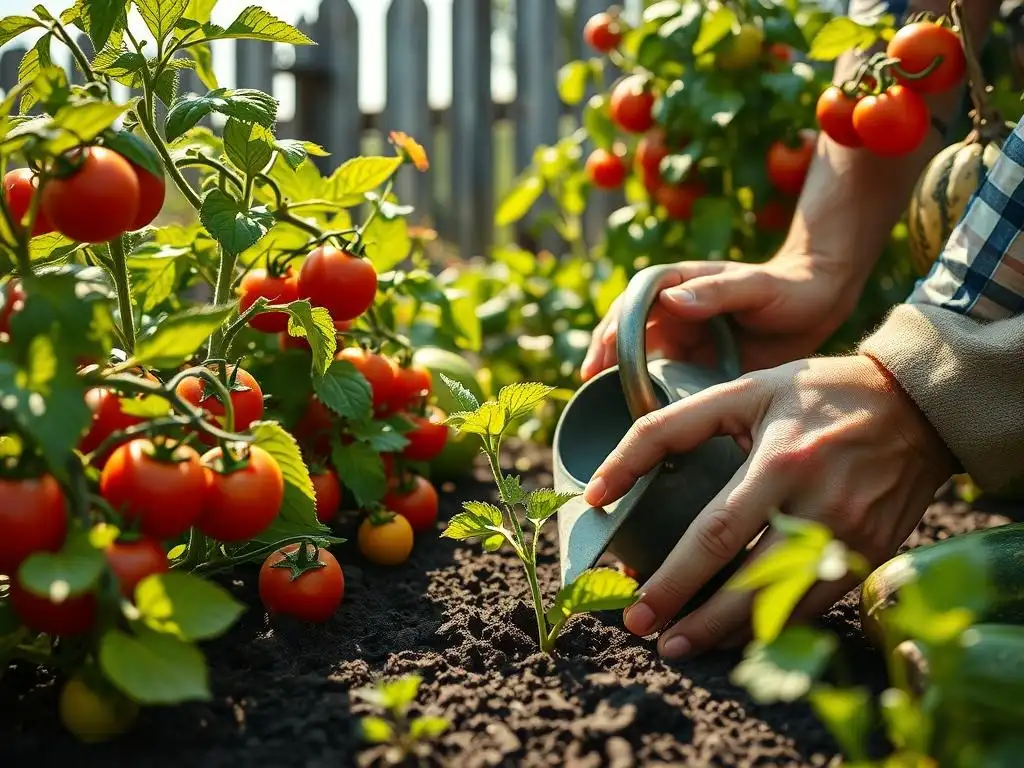
This section focuses on implementing sustainable practices to maximize your organic garden's success. We'll explore efficient irrigation, natural pest control, and effective composting – key elements for a thriving and environmentally friendly garden. These organic gardening tips will help you achieve success while minimizing your environmental footprint.
Water Wisely: Efficient Irrigation Techniques for Organic Gardens
Water conservation is crucial for organic gardening success. Overwatering leads to root rot and attracts pests, while underwatering stunts growth. Efficient irrigation techniques are essential for optimizing water use and promoting healthy plant development.
Several methods promote water conservation. Drip irrigation, for example, delivers water directly to the plant's roots, minimizing evaporation and runoff. This targeted approach ensures that the water reaches where it's needed most, leading to healthier plants and reduced water waste. A well-designed drip system can significantly reduce water consumption compared to traditional overhead sprinklers, saving you money and resources.
Another effective technique is soaker hoses, which gently release water along their length, slowly saturating the soil. This method is particularly beneficial for plants with shallow root systems, preventing water from running off before it can be absorbed. Soaker hoses are also excellent for areas with sloped terrain, where runoff is a major concern.
Consider the timing of your watering. Watering in the early morning minimizes evaporation, allowing the water to penetrate the soil before the sun's heat intensifies. Avoid watering during the hottest part of the day, as much of the water will evaporate before it reaches the roots. Regularly checking soil moisture levels with your finger is also crucial. Only water when the top inch or two of soil feels dry.
Implementing these water-wise techniques is key to achieving organic gardening success. By optimizing your watering practices, you can conserve water, improve plant health, and contribute to a more sustainable gardening approach.
Natural Pest Control: Protecting Your Plants Organically
Organic gardening success hinges on effective pest control without resorting to harmful chemicals. Natural methods offer safe and sustainable alternatives to protect your plants from common garden pests. Here are some effective strategies:
- Beneficial Insects: Introducing beneficial insects like ladybugs, lacewings, and praying mantises can significantly reduce pest populations. These predators feed on common garden pests, providing a natural form of pest control. Attracting these beneficial insects can be achieved by planting flowers that provide nectar and pollen sources.
- Companion Planting: Strategically planting certain plants together can deter pests. For example, basil planted near tomatoes can repel tomato hornworms, while marigolds can repel nematodes and other soilborne pests. Careful planning of your garden layout can significantly reduce pest infestations.
- Physical Barriers: Row covers and netting can protect plants from flying insects and birds. These physical barriers provide a simple and effective way to prevent pest damage without the use of chemicals.
- Homemade Sprays: Simple solutions like neem oil, diluted insecticidal soap, or a strong spray of water can dislodge many pests. These natural remedies are effective against a range of pests and are safe for beneficial insects and pollinators.
Remember, early detection is key! Regular monitoring of your plants will allow for prompt intervention, preventing minor infestations from escalating into major problems. This proactive approach is vital for organic gardening success.
Composting for Organic Garden Success: Recycling Garden Waste
Composting is a cornerstone of successful organic gardening. It transforms organic waste into nutrient-rich compost, a natural fertilizer that improves soil structure, water retention, and nutrient availability. This sustainable practice minimizes waste and enhances the overall health of your garden.
The process involves layering brown and green materials in a compost bin or pile. Brown materials include dried leaves, twigs, and shredded paper, while green materials include grass clippings, fruit and vegetable scraps, and coffee grounds. Maintaining a balance between these materials ensures proper decomposition. Regular turning of the compost pile speeds up the decomposition process and promotes aeration.
The resulting compost provides essential nutrients to your plants, reducing the need for synthetic fertilizers. It also improves soil drainage and aeration, creating a healthier environment for root growth. The use of compost is a significant factor in achieving organic gardening success and promoting soil health. Moreover, by composting your garden waste, you are actively reducing landfill waste and contributing to a more sustainable gardening practice. The benefits extend beyond improved plant health to encompass broader environmental responsibility. Composting is a simple yet powerful tool for organic gardening success.
Mulching Techniques for Healthy Soil and Water Retention
Mulching is a cornerstone of successful organic gardening, offering numerous benefits that contribute significantly to a thriving and sustainable garden. It's a simple yet powerful technique that mimics natural processes, enhancing soil health and minimizing water waste. Effective mulching significantly reduces the need for supplemental watering, a crucial aspect of sustainable gardening, especially during drier months. By retaining moisture in the soil, mulching helps plants withstand periods of drought and reduces the frequency of irrigation, conserving precious water resources. This is particularly important for those practicing organic gardening, as water conservation is inherently linked to environmentally friendly practices.
The type of mulch you choose significantly impacts its effectiveness. Organic mulches, such as shredded leaves, straw, wood chips, and grass clippings, offer the added benefit of enriching the soil as they decompose. These materials gradually break down, releasing essential nutrients that nourish your plants. This slow-release fertilization reduces the need for synthetic fertilizers, aligning perfectly with organic gardening principles. However, it's crucial to avoid using diseased plant material as mulch, as this can introduce pathogens into your garden soil. Properly composted material is always the safest option.
Applying mulch correctly is essential to maximize its benefits. A layer of 2-4 inches is generally recommended, ensuring adequate moisture retention and weed suppression. Avoid piling mulch directly against plant stems, as this can lead to rot. Leave a small gap around the base of each plant to allow for good air circulation.
Regularly replenish the mulch layer as it decomposes, maintaining the optimal depth throughout the growing season. This ensures consistent benefits throughout the year and minimizes the need for frequent reapplication. Careful observation of your mulch layer will help you determine when replenishment is needed; a thin or largely decomposed layer will require additional mulch.
Beyond water retention and soil enrichment, mulching offers several additional advantages for organic gardeners. It helps regulate soil temperature, protecting plant roots from extreme heat and cold. This is particularly beneficial during summer heatwaves and winter freezes. Furthermore, mulching suppresses weed growth, reducing competition for resources and minimizing the need for herbicides.
This contributes to a cleaner, more efficient garden, minimizing the time and effort spent on weeding. A well-mulched garden is a healthier, more sustainable garden, reflecting the core values of organic gardening practices. By implementing effective mulching techniques, you can significantly improve your garden's health, resilience, and overall success while promoting environmentally responsible practices.
Harvesting and Preserving Your Organic Bounty
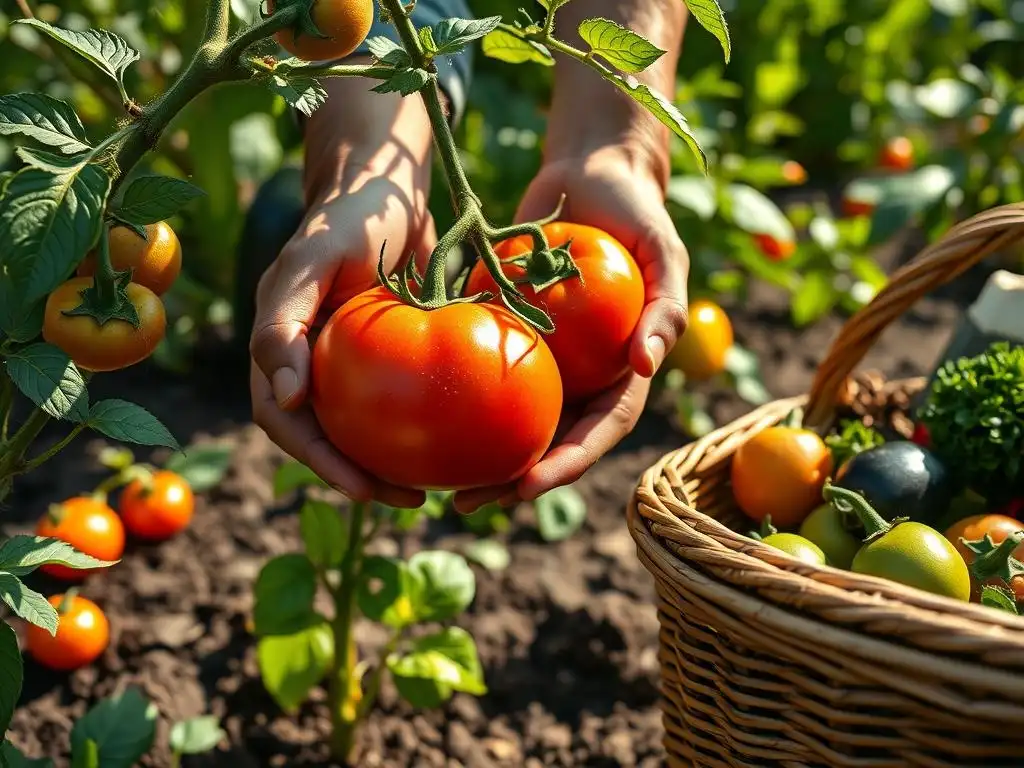
This section focuses on maximizing the yield and lifespan of your organically grown fruits, vegetables, and herbs. Efficient harvesting and preservation techniques are crucial for minimizing waste and enjoying the fruits (and vegetables!) of your labor throughout the year. Mastering these skills is key to organic gardening tips success.
Knowing When to Harvest Your Organic Produce for Peak Flavor
Harvesting at the optimal time is paramount for achieving the best flavor and nutritional value from your organic produce. This timing varies significantly depending on the plant. For example:
- Tomatoes: Harvest when they are fully colored and slightly soft to the touch. Avoid harvesting green tomatoes unless you plan to ripen them indoors. Green tomatoes will lack the sweetness and rich flavor of ripe ones.
- Cucumbers: Harvest cucumbers when they are young and firm, before they become overly large and seedy. Regular harvesting encourages continuous production.
- Leafy Greens: Harvest outer leaves selectively, allowing the inner leaves to continue growing. This extends the life of the plant and provides a continuous supply of fresh greens. Consider harvesting smaller leaves more frequently for a tender, less bitter taste.
- Herbs: Harvest herbs in the morning after the dew has dried, as this is when their essential oils are most concentrated, resulting in a stronger flavor. Cut stems just above a leaf node to encourage bushier growth.
Understanding the specific harvesting cues for each plant is vital. Resources like seed packets or reliable gardening guides provide detailed information on optimal harvest times for various organic produce. Regular observation of your plants will also help you learn to identify the signs of ripeness. Don't be afraid to experiment; a slightly under-ripe or over-ripe harvest is a valuable learning experience in your journey towards organic gardening tips success.
Preserving Your Harvest: Methods for Long-Term Storage
Once harvested, preserving your organic bounty is crucial to minimize waste and enjoy your homegrown goodness throughout the year. Several methods are available, each with its own advantages and disadvantages:
| Preservation Method | Advantages | Disadvantages | Suitable for |
|---|---|---|---|
| Freezing | Preserves nutrients and flavor well; convenient | Requires freezer space; texture can change | Most fruits and vegetables |
| Canning | Long shelf life; retains flavor and texture | Requires specialized equipment and knowledge | Fruits, vegetables, and some herbs |
| Dehydrating | Long shelf life; concentrates flavor | Requires a dehydrator; some nutrients lost | Fruits, vegetables, and herbs |
| Pickling | Long shelf life; unique flavor profile | Requires specific ingredients and techniques | Cucumbers, onions, peppers, and other vegetables |
| Drying (Air Drying) | Simple and inexpensive; retains some nutrients | Longer process; susceptible to spoilage if not done correctly | Herbs, some fruits, and vegetables |
Choosing the right method depends on the type of produce, available resources, and personal preferences. Proper preparation is key to successful preservation, ensuring the quality and safety of your stored produce. For example, blanching vegetables before freezing helps retain their color and texture. Thoroughly cleaning and drying produce before any preservation method is crucial to prevent spoilage. Research each method to ensure successful preservation and enjoy your harvest year-round. This is a vital component of successful organic gardening tips.
Reducing Food Waste from Your Organic Garden
Minimizing food waste is an essential aspect of sustainable organic gardening. Careful planning, efficient harvesting, and effective preservation methods contribute significantly to this goal. Here are some practical strategies:
- Plan your garden carefully: Only plant what you can realistically consume or preserve. Consider your family's needs and preferences.
- Harvest regularly: Frequent harvesting prevents overripening and spoilage. Regularly check your plants for ripe produce.
- Use all parts of the plant: Don't discard edible parts like stems, leaves, or peels. Many are delicious additions to dishes or can be used in composting.
- Compost food scraps: Compost any unavoidable food waste from your harvest, turning it into valuable fertilizer for your next growing season. This completes the cycle of sustainable organic gardening.
- Preserve excess produce: Use preservation methods like freezing, canning, dehydrating, or pickling to extend the shelf life of your harvest. This prevents waste and allows you to enjoy your homegrown produce throughout the year.
By implementing these strategies and following good organic gardening tips for success, you can significantly reduce food waste from your garden, contributing to a more sustainable and rewarding gardening experience. Remember, even small changes can make a big difference in minimizing waste and maximizing the benefits of your organic garden.
Creative Uses for Excess Produce: Minimizing Waste
Overabundant harvests, a delightful problem for many organic gardeners, can quickly turn into a challenge. Instead of letting excess produce go to waste, embrace your creativity and explore numerous options to utilize every bit of your bounty. Composting, of course, is a cornerstone of sustainable gardening and should be your first line of defense against food waste. But what about the abundance that surpasses even your composting capacity?
One excellent solution is preserving your excess. Freezing is a simple method for fruits like berries and vegetables such as peas and green beans. Proper blanching before freezing helps retain color, texture, and nutritional value. Alternatively, consider canning or pickling—traditional methods that extend the shelf life of tomatoes, cucumbers, peppers, and more. The process requires careful sterilization and adherence to safe food preservation guidelines, but the rewards are delicious and satisfying. Remember to always label your jars with the contents and date for easy identification and quality control.
Beyond preservation, consider culinary creativity. An abundance of tomatoes might inspire you to make homemade pasta sauce, salsa, or sun-dried tomatoes. Excess zucchini can be transformed into bread, muffins, or even zucchini noodles. Apples can be turned into applesauce, cider, or pies. The possibilities are truly endless! Experiment with different recipes, and you might discover new favorite dishes while minimizing your food waste footprint.
Think outside the kitchen too! Certain produce can be used for non-culinary purposes. For instance, banana peels can be used to polish your silver, while coffee grounds can be used as a natural fertilizer. Even seemingly unusable parts, like carrot tops or beet greens, can be added to smoothies or salads for extra nutrients.
This holistic approach transforms waste reduction into a rewarding process of resourcefulness. Remember to research the specific uses for different plant parts to ensure safety and efficacy. By embracing these diverse methods, you not only reduce waste but also enhance your gardening experience, transforming a potential problem into a source of pride and culinary adventure. This aligns perfectly with the principles of organic gardening tips success, by maximizing resource utilization and minimizing environmental impact.
Troubleshooting Common Organic Gardening Challenges
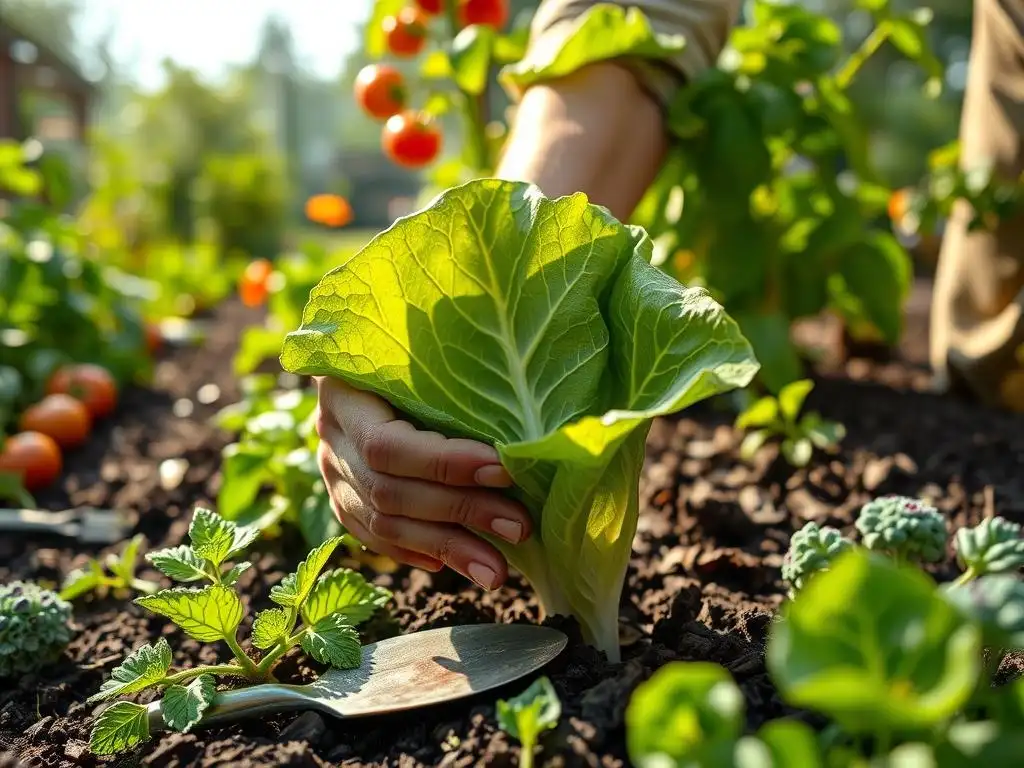
Organic gardening, while rewarding, presents unique challenges. Successfully navigating these hurdles is key to achieving a bountiful and thriving garden. This section focuses on identifying and resolving common problems, ensuring your organic gardening journey is a successful one. We'll explore practical solutions rooted in sustainable practices, maximizing your yield while minimizing environmental impact. Remember, patience and observation are your greatest allies in organic gardening.
Identifying and Addressing Common Organic Gardening Problems
Organic gardening often requires a more hands-on approach to problem-solving than conventional methods. Instead of relying on synthetic pesticides and fertilizers, we must carefully observe our plants and soil for signs of distress. Early detection is crucial for effective intervention.
Common problems include:
- Slow Growth: This could indicate poor soil quality (lack of nutrients or improper drainage), insufficient sunlight, or improper watering. Analyzing your soil composition using a home testing kit can reveal nutrient deficiencies. Adjusting watering practices and ensuring adequate sunlight are vital steps. Consider adding compost or other organic matter to improve soil structure and fertility.
- Yellowing Leaves: This frequently signals nutrient deficiencies, particularly nitrogen or iron. Yellowing leaves can also indicate overwatering or underwatering. Observe the pattern of yellowing – is it widespread or localized? This can help pinpoint the cause. Applying an organic fertilizer or using compost tea can address nutrient deficiencies.
- Wilting Plants: Wilting can stem from underwatering, but also from root rot caused by overwatering or poor drainage. Check the soil moisture level before watering. Improve drainage by amending heavy clay soils with organic matter like compost or peat moss.
- Pest Infestation: Organic pest control relies on attracting beneficial insects, using natural repellents, and employing physical barriers. We will explore this in detail in the next section.
Dealing with Pests and Diseases Organically
Effective organic pest and disease management hinges on prevention and proactive measures. The goal is not complete eradication, but rather maintaining a balance within the garden ecosystem.
Here's a breakdown of organic strategies:
- Beneficial Insects: Introducing ladybugs, lacewings, and praying mantises can significantly reduce pest populations. These beneficial insects prey on many common garden pests, providing natural pest control. Creating a habitat that attracts these beneficial insects, such as planting flowering plants, is crucial.
- Natural Repellents: Many readily available materials act as effective natural repellents. For example, neem oil is a potent insecticide derived from the neem tree. Garlic spray, made by steeping crushed garlic in water, can deter many pests. Peppermint oil also shows promise as a natural repellent.
- Physical Barriers: Row covers protect seedlings from pests. Sticky traps capture flying insects. Using companion planting, where certain plants repel pests from others, is a powerful organic technique. For example, planting basil alongside tomatoes can deter tomato hornworms.
- Crop Rotation: Rotating crops annually helps to disrupt the life cycle of soilborne pests and diseases. This simple yet effective practice significantly reduces pest and disease pressure over time.
Nutrient Deficiencies in Organic Gardens: Diagnosis and Solutions
Nutrient deficiencies are common in organic gardens, especially if the soil is not properly prepared or amended. Recognizing the symptoms is the first step towards restoring plant health.
Here's a table summarizing common deficiencies and their solutions:
| Nutrient | Deficiency Symptoms | Organic Solutions |
|---|---|---|
| Nitrogen (N) | Stunted growth, pale green or yellow leaves | Compost, manure, cover crops, nitrogen-fixing plants |
| Phosphorus (P) | Dark green leaves, stunted growth, poor flowering | Bone meal, rock phosphate, compost |
| Potassium (K) | Yellowing leaf margins, weak stems, poor fruit set | Wood ash, kelp meal, banana peels |
| Iron (Fe) | Yellowing leaves between veins (chlorosis) | Chelated iron (ensure it's organic), compost |
| Magnesium (Mg) | Yellowing leaves between veins (chlorosis) | Epsom salts (in moderation), dolomite lime |
Addressing nutrient deficiencies requires careful observation and appropriate organic solutions. Soil testing can provide valuable insights into your soil's nutrient composition, guiding you towards effective remediation. Regular soil amendment with compost and other organic materials is vital for long-term soil health and preventing future deficiencies. Remember that organic gardening emphasizes building soil fertility, not just treating symptoms. A healthy soil is the foundation of a thriving organic garden. 🌱
Adapting Your Organic Gardening Practices to Changing Weather Conditions
Organic gardening thrives on harmony with nature, but unpredictable weather can throw even the most seasoned gardener off balance. Successfully navigating these challenges requires flexibility and proactive adaptation. Extreme heat, unexpected frosts, and torrential rains can all significantly impact plant health and yield. Therefore, understanding how to adjust your organic gardening techniques in response to these changes is crucial for achieving a successful harvest.
One key strategy is monitoring weather forecasts regularly. This allows you to anticipate potential problems and take preventative measures. For example, a predicted heatwave necessitates adjusting your watering schedule. Instead of infrequent deep watering, consider more frequent, lighter watering, especially during the hottest parts of the day, to prevent water stress and evaporation.
Mulching heavily around plants also helps retain soil moisture and protect roots from scorching sun. Think of it as a natural insulator for your plants. Observing the specific needs of each plant is crucial. Some plants, like tomatoes, are particularly sensitive to extreme heat, while others are more tolerant.
Conversely, unexpected frost can decimate vulnerable plants. Protecting your plants involves several techniques. One simple method is to cover vulnerable plants with frost cloths or row covers, creating a microclimate that protects them from freezing temperatures. Another effective technique is to use water strategically.
A thin layer of water on the leaves can act as an insulator, preventing the formation of ice crystals that damage plant tissues. However, this method is only effective if the temperature doesn't drop drastically below freezing. Knowing which plants are most susceptible to frost damage is vital for prioritization. For example, leafy greens are much more vulnerable than root vegetables.
Heavy rainfall presents a different set of challenges. Excessive moisture can lead to root rot and fungal diseases. Improving drainage is paramount. This might involve raising garden beds, ensuring proper soil aeration, and avoiding overwatering. Furthermore, regular monitoring for signs of disease is critical. Early detection allows for timely intervention, preventing widespread damage. You might need to thin out overcrowded plants to improve air circulation, reducing the risk of fungal growth. This also helps to prevent the spread of diseases.
Adapting your organic gardening practices to changing weather conditions is an ongoing process. By carefully observing your plants, monitoring weather forecasts, and employing appropriate preventative and reactive measures, you can significantly improve the resilience of your garden and maximize your harvest, even in the face of unpredictable weather patterns. This proactive approach is key to successful organic gardening, ensuring a bountiful and sustainable yield year after year. Remember, flexibility and observation are your best allies in navigating the unpredictable world of organic gardening.
Year-Round Organic Gardening: Extending Your Growing Season
Organic gardening doesn't have to be a seasonal affair! With careful planning and a few clever techniques, you can enjoy fresh, homegrown produce year-round, maximizing your garden's potential and minimizing waste. This means less reliance on supermarket produce and a more sustainable approach to organic gardening tips success. The key is understanding your local climate and adapting your growing strategies accordingly.
Winter Gardening Techniques for Extending Your Harvest
Extending your harvest into the winter months requires a proactive approach. One effective technique is using cold frames. These simple structures, essentially miniature greenhouses, provide insulation and protection from harsh weather, allowing tender plants to survive even when temperatures plummet. You can build a cold frame from readily available materials like reclaimed wood and clear plastic sheeting. For a truly low-waste approach, consider repurposing old windows or similar transparent materials.
Another crucial aspect is selecting cold-hardy varieties of vegetables and herbs. Leafy greens like kale, spinach, and chard are particularly resilient to cold temperatures. Root vegetables such as carrots, beets, and parsnips can also be left in the ground over winter, providing a harvest well into the colder months. Remember to mulch heavily around these plants to insulate the soil and protect the roots from freezing. Proper soil preparation is vital; healthy, well-drained soil is essential for winter survival.
Finally, consider the use of row covers, which are lightweight fabrics that provide additional protection from frost and wind. These are particularly useful for protecting newly emerged seedlings or vulnerable plants. Remember to remove row covers on warmer days to allow for adequate sunlight and ventilation. Careful monitoring of weather forecasts is crucial for successful winter gardening, allowing for timely adjustments to your protective measures. This careful planning contributes significantly to organic gardening tips success.
Protecting Your Plants from Frost and Cold Temperatures
Frost can inflict significant damage on your plants, especially during the shoulder seasons (spring and autumn). One of the most effective methods of frost protection is using floating row covers. These lightweight, breathable fabrics allow sunlight and air to reach your plants while protecting them from frost. They are easily draped over plants and removed during warmer days.
Another readily available method involves the use of simple cloches. These can be bell jars, plastic bottles with the bottoms cut off, or even upturned buckets. These create a microclimate around the plants, trapping warmth and protecting them from frost. For more extensive protection, consider using a low-tunnel structure, which is essentially a larger-scale version of a cold frame. This more substantial setup is ideal for protecting larger areas or more vulnerable plants. Proper watering techniques are crucial; avoid overwatering as this can increase the risk of frost damage.
Remember to monitor temperatures closely, especially during periods of predicted frost. A simple thermometer placed in the garden will help you anticipate and respond to potential frost events. Planning ahead, coupled with employing these protective measures, is essential for ensuring organic gardening tips success.
Planning for the Next Growing Season: Seed Saving and Planning
Seed saving is a fundamental aspect of sustainable and organic gardening. By saving seeds from your healthiest and most productive plants, you can maintain desired traits, reduce waste, and save money on seeds for the next growing season. This practice is particularly beneficial for heirloom varieties and those adapted to your specific climate.
Start by selecting plants that exhibit desirable characteristics, such as disease resistance, high yield, and good flavor. Allow these plants to fully mature and produce seeds. Once the seeds are ripe, carefully harvest and dry them. Proper drying is crucial to prevent mold and ensure seed viability. Store seeds in a cool, dry, and dark place in airtight containers. Labeling your seeds with the plant variety and harvest date is essential for successful long-term storage.
Planning for the next growing season should involve analyzing the successes and failures of the previous year. Note which plants thrived and which struggled. Consider rotating crops to prevent soil depletion and pest buildup. Start seeds indoors early for a head start on the growing season. By carefully planning and saving seeds, you contribute to a more sustainable and productive garden, maximizing your organic gardening tips success.
Continuing Education: Resources for Organic Gardening Success
Embarking on the journey of organic gardening is a commitment to continuous learning. The world of sustainable agriculture is constantly evolving, with new techniques and discoveries emerging regularly. Staying abreast of these advancements is crucial for maximizing your garden's yield and minimizing waste. Fortunately, numerous resources are available to support your ongoing education and help you achieve organic gardening success.
One excellent avenue for continued learning is through online courses and workshops. Many universities and organizations offer comprehensive programs covering various aspects of organic gardening, from soil science and pest management to composting and crop rotation. These courses often include practical exercises and assignments, providing hands-on experience to complement theoretical knowledge. Look for courses that specifically address organic practices and sustainable techniques, ensuring your learning aligns with your gardening philosophy. The depth and breadth of these online resources can significantly enhance your understanding and improve your gardening skills.
Another valuable resource is your local community. Joining a gardening club or attending local workshops can provide invaluable opportunities to learn from experienced organic gardeners. Sharing experiences, exchanging tips, and learning from others' successes and failures are essential aspects of continuous improvement. These interactions create a supportive network where you can ask questions, receive personalized advice, and gain practical insights tailored to your specific region and climate. The collaborative spirit of these groups fosters a sense of community and shared learning, enriching your gardening journey.
Furthermore, books and journals dedicated to organic gardening offer a wealth of information. Many reputable authors and publishers provide detailed guides on various aspects of sustainable gardening, including detailed explanations of organic methods, pest control strategies, and soil management techniques. These resources often delve into the scientific principles behind organic practices, providing a deeper understanding of the processes involved. Reading widely from different sources helps you develop a well-rounded perspective and learn about a variety of approaches to organic gardening.
Finally, don't underestimate the power of observation and experimentation in your own garden. Keep detailed records of your planting, harvesting, and pest control efforts. Note the successes and failures, and use this information to refine your techniques and improve your results over time.
This hands-on approach, combined with the knowledge gained from other resources, will help you develop your own unique style of organic gardening tailored to your specific needs and environment. This iterative process of learning and adapting is key to achieving long-term success in organic gardening. Remember, organic gardening is a journey, not a destination, and continuous learning is vital for achieving your goals.
Frequently Asked Questions
What are the essential steps for starting an organic garden?
Begin by choosing the right location with ample sunlight and well-draining soil. Then, prepare the soil by adding compost and planting organic seeds or seedlings. Finally, establish a consistent watering and weeding schedule.
How can I ensure my organic garden thrives without using chemical pesticides?
Employ natural pest control methods, such as companion planting, introducing beneficial insects, and using neem oil or insecticidal soap. Regularly inspect your plants for pests and address issues promptly. Healthy plants are less susceptible to pests.
What's the best way to maintain healthy soil for organic gardening?
Regular composting is key. Add organic matter like compost, aged manure, or leaf mold to improve soil structure, fertility, and water retention. Consider soil testing to determine nutrient deficiencies and amend accordingly.
How do I harvest my organic fruits and vegetables at their peak?
Harvest at the optimal maturity stage for each specific plant. This is usually indicated by size, color, and firmness. Refer to seed packets or reliable gardening resources for harvesting guidelines.
What are some common mistakes to avoid for organic gardening success?
Avoid overwatering or underwatering, which can stress plants. Also, be careful not to overcrowd plants, limiting their access to sunlight and nutrients. Finally, neglecting weed control can significantly impact plant health.
Final Reflection: Cultivating a Bountiful Life, One Seed at a Time
The principles of organic gardening—patience, observation, and a deep respect for nature—aren't just about growing tomatoes; they're a blueprint for a more fulfilling life. In a world increasingly disconnected from its natural rhythms, reclaiming even a small patch of earth to nurture offers a profound antidote to the anxieties of modern living. The success we find in our gardens mirrors the success we can cultivate in other areas of our lives.
The journey of nurturing a garden, from seed to harvest, is a powerful metaphor for personal growth. It teaches us the importance of consistent effort, the beauty of imperfection, and the profound satisfaction of witnessing something flourish under our care. The glory of gardening: hands in the dirt, head in the sun, heart with nature. To nurture a garden is to feed not just the body, but the soul.
This quote perfectly encapsulates the transformative power of connecting with the earth, a power that extends far beyond the yield of our harvests.
Now, consider your own "garden"—be it a literal space, a project, a relationship, or even a personal aspiration. What seeds are you planting? What nourishment are you providing? Take a moment to reflect on the lessons learned here and apply them to the areas of your life that need tending. Embrace the process, celebrate the small victories, and remember that even the most challenging seasons can yield unexpected beauty. The harvest awaits.
Unleash Your Inner Gardener: Grow Your Green Oasis!
Thanks for exploring the world of gardening with us! We hope you're feeling inspired to create your own thriving garden. Now it's time to put your newfound knowledge into practice!
- Start your gardening journey today! Begin by selecting seeds or seedlings and getting your hands dirty. Even a small herb garden on a sunny windowsill is a rewarding beginning.
- Share your successes and challenges with our community on social media using #CultivateYourFood. Let's inspire one another!
- Explore our website for more helpful resources and connect with fellow gardeners in our online forum for expert advice and friendly support.
Ready to transform your space into a vibrant, productive garden? What's the first step you'll take to make your gardening dreams a reality?