
Pruning Apple Trees: Techniques for Abundant and Healthy Fruit

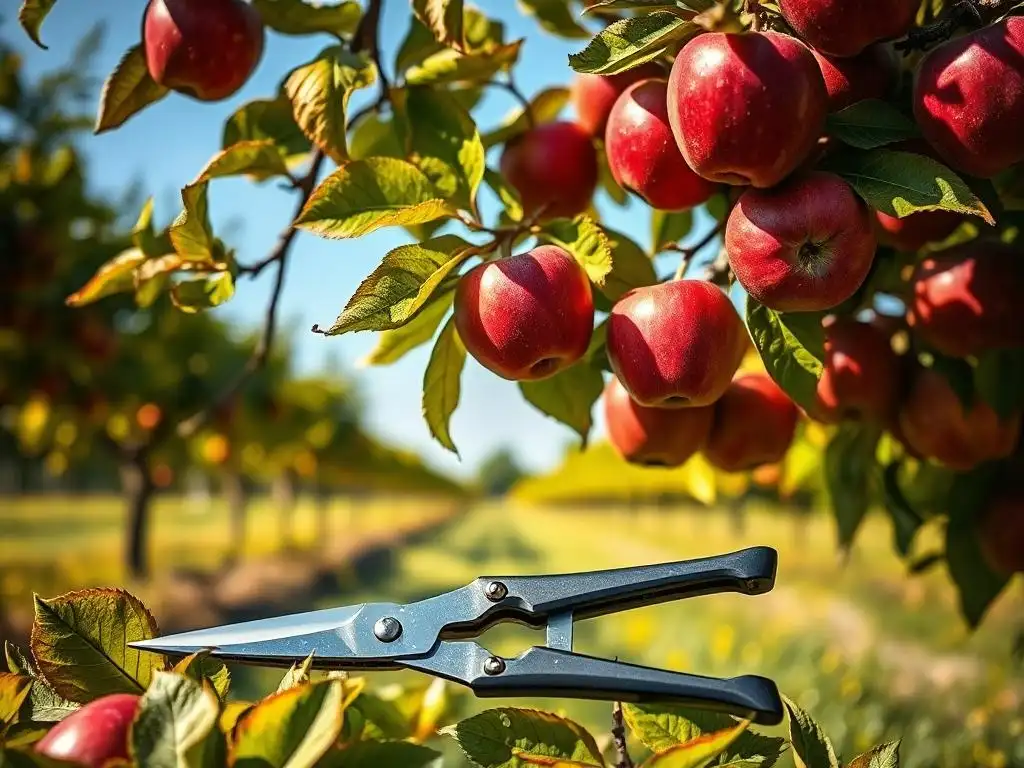
Ready to unlock the secrets to a bountiful harvest from your own backyard? At CultivateYourFood, we empower you to grow delicious and healthy fruits, vegetables, and herbs using sustainable methods. Learn the art of nurturing your orchard with our expert guide on pruning apple trees for fruit, and discover how the right techniques can lead to an abundance of juicy, flavorful apples. Dive in and transform your garden into a thriving ecosystem!
- Understanding the Importance of Pruning Apple Trees for Fruit Production
- Essential Tools for Effective Apple Tree Pruning
-
Step-by-Step Guide: Pruning Apple Trees for Fruit
- Assessing Your Apple Tree Before You Begin Pruning
- Removing Dead, Damaged, or Diseased Branches: A Crucial First Step
- Thinning the Canopy for Improved Air Circulation and Sunlight Penetration
- Shaping Your Apple Tree: Techniques for Proper Branch Structure
- Heading Back Branches to Encourage Fruit Spur Development
- Pruning Young Apple Trees vs. Mature Apple Trees: Different Approaches
- Advanced Pruning Techniques for Abundant Apple Harvests
- Post-Pruning Care for Healthy Apple Trees
- Common Mistakes to Avoid When Pruning Apple Trees
- Frequently Asked Questions
- Final Reflection: The Enduring Harvest: Cultivating Abundance Through Pruning
- Unlock Your Orchard's Potential: Prune for a Bountiful Harvest!
Understanding the Importance of Pruning Apple Trees for Fruit Production
Pruning apple trees is a crucial aspect of fruit tree care, directly impacting both the quantity and quality of your harvest. This practice, often overlooked by novice gardeners, is essential for maintaining a healthy, productive tree over its lifespan. Proper pruning techniques stimulate vigorous growth, improve air circulation to prevent disease, and shape the tree for easier harvesting.
This comprehensive guide will delve into the various techniques involved in pruning apple trees for maximum fruit yield, focusing on understanding the different growth habits of apple trees and the timing of pruning for optimal results. Learning to effectively prune apple trees for fruit will not only improve your harvest but will also extend the lifespan of your trees, ensuring years of abundant and delicious apples.
We'll explore the nuances of dormant season pruning versus summer pruning, equipping you with the knowledge to cultivate a thriving apple orchard in your own backyard. Mastering the art of pruning apple trees for fruit is a key step in successful home fruit growing, and this guide will provide you with the practical knowledge and confidence to achieve this.
Why Prune Apple Trees? Maximizing Fruit Yield and Tree Health
Pruning apple trees offers a multitude of benefits, all contributing to a healthier and more productive tree. Firstly, it directly impacts fruit yield. By removing competing branches and shaping the tree's structure, you allow more sunlight to reach the remaining branches, promoting the development of larger, higher-quality fruit. This improved light penetration also encourages better air circulation, reducing the risk of fungal diseases and pest infestations that thrive in damp, shaded conditions.
Furthermore, pruning strengthens the tree's overall structure. Removing weak, diseased, or crossing branches prevents breakage and improves the tree's resistance to strong winds and heavy fruit loads. Regular pruning also rejuvenates older trees, stimulating new growth and prolonging their productive lifespan.
A well-pruned apple tree is a more efficient and resilient tree, leading to significantly improved fruit production and overall tree health. Neglecting pruning can lead to smaller, lower-quality fruit, increased susceptibility to disease, and a shorter lifespan for your apple trees. Therefore, understanding the “why” behind pruning is the first step towards achieving a bountiful apple harvest.
Recognizing Different Apple Tree Growth Habits and Pruning Needs
Apple trees exhibit various growth habits, and recognizing these differences is crucial for effective pruning. Some varieties are naturally more upright, while others have a more spreading or weeping growth habit. Understanding these inherent tendencies allows you to tailor your pruning approach to the specific needs of each tree. For example, upright-growing apple trees may require more heading back (cutting back the terminal buds) to encourage branching and prevent the tree from becoming too tall and leggy.
Conversely, spreading varieties might need more thinning out of branches to improve light penetration and air circulation within the canopy. Different rootstocks also influence the tree’s size and shape, impacting pruning requirements. For instance, trees grafted onto dwarfing rootstocks will require less aggressive pruning than those grafted onto standard rootstocks.
Observing your apple tree's growth pattern and understanding the impact of its rootstock are essential for making informed pruning decisions. Consider taking notes on your tree's growth habits each year to track its development and adjust your pruning strategy accordingly. This careful observation will lead to more effective pruning and a healthier, more productive apple tree.
Identifying Dormant Season vs. Summer Pruning Techniques for Apple Trees
The timing of pruning significantly impacts the outcome. Dormant season pruning, typically performed during late winter or early spring before bud break, focuses on shaping the tree's structure and removing dead or diseased wood. This is the ideal time for major pruning cuts, as the tree is less susceptible to bleeding and disease during this period.
Summer pruning, on the other hand, is generally less extensive and focuses on maintaining the tree's shape, removing water sprouts (vigorous vertical shoots), and thinning out crowded branches to improve light penetration. Summer pruning can help control the size of the tree and prevent excessive vegetative growth at the expense of fruit production. The choice between dormant and summer pruning depends on the tree's age, size, and overall health, as well as your specific goals for the season.
For example, young apple trees might require more extensive dormant pruning to establish a strong framework, while mature trees may benefit from more targeted summer pruning to maintain their shape and improve fruit quality. A balanced approach, combining both techniques, often yields the best results. Understanding the distinct advantages of each approach is key to developing a successful pruning strategy for your apple trees.
Essential Tools for Effective Apple Tree Pruning
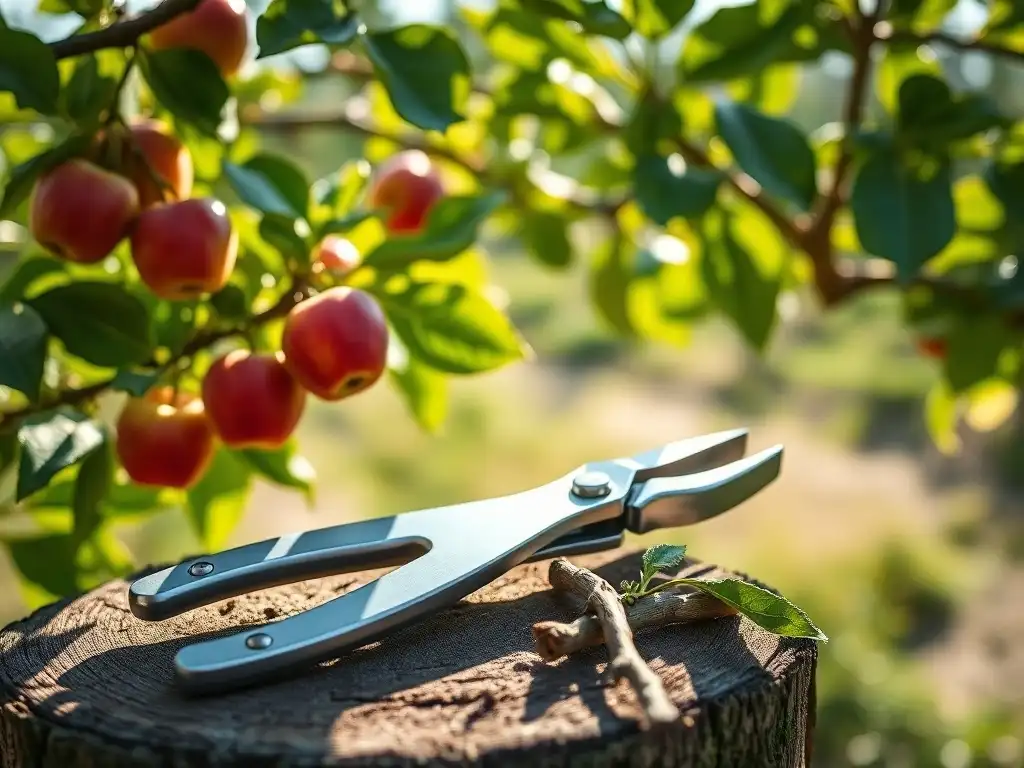
Pruning apple trees effectively requires the right tools. Choosing the appropriate equipment ensures clean cuts, minimizes damage to the tree, and ultimately promotes healthier growth and increased fruit production. This section focuses on selecting and utilizing the essential tools for successful apple tree pruning, directly impacting your ability to prune apple trees for fruit.
Selecting the Right Pruning Saw and Loppers for Apple Trees
When pruning larger branches on mature apple trees, a good quality pruning saw is indispensable. Avoid using hand saws designed for woodworking; these often leave ragged cuts that are more susceptible to disease. Instead, opt for a pruning saw with a curved blade and fine teeth. The curved blade allows for easier maneuvering around branches, while fine teeth create clean, precise cuts.
Consider the length of the blade; a longer blade (around 12-18 inches) is beneficial for larger branches, while a shorter blade is sufficient for smaller limbs. Look for a saw with a comfortable, ergonomic handle to minimize hand fatigue during prolonged pruning sessions. Durability is key; a high-quality saw, while more expensive upfront, will last for many years of pruning.
Loppers are also crucial for removing medium-sized branches. Choose loppers with bypass blades, which create a clean shearing cut, unlike anvil loppers which crush the branch. Bypass blades are gentler on the tree and reduce the risk of damaging the bark. Pay attention to the lopper's cutting capacity; this indicates the maximum branch diameter it can efficiently cut.
Select a pair that comfortably fits your hands and offers a smooth, efficient cutting action. Regular lubrication of the loppers' moving parts will maintain their sharpness and longevity, extending their useful life and improving your pruning efficiency. Properly maintained loppers are essential for efficiently pruning apple trees for fruit.
Using Hand Pruners for Precise Cuts on Young Apple Branches
For precise cuts on smaller branches and young apple trees, hand pruners are essential. These tools allow for greater control and accuracy, crucial for shaping young trees and removing suckers or water sprouts. Similar to loppers, bypass hand pruners are preferred for their clean cuts. Choose hand pruners made from high-quality materials, such as hardened steel, for durability and sharpness. Look for features such as a comfortable grip and a safety lock mechanism to prevent accidental injury.
Regular sharpening is crucial to maintaining the effectiveness of your hand pruners. A dull blade will crush the branch, leading to potential disease entry points. Sharpening can be done with a sharpening stone or by using a specialized pruner sharpener. Properly maintained hand pruners are an investment in the long-term health and productivity of your apple trees, ultimately impacting your ability to prune apple trees for fruit.
Safety Gear: Protecting Yourself While Pruning Apple Trees
Safety should always be the top priority when pruning apple trees. Even seemingly small branches can cause injury if mishandled. Essential safety gear includes:
- Safety Glasses: Protect your eyes from flying debris.
- Gloves: Heavy-duty work gloves will protect your hands from cuts and thorns. Leather gloves offer the best protection.
- Long-sleeved Shirt and Long Pants: Protect your skin from scratches and abrasions.
- Sturdy Footwear: Provides stability and protects your feet from sharp objects.
- Helmet (for taller trees): Especially important when working with taller trees where branches may fall unexpectedly.
Remember, proper safety precautions are not just about avoiding injury; they also contribute to a more efficient and focused pruning session. A safe working environment allows you to concentrate on the task at hand, resulting in healthier, more productive apple trees. Prioritizing safety ensures you can continue pruning apple trees for fruit year after year. 🍎
Step-by-Step Guide: Pruning Apple Trees for Fruit
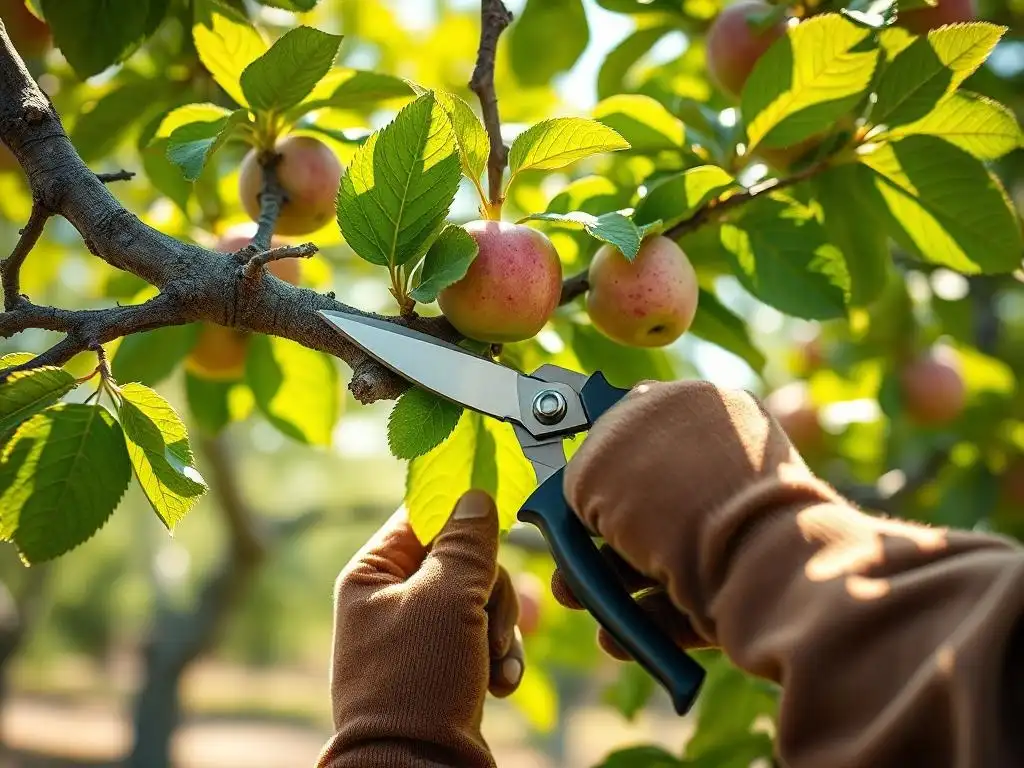
This section provides a detailed, step-by-step guide on how to prune apple trees effectively to maximize fruit production while maintaining the health and vitality of your tree. Proper pruning techniques are crucial for achieving abundant harvests of delicious, high-quality apples year after year. Remember that the best time to prune apple trees is typically during the dormant season, late winter or early spring, before new growth begins.
Assessing Your Apple Tree Before You Begin Pruning
Before you even pick up your pruning shears, a thorough assessment of your apple tree is paramount. This initial evaluation will inform your pruning strategy and ensure you achieve optimal results. Begin by carefully examining the overall structure of the tree. Look for:
- Overall Shape and Size: Is the tree overcrowded? Are branches crossing or rubbing against each other? A well-structured apple tree should have a central leader with evenly spaced, outward-growing branches. Overgrown trees often produce smaller, less flavorful fruit due to insufficient sunlight and air circulation.
- Branch Vigor: Observe the thickness and growth rate of individual branches. Vigorous, healthy branches will be thick and have a robust appearance. Weak, spindly branches are less productive and should be removed.
- Fruiting Spurs: Identify the short, stubby branches called fruiting spurs. These are where the majority of your apples will develop. Ensure these spurs are well-distributed throughout the tree's canopy.
- Signs of Disease or Damage: Check for any signs of disease, insect infestation, or physical damage. Look for cankers, dead wood, broken branches, or evidence of pests. These areas need to be addressed during the pruning process.
Proper assessment allows for targeted pruning, maximizing fruit yield and minimizing unnecessary stress on the tree. Remember to note the overall health and structure before starting to prune. This initial observation will guide all your subsequent actions. Consider taking notes or even sketching a simple diagram of your tree to help you plan your pruning strategy.
Removing Dead, Damaged, or Diseased Branches: A Crucial First Step
Removing dead, damaged, or diseased branches is the first and most important step in pruning your apple tree. This crucial step prevents the spread of disease and improves the overall health of the tree. It also helps to direct energy towards the production of healthy fruit.
Here's how to tackle this:
- Identify the culprits: Look for branches that are dead (brown and brittle), damaged (broken or cracked), or diseased (showing signs of cankers, spots, or unusual growths). These branches often become breeding grounds for pests and diseases and compete for resources with healthy growth.
- Clean cuts: Use sharp, clean pruning shears or a saw, depending on the branch's size. Make clean cuts just outside the branch collar—the slightly swollen area where the branch joins the main trunk or another branch. Avoid leaving stubs, as these can become entry points for disease.
- Disposal: Dispose of the removed branches properly. Do not compost diseased branches; instead, bag them and dispose of them in your municipal waste.
This process is essential for the long-term health of your apple tree. Ignoring dead or diseased wood can lead to a significant decline in fruit production and potentially kill the tree. Removing these problematic branches allows the tree to allocate its resources more efficiently, focusing on healthy growth and fruit production. Remember to sanitize your pruning tools between cuts to prevent the spread of disease.
Thinning the Canopy for Improved Air Circulation and Sunlight Penetration
Thinning the canopy is crucial for maximizing fruit production. An overcrowded canopy restricts air circulation and sunlight penetration, leading to smaller fruit, reduced yield, and increased susceptibility to diseases. The goal here is to open up the tree's interior, allowing sunlight to reach all parts of the canopy.
Here's how to achieve proper thinning:
- Identify overcrowded areas: Look for areas where branches are densely packed together, preventing adequate air circulation and sunlight penetration. These are prime candidates for thinning.
- Remove competing branches: Remove branches that are crossing, rubbing, or growing inward towards the center of the tree. Prioritize removing weaker branches over stronger ones.
- Strategic thinning: Thin branches selectively, aiming for a balance between maintaining the tree's structure and opening up the canopy. Remove branches that are interfering with other branches or blocking sunlight.
- Maintaining structure: As you thin the canopy, remember to maintain the overall structure of the tree. Avoid removing too many branches at once, as this can stress the tree.
Proper thinning results in a more open canopy, allowing for better air circulation, increased sunlight penetration, and improved fruit quality and yield. A well-thinned apple tree is more resistant to diseases and produces larger, more flavorful apples. Remember to use sharp, clean pruning tools to ensure clean cuts and minimize the risk of disease. The goal is a balanced, open canopy that maximizes sunlight and air circulation while maintaining the structural integrity of the tree for optimal fruit production.
Shaping Your Apple Tree: Techniques for Proper Branch Structure
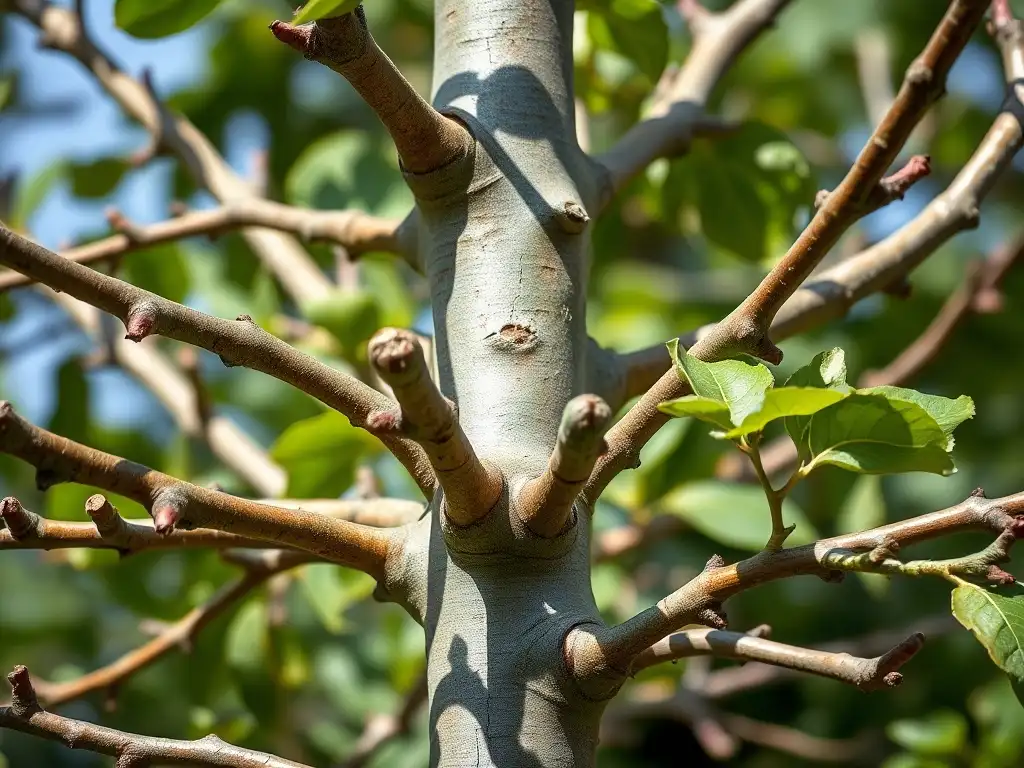
Proper branch structure is crucial for maximizing sunlight penetration and airflow within the apple tree canopy, both essential for healthy fruit production. When pruning to shape your apple tree, the goal is to create a central leader with several well-spaced scaffold branches radiating outwards. This open structure prevents overcrowding, which can lead to disease and reduce fruit yield. Several techniques help achieve this:
We can use the central leader method, where a single, strong central trunk is maintained, with scaffold branches emerging at angles of approximately 45-60 degrees. This angle ensures good branch strength and prevents breakage under the weight of fruit. Avoid branches growing directly upwards or downwards, as these are often weaker and less productive. To achieve this, we might need to prune back competing leaders or branches that grow too vertically.
Another option is the open-center or modified-leader system, particularly useful for certain apple varieties. In this system, the central leader is removed or shortened, promoting several strong scaffold branches that form a wide, open structure. This method allows for better light penetration, especially important in dense planting situations. Careful selection and spacing of these scaffold branches are key to preventing overcrowding. Regular pruning is required to maintain the open structure and prevent the branches from becoming too dense.
Remember, shaping your apple tree is a long-term process. Start with a well-structured young tree and continue to prune annually to maintain the desired shape and prevent overcrowding. This patient approach will provide a strong foundation for abundant fruit production for years to come. Regular inspection throughout the growing season will help identify any branches needing attention.
Heading Back Branches to Encourage Fruit Spur Development
Fruit spurs are short, stubby branches on apple trees that produce the majority of fruit. Heading back branches encourages the development of these essential fruiting structures. This technique involves cutting back a branch to a point just above an outward-facing bud or spur. The precise location of the cut is crucial, as it influences the subsequent growth and fruiting of the branch.
The cut should be made at a slight angle, just above an outward-facing bud. This angle prevents water from collecting on the cut surface, which can lead to disease. The chosen bud should be positioned to encourage outward growth, further promoting an open canopy structure. Avoid cutting back to an inward-facing bud, as this can lead to inward growth and overcrowding. The size of the cut depends on the age and vigor of the branch and the overall goal of pruning. For example, a vigorous branch might need a more significant reduction than a weaker one.
Heading back branches is particularly important for young trees to encourage the development of a strong framework and for mature trees to rejuvenate growth and maintain productivity. It is a key component of maintaining a balanced tree structure, promoting both fruiting and overall health. By strategically heading back branches, we can significantly influence the number and quality of apples produced. Incorrect heading back can however lead to weaker branches and reduced yield.
Pruning Young Apple Trees vs. Mature Apple Trees: Different Approaches
Pruning young apple trees focuses on establishing a strong framework for future growth and fruit production. The emphasis is on selecting and training scaffold branches, removing competing leaders, and creating an open structure. This involves careful selection of branches and removal of those that are crossing, rubbing, or growing inwards. The goal is to create a balanced, well-spaced branch structure that maximizes sunlight penetration and airflow. Young trees are more flexible and respond well to shaping, allowing for more significant pruning to establish the desired structure. The pruning intensity is generally higher for young trees compared to mature trees.
Mature apple trees, on the other hand, require a different approach. The focus shifts from shaping to maintaining the existing structure, removing dead, diseased, or crossing branches, and thinning out the canopy to improve light penetration and air circulation. The goal is to promote fruit spur development and maintain a balance between vegetative growth and fruiting. Pruning mature trees is less drastic than pruning young trees, typically involving selective removal of branches rather than significant reshaping.
Mature apple trees are less flexible and can be more susceptible to damage from heavy pruning. Thinning out fruit spurs can also be beneficial to increase fruit size. The approach to pruning mature trees will vary depending on the tree's overall health and vigor. Over-pruning mature trees can negatively impact fruit production.
Advanced Pruning Techniques for Abundant Apple Harvests
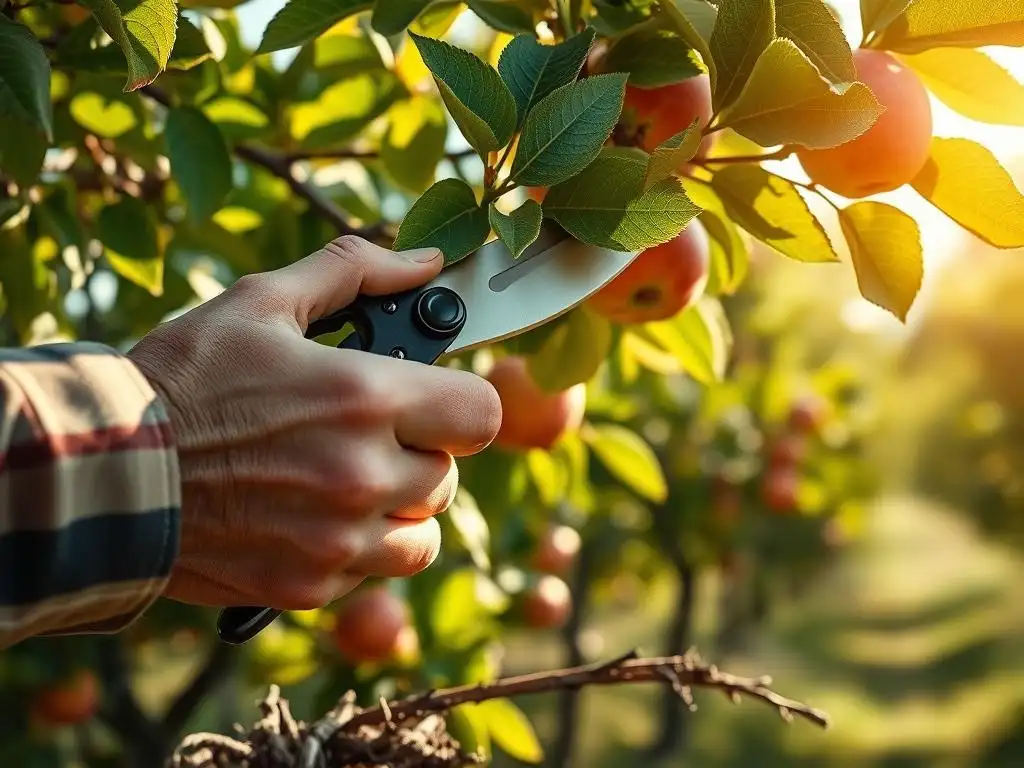
This section delves into more advanced pruning techniques specifically designed to maximize fruit production in your apple trees. While basic pruning focuses on tree structure and health, these techniques target optimizing fruit yield through careful manipulation of growth patterns and branch development. Mastering these methods will significantly improve your apple harvest year after year. Remember, the goal is to prune apple trees for fruit, not just for aesthetics.
Water Sprouts and Suckers: Removing Unwanted Growth
Water sprouts and suckers are vigorous, upright shoots that grow from the trunk, roots, or older branches. They compete with fruiting wood for resources, reducing the overall fruit production. Identifying and removing these unwanted growths is crucial for maintaining a productive apple tree. Water sprouts often appear vertically, while suckers emerge from the rootstock near the base of the tree.
These growths are easily identifiable by their rapid growth, often appearing much thicker and greener than the surrounding branches. They rarely produce fruit and primarily divert energy from the main branches. Early removal is key. The best time to prune these is during the dormant season (late winter or early spring) before new growth begins.
Use sharp, clean pruning shears to make a clean cut just above the point where the sprout or sucker emerges from the main branch or trunk. For larger suckers, you may need a pruning saw. Leaving a stub can lead to disease and further growth.
Consider the following when removing water sprouts and suckers:
- Timing: Dormant season is ideal for minimizing stress on the tree.
- Technique: Clean cuts prevent disease.
- Size: Use appropriate tools for efficient removal.
- Frequency: Regular inspection and removal is essential.
Fruit Spur Management for Optimal Fruit Production
Fruit spurs are short, stubby branches on apple trees where most of the fruit buds form. Managing these spurs is essential for consistent and abundant fruit production. Overcrowding of spurs leads to smaller fruit and reduced yields. Therefore, selective thinning and pruning are vital.
Think of fruit spurs as the "fruit factories" of your apple tree. Pruning to maintain healthy, well-spaced spurs is analogous to optimizing a factory's production line. Old spurs that consistently produce small or no fruit should be removed to encourage the growth of new, more productive spurs. This rejuvenates the tree and maximizes its fruiting capacity.
Here's a practical approach:
- Thinning: Remove congested spurs, leaving only the strongest and healthiest ones spaced appropriately.
- Renewal: Prune out old, unproductive spurs to encourage new growth.
- Spacing: Aim for a spacing that allows for good air circulation and sunlight penetration. This minimizes disease and maximizes fruit development.
- Observation: Regularly inspect spurs for signs of disease or damage, removing affected spurs promptly.
Dealing with Crossing Branches and Competing Shoots
Crossing branches and competing shoots create friction, hindering growth and potentially damaging the tree's structure. These situations often occur when multiple branches grow too closely together, vying for the same resources. Addressing this issue is crucial for maintaining a well-balanced, productive tree.
The presence of crossing branches can lead to several problems:
- Reduced sunlight penetration: Overlapping branches shade lower branches, reducing fruit production.
- Branch breakage: Branches rubbing against each other can cause damage and increase susceptibility to disease.
- Weak structure: An unbalanced canopy weakens the tree's overall structure, making it vulnerable to wind damage.
To resolve this, prune away one of the crossing or competing branches, selecting the weaker or less desirable one. Make a clean cut at the point of origin to prevent disease. Prioritize branches that contribute to a strong, open tree structure and those that are best positioned for optimal sunlight exposure, maximizing the potential for fruit production.
Remember to always use sharp, clean pruning tools to minimize the risk of infection. Properly pruning to remove crossing branches is essential for achieving a balanced canopy and maximizing your apple harvest. This careful management directly contributes to your ability to successfully prune apple trees for fruit.
Renewal Pruning of Older Apple Trees: Rejuvenating Your Tree
Renewal pruning is a crucial technique for revitalizing mature or neglected apple trees that have become unproductive or overgrown. This method focuses on removing large amounts of old, unproductive wood to stimulate new growth and redirect energy towards fruit production. It's a more drastic approach than typical annual pruning, but necessary for trees that have significantly declined in yield. Think of it as giving your aging apple tree a significant makeover.
The process generally involves removing a significant portion of the older branches, often up to one-third of the canopy in a single year. This might seem extreme, but it's essential to open up the tree's interior, allowing sunlight to penetrate to the inner branches and encouraging the growth of new fruiting spurs. The older wood is often less productive, with fewer fruit buds and a higher risk of disease. Removing this wood allows the tree to allocate its resources to healthier, younger branches.
Timing is critical for renewal pruning. Ideally, you should prune in late winter or early spring, before the buds begin to swell. This allows the tree to heal properly before the growing season begins. However, the specific timing can vary depending on your climate and the variety of apple tree. Consult local resources or experienced arborists for the optimal timing in your region.
The selection of branches to remove is crucial. Prioritize removing branches that are diseased, dead, crossing, or rubbing against each other. Also, target branches that are growing inward, shading the center of the tree. You'll want to maintain a balanced canopy structure, ensuring adequate spacing between branches for good air circulation and sunlight penetration. This helps to prevent the spread of diseases and pests.
Renewal pruning is a multi-year process. You may not see significant results immediately. It usually takes several years of consistent renewal pruning to rejuvenate an older apple tree fully. Patience and understanding of the tree's growth patterns are essential for success. Remember to carefully assess the tree's overall health and growth each year to adapt your pruning strategy accordingly.
Each year, you can progressively reduce the amount of old wood removed as the tree responds and new growth emerges. Consistent, well-planned renewal pruning can significantly extend the productive life of your apple tree, leading to many more years of delicious harvests. Don't be afraid to seek the advice of experienced fruit tree growers or arborists, especially if you're working with a particularly large or complex tree. Their expertise can be invaluable in ensuring the successful rejuvenation of your apple tree.
Post-Pruning Care for Healthy Apple Trees
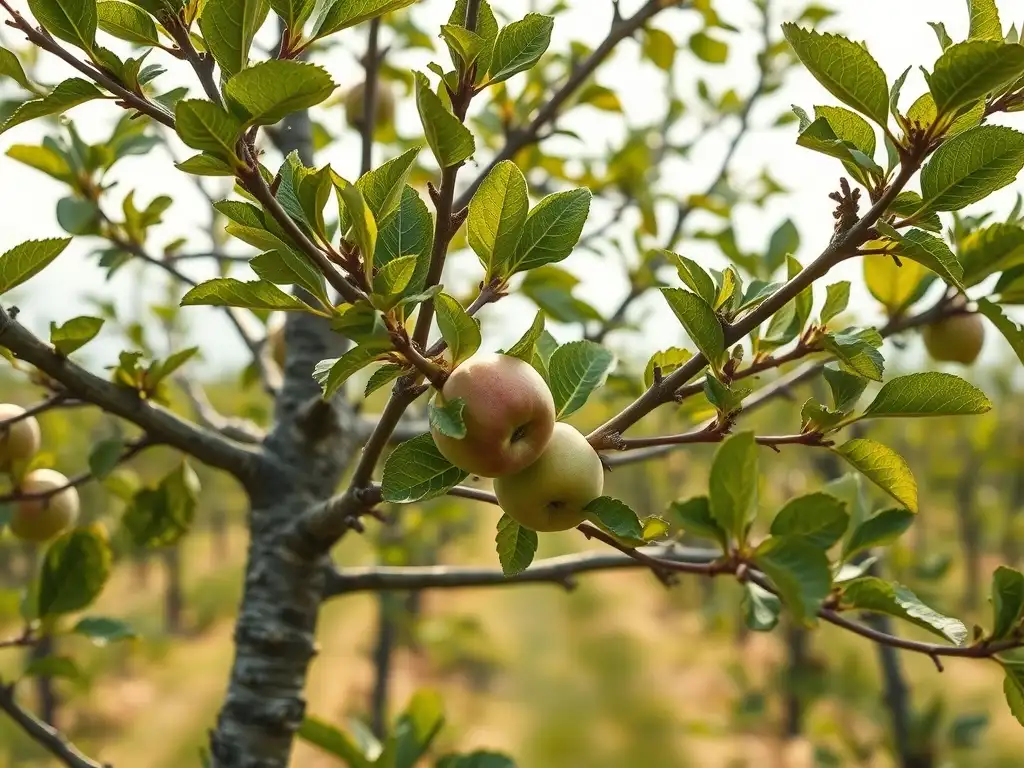
Pruning your apple trees is a crucial step in maximizing fruit production and maintaining the overall health of your trees. However, the work doesn't stop with the shears. Post-pruning care is just as vital as the pruning itself, ensuring your trees recover quickly and thrive.
Proper care helps prevent disease, promotes vigorous growth, and ultimately leads to a bountiful harvest. This section will detail the essential steps to take after pruning your apple trees for optimal results, focusing on disease and pest prevention, fertilization, and watering. Remember, consistent and attentive post-pruning care is key to successfully prune apple trees for fruit.
Protecting Your Apple Tree from Diseases and Pests After Pruning
Pruning wounds, while necessary for shaping and rejuvenating your apple tree, create entry points for diseases and pests. These openings can be exploited by various pathogens and insects, potentially harming the tree and reducing fruit yield. Therefore, protecting your tree after pruning is paramount.
Several strategies can minimize these risks. Firstly, always use clean and sharp pruning tools. Dirty tools can spread diseases from one tree to another. Sanitize your tools with a 10% bleach solution between cuts or use rubbing alcohol. Secondly, after pruning, apply a protective sealant to larger cuts (over ½ inch in diameter). This sealant prevents the entry of pathogens and helps the wound heal faster. Avoid using paint or petroleum-based products, as these can actually hinder healing. Opt for a tree wound dressing specifically designed for fruit trees.
Regular monitoring is also crucial. Keep a close eye on your apple tree for signs of disease or pest infestation in the weeks following pruning. Early detection allows for prompt intervention and prevents widespread damage. Look for unusual leaf discoloration, wilting, insect activity, or signs of fungal growth.
If you notice any problems, take appropriate action, which may involve using organic pest control methods or consulting with a local arborist. Remember, prevention is always better than cure when it comes to maintaining the health of your apple trees. This diligent approach will ensure your efforts to prune apple trees for fruit are not undone by subsequent problems.
Fertilizing Your Apple Tree After Pruning for Optimal Growth
Pruning stimulates new growth, and providing your apple tree with the necessary nutrients is essential for supporting this growth and ensuring a healthy, productive tree. The type and amount of fertilizer you use will depend on several factors, including the age of your tree, the soil type, and the results of a soil test (if available). A soil test can provide valuable insights into the nutrient levels in your soil, guiding your fertilizer choices.
Generally, a balanced fertilizer is recommended, supplying the essential macronutrients—nitrogen (N), phosphorus (P), and potassium (K)—in appropriate ratios. Nitrogen promotes leaf growth, phosphorus aids root development, and potassium contributes to overall tree health and fruit production. Consider using an organic fertilizer, aligning with sustainable practices. Compost is also a great addition, providing slow-release nutrients and improving soil structure.
The timing of fertilization is also important. Apply fertilizer after pruning, allowing the tree to utilize the nutrients for new growth. Avoid over-fertilizing, as this can lead to excessive vegetative growth at the expense of fruit production. Follow the instructions on the fertilizer packaging carefully, adjusting the amount based on your tree's size and the recommendations from a soil test. This careful approach to fertilization will boost your efforts to prune apple trees for fruit, providing the necessary fuel for growth and fruit development. Remember, a well-nourished tree is a productive tree.
Watering Your Apple Tree After Pruning: Maintaining Soil Moisture
Adequate watering is critical after pruning, especially during periods of dry weather. Pruning removes leaves, reducing the tree's capacity for transpiration (water loss). However, the tree still needs water to heal pruning wounds, produce new growth, and support fruit development. Insufficient watering can stress the tree, making it more susceptible to diseases and pests, and ultimately reducing fruit yield.
The frequency and amount of watering will depend on several factors, including the climate, soil type, and the size of your tree. Monitor soil moisture regularly, using your finger to check the dryness of the soil a few inches below the surface. Water deeply and less frequently rather than shallowly and often, encouraging deep root growth. Mulching around the base of the tree can help retain soil moisture, reducing the need for frequent watering. Mulch also helps suppress weeds, which compete with the tree for water and nutrients.
Consider using a drip irrigation system or soaker hoses for efficient watering. These methods deliver water directly to the root zone, minimizing water loss through evaporation. Avoid overhead watering, as this can promote fungal diseases. Consistent and appropriate watering is an essential component of post-pruning care. By providing sufficient water, you ensure the success of your efforts to prune apple trees for fruit, promoting healthy growth and a bountiful harvest. Proper watering is a simple yet effective technique that directly impacts the health and productivity of your apple trees.
Common Mistakes to Avoid When Pruning Apple Trees
Pruning apple trees is crucial for maximizing fruit production and maintaining the tree's health. However, improper pruning techniques can severely harm your tree, reducing yields and even leading to disease. This section details common mistakes to avoid when you prune apple trees for fruit, ensuring a bountiful harvest year after year. Understanding these pitfalls and implementing the correct methods will significantly improve your apple tree's longevity and fruit production.
Over-Pruning Apple Trees: The Risks of Removing Too Much Wood
Over-pruning is a frequent error among novice and even experienced gardeners. Removing excessive wood weakens the tree, making it more susceptible to diseases and pests. A severely pruned apple tree struggles to produce sufficient energy for fruit development, resulting in smaller yields and lower-quality fruit. Remember, the goal is not to drastically reduce the tree's size, but to strategically shape it and remove dead, diseased, or crossing branches.
Think of it like this: a tree's leaves are its solar panels. The more leaves, the more energy the tree can produce for growth and fruit production. Removing too many branches significantly reduces the tree's photosynthetic capacity. A good rule of thumb is to remove no more than 25% of the tree's canopy in any single pruning session.
For young trees, this percentage should be even lower. Instead of drastic cuts, focus on selective pruning, removing only the necessary branches. This approach helps maintain the tree's overall vigor and ensures a healthy balance between growth and fruit bearing. Data suggests that trees pruned excessively experience a 30-40% reduction in fruit yield in the following season.
Incorrect Pruning Cuts: Avoiding Damage to Your Tree
Making improper cuts can lead to significant damage to your apple tree. Incorrect pruning cuts can leave stubs that are vulnerable to disease and decay, harming the overall health of the tree. Always make clean cuts just outside the branch collar – the slightly swollen area where the branch joins the main trunk or another branch. This collar contains protective tissues that help seal the wound and prevent disease.
Avoid leaving stubs. A stub is a portion of a branch remaining after a cut, which is a breeding ground for disease. The cut should be flush with the branch collar, allowing the tree to heal naturally. Using sharp, clean pruning shears or a saw is essential for making clean cuts that minimize damage.
Dull tools can tear the bark, increasing the risk of infection. Proper pruning technique is paramount for the long-term health and productivity of your apple trees. Improper cuts can lead to increased susceptibility to diseases like canker, which can severely impact fruit production. The use of wound sealant is generally not recommended as it can impede the tree's natural healing process.
Ignoring Seasonal Considerations: Pruning at the Wrong Time
The timing of pruning significantly impacts the success of your efforts. Pruning apple trees at the wrong time of year can stress the tree, leading to reduced fruit production and increased vulnerability to diseases. The ideal time to prune apple trees is during the dormant season, typically late winter or early spring, before bud break. Pruning during this period minimizes sap loss and allows the tree to heal quickly before the growing season begins.
Pruning during the growing season (spring, summer, or fall) can lead to increased susceptibility to disease, as open wounds are more vulnerable to infection. Furthermore, late-season pruning can stimulate new growth that is not sufficiently hardened off before winter, making it vulnerable to frost damage. Late summer or fall pruning, specifically, should be avoided unless you're targeting specific pest control or dead wood removal. Careful consideration of the season is critical for successful and productive pruning. Following the correct seasonal guidelines will ensure that your pruning efforts contribute to a healthy and fruitful apple tree.
Frequently Asked Questions
When is the best time to prune apple trees for fruit production?
The best time to prune apple trees is during the dormant season, typically late winter or early spring, before new growth begins. This allows the tree to heal properly and focus its energy on fruit production.
What tools do I need to prune my apple trees?
You'll need sharp, clean pruning shears or loppers, depending on the size of the branches. A saw might be necessary for larger branches. Always disinfect your tools between cuts to prevent the spread of disease.
How much should I prune my apple tree each year?
The amount of pruning depends on the age and size of the tree, but generally, you should aim for light pruning annually. Over-pruning can weaken the tree and reduce fruit production. Focus on removing dead, damaged, or crossing branches.
What are some common pruning mistakes to avoid?
Avoid heading cuts (cutting back to a bud or lateral branch) on mature trees, as this can stimulate excessive growth and reduce fruit production. Also, avoid pruning too much at once, and ensure you have proper knowledge of the tree's structure and growth habits.
How can I tell if a branch needs to be removed?
Remove branches that are dead, diseased, damaged, crossing, or growing inward, towards the center of the tree. These branches compete with fruit-bearing branches for resources and can hinder air circulation, increasing the risk of disease.
Final Reflection: The Enduring Harvest: Cultivating Abundance Through Pruning
The art of pruning apple trees, far from being a mere horticultural practice, is a metaphor for cultivating abundance in all aspects of life. Understanding the delicate balance between removal and growth, between sacrifice and reward, is crucial not only for bountiful harvests but also for navigating the complexities of personal and societal development. The principles discussed – from understanding the tree's structure to employing the right techniques at the right time – translate directly to achieving our own goals and fostering healthy, sustainable growth.
The impact of thoughtful pruning extends far beyond the orchard; it mirrors the ongoing process of self-improvement and societal progress. We, too, must regularly assess what needs to be removed – unproductive habits, negative influences, or outdated beliefs – to allow for the flourishing of our potential. The best time to plant a tree was 20 years ago. The second best time is today.
This proverb perfectly encapsulates the enduring relevance of pruning, reminding us that it's never too late to begin cultivating a more fruitful life, both literally and metaphorically.
Now, consider your own "apple tree." What aspects of your life require pruning? What habits or beliefs are hindering your growth? Take the time to reflect on the lessons learned here, and apply them to your own journey. Embrace the process of careful removal and mindful cultivation; for within the act of pruning lies the potential for an abundant and enduring harvest, not just of apples, but of life's richest rewards.
Unlock Your Orchard's Potential: Prune for a Bountiful Harvest!
Thank you for learning about apple tree pruning! We hope you feel confident in improving your fruit yield and tree health. Ready to apply your new knowledge?
- Sharpen your pruning shears and prune your apple trees this weekend! Use the techniques discussed to encourage healthy growth and abundant fruit.
- Share your pruning progress and any questions with our CultivateYourFood community on social media! Let's inspire each other to grow amazing apples!
- Consider keeping a detailed pruning journal to track your progress and results each year. This helps you refine your technique for optimal harvests.
What challenges are you looking forward to tackling in your orchard this season?