
Growing Hot Peppers: A Guide to Spice Up Your Garden

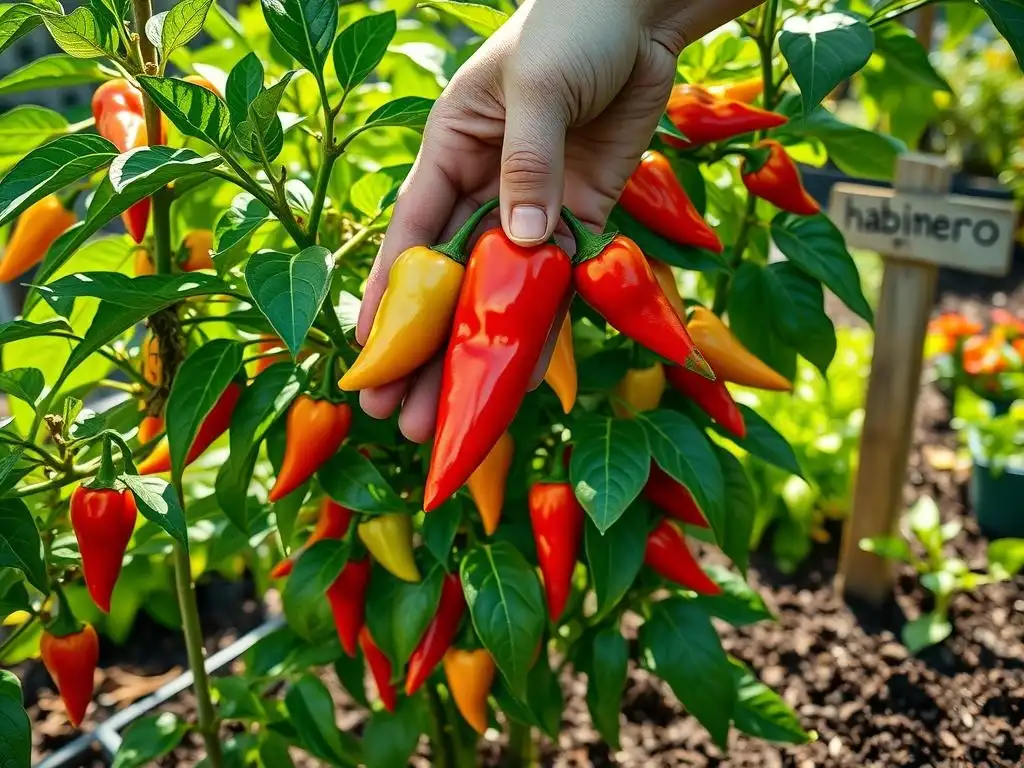
Ready to transform your backyard into a vibrant, spicy haven? At CultivateYourFood, we empower you to grow your own delicious and healthy produce using sustainable methods. Discover the secrets to a bountiful harvest with our comprehensive Grow organic hot peppers guide, a deep dive into the world of vegetable gardening that will leave you itching to plant your own fiery crop. Let's get growing!
- Choosing the Right Hot Pepper Variety for Your Garden
- Preparing Your Garden for Hot Pepper Planting
- Planting Your Organic Hot Pepper Seeds or Seedlings
- Caring for Your Organic Hot Pepper Plants
- Harvesting and Preserving Your Organic Hot Peppers
- Troubleshooting Common Hot Pepper Growing Problems
- Frequently Asked Questions
- Final Reflection: Harvesting the Seeds of a Spicier Life
- Ignite Your Garden: Grow the Hottest Peppers Yet!
Choosing the Right Hot Pepper Variety for Your Garden
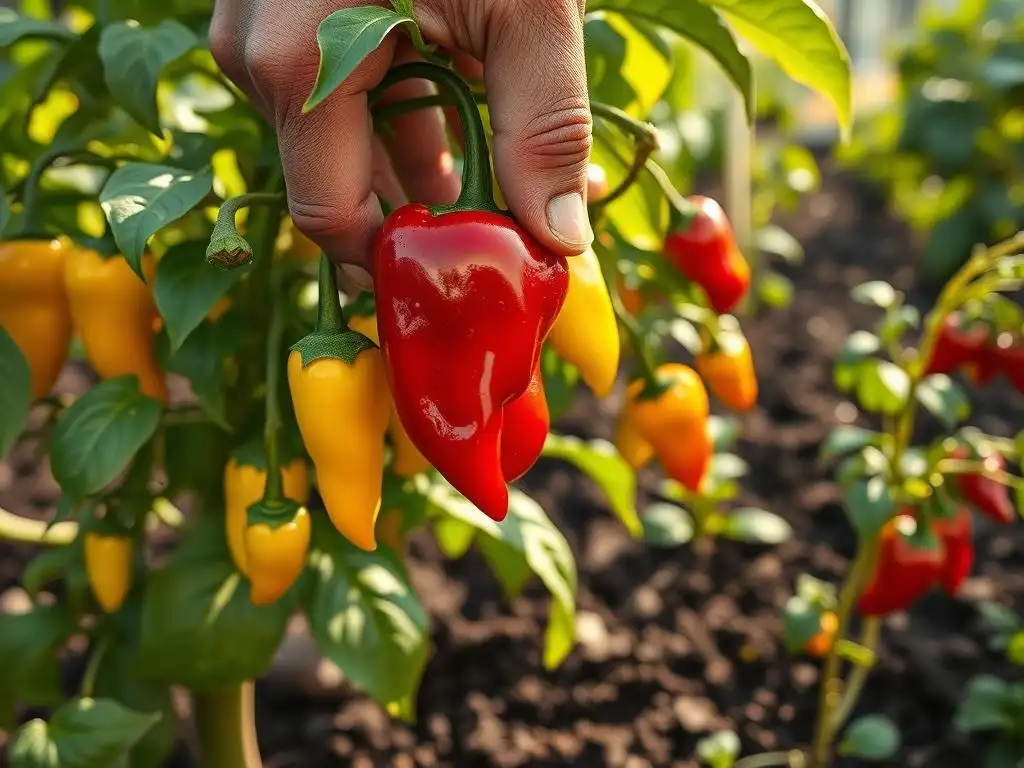
Growing your own hot peppers offers a rewarding experience, connecting you directly with the vibrant flavors and satisfying heat of your harvest. This comprehensive guide provides everything you need to cultivate organic hot peppers successfully, from selecting the right seeds to harvesting your fiery bounty. We'll cover organic growing practices, understanding heat levels, and choosing varieties perfect for beginner gardeners.
This guide will help you confidently embark on your journey to growing your own delicious and fiery organic hot peppers, making it easier than ever to incorporate this exciting crop into your sustainable garden. Whether you’re a seasoned gardener or just starting out, this guide provides the knowledge and practical steps to successfully grow organic hot peppers, fulfilling your desire for a truly spicy and homegrown harvest.
Learning to grow organic hot peppers not only provides fresh, flavorful ingredients but also contributes to a healthier environment and a more self-sufficient lifestyle. Let's dive into the exciting world of organic hot pepper cultivation!
Selecting Hot Pepper Seeds: Organic vs. Non-Organic Options
Choosing the right seeds is the crucial first step in growing any plant, and organic hot peppers are no exception. When selecting your seeds, the decision between organic and non-organic options significantly impacts the overall health and sustainability of your garden. Organic seeds guarantee that the seeds themselves haven't been treated with pesticides or genetically modified. This ensures that your plants develop naturally, free from harmful chemicals. This commitment to organic practices extends to the entire growing process, promoting biodiversity and protecting beneficial insects in your garden ecosystem.
Many reputable seed companies offer a wide variety of organic hot pepper seeds. Look for certifications such as those from the USDA Organic program to verify the authenticity of organic seeds. Remember to check the seed packet for information about germination rates and planting instructions specific to your chosen variety. By carefully selecting organic seeds, you're laying the foundation for a healthy and thriving organic hot pepper crop. The quality of your seeds directly influences the health and yield of your plants, so choosing organic seeds is an investment in the success of your garden.
Choosing organic seeds also contributes to a more sustainable and environmentally friendly gardening practice. You'll be reducing your reliance on synthetic pesticides and promoting a healthier environment for both your plants and the surrounding ecosystem.
Understanding Scoville Heat Units (SHU) and Pepper Heat Levels
The Scoville Heat Unit (SHU) scale measures the pungency (spiciness or "heat") of chili peppers. Understanding SHU is vital when selecting pepper varieties, as it dictates the level of heat you can expect from your harvest. A bell pepper, for example, measures 0 SHU, while some of the hottest peppers can reach millions of SHU.
Here's a helpful guide to understanding different heat levels:
| SHU Range | Heat Level | Example Pepper Variety |
|---|---|---|
| 0 - 100 | Mild | Banana Pepper |
| 100 - 500 | Mild-Medium | Poblano Pepper |
| 500 - 1,000 | Medium | Jalapeño Pepper |
| 1,000 - 1,500 | Medium-Hot | Serrano Pepper |
| 1,500 - 5,000 | Hot | Cayenne Pepper |
| 5,000 - 30,000 | Very Hot | Scotch Bonnet Pepper |
| 30,000 - 100,000 | Extremely Hot | Habanero Pepper |
| 100,000 - 1,000,000+ | Inferno 🔥 | Carolina Reaper, Ghost Pepper |
Choosing a pepper variety with an appropriate SHU level ensures a suitable level of heat for your palate and culinary preferences. Remember to always handle hot peppers with care, wearing gloves to avoid skin irritation.
Best Hot Pepper Varieties for Beginners
For beginner gardeners, selecting the right hot pepper variety is key to a successful and rewarding experience. Certain varieties are known for their ease of cultivation, resilience, and consistent yields. Starting with these beginner-friendly options will build your confidence and encourage continued growth in your gardening journey.
Some excellent choices for novice hot pepper growers include:
- Jalapeño: A classic choice, jalapeños are relatively easy to grow, produce abundantly, and offer a manageable level of heat.
- Ancho: These mild peppers are incredibly versatile, perfect for both fresh eating and drying. They are known for their high yield and tolerance of various growing conditions.
- Poblano: Another excellent option for beginners, poblanos offer a mild to medium heat and are widely adaptable.
Remember to choose varieties suited to your climate and growing conditions. Always refer to the specific seed packet instructions for optimal planting and care guidelines for your selected pepper variety. With careful planning and the right approach, you'll be harvesting your own homegrown organic hot peppers in no time!
Space Requirements and Plant Spacing for Optimal Growth
Hot pepper plants, while relatively compact compared to some other vegetables, still need adequate space to thrive and produce a bountiful harvest. Cramming too many plants into a small area leads to competition for resources like sunlight, water, and nutrients, resulting in smaller peppers and potentially reduced yields. The specific space requirements depend heavily on the pepper variety. Bush-type peppers generally require less space than vining varieties, which can sprawl considerably.
For example, a compact variety like 'Cayenne' might only need 12-18 inches between plants, allowing you to fit more plants in a smaller garden space. However, a larger, more vigorous variety like 'Poblano' might need 24-36 inches or even more, especially if you're growing them in a less-than-ideal location with limited sunlight. Always check the seed packet or plant tag for specific recommendations on spacing for the particular variety you've chosen.
Failing to do so can significantly impact your harvest. Remember, proper spacing also aids in air circulation, which is crucial in preventing fungal diseases that can thrive in humid conditions.
Consider your garden's layout and the overall size of the mature plants. Visualize the plants at their full size – including their spread – before planting to ensure you have enough space. Overcrowding can lead to stunted growth, reduced fruit production, and increased susceptibility to pests and diseases. Proper spacing is a critical element in achieving a successful organic hot pepper crop, maximizing yield, and minimizing problems.
Think of it as giving each plant its own little "breathing room" to flourish. This is especially important when practicing organic growing methods, as we aim to foster a healthy and balanced ecosystem within the garden. Poor spacing can negate the benefits of organic practices.
Preparing Your Garden for Hot Pepper Planting
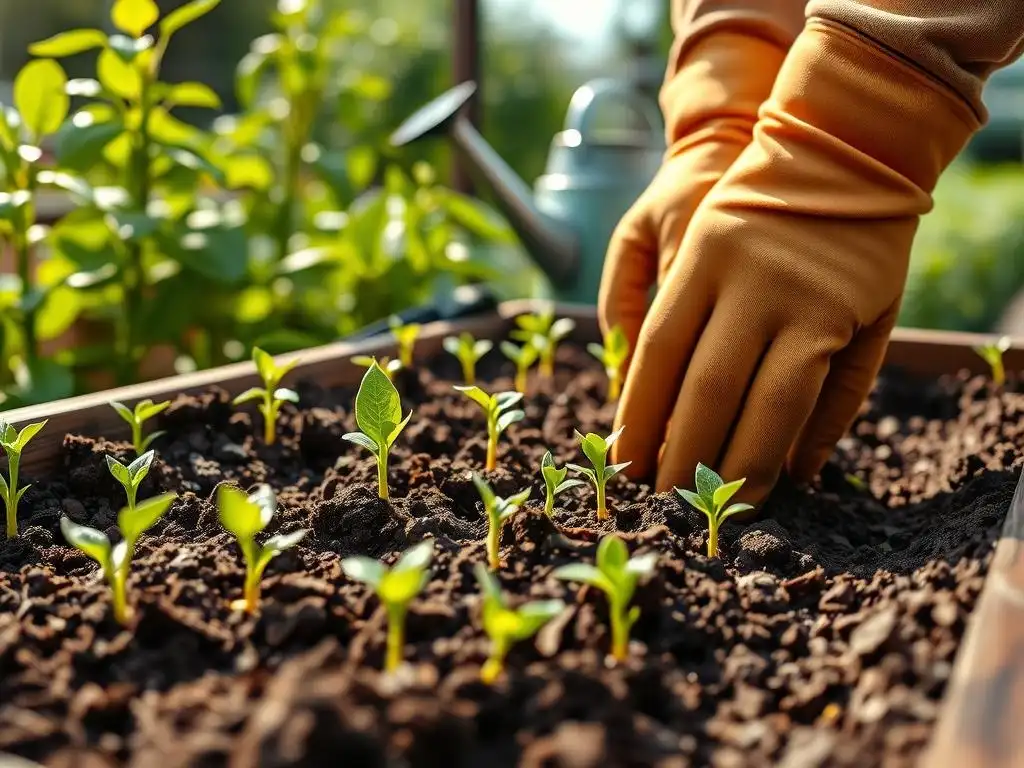
This section details the crucial steps in preparing your garden bed for optimal hot pepper growth using organic methods. Successfully growing organic hot peppers hinges on providing the right environment from the start. This involves careful soil preparation, nutrient enrichment, and strategic location selection. Let's delve into the specifics.
Soil Preparation for Organic Hot Pepper Cultivation
Hot peppers thrive in well-drained, fertile soil. Poor drainage leads to root rot, a common problem for peppers. Before planting, amend your soil to ensure it's rich in organic matter and has excellent drainage. Start by testing your soil's pH. Hot peppers prefer slightly acidic to neutral soil, with an ideal pH range of 6.0 to 7.0. You can purchase a soil testing kit from most garden centers.
Once you know your soil's pH, you can adjust it accordingly. If the soil is too alkaline, add organic matter like compost or well-rotted manure to lower the pH. If it's too acidic, you can add lime. Remember to work the amendments thoroughly into the soil to a depth of at least 12 inches. This deep soil preparation promotes strong root development, crucial for healthy pepper plants.
Furthermore, consider the soil texture. Sandy soil drains too quickly, while clay soil retains too much water. Amend sandy soil with organic compost to improve water retention. For clay soil, add organic matter like peat moss to improve drainage and aeration. The goal is to achieve a soil structure that is both fertile and well-draining, providing the perfect environment for your hot pepper roots to flourish. This translates to healthier plants and a bountiful harvest.
Essential Nutrients and Soil Amendments for Healthy Growth
Providing your hot peppers with the necessary nutrients is key to a successful harvest. Organic methods focus on enriching the soil with natural components rather than relying on synthetic fertilizers. Compost is your best friend here; it provides a slow-release of essential nutrients, improving soil structure and promoting beneficial microbial activity. Aim for at least 3-4 inches of compost incorporated into the top layer of your soil.
Beyond compost, consider adding other organic amendments depending on your soil test results. For instance, if your soil is deficient in nitrogen (essential for leafy growth), you can add aged manure or cover crops like clover, which naturally fix nitrogen in the soil. Similarly, if phosphorus (important for root and flower development) is low, bone meal or rock phosphate are good options. Potassium (contributing to fruit development and disease resistance) can be supplemented with wood ashes (use sparingly, as it can also affect pH).
Remember, moderation is key. Over-fertilizing can harm your plants, so follow the instructions on any amendment packaging carefully. Regular soil testing throughout the growing season can help monitor nutrient levels and guide further amendments, ensuring optimal nutrition for your organic hot peppers. A balanced approach to organic soil amendment will result in vibrant, healthy plants producing an abundance of flavorful peppers.
Selecting the Ideal Location: Sunlight and Shade Considerations
Sunlight is paramount for hot pepper production. These plants are sun-worshippers and need at least 6-8 hours of direct sunlight daily. Choose a location in your garden that receives ample sunlight throughout the day. Areas shaded by trees or buildings are unsuitable.
However, while they love the sun, intense afternoon heat in particularly hot climates can stress pepper plants. Consider providing some afternoon shade, especially for seedlings and young plants, using shade cloth or strategically positioning taller plants nearby. This will prevent scorching and wilting, allowing your peppers to thrive even in the hottest summer months.
Careful site selection is a cornerstone of successful organic hot pepper cultivation. By choosing a location with sufficient sunlight and mitigating potential heat stress, you set the stage for healthy growth and a plentiful harvest of delicious, organic hot peppers. Remember to also consider factors such as wind exposure – a sheltered location is preferable to prevent damage to plants.
Building Raised Beds or Using Containers for Hot Pepper Plants
Hot peppers, especially the spicier varieties, thrive in warm, well-drained soil. Raised beds and containers offer excellent control over soil composition and drainage, crucial factors for successful organic hot pepper cultivation. Building raised beds allows you to amend the soil with compost and other organic materials to create the perfect environment.
This is particularly beneficial if your existing garden soil is heavy clay or poorly draining. A well-constructed raised bed, typically 12-18 inches deep, provides ample room for root development and prevents waterlogging, a common problem for peppers. Remember to choose rot-resistant wood like cedar or redwood for longevity.
Alternatively, you can use readily available materials like recycled pallets (ensure they are untreated) for a more budget-friendly option. Properly constructed raised beds also help to improve soil temperature, speeding up germination and plant growth, especially important in cooler climates. This is a key advantage when growing organic hot peppers, as they demand consistent warmth.
Containers, on the other hand, provide even greater flexibility. They're ideal for smaller gardens, patios, or balconies. Choose containers that are at least 5 gallons in size to accommodate the root systems of mature pepper plants. Larger containers retain moisture better, reducing the frequency of watering – a significant advantage, particularly during hot spells.
Ensure the containers have drainage holes to prevent root rot. Using high-quality potting mix specifically formulated for vegetables is crucial when growing in containers. This mix typically contains components that promote excellent drainage and aeration, while still holding sufficient moisture. Again, incorporating compost into the potting mix enriches the soil and provides essential nutrients for your organic hot peppers organically, leading to healthier plants and a bountiful harvest.
Remember to choose containers made from materials that won't leach harmful chemicals into the soil. Terracotta, wood, and plastic containers are suitable, but always avoid using recycled containers that may have held hazardous materials. Consider the weight of the containers when full of soil and water, especially if placing them on elevated surfaces.
Planting Your Organic Hot Pepper Seeds or Seedlings
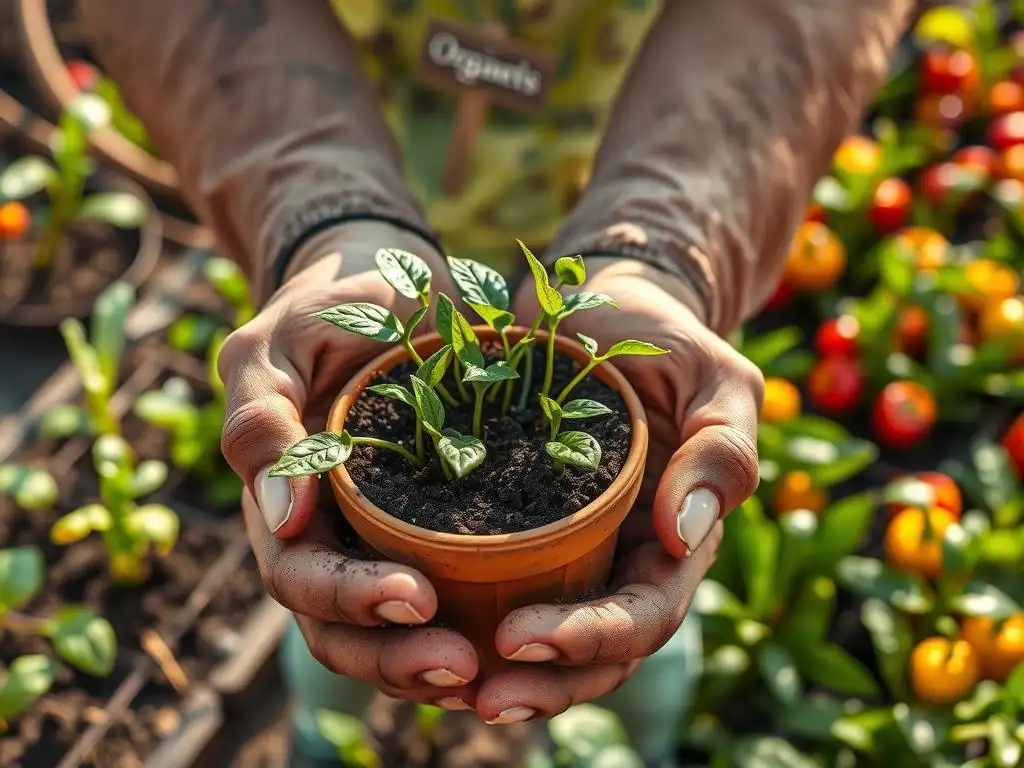
This section focuses on the crucial first steps in your journey to growing organic hot peppers: choosing between seeds and seedlings, and then getting them successfully into the ground. The choice between starting from seed or using seedlings significantly impacts your timeline and the level of effort required. Let's explore both options.
Starting Hot Peppers from Seed: A Step-by-Step Guide
Starting hot peppers from seed offers a rewarding experience, allowing you to cultivate a wider variety and potentially save money. However, it demands more patience and attention to detail. Here's a step-by-step guide to successfully germinate your organic hot pepper seeds:
- Seed Starting Mix: Begin with a high-quality, sterile seed-starting mix. Avoid using garden soil, as it may contain pathogens harmful to delicate seedlings. A mix specifically formulated for seed starting provides optimal drainage and aeration.
- Seed Trays or Pots: Use seed trays or small pots (2-3 inches in diameter) filled with the seed-starting mix. Gently moisten the mix before planting.
- Planting the Seeds: Sow seeds about ¼ inch deep and 1-2 inches apart. Gently cover with the seed-starting mix. Label each container clearly with the pepper variety.
- Providing Warmth and Moisture: Place the trays in a warm location (70-80°F) with consistent moisture. A heat mat can significantly accelerate germination. Keep the soil consistently moist, but not soggy, by using a mister or bottom watering.
- Germination and Thinning: Germination typically takes 7-21 days, depending on the variety and temperature. Once seedlings emerge, ensure they receive adequate light. If seedlings are crowded, carefully thin them, leaving the strongest plants.
- Hardening Off: Before transplanting outdoors, gradually acclimate seedlings to outdoor conditions (see the next section for details). This process protects them from transplant shock.
Remember to use organic, untreated seeds to maintain the integrity of your organic growing practices. Choosing seeds from reputable suppliers ensures high germination rates and true-to-type plants. Careful observation and timely action are key to successfully nurturing your pepper seedlings from seed. Keep a close eye on moisture levels and promptly address any signs of damping-off (a fungal disease affecting seedlings).
Transplanting Hot Pepper Seedlings: Timing and Techniques
Once your seedlings have developed several true leaves (the leaves that appear after the cotyledons) and the threat of frost has passed, it's time to transplant them into their permanent location in your garden. Optimal soil temperature for transplanting is around 65-70°F.
The success of transplanting hinges on proper technique and timing. Dig holes slightly larger than the root ball of your seedlings. Gently remove seedlings from their containers, taking care not to damage the roots. Plant them at the same depth they were growing in their containers, ensuring the root ball is fully covered with soil. Water thoroughly after transplanting to settle the soil around the roots. Consider using a mulch to retain moisture and suppress weeds. Proper spacing is crucial; refer to the specific variety's requirements for optimal growth and yield.
Choosing the right time for transplanting is vital. Avoid transplanting on extremely hot or cold days. Cloudy days or evenings are generally ideal for minimizing transplant stress. Properly transplanted seedlings will quickly establish themselves and begin to thrive, producing those delicious, spicy peppers you've been waiting for.
Hardening Off Seedlings Before Transplanting
Hardening off is a crucial step in preparing your delicate seedlings for the rigors of the outdoor environment. This gradual acclimation process reduces transplant shock and improves the survival rate of your plants. It involves slowly exposing seedlings to increasing amounts of sunlight, wind, and temperature fluctuations over a period of 7-10 days.
Start by placing your seedlings outdoors for a short period (1-2 hours) on a calm, cloudy day. Gradually increase the exposure time each day, protecting them from harsh sunlight and strong winds. The final day before transplanting, leave them outdoors overnight. This process allows the seedlings to adjust to the outdoor conditions, strengthening them and reducing the likelihood of wilting or stress after transplanting.
Successful hardening off contributes significantly to your overall success in growing healthy and productive organic hot pepper plants. This step is critical, and neglecting it can lead to significant losses. Don't rush this process; patience is key to robust and resilient plants.
Protecting Young Plants from Pests and Diseases
Protecting your young, tender pepper plants from pests and diseases is crucial for a successful harvest. Organic gardening prioritizes natural methods, minimizing the use of harmful chemicals. Early intervention is key; regular monitoring allows you to address problems before they escalate.
One common pest is the aphids, tiny insects that suck the sap from leaves, causing stunted growth and wilting. These can be controlled using a strong spray of water from a hose, dislodging them from the plants. For more persistent infestations, consider introducing beneficial insects like ladybugs, which prey on aphids. These can often be purchased from garden centers specializing in organic pest control. Remember to avoid using harsh pesticides, which can harm beneficial insects and contaminate your soil.
Another threat is fungal diseases, such as blight, which can cause leaf spots and rotting. Good air circulation is essential to prevent fungal growth. Space your plants adequately to allow for airflow, and avoid overhead watering, which can create a humid environment conducive to fungal development. If you notice signs of fungal disease, remove affected leaves promptly and dispose of them properly. Consider using a copper-based fungicide, a natural option approved for organic gardening, but always follow the instructions carefully.
Soilborne diseases can also affect young pepper plants. Ensuring well-draining soil is vital to prevent root rot. Amend heavy clay soils with compost to improve drainage and aeration. Rotating your crops yearly helps break the disease cycle, preventing the build-up of pathogens in the soil. Planting disease-resistant pepper varieties is another effective preventative measure. Many seed catalogs list disease resistance as a key characteristic.
Monitoring for pests and diseases should be a regular part of your garden routine. A quick inspection each time you water can help you catch problems early, before they cause significant damage to your plants. Remember, a healthy soil environment is the best defense against many pests and diseases. Healthy plants are naturally more resistant to attacks. By focusing on organic practices, you can cultivate a vibrant pepper patch while protecting the environment.
Caring for Your Organic Hot Pepper Plants
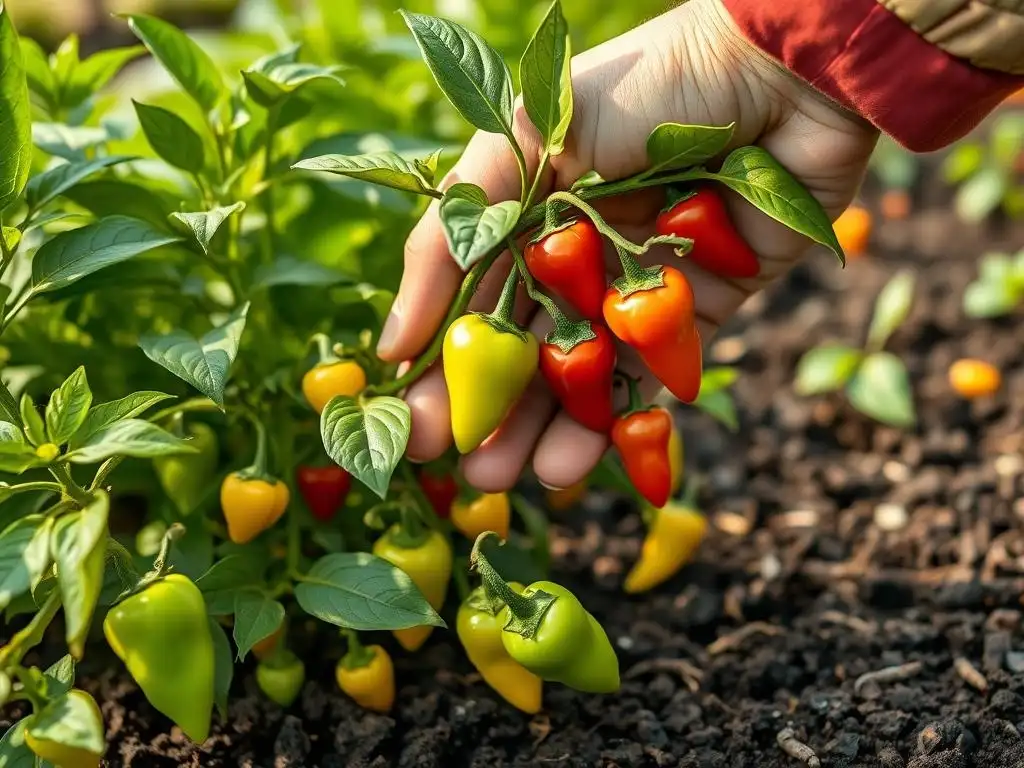
This section delves into the crucial aspects of nurturing your organic hot pepper plants to ensure a bountiful harvest of spicy delights. We'll explore optimized watering techniques, the benefits of organic fertilization, and the protective role of mulching in maintaining healthy, thriving plants. Remember, consistent care is key to growing vibrant and productive pepper plants organically.
Watering Your Hot Peppers: Frequency and Techniques
Consistent moisture is paramount for healthy pepper growth, especially during the crucial fruiting stage. However, overwatering can lead to root rot and fungal diseases, significantly impacting yield. The ideal watering strategy involves deeply watering your plants less frequently, rather than shallow watering every day. This encourages deeper root growth, making your plants more drought-tolerant and resilient.
The frequency of watering depends heavily on several factors, including soil type, weather conditions, and plant size. Clay soils retain moisture longer than sandy soils, requiring less frequent watering. Hot, sunny days will naturally increase water evaporation, necessitating more frequent irrigation. Younger plants generally require more frequent watering than established, mature plants.
Here’s a practical approach:
- Check the soil moisture: Before watering, stick your finger about an inch into the soil. If it feels dry, it’s time to water.
- Water deeply: Provide enough water to thoroughly moisten the root zone. A soaker hose or drip irrigation system is ideal, as it avoids wetting the foliage, reducing the risk of fungal diseases.
- Avoid overhead watering: Overhead watering can lead to fungal diseases like leaf spot and blight. Water at the base of the plant to keep the foliage dry.
- Mulching helps: A layer of organic mulch helps retain soil moisture, reducing the frequency of watering.
Fertilizing Your Hot Peppers: Organic Fertilizer Options
Organic fertilizers provide the essential nutrients your hot peppers need without harming beneficial soil organisms or the environment. Avoid synthetic fertilizers, as they can disrupt the delicate balance of your soil ecosystem. Opt instead for natural, slow-release fertilizers that provide sustained nourishment throughout the growing season.
Several excellent organic fertilizer options exist:
- Compost: A rich source of nutrients, compost improves soil structure and enhances water retention. Incorporate it into your soil before planting and side-dress your plants throughout the growing season.
- Worm castings: These are the byproduct of composting worms and are exceptionally nutrient-rich, providing a readily available source of plant food. Apply them as a top-dressing or mix them into the soil.
- Seaweed extract: A natural liquid fertilizer, seaweed extract is rich in micronutrients and promotes healthy plant growth. Apply it according to the manufacturer’s instructions.
- Fish emulsion: A liquid fertilizer derived from fish, fish emulsion is a good source of nitrogen, an essential nutrient for vigorous growth. Use it sparingly, as it can have a strong odor.
Remember to follow the instructions on the fertilizer packaging carefully. Over-fertilizing can be just as harmful as under-fertilizing. Regular soil testing can help you determine your soil's nutrient levels and guide your fertilization strategy. A balanced approach, incorporating a variety of organic fertilizers, usually yields the best results for your plants' health and the overall quality of your harvest.
Mulching to Retain Moisture and Suppress Weeds
Mulching is a crucial practice in organic gardening, offering multiple benefits for your hot pepper plants. A layer of organic mulch helps retain soil moisture, reducing the need for frequent watering. It also suppresses weed growth, preventing competition for nutrients and water. Furthermore, mulch helps regulate soil temperature, protecting roots from extreme heat and cold.
Suitable mulching materials include:
- Straw: A readily available and inexpensive option, straw provides excellent weed suppression and moisture retention.
- Shredded leaves: A great way to recycle yard waste, shredded leaves decompose slowly, enriching the soil over time.
- Wood chips: Provide excellent weed suppression and help regulate soil temperature. However, they can tie up nitrogen in the soil initially.
- Compost: A nutrient-rich mulch that also improves soil structure and fertility.
Apply a 2-3 inch layer of mulch around your pepper plants, keeping it a few inches away from the stems to prevent rot. Regularly replenish the mulch layer as it decomposes, maintaining its protective benefits throughout the growing season. By carefully selecting and applying mulch, you contribute significantly to the overall health and productivity of your organic hot pepper plants, improving your chances of a plentiful harvest of delicious, spicy peppers.
Pest and Disease Control for Organic Hot Pepper Plants
Growing organic hot peppers means prioritizing natural pest and disease control methods. Synthetic pesticides are off the table, so we need to employ strategies that work in harmony with the environment. This requires vigilance and proactive measures. Regular inspection of your plants is crucial. Look for signs of common pests like aphids, spider mites, whiteflies, and flea beetles. Early detection is key to preventing widespread infestations.
One of the most effective organic pest control methods is using insecticidal soap. This soap disrupts the cell membranes of soft-bodied insects, leading to their death. It's crucial to follow the instructions on the product label carefully, ensuring you apply it at the right concentration and at the appropriate time of day (often early morning or evening to avoid harming beneficial insects). Remember to test it on a small area of the plant first to check for any adverse reactions.
Another effective approach is companion planting. Certain plants repel pests that might target your peppers. For example, basil is known to deter aphids and whiteflies, while marigolds can help repel nematodes and other soil-borne pests. Strategically planting these companions around your pepper plants can create a natural barrier against pests. Consider planting herbs like rosemary or oregano, which also attract beneficial insects that prey on pest insects, creating a natural ecosystem within your garden.
Beyond insects, fungal diseases like blight and anthracnose can affect pepper plants. Maintaining good air circulation around your plants is crucial to prevent fungal growth. Avoid overcrowding your plants, and ensure adequate spacing between them. Proper watering techniques are also essential; avoid overhead watering which can promote fungal growth.
Water at the base of the plant to keep the foliage dry. If you notice signs of fungal disease, such as brown spots or wilting, remove affected leaves immediately to prevent the spread of the disease. In severe cases, a copper-based fungicide might be necessary, but always choose an organic option and follow the instructions precisely.
Finally, maintaining healthy soil is paramount for disease resistance. Healthy soil teeming with beneficial microorganisms provides a robust defense against pathogens. Regular composting and the addition of organic matter like well-rotted manure improve soil health and build plant resilience. A strong, healthy plant is far less susceptible to pests and diseases. Remember, prevention is always better than cure when it comes to organic pest and disease management. Regular monitoring, proactive measures, and a healthy garden ecosystem are your best allies in growing thriving organic hot peppers.
Harvesting and Preserving Your Organic Hot Peppers
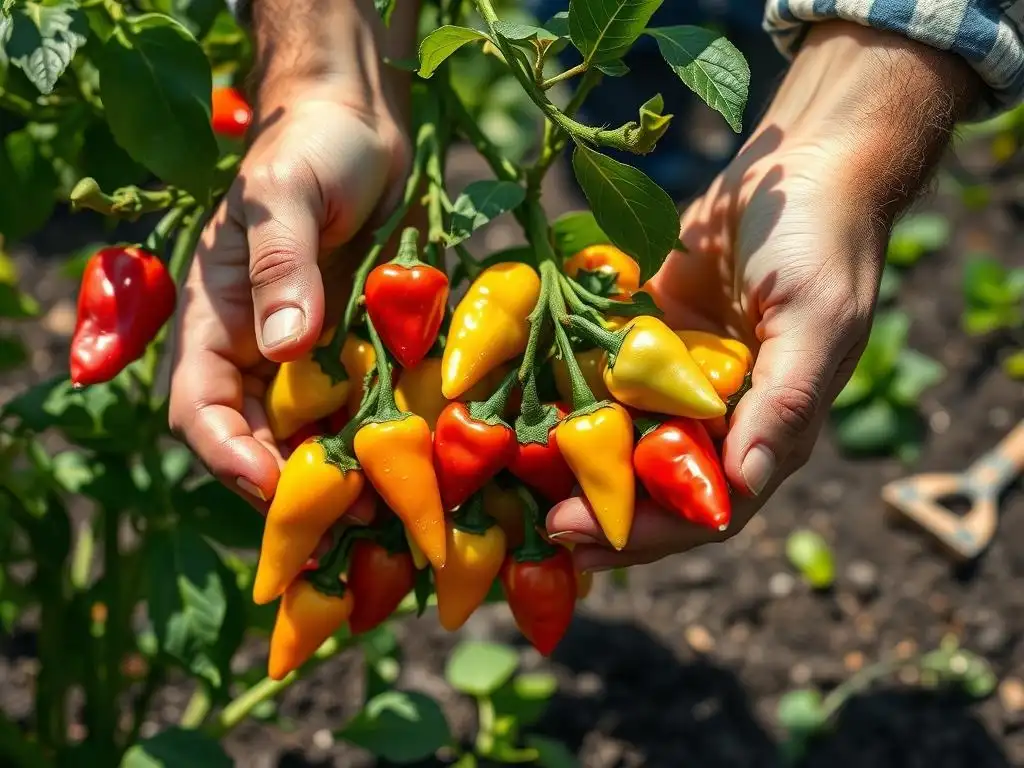
This section details the crucial steps in harvesting and preserving your homegrown organic hot peppers, ensuring you enjoy the fruits (or should we say, vegetables) of your labor throughout the year. Proper harvesting maximizes yield and quality, while effective preservation methods extend the life of your spicy bounty. This guide will help you transition from garden to pantry with confidence, transforming your vibrant harvest into delicious meals and flavorful additions to your cooking repertoire all year long.
Knowing When to Harvest Your Organic Hot Peppers: Signs of Ripeness
Determining the optimal harvest time is key to achieving the best flavor and texture from your organic hot peppers. Don't rush the process! Premature harvesting results in bland peppers lacking the characteristic heat and vibrant color. Conversely, overripe peppers can become soft, lose their intense flavor, and even become susceptible to pests and diseases.
Several key indicators signal ripeness. The most obvious is color. The color of a ripe pepper varies greatly depending on the cultivar. For example, a ripe jalapeño will transition from green to a deep, rich red, while a habanero might turn orange, red, or even yellow depending on the specific variety. Refer to the seed packet or plant tag for the expected color of your pepper variety.
Beyond color, consider the firmness of the pepper. A ripe pepper should feel firm to the touch, but not hard or woody. Avoid peppers that are soft, wrinkled, or show signs of damage. Finally, examine the overall appearance. A healthy, ripe pepper will be free from blemishes, discoloration, or signs of disease or pest infestation.
Inspect your peppers regularly, as ripeness can progress rapidly, especially in warm weather. Harvesting at the peak of ripeness ensures the best flavor and pungency. Remember, the hotter the pepper, the more intense the flavor, and this is directly related to the ripeness level. This is a key aspect of growing organic hot peppers successfully.
Harvesting Techniques to Maximize Yield and Quality
Once your peppers show signs of ripeness, employ careful harvesting techniques to prevent damage and maximize yield. The goal is to harvest the peppers without bruising or injuring the plant. Using clean, sharp scissors or pruning shears is recommended. Avoid pulling peppers directly from the plant, as this can damage the stem and reduce subsequent fruit production.
Here's a step-by-step guide:
- Inspect the plant: Carefully examine your pepper plants for ripe peppers. Pay close attention to the details mentioned above (color, firmness, appearance).
- Select ripe peppers: Choose only those peppers that exhibit the appropriate signs of ripeness for their specific variety.
- Cut the stem: Using clean, sharp scissors or pruning shears, carefully cut the stem of each pepper, leaving a small portion attached to the pepper. This minimizes damage to the plant and reduces the risk of disease.
- Handle with care: Gently place the harvested peppers in a clean container to prevent bruising or damage. Avoid overcrowding the container.
- Regular harvesting: Harvest peppers regularly, ideally every 2-3 days, to encourage continued production and prevent overripe peppers from spoiling on the plant. Regular harvesting also helps to prevent the spread of diseases and pests. This is a critical part of any successful grow organic hot peppers guide.
This meticulous approach enhances the overall yield and maintains the quality of your organic hot peppers throughout the harvest season.
Drying and Preserving Hot Peppers for Year-Round Enjoyment
Preserving your harvest allows you to enjoy the vibrant flavors of your organic hot peppers long after the growing season ends. Drying is a simple and effective method for long-term storage. There are several ways to dry hot peppers:
- Air drying: This traditional method involves stringing peppers together and hanging them in a well-ventilated, dry, and dark area. Ensure good air circulation to prevent mold and mildew. This method typically takes several weeks.
- Oven drying: This method is faster and requires less space. Place peppers on a baking sheet lined with parchment paper and bake at a low temperature (around 135-170°F or 57-77°C) for several hours, until completely dehydrated. Regularly check and rotate the peppers for even drying.
- Dehydrator drying: A food dehydrator provides optimal control over temperature and airflow, resulting in consistent and even drying. Follow the manufacturer's instructions for the best results.
After drying, store your peppers in airtight containers in a cool, dark, and dry place. Properly dried peppers can last for several months or even a year. Remember to always prioritize cleanliness and hygiene during the drying and storage process to prevent spoilage. Consider freezing peppers for another preservation method, maintaining their flavor and heat for extended periods. This completes your grow organic hot peppers guide. Enjoy your spicy harvest!
Recipes and Uses for Your Homegrown Hot Peppers
Once you've successfully harvested your bounty of organic hot peppers, the culinary possibilities are endless! The vibrant flavors and varying heat levels of homegrown peppers add a unique zest to a wide range of dishes. From mild to intensely fiery, your garden's produce can elevate your cooking to a whole new level. Remember to always wear gloves when handling hot peppers, as the capsaicin can irritate your skin.
One popular way to utilize your harvest is by making homemade hot sauces. The process is relatively straightforward, involving blending the peppers with vinegar, salt, and other desired ingredients like garlic or onions. Experiment with different pepper combinations to achieve your preferred level of heat and flavor profile. For instance, a blend of jalapeños and habaneros will produce a sauce with a balanced heat and fruity sweetness, while a sauce made solely from scotch bonnets will deliver an intense fiery kick. Proper sterilization of jars is crucial for safe long-term storage.
Beyond hot sauces, consider making pepper jellies or jams. The sweetness of the jelly or jam beautifully complements the heat of the peppers, creating a unique sweet and spicy condiment perfect for pairing with cheeses, meats, or even as a glaze for grilled dishes. Recipes often incorporate additional fruits like peaches or mangoes to enhance the overall flavor complexity. Remember to adjust the sugar content based on the sweetness of your chosen fruit and the heat level of your peppers.
Pickled peppers are another excellent preservation method. The pickling process not only extends the shelf life of your peppers but also infuses them with a tangy and flavorful brine. Various pickling techniques exist, ranging from quick pickling methods to longer fermentation processes. Experiment with different brine recipes, incorporating herbs and spices to create unique flavor profiles. Pickled peppers are a versatile addition to salads, sandwiches, or as a side dish.
Finally, don't forget the simpler uses. Freshly harvested peppers can be added directly to various dishes. Sliced jalapeños enhance the flavor of tacos and burritos, while finely chopped serranos add a spicy kick to stir-fries. Roasting peppers brings out their sweetness and mellows their heat, making them perfect for salsas or as a topping for pizzas. The versatility of homegrown hot peppers truly shines through in their diverse culinary applications. The possibilities are limited only by your imagination and the heat tolerance of your taste buds! 🌶️🔥
Troubleshooting Common Hot Pepper Growing Problems
Growing vibrant, productive hot pepper plants requires attention to detail. Even with careful planning and meticulous care, you may encounter challenges. This section addresses common issues and provides practical solutions for a successful organic hot pepper harvest. Remember, prevention is key in organic gardening, so proactive measures are crucial. This guide focuses on organic solutions, avoiding harsh chemicals.
Dealing with Blossom-End Rot in Hot Peppers
Blossom-end rot, characterized by dark, leathery spots at the blossom end of the fruit, is a frustrating but common problem in hot peppers. It's often caused by inconsistent moisture levels in the soil. The plant struggles to absorb calcium when watering is erratic, leading to this deficiency.
Here's how to address blossom-end rot organically:
- Consistent Watering: The most effective solution is regular, deep watering. Aim for consistently moist soil, avoiding both underwatering and overwatering. A deep watering once or twice a week is generally preferable to frequent shallow watering. Use a moisture meter to monitor soil moisture levels.
- Mulching: Applying a layer of organic mulch, such as straw or compost, helps retain soil moisture, reducing fluctuations and preventing rapid drying.
- Calcium Supplements: While less common than the previous two methods, you can try applying a calcium-rich fertilizer to the soil around your pepper plants. However, prioritize consistent watering as the primary solution. Look for organic calcium supplements specifically designed for vegetable gardens.
- Soil pH: Blossom-end rot can also be linked to soil pH. An ideal pH range for peppers is slightly acidic, between 6.0 and 6.8. A soil test can determine if adjusting your soil pH is necessary.
Remember, correcting blossom-end rot is a process. You might see improvements within a week or two of implementing these strategies, but consistently maintaining proper moisture levels is crucial for long-term prevention.
Preventing and Treating Common Hot Pepper Diseases
Hot peppers, like other plants, are susceptible to various diseases. Early detection and preventative measures are crucial for maintaining healthy plants. Organic solutions prioritize plant health and resilience.
Here are some common hot pepper diseases and organic management strategies:
| Disease | Symptoms | Organic Management |
|---|---|---|
| Anthracnose | Dark sunken lesions on leaves and fruit | Remove infected plant parts, ensure good air circulation, and use copper fungicide (following label instructions carefully) |
| Bacterial Spot | Small, dark spots on leaves and fruit | Remove infected plants, practice crop rotation, and avoid overhead watering. |
| Early Blight | Brown spots on leaves, stems, and fruit | Use resistant varieties, remove infected plant debris, and improve air circulation. |
| Verticillium Wilt | Wilting, yellowing leaves, stunted growth | Use disease-resistant varieties, practice crop rotation, and remove infected plants. |
It is important to note that disease resistance varies depending on the specific cultivar of hot pepper. Choosing disease-resistant varieties is a proactive step in preventing many common fungal and bacterial issues.
Managing Pests Affecting Hot Pepper Plants
Pest control in organic hot pepper cultivation relies on preventative measures and natural deterrents. Many pests are attracted to stressed plants, so healthy plants are less susceptible.
Here's how to manage some common hot pepper pests organically:
- Aphids: These tiny insects suck sap from plants, causing stunted growth. Introduce beneficial insects like ladybugs, lacewings, or hoverflies. You can also use insecticidal soap or neem oil, always following label instructions carefully.
- Whiteflies: Similar to aphids, whiteflies suck plant sap. Sticky traps can help capture adults, while neem oil can control populations.
- Spider Mites: These microscopic pests create webbing on leaves and cause stippling. A strong spray of water can dislodge them. Neem oil is also effective.
- Pepper Weevil: This pest bores into peppers, causing damage to the fruit. Handpicking is often necessary, along with diligent monitoring of plants. Row covers can help prevent infestation.
Regularly inspecting your plants for signs of pest infestation is crucial. Early detection allows for timely intervention, preventing significant damage to your crop. Remember to monitor your plants regularly and proactively implement preventative measures to keep your pepper plants thriving. A healthy and robust plant is less susceptible to pests and diseases.
Addressing Nutrient Deficiencies in Hot Pepper Plants
Hot peppers, like all plants, require a balanced diet of essential nutrients to thrive. Nutrient deficiencies can manifest in various ways, impacting the plant's growth, yield, and the overall quality of the peppers. Identifying the specific deficiency is crucial for effective treatment. A healthy pepper plant should exhibit vibrant green foliage, strong stems, and abundant blossoms leading to plentiful fruit. Any deviation from this ideal suggests a potential nutrient imbalance.
One common sign of nutrient deficiency is chlorosis, a yellowing of the leaves. However, the location of the yellowing is key to diagnosis. For example, nitrogen deficiency often presents as a general yellowing of older, lower leaves, while iron deficiency typically affects younger leaves, causing interveinal chlorosis (yellowing between the leaf veins).
Phosphorus deficiency might show up as stunted growth and dark green or purplish discoloration of the leaves, particularly older ones. Potassium deficiency can lead to leaf scorching and browning at the edges. Magnesium deficiency manifests as yellowing between the veins of older leaves, similar to iron deficiency but often starting from the leaf margins and moving inwards.
Addressing these deficiencies requires a multifaceted approach. Firstly, soil testing is highly recommended. A soil test provides a precise analysis of the nutrient levels in your soil, allowing you to pinpoint the specific deficiency. This avoids unnecessary applications of fertilizers and ensures you're providing exactly what your plants need. Home soil testing kits are readily available, offering a convenient and relatively inexpensive option. Alternatively, you can send a soil sample to a professional laboratory for a more comprehensive analysis.
Once you've identified the deficiency, you can choose an appropriate remedy. For minor deficiencies, a foliar spray containing the missing nutrient can be effective. Foliar feeding provides a quick source of nutrients directly to the leaves, bypassing potential soil issues. However, for more significant deficiencies, a soil application is usually necessary.
This might involve incorporating organic amendments like compost, aged manure, or specialized fertilizers tailored to address the specific deficiency. For example, if your soil test reveals low nitrogen, adding compost rich in nitrogen or using a nitrogen-rich organic fertilizer will help replenish the supply. Remember to always follow the instructions on fertilizer packaging carefully, as over-fertilizing can be just as harmful as under-fertilizing.
Organic gardening practices emphasize the importance of soil health. Building healthy soil rich in organic matter is the best long-term solution for preventing nutrient deficiencies. Regular soil testing, coupled with the use of compost and other organic amendments, ensures a balanced supply of nutrients for your hot pepper plants, leading to a bountiful harvest of vibrant, flavorful peppers. Patience and consistent monitoring are key to successfully growing healthy and productive organic hot peppers. Remember that prevention is always better than cure; maintaining healthy soil is the cornerstone of successful organic gardening. 🌱
Frequently Asked Questions
What is the best way to start growing organic hot peppers?
Begin by selecting high-quality organic seeds or seedlings. Choose a sunny location with well-drained soil, amend the soil with compost for optimal nutrient content, and follow proper spacing guidelines for your chosen variety.
When is the best time to plant hot peppers?
The ideal time to plant hot peppers is after the last frost has passed and soil temperatures have warmed to at least 65°F (18°C). Starting seeds indoors 6-8 weeks before the last frost can extend your growing season.
How do I ensure my hot peppers remain healthy and pest-free?
Employ organic pest control methods, such as companion planting (basil, marigolds) and introducing beneficial insects. Regularly inspect plants for signs of disease or pests and address issues promptly using organic solutions.
What kind of soil is best for growing organic hot peppers?
Hot peppers thrive in well-drained, fertile soil with a slightly acidic pH (6.0-7.0). Adding compost or other organic matter will improve soil structure and nutrient content, enhancing growth and yield.
How do I harvest my organic hot peppers?
Harvest peppers when they reach their mature size and color, which varies depending on the variety. Use sharp, clean scissors or a knife to avoid damaging the plant. Always wear gloves when handling hot peppers.
Final Reflection: Harvesting the Seeds of a Spicier Life
Growing organic hot peppers isn't just about cultivating vibrant plants; it's about cultivating a deeper connection with nature and the food we consume. The journey from seed to fiery fruit offers a tangible experience of sustainability, resilience, and the rewarding satisfaction of nurturing life from the ground up. This resonates deeply in a world increasingly concerned with food security and environmental responsibility.
The act of tending to a pepper plant, watching it grow from a tiny seed to a bountiful harvest, mirrors the cyclical nature of life itself. It's a humbling experience that reminds us of our dependence on the natural world and the importance of respecting its delicate balance. The glory of gardening: hands in the dirt, head in the sun, heart with nature. To nurture a garden is to feed not just the body, but the soul.
This quote perfectly encapsulates the profound connection that growing your own food, especially something as vibrant and challenging as hot peppers, can foster.
Now, I invite you to consider your own garden, whether it's a sprawling backyard oasis or a single pot on a windowsill. What seeds of change can you plant today? Will you embrace the challenge of growing your own organic hot peppers, experiencing firsthand the satisfaction of nurturing life and savoring the fruits (or rather, peppers!) of your labor? The journey awaits, and the rewards are far spicier than you might imagine.
Ignite Your Garden: Grow the Hottest Peppers Yet!
Thank you for exploring the exciting world of hot pepper gardening! We hope you've gained the knowledge to cultivate incredibly flavorful and fiery peppers. Now it's time to put your expertise to the test.
- Plant your peppers now! Don't delay—get those seeds in the ground or seedlings into pots. The earlier you start, the sooner you'll be harvesting your delicious crop.
- Share your pepper-growing journey! Tell us about your favorite varieties, the challenges you've overcome, and, of course, your most successful harvests. We'd love to hear from you in the comments section!
- Consider trying a new pepper variety this year; you might discover a new favorite!
What exciting new flavors will you cultivate in your garden this year?