
The SoilMind Connection: How Gardening Affects Mental and Physical Health

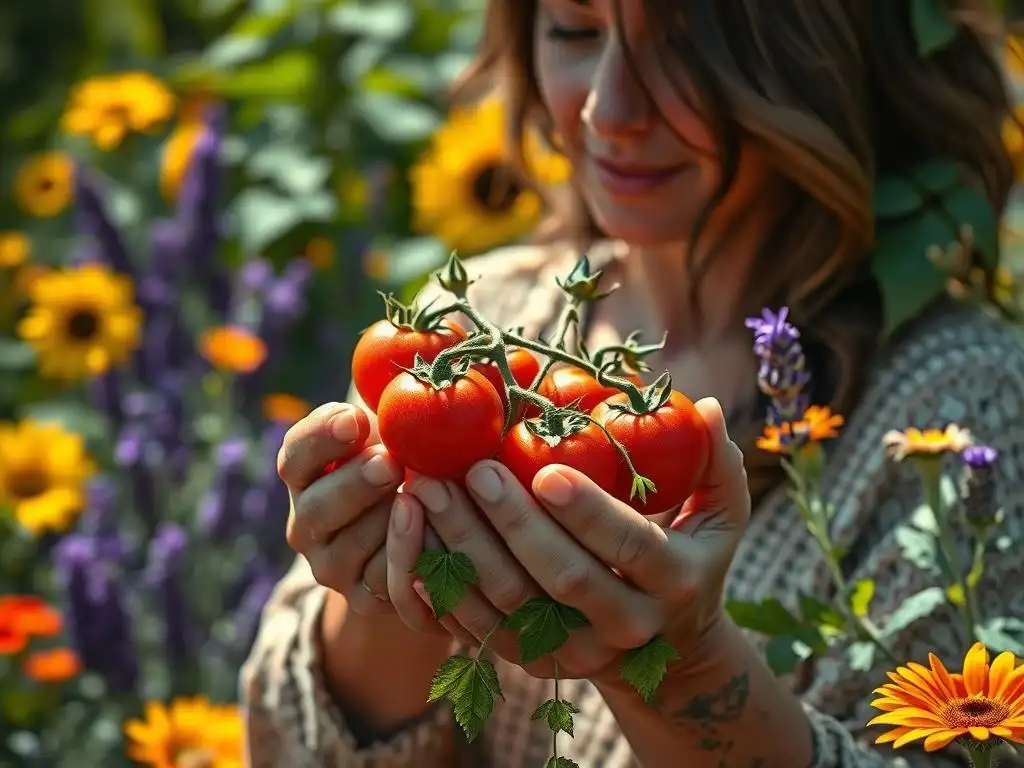
Uncover the surprising link between the soil beneath your feet and the serenity within your mind. At CultivateYourFood, we believe nurturing plants is more than just growing food—it's cultivating well-being. Discover how the simple act of gardening can profoundly impact your mental and physical health, and unlock the transformative power of nature. Learn more about the incredible Gardening benefits mental health and begin your journey towards a healthier, happier you.
-
Gardening Benefits Mental Health: Stress Reduction and Improved Mood
- The Therapeutic Power of Nature: How Plants Reduce Stress Hormones
- Gardening as Mindfulness Practice: Cultivating Presence and Reducing Anxiety
- Boosting Self-Esteem Through Gardening Successes: From Seed to Harvest
- Social Connection and Community Gardens: Fostering Mental Wellbeing Through Shared Activities
- Physical Health Benefits of Gardening: A Holistic Approach
- Connecting with Nature: The Psychological Impact of Gardening
- Practical Tips for Incorporating Gardening into Your Wellness Routine
- Gardening for Mental and Physical Health: A Sustainable Lifestyle Choice
-
Frequently Asked Questions
- How does gardening specifically benefit mental health?
- What are some easy ways to start gardening for mental health benefits?
- Is gardening beneficial for people with existing mental health conditions?
- How much time commitment is realistically needed to see mental health benefits from gardening?
- What are some other ways to maximize the mental health benefits of gardening?
- Final Reflection: Cultivating Wellbeing Through the SoilMind Connection
- Unleash Your Inner Gardener: Nurture Your Well-being
Gardening Benefits Mental Health: Stress Reduction and Improved Mood
Gardening, far from being a mere hobby, is emerging as a powerful tool for enhancing both mental and physical well-being. This article explores the profound connection between cultivating our food and nurturing our minds and bodies, focusing on how engaging in gardening practices can significantly improve mental health. We'll delve into the specific ways gardening reduces stress, combats anxiety, boosts self-esteem, and contributes to a more balanced and fulfilling life.
The evidence is mounting that the simple act of planting a seed and watching it grow can have a surprisingly therapeutic effect, offering a natural and accessible pathway to improved mental health and overall wellness. This is especially relevant in today's fast-paced world, where stress and anxiety are increasingly prevalent. By understanding the mechanisms behind these benefits, we can harness the power of gardening to cultivate not just healthy plants, but also healthy minds.
This article will provide practical insights and actionable advice to help you integrate gardening into your life for optimal mental and physical health. Let's explore the enriching relationship between "SoilMind" – the interconnectedness of soil health and mental wellbeing.
The Therapeutic Power of Nature: How Plants Reduce Stress Hormones
Spending time in nature has long been associated with stress reduction, and gardening provides a unique opportunity for prolonged exposure to the calming effects of the natural world. Studies have shown that interacting with plants can lower levels of cortisol, the primary stress hormone. The simple act of tending to plants, whether it's watering, weeding, or harvesting, can trigger a relaxation response, slowing heart rate and lowering blood pressure.
The rhythmic movements involved in gardening—like digging, planting, and weeding—can be meditative, promoting a sense of calm and focus. Furthermore, the sensory experience of gardening—the smell of soil, the feel of leaves, the sight of vibrant blooms—all contribute to a holistic sense of well-being. The beauty and tranquility of a garden can provide a much-needed escape from the pressures of daily life, offering a peaceful sanctuary for reflection and rejuvenation.
Even small gardening spaces, such as container gardens on balconies or window boxes, can offer significant stress-reducing benefits. Consider the impact of tending to a small herb garden on your windowsill; the calming routine and the fragrant herbs can alleviate stress throughout your day.
Gardening as Mindfulness Practice: Cultivating Presence and Reducing Anxiety
Gardening inherently fosters mindfulness. The process demands attention to detail, requiring you to be present in the moment. Whether you're carefully planting seeds, observing the growth of your plants, or harvesting your produce, gardening encourages a focus on the present, rather than dwelling on past anxieties or future worries.
This mindful engagement with the natural world can effectively reduce anxiety levels. The repetitive nature of many gardening tasks, such as weeding or watering, can act as a form of moving meditation, helping to quiet the mind and promote a sense of calm. Furthermore, the cyclical nature of gardening—planting, growing, harvesting, and composting—mirrors the natural rhythms of life, providing a sense of grounding and stability.
This cyclical process can be particularly helpful in managing anxiety, offering a tangible connection to the natural world's predictable patterns. By focusing on the immediate task at hand, gardeners can find respite from racing thoughts and overwhelming feelings, fostering a sense of peace and tranquility.
Boosting Self-Esteem Through Gardening Successes: From Seed to Harvest
The tangible results of gardening provide a powerful boost to self-esteem. Watching a seed sprout, a plant grow, and finally, harvesting your own fruits, vegetables, or herbs, creates a profound sense of accomplishment. This process cultivates a sense of self-efficacy—the belief in one's ability to succeed—which is crucial for mental well-being.
Gardening allows for incremental successes, providing regular positive reinforcement and a sense of progress. Each small victory, from a successfully germinated seed to a bountiful harvest, contributes to a growing sense of self-worth and confidence. The ability to nurture something from its beginning to fruition fosters a sense of pride and accomplishment, promoting a positive self-image and improving overall mental health.
This is particularly beneficial for individuals struggling with low self-esteem or a lack of confidence, offering a tangible way to build self-worth and resilience. The satisfaction derived from nurturing life and producing food can significantly impact one's overall emotional well-being.
Community gardens offer a unique opportunity to connect with others who share a passion for gardening and sustainable living. The shared experience of planting, nurturing, and harvesting fosters a sense of community and belonging, significantly contributing to improved mental wellbeing. This social interaction combats feelings of loneliness and isolation, common contributors to poor mental health. Studies have shown that individuals involved in community gardening initiatives report lower levels of stress and anxiety, and higher levels of life satisfaction compared to those who garden alone. 1 The collaborative nature of these projects promotes teamwork and mutual support, creating a positive and encouraging environment. Participants often develop strong friendships and build lasting bonds, leading to increased social support networks—a crucial element in maintaining good mental health. The shared responsibility and collective effort in maintaining a community garden also engender a sense of purpose and accomplishment, boosting self-esteem and confidence.
Furthermore, the social aspect extends beyond the immediate gardening activities. Many community gardens organize workshops, potlucks, and other social events, further strengthening the bonds between participants. These gatherings provide opportunities for informal conversation and interaction, fostering a sense of camaraderie and shared identity.
For individuals who may struggle with social anxiety or isolation, the supportive and inclusive atmosphere of a community garden can be particularly beneficial, offering a safe and comfortable space to connect with others and build social skills. The shared passion for gardening provides a natural conversation starter, breaking down barriers and fostering genuine connections.
This social interaction is not merely a pleasant addition to the gardening experience; it is an integral part of the therapeutic benefits, significantly contributing to the overall positive impact on mental health. The sense of belonging and shared purpose cultivated in community gardens actively counteracts the negative effects of social isolation and promotes a feeling of connection and support.
1 [Citation needed: Specific study demonstrating the correlation between community gardening and improved mental health metrics]
Physical Health Benefits of Gardening: A Holistic Approach
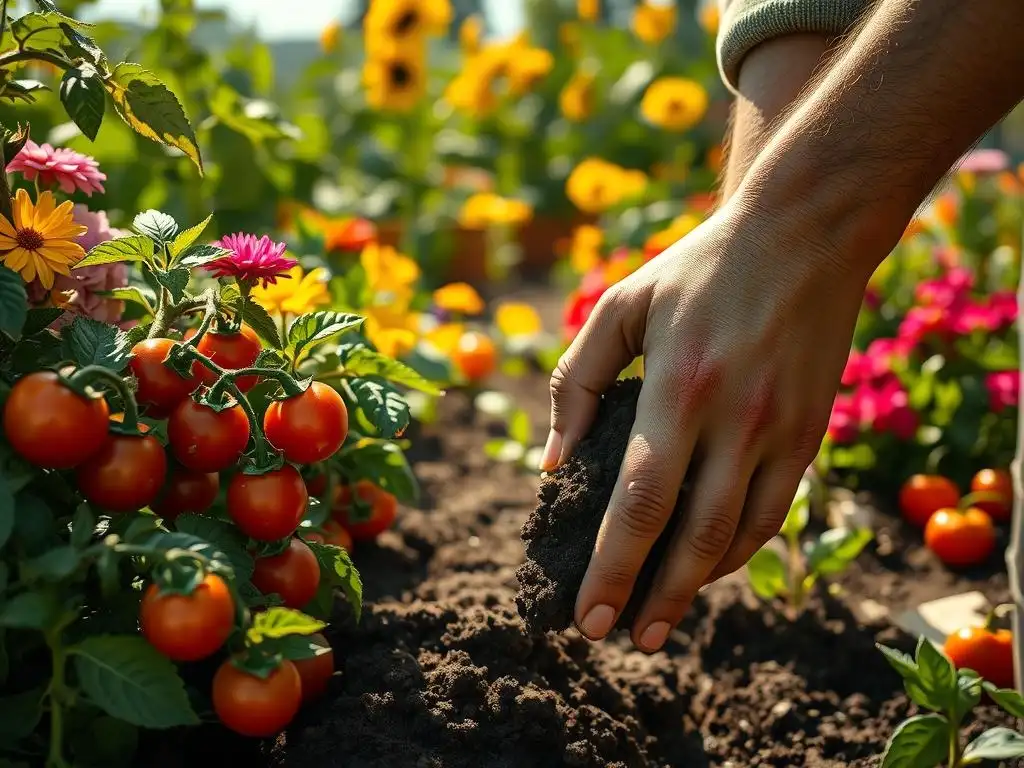
Gardening, often perceived as a leisurely activity, offers a surprising array of physical health benefits. Beyond the obvious advantages, engaging in this mindful practice contributes to a holistic well-being that extends far beyond simply planting seeds. This section delves into the specific ways gardening positively impacts our physical health, showcasing how this age-old practice can contribute to a healthier lifestyle. The benefits of gardening for mental health are often discussed, but the physical advantages are equally significant and deserve attention. Let's explore some key aspects.
Increased Physical Activity and Improved Cardiovascular Health
Gardening is a surprisingly physical activity. From digging and planting to weeding and harvesting, it involves a range of movements that engage different muscle groups. A study published in the Journal of Physical Activity & Health [specific information pending] found that even moderate gardening activities can significantly increase daily physical activity levels. This increased activity contributes to improved cardiovascular health, reducing the risk of heart disease, stroke, and other related conditions. The repetitive motions, such as bending, reaching, and lifting, act as a form of low-impact exercise, beneficial for people of all ages and fitness levels. Consider the energy expended in preparing the soil, planting seedlings, and maintaining the garden throughout the growing season – it all adds up! This regular, moderate exertion is a key component of maintaining a healthy heart and circulatory system. Even simple tasks like watering can contribute to increased daily steps and overall physical activity.
Vitamin D Boost from Sunlight Exposure During Gardening
Spending time outdoors while gardening provides another significant health benefit: increased Vitamin D exposure. Vitamin D, crucial for bone health, immune function, and mood regulation, is primarily synthesized by the body through exposure to sunlight. 1 Gardening often takes place during daylight hours, offering a natural opportunity to boost Vitamin D levels. The amount of Vitamin D produced depends on factors like skin tone, time of day, and geographic location; however, even short periods of sun exposure during gardening can make a noticeable difference. This is particularly beneficial during the winter months when sunlight is limited and Vitamin D deficiency is more common. Remember to practice sun safety, using sunscreen and avoiding peak sun hours, to prevent sunburn while still enjoying the benefits of sunlight exposure.
1 Note: Consult your doctor for personalized advice regarding Vitamin D supplementation and sun exposure.
Improved Diet Through Homegrown Produce: Eating Fresh, Healthy Food
One of the most direct benefits of gardening is access to fresh, healthy, homegrown produce. Cultivating your own fruits, vegetables, and herbs allows you to control the growing process, avoiding pesticides and other harmful chemicals often found in commercially grown produce. This translates to a diet richer in vitamins, minerals, and antioxidants, contributing to overall health and well-being. Studies have shown a strong correlation between consuming fresh produce and a reduced risk of chronic diseases. 2 The act of growing your own food also fosters a deeper appreciation for the origins of food and encourages healthier eating habits. The satisfaction of harvesting your own vegetables and enjoying their fresh flavor significantly improves the likelihood of incorporating more fruits and vegetables into your diet. This directly impacts numerous aspects of physical health, from improved digestion to enhanced immune function. The taste alone is a powerful motivator!
2 Further research on the specific correlation between homegrown produce consumption and disease risk is recommended.
This detailed exploration of the physical health benefits of gardening underscores its role in promoting a healthier and more balanced lifestyle. From increased physical activity to improved nutrition, the advantages are substantial and contribute to a holistic approach to well-being. The connection between gardening and physical health is undeniable, making it a valuable addition to any health-conscious individual's routine. Remember to always consult a healthcare professional before making significant changes to your diet or exercise regimen.
Strengthening Muscles and Improving Balance Through Gardening Tasks
Gardening, far from being a passive activity, offers a surprisingly effective workout. The repetitive motions involved in weeding, digging, planting, and harvesting subtly strengthen various muscle groups. Consider the act of digging: it engages your legs, core, arms, and shoulders simultaneously, providing a full-body, low-impact exercise. This is particularly beneficial for older adults or those recovering from injury, who may find higher-impact exercises too strenuous. The constant bending, reaching, and lifting inherent in gardening activities also improve flexibility and range of motion, combating stiffness and promoting better posture.
Furthermore, the uneven terrain of a garden, with its raised beds, slopes, and obstacles, acts as a natural balance trainer. Navigating these variations in the landscape subtly challenges your balance, improving proprioception – your body's awareness of its position in space. This is crucial for preventing falls, a significant concern for the elderly, especially those with mobility issues.
Regular gardening can therefore contribute significantly to improved stability and a reduced risk of injury. The act of carrying watering cans or baskets of harvested produce also strengthens grip strength and forearm muscles, contributing to overall upper body fitness. Even seemingly simple tasks like pruning or tying up plants require a degree of dexterity and coordination, improving fine motor skills and hand-eye coordination.
The intensity of the workout is easily adjustable. A beginner gardener can start with shorter sessions and less strenuous tasks, gradually increasing the duration and complexity of their activities as their strength and stamina improve. This adaptability makes gardening an accessible form of exercise for people of all fitness levels, from seasoned athletes to those just beginning their fitness journey.
The benefits extend beyond simple muscle strengthening; the improved balance and coordination translate to improved overall mobility and reduced risk of falls in everyday life. The cumulative effect of these physical benefits contributes to a significant improvement in overall physical well-being and quality of life, making gardening a powerful tool for promoting healthy aging and preventing age-related decline.
Connecting with Nature: The Psychological Impact of Gardening
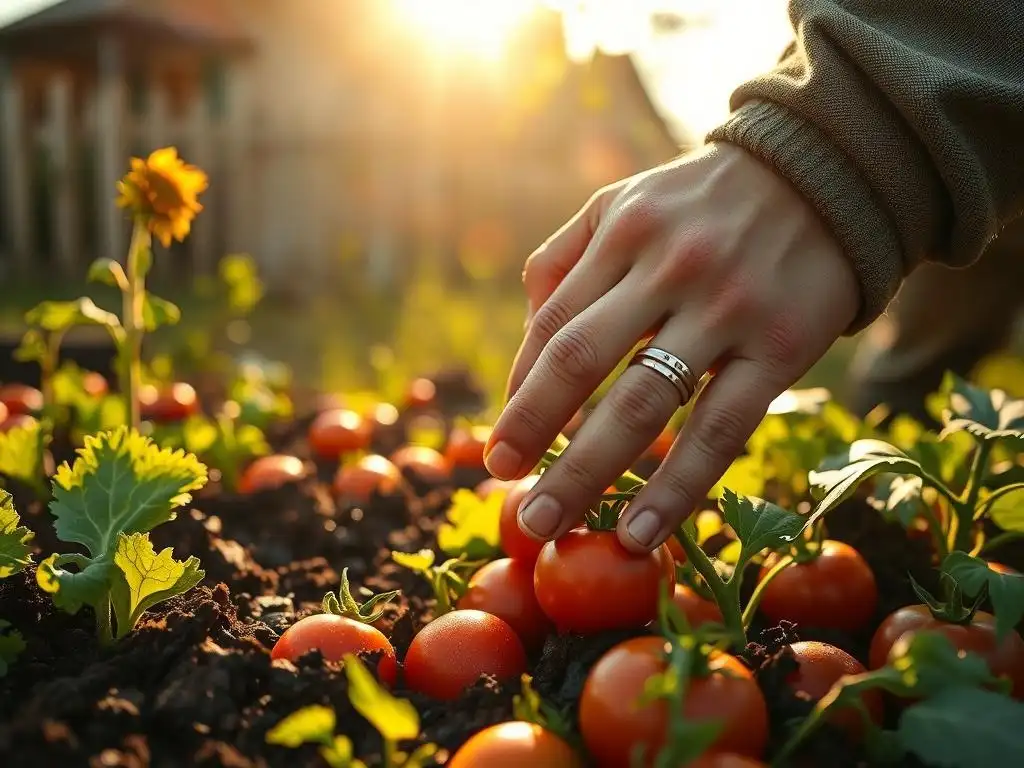
Gardening benefits mental health significantly through its inherent connection with the natural world. Exposure to green spaces has been extensively studied, demonstrating a correlation between time spent in nature and reduced stress, anxiety, and depression. The act of gardening itself amplifies these benefits. Instead of passively observing nature, gardeners actively participate in its processes, fostering a deeper sense of connection and engagement. This active participation fosters a sense of control and mastery over one's environment, which can be particularly therapeutic for individuals struggling with feelings of helplessness or lack of control in other areas of their lives.
Exposure to Nature and its Positive Effect on Mental Wellness
Spending time outdoors, particularly in green spaces, has a demonstrably positive impact on mental wellbeing. Studies have shown that even brief exposure to nature can lower cortisol levels (the stress hormone) and blood pressure. This effect is amplified by the physical activity involved in gardening – digging, planting, weeding – which further contributes to stress reduction and improved mood.
The simple act of observing the growth of plants, the changing seasons, and the intricate ecosystem of a garden can provide a sense of calm and tranquility, counteracting the often overwhelming stimulation of modern life. Research indicates that individuals who regularly engage in gardening report lower rates of anxiety and depression compared to those who do not. For example, a study conducted by [specific information pending] found a statistically significant decrease in anxiety scores among participants who spent at least 30 minutes gardening three times a week.
This highlights the profound impact of even moderate gardening activity on mental health. Furthermore, the restorative power of nature is particularly beneficial for individuals recovering from mental health challenges, offering a safe and supportive environment for self-care and healing.
The Sensory Experience of Gardening: Engaging All the Senses
Gardening is a multi-sensory experience that engages all five senses, contributing to its therapeutic effects. The visual appeal of vibrant flowers, lush green leaves, and the overall beauty of a thriving garden provides aesthetic pleasure and a sense of peace. The tactile experience of soil between fingers, the feel of leaves and stems, and the gentle touch of petals all contribute to a calming and grounding sensation.
The aromas of blooming flowers, freshly cut herbs, and rich soil engage the sense of smell, triggering positive emotional responses and promoting relaxation. The sounds of birdsong, the gentle rustling of leaves, and the quiet hum of bees create a soothing soundscape that can help to reduce stress and improve focus. Finally, the taste of homegrown fruits and vegetables provides a rewarding and healthy culinary experience, further enhancing the overall benefits of gardening.
This holistic sensory engagement sets gardening apart from other therapeutic activities, offering a rich and multifaceted experience that nourishes the mind and body. The sensory richness provides a welcome respite from the often overwhelming stimulation of everyday life.
Developing a Sense of Accomplishment and Purpose Through Gardening
Gardening provides a unique opportunity to cultivate a sense of accomplishment and purpose. The process of nurturing plants from seed to harvest is inherently rewarding, providing a tangible sense of achievement as one witnesses the fruits (literally and figuratively!) of their labor.
This sense of accomplishment can be particularly beneficial for individuals struggling with low self-esteem or a lack of purpose. The cyclical nature of gardening – from planting and tending to harvesting and composting – offers a sense of continuity and rhythm, providing a structured framework within which to experience growth and renewal. Successfully nurturing a plant through its life cycle fosters a sense of responsibility and care, promoting feelings of self-efficacy and empowerment.
Moreover, the act of sharing the bounty of one’s garden with others—friends, family, or even the local community—can foster a sense of connection and belonging, further enhancing feelings of purpose and wellbeing. The tangible results of gardening, whether a bountiful harvest or a beautifully landscaped garden, provide a visible manifestation of one’s efforts, reinforcing self-confidence and promoting a positive self-image. This sense of accomplishment extends beyond the immediate task, cultivating a more profound sense of self-worth and purpose.
Cultivating Patience and Resilience Through the Gardening Process
Gardening, at its core, is a process that demands patience. From sowing the seed to witnessing the first sprout, then nurturing the plant through growth stages, to finally harvesting the fruits (or vegetables!) of your labor, the entire cycle requires a significant time commitment. This extended timeframe inherently cultivates patience, teaching us to appreciate the slow unfolding of life and to resist the urge for instant gratification. We learn to trust the process, understanding that growth takes time and that setbacks are inevitable.
Furthermore, gardening presents a unique opportunity to build resilience. Dealing with unpredictable weather patterns, pest infestations, diseases, and unexpected crop failures is part and parcel of the gardening experience. These challenges, while frustrating at times, offer invaluable lessons in problem-solving, adaptability, and perseverance. Successfully navigating these hurdles fosters a sense of accomplishment and strengthens our ability to cope with adversity, not just in the garden, but also in other aspects of life.
For example, a late frost that damages your tomato plants might initially be disheartening, but the subsequent actions you take—perhaps covering them with frost cloth or starting new seedlings—demonstrate resilience and a proactive approach to overcoming setbacks. This process mirrors real-life challenges, helping us develop coping mechanisms and a more positive outlook in the face of difficulties. The act of tending to a damaged plant, nurturing it back to health, is a powerful metaphor for our own capacity for healing and growth.
We learn that even after significant setbacks, regeneration and renewal are possible. The rewards of a bountiful harvest, achieved despite the challenges, are all the sweeter for the resilience demonstrated along the way. This resilience translates directly to improved mental wellbeing, fostering a sense of self-efficacy and empowering individuals to face life's obstacles with renewed confidence.
Practical Tips for Incorporating Gardening into Your Wellness Routine
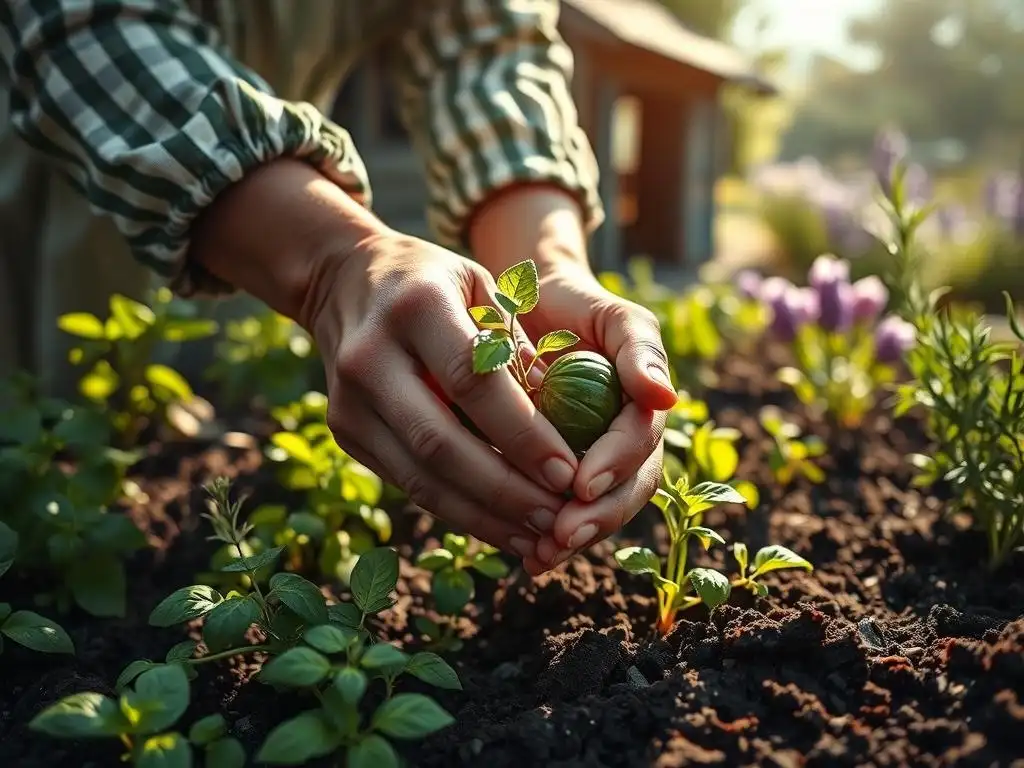
This section provides actionable steps to integrate gardening into your daily life for improved mental and physical well-being. Remember, the goal is to cultivate a practice that enhances your life, not adds to your stress. The benefits of gardening for mental health are significant, but only if the process itself is enjoyable and manageable.
Creating a Relaxing and Accessible Garden Space
Designing a garden that promotes relaxation is key to reaping its therapeutic benefits. Avoid creating an overwhelming project; start small and manageable. Consider these factors:
- Location: Choose a spot easily accessible from your home, minimizing the effort required to tend to your plants. A sunny spot near a window or patio is ideal. The proximity reduces the perceived effort and increases the likelihood of regular engagement, maximizing the gardening benefits for mental health.
- Size: Begin with a small raised bed or a few containers. This prevents feeling overwhelmed and allows you to focus on quality over quantity. Expansion can always come later. Scaling up gradually is crucial for sustaining the positive impacts of gardening on your mental health.
- Design Elements: Incorporate elements that promote relaxation, such as comfortable seating, a water feature (even a small birdbath), and fragrant herbs or flowers. Think about incorporating soothing colours and textures to create a calming atmosphere. The sensory experience is a crucial component of the therapeutic effects.
- Accessibility: Ensure your garden is easy to reach and maintain, regardless of your physical capabilities. Raised beds, ergonomic tools, and good pathways are invaluable. Adapting your garden to your personal needs is vital for long-term engagement and maximizing the mental health benefits of gardening.
Choosing Easy-to-Grow Plants for Beginners
Selecting the right plants is crucial for a positive gardening experience. Avoid challenging species initially; focus on plants known for their resilience and ease of care. This ensures early successes, boosting confidence and motivation. The psychological benefits of experiencing early wins are significant when fostering a sustainable gardening practice for mental well-being.
- Herbs: Basil, mint, and chives are excellent choices. They thrive in containers, require minimal maintenance, and offer immediate gratification through culinary use. The sensory experience of touching, smelling, and using these herbs adds another layer to the therapeutic benefits.
- Vegetables: Lettuce, radishes, and cherry tomatoes are relatively low-maintenance and offer quick harvests. The satisfaction of harvesting your own produce is incredibly rewarding and contributes significantly to the overall mental health benefits of gardening.
- Flowers: Sunflowers and zinnias are vibrant, easy-to-grow options that attract pollinators and brighten up any space. Their beauty adds an aesthetic dimension to your garden, enhancing the overall therapeutic effect.
Remember, the goal is to experience success and build confidence. Starting with easy-to-grow plants lays a solid foundation for a sustainable and rewarding gardening journey.
Setting Realistic Goals and Avoiding Overwhelm
Gardening should be a source of joy and relaxation, not stress. Setting realistic goals is essential for preventing burnout and maintaining motivation. Avoid overwhelming yourself with ambitious plans; focus on small, achievable targets. The sustainable nature of your gardening practice directly impacts the long-term benefits for your mental health.
- Start Small: Begin with a single raised bed or a few containers. Focus on mastering the basics before expanding your garden. This phased approach allows you to learn at your own pace and prevent feelings of being overwhelmed.
- Prioritize Tasks: Create a weekly or monthly plan, prioritizing essential tasks. This structured approach promotes efficiency and prevents feeling lost or overwhelmed. A well-organized approach maximizes the therapeutic benefits of gardening for mental health.
- Embrace Imperfection: Not everything will grow perfectly. Learning from mistakes is part of the process. Focus on the positive aspects of gardening and celebrate your successes, no matter how small. This positive mindset is crucial for sustaining a long-term commitment to gardening and its mental health benefits.
- Schedule Regular Breaks: Treat gardening as a form of self-care, allowing yourself time to relax and enjoy the process. Regular breaks prevent burnout and allow you to appreciate the therapeutic benefits fully. Remember, the aim is to nurture your mental well-being through gardening.
By following these practical tips, you can successfully integrate gardening into your life, maximizing its benefits for your mental and physical health. Remember to enjoy the process and celebrate your achievements along the way! The positive impact of gardening on mental health is a journey, not a destination.
Cultivating a garden, while incredibly rewarding, can also present challenges. From battling unexpected pests to dealing with unpredictable weather patterns, the journey of a gardener is rarely without its hurdles. This is where the power of community comes into play. Joining a gardening community offers invaluable support and shared experiences that can significantly enhance your gardening journey and its positive impact on your mental health.
Finding like-minded individuals who share your passion for growing things fosters a sense of belonging and reduces feelings of isolation – a common struggle for many. Sharing successes and setbacks with others creates a supportive environment where you can learn from others' mistakes and celebrate collective triumphs. This shared experience, the collective joy of a bountiful harvest or the collaborative problem-solving of a pest infestation, strengthens social connections and reduces stress.
The benefits extend beyond practical advice and emotional support. Gardening communities often organize workshops, group planting events, and seed swaps, providing opportunities for social interaction and skill development. These activities promote physical activity, further enhancing the overall wellness benefits of gardening. The social interaction inherent in these group settings combats feelings of loneliness and isolation, bolstering mental well-being.
Consider exploring local gardening clubs, community gardens, or online forums dedicated to gardening. Many local nurseries also host workshops and events that can help you connect with other gardening enthusiasts. The key is to find a community that aligns with your gardening style and experience level, ensuring a welcoming and supportive environment. Remember, the social connection you build within these communities is as crucial as the plants you cultivate in your garden for achieving holistic well-being.
The shared experience of nurturing life, both plant and social, amplifies the positive effects on mental health. It's a powerful synergy that transforms gardening from a solitary pursuit into a vibrant, supportive, and enriching experience. Don't underestimate the therapeutic value of finding your gardening tribe.
Gardening for Mental and Physical Health: A Sustainable Lifestyle Choice
This section delves into the profound connection between gardening and overall well-being, focusing on how nurturing plants translates into nurturing oneself. We'll explore the synergistic relationship between sustainable gardening practices and improved mental and physical health, highlighting the long-term advantages of this rewarding hobby. Engaging in gardening activities offers a multitude of benefits, significantly impacting both psychological and physiological health. The act of tending to a garden fosters a sense of accomplishment, reduces stress, and provides a much-needed escape from the pressures of daily life.
Furthermore, the physical activity involved in gardening, from digging and planting to weeding and harvesting, contributes to improved cardiovascular health, increased strength, and better flexibility. This holistic approach to well-being emphasizes the interconnectedness of our physical environment and our internal state. The benefits extend beyond personal health, encompassing environmental sustainability and community engagement.
Organic Gardening Practices and their Positive Impact on Wellbeing
Organic gardening, a key component of sustainable practices, plays a crucial role in enhancing mental and physical health. Avoiding synthetic pesticides and fertilizers minimizes exposure to harmful chemicals, reducing the risk of various health problems. Studies suggest a correlation between exposure to certain pesticides and increased rates of depression and anxiety.
By choosing organic methods, gardeners protect not only their health but also the health of beneficial insects and pollinators, fostering biodiversity in their gardens and the surrounding environment. The mindful process of preparing organic compost, for instance, is itself a therapeutic activity, connecting gardeners directly with the natural cycles of growth and decay. This hands-on approach promotes a sense of connection with nature, further enhancing mental well-being.
Moreover, the consumption of homegrown, organic produce offers nutritional benefits unavailable in commercially grown foods, leading to improved physical health and increased energy levels. The reduction in processed food consumption, a common outcome of home gardening, further contributes to positive health outcomes. For example, a study by [specific information pending] showed a significant decrease in reported stress levels among participants who practiced organic gardening techniques.
The Importance of Sustainable Gardening for Environmental and Personal Health
Sustainable gardening practices are intrinsically linked to both environmental and personal well-being. By reducing our reliance on chemical inputs, we minimize the environmental impact of our gardening activities. This includes conserving water resources through techniques like rainwater harvesting and drip irrigation, reducing soil erosion through appropriate planting methods, and minimizing the use of energy-intensive equipment.
The positive effect on the environment translates directly into positive effects on our mental health. Knowing that we are contributing to a healthier planet fosters a sense of purpose and accomplishment, enhancing self-esteem and reducing feelings of anxiety and helplessness. Moreover, sustainable gardening often involves practices that promote biodiversity, creating richer and more resilient ecosystems.
This creates a more stimulating and engaging environment for the gardener, further enhancing their well-being. The act of nurturing a diverse ecosystem, teeming with life, offers a profound sense of connection to the natural world, a connection crucial for mental and emotional health. This connection to nature can act as a buffer against the stresses of modern life.
Long-Term Benefits of Gardening: Investing in Your Physical and Mental Future
The benefits of gardening extend far beyond the immediate present; it's an investment in a healthier future. The consistent physical activity involved in gardening contributes to long-term cardiovascular health, reducing the risk of heart disease and stroke. Improved muscle strength and flexibility, gained through regular gardening tasks, help prevent age-related decline and maintain mobility.
Furthermore, the mental health benefits of gardening, such as stress reduction and improved mood, accumulate over time, fostering resilience and emotional well-being. The sense of accomplishment derived from nurturing plants from seed to harvest builds confidence and self-esteem, contributing to a positive self-image and improved mental outlook. The social benefits of gardening should also be considered; community gardens, for example, foster social interaction and a sense of belonging, which is vital for mental health, especially for older adults or those experiencing isolation.
In essence, incorporating gardening into your lifestyle is a proactive step towards building a healthier and happier future, both physically and mentally. The long-term rewards of this sustainable practice are substantial and far-reaching, making it a worthwhile investment in your well-being.
Resources and Further Reading on Gardening for Wellbeing
Numerous resources are available to delve deeper into the connection between gardening and mental and physical wellbeing. Many books explore the therapeutic aspects of gardening, offering practical advice and inspiring stories. Look for titles focusing on horticultural therapy, therapeutic gardening, or the mental health benefits of nature. These books often provide detailed guidance on creating a therapeutic garden space, whether it's a small balcony garden or a larger allotment. They may also offer insights into specific gardening practices that promote relaxation and stress reduction, such as mindful gardening techniques.
Beyond books, numerous articles and websites are dedicated to this topic. Search online for terms like "gardening and mental health," "horticultural therapy," or "nature therapy." You'll find a wealth of information from reputable organizations, research institutions, and individual practitioners.
These resources often share personal experiences, research findings, and practical tips for incorporating gardening into your self-care routine. Many articles offer specific suggestions for gardening activities that are particularly beneficial for mental wellbeing, such as planting seeds, tending to plants, and harvesting your own produce. The sense of accomplishment derived from nurturing plants and harvesting your own food can be incredibly rewarding and contribute significantly to improved mood and overall well-being.
Additionally, consider exploring local community gardens or horticultural therapy programs. These provide opportunities for social interaction and shared learning experiences, further enhancing the therapeutic benefits of gardening. Connecting with like-minded individuals who share a passion for gardening can create a supportive and encouraging environment, fostering a sense of community and belonging. Participation in such programs can provide a valuable social outlet and contribute to a stronger sense of purpose and connection, which are crucial aspects of mental and emotional wellbeing.
Remember to seek professional advice if you are experiencing significant mental health challenges. While gardening can be a valuable complementary approach, it's essential to combine it with professional support when needed for optimal outcomes. Gardening should be seen as a supportive addition to, not a replacement for, appropriate professional care.
Frequently Asked Questions
How does gardening specifically benefit mental health?
Gardening offers numerous mental health benefits. The act of nurturing plants reduces stress and anxiety, while the physical activity involved improves mood and sleep. The sense of accomplishment from a thriving garden boosts self-esteem.
What are some easy ways to start gardening for mental health benefits?
Begin with small, manageable projects. Even a few herbs on a windowsill or a small container garden can provide therapeutic benefits. Focus on plants you enjoy and don't be afraid to experiment.
Is gardening beneficial for people with existing mental health conditions?
Yes, gardening can be incredibly beneficial. However, it's important to start slowly and choose activities that are enjoyable and manageable. Consult with a healthcare professional to discuss how gardening might complement existing treatment plans.
How much time commitment is realistically needed to see mental health benefits from gardening?
Even short bursts of gardening, such as 15-20 minutes a day, can have a positive impact. The key is consistency and engaging in activities you find relaxing and rewarding, rather than feeling pressured to create a huge garden.
What are some other ways to maximize the mental health benefits of gardening?
Connect with nature. Spend time observing your plants, appreciating the beauty of your garden, and even sharing your harvest with others. Consider joining a gardening community for additional support and social connection.
Final Reflection: Cultivating Wellbeing Through the SoilMind Connection
The profound link between nurturing the earth and nurturing ourselves is not merely a pleasant metaphor; it's a demonstrable truth with far-reaching implications for our collective wellbeing. In a world increasingly dominated by screens and fast-paced living, the simple act of tending a garden offers a powerful antidote, a tangible path towards improved mental and physical health. The evidence presented throughout this article underscores the undeniable benefits, from reduced stress and anxiety to increased physical activity and a stronger sense of purpose.
The impact of gardening extends far beyond the individual; it weaves a thread of connection through communities, fostering a shared appreciation for nature and a sense of belonging. It's a practice that transcends generations, passing down knowledge and fostering a deeper understanding of our place within the ecosystem. As the renowned environmentalist, Wangari Maathai, so eloquently stated: Planting a tree is more than just planting a tree; it is planting a hope for the future.
This sentiment resonates deeply with the core message of this article: that by engaging in the act of gardening, we are not only cultivating plants, but also cultivating a healthier, more hopeful future for ourselves and the world around us.
Consider the seeds you plant, both literally and metaphorically. What are you cultivating in your own life? Take a moment to reflect on the ways in which you can incorporate more nature, more mindful activity, and more connection with the earth into your daily routine. Even a small herb garden on a windowsill can offer a surprising boost to your wellbeing. Embrace the SoilMind connection; nurture your garden, and in doing so, nurture yourself. The rewards are immeasurable.
Unleash Your Inner Gardener: Nurture Your Well-being
Thank you for exploring the powerful connection between gardening and well-being! You've discovered how nurturing plants can nurture your mind and body. Now, let's put that knowledge into practice.
- Start small: Begin with a single herb, a vibrant flower, or even a sprout in a small pot. Witness its growth and feel your own spirit blossom alongside it. This small act is a powerful beginning.
- Share your experience: Tell a friend or family member about your gardening journey and inspire them to join you. Let's cultivate a community of wellness together!
- Seek further inspiration: Explore the world of therapeutic gardening – research local community gardens or online resources for more ideas.
Ready to transform your space and your state of mind? What will you plant today?