
Dealing with Garden Pests: Specific to the Southeast Region

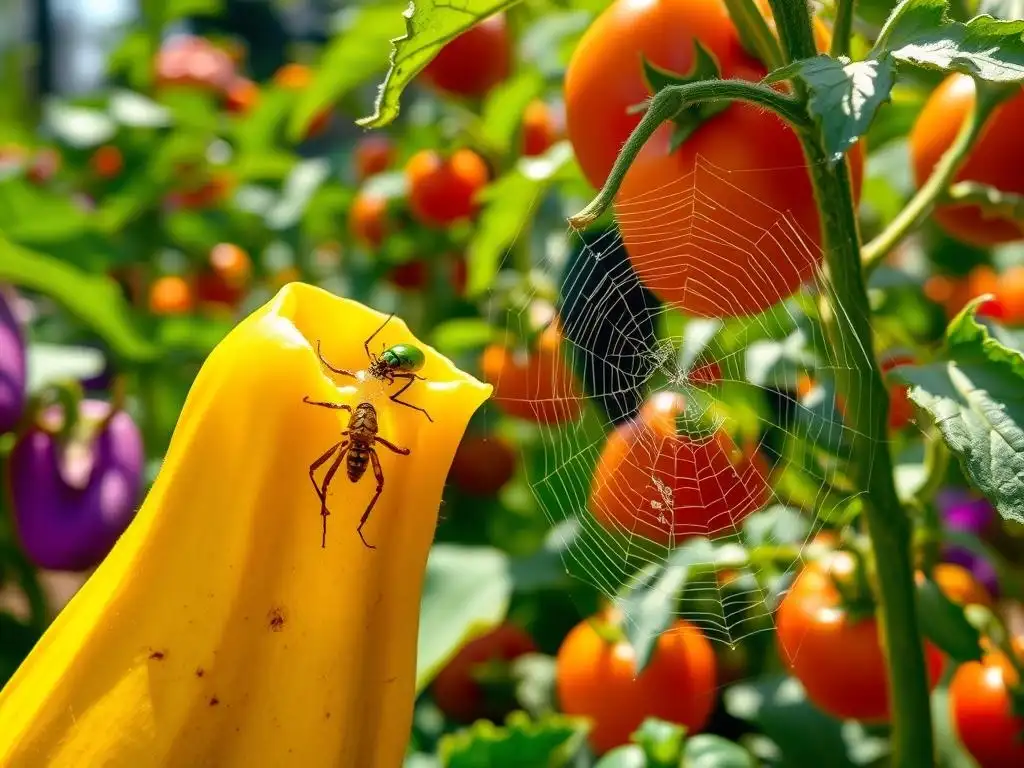
Ready to transform your backyard into a thriving oasis of fresh, organic produce? At CultivateYourFood, we empower you to grow your own fruits, vegetables, and herbs using sustainable methods. But what about those pesky garden invaders? This is where our Regional Gardening Guides come in. Learn the secrets to effective Southeast garden pest control and unlock the potential of your garden, no matter the challenge. Discover the surprising solutions and simple strategies waiting for you inside.
- Understanding Common Southeast Garden Pests
-
Frequently Asked Questions
- What are some common garden pests in the Southeast?
- What organic pest control methods work well in Southeastern gardens?
- How can I prevent pests from damaging my Southeast garden?
- Are there specific pest control challenges unique to the Southeast climate?
- Where can I find more information on sustainable pest control for the Southeast?
- Final Reflection: Cultivating a Thriving Garden, Naturally
- Unleash Your Pest-Proof Southeast Garden!
Understanding Common Southeast Garden Pests
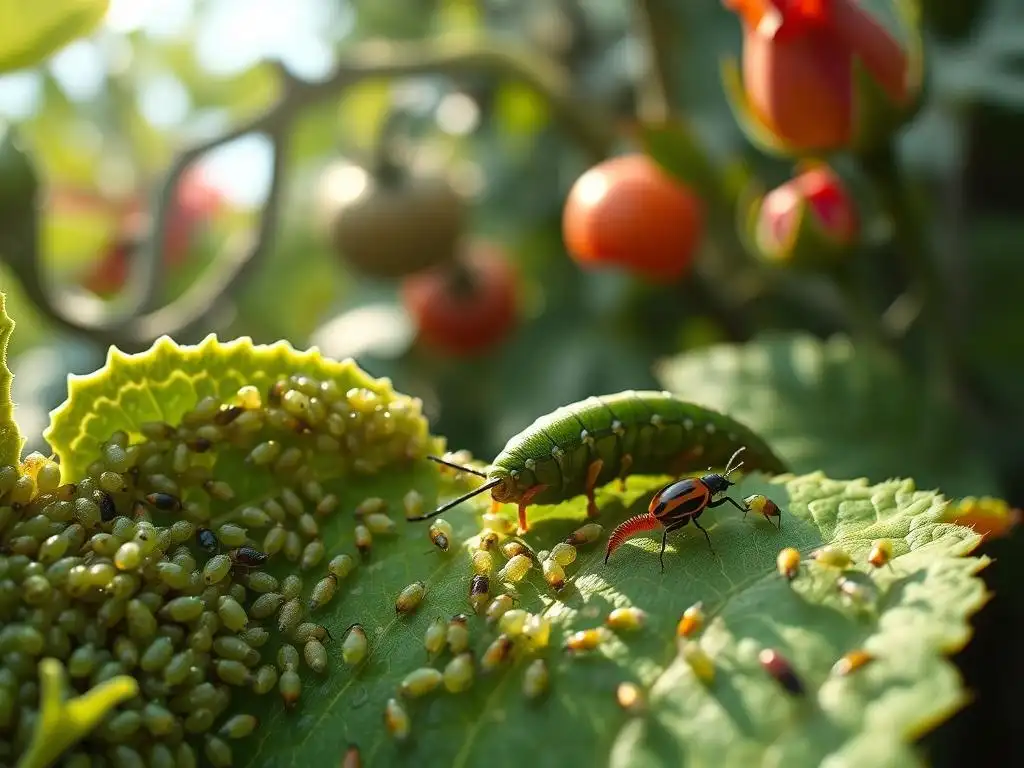
The humid, subtropical climate of the Southeast United States creates a haven for a diverse array of garden pests. Successfully cultivating a thriving garden in this region requires a proactive and informed approach to pest control, prioritizing sustainable and organic methods whenever possible. This article delves into the specific challenges faced by Southeast gardeners, offering practical strategies to manage common pests and protect your valuable crops. We'll explore identification, prevention, and effective control techniques, focusing on environmentally friendly solutions that minimize harm to beneficial insects and the overall ecosystem.
Understanding the unique pest pressures of the Southeast is crucial for maximizing your harvest and enjoying a bountiful, healthy garden. This guide will equip you with the knowledge to combat these pests and cultivate a thriving garden, even in the face of these common challenges. Remember, early detection and preventative measures are key to successful pest management in the Southeast.
Identifying Common Southeast Pests
The Southeast's warm, humid climate supports a wide array of insects and other organisms that can damage your garden. Some of the most prevalent pests include:
- Aphids: These tiny, soft-bodied insects suck sap from plants, causing stunted growth and leaf curling. They often cluster on the undersides of leaves.
- Spider mites: These microscopic pests also feed on plant sap, causing stippling and webbing on leaves. Dry conditions often exacerbate infestations.
- Whiteflies: These small, white, flying insects are particularly problematic for vegetable plants, sucking sap and transmitting diseases.
- Fungal Gnats: These small flies breed in moist soil and can damage seedlings.
- Slugs and Snails: These mollusks feast on leaves and stems, leaving slimy trails. They're particularly active during wet weather.
- Japanese Beetles: These metallic green beetles are voracious feeders, skeletonizing leaves and damaging flowers.
- Tomato Hornworms: These large green caterpillars can decimate tomato plants in short order.
- Cabbage Loopers: These caterpillars are notorious for damaging brassica crops like cabbage, broccoli, and kale.
Preventative Measures for a Pest-Free Garden
Prevention is always the best approach to pest control. Proactive measures significantly reduce the likelihood of infestations and minimize the need for harsh chemical interventions. Here are some key preventative strategies:
- Crop Rotation: Rotating your crops annually helps disrupt pest life cycles and reduces the build-up of pests specific to certain plants.
- Companion Planting: Planting certain species together can deter pests. For example, marigolds are known to repel some insects. [Specific companion planting combinations for Southeast pests pending]
- Healthy Soil: Healthy soil supports strong, resilient plants that are better able to withstand pest attacks. Regular composting and soil amendments are essential.
- Regular Inspection: Regularly inspect your plants for signs of pests. Early detection allows for prompt and effective intervention, preventing widespread damage.
- Proper Watering: Avoid overhead watering, which can create humid conditions that favor fungal diseases and some pests. Water deeply and less frequently at the base of the plants.
Organic Pest Control Methods for the Southeast
When pests do appear, prioritize organic control methods to protect beneficial insects and the environment. These methods are often as effective as chemical pesticides, and much safer:
- Handpicking: For small infestations, handpicking pests and disposing of them is an effective and environmentally friendly solution.
- Insecticidal Soap: This readily available solution is effective against many soft-bodied insects like aphids and spider mites.
- Neem Oil: This natural oil derived from the neem tree acts as a natural insecticide and fungicide.
- Diatomaceous Earth: This powder made from fossilized algae is a non-toxic insecticide that works by abrading the exoskeletons of insects.
- Beneficial Insects: Introducing beneficial insects like ladybugs, lacewings, and praying mantises can help control pest populations naturally. [Specific beneficial insect recommendations for common Southeast pests pending]
Advanced Pest Management Strategies
For more persistent or widespread infestations, more advanced strategies may be necessary. These should always be considered as a last resort, after attempting preventative measures and organic control methods:
- Traps: Various traps are available for specific pests, such as pheromone traps for Japanese beetles.
- Biological Control: This involves introducing natural enemies of the pest, such as parasitic wasps or nematodes. [Specific examples of biological control for Southeast pests pending]
- Cultural Practices: Adjusting cultural practices, such as planting times or plant spacing, can sometimes help reduce pest pressure.
This initial section provides a foundation for understanding and managing garden pests in the Southeast. Future sections will delve into specific pest control strategies for various common garden plants grown in this region.
Frequently Asked Questions
What are some common garden pests in the Southeast?
The Southeast US experiences a wide variety of pests. Common culprits include aphids, whiteflies, spider mites, leaf-footed bugs, and various caterpillars. Proper identification is crucial for effective control.
What organic pest control methods work well in Southeastern gardens?
Several organic methods are highly effective. These include introducing beneficial insects like ladybugs, using neem oil, applying kaolin clay, and practicing companion planting. Rotating crops also helps.
How can I prevent pests from damaging my Southeast garden?
Prevention is key! Start with healthy soil, strong plants, and proper spacing. Regularly inspect your plants for early signs of infestation. Maintain good garden hygiene, removing weeds and debris.
Are there specific pest control challenges unique to the Southeast climate?
Yes, the humid and warm climate fosters rapid pest reproduction. Fungal diseases, often linked to humidity, can also become a major problem, requiring proactive measures. Early detection and intervention are essential.
Where can I find more information on sustainable pest control for the Southeast?
CultivateYourFood.com offers many resources on sustainable and organic pest control tailored to the Southeast region. We cover a range of topics, from beneficial insects to natural pest control methods, helping you protect your garden organically.
Final Reflection: Cultivating a Thriving Garden, Naturally
The battle against garden pests in the Southeast is far from over, but understanding our adversaries is the first step towards victory. The diverse climate and abundant flora of this region create a unique set of challenges for gardeners, demanding a nuanced approach that goes beyond simple chemical solutions. This article has explored the most prevalent pests and offered sustainable, environmentally conscious methods for control.
The impact of these pests extends far beyond the individual garden; they affect the broader ecosystem and the very fabric of our agricultural landscape. The delicate balance of nature is easily disrupted, and the overuse of harsh chemicals only exacerbates the problem, creating resistant pests and harming beneficial insects.
As Rachel Carson eloquently stated, >“The control of nature is a phrase conceived in arrogance, born of the Neanderthal age of biology and philosophy, when it was supposed that nature yielded its secrets simply to the persistent demands of the human will.” Her words serve as a potent reminder of the responsibility we bear in protecting our environment.
Now, consider your own garden. What strategies will you employ to deter pests without resorting to harmful chemicals? Will you embrace companion planting, attract beneficial predators, or implement other natural pest control methods? The future of our gardens, and indeed our planet, depends on our collective commitment to sustainable practices. Let's cultivate a future where thriving gardens and a healthy environment coexist, not in opposition, but in harmony.
Unleash Your Pest-Proof Southeast Garden!
Thanks for learning how to tackle those pesky garden invaders! We hope you feel better equipped to protect your Southeast garden. Ready to put your new knowledge into action?
- Craft your personalized pest-management plan: Consider the specific pests in your garden and your unique growing conditions to create a tailored approach. Document your strategy for future reference!
- Share your successes (and challenges!): Join our CultivateYourFood community forum and share your experiences with Southeast garden pests. Let's learn from each other!
- Experiment with companion planting: This surprisingly effective natural pest control method can significantly benefit your garden.
What's the first step you'll take to protect your garden against unwelcome guests this growing season?