
DroughtTolerant Fruit Trees: Growing Delicious Produce in Dry Climates

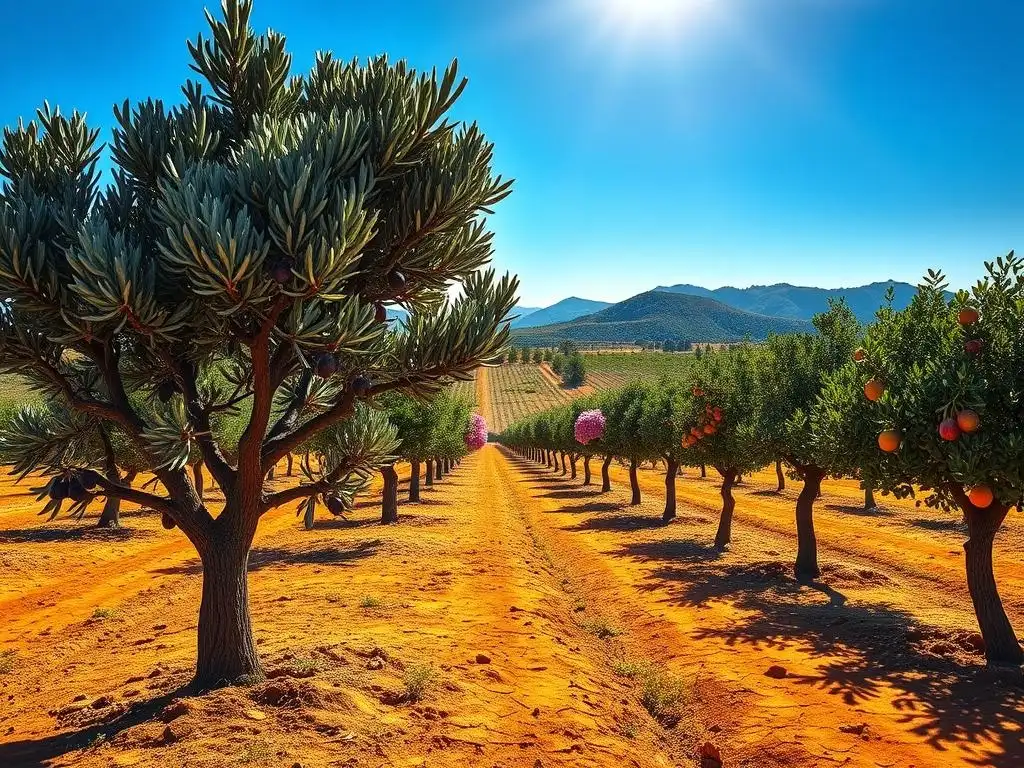
Welcome to CultivateYourFood, your guide to nurturing a thriving garden using sustainable and organic methods! Are you dreaming of juicy, homegrown fruit even in the driest of summers? Then discover the secrets to success with our in-depth exploration of the best drought-tolerant fruit trees. Learn how to cultivate a bountiful harvest, regardless of climate, and unlock the joys of organic gardening. Let's get growing!
- Selecting the Best Drought Tolerant Fruit Trees for Your Region
- Planting and Establishing Drought-Tolerant Fruit Trees
-
Ongoing Care and Maintenance of Drought-Resistant Fruit Trees
- Deep Watering Techniques to Encourage Deep Root Growth
- Pruning Techniques for Improved Air Circulation and Water Efficiency
- Recognizing and Addressing Common Pests and Diseases in Dry Conditions
- Organic Pest Control Methods for Drought-Tolerant Fruit Trees
- Fertilizing Drought Tolerant Fruit Trees for Optimal Health
- Harvesting and Preserving Your Drought-Tolerant Fruit Crop
- Advanced Techniques for Maximizing Yields in Dry Climates
- Resources for Further Learning About Drought Tolerant Fruit Trees
-
Frequently Asked Questions
- What are some of the best drought-tolerant fruit trees?
- How often should I water newly planted drought-tolerant fruit trees?
- What are the key soil requirements for drought-tolerant fruit trees?
- How can I protect my drought-tolerant fruit trees from pests and diseases?
- Can I grow drought-tolerant fruit trees in containers?
- Final Reflection: A Bountiful Future in Arid Lands
- Unleash Your Inner Orchard: Grow a Drought-Resistant Paradise!
Selecting the Best Drought Tolerant Fruit Trees for Your Region
Growing delicious fruit in arid or semi-arid regions presents unique challenges, but it's certainly achievable with the right planning and selection of drought-tolerant fruit trees. This guide will help you navigate the process of choosing and cultivating the best drought tolerant fruit trees for your specific climate and soil conditions, ensuring a bountiful harvest even with limited water availability. We'll explore factors to consider when selecting your trees, focusing on varieties known for their resilience and ability to thrive in dry climates.
Successfully establishing a drought-resistant fruit orchard contributes significantly to sustainable gardening practices, reducing water consumption while still enjoying the rewards of homegrown produce. This is especially relevant in today's world, where water conservation is increasingly important. Let's delve into the specifics to help you cultivate a thriving and productive orchard, even in the driest of conditions.
Identifying Your Climate Zone and Soil Type for Optimal Tree Selection
Before selecting your fruit trees, understanding your specific climate zone and soil type is paramount. This information dictates which varieties will thrive and which will struggle. Knowing your USDA Plant Hardiness Zone 1 helps determine which trees can survive the winter temperatures in your area. Equally important is your soil's composition – sandy, clay, loamy – as this impacts drainage and nutrient retention.
Consider these factors:
- Climate Zone: Consult a USDA Plant Hardiness Zone map to find your specific zone. This determines the minimum winter temperature your area experiences, crucial for selecting trees that won't be damaged by frost.
- Rainfall: The average annual rainfall in your area significantly influences the water requirements of your trees. Lower rainfall necessitates choosing extremely drought-tolerant varieties.
- Soil Type: Conduct a soil test to determine the pH level and composition. Well-draining soil is crucial for preventing root rot, a common problem for trees in dry climates. Amend your soil with compost to improve drainage and fertility if necessary.
- Sunlight: Most fruit trees require at least 6-8 hours of direct sunlight daily. Choose a planting location accordingly.
Further Considerations for Soil Analysis
A detailed soil analysis can reveal vital information beyond just pH and composition. It can identify nutrient deficiencies (like nitrogen, phosphorus, or potassium) which can significantly impact tree growth and fruit production. Addressing these deficiencies through appropriate fertilization strategies is essential for healthy, drought-resistant trees.
Top 5 Drought-Resistant Fruit Trees for Beginners
Choosing the right tree for beginners is key to a successful experience. Here are five excellent options known for their resilience and relatively low-maintenance needs:
| Rank | Fruit Tree | Hardiness Zone | Water Needs | Special Features |
|---|---|---|---|---|
| 1 | Fig | 7-10 | Low | Extremely drought-tolerant, produces abundant fruit |
| 2 | Jujubes | 6-10 | Moderate | Tolerates poor soil and extreme temperatures |
| 3 | Pomegranate | 7-11 | Moderate | Beautiful flowers and delicious, nutritious fruit |
| 4 | Olive | 8-11 | Low | Very drought-tolerant, long lifespan |
| 5 | Loquat | 8-10 | Moderate | Fast-growing, produces early fruit |
1 The USDA Plant Hardiness Zone map divides North America into zones based on average annual minimum winter temperatures.
Choosing Fruit Tree Varieties with High Heat Tolerance
Heat tolerance is another critical factor, especially in regions experiencing extreme summer temperatures. Some varieties within each species exhibit greater heat tolerance than others. Researching specific cultivars is highly recommended. Look for terms like "heat-tolerant" or "drought-resistant" in the descriptions when purchasing your trees.
For instance, certain fig varieties are known for their exceptional heat tolerance, producing fruit even during prolonged heat waves. Similarly, some pomegranate cultivars thrive in intense heat better than others. Don't hesitate to contact your local nursery or agricultural extension office for advice tailored to your specific region's climate. They can provide valuable insights into the best performing cultivars in your area.
Understanding Water Requirements of Different Fruit Tree Species
Understanding the water needs of various fruit tree species is crucial for selecting the best drought-tolerant options for your region. While the term "drought-tolerant" implies a high level of resilience to dry conditions, it's important to remember that even the most resilient trees still require some water, especially during establishment and periods of extreme heat. Different species have varying levels of tolerance.
For example, some varieties of figs and olives are exceptionally drought-hardy once established, requiring minimal supplemental watering beyond the first few years. In contrast, even some varieties considered relatively drought-tolerant, like certain types of plums or apricots, may still benefit from occasional deep watering during prolonged dry spells, particularly in their younger years.
The water requirements also depend heavily on the specific cultivar. Within a species, some cultivars are bred to be more drought-resistant than others. For instance, some apricot cultivars are known to be more water-efficient than others, making them a better choice for arid climates. Always research the specific cultivar you intend to plant, looking for descriptions that highlight its water needs and drought tolerance. Nurseries and seed catalogs often provide this crucial information. Don't solely rely on general descriptions of the species; delve into the specifics of the cultivar you are considering.
Furthermore, factors like soil type, sun exposure, and overall climate significantly impact a tree's water needs. Well-draining soil can reduce the frequency of watering, as it prevents waterlogging which can damage roots. Conversely, clay soil can retain moisture, potentially reducing the need for supplemental watering compared to sandy soil. Trees planted in full sun will generally require more frequent watering than those in partial shade, as the sun increases evaporation rates.
Microclimates within your garden can also play a role; a south-facing slope will likely dry out faster than a north-facing one. Consider these factors when planning your orchard to maximize the success of your drought-tolerant trees. Careful site selection can dramatically reduce the need for supplemental irrigation.
Planting and Establishing Drought-Tolerant Fruit Trees
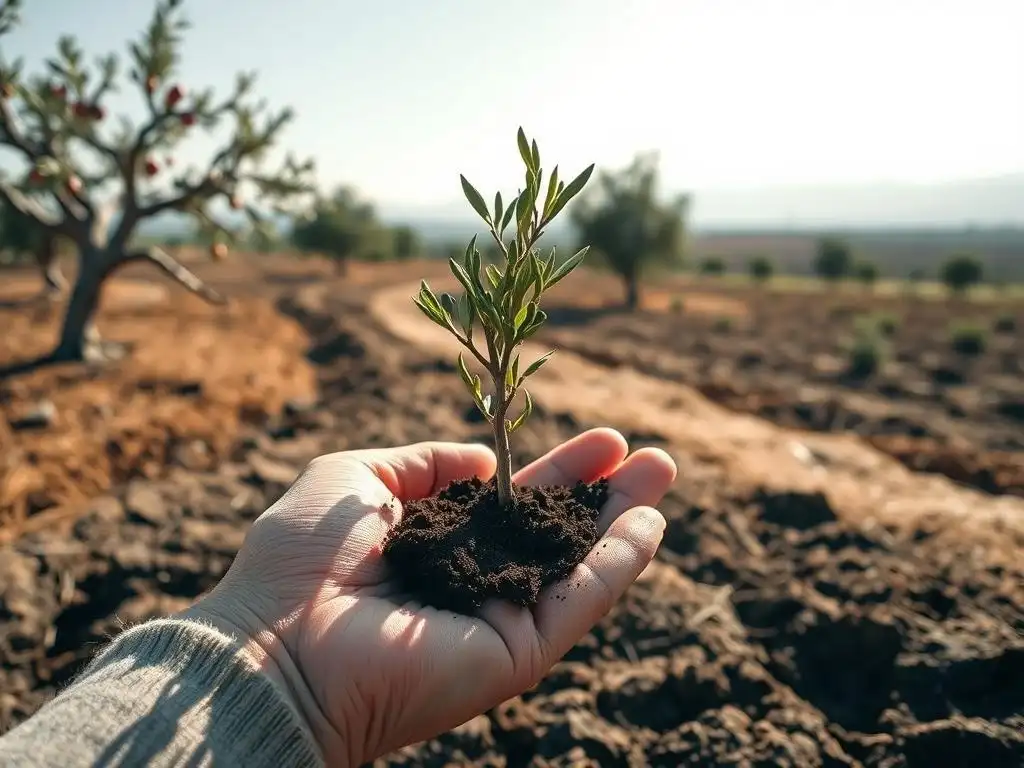
This section focuses on the crucial initial steps of planting and establishing your drought-tolerant fruit trees for optimal growth and fruit production, even in arid conditions. Success hinges on proper soil preparation, precise planting techniques, and effective mulching strategies. Choosing the best drought tolerant fruit trees requires careful consideration, but proper planting is equally vital to their long-term survival and productivity.
Preparing the Soil for Planting Drought Tolerant Fruit Trees
Before planting, soil preparation is paramount for the success of your drought-tolerant fruit trees. The ideal soil should be well-draining to prevent root rot, a common problem in dry climates where infrequent, heavy watering can lead to waterlogging. Amend heavy clay soils with organic matter like compost to improve drainage and aeration.
Sandy soils, on the other hand, benefit from the addition of organic matter to increase water retention. This improves the soil's ability to hold onto the limited water available during dry periods. Soil testing can provide valuable insights into your soil's pH and nutrient levels, guiding you in making necessary adjustments before planting.
A soil pH slightly acidic to neutral (6.0-7.0) is generally ideal for most fruit trees. Remember, healthy soil is the foundation for healthy trees, especially when dealing with drought conditions. Improving soil structure and water retention are key aspects of establishing best drought tolerant fruit trees.
The process involves several steps:
- Clear the planting area of weeds and rocks.
- Till or loosen the soil to a depth of at least 18 inches.
- Incorporate several inches of compost or other organic matter.
- Work the amendment thoroughly into the soil.
- Conduct a soil test to determine pH and nutrient levels.
- Amend soil pH and nutrient levels as needed based on the test results.
Proper Planting Techniques for Optimal Root Development
Proper planting techniques are critical for the establishment of a strong root system, essential for drought tolerance. Planting too deeply or shallowly can severely impair a tree's ability to access water and nutrients. Follow these steps for optimal root development:
- Dig the right-sized hole: The hole should be twice as wide as the root ball but only as deep. This encourages outward root growth.
- Gently loosen the roots: Carefully remove any circling roots from the root ball to promote healthy root spread.
- Position the tree correctly: Ensure the graft union (the point where the scion is grafted onto the rootstock) is above the soil line.
- Backfill with soil: Use the original soil mixed with compost to backfill the hole. Avoid using amended soil directly around the root ball.
- Water thoroughly: After planting, water deeply and slowly to settle the soil around the roots. Avoid creating a mud puddle around the base of the tree.
- Stake if necessary: Use tree stakes to support young trees, especially in windy areas, but avoid overly restricting root growth.
Remember, the initial weeks and months after planting are crucial. Consistent, deep watering during establishment helps the roots penetrate deeply into the soil, increasing their ability to access water reserves during periods of drought. This is a key factor in growing the best drought tolerant fruit trees.
Mulching Strategies to Conserve Soil Moisture
Mulching is a highly effective strategy for conserving soil moisture, suppressing weeds, and moderating soil temperature—all crucial for drought-tolerant fruit trees. Apply a 2-4 inch layer of organic mulch, such as wood chips, shredded bark, or straw, around the base of the tree, keeping it a few inches away from the trunk to prevent rot. This helps reduce evaporation from the soil surface, keeping the roots cooler and moister for longer periods. Regularly replenish the mulch layer as it decomposes. Different mulches offer varying benefits:
| Mulch Type | Benefits | Drawbacks |
|---|---|---|
| Wood Chips | Long-lasting, good water retention | Can tie up nitrogen initially |
| Shredded Bark | Aesthetically pleasing, good water retention | Can be expensive |
| Straw | Inexpensive, readily available | Decomposes quickly, may harbor pests |
| Compost | Improves soil fertility, retains moisture | Can be more expensive than other options |
Proper mulching is a vital part of successful drought-tolerant fruit tree cultivation. By implementing these strategies, you significantly enhance your chances of growing healthy, productive trees, even under challenging dry conditions. Choosing the best drought tolerant fruit trees is only half the battle; proper planting and ongoing care are equally crucial. 🌳
Utilizing Water-Wise Irrigation Systems for Young Trees
Establishing a young drought-tolerant fruit tree successfully requires careful watering, especially during its initial establishment phase. While these trees are designed to withstand dry conditions once mature, their root systems need time to develop fully. During this crucial period, inconsistent or inadequate watering can severely stunt growth and compromise the tree's long-term health and fruit production. Therefore, employing a water-wise irrigation system is critical for optimal establishment.
Drip irrigation is arguably the best choice for young drought-tolerant fruit trees. This method delivers water directly to the root zone, minimizing evaporation and runoff. Unlike overhead sprinklers which can lead to significant water loss through evaporation, especially in hot, dry climates, drip irrigation ensures that the water reaches where it's needed most, promoting efficient water use.
Furthermore, the slow and steady release of water helps to encourage deeper root growth, making the tree more resilient to future drought conditions. You can further enhance the efficiency of drip irrigation by using a soil moisture sensor. These sensors monitor soil moisture levels and automatically adjust the irrigation schedule, preventing overwatering and saving water.
Another effective method is soaker hoses. These porous hoses release water slowly along their length, providing a gentle and consistent watering pattern. Soaker hoses are particularly useful for establishing trees in larger planting areas or for those with multiple trees. They're relatively inexpensive and easy to install, making them a practical option for home gardeners. However, it's important to ensure the hoses are placed correctly – too close to the trunk can lead to root rot, while too far away may not adequately hydrate the root system. Careful planning and placement are key to maximizing their effectiveness.
Regardless of the system chosen, proper mulching is paramount. Applying a layer of organic mulch, such as wood chips or straw, around the base of the tree (keeping it a few inches away from the trunk to prevent rot) helps to retain soil moisture, suppress weeds, and regulate soil temperature. This reduces the frequency of watering needed, contributing to both water conservation and overall tree health.
The mulch acts as a natural reservoir, slowly releasing water to the roots over time. The type and depth of mulch should be adjusted based on your local climate and soil conditions. For instance, in extremely hot and dry climates, a thicker layer of mulch might be beneficial.
Remember, even drought-tolerant trees benefit from supplemental watering, especially during extended dry spells or periods of extreme heat. Consistent monitoring of soil moisture and adjusting watering schedules accordingly is essential for ensuring the tree’s healthy establishment and future resilience. Regularly checking the soil moisture with a moisture meter can help you determine when supplemental watering is necessary. Avoid overwatering, as this can lead to root rot and other problems. The key is to provide consistent moisture without saturating the soil.
Ongoing Care and Maintenance of Drought-Resistant Fruit Trees
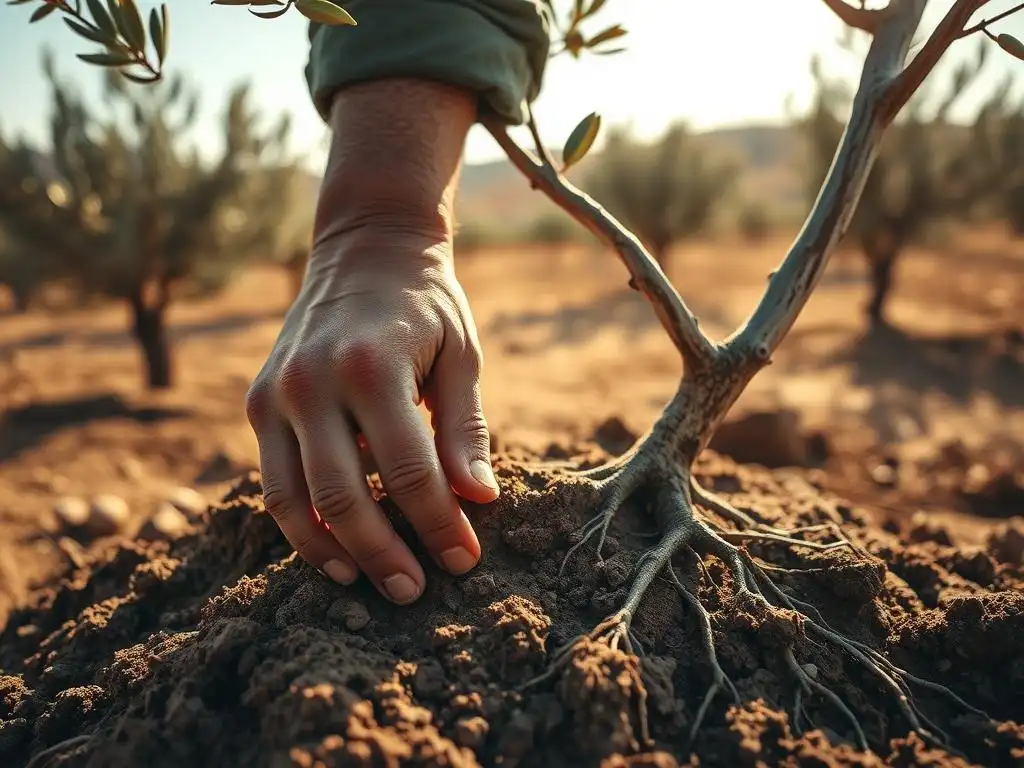
Even the best drought tolerant fruit trees require consistent, albeit mindful, care to thrive. While their resilience to dry conditions is a significant advantage, neglecting their needs entirely will compromise their productivity and overall health. This section details crucial maintenance practices to maximize your harvest and ensure the longevity of your trees. Remember, even drought-tolerant varieties benefit from proper care, especially during establishment.
Deep Watering Techniques to Encourage Deep Root Growth
Deep, infrequent watering is far more beneficial than shallow, frequent watering for drought-tolerant fruit trees. Shallow watering encourages shallow root growth, making the trees more vulnerable to drought stress later on. The goal is to encourage the roots to grow deep into the soil, accessing moisture reserves even during dry spells.
To achieve this, water deeply and less often. Instead of light watering every day or two, water thoroughly once a week or even less frequently, depending on your climate and soil type. A good soaking should wet the soil to a depth of at least 12-18 inches (30-45 cm). You can use a soil moisture meter to check the soil's moisture level before watering.
Consider using a soaker hose or drip irrigation system to deliver water directly to the root zone, minimizing evaporation. Avoid overhead watering, which can lead to fungal diseases and wasted water. Mulching around the base of the tree with organic material like wood chips or straw helps retain soil moisture and suppress weeds, further optimizing water use. Proper watering is key to maintaining healthy, productive drought-resistant fruit trees, and it is a crucial aspect of "best drought tolerant fruit trees" selection and care.
Pruning Techniques for Improved Air Circulation and Water Efficiency
Proper pruning is essential for maintaining the health and productivity of drought-tolerant fruit trees. It improves air circulation, reducing the risk of fungal diseases that thrive in humid conditions. Moreover, well-pruned trees are more efficient in utilizing available water resources.
Pruning should focus on removing dead, damaged, or diseased branches. Also, remove any branches that cross or rub against each other, as this can create wounds and increase the risk of infection. Thinning the canopy allows sunlight to penetrate deeper into the tree, promoting healthy growth and fruit production. This practice is particularly important for trees growing in dry climates where water conservation is crucial.
The best time to prune most fruit trees is during the dormant season (late winter or early spring), before new growth begins. However, light pruning can be done throughout the growing season to remove any suckers or water sprouts that may develop. Always use sharp, clean pruning tools to prevent the spread of diseases. By implementing smart pruning techniques, you can significantly enhance the resilience and productivity of your drought-tolerant fruit trees.
Recognizing and Addressing Common Pests and Diseases in Dry Conditions
While drought-tolerant fruit trees are generally hardier, they are still susceptible to certain pests and diseases, especially under stress. Dry conditions can weaken the trees, making them more vulnerable to infestations and infections. Early detection and prompt treatment are crucial to prevent significant damage.
Some common pests include spider mites, aphids, and scale insects. These pests can suck the sap from the leaves and branches, leading to stunted growth and reduced fruit production. Regular monitoring for signs of infestation is essential. You can use insecticidal soap or neem oil to control these pests. Always follow the instructions on the product label carefully.
Fungal diseases like powdery mildew and leaf spot can also affect drought-tolerant fruit trees, particularly in humid conditions. Good air circulation, achieved through proper pruning, helps minimize the risk of these diseases. If an infection occurs, you may need to apply a fungicide. Remember to choose a product that is appropriate for fruit trees and follow all safety precautions. Knowing how to identify and address these issues is crucial in maintaining the health and productivity of your best drought tolerant fruit trees. Prevention through proper care and diligent observation is paramount.
Organic Pest Control Methods for Drought-Tolerant Fruit Trees
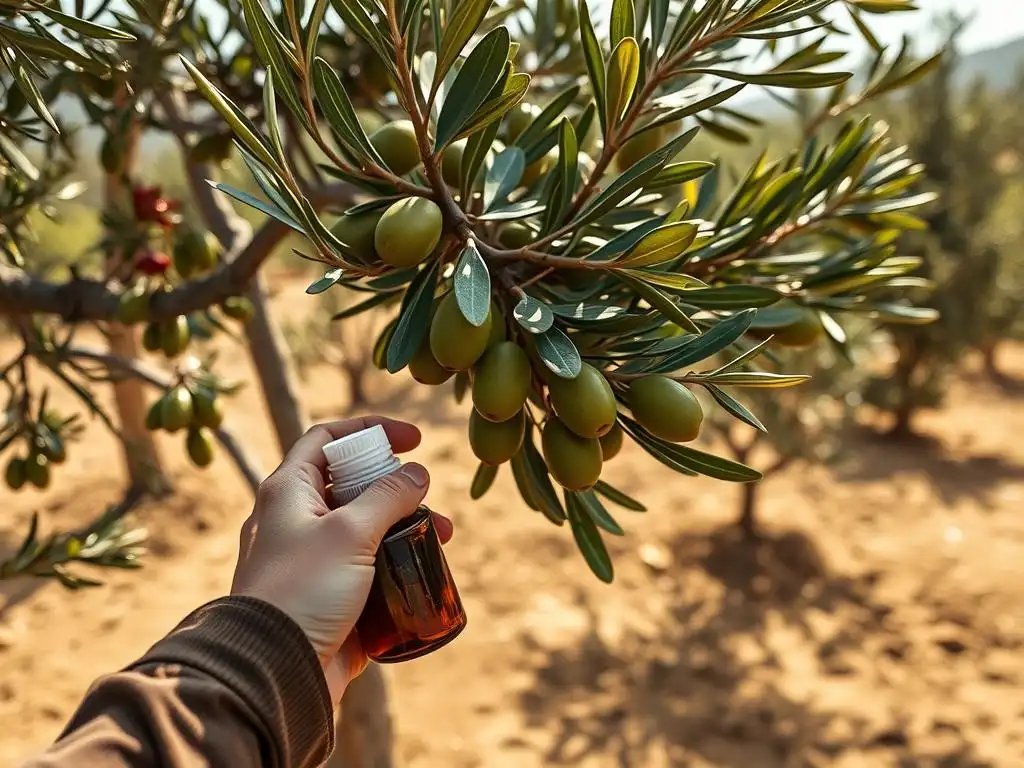
Drought conditions can stress fruit trees, making them more susceptible to pest infestations. However, resorting to harsh chemical pesticides is counterproductive to sustainable gardening practices and can harm beneficial insects. Instead, focusing on organic pest control methods is crucial for maintaining the health of your drought-tolerant fruit trees and the surrounding ecosystem. This approach prioritizes prevention and natural remedies over aggressive chemical interventions.
One effective strategy is to encourage beneficial insects. Ladybugs, lacewings, and praying mantises are voracious predators of common fruit tree pests like aphids and mealybugs. Planting flowers that attract these beneficial insects, such as dill, fennel, and yarrow, near your fruit trees can create a natural pest control system. These flowering plants provide a habitat and food source for these helpful insects, promoting their presence and reducing the need for chemical intervention.
Another important aspect of organic pest control is regular monitoring. Diligent inspection of your trees for signs of infestation is essential for early detection. Identifying pests early allows for quicker intervention with less damaging methods. Look for signs of chewing, leaf discoloration, or the presence of insects themselves. Early detection can significantly reduce the severity of an infestation and prevent widespread damage.
For minor infestations, handpicking pests or using a strong jet of water from a hose can be effective. This method is particularly suitable for smaller infestations of aphids or other soft-bodied insects. For more persistent problems, consider using insecticidal soaps or neem oil, both of which are organic and relatively safe for beneficial insects and pollinators. Always follow the product instructions carefully and apply them strategically to target the pests without harming your trees.
Fertilizing Drought Tolerant Fruit Trees for Optimal Health
Even drought-tolerant fruit trees benefit from proper fertilization, particularly in challenging growing conditions. However, over-fertilizing can be detrimental, especially during drought. The key is to provide the right nutrients in the right amounts to support healthy growth without stressing the trees further. Focus on organic fertilizers that improve soil health and provide slow-release nutrients. This method ensures that the trees receive a consistent supply of essential nutrients without overwhelming the root system during periods of water scarcity.
Compost is an excellent organic fertilizer for drought-tolerant fruit trees. It improves soil structure, water retention, and nutrient availability. Adding a layer of compost around the base of your trees helps retain moisture and provides a slow-release source of nutrients. This is particularly beneficial during dry periods when water is scarce. The improved soil structure allows the roots to access available moisture more efficiently.
The type of fertilizer you choose should depend on your soil's nutrient levels. A soil test can help determine what nutrients your trees are lacking. This analysis allows for targeted fertilization, ensuring that you are not wasting resources on nutrients your trees already have in abundance. Based on the soil test results, you can select a fertilizer that addresses the specific deficiencies identified.
Remember that less is often more when fertilizing drought-tolerant fruit trees. It's better to under-fertilize than to over-fertilize, especially during drought conditions. Over-fertilization can lead to excessive vegetative growth, which makes the trees more vulnerable to drought stress and pest infestations. A balanced approach, focusing on soil health and organic fertilizers, will promote healthy, resilient fruit trees that thrive even in dry climates. This sustainable approach ensures both the well-being of your trees and the preservation of the environment.
Harvesting and Preserving Your Drought-Tolerant Fruit Crop
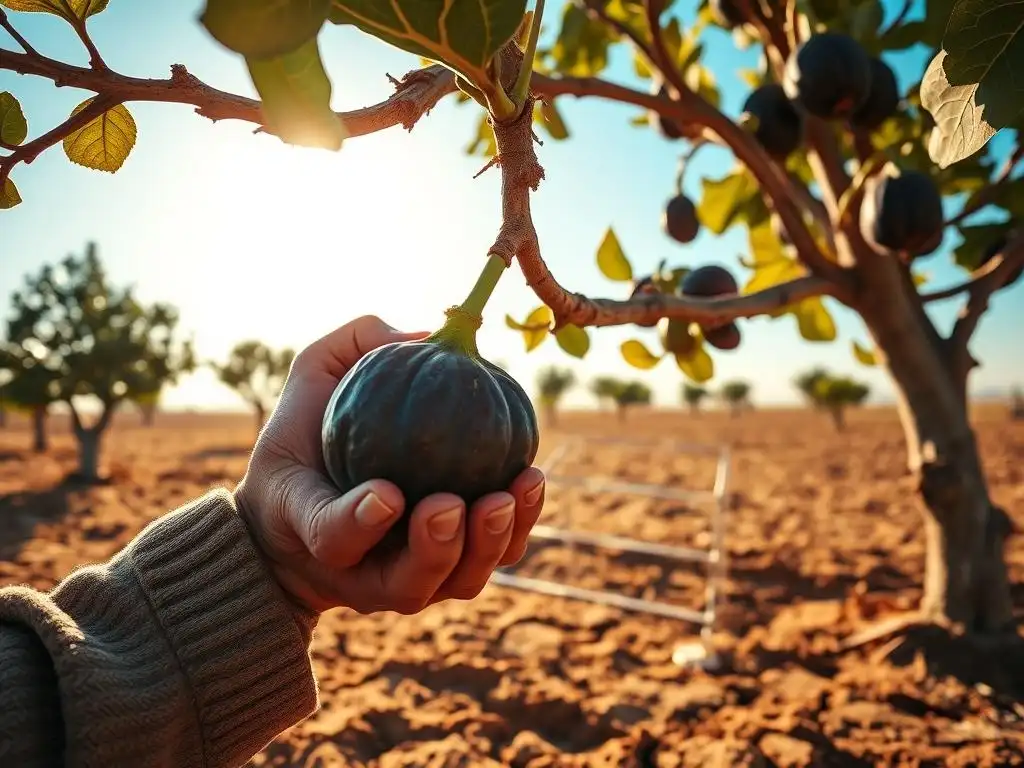
This section focuses on maximizing the yield from your drought-tolerant fruit trees by harvesting at the peak of ripeness and employing effective preservation techniques. Choosing the right time to harvest is crucial for ensuring the best flavor and extending the lifespan of your precious fruit. Proper preservation methods will allow you to enjoy the fruits of your labor (pun intended!) throughout the year, even after the harvest season ends.
Determining Fruit Ripeness and Optimal Harvesting Time
Knowing when to harvest your drought-tolerant fruit is essential for optimal flavor and quality. The timing varies depending on the specific fruit type and cultivar, but several general indicators can guide you. For example, the best time to harvest many stone fruits like plums and apricots is when they easily detach from the branch with a gentle twist. This indicates the fruit has reached its peak sugar content and optimal flavor profile.
Other indicators include:
- Color Change: Many fruits will exhibit a distinct color change as they ripen. Look for the characteristic color associated with the fully ripe fruit for your specific variety. This might be a deep red for cherries, a vibrant yellow for peaches, or a deep purple for certain plum varieties.
- Aroma: A fragrant aroma is often a sign of ripeness. Smell the fruit gently – a sweet, strong scent suggests it's ready for picking.
- Texture: Gently squeeze the fruit. Slightly soft, but not mushy, is usually a good indication of ripeness. Avoid fruits that are hard or overly soft.
- Taste Test: The ultimate test! Pick a few fruits and taste them. If the flavor is sweet and fully developed, you know it's time to harvest the rest.
Remember to always check your specific fruit tree's care instructions, as optimal harvesting times can vary slightly based on cultivar and microclimate. Harvesting too early will result in under-ripe, tart fruit, while harvesting too late can lead to overripe, mushy fruit susceptible to pests and diseases. Careful observation and a little practice will help you master the art of harvesting at the perfect moment. This attention to detail is especially important when growing best drought tolerant fruit trees as you've invested significant effort in their cultivation.
Methods for Preserving Your Harvest: Canning, Freezing, Dehydrating
Once you've harvested your delicious drought-resistant fruit, preserving it is key to enjoying its bounty throughout the year. Several methods extend the shelf life of your produce, each with its own advantages and disadvantages.
| Preservation Method | Advantages | Disadvantages | Best for Fruits |
|---|---|---|---|
| Canning | Long shelf life, retains flavor and texture (if done correctly) | Requires specialized equipment and knowledge, time-consuming | Jams, jellies, sauces, whole fruits (e.g., peaches) |
| Freezing | Simple, preserves nutrients, relatively quick | Can affect texture of some fruits, requires freezer space | Berries, stone fruits, purees |
| Dehydrating | Long shelf life, easy storage, concentrates flavor | Requires specialized equipment, can be time-consuming | Apples, apricots, pears, berries |
Proper preparation is vital for each method. Thorough cleaning and preparation of the fruit before preservation is essential to prevent spoilage. For canning, following safe canning procedures is crucial to avoid botulism. Freezing requires proper blanching for some fruits to maintain quality. Dehydrating necessitates careful monitoring to avoid over-drying or under-drying. Research each method thoroughly before attempting to preserve your harvest. This is a crucial step in getting the most out of your investment in growing the best drought tolerant fruit trees.
Recipes and Culinary Uses for Your Drought-Resistant Fruit
The culinary possibilities with your homegrown, drought-tolerant fruits are endless! From simple desserts to savory dishes, your harvest can become the star of many delicious meals.
Here are a few ideas to get you started:
- Stone Fruits (Plums, Apricots, Peaches): These are perfect for pies, jams, cobblers, and even chutneys. Their sweetness complements both sweet and savory dishes. Think plum tarts, apricot preserves, or peach salsa.
- Berries (Figs, Mulberries, etc.): These are ideal for jams, jellies, pies, and smoothies. Their vibrant flavors add a burst of freshness to any recipe. Imagine a fig and goat cheese tart or a refreshing mulberry smoothie.
- Apples and Pears: These versatile fruits can be used in pies, crisps, sauces, and even baked into breads and cakes. Consider apple sauce, pear butter, or a classic apple pie.
Remember to experiment and find your own favorite recipes! The unique flavor profiles of your homegrown, drought-resistant fruits will add a special touch to your culinary creations. The rewarding aspect of growing your own food, especially drought-tolerant varieties, extends beyond the harvest; it's about the joy of creating delicious meals with the fruits of your labor. Enjoy the process of experimenting with different recipes and discovering your own signature dishes using your best drought tolerant fruit trees harvest.
Advanced Techniques for Maximizing Yields in Dry Climates
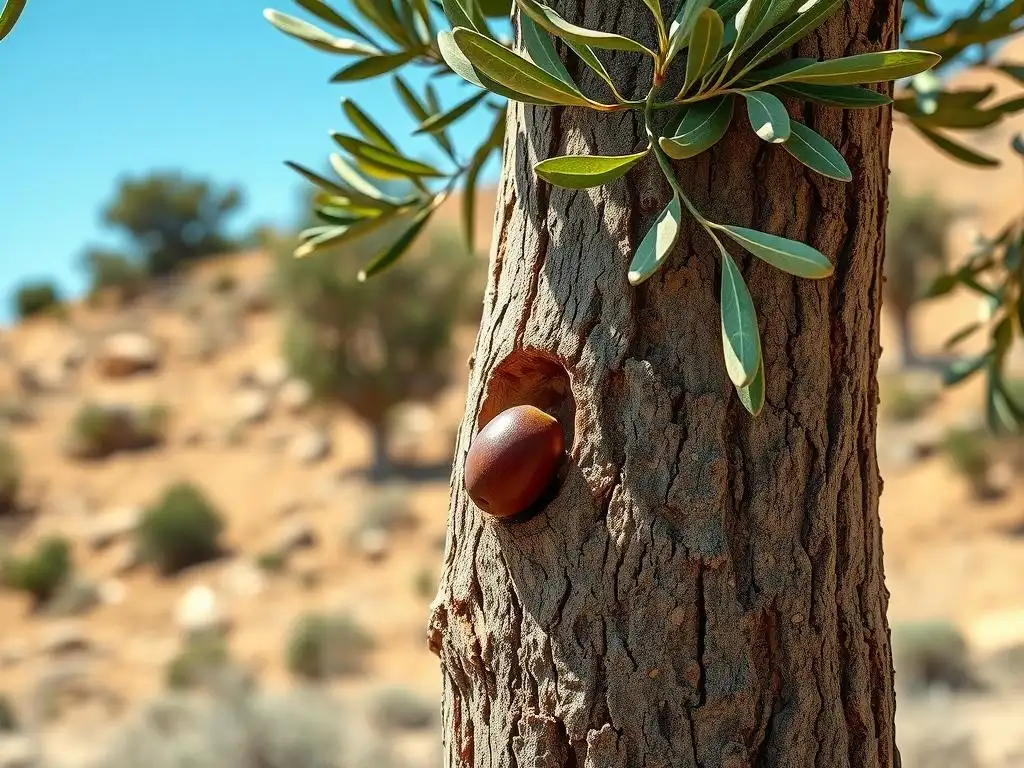
This section delves into advanced strategies beyond basic drought-tolerant tree selection to ensure bountiful harvests even in arid conditions. We'll explore techniques to optimize water usage, improve soil health, and create a microclimate that favors your fruit trees. Remember, even the best drought tolerant fruit trees need a helping hand to thrive in extreme dryness.
Utilizing Water Harvesting Techniques
Efficient water harvesting is crucial for successful fruit tree cultivation in dry climates. Instead of relying solely on infrequent rainfall, consider implementing systems that collect and store rainwater for later use. This can significantly reduce your dependence on municipal water supplies, which are often expensive and unsustainable.
Several methods can be employed:
- Rain Barrels: Simple yet effective, rain barrels collect water from roof downspouts. A single barrel can store a considerable amount of water, perfect for supplemental irrigation. Consider multiple barrels for larger gardens. Remember to clean them regularly to prevent mosquito breeding. 💧
- Swales: These are shallow ditches dug along contours, designed to slow down and capture runoff water. The collected water gradually infiltrates the soil, replenishing the water table and providing a slow-release irrigation system for your trees. Properly designed swales can significantly improve soil moisture levels.
- Dry Wells: These are underground pits filled with gravel or other porous material. They are used to collect and store rainwater, allowing it to slowly seep into the surrounding soil. This method is particularly useful in areas with rocky or poorly draining soil. The effectiveness of a dry well depends heavily on the soil type and the amount of rainfall.
The amount of water harvested will vary greatly depending on factors like rainfall intensity, roof size, and the size and design of your water harvesting system. Careful planning and consideration of your local climate are essential for success. Accurate data on annual rainfall in your specific region is vital for sizing your water harvesting system appropriately.
Implementing Xeriscaping Principles Around Your Fruit Trees
Xeriscaping, or water-wise landscaping, is a design approach that minimizes water usage while maximizing the aesthetic appeal of your garden. By strategically planting drought-tolerant ground cover and shrubs around your fruit trees, you can create a microclimate that retains moisture and reduces evaporation.
Consider these xeriscaping techniques:
- Mulching: Applying a thick layer of organic mulch (wood chips, straw, or shredded leaves) around the base of your trees helps retain soil moisture, suppresses weeds, and regulates soil temperature. A 3-4 inch layer is generally recommended. Regular replenishment is necessary, especially during windy conditions.
- Ground Cover: Planting drought-tolerant ground covers between your trees helps shade the soil, reducing evaporation and suppressing weed growth. Choose ground covers that are low-maintenance and compatible with your soil type and climate. Consider creeping thyme, sedum, or other native varieties.
- Strategic Planting: Proper spacing between trees is crucial to allow for adequate airflow and sunlight penetration, which can help prevent fungal diseases and improve overall tree health. Overcrowding can lead to increased competition for water and nutrients.
Effective xeriscaping requires careful planning and selection of appropriate plants. Consider consulting with a local landscaper experienced in xeriscaping techniques to ensure the best results for your specific climate and soil conditions. The long-term benefits of reduced water consumption and enhanced tree health make xeriscaping a worthwhile investment.
Soil Improvement Strategies for Enhanced Water Retention
Improving soil structure and organic matter content is essential for enhancing water retention. Healthy soil acts like a sponge, absorbing and retaining water for longer periods, providing a consistent source of moisture for your fruit trees.
Here are some key strategies:
- Composting: Regularly adding compost to the soil improves its structure, increases its water-holding capacity, and provides essential nutrients for healthy tree growth. Compost also helps to improve soil drainage and aeration. Aim for a consistent application of compost throughout the year.
- Soil Amendments: Incorporating soil amendments like vermiculite or perlite can significantly improve soil drainage and aeration, allowing for better water infiltration. These amendments help to create a more porous soil structure, enabling better water retention. The optimal amount will depend on your specific soil type.
- Cover Cropping: Planting cover crops during the off-season can help improve soil health, suppress weeds, and increase organic matter. Cover crops like legumes can also fix nitrogen in the soil, reducing the need for nitrogen fertilizers. Choose cover crops that are well-suited to your climate and soil conditions.
By implementing these advanced techniques, you can significantly improve the chances of a successful harvest even in the driest of climates, ensuring your fruit trees flourish and produce a bountiful yield, making them truly among the best drought tolerant fruit trees you can grow.
Resources for Further Learning About Drought Tolerant Fruit Trees
This section provides valuable resources to deepen your understanding of drought-tolerant fruit trees and successful dry-climate gardening. We'll explore recommended reading material and highlight the importance of connecting with local experts for tailored advice. Choosing the best drought tolerant fruit trees for your specific location requires careful consideration, and these resources will help you make informed decisions.
Recommended Books and Online Resources on Dry Climate Gardening
Expanding your knowledge beyond this article is crucial for long-term success in cultivating drought-tolerant fruit trees. Many excellent resources are available, both in print and online, offering detailed insights into various aspects of dry-climate gardening. These resources can provide in-depth information on topics such as soil preparation, irrigation techniques (even for drought-tolerant plants! ), and specific tree care requirements.
Here are some examples of valuable resources:
- Books: Look for books specifically focusing on xeric landscaping or gardening in arid and semi-arid regions. Many titles offer comprehensive guides to selecting appropriate plants, managing water efficiently, and dealing with common challenges in dry climates. Titles often include the keywords "drought-resistant," "desert gardening," or "water-wise gardening" in their descriptions. Pay attention to the specific geographic region the book covers, as recommendations may vary considerably based on climate and soil types.
- Online Resources: The internet offers a wealth of information. Search for reputable websites and blogs dedicated to sustainable gardening and horticulture. Look for articles and guides on drought-tolerant fruit trees, focusing on species suitable for your specific region. Many universities and agricultural colleges offer online resources and extension publications with detailed information on local plant varieties and best practices. Remember to critically evaluate the sources you find, prioritizing information from trusted institutions and experienced gardeners. Be wary of unsubstantiated claims and anecdotal evidence.
Local Agricultural Extension Offices and Expert Advice
While books and online resources provide general guidance, the best drought tolerant fruit trees for your specific location will depend on your unique microclimate, soil conditions, and other local factors. This is where connecting with local experts becomes invaluable.
Your local agricultural extension office is an excellent starting point. These offices, often affiliated with state universities or government agricultural departments, employ horticultural specialists and other experts who can provide tailored advice based on your region's specific conditions. They can offer recommendations on suitable fruit tree varieties, optimal planting times, and effective pest and disease management strategies. They frequently host workshops and seminars, providing opportunities for hands-on learning and networking with other local gardeners.
Furthermore, consider connecting with local nurseries and garden centers specializing in native or drought-tolerant plants. These professionals often possess in-depth knowledge of the region's climate and soil, and can offer valuable insights into selecting and caring for drought-tolerant fruit trees. Don't hesitate to ask questions about their experience with specific varieties and their recommendations for successful cultivation in your area. Networking with experienced local gardeners can also be immensely beneficial, allowing you to learn from their successes and challenges. This community-based learning can provide practical tips and valuable insights not always found in books or online. 🌱
Frequently Asked Questions
What are some of the best drought-tolerant fruit trees?
Some excellent choices include figs, olives, jujubes, and certain varieties of apples and pears. Research varieties specifically bred for your region's climate.
How often should I water newly planted drought-tolerant fruit trees?
While they're drought-tolerant, young trees still need regular watering, especially during their first year. Aim for deep, infrequent watering to encourage deep root growth.
What are the key soil requirements for drought-tolerant fruit trees?
Well-draining soil is crucial. Amend heavy clay soils with compost to improve drainage and aeration, preventing root rot. Sandy soils may benefit from the addition of organic matter to retain moisture.
How can I protect my drought-tolerant fruit trees from pests and diseases?
Regularly inspect your trees for signs of pests or diseases. Practicing good sanitation, such as removing fallen leaves and fruit, can help prevent problems. Consider using organic pest control methods.
Can I grow drought-tolerant fruit trees in containers?
Yes, but choose smaller varieties and ensure the containers are large enough and have adequate drainage. You'll likely need to water more frequently than trees planted in the ground.
Final Reflection: A Bountiful Future in Arid Lands
The quest for drought-tolerant fruit trees is no longer a niche pursuit; it's a vital strategy for ensuring food security in a world increasingly grappling with water scarcity. The implications of climate change are undeniable, and the ability to cultivate delicious and nutritious fruit without depleting precious water resources is paramount for both individual gardeners and large-scale agricultural operations.
The shift towards drought-resistant varieties represents a profound change in our relationship with the land, a move away from water-intensive practices towards a more sustainable and resilient approach to food production. The land nourishes us. We must learn to nourish the land in return.
This simple truth underscores the importance of embracing drought-tolerant fruit trees, not just for their immediate benefits, but for the long-term health of our planet and the future generations who will inherit it.
Consider the potential: imagine vibrant orchards thriving in regions previously deemed unsuitable for fruit cultivation, providing sustenance and economic opportunities to communities struggling with water stress. You, the reader, hold the power to contribute to this positive change. Start small – plant a single tree, share this knowledge with your neighbors, advocate for water-wise agricultural practices. Let's cultivate a future where delicious fruit and a healthy planet coexist, not at odds with each other.
Unleash Your Inner Orchard: Grow a Drought-Resistant Paradise!
Thank you for exploring the world of drought-tolerant fruit trees! You've gained valuable knowledge to cultivate a thriving orchard, even in arid climates. Now, let's put that knowledge to work.
- Begin planning your drought-resistant orchard now: Start by researching the best fruit tree varieties suited to your specific region and soil. Develop a detailed planting plan, including a timeline for acquiring and planting your trees.
- Share this article with fellow gardening enthusiasts: Let's build a community of drought-conscious growers and help others cultivate delicious, sustainable food.
- Explore your local nursery or online resources to find the perfect saplings. You might even discover unusual varieties that pique your interest!
What unique drought-tolerant fruit tree are you most excited to grow? Let's discuss your plans in the comments below!