
Using Raised Beds as Containers for Vegetables

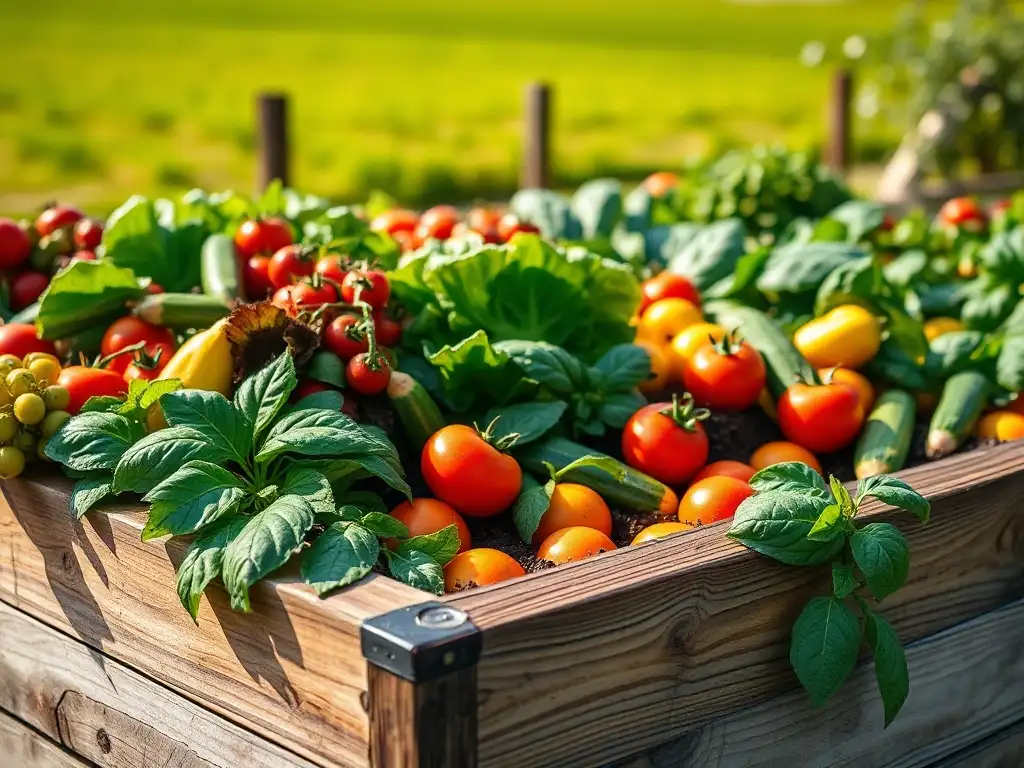
Ready to transform your backyard into a thriving oasis of fresh, organic produce? At CultivateYourFood, we empower you to grow your own fruits, vegetables, and herbs using sustainable methods. Discover the secrets to bountiful harvests with our expert guide on raised bed vegetable gardening, a revolutionary approach to container gardening that maximizes yield and simplifies cultivation. Learn how to build your own raised beds and unlock the potential of your space—let's get growing!
-
Advantages of Raised Bed Vegetable Gardening
- Increased Soil Control and Drainage for Better Vegetable Growth
- Improved Accessibility and Ergonomics for Easier Gardening
- Enhanced Weed Control in Your Raised Bed Vegetable Garden
- Optimized Sunlight Exposure for Maximum Vegetable Yield
- Protection from Pests and Diseases in Raised Bed Vegetable Gardening
- Planning Your Raised Bed Vegetable Garden
- Preparing the Soil for Your Raised Bed Vegetable Garden
- Planting Vegetables in Your Raised Bed Containers
- Maintaining Your Raised Bed Vegetable Garden
- Harvesting Vegetables from Your Raised Bed Garden
- Extending the Growing Season with Raised Bed Vegetable Gardening
- Frequently Asked Questions
- Final Reflection: Cultivating a Greener Future, One Raised Bed at a Time
- Unleash Your Inner Gardener: Grow More, Worry Less!
Advantages of Raised Bed Vegetable Gardening
Raised bed vegetable gardening offers a multitude of benefits for home gardeners, making it a popular choice for those seeking increased yields and easier maintenance. This method allows for greater control over soil composition, improving drainage and aeration crucial for healthy vegetable growth. Furthermore, raised beds enhance accessibility, making gardening more comfortable, especially for individuals with mobility limitations.
Finally, the contained nature of raised beds significantly reduces weed pressure, minimizing time spent on weeding and maximizing your time spent harvesting delicious, homegrown vegetables. This article will delve into the specific advantages of using raised beds as containers for your vegetable garden, focusing on how this method contributes to a more sustainable and productive gardening experience, directly addressing the needs of those searching for information on “raised bed vegetable gardening”.
Increased Soil Control and Drainage for Better Vegetable Growth
One of the most significant advantages of raised bed vegetable gardening is the unparalleled control it offers over soil quality and drainage. Unlike in-ground gardening, where soil composition can be unpredictable and often less than ideal, raised beds allow you to create a custom soil mix tailored to the specific needs of your vegetables. This means you can blend in organic matter like compost, peat moss, and coco coir to improve soil structure, aeration, and water retention. This results in healthier root systems, leading to vigorous growth and higher yields.
The improved drainage prevents waterlogging, which can suffocate roots and lead to diseases. By carefully selecting the components of your soil mix, you can optimize nutrient levels and pH, creating a perfect environment for your chosen vegetables to thrive. For instance, a raised bed filled with a well-draining mix is ideal for tomatoes, which are prone to root rot in poorly drained soil.
Conversely, a mix richer in organic matter is beneficial for leafy greens, which require more consistent moisture. The ability to meticulously control these factors dramatically increases the success rate of your vegetable gardening endeavors. 🥕
Improved Accessibility and Ergonomics for Easier Gardening
Raised bed gardening significantly improves accessibility and ergonomics, making it a more comfortable and enjoyable experience for gardeners of all ages and abilities. The elevated height of the beds eliminates the need for excessive bending and kneeling, reducing strain on the back, knees, and joints. This is particularly beneficial for older gardeners or those with physical limitations.
The contained nature of the beds also makes it easier to reach all parts of the garden without having to navigate around obstacles. This ease of access simplifies tasks like planting, weeding, watering, and harvesting, making gardening less strenuous and more efficient. Furthermore, raised beds can be designed to suit individual needs, with varying heights and widths accommodating different preferences and physical capabilities.
Consider the addition of knee pads or a comfortable gardening stool to further enhance the ergonomic benefits. The improved accessibility translates directly into a more enjoyable and sustainable gardening practice, encouraging longer periods of tending to your plants without physical discomfort. 🧑🌾
Enhanced Weed Control in Your Raised Bed Vegetable Garden
Weed control is a significant challenge for many gardeners, but raised beds offer a considerable advantage in this area. The contained environment of a raised bed makes it significantly easier to manage weeds. The sides of the bed act as a physical barrier, preventing many weeds from easily establishing themselves within the planting area. This reduces the frequency and intensity of weeding, saving you time and effort.
Additionally, the controlled soil environment within the raised bed allows for more precise weed management. You can easily spot and remove weeds before they have a chance to spread and compete with your vegetables for resources. Mulching the surface of your raised bed further enhances weed suppression, creating a protective barrier that prevents weed seeds from germinating and reduces moisture evaporation.
With less weed competition, your vegetables have more access to sunlight, water, and nutrients, resulting in healthier plants and a more bountiful harvest. This ease of weed control is a key factor contributing to the overall sustainability and efficiency of raised bed vegetable gardening. 🌱
Optimized Sunlight Exposure for Maximum Vegetable Yield
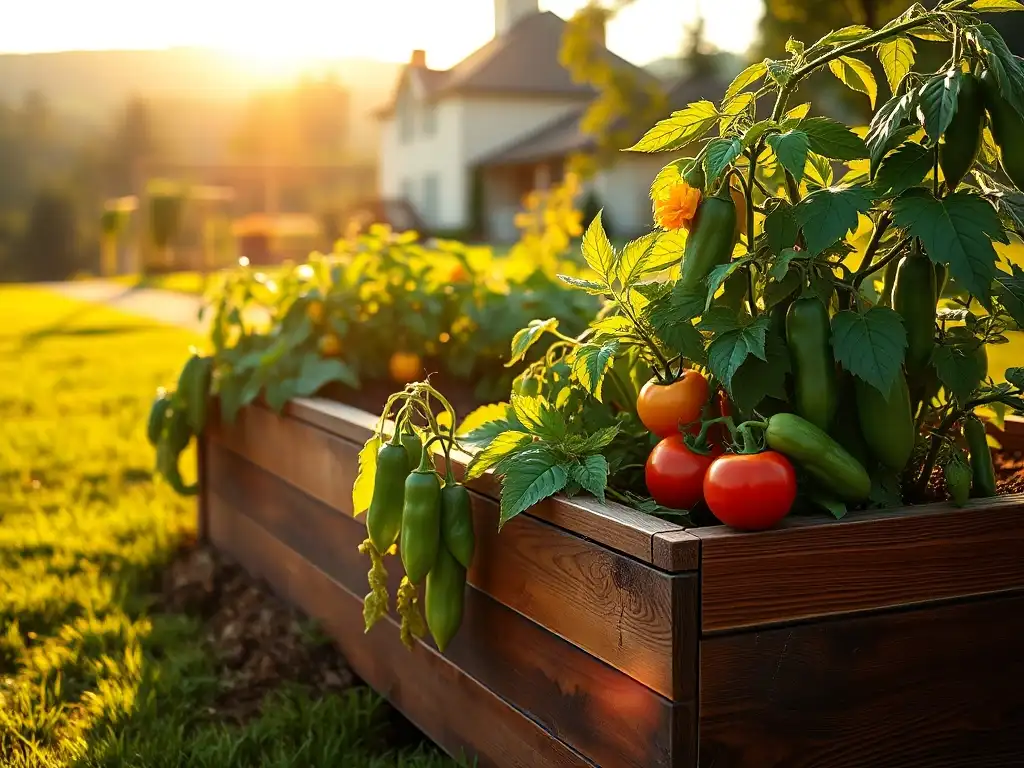
Raised bed vegetable gardening offers a significant advantage in optimizing sunlight exposure, a crucial factor for maximizing vegetable yield. Unlike in-ground gardening where uneven terrain and competing vegetation can shade plants, raised beds allow for precise placement in areas receiving maximum sunlight. This is especially beneficial for sun-loving vegetables like tomatoes, peppers, and cucumbers, which require at least six to eight hours of direct sunlight daily for optimal growth and fruit production.
By strategically positioning raised beds to capture the sun's rays throughout the day, gardeners can significantly increase the overall productivity of their vegetable garden. Furthermore, the elevated position of the beds can improve air circulation, reducing the incidence of fungal diseases that thrive in damp, shaded conditions. This enhanced sunlight exposure, combined with improved air circulation, translates directly into healthier plants and a more abundant harvest.
Careful consideration should be given to the orientation of the raised beds; east-west orientation often maximizes sun exposure throughout the day, while north-south orientation might be more suitable in specific geographical locations or depending on the prevailing sun path. Experimentation and observation are key to determining the optimal placement for your raised beds to achieve maximum sunlight exposure and yield. For example, a gardener in a particularly shaded backyard might find that strategically placing taller plants at the back of a raised bed, and shorter plants at the front, can improve the distribution of sunlight to all plants.
Protection from Pests and Diseases in Raised Bed Vegetable Gardening
Raised bed vegetable gardening provides a natural barrier against many common garden pests and diseases. The elevated position of the beds makes it more difficult for soil-borne pests and diseases to reach the plants. Snails and slugs, for instance, often struggle to climb the sides of a raised bed, reducing their access to vulnerable seedlings and mature plants. Similarly, many soil-borne diseases that thrive in constantly moist conditions are less likely to proliferate in the well-drained environment of a raised bed.
Proper construction of the raised bed, using materials that don't retain excessive moisture, is crucial for this benefit. The improved drainage also helps to prevent root rot, a common problem in poorly draining soil. Furthermore, the raised bed system allows for greater control over the soil composition. Gardeners can use high-quality soil mixes specifically formulated to improve drainage, aeration, and nutrient content, creating an environment less hospitable to pests and diseases.
This proactive approach to soil management, in conjunction with the physical barrier offered by the raised bed structure, greatly enhances the overall health and resilience of the plants, minimizing the need for chemical pest control and maximizing the chances of a healthy, bountiful harvest. For instance, a gardener dealing with a particularly persistent infestation of nematodes could use a raised bed filled with sterilized soil, thus reducing the nematode population and protecting the plants. This control over the growing environment is a major advantage of raised bed gardening for "raised bed vegetable gardening".
Planning Your Raised Bed Vegetable Garden
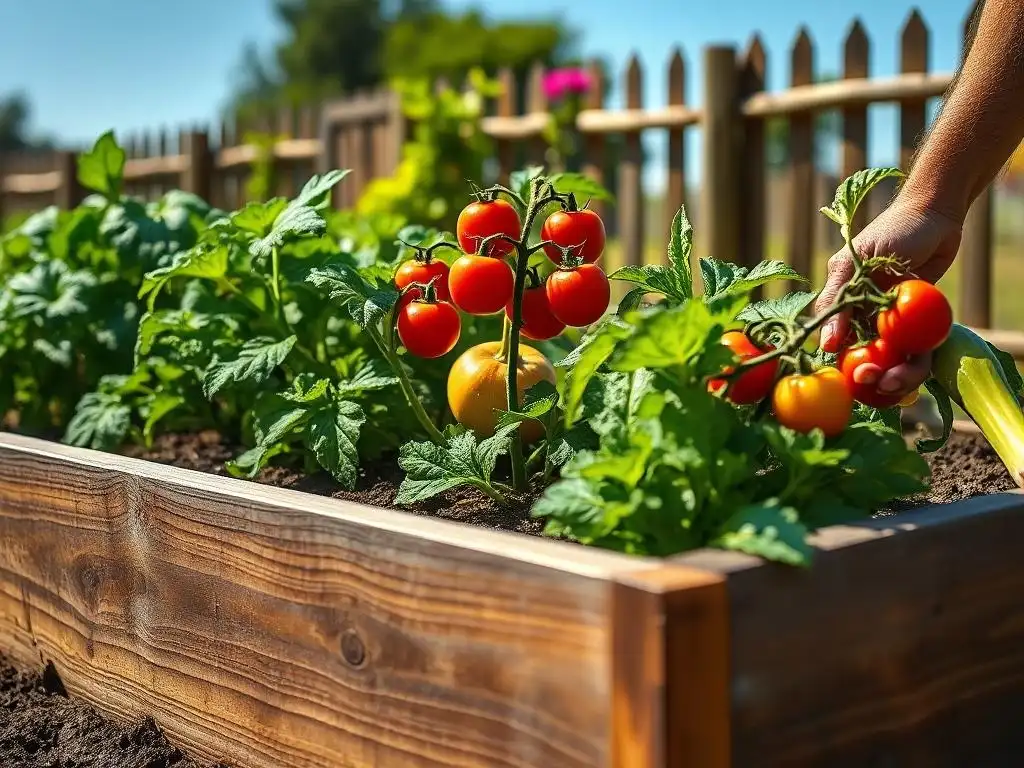
This section delves into the crucial initial steps for successfully establishing a thriving raised bed vegetable garden. Proper planning ensures optimal growth and minimizes potential problems down the line. Understanding the nuances of location, size, and material selection are key components of successful raised bed vegetable gardening.
Choosing the Right Location for Your Raised Bed Vegetable Garden
Sunlight is paramount for healthy vegetable growth. Most vegetables require at least six to eight hours of direct sunlight daily. Before selecting a spot for your raised beds, carefully monitor your yard throughout the day to identify areas receiving ample sunlight. Consider the sun's path throughout different seasons; a location sunny in summer might be shaded in winter.
Factors beyond sunlight also influence site selection. Accessibility is vital; you'll need easy access for planting, weeding, watering, and harvesting. Proximity to a water source simplifies watering, while good drainage prevents waterlogging and root rot. Avoid low-lying areas prone to frost pockets or standing water. Observe how wind affects the area; strong winds can damage plants. Finally, consider the aesthetics; your raised beds should complement your overall landscape design. A well-planned location maximizes yield and minimizes effort. Remember to consider the proximity to your home for ease of access and management of your raised bed vegetable gardening.
Selecting the Ideal Size and Shape for Your Raised Bed Containers
The optimal size and shape of your raised beds depend on several factors, including the types of vegetables you plan to grow, your available space, and your physical capabilities. Overly large beds can be challenging to manage, while smaller beds may limit your planting options.
Consider these points when determining dimensions:
- Depth: A depth of 12-18 inches is generally recommended for most vegetables, allowing sufficient room for root development. Deeper beds are beneficial for root vegetables like carrots and potatoes.
- Width: A width of 4 feet is often ideal, allowing for easy access to the center of the bed from both sides. Wider beds might require stepping inside, potentially compacting the soil.
- Length: The length is largely determined by your available space. You can create multiple shorter beds rather than one long one for better accessibility.
Regarding shape, rectangular beds are popular due to their efficiency and ease of construction. However, other shapes such as square or even curved beds can be aesthetically pleasing and equally functional. Remember, the goal is to create a space that’s both productive and enjoyable to work with for your raised bed vegetable gardening.
Determining the Best Material for Your Raised Bed Construction: Wood, Metal, or Plastic?
The choice of material for your raised beds significantly impacts their longevity, cost, and aesthetic appeal. Each material presents advantages and disadvantages:
| Material | Advantages | Disadvantages | Lifespan (Years) |
|---|---|---|---|
| Wood | Natural, aesthetically pleasing, readily available | Requires regular maintenance (staining, sealing) | 5-10 |
| Metal (e.g., galvanized steel, corten steel) | Durable, long-lasting, low maintenance | Can heat up excessively in direct sunlight | 15+ |
| Plastic | Lightweight, inexpensive, easy to assemble | Less aesthetically pleasing, can degrade over time | 3-5 |
Wood is a classic choice, offering a natural look and good soil drainage. However, it requires regular treatment to prevent rot and insect damage. Metal options, while more expensive, offer exceptional durability and require minimal maintenance. Plastic offers affordability and ease of assembly but tends to have a shorter lifespan and may not be as aesthetically appealing. The best material for your raised bed vegetable gardening project ultimately depends on your budget, aesthetic preferences, and long-term maintenance commitment. Consider carefully the pros and cons for your specific needs and climate.
Building Your Raised Bed Vegetable Garden: A Step-by-Step Guide
Constructing a raised bed for your vegetable garden is a rewarding process that allows you to tailor the growing environment to your specific needs. This step-by-step guide will walk you through the process, ensuring you create a thriving and productive raised bed vegetable garden. Remember, proper planning and execution are crucial for success in raised bed vegetable gardening.
First, you'll need to choose the right location. Sunlight is key; most vegetables need at least six hours of direct sunlight daily. Consider the proximity to a water source for easier watering, and assess the soil drainage in the chosen area. Poor drainage can lead to root rot, a common problem in raised bed gardening. Observe your yard throughout the day to determine the sunniest spots. For example, a south-facing location in the Northern Hemisphere will receive the most sunlight.
Next, determine the size and shape of your raised bed. Standard dimensions are often 4 feet wide, allowing for easy access from both sides, and any length you desire. However, consider the size of your space and the number of plants you intend to grow. A longer bed can be more efficient for certain vegetable types, but a shorter, wider bed might be better for others. For instance, sprawling plants like squash might benefit from a larger area. Sketching out a plan beforehand can help visualize the best arrangement for your chosen vegetables.
The materials you choose for your raised bed are crucial for its longevity and impact on your plants. Untreated lumber, like cedar or redwood, is a popular choice due to its natural resistance to rot. However, recycled materials like reclaimed pallets (ensure they're free of harmful chemicals) or even large stones can also work well. The choice depends on your budget, aesthetic preferences, and the overall style of your garden. Remember to research the durability and potential leaching of chemicals from any recycled materials.
Once you've gathered your materials, it's time to assemble the raised bed. This process varies depending on your chosen materials. For lumber, you'll typically use screws or nails to construct a sturdy frame. Ensure the corners are square and the sides are level. For stone beds, careful placement and potentially mortar are needed for stability. Consider adding landscape fabric to the inside of the bed to prevent weed growth and soil erosion. This step is crucial for long-term maintenance and weed control. Proper assembly is key to prevent the structure from collapsing or warping over time.
Finally, fill your raised bed with a high-quality soil mix. A blend of topsoil, compost, and other organic matter will provide the nutrients your vegetables need to thrive. Avoid using garden soil directly from your yard, as it may contain compacted soil, weeds, and harmful pests or diseases. A well-balanced soil mix is essential for healthy growth and optimal yield in your raised bed vegetable garden. Consider adding slow-release fertilizer to further enhance soil nutrition. This initial investment in high-quality soil will pay dividends in the health and productivity of your plants.
Preparing the Soil for Your Raised Bed Vegetable Garden
Successful raised bed vegetable gardening hinges on preparing the perfect soil environment. Unlike in-ground gardening, you have complete control over the soil composition within your raised bed, allowing for optimal customization to suit your chosen vegetables' needs. This section will guide you through the crucial steps of selecting, amending, and testing your soil to ensure a bountiful harvest. Remember, investing time in soil preparation upfront translates directly into healthier plants and higher yields later in the season. This is a key aspect of successful raised bed vegetable gardening.
Selecting the Best Soil Mix for Raised Bed Vegetable Gardening
The foundation of any thriving raised bed vegetable garden is a well-balanced soil mix. Avoid using garden soil directly from your yard, as it may contain compacted clay, weed seeds, or harmful pathogens. Instead, opt for a custom blend designed for raised bed vegetable gardening. A good mix typically incorporates several key components:
- Compost: Provides essential nutrients and improves soil structure. Aim for a mix containing at least 30% compost.
- Topsoil: Adds essential minerals and contributes to overall soil volume. Choose a high-quality topsoil low in clay content.
- Coco coir: Excellent for water retention and aeration. It's a sustainable alternative to peat moss.
- Perlite or vermiculite: Improves drainage and aeration, preventing waterlogging and promoting healthy root development.
The ideal ratio will vary depending on your specific climate and the type of vegetables you plan to grow. For example, heavier clay soils might need more perlite for better drainage, while sandy soils might benefit from added coco coir for better water retention. Consider purchasing a pre-mixed potting soil specifically formulated for vegetables, or create your own blend based on your local soil conditions and plant needs. Experimentation and observation are key to finding the perfect recipe for your raised bed vegetable gardening endeavors.
Amending the Soil with Compost and Organic Matter
Adding compost and other organic matter is crucial for enriching your raised bed soil mix. Compost acts as a slow-release fertilizer, providing essential nutrients to your plants throughout the growing season. It also improves soil structure, creating a more porous environment that promotes better drainage and aeration. This is especially important in raised beds, where the soil volume is often limited.
Beyond compost, consider adding other organic amendments, such as well-rotted manure (avoid fresh manure as it can burn plant roots), worm castings (rich in beneficial microorganisms), or aged seaweed. These additions further enhance the soil's fertility and biological activity, leading to healthier and more vigorous plant growth. Aim for a rich, dark, crumbly soil texture—a sign of a healthy and nutrient-rich growing medium. Remember, the richer and more alive your soil, the better your raised bed vegetable gardening results will be. This is a crucial step in successful raised bed vegetable gardening.
Testing Soil pH and Adjusting as Needed for Optimal Vegetable Growth
Soil pH is a critical factor affecting nutrient availability to your plants. Most vegetables thrive in a slightly acidic to neutral pH range (6.0-7.0), although some have specific preferences. Before planting, it's essential to test your soil pH using a reliable soil testing kit. These kits are readily available at most garden centers and provide accurate measurements.
If your soil pH falls outside the optimal range, you can adjust it using readily available materials:
- To lower pH (raise acidity): Add elemental sulfur or aluminum sulfate to the soil. Follow the package instructions carefully, as over-application can harm plants.
- To raise pH (reduce acidity): Add agricultural lime (calcium carbonate) to the soil. Again, follow package instructions precisely.
Testing your soil pH regularly, especially after amending, ensures that your vegetable plants have access to all the essential nutrients they need for optimal growth and yields. This contributes significantly to the overall success of your raised bed vegetable gardening project. Regular monitoring and adjustments are essential for long-term success in raised bed vegetable gardening.
Planting Vegetables in Your Raised Bed Containers
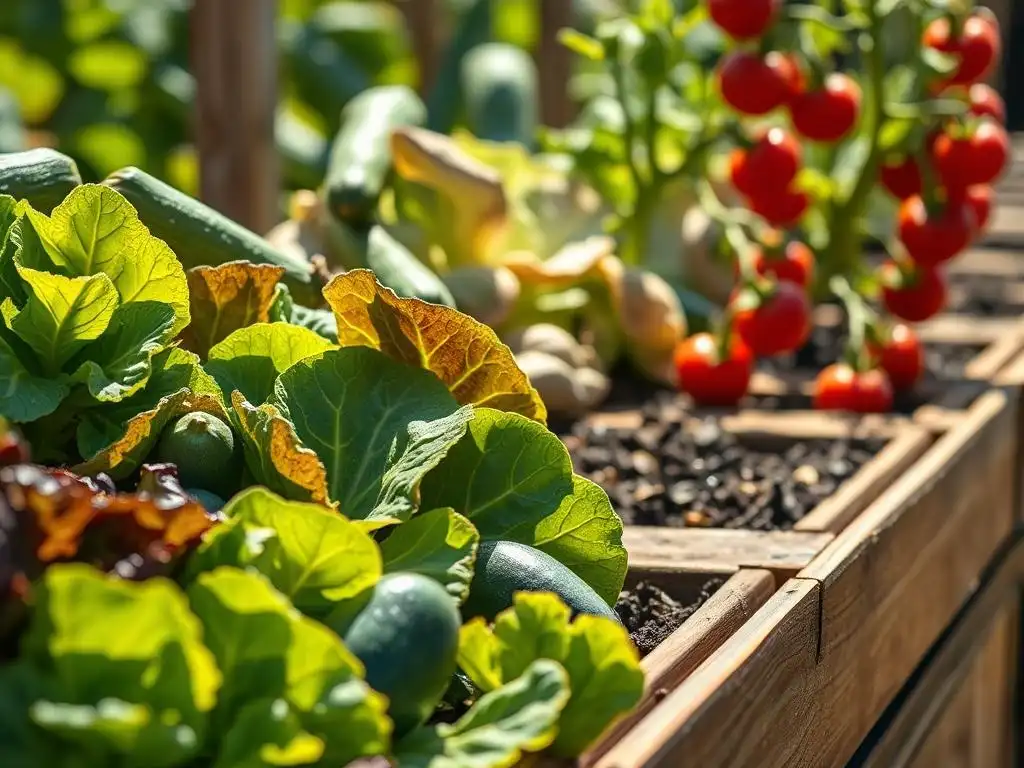
This section delves into the practical aspects of planting vegetables in your raised bed containers, focusing on maximizing yield and health within the confines of your raised bed vegetable gardening setup. We'll explore optimal vegetable selection, seed starting techniques, and precise planting strategies for a bountiful harvest. Remember, successful raised bed vegetable gardening hinges on careful planning and execution.
Choosing the Right Vegetables for Raised Bed Gardening
Selecting the right vegetables is crucial for successful raised bed vegetable gardening. Not all vegetables thrive equally well in containers. Consider the mature size of the plant, its root system, and its overall growth habit. Compact varieties are generally preferred for raised beds due to space limitations.
Here’s a breakdown of excellent choices:
- Bush Beans: These compact varieties produce a plentiful harvest without taking up excessive space. They are relatively easy to grow and require minimal maintenance.
- Cherry Tomatoes: Determinate varieties, which grow to a certain height and then stop, are ideal for raised beds. Their compact nature makes them perfect for container gardening.
- Lettuce and Salad Greens: These leafy greens are excellent choices for raised beds. They have shallow root systems and are quick to mature, allowing for multiple harvests throughout the growing season.
- Radishes: These fast-growing root vegetables are perfect for raised beds. They are easy to grow and require minimal space.
- Peppers (small varieties): Choose compact pepper varieties to avoid overcrowding. These can produce a nice yield in raised bed containers.
- Carrots (short varieties): Select short, cylindrical varieties specifically bred for container growing to avoid root overcrowding.
Conversely, avoid large, sprawling vegetables like pumpkins, watermelons, or cucumbers in smaller raised beds unless you have exceptionally large containers. Their extensive root systems and vigorous growth will quickly overwhelm the space. Plan your planting according to the mature size of your chosen vegetables to avoid disappointment.
Starting Seeds Indoors or Direct Sowing in Your Raised Beds
The method you choose—starting seeds indoors or direct sowing—depends on several factors, including the vegetable type, your climate, and your personal preference.
Starting Seeds Indoors: This method provides a head start, especially for vegetables with longer growing seasons. It allows you to transplant seedlings into your raised beds once the weather warms up, ensuring a longer growing period and potentially a larger harvest. This is particularly beneficial for heat-loving plants like peppers and tomatoes. You’ll need seed starting trays, seed starting mix, and a warm, sunny location.
Direct Sowing: This method is quicker and simpler for fast-growing vegetables like radishes, lettuce, and bush beans. You simply sow the seeds directly into your prepared raised bed. This method avoids the stress of transplanting, but it's more susceptible to weather conditions and pests. Direct sowing is suitable for vegetables with shorter growing seasons that don't require a long time to mature. Remember to follow the seed packet instructions for planting depth and spacing.
Spacing and Planting Depth for Optimal Vegetable Growth in Raised Beds
Proper spacing and planting depth are paramount for healthy vegetable growth in raised beds. Overcrowding leads to competition for resources, resulting in smaller yields and increased susceptibility to diseases and pests.
The following table provides general guidelines. Always consult seed packets for specific spacing recommendations for your chosen vegetable varieties.
| Vegetable | Spacing Between Plants (inches) | Planting Depth (inches) |
|---|---|---|
| Bush Beans | 4-6 | 1-2 |
| Cherry Tomatoes | 18-24 | ½-1 |
| Lettuce | 6-12 | ½-1 |
| Radishes | 1-2 | ½ |
| Peppers (small) | 12-18 | ½-1 |
| Carrots (short) | 2-3 | ½ |
Remember that these are guidelines; the actual spacing may need adjustments based on the specific variety and the size of your raised bed. Proper spacing ensures adequate sunlight, air circulation, and nutrient uptake, leading to healthier and more productive plants. Careful attention to these details is vital for successful raised bed vegetable gardening. 🌱
Watering and Fertilizing Your Raised Bed Vegetable Garden
Proper watering and fertilization are crucial for thriving raised bed vegetable gardens. Overwatering can lead to root rot, while underwatering stunts growth and reduces yields. The ideal watering schedule depends on several factors, including climate, soil type, plant type, and the time of year.
In hot, dry climates, daily watering might be necessary, especially during the peak growing season. However, in cooler, more humid climates, watering every other day or even less frequently may suffice. Always check the soil moisture before watering; stick your finger a couple of inches into the soil—if it feels dry, it's time to water.
For raised beds, consistent moisture is key, so aim for deep, infrequent watering rather than shallow, frequent watering. This encourages deeper root growth, making your plants more drought-tolerant in the long run. Consider using a soaker hose or drip irrigation system for efficient and even watering, minimizing water waste and preventing leaf diseases that can thrive in consistently wet foliage.
Fertilizing your raised bed garden is equally important. Raised beds often have less soil volume than in-ground gardens, meaning nutrients can deplete more quickly. Before planting, amend your soil with compost or other organic matter to provide a rich source of nutrients. A soil test can help determine your soil's nutrient levels and guide your fertilizer choices. Organic fertilizers, such as compost tea, worm castings, or well-rotted manure, are ideal for sustainable raised bed gardening.
These release nutrients slowly, providing a consistent supply throughout the growing season. Follow the package instructions carefully when using commercial fertilizers, as over-fertilizing can harm your plants. Consider using a balanced fertilizer, one that provides a good ratio of nitrogen (N), phosphorus (P), and potassium (K), essential for healthy growth, flowering, and fruiting. For instance, a 10-10-10 fertilizer provides a balanced amount of each nutrient. Remember that different vegetables have different nutrient requirements; for example, leafy greens generally require more nitrogen, while fruiting vegetables need more phosphorus and potassium.
Adjust your fertilization strategy accordingly, perhaps using a side-dressing technique to provide extra nutrients to specific plants as needed. Regular observation of your plants is key; if they show signs of nutrient deficiency—such as yellowing leaves or stunted growth—adjust your fertilization accordingly. Remember that healthy soil is the foundation of a healthy raised bed vegetable garden. Maintaining a good balance of watering and fertilization will significantly contribute to a bountiful harvest.
Maintaining Your Raised Bed Vegetable Garden
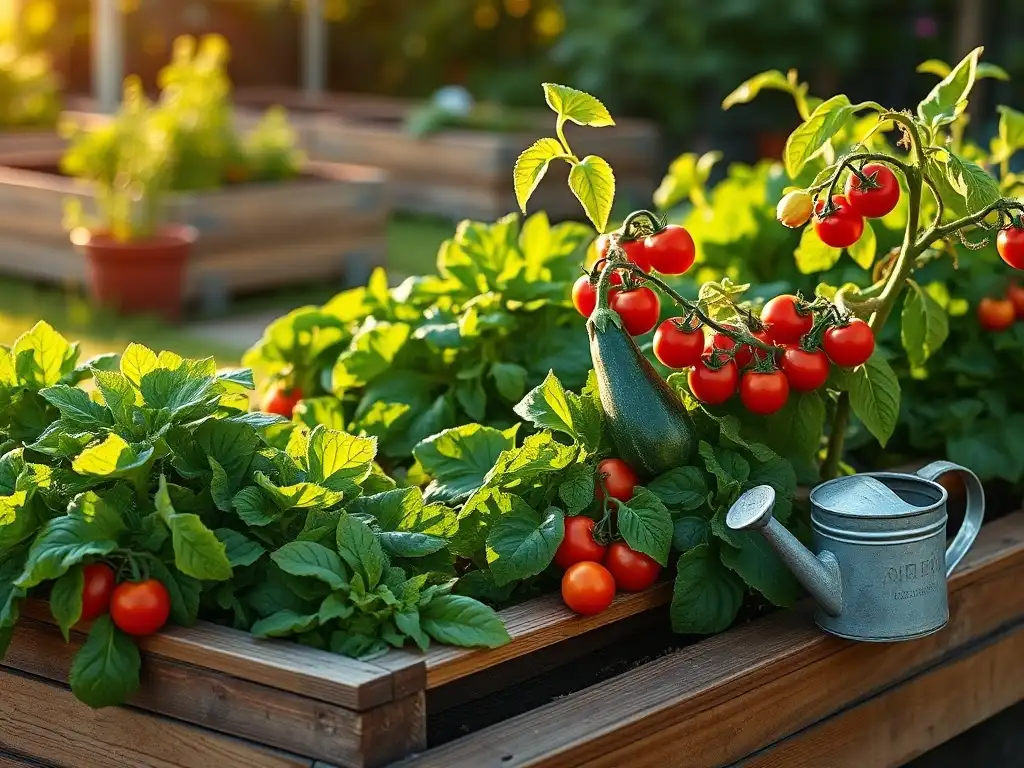
Maintaining a thriving raised bed vegetable garden requires consistent effort and attention to detail. Success hinges on understanding the unique needs of this gardening method and adapting your practices accordingly. Ignoring even seemingly small details can significantly impact your yield and the overall health of your plants. This section will delve into crucial aspects of raised bed maintenance, focusing on watering, fertilization, and weed control. Effective management in these areas will contribute significantly to your success in raised bed vegetable gardening.
Watering Techniques for Raised Bed Vegetable Gardening
Proper watering is paramount for healthy vegetable growth in raised beds. Because raised beds have less soil volume than in-ground gardens, they dry out faster. This necessitates a more frequent and potentially more targeted watering strategy. Avoid overwatering, which can lead to root rot and other fungal diseases, but equally avoid underwatering, which stunts growth and makes plants susceptible to pests.
Deep, infrequent watering is generally preferred over shallow, frequent watering. The goal is to encourage deep root growth, making plants more drought-tolerant in the long run. A good rule of thumb is to water deeply enough to moisten the soil to a depth of 6-8 inches. You can check this by inserting your finger into the soil. If the soil feels dry below the surface, it's time to water.
The best time to water is typically in the morning, allowing the foliage to dry before nightfall. This minimizes the risk of fungal diseases. Consider using a soaker hose or drip irrigation system for efficient and even watering, minimizing water waste and preventing leaf burn. These systems deliver water directly to the roots, avoiding unnecessary evaporation. For smaller raised beds, a watering can with a rose attachment can be just as effective.
Fertilizing Strategies for Healthy Vegetable Growth in Raised Beds
Raised beds, while offering many advantages, often require more frequent fertilization than in-ground gardens. The limited soil volume means nutrients are depleted more quickly. Choosing the right fertilizer and applying it correctly is crucial for maximizing yields and ensuring healthy plant growth.
Organic fertilizers, such as compost, aged manure, and worm castings, are excellent choices for raised bed vegetable gardening. They improve soil structure, retain moisture, and provide a slow-release source of nutrients. Compost tea, a liquid fertilizer made from compost, can also be a beneficial supplement.
The specific fertilization needs will vary depending on the vegetables you are growing and the initial soil composition. A soil test before planting can provide valuable insights into your soil's nutrient levels. Based on the test results, you can tailor your fertilization plan accordingly, ensuring your plants receive the optimal balance of nutrients throughout their growing season. Remember to follow package instructions carefully when using commercial fertilizers, avoiding over-fertilization which can harm your plants. Consider incorporating cover crops during fallow periods to naturally replenish soil nutrients.
Weed Control and Mulching in Raised Bed Vegetable Gardening
Weed control is essential in raised bed gardening to prevent competition for resources and minimize the risk of pests and diseases. Regular weeding, ideally before weeds become established, is crucial. However, simply pulling weeds isn't always enough for long-term weed suppression.
Mulching is a highly effective strategy for weed control in raised beds. A layer of mulch, such as straw, wood chips, or shredded leaves, suppresses weed growth by blocking sunlight and reducing soil temperature. Mulch also helps retain soil moisture, reducing the frequency of watering, and improves soil structure over time.
Beyond weed suppression, mulching offers several additional benefits. It helps regulate soil temperature, protecting plant roots from extreme heat or cold. It also helps to improve soil drainage and aeration. The type of mulch you choose will depend on your preferences and the specific needs of your garden. Remember to avoid mulching directly against plant stems, to prevent rot. Regular monitoring and timely intervention will keep your raised beds weed-free and your vegetables thriving. The benefits of employing these techniques in your raised bed vegetable gardening are undeniable.
Pest and Disease Management in Your Raised Bed Vegetable Garden
Maintaining a healthy and thriving raised bed vegetable garden requires vigilance against pests and diseases. Early detection and proactive measures are key to preventing significant crop losses. Raised beds, while offering many advantages, can sometimes create microclimates that favor certain pests and diseases if not carefully managed. This section will explore effective, sustainable, and organic pest and disease control strategies specifically tailored for raised bed vegetable gardening.
One of the most effective preventative measures is to practice crop rotation. By rotating your crops annually, you disrupt the life cycle of many soilborne pests and diseases. For example, if you planted tomatoes in a particular raised bed this year, avoid planting tomatoes or other nightshades (like peppers or eggplant) in that same bed for at least three years. This simple technique significantly reduces the buildup of pathogens and pests specific to those plants. Consider keeping a detailed record of your planting schedule to ensure effective rotation.
Another crucial aspect of pest and disease management is maintaining proper soil hygiene. Remove and dispose of any diseased plants immediately, preventing the spread of pathogens to healthy plants. Avoid composting diseased plant material directly; instead, dispose of it in your household trash or burn it (if local regulations permit). Regular weeding is also essential, as weeds can harbor pests and compete with your vegetables for resources. Maintaining a healthy soil structure, rich in organic matter, strengthens your plants' natural defenses against disease. This can be achieved through regular composting and the addition of beneficial microbes to your soil.
Beyond preventative measures, organic pest control methods are vital. Consider using beneficial insects like ladybugs, which prey on aphids, or introducing nematodes to control soil pests. These biological controls offer a sustainable and environmentally friendly alternative to chemical pesticides. Diatomaceous earth, a natural powder made from fossilized algae, can also be effective against various insects.
Always follow the instructions carefully and apply it judiciously, as excessive use can harm beneficial insects too. Regularly inspect your plants for signs of infestation, paying close attention to the undersides of leaves and the stems. Early detection allows for swift action before infestations become widespread.
Finally, remember that a healthy plant is less susceptible to pests and diseases. Ensure your plants receive adequate sunlight, water, and nutrients. Proper spacing allows for good air circulation, reducing the risk of fungal diseases.
Mulching around your plants helps regulate soil moisture and temperature, further enhancing plant health and resilience. By combining preventative measures, organic control methods, and diligent monitoring, you can effectively manage pests and diseases in your raised bed vegetable garden, ensuring a bountiful and healthy harvest. Remember to always research specific pests and diseases affecting your region and choose the most appropriate control methods for your particular situation.
Harvesting Vegetables from Your Raised Bed Garden
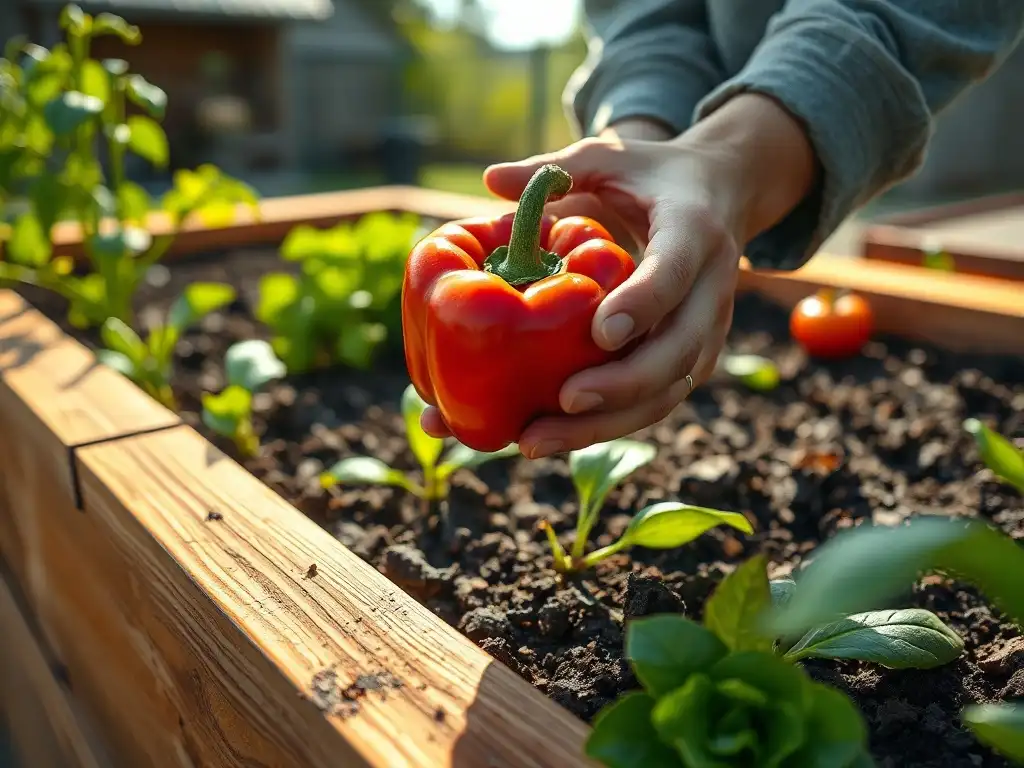
This section focuses on the crucial aspect of harvesting your vegetables grown in raised beds, a key element of successful raised bed vegetable gardening. Knowing when and how to harvest maximizes yield and ensures the best quality produce, contributing to a bountiful and rewarding gardening experience. We'll explore the optimal timing for various vegetable types and the best techniques for minimizing damage and maximizing your harvest. Remember, patience and observation are key to harvesting success!
Knowing When to Harvest Vegetables from Raised Beds
Determining the perfect harvest time varies significantly depending on the vegetable type and the specific variety you've planted. Some vegetables, like bush beans, are ready for harvest in a relatively short timeframe, while others, such as tomatoes, require a longer growing period. Below is a table summarizing ideal harvest times for some common raised bed vegetables:
| Vegetable | Harvest Time (Days from Planting, Approximate) | Maturity Indicators |
|---|---|---|
| Bush Beans | 50-60 | Pods are plump and firm, easily snappable |
| Lettuce | 40-60 | Leaves are fully developed and mature, slightly firm |
| Radishes | 25-30 | Roots are firm and round, easily pulled from the soil |
| Zucchini | 50-60 | Fruits are young, tender, and about 6-8 inches long |
| Tomatoes | 60-80+ (depending on variety) | Fruits are fully colored and slightly soft to the touch |
| Peppers | 70-90+ (depending on variety) | Fruits are fully colored and firm |
It's crucial to regularly monitor your plants for signs of maturity. Pay close attention to the size, color, and texture of the vegetables. Many vegetables will show clear signs of readiness, such as the change in color, size, or firmness.
For example, the change in color of tomatoes from green to red is a clear indicator of ripeness. Always refer to the seed packet or plant tag for specific information on the variety you've chosen, as growing times can vary. Don't be afraid to harvest a test vegetable early to gauge its ripeness – it's better to harvest a little early than to let a vegetable overripen and lose its quality.
Proper Harvesting Techniques to Maximize Yield and Quality
Proper harvesting techniques are essential to maximizing the yield and quality of your raised bed vegetables. Rough handling can damage the plants and reduce the overall harvest. Here are some best practices:
- Use sharp tools: Use sharp knives or pruning shears to avoid bruising or crushing the vegetables. Dull tools can tear the plant tissue, leading to rot and disease.
- Harvest in the morning: Harvesting in the morning, after the dew has dried, ensures that the vegetables are less likely to be damaged and are at their peak flavor.
- Harvest regularly: Regular harvesting encourages continuous growth and production. For example, regularly picking beans prevents the plant from diverting energy to seed production, leading to a greater yield of beans.
- Avoid over-harvesting: Don't strip the plant bare. Leave some vegetables on the plant to continue growing and producing. This will also help to sustain the plant's health.
- Handle with care: Handle vegetables gently to avoid bruising or damage. Use appropriate containers to transport the harvested vegetables to prevent damage during transit.
By following these guidelines and paying close attention to your plants, you can ensure a bountiful and rewarding harvest from your raised bed vegetable garden. Remember, consistent observation and the application of proper harvesting techniques are crucial for successful raised bed vegetable gardening. Happy harvesting! 🥕🍅🍆
Extending the Growing Season with Raised Bed Vegetable Gardening
Raised bed vegetable gardening offers numerous advantages, including improved drainage, soil aeration, and ease of access. However, one significant benefit often overlooked is the ability to extend the growing season significantly. By strategically employing season extension techniques, you can enjoy fresh homegrown vegetables for a much longer period, even in climates with short growing seasons. This translates to more harvests and a greater yield of your favorite crops. This section focuses on practical strategies to maximize your raised bed's productivity throughout the year.
Utilizing Cold Frames and Row Covers to Protect Plants
Cold frames and row covers are invaluable tools for extending the growing season in raised bed vegetable gardening. These relatively inexpensive structures create a microclimate around your plants, shielding them from frost, chilling winds, and temperature fluctuations. A cold frame, essentially a miniature greenhouse, provides a warmer environment during the early spring and late fall, allowing you to start seeds earlier or keep tender plants alive longer.
Row covers, on the other hand, are lightweight fabrics that can be draped over individual plants or entire raised beds. They offer protection from light frost and wind, while still allowing sunlight and air circulation.
Consider these specifics: A well-constructed cold frame can increase the internal temperature by 10-15°F (5-8°C) compared to the ambient air temperature. This is crucial for protecting seedlings from spring frosts or extending the harvest of late-season crops like kale or spinach. Row covers, made from materials like spun-bonded polyester, can provide similar protection, albeit with less dramatic temperature increases. The choice between a cold frame and row cover depends on your budget, the size of your raised beds, and the specific crops you are growing. For example, a cold frame might be ideal for starting seedlings of heat-loving vegetables like tomatoes or peppers in early spring, while row covers are perfect for protecting established plants from a sudden frost. Remember to remove row covers on warmer days to prevent overheating. Careful monitoring of temperature and humidity is key to successful season extension. Proper ventilation is crucial to prevent fungal diseases.
Employing Season Extension Techniques for a Longer Harvest
Beyond cold frames and row covers, several other techniques can help you lengthen the harvest period in your raised bed vegetable garden. These methods, when used in conjunction with protective structures, can dramatically improve your overall yield and extend the enjoyment of fresh produce.
- Succession Planting: This involves planting new crops at regular intervals to ensure a continuous supply of vegetables. For example, plant a new batch of lettuce every two weeks to maintain a constant harvest throughout the growing season. This is particularly effective with fast-growing crops like radishes, lettuces, and spinach.
- Crop Rotation: Rotating crops annually helps to prevent soil depletion and the buildup of pests and diseases. It also allows you to choose varieties with different maturity times, further extending the harvest period. For instance, planting early-season crops like peas alongside later-season crops like broccoli ensures a longer harvest.
- Soil Warming: In early spring, warming the soil in your raised beds can significantly accelerate the growth of early-season crops. This can be achieved by covering the soil with black plastic or using soil warming cables. These techniques raise the soil temperature, encouraging faster germination and growth.
- Mulching: Applying a thick layer of mulch around your plants helps to retain soil moisture, regulate temperature, and suppress weeds. This creates a more favorable environment for plant growth, leading to a longer and more productive harvest. Organic mulches like straw or shredded leaves are excellent choices.
By carefully considering these techniques and adapting them to your specific climate and growing conditions, you can transform your raised bed vegetable garden into a year-round source of fresh, healthy produce. Remember that careful observation and adjustments are key to success in extending the growing season. Consistent monitoring of your plants and their response to the various techniques will allow you to fine-tune your approach for optimal results. 🌱
Frequently Asked Questions
What are the benefits of using raised beds for vegetable gardening?
Raised beds offer several advantages. They provide improved drainage and warmer soil, leading to earlier planting and harvesting. They also allow for better soil control and easier access for weeding and harvesting.
What materials are best for constructing raised beds?
Many materials work well, including untreated lumber, recycled plastic, and even stacked stones. Choose a material that suits your budget and aesthetic preferences, ensuring it's durable and rot-resistant.
What size should my raised beds be?
The ideal size depends on your space and needs, but a good starting point is 4 feet wide by as long as you need. This width allows for easy access from both sides. Keep the height around 12-18 inches.
What type of soil is best for raised bed vegetable gardening?
Use a well-draining soil mix, rich in organic matter. You can create your own blend using compost, topsoil, and other amendments, or purchase a pre-mixed raised bed potting soil. Avoid using garden soil directly from your yard.
How do I prevent pests and diseases in my raised beds?
Employ integrated pest management techniques such as companion planting, crop rotation, and regular monitoring. Use organic pest control methods whenever possible, and ensure good air circulation within your raised beds to prevent fungal diseases.
Final Reflection: Cultivating a Greener Future, One Raised Bed at a Time
The resurgence of raised bed vegetable gardening isn't just a trend; it's a vital response to the growing need for sustainable and accessible food production. From combating soil erosion and improving drainage to maximizing yields in limited spaces, the benefits are undeniable and increasingly relevant in a world facing climate change and food insecurity. This simple yet powerful method offers a tangible solution to complex challenges.
The shift towards raised bed gardening reflects a deeper cultural yearning for connection with nature and a greater awareness of where our food comes from. It's a movement that empowers individuals to take control of their food sources, fostering a sense of self-sufficiency and community. The glory of gardening: hands in the dirt, head in the sun, heart with nature. To nurture a garden is to feed not just the body, but the soul.
This quote perfectly encapsulates the profound impact of this practice, extending beyond mere sustenance to a richer, more fulfilling life.
Now, consider your own space. Do you have a balcony, a small backyard, or even just a sunny windowsill? Imagine the satisfaction of nurturing your own vegetables, from seed to harvest. Embrace the opportunity to cultivate not only food, but also a deeper connection with the earth and a more sustainable future. Start small, experiment with different varieties, and share your bounty with friends and neighbors. The journey of raised bed gardening is a rewarding one, filled with growth, both literally and figuratively.
Unleash Your Inner Gardener: Grow More, Worry Less!
Thanks for exploring the world of raised bed gardening! You now have the knowledge to cultivate a thriving vegetable patch, even in a small space. Ready to put your skills into practice?
- Build your perfect raised bed: Gather your tools and begin construction! Consider the size and materials that best suit your space and needs. This is the crucial first step to a bountiful harvest.
- Share your gardening journey: Take photos of your progress and share them on social media using #CultivateYourFood. Let's inspire one another!
- Experiment with companion planting: Discover which plants thrive together and enhance each other's growth for an even more abundant yield.
What vegetable are you most excited to grow in your new raised bed this season? Let's discuss!