
Hot Climate Pollination: CultivateYourFood's Guide to Attracting Pollinators

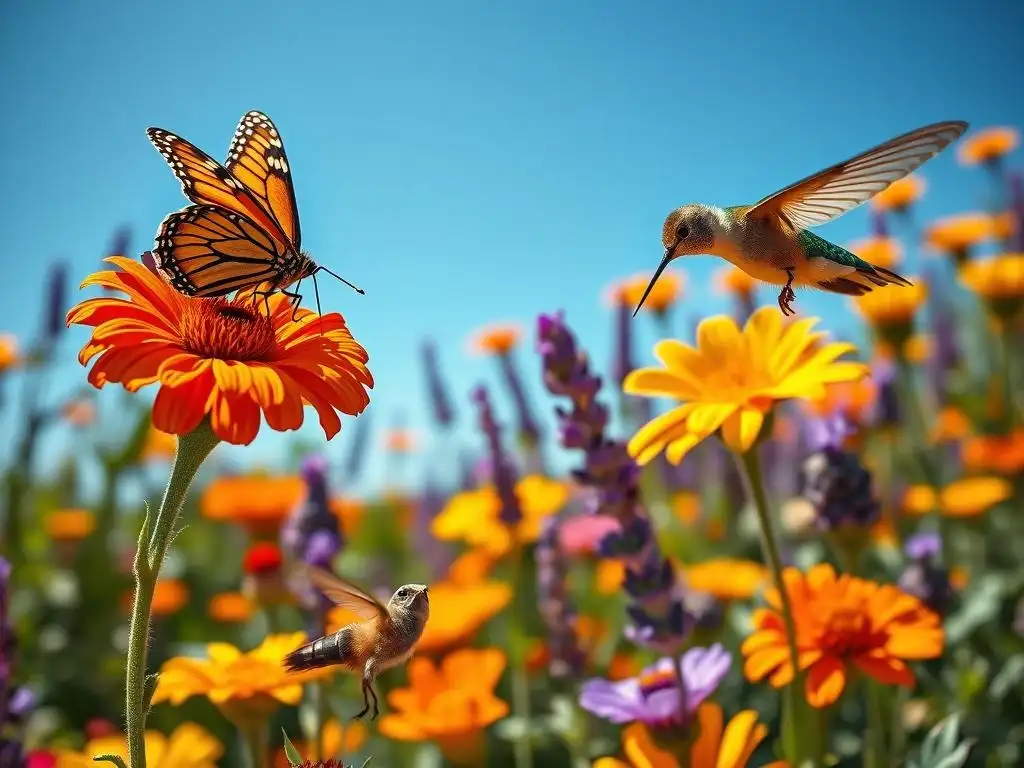
Welcome to CultivateYourFood, your guide to nurturing a thriving garden, organically and sustainably! Are you ready to unlock the secrets to a bountiful harvest, even in the heat? This website is dedicated to helping you cultivate your own fruits, vegetables, and herbs. Learn how to attract essential pollinators, even in hot climates, by exploring our expert guide on "Attract Pollinators Hot Climates" – and discover the simple yet powerful techniques to transform your garden into a vibrant ecosystem. Let's get growing!
- Understanding Pollinator Needs in Hot Climates
- Attracting Pollinators: Plant Selection for Hot Climates
- Creating a Pollinator-Friendly Habitat in Hot Climates
- Maintaining a Pollinator-Friendly Garden in Intense Heat
- Boosting Pollination Success in Extreme Heat
-
Frequently Asked Questions
- What are the best pollinator-attracting plants for hot climates?
- How can I create a pollinator-friendly habitat in intense heat?
- What are some common challenges to pollination in hot climates, and how can I overcome them?
- When is the best time to plant to attract pollinators in hot climates?
- Are there any specific techniques for attracting pollinators in arid or desert-like hot climates?
- Final Reflection: Nurturing Life in the Heat: A Legacy of Pollinators
- Unleash Your Inner Beekeeper: Attract Pollinators Now!
Understanding Pollinator Needs in Hot Climates
Cultivating a thriving garden in hot climates presents unique challenges, and attracting essential pollinators is paramount for successful harvests. This guide, tailored specifically for those gardening in arid and semi-arid regions, will help you understand the specific needs of pollinators in high-temperature environments and provide practical strategies to attract and support these vital insects and other animals.
We'll explore the difficulties pollinators face in intense heat, and offer actionable steps to create a pollinator-friendly oasis in your own backyard, ensuring bountiful yields of fruits, vegetables, and herbs while practicing sustainable and organic gardening methods. Successfully attracting pollinators in hot climates requires a thoughtful approach to providing essential resources, such as water, shade, and shelter, which are crucial for their survival and activity.
This guide will equip you with the knowledge and techniques to create a vibrant and productive garden, even under challenging climatic conditions. Let's delve into the specifics of supporting pollinator populations in hot, dry climates, focusing on strategies that benefit both your garden and the environment.
The Challenges of Heat for Pollinators
High temperatures pose significant threats to pollinators. Extreme heat can lead to dehydration and overheating, significantly reducing their activity levels and lifespan. Many pollinators, like bees, are ectothermic, meaning they rely on external sources to regulate their body temperature. Prolonged exposure to direct sunlight can quickly raise their internal temperature to lethal levels. Furthermore, intense heat can negatively impact the availability of nectar and pollen, the primary food sources for many pollinators.
Plants under stress from heat may produce less nectar or pollen, or even cease production altogether, leaving pollinators with insufficient resources to survive. This scarcity of food resources, coupled with the physiological stress of heat, significantly impacts pollinator populations in hot climates. Understanding these challenges is the first step towards creating a supportive environment for these crucial garden helpers. 💵
Water Sources for Pollinators in Arid Environments
Providing reliable water sources is critical for pollinator survival in hot climates. Dehydration is a major threat, and access to fresh water is essential for their health and activity. While a birdbath might seem like a good solution, it often proves too deep and dangerous for many smaller pollinators. Instead, consider these options:
- Shallow dishes: Place shallow dishes filled with water and pebbles or marbles. These provide a landing platform, preventing drowning.
- Damp sponges: A damp sponge offers a reliable source of moisture.
- Watering your plants: Regular watering of your plants will help to keep their nectar and pollen moist and attractive to pollinators, providing a secondary source of hydration.
- Misting plants: A light misting of your plants, particularly during the hottest parts of the day, can help provide additional moisture for both plants and the pollinators that visit them.
Remember to regularly replenish the water sources, especially during periods of extreme heat and low humidity. The availability of water significantly impacts pollinator activity and overall success in your garden. 💧
Providing Shade and Shelter from Intense Sun
Providing adequate shade and shelter is crucial for protecting pollinators from the harsh effects of the sun. Planting taller plants or strategically positioning structures can create shaded areas where pollinators can rest and escape the heat.
- Native plants: Consider planting native, drought-tolerant plants that provide both food and shade. These plants are adapted to the local climate and will thrive with minimal supplemental watering.
- Artificial structures: You can use structures like small rocks, logs, or even artificial shelters to create shaded areas and provide shelter from wind and predators.
- Strategic planting: Consider planting taller plants to the west and south of your garden to provide afternoon shade for your shorter, more delicate plants, creating a microclimate.
By providing sufficient shade and shelter, you create a haven where pollinators can rest, recover from the heat, and continue their essential work. This simple act significantly improves their survival rate and enhances their overall contribution to your garden’s productivity. ☀️
Attracting Pollinators: Plant Selection for Hot Climates
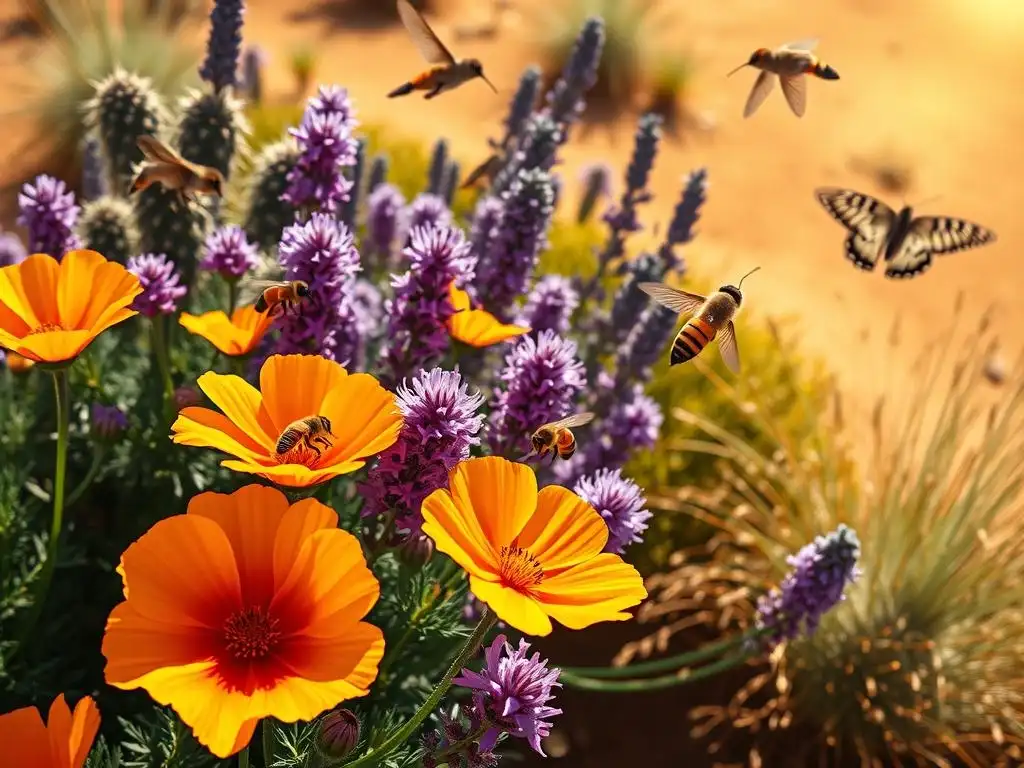
Successfully attracting pollinators in hot climates requires a strategic approach to plant selection. The intense heat and potential for drought necessitate choosing species that thrive under these conditions while still providing ample nectar and pollen for bees, butterflies, and other beneficial insects. Ignoring these factors can lead to a barren garden with few, if any, pollinators.
This section focuses on practical strategies and plant choices to optimize pollinator attraction in hot, arid environments. Remember, a diverse garden is a thriving garden when it comes to attracting pollinators. The key to attracting pollinators in hot climates is understanding their needs and selecting plants that meet those needs effectively.
Native Plants: The Best Choice for Local Pollinators
Prioritizing native plants is paramount for attracting local pollinator populations. These plants have evolved alongside the local insects and are perfectly adapted to the climate, soil conditions, and the pollinators' life cycles. They often require less water and maintenance than non-native species, aligning with sustainable gardening principles. For example, in many Southwestern US regions, native varieties of Salvia, Penstemon, and Gaillardia are excellent choices, offering vibrant blooms and attracting a wide array of pollinators. These plants are naturally resilient to heat and drought, reducing your water consumption and your workload.
Consider the specific native plants in your region. Research local nurseries or your state's agricultural extension service for detailed recommendations. They can provide species lists tailored to your exact microclimate and soil type. This ensures you're planting species that will not only thrive but also support the local pollinator community most effectively. Planting a diversity of native plants will increase the range of pollinators you attract, leading to a healthier and more resilient ecosystem in your garden. Remember, the goal is to create a habitat that is both attractive and sustainable for the pollinators.
Drought-Tolerant Flowers and Plants for Hot Climates
Many beautiful and pollinator-friendly plants can tolerate hot, dry conditions. These plants often have adaptations, like deep root systems or hairy leaves, that help them conserve water. Integrating these into your garden is crucial for maintaining a vibrant pollinator haven even during periods of intense heat and drought. Examples of drought-tolerant plants include:
- Lavender: Known for its fragrant flowers and ability to withstand dry conditions, lavender attracts bees and butterflies.
- Coneflowers (Echinacea): These daisy-like flowers are drought-tolerant and attract a variety of pollinators.
- Russian Sage (Perovskia atriplicifolia): This silvery-leaved plant offers long-lasting blooms and thrives in hot, dry climates.
- Sedum (Stonecrop): These succulents provide late-season nectar and pollen, crucial for pollinators as other plants begin to fade.
Choosing drought-tolerant plants not only helps conserve water but also reduces the need for frequent watering, which can be crucial during periods of water scarcity. This translates to a more sustainable and environmentally responsible approach to gardening, benefiting both your garden and the environment. Remember to check the specific water requirements of each plant to ensure they are suitable for your local conditions.
Choosing Plants with Different Bloom Times for Continuous Pollination
Providing a continuous source of nectar and pollen is key to keeping pollinators visiting your garden throughout the growing season. By selecting plants with staggered bloom times, you ensure a constant supply of food for the pollinators, even during the hottest months. This strategy is essential for maintaining a healthy and active pollinator population in your hot climate garden.
Consider creating a planting schedule that incorporates early, mid, and late-season bloomers. For instance, you might plant spring-blooming crocuses followed by summer-blooming zinnias and then fall-blooming asters. This ensures a continuous supply of food for the pollinators throughout the year. A well-planned planting schedule will significantly improve your chances of attracting and supporting a diverse range of pollinators. This approach requires careful planning and research, but the results are well worth the effort. A thriving pollinator population directly translates to a healthier and more productive garden.
Selecting Plants that Attract Specific Pollinator Types (Bees, Butterflies, Hummingbirds)
Attracting a diverse range of pollinators to your hot climate garden requires a strategic approach to plant selection. Different pollinators are drawn to different plant characteristics, so understanding these preferences is key to maximizing your pollination success. This involves choosing plants that cater specifically to the needs of bees, butterflies, and hummingbirds—the most important pollinators in many hot environments.
Bees, for example, are highly attracted to plants with open, easily accessible flowers rich in pollen and nectar. Consider planting a variety of plants with different bloom times to ensure a continuous food source throughout the hotter months. Think of robust, sun-loving options like sunflowers, lavender, and borage. These offer a wide range of colors and shapes, appealing to diverse bee species.
Moreover, planting native bee-friendly plants is crucial, as these species are often better adapted to local conditions and have evolved alongside native bee populations. Researching native flowering plants specific to your region is essential for optimal bee attraction. For instance, in regions of the southwestern United States, varieties of native sages and penstemons are excellent choices.
Butterflies, on the other hand, are drawn to vibrant, brightly colored flowers with a flat or slightly tubular shape, allowing them to easily access nectar. Plants like zinnias, lantana, and butterfly bush are excellent choices, offering a profusion of color and continuous bloom throughout the summer. The strong fragrance emitted by many butterfly-attracting plants also plays a significant role in attracting these delicate creatures. Remember to provide a source of water for butterflies, such as a shallow dish with pebbles, to aid in their hydration, especially in hot, dry conditions.
Hummingbirds, with their long beaks and hovering flight, prefer tubular-shaped flowers that are rich in nectar. Plants like salvia, fuchsia, and trumpet vine are ideal choices. These flowers often boast vibrant red or orange hues, colors that are particularly attractive to hummingbirds. Planting a variety of these nectar-rich plants, with staggered bloom times, will ensure a continuous supply of food for these beneficial birds throughout the hottest months. Consider also the placement of these plants; hummingbirds prefer sunny locations where they can easily spot their food source.
Choosing plants with varying bloom times is paramount for continuous pollinator attraction throughout the hot season. By understanding the unique preferences of each pollinator type and selecting plants accordingly, you can create a vibrant, thriving ecosystem in your hot climate garden, ensuring successful pollination and abundant harvests. Remember to avoid using pesticides that could harm these beneficial insects and birds, opting instead for natural pest control methods. A healthy, diverse garden is the key to attracting and supporting a thriving pollinator community.
Creating a Pollinator-Friendly Habitat in Hot Climates
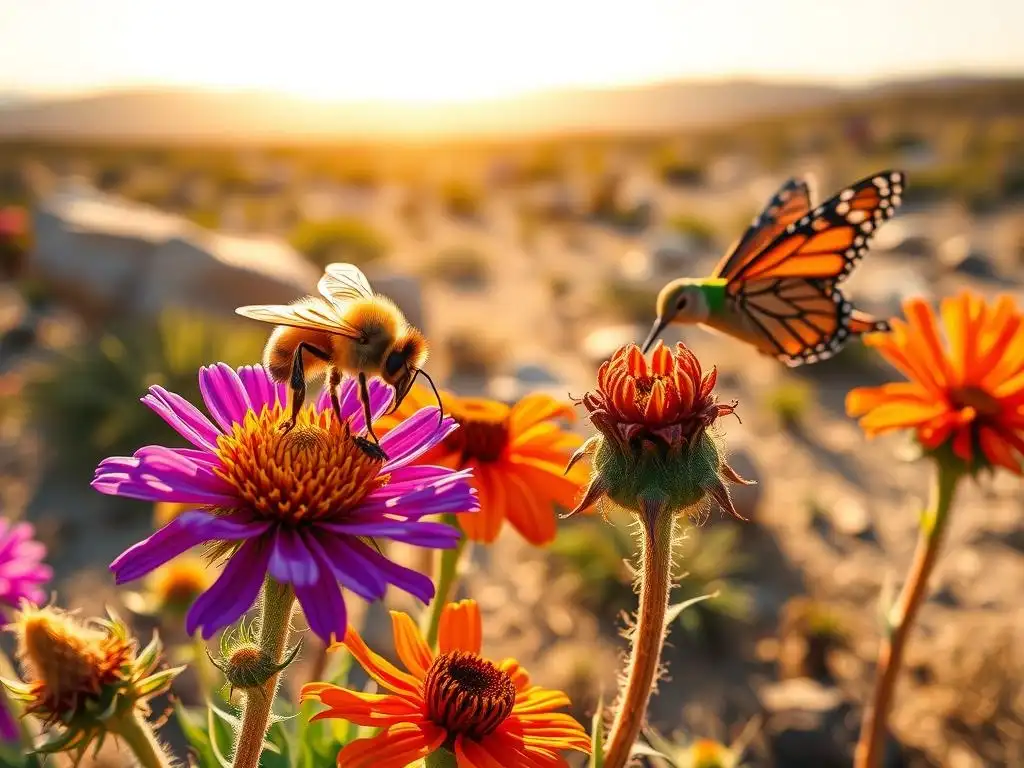
Attracting pollinators in hot climates requires a strategic approach, focusing on mitigating the harsh conditions and providing essential resources. The success of your pollinator garden hinges on understanding their specific needs in intense heat and adapting your gardening practices accordingly. This section details crucial steps to create a thriving pollinator habitat even in the most challenging climates. Remember, attracting pollinators is crucial for successful fruit, vegetable, and herb cultivation, so optimizing your garden for them is a key element of sustainable and organic gardening practices.
Designing a Water Source for Pollinators (e.g., birdbath, shallow dish)
Dehydration is a significant threat to pollinators in hot, arid climates. Providing a reliable water source is paramount to their survival and activity. A simple birdbath or a shallow dish filled with water can make a huge difference. However, it's crucial to design these water sources with pollinator safety in mind. Deep containers can trap and drown insects. Therefore, consider the following:
- Shallow Dishes: These are ideal for bees and other insects, allowing them to land and drink without the risk of drowning. Place pebbles or marbles in the dish to provide landing platforms.
- Birdbaths: While primarily for birds, birdbaths can also benefit insects if you add shallow areas or ramps. Regularly clean the birdbath to prevent the buildup of bacteria and algae.
- Drip System: A low-flow drip system can provide a constant, gentle source of moisture, especially beneficial during extended periods of heat. This avoids stagnant water, reducing the risk of disease.
- Location: Place your water source in a shady area to prevent the water from evaporating too quickly. Ensure it's easily accessible to pollinators without being obstructed by tall plants or structures.
Remember to replenish the water frequently, especially during hot, sunny days. The availability of clean water directly correlates to pollinator activity and the overall success of your garden. Consider adding a few drops of diluted sugar water (1 part sugar to 4 parts water) for an extra boost of energy, particularly during peak heat.
Providing Nesting Sites for Bees and Other Insects
Many pollinators, particularly bees, require suitable nesting sites. In hot climates, these sites need to offer protection from the sun and extreme temperatures. Consider these options to enhance nesting opportunities:
- Leave Some Bare Ground: Many ground-nesting bees prefer areas with exposed soil. Avoid tilling or heavily mulching all areas of your garden.
- Bee Hotels: Commercially available or DIY bee hotels provide artificial nesting cavities for solitary bees. Ensure the holes are appropriately sized for different bee species and are well-drained to prevent mold.
- Hollow Stems: Leave hollow stems of plants such as sunflowers or bamboo standing over winter. These provide natural nesting spaces for numerous insects.
- Wood Piles: A small wood pile in a sheltered location can attract a range of beneficial insects seeking shelter and nesting sites. Ensure the wood is untreated and free of chemicals.
- Rock Piles: Similar to wood piles, rock piles can offer shelter and nesting opportunities for insects that prefer crevices and sheltered spaces.
Providing diverse nesting sites caters to a wider variety of pollinators, boosting overall pollination effectiveness within your garden. Strategic placement of these nesting sites, considering sun exposure and proximity to food sources, will maximize their impact.
Incorporating Windbreaks to Reduce Heat Stress
Hot, dry winds can significantly stress pollinators, leading to dehydration and reduced activity. Strategic planting of windbreaks can help mitigate these effects:
- Plant Selection: Choose drought-tolerant, fast-growing plants such as shrubs and small trees native to your region. These will provide natural shelter from the wind and create a microclimate that's more hospitable to pollinators.
- Placement: Position windbreaks strategically to block prevailing winds. This can create sheltered areas where pollinators can rest and feed without being buffeted by strong winds.
- Height and Density: The height and density of your windbreak will determine its effectiveness. A taller, denser windbreak will provide more protection from the wind.
- Layered Approach: Consider a layered approach, using a combination of tall and short plants to create a more effective windbreak.
By implementing these strategies, you can create a haven for pollinators, even in the most challenging hot climates. Remember, a healthy pollinator population is crucial for a thriving and productive garden. The effort you put into creating this habitat will be rewarded with abundant harvests of fruits, vegetables, and herbs.
Mulching to Conserve Soil Moisture and Reduce Ground Temperature
High temperatures in hot climates can quickly dry out the soil, stressing plants and making it difficult for pollinators to find the nectar and pollen they need. Mulching is a crucial technique for mitigating this problem and creating a more hospitable environment for beneficial insects. By applying a layer of mulch around your plants, you create a protective barrier that prevents rapid evaporation of water.
This conserves soil moisture, keeping the roots of your plants hydrated and thriving, even during extended periods of heat. The benefits extend beyond hydration; mulch also shades the soil, reducing ground temperature significantly. This cooler soil temperature is less stressful for both the plants and the pollinators that rely on them.
The type of mulch you choose is important. Organic mulches, such as straw, wood chips, shredded leaves, or composted materials, are excellent choices. They not only conserve moisture and reduce temperature but also decompose over time, adding valuable nutrients to the soil. Avoid using plastic mulches in a pollinator garden, as they can trap heat and prevent the proper aeration of the soil, potentially harming both plants and pollinators.
The depth of your mulch layer should be approximately 2-4 inches; a thicker layer might retain too much moisture and create conditions conducive to fungal diseases. Remember to leave some space around the base of the plant stems to prevent rot. Proper mulching is a simple yet highly effective method for attracting and supporting pollinators in hot, dry conditions. It's a cornerstone of sustainable gardening practices that directly benefit the health and well-being of your plants and the insects that pollinate them.
Regularly replenish the mulch layer as it decomposes to maintain its effectiveness throughout the growing season. This consistent effort will translate into healthier plants and a more vibrant pollinator population in your garden. Consider experimenting with different types of mulch to find what works best for your specific plants and soil conditions. For instance, straw mulch might be ideal for vegetables, while wood chips could be better suited for fruit trees.
Maintaining a Pollinator-Friendly Garden in Intense Heat
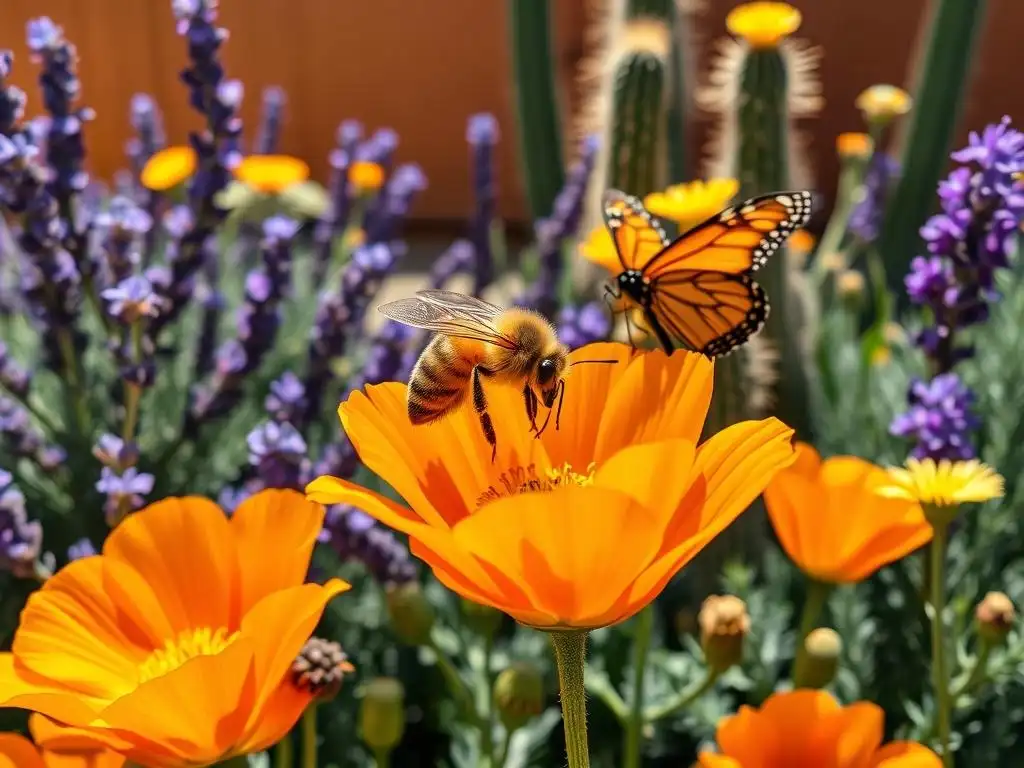
Maintaining a thriving pollinator garden in hot climates requires a nuanced approach, differing significantly from temperate gardening practices. The intense heat and often arid conditions present unique challenges, demanding strategies focused on water conservation, pest control, and habitat creation specifically tailored to the needs of pollinators under stress. Successfully attracting and supporting pollinators in these environments is crucial for a bountiful harvest, as they are vital for fruit and seed production.
This section explores key techniques to maximize pollinator activity even in the most challenging heat. The success of attracting pollinators in hot climates hinges on understanding their needs and adapting your gardening practices accordingly. Remember, healthy pollinators mean healthy plants and a healthy harvest.
Watering Strategies for Pollinator Plants in Hot Weather
Effective watering is paramount in hot climates. Pollinators need access to nectar and pollen, and these resources are directly impacted by plant hydration. Simply put, a dehydrated plant produces less nectar, making it less attractive to pollinators. Overwatering, however, can also be detrimental, leading to root rot and attracting pests. A balanced approach is key.
Consider these strategies:
- Deep watering, less frequently: Instead of shallow, frequent watering, opt for deep, infrequent watering. This encourages deeper root growth, making plants more resilient to drought and heat stress. Aim to water deeply once or twice a week, allowing the soil to dry slightly between waterings. The exact frequency will depend on your soil type, plant species, and the intensity of the heat.
- Mulching: Applying a layer of mulch (organic matter like straw, wood chips, or shredded leaves) around your plants helps retain soil moisture, reducing the frequency of watering and suppressing weed growth. This creates a cooler, more consistent soil temperature, beneficial for both plants and pollinators.
- Drip irrigation: This efficient watering method delivers water directly to the roots, minimizing water loss through evaporation. This is particularly beneficial in hot, windy conditions.
- Watering during cooler times of the day: Avoid watering during the hottest part of the day to minimize evaporation. Early morning or late evening watering is most effective.
- Water-wise plant selection: Choose native and drought-tolerant plants adapted to your specific climate. These plants are naturally more resilient to heat and require less frequent watering.
Avoiding Pesticides and Herbicides Harmful to Pollinators
Pesticides and herbicides are a significant threat to pollinators. Many commercially available products are highly toxic, directly killing pollinators or disrupting their navigation and foraging abilities. In hot climates, where pollinator populations may already be stressed, the use of these chemicals can be devastating.
Prioritize integrated pest management (IPM) strategies that minimize or eliminate the need for harmful chemicals. This includes:
- Beneficial insects: Encourage the presence of beneficial insects like ladybugs and lacewings, which naturally control pest populations. Providing habitat for these insects through diverse planting and the avoidance of pesticides is crucial.
- Handpicking pests: For small infestations, handpicking pests is an effective and environmentally friendly solution.
- Natural pest control methods: Consider using natural pest control methods such as neem oil, insecticidal soap, or diatomaceous earth. Always carefully research the safety of these methods for pollinators before application.
- Disease-resistant varieties: Choose plant varieties that are naturally resistant to common diseases, reducing the need for chemical interventions.
- Healthy soil: Healthy soil supports healthy plants, which are less susceptible to pests and diseases. Improving soil health through composting and other organic methods is a crucial preventative measure.
Monitoring Pollinator Activity and Adjusting Your Approach as Needed
Regular monitoring of your garden's pollinator activity is crucial for evaluating the effectiveness of your strategies and making necessary adjustments. This involves observing the types and abundance of pollinators visiting your plants.
Consider these monitoring techniques:
- Visual observation: Regularly observe your garden, noting which plants are attracting pollinators and which are not. Pay attention to the types of pollinators visiting (bees, butterflies, hummingbirds, etc. ).
- Pollinator counts: Conduct regular counts of pollinators visiting your plants. This data can help you track changes in pollinator activity over time and identify potential problems. A simple notebook and pen will suffice.
- Plant diversity: A diverse range of plants blooming throughout the season provides a consistent food source for pollinators. Observe which plant species are most attractive and adjust your planting accordingly.
- Water availability: Monitor the moisture level of your soil and adjust your watering schedule as needed to ensure that plants are adequately hydrated.
- Adapting your strategy: Based on your observations, adjust your watering, pest control, and planting strategies to optimize pollinator activity. This may involve planting additional pollinator-friendly plants, adjusting watering schedules, or implementing alternative pest control methods. Remember that flexibility is key to success in a dynamic environment like a hot climate garden.
Attracting pollinators in hot climates requires careful planning and consistent effort, but the rewards – a thriving garden and a bountiful harvest – are well worth it. By implementing these strategies and regularly monitoring your garden, you can create a haven for pollinators and ensure the success of your gardening endeavors, even under the most challenging conditions. 🌻🐝
High temperatures can significantly impact pollinator activity and survival. Bees, butterflies, and other beneficial insects can suffer from heat stress, leading to reduced foraging and even death. Providing relief from the intense heat is crucial for maintaining a thriving pollinator population in your hot climate garden. One effective strategy is the installation of cooling misters.
These misters, often simple systems using low-pressure nozzles, can create a fine spray of water that cools the immediate environment without completely saturating plants. This provides a refreshing respite for pollinators, allowing them to remain active during the hottest parts of the day. The placement of misters is key; strategically position them near flowering plants to maximize their benefit. Remember to monitor the misting system to prevent overwatering, which could harm plants and create a breeding ground for fungal diseases.
Beyond misters, consider providing shade. Pollinators seek refuge from the sun's intense rays. Planting taller plants strategically can create shaded areas within the garden, offering a cool haven for these vital insects. This could involve utilizing existing trees or planting fast-growing shrubs and flowering plants that provide shade as they mature. Ensure that these shade-providing plants don't overshadow your primary flowering plants that attract pollinators. A balanced approach is needed to provide both shade and sunlight for optimal pollinator activity.
Another crucial aspect of managing heat stress is water availability. Pollinators need access to water sources, particularly during hot weather. A shallow dish of water with pebbles or small stones placed inside can create a safe and accessible watering point. The stones provide a landing spot for pollinators to drink without drowning. Regular replenishment is crucial, especially during periods of high evaporation.
Consider placing these water sources in shaded areas to prevent rapid evaporation and to offer pollinators a cool place to drink. This simple addition can significantly improve pollinator health and activity in your garden. Furthermore, ensuring your garden soil retains sufficient moisture can indirectly benefit pollinators by keeping the plants they rely on healthy and hydrated. Proper mulching techniques can help accomplish this.
Finally, avoid using pesticides, especially broad-spectrum insecticides, as these can harm beneficial pollinators alongside harmful pests. Selecting more targeted approaches, such as introducing beneficial insects or using organic pest control methods, is crucial for maintaining a healthy environment for pollinators while managing pest issues. A holistic approach that considers the entire ecosystem, including the needs of pollinators in hot climates, will be the most effective strategy.
Boosting Pollination Success in Extreme Heat
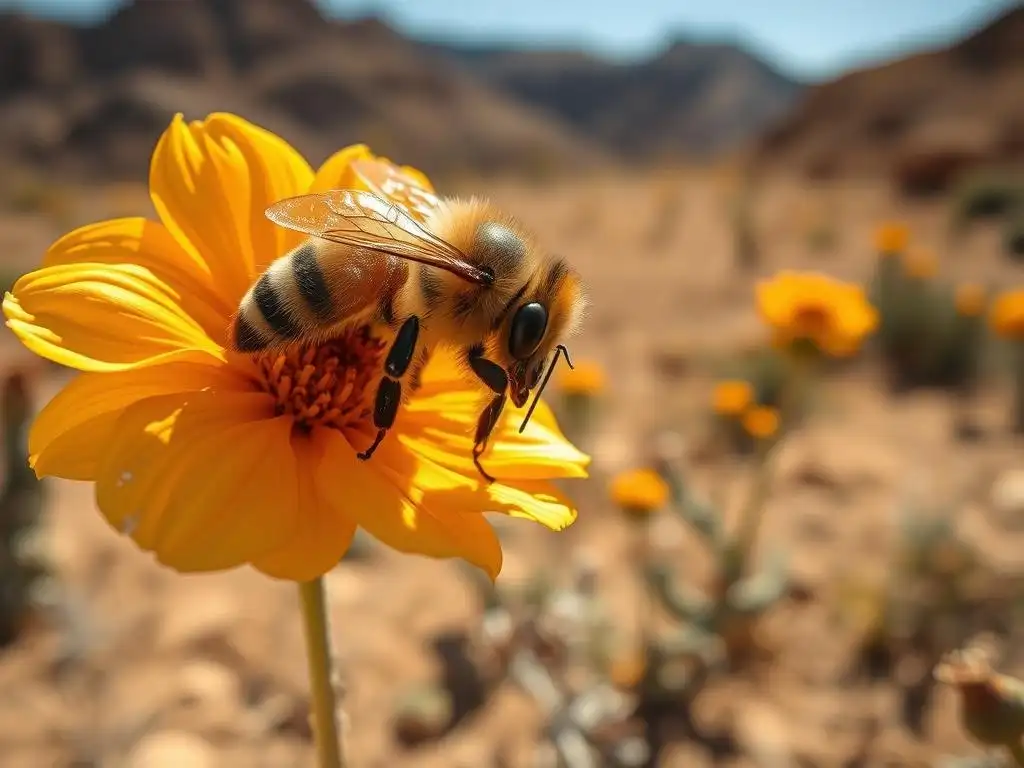
Hot climates present unique challenges to successful pollination. High temperatures can negatively impact pollinator activity, plant reproductive health, and overall yield. Understanding these challenges and implementing effective strategies is crucial for maximizing pollination success in arid and semi-arid regions. This section explores practical techniques to overcome heat-related pollination hurdles and attract pollinators even in the most intense summer heat.
The key is to create a microclimate that supports both plant health and pollinator activity. We'll explore methods to mitigate heat stress on plants and attract pollinators, ultimately boosting your harvest even in challenging conditions. Successfully attracting pollinators in hot climates requires a multi-pronged approach, focusing on both plant care and habitat creation.
Hand-Pollination Techniques for Hot Climates
In extremely hot weather, even the most diligent efforts to attract pollinators may not be enough to ensure adequate pollination. High temperatures can reduce pollinator activity significantly, leading to poor fruit set. Hand-pollination becomes a valuable tool in such situations. The process involves manually transferring pollen from the male flower parts (anthers) to the female flower parts (stigma). This technique is particularly effective for plants with low pollen production or those exhibiting reduced pollinator visits due to heat stress.
To hand-pollinate effectively:
- Identify male and female flowers: Many plants have separate male and female flowers. Learn to distinguish between them for your specific plants.
- Timing is crucial: Pollination is most effective during the cooler parts of the day, early morning or late evening, when temperatures are less extreme.
- Gentle pollen collection: Use a small, soft brush to collect pollen from the anthers of male flowers.
- Careful pollen transfer: Gently brush the collected pollen onto the stigma of the female flowers.
- Patience and repetition: Repeat this process for multiple flowers to ensure adequate pollination. This may require significant time investment, especially for plants with many flowers.
Remember to always practice hygiene to avoid cross-contaminating plants with diseases. Hand-pollination is a labor-intensive but effective method to safeguard your harvest during periods of intense heat and reduced pollinator activity. It's a vital tool in your arsenal for attracting pollinators, even when natural pollination is compromised.
Utilizing Supplemental Irrigation for Critical Pollination Periods
Water stress severely impacts plant reproductive health, directly affecting the quality and quantity of pollen and nectar production – two key elements attracting pollinators. Supplemental irrigation during critical pollination periods is therefore crucial for maximizing pollination success in hot climates. This doesn't mean constantly soaking the plants; rather, it involves providing targeted watering to ensure adequate soil moisture.
- Timing: Focus on watering during the cooler hours of the day (early morning or late evening) to minimize water loss through evaporation.
- Method: Drip irrigation or soaker hoses are ideal for delivering water directly to the plant's root zone, avoiding wetting foliage which can encourage fungal diseases.
- Monitoring: Regularly monitor soil moisture levels to adjust watering frequency as needed. Overwatering can be just as detrimental as underwatering.
- Mulching: Applying a layer of mulch around the base of plants helps retain soil moisture, reducing the frequency of watering and keeping the root zone cool. This also helps attract pollinators in hot climates by creating a more favorable microclimate.
By strategically using supplemental irrigation, you effectively mitigate water stress on your plants, ensuring they produce healthy pollen and nectar, thereby attracting pollinators more effectively. This is a significant component in a comprehensive strategy to attract pollinators in hot climates.
Identifying and Addressing Heat Stress in Plants to Enhance Pollination
Heat stress manifests in various ways in plants, reducing their ability to attract pollinators and impacting overall yield. Recognizing the symptoms is the first step towards effective intervention.
Symptoms of heat stress include:
- Wilting: Drooping leaves and stems indicate a lack of water.
- Leaf scorch: Brown or burnt edges on leaves are a clear sign of heat damage.
- Reduced flowering: Heat stress can severely limit flowering, drastically reducing pollination opportunities.
- Pollen sterility: High temperatures can render pollen non-viable, preventing successful fertilization.
Addressing heat stress involves a combination of techniques:
- Shading: Providing shade during the hottest parts of the day, using shade cloth or strategically placed taller plants, can significantly reduce heat stress.
- Improved air circulation: Good air circulation around plants helps dissipate heat and reduces the risk of leaf scorch. Pruning to improve air flow can be beneficial.
- Adjusting planting times: Planting heat-tolerant varieties and adjusting planting times to avoid peak heat can minimize stress.
By proactively identifying and addressing heat stress, you create a more favorable environment for both your plants and pollinators, ultimately improving pollination success. This is key to attracting pollinators in hot climates and producing a healthy harvest.
Understanding the Impact of Heat on Pollinator Behavior
High temperatures significantly impact pollinator activity and effectiveness. Bees, for instance, become less active in extreme heat, often seeking shade and reducing foraging time. This directly affects pollination rates, as fewer bees mean less pollen transfer between plants. Additionally, prolonged exposure to intense heat can lead to heat stress and even mortality in pollinators, further diminishing their population and impacting the overall pollination success.
The impact isn't uniform across all species; some are more heat-tolerant than others. For example, certain bee species might exhibit behavioral adaptations like altering foraging times to cooler periods of the day, while others might simply cease activity altogether during the hottest parts of the day. Understanding these species-specific responses is crucial for tailoring strategies to attract and support pollinators in hot climates. Moreover, the physiological changes within pollinators under heat stress can affect their ability to effectively collect and transfer pollen, leading to decreased fruit and seed set in plants.
This is especially true for plants that rely on specific pollinators for successful reproduction. Therefore, strategies focusing on mitigating heat stress on pollinators are crucial for maximizing pollination success in hot environments. Careful observation of pollinator behavior in your specific location can reveal the most effective ways to provide relief and support.
Timing of Flowering to Maximize Pollinator Activity
The timing of flowering is paramount for successful pollination in hot climates. Plants that bloom during the hottest parts of the day might experience reduced pollinator visitation due to decreased pollinator activity. Strategic planting of varieties with different bloom times can help ensure consistent pollinator attraction throughout the day. For example, selecting plants that bloom in the cooler morning or evening hours can significantly improve pollination rates, as pollinators are more active during these periods.
Furthermore, understanding the peak activity times of the dominant pollinator species in your region is essential. If your area's primary pollinators are most active in the early morning, choosing plants that flower then will be far more effective than relying on plants that bloom only during the midday heat. This requires careful research into local pollinator behavior and plant phenology (the timing of life cycle events).
Careful planning and selection of plant species with staggered flowering times can create a continuous source of nectar and pollen, supporting a thriving pollinator population throughout the hottest months. This approach ensures that there’s always a food source available when pollinators are most active, maximizing pollination opportunities even in challenging heat conditions. Moreover, consider using a combination of native and non-native plants with varying bloom times to extend the period of pollinator attraction and support a more diverse pollinator community.
Frequently Asked Questions
What are the best pollinator-attracting plants for hot climates?
Many plants thrive in hot climates and attract pollinators. Consider native wildflowers, sunflowers, lavender, and bee balm. These offer abundant nectar and pollen.
How can I create a pollinator-friendly habitat in intense heat?
Provide shade for pollinators during the hottest parts of the day, using strategically placed plants or structures. Ensure a consistent water source, like a birdbath or shallow dish of water. Mulch helps retain soil moisture.
What are some common challenges to pollination in hot climates, and how can I overcome them?
Heat stress can affect both pollinators and plants. Provide shade and water, and choose plants adapted to your specific climate. Avoid using pesticides, which harm pollinators.
When is the best time to plant to attract pollinators in hot climates?
The ideal planting time varies depending on your specific location and plant species. However, generally, spring and fall plantings are best to avoid extreme temperatures and allow plants to establish before the hottest months.
Are there any specific techniques for attracting pollinators in arid or desert-like hot climates?
Focus on drought-tolerant plants that are native to your area. Provide sheltered areas from the sun and wind. Consider using xeriscaping techniques to conserve water while supporting pollinators.
Final Reflection: Nurturing Life in the Heat: A Legacy of Pollinators
The plight of pollinators in hot climates is not merely an ecological concern; it's a direct threat to our food security and the very fabric of our ecosystems. The increasing intensity of heatwaves and droughts, exacerbated by climate change, demands immediate and innovative solutions to protect these vital creatures. Without proactive measures, the delicate balance of our food systems hangs precariously in the balance.
Witnessing the tireless work of bees, butterflies, and other pollinators, even under the harsh glare of the sun, underscores their incredible resilience and the crucial role they play in our world. Their survival is inextricably linked to our own. We do not inherit the earth from our ancestors; we borrow it from our children.
This powerful statement highlights the responsibility we bear to ensure the continued flourishing of these essential pollinators for generations to come. Their decline is not just an environmental issue; it's a moral one.
Consider the simple yet profound impact you can have. Planting native, heat-tolerant flora, providing water sources, and reducing pesticide use are not just actions; they are acts of stewardship. You have the power to transform your own space into a haven for pollinators, contributing to a larger movement of ecological restoration. Start small, start now, and witness the beauty and bounty that will bloom from your efforts. Let's cultivate a future where pollinators thrive, ensuring a vibrant and sustainable world for all.
Unleash Your Inner Beekeeper: Attract Pollinators Now!
Thanks for exploring the world of hot-climate pollination with us! You've gained the knowledge to create a thriving pollinator haven, even in intense heat. Ready to put your new skills to the test?
- Plant a pollinator-friendly garden now: Select several plants from our suggested list (found within the article) and plant them this week! This is the most impactful step you can take.
- Share your progress: Snap a photo of your developing pollinator garden and share it on social media – tag us @CultivateYourFood!
- Connect with local gardening experts: Join your local gardening community or native plant society to discover more regional plant options.
What exciting plant will you choose to attract the most vibrant pollinators to your garden this season?