
The Challenges and Rewards of Growing Heirloom Vegetables

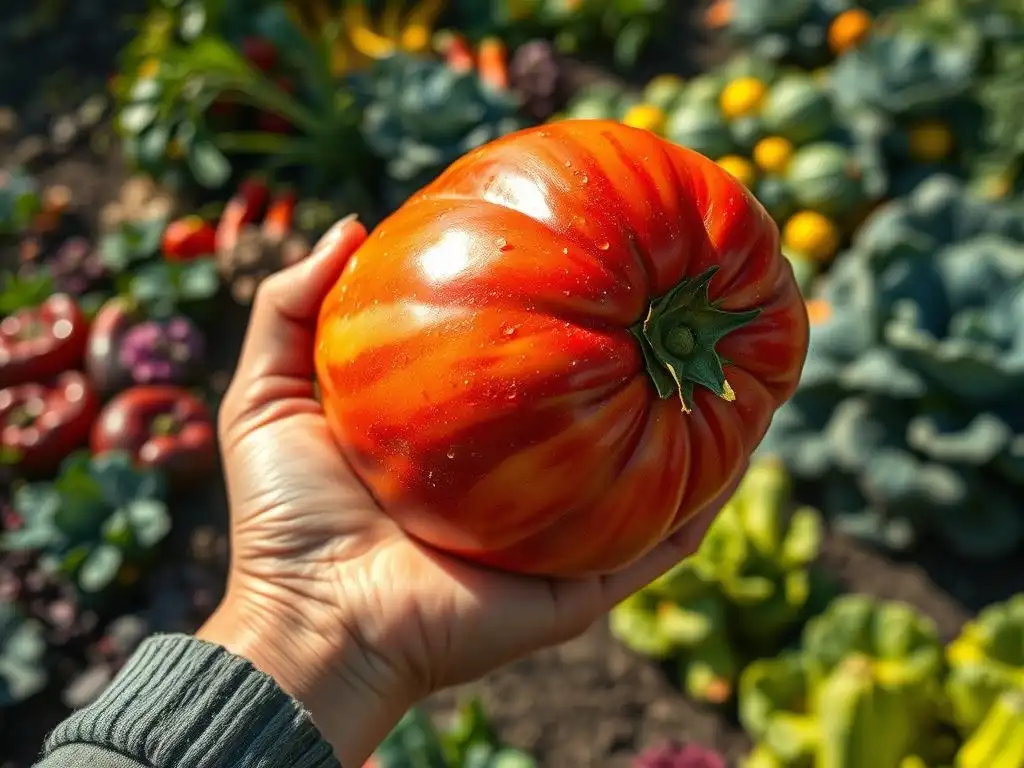
Welcome to CultivateYourFood, your guide to nurturing a thriving garden! Are you ready to unlock the secrets of sustainable food production? We're diving deep into the fascinating world of organic gardening, and this journey begins with the unique challenges and surprising rewards of learning how to grow heirloom vegetables organically. Discover the techniques and insights you need to cultivate your own delicious and healthy harvest – let's get growing!
- Understanding Heirloom Tomato Seeds and Their Unique Traits
-
The Challenges of Growing Heirloom Tomatoes Organically
- Pest and Disease Resistance in Heirloom Tomato Varieties: Strategies for Organic Pest Control
- Lower Yields Compared to Hybrids: Maximizing Harvest from Heirloom Tomato Plants
- Seed Saving and Preservation Techniques for Heirloom Tomatoes: Maintaining Genetic Purity
- Adapting Heirloom Tomatoes to Your Specific Climate and Soil Conditions: Successful Organic Cultivation
-
Rewards of Growing Heirloom Tomatoes Organically
- Unique Flavors and Nutritional Value of Heirloom Tomatoes: A Taste of Tradition
- Contributing to Biodiversity and Seed Saving: The Importance of Heirloom Varieties
- The Satisfaction of Growing Your Food Sustainably: Connecting with Nature Through Organic Gardening
- Sharing Heirloom Tomato Seeds and Knowledge: Building a Community of Organic Gardeners
- Tips for Successfully Growing Heirloom Tomatoes Organically
- Case Study: Brandywine Tomato – A Success Story in Organic Gardening
- Frequently Asked Questions
- Final Reflection: Cultivating Heritage, Harvesting Hope
- Unleash Your Inner Gardener: Grow Heirloom Wonders!
Understanding Heirloom Tomato Seeds and Their Unique Traits
Growing heirloom vegetables organically presents a unique set of challenges and rewards. This guide delves into the fascinating world of heirloom tomatoes, exploring their distinct characteristics, genetic diversity, and the best practices for cultivating them organically. We'll uncover why choosing heirloom varieties for your home garden can be a rewarding experience, while also acknowledging the extra care and attention they may require compared to hybrid varieties.
From seed selection to harvest, we'll equip you with the knowledge to successfully grow these unique and flavorful plants, contributing to a more sustainable and diverse food system. This comprehensive approach to growing heirloom vegetables organically will empower you to appreciate the rich history and unique qualities these plants bring to your garden and your table. We'll cover everything from understanding open-pollinated seeds to sourcing high-quality seeds for your organic garden, ensuring you have the tools to succeed in this fulfilling endeavor.
Defining Heirloom Tomatoes: A Deep Dive into Open-Pollinated Seeds
Heirloom tomatoes are defined as open-pollinated varieties that have been passed down through generations of gardeners. Unlike hybrid tomatoes, which are the result of crossbreeding specific parent plants, heirloom tomatoes retain their genetic characteristics through natural pollination. This means that seeds saved from one year's harvest will produce plants that are genetically similar to the parent plant.
This preservation of genetic diversity is a key feature that contributes to the unique flavors, colors, and shapes found in heirloom tomatoes. The term "heirloom" is not strictly regulated, but generally refers to varieties that have been cultivated for at least 50 years. Many heirloom varieties possess unique characteristics, such as unusual colors (like green, purple, or black), interesting shapes (like elongated or flattened fruits), and complex flavor profiles often missing in commercially produced hybrids.
The commitment to preserving these varieties ensures the continuation of a rich agricultural heritage and provides gardeners with access to a wider range of genetic diversity. This diversity is crucial for building resilience in our food systems and safeguarding against the loss of valuable plant traits. The cultivation of heirloom tomatoes directly contributes to the preservation of biodiversity and the enjoyment of exceptional flavors.
The Genetic Diversity of Heirloom Tomato Varieties: Benefits and Considerations
The genetic diversity inherent in heirloom tomatoes offers several advantages for organic gardeners. This diversity translates to increased resilience against pests and diseases. Because heirloom varieties haven't been bred for uniform characteristics, they often exhibit a broader range of genetic resistance compared to their hybrid counterparts. This natural resistance can reduce the need for chemical pesticides, aligning perfectly with organic gardening principles.
Furthermore, this diversity contributes to a wider array of flavors and textures. Heirloom tomatoes exhibit a remarkable spectrum of tastes, from sweet and tangy to earthy and complex, offering a culinary experience far beyond what is typically found in commercially grown tomatoes. However, the very genetic diversity that makes heirlooms so appealing can also present some challenges.
They may exhibit variations in fruit size, shape, and ripening time within a single plant, and yields might be lower than those of hybrid varieties. Careful planning and selection of appropriate varieties for your specific climate and growing conditions are therefore crucial for successful cultivation. Careful observation and selection of the best plants for seed saving is also important for maintaining the desirable characteristics of your heirloom varieties.
Sourcing High-Quality Heirloom Tomato Seeds: Tips for Organic Gardening
Sourcing high-quality heirloom tomato seeds is paramount for successful organic gardening. Choosing reputable seed companies that specialize in heirloom varieties is the first step. Look for companies that clearly state the origin and history of their seeds and practice sustainable and ethical sourcing. Buying seeds labeled as “open-pollinated” ensures that you are obtaining true heirloom varieties, and not hybrids mislabeled as heirlooms.
It’s also crucial to choose varieties well-suited to your specific climate and growing conditions. Consider factors such as your growing season length, average temperatures, and sunlight exposure. Starting seeds indoors several weeks before the last expected frost allows for a longer growing season and a higher yield.
When starting seeds indoors, ensure you use organic seed-starting mixes to maintain the integrity of your organic growing practices. Finally, remember to always save seeds from your most successful plants to continue the heirloom tradition and build your own unique collection of varieties adapted to your specific location and growing conditions. This practice fosters biodiversity and connects you more deeply with the history and sustainability of your garden.
The Challenges of Growing Heirloom Tomatoes Organically
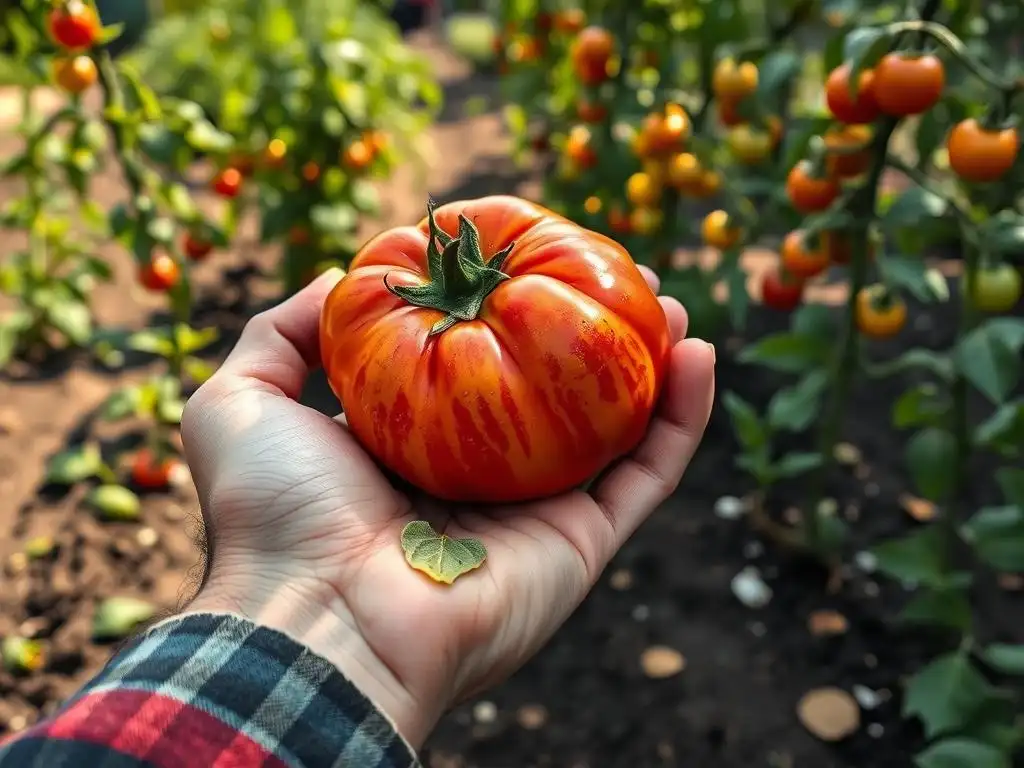
Growing heirloom tomatoes organically presents unique hurdles compared to their hybrid counterparts. While the rewards – superior flavor, unique characteristics, and the satisfaction of preserving genetic diversity – are undeniable, understanding and proactively addressing these challenges is crucial for a successful harvest. This section focuses on the specific difficulties associated with organically growing heirloom tomatoes, emphasizing practical strategies for overcoming them.
Pest and Disease Resistance in Heirloom Tomato Varieties: Strategies for Organic Pest Control
Heirloom tomato varieties, prized for their diverse genetic makeup, often exhibit varying degrees of resistance to common pests and diseases. Unlike many modern hybrids bred for disease resistance, heirlooms may be more susceptible to blight, early and late, verticillium wilt, fusarium wilt, and various insect infestations such as aphids, tomato hornworms, and whiteflies. This susceptibility necessitates a robust organic pest control strategy.
Successful organic pest management relies on a multi-pronged approach. This includes:
- Crop rotation: Rotating tomato plants with non-solanaceous crops (e.g., legumes, brassicas) helps break pest and disease cycles in the soil.
- Companion planting: Certain plants, such as basil, marigolds, and garlic, repel pests and can improve overall plant health. Strategic placement of these companion plants can significantly reduce pest pressure.
- Monitoring and early intervention: Regularly inspecting plants for signs of infestation or disease allows for early intervention, minimizing damage. Handpicking pests, especially hornworms, is an effective method for small infestations.
- Organic pest control methods: Using insecticidal soaps, neem oil, or other organically approved pesticides can effectively control many pests. However, always follow label instructions carefully and consider the impact on beneficial insects.
- Resistant varieties (where possible): While not all heirloom varieties are equally resistant, researching and selecting those with documented resistance to common diseases in your region can significantly improve your chances of success. This requires careful selection based on your specific climate and local pest pressures.
Lower Yields Compared to Hybrids: Maximizing Harvest from Heirloom Tomato Plants
One common challenge with heirloom tomatoes is their often lower yield compared to modern hybrid varieties. Hybrids are often bred for high productivity, while heirlooms prioritize flavor and unique characteristics. This difference in yield can be significant, particularly for gardeners aiming for large harvests. However, there are strategies to maximize yields from heirloom tomato plants:
Several factors contribute to lower yields in heirloom tomatoes: Their indeterminate growth habit (meaning they continue to grow and produce fruit throughout the season) can sometimes lead to uneven ripening and less efficient fruit production than determinate hybrids. Their larger fruit size, while desirable, also demands more resources from the plant.
To maximize yield:
- Proper plant spacing: Providing adequate spacing allows for optimal sunlight and air circulation, reducing the risk of disease and improving fruit development.
- Consistent watering and fertilization: Heirloom tomatoes require consistent moisture and nutrients to thrive and produce a good harvest. Organic fertilizers, such as compost tea or well-rotted manure, provide the necessary nutrients without harming beneficial soil organisms.
- Pruning and support: Pruning suckers (small shoots that grow between the main stem and branches) redirects the plant's energy towards fruit production. Providing support structures, such as stakes or cages, prevents the plants from sprawling and improves fruit quality.
- Careful selection of varieties: Choosing heirloom varieties known for their relatively high yields for your specific growing conditions can significantly improve your harvest.
Seed Saving and Preservation Techniques for Heirloom Tomatoes: Maintaining Genetic Purity
Saving seeds from your heirloom tomatoes is a rewarding aspect of growing them organically. It allows you to maintain genetic diversity and continue growing these unique varieties year after year. However, successful seed saving requires careful attention to detail to ensure genetic purity.
The process involves several key steps:
- Selecting the best fruit: Choose mature, healthy fruits from the most vigorous plants, exhibiting the desired characteristics of the variety. Avoid fruits with diseases or imperfections.
- Fermentation: Allow the fruit to fully ripen, then ferment the seeds in a container of water for 2-3 days to remove the pulp. This process helps break down the surrounding fleshy material, freeing the seeds.
- Cleaning and drying: Rinse the seeds thoroughly and spread them out to dry on a paper towel or screen in a well-ventilated area, avoiding direct sunlight.
- Storage: Once completely dry, store the seeds in a cool, dark, and dry place in airtight containers. Proper storage is crucial for maintaining seed viability. Consider using silica gel packets to absorb excess moisture.
Maintaining genetic purity requires careful isolation from other tomato varieties to prevent cross-pollination. This means planting heirloom tomatoes far away from other tomato varieties, or using physical barriers to prevent insect pollination. Accurate labeling and record-keeping are also essential for tracking the origin and characteristics of your saved seeds. Properly saved heirloom tomato seeds, when stored correctly, can maintain viability for several years, allowing you to continue enjoying these unique varieties for generations to come. 🍅
Adapting Heirloom Tomatoes to Your Specific Climate and Soil Conditions: Successful Organic Cultivation
Growing heirloom tomatoes organically presents unique challenges, primarily due to their often-specialized needs and increased susceptibility to certain diseases compared to hybrid varieties. Successfully cultivating these prized plants requires careful consideration of your specific climate and soil conditions. Heirloom varieties, developed over generations through natural selection, haven't undergone the same rigorous breeding for disease resistance as their hybrid counterparts. This means that understanding and adapting to your local environment is crucial for a bountiful harvest.
One of the most significant factors is understanding your growing season's length. Many heirloom varieties require a longer growing season than hybrid tomatoes, meaning you need to carefully choose varieties that mature within your frost-free period. For instance, a variety like 'Brandywine' known for its large, pink fruits, needs a long, warm growing season, whereas a shorter-season variety might be more suitable for cooler climates or shorter summers. Failing to account for this can result in unripe fruit at the first frost.
Soil composition plays a vital role. Heirloom tomatoes thrive in well-drained, fertile soil rich in organic matter. Before planting, conduct a soil test to determine its pH level and nutrient content. Amend the soil with compost, aged manure, or other organic materials to improve its structure and fertility. Heirloom varieties are often more sensitive to nutrient deficiencies than hybrids, so providing a balanced supply of essential nutrients through organic methods is critical. This might involve using organic fertilizers like fish emulsion or seaweed extract, or creating a compost tea to feed your plants.
The climate also necessitates specific adaptations. In hotter climates, providing adequate shade during the hottest parts of the day can prevent sunscald and stress on the plants. This can involve using shade cloth or strategically positioning the plants to minimize direct sun exposure during peak hours. Conversely, in cooler climates, providing protection from frost through row covers or even a simple cloche can be essential for successful cultivation.
Understanding the specific microclimate of your garden—sun exposure, wind patterns, and drainage—will allow you to make informed decisions about plant placement and support structures. Properly adapting to your specific conditions is key to successfully growing heirloom tomatoes organically. The rewards of delicious, homegrown fruit far outweigh the effort invested in adapting to the unique needs of these heritage plants.
Rewards of Growing Heirloom Tomatoes Organically
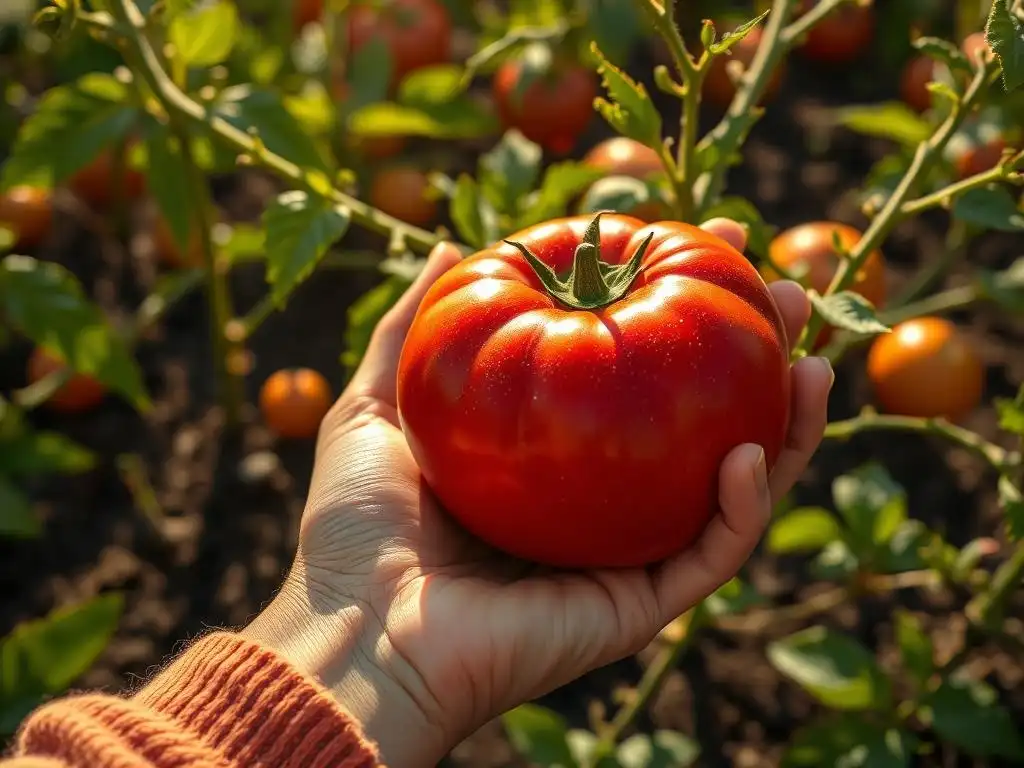
Growing heirloom vegetables organically offers a unique set of rewards that extend beyond simply having fresh produce on your table. It's a journey that connects you with the history of food production, fosters biodiversity, and provides a deep sense of satisfaction. This section focuses on the specific benefits of cultivating heirloom tomatoes organically, highlighting their superior qualities and the positive impact on the environment.
Unique Flavors and Nutritional Value of Heirloom Tomatoes: A Taste of Tradition
Heirloom tomatoes boast a complexity of flavor often missing in modern hybrid varieties. Their taste is intensely rich, ranging from sweet and tangy to earthy and savory, depending on the cultivar. This vibrant taste profile stems from the centuries of natural selection and adaptation, resulting in a genetic diversity that modern hybrids often lack. Many heirloom varieties also exhibit higher levels of lycopene, a powerful antioxidant associated with numerous health benefits. For example, the Brandywine tomato is renowned for its deep pink flesh and intensely sweet flavor, while the Cherokee Purple offers a smoky, slightly sweet taste with a deep purple hue. These variations in flavor and nutritional content are a testament to the rich history and genetic diversity of heirloom tomatoes. The experience of tasting a homegrown heirloom tomato is truly unparalleled, a far cry from the blandness of many commercially grown tomatoes. You'll find yourself savoring the nuances of each bite, appreciating the culmination of nature's work and your own gardening efforts.
Contributing to Biodiversity and Seed Saving: The Importance of Heirloom Varieties
Growing heirloom tomatoes organically contributes significantly to biodiversity. Unlike hybrid varieties, which are often bred for uniformity and shelf life, heirlooms retain their genetic diversity, contributing to a wider gene pool. This is crucial for the long-term resilience of tomato crops, bolstering their resistance to diseases and pests. Furthermore, the practice of saving seeds from your heirloom tomatoes allows you to participate actively in preserving these valuable genetic resources.
Seed saving is a rewarding process that connects you directly to the history and future of your garden. You become a custodian of these unique varieties, ensuring their continued existence for generations to come. Imagine passing down seeds from your thriving tomato plants to your children and grandchildren—a legacy rooted in both culinary delight and environmental responsibility. This active participation in preserving biodiversity is a key aspect of sustainable gardening practices.
The Satisfaction of Growing Your Food Sustainably: Connecting with Nature Through Organic Gardening
The satisfaction derived from growing your food organically is immeasurable. It's about more than just the harvest; it’s about the process. Nurturing heirloom tomato plants from seed to ripe fruit fosters a deep connection with the natural world.
You learn to observe the subtle changes in your plants, responding to their needs with organic methods. The absence of harmful pesticides and synthetic fertilizers ensures that you're cultivating healthy plants and a healthy environment. This approach minimizes your environmental footprint, contributing to a more sustainable food system.
The pride of presenting your family and friends with tomatoes you've grown organically, knowing they are bursting with flavor and free from harmful chemicals, is a deeply fulfilling experience. It represents a commitment to both personal well-being and the health of the planet. The entire process, from planting the seeds to savoring the final product, becomes a meditative practice, a testament to the power of nature and the rewards of sustainable living.
Growing heirloom tomatoes organically is not just about the delicious fruits; it's about participating in a vibrant community of gardeners who share a passion for preserving biodiversity and sustainable practices. Sharing seeds and knowledge is a cornerstone of this community, fostering collaboration and mutual support. This exchange of information extends beyond simple seed swapping; it encompasses a wealth of experience, tips, and techniques passed down through generations. Experienced heirloom gardeners often become mentors, guiding newcomers through the intricacies of organic cultivation, from seed starting to pest control.
The act of sharing heirloom tomato seeds transcends mere practicality; it becomes a powerful symbol of connection and shared heritage. Each seed carries within it a story, a lineage of carefully selected plants passed down through families and communities. Sharing these seeds is akin to sharing a piece of history, a living testament to the enduring connection between humans and nature. This exchange strengthens the bond between gardeners, creating a supportive network where challenges are shared and successes celebrated. Online forums and local seed swaps are excellent avenues for connecting with like-minded individuals and expanding your knowledge base.
Furthermore, the collaborative nature of sharing knowledge helps to build resilience within the organic gardening community. By pooling resources and experiences, gardeners can better navigate the challenges of organic cultivation, such as dealing with pests and diseases without resorting to harmful chemicals. The collective knowledge base is invaluable, offering diverse solutions and perspectives that would be inaccessible to a single gardener. This sharing fosters innovation, leading to the development of new techniques and strategies for sustainable organic gardening.
It also promotes the preservation of rare and endangered heirloom varieties, ensuring their continued existence for future generations. The sense of community and shared purpose is deeply rewarding, enriching the gardening experience beyond the simple act of cultivating tomatoes. In essence, sharing heirloom tomato seeds and knowledge creates a vibrant ecosystem where collaboration thrives, strengthening the practice of organic gardening as a whole.
Tips for Successfully Growing Heirloom Tomatoes Organically
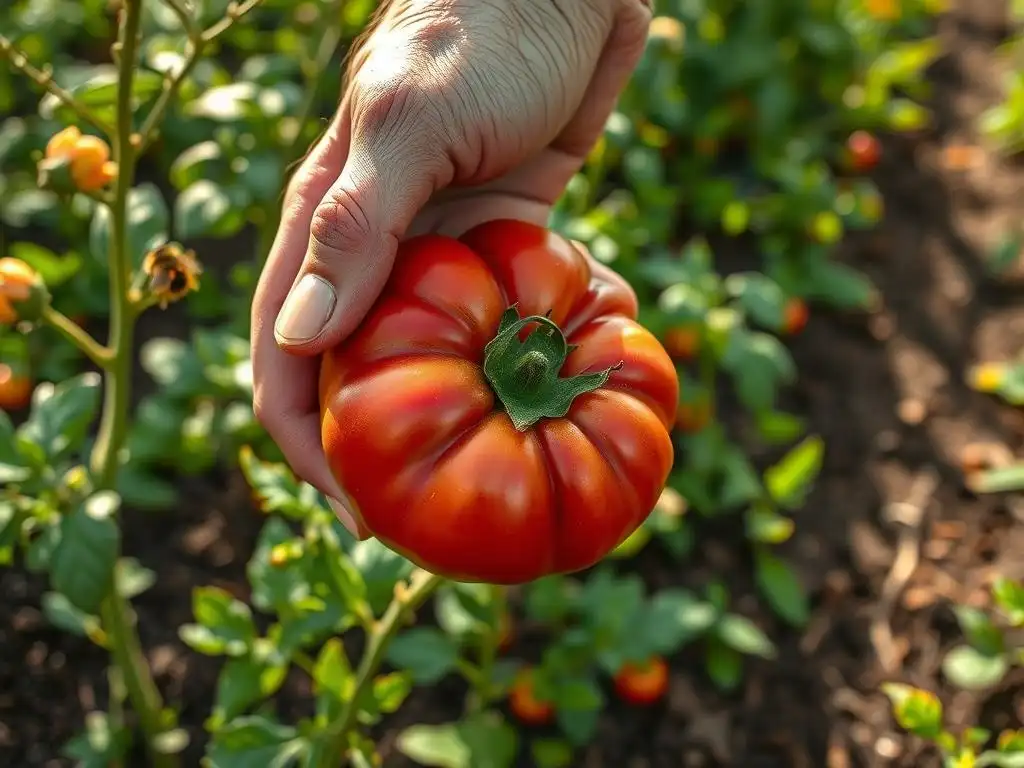
Growing heirloom tomatoes organically presents unique challenges and rewards. While the payoff of vibrant, flavorful fruit is significant, success requires careful planning and execution. This section focuses on key techniques to maximize your harvest while adhering to organic principles. We'll explore soil preparation, planting strategies, and organic nutrient management for thriving heirloom tomato plants. Mastering these aspects will significantly improve your chances of successfully growing heirloom vegetables organically.
Preparing the Soil for Heirloom Tomatoes: Organic Soil Enrichment Techniques
Heirloom tomatoes, known for their robust flavor profiles, demand rich, well-drained soil. Organic soil enrichment is crucial for providing the necessary nutrients and structure for optimal growth. Avoid compacted soil, as it hinders root development and water penetration. Before planting, conduct a soil test to determine its pH and nutrient levels. Ideally, your soil should have a slightly acidic pH (6.0-6.8).
Several organic methods can enhance soil quality:
- Composting: Incorporating well-rotted compost significantly improves soil structure, aeration, and nutrient content. Aim for a generous amount – at least 2-3 inches of compost mixed into the top 12 inches of soil. This provides a slow-release source of nutrients, crucial for heirloom tomatoes' prolonged growing season.
- Cover Cropping: Planting cover crops like clover or rye before transplanting tomatoes helps improve soil health. These plants add organic matter, suppress weeds, and improve soil structure. Till the cover crop into the soil several weeks before planting.
- Adding Organic Matter: Amend the soil with other organic materials like aged manure or leaf mold. These materials add essential nutrients and improve the soil's water retention capacity. Avoid fresh manure, as it can burn the delicate roots of young tomato plants.
- Mulching: Applying a thick layer of organic mulch (straw, shredded leaves, or wood chips) after planting helps retain soil moisture, suppress weeds, and regulate soil temperature. This is especially beneficial during hot summer months.
Remember, consistent soil monitoring and amendment are key to successful organic gardening. Regular observation and adjustments based on your specific soil conditions will yield the best results.
Planting and Spacing Heirloom Tomatoes: Optimizing Growth and Yield
Proper planting and spacing are crucial for maximizing yield and preventing disease. Heirloom tomatoes are often indeterminate, meaning they continue growing and producing fruit throughout the season. Adequate spacing allows for good air circulation, reducing the risk of fungal diseases like blight, a common problem for tomatoes.
- Choosing the right location: Select a sunny location with at least six to eight hours of direct sunlight daily. Heirloom tomatoes thrive in warm conditions.
- Planting depth: Plant heirloom tomato seedlings deep enough to bury the lower stem, encouraging the development of a strong root system. This helps anchor the plant and improves its ability to absorb nutrients and water.
- Spacing: For indeterminate varieties, allow 2-3 feet between plants and 4-5 feet between rows. This spacing allows for adequate air circulation and minimizes competition for resources. Determinate varieties may require slightly less space.
- Supporting the plants: Indeterminate varieties often require staking or caging to support their weight as they grow. This prevents the plants from sprawling on the ground, which can lead to disease and reduce fruit production.
Watering and Fertilizing Heirloom Tomatoes: Organic Nutrient Management
Consistent watering and fertilization are vital for healthy heirloom tomato plants. Organic methods provide essential nutrients without harmful chemicals.
- Watering: Water deeply and regularly, especially during dry periods. Aim to keep the soil consistently moist but not soggy. Overwatering can lead to root rot, while underwatering can stress the plants and reduce fruit production. Consider using drip irrigation or soaker hoses to deliver water directly to the roots.
- Organic Fertilization: Use organic fertilizers like compost tea, fish emulsion, or seaweed extract to provide essential nutrients. Avoid synthetic fertilizers, which can harm beneficial soil microorganisms and disrupt the soil ecosystem. Apply fertilizer according to the product instructions, usually every 2-3 weeks. Side-dressing (applying fertilizer along the sides of the plants) is an effective method for delivering nutrients directly to the roots.
Remember to monitor your plants regularly for signs of nutrient deficiency or pest infestation. Adjust your watering and fertilizing schedule accordingly to ensure optimal growth and a bountiful harvest of delicious heirloom tomatoes. By following these organic practices, you'll significantly increase your chances of successfully growing heirloom vegetables organically, enjoying the unique flavors and heritage of these special varieties. 🍅
Harvesting and Storing Heirloom Tomatoes: Preserving the Bounty of Your Garden
Harvesting heirloom tomatoes at the peak of ripeness is crucial for optimal flavor and preservation. Unlike some hybrid varieties that can tolerate slightly less-than-perfect conditions, heirlooms are often more sensitive. The best time to harvest is when the tomatoes display their characteristic deep color, and yield slightly to gentle pressure. Avoid harvesting before they're fully ripe, as they won't ripen further off the vine.
A slightly soft feel is a good indicator of ripeness; avoid hard, unyielding tomatoes. Use a sharp knife or pruning shears to prevent damage to the plant and the fruit itself. Gently twist the tomato from the vine if you prefer not to use a cutting tool.
Proper storage is key to extending the enjoyment of your heirloom tomato harvest. Avoid placing tomatoes in the refrigerator immediately after picking, as this can damage their flavor and texture. Instead, allow them to sit at room temperature for a short period—ideally, a cool, shaded area—to fully mature. Once they are fully ripe and have reached their peak flavor, you can then store them in the refrigerator for a few days, but their flavor will begin to diminish.
For longer-term storage, consider processing your tomatoes. Making heirloom tomato sauce, paste, or even canning whole tomatoes are excellent ways to preserve the bounty of your garden. Freezing is another option; simply blanch the tomatoes briefly before freezing to maintain their texture and prevent enzymatic browning. Remember, different heirloom varieties have varying storage capabilities, so pay attention to the specific needs of each type you grow.
Proper storage will help you savor the unique flavors of your heirloom tomatoes for weeks, or even months, after harvest. This careful attention to detail will reward you with delicious, vibrant flavors throughout the year. Careful selection of varieties that are known for their excellent storage qualities can further enhance your success in preserving your heirloom tomato harvest.
Consider researching specific varieties known for their long shelf life before planting. Proper harvesting and storage techniques are crucial for maximizing your harvest and enjoying your heirloom tomatoes at their very best. 🍅
Case Study: Brandywine Tomato – A Success Story in Organic Gardening
The Brandywine tomato, a classic heirloom variety known for its rich flavor and large size, presents a compelling case study for understanding the challenges and rewards of growing heirloom vegetables organically. This particular variety, with its indeterminate growth habit and susceptibility to certain diseases, demands a nuanced approach to cultivation, highlighting the importance of careful planning and consistent organic practices. Successfully growing a Brandywine tomato organically demonstrates a mastery of techniques crucial for cultivating other heirloom varieties.
Challenges faced during cultivation
Growing Brandywine tomatoes organically presents several unique challenges. Their indeterminate growth habit, meaning they continue growing throughout the season, requires significant space and support. Untended, the vines can become sprawling and difficult to manage, leading to reduced yields and increased susceptibility to disease. Furthermore, Brandywine tomatoes are particularly susceptible to blossom-end rot, a physiological disorder caused by calcium deficiency and inconsistent watering.
Pest pressure, especially from tomato hornworms and aphids, can also significantly impact yields if not addressed proactively. Finally, the large size of the fruit can lead to splitting if watering isn't carefully managed, resulting in fruit loss. These challenges underscore the need for diligent observation and intervention throughout the growing season. The delicate balance required to successfully cultivate this variety showcases the commitment needed for organic heirloom vegetable gardening.
Solutions implemented and their effectiveness
To overcome these challenges, a multi-faceted approach was adopted. Firstly, strong staking and caging were implemented to support the sprawling vines, promoting air circulation and preventing fruit from touching the ground, reducing the risk of rot and pest infestation. Secondly, a consistent watering schedule was established, avoiding both overwatering and underwatering.
This was achieved through the use of a drip irrigation system providing consistent moisture to the roots, minimizing stress and preventing blossom-end rot. Thirdly, organic pest control measures were implemented. Handpicking of hornworms and the introduction of beneficial insects like ladybugs helped to naturally control pest populations.
Finally, regular soil testing and the application of organic calcium supplements addressed potential calcium deficiencies, further reducing the risk of blossom-end rot. The effectiveness of these solutions was evident in the improved plant health and significantly higher yields compared to previous attempts without these measures. This demonstrates that a proactive, integrated approach is essential for successful organic heirloom vegetable gardening.
Results achieved and lessons learned
The implementation of these organic solutions resulted in a bountiful harvest of large, flavorful Brandywine tomatoes. The yields were significantly higher than in previous years when less proactive measures were employed. The tomatoes were free from blossom-end rot and showed minimal pest damage. The overall health of the plants was excellent, demonstrating the effectiveness of the chosen organic practices.
Crucially, this experience underscored the importance of proactive pest management, consistent watering, and adequate support for indeterminate heirloom varieties. The success with the Brandywine tomatoes serves as a testament to the rewards of organic gardening, proving that with careful planning and diligent attention, it is entirely possible to grow high-quality, flavorful heirloom vegetables organically. Further research into specific organic soil amendments tailored to the needs of heirloom tomatoes could potentially further improve yields and plant health.
This case study highlights that growing heirloom vegetables organically isn't just about avoiding chemicals; it's about understanding the unique needs of each variety and developing a tailored approach to cultivation. The satisfaction of harvesting a crop grown with sustainable methods is a significant reward in itself, making the effort worthwhile. 🍅
Frequently Asked Questions
What are heirloom vegetables?
Heirloom vegetables are open-pollinated varieties that have been passed down through generations. This means they can be saved and replanted, unlike hybrid varieties. They often have unique flavors and appearances.
Why grow heirloom vegetables organically?
Growing heirlooms organically ensures you're preserving biodiversity and avoiding harmful pesticides. It also results in vegetables with superior flavor and nutritional value. Sustainable practices benefit the environment.
What are the challenges of growing heirloom vegetables?
Heirlooms can be more susceptible to diseases and pests than hybrids. Seed saving requires knowledge and careful attention. Finding reliable sources for seeds might also be challenging.
What are the rewards of growing heirloom vegetables organically?
The superior taste and unique characteristics of heirloom vegetables are a major reward. The satisfaction of growing your own food organically is also incredibly fulfilling. You'll be contributing to biodiversity conservation.
Where can I find heirloom vegetable seeds?
Many online retailers and local seed companies specialize in heirloom varieties. Farmers' markets and seed swaps are also excellent resources for finding unique heirloom seeds. Look for reputable sources to ensure seed quality.
Final Reflection: Cultivating Heritage, Harvesting Hope
The resurgence of heirloom vegetable gardening isn't just a trend; it's a vital act of reclaiming our food sovereignty and fostering a deeper connection with nature. From seed saving to pest management, the journey of growing heirloom vegetables organically demands patience and dedication, but the rewards—both tangible and intangible—are immeasurable. This commitment to sustainable practices extends far beyond our gardens, impacting our communities and the future of our food systems.
The enduring appeal of heirloom varieties lies not only in their unique flavors and vibrant colors, but also in the stories they carry—stories of generations past, of cultural heritage, and of resilient ecosystems. The best way to find yourself is to lose yourself in the service of others.
While this quote isn't directly about gardening, it speaks to the deeper satisfaction found in nurturing something beyond oneself, a feeling deeply resonant with the experience of tending an heirloom garden. The act of preserving these unique varieties, of actively participating in their continued existence, feels profoundly meaningful in a world increasingly dominated by homogenized food production.
Now, consider your own space, your own potential. Do you have a sunny windowsill, a balcony, or even a small patch of earth? The scale doesn't matter; the intention does. Embrace the challenge of growing even a single heirloom tomato, pepper, or bean. Experience the joy of nurturing life from seed to harvest, and discover the profound satisfaction of connecting with the rich history and vibrant future held within each seed. Let this journey be a testament to your commitment to sustainable living and a celebration of the enduring power of nature.
Unleash Your Inner Gardener: Grow Heirloom Wonders!
Thanks for exploring the fascinating world of heirloom vegetables with us! You've gained valuable insights into the unique challenges and incredible rewards of cultivating these special plants. Ready to take the next step?
- Start your heirloom garden today! Choose a few varieties that excite you and get those seeds in the ground (or started indoors). Remember to consider your local climate and soil type for optimal success.
- Share your heirloom journey! Post a picture of your seedlings or your first harvest on social media and tag #HeirloomHeroes – let's inspire each other!
- Connect with fellow gardeners! Joining a local gardening group or online forum is a rewarding way to learn from others' experiences and share your own.
What heirloom variety are you most excited to grow this season? Let us know in the comments below!