
Growing Acorn Squash: A Guide for Beginners

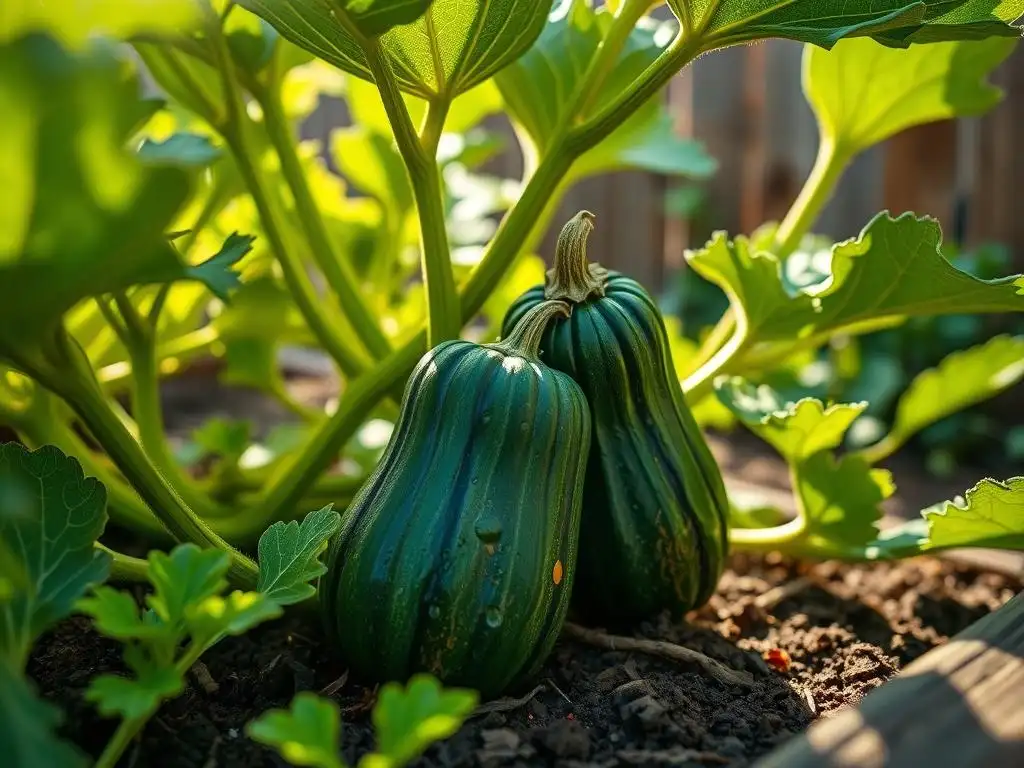
Ready to transform your backyard into a thriving haven of organic goodness? At CultivateYourFood, we empower you to grow your own delicious fruits, vegetables, and herbs. This journey begins with the satisfying task of learning how to grow acorn squash organically. Discover the secrets to a bountiful harvest and sustainable gardening practices – your path to delicious, homegrown food starts here!
- Understanding Acorn Squash Varieties and Their Needs
- Planting Your Acorn Squash: A Step-by-Step Guide
- Nurturing Your Acorn Squash Plants: Organic Growing Techniques
- Harvesting and Storing Your Homegrown Acorn Squash
- Troubleshooting Common Problems in Growing Acorn Squash Organically
- Frequently Asked Questions
- Final Reflection: Harvesting the Bounty of Organic Acorn Squash
- Unleash Your Inner Gardener: Grow Your Own Acorn Squash!
Understanding Acorn Squash Varieties and Their Needs
Acorn squash, with its distinctive, hard-shelled exterior and sweet, nutty flesh, is a rewarding addition to any home garden. Growing acorn squash organically not only provides you with delicious, healthy food but also contributes to a more sustainable lifestyle. This comprehensive guide will walk you through the process, from seed selection to harvest, ensuring you achieve a bountiful crop using environmentally friendly methods. We'll explore the various aspects of organic acorn squash cultivation, focusing on techniques that maximize yield while minimizing environmental impact.
This includes careful consideration of soil health, pest management strategies, and optimal growing conditions. Whether you're a seasoned gardener or a complete beginner, this guide provides the knowledge and practical steps needed to successfully grow your own acorn squash organically. Let's delve into the details!
Choosing the Right Acorn Squash Seeds or Seedlings
Selecting high-quality seeds or seedlings is the cornerstone of successful acorn squash cultivation. When choosing seeds, opt for heirloom varieties known for their adaptability and disease resistance. These often perform better in organic gardening settings. Look for reputable seed suppliers that prioritize organic growing practices and provide detailed information about the variety's characteristics, such as maturity time and yield. Consider factors like your climate and growing season length when selecting a variety.
Some varieties mature faster than others, which is crucial if you have a shorter growing season. Alternatively, starting with healthy seedlings from a local nursery can provide a head start, especially in cooler climates. Ensure the seedlings are robust, free from diseases and pests, and have several true leaves. Remember to always check the seed packet or seedling tag for specific growing instructions and recommended planting times for your region.
Soil Preparation for Optimal Acorn Squash Growth
Acorn squash thrives in well-drained, fertile soil rich in organic matter. Preparing the soil is a crucial step in organic acorn squash cultivation. Begin by amending your soil with generous amounts of compost. Compost provides essential nutrients and improves soil structure, ensuring optimal water retention and aeration. Avoid using chemical fertilizers, as they can disrupt the soil's natural balance and harm beneficial microorganisms. Instead, consider incorporating other organic amendments like aged manure or leaf mold to further enhance soil fertility.
Before planting, test your soil's pH. Acorn squash prefers slightly acidic to neutral soil (pH 6.0-7.0). Adjust the pH if necessary using organic methods, such as adding lime for alkaline soil or sulfur for acidic soil. Proper soil preparation sets the stage for healthy plant growth and a bountiful harvest. Remember, a healthy soil ecosystem is the foundation of successful organic gardening.
Sunlight Requirements and Ideal Planting Locations
Acorn squash needs ample sunlight to thrive. Choose a location in your garden that receives at least six to eight hours of direct sunlight daily. A sunny, south-facing area is ideal in the Northern Hemisphere. Consider factors such as shading from trees or buildings when selecting a planting site. Adequate sunlight is essential for photosynthesis, which is crucial for the plant's growth and fruit production.
The chosen location should also have well-drained soil to prevent root rot, a common problem for squash plants. Ensure the area is relatively level to facilitate even water distribution. Proper site selection is a key factor in maximizing your acorn squash yield and ensuring a healthy harvest. Remember, a well-lit and well-drained location is the key to successful organic acorn squash cultivation.
Planting Your Acorn Squash: A Step-by-Step Guide
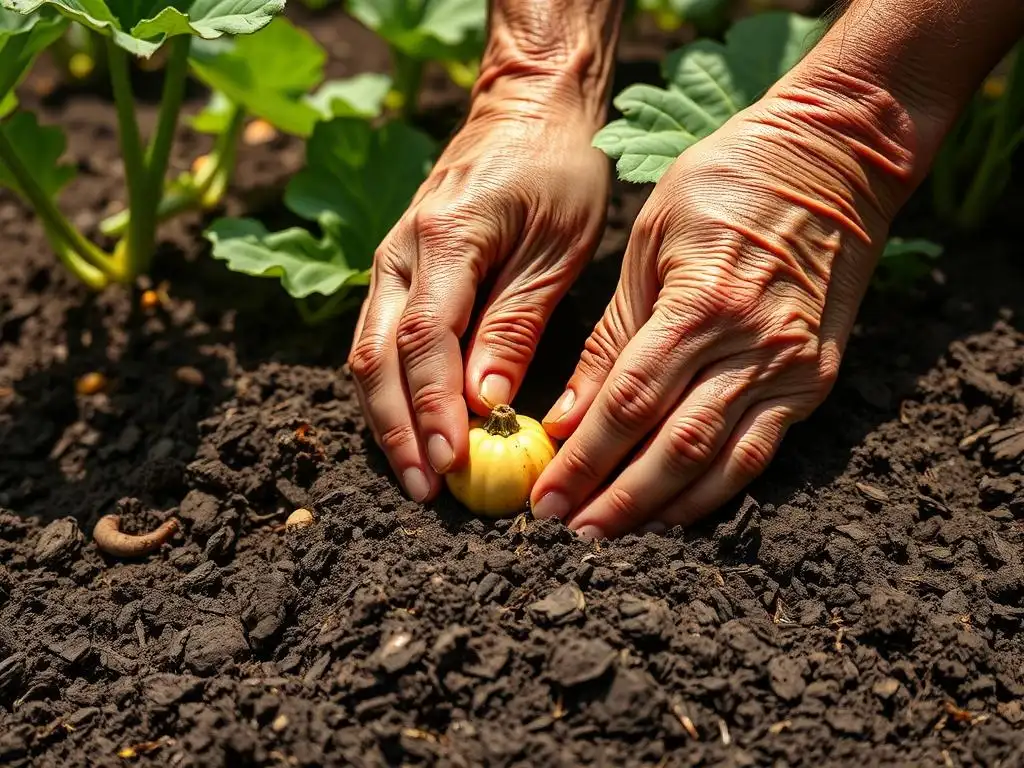
This section details the crucial first steps in your journey to growing delicious, organic acorn squash. We'll cover two primary methods: direct sowing and transplanting seedlings. Choosing the right method depends on your climate and personal preferences, but both approaches aim for the same result: healthy, thriving plants ready to produce a bountiful harvest. Remember, organic gardening prioritizes soil health and natural pest control methods, so let's dive in!
Sowing Acorn Squash Seeds Directly in the Ground
Direct sowing is a simple method, ideal for warmer climates with longer growing seasons. It avoids the transplant shock that seedlings can sometimes experience. However, it requires slightly more careful timing and attention to soil conditions.
To begin, ensure your soil is warm (at least 60-70°F or 15-21°C). Acorn squash, like many squash varieties, thrives in well-drained, fertile soil rich in organic matter. Prepare the soil by loosening it to a depth of about 12 inches, removing any rocks or debris. Incorporate plenty of compost to improve soil structure and nutrient content. This step is key to growing acorn squash organically; healthy soil equals healthy plants.
Next, plant your seeds about 1 inch deep and 2-3 inches apart. Space rows approximately 3-4 feet apart. This spacing allows for adequate air circulation and prevents overcrowding, minimizing the risk of fungal diseases, a common challenge in organic squash cultivation. Gently cover the seeds with soil and water thoroughly. Keep the soil consistently moist but not waterlogged until germination, typically within 7-10 days. Remember to use organic mulch around the young plants to retain moisture and suppress weeds, further enhancing your organic growing practice.
Transplanting Acorn Squash Seedlings
Transplanting seedlings offers more control over the growing process. You can start seeds indoors 4-6 weeks before the last expected frost, giving your plants a head start. This is particularly beneficial in cooler climates or if you want an earlier harvest.
Start seeds in small peat pots or biodegradable containers to avoid disturbing the roots during transplanting. Use a seed-starting mix, ensuring good drainage. Once seedlings have developed 2-3 true leaves, they're ready to be transplanted outdoors. Choose a sunny location with well-drained soil, prepared as described in the previous section.
When transplanting, carefully remove the seedlings from their containers, avoiding root damage. Plant them at the same depth they were growing in their containers. Space them according to the guidelines provided in the next section. Water thoroughly after transplanting to help them settle into their new home. Remember to gently firm the soil around the base of each plant to minimize air pockets. Mulching around the transplanted seedlings will help retain soil moisture and suppress weeds, essential for successful organic gardening.
Proper Spacing for Healthy Acorn Squash Plants
Appropriate spacing is paramount for maximizing yield and minimizing disease. Overcrowding leads to competition for resources, resulting in smaller squash and increased susceptibility to pests and diseases. Conversely, excessive spacing wastes valuable garden space.
For acorn squash, aim for a spacing of 3-4 feet between rows and 2-3 feet between plants within each row. This spacing allows for adequate sunlight penetration and air circulation, crucial for healthy plant growth and reduced disease risk. The larger spacing also makes harvesting easier and less disruptive to the plants. Remember, this spacing is a guideline; adjust based on your specific variety and soil conditions.
Observe your plants carefully; if they appear crowded, thinning might be necessary. Proper spacing is a fundamental aspect of successful organic gardening, ensuring each plant receives the resources it needs to thrive. This practice reduces the need for chemical interventions, contributing to a healthier and more sustainable garden. 🌱
Nurturing Your Acorn Squash Plants: Organic Growing Techniques
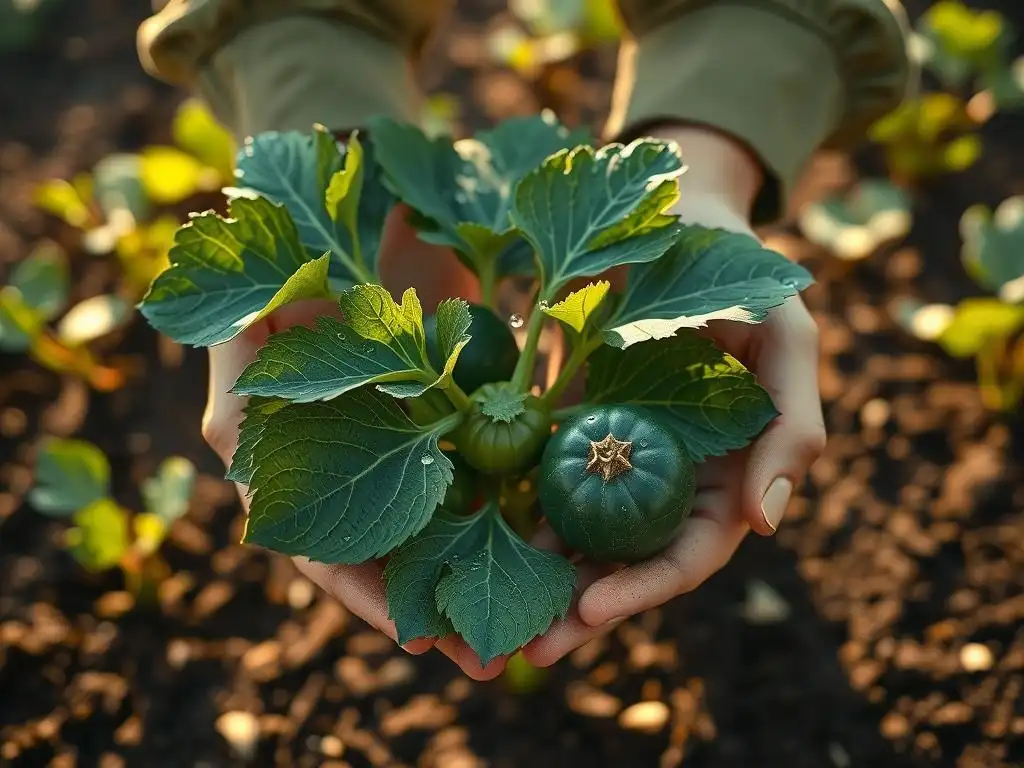
This section delves into the specific organic practices crucial for cultivating healthy and productive acorn squash plants. We'll explore effective watering strategies, essential nutrient provision, and weed control methods that align with sustainable gardening principles. Remember, growing acorn squash organically prioritizes soil health and plant well-being, minimizing environmental impact.
Watering Your Acorn Squash Plants Effectively
Consistent and appropriate watering is paramount for acorn squash growth. Underwatering leads to stunted growth and reduced fruit production, while overwatering can cause root rot and fungal diseases. The ideal watering schedule depends on several factors, including soil type, climate, and plant maturity.
Generally, aim for deeply watering your plants once or twice a week, rather than frequent shallow watering. This encourages deep root growth, making the plants more drought-tolerant. Feel the soil; if the top inch or two feels dry, it's time to water. Water deeply until moisture reaches the roots. Use a soaker hose or drip irrigation system to minimize water waste and prevent fungal diseases. Avoid overhead watering, as this can promote fungal growth.
Consider using rainwater harvesting techniques to provide your acorn squash plants with the best possible water source. Rainwater is naturally soft and lacks the chlorine and other chemicals often found in tap water, which can harm beneficial soil microbes. Monitor your plants closely for signs of stress, such as wilting leaves. Adjust your watering schedule as needed, especially during periods of extreme heat or drought. Remember that younger plants require more frequent watering than mature plants.
During the fruiting stage, consistent moisture is crucial for optimal fruit development. However, avoid overwatering, which can lead to fruit cracking. Mulching (discussed in a later section) can help retain soil moisture and reduce the frequency of watering.
Essential Nutrients for Organic Acorn Squash Cultivation
Organic acorn squash cultivation relies on providing the plants with essential nutrients through natural methods. Avoid synthetic fertilizers; instead, focus on enriching your soil with organic matter to support healthy growth. Before planting, conduct a soil test to determine its nutrient levels. This will help you tailor your fertilization strategy to the specific needs of your soil.
Compost is a cornerstone of organic gardening. It provides a slow-release source of nutrients, improving soil structure, and supporting beneficial microbial activity. Incorporate well-rotted compost into the soil before planting, ensuring a rich and fertile growing medium. Side-dress your plants with compost tea throughout the growing season, providing a continuous supply of nutrients.
Other organic amendments include:
- Aged manure: Provides a rich source of nitrogen and other essential nutrients.
- Seaweed extract: A natural source of micronutrients that promotes plant health and disease resistance.
- Rock phosphate and greensand: Provide phosphorus and potassium, essential for fruit development.
Regular soil testing throughout the growing season helps monitor nutrient levels and allows for adjustments to your organic fertilization plan. Observe your plants for signs of nutrient deficiencies, such as yellowing leaves or stunted growth. Addressing these deficiencies promptly ensures healthy growth and optimal yields. Remember that organically grown acorn squash may require slightly more attention to nutrient levels than those grown with synthetic fertilizers.
Mulching and Weed Control for Healthy Acorn Squash Growth
Mulching plays a vital role in organic acorn squash cultivation, offering multiple benefits that contribute to healthy plant growth and high yields. A thick layer of mulch, around 3-4 inches, helps retain soil moisture, reducing the need for frequent watering. This is especially important during dry periods. It also suppresses weed growth, reducing competition for nutrients and water between your acorn squash plants and unwanted vegetation. Mulch helps regulate soil temperature, protecting the roots from extreme heat and cold.
Choosing the right mulch is important. Organic mulches, such as straw, wood chips, or shredded leaves, decompose over time, adding organic matter to the soil and improving its structure. Avoid using plastic mulch, as it can disrupt soil ecosystems and harm beneficial organisms.
Regular weeding is still necessary, even with mulch. Hand-weeding is the most environmentally friendly method, ensuring that you don't accidentally damage the roots of your acorn squash plants. However, for larger areas, consider using a hoe to remove weeds before they become established. Remember that healthy soil, rich in organic matter, naturally supports a healthy balance of beneficial organisms that help control weeds. Regularly monitoring your plants and addressing weed issues promptly will ensure healthy acorn squash growth. This approach to "grow acorn squash organically" is paramount for success.
Protecting Your Acorn Squash from Common Pests and Diseases
Growing acorn squash organically means prioritizing preventative measures to minimize pest and disease issues. A healthy plant is far less susceptible to problems. This begins with selecting disease-resistant varieties whenever possible. Seed catalogs often list disease resistance as a key characteristic; take advantage of this information! Furthermore, proper spacing between plants ensures good air circulation, reducing the risk of fungal diseases thriving in damp conditions. Remember, overcrowding can also make it harder to spot and address issues early on.
One common pest for squash is the squash vine borer. These larvae burrow into the stems, causing wilting and ultimately killing the plant. Regular monitoring is crucial. Look for small holes or wilting vines – early detection is key to effective treatment. Organic methods to combat vine borers include handpicking the larvae when found, using diatomaceous earth around the base of the plants to deter them, or employing beneficial nematodes, microscopic worms that prey on the borers. These nematodes are available commercially and are a safe, organic control method.
Squash bugs are another frequent nuisance. These insects suck the sap from the plants, leading to stunted growth and yellowing leaves. Again, regular inspection is vital. You can often find them hiding under the leaves. Handpicking is an effective control method for small infestations. Row covers can also protect young plants from these pests. For larger infestations, consider using insecticidal soap, a readily available organic pesticide. Always follow the instructions carefully and apply as directed.
Powdery mildew is a common fungal disease that manifests as a white powdery coating on the leaves. This can hinder photosynthesis and reduce the plant's vigor. Good air circulation is your best defense.
Ensure proper spacing and avoid overhead watering, which creates humid conditions ideal for fungal growth. If you do notice powdery mildew, you can try using a baking soda solution (mix baking soda, water, and a small amount of liquid soap) as a natural fungicide. Always test this solution on a small area first to check for any adverse reactions.
Removing affected leaves can also help prevent the spread of the disease. Remember that preventative measures are always more effective than curative ones when it comes to organic pest and disease management. By staying vigilant and employing these organic strategies, you can significantly reduce the risk of pest and disease damage to your acorn squash plants, leading to a bountiful harvest.
Harvesting and Storing Your Homegrown Acorn Squash
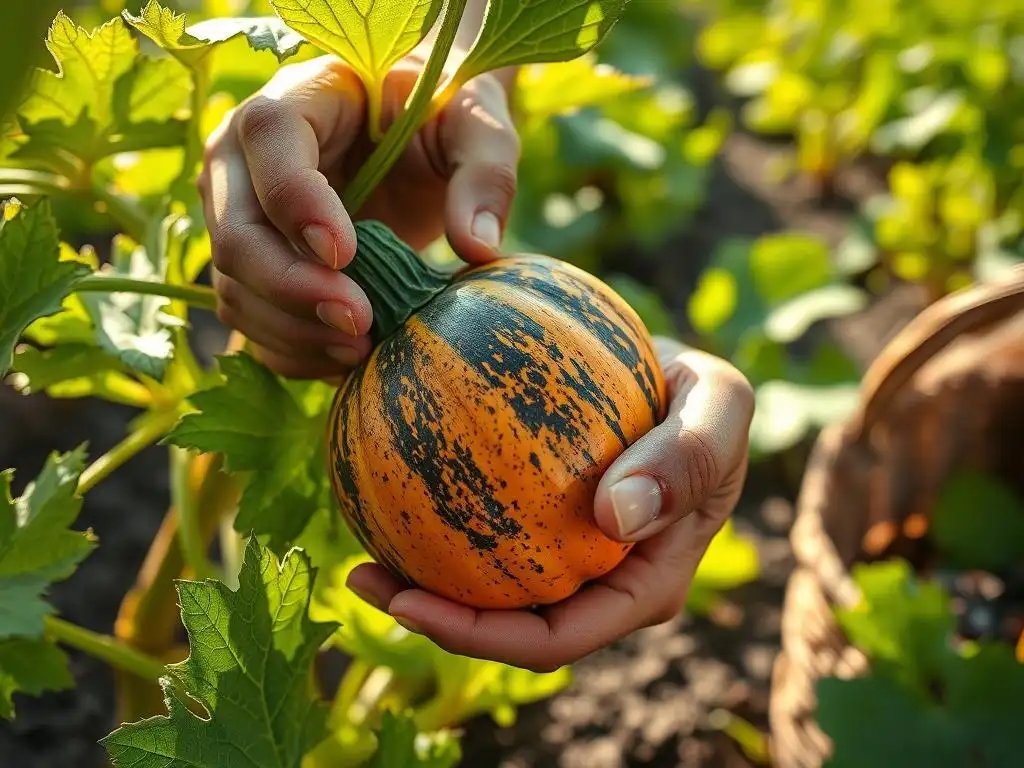
This section focuses on the crucial final steps in your acorn squash journey: harvesting and storing your delicious, organically grown bounty. Proper harvesting and storage significantly impact the flavor and longevity of your squash, maximizing your efforts and ensuring you enjoy the fruits (or rather, vegetables!) of your labor for months to come. We'll explore how to identify ripe squash, the best harvesting techniques, and effective storage methods to keep your acorn squash fresh and flavorful throughout the fall and winter.
Identifying Ripe Acorn Squash
Knowing when to harvest your acorn squash is key to achieving optimal flavor and storage life. Don't rush the process! Premature harvesting will result in poor taste and shorter shelf life. Here's how to identify a perfectly ripe acorn squash:
- Color: The skin should be a deep, rich color, typically a dark green or tan, depending on the variety. Avoid squash that are still exhibiting pale or light green hues.
- Hardness: Gently press the skin. A ripe acorn squash will feel firm and hard, with no soft spots or blemishes. A slightly yielding feel indicates immaturity.
- Stem: The stem should be dry and easily detached from the squash. If the stem is still green and firmly attached, the squash needs more time to mature.
- Size: The size varies by variety, but generally, a fully mature acorn squash will be approximately 6-8 inches long. Check the seed packet or plant tag for specific size recommendations for your particular variety.
Remember, patience is key! Allowing the squash to fully mature on the vine will significantly improve its taste and storability. 🎃
Harvesting Techniques for Acorn Squash
Once you've identified ripe acorn squash, careful harvesting techniques are essential to prevent damage and ensure a long storage life. Here's a step-by-step guide:
- Choose the right tools: Use sharp garden shears or a pruning knife to cleanly sever the stem, avoiding bruising the squash. A dull tool can easily damage the skin, creating entry points for disease and rot.
- Cut cleanly: Make a clean cut at the base of the stem, leaving about an inch of stem attached. This prevents moisture loss and potential rot. Avoid pulling or twisting the squash from the vine, which can damage the skin.
- Handle with care: Gently place the harvested squash into a container lined with soft material such as straw or bubble wrap to prevent bruising.
- Cure the squash: After harvesting, allow the acorn squash to cure for about a week in a warm, dry, and well-ventilated area (around 80-85°F). This process allows the skin to harden further, improving its shelf life. Place them in a single layer, ensuring good air circulation.
By following these techniques, you can minimize damage and extend the storage life of your organically grown acorn squash.
Storing Your Harvested Acorn Squash
Proper storage is crucial to preserving the quality and flavor of your acorn squash. Here's how to store your harvested squash for optimal longevity:
| Storage Method | Temperature (°F) | Humidity (%) | Expected Shelf Life (months) | Notes |
|---|---|---|---|---|
| Cool, dark, dry place | 50-55 | 50-60 | 3-6 | Ideal for long-term storage. Ensure good air circulation. |
| Refrigerator | 35-40 | N/A | 1-2 | Best for shorter-term storage. Store in a plastic bag with ventilation. |
Remember to inspect your squash regularly for any signs of rot or spoilage. Discard any squash showing signs of decay to prevent the spread to healthy ones. With proper harvesting and storage techniques, you can enjoy your homegrown acorn squash throughout the winter months, reaping the rewards of your organic gardening efforts! Enjoy the delicious, nutritious, and sustainably grown results of your hard work! 🥕
Troubleshooting Common Problems in Growing Acorn Squash Organically
Growing acorn squash organically presents unique challenges, but with careful observation and proactive management, you can overcome many obstacles. This section focuses on identifying and resolving common issues to help you achieve a bountiful harvest of healthy, delicious squash. Remember, prevention is key in organic gardening, so consistent monitoring is crucial.
Dealing with Common Acorn Squash Diseases
Acorn squash, like other cucurbits, is susceptible to several fungal and viral diseases. Early detection and appropriate action are vital to prevent widespread infection.
Several diseases can affect acorn squash, each with its own set of symptoms. For example, powdery mildew, a common fungal disease, appears as a white, powdery coating on leaves. This reduces photosynthesis and can stunt plant growth. Downy mildew, another fungal disease, manifests as yellowing or browning spots on leaves, often accompanied by a fuzzy purplish growth on the underside. Both can be managed by improving air circulation (avoid overcrowding plants), removing infected leaves promptly, and applying a preventative fungicide like potassium bicarbonate or neem oil. Remember to always follow product instructions carefully.
Viral diseases, such as mosaic virus, are more challenging to manage. Symptoms include mottled or discolored leaves, stunted growth, and misshapen fruit. There's no cure for viral diseases; prevention is paramount. This involves choosing disease-resistant varieties, practicing crop rotation, and controlling insect vectors (aphids and whiteflies can transmit viruses). Removing infected plants immediately is also crucial to prevent spreading the disease. Consider using row covers to protect plants from insect pests.
| Disease | Symptoms | Organic Management |
|---|---|---|
| Powdery Mildew | White powdery coating on leaves | Improve air circulation, remove infected leaves, potassium bicarbonate or neem oil |
| Downy Mildew | Yellow/brown spots, fuzzy growth underside | Improve air circulation, remove infected leaves, potassium bicarbonate or neem oil |
| Mosaic Virus | Mottled leaves, stunted growth, misshapen fruit | Disease-resistant varieties, crop rotation, insect control |
Remember to always identify the specific disease before treatment. Consulting with local agricultural extension services can be invaluable in accurate diagnosis and treatment recommendations.
Resolving Nutrient Deficiencies in Your Acorn Squash Plants
Acorn squash are heavy feeders, requiring ample nutrients for vigorous growth and abundant fruit production. Nutrient deficiencies can manifest in various ways, impacting plant health and yield. Organic methods for addressing these deficiencies are available and effective.
A deficiency in nitrogen (N) often results in stunted growth and pale green or yellow leaves. Organic solutions include adding compost tea or applying well-rotted manure around the base of the plants. Phosphorus (P) deficiency can lead to poor flowering and fruiting, with dark green leaves and stunted root growth. Bone meal or rock phosphate are effective organic sources of phosphorus. A lack of potassium (K) shows up as yellowing and browning leaf margins, particularly on older leaves. Wood ash or banana peels (rich in potassium) can be incorporated into the soil.
Regular soil testing is recommended to determine the precise nutrient levels in your garden. This allows for targeted application of organic amendments, maximizing their effectiveness and minimizing waste. It's crucial to avoid over-fertilizing, which can harm plants and potentially contaminate the environment. Proper soil preparation before planting, incorporating ample compost, is a fundamental step in preventing nutrient deficiencies. Consider using a balanced organic fertilizer throughout the growing season, following label instructions carefully.
Managing Pests Organically
Organic pest control relies on prevention and integrated pest management (IPM) strategies. Several pests can target acorn squash, from aphids and squash bugs to vine borers.
Aphids are small, soft-bodied insects that suck sap from leaves, causing stunted growth and leaf curling. Regularly inspecting plants and using a strong stream of water to dislodge them can be effective. Introducing beneficial insects like ladybugs, which prey on aphids, is another organic control method.
Squash bugs are larger, more destructive pests that feed on plant sap, causing wilting and death. Handpicking the bugs and their eggs is an effective method for small infestations. Row covers can protect young plants from squash bugs. Diatomaceous earth, a naturally occurring substance, can also be used as a barrier against these pests.
Vine borers are larvae that bore into the stems of squash plants, causing wilting and plant death. Monitoring for signs of borers (wilting stems, sawdust-like frass) is crucial. If detected, carefully remove the affected portion of the stem and seal the wound with a compost tea paste or other organic sealant.
Using companion planting can also help deter pests. Planting herbs like basil, marigolds, and nasturtiums near your acorn squash can repel some common pests. Remember that organic pest control may require a multi-pronged approach, combining several techniques to achieve optimal results. Patience and persistence are key to successfully managing pests organically. Regular monitoring, early detection, and timely intervention are essential for a healthy and productive acorn squash crop. 🎃
Frequently Asked Questions
How do I start growing acorn squash organically?
Begin by choosing organically certified seeds or saving seeds from your own organically grown squash. Prepare your soil with compost and ensure it receives adequate sunlight. Plant seeds directly outdoors after the last frost.
What kind of soil is best for organic acorn squash?
Acorn squash thrives in well-drained, fertile soil rich in organic matter. Amend heavy clay soils with compost or other organic materials to improve drainage. Maintain a soil pH between 6.0 and 6.8.
How often should I water my organically grown acorn squash?
Water deeply and regularly, especially during dry periods, aiming for consistently moist but not soggy soil. Mulching around the plants helps retain moisture and suppress weeds.
What are some common organic pest control methods for acorn squash?
Handpicking pests, using row covers to protect plants, and introducing beneficial insects like ladybugs are effective organic methods. Consider using organic insecticidal soaps as a last resort.
When is the best time to harvest my organically grown acorn squash?
Harvest acorn squash when the skin is hard and deeply colored, usually 70-80 days after planting. The stem should be dry and easily detached from the fruit.
Final Reflection: Harvesting the Bounty of Organic Acorn Squash
Growing your own acorn squash organically isn't just a hobby; it's a powerful act of connection with nature and a vital step towards a more sustainable future. The simple act of nurturing a seed into a vibrant, healthy plant offers a profound understanding of where our food comes from and the effort involved in bringing it to our tables. This knowledge empowers us to make informed choices about the food we consume and the impact we have on the environment.
The journey of cultivating organic acorn squash has deeply resonated with me, highlighting the importance of patience, observation, and respect for the natural world. It's a journey that mirrors life itself – requiring nurturing, resilience, and a willingness to learn from both successes and setbacks. The glory of gardening: hands in the dirt, head in the sun, heart with nature. To nurture a garden is to feed not just the body, but the soul.
This quote perfectly encapsulates the transformative experience of growing your own food, connecting us to something larger than ourselves.
Now, I invite you to consider your own role in fostering a more sustainable food system. Will you plant a single acorn squash seed this year? Will you explore other organic gardening techniques? The rewards extend far beyond a delicious harvest; they encompass a deeper connection to the earth, a greater appreciation for the food we eat, and a more conscious contribution to a healthier planet. Begin your journey today – the seeds of change are waiting to be sown.
Unleash Your Inner Gardener: Grow Your Own Acorn Squash!
Thank you for your interest in growing acorn squash! We hope this guide empowers you to cultivate your own delicious harvest. Ready to begin?
- Plant your acorn squash seeds now! Finding a sunny location is key to successful planting. You'll be amazed at how quickly they sprout.
- Share your gardening journey with our community on social media using #CultivateYourFood. Let's inspire each other!
- Consider companion planting next season. For example, marigolds are known to deter pests and could thrive alongside your acorn squash.
Ready to experience the joy of homegrown acorn squash?