
The Spiritual Side of Permaculture: Connecting with Nature

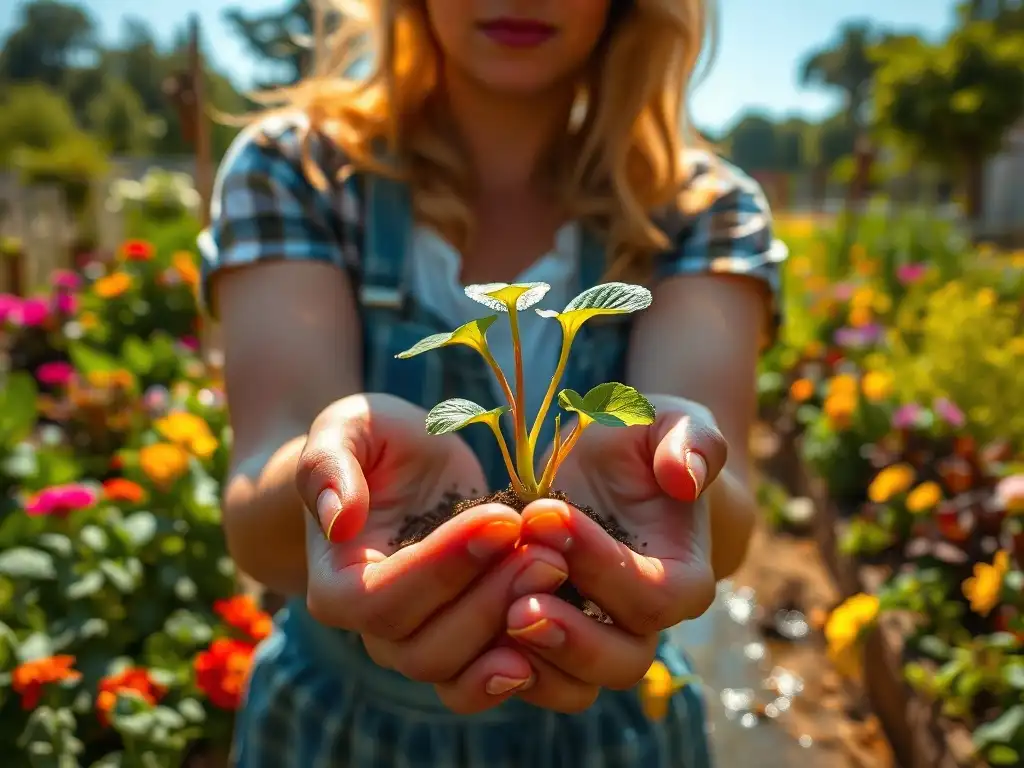
Welcome to CultivateYourFood, your guide to nurturing a thriving garden using sustainable and organic methods. Are you ready to discover the profound connection between your garden and your soul? Explore the unexpected spiritual permaculture gardening benefits we delve into in our "Advanced Techniques" section, uncovering how cultivating your food can cultivate a deeper connection with nature and yourself. Prepare to be surprised by what you can grow—and what you can discover within yourself—along the way.
- Understanding the Spiritual Dimensions of Permaculture Gardening
- Spiritual Permaculture Gardening Benefits: Inner Peace and Wellbeing
- Practical Applications of Spiritual Permaculture in Your Home Garden
- Spiritual Permaculture and Community Building
- Embracing the Journey: Spiritual Permaculture as a Lifelong Practice
-
Frequently Asked Questions
- What is spiritual permaculture gardening?
- How does permaculture gardening benefit my spiritual well-being?
- What are some spiritual practices I can incorporate into my garden?
- Can permaculture gardening help me connect with my community?
- How can I start incorporating spiritual practices into my existing garden?
- Final Reflection: Cultivating a Soulful Harvest
- Unveil Your Inner Gardener: Cultivate a Deeper Connection
Understanding the Spiritual Dimensions of Permaculture Gardening
Permaculture, often lauded for its sustainable and environmentally friendly practices, offers a much deeper connection than simply growing food. This article delves into the often-overlooked spiritual aspects of permaculture gardening, exploring how cultivating your food can nurture not only the soil but also your soul. We’ll examine how the principles of permaculture can foster a profound sense of mindfulness, interconnectedness with nature, and a deeper appreciation for the intricate web of life that sustains us.
Understanding the spiritual benefits of permaculture gardening can significantly enhance your overall experience, transforming the simple act of tending to your garden into a deeply fulfilling and enriching practice. This journey into spiritual permaculture gardening benefits will illuminate how cultivating your food can cultivate your spirit, offering a pathway to personal growth and a stronger connection to the natural world. The practice goes beyond simply producing organic food; it’s about cultivating a mindful and harmonious relationship with the Earth and all its inhabitants.
This is a holistic approach to gardening that integrates spiritual well-being with practical sustainability, making it a truly rewarding and transformative experience. Let's explore the many facets of this enriching practice.
Beyond Sustainability: The Holistic Approach of Spiritual Permaculture
Spiritual permaculture transcends the purely practical aspects of sustainable gardening. It recognizes the inherent interconnectedness of all living things and emphasizes the importance of respecting the natural world. Instead of viewing the garden as a separate entity, spiritual permaculture integrates it into a larger context of interconnectedness.
This holistic approach encourages mindful observation, deep listening to the needs of the land, and a commitment to working with nature, not against it. Practitioners often find themselves developing a deeper sense of empathy and respect not only for plants and animals but also for the wider community and the planet as a whole. This shift in perspective fosters a sense of responsibility and stewardship, encouraging a more conscious and ethical approach to gardening and life in general.
The benefits extend beyond the harvest, cultivating a sense of peace, gratitude, and a profound appreciation for the natural rhythms of the Earth. Many find that this connection to the natural world reduces stress and promotes overall well-being.
Cultivating Mindfulness in Your Garden: Presence and Observation
The act of gardening itself lends itself beautifully to mindfulness. The simple act of planting a seed, tending to a seedling, or harvesting ripe produce can be a meditative practice. Spiritual permaculture encourages a deep engagement with the present moment, fostering a heightened awareness of the subtle changes occurring within the garden.
This mindful observation sharpens the senses, allowing you to notice the intricate details of the natural world that might otherwise go unnoticed. You become more attuned to the needs of your plants, recognizing signs of stress, disease, or nutrient deficiency before they become major problems. This presence in the garden cultivates patience, resilience, and a deeper understanding of the natural processes that shape the growth and development of your plants.
It’s a practice that extends beyond the garden, fostering a greater awareness and appreciation for the present moment in all aspects of your life. The benefits include reduced stress, increased focus, and a greater sense of peace and contentment.
The Interconnectedness of Life: Respecting the Ecosystem in Spiritual Permaculture
Spiritual permaculture emphasizes the interconnectedness of all living things within the garden ecosystem. It encourages a deep respect for the delicate balance of nature and promotes practices that support biodiversity and ecological health. This includes understanding the roles of beneficial insects, birds, and other creatures in maintaining a healthy garden.
It’s about creating a thriving ecosystem where plants, animals, and microorganisms coexist in harmony. This holistic approach goes beyond simply controlling pests; it’s about creating an environment where pests are less likely to become a problem in the first place. By understanding the complexities of the ecosystem, gardeners can make informed decisions that promote balance and sustainability.
The result is a more resilient and productive garden that flourishes naturally, requiring less intervention and offering a greater sense of connection to the larger web of life. This understanding fosters a deeper appreciation for the interconnectedness of all living beings and underscores the importance of responsible stewardship of the Earth's resources.
Spiritual Permaculture Gardening Benefits: Inner Peace and Wellbeing
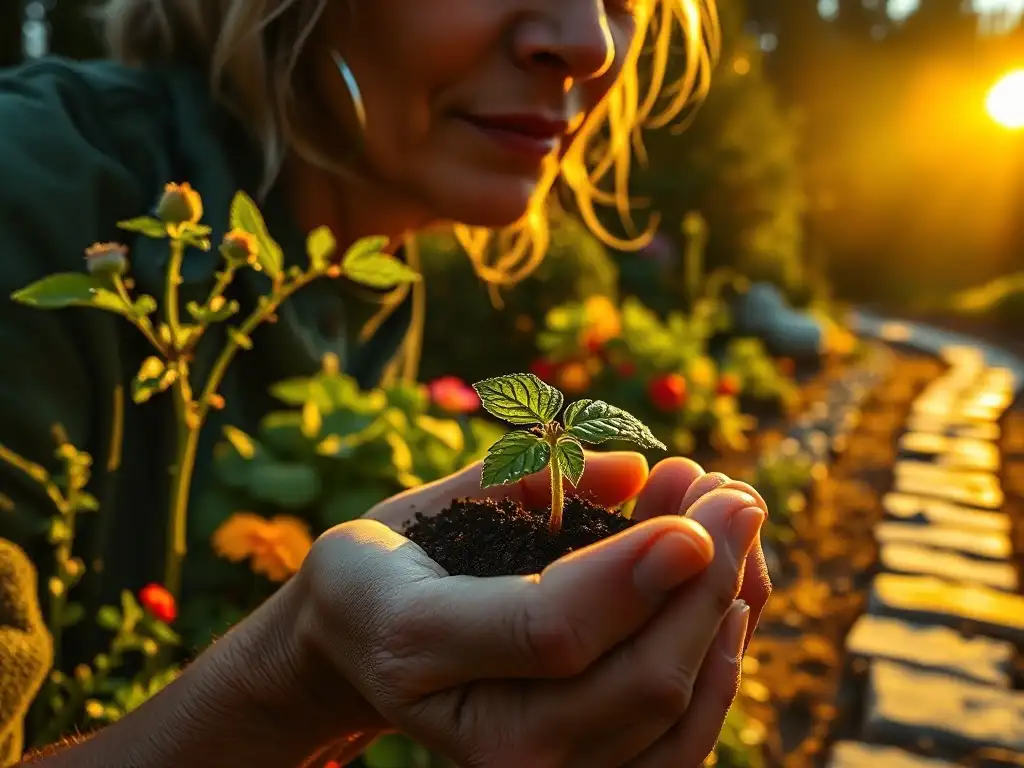
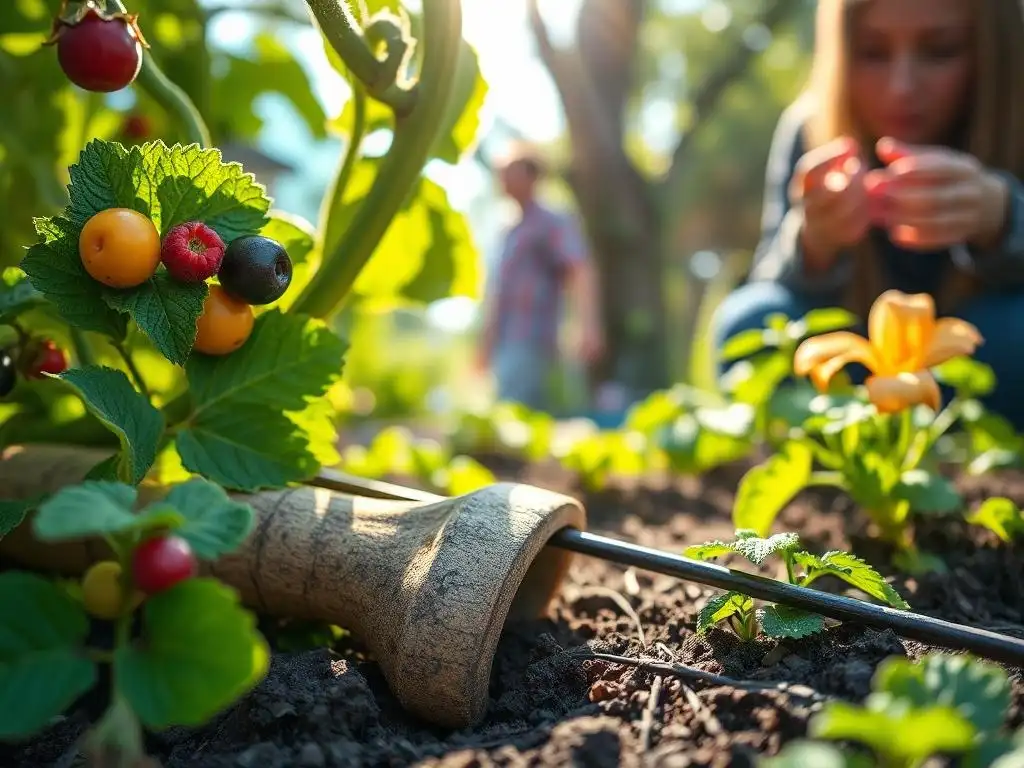
Cultivating a garden, especially through the lens of permaculture, offers profound spiritual benefits that extend far beyond the harvest. The practice fosters a deep connection with nature, promoting inner peace and overall wellbeing. This section explores the ways in which spiritual permaculture gardening benefits your mental and emotional health, ultimately enriching your life beyond the tangible rewards of fresh produce. The inherent act of nurturing life, observing growth, and participating in the natural cycles of the earth provides a unique path to self-discovery and tranquility. This isn't just about growing food; it's about growing yourself.
Stress Reduction and Mental Clarity Through Gardening
The rhythmic motions of weeding, planting, and harvesting act as a form of moving meditation. Engaging in these activities allows your mind to quiet, reducing stress hormones and promoting a sense of calm. Studies have shown that spending time in nature significantly lowers cortisol levels – the stress hormone – leading to improved mental clarity and focus.
The simple act of tending to your garden can provide a much-needed respite from the demands of daily life. Furthermore, the anticipation and eventual satisfaction of seeing your seeds germinate and grow into healthy plants offers a sense of accomplishment that further contributes to stress reduction.
Consider the difference between a hectic commute and the peaceful act of watering your herbs at sunrise – a tangible demonstration of the stress-reducing power inherent in spiritual permaculture gardening. The sensory experience – the smell of soil, the feel of leaves – contributes to this calming effect.
Connecting with Nature: Reconnecting with your inner self
Spiritual permaculture gardening is deeply rooted in the understanding of interconnectedness. By working with natural systems, rather than against them, you develop a profound respect for the natural world and your place within it. This connection transcends the purely practical aspects of gardening; it fosters a sense of belonging and purpose. You become a participant in the larger ecosystem, observing the intricate relationships between plants, insects, and the soil.
This mindful engagement with nature allows you to reconnect with your inner self, fostering a sense of peace and grounding. The cyclical nature of planting, growing, harvesting, and composting mirrors the cyclical nature of life itself, providing a powerful metaphor for self-renewal and personal growth. This intimate interaction with the natural world cultivates a deeper appreciation for the delicate balance of life, enriching your spiritual practice. Many practitioners describe a feeling of rejuvenation and spiritual awakening through this process.
Boosting Self-Esteem and Confidence Through Sustainable Practices
Spiritual permaculture emphasizes sustainable practices, promoting respect for the environment and mindful resource management. By choosing to grow your own food organically, you are actively participating in creating a healthier planet and a more sustainable future. This conscious choice boosts self-esteem and fosters a sense of personal responsibility.
The sense of accomplishment derived from nurturing life and creating something beautiful with your own hands is invaluable. Successfully cultivating a thriving garden, free from harmful pesticides and reliant on natural processes, instills a sense of pride and competence. This is a tangible manifestation of your ability to create positive change, both in your personal life and the wider world.
You are not only providing healthy food for yourself and your family, but also contributing to a more harmonious relationship between humanity and nature. The sustainable practices inherent in spiritual permaculture directly translate into increased self-worth and confidence in your ability to make a difference.
Practical Applications of Spiritual Permaculture in Your Home Garden
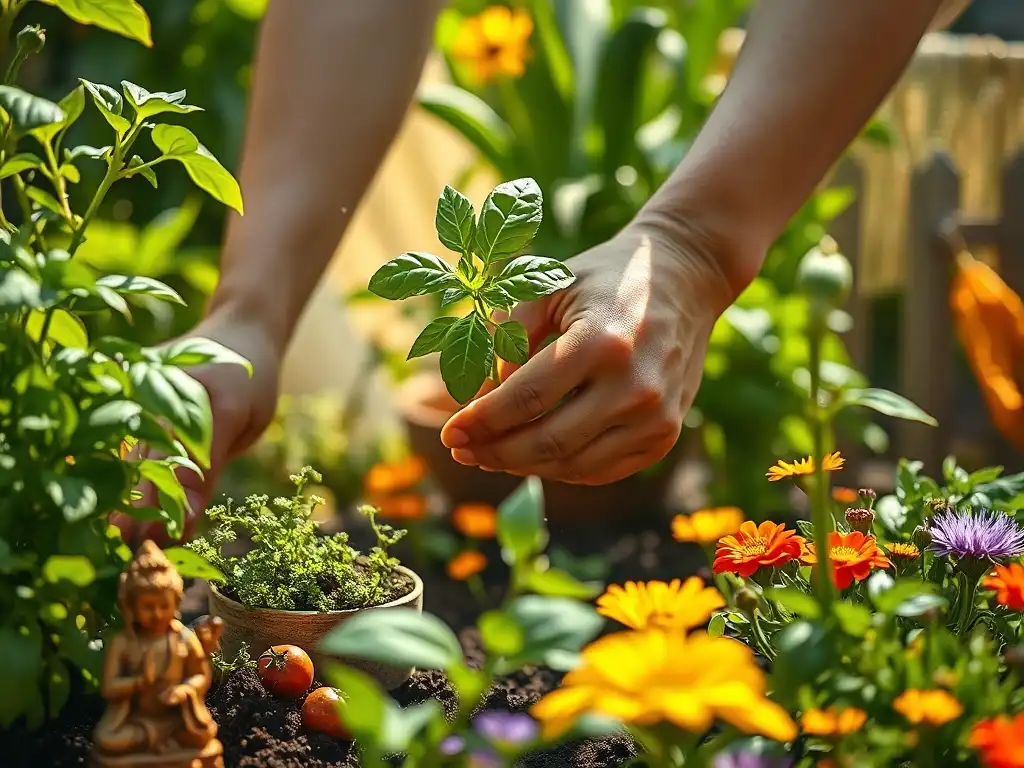
This section explores how to integrate spiritual permaculture principles into your home gardening practices, enhancing your connection with nature and fostering a deeper appreciation for the food you cultivate. We'll move beyond the purely practical aspects of gardening and delve into the mindful cultivation that lies at the heart of spiritual permaculture. The benefits extend beyond bountiful harvests; they encompass personal growth, stress reduction, and a heightened sense of well-being. Remember, the goal is to cultivate not only food but also a deeper relationship with the land and the life it sustains.
Designing a Sacred Space: Creating a mindful garden layout
Designing a garden with spiritual permaculture in mind involves more than just efficient plant placement. It's about creating a space that fosters contemplation, encourages connection with nature, and reflects your personal values. Consider these elements when planning your garden layout:
- Orientation and sunlight: Pay attention to the sun's path throughout the day. Designate specific areas for sun-loving plants and others for shade-tolerant varieties. Consider incorporating seating areas where you can enjoy the sunlight and observe your garden's growth. This mindful observation is a key component of spiritual permaculture gardening benefits.
- Water features: The gentle sound of water is incredibly calming and can enhance the spiritual atmosphere of your garden. A small fountain, birdbath, or even a strategically placed rain barrel can create a peaceful focal point.
- Paths and walkways: Design winding paths that encourage exploration and mindful movement through your garden. Avoid straight lines; instead, opt for curves that mimic the natural flow of nature.
- Sacred plants: Incorporate plants that hold symbolic meaning for you. Perhaps a specific herb, flower, or tree that resonates with your spiritual beliefs or personal history. This adds a layer of personalized meaning to your gardening practice, enriching the spiritual permaculture gardening benefits you experience.
- Natural materials: Use natural materials like wood, stone, and recycled materials whenever possible. This aligns with the sustainability principles of permaculture and creates a harmonious, organic feel.
Consider creating a dedicated meditation space within your garden – a quiet nook where you can sit and reflect amidst the natural beauty you’ve cultivated. This dedicated space enhances the spiritual permaculture gardening benefits by providing a quiet retreat for contemplation and connection.
Intention Setting and Rituals in Permaculture Gardening
Intention setting is a powerful practice in spiritual permaculture. Before planting, take a moment to connect with the seeds and the earth. Visualize the healthy growth of your plants and the abundance they will bring. This mindful act infuses your gardening efforts with positive energy and intention.
Rituals can further enhance this connection. For example:
- Seed blessing: Before sowing seeds, hold them in your hands, visualize their growth, and whisper your intentions for a bountiful harvest.
- Harvest celebrations: Acknowledge the abundance of your harvest with a simple ritual, giving thanks for the earth's generosity. This could involve sharing your harvest with others, preparing a special meal, or simply taking a moment of quiet reflection to appreciate your accomplishments.
- Monthly garden meditations: Set aside time each month to walk through your garden, observing the changes in nature and reflecting on your connection with the land. These regular practices amplify the spiritual permaculture gardening benefits.
Regularly engaging in these rituals transforms your gardening practice from a mere chore into a meaningful spiritual experience. The act of planting and harvesting becomes a form of meditation, fostering a deeper connection with the natural world and yourself.
Working with the Natural Rhythms: Moon cycles and planting
Spiritual permaculture emphasizes working with nature, not against it. Understanding and utilizing natural rhythms, such as the moon cycles, can significantly enhance your gardening success and deepen your connection with the earth.
The moon's gravitational pull influences the flow of water within plants. Many gardeners believe that planting during specific moon phases can improve seed germination, growth rates, and overall plant health.
- New Moon: A good time for sowing seeds that grow underground (roots, tubers).
- Full Moon: Ideal for harvesting above-ground fruits and vegetables.
- Waxing Moon (growing): Generally considered a good time for planting above-ground crops.
- Waning Moon (shrinking): Often recommended for pruning and weeding.
While scientific evidence supporting these claims is still under investigation, many experienced gardeners report positive results from aligning their planting schedules with lunar cycles. The act itself, of observing and responding to the natural rhythms of the moon, fosters a deeper connection with nature, contributing significantly to the spiritual permaculture gardening benefits. The heightened awareness of the cycles of growth and decay inherent in the lunar phases enhances the contemplative aspect of your gardening practice. This mindful approach, aligning with the natural world, enhances the overall spiritual experience of cultivating your food.
Gratitude and Appreciation Practices in the Garden
Cultivating a garden using spiritual permaculture principles isn't just about growing food; it's about fostering a deep connection with the natural world and cultivating gratitude. Regular practices of gratitude can significantly enhance your gardening experience and the overall spiritual benefits you derive from it. Think of it as a mindful approach to tending your plants, recognizing the interconnectedness of all living things.
One simple yet powerful practice is to begin each gardening session with a moment of quiet reflection. Take a few deep breaths, absorbing the sights, sounds, and smells of your garden. Acknowledge the earth beneath your feet, the sun warming your skin, and the gentle breeze rustling through the leaves. Express gratitude for the abundance already present, even before you've harvested anything. This simple act of acknowledgment shifts your perspective from a task-oriented approach to a more appreciative one.
Another effective technique involves expressing gratitude directly to your plants. As you water, weed, or harvest, take a moment to thank each plant for its contribution to your life. Acknowledge the effort it's taken to grow, and appreciate the nourishment it provides. This isn't about anthropomorphizing plants, but rather about recognizing their vital role in the ecosystem and expressing appreciation for their life force. Studies have shown that speaking to plants can even positively influence their growth, though more research is needed to fully understand this phenomenon. 1 Regardless, the act of expressing gratitude fosters a deeper connection and a sense of respect for the living beings you are nurturing.
Furthermore, incorporating gratitude into your harvest rituals can deepen your appreciation for the abundance you've cultivated. Before consuming your homegrown produce, take a moment to reflect on the journey from seed to plate. Acknowledge the work you've put in, the natural processes that supported growth, and the nourishment the food will provide.
This mindful consumption enhances the overall experience, turning a simple meal into a meditation on the interconnectedness of life and the bounty of nature. This practice extends beyond simply thanking the plants; it's about thanking the entire ecosystem that supported their growth—the sun, the rain, the soil, and the beneficial insects.
Finally, keeping a gratitude journal specifically for your garden can provide a tangible record of your appreciation and a space to reflect on the lessons learned. Note down specific instances of gratitude—a bountiful harvest, a plant overcoming a challenge, the beauty of a particular flower—to build a lasting record of your spiritual journey in the garden. This practice enhances mindfulness and allows you to revisit these moments of appreciation, strengthening your connection to the natural world over time.
1 [Specific information pending: Cite a relevant study on the effect of speaking to plants]
Spiritual Permaculture and Community Building
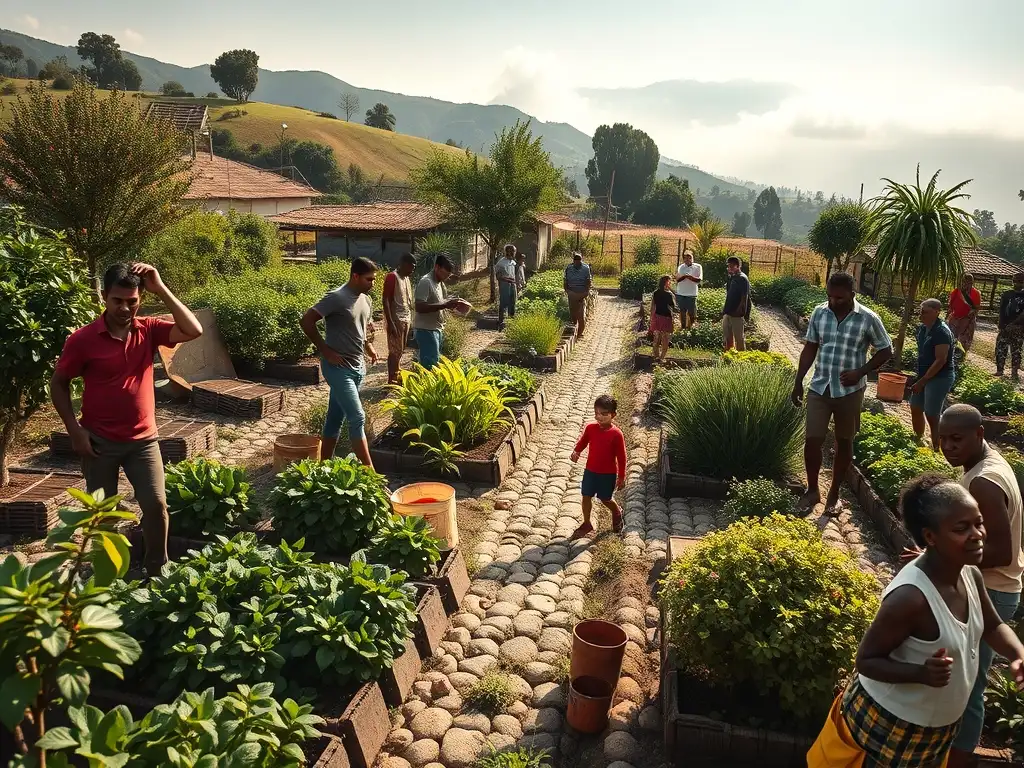
Spiritual permaculture gardening benefits extend far beyond the bountiful harvest. It fosters a deep sense of connection not just with the land, but also with the community that shares in the process. This interconnectedness strengthens our understanding of interdependence and cultivates a shared responsibility for the well-being of both the environment and each other. Practicing spiritual permaculture isn't a solitary pursuit; it's a collaborative journey.
Community gardens, a cornerstone of spiritual permaculture, offer a powerful platform for shared learning and spiritual growth. The act of cultivating food together, sharing knowledge, and celebrating the harvest strengthens community bonds. The collective effort involved in building and maintaining a community garden fosters collaboration, empathy, and a shared sense of purpose. Consider this example: a group of neighbors, previously strangers, transform a neglected lot into a vibrant garden, overcoming challenges together and sharing the fruits (and vegetables!)
of their labor. This shared experience creates a deep sense of belonging and mutual support, enriching the spiritual lives of all involved. The joy of giving and receiving, inherent in sharing the harvest, embodies the spirit of abundance and generosity central to spiritual permaculture.
This practice actively counters the isolating effects of modern life, fostering a sense of community and shared responsibility. The simple act of sharing food becomes a ritual, a connection to something larger than oneself. Studies have shown that participation in community gardening initiatives correlates with increased feelings of well-being and social connection, further highlighting the profound spiritual benefits.
Learning from Nature: Humility and continuous growth
Spiritual permaculture gardening cultivates humility. Nature, in its complexity and resilience, serves as a constant teacher. We learn to observe, adapt, and accept that we are not in control. Unexpected challenges, like pest infestations or unpredictable weather patterns, remind us of our limitations and the need for flexibility.
Instead of fighting against nature, we learn to work with it, understanding and respecting its rhythms and cycles. This acceptance fosters a deep sense of humility and encourages continuous learning. For instance, a failed crop isn't viewed as a failure, but rather as a valuable lesson, prompting reflection and adjustments for future plantings.
This ongoing process of learning and adapting cultivates patience, resilience, and a deeper appreciation for the interconnectedness of all living things. The humbling experience of working with the natural world fosters a profound sense of awe and wonder, enriching our spiritual lives. The constant need for adaptation and learning keeps us grounded, preventing arrogance and fostering a spirit of continuous improvement.
Environmental Stewardship: A Spiritual Responsibility
Spiritual permaculture views environmental stewardship not merely as a practical necessity but as a spiritual responsibility. Caring for the land, protecting biodiversity, and minimizing our environmental impact become acts of reverence and devotion. We recognize the inherent value of all living things and strive to create a harmonious relationship with nature.
The conscious choices made in a spiritual permaculture garden—from choosing organic methods to composting and water conservation—reflect a deeper commitment to environmental ethics. For example, choosing to build a worm composting system isn't just about creating nutrient-rich soil; it's about honoring the interconnectedness of life and participating in the natural cycles of decomposition and regeneration. This holistic approach to environmental stewardship fosters a profound sense of connection to the earth and a deep respect for its delicate balance.
This mindful engagement with the environment cultivates a sense of responsibility and strengthens our spiritual connection to the planet, reminding us of our place within the larger ecosystem. The practice of spiritual permaculture transforms environmental responsibility from a chore into an act of spiritual devotion, enriching both our personal lives and the health of the planet.
Embracing the Journey: Spiritual Permaculture as a Lifelong Practice
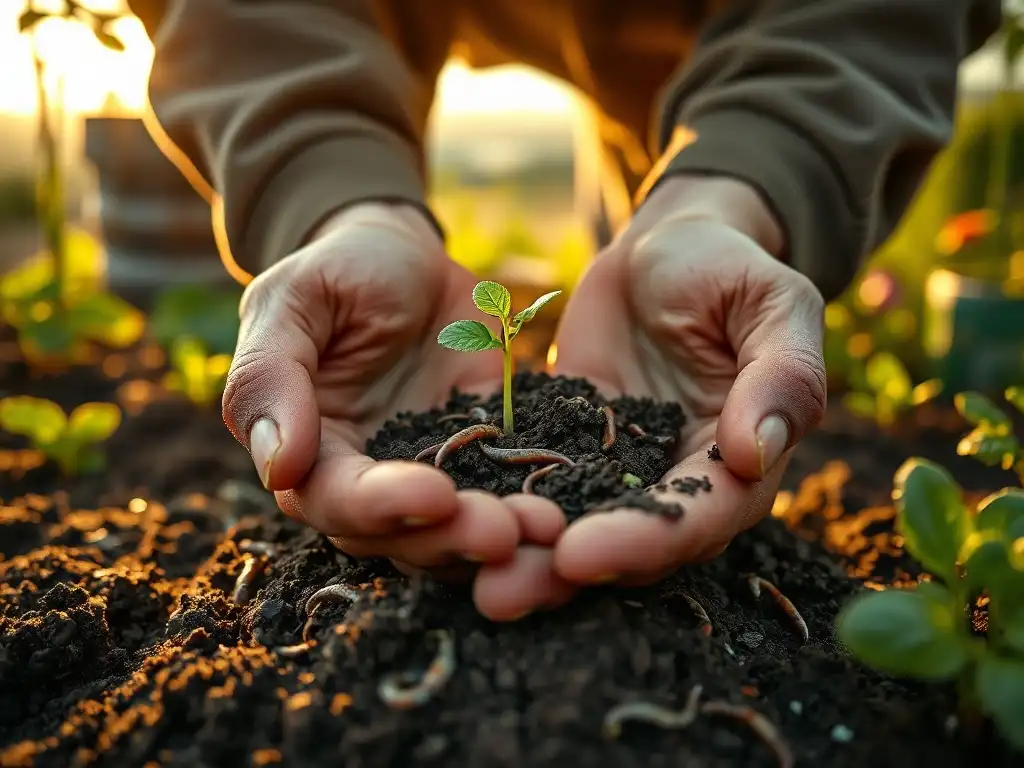
Spiritual permaculture gardening benefits extend far beyond the bountiful harvest. It's a commitment to a holistic lifestyle, a continuous journey of learning and growth intertwined with the rhythms of nature. This isn't a destination, but a dynamic process of self-discovery and connection. The practice evolves with you, adapting to changing seasons, personal insights, and unforeseen challenges. Think of it as a conversation with the earth, a constant exchange of energy and understanding. The more you invest, the richer the rewards become, both materially and spiritually. This section explores the ongoing nature of this deeply fulfilling practice.
The Evolution of Spiritual Gardening: Continuous learning and adaptation
Spiritual permaculture is not static; it’s a living, breathing practice that adapts to your changing needs and the ever-shifting landscape of your garden. What works one year might not work the next. Perhaps a particular companion planting strategy proved unsuccessful, or a pest unexpectedly decimated a crop. These experiences are invaluable learning opportunities. They teach patience, resilience, and the importance of observation.
Each season presents a new set of challenges and rewards, pushing you to refine your techniques and deepen your understanding of the interconnectedness of all things. For example, a dry summer might lead you to experiment with water-wise gardening techniques, while an unusually cold spring might necessitate adjustments to your planting schedule. This continuous learning process is a core element of the spiritual journey, fostering adaptability and a sense of humility in the face of nature's power. The evolution of your garden mirrors your own personal growth.
The Transformative Power of Nature: Personal growth through permaculture
The act of nurturing life, whether it's a tiny seedling or a mature fruit tree, has a profound effect on our inner selves. The quiet contemplation required for observing plant growth, understanding their needs, and responding to their subtle cues fosters mindfulness and a sense of calm. The physical act of tending the garden—weeding, planting, harvesting—connects us to our bodies and grounds us in the present moment. Many practitioners report reduced stress levels and increased feelings of well-being. The cyclical nature of planting, growth, decay, and renewal mirrors our own life cycles, offering valuable lessons in acceptance and letting go. Successfully cultivating a thriving garden instills confidence and a sense of accomplishment, boosting self-esteem and fostering a deeper connection with the natural world. This transformative power is a key benefit of embracing spiritual permaculture. The patience and perseverance required build character and resilience, qualities valuable far beyond the garden gate.
Cultivating a Deeper Relationship with the Earth: A path to well-being
Spiritual permaculture is fundamentally about fostering a relationship with the earth, recognizing its inherent value and our interconnectedness with all living things. By working with nature rather than against it, we cultivate a sense of respect and reverence for the planet. This connection extends beyond the immediate environment, fostering a broader sense of responsibility towards environmental stewardship.
The mindful practices inherent in permaculture—observation, planning, and careful action—cultivate a deeper awareness of our impact on the environment and inspire us to live more sustainably. The simple act of composting transforms waste into nourishment, reminding us of the cyclical nature of life and death, and the importance of minimizing our environmental footprint.
This deeper relationship with the earth is not merely beneficial for the planet; it's also a path to personal well-being, fostering a sense of purpose and connection that enriches our lives in countless ways. The rewards are immeasurable—a vibrant garden, a healthier planet, and a more fulfilling life.
Frequently Asked Questions
What is spiritual permaculture gardening?
Spiritual permaculture gardening goes beyond simply growing food; it's about cultivating a deeper connection with nature and fostering a sense of mindfulness and reverence for the natural world. It integrates spiritual practices into the design and maintenance of your garden.
How does permaculture gardening benefit my spiritual well-being?
Engaging in permaculture can reduce stress and promote inner peace through mindful interaction with nature. The act of nurturing plants and observing natural cycles can be deeply meditative and restorative. It fosters a sense of gratitude and connection to something larger than yourself.
What are some spiritual practices I can incorporate into my garden?
Consider incorporating meditation or mindful observation while tending your garden. Engage in prayer or gratitude practices while harvesting your food. You can also create a sacred space within your garden for reflection and contemplation.
Can permaculture gardening help me connect with my community?
Absolutely! Sharing your harvest, participating in community gardening projects, or simply sharing knowledge with others fosters a sense of belonging and connection. This collaborative aspect enhances the spiritual benefits of permaculture.
How can I start incorporating spiritual practices into my existing garden?
Begin by simply spending more time in your garden, observing and appreciating the natural processes unfolding. Introduce mindful activities like weeding or watering. Gradually incorporate other practices that resonate with your personal spiritual beliefs.
Final Reflection: Cultivating a Soulful Harvest
The principles of permaculture extend far beyond sustainable agriculture; they offer a pathway to profound spiritual growth and a deeper connection with the natural world. This isn't merely about growing food; it's about cultivating a mindful relationship with the earth, fostering resilience, and nurturing both the land and our inner selves. The current ecological crisis underscores the urgency of this connection, demanding a shift in our relationship with nature that goes beyond mere practicality.
The practice of spiritual permaculture has profoundly impacted my own life, transforming my understanding of interconnectedness and responsibility. It's a journey of constant learning, observation, and adaptation, mirroring the cyclical rhythms of nature itself. The earth laughs in flowers.
This simple statement encapsulates the joy and abundance that arise from aligning our actions with the natural world, a joy that transcends the purely material. The growing movement towards mindful living and ecological awareness demonstrates a widespread yearning for this deeper connection, a recognition that our well-being is inextricably linked to the health of the planet.
Consider the seeds you plant, both literally and metaphorically. What kind of garden are you cultivating in your own life? Embrace the principles of observation, collaboration, and mindful action. Let the wisdom of the earth guide you, and allow the process of nurturing life to nurture your soul. The journey of spiritual permaculture is a lifelong commitment to growth, both personal and planetary – a harvest that extends far beyond the bounty of the garden.
Unveil Your Inner Gardener: Cultivate a Deeper Connection
Thank you for exploring the spiritual side of permaculture. We hope you've gained a new appreciation for the interconnectedness of nature and yourself. Let's continue this journey!
- Begin your permaculture practice: Start small! Choose one area of your life—your garden, your home, or even your mindset—to apply permaculture principles. Planting a single seed is a powerful first step.
- Share your experiences: Connect with our community on social media and share your initial steps in incorporating permaculture into your life. Your insights can inspire others!
- Journal your reflections: Keep a journal to record your evolving relationship with nature as you embrace permaculture. This practice will deepen your connection and offer valuable insights.
What small step will you take today to foster a more meaningful connection with nature through permaculture?