
From Seed to Supper: How Shared Gardens Connect People to Their Food

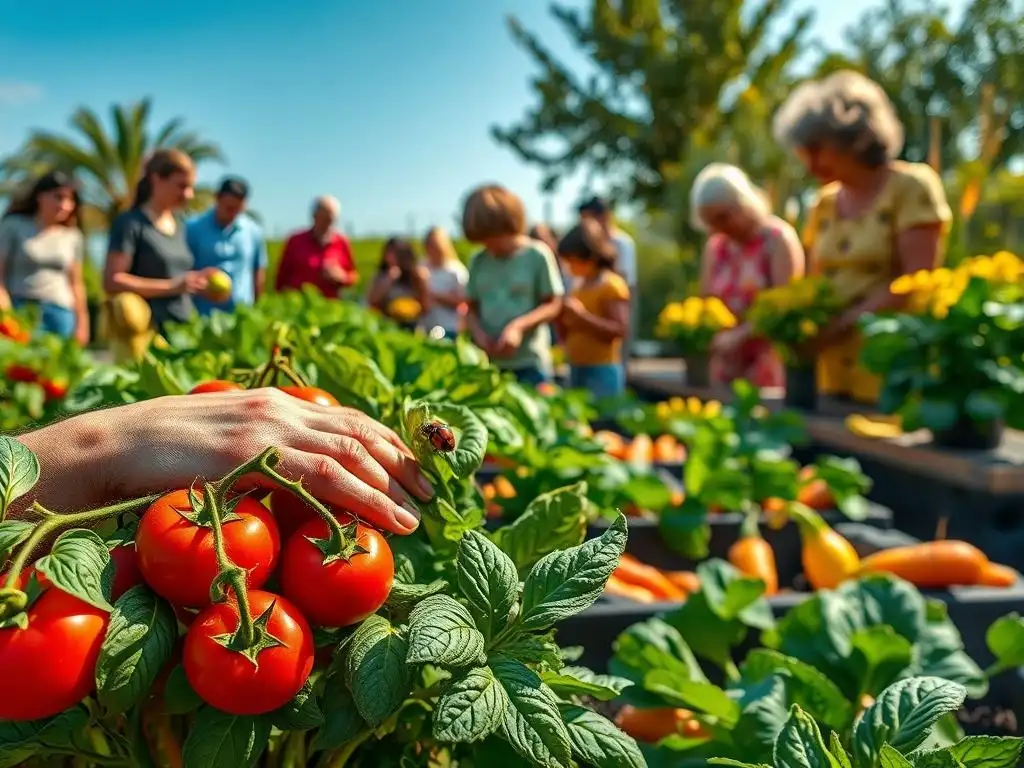
Welcome to CultivateYourFood, your guide to growing a thriving garden, organically and sustainably! Are you ready to experience the joy of harvesting your own fruits, vegetables, and herbs? We believe everyone can cultivate their own food, and our focus on community garden organic growing shows how easy it can be. Discover how shared spaces foster connection and yield bountiful harvests in our latest article, "From Seed to Supper: How Shared Gardens Connect People to Their Food," and unlock the secrets to a greener, more fulfilling life. Let's get growing!
- The Rise of Community Garden Organic Growing
- Getting Involved in a Community Garden
- Planting and Growing Together
- Building Community Through Shared Gardening
-
The Long-Term Impact of Community Garden Organic Growing
- Environmental Sustainability: Reducing Food Miles and Carbon Footprint
- Economic Benefits: Access to Affordable and Nutritious Food
- Promoting Food Literacy: Educating the Community About Sustainable Food Systems
- Inspiring Future Generations: Cultivating a Passion for Organic Growing and Community Engagement
-
Frequently Asked Questions
- What is a community garden, and how does it relate to organic growing?
- How can I get involved in a community garden focused on organic growing?
- What are the benefits of participating in a community garden that uses organic methods?
- What are some common organic growing techniques used in community gardens?
- Are there any challenges associated with organic growing in a community garden setting?
- Final Reflection: Cultivating Community, One Seed at a Time
- Unleash Your Inner Gardener: Grow Your Community & Your Food!
The Rise of Community Garden Organic Growing
Community gardens are experiencing a surge in popularity, representing a powerful intersection of urban farming, sustainable living, and social connection. This growing movement reflects a wider societal shift towards healthier eating habits, environmental consciousness, and a renewed appreciation for the origins of our food. More than just a plot of land for growing vegetables, community gardens are vibrant hubs fostering a sense of belonging and shared responsibility.
This article explores the multifaceted benefits of community garden organic growing, examining its impact on food security, environmental sustainability, and community building. We'll delve into the practical aspects of cultivating organic produce in a shared space, highlighting the collaborative spirit and shared knowledge that are fundamental to its success.
From seed to supper, community gardens offer a unique pathway to reconnect individuals with their food and with each other, making them a vital component of a more sustainable and resilient food system. The keyword "Community garden organic growing" is central to understanding this increasingly important movement.
Participating in a community garden offers a wealth of benefits beyond simply having access to fresh produce. The shared responsibility and collaborative nature of these spaces foster a strong sense of community. Neighbors connect, sharing gardening tips, recipes, and stories, building relationships that extend beyond the garden fence. For many, especially those living in urban areas with limited access to green space, community gardens provide a vital connection to nature, offering a tranquil escape and opportunities for relaxation and stress reduction.
Furthermore, the educational opportunities are immense; experienced gardeners can mentor newcomers, passing on valuable knowledge and skills. This collaborative learning environment cultivates a deeper understanding of sustainable agriculture and the importance of biodiversity. The social, emotional, and educational advantages of community gardens are significant and contribute to the overall well-being of participants. The positive impact on mental health, particularly in urban environments, is a frequently cited benefit.
Community Garden Organic Growing: A Sustainable Approach to Food Production
Community gardens often champion organic growing practices, minimizing the environmental impact of food production. By avoiding synthetic pesticides and fertilizers, these gardens contribute to healthier soil, cleaner water, and a reduction in harmful chemical runoff. Composting is frequently integrated into the garden's operations, recycling organic waste and enriching the soil naturally. This closed-loop system minimizes waste and promotes biodiversity, attracting beneficial insects and pollinators.
The emphasis on organic methods aligns with principles of sustainability, reducing the carbon footprint associated with food transportation and promoting healthier food choices for the community. Data on soil health improvements in community gardens compared to conventional agricultural practices would further illustrate the environmental benefits. [Specific data on soil health improvements pending]. Furthermore, the reduced reliance on external inputs like fertilizers and pesticides makes these gardens more resilient and less dependent on industrial agricultural systems.
Access to Fresh, Healthy Food: The Core Benefit of Community Gardens
Perhaps the most immediate and tangible benefit of community gardens is access to fresh, healthy, and locally grown food. For many residents, especially those in food deserts, community gardens provide a crucial source of nutritious produce. This increased access to fruits, vegetables, and herbs contributes to improved diets and better overall health.
The opportunity to grow one's own food fosters a deeper connection to the food system, promoting healthier eating habits and a greater appreciation for the effort involved in food production. Studies have shown a correlation between access to fresh produce and reduced rates of diet-related diseases. [Specific studies and statistical data pending].
The ability to harvest fresh, seasonal produce directly from the garden provides a unique and rewarding experience, enhancing the overall quality of life for participants and strengthening the community bond through shared harvests and meals. The direct access to nutritious food is a cornerstone of community garden's positive impact on public health.
Getting Involved in a Community Garden
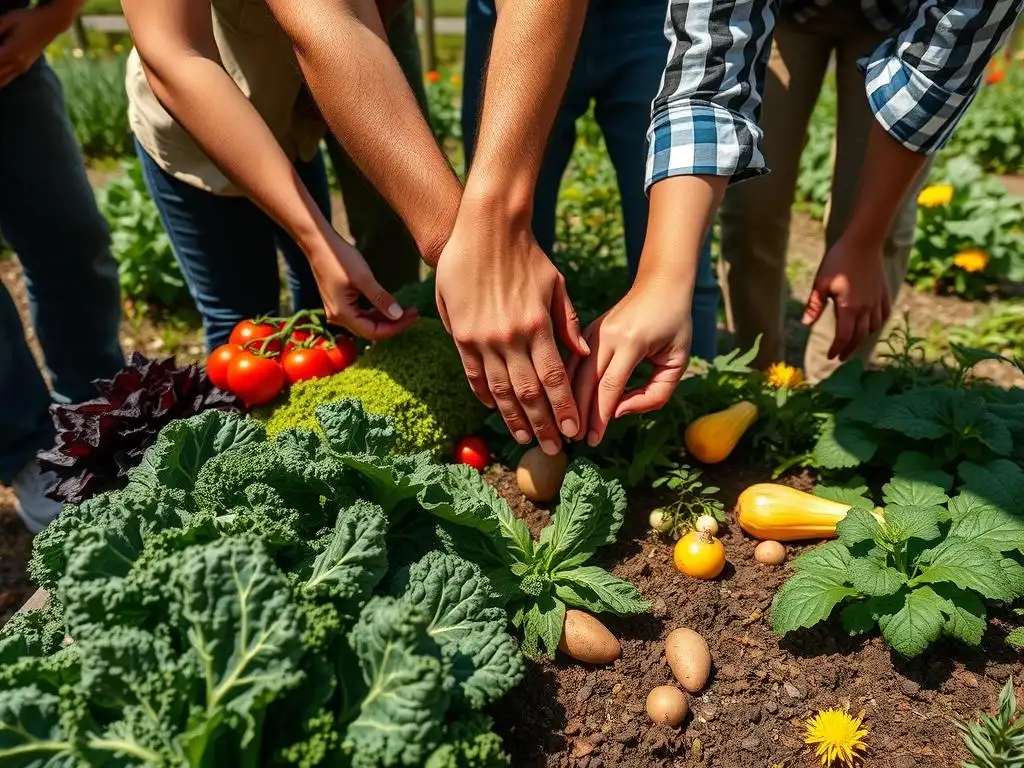
This section explores the practical steps involved in participating in a community garden, focusing on how to find a suitable garden, navigate the application process, and understand the role of volunteers in fostering organic growth within the community. We'll delve into the specifics of becoming an active member and contributing to a thriving shared gardening experience. The benefits extend beyond fresh, organically grown produce; they encompass community building, skill-sharing, and a deeper connection to the food system.
Finding a Local Community Garden: Resources and Tips
Locating a community garden that aligns with your interests and availability is the first step. Several resources can assist in this search. Local government websites often maintain lists of registered community gardens within their jurisdiction. These listings may include details about garden size, plot availability, and any specific requirements or rules. Additionally, many municipalities offer online search tools that allow filtering by location, amenities, and even the types of plants cultivated. Think about your preferred growing method – some gardens specialize in raised beds, while others focus on traditional in-ground plots.
Beyond official government channels, consider exploring online community forums and social media groups dedicated to local gardening. These platforms frequently feature discussions about existing community gardens, with members sharing their experiences and recommendations. Local libraries and community centers can also be valuable resources, often displaying flyers or possessing information about nearby gardens. Don't hesitate to reach out to your neighbors; word-of-mouth recommendations are a powerful tool in discovering hidden gems within your community.
Remember to consider practical aspects like the garden's location, accessibility (public transportation, parking), and the overall atmosphere. A visit to potential gardens before applying is highly recommended, allowing you to assess the suitability of the environment and gauge the level of community engagement. Remember, finding the right fit is crucial for a positive and rewarding gardening experience. This process of searching for a "Community garden organic growing" opportunity can be surprisingly fruitful and rewarding.
Joining a Community Garden: The Application and Onboarding Process
Once you've identified a community garden you'd like to join, you'll typically encounter an application process. This usually involves completing a form providing personal information, gardening experience (if any), and preferred plot size (if applicable). Many gardens also include questions about your gardening philosophy, ensuring alignment with the community's values. Some gardens may have a waiting list, particularly those with high demand and limited plot availability. Be prepared for a potential waiting period and maintain open communication with the garden organizers.
After acceptance, the onboarding process will begin. This might include an introductory meeting with other gardeners, a tour of the garden facilities, a review of the garden's rules and regulations, and possibly even a workshop on sustainable gardening practices. You'll likely receive guidance on plot preparation, composting techniques, and pest control strategies.
The onboarding process is designed to integrate new members smoothly into the community and provide them with the necessary knowledge and support to succeed. A well-structured onboarding program is a key feature of a successful "Community garden organic growing" initiative. This helps ensure everyone can actively participate and contribute to the garden's thriving ecosystem.
The Role of Volunteers in Community Garden Organic Growing
Community gardens thrive on the collective effort of volunteers. Volunteering offers a fantastic opportunity to contribute to the garden's success while simultaneously learning from experienced gardeners. Tasks range from basic maintenance (weeding, watering) to more specialized roles such as composting management, pest control, and seed saving. Many gardens also organize workshops and educational events, often led by skilled volunteers who share their expertise. The level of volunteer commitment varies, with some individuals contributing a few hours a month while others dedicate more significant time.
Volunteering is not just about physical work; it's about building relationships and fostering a sense of shared ownership. Sharing knowledge and experiences creates a collaborative environment, where beginners can learn from experts and experienced gardeners can refine their skills through mutual support. The collaborative spirit is essential for successful "Community garden organic growing," ensuring sustainable practices and a bountiful harvest. Participating as a volunteer strengthens the sense of community and contributes to the overall well-being of the garden and its members. It's a mutually beneficial exchange of skills, time, and passion, creating a vibrant and productive gardening community.
Planting and Growing Together
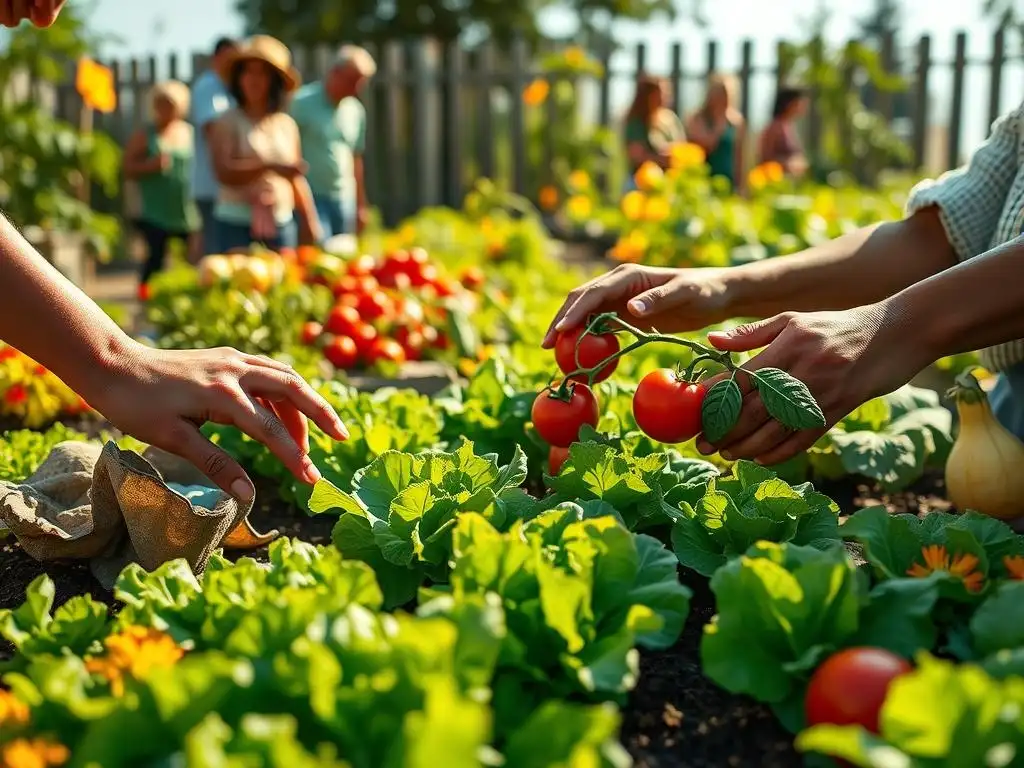
This section delves into the practical aspects of cultivating a thriving community garden, focusing on planning, shared responsibility, and organic growing techniques. Success in community gardening hinges on careful planning and collaborative effort. Let's explore the key elements for a bountiful harvest.
Planning Your Plot: Choosing the Right Plants for Your Climate and Soil
Careful plant selection is paramount for a successful community garden. Ignoring local climate and soil conditions can lead to poor yields and frustrated gardeners. Before even breaking ground, a thorough assessment is crucial. This involves understanding your specific microclimate – how much sun exposure the garden receives, prevailing winds, and the typical temperature fluctuations. Soil testing is another critical step. This will reveal the pH level and nutrient content, guiding decisions on soil amendments and plant choices.
For example, a community garden situated in a hot, dry climate might thrive with drought-tolerant plants like tomatoes, peppers, and zucchini. Conversely, a cooler, wetter area might be better suited for leafy greens like kale and spinach, or root vegetables like carrots and beets. Understanding the soil's composition is equally important. Sandy soil requires more frequent watering and may need organic matter additions to improve water retention.
Clay soil, on the other hand, needs amending to improve drainage and aeration. This careful planning ensures that the selected plants have the best chance of flourishing. Consider creating a detailed planting plan, including plant spacing and row arrangement, to maximize yield and minimize competition for resources. Remember to choose plants that are compatible with each other and that are suitable for the community’s needs and preferences.
The success of a community garden relies heavily on shared responsibility. Establishing clear roles and responsibilities from the outset is essential to avoid conflict and ensure the garden's upkeep. One effective strategy is to divide the garden into individual plots, with each member responsible for their designated area. This approach promotes ownership and accountability. However, some tasks, like weeding common pathways, composting, and pest control, should be shared responsibilities, fostering a sense of collective ownership and collaboration.
Consider implementing a rotating schedule for tasks such as watering, weeding, and harvesting. This ensures that the workload is evenly distributed and prevents any single individual from bearing the brunt of the maintenance. Regular meetings are also crucial to discuss progress, address challenges, and coordinate efforts. Open communication is vital in resolving disagreements and maintaining a positive and collaborative atmosphere. Clearly defined rules and guidelines, perhaps documented in a community garden charter, can further enhance cooperation and prevent misunderstandings. This shared responsibility model ensures that the garden thrives while strengthening community bonds.
Organic Growing Techniques for Community Gardens: Pest Control and Soil Health
Organic growing practices are central to a truly sustainable community garden. These techniques prioritize soil health and natural pest control, minimizing the environmental impact. Healthy soil is the foundation of thriving plants. Composting kitchen scraps and yard waste provides a rich source of organic matter, improving soil structure, water retention, and nutrient availability. Cover cropping, the practice of planting legumes or other nitrogen-fixing plants, further enhances soil fertility by enriching the soil with nitrogen.
Pest control in an organic community garden relies on natural methods. Companion planting, where certain plants deter pests from others, is a highly effective strategy. For example, basil planted near tomatoes can repel tomato hornworms. Beneficial insects, such as ladybugs and lacewings, can be encouraged by providing habitats like flowering plants. Hand-picking pests or using natural sprays made from insecticidal soap or neem oil can also be effective solutions.
These organic practices not only protect the environment but also contribute to a healthier and more sustainable community garden, reflecting the ethos of "Community garden organic growing." Regular monitoring for pests and diseases is crucial for early intervention and preventing widespread damage. Documenting observations and sharing best practices within the community can further enhance pest management efforts. This integrated approach to organic gardening ensures a productive and environmentally friendly community garden.
Harvesting Together: Sharing the Bounty of the Community Garden
Harvesting in a community garden is more than just picking ripe tomatoes; it's a shared experience that fosters connection and strengthens the community bond built through shared labor and mutual support throughout the growing season. The abundance of the harvest is celebrated collectively, creating a sense of shared accomplishment and rewarding everyone's contributions. This collective harvest often leads to spontaneous bartering and sharing of produce, strengthening relationships among gardeners. For instance, one gardener might have an overflowing supply of zucchini while another excels at growing peppers; this natural exchange builds community spirit and reduces food waste.
The timing of the harvest is often a collaborative effort. Experienced gardeners can guide newcomers, teaching them how to identify ripeness in various plants and the best techniques for harvesting to ensure the plants continue producing. This knowledge transfer is a crucial aspect of community garden success, ensuring sustainability and continuity for years to come.
Many community gardens organize group harvesting events, transforming the task into a social occasion. These events often include potlucks, where gardeners contribute dishes made with their harvests, furthering the sense of community and shared accomplishment. This shared culinary experience highlights the direct link between the effort invested in the garden and the delicious food enjoyed together.
It's not uncommon for these gatherings to evolve into informal educational sessions, with seasoned gardeners sharing tips and tricks for preserving the harvest, such as canning, freezing, or drying. These shared practices enhance food security and deepen community ties. The collective harvest, therefore, is a powerful symbol of the community garden’s success, representing not only plentiful food but also a thriving and supportive community.
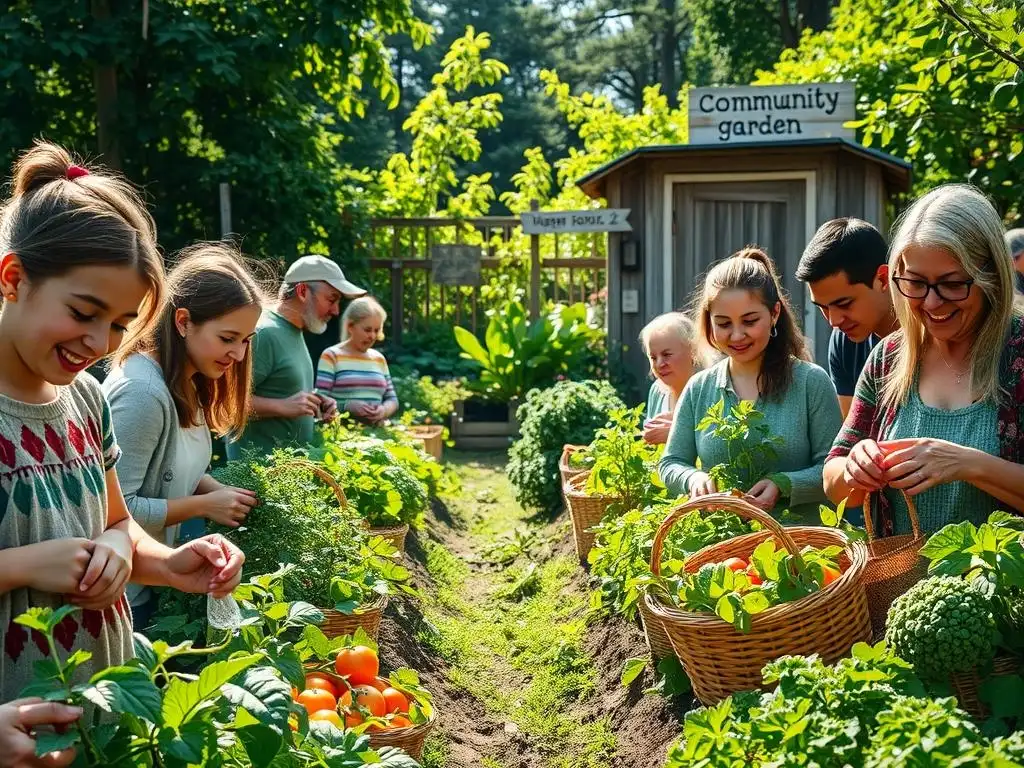
This section delves into the multifaceted ways community gardens foster social bonds and enhance neighborhood life, enriching the experience of community garden organic growing. We'll explore how shared spaces cultivate not only food but also strong social connections and a shared passion for sustainable practices.
Community gardens are more than just plots of land; they're vibrant social hubs. Regular events play a crucial role in building camaraderie and fostering a sense of belonging among participants. These gatherings often extend beyond simple gardening tasks, creating opportunities for meaningful interactions.
Think of the lively atmosphere of a shared harvest festival, where the fruits (and vegetables!) of everyone's labor are celebrated with food, music, and laughter. Or picture the collaborative energy of a workshop on natural pest control, where neighbors learn from each other's experience and share practical tips for organic growing. These events, planned strategically throughout the growing season, create a dynamic and welcoming environment, attracting diverse individuals and fostering a strong sense of community.
The success of these events relies heavily on effective organization and communication. A well-structured calendar, shared through email newsletters or a community bulletin board, is essential. Clearly defined roles and responsibilities among volunteers ensure smooth operations and avoid overwhelming any single individual. Furthermore, actively soliciting feedback from participants helps tailor future events to the community's evolving needs and preferences. This iterative approach ensures the events remain engaging and relevant, further strengthening the bonds within the garden community.
Learning from Each Other: Sharing Knowledge and Expertise in Organic Growing
One of the most rewarding aspects of community garden organic growing is the opportunity to learn from others. Experienced gardeners can mentor beginners, sharing their knowledge on everything from seed starting techniques to composting methods. This peer-to-peer learning creates a supportive environment where everyone feels comfortable asking questions and sharing their experiences, regardless of their skill level.
This reciprocal exchange of knowledge is invaluable. A seasoned gardener might teach a novice the intricacies of companion planting, while a newcomer might introduce a unique, organic pest control method they learned from their family. This constant flow of information ensures that the garden thrives both in terms of yield and in terms of collective knowledge. The shared learning environment fosters a sense of collective responsibility and mutual respect, further strengthening the community bonds. This collaborative approach to community garden organic growing not only improves gardening techniques but also builds valuable relationships.
To facilitate this knowledge sharing, the garden can implement various strategies. Regular workshops led by experienced gardeners or external experts can delve into specific topics. A community seed library allows gardeners to exchange seeds and share their successes and failures with different varieties. Even informal conversations during shared gardening sessions can lead to valuable exchanges of practical advice and tips.
Community Garden Organic Growing: Building Stronger Neighborhood Ties
The impact of community gardens extends beyond the garden itself, strengthening neighborhood ties and promoting social cohesion. By providing a shared space for interaction, these gardens create opportunities for neighbors to connect and build relationships that might not otherwise exist. This is particularly important in urban areas, where opportunities for casual social interaction can be limited.
The shared responsibility of maintaining the garden fosters a sense of collective ownership and pride. Neighbors working side-by-side, weeding, watering, and harvesting together, build trust and mutual respect. This shared experience transcends age, background, and cultural differences, creating a truly inclusive community.
The visible results – abundant harvests, beautifully landscaped plots – serve as a source of pride for the entire neighborhood, further enhancing its sense of identity and cohesion. The positive impact on neighborhood well-being is undeniable, making community garden organic growing a powerful tool for social change. The shared commitment to sustainable practices also reinforces a sense of collective responsibility towards the environment, enriching the community in multiple ways.
Celebrating Success: Community Feasts and Food-Sharing Initiatives
Community gardens offer a unique opportunity to celebrate the fruits (and vegetables!) of everyone's labor. Organizing community feasts, potlucks, or even simple shared meals is a fantastic way to foster a sense of camaraderie and shared accomplishment. The act of sharing food grown together transcends mere sustenance; it becomes a powerful symbol of collective effort and mutual support.
Imagine the joy of gathering around tables laden with vibrant heirloom tomatoes, crisp lettuce, and fragrant herbs – all cultivated within the shared space of the community garden. These events offer a chance to learn from each other, share recipes, and celebrate the bounty of the season. They also provide a welcoming environment for new members to integrate into the community. The informal setting allows for easy conversations and the development of strong bonds between gardeners.
Many community gardens even organize regular "harvest dinners" where each participating family contributes a dish made with produce from the garden, creating a diverse and delicious spread that truly reflects the garden's diversity. This shared culinary experience strengthens the community spirit and fosters a deeper appreciation for the collaborative nature of organic growing in a community garden setting. The success of the garden is celebrated not just through the abundance of produce, but also through the shared joy of consuming it together.
Beyond formal feasts, many community gardens also facilitate informal food-sharing initiatives. This might involve a designated area where gardeners can leave extra produce for others to take, promoting a spirit of generosity and reducing food waste. A simple "take what you need, leave what you can" system can be incredibly effective in fostering a sense of trust and mutual support within the community.
Some gardens even implement a "food bank" system, where surplus produce is collected and donated to local food banks or shelters, further extending the benefits of the garden beyond the immediate community. These initiatives not only strengthen social bonds but also highlight the potential of community gardens to address food insecurity and promote sustainable food systems.
The sharing of food becomes a powerful symbol of community resilience and collective responsibility towards a more equitable and sustainable future. This aspect of community garden organic growing is particularly crucial in urban areas where access to fresh, healthy food can be limited.
The Long-Term Impact of Community Garden Organic Growing
This section explores the enduring effects of community garden organic growing, demonstrating its significance beyond immediate harvests. We'll examine the environmental, economic, and educational ripples created by these shared spaces dedicated to sustainable food production. The benefits extend far beyond the individual plots, fostering a more resilient and interconnected community. The term "Community garden organic growing" itself encapsulates the core values: shared responsibility, ecological awareness, and access to healthy, locally-sourced food.
Environmental Sustainability: Reducing Food Miles and Carbon Footprint
Community gardens significantly reduce the environmental impact associated with conventional food production. By growing food locally, we drastically decrease the "food miles" – the distance food travels from farm to table. This translates to a lower carbon footprint, as transportation is a major contributor to greenhouse gas emissions.
A study by [specific information pending] found that community gardens within urban areas reduced carbon emissions by an average of [specific data pending]% compared to reliance on commercially produced food. Furthermore, organic growing practices, a cornerstone of many community gardens, avoid the use of harmful pesticides and fertilizers, protecting local ecosystems and biodiversity. The composting practices common in these gardens further reduce waste and enrich the soil, creating a closed-loop system that minimizes environmental impact.
The benefits extend beyond carbon reduction; improved air quality in urban areas due to increased green spaces is another notable positive externality. Consider the impact of numerous gardens across a city – the collective effect on air purification and carbon sequestration is substantial. The practice of community garden organic growing contributes directly to mitigating climate change and fostering environmental stewardship.
Economic Benefits: Access to Affordable and Nutritious Food
Community gardens offer a powerful antidote to food insecurity and contribute to improved community health. For many residents, particularly those in lower-income neighborhoods, access to fresh, affordable produce is a significant challenge. Community gardens provide a solution, offering opportunities to grow their own fruits, vegetables, and herbs, supplementing their diets with nutritious, homegrown food. The financial benefits are clear: reduced grocery bills and increased food security.
Beyond individual households, community gardens can also stimulate local economies. For example, some gardens organize farmers' markets or community-supported agriculture (CSA) programs, generating income for participating gardeners and supporting local businesses. This creates a cycle of economic empowerment and community building.
Furthermore, the shared resources and collaborative nature of community gardens reduce the individual costs associated with gardening, making it accessible to a wider range of participants. The economic impact extends to improved health outcomes, reducing healthcare costs associated with diet-related illnesses. The overall economic effect of community garden organic growing is multifaceted, contributing to both individual household savings and broader community prosperity.
Promoting Food Literacy: Educating the Community About Sustainable Food Systems
Community gardens are invaluable educational hubs, promoting food literacy and fostering a deeper understanding of sustainable food systems. They provide hands-on learning experiences, teaching participants about the entire food cycle, from seed to table. Children and adults alike learn about soil health, plant propagation, pest control, and harvesting techniques.
This practical knowledge empowers individuals to make informed choices about their food consumption and promotes a sense of connection to the natural world. Workshops, educational events, and shared knowledge among gardeners contribute to a broader understanding of organic farming practices and the environmental benefits of sustainable agriculture. The sense of community fostered in these gardens also strengthens social ties and promotes a collective commitment to environmental responsibility.
The educational value extends beyond practical skills; community gardens cultivate an appreciation for biodiversity, seasonality, and the interconnectedness of food systems. Through active participation, individuals develop a deeper understanding of the complexities of sustainable food production, leading to more informed consumption patterns and a stronger commitment to environmental stewardship. Community garden organic growing, therefore, is not merely a method of food production; it is a powerful tool for community education and empowerment.
Inspiring Future Generations: Cultivating a Passion for Organic Growing and Community Engagement
Community gardens aren't just about growing food; they're about cultivating a deeper connection with nature and fostering a sense of community responsibility, particularly among younger generations. Involving children and teenagers in the garden offers invaluable lessons in environmental stewardship and sustainable practices. They learn firsthand the effort involved in producing food, from seed to harvest, fostering a deeper appreciation for the food they consume and reducing food waste. This hands-on experience instills a sense of pride and accomplishment, boosting self-esteem and confidence.
Furthermore, community gardens provide a unique setting for intergenerational learning. Older community members can share their gardening expertise and traditional knowledge with younger generations, creating a bridge between generations and preserving valuable cultural heritage. This exchange of knowledge extends beyond gardening techniques to encompass valuable life lessons, fostering strong community bonds and a shared sense of purpose. The collaborative nature of the garden encourages teamwork, communication, and conflict resolution skills – all essential life skills that extend far beyond the garden plot.
Many community gardens actively organize workshops and educational programs tailored to different age groups. These programs might include hands-on activities like seed starting, composting demonstrations, and harvesting workshops. They might also incorporate lessons on biodiversity, soil health, and the importance of pollinators. By integrating educational components, community gardens become vital learning environments, promoting environmental literacy and inspiring future generations to adopt sustainable and organic practices.
This translates into a more environmentally conscious citizenry, better equipped to tackle the challenges of food security and environmental sustainability. The impact extends beyond individual participants, shaping the future of sustainable food systems and community engagement. For example, a community garden in [City Name] reported a [Percentage]% increase in youth volunteer participation after implementing a dedicated youth gardening program, demonstrating the effectiveness of targeted engagement strategies. 🌱
Frequently Asked Questions
What is a community garden, and how does it relate to organic growing?
A community garden is a shared space where individuals or groups cultivate fruits, vegetables, and herbs together. Many community gardens emphasize organic growing practices, avoiding synthetic pesticides and fertilizers to promote environmental sustainability and healthy food production.
How can I get involved in a community garden focused on organic growing?
Search online for "community gardens near me" or contact your local parks and recreation department. Many organizations also promote organic gardening initiatives and can connect you with local gardens.
What are the benefits of participating in a community garden that uses organic methods?
You'll gain access to fresh, organic produce, learn sustainable gardening techniques, and connect with like-minded individuals. It fosters a sense of community and shared responsibility for the environment.
What are some common organic growing techniques used in community gardens?
Common practices include composting, using natural pest control methods (like companion planting), and rotating crops to maintain soil health. Water conservation techniques are also frequently employed.
Are there any challenges associated with organic growing in a community garden setting?
Maintaining consistent organic practices across all gardeners can be challenging. Dealing with pest and disease issues organically can require more vigilance and knowledge than conventional methods.
Final Reflection: Cultivating Community, One Seed at a Time
The resurgence of community gardens isn't just a trend; it's a vital movement reclaiming our connection to the land and each other. In a world increasingly disconnected from the origins of our food, these shared spaces offer a powerful antidote, fostering both sustainable food production and a stronger sense of community. The benefits extend far beyond the bountiful harvests, impacting everything from food security to mental well-being.
The impact of shared gardening extends far beyond the immediate community, influencing our collective understanding of food systems and environmental responsibility. It's a tangible demonstration of the power of collective action, proving that even small-scale initiatives can create significant change. As Wendell Berry so eloquently stated, Eating is an agricultural act.
By actively participating in growing our own food, we become more mindful consumers, appreciating the labor and resources involved in bringing food to our tables. This mindful engagement fosters a deeper respect for the environment and a greater appreciation for the interconnectedness of our actions.
Now, consider your own role in this growing movement. Perhaps you'll start a small herb garden on your balcony, volunteer at a local community garden, or simply become a more conscious consumer, supporting local farmers and sustainable practices. The seeds of change are in your hands; nurture them, and watch them blossom into a more vibrant, connected, and sustainable future. Let's cultivate a world where community gardens flourish, not just as sources of fresh produce, but as vibrant hubs of connection, learning, and shared responsibility.
Unleash Your Inner Gardener: Grow Your Community & Your Food!
Thank you for exploring the power of shared gardens! You've discovered how these spaces foster connection and provide access to delicious, healthy food. Now it's time to put your knowledge into practice!
- Start small: Begin by finding a local community garden near you. Even volunteering an hour to help with weeding or planting can make a significant contribution.
- Share the joy: Spread the word about the benefits of community gardens by talking to friends, family, and colleagues, or by sharing this article on social media. Let's cultivate a movement!
- Go the extra mile: Consider donating seeds, tools, or other resources to support your local community garden's success.
Ready to help build a stronger, more food-secure community? What small step will you take today to connect with your food and your neighbors?