
Understanding the pH Puzzle: Optimizing Soil Conditions for Organic Growth

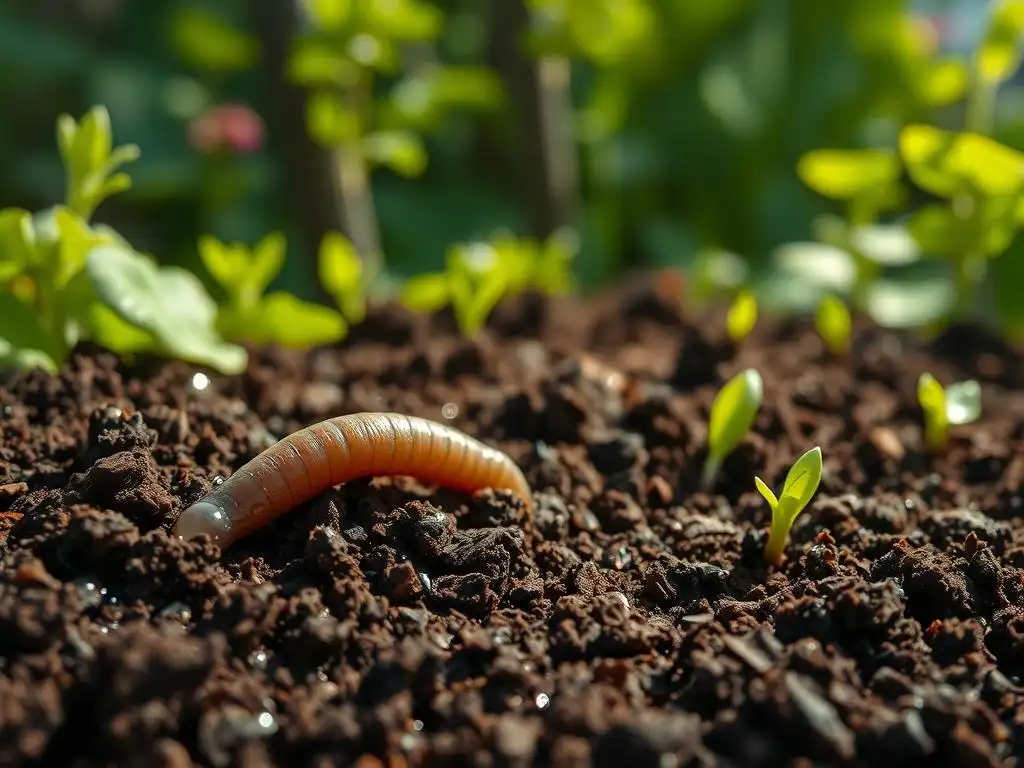
Ready to unlock the secrets to a thriving, organic garden? At CultivateYourFood, we believe everyone can grow their own delicious fruits, vegetables, and herbs. But did you know that the key to success often lies beneath the surface? Our Organic gardening soil pH guide will unveil the crucial role of soil pH in achieving optimal plant health and bountiful harvests. Dive in and discover how mastering this simple element can transform your gardening journey!
- What is Soil pH and Why Does it Matter for Organic Gardening?
- Ideal Soil pH Range for Common Fruits, Vegetables, and Herbs
- Adjusting Soil pH for Optimal Organic Growth
- Maintaining Optimal Soil pH for Long-Term Organic Gardening Success
- Troubleshooting Common Soil pH Issues in Organic Gardening
- Organic Gardening Soil pH Guide: Resources and Further Reading
- Frequently Asked Questions
- Final Reflection: Cultivating a Thriving Ecosystem, One pH Level at a Time
- Unleash Your Garden's Potential: Take Action Now!
What is Soil pH and Why Does it Matter for Organic Gardening?
Understanding soil pH is fundamental to successful organic gardening. Soil pH, a measure of the acidity or alkalinity of your soil, directly impacts nutrient availability, plant health, and overall crop yield. This comprehensive guide will explore the intricacies of soil pH, explaining its significance in organic gardening and providing practical methods for testing and adjusting your soil's pH to optimize growth.
Mastering soil pH management is crucial for cultivating thriving plants using sustainable and organic practices, ensuring healthy, nutrient-rich produce from your home garden. This guide is your essential resource to understanding and utilizing this vital aspect of organic gardening, helping you achieve bountiful harvests year after year.
We'll cover everything from defining soil pH and its impact on nutrient uptake to simple testing methods you can employ at home. By the end, you'll be well-equipped to create the perfect soil environment for your organic crops, improving your chances of success in growing a thriving and productive garden.
Defining Soil pH: Acidity, Alkalinity, and Neutrality
Soil pH is measured on a scale of 0 to 14, with 7 being neutral. A pH below 7 indicates acidity, while a pH above 7 indicates alkalinity. The ideal pH range for most vegetables and herbs grown organically is slightly acidic, typically between 6.0 and 7.0. However, certain plants thrive in more acidic or alkaline conditions. For example, blueberries prefer a more acidic environment (pH 4.5-5.5), while many herbs, such as lavender, do better in slightly alkaline conditions.
Understanding this spectrum is critical. Highly acidic soils (pH below 5.5) can lead to nutrient deficiencies, particularly of molybdenum and phosphorus, and can also harm beneficial soil microorganisms. Conversely, highly alkaline soils (pH above 7.5) can hinder the uptake of essential nutrients like iron, manganese, and zinc. Maintaining the optimal pH range ensures your plants can access the nutrients they need for healthy growth, leading to improved yields and overall plant health. Think of it as providing your plants with the perfect "dining experience" – the right pH ensures they can properly digest and absorb their food! 🥕
The Impact of Soil pH on Nutrient Availability
The pH of your soil dramatically affects the availability of essential nutrients to your plants. Many nutrients are only soluble and therefore usable by plants within a specific pH range. For instance, iron, manganese, and zinc are more readily available in slightly acidic soils, while phosphorus becomes less available in highly acidic conditions. This complex interplay highlights the importance of maintaining the correct pH balance.
Consider this table illustrating the impact of pH on nutrient availability:
| Nutrient | Optimal pH Range | Impact of Low pH | Impact of High pH |
|---|---|---|---|
| Iron (Fe) | 5.5 - 6.5 | Increased Availability | Decreased Availability |
| Manganese (Mn) | 5.5 - 6.5 | Increased Availability | Decreased Availability |
| Phosphorus (P) | 6.0 - 7.0 | Decreased Availability | Decreased Availability |
| Molybdenum (Mo) | 6.0 - 7.0 | Decreased Availability | Increased Availability |
| Potassium (K) | 6.0 - 7.0 | Generally Available | Generally Available |
Maintaining the optimal pH range ensures that your plants have access to a full spectrum of essential nutrients, fostering robust growth and maximizing yields. Neglecting pH management can lead to nutrient deficiencies, stunted growth, and reduced crop production, undermining the success of your organic gardening efforts.
Identifying Your Soil's pH Level: Simple Testing Methods
Determining your soil's pH is relatively straightforward using several readily available methods. Home testing kits, often found at garden centers, provide a quick and easy way to gauge your soil's pH. These kits typically involve mixing a soil sample with a reagent and comparing the resulting color to a chart. While convenient, home kits may not provide the same level of accuracy as laboratory testing.
For a more precise measurement, consider sending a soil sample to a professional soil testing laboratory. These labs provide detailed analyses, including pH levels and nutrient composition. This detailed information empowers you to make informed decisions about soil amendments and fertilization strategies, optimizing your gardening efforts. Regardless of the method chosen, regular soil testing – ideally, once a year or even twice if you have concerns – is crucial for maintaining a healthy and productive organic garden. Regular monitoring allows for timely adjustments and ensures your plants receive the optimal growing conditions they need to flourish. 🌱
How Soil pH Affects Plant Growth and Organic Gardening Success
Soil pH, a measure of the acidity or alkalinity of your soil, significantly impacts the availability of essential nutrients to your plants. This is crucial for organic gardening because organic methods rely on naturally occurring processes to provide nutrients. In optimal pH ranges, plants can readily absorb nutrients like nitrogen (N), phosphorus (P), and potassium (K), the essential macronutrients vital for vigorous growth.
Conversely, an unsuitable pH can "lock up" these nutrients, making them inaccessible to plant roots, even if they are present in the soil. This nutrient lockout can lead to stunted growth, yellowing leaves (chlorosis), and reduced yields, undermining the success of your organic gardening efforts.
For example, phosphorus availability is severely hampered in highly acidic soils (pH below 5.5). This means that even if you've diligently added organic phosphorus sources like bone meal or compost, your plants won't be able to utilize them effectively. Similarly, micronutrients like iron and manganese become less available at higher pH levels (above 7.0), leading to deficiencies that manifest as discoloration and wilting. The delicate balance of nutrients in your soil is directly influenced by the pH, highlighting the importance of maintaining the ideal range for your specific plants.
Organic gardening, with its emphasis on natural processes, is particularly sensitive to these imbalances because we're not using synthetic fertilizers to directly compensate for nutrient deficiencies. Instead, we must carefully manage the soil environment to ensure optimal nutrient uptake. Ignoring pH can render even the richest compost ineffective.
The impact extends beyond nutrient availability. Soil pH also influences the activity of beneficial soil microorganisms, which are the backbone of a healthy organic garden. These microorganisms, including bacteria and fungi, play crucial roles in nutrient cycling, decomposition, and disease suppression. Many beneficial microbes thrive within a specific pH range.
A pH outside this optimal range can inhibit their activity, weakening the soil's overall health and making your plants more susceptible to diseases and pests. This further emphasizes the interconnectedness within the organic gardening ecosystem and the importance of pH management in achieving sustainable and productive results. A healthy soil microbiome is essential for strong, resilient plants, and a balanced pH is key to fostering that microbiome. Therefore, regularly testing and adjusting your soil pH is not just a good practice but a fundamental aspect of successful organic gardening.
Ideal Soil pH Range for Common Fruits, Vegetables, and Herbs
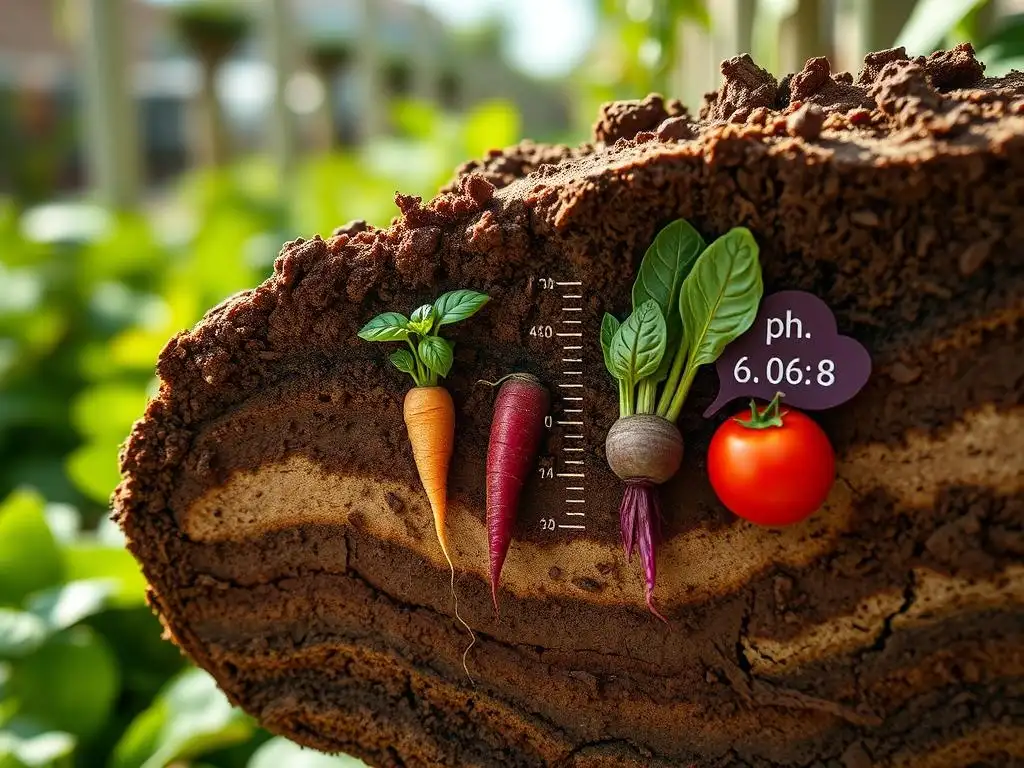
Understanding the optimal pH range for your plants is crucial for successful organic gardening. Soil pH, measured on a scale of 0 to 14, indicates the acidity or alkalinity of your soil. A pH of 7 is neutral; below 7 is acidic, and above 7 is alkaline.
While the ideal pH range varies slightly depending on the specific plant, most vegetables and herbs thrive in a slightly acidic to neutral range. This section provides a detailed breakdown of pH preferences for different plant types, helping you achieve optimal growth using organic methods. Mastering soil pH is a key component of any comprehensive organic gardening soil pH guide.
pH Preferences for Acid-Loving Plants (e.g., Blueberries, Azaleas)
Many gardeners are surprised to learn that some plants actually prefer acidic soil conditions. This is particularly true for certain fruits and ornamentals. Blueberries, for example, flourish in a highly acidic environment with a pH range between 4.5 and 5.5. Their roots struggle to absorb nutrients in less acidic soil, leading to poor growth and reduced yields. Similarly, azaleas and rhododendrons thrive in a similar pH range.
To maintain this acidity organically, you can use materials like pine needles, peat moss, and composted oak leaves, which naturally lower soil pH. Regular soil testing is crucial to ensure your acid-loving plants receive the perfect conditions. Remember, consistent monitoring and adjustments, based on your specific soil's characteristics, are essential for achieving optimal growth in organic gardening. Failing to maintain the correct pH can lead to nutrient deficiencies, hindering growth and impacting the overall health of your acid-loving plants.
pH Preferences for Neutral-Loving Plants (e.g., Tomatoes, Peppers)
A significant portion of popular garden vegetables, including tomatoes and peppers, prefer a neutral to slightly acidic soil pH. Ideally, these plants thrive in a pH range of 6.0 to 6.8. This range allows for optimal nutrient uptake, especially crucial elements like phosphorus and potassium. Maintaining this pH organically can be achieved through balanced composting and the addition of well-rotted manure.
Avoid using chemical fertilizers, as these can disrupt the delicate balance and potentially harm beneficial soil microorganisms. Regular soil testing using a reliable pH meter or testing kit is vital for monitoring and making necessary adjustments. For example, if your soil tests too alkaline, you might incorporate organic matter like compost or aged manure to gradually lower the pH.
Conversely, if the soil is too acidic, adding lime (calcium carbonate) in moderation can increase the pH. Always remember to follow the instructions carefully and avoid drastic changes, as it can shock your plants. This mindful approach ensures a healthy and productive organic garden.
pH Preferences for Alkaline-Loving Plants (e.g., Spinach, Asparagus)
While many plants prefer slightly acidic or neutral soil, some vegetables and herbs tolerate, and even prefer, slightly alkaline conditions. Spinach and asparagus are good examples, thriving in a pH range of 6.5 to 7.5. However, even for these plants, extreme alkalinity can still be detrimental. Maintaining an ideal alkaline pH organically requires careful attention to soil composition.
Adding materials like crushed eggshells or wood ash can help increase the pH naturally. However, it’s important to use these amendments sparingly and monitor the pH levels regularly. Over-liming can lead to nutrient deficiencies, affecting plant growth and overall health.
Remember, achieving the perfect balance for alkaline-loving plants is about finding the sweet spot – not overly alkaline, but just right to optimize nutrient availability and promote robust growth. Regular soil testing remains critical for fine-tuning your soil's pH and ensuring the success of your organic gardening endeavors. A well-maintained alkaline pH, achieved through organic methods, contributes significantly to a thriving garden, showcasing the importance of a tailored approach to soil management for different plant species.
Creating a Customized pH Chart for Your Garden
Creating a personalized soil pH chart tailored to your specific garden is a crucial step in achieving optimal growth for your fruits, vegetables, and herbs. A generic guide provides a helpful starting point, but your unique soil composition, local climate, and the specific plants you cultivate all influence the ideal pH range. Ignoring these factors can lead to nutrient deficiencies, stunted growth, and reduced yields, ultimately undermining your organic gardening efforts. This personalized approach ensures you're addressing the specific needs of your garden ecosystem.
To begin, you'll need to conduct a thorough soil test. This involves collecting multiple soil samples from different areas of your garden, ensuring representation from various plant locations and soil types. Combining these samples provides a more accurate overall picture of your soil's pH. Home soil testing kits are readily available and provide a convenient method for determining your soil's pH level. Alternatively, you can send samples to a professional soil testing laboratory for a more comprehensive analysis, which often includes additional information on nutrient levels and soil composition.
Once you have your soil's pH reading, you can start building your customized chart. Begin by listing all the plants you intend to grow. Next, research the ideal pH range for each plant. Many online resources and gardening books provide detailed information on plant-specific pH requirements. Remember that even within a species, different cultivars may have slightly varying pH preferences. For instance, some tomato varieties thrive in slightly acidic conditions while others prefer a more neutral pH.
Now, compare the ideal pH ranges for your chosen plants with your soil's current pH. This comparison will highlight any discrepancies. If your soil's pH is outside the ideal range for a particular plant, you'll need to adjust it through soil amendments. Adding organic matter like compost, peat moss, or aged manure can help lower the pH, while adding lime can raise it. Remember that adjusting soil pH is a gradual process. It's better to make small, incremental changes and retest regularly rather than making drastic alterations that could harm your plants.
Finally, organize your findings into a clear and easily accessible chart. Include columns for plant name, ideal pH range, current soil pH, and planned amendments. This chart serves as a valuable reference throughout the growing season, allowing for ongoing monitoring and adjustments as needed. Regular soil testing, ideally every few months, is essential to maintain optimal pH levels and to track the effectiveness of your amendments.
Regular monitoring allows for proactive adjustments, preventing nutrient deficiencies and maximizing your harvest. This proactive approach is a cornerstone of successful organic gardening, ensuring healthy, vibrant plants and abundant yields. Remember to always consult reliable sources and consider seeking advice from experienced gardeners or agricultural extension agents for personalized guidance.
Adjusting Soil pH for Optimal Organic Growth
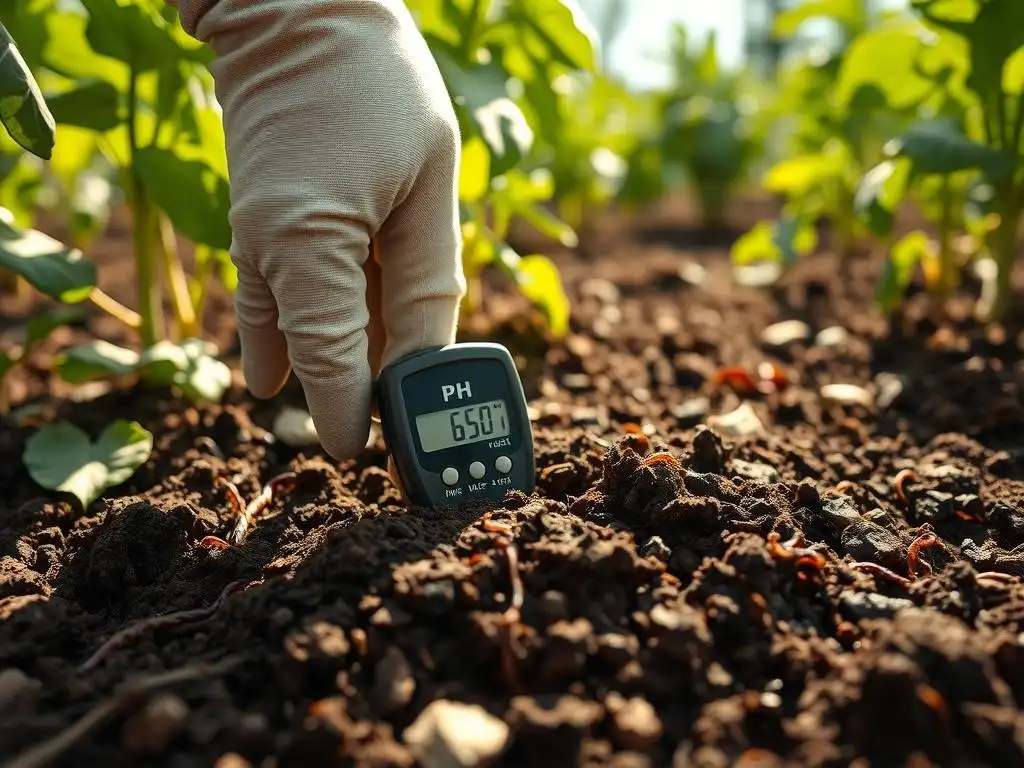
Soil pH, a measure of soil acidity or alkalinity, is a crucial factor influencing nutrient availability and overall plant health in organic gardening. Understanding how to adjust your soil's pH is essential for successful cultivation. This section provides practical methods for both lowering and raising pH using organic techniques, ensuring optimal conditions for your fruits, vegetables, and herbs. Mastering this aspect of organic gardening soil pH will significantly improve your yields and the overall health of your plants. This organic gardening soil pH guide will equip you with the knowledge and techniques needed for thriving plants.
Lowering Soil pH (Increasing Acidity): Effective Methods for Organic Gardening
Many plants, such as blueberries, azaleas, and rhododendrons, thrive in acidic soil conditions. If your soil test reveals a high pH (alkaline), you need to lower it to create a more acidic environment. Fortunately, several organic methods effectively achieve this without resorting to harsh chemical treatments. Remember, gradual adjustments are key to avoid shocking your plants.
Using Organic Amendments to Lower pH: Compost, Peat Moss, and More
Organic amendments are your first line of defense when aiming to decrease soil pH. These materials not only lower pH but also improve soil structure and fertility.
- Compost: Mature compost, particularly that derived from materials like coffee grounds and pine needles, tends to be slightly acidic and helps lower the overall pH gradually. Regular composting is a cornerstone of organic gardening, improving soil structure and nutrient content while contributing to pH adjustment.
- Peat Moss: This naturally acidic material is highly effective in lowering pH. However, use it judiciously, as excessive peat moss can hinder drainage. A blend with other organic matter is often preferable.
- Elemental Sulfur: While not technically an amendment in the same way as compost or peat moss, elemental sulfur is a natural substance that slowly oxidizes in the soil, releasing sulfuric acid which lowers pH. Application rates should strictly follow product instructions to avoid damaging plants.
Utilizing Acidifying Fertilizers: A Careful Approach
Certain fertilizers can contribute to lowering soil pH. However, it's crucial to use these with caution, applying them sparingly and according to package directions. Over-fertilizing can harm plants and disrupt the delicate soil ecosystem. Always prioritize soil testing to guide your fertilizer choices and application rates. Remember, organic fertilizers are preferred for maintaining soil health and promoting sustainable practices.
Example of an Acidifying Fertilizer
Ammonium sulfate is a common example of a fertilizer that can acidify soil, but its use should be carefully monitored to prevent damage to sensitive plants.
Raising Soil pH (Decreasing Acidity): Organic Techniques for Alkaline Soils
Conversely, if your soil is too acidic (low pH), you'll need to raise it to a more neutral or slightly alkaline level. Several organic methods effectively increase soil pH without compromising the integrity of your organic garden. Again, gradual adjustments are critical for the well-being of your plants.
Incorporating Lime: Types and Application Methods
Lime is the most common and effective method for increasing soil pH. Different types of lime have varying effects and application rates.
| Lime Type | Description | pH Raising Effect | Application Rate (approx.) |
|---|---|---|---|
| Ground Limestone | Finely ground calcium carbonate | Moderate | 50-100 lbs per 1000 sq ft |
| Dolomitic Limestone | Contains magnesium and calcium carbonate | Moderate to High | 50-100 lbs per 1000 sq ft |
| Hydrated Lime (Calcium Hydroxide) | Quicker acting, but potentially harsher on soil | High | Use sparingly, follow instructions carefully |
It's essential to conduct a soil test to determine the appropriate type and amount of lime needed. Incorrect application can negatively impact soil health and plant growth.
Utilizing Wood Ash: A Natural Approach to Increasing pH
Wood ash, a byproduct of burning hardwood (avoid treated lumber! ), is a rich source of potassium and calcium, both of which help raise soil pH. However, it also contains other minerals that might not be beneficial in high concentrations. Use wood ash sparingly, and always mix it well into the soil. Excessive wood ash can increase the alkalinity to a point where other nutrients become unavailable to your plants. A balanced approach is key. Remember to always test your soil to ascertain the best way to manage its pH. 🌱
Maintaining Optimal Soil pH for Long-Term Organic Gardening Success
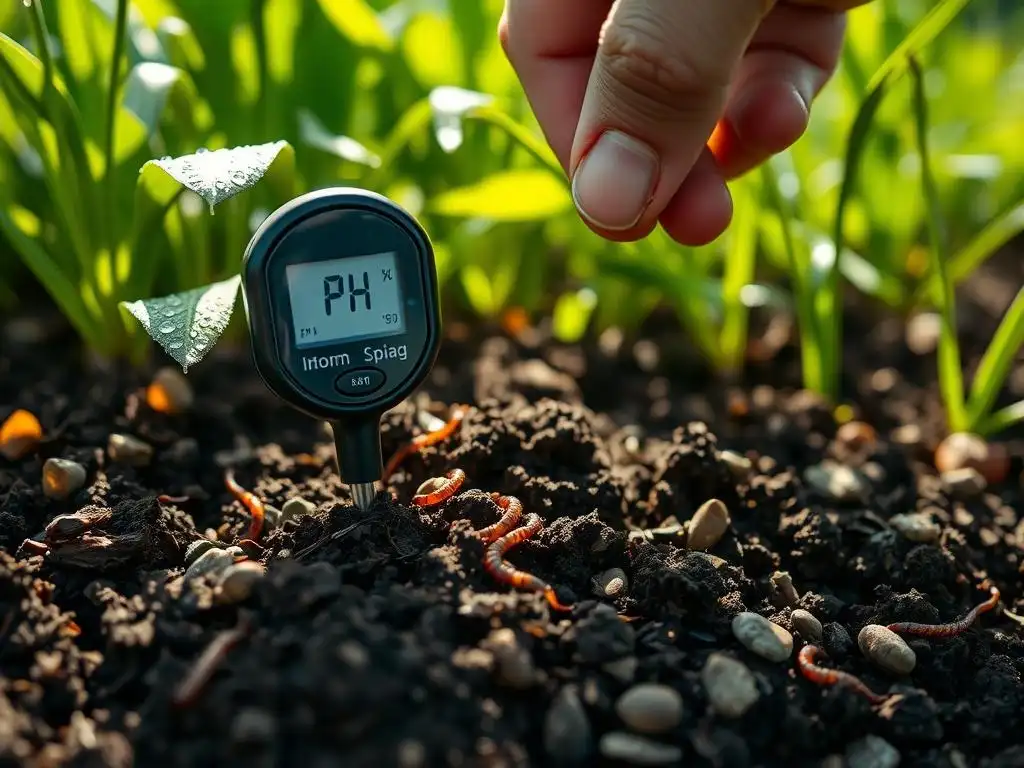
Achieving and maintaining the ideal soil pH is crucial for successful organic gardening. A balanced pH ensures optimal nutrient availability, impacting plant health, growth, and overall yield. This section delves into practical strategies for maintaining your soil's pH within the sweet spot for thriving organic crops. Understanding and managing soil pH is a cornerstone of successful organic gardening, leading to healthier plants and a more bountiful harvest. This guide provides you with the tools to become a pH master in your own garden.
Regular Soil Testing: Monitoring pH Levels Over Time
Consistent monitoring of your soil's pH is paramount. Think of it as taking your plant's vital signs regularly – it's preventative medicine for your garden. Regular testing allows for early detection of pH imbalances, preventing potential problems before they significantly impact plant health. Ideally, you should test your soil at least once a year, preferably in the spring before planting, and again in the fall after harvesting.
Several methods exist for testing soil pH, ranging from simple at-home kits to professional laboratory analyses. At-home kits offer a quick and convenient way to get a general idea of your soil's pH. These kits typically involve mixing a soil sample with a solution and comparing the resulting color to a chart. However, for more precise measurements and detailed analysis, sending a sample to a professional laboratory is recommended. Laboratory tests often provide a more comprehensive report, including nutrient levels and other important soil characteristics.
The frequency of testing depends on several factors, including your soil type, climate, and gardening practices. For example, soils prone to rapid changes in pH, such as sandy soils, might require more frequent monitoring than clay soils. Similarly, intensive gardening practices, such as frequent fertilization or the use of acidic amendments, might necessitate more regular testing. Remember, proactive monitoring is key to preventing pH issues from derailing your organic gardening efforts. Consistent testing provides valuable data that informs your adjustments and ensures long-term success.
Preventing pH Fluctuations: Proactive Strategies
Once you've established your soil's pH, the next step is to maintain it within the ideal range for your chosen plants. This involves understanding the factors that can cause pH fluctuations and implementing strategies to mitigate them.
One major factor affecting soil pH is the type of water you use for irrigation. Highly alkaline water can gradually raise your soil's pH, while acidic water can lower it. Testing your water's pH is just as important as testing your soil's pH. If your water is significantly outside the optimal range, you may need to adjust your irrigation practices or consider using alternative water sources.
Another significant factor is the type of organic matter you add to your soil. Different organic amendments have varying effects on pH. For example, adding compost generally has a neutral effect or slightly increases pH, while peat moss tends to lower pH. Careful selection and application of organic amendments are therefore crucial for pH management.
Furthermore, the type of plants you grow can also indirectly influence soil pH. Some plants naturally alter soil pH over time through their root secretions. Careful crop rotation can help mitigate this effect. Understanding the pH preferences of different plant species is essential in planning your garden layout and crop rotation strategy. This proactive approach helps maintain a balanced pH over the long term.
The Role of Organic Matter in pH Stabilization
Organic matter plays a pivotal role in stabilizing soil pH. It acts as a buffer, resisting drastic changes in pH. This buffering capacity is crucial for maintaining a consistent environment conducive to plant growth. The higher the organic matter content in your soil, the greater its ability to resist pH fluctuations.
Several organic materials contribute significantly to soil's buffering capacity. Compost, for instance, is a highly effective amendment for improving soil structure and increasing its organic matter content. Other excellent choices include well-rotted manure, leaf mold, and cover crops. These materials not only improve the soil's physical properties but also contribute to its chemical stability, helping to keep the pH within the desired range.
The benefits extend beyond pH stabilization. Increased organic matter improves soil drainage, aeration, and water retention – all essential for healthy plant growth. By incorporating organic matter regularly, you're not just managing pH; you're creating a thriving soil ecosystem that supports robust and resilient plants. The synergistic effects of increased organic matter on various soil properties make it a cornerstone of sustainable and successful organic gardening. Remember, healthy soil is the foundation of a healthy garden, and organic matter is key to achieving that.
Troubleshooting Common Soil pH Issues in Organic Gardening
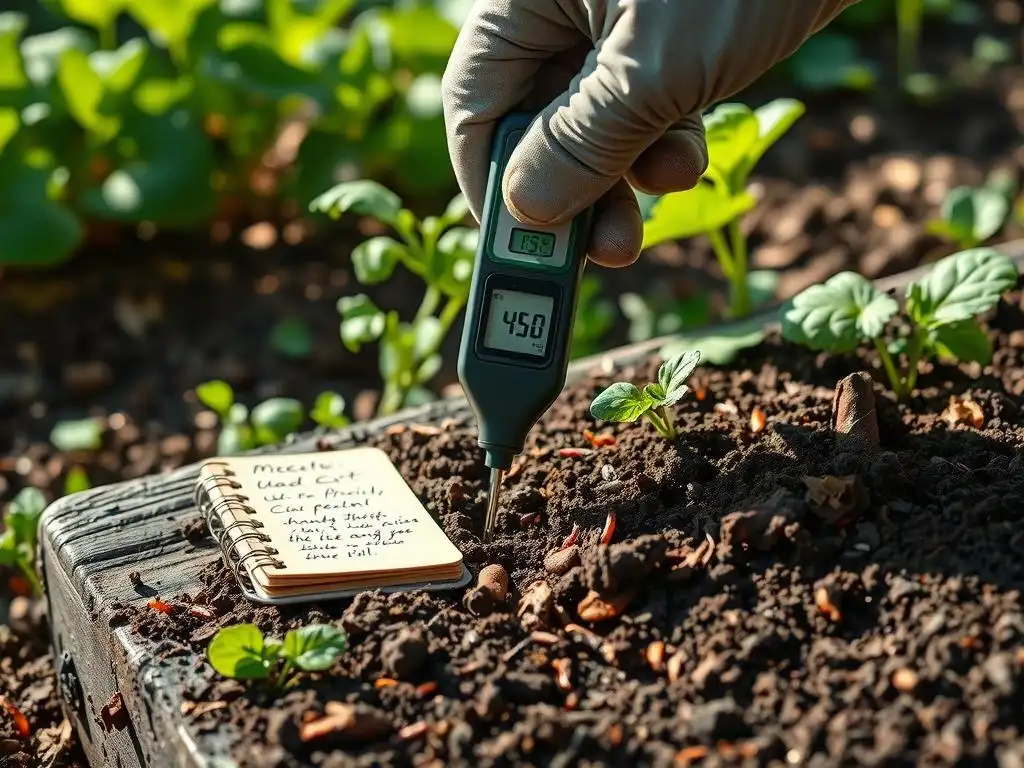
This section delves into practical solutions for common soil pH problems encountered in organic gardening. Successfully navigating these challenges is crucial for maximizing yields and ensuring healthy plant growth. Remember, consistent monitoring and proactive adjustments are key to maintaining optimal soil conditions for your organic garden. This organic gardening soil pH guide will help you understand the process.
Dealing with Extremely Acidic or Alkaline Soil Conditions
Extremely acidic or alkaline soil conditions present significant hurdles to successful organic gardening. Plants thrive within a specific pH range, and deviations outside this optimal window can lead to nutrient deficiencies, stunted growth, and even plant death. Let's examine how to tackle these extreme scenarios:
Dealing with Extremely Acidic Soil (pH below 5.5): Extremely acidic soil often lacks essential nutrients like phosphorus and molybdenum, which become less available to plants in low pH environments. To raise the pH, you can incorporate materials that increase alkalinity. This includes:
- Lime: Ground limestone is a slow-acting, readily available amendment. The amount needed depends on your soil's initial pH and texture – a soil test is crucial. Apply according to package instructions, spreading evenly and incorporating it into the top few inches of soil.
- Wood Ash: Wood ash from hardwood trees (avoid treated lumber) contains potassium and calcium carbonate, helping to neutralize acidity. However, use cautiously as excessive amounts can increase the risk of nutrient imbalances.
- Dolomitic Limestone: This type of limestone contains magnesium as well as calcium, beneficial for plants needing this nutrient.
Dealing with Extremely Alkaline Soil (pH above 7.5): Highly alkaline soil often suffers from deficiencies in iron, manganese, and zinc. These micronutrients become less soluble in alkaline conditions, limiting their uptake by plants. To lower the pH, consider these options:
- Elemental Sulfur: Elemental sulfur is a slow-acting amendment that gradually lowers the pH over time. Again, a soil test is essential to determine the appropriate application rate.
- Organic Matter: Adding ample organic matter, such as compost, peat moss, or aged manure, can help buffer pH changes and improve soil structure. The organic acids in these materials contribute to lowering pH levels.
- Acidifying Fertilizers: Some fertilizers, like ammonium sulfate, are naturally acidifying. Use these sparingly and only after conducting a thorough soil test, as excessive use can create other problems.
Remember to always conduct a soil test before and after applying any amendments to monitor progress and avoid over-correction. Regular testing is a cornerstone of successful organic gardening. This detailed approach ensures a healthy environment for your plants.
Correcting pH Imbalances After Planting
Addressing pH imbalances after planting requires a more delicate approach to avoid damaging established plants. Aggressive amendments can shock roots and cause further stress. Here's how to proceed:
- Top Dressing: Instead of tilling in amendments, apply them as a top dressing around the base of the plants. This minimizes direct contact with roots.
- Foliar Feeding: For micronutrient deficiencies (common in alkaline soils), foliar feeding provides a direct application of nutrients to the leaves, bypassing the soil entirely. This method is particularly useful for quick relief of deficiencies.
- Organic Acids: For alkaline soils, applying diluted organic acids like citric acid (from lemon juice) to the soil surface around plants can help lower the pH locally. Use with caution and in small quantities.
- Mulching: Applying a layer of organic mulch helps regulate soil temperature and moisture, indirectly affecting pH over time. Mulch also improves soil structure and adds organic matter gradually.
It's crucial to monitor plants closely after making any pH adjustments. Observe for signs of improvement or further stress. Remember that gradual changes are always preferable to drastic interventions. This approach ensures plant health while maintaining a sustainable organic gardening practice.
Recognizing symptoms of pH-related problems is critical for timely intervention. Plants often exhibit specific signs of nutrient deficiencies linked to pH imbalances:
| Symptom | Possible Cause (pH-related) | Solution |
|---|---|---|
| Chlorosis (yellowing leaves) | Iron deficiency (high pH), Magnesium deficiency (low pH) | Apply chelated iron (high pH), dolomite lime (low pH), or foliar feed. |
| Stunted growth | Multiple nutrient deficiencies | Conduct a soil test and amend accordingly. |
| Leaf curling or discoloration | Nutrient imbalances | Diagnose specific deficiency through observation and soil testing. |
| Poor flowering/fruiting | Phosphorus deficiency (low pH) | Apply phosphorus-rich organic fertilizers. |
| Brown leaf tips | Potassium deficiency or salt buildup | Improve drainage, avoid over-fertilizing, and amend accordingly. |
Further Considerations for Organic pH Management
Remember that maintaining a healthy soil ecosystem is paramount. A diverse soil biome contributes significantly to pH regulation. Utilizing cover crops, composting techniques, and avoiding harsh chemicals all contribute to a balanced and fertile environment, making pH management less of a challenge in the long run. This holistic approach aligns with the principles of sustainable and organic gardening.
Consistent monitoring, proactive adjustments, and a thorough understanding of your soil's characteristics are essential for cultivating a thriving organic garden. By following these guidelines, you can overcome pH challenges and achieve abundant harvests. Remember, this organic gardening soil pH guide is designed to help you succeed in your organic gardening endeavors.
Organic Gardening Soil pH Guide: Resources and Further Reading
This section provides valuable resources to deepen your understanding of soil pH and its management within an organic gardening context. Mastering soil pH is crucial for achieving optimal plant growth and maximizing yields in your organic garden. This guide provides avenues for continued learning and practical application of the knowledge gained. Remember, consistent monitoring and adjustments are key to maintaining a healthy soil environment.
Recommended Books and Online Resources on Soil pH Management
Finding reliable information on organic soil pH management can be challenging. To help you navigate this, we’ve compiled a list of recommended resources, categorized for easier access:
Books:
- The Intelligent Gardener's Guide to Soil: This comprehensive guide dives deep into soil science, including detailed chapters on pH testing, adjustment, and the impact of different pH levels on various plants. It's a great resource for understanding the underlying principles.
- Teaming with Microbes: The Organic Gardener's Guide to the Soil Food Web: While not solely focused on pH, this book highlights the crucial role of soil microbes in nutrient cycling and how pH influences their activity. Understanding this symbiotic relationship is essential for organic gardening success.
- The Organic Gardener's Handbook: This practical handbook offers valuable tips and techniques for organic gardening, including sections on soil testing and pH adjustment using natural methods. It offers a more hands-on approach compared to the more theoretical texts.
Online Resources:
- University Extension Websites: Many universities offer excellent online resources on gardening and soil science. Look for your state's agricultural extension service—they often have detailed guides on soil testing and pH management specific to your region. These resources often provide region-specific information vital for success.
- Organic Gardening Forums and Communities: Engaging with online communities dedicated to organic gardening can be incredibly beneficial. You can ask questions, share experiences, and learn from other gardeners facing similar challenges. The collective knowledge is invaluable.
- Reputable Soil Testing Laboratories: Finding a reliable soil testing lab is crucial for accurate pH measurements. Look for labs that specialize in organic gardening and offer detailed reports, including recommendations for pH adjustment. Accurate data is the foundation of effective soil management.
Remember to always critically evaluate information found online and prioritize resources from reputable sources. The accuracy of your pH measurements and subsequent adjustments directly impact the health and productivity of your garden.
Connecting with Local Experts for Personalized Advice
While books and online resources offer valuable information, personalized advice tailored to your specific location and soil conditions is invaluable. Connecting with local experts can provide practical guidance and support throughout your organic gardening journey.
Here are some avenues to explore:
- Local Master Gardeners: Many communities have volunteer Master Gardener programs affiliated with universities or agricultural extension services. These trained volunteers offer free advice and workshops on various gardening topics, including soil health and pH management. They can offer personalized advice based on local conditions.
- Local Nurseries and Garden Centers that specialize in organic gardening: These businesses often employ knowledgeable staff who can provide advice based on their experience with local soils and plants. They can also offer locally sourced soil amendments to adjust your soil pH. Direct access to experts is a significant advantage.
- Organic Farming Associations and Groups: Joining local organic farming associations or groups provides access to a network of experienced organic gardeners. You can share experiences, learn from others, and receive personalized advice from individuals who have successfully managed soil pH in your area. Collective knowledge and local experience are invaluable assets.
By engaging with local experts, you can receive tailored advice, access region-specific information, and build a strong support network to assist you in your organic gardening journey. Remember, a successful organic garden relies heavily on understanding and managing your soil's unique characteristics. Don't hesitate to reach out and seek expert guidance; it’s a crucial investment in your gardening success.
Frequently Asked Questions
What is soil pH, and why is it important for organic gardening?
Soil pH measures the acidity or alkalinity of your soil. It's crucial because it affects nutrient availability; optimal pH ensures plants can access essential nutrients for healthy growth. Different plants thrive at different pH levels.
How can I test the pH of my garden soil?
You can use a soil testing kit, available at most garden centers. Alternatively, you can send a soil sample to a soil testing laboratory for a more comprehensive analysis. Both methods provide accurate pH readings.
What is the ideal pH range for most vegetables and herbs in organic gardening?
Most vegetables and herbs prefer a slightly acidic to neutral pH range, generally between 6.0 and 7.0. However, some plants have specific preferences, so research your chosen species.
How can I adjust my soil pH if it's too acidic or alkaline?
To lower pH (raise alkalinity), add lime. To raise pH (lower alkalinity), add organic matter like compost or elemental sulfur. Amendments should be applied gradually and tested regularly.
What are some signs that my soil pH is out of balance?
Signs of improper pH include chlorosis (yellowing leaves), stunted growth, and poor yields. Nutrient deficiencies can also be indicators of an imbalanced pH. Regular soil testing is key to preventing these issues.
Final Reflection: Cultivating a Thriving Ecosystem, One pH Level at a Time
Understanding soil pH is not merely a technical detail; it's the cornerstone of successful organic gardening, directly impacting the health and yield of your crops. Ignoring this fundamental aspect can lead to stunted growth, nutrient deficiencies, and ultimately, a disappointing harvest. Mastering pH control unlocks the full potential of your garden, transforming it from a struggle into a thriving ecosystem.
The journey of understanding soil pH has been a deeply rewarding one for me, revealing the intricate interconnectedness of the natural world. It's a constant learning process, a dance between observation, adjustment, and the patient nurturing of life. The glory of gardening: hands in the dirt, head in the sun, heart with nature. To nurture a garden is to feed not just the body, but the soul.
This quote perfectly encapsulates the profound connection between soil health and our own well-being. The more I learn, the more I appreciate the delicate balance required to create a truly flourishing garden, reflecting the larger ecosystem we are all a part of.
Now, it's your turn to embark on this enriching journey. Take the time to test your soil's pH, understand its unique needs, and adjust accordingly. Don't be afraid to experiment, to learn from your mistakes, and to celebrate your successes. By embracing the principles outlined in this guide, you'll not only cultivate healthier plants but also cultivate a deeper appreciation for the intricate beauty and vital importance of healthy soil. Your garden, and your soul, will thank you for it.
Unleash Your Garden's Potential: Take Action Now!
We're thrilled you've explored the world of soil pH! Understanding soil pH is key to growing healthier, more vibrant plants. Ready to put this knowledge into practice?
- Test your soil's pH: Begin by using a soil testing kit to determine your soil's pH. Amending your soil to the ideal pH for your plants is the most impactful step you can take to improve their health and growth.
- Share your gardening journey: Join our online community forum and connect with other gardeners. Share your soil type and any challenges you are facing; we're here to help!
- Expand your gardening knowledge: Discover valuable resources on our website, covering topics such as composting and natural pest control. We offer many helpful guides to further enhance your gardening expertise.
What will you learn about your soil's pH and its effect on your garden's growth this season?