
Aeration in Container Soil: Why it Matters and How to Improve It

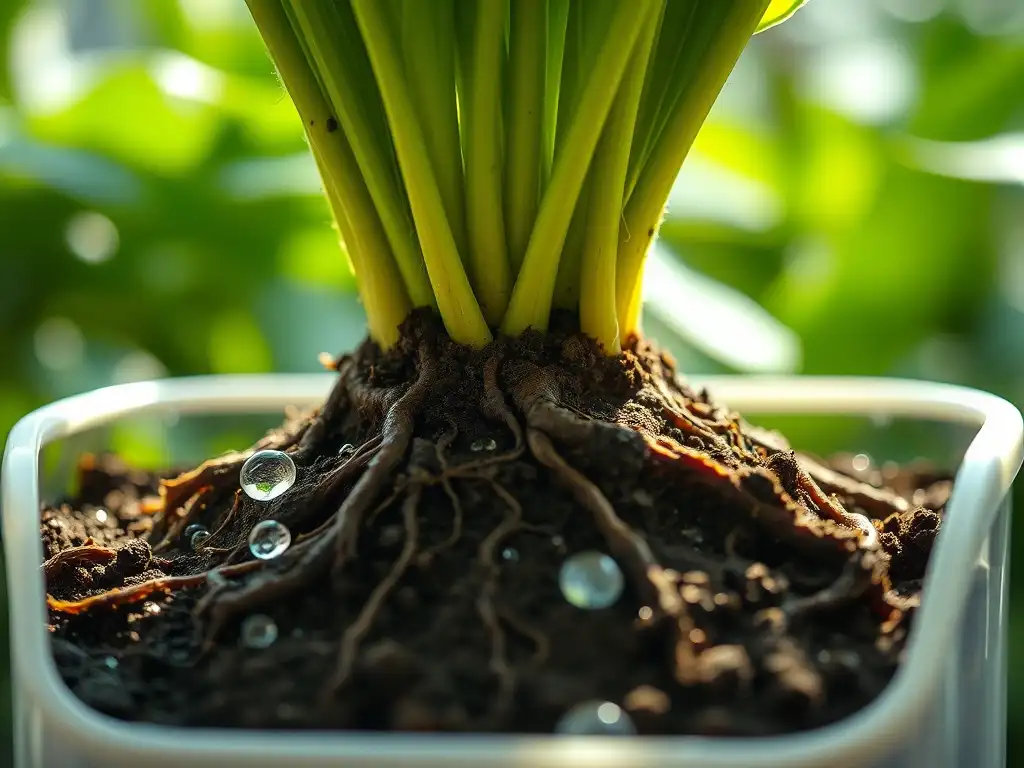
Ready to unlock the secrets to a thriving home garden? At CultivateYourFood, we believe everyone can grow their own delicious and healthy produce. But did you know that proper soil aeration is the key to unlocking your plants' full potential? Learn how to improve container soil aeration and watch your fruits, vegetables, and herbs flourish in our comprehensive guide on container gardening – discover the techniques that will transform your harvest!
- Understanding the Importance of Soil Aeration for Container Plants
- Common Causes of Poor Aeration in Container Gardens
-
Practical Methods to Improve Container Soil Aeration
- Selecting Well-Draining Potting Mixes for Optimal Aeration
- Improving Drainage with Pot Selection and Placement
- Incorporating Aerating Amendments into Your Soil Mix: Perlite, Vermiculite, etc.
- The Benefits of Using Coco Coir for Improved Aeration
- Creating Air Pockets During Planting: Techniques for Loose Soil
- Regularly Loosening the Top Layer of Soil to Enhance Air Circulation
- Maintaining Aeration in the Long Term
- Troubleshooting Poor Aeration in Your Container Garden
-
Frequently Asked Questions
- What is soil aeration, and why is it important for container gardening?
- How can I tell if my container soil needs better aeration?
- What are some simple ways to improve aeration in my container soil?
- Are there any tools or techniques I can use to improve soil aeration?
- What are the long-term benefits of improved container soil aeration?
- Final Reflection: Breathing New Life into Container Gardens
- Unlock Your Plants' Full Potential: Aerate and Thrive!
Understanding the Importance of Soil Aeration for Container Plants
Container gardening offers a fantastic way to grow your favorite fruits, vegetables, and herbs, even with limited space. However, achieving thriving plants in containers requires a keen understanding of soil conditions, and perhaps the most crucial factor is soil aeration. This article delves into the critical role of aeration in container soil, explaining why it's essential for healthy plant growth and providing practical techniques to improve it. We'll explore the detrimental effects of poor aeration, focusing on how compacted soil impacts nutrient uptake and water retention, ultimately leading to stunted growth or even plant death.
By the end, you'll be equipped with the knowledge and strategies to cultivate a thriving container garden using sustainable and organic practices. Let's dig in! 🌱
The Role of Oxygen in Root Health and Plant Growth
Oxygen is vital for the respiration of plant roots. Just like humans and animals, plant roots need oxygen to break down sugars and release energy necessary for growth, nutrient absorption, and overall plant health. In well-aerated soil, oxygen readily diffuses through the soil pores, reaching the roots and supporting their metabolic processes. Conversely, in poorly aerated soil, oxygen levels are low, leading to anaerobic conditions.
This oxygen deficiency can severely restrict root function, resulting in reduced growth, weakened plants, and increased susceptibility to diseases. The impact is especially pronounced in containers, where the limited soil volume further restricts oxygen availability. Think of it like this: healthy roots are like healthy lungs – they need plenty of “air” to function optimally! 🫁
How Poor Aeration Affects Container Plants: Symptoms and Diagnosis
Several tell-tale signs indicate poor aeration in your container plants. These symptoms often manifest as:
- Yellowing or browning of leaves: This chlorosis can indicate that the roots are struggling to absorb nutrients due to oxygen deprivation.
- Stunted growth: Plants may fail to reach their full potential size if their roots cannot access enough oxygen for proper development.
- Wilting, even with adequate watering: This can be a confusing symptom, as it's often associated with underwatering. However, in poorly aerated soil, roots struggle to absorb water even when it's readily available.
- Root rot: Anaerobic conditions create a perfect environment for harmful fungi and bacteria to thrive, leading to root rot and eventual plant death.
- A foul odor emanating from the soil: This is a strong indicator of anaerobic conditions and decaying organic matter.
Diagnosing poor aeration often involves a simple check. If the soil remains waterlogged for extended periods, even after watering, it's a clear sign of poor drainage and aeration. Furthermore, gently digging into the soil and observing its structure can reveal compaction – a major contributor to poor aeration.
The Impact of Compacted Soil on Nutrient Uptake and Water Retention
Compacted soil, a common problem in containers, significantly reduces pore space, hindering both air and water movement. This leads to a vicious cycle:
- Reduced Nutrient Uptake: Nutrients are dissolved in water and become available to plant roots through diffusion. In compacted soil, the restricted water movement limits nutrient transport to the roots.
- Poor Water Retention (Initially): While compacted soil might seem to hold water initially, it actually hinders proper water infiltration and drainage. The water sits on the surface or pools, leading to oxygen deprivation.
- Increased Water Runoff (Eventually): The soil's inability to absorb water properly eventually leads to increased runoff, further reducing the availability of both water and nutrients.
Improving soil structure and aeration is therefore crucial for optimal nutrient uptake and water retention, leading to healthier and more productive container plants. The next sections will explore practical solutions to address this critical aspect of container gardening.
Common Causes of Poor Aeration in Container Gardens
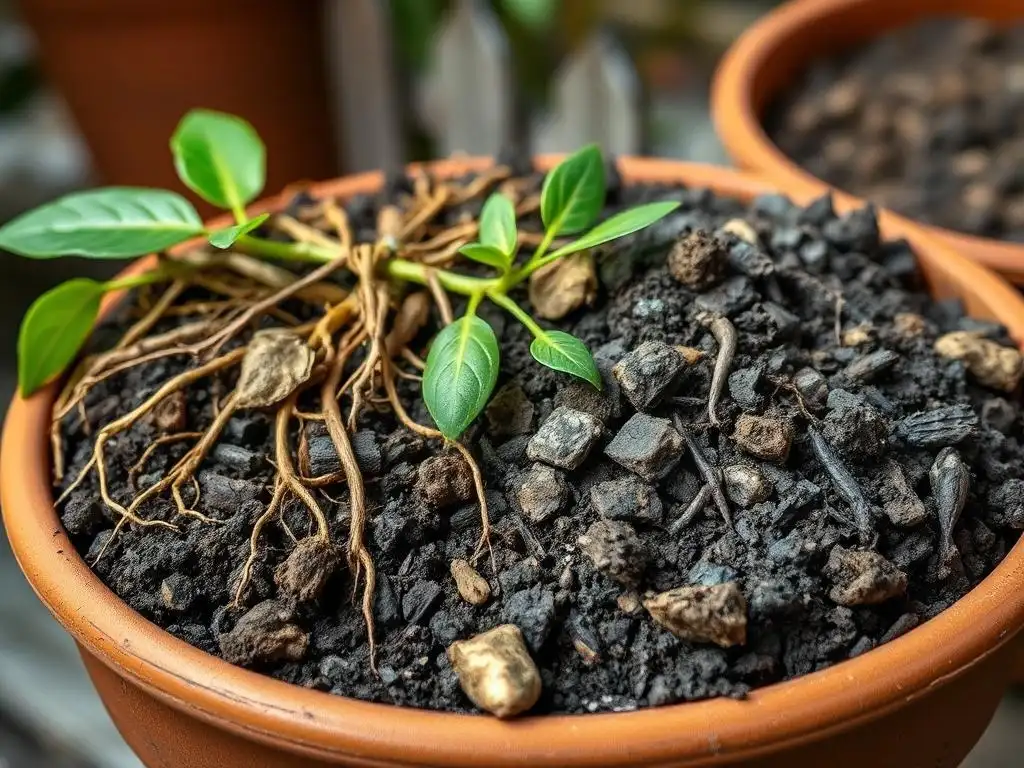
Poor aeration in container soil is a significant problem for home gardeners, often leading to stunted growth, root rot, and reduced yields. Understanding the common culprits is the first step towards improving container soil aeration and cultivating thriving plants. This section delves into three key factors that contribute to poor aeration, providing practical insights to help you avoid these pitfalls. Improving container soil aeration is crucial for healthy plant development.
Choosing the Wrong Soil Mix for Container Gardening
Selecting the right soil mix is paramount for good aeration. Many commercially available potting mixes, while convenient, can be overly dense, particularly those heavy in peat moss or lacking sufficient perlite or vermiculite. These ingredients, while retaining moisture, can compact easily, reducing the air spaces vital for healthy root systems. A well-aerated soil mix should have a good balance of organic matter (like composted bark or coco coir) for moisture retention and inorganic components (perlite, vermiculite, pumice) to improve drainage and aeration.
For example, a mix that's 50% peat moss, 25% perlite, and 25% composted bark might be too dense. Consider increasing the perlite proportion to 35-40% for better aeration, especially for plants with high water requirements or those prone to root rot. The ideal mix will feel light and fluffy, yet hold sufficient moisture. Experimenting with different ratios of ingredients is key to finding the perfect blend for your specific plants and climate. Remember, improving container soil aeration starts with the foundation – your soil mix.
Overwatering and its Effect on Soil Structure
Overwatering is a common mistake that significantly impacts soil aeration. Excessive moisture displaces air pockets within the soil matrix, creating anaerobic conditions that suffocate roots. This leads to root rot, a devastating condition that can quickly kill your plants. The constant saturation compacts the soil, making it difficult for oxygen to penetrate, even after the surface appears dry.
Think of it this way: imagine squeezing a sponge until all the air is gone. That's what overwatering does to your container soil. The soil particles become tightly packed, leaving little room for air circulation. Symptoms of overwatering include yellowing leaves, wilting despite moist soil, and a foul odor emanating from the soil. Proper watering techniques, such as allowing the top inch or two of soil to dry out before watering again, are crucial for maintaining good aeration. Always use well-draining containers with drainage holes to prevent waterlogging. Improving container soil aeration necessitates mindful watering practices.
The Role of Organic Matter Decomposition in Soil Compaction
While organic matter is essential for healthy soil, its decomposition can contribute to compaction over time. As organic materials break down, they can release substances that bind soil particles together, reducing pore space and inhibiting aeration. This is particularly true with peat moss, which can become compacted over time, especially in containers where the soil doesn't experience the natural disturbance of field soils.
This compaction isn't necessarily a negative aspect; it's a natural process. However, it highlights the need for periodic soil refreshment. To mitigate this, consider incorporating fresh organic matter such as composted materials regularly. This adds new organic material while also improving the soil structure and preventing excessive compaction from the decomposition of older materials. Furthermore, regularly topping up your containers with fresh soil mix, particularly the upper layers, helps maintain optimal aeration and prevent significant compaction over time. Regularly addressing this aspect greatly contributes to improving container soil aeration in the long run.
Practical Methods to Improve Container Soil Aeration
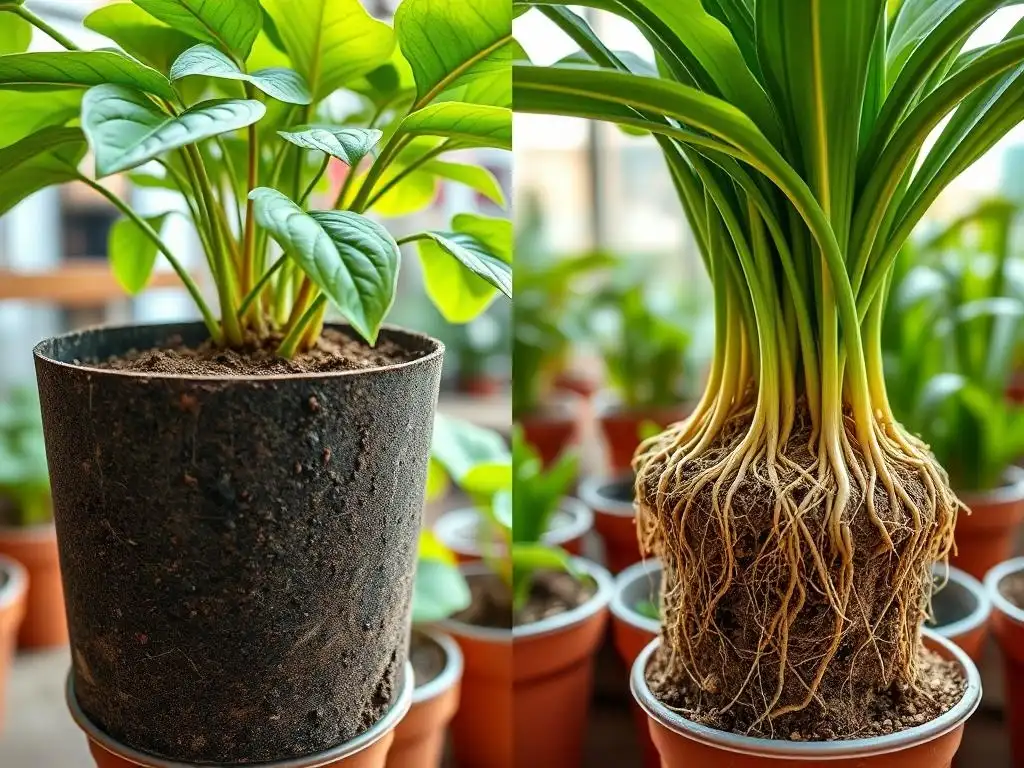
This section delves into actionable strategies to enhance aeration in your container garden soils. Proper aeration is crucial for healthy root development, nutrient uptake, and overall plant vigor. Neglecting soil aeration can lead to compacted soil, root rot, and stunted growth – ultimately impacting the yield and quality of your fruits, vegetables, and herbs. Let's explore several effective techniques to improve container soil aeration and cultivate thriving plants.
Selecting Well-Draining Potting Mixes for Optimal Aeration
Choosing the right potting mix is the cornerstone of good container garden aeration. Avoid using garden soil directly in containers; it's too dense and retains too much water, leading to poor aeration and suffocating roots. Instead, opt for well-draining potting mixes specifically formulated for containers. These mixes typically include a blend of peat moss, coco coir, perlite, and vermiculite.
The key is to look for a mix that balances water retention with good drainage and aeration. A good potting mix should feel light and airy, not heavy and clumpy. Read the product label carefully; it should indicate the mix's drainage and aeration capabilities.
Consider mixes specifically labeled for "container gardening" or "seed starting," as these are often formulated with optimal aeration in mind. Experimenting with different brands and mixes might be necessary to find the perfect blend for your specific plants and climate. For example, a mix that works well for drought-tolerant herbs might not be ideal for moisture-loving vegetables.
Remember, the goal is to improve container soil aeration by selecting a mix that promotes both sufficient moisture retention and excellent drainage to prevent waterlogging.
Improving Drainage with Pot Selection and Placement
The type of container you choose significantly impacts soil aeration. Poorly draining pots can lead to waterlogged soil, hindering aeration and root health. Select containers with drainage holes at the bottom to allow excess water to escape. The number and size of these holes influence drainage efficiency. More and larger holes generally equate to better drainage.
Furthermore, consider the material of the pot. Terracotta pots, for instance, are porous and allow for some evaporation, which can indirectly improve aeration by reducing soil moisture content. However, they also dry out more quickly, requiring more frequent watering. Plastic pots retain moisture better but may require more attention to drainage.
Proper pot placement also influences aeration. Avoid placing containers directly on solid surfaces like patios or decks, as this can impede drainage. Elevate your containers slightly using pot feet or a layer of gravel to ensure good airflow beneath the pot. This simple step can significantly improve drainage and indirectly enhance aeration.
Incorporating Aerating Amendments into Your Soil Mix: Perlite, Vermiculite, etc.
To further improve container soil aeration, consider adding aerating amendments to your potting mix. These amendments create air pockets within the soil, improving oxygen circulation to the roots. Common aerating amendments include:
- Perlite: A volcanic glass that's lightweight and porous, providing excellent drainage and aeration. It's a popular choice for many container gardeners.
- Vermiculite: A mineral that expands when heated, creating a lightweight and airy texture. It also helps retain moisture, offering a balance between aeration and hydration.
- Coco coir: A sustainable alternative to peat moss, coco coir is a fibrous material that improves drainage and aeration while also retaining moisture.
The amount of amendment you add will depend on the specific potting mix and the type of plant. Generally, a ratio of 1:3 or 1:4 (amendment:potting mix) is a good starting point. Always mix the amendments thoroughly into the potting mix before planting. Overdoing it can create a mix that's too loose and prone to drying out too quickly.
Careful observation and adjustments will help you find the perfect balance for your plants and soil conditions. Remember to always monitor your plants for signs of overwatering or underwatering, adjusting your watering schedule accordingly. The goal is to achieve optimal soil moisture and aeration for healthy root development and plant growth.
The Benefits of Using Coco Coir for Improved Aeration
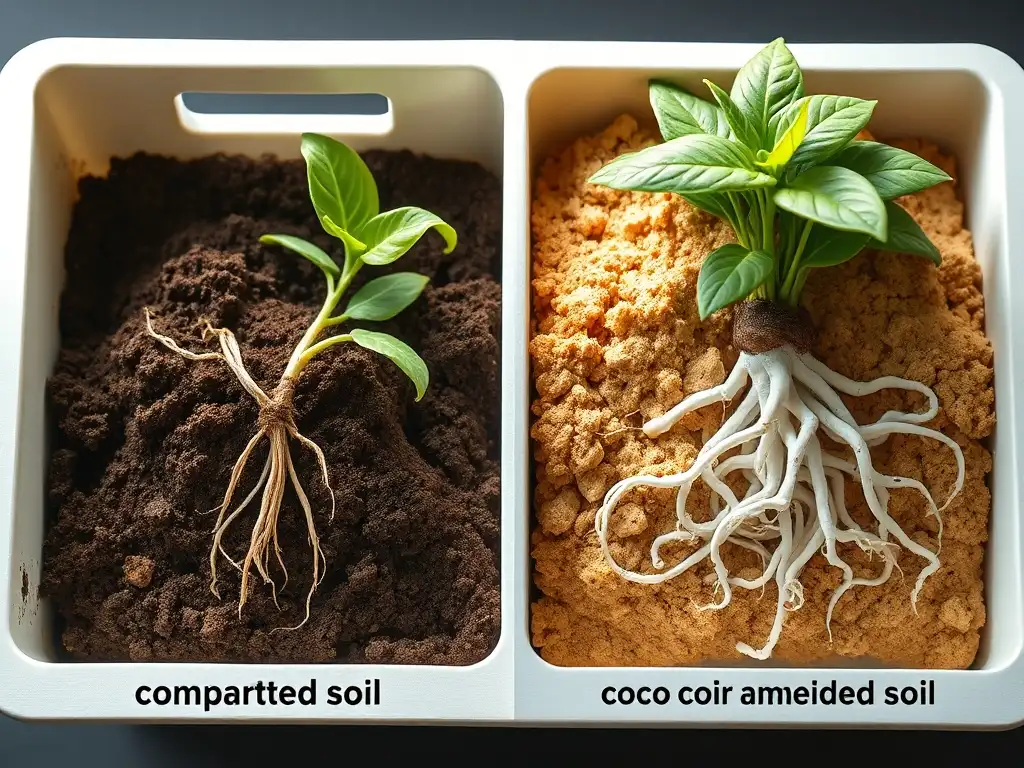
Coco coir, a natural fiber derived from coconut husks, offers significant advantages for improving aeration in container soil. Unlike peat moss, which can become compacted and hinder airflow, coco coir retains its structure, creating numerous air pockets within the soil matrix. This excellent drainage and aeration capacity helps prevent waterlogging, a common problem in container gardening that can suffocate roots and lead to plant diseases.
Furthermore, coco coir’s high porosity allows for better oxygen exchange, promoting robust root growth and overall plant health. The use of coco coir is particularly beneficial for plants with sensitive root systems, such as seedlings or those prone to root rot. It also provides a good balance of water retention and aeration, meaning you won't need to water as frequently, while still ensuring your plants have access to sufficient oxygen.
Many growers find that incorporating coco coir into their container soil mixes significantly reduces the frequency of watering and fertilizer application, leading to a more sustainable and efficient gardening practice. The sustainable nature of coco coir, being a byproduct of the coconut industry, also aligns with the ethos of organic and eco-friendly gardening.
Creating Air Pockets During Planting: Techniques for Loose Soil
Proper planting techniques are crucial for ensuring good aeration from the outset. Avoid over-compacting the soil when planting your seedlings or transplants. Gently work the soil around the roots, ensuring there are no large air gaps, but also avoiding creating a dense, compacted mass. One effective technique is to use a dibber or your finger to create a hole slightly larger than the root ball.
This allows for easy placement of the roots and prevents them from being squeezed or compressed. After planting, gently firm the soil around the base of the plant to provide support, but avoid excessive pressure. Another helpful method, especially with larger plants, is to carefully loosen the soil around the roots before planting, creating small air pockets for better root penetration and oxygen exchange.
Remember to always handle your seedlings and transplants with care to avoid damaging their delicate roots. Using a well-aerated soil mix, like one containing perlite or vermiculite, will also make this process significantly easier and more effective. This initial preparation greatly contributes to long-term aeration and plant health.
Regularly Loosening the Top Layer of Soil to Enhance Air Circulation
Regularly loosening the top layer of soil in your containers helps to combat soil compaction, a major contributor to poor aeration. Over time, watering and the natural settling of the soil can lead to a dense surface layer that restricts airflow. Using a small hand cultivator or even a garden fork, gently loosen the top inch or two of soil every few weeks. This simple action creates channels for air to penetrate the soil, improving oxygen availability to the roots.
Be careful not to disturb the roots too deeply, particularly for shallow-rooted plants. Focus on breaking up the surface crust and improving the overall porosity of the top layer. This regular maintenance is especially important during periods of heavy watering or if you notice the surface of the soil becoming hardened or compacted.
Combining this practice with the use of an aerated soil mix and appropriate watering techniques will ensure your plants have optimal access to oxygen, contributing to healthier growth and higher yields. Remember to be gentle when loosening the soil, especially around delicate young plants. The goal is to improve aeration, not to damage the root system.
Maintaining Aeration in the Long Term
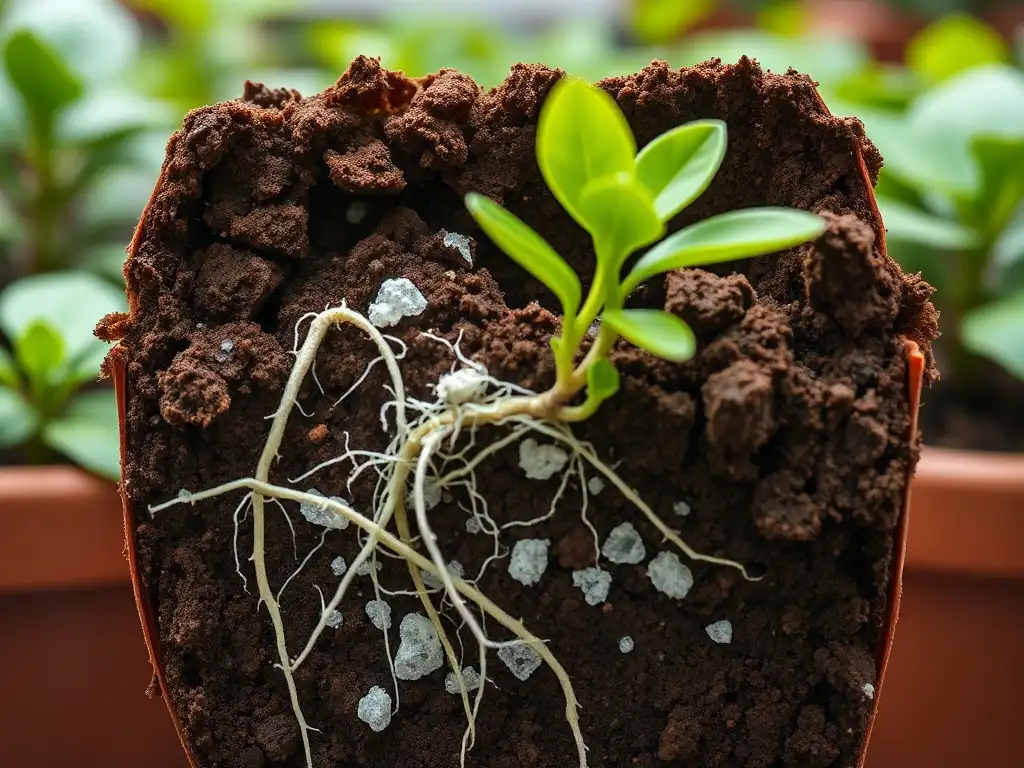
Maintaining optimal aeration in your container soil isn't a one-time fix; it's an ongoing process crucial for the long-term health and productivity of your plants. Consistent effort is key to preventing compaction and ensuring your plants receive the oxygen they need for robust growth. Neglecting aeration can lead to root rot, stunted growth, and ultimately, plant failure.
This section will explore several crucial long-term strategies to improve and maintain container soil aeration, ensuring your plants thrive for seasons to come. We'll focus on proactive measures to prevent issues before they arise, allowing you to reap the rewards of healthy, vibrant container gardens. Remember, consistent attention to your soil's health is an investment in a bountiful harvest.
Avoiding Overwatering to Prevent Soil Compaction
Overwatering is a common culprit behind poor aeration in container gardens. Excessive moisture saturates the soil, forcing out the air pockets essential for root respiration. This leads to soil compaction, creating a dense, anaerobic environment where roots struggle to access oxygen. The result? Yellowing leaves, stunted growth, and increased susceptibility to root rot and other diseases. To avoid this, practice mindful watering. Instead of following a strict schedule, check the moisture level of your soil before watering.
Stick your finger about an inch into the soil; if it feels dry, it's time to water. If it's still moist, wait a day or two. Also, ensure your containers have adequate drainage holes to prevent waterlogging. Consider using a moisture meter for more precise monitoring, especially for beginners. Proper watering techniques are fundamental to improving container soil aeration and preventing long-term problems. Remember, it's better to underwater slightly than to overwater.
The Importance of Regular Soil Monitoring
Regular monitoring of your container soil is paramount for maintaining good aeration. Just like checking the moisture level, visually inspecting the soil's texture and structure provides valuable insights into its aeration status. Look for signs of compaction, such as a hard, dense surface or a lack of visible air pockets. A healthy, well-aerated soil will have a loose, crumbly texture that allows for easy penetration of water and air. Regularly feeling the soil with your fingers can also help determine its overall health. If you notice signs of compaction, you might need to take corrective action, such as gently loosening the soil surface or incorporating amendments to improve drainage and aeration. Don't underestimate the power of observation; consistent soil monitoring is a proactive approach that can prevent serious aeration problems before they significantly impact plant growth. Regular checking allows for early intervention and prevents more extensive, time-consuming remediation efforts later.
Utilizing Topdressing to Maintain Soil Structure and Aeration
Topdressing is a simple yet highly effective technique for improving and maintaining soil aeration in containers. It involves adding a layer of fresh organic matter, such as compost, peat moss, or coco coir, to the surface of the existing soil. This fresh material helps to improve the soil's structure, creating more air pockets and preventing compaction.
Topdressing also provides essential nutrients, replenishing those used by the plants. Furthermore, a topdressing layer acts as a mulch, helping to retain moisture, suppress weeds, and regulate soil temperature. Applying a 1-2 inch layer of topdressing every few months, or as needed, can significantly improve long-term soil aeration and overall plant health.
This simple practice is a vital component of a holistic approach to improving container soil aeration, contributing to a vibrant and productive container garden. The benefits extend beyond aeration, enhancing overall soil health and promoting vigorous plant growth. Consider this a low-effort, high-reward strategy for your container gardening success.
Repotting as a Method to Refresh Container Soil and Aeration
Repotting isn't just about upgrading to a larger container; it's a crucial step in maintaining optimal soil aeration for your container plants. Over time, even the best soil mix compacts. Watering can lead to settling, and the roots themselves contribute to a denser structure. This compaction reduces pore space, hindering oxygen flow to the roots and leading to poor plant health. Signs of poor aeration from compacted soil include stunted growth, yellowing leaves, and wilting even with adequate watering. This is because roots need oxygen to thrive, just as much as they need water and nutrients.
The process of repotting involves carefully removing the plant from its current container. Gently loosen the root ball, being careful not to damage the delicate roots. Inspect the existing soil; you'll likely notice compaction and potentially rootbound conditions. This is a clear indication that repotting is necessary to improve container soil aeration.
When repotting, use fresh, well-aerated potting mix. Avoid over-watering immediately after repotting, allowing the soil to settle and the roots to adjust to their new environment. Choosing a container with adequate drainage holes is also essential; this prevents waterlogging, a major contributor to poor aeration.
Remember that the frequency of repotting depends on the plant species and the type of soil used; fast-growing plants in dense mixes may require annual repotting, while others might only need it every two or three years. Regularly assessing your plants for signs of rootbound conditions and compacted soil will help determine the optimal repotting schedule for improved container soil aeration. This proactive approach significantly contributes to the long-term health and productivity of your container garden.
Troubleshooting Poor Aeration in Your Container Garden
Poor aeration in container soil is a common problem that can significantly impact plant health and yield. It leads to stunted growth, yellowing leaves, root rot, and ultimately, plant death. Understanding the signs of poor aeration and implementing effective solutions is crucial for successful container gardening. This section focuses on diagnosing and addressing specific aeration issues to improve container soil aeration for optimal plant growth. We'll explore practical solutions to help you cultivate thriving plants, even in confined spaces.
Diagnosing and Addressing Specific Aeration Issues
Identifying the root cause (pun intended!) of poor aeration is the first step towards a solution. Several factors contribute to this problem. Let's examine some common indicators:
- Waterlogged Soil: If your soil remains consistently soggy, even after a reasonable amount of time following watering, this points to inadequate drainage and, consequently, poor aeration. The soil may appear dark and muddy, and plants might exhibit signs of root rot, such as wilting despite ample watering.
- Soil Compaction: Over time, watering and settling can compact the soil, reducing pore space and hindering air circulation. This is especially common with heavier clay-based mixes. You might notice difficulty inserting your finger into the soil, and water may run off the surface rather than being absorbed.
- Incorrect Soil Mix: Using a soil mix that is too dense or lacks sufficient organic matter will impede aeration. A mix predominantly composed of peat moss, for example, can become waterlogged and poorly aerated if not properly amended.
- Overwatering: While seemingly contradictory, overwatering is a major cause of poor aeration. Excessive watering saturates the soil, displacing air and creating anaerobic conditions which harm roots. The classic symptom is yellowing, wilting leaves even with moist soil.
To diagnose accurately, carefully examine your soil. Is it consistently soggy? Does it drain well? Can you easily insert your finger? Answering these questions will help pinpoint the underlying issue. Remember, improving container soil aeration requires a multi-pronged approach tailored to the specific problem.
Solutions for Waterlogged Container Soil
Waterlogged container soil is a serious issue that needs immediate attention. Here are effective strategies to improve drainage and aeration:
- Improve Drainage: Ensure your containers have adequate drainage holes. Multiple, strategically placed holes are better than one large hole. Consider adding a layer of gravel or broken pottery shards at the bottom of the container to facilitate drainage. This creates a better passage for excess water to escape.
- Amend Your Soil Mix: Incorporating perlite, vermiculite, or coco coir into your existing soil mix can significantly improve drainage and aeration. These amendments increase porosity, allowing for better water and air circulation. Aim for a mix with a good balance of water retention and drainage. A typical ratio might be 50% potting mix, 25% perlite, and 25% coco coir.
- Controlled Watering: Practice mindful watering. Water thoroughly when the top inch of soil feels dry, but avoid overwatering. Allow the soil to dry slightly between waterings to prevent saturation. Consider using a moisture meter to guide your watering schedule.
- Container Selection: Choose containers made of breathable materials like terracotta or unglazed ceramic, which allow for better evaporation and prevent waterlogging. Avoid using plastic containers without drainage holes, as these are prone to water retention issues.
Remediating Soil Compaction in Existing Containers
If your soil is already compacted, you need to take steps to loosen it and improve its structure. Here are some techniques:
- Aerate the Soil: Gently loosen the compacted soil using a garden fork or a long, thin tool. Avoid disturbing the roots too much. This process helps to increase the pore space within the soil, improving both aeration and water infiltration.
- Top Dressing: Apply a layer of fresh, well-aerated potting mix to the top of the container. This improves the surface structure and provides a more conducive environment for the roots.
- Avoid Heavy Tamping: When repotting or adding new soil, avoid compacting the soil. Gently fill the container, leaving some air space between the soil particles.
- Regular Cultivation: For smaller containers, consider gently working a small amount of compost or other organic matter into the top layer of soil periodically. This can help maintain soil structure and prevent compaction.
Remember, consistent monitoring and proactive measures are key to maintaining optimal aeration in your container garden. By understanding the causes of poor aeration and implementing these solutions, you can cultivate healthy and productive plants in containers.
Frequently Asked Questions
What is soil aeration, and why is it important for container gardening?
Soil aeration refers to the amount of air spaces in your soil. Good aeration is crucial because it allows oxygen to reach plant roots, promoting healthy growth and preventing root rot. Poor aeration leads to compacted soil, hindering root development.
How can I tell if my container soil needs better aeration?
Signs of poor aeration include poor drainage, plants that are wilting despite watering, and discolored or stunted roots. You might also notice a musty smell emanating from the soil.
What are some simple ways to improve aeration in my container soil?
Adding perlite, vermiculite, or coco coir to your potting mix improves drainage and aeration. Regularly loosening the top inch of soil with a small hand tool also helps. Choosing porous containers is also beneficial.
Are there any tools or techniques I can use to improve soil aeration?
Yes! Using a soil aerator tool can create small holes, improving air circulation. You can also gently mix in organic matter like compost to improve soil structure and aeration over time.
What are the long-term benefits of improved container soil aeration?
Better aeration leads to healthier, more vigorous plants with stronger root systems. This results in increased yields and greater resilience to diseases and pests, ultimately making your container garden more successful.
Final Reflection: Breathing New Life into Container Gardens
The health of our container plants hinges directly on the quality of their soil, and proper aeration is the often-overlooked key to unlocking their full potential. Poorly aerated soil leads to stunted growth, root rot, and ultimately, plant death – a heartbreaking reality for any dedicated gardener. This is not just a niche concern; it's a fundamental aspect of successful container gardening, impacting millions of hobbyists and professionals alike.
The impact of improved aeration extends far beyond the individual plant; it speaks to a broader understanding of sustainable and responsible gardening practices. We are increasingly aware of the interconnectedness of our actions and the environment, and nurturing healthy plants through optimized soil conditions reflects this growing consciousness. The glory of gardening: hands in the dirt, head in the sun, heart with nature. To nurture a garden is to feed not just the body, but the soul.
This quote beautifully encapsulates the profound connection between our gardening practices and our overall well-being, a connection deeply intertwined with the health of the soil itself.
Now, consider your own container gardens. Are your plants thriving, or are they struggling? Take a moment to assess the aeration of your soil. This article has provided you with the knowledge; now it's time to put it into practice.
Experiment with different aeration techniques, observe the results, and learn from your experiences. By actively improving the aeration in your container soil, you're not just improving the health of your plants; you're cultivating a deeper connection with the natural world and fostering a more sustainable approach to gardening. Let's breathe new life into our container gardens, one well-aerated pot at a time.
Unlock Your Plants' Full Potential: Aerate and Thrive!
Thanks for exploring the world of container gardening with us! You've learned how crucial aeration is for healthy, thriving plants. Ready to put this knowledge into practice and see the results?
- Tackle your most needy container first: Identify the pot that needs aeration most urgently and loosen the soil immediately using a garden fork or aeration tool. You'll be amazed by the difference!
- Share your success: Tell us about your experience and share a photo of your aerated plants on our CultivateYourFood community forum!
- Refine your approach: Explore different aeration methods, such as adding perlite or other soil amendments, to find what works best for your container garden.
Ready to see the transformative power of improved aeration in your garden? Which pot will you tackle first?