
Natural Pest Control: Transforming Your Garden into a Thriving Ecosystem

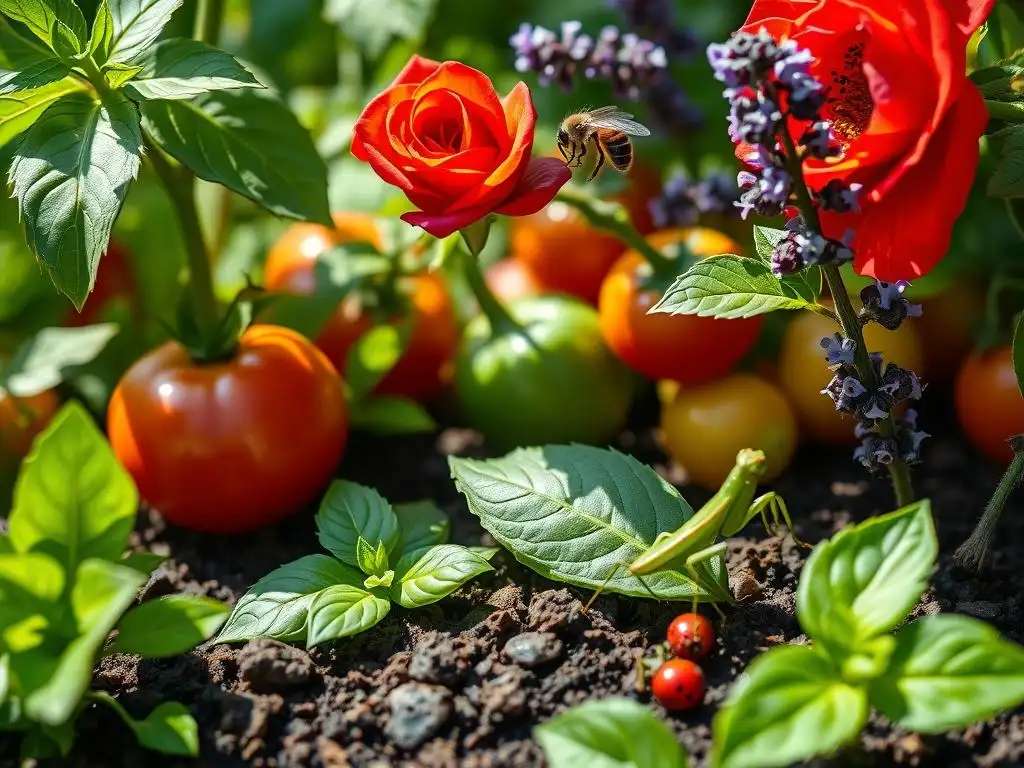
Welcome to CultivateYourFood, your guide to a thriving, sustainable home garden! Are you ready to transform your backyard into a vibrant ecosystem teeming with healthy fruits, vegetables, and herbs? Discover the secrets to bountiful harvests without harmful chemicals, starting with our comprehensive guide on Natural Pest Control Home Garden. Learn how to protect your plants and nurture a flourishing garden using only organic methods – your journey to a healthier, more rewarding gardening experience begins here.
- Understanding Natural Pest Control in Your Home Garden
- Beneficial Insects: Your Garden's Natural Allies
- Natural Pest Control Methods for Common Garden Problems
- DIY Natural Pest Control Sprays and Solutions
- Preventing Pest Problems: Proactive Gardening Strategies
- Monitoring and Evaluating Your Natural Pest Control Program
- Frequently Asked Questions
- Final Reflection: Cultivating Harmony: A Garden's Ecosystem and Our Own
- Unleash Your Garden's Natural Power!
Understanding Natural Pest Control in Your Home Garden
Creating a thriving home garden brimming with healthy fruits, vegetables, and herbs requires more than just sunlight and water. A crucial element often overlooked is effective pest control. This article delves into the world of natural pest control, guiding you towards creating a balanced ecosystem in your garden that minimizes pest damage without resorting to harmful chemicals. We will explore how to identify common pests, recognize the early warning signs of infestation, and understand the vital role healthy soil plays in preventing pest problems.
By embracing these natural methods, you'll not only protect your plants but also contribute to a healthier environment for yourself and beneficial insects. This approach to natural pest control for your home garden will empower you to cultivate a bountiful harvest while respecting the delicate balance of nature. Let's transform your garden from a battleground into a thriving, pest-resistant ecosystem!
Identifying Common Garden Pests and Their Damage
Identifying the culprits is the first step in effective pest control. Many common garden pests cause easily recognizable damage. For example, aphids, tiny pear-shaped insects, suck sap from plants, leaving behind sticky honeydew and causing leaf curling and stunted growth. Caterpillars, on the other hand, are voracious eaters, leaving behind chewed leaves and stems. Slugs and snails leave characteristic slime trails and leave behind holes in foliage, often preferring young, tender plants. Knowing the specific pest allows you to tailor your control methods effectively.
Here's a table summarizing some common garden pests and their characteristic damage:
| Pest | Damage Description | Example Plants Affected |
|---|---|---|
| Aphids | Leaf curling, sticky honeydew, stunted growth | Roses, beans, lettuce |
| Caterpillars | Chewed leaves and stems | Cabbage, tomatoes, many leafy greens |
| Slugs & Snails | Holes in foliage, slime trails | Lettuce, strawberries, hostas |
| Spider Mites | Fine webbing on leaves, stippling (small dots) | Tomatoes, cucumbers, beans |
| Whiteflies | Yellowing leaves, sticky honeydew, white insects | Tomatoes, peppers, many greenhouse plants |
Understanding the specific damage caused by different pests is key to implementing targeted natural pest control strategies. Remember to inspect your plants regularly, paying close attention to both the leaves and stems.
Recognizing the Signs of Pest Infestation
Early detection is crucial for successful pest management. Don't wait until you see massive damage before taking action. Learn to recognize the early warning signs of pest infestation. These can include:
- Wilting or yellowing leaves: This can indicate a variety of problems, including pests sucking sap from the plant.
- Holes or chewed leaves: A clear sign of chewing insects like caterpillars or beetles.
- Presence of insects: This is obvious, but sometimes pests are small and hidden, requiring close inspection.
- Sticky honeydew: A sugary substance excreted by aphids and other sap-sucking insects.
- Webbing: Indicates the presence of spider mites or other web-spinning insects.
- Unusual growth patterns: Stunted growth or distorted leaves can be a sign of pest activity.
Regularly inspecting your plants, even once a week, can make a huge difference in catching infestations early. Early detection allows for less intensive control methods, reducing the need for stronger interventions. Think of it as a proactive approach to maintaining a healthy garden. Prevention is always better than cure!
The Importance of a Healthy Soil Ecosystem for Pest Prevention
A healthy soil ecosystem is the foundation of a pest-resistant garden. Healthy soil teeming with beneficial microorganisms, such as bacteria and fungi, creates a natural barrier against many pests. These microorganisms compete with harmful pests for resources, reducing their populations naturally. Furthermore, healthy soil promotes strong plant growth, making plants more resilient to pest attacks.
Some key factors contributing to a healthy soil ecosystem include:
- Organic matter: Adding compost and other organic materials improves soil structure, aeration, and water retention.
- Diversity of plants: Planting a variety of plants supports a diverse range of beneficial insects and microorganisms.
- Avoid monoculture: Planting the same crop repeatedly can deplete soil nutrients and increase pest susceptibility.
- Proper watering: Avoid overwatering, which can create conditions favorable to fungal diseases and other pests.
By focusing on soil health, you lay the groundwork for a naturally pest-resistant garden. This holistic approach reduces the need for external interventions, creating a more sustainable and environmentally friendly gardening practice. Remember, a healthy soil is a happy soil, and a happy soil leads to happy, pest-resistant plants!
Beneficial Insects: Your Garden's Natural Allies
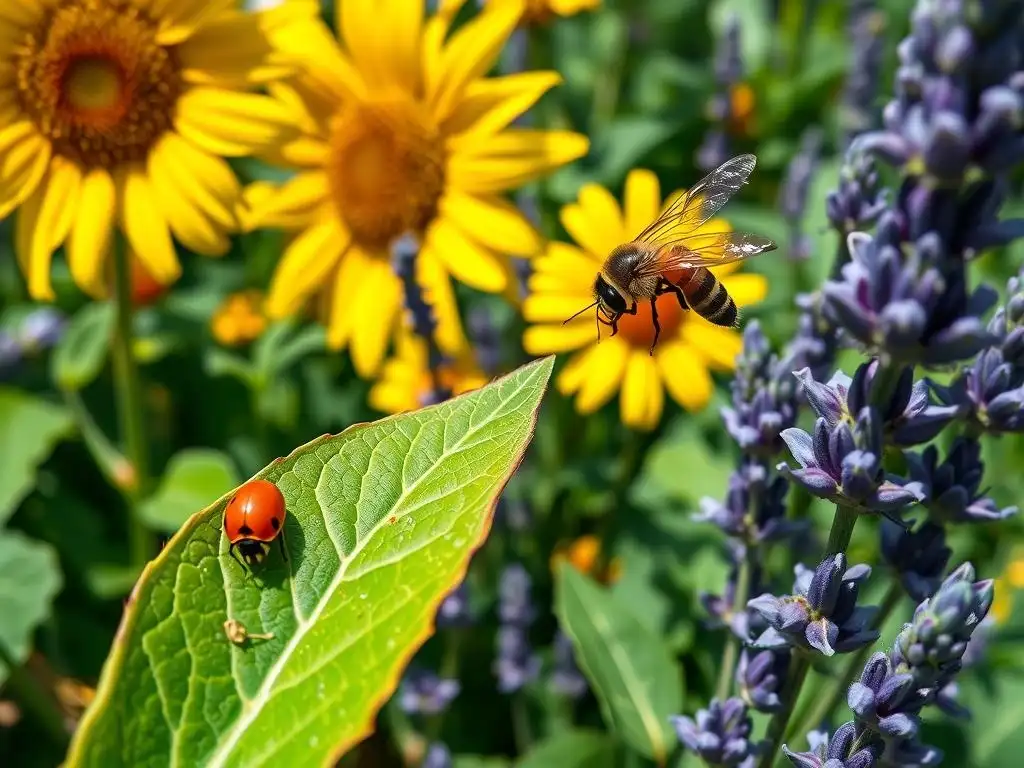
Beneficial insects are the cornerstone of effective natural pest control in your home garden. Instead of relying on harmful chemicals, you can cultivate a thriving ecosystem where these tiny predators keep pest populations in check. This approach promotes biodiversity and contributes to a healthier, more sustainable garden environment. Let's explore how to attract and support these valuable allies.
Attracting Ladybugs, Lacewings, and Praying Mantises
Attracting beneficial insects like ladybugs, lacewings, and praying mantises involves providing them with the resources they need to thrive. These predators are voracious eaters of common garden pests like aphids, mealybugs, and spider mites. Here's how you can make your garden a haven for them:
- Plant nectar-rich flowers: Many beneficial insects feed on pollen and nectar. Include flowering plants such as dill, fennel, cilantro, yarrow, and cosmos in your garden to provide a continuous food source. Consider planting these in clusters to create attractive feeding stations. Think of it as offering a "buffet" for your helpful insects!
- Provide shelter: Beneficial insects need places to hide and overwinter. Leave some leaf litter undisturbed in certain areas of the garden. You can also install insect hotels, which provide safe spaces for insects to rest and reproduce. These can be as simple as bundles of hollow stems or more elaborate structures filled with various materials.
- Avoid using broad-spectrum insecticides: These pesticides can harm beneficial insects along with the pests you're trying to control, undermining your natural pest control strategy. Choosing targeted treatments or relying on natural methods is crucial for maintaining a healthy insect balance.
- Water sources: Provide shallow dishes of water with pebbles or small sticks for the insects to land on, preventing them from drowning. This is especially important during dry periods.
The effectiveness of attracting these beneficial insects is directly correlated to the diversity of your planting. A monoculture, with only one or two plant types, will attract fewer beneficial insects than a diverse garden with a variety of plants and flowers. Observe your garden regularly; a robust population of ladybugs munching on aphids is a clear sign of success! 🐞
Utilizing Parasitic Wasps for Natural Pest Control
Parasitic wasps, often tiny and inconspicuous, are incredibly effective natural pest control agents. Unlike stinging wasps, these beneficial insects lay their eggs inside or on other insects, eventually killing their host. This makes them a powerful weapon against many common garden pests, including caterpillars, aphids, and whiteflies.
There's no need to actively introduce parasitic wasps; they are naturally attracted to areas with a high population of their host insects. Focusing on creating a healthy garden ecosystem will encourage their presence. However, you can indirectly support them by:
- Minimizing pesticide use: As with other beneficial insects, pesticides can decimate parasitic wasp populations. Avoid using broad-spectrum insecticides to allow these natural predators to flourish.
- Providing diverse plant life: A variety of plants ensures a diversity of insect hosts, providing ample food for parasitic wasps. A healthy, balanced ecosystem is key to their success.
- Understanding their life cycle: Parasitic wasps have complex life cycles, often requiring specific host insects at different stages. Understanding these cycles can help you better appreciate their role in your garden's ecosystem.
The presence of parasitic wasps is often indicated by the presence of their cocoons or the mummified remains of their host insects. While you may not see them directly, their effectiveness is evident in reduced pest populations.
Creating a Habitat for Beneficial Nematodes
Beneficial nematodes are microscopic roundworms that live in the soil. Certain species are predatory and feed on a variety of soil-dwelling pests, including slugs, snails, and the larvae of many insects. These tiny warriors can be a powerful ally in your natural pest control efforts.
Introducing beneficial nematodes to your garden is a straightforward process, often involving purchasing them from a reputable supplier and applying them according to the instructions. However, creating a favorable environment for their survival and effectiveness is crucial:
- Maintain soil moisture: Nematodes thrive in moist soil. Regular watering, especially during dry periods, is essential for their survival. Avoid letting the soil dry out completely.
- Keep the soil cool: Excessive heat can negatively impact nematode populations. Mulching can help to maintain a cooler soil temperature.
- Avoid using broad-spectrum pesticides: Pesticides can harm beneficial nematodes, rendering them ineffective. Sticking to natural pest control methods is essential for their success.
- Proper application: Follow the instructions carefully when applying nematodes. The success of the application depends largely on adhering to the recommended application methods and timing. The optimal time for application often varies depending on the specific nematode species and target pest.
Remember, a successful natural pest control strategy in your home garden relies on creating a balanced ecosystem. By attracting and supporting beneficial insects and nematodes, you can significantly reduce the need for harmful chemicals, fostering a healthy and productive garden environment. Patience and observation are key – enjoy watching your garden thrive!
Natural Pest Control Methods for Common Garden Problems
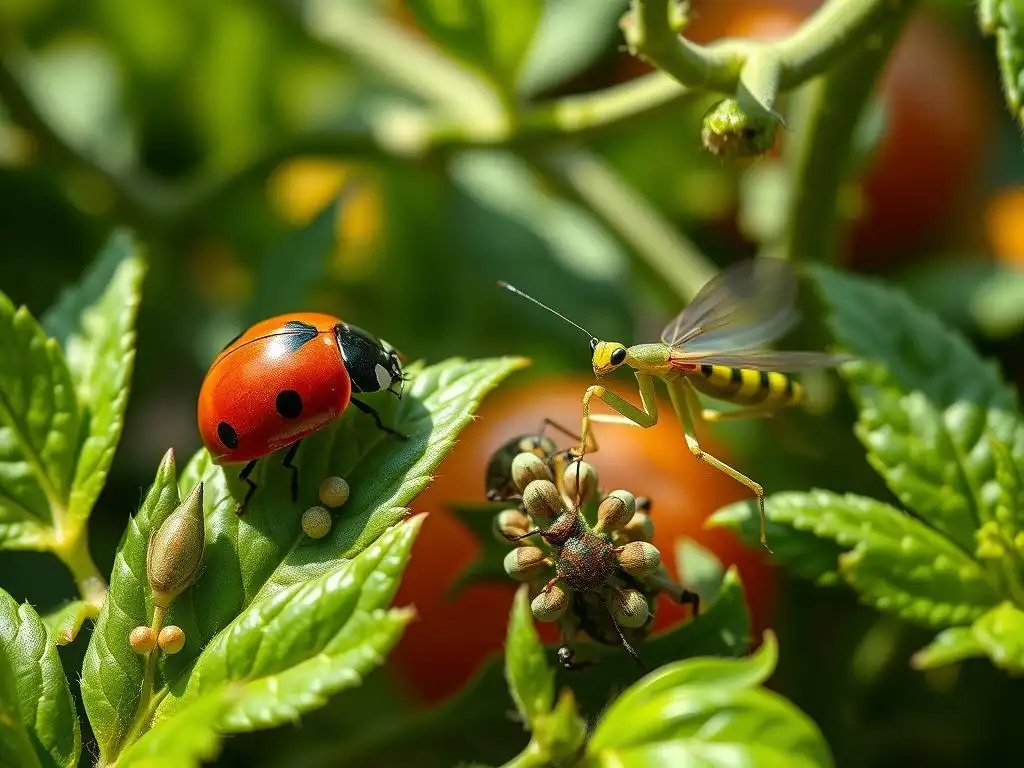
This section delves into specific, effective natural pest control methods for common garden pests, focusing on solutions readily available to the home gardener. We'll explore organic approaches that minimize environmental impact while maximizing the health of your plants and the overall garden ecosystem. Remember, a thriving ecosystem is naturally resilient to pest infestations. The key is proactive monitoring and early intervention.
Organic Pest Control for Aphids and Mealybugs
Aphids and mealybugs are sap-sucking insects that can quickly decimate plants if left unchecked. These tiny pests weaken plants, leading to stunted growth and reduced yields. Fortunately, several effective organic control methods exist.
One highly effective approach is using insecticidal soap. This readily available solution disrupts the pests' cell membranes, leading to dehydration and death. Always follow the product instructions carefully, ensuring thorough coverage of affected plant parts, including the undersides of leaves where these pests often congregate. Reapplication may be necessary, depending on the severity of the infestation.
Another natural solution involves introducing beneficial insects to your garden. Ladybugs, lacewings, and parasitic wasps are voracious predators of aphids and mealybugs. Encouraging their presence through the planting of flowering plants that attract them is a sustainable and environmentally friendly way to manage these pests. Consider planting dill, fennel, and yarrow to attract these helpful allies.
Finally, a strong blast of water from a hose can dislodge aphids and mealybugs, particularly from smaller plants. This method is best used as a preventative measure or in conjunction with other methods for light infestations. Remember to check your plants regularly to catch infestations early. Early detection is crucial for effective natural pest control.
Natural Solutions for Controlling Cabbage Worms and Caterpillars
Cabbage worms and caterpillars can quickly defoliate brassica family plants (cabbage, broccoli, cauliflower, etc. ), causing significant damage and reducing yields. Employing a multi-pronged approach is key to effectively managing these pests without resorting to harmful chemicals.
Handpicking is a simple and effective method, especially for smaller infestations. Regularly inspect your plants, removing any visible caterpillars or worms. Dispose of them humanely, away from your garden.
Row covers can create a physical barrier, preventing adult moths and butterflies from laying eggs on your plants. These covers allow sunlight and water to reach the plants while keeping the pests out. Ensure a tight fit around the base of the plants to maximize effectiveness.
Bacillus thuringiensis (Bt) is a naturally occurring bacterium that's toxic to caterpillars but harmless to humans and beneficial insects. Bt products are available commercially and provide a safe and effective biological control method. Always follow the product label instructions for application.
Effective Natural Remedies for Dealing with Slugs and Snails
Slugs and snails are notorious garden pests, leaving slimy trails and causing significant damage to leaves and stems, especially during humid weather. Implementing a combination of strategies is vital to keep their populations under control.
Diatomaceous earth (DE) is a naturally occurring sedimentary rock that acts as a physical barrier, cutting into the soft bodies of slugs and snails. Spread DE around the base of susceptible plants, creating a barrier they'll be reluctant to cross. Remember that DE is most effective when dry; avoid using it during or after rainfall.
Beer traps are a surprisingly effective method. Place shallow dishes filled with beer around your garden. The beer attracts the slugs and snails, which then drown in the liquid. Empty and refill the traps regularly.
Creating a hostile environment is also crucial. Keep your garden free of debris and mulch, reducing their hiding places. Ensure good air circulation to discourage their presence. Mulching with materials they dislike, such as crushed eggshells or wood ash, can also deter them. Regularly inspect your plants and remove any slugs or snails you find. Consistent monitoring and proactive measures are crucial for success in natural pest control.
Organic Pest Management for Tomato Hornworms and Other Pests
Tomato hornworms, those voracious green caterpillars, can decimate a tomato crop in a matter of days. These large, imposing larvae are the bane of many home gardeners, but thankfully, effective organic pest management strategies exist. One of the simplest methods is handpicking. Regularly inspect your tomato plants, especially at dusk or dawn when hornworms are most active. Simply pluck them off and dispose of them in soapy water to prevent them from escaping and returning to your plants. This method is particularly effective for smaller infestations. Remember to check the undersides of leaves carefully, as hornworms often hide there.
Beyond handpicking, you can leverage the power of beneficial insects. Lacewings, ladybugs, and parasitic wasps are natural predators of hornworms and other garden pests. Attracting these beneficial insects to your garden can significantly reduce the need for other interventions. This can be achieved by planting flowers that attract these predators, such as dill, fennel, and yarrow. These plants provide food and shelter for beneficial insects, encouraging them to establish themselves in your garden and control pest populations naturally. Creating a diverse and healthy garden ecosystem is key to attracting these helpful allies.
Another effective organic method is the use of Bacillus thuringiensis (Bt). Bt is a naturally occurring soil bacterium that produces toxins lethal to certain insects, including hornworms, but is harmless to humans, pets, and beneficial insects. Bt products are available commercially as sprays or dusts.
Always follow the product instructions carefully, applying the solution according to the recommended dosage and timing. Remember that Bt is most effective on younger larvae, so early detection and timely application are crucial for optimal results. Regular monitoring is still important, even after application, as multiple applications may be necessary depending on the severity of the infestation.
Finally, consider implementing companion planting. Certain plants, like basil and marigolds, are known to repel hornworms and other pests. Planting these alongside your tomatoes can help deter these unwanted visitors. This strategy complements other methods and contributes to a more holistic approach to pest management.
The aromatic oils produced by these companion plants disrupt the hornworms' feeding and reproductive cycles. It's important to note that while companion planting is a valuable tool, it's often most effective when used in conjunction with other organic pest control strategies. A multi-pronged approach is generally the most successful way to achieve lasting pest control in your home garden. This integrated approach ensures that you utilize the best methods for a thriving and healthy garden without resorting to harmful chemicals.
DIY Natural Pest Control Sprays and Solutions
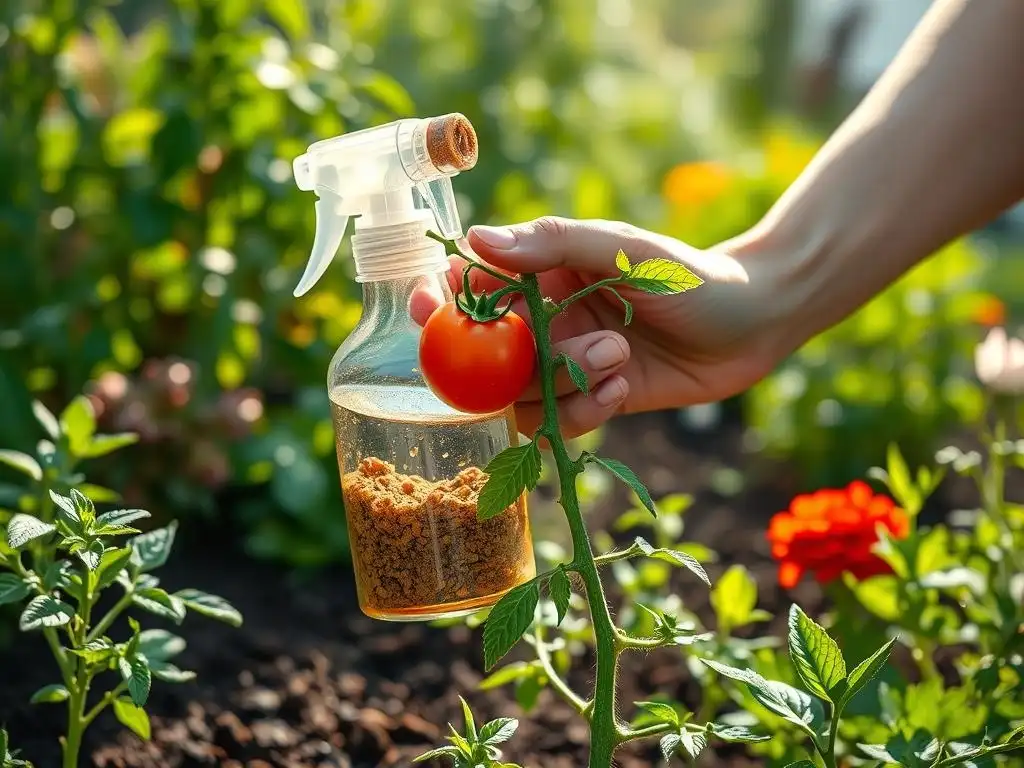
This section details how to craft effective, eco-friendly pest control sprays using readily available ingredients. These solutions are a cornerstone of natural pest control for the home garden, offering a safe and sustainable alternative to harsh chemicals. Remember, consistent application is key for optimal results. The effectiveness of these sprays can vary depending on the pest and the severity of the infestation. Always test a small area first to check for any negative reactions on your plants.
Recipes for Effective Homemade Insecticidal Soaps
Homemade insecticidal soaps are among the simplest and most effective natural pest control solutions. They work by disrupting the cell membranes of soft-bodied insects, leading to their demise. Here are a few recipes, varying in strength and application:
- Basic Insecticidal Soap:
- 1 tablespoon of liquid castile soap (ensure it's unsweetened and doesn't contain added oils)
- 1 quart of water
- Mix thoroughly and apply directly to affected plants, focusing on the undersides of leaves where pests often hide. Reapply every few days as needed.
- Enhanced Insecticidal Soap with Baking Soda:
- 1 tablespoon of liquid castile soap
- 1 tablespoon of baking soda
- 1 quart of water
- This combination offers a slightly more potent solution, particularly effective against mildew and some fungal diseases alongside insects. Again, mix well and apply as needed.
- Important Considerations: Avoid using insecticidal soaps on hot sunny days, as they can scorch plant leaves. Always test a small area first. Some plants are more sensitive than others, so observe closely after application. Different soaps may vary in their effectiveness.
Creating a Powerful Neem Oil Spray for Pest Control
Neem oil, derived from the neem tree, is a versatile and powerful natural pesticide. It acts as both an insecticide and a fungicide, disrupting the life cycle of many common garden pests. Its effectiveness stems from its azadirachtin content, which interferes with insect feeding, reproduction, and development.
To create a neem oil spray, follow these steps:
- Mix: Combine 1 tablespoon of neem oil with 1 quart of water. You can add a tiny amount of liquid soap (a few drops) to help the oil emulsify and adhere to plant leaves. Thoroughly shake the mixture before each use.
- Application: Apply the spray directly to plants, ensuring complete coverage of leaves and stems. Focus on areas with significant pest activity.
- Timing: For best results, apply neem oil spray in the evening or on cloudy days to minimize the risk of leaf burn from sunlight.
- Frequency: Repeat applications every 7-10 days, or as needed, depending on the severity of the infestation and weather conditions.
Utilizing Garlic and Pepper Spray for Natural Pest Repellency
This pungent spray acts as a powerful repellent, deterring many insects from your plants. The strong smell is unpleasant to many pests, effectively discouraging them from feeding or laying eggs.
Here's how to make a garlic and pepper spray:
- Preparation: Finely chop 1-2 heads of garlic and 1-2 hot peppers (such as jalapeños or serranos). Use gloves to avoid skin irritation.
- Steep: Place the chopped garlic and peppers in a quart of water and let it steep for at least 24 hours.
- Strain: Strain the mixture through a cheesecloth or fine-mesh sieve to remove the solids.
- Application: Dilute the strained mixture with an equal amount of water before spraying directly onto plants. Avoid spraying on edible parts of plants just before harvest.
- Storage: Store the spray in an airtight container in a cool, dark place.
This spray is primarily a repellent, not a killer. It's best used as a preventative measure or in combination with other natural pest control methods for more significant infestations. Remember to always label your homemade sprays clearly. 🌱
Making a Safe and Effective Diatomaceous Earth Solution
Diatomaceous earth (DE) is a naturally occurring sedimentary rock composed of fossilized diatoms. Its microscopic, sharp edges make it an effective desiccant, meaning it draws moisture from insects, leading to their dehydration and death. This makes it a powerful, yet gentle, tool in your arsenal for natural pest control. When using DE for pest control in your home garden, it's crucial to choose food-grade diatomaceous earth. This ensures that the DE is safe for use around edible plants and won't contaminate your produce. Non-food grade DE may contain harmful chemicals and should be avoided.
Creating a DE solution is straightforward. Simply mix one to two tablespoons of food-grade diatomaceous earth per gallon of water. Thoroughly stir the mixture to ensure the DE is evenly dispersed. You can apply this solution directly to affected plants, focusing on the areas where pests are most active, such as the undersides of leaves or the base of the plant. Remember to apply the solution on a day without rain or strong wind to ensure maximum effectiveness. Reapplication may be necessary, especially after rainfall, as DE's effectiveness is reduced when wet.
Always wear a dust mask when handling diatomaceous earth, as inhaling the fine powder can irritate the lungs. This precaution is especially important when mixing the solution or applying it directly. While DE is generally considered safe for humans and pets, it's best to avoid direct contact with skin and eyes. Wash your hands thoroughly after handling DE and any tools used in the process. Proper handling ensures both your safety and the effectiveness of this valuable natural pest control method.
For particularly stubborn infestations, consider combining DE with other natural pest control methods for a more comprehensive approach. This integrated pest management strategy can significantly improve results and minimize environmental impact. Observe your plants closely after application to monitor the effectiveness of the DE solution and adjust your approach as needed. Remember, patience and consistent application are key to successful natural pest control.
Preventing Pest Problems: Proactive Gardening Strategies
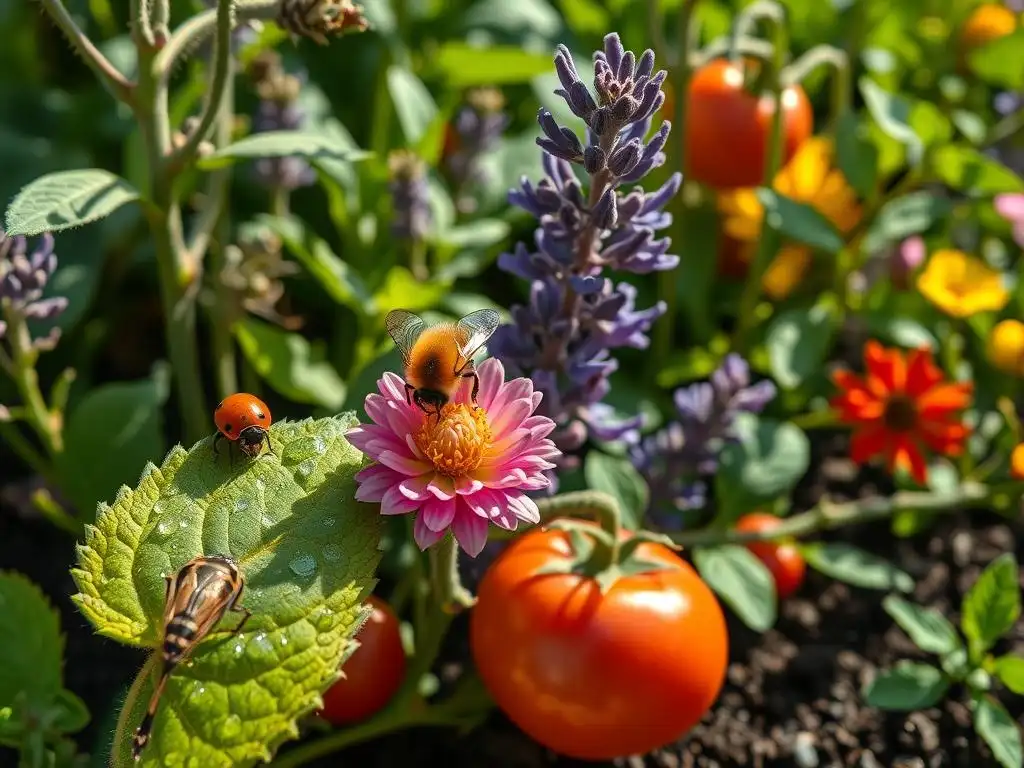
Preventing pest infestations is far more effective than reacting to them. A proactive approach to natural pest control in your home garden minimizes the need for harsh chemicals and fosters a healthier ecosystem. By implementing several key strategies, you can significantly reduce the likelihood of pest problems and create a thriving environment for your plants.
This involves understanding the interconnectedness of your garden and employing techniques that encourage natural pest predators while deterring unwanted insects and diseases. The goal is to create a garden that is naturally resilient and less susceptible to pest pressures. This section will explore some crucial proactive measures for natural pest control in your home garden.
Companion Planting: Utilizing Synergistic Plant Combinations
Companion planting leverages the synergistic relationships between different plant species. Certain plants repel pests, attract beneficial insects, or improve the overall health of neighboring plants. For example, planting basil near tomatoes helps repel tomato hornworms and whiteflies. Marigolds, known for their pungent scent, deter nematodes and other soil-borne pests, while attracting beneficial insects like ladybugs. Similarly, planting garlic and onions near roses can help deter aphids and other common rose pests.
The effectiveness of companion planting depends on careful planning and observation. It's crucial to research the specific needs and interactions of the plants you intend to combine. A well-planned companion planting strategy can significantly reduce the need for pesticides and improve the overall yield and health of your garden. Consider the following example:
| Plant Combination | Pest Repelled/Beneficial Insect Attracted | Benefits |
|---|---|---|
| Basil & Tomatoes | Tomato hornworms, whiteflies | Improved tomato growth and pest control |
| Marigolds & Vegetables | Nematodes, other soil-borne pests | Improved soil health and pest deterrence |
| Garlic & Roses | Aphids, other rose pests | Reduced pest pressure on roses |
| Mint & Cabbage | Cabbage white butterflies | Protection against cabbage worms |
| Calendula & Many Vegetables | Various pests | Attracts beneficial insects, improves soil health |
Remember that companion planting is not a guaranteed solution, but rather a valuable tool in your arsenal of natural pest control methods. Careful observation and adaptation are key to success.
Crop Rotation: A Key Strategy for Pest Management
Crop rotation is a fundamental principle of sustainable gardening that involves systematically changing the types of plants grown in a particular area from one growing season to the next. This practice disrupts the life cycles of many pests and diseases that thrive on specific plants. By rotating crops, you prevent the buildup of pest populations and reduce the risk of soilborne diseases. For example, if you planted tomatoes in a particular bed this year, avoid planting tomatoes, peppers, or eggplants (all in the nightshade family) in that same bed for the next two or three years.
The benefits of crop rotation extend beyond pest control. It improves soil health by diversifying the nutrients required by different plants, reducing the risk of nutrient depletion. It also helps to control weeds by disrupting their established growth patterns. Effective crop rotation requires planning and record-keeping. It is recommended to rotate your crops based on plant families, rather than just individual plant types.
Consider this simple rotation plan:
- Year 1: Leafy greens (lettuce, spinach)
- Year 2: Root vegetables (carrots, beets)
- Year 3: Legumes (beans, peas) – these improve soil nitrogen
- Year 4: Nightshades (tomatoes, peppers)
This is a basic example; the specifics will depend on your climate and the plants you choose to grow. Proper crop rotation is a cornerstone of natural pest control and long-term garden health.
Maintaining Cleanliness and Sanitation in Your Garden
A clean garden is a healthy garden. Removing weeds, fallen leaves, and plant debris prevents pests from finding shelter and overwintering. Regular weeding not only eliminates competition for resources but also removes potential breeding grounds for many pests. Fallen leaves and debris can harbor disease and pests, providing ideal conditions for them to proliferate.
Regularly clearing away plant debris after harvesting prevents the buildup of pests and diseases. Furthermore, proper composting is essential. Composting decomposes organic matter, reducing the amount of waste sent to landfills, and creating nutrient-rich soil amendment. However, avoid adding diseased plants to your compost pile, as this could spread pathogens. Maintaining a clean and organized garden significantly reduces the risk of pest infestations and promotes a healthy growing environment. Think of it as proactive housekeeping for your plants! This simple practice, often overlooked, is a powerful tool in your natural pest control strategy.
Proper Watering and Fertilization Techniques for Pest Prevention
Proper watering and fertilization are cornerstones of natural pest control. A healthy plant, robust from adequate nutrition and hydration, is far better equipped to withstand pest infestations. Underwatering stresses plants, making them more susceptible to attacks. Conversely, overwatering creates soggy soil conditions, ideal breeding grounds for fungal diseases which can weaken plants and attract pests. Finding the right balance is crucial.
For example, tomatoes, known for their susceptibility to blossom-end rot (a condition often worsened by pests), require consistent watering, especially during fruiting. However, avoid wetting the foliage, as this can encourage fungal growth and attract pests like aphids. Instead, water deeply at the base of the plant, allowing the soil to dry slightly between waterings. This encourages deep root growth, making the plant more resilient.
Fertilization plays an equally important role. Plants deprived of essential nutrients are weaker and more vulnerable to pests. However, over-fertilizing, particularly with nitrogen-rich fertilizers, can lead to lush, succulent growth that is highly attractive to many insects. A balanced organic fertilizer, applied according to package instructions, provides the nutrients your plants need without creating an overly tempting buffet for pests.
Compost tea, rich in beneficial microbes, is another excellent option, improving soil health and boosting plant immunity. Remember to always test your soil to understand its nutrient levels before applying any fertilizer. This prevents unnecessary nutrient imbalances that could attract pests.
Consider using a soil testing kit to determine your soil's pH and nutrient composition for optimal fertilization. A balanced approach to fertilization and watering is essential for preventing pest problems and promoting a thriving garden. Regular monitoring of your plants will also help you detect any signs of nutrient deficiencies or watering issues early on, allowing for prompt corrective action.
Monitoring and Evaluating Your Natural Pest Control Program
Implementing a natural pest control strategy requires consistent monitoring and evaluation to ensure its effectiveness and adapt to changing conditions. Regular assessment allows you to understand what's working, what isn't, and how to fine-tune your approach for optimal results in your home garden. This proactive approach minimizes pest damage and promotes a thriving, healthy ecosystem. Think of it as preventative medicine for your plants! Ignoring potential problems can lead to larger infestations later on, requiring more drastic (and less natural) interventions.
Regular Garden Inspections for Early Pest Detection
Early detection is crucial in natural pest control. Regular inspections, ideally daily or every other day, are essential. Focus your attention on both the upper and lower surfaces of leaves, stems, and flowers. Look closely for signs of chewing, holes, webbing, discoloration, or the presence of insects themselves. A magnifying glass can be incredibly helpful in identifying small pests or eggs.
Here's a suggested schedule and what to look for:
| Day of Week | Inspection Focus | Specific Pests to Watch For |
|---|---|---|
| Monday | Leafy greens (lettuce, spinach) | Aphids, slugs, caterpillars |
| Wednesday | Fruiting plants (tomatoes, peppers) | Tomato hornworms, spider mites, whiteflies |
| Friday | Herbs and flowering plants | Japanese beetles, thrips, leaf miners |
| Sunday | General garden overview | Check for overall health, signs of disease, unusual wilting |
Remember to note the location and severity of any pest infestations you observe. Keeping a detailed garden journal will be invaluable in tracking progress and identifying patterns. This helps you understand pest cycles and anticipate future outbreaks. For example, you might notice that aphids tend to flourish after a period of heavy rainfall. This information is key to developing a more effective long-term strategy. Don't forget to check the undersides of leaves – many pests like to hide there! 🐞
Assessing the Effectiveness of Your Natural Pest Control Strategies
Once you've established a natural pest control regime (companion planting, beneficial insects, etc. ), you need to regularly assess its efficacy. This involves comparing the level of pest damage before and after implementing your strategies. Did the introduction of ladybugs significantly reduce aphid populations? Did companion planting deter certain pests? Quantifying your results helps determine the success of your approach.
Consider using a simple rating system:
- High Effectiveness: Pest populations are significantly reduced, minimal damage to plants.
- Moderate Effectiveness: Pest populations are reduced, but some damage is still evident.
- Low Effectiveness: Pest populations remain high, significant damage to plants.
This assessment should be conducted at regular intervals, perhaps monthly, depending on the pests and the intensity of your control methods. Note that some strategies are preventative, aiming to reduce the likelihood of infestation rather than directly targeting existing pests. These strategies will show their effectiveness by preventing problems, rather than by directly reducing pest numbers. Documenting your observations will allow you to refine your approach over time.
Adapting Your Approach Based on Observed Results
The beauty of natural pest control lies in its adaptability. Your initial strategies might not always be perfectly effective, and pest populations can fluctuate due to various factors (weather, seasonal changes). Regular evaluations allow you to adjust your approach accordingly. If a particular method proves ineffective, don't be afraid to try something different.
For example:
- If beneficial insects aren't controlling aphids effectively, consider introducing a neem oil spray (in moderation) as a supplemental control measure.
- If slugs are a persistent problem, experiment with different barriers or attractants.
- If a particular plant is consistently attracting a specific pest, consider replacing it with a less susceptible variety.
Remember that natural pest control is an ongoing process, not a one-time fix. Flexibility and continuous monitoring are key to maintaining a healthy and productive garden. By consistently observing and adjusting your strategies, you can create a resilient ecosystem that thrives despite the challenges posed by pests. Don't be discouraged by occasional setbacks; learning from your experiences is part of the journey to mastering natural pest control in your home garden.
Documenting Your Successes and Challenges in Natural Pest Control
Maintaining detailed records is crucial for refining your natural pest control strategies. A well-documented approach allows you to track the effectiveness of different methods, identify recurring problems, and ultimately, create a more resilient and productive garden. This isn't just about noting down what worked; it's about understanding why it worked (or didn't).
Think of your garden journal as a living document, constantly evolving with your experiences. Start by creating a simple system for recording observations. This could be as straightforward as a notebook or as sophisticated as a spreadsheet program. Regardless of your chosen method, consistency is key. Regularly record the following information:
- Date: This allows you to correlate pest activity with environmental factors like temperature and rainfall.
- Pest Identification: Accurate identification is critical. Include details like the type of pest, the number observed, and the specific plants affected. Take photos if possible for future reference. Consider using a pest identification app or guide to assist with this.
- Method Used: Clearly document the natural pest control methods employed. This includes the type of beneficial insect introduced (e.g., ladybugs, lacewings), the type of plant-based repellent used (e.g., neem oil, garlic spray), or any other strategies implemented. Note the application method and concentration if relevant.
- Effectiveness: Rate the effectiveness of each method on a scale (e.g., 1-5, with 5 being highly effective). Provide a brief explanation justifying your rating. Did the pest population decrease significantly? Did the plants show signs of recovery?
- Environmental Conditions: Note down relevant environmental factors, such as temperature, rainfall, humidity, and sunlight exposure. These factors can significantly influence pest activity and the effectiveness of your control measures.
- Observations: Include any other relevant observations, such as the presence of beneficial insects or signs of disease. Pay attention to any unexpected outcomes or interactions between different control methods.
For instance, you might record: "July 15th: Observed aphids on rose bushes (approx. 20). Applied diluted neem oil spray. July 18th: Aphid population reduced by approximately 50%. Observed several ladybugs in the area."
By meticulously documenting your successes and failures, you'll build a valuable database of information that will inform your future pest management decisions. This process allows for continuous improvement, leading to a healthier, more sustainable, and ultimately more productive home garden. Remember, even unsuccessful attempts provide valuable learning opportunities, helping you refine your approach over time. The data you collect will be invaluable in crafting a truly effective, long-term natural pest control strategy tailored to your specific garden environment and pest pressures. This detailed approach to record-keeping transforms your garden from a reactive space to a proactively managed ecosystem.
Frequently Asked Questions
What is natural pest control?
Natural pest control involves using environmentally friendly methods to manage pests in your garden. This avoids harmful chemicals and focuses on promoting a healthy ecosystem where beneficial insects and other organisms help control pest populations. It's a cornerstone of organic gardening.
How do I attract beneficial insects to my garden?
Attract beneficial insects by planting a diverse range of flowers that provide nectar and pollen. Consider adding plants like yarrow, dill, and fennel, which are known to attract ladybugs and lacewings, natural predators of many common garden pests. Providing water sources also helps.
What are some natural ways to deter pests?
Several methods exist! Companion planting strategically places plants that repel pests near vulnerable crops. You can also use physical barriers like netting or row covers, or create homemade pest sprays using ingredients like neem oil or insecticidal soap.
Are natural pest control methods effective against all pests?
While highly effective for many common garden pests, natural methods might not eliminate all infestations. For severe infestations, a combination of approaches might be necessary. Early detection and prevention are key to success with natural pest control.
Where can I learn more about sustainable gardening practices?
Explore resources like the CultivateYourFood website! We provide comprehensive guides on natural pest control, composting, and other sustainable gardening techniques to help you create a thriving and healthy home garden. Learn how to build a resilient ecosystem that naturally resists pests.
Final Reflection: Cultivating Harmony: A Garden's Ecosystem and Our Own
The principles of natural pest control, once a niche interest, are now more vital than ever. Facing the escalating challenges of climate change and dwindling biodiversity, embracing ecological balance in our gardens isn't just a hobby; it's a crucial step towards a sustainable future. Our gardens, however small, can become microcosms of resilience, teaching us valuable lessons about interconnectedness and the power of natural systems.
The shift towards natural pest control reflects a broader societal awakening to the interconnectedness of all living things. We are increasingly recognizing the detrimental effects of synthetic pesticides on our environment and our own health. The Earth provides enough to satisfy every man's needs but not every man's greed.
- Mahatma Gandhi. This quote perfectly encapsulates the need to move away from exploitative practices and towards a more harmonious relationship with nature, starting right in our own backyards. My own journey into natural gardening has been a profound learning experience, revealing the intricate beauty and resilience of the natural world.
Now, consider your own garden, or even a single potted plant. What small changes can you make to foster a more balanced ecosystem? Will you attract beneficial insects with flowering plants? Will you embrace companion planting to deter pests naturally? The journey towards natural pest control is a continuous learning process, a testament to our ability to work with nature, not against it. Embrace the challenge, and discover the rewards of a thriving, healthy garden – a reflection of a healthier planet and a healthier you.
Unleash Your Garden's Natural Power!
Thank you for exploring natural pest control methods! You've learned how to create a healthier, more vibrant garden. Now let's put that knowledge to work.
- First Step: Start using one of the natural pest control strategies we discussed. Even a small change, such as introducing ladybugs to control aphids or adjusting your watering schedule to avoid fungal diseases, can significantly improve your garden's health.
- Share your garden's progress (and pest control successes!) on social media using #NaturalGardenPower and tag @CultivateYourFood. Let's inspire others!
- Join our online community at cultivateyourfood.org to connect with fellow gardeners and share tips—you might discover unexpected solutions!
What natural pest control method are you most excited to try, and why?