
Troubleshooting Common Water Feature Issues: A Practical Guide

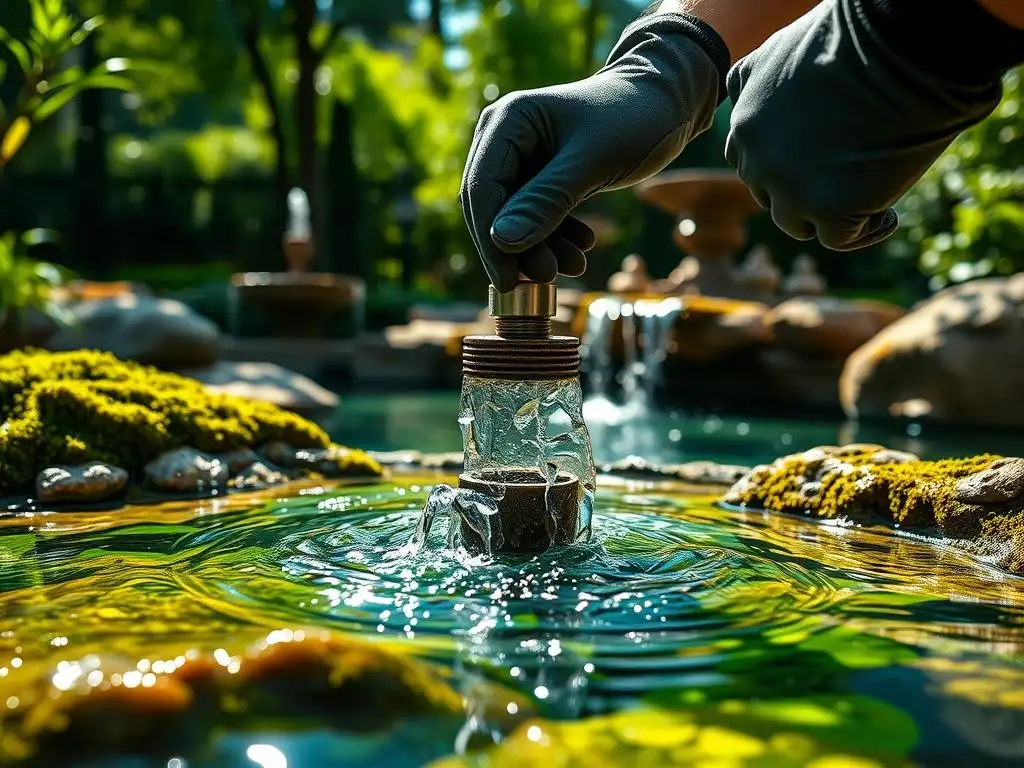
Welcome to CultivateYourFood, your guide to a thriving, sustainable garden! Ready to transform your outdoor space into a bountiful haven? We're passionate about helping you grow your own fruits, vegetables, and herbs organically. But even the most dedicated gardener faces challenges. That's why we're diving into the fascinating world of DIY water feature troubleshooting – a key element in creating a beautiful and functional garden oasis. Discover practical solutions to common water feature problems and unlock the secrets to a truly spectacular landscape. Let's get started!
- Understanding Your DIY Water Feature Problems: A Comprehensive Guide
- Maintaining Water Clarity and Preventing Mosquito Breeding
- Enhancing Your Water Feature's Aesthetics: Addressing discoloration and other issues
- Choosing the Right Water Feature Supplies: A Buyer's Guide
- Preventing Future Problems: Proactive Water Feature Maintenance
- Resources for DIY Water Feature Repair and Maintenance
- Frequently Asked Questions
- Final Reflection: The Enduring Symphony of Water
- Unleash Your Water Feature's Full Potential!
Understanding Your DIY Water Feature Problems: A Comprehensive Guide
Creating a beautiful and functional water feature in your garden adds a touch of serenity and elegance. Whether it's a tranquil pond, a bubbling fountain, or a charming waterfall, these elements can significantly enhance your outdoor space. However, maintaining a thriving water feature requires understanding and addressing potential problems proactively. This comprehensive guide tackles common DIY water feature issues, providing practical, step-by-step solutions for maintaining a healthy and aesthetically pleasing aquatic environment in your garden. We'll explore troubleshooting techniques for leaks, algae blooms, and other common challenges, empowering you to enjoy your water feature year-round with minimal fuss.
This guide focuses on sustainable and organic solutions wherever possible, aligning with the CultivateYourFood ethos of environmentally conscious gardening. Learning to effectively troubleshoot your DIY water feature will not only save you money on costly repairs but also ensure the longevity and beauty of your garden oasis. Let's dive in! 💦
Identifying Leaks in Your Pond Liner: A Step-by-Step Approach
A leaky pond liner is a common problem that can lead to significant water loss and potentially damage your plants and surrounding landscaping. Pinpointing the leak quickly and efficiently is crucial for minimizing disruption and expense. This section provides a detailed approach to identifying and repairing leaks in your pond liner, ensuring your water feature remains a source of beauty and tranquility.
Locating the source of the leak using Leak Detection Dye
Finding a leak in a pond liner can be challenging, especially in larger water features. Using a leak detection dye significantly simplifies the process. Simply add the dye to the water and observe carefully. The dye will highlight the point of leakage by coloring the escaping water.
Remember to choose a dye specifically designed for use in water features to avoid harming your aquatic ecosystem. The process is further aided by lowering the water level to increase the visibility of the leak. Patience is key; it might take some time for the dye to pinpoint the exact location of the leak. Careful observation and a systematic approach will ensure you locate even the smallest of punctures.
Repairing punctures with Aquarium Sealant and Underwater Epoxy
Once the leak is located, repairing it is relatively straightforward, depending on the size and type of damage. Small punctures can often be repaired effectively using aquarium-safe sealant. This sealant is specifically formulated to be non-toxic to aquatic life and to adhere well to pond liner materials. For larger holes or more extensive damage, consider using an underwater epoxy designed for pond repairs.
Always follow the manufacturer's instructions carefully to ensure a proper and lasting repair. Allow ample drying time before refilling your water feature. Remember to thoroughly clean the area around the leak before applying any sealant or epoxy to ensure a strong bond.
Replacing damaged liner sections: A guide to choosing the right material.
In cases of extensive damage or irreparable tears, replacing sections of the liner might be necessary. Choosing the right replacement material is vital for the longevity of your water feature. Consider factors such as the material's durability, flexibility, and UV resistance. EPDM rubber and butyl rubber are popular choices known for their resilience and longevity.
Ensure that the replacement material is compatible with your existing liner and follows the manufacturer’s guidelines for installation. Accurate measurements are essential to avoid wastage and ensure a seamless repair. Proper preparation of the area and careful application of the new liner will guarantee a long-lasting and aesthetically pleasing result.
Dealing with Algae Blooms in Your Water Feature
Algae blooms can quickly transform a beautiful water feature into a murky, unsightly mess. Understanding the causes and implementing effective control measures is crucial for maintaining a healthy and attractive aquatic environment. This section explores various strategies for dealing with algae blooms, from natural methods to chemical solutions, ensuring you can keep your water feature clean and vibrant.
Identifying different types of algae and their causes.
Several types of algae can affect water features, each with its own characteristics and causes. Identifying the specific type of algae present is the first step towards effective control. For example, string algae often indicates an excess of nutrients, while blanket weed thrives in stagnant water.
Understanding the underlying causes, such as excessive sunlight, nutrient buildup, or poor water circulation, is key to developing a targeted approach. Accurate identification can be achieved through visual inspection and, if necessary, by seeking advice from a specialist. Detailed observation of the water’s clarity, color, and the type of algae present will greatly assist in determining the root of the problem.
Natural algae control methods: Using barley straw and beneficial bacteria.
Natural methods provide a sustainable and eco-friendly approach to algae control. Barley straw bales, for instance, release enzymes that inhibit algae growth. Beneficial bacteria also play a crucial role in maintaining a balanced ecosystem, breaking down organic matter and preventing nutrient buildup that fuels algae growth. Introducing these natural elements can significantly reduce algae blooms while promoting a healthy aquatic environment. The amount of barley straw needed will depend on the size of your water feature and the severity of the algae problem. Regular monitoring is essential to assess the effectiveness of this method.
Chemical algae control: Choosing the right algaecide for your pond ecosystem.
In cases where natural methods are insufficient, chemical algaecides can be used. However, it’s crucial to choose algaecides specifically formulated for use in water features and to follow the manufacturer's instructions carefully to avoid harming aquatic life. Consider the specific type of algae present and the sensitivity of your pond ecosystem when selecting an algaecide. Always use the recommended dosage and take necessary precautions to protect yourself and the surrounding environment. Remember that chemical treatments should be a last resort, prioritized after exploring natural solutions.
Preventing future algae blooms: Maintaining proper water balance.
Preventing algae blooms is far easier than treating them. Maintaining proper water balance, including appropriate nutrient levels and sufficient water circulation, is key to preventing future problems. Regularly testing water parameters, such as pH levels and nutrient concentrations, allows for early detection of imbalances. Installing a water pump or fountain to improve water circulation can also significantly reduce the risk of algae blooms. Regular cleaning and removal of decaying organic matter will further minimize nutrient buildup, contributing to a healthy and algae-free water feature.
Addressing Low Water Levels in Your Water Feature
Low water levels in your DIY water feature are a common problem, often stemming from several interconnected issues. Addressing this requires a systematic approach, checking each potential source of water loss. Neglecting this can lead to pump damage, aesthetic issues, and even the death of aquatic plants if present. Remember, consistent water levels are crucial for the health and longevity of your water feature.
Checking for leaks and repairing them (referencing previous section).
As discussed in the previous section on leak detection, carefully inspect all connections, pipes, and the liner itself for any signs of leakage. Small cracks or holes can be patched using specialized underwater epoxy or sealant, readily available at most garden centers. For larger leaks, replacing the damaged section might be necessary. Remember to turn off the pump before undertaking any repairs to prevent electrical hazards.
Thoroughly dry the area before applying any sealant for optimal adhesion. A meticulous approach to leak detection and repair is key to maintaining the water level in your DIY water feature. Failing to address leaks promptly can lead to significant water loss and potentially costly repairs down the line.
Evaluating pump efficiency and replacing if necessary
A malfunctioning pump can significantly reduce the water level over time. Check the pump's performance by observing the water flow. A weak flow suggests reduced efficiency. This could be due to debris clogging the impeller or a failing motor. Cleaning the pump (detailed below) can often resolve this. However, if the problem persists after cleaning, the pump may need replacing. Consider the pump's age and its performance history when making this decision. A failing pump not only reduces water levels but also increases energy consumption and shortens the lifespan of your water feature.
Adjusting the water level using a reliable water level sensor.
For precise water level control, consider installing a water level sensor. These sensors automatically detect low water levels and trigger a refill mechanism, preventing the water level from dropping too low. Several types of sensors are available, ranging from simple float switches to more sophisticated electronic sensors. The choice depends on your budget and the complexity of your water feature. This automated approach eliminates the need for manual monitoring and ensures consistent water levels, minimizing the risk of pump damage and maintaining the aesthetic appeal of your water feature. Proper installation is crucial for accurate readings and effective operation.
Optimizing water circulation to prevent stagnation.
Stagnant water can lead to evaporation, reducing the water level over time. Good water circulation, facilitated by a properly functioning pump and strategically placed jets or bubblers, helps minimize evaporation. Also, consider the size and shape of your water feature; a shallow, wide feature will evaporate faster than a deeper, narrower one. Adding aquatic plants can also help slow down evaporation. Regular cleaning to remove debris that can impede water flow is equally important. Optimizing water circulation is a crucial aspect of DIY water feature maintenance, promoting a healthy and visually appealing environment.
Fixing a Malfunctioning Water Pump: DIY solutions
A malfunctioning water pump is a common culprit behind many DIY water feature problems. Addressing this issue promptly can prevent escalating problems and save you considerable expense in the long run. A systematic approach to troubleshooting can often resolve the problem without requiring professional intervention.
Troubleshooting common pump problems: diagnosing power issues and blockages.
Before attempting any repairs, always disconnect the pump from the power source. Check the power cord and connections for any damage or loose wiring. A simple power outage can be easily overlooked. Next, inspect the impeller for any blockages caused by debris like leaves, twigs, or algae. Carefully remove any obstructions. If the problem persists, examine the pump's internal components for any signs of wear and tear. A visual inspection can often pinpoint the source of the malfunction. Documenting your findings throughout the troubleshooting process can be helpful for future reference.
Cleaning and maintaining your pump: extending its lifespan.
Regular cleaning is crucial for maintaining the efficiency and lifespan of your water pump. Remove the pump from the water feature and carefully disassemble it (following the manufacturer's instructions). Clean the impeller and housing thoroughly with a soft brush and water. Remove any debris or algae buildup. Reassemble the pump, ensuring all parts are properly aligned. Regular cleaning helps prevent blockages and prolongs the pump's life, reducing the need for frequent replacements. A clean pump also ensures optimal water circulation and prevents stagnation.
Replacing pump parts: sourcing compatible components.
If cleaning doesn't resolve the issue, you might need to replace specific pump parts. Identify the damaged part and locate a compatible replacement. Always refer to the manufacturer's specifications or documentation to ensure compatibility. Sourcing compatible components is crucial for the pump's proper function and safety. Using incompatible parts can lead to further damage or malfunction. Consider purchasing spare parts in advance to minimize downtime in case of future problems.
Choosing the right replacement pump for your water feature.
When choosing a replacement pump, consider the size and flow rate required for your water feature. A pump that's too weak will not provide adequate circulation, while one that's too powerful can damage the feature or be unnecessarily expensive. Match the voltage and amperage to your existing system to avoid electrical issues. Check reviews and compare different models before making a purchase to ensure you select a reliable and efficient pump suitable for your specific needs. Proper pump selection is essential for maintaining a healthy and aesthetically pleasing water feature.
Maintaining Water Clarity and Preventing Mosquito Breeding
Maintaining a pristine and healthy water feature is crucial not only for its aesthetic appeal but also for the overall well-being of your garden ecosystem. Cloudy water and mosquito infestations are common problems, but with proactive maintenance and thoughtful design choices, they are easily preventable. This section focuses on practical strategies for achieving crystal-clear water and preventing the breeding of mosquitoes in your DIY water feature. This guide to DIY water feature troubleshooting will help you keep your pond beautiful and healthy.
Keeping your water feature clean: Regular maintenance schedule.
Regular cleaning is paramount to maintaining water clarity and preventing the buildup of organic matter that can cloud the water and encourage mosquito breeding. A consistent maintenance schedule is key, tailored to your specific water feature's size and type. For smaller features, weekly cleaning might suffice, while larger ponds might require bi-weekly or even monthly attention.
The cleaning process involves several steps:
- Skimming the surface: Regularly remove fallen leaves, twigs, and other debris that accumulate on the water's surface. A simple net is sufficient for this task. Regular skimming prevents these materials from decomposing and clouding the water. Consider doing this at least twice a week, especially during autumn.
- Vacuuming the bottom: Use a pond vacuum to remove sediment and decaying organic matter that settles at the bottom. This is particularly important for preventing nutrient buildup that fuels algae growth. This should be done at least once a month, more frequently in warmer months.
- Water changes: Partial water changes (10-20%) every few months can significantly improve water quality by replacing old, nutrient-rich water with fresh water. This helps to dilute accumulated pollutants and maintain a healthy water balance. Always use a dechlorinator to remove chlorine and chloramine from tap water before adding it to your pond.
- Cleaning the filter: If you have a filter system (see below), regular cleaning or replacement of filter media is essential for its optimal performance. Follow the manufacturer's instructions for cleaning or replacement frequency. Neglecting filter maintenance significantly impacts water clarity.
A well-maintained schedule, even if it’s just a quick surface skim, will dramatically improve your water feature's health and aesthetics. Remember to always use appropriate equipment and gloves to protect yourself.
Using a biological filter system to improve water quality.
A biological filter is a crucial component for maintaining crystal-clear water in larger water features. These systems use beneficial bacteria to break down organic waste, converting harmful ammonia into less toxic nitrates. This significantly reduces the nutrient load in the water, preventing algae blooms and keeping the water clear.
There are various types of biological filters, including:
- Submerged filters: These filters are placed directly within the pond and are suitable for smaller water features.
- External filters: These filters are located outside the pond, connected via tubing. They are more powerful and are better suited for larger ponds.
- Trickling filters: These filters use a bed of media over which water trickles, allowing for maximum oxygenation and bacterial colonization.
Choosing the right filter depends on your pond's size and the volume of waste it generates. A properly sized and maintained biological filter is a cornerstone of successful DIY water feature troubleshooting, ensuring clear, healthy water. Remember to consider the filter's flow rate and the amount of media it uses for optimal performance. Over time, the filter media may need replacing to maintain optimal bacterial activity.
Preventing mosquito breeding: Introducing mosquito fish or using natural mosquito repellent.
Mosquito breeding is a significant concern for many water feature owners. Standing water provides an ideal breeding ground for these insects, posing a health risk and detracting from the aesthetic appeal of your garden. Fortunately, several effective methods can prevent mosquito breeding:
- Introducing mosquito fish (Gambusia affinis): These small fish are voracious mosquito larvae eaters. They are a natural and effective way to control mosquito populations without the use of harmful chemicals. However, research local regulations before introducing any non-native species to your pond.
- Using natural mosquito repellent: Essential oils like citronella, lemongrass, and tea tree oil can deter mosquitoes. You can add a few drops of these oils to the water (in very small quantities) or plant mosquito-repelling plants near your water feature, such as lavender or marigolds. This approach provides a more environmentally friendly alternative to chemical insecticides.
- Regular water circulation: Moving water makes it difficult for mosquitoes to lay eggs, so a small fountain or waterfall can help. This is especially helpful in smaller features. Even a gentle aeration system can help.
- Removing stagnant water: Regularly check for and remove any stagnant water around your water feature, such as in plant pots or puddles. These small areas can become breeding grounds.
Implementing one or a combination of these methods will significantly reduce, if not eliminate, mosquito breeding in your water feature. Remember that a proactive approach is always the best defense against these unwanted pests in your DIY water feature. Consistent monitoring and quick action are key to successful DIY water feature troubleshooting in this area.
Enhancing Your Water Feature's Aesthetics: Addressing discoloration and other issues
This section focuses on improving the visual appeal of your DIY water feature by tackling common aesthetic problems. A beautiful water feature adds tranquility and elegance to any garden, but discoloration and debris can quickly diminish its charm. Let's explore practical solutions for maintaining a pristine and visually stunning water feature. Effective DIY water feature troubleshooting often involves proactive maintenance and quick responses to emerging problems.
Dealing with cloudy water: Identifying and solving the cause.
Cloudy water is a frequent complaint among DIY water feature enthusiasts. Several factors contribute to this, including:
- High levels of organic matter: Decomposing leaves, algae, and other organic materials can significantly cloud the water. Regular removal of debris and the use of a biological filter are crucial. A well-maintained filter helps break down organic matter, preventing cloudiness.
- Insufficient filtration: An undersized or poorly maintained filter cannot adequately remove suspended particles, leading to cloudy water. Consider upgrading to a more powerful filter or cleaning your existing filter more frequently. A good rule of thumb is to clean your filter every 2-4 weeks, depending on the size of your feature and the amount of organic material present.
- High levels of minerals: Hard water with a high mineral content can also cause cloudiness. Regular water changes can help mitigate this issue. Consider using a water softener if mineral buildup is a persistent problem.
Addressing cloudiness requires a multi-pronged approach. Firstly, thoroughly clean your filter and remove any visible debris from the water feature. Secondly, consider adding beneficial bacteria to your water feature. These bacteria aid in the decomposition of organic matter, improving water clarity. Finally, regular partial water changes—replacing approximately 25-30% of the water weekly—can significantly improve water clarity and prevent the buildup of minerals and organic compounds. Remember, prevention is key! Regular maintenance is far easier than tackling a severe cloudiness problem.
Removing sediment and debris: Effective cleaning techniques.
Sediment and debris accumulation is inevitable in any water feature. Regular cleaning is essential for maintaining both the aesthetic appeal and the health of your aquatic ecosystem (if applicable). Here's a breakdown of effective cleaning techniques:
| Cleaning Task | Technique | Frequency | Safety Precautions |
|---|---|---|---|
| Removing Surface Debris | Use a net or skimmer to remove leaves and insects. | Daily or as needed | Be gentle to avoid damaging plants or features. |
| Cleaning the Bottom | Use a gravel vacuum to remove sediment and debris. | Every 2-4 weeks | Disconnect pumps and filters before cleaning. |
| Filter Cleaning | Follow manufacturer's instructions. | Every 2-4 weeks (or more often) | Always disconnect power before cleaning. |
| Water Changes | Replace 25-30% of the water weekly. | Weekly | Use dechlorinated water. |
Remember to always disconnect any pumps or electrical components before starting any cleaning process. Safety should be your top priority when maintaining your DIY water feature. Proper cleaning not only enhances the aesthetic appeal but also contributes to the longevity of your water feature. A clean, clear water feature is a healthy water feature!
Enhancing the beauty of your water feature with water feature lighting.
Strategic lighting can dramatically enhance the beauty of your water feature, especially in the evening. Submersible lights offer a range of effects, transforming your water feature into a captivating focal point. Consider these lighting options:
- LED lights: These energy-efficient lights offer a wide variety of colors and effects, allowing you to create a personalized ambiance. They are also durable and long-lasting.
- Fiber optic lights: These lights create a shimmering, magical effect in the water, ideal for adding a touch of elegance.
- Spotlights: Positioned strategically around the feature, spotlights can highlight key elements and create dramatic shadows.
When choosing lighting, consider the overall style of your garden and the size of your water feature. Properly placed lighting can highlight the textures and colors of your plants and other features, creating a visually stunning nighttime display. Remember to consider safety regulations and use appropriate waterproof lighting fixtures designed for outdoor use. Adding lighting is a simple yet impactful way to elevate the aesthetic appeal of your DIY water feature and enjoy its beauty even after sunset. 🌃
Choosing the Right Water Feature Supplies: A Buyer's Guide
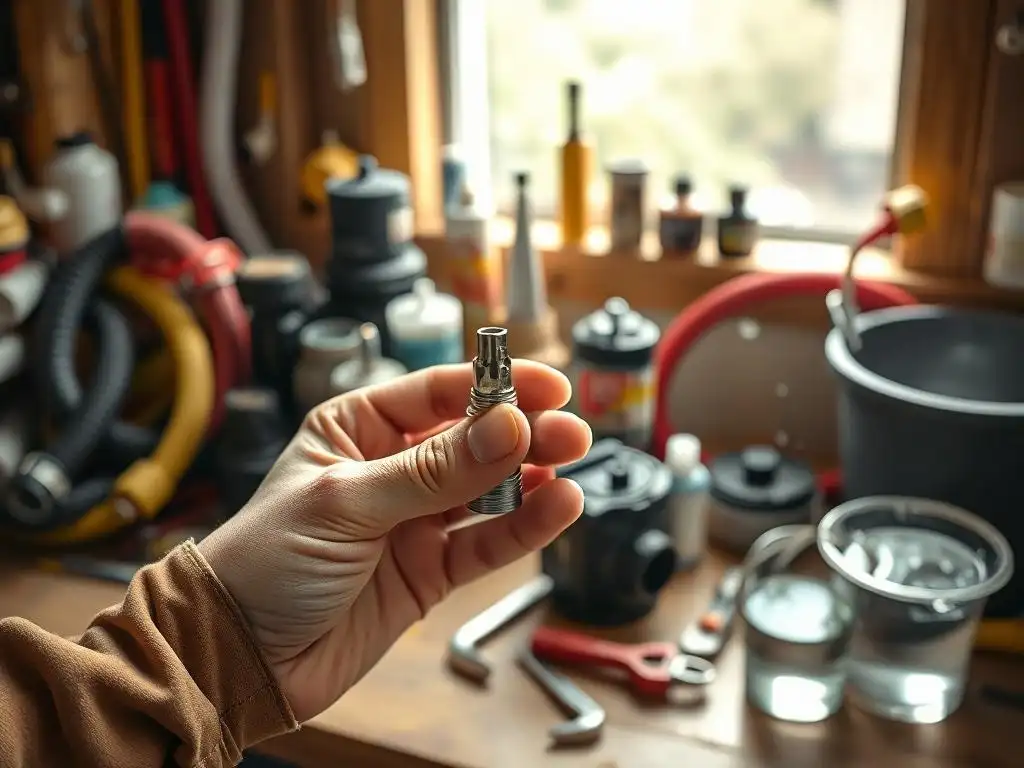
This section focuses on equipping you with the knowledge to select the right materials for your DIY water feature, ensuring both aesthetic appeal and long-term functionality. Choosing high-quality supplies upfront minimizes future headaches and maximizes the lifespan of your beautiful addition to your garden. Remember, a successful DIY water feature relies heavily on the quality of its components. Effective "DIY water feature troubleshooting" often starts with choosing the right materials in the first place!
Selecting high-quality pond liners: Durability and longevity considerations.
The pond liner is the foundation of your water feature. A poorly chosen liner can lead to leaks, costly repairs, and ultimately, the failure of your entire project. Therefore, selecting a high-quality liner is paramount. Consider these factors:
- Material: EPDM (ethylene propylene diene monomer) rubber liners are known for their exceptional durability and longevity. They are resistant to UV degradation, punctures, and extreme temperatures, making them a popular choice for long-term installations. PVC liners are a more budget-friendly option, but they are generally less durable and susceptible to damage from sunlight and sharp objects. Consider the climate in your area – extreme temperature fluctuations may necessitate a more robust EPDM liner.
- Thickness: Thicker liners offer superior strength and puncture resistance. While a thinner liner might seem appealing due to lower cost, it's a false economy in the long run. A thicker liner will provide better protection against damage and will last significantly longer, reducing the need for costly replacements. Aim for a liner thickness appropriate for the size and depth of your water feature. For larger or deeper features, a thicker liner is essential.
- Seaming: If your water feature requires multiple liner panels, ensure the seams are properly overlapped and sealed using a high-quality liner adhesive specifically designed for the material you've chosen. Improper seaming is a common cause of leaks. Consider pre-fabricated liners for simpler installations to avoid potential seam issues.
- UV Resistance: Prolonged exposure to sunlight can degrade the liner material, leading to cracking and leaks. Choose a liner with a high UV resistance rating to ensure its longevity. This is particularly important if your water feature is in a sunny location.
Choosing the appropriate pump for your water feature size and design.
The pump is the heart of any water feature, circulating water and creating the desired visual effect. Selecting the wrong pump can lead to inadequate water flow, noisy operation, and even damage to the pump itself. Consider these key factors when choosing a pump:
- Flow Rate (GPH): The flow rate, measured in gallons per hour (GPH), should be appropriate for the size and design of your water feature. A larger water feature requires a pump with a higher GPH rating to ensure adequate circulation. Underpowering your water feature will result in stagnant water and potential algae growth. Overpowering it can lead to excessive splashing and noise.
- Head Height: Head height refers to the vertical distance the pump can lift water. Consider the height of your water feature and any vertical obstacles the water needs to overcome. Insufficient head height will result in inadequate water flow.
- Power Consumption: Pumps consume electricity, and the energy consumption varies depending on the pump's size and power. Consider the long-term running costs before making a purchase. Energy-efficient pumps can significantly reduce your operating expenses.
- Noise Level: Some pumps can be quite noisy, particularly those with low-quality construction. Check the manufacturer's specifications regarding noise levels (measured in decibels) to ensure it's suitable for your garden environment. Look for pumps that are designed to minimize noise.
Selecting effective filtration systems for optimal water quality.
Maintaining clear and healthy water in your water feature is crucial. A well-chosen filtration system will remove debris, algae, and other contaminants, preventing the water from becoming murky or smelly. Consider these options:
- Biological Filtration: This type of filtration uses beneficial bacteria to break down organic waste. Biological filters are typically comprised of media like bio-balls or lava rock that provides a large surface area for bacteria colonization. This is crucial for maintaining a healthy aquatic ecosystem.
- Mechanical Filtration: This type of filtration removes larger debris such as leaves and insects. Mechanical filters often use filter pads or sponges to trap these particles. Regular cleaning or replacement of these filter media is essential for effective filtration.
- UV Sterilizers: UV sterilizers use ultraviolet light to kill algae and bacteria, preventing their growth and maintaining water clarity. They are a valuable addition to any filtration system, particularly in larger water features or those prone to algae blooms.
- Filter Size: The size of the filter should be appropriate for the volume of water in your water feature. An undersized filter will struggle to keep up with the waste load, leading to poor water quality. Oversized filters are not necessarily better, and may be unnecessarily expensive. Consider the size of your water feature and the expected level of organic waste.
Remember, regular maintenance of your filtration system is key to ensuring optimal water quality and a thriving aquatic environment. This includes regular cleaning or replacement of filter media, as well as monitoring water levels and clarity. Proper filtration is a crucial part of effective "DIY water feature troubleshooting," helping to prevent many problems before they arise.
Preventing Future Problems: Proactive Water Feature Maintenance
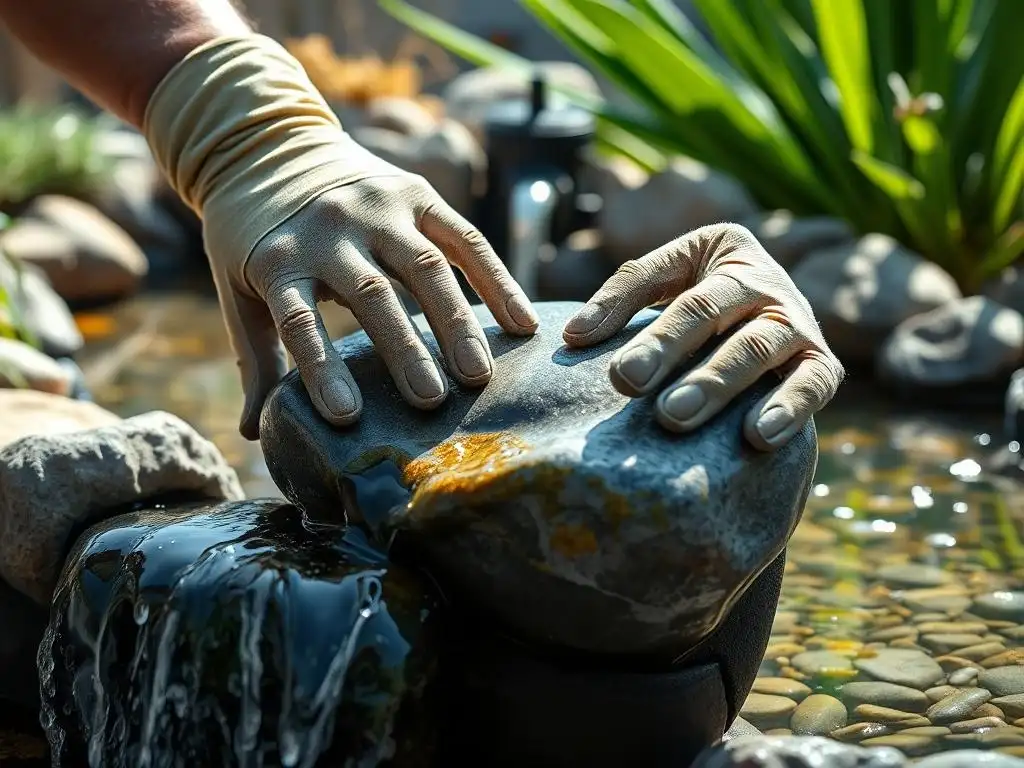
Building a DIY water feature is rewarding, but preventing problems is key to long-term enjoyment. Regular maintenance minimizes costly repairs and ensures your water feature remains a beautiful, functional part of your garden for years to come. This section focuses on proactive strategies for DIY water feature troubleshooting, saving you time and frustration in the long run. Effective DIY water feature troubleshooting relies heavily on prevention.
Regular cleaning and maintenance schedule: A preventative approach.
A consistent cleaning schedule is the cornerstone of successful DIY water feature troubleshooting. Neglecting regular maintenance can quickly lead to algae blooms, clogged pumps, and other issues. Develop a routine tailored to your specific water feature's design and size. For example:
- Weekly: Check water levels, remove debris (leaves, twigs), and inspect the pump for proper function. A quick visual check can often identify minor problems before they escalate.
- Monthly: More thorough cleaning, including scrubbing the sides and bottom of the feature to remove algae and mineral deposits. Use a soft brush and a solution of water and a mild, non-toxic cleaner. Avoid harsh chemicals that could harm aquatic life or damage the feature's materials.
- Quarterly: A deeper clean, potentially involving draining a portion or all of the water to more effectively remove sediment and algae. This is a great opportunity to inspect all components for wear and tear.
- Annually: A complete inspection and cleaning, including potentially replacing worn parts like pump seals or filters. This is especially crucial for larger or more complex water features.
Consider keeping a logbook to track your maintenance activities. This helps you identify patterns and potential problems early. Note down dates of cleaning, any issues encountered, and repairs made. This detailed record is invaluable for DIY water feature troubleshooting in the future. Think of it as a health record for your water feature! 💦
Monitoring water levels and pump performance.
Consistent water levels are critical for the proper functioning of your water feature. Regularly check the water level and top it off as needed, especially during dry periods. Low water levels can strain the pump and lead to overheating or damage. Similarly, consistently high water levels can lead to overflowing and potential damage to surrounding areas.
Monitor your pump's performance closely. Listen for unusual noises (grinding, humming, clicking). These sounds can indicate a problem with the pump's motor, impeller, or other components. Check the pump's flow rate; a decrease in flow could signal a clog or other issue requiring attention. Regularly inspect the pump's intake and outlet for blockages, removing any debris that might impede its function. A well-maintained pump is essential for preventing more serious DIY water feature troubleshooting situations.
Addressing potential problems early to avoid major repairs.
Early detection is key to preventing minor issues from becoming major headaches. Regularly inspect your water feature for any signs of leaks, cracks, or damage. Address these problems immediately to prevent further damage and costly repairs. Keep a small repair kit on hand with materials such as sealant, waterproof tape, and replacement parts.
Remember, proactive maintenance is far more cost-effective and less time-consuming than reactive repairs. By following a regular maintenance schedule and monitoring your water feature closely, you can ensure its longevity and beauty while minimizing the need for extensive DIY water feature troubleshooting down the line. A little preventative care goes a long way in maintaining a healthy and attractive water feature in your garden.
Resources for DIY Water Feature Repair and Maintenance
This section provides valuable resources to help you troubleshoot and maintain your DIY water feature, empowering you to address common problems effectively and sustainably. Remember, a well-maintained water feature enhances your garden's aesthetic appeal and contributes to a thriving ecosystem. Let's explore the options available for DIY water feature troubleshooting.
Online Tutorials and Guides for Common Water Feature Issues
The internet is a treasure trove of information for DIY enthusiasts. Numerous online tutorials and guides offer step-by-step instructions for resolving various water feature problems. These resources often include videos demonstrating techniques, troubleshooting charts summarizing common issues and solutions, and detailed articles explaining the underlying causes of malfunctions. Searching for terms like "DIY pond repair," "fixing a leaky fountain," or "water feature pump maintenance" will yield a wealth of results. Many platforms cater specifically to gardening and landscaping, providing high-quality, reliable information. Look for guides that focus on sustainable and eco-friendly solutions, aligning with the principles of organic gardening.
For instance, you might find helpful videos demonstrating how to clean a clogged filter using readily available household items, avoiding the need for harsh chemicals. Other tutorials might guide you through the process of replacing a faulty pump or repairing a cracked liner, offering cost-effective alternatives to professional repairs. Remember to always prioritize safety when working with electrical components or water. Carefully read any instructions provided before attempting any repairs.
Local Suppliers of Water Feature Products and Services
Accessing local suppliers is crucial for sourcing replacement parts and obtaining expert advice. Local garden centers, hardware stores, and landscaping supply companies often stock a range of water feature components, including pumps, filters, liners, and sealants. These suppliers can provide valuable guidance on selecting appropriate products for your specific water feature and help you identify compatible replacements. They may also offer repair services or connect you with local professionals who specialize in water feature maintenance.
Building relationships with local suppliers offers several advantages. You benefit from personalized advice tailored to your local climate and water conditions. Furthermore, supporting local businesses contributes to the sustainability of your community. When seeking advice, be prepared to provide details about your water feature's design and the specific issues you're encountering. This allows suppliers to recommend the most appropriate solutions. Don't hesitate to ask for demonstrations or explanations of product functionality to ensure you make informed purchasing decisions.
Professional Services for Complex Repairs or Installations
While many water feature issues can be resolved through DIY methods, some problems require the expertise of professionals. Complex repairs, such as structural damage to the water feature's basin or intricate electrical work, are best left to qualified professionals. These professionals possess the specialized knowledge, tools, and experience to handle such tasks safely and effectively. They can diagnose the root cause of the problem and implement appropriate solutions, ensuring the longevity and functionality of your water feature.
Consider seeking professional help if you encounter persistent leaks, significant structural damage, or electrical faults that you cannot resolve independently. Professionals can also provide valuable guidance on the long-term maintenance of your water feature, preventing future problems and ensuring its continued enjoyment. When choosing a professional, check their credentials, experience, and insurance coverage. Request references and reviews to ensure you select a reputable and reliable service provider. A well-maintained water feature, whether DIY or professionally maintained, is a beautiful and sustainable addition to your garden. 🌱
Frequently Asked Questions
What are some common problems with DIY water features?
Common issues include clogged pumps, leaking pipes, algae growth, and inadequate water circulation. Addressing these promptly keeps your feature functioning smoothly.
How can I prevent algae growth in my DIY water feature?
Regular water changes, using a UV sterilizer, and ensuring adequate sunlight are crucial. Adding beneficial bacteria can also help maintain water clarity.
My DIY water feature pump isn't working. What should I do?
First, check the power supply and connections. Then, inspect the pump impeller for debris; cleaning or replacing it might solve the issue.
How do I fix a leak in my DIY water feature?
Locate the leak carefully, then repair using appropriate sealants or by replacing the damaged section of pipe or liner.
What are some sustainable ways to maintain my DIY water feature?
Use rainwater harvesting to reduce water usage. Employ natural pest control methods and consider using native plants to minimize maintenance needs.
Final Reflection: The Enduring Symphony of Water
The gentle gurgle of a fountain, the soothing cascade of a waterfall – these are the simple joys that DIY water features bring, but maintaining that harmony requires understanding. A malfunctioning pump or a clogged filter can quickly silence this tranquil music, transforming a source of peace into a source of frustration. This guide aimed to equip you with the knowledge to restore that serenity, empowering you to troubleshoot common problems and keep your water feature flowing beautifully.
The impact of personal connection with nature, even in a small backyard oasis, is undeniable. The act of creating and maintaining a water feature is a testament to our desire to bring a piece of the natural world into our lives. Water is the driving force of nature.
- Leonardo da Vinci. This quote speaks to the fundamental power and beauty of water, a power we harness and celebrate when we build and maintain our own water features. The ongoing influence of these small, personal ecosystems extends beyond the aesthetic; they offer a space for reflection, a connection to something larger than ourselves, and a reminder of the delicate balance of nature.
Now, consider your own water feature, or the one you dream of creating. What sounds does it make? What feelings does it evoke? Take the knowledge gained from this guide and use it not just to fix problems, but to deepen your appreciation for the intricate workings of your personal water world. Don't just troubleshoot; cultivate. Embrace the challenge of maintenance, learn from each repair, and let your water feature become a testament to your own resilience and creativity. The symphony of water awaits your continued stewardship.
Unleash Your Water Feature's Full Potential!
Thanks for reading our guide on troubleshooting water feature problems! We hope you now feel confident in fixing those annoying leaks and keeping your water feature a beautiful focal point. Ready to move forward?
- Address your most urgent problem: Start by tackling the biggest issue you identified in the guide. This might involve a simple adjustment, replacing a part, or calling a professional. Remember, even small steps make a big difference.
- Share your experience: Tell us about your water feature repair in the comments below. We love hearing your stories and learning from your successes and challenges.
- Learn about advanced maintenance: Research in-depth cleaning methods and seasonal care tips specific to your water feature type to improve its longevity.
So, what's the first thing you're doing to enhance your water feature today?