
The Importance of Sunlight for Tomatoes: Ensuring a Bountiful Harvest

Welcome to CultivateYourFood, your guide to a thriving home garden! Are you ready to unlock the secrets to a bountiful harvest? We'll show you how to nurture your fruits, vegetables, and herbs using sustainable, organic methods. But first, let's delve into a crucial element for successful gardening: understanding the sunlight needs for tomatoes. Discover how the right amount of sunshine can transform your tomato plants from struggling seedlings to vibrant, fruit-bearing powerhouses. Let's get growing!
- Understanding Sunlight Needs for Tomatoes
- Choosing the Right Location for Your Tomato Plants
- Maximizing Sunlight Exposure for Better Yields
- Sunlight and Tomato Varieties: Specific Requirements
- Protecting Tomato Plants from Excessive Sunlight
- The Relationship Between Sunlight and Tomato Diseases
- Frequently Asked Questions
- Final Reflection: Harvesting the Sun's Bounty for a Brighter Future
- Unlock Your Tomato's Sun-Powered Potential!
Understanding Sunlight Needs for Tomatoes
Tomatoes, beloved for their juicy sweetness and versatility in the kitchen, are sun-worshipping plants. Their success, from vibrant green foliage to plump, red fruits, hinges heavily on receiving the right amount of sunlight. This article delves into the crucial role sunlight plays in tomato cultivation, providing practical insights to help you cultivate a bountiful harvest in your home garden, aligning with sustainable and organic practices.
We'll explore the optimal sunlight hours needed, the consequences of insufficient sun exposure, and how to identify signs of sunlight deficiency in your tomato plants. Understanding these factors is key to maximizing your tomato yield and ensuring healthy, thriving plants.
This guide will equip you with the knowledge to nurture your tomato plants from seedling to ripe fruit, guaranteeing a successful and rewarding gardening experience. Let's delve into the specifics of sunlight's impact on your tomato plants and how to ensure they get what they need to thrive.
Optimal Hours of Sunlight for Tomato Plants
Tomato plants are considered sun-lovers, thriving in locations that receive ample direct sunlight. Generally, they require at least 6-8 hours of direct sunlight per day for optimal growth and fruit production. This translates to a sunny, south-facing location in the Northern Hemisphere, or a north-facing location in the Southern Hemisphere, being ideal. However, the exact amount of sunlight your plants need can vary slightly depending on several factors including:
- Tomato Variety: Some heirloom varieties may be slightly more tolerant of partial shade than others. Always check the specific requirements of your chosen tomato seeds or seedlings.
- Climate: In hotter climates, intense afternoon sun might scorch leaves. In such cases, providing some afternoon shade can be beneficial. Conversely, in cooler climates, maximizing sun exposure is crucial.
- Plant Maturity: Young seedlings might benefit from slightly less intense sun initially, while mature plants need maximum exposure to produce fruit.
Failing to provide sufficient sunlight will directly impact the plant's ability to photosynthesize efficiently, leading to reduced growth and fruit production. Remember, consistent sunlight is crucial; intermittent sun exposure won't yield the same results. Consider the position of your garden relative to the sun's path throughout the day when selecting a planting location.
The Impact of Insufficient Sunlight on Tomato Growth
Insufficient sunlight dramatically affects various aspects of tomato plant growth and development. The most noticeable consequences include:
- Reduced Fruit Production: A lack of sunlight directly impacts the plant's ability to produce flowers and subsequently, fruit. You'll observe fewer blossoms and a significantly smaller yield of tomatoes. The fruits that do develop may be small, pale, and lack the characteristic flavor of sun-ripened tomatoes.
- Weak Stems and Leaves: Plants deprived of sunlight develop weak, spindly stems that struggle to support the weight of the fruit. Leaves may become pale and yellow, exhibiting signs of chlorosis (a condition where plants cannot produce chlorophyll due to nutrient deficiency, often linked to inadequate sunlight).
- Increased Susceptibility to Diseases: Weak plants are more vulnerable to diseases and pests. Insufficient sunlight weakens their natural defenses, making them more susceptible to infections.
- Delayed Ripening: Even if tomatoes do develop, they will take significantly longer to ripen, leading to a prolonged harvest period and potentially impacting the overall quality of the fruit. The tomatoes may never fully develop their vibrant red color or reach their full flavor potential.
Identifying Signs of Insufficient Sunlight in Tomatoes
Recognizing the signs of insufficient sunlight is crucial for taking corrective action. Here's what to look out for:
- Pale Green or Yellow Leaves: This is a primary indicator of insufficient sunlight. Healthy tomato leaves should be a deep, vibrant green. A pale or yellowish hue suggests the plant isn't receiving enough sunlight to produce sufficient chlorophyll.
- Weak, Leggy Growth: Plants reaching towards the light, with long, thin stems and widely spaced leaves, are a clear sign of insufficient sunlight. They're essentially stretching to reach more sunlight.
- Few or No Flowers or Fruit: The absence of flowers or a significantly reduced number of tomatoes is a strong indicator that your plants are sunlight-starved.
- Small, Pale Tomatoes: If tomatoes do develop, their small size and pale color (rather than a deep red) suggest a lack of sunlight. The flavor will likely be bland and lacking the sweetness characteristic of sun-ripened tomatoes.
By carefully observing your tomato plants and identifying these signs early, you can take steps to adjust their location or provide supplemental lighting to ensure they receive the sunlight they need to thrive and produce a bountiful harvest. Remember, consistent monitoring is key to successful tomato cultivation! 🍅
Choosing the Right Location for Your Tomato Plants
Sunlight is paramount for successful tomato cultivation. Understanding the sunlight needs for tomatoes is crucial for maximizing yield and fruit quality. This section focuses on strategically selecting the optimal location in your garden or home environment to ensure your tomato plants receive the necessary amount of sunlight for healthy growth and abundant harvests.
The intensity and duration of sunlight directly impact various aspects of tomato plant development, from vegetative growth to fruit production. Insufficient sunlight leads to weak plants, poor fruit set, and a reduced harvest, while excessive sunlight can cause sunscald and stress. Finding the right balance is key.
Selecting a Sunny Spot in Your Garden
The ideal location for your tomato plants is a spot that receives at least 6-8 hours of direct sunlight per day. This means choosing a south-facing area (in the Northern Hemisphere; north-facing in the Southern Hemisphere) that is free from obstructions like tall trees, buildings, or fences that could cast shadows during the sun's peak hours. Consider the sun's path throughout the day; morning sun is generally gentler, while afternoon sun can be more intense.
A location that receives a mix of both is often ideal. Before planting, observe the area throughout the day to ensure it meets your sunlight needs for tomatoes. You can even use a sun tracker app on your smartphone to precisely map the sunlight exposure in your garden.
Remember, consistent sunlight is more important than just the total number of hours. Intermittent shade throughout the day can significantly hinder growth. Proper site selection is a fundamental aspect of successful tomato gardening and a key factor in maximizing your harvest.
Utilizing Existing Structures for Shade Management
While aiming for 6-8 hours of direct sunlight is optimal, sometimes managing existing shade is necessary. Clever use of existing structures can help you optimize the sunlight your tomato plants receive. For instance, if a tall tree casts shade in the afternoon, you could strategically plant your tomatoes in a location where they receive full morning sun and only partial afternoon shade.
This approach requires careful observation and planning. Consider the tree's leaf density and the angle of the sun to determine the amount of shade cast at different times of the day. A pergola or trellis positioned to the west can provide afternoon shade protection during the hottest part of the day, while still allowing ample morning sun.
Remember to monitor the plants' growth and adjust your shade management strategy as necessary. Over-shading can be just as detrimental as insufficient sunlight. Careful consideration of existing structures and their impact on sunlight is an important aspect of garden planning for maximizing your tomato yield.
Utilizing Supplemental Lighting for Low-Light Conditions
In situations where natural sunlight is limited, supplemental lighting can significantly improve the chances of a successful tomato harvest. This is particularly helpful for those growing tomatoes indoors or in areas with significant shade. While not a replacement for direct sunlight, supplemental lighting can boost light levels, particularly during crucial growth stages. LED grow lights are a popular choice due to their energy efficiency and ability to provide a full spectrum of light that mimics natural sunlight.
These lights should be positioned relatively close to the plants, but not so close as to burn the leaves. The specific light intensity and duration will depend on the type of light used and the plant's needs. Always follow the manufacturer’s instructions for your chosen lighting system.
Consider using a timer to ensure consistent light cycles. Remember that even with supplemental lighting, adequate ventilation is crucial to prevent fungal diseases and ensure healthy plant growth. Supplemental lighting can be a valuable tool for extending the growing season and improving tomato yields in less-than-ideal lighting conditions.
Maximizing Sunlight Exposure for Better Yields
Tomato plants are sun-worshippers! Their sunlight needs for tomatoes are substantial, directly impacting fruit production, size, and overall plant health. A lack of adequate sunlight can lead to pale, weak plants producing small, tasteless fruit, or even a complete failure to set fruit. Conversely, maximizing sunlight exposure translates directly to a bountiful harvest of juicy, flavorful tomatoes.
This section explores practical strategies to ensure your tomato plants receive the optimal amount of sunlight they need to thrive. We'll delve into specific techniques to boost sunlight penetration and prevent shading, ultimately leading to a more successful tomato-growing experience. Remember, understanding the sunlight needs for tomatoes is crucial for success in your garden.
Improving Sunlight Penetration with Pruning Techniques
Pruning techniques significantly impact the amount of sunlight that reaches the interior of your tomato plant. Overgrown foliage can create dense shade, hindering the development of fruit and increasing the risk of fungal diseases that thrive in damp, shaded conditions. For determinate tomato varieties (those that grow to a certain height and then stop), selective pruning focuses on removing suckers – the small shoots that grow between the main stem and branches. Regularly removing these suckers improves air circulation and light penetration, leading to healthier plants and a higher yield.
For indeterminate tomato varieties (those that continue growing throughout the season), more extensive pruning may be necessary. Techniques like the Florida weave or single-stem pruning maximize sunlight penetration. The Florida weave involves carefully training the plant to grow horizontally, creating a flat, even canopy that receives consistent sunlight.
Single-stem pruning, as the name suggests, focuses on maintaining a single main stem, removing all side shoots. This method requires more attention but can result in exceptionally large and productive plants. The choice of pruning technique depends on the variety of tomato you are growing and your personal preferences, but the overall goal remains the same: to optimize sunlight penetration and improve air circulation.
Preventing Shade from Other Plants and Structures
Even with optimal pruning, external factors can limit the sunlight your tomato plants receive. Careful planning and placement are crucial to prevent shading from taller plants, buildings, or fences. Consider the sun's path throughout the day when choosing a location for your tomato plants. They require at least 6-8 hours of direct sunlight daily. Planting taller crops, such as corn or sunflowers, to the west of your tomatoes can help provide afternoon shade, which can be beneficial in extremely hot climates, but avoid planting anything tall to the east that could block the crucial morning sun.
Structures like fences or buildings can cast significant shadows, especially during certain times of the day. Assess your garden layout carefully, taking into account the shadows cast by these structures throughout the day. If necessary, consider adjusting the location of your tomato plants or altering the height of any obstructive structures. Remember, even slight shading can significantly impact tomato yields; therefore, meticulous planning is essential to ensure adequate sunlight exposure. Using trellises or stakes to raise the plants can also help them reach above any shading issues.
Optimizing Soil Health for Enhanced Sunlight Absorption
While sunlight is crucial above ground, healthy soil plays a vital role in maximizing the benefits of sunlight. Well-draining soil allows for better root penetration, enabling the plants to access more nutrients and water—both crucial for effective photosynthesis and the utilization of sunlight. Compacted soil restricts root growth, hindering the plant's ability to absorb water and nutrients even when plenty of sunlight is available.
Improving soil structure through the addition of organic matter, such as compost, improves drainage and aeration, allowing for better root development and increased nutrient uptake. This, in turn, allows the plant to utilize sunlight more effectively, leading to healthier growth and higher yields.
Furthermore, the color of the soil can influence sunlight absorption. Darker soils absorb more heat, which can be beneficial in cooler climates, but excessive heat can negatively impact root health in warmer regions. Maintaining proper soil moisture levels is also crucial; overly dry soil can reflect more sunlight, reducing the plant's ability to utilize it effectively.
Regular watering and mulching can help maintain consistent soil moisture and temperature, optimizing the plant's ability to absorb and utilize sunlight. Healthy soil is the foundation for healthy plants, and a healthy plant is better able to thrive under the sun, leading to a more successful tomato harvest.
Sunlight and Tomato Varieties: Specific Requirements
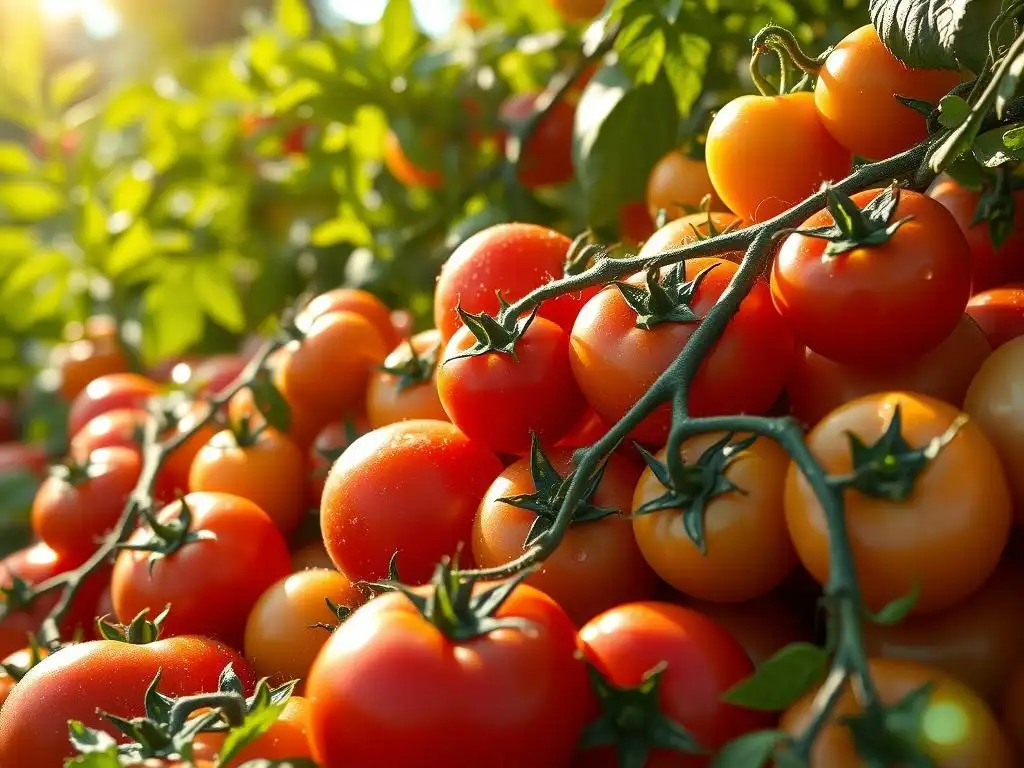
Understanding the sunlight needs for tomatoes is crucial for a successful harvest. However, not all tomato varieties have identical sunlight requirements. The amount of sunlight a tomato plant needs is influenced by its growth habit and specific cultivar. Optimizing sunlight exposure ensures healthy growth, abundant fruit production, and a delicious yield. This section delves into the specific sunlight needs of different tomato types and offers strategies for adapting your gardening approach to maximize your tomato plants' potential. Remember, even small variations in sunlight exposure can significantly impact your harvest.
Sunlight Needs for Different Tomato Types (e.g., Determinate, Indeterminate)
Tomato plants are broadly categorized into determinate and indeterminate varieties. These classifications significantly influence their growth habits and, consequently, their sunlight requirements.
Determinate Tomatoes: These varieties grow to a certain height and then stop, producing most of their fruit within a relatively short period. They typically require 6-8 hours of direct sunlight daily. Insufficient sunlight can lead to reduced fruit production and smaller tomatoes. Conversely, excessive sunlight can cause sunscald on the fruit.
Indeterminate Tomatoes: Unlike determinate varieties, indeterminate tomatoes continue to grow and produce fruit throughout the growing season. They also require 6-8 hours of direct sunlight per day, ideally with some protection from the hottest afternoon sun to prevent stress. These plants can become quite large, so adequate spacing is essential to ensure each plant receives sufficient sunlight.
| Tomato Type | Growth Habit | Sunlight Needs (Hours/Day) | Notes |
|---|---|---|---|
| Determinate | Bushy, compact | 6-8 | Concentrated fruiting period |
| Indeterminate | Vining, sprawling | 6-8 | Continuous fruiting, requires staking or caging |
The table above summarizes the sunlight needs of these two primary tomato types. It's important to remember that these are general guidelines; specific cultivars within each category may have slightly different requirements. Always refer to the seed packet or plant tag for cultivar-specific information.
Adapting Sunlight Strategies for Specific Tomato Cultivars
Even within determinate and indeterminate categories, significant variations exist among tomato cultivars. Some varieties are more tolerant of partial shade than others. For instance, some heirloom varieties may thrive with slightly less sunlight than modern hybrid varieties. Understanding these nuances is key to optimizing your tomato yield.
For example, cherry tomatoes, often indeterminate, are generally more tolerant of slightly less sunlight than larger beefsteak tomatoes. However, even cherry tomatoes will produce a significantly better harvest with the optimal 6-8 hours of daily direct sunlight. Paying close attention to the specific needs of your chosen cultivar is crucial for success. Careful observation of your plants will help you identify whether they are receiving sufficient sunlight – signs of insufficient sunlight include pale leaves, spindly growth, and poor fruit set.
Considerations for Container-Grown Tomatoes and Sunlight
Growing tomatoes in containers presents unique challenges regarding sunlight. Container-grown tomatoes often dry out quicker than those planted in the ground, requiring more frequent watering, especially during hot, sunny days. Furthermore, containers can overheat in direct sunlight, potentially stressing the plants.
To mitigate these issues, consider using containers that are at least 5 gallons in size, providing adequate space for root development. Choose a location that receives the required 6-8 hours of sunlight but offers some afternoon shade, particularly during the hottest part of the day. You can achieve this by using shade cloth or strategically positioning the containers.
Regular monitoring of soil moisture is also crucial to prevent wilting and stress. Using a high-quality potting mix that retains moisture but also allows for good drainage is also essential for container-grown tomatoes. The right potting mix combined with careful sun management will significantly improve your chances of a bountiful harvest from your container-grown tomatoes.
Protecting Tomato Plants from Excessive Sunlight
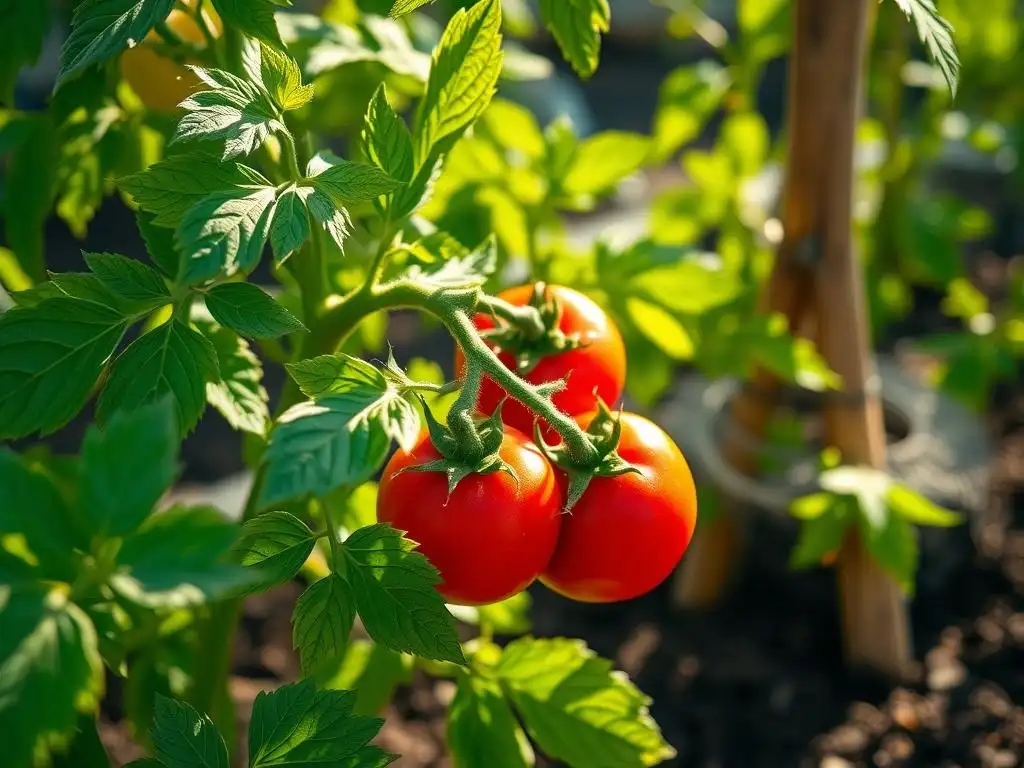
While tomatoes crave ample sunlight for optimal growth and fruit production – a key aspect of their Sunlight needs for tomatoes – too much direct sun can be detrimental. Intense solar radiation, especially during the hottest parts of the day, can lead to sunscald, reduced yields, and even plant death. Understanding how to protect your tomato plants from excessive sunlight is crucial for maximizing your harvest. This section explores strategies to mitigate the negative effects of overly intense sunlight while still ensuring your plants receive the necessary light for photosynthesis and fruit development. The optimal amount of sunlight varies slightly depending on the tomato variety and climate, but generally, six to eight hours of direct sunlight per day is ideal. However, even with ideal sunlight exposure, additional protection might be necessary during periods of extreme heat.
Recognizing Signs of Sun Scald in Tomatoes
Sun scald, a common problem in tomatoes exposed to excessive sunlight, manifests as bleached, white or tan patches on the fruit. These areas may become sunken and leathery, rendering the affected parts inedible. The damage typically occurs on the side of the tomato most directly exposed to the sun. Early detection is key. Regular inspection of your plants, particularly during heat waves, is essential.
Beyond sunscald, you might also observe wilting even with adequate watering, indicating that the plant is stressed by the heat. Leaves may exhibit scorching or browning at the edges, further highlighting the need for protective measures. The severity of sunscald varies depending on the intensity and duration of the sun's rays, as well as the tomato variety's susceptibility. Some varieties are naturally more tolerant to intense sunlight than others. Careful observation and prompt action are crucial in preventing widespread damage.
Implementing Shade Strategies During Peak Sun Hours
During the hottest parts of the day (typically midday), consider providing temporary shade for your tomato plants. This could involve erecting shade cloth, which provides filtered sunlight while still allowing for adequate air circulation. Alternatively, you could use lightweight, breathable fabrics or even strategically placed large potted plants to cast shade. The aim is to reduce the intensity of direct sunlight without completely blocking it. The duration of shade needed varies depending on the intensity of the sunlight and the ambient temperature.
In extremely hot climates, afternoon shade might be beneficial for several hours. In milder climates, a shorter period of shade during the peak sun hours might suffice. Remember to monitor the plants' response to the shade; adjust the amount of shade provided based on their growth and overall health. Experimentation is key to finding the perfect balance.
Utilizing Mulch to Manage Soil Temperature and Moisture
Mulching is a valuable technique for managing soil temperature and moisture levels around your tomato plants. A layer of organic mulch, such as straw, wood chips, or shredded leaves, helps to moderate soil temperature fluctuations, preventing the soil from becoming excessively hot, which can stress the plant's roots and reduce water availability. This indirect protection from the sun's heat reduces the overall stress on the plant, making it more resilient to intense sunlight.
Mulch also helps to retain soil moisture, reducing the frequency of watering and minimizing the risk of the plant wilting during hot, sunny days. Maintaining consistent soil moisture is crucial for tomato plant health, especially when they are exposed to intense sunlight. The optimal depth of mulch varies depending on the type of mulch used, but a layer of 2-4 inches is generally recommended.
Regularly monitor the moisture levels in the soil and adjust the mulch layer as needed. Appropriate mulch significantly contributes to the overall health and resilience of your tomato plants, even under intense sunlight conditions.
The Relationship Between Sunlight and Tomato Diseases
Sunlight is a crucial factor in preventing and managing various tomato diseases. Insufficient sunlight weakens plants, making them more susceptible to infections. This section will explore the vital role sunlight plays in disease prevention.
Sunlight's Role in Preventing Fungal Diseases
Fungal diseases, such as early and late blight, gray mold, and verticillium wilt, thrive in damp, shaded conditions. Adequate sunlight helps to dry the foliage quickly after rain or watering, reducing the humidity levels crucial for fungal spore germination and spread. A well-lit tomato plant with good air circulation around its leaves is significantly less likely to succumb to these diseases. For instance, studies have shown that tomato plants receiving at least 6-8 hours of direct sunlight daily exhibit a drastically lower incidence of late blight compared to those grown in shaded areas.
The increased leaf temperature from direct sunlight also inhibits fungal growth. This is especially important during periods of high humidity, a common trigger for fungal outbreaks. Proper spacing of plants is also vital; overcrowding reduces air circulation and increases humidity, negating the benefits of sufficient sunlight.
Sunlight and Pest Control: Natural Deterrents
Sufficient sunlight acts as a natural deterrent to some common tomato pests. Many pests, including aphids and whiteflies, prefer shaded and humid environments. Strong sunlight can directly damage these pests, reducing their populations. Additionally, sunlight encourages the growth of beneficial insects, such as ladybugs and lacewings, that prey on these pests.
These beneficial insects are more attracted to sunny areas, creating a natural pest control mechanism. For example, a study conducted by the University of California, Davis, demonstrated a significant decrease in aphid infestation on tomato plants grown in full sun compared to those grown in partial shade. The higher temperatures and drier conditions created by sunlight also discourage the development of many pest eggs and larvae. Remember that proper plant hygiene, including removing infected leaves promptly, is still essential even with ample sunlight.
Sunlight's Influence on Tomato Fruit Ripening and Quality
The amount of sunlight a tomato plant receives directly impacts the ripening process and the overall quality of the fruit. Tomatoes require abundant sunlight for photosynthesis, which is essential for producing sugars and other compounds that contribute to flavor, color, and overall fruit quality. Plants deprived of sufficient sunlight produce smaller, paler, less flavorful tomatoes that may lack the characteristic sweetness and acidity.
A minimum of 6-8 hours of direct sunlight is generally recommended for optimal tomato production. The intensity of sunlight also plays a role. Intense sunlight can lead to sunscald on the fruit, but this is less of a concern than insufficient sunlight.
However, it's important to note that excessive heat can also negatively affect tomato plants, and some afternoon shade may be beneficial in particularly hot climates. The balance between sufficient sunlight for ripening and protection from extreme heat is crucial for achieving optimal fruit quality. Monitoring the overall health of your plants and adjusting your cultivation practices accordingly will help you maximize your tomato harvest.
Frequently Asked Questions
How much sunlight do tomatoes need daily?
Tomatoes thrive with at least 6-8 hours of direct sunlight per day. Less sunlight can result in poor fruit production and increased susceptibility to diseases. Aim for a sunny, south-facing location if possible.
What happens if my tomato plants don't get enough sunlight?
Insufficient sunlight leads to leggy growth, fewer blossoms, and smaller, less flavorful tomatoes. Plants may also become more vulnerable to pests and diseases.
Can I grow tomatoes in partial shade?
While tomatoes prefer full sun, some varieties tolerate partial shade (4-6 hours). However, expect a reduced yield and slower growth compared to plants in full sun. Choose shade-tolerant varieties if necessary.
How can I tell if my tomato plants are getting enough sunlight?
Healthy tomato plants are bushy and vibrant green, with plenty of blossoms and developing fruits. Leggy growth, yellowing leaves, or a lack of fruit production indicates insufficient sunlight.
What should I do if my tomato plants are not getting enough sunlight?
Relocate your plants to a sunnier spot if possible. Consider using supplemental lighting, such as grow lights, especially during early growth stages or in low-light conditions. Pruning to improve air circulation can also help.
Final Reflection: Harvesting the Sun's Bounty for a Brighter Future
The sun's energy isn't just warmth; it's the lifeblood of a thriving tomato harvest, and understanding its crucial role is more important now than ever before. In a world facing increasing food insecurity and a growing awareness of sustainable practices, maximizing the yield from our gardens, even small ones, becomes a vital act of self-sufficiency and environmental responsibility. The knowledge shared in this article—from optimal sun exposure hours to the impact of shading—is a practical tool for anyone seeking to cultivate healthier, more abundant tomato plants.
The journey of understanding the sunlight needs of tomatoes has been a personal one, revealing the intricate dance between nature and nurture. It's a reminder that even the simplest of plants require careful observation and understanding to truly flourish. The glory of gardening: hands in the dirt, head in the sun, heart with nature. To nurture a garden is to feed not just the body, but the soul.
This quote perfectly encapsulates the profound connection between cultivating plants and fostering a deeper appreciation for the natural world. The impact extends beyond the simple act of growing food; it's about fostering a mindful relationship with our environment and the resources it provides.
Now, consider your own garden, balcony, or even a single pot on a windowsill. What steps can you take to ensure your tomato plants receive the sunlight they need to thrive? Observe their growth, adjust their positioning if necessary, and embrace the rewarding experience of nurturing life from seed to ripe, juicy fruit. Let the lessons learned here inspire you to cultivate not only tomatoes, but also a deeper connection with the natural world and a commitment to sustainable practices that benefit us all.
Unlock Your Tomato's Sun-Powered Potential!
Thanks for learning about the crucial role sunlight plays in growing amazing tomatoes! You've gained valuable insights into maximizing your harvest. Now let's put that knowledge into action.
Here's how to get started:
- Optimize your tomato plant's sun exposure: Carefully assess your garden's sunlight and reposition your plants to ensure they receive at least six to eight hours of direct sunlight each day. This simple step can dramatically boost your yield!
- Share your tomato-growing successes (or challenges!) with our community on the CultivateYourFood forum. Let's learn from each other!
- Conduct a simple experiment: Grow two tomato plants side-by-side—one in full sun and the other in partial shade—and compare their growth and fruit production. The results might surprise you.
Ready to nurture your tomato plants towards a truly bountiful harvest? What sun-optimization technique will you try first?