
Frogs and Toads: Garden Allies in Your IPM Strategy

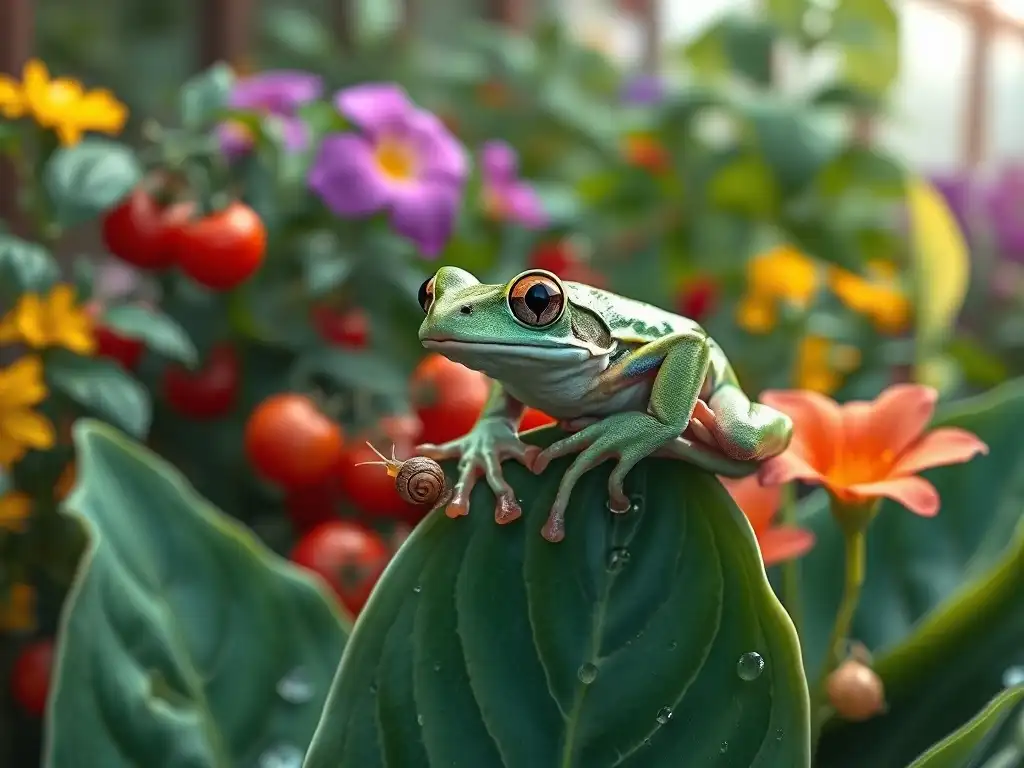
Ready to transform your garden into a thriving ecosystem? At CultivateYourFood, we empower you to grow your own fruits, vegetables, and herbs organically. Discover the surprising power of nature's own pest control solutions, starting with our in-depth guide on organic pest control frogs. Learn how these amazing amphibians can become invaluable allies in your Integrated Pest Management (IPM) strategy—and unlock the secrets to a healthier, more sustainable harvest. Dive in and uncover the fascinating world of frogs and toads as effective garden guardians!
- Understanding the Role of Amphibians in Organic Pest Control
- Integrating Amphibians into Your Integrated Pest Management (IPM) System
- Potential Challenges and Considerations in Using Amphibians for Organic Pest Control
- Case Study: Successfully Implementing Frog-Based Pest Control in a Vegetable Garden
- Conclusion: Amphibians as Key Players in Sustainable Organic Pest Management
- Frequently Asked Questions
- Final Reflection: Amphibians: Tiny Guardians of a Thriving Ecosystem
- Unleash Your Inner Frog Whisperer: Attract Amphibians to Your Garden!
Understanding the Role of Amphibians in Organic Pest Control
Amphibians, specifically frogs and toads, are invaluable allies in the pursuit of effective and sustainable organic pest control. These often-overlooked creatures play a significant role in maintaining a balanced ecosystem within your garden, reducing the need for harmful chemical pesticides. Their voracious appetites for insects, slugs, and other garden pests make them natural predators, contributing significantly to an integrated pest management (IPM) strategy.
This article delves into the specifics of utilizing these beneficial amphibians to cultivate a thriving and healthy garden, minimizing the impact on the environment and maximizing the yield of your crops. By understanding their needs and creating a welcoming habitat, you can harness the power of nature to protect your plants and promote biodiversity.
This approach aligns perfectly with the principles of organic gardening and provides a powerful, eco-friendly alternative to chemical pest control methods. The benefits extend beyond pest control; the presence of frogs and toads enhances the overall health and vibrancy of your garden ecosystem.
Identifying Beneficial Frog and Toad Species for Your Garden
Identifying the frog and toad species native to your region is crucial for successful integration into your IPM strategy. Different species have varying diets and habitat preferences. For example, some toads are particularly effective at controlling slugs and snails, while certain frog species specialize in consuming flying insects. 1 Researching local amphibian species will allow you to understand their specific contributions to your garden's ecosystem. Consider consulting local field guides or contacting your local wildlife agency for accurate identification and information on their dietary habits. This knowledge empowers you to create a habitat that specifically attracts the species most beneficial to your particular pest control needs. Remember that a diverse amphibian population is generally more effective at controlling a wider range of pests.
| Common Name | Scientific Name | Preferred Prey | Habitat Preferences |
|---|---|---|---|
| American Toad | Anaxyrus americanus | Insects, spiders, slugs, snails | Moist areas, near water sources |
| Green Frog | Lithobates clamitans | Insects, spiders, crustaceans | Near ponds, marshes, slow-moving streams |
| Pacific Tree Frog | Pseudacris regilla | Insects, spiders | Moist areas, under logs, near water |
| [Species Name Pending] | [Scientific Name Pending] | [Preferred Prey Pending] | [Habitat Preferences Pending] |
1 Further research is needed to specify the exact prey preference for each species in various geographical locations.
Attracting Frogs and Toads to Your Garden with Habitat Creation
Creating a welcoming habitat is key to attracting and retaining frogs and toads in your garden. These amphibians require specific conditions to thrive. They need shelter from predators and the elements, as well as ample food sources. Providing a variety of hiding places, such as rocks, logs, leaf litter, and dense vegetation, is crucial. Avoid using pesticides and herbicides, as these chemicals can harm amphibians directly or indirectly by reducing their prey base.
A diverse and healthy garden, rich in insects and other invertebrates, will naturally attract these beneficial creatures. Consider planting native plants that provide both shelter and food for the insects that frogs and toads consume. The more natural and diverse your garden environment, the more likely you are to attract a thriving amphibian population. Remember that a healthy ecosystem supports itself, making your pest control efforts more sustainable in the long run.
Providing a Water Source: Ponds, Bowls, and Fountains for Amphibians
A reliable water source is essential for frogs and toads, particularly during dry periods. A shallow pond, even a small one, can provide a crucial habitat. Alternatively, you can create a simple water source using a large, shallow bowl or a fountain. Ensure that the water is clean and free of chemicals.
The edges of the water source should be shallow and easy for amphibians to enter and exit. Avoid using fish in your pond, as they can prey on frog and toad eggs and tadpoles. Regularly cleaning the water source is important to prevent the buildup of algae and other harmful substances.
Providing a suitable water source not only attracts amphibians but also supports their breeding and life cycle, ensuring a continuous presence in your garden. A thoughtfully designed water feature adds an aesthetically pleasing element while simultaneously supporting your organic pest control strategy. This holistic approach demonstrates the interconnectedness of a healthy garden ecosystem.
Choosing Frog-Friendly Plants and Landscaping
Creating a frog-friendly habitat is crucial for attracting these beneficial amphibians to your garden and maximizing their pest-control potential. Frogs and toads need shelter, water sources, and food sources to thrive. Providing these elements is key to successful organic pest control using amphibians. This involves thoughtful plant selection and landscape design.
One important aspect is providing ample cover. Frogs and toads are ambush predators, relying on camouflage to catch their prey. Dense plantings of native shrubs, grasses, and flowering perennials offer excellent hiding places, protecting them from predators and providing ideal hunting grounds. Consider plants like ferns, hostas, and native grasses that provide shaded, moist environments. Avoid overly manicured lawns, which offer little protection. Instead, embrace a slightly wilder, more natural aesthetic that welcomes biodiversity.
Another crucial element is a reliable water source. Frogs and toads require water for breeding and hydration. A small pond, even a shallow dish filled with water and some rocks for basking, can significantly improve your chances of attracting them. Ensure the water source is free of chemicals, as these can harm amphibians. A water feature also increases the overall biodiversity of your garden, attracting other beneficial insects and animals that contribute to natural pest control. Consider the placement carefully; a partially shaded area will help to prevent excessive evaporation and algae growth.
Finally, remember that frogs and toads are carnivores. They feed on a variety of insects, including many common garden pests. By planting a diverse range of plants, you'll attract a wider variety of insects, thus increasing the food supply for your amphibian allies. This also contributes to a healthier ecosystem overall.
Avoid using pesticides, as they will harm both the frogs and their food sources. A healthy, diverse garden is the best way to ensure a thriving frog population and effective organic pest control. Remember to choose plants that are suitable for your climate and soil conditions to ensure long-term success. Consider consulting local gardening resources to identify native plants best suited to your region.
Integrating Amphibians into Your Integrated Pest Management (IPM) System
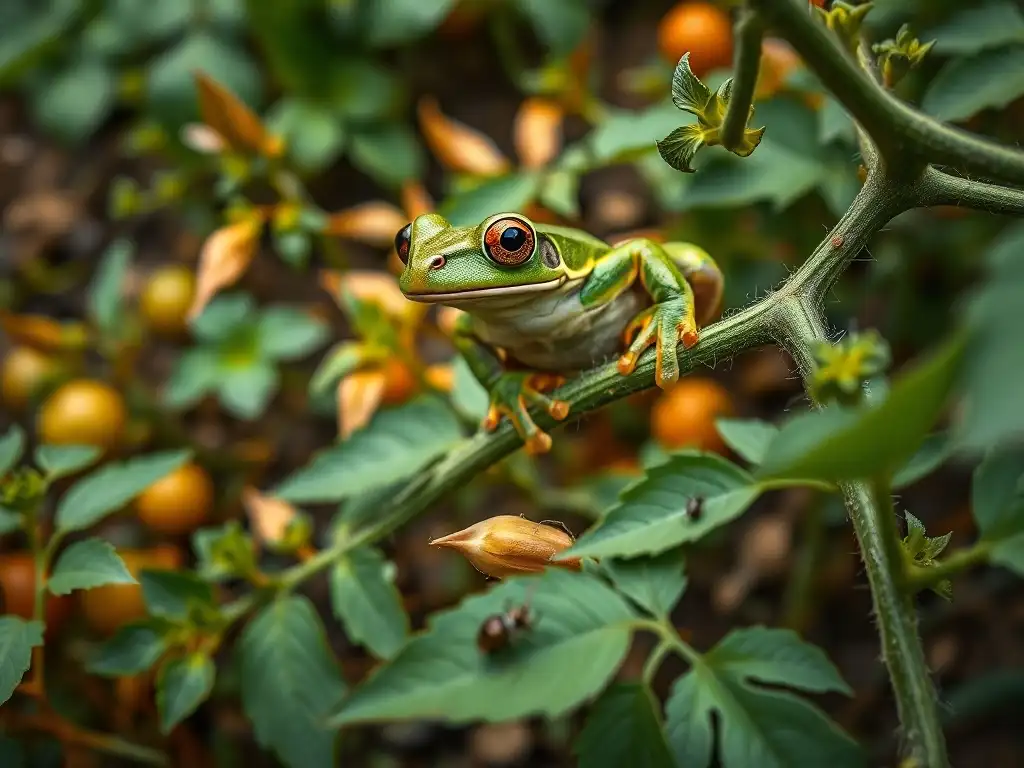
This section delves into the practical application of incorporating frogs and toads into your organic pest control strategy. By understanding their predatory habits and integrating them into a holistic IPM approach, you can significantly reduce your reliance on chemical pesticides, fostering a healthier and more sustainable garden ecosystem. Successfully integrating amphibians requires a nuanced understanding of their needs and the careful observation of their impact on your garden's pest populations. Remember, a truly effective organic pest control strategy utilizes a multi-pronged approach, and amphibians are a valuable component of this system.
Frogs and Toads as Natural Predators: Targeting Common Garden Pests
Frogs and toads are voracious eaters, consuming a wide variety of insects and other invertebrates that commonly plague home gardens. Their diet significantly overlaps with many common garden pests, making them natural allies in the fight against unwanted insects. Let's explore some specific examples:
- Slugs and Snails: Many species of frogs and toads readily consume slugs and snails, reducing their populations and minimizing damage to tender plants. This is particularly beneficial for gardeners struggling with these slimy pests.
- Aphids: While not their primary food source, frogs and toads will opportunistically consume aphids, particularly when they are abundant. This contributes to overall aphid control, especially when combined with other IPM techniques.
- Grasshoppers and Crickets: Larger frogs and toads can effectively prey on grasshoppers and crickets, significantly reducing their numbers and the damage they inflict on crops.
- Caterpillars: Certain frog and toad species actively hunt caterpillars, helping to control infestations of these leaf-munching pests. This is especially important for protecting valuable vegetable and fruit plants.
The specific species of frog or toad present in your region will determine the precise range of pests they control. However, the general principle remains: amphibians provide a significant contribution to organic pest control frogs strategies by naturally reducing pest populations. Creating a welcoming habitat for these beneficial creatures is key to maximizing their effectiveness.
Effectiveness of Amphibians Compared to Chemical Pesticides
While chemical pesticides offer a quick solution to pest problems, they come with significant drawbacks, including harm to beneficial insects, soil contamination, and potential health risks. In contrast, utilizing frogs and toads as part of your organic pest control frogs strategy offers a sustainable and environmentally friendly alternative. While the speed of pest reduction might be slower compared to chemical pesticides, the long-term benefits far outweigh the initial slower response.
Consider this hypothetical example: A gardener using chemical pesticides might eliminate a significant aphid infestation within a week. However, this could also kill beneficial ladybugs that naturally control aphids. A gardener relying on a frog and toad population might see a gradual reduction in aphids over several weeks, but with the added benefit of maintaining a balanced ecosystem. This holistic approach leads to healthier plants and a more resilient garden ecosystem in the long run. The long-term stability and reduced environmental impact make amphibians a superior choice for sustainable gardening practices.
Monitoring Amphibian Populations and their Impact on Pest Levels
Regular monitoring is crucial for assessing the effectiveness of your amphibian-based pest control. This involves observing frog and toad activity in your garden and noting changes in pest populations. Here's how you can effectively monitor:
- Visual Observation: Regularly inspect your garden for the presence of frogs and toads. Note the number of individuals and their activity levels.
- Pest Population Counts: Keep track of pest numbers before and after introducing amphibians. Compare these numbers to assess the impact of the amphibians on pest control. This could involve counting the number of pests on a specific plant or within a defined area.
- Indirect Indicators: Look for signs of predation, such as empty slug shells or the remains of insects. These indirect indicators can provide valuable insights into the amphibians' feeding habits and effectiveness.
By implementing a consistent monitoring program, you can accurately evaluate the contribution of amphibians to your organic pest control frogs strategy and adjust your approach as needed. Remember, patience and observation are key to success. Data collection over time will provide valuable insights into the long-term effectiveness of your integrated pest management system.
Combining Amphibian Control with Other IPM Techniques: Biological Controls, Cultural Practices
Integrating frogs and toads into your organic pest control strategy doesn't mean relying solely on them. A truly effective Integrated Pest Management (IPM) system uses a multi-pronged approach. Think of amphibians as a valuable component of a larger, more robust system, not the entire solution. This holistic approach maximizes effectiveness and minimizes the risk of pest resurgence.
One crucial aspect of this synergistic approach involves combining amphibian-based pest control with other biological controls. For instance, introducing beneficial insects like ladybugs, lacewings, or praying mantises can target specific pests that frogs and toads might miss. Ladybugs, for example, are voracious aphid eaters, while lacewings prey on many soft-bodied insects.
These beneficial insects can work alongside your amphibian allies to create a more comprehensive defense against a wide range of pests. Careful planning is essential to ensure the chosen beneficial insects are compatible with your existing ecosystem and don't compete with the amphibians for resources. For example, ensure there is sufficient prey for both the amphibians and the introduced beneficial insects.
Beyond biological controls, cultural practices play a vital role in supporting your amphibian population and enhancing overall pest control. Maintaining a healthy and diverse garden environment is key. This includes providing ample shelter and moisture for amphibians, such as leaf litter, rocks, and shallow water sources. These features not only attract frogs and toads but also create a habitat that naturally discourages many pests.
A well-mulched garden, for instance, provides ideal shelter for beneficial insects and amphibians while reducing weed growth, which often serves as a breeding ground for pests. Furthermore, proper crop rotation can disrupt pest life cycles, reducing their populations and lessening the overall burden on your amphibian allies. Rotating crops also ensures healthy soil and prevents nutrient depletion, creating a more resilient garden overall.
Consider the specific needs of the amphibians you are trying to attract. Different species have different habitat preferences. Researching the local species and providing the necessary conditions will improve the likelihood of their successful integration into your garden ecosystem. For instance, some species prefer shallow, still water sources for breeding, while others need deeper, flowing water.
Providing a variety of habitats will attract a greater diversity of amphibians, creating a more resilient and effective pest control system. This layered approach, combining amphibian attraction with other biological and cultural control methods, is the cornerstone of successful organic pest control. Remember, a healthy ecosystem is a naturally pest-resistant ecosystem.
Potential Challenges and Considerations in Using Amphibians for Organic Pest Control
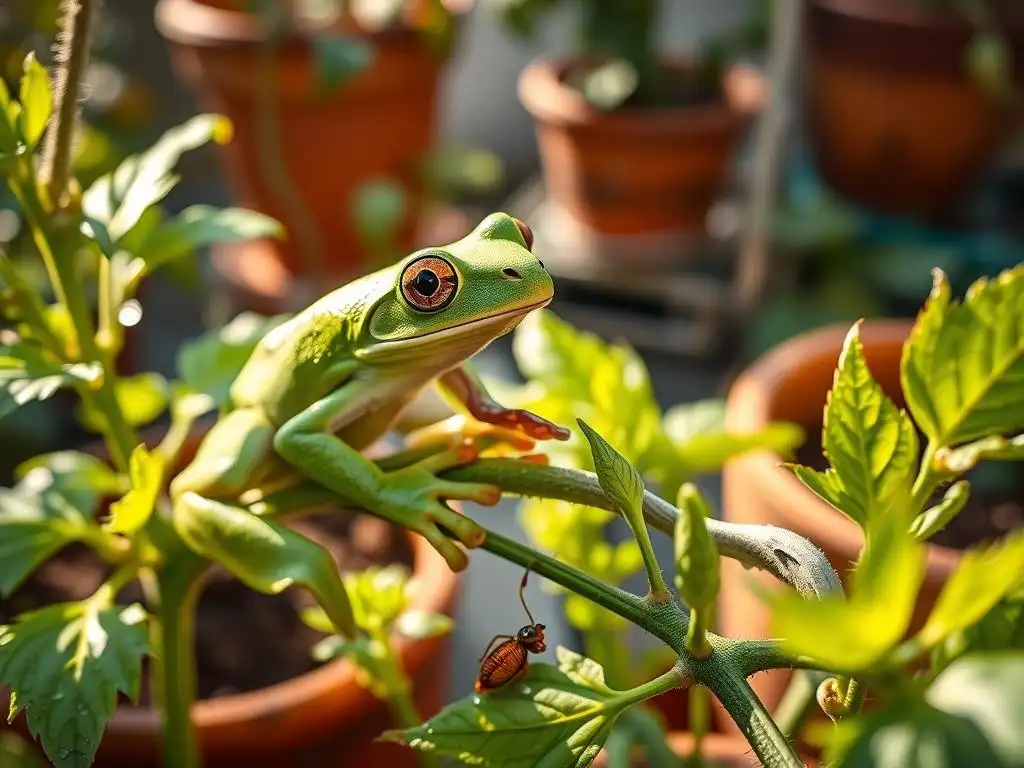
Utilizing amphibians like frogs and toads as part of an organic pest control strategy offers a natural and sustainable approach to managing garden pests. However, it's crucial to understand the potential challenges and to implement strategies to mitigate them for successful integration into your Integrated Pest Management (IPM) program. Successfully leveraging organic pest control frogs requires careful planning and consideration of several factors beyond simply introducing amphibians to your garden.
Diseases and Predators Affecting Amphibian Populations
Amphibian populations worldwide are facing significant threats from various diseases and predators. Chytridiomycosis, caused by the fungus Batrachochytrium dendrobatidis (Bd), is a devastating disease that affects many frog and toad species, leading to population declines and even extinction in some cases. Similarly, ranavirus infections can cause significant mortality in amphibian populations. Understanding these risks is paramount. Introducing amphibians to a garden already stressed by environmental factors might exacerbate existing vulnerabilities.
Furthermore, predators such as snakes, birds of prey, and even larger insects can prey on frogs and toads, impacting their population numbers within your garden. The presence of these predators might necessitate additional considerations in your garden design, potentially requiring protective measures for the amphibians or modification of habitats to reduce predator access. The success of your organic pest control frogs strategy hinges on ensuring their survival.
Monitoring amphibian health is crucial. Observe your amphibian population for signs of disease, such as lethargy, skin lesions, or unusual behaviors. Consult with a local herpetologist or wildlife specialist if you suspect a disease outbreak. Early detection and intervention are key to mitigating potential losses within your amphibian-based IPM system.
Ensuring the Safety of Frogs and Toads in Your Garden
Creating a safe and hospitable environment for frogs and toads in your garden is essential for the success of your organic pest control strategy. Avoid the use of pesticides and herbicides, as these chemicals can be highly toxic to amphibians, even in low concentrations. Opt for natural pest control methods whenever possible.
Providing adequate shelter is crucial. Frogs and toads require moist, shaded areas to escape the sun and predators. Consider installing artificial shelters such as rock piles, logs, or commercially available amphibian shelters. Maintaining a healthy water source, like a small pond or birdbath, is also vital, especially during dry periods. Remember, healthy organic pest control frogs require healthy habitats.
Consider the potential impact of your gardening practices. Avoid disturbing their natural habitats unnecessarily, and be mindful of where you place garden tools and equipment. Accidental injury or habitat destruction can significantly impact the amphibian population. A well-planned garden, carefully managed to minimize disruption to the amphibians, will maximize the effectiveness of this natural pest control method.
Dealing with Unwanted Species: Identifying and Managing Non-Beneficial Amphibians
While many amphibians are beneficial to gardens, some species may not be desirable or could even be harmful. Accurate identification is crucial. For example, some toad species might secrete toxins that could be harmful to pets or humans. Others might compete with beneficial species for resources.
Understanding the specific amphibian species present in your region is crucial. Research the local fauna to identify native species and those that might be considered invasive. If you encounter unwanted amphibians, avoid harming them. Instead, consider humane relocation methods, such as gently capturing them and releasing them in a suitable habitat away from your garden. Report any sightings of invasive or potentially harmful species to your local wildlife authorities. Responsible management of all amphibian species ensures a balanced ecosystem, supporting your organic pest control frogs strategy and overall garden health.
This careful and thoughtful approach ensures the long-term success of using amphibians as part of a comprehensive, sustainable, and effective organic pest control strategy. Remember, a healthy environment for these beneficial creatures is key to their effectiveness in controlling garden pests.
Balancing Benefits and Risks: A Holistic Approach to Amphibian Integration in IPM
Integrating frogs and toads into your Integrated Pest Management (IPM) strategy offers significant advantages in organic pest control, but it's crucial to approach this with a balanced perspective, weighing the benefits against potential drawbacks. While these amphibians are voracious consumers of many garden pests, their presence isn't a guaranteed solution for every pest problem. A holistic approach considers the specific needs of your garden ecosystem and the potential limitations of relying solely on amphibians for pest control.
One key consideration is the diversity of pests present in your garden. Frogs and toads primarily feed on insects and other invertebrates, but their dietary preferences vary depending on the species and the availability of prey. While they're excellent at controlling slugs, snails, and certain insect larvae, they may not be effective against all pests. For example, they are unlikely to significantly impact infestations of aphids or whiteflies, which require different control methods. Therefore, a successful IPM strategy incorporating amphibians will likely involve supplemental methods such as companion planting, hand-picking, or the introduction of beneficial insects.
Another important factor is the habitat requirements of frogs and toads. These amphibians need a suitable environment to thrive, including access to water sources for breeding and moist, shaded areas for shelter. If your garden lacks these essential elements, attracting and maintaining a healthy amphibian population will be challenging. Creating a welcoming habitat might involve installing a small pond or providing shallow water dishes, along with plenty of cover such as rocks, logs, and dense vegetation. This proactive habitat creation is a crucial part of successful amphibian integration in organic pest control.
Furthermore, the potential for unintended consequences must be carefully evaluated. While frogs and toads primarily consume pest insects, they may also prey on beneficial insects, impacting the overall balance of your garden ecosystem. This underscores the need for a carefully planned and monitored approach. Regular observation of your garden's biodiversity is necessary to assess the impact of the amphibian population on both pest and beneficial insects. This monitoring can inform adjustments to your IPM strategy, ensuring a sustainable and effective approach.
Finally, it's vital to remember that amphibians are sensitive to environmental changes, including pesticide use and habitat destruction. The introduction of amphibians into your garden is only sustainable if you commit to organic and sustainable practices throughout your garden. Using harmful chemicals, even those not directly targeted at amphibians, can negatively affect their health and population. This emphasizes the synergistic relationship between amphibian integration and broader commitment to organic gardening principles. The success of this method hinges on a holistic, environmentally conscious approach.
Case Study: Successfully Implementing Frog-Based Pest Control in a Vegetable Garden
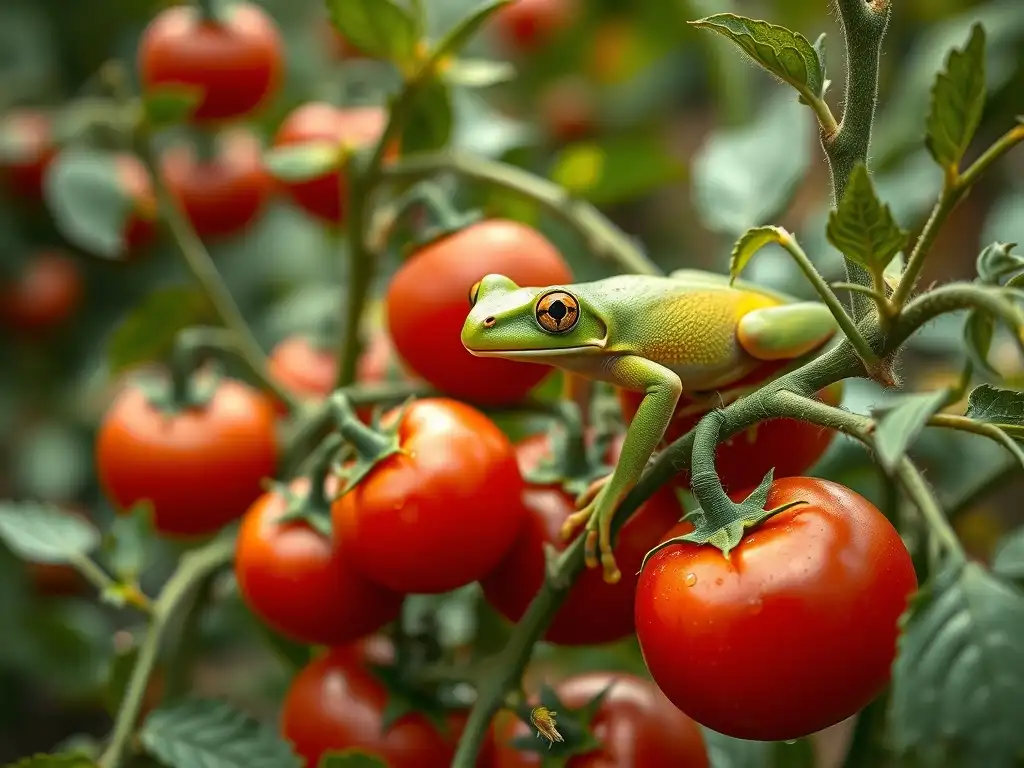
This case study details a successful implementation of organic pest control using frogs and toads in a home vegetable garden, demonstrating the effectiveness of amphibian-based pest management as a core component of an Integrated Pest Management (IPM) strategy. The garden, located in a suburban area with moderate humidity and access to a nearby pond, experienced significant pest pressure impacting yield and plant health.
This example highlights how attracting and maintaining a healthy amphibian population can significantly reduce reliance on chemical pesticides, aligning with the principles of sustainable and organic gardening. The results showcase the viability of this organic pest control method for home gardeners seeking environmentally friendly solutions.
Initial Pest Problem and Garden Assessment
The homeowner, an enthusiastic but novice gardener, initially faced a significant infestation of slugs and snails, particularly impacting young lettuce, cabbage, and bean plants. Aphids were also a considerable problem, particularly on the zucchini and squash plants. These pests caused significant damage, resulting in stunted growth, reduced yields, and cosmetic damage to the produce.
A visual assessment of the garden revealed a lack of suitable habitat for amphibians, with little ground cover, exposed soil, and a scarcity of water sources besides a distant birdbath. The absence of natural predators, coupled with the existing pest pressures, pointed to the need for an integrated pest management strategy incorporating biological control.
Initial attempts at hand-picking pests proved time-consuming and ineffective in controlling the expanding populations. The homeowner was keen to avoid chemical pesticides, seeking a more environmentally friendly and sustainable approach to pest management – hence the focus on attracting beneficial amphibians like frogs and toads as part of their organic pest control strategy.
Strategies Implemented to Attract and Maintain Amphibian Populations
To attract and support amphibian populations, several key strategies were implemented. These included:
- Creating suitable habitats: Adding a small, shallow pond with gently sloping edges provided a breeding and resting site for frogs and toads. This pond was strategically placed within the garden to maximize its effectiveness. The pond was lined with a non-toxic liner and filled with rainwater.
- Providing shelter: Rocks, logs, and leaf litter were strategically placed around the pond and throughout the garden to offer cover and protection from predators. This created microhabitats ideal for amphibians.
- Maintaining moisture: Regular watering of the garden, particularly during dry periods, helped maintain a consistently moist environment, attractive to amphibians. Mulching around plants also helped retain soil moisture.
- Eliminating pesticide use: The homeowner completely ceased the use of all chemical pesticides and herbicides, creating a safe and hospitable environment for amphibians and other beneficial insects. This was a crucial step in ensuring the long-term success of the amphibian-based pest control program.
- Planting native vegetation: The addition of native plants known to attract insects, which in turn attract frogs and toads, enhanced the overall biodiversity of the garden and provided a more sustainable food source for the amphibians. This included plants like milkweed, goldenrod, and Joe-pye weed.
Results and Evaluation of the Amphibian-Based Pest Control Program
Within three months of implementing these strategies, a noticeable increase in the amphibian population was observed. Several species of frogs and toads were sighted regularly near the pond and throughout the garden. Concurrently, the pest pressure significantly decreased. Slug and snail damage was almost eliminated, and aphid populations were dramatically reduced.
The homeowner reported a substantial increase in the yield and quality of their vegetables, directly attributable to the reduced pest pressure. The improved health and vigor of the plants were also notable. This success underscores the value of organic pest control frogs and toads as effective biological control agents.
Regular monitoring of the amphibian population and garden health continued to confirm the long-term effectiveness of this sustainable and eco-friendly pest management approach. This case study demonstrates that the implementation of a well-planned amphibian-based IPM strategy can be a highly effective and sustainable solution for home gardeners seeking to control pests without resorting to harmful chemicals. The overall success highlights the importance of considering biological control methods as a core component of any comprehensive organic pest control strategy.
Long-Term Sustainability and Maintenance of the System
Maintaining a thriving frog and toad population in your garden requires ongoing effort and a holistic approach. It's not a "set it and forget it" solution, but rather a dynamic system that needs careful management. The long-term success hinges on providing consistent habitat and food sources, minimizing threats, and monitoring the population's health.
One crucial aspect is water source maintenance. Frogs and toads require clean, accessible water for breeding and hydration. This could be a pond, a small water feature, or even a consistently filled birdbath. Regular cleaning is essential to prevent the buildup of algae and mosquito larvae, which could harm the amphibians or diminish the water quality.
Ensure the water source is deep enough to prevent drying out during dry spells, and consider adding aquatic plants for shelter and oxygenation. Regular water testing, particularly if you are using a pond, can help identify and address any imbalances. In some cases, you may need to supplement the water source with rainwater harvesting systems during particularly dry periods.
Another key element is habitat diversity. Frogs and toads need a variety of microhabitats for shelter, foraging, and breeding. This involves creating a balanced garden ecosystem with a mix of vegetation, providing both sunny and shady areas, and incorporating natural materials like rocks, logs, and leaf litter.
Avoid the use of harsh chemicals and pesticides, as these can directly harm the amphibians or disrupt their food chain. A diverse plant population also attracts insects, the primary food source for your amphibian allies. Consider planting a variety of flowering plants, herbs, and shrubs that attract beneficial insects and offer additional cover for the frogs and toads.
Finally, monitoring and adjustment are crucial. Regularly observe your frog and toad population to assess their health and numbers. Note any significant changes in their behavior or abundance, which could indicate environmental stress or threats. If you notice a decline in the population, investigate potential causes, such as predation, disease, or habitat degradation. Adapting your strategies based on these observations is key to the long-term success of your frog-based pest control system.
This might involve adding more shelter, improving water quality, or adjusting the garden's landscaping to better suit their needs. Remember, a sustainable system is an adaptable one. By actively managing and monitoring your garden's amphibian population, you ensure the long-term effectiveness of this natural pest control strategy. This proactive approach is essential for reaping the benefits of a balanced and thriving garden ecosystem.
Conclusion: Amphibians as Key Players in Sustainable Organic Pest Management
Amphibians, specifically frogs and toads, represent a powerful and largely untapped resource in the arsenal of organic pest control strategies. Their voracious appetites for a wide range of insect pests, coupled with their natural presence in many ecosystems, makes them invaluable allies in creating a thriving and balanced garden ecosystem.
By understanding their needs and providing suitable habitats, we can significantly reduce our reliance on chemical pesticides, promoting a truly sustainable and environmentally friendly approach to gardening. This holistic approach to organic pest control, integrating amphibians into an Integrated Pest Management (IPM) system, not only protects the environment but also contributes to healthier, more productive gardens.
The benefits extend beyond pest control; the presence of these fascinating creatures adds a layer of biodiversity and enriches the overall garden experience. Embracing organic pest control frogs and other amphibians is a testament to the power of nature in achieving a harmonious coexistence between humans and the natural world.
Encouraging the Use of Natural Pest Control Methods like Organic Pest Control Frogs
Creating a welcoming environment for frogs and toads is crucial for their successful integration into your IPM strategy. This involves providing essential habitat elements:
- Water sources: A small pond, birdbath, or even a shallow dish of water will attract and sustain amphibian populations. Ensure the water source is clean and free of chemicals. Regularly replenish the water to prevent stagnation.
- Shelter: Frogs and toads need places to hide from predators and harsh weather. Provide cover by leaving leaf litter undisturbed, adding rocks, logs, or installing small artificial shelters within the garden.
- Food sources: While they will control pests, supplemental food may be beneficial, especially during periods of low insect activity. Consider adding small amounts of live insects like crickets or mealworms. However, avoid using commercially raised insects that may contain pesticides.
- Avoid pesticides: The most critical step is eliminating the use of chemical pesticides and herbicides, which are highly toxic to amphibians. Organic pest control methods are essential for amphibian survival and effectiveness.
Remember, attracting amphibians is a long-term commitment. Patience is key, and the rewards of a thriving amphibian population far outweigh the initial effort. A healthy amphibian population contributes significantly to the overall health of your garden ecosystem, resulting in a significant reduction in pest pressure and a more balanced, sustainable garden. The success of organic pest control frogs is directly tied to the health of your garden's ecosystem.
Continuing Education and Resources for Successful Amphibian Integration in IPM
Successfully integrating amphibians into your IPM requires ongoing learning and adaptation. To further enhance your understanding and proficiency in organic pest control frogs and other amphibian-based pest management techniques, consider exploring the following resources:
- Local wildlife organizations: These groups often offer workshops, presentations, and educational materials on amphibian conservation and habitat creation.
- Online resources and databases: Numerous websites and online databases provide detailed information on amphibian species, their diets, and habitat requirements.
- University extension programs: Many universities offer extension programs that provide research-based information on sustainable gardening practices, including integrated pest management.
- Community gardens and experienced gardeners: Sharing knowledge and experiences with other gardeners can provide valuable insights and practical tips for successfully integrating amphibians into your garden.
By actively seeking out information and engaging with the community, you can continuously refine your IPM strategy, maximizing the benefits of organic pest control frogs and other beneficial organisms. Remember, a successful IPM program is an evolving process, requiring constant learning and adaptation to ensure long-term effectiveness and sustainability. The journey towards a thriving, amphibian-rich garden is a rewarding one, enriching both your garden and your understanding of the natural world.
Frequently Asked Questions
What role do frogs and toads play in organic pest control?
Frogs and toads are natural predators of many common garden pests, including slugs, snails, and insects. Their presence significantly reduces the need for chemical pesticides, contributing to a healthier ecosystem. This makes them valuable allies in an Integrated Pest Management (IPM) strategy.
Are all frogs and toads beneficial to my garden?
While most are beneficial, some species may have diets that include beneficial insects. It's best to identify the species present in your area to ensure they're actively controlling pests. Researching native frog and toad species is recommended.
How can I attract frogs and toads to my garden?
Creating a frog-friendly habitat is key. This includes providing a water source (pond, birdbath), shelter (rocks, logs, vegetation), and a diverse range of insects for them to feed on. Avoid using pesticides that could harm them.
What are the best plants to attract pest-eating frogs and toads?
Plants that provide shelter and moisture, such as native ferns, hostas, and grasses, are ideal. Consider plants that attract insects, providing a ready food source for your amphibian helpers. Avoid using plants that are toxic to amphibians.
Are there any downsides to using frogs and toads for pest control?
While largely beneficial, relying solely on frogs and toads might not fully eliminate pest populations, especially during large infestations. An integrated approach, combining amphibian presence with other organic pest control methods, is often the most effective.
Final Reflection: Amphibians: Tiny Guardians of a Thriving Ecosystem
The resurgence of interest in organic pest control methods underscores a growing awareness of the interconnectedness of our gardens and the wider environment. The humble frog and toad, often overlooked, are emerging as powerful allies in this movement, offering a sustainable and effective solution to common garden pests. Their silent, efficient predation represents a vital component of a truly holistic approach to gardening.
Witnessing the positive impact of even a small population of amphibians on my own garden has been profoundly rewarding. It's a tangible reminder of the beauty and efficiency of nature's own pest management system. Nature is pleased with simplicity; and nature is no dummy.
- Isaac Newton. This quote perfectly encapsulates the elegance and effectiveness of integrating amphibians into our gardens, showcasing how a simple, natural solution can be far more powerful than chemical interventions. Their presence is not just about pest control; it's a symbol of a healthy, balanced ecosystem thriving within our own backyard.
Consider, for a moment, the role you can play in fostering these beneficial creatures. Creating a welcoming habitat—a small pond, a damp corner filled with native plants—can make a significant difference. By providing shelter and food sources, you're not only inviting these amazing amphibians into your garden but also contributing to the broader conservation effort. Let your garden become a sanctuary, a testament to the power of natural harmony and a vibrant example of sustainable living. Start small, observe the results, and let the quiet power of nature work its magic.
Unleash Your Inner Frog Whisperer: Attract Amphibians to Your Garden!
Thanks for exploring the fascinating world of frogs and toads – invaluable allies in any garden! You now understand their crucial role in natural pest control. Ready to put this knowledge to work?
- Create a frog-friendly habitat: A simple, shallow water feature is the most effective way to attract amphibians. A birdbath or even a slightly sunken container filled with water and some stones will do the trick.
- Provide ample cover: Rocks, logs, and dense plantings near the water source offer essential shelter and hiding places for these creatures.
- Share your experiences: Join our community forum to share your successes (and challenges!) in attracting amphibians. We'd love to hear your stories and exchange tips!
So, how will you welcome these beneficial garden helpers into your green space?