
Bonsai Plant Health: CultivateYourFood's Guide to Choosing DiseaseResistant Options

Welcome to CultivateYourFood, your guide to nurturing a thriving garden using sustainable and organic methods! Are you ready to unlock the secrets to a vibrant, healthy garden, even in the face of common plant ailments? Then delve into our expert advice on disease-resistant bonsai varieties, a crucial step in cultivating these miniature marvels. Discover how choosing the right bonsai can significantly reduce your workload and ensure a flourishing collection. Let's cultivate success together!
- Understanding Bonsai Disease Susceptibility
- Selecting Disease-Resistant Bonsai Varieties
- Practical Tips for Preventing Bonsai Diseases
- Advanced Techniques for Disease Management
- Maintaining a Healthy Bonsai Collection: Long-Term Strategies
- Resources for Further Learning on Bonsai Care and Disease Prevention
- Frequently Asked Questions
- Final Reflection: The Resilient Art of Bonsai
- Unleash Your Inner Bonsai Master: Cultivate a Thriving Collection
Understanding Bonsai Disease Susceptibility
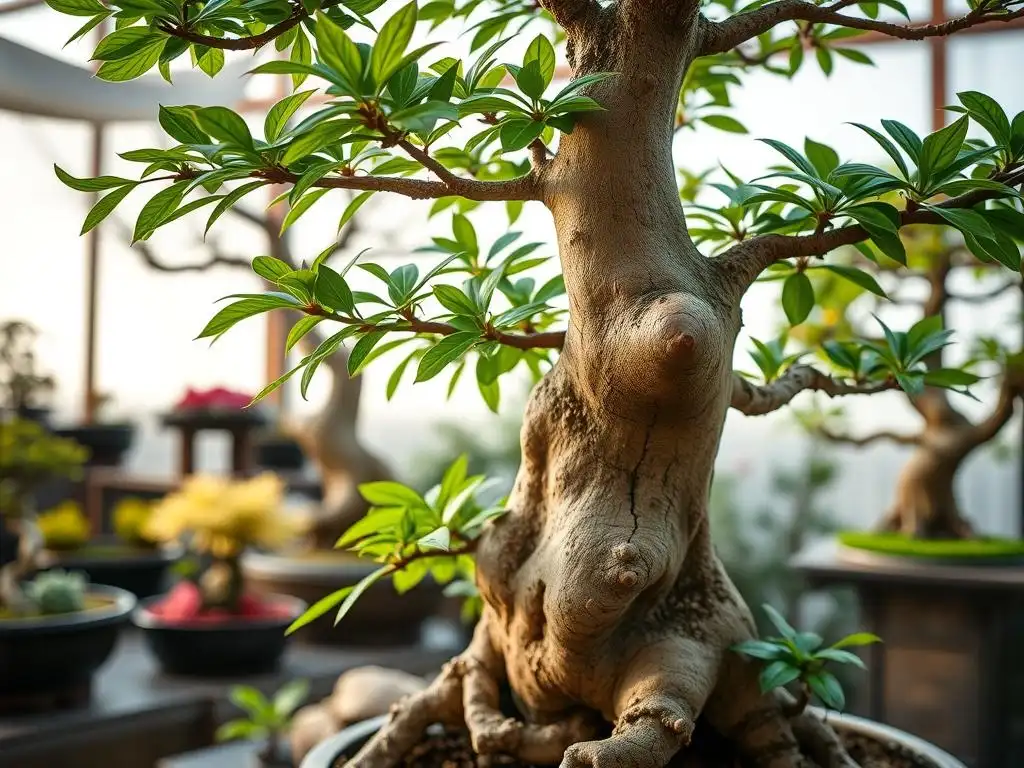
Bonsai, the miniature living art form, demands dedication and care. While the aesthetic appeal of a perfectly sculpted tree is undeniable, maintaining its health is paramount. This guide, crafted by CultivateYourFood, focuses on selecting disease-resistant bonsai varieties to minimize the risk of common ailments and maximize your chances of cultivating thriving, long-lasting miniature masterpieces.
We'll delve into common bonsai diseases, early detection methods, and crucial factors influencing their susceptibility, empowering you to make informed choices when building your bonsai collection and ensuring the longevity and beauty of your miniature trees. Choosing disease-resistant varieties is a proactive step towards a healthier and more rewarding bonsai journey, minimizing stress and maximizing the joy derived from nurturing these exquisite plants. This comprehensive approach to bonsai care will equip you with the knowledge to select resilient species, protect your investment, and enjoy the beauty of healthy bonsai for years to come.
Common Bonsai Diseases and Their Impact on Tree Health
Bonsai, despite their size, are susceptible to a range of diseases, impacting their overall health and aesthetic appeal. Understanding these common ailments is the first step towards prevention and effective treatment. Some prevalent diseases include root rot (often caused by Phytophthora species and leading to wilting and leaf drop), fungal leaf spots (causing unsightly blemishes and potentially defoliation), and various pest infestations (like aphids and spider mites, weakening the tree and impacting its growth). The impact of these diseases varies depending on the severity and the species affected.
Severe infections can lead to irreversible damage, even death, while less severe infections may simply compromise the aesthetic appeal of your bonsai. Early identification and appropriate treatment are crucial to minimize damage and ensure the long-term health of your prized miniature trees. Let's explore some specific examples:
- Root Rot: Characterized by wilting, yellowing leaves, and a soft, mushy root system. This is often fatal if not addressed promptly.
- Leaf Spot Diseases: Appear as brown or black spots on leaves, potentially spreading and leading to defoliation. These are often fungal in nature.
- Pest Infestations: Aphids, spider mites, and scale insects can weaken the tree and cause significant damage if left unchecked.
Identifying Early Signs of Disease in Your Bonsai Collection
Regular inspection is crucial for early disease detection in your bonsai collection. Early intervention significantly increases the chances of successful treatment and minimizes long-term damage. Look for subtle changes like:
- Changes in Leaf Color: Yellowing, browning, or unusual discoloration can indicate stress, disease, or nutrient deficiencies.
- Leaf Drop: Excessive or unusual leaf drop is a significant warning sign.
- Wilting: Drooping branches and leaves point towards potential root problems or water stress.
- Unusual Spots or Lesions: The appearance of spots, lesions, or discoloration on leaves, stems, or branches is a clear indication of potential disease.
- Presence of Pests: Closely inspect your bonsai for visible insects or signs of insect activity, such as webbing or sticky honeydew.
Regular monitoring, ideally once a week, allows for timely intervention. Remember, a healthy bonsai exhibits vibrant foliage, strong growth, and a robust root system. Any deviation from this ideal should prompt a thorough examination. Early detection is key to effective management and prevention of widespread damage. A proactive approach significantly enhances the chances of a successful outcome.
Factors Contributing to Bonsai Disease: Soil, Watering, and Climate
The health of your bonsai is significantly influenced by several environmental factors. Optimal soil conditions, appropriate watering techniques, and a suitable climate play a crucial role in disease resistance.
- Soil: Poorly draining soil creates a breeding ground for root rot. Well-draining bonsai soil mixes, typically containing a blend of inorganic materials and organic matter, are essential. Proper soil pH is also crucial for optimal nutrient uptake and disease resistance.
- Watering: Overwatering is a common culprit behind root rot. Ensure your bonsai receives adequate but not excessive water, allowing the soil to dry slightly between waterings. The frequency of watering depends on factors such as the species, pot size, and environmental conditions. Avoid letting the soil become completely dry or waterlogged.
- Climate: Extreme temperatures, high humidity, and poor air circulation can increase the risk of fungal diseases. Providing adequate airflow and protection from harsh weather conditions is important. Choosing bonsai species well-suited to your local climate is also crucial.
Maintaining a balance of these factors is essential for creating a healthy environment for your bonsai, reducing their susceptibility to diseases and promoting overall vitality. Proper care minimizes stress and significantly enhances the chances of cultivating healthy and beautiful bonsai.
Selecting Disease-Resistant Bonsai Varieties
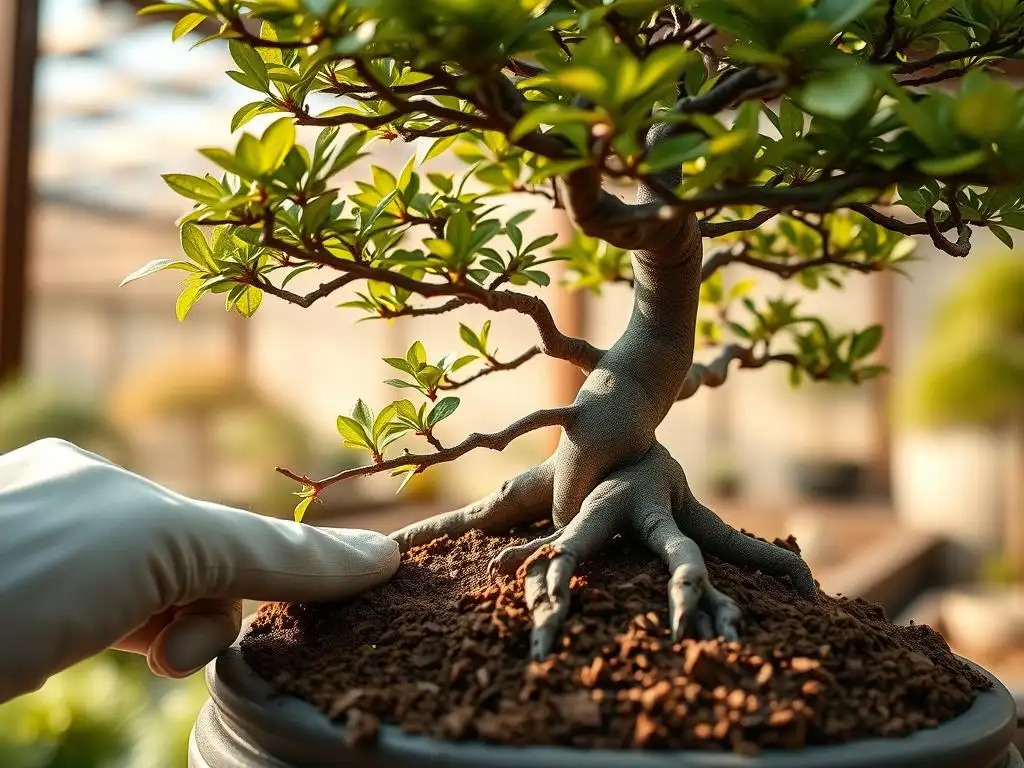
Cultivating bonsai requires patience, dedication, and a keen understanding of plant health. Choosing disease-resistant varieties is crucial for minimizing stress and maximizing your chances of success. This section explores the selection of hardy bonsai species, focusing on their inherent resistance to common diseases and pests.
Understanding the specific needs of each species will allow you to cultivate thriving, aesthetically pleasing bonsai for years to come. Selecting the right bonsai is the first step towards creating a flourishing miniature garden. The inherent disease resistance of certain species significantly reduces the need for chemical interventions, aligning with the sustainable and organic practices promoted by CultivateYourFood.
Top 5 Disease-Resistant Bonsai Trees for Beginners: A Comparative Analysis
Choosing your first bonsai can be daunting. This comparative analysis highlights five exceptionally disease-resistant species, ideal for beginners venturing into the art of bonsai cultivation. We'll delve into their specific strengths and weaknesses, providing you with the information necessary to make an informed decision. Remember, even disease-resistant varieties require proper care and attention to thrive.
Japanese Maple (Acer palmatum): Disease Resistance and Cultivar Selection
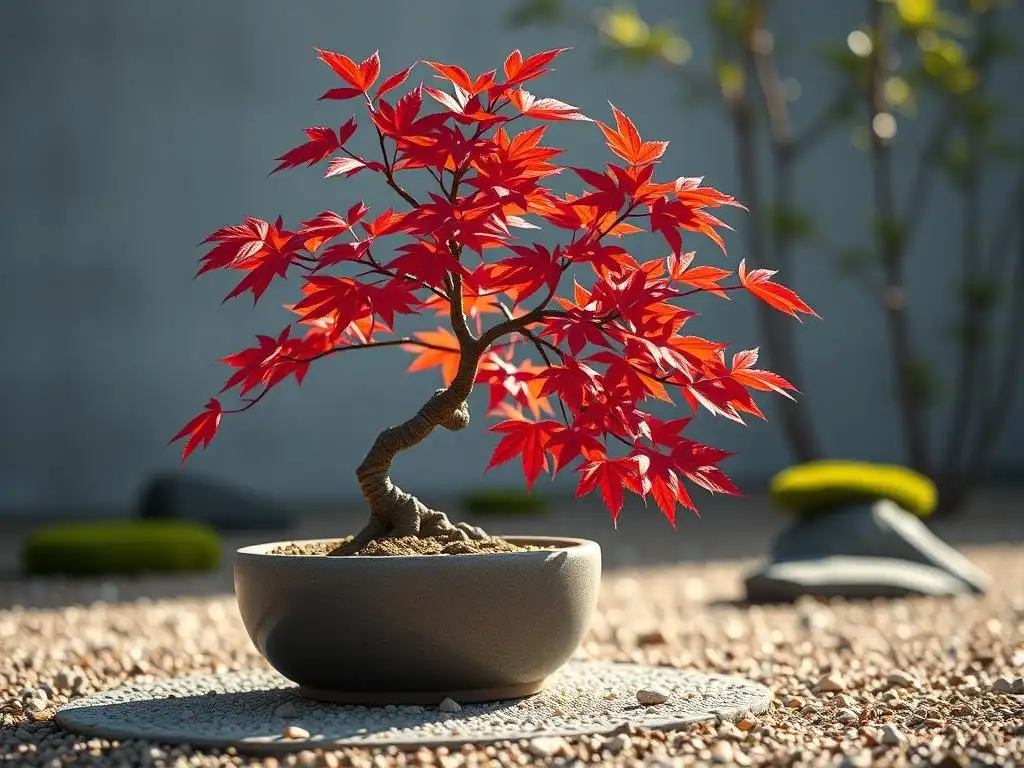
The Japanese Maple is a popular choice for bonsai enthusiasts, prized for its stunning foliage and elegant form. While some cultivars are more susceptible to certain fungal diseases, many exhibit excellent disease resistance. Choosing a cultivar known for its hardiness is key. Look for varieties bred for resilience against common maple diseases like Verticillium wilt and anthracnose. Regular inspection for signs of disease is still crucial; early detection is paramount for effective treatment. Proper air circulation and avoiding overwatering are essential preventative measures. The vibrant autumn colors are a bonus reward for your efforts!
Ficus Bonsai: Popular Choices and Their Disease Tolerance
Ficus bonsai, particularly Ficus benjamina and Ficus retusa, are known for their adaptability and relatively high disease tolerance. They are popular beginner choices due to their ease of care and resilience. However, they can be susceptible to root rot if overwatered, emphasizing the importance of well-draining soil and proper watering techniques. Regularly inspect for signs of pests like spider mites and mealybugs, addressing infestations promptly to prevent widespread damage. Their adaptability makes them a great choice for a range of indoor growing conditions.
Juniper Bonsai: Resilience and Pest Resistance
Juniper bonsai (various Juniperus species) are renowned for their resilience and resistance to many common diseases. Their naturally hardy nature makes them a strong contender for beginners seeking low-maintenance options. However, they can be susceptible to certain fungal diseases, particularly in humid conditions. Ensuring good air circulation and avoiding overhead watering can significantly reduce this risk. Regular inspection for potential pests is still advisable.
Chinese Elm (Ulmus parvifolia): A Hardy Choice for Beginners
The Chinese Elm is another excellent choice for beginners due to its hardiness and tolerance to various conditions. It's known for its strong disease resistance and ability to withstand occasional neglect (though consistent care is always recommended!). This species is relatively tolerant of various soil types and can endure a wider range of temperatures compared to some other bonsai species. However, it's important to monitor for potential pests, such as aphids and scale insects.
Trident Maple (Acer buergerianum): Disease Resistance and Adaptability
The Trident Maple is another excellent disease-resistant option, offering a unique aesthetic appeal with its three-lobed leaves. It boasts good resistance to many common maple diseases and generally thrives with minimal intervention. Its adaptability makes it suitable for a range of climates and growing conditions. However, like other maples, proper watering and soil drainage remain crucial factors in preventing root rot and other fungal diseases. Careful attention to these factors will ensure the long-term health and vitality of your trident maple bonsai.
Choosing the Right Bonsai Species for Your Climate and Growing Conditions
The success of your bonsai journey hinges on selecting a species compatible with your local climate and growing conditions. Disease resistance is only one aspect to consider; temperature tolerance, humidity levels, and sunlight exposure all play crucial roles. Researching the specific needs of each potential species is paramount before making a final decision. Consider factors like your region's average rainfall, temperature fluctuations, and the amount of sunlight your chosen location receives.
Matching the bonsai species to these environmental factors will greatly improve its chances of survival and overall health. Remember, a healthy environment minimizes stress on your bonsai, leading to a more resilient plant less susceptible to diseases. Careful consideration of these factors contributes significantly to successful bonsai cultivation.
The Importance of Soil Quality in Preventing Bonsai Diseases
Well-draining soil is paramount in preventing many common bonsai diseases. Poor drainage leads to waterlogged conditions, creating the perfect breeding ground for fungal pathogens and root rot. These conditions weaken the tree, making it more susceptible to a wide range of illnesses. Choosing the right soil mix is crucial; a blend of akadama, pumice, and lava rock provides excellent drainage and aeration, minimizing the risk of water-related problems.
The addition of organic matter, such as composted pine bark, can enhance soil structure and fertility while maintaining good drainage. However, it's important to use well-rotted compost to avoid introducing harmful pathogens. Regular monitoring of soil moisture is also key; allow the soil to dry slightly between waterings to prevent overly saturated conditions.
Remember, prevention is better than cure, and proper soil management is the first line of defense against many bonsai diseases. Ignoring soil quality can lead to significant issues such as root rot, which can quickly kill your bonsai if not addressed promptly. Careful attention to detail in this area is crucial to the long-term health and vibrancy of your miniature trees.
Sourcing Healthy Bonsai Stock from Reputable Suppliers
The health of your bonsai begins long before it arrives in your garden. Selecting disease-resistant bonsai varieties is only half the battle; the source of your plant is equally crucial. Purchasing from reputable suppliers who prioritize plant health significantly reduces the risk of introducing diseases into your collection. Reputable suppliers typically practice rigorous hygiene protocols, including regular inspections for pests and diseases, and quarantine procedures for new stock.
They often use disease-resistant propagation methods and employ skilled professionals who understand the nuances of bonsai care. Buying from a local nursery allows you to inspect the plant thoroughly before purchase, checking for any signs of disease, such as wilting leaves, unusual spots, or discoloration. Conversely, purchasing from unreliable sources, such as online marketplaces with questionable seller reputations, significantly increases the risk of acquiring diseased or pest-infested plants.
This risk is amplified when dealing with imported bonsai, where quarantine and inspection measures might be less stringent. Choosing your supplier wisely is an investment in the long-term health and vitality of your bonsai collection. Investing in healthy stock from reputable sources is a proactive step towards cultivating thriving, disease-resistant bonsai.
Practical Tips for Preventing Bonsai Diseases
This section focuses on proactive measures you can take to minimize the risk of diseases affecting your bonsai collection. By implementing these preventative strategies, you significantly reduce the need for reactive treatments, keeping your miniature trees healthy and vibrant. Choosing disease-resistant bonsai varieties is a crucial first step, but proper care is equally important in ensuring long-term health. We'll explore key aspects of bonsai care that contribute to disease prevention, focusing on techniques that align with sustainable and organic gardening practices. Remember, a healthy bonsai is a strong bonsai, less susceptible to various ailments.
Maintaining Proper Watering Techniques to Avoid Root Rot
Root rot, a common bonsai ailment, is often caused by overwatering. Proper watering is crucial for preventing this devastating disease. Overwatering leads to soggy soil, creating an anaerobic environment where harmful fungi thrive. The key is to water thoroughly but infrequently, allowing the soil to dry slightly between waterings. The frequency depends on factors such as the type of bonsai, the pot's drainage, and the environmental conditions (temperature, humidity, sunlight).
Instead of following a rigid schedule, check the soil moisture regularly. Stick your finger about an inch into the soil; if it feels dry, it's time to water. Water until you see drainage from the drainage holes, ensuring the roots receive sufficient moisture without becoming waterlogged. Good drainage is essential; use a well-draining bonsai potting mix and ensure your pot has adequate drainage holes.
Avoid letting your bonsai sit in standing water. Consistent monitoring and adjusting your watering based on your specific bonsai's needs is key to preventing root rot and promoting overall plant health. This proactive approach will significantly improve the chances of growing healthy, disease-resistant bonsai.
The Role of Pruning and Shaping in Disease Prevention
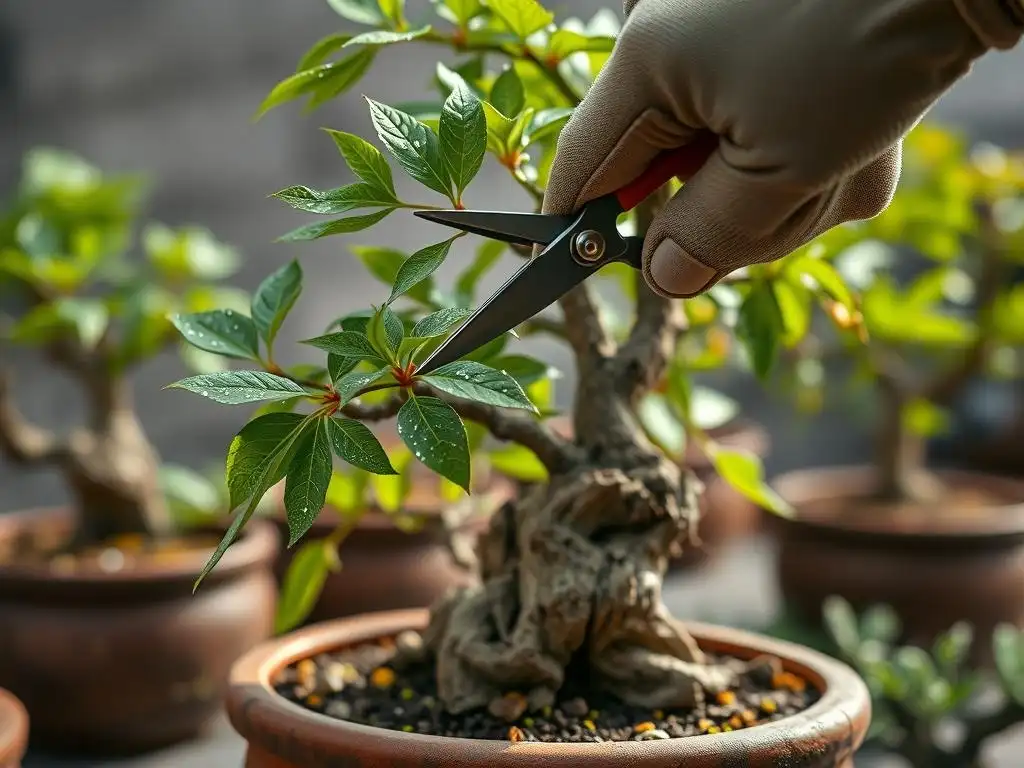
Regular pruning and shaping are essential not only for maintaining the aesthetic appeal of your bonsai but also for preventing disease. Pruning removes dead, diseased, or weak branches, preventing the spread of pathogens. This sanitary pruning helps to improve air circulation within the canopy, reducing the humidity levels that favor fungal growth. Proper pruning techniques also promote strong, healthy growth, making your bonsai more resilient to diseases.
When pruning, always use sharp, sterilized tools to avoid wounding the plant unnecessarily and to prevent the transmission of diseases between plants. Clean your tools with rubbing alcohol or a bleach solution between each pruning session. Remove any fallen leaves or debris from around your bonsai to reduce the risk of fungal infections. The removal of dead or damaged parts prevents the spread of pathogens and encourages robust, disease-resistant growth. A well-maintained bonsai, shaped and pruned with care, is far less likely to succumb to disease.
Organic Pest Control for Bonsai: Natural Solutions and Safe Products
Preventing and treating pest infestations in your bonsai collection is crucial for maintaining their health. Chemical pesticides can harm beneficial insects and contaminate the soil, so opting for organic pest control methods is essential for sustainable bonsai cultivation. These methods are not only environmentally friendly but also safer for you and your plants. Several natural solutions are highly effective against common bonsai pests.
Neem Oil for Bonsai Pest Control: Application and Effectiveness
Neem oil is a widely used organic pesticide derived from the neem tree. It's effective against a broad spectrum of pests, including aphids, mealybugs, and spider mites. Neem oil works by disrupting the insect's life cycle, preventing them from feeding and reproducing. It's important to note that neem oil is a contact insecticide; it must directly contact the pests to be effective. Thorough application is crucial.
Apply neem oil according to the product instructions, usually diluting it with water. It's best to apply it in the early morning or evening when temperatures are cooler and the sun's intensity is lower to minimize the risk of leaf burn. Repeat applications may be necessary, depending on the severity of the infestation. Always test a small area of your bonsai before applying neem oil to the entire plant to ensure it doesn't cause any adverse reactions. Neem oil offers a safe and effective organic solution for pest control in your bonsai collection.
Diatomaceous Earth: A Natural Approach to Pest Management in Bonsai
Diatomaceous earth (DE) is another effective organic pest control option for bonsai. DE is a naturally occurring sedimentary rock made up of fossilized diatoms. Its sharp edges pierce the exoskeletons of insects, causing dehydration and death. DE is particularly effective against crawling insects such as slugs, snails, and ants. It's a non-toxic and environmentally friendly option that won't harm beneficial insects or your bonsai.
Apply DE as a fine dust around the base of your bonsai and on the soil surface. Avoid inhaling the dust, as it can irritate the lungs. Reapply DE after watering or rain, as it can be washed away. Diatomaceous earth provides a safe and effective way to manage pest populations in your bonsai garden, contributing to the overall health and vitality of your miniature trees. Remember consistent monitoring and prompt action are vital for preventing significant pest problems.
Advanced Techniques for Disease Management
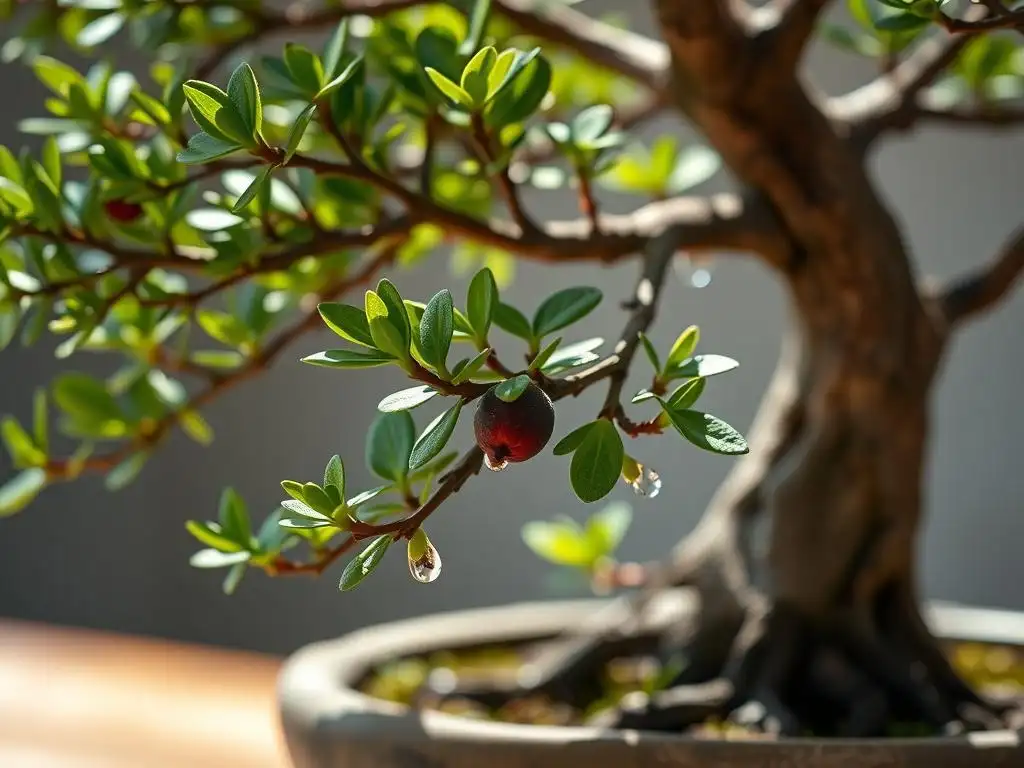
This section delves into proactive strategies beyond simply choosing disease-resistant bonsai varieties to maintain the robust health of your miniature trees. We'll explore techniques that bolster your bonsai's natural defenses and minimize the risk of disease outbreaks. Remember, a healthy bonsai is a resilient bonsai.
Treating Common Bonsai Diseases: Early Intervention Strategies
Early detection and intervention are crucial in managing bonsai diseases effectively. Ignoring minor symptoms can lead to significant problems down the line. Common diseases in bonsai often manifest as leaf spots, discoloration, wilting, or unusual growths. Let's look at some early intervention strategies:
- Regular Inspections: A weekly visual inspection of your bonsai is essential. Look closely at leaves, branches, and the trunk for any signs of abnormality. Even subtle changes can indicate an underlying issue. A magnifying glass can be helpful for detailed examination.
- Sanitation: Maintaining impeccable hygiene in your bonsai area is paramount. Remove fallen leaves and debris promptly to prevent the spread of pathogens. Sterilize your pruning tools after each use with isopropyl alcohol to avoid cross-contamination.
- Air Circulation: Good air circulation around your bonsai helps prevent fungal diseases. Ensure adequate spacing between plants and avoid overcrowding. Consider using a small fan to improve airflow, especially in humid environments.
- Watering Practices: Overwatering is a common cause of root rot and fungal diseases. Allow the soil to dry slightly between waterings and ensure your bonsai pot has adequate drainage. Observe the soil moisture level before watering, rather than following a strict schedule.
- Natural Remedies: For minor infections, consider using natural remedies like neem oil or diluted solutions of baking soda and water. These can help control fungal and pest infestations without resorting to harsh chemicals. Always test a small area first to check for any adverse reactions.
The effectiveness of early intervention depends on your vigilance. A proactive approach dramatically reduces the severity and impact of most bonsai diseases. Remember, prevention is always better than cure!
Identifying and Addressing Specific Bonsai Diseases: A Troubleshooting Guide
This section provides a brief overview of common bonsai diseases and their treatments. Remember, accurate identification is critical for effective treatment. If you are unsure about the diagnosis, it's best to seek professional advice.
| Disease | Symptoms | Treatment |
|---|---|---|
| Root Rot | Wilting, yellowing leaves, soft or mushy roots | Improve drainage, repot with fresh soil, prune affected roots, fungicide (if needed) |
| Leaf Spot | Brown or black spots on leaves | Remove affected leaves, improve air circulation, fungicide (if needed) |
| Powdery Mildew | White powdery coating on leaves | Improve air circulation, neem oil, sulfur-based fungicide |
| Pest Infestations | Visible insects, leaf damage, webbing | Insecticidal soap, neem oil, beneficial insects |
This table offers a starting point for troubleshooting. More detailed information on specific diseases and their management can be found in specialized bonsai literature. Always refer to reputable sources for accurate and up-to-date information. Note that the severity and treatment of each disease may vary depending on the species of bonsai.
When to Seek Professional Help for Your Bonsai: Recognizing Serious Issues
While many bonsai diseases can be managed at home, some situations require the expertise of a professional bonsai specialist or arborist. Recognizing when to seek professional help is crucial for saving your valuable bonsai.
- Severe Root Rot: If root rot is extensive and unresponsive to home treatment, professional intervention may be necessary. They can assess the extent of the damage and provide more advanced techniques for recovery.
- Unusual Symptoms: If you observe unusual symptoms that you cannot identify or treat effectively, seeking professional help is wise. An experienced professional can diagnose the problem and recommend appropriate treatment.
- Widespread Disease: If the disease has spread significantly throughout your bonsai collection, professional assistance is recommended to prevent further spread and minimize losses.
- Rare or Valuable Bonsai: For rare or valuable bonsai, it's always best to err on the side of caution and seek professional help at the first sign of disease. The cost of professional care is often justified by the value of the bonsai.
Consulting a professional doesn't necessarily indicate failure; it demonstrates a commitment to the health and longevity of your bonsai collection. They possess the knowledge and experience to address complex issues and ensure the best possible outcome. Don't hesitate to seek expert help when needed. Your bonsai will thank you for it!
Maintaining a Healthy Bonsai Collection: Long-Term Strategies
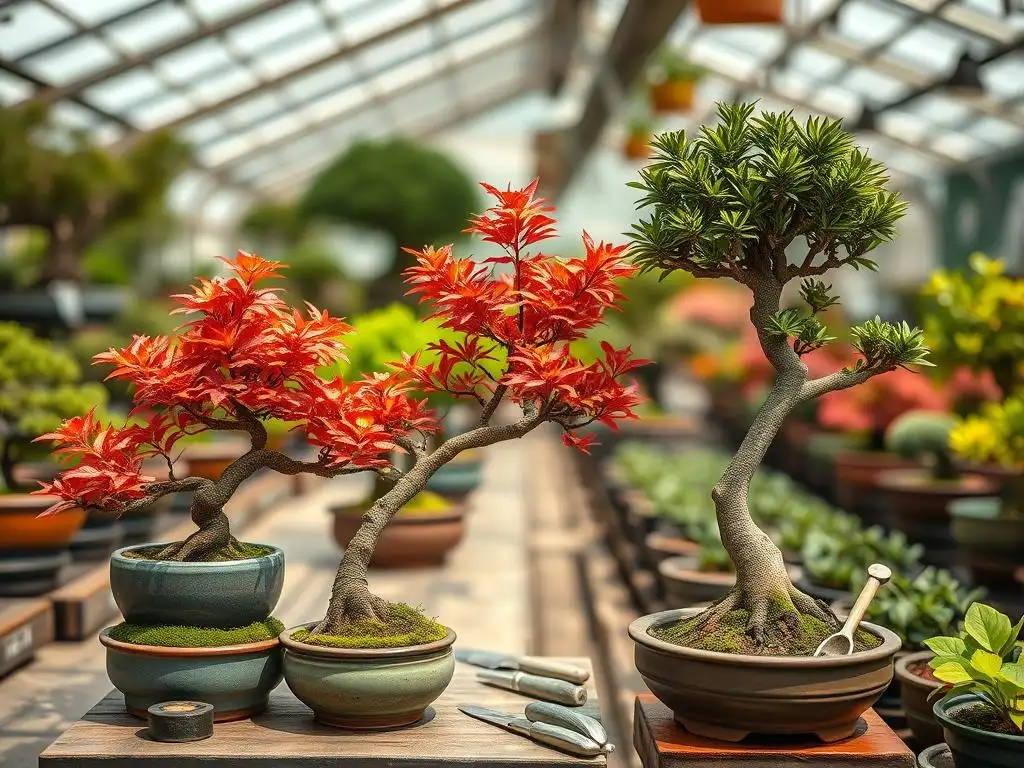
Cultivating disease-resistant bonsai varieties is only half the battle. Maintaining a healthy bonsai collection requires a proactive and ongoing commitment to preventative care. Ignoring subtle signs of illness can quickly lead to widespread problems, impacting the entire collection. This section focuses on long-term strategies that minimize disease risk and promote the overall vigor of your bonsai. Proactive measures are significantly more effective and less stressful than reactive treatments. Think of it as investing in the health insurance of your miniature trees!
Regular Inspection and Prevention: A Crucial Step
Regular and thorough inspections are paramount in preventing bonsai diseases. A weekly check-up, even for a small collection, allows for early detection of pests or diseases. Look closely at every branch, leaf, and the soil surface. Pay particular attention to the undersides of leaves, where pests often hide. Signs to watch for include:
- Leaf discoloration: Yellowing, browning, or spotting can indicate various issues.
- Wilting: Sudden or gradual wilting suggests root problems or water stress.
- Unusual growths: Galls, bumps, or unusual formations on branches or leaves are warning signs.
- Pest activity: Visible insects, webbing, or frass (insect droppings) require immediate attention.
Early detection is crucial. A small infestation or minor disease is much easier to manage than a widespread problem. Consider keeping a detailed record of your inspections, noting any observations and actions taken. This record will prove invaluable over time in understanding the health history of individual bonsai and identifying recurring issues. For example, you might note: "October 26th: Slight yellowing observed on lower leaves of Ficus retusa. Increased watering frequency."
Creating an Ideal Bonsai Growing Environment: Light, Air Circulation, and Humidity
The environment plays a critical role in bonsai health. Providing the right conditions significantly reduces the susceptibility of your trees to disease. Proper light, air circulation, and humidity are crucial factors to consider:
- Light: Ensure your bonsai receive adequate sunlight, but avoid direct, scorching midday sun, especially during the hottest months. Insufficient light weakens trees, making them more vulnerable to disease. The ideal amount of light depends on the specific species.
- Air Circulation: Good air circulation helps prevent fungal diseases and discourages pest infestations. Avoid overcrowding your bonsai, ensuring sufficient space between them for airflow. A gentle breeze is beneficial.
- Humidity: Maintain appropriate humidity levels for your bonsai species. Many bonsai thrive in moderately humid environments. However, excessively high humidity can promote fungal growth. Monitor humidity levels and adjust as needed.
Remember that the ideal environment varies depending on the species. Research the specific needs of your bonsai to ensure they are thriving in optimal conditions. Neglecting these environmental factors can weaken your bonsai, leaving them susceptible to diseases and pests, negating your efforts in choosing disease-resistant varieties.
The Benefits of Bonsai Repotting and Soil Renewal in Disease Prevention
Regular repotting and soil renewal are crucial for maintaining the health of your bonsai and minimizing the risk of disease. Old, compacted soil can become a breeding ground for pathogens and restrict root growth. Repotting provides several benefits:
- Fresh Soil: Provides essential nutrients and improves drainage, reducing the risk of root rot. Using a well-draining bonsai potting mix is key.
- Root Inspection: Allows you to inspect the roots for signs of disease or damage. You can prune away any diseased or damaged roots, promoting healthy growth.
- Improved Drainage: Reduces the risk of waterlogging, which is a common cause of root rot.
- Stimulates Growth: Repotting often stimulates new root growth, leading to a healthier and more vigorous tree.
The frequency of repotting depends on the species and the tree's growth rate. However, most bonsai benefit from repotting every 1-3 years. This regular maintenance is an essential part of preventing disease and ensuring the longevity of your bonsai collection. Careful attention to these details will significantly increase your chances of cultivating a thriving and healthy collection of disease-resistant bonsai.
Resources for Further Learning on Bonsai Care and Disease Prevention
This section provides valuable resources to deepen your understanding of bonsai health and disease prevention, empowering you to cultivate thriving, disease-resistant bonsai varieties. We encourage you to explore these options to enhance your bonsai cultivation journey. Remember, proactive care is key to preventing issues and ensuring the longevity of your miniature trees.
Recommended Books on Bonsai Health and Maintenance
Investing in high-quality books dedicated to bonsai health can significantly improve your ability to identify and address potential problems early. These resources often provide detailed information on disease identification, prevention strategies, and treatment methods, going beyond simple identification of disease-resistant bonsai varieties. Here are a few examples of valuable reading material:
- "The Complete Book of Bonsai": This comprehensive guide often includes a dedicated section on common bonsai diseases and their management, offering practical advice for both beginners and experienced enthusiasts. It often covers various aspects of bonsai care, including preventative measures for maintaining healthy trees.
- "Bonsai: A Practical Guide": This book frequently features detailed illustrations and photographs showcasing common bonsai diseases and their symptoms. This visual aid is invaluable for quick identification, allowing for timely intervention. Look for editions that focus on disease prevention and integrated pest management strategies.
- "Bonsai for Beginners": While geared towards beginners, many introductory bonsai books include essential chapters on basic plant health and the prevention of common diseases. These books often emphasize the importance of selecting disease-resistant bonsai varieties from the outset.
Online Communities and Forums for Bonsai Enthusiasts
The online world offers a wealth of knowledge and support for bonsai enthusiasts. Connecting with experienced growers can provide invaluable insights into disease prevention and management. These online spaces are dynamic, offering real-time advice and support. Remember to always verify information from multiple sources.
Engaging with online communities can help you:
- Identify diseases quickly: Sharing photos of your bonsai with experienced members allows for rapid diagnosis and recommendations.
- Learn preventative techniques: Discuss best practices for soil selection, watering, and fertilization to minimize disease risk.
- Access diverse perspectives: Learn from growers in different climates and with varying levels of experience, expanding your knowledge base significantly.
- Share your successes and challenges: Connect with fellow enthusiasts, building a supportive network and fostering a sense of community.
Local Bonsai Clubs and Workshops: Connecting with Experts
Hands-on learning is crucial for mastering bonsai cultivation. Joining a local bonsai club or attending workshops provides opportunities to interact with experienced practitioners and learn directly from their expertise. These interactions often lead to the discovery of readily available, disease-resistant bonsai varieties within your local area.
Benefits of joining a local club or attending workshops include:
- Personalized guidance: Receive direct feedback on your bonsai care practices from experienced individuals.
- Access to practical demonstrations: Observe techniques for disease prevention and treatment firsthand.
- Networking opportunities: Connect with other enthusiasts, creating a supportive community and fostering collaboration.
- Learning about local conditions: Gain insights into the specific diseases prevalent in your region and the best strategies for managing them. This local knowledge is invaluable in selecting suitable, disease-resistant bonsai varieties.
Participating in these activities can significantly enhance your bonsai cultivation skills and contribute to the overall health and longevity of your miniature trees. Remember that proactive care, informed choices (like selecting disease-resistant bonsai varieties), and a supportive community are essential for success in the fascinating world of bonsai.
Frequently Asked Questions
What are some disease-resistant bonsai varieties?
Several varieties exhibit strong resistance. Popular choices include Ficus species (like Ficus retusa), some Juniperus (Juniper) species, and certain Serissa (Snowrose) cultivars. These are known for their robust health and tolerance to common diseases.
How can I prevent diseases in my bonsai?
Proper sanitation is key. Sterilize your tools, avoid overwatering, ensure good air circulation, and use well-draining soil. Regularly inspect your tree for any signs of disease.
What are the signs of disease in a bonsai tree?
Look for unusual leaf discoloration, wilting, spots, or lesions on leaves and branches. Slow growth or unusual dieback can also indicate a problem. Early detection is crucial.
Are there specific fertilizers for disease resistance?
While no fertilizer guarantees disease resistance, using a balanced, organic fertilizer supports overall plant health, making it more resilient to diseases. Avoid over-fertilizing.
Where can I find more information on bonsai disease management?
Consult reputable sources like books on bonsai care and websites specializing in bonsai cultivation. CultivateYourFood also offers further articles and resources on sustainable and organic bonsai practices for maintaining plant health.
Final Reflection: The Resilient Art of Bonsai
The enduring beauty of bonsai lies not just in its miniature landscapes, but in the resilience of the plants themselves. Choosing disease-resistant varieties is crucial, not only for preserving the artistic integrity of these living sculptures, but also for ensuring their longevity and the enjoyment they bring to their owners. The increasing awareness of sustainable practices and the desire for low-maintenance gardening make this aspect of bonsai cultivation more important than ever.
The journey of cultivating a bonsai is a testament to patience, dedication, and a deep understanding of the plant's needs. It's a reflection of our own capacity for nurturing and growth. The selection of disease-resistant varieties is a crucial step in this journey, minimizing stress and maximizing the potential for a thriving bonsai. As the renowned bonsai master, John Naka, once said: Bonsai is not about making a small tree; it's about creating a living work of art that reflects the harmony between nature and human creativity.
Choosing resilient plants allows us to focus on this artistic expression rather than constant battles against disease.
Consider the lessons learned in this guide. You now possess the knowledge to select bonsai varieties that are less susceptible to common ailments, paving the way for a more fulfilling and rewarding bonsai experience. Embrace the challenge, select your resilient companion, and embark on this journey of artistic cultivation. The beauty and tranquility of a healthy, thriving bonsai await you.
Unleash Your Inner Bonsai Master: Cultivate a Thriving Collection
Thank you for exploring CultivateYourFood's guide to choosing disease-resistant bonsai! We hope you feel confident in selecting healthy plants. Ready to begin your bonsai journey?
- Start with a healthy purchase: Begin your search for a hardy bonsai variety at a reputable local nursery. Choosing a species known for its resilience is key to success.
- Share your passion for bonsai! Tell your friends and family about the joy of cultivating these miniature masterpieces – they might even be inspired to start their own collection!
- Master bonsai care: Explore our website for further resources on soil, watering, and overall maintenance.
What aspect of bonsai cultivation excites you most? Let's discuss in the comments!