
Beyond the Bin: Creative Ways to Repurpose Common Garden Waste

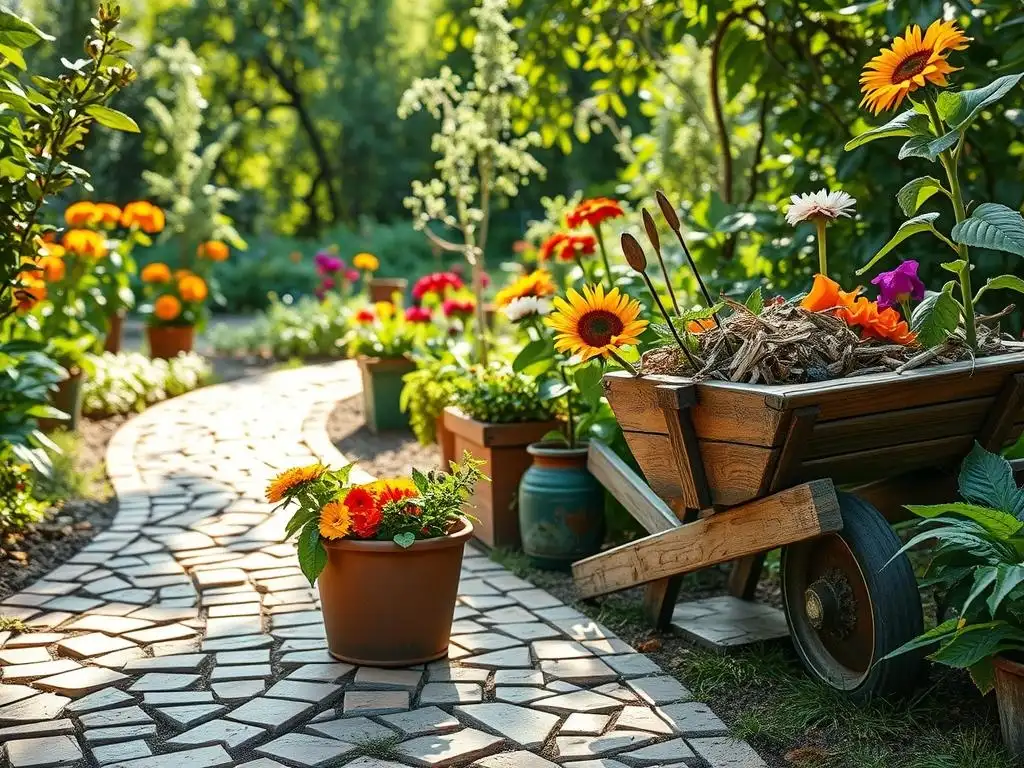
Welcome to CultivateYourFood, your guide to growing a thriving, sustainable garden! Tired of overflowing compost bins and wasted resources? Discover how you can transform your garden waste from unwanted debris into valuable assets with our insightful article on Repurposing garden waste creatively. Learn surprising and effective techniques to minimize waste and maximize your garden's potential. Let's explore the amazing possibilities together – your journey to a greener, more productive garden starts here!
- Repurpose Garden Waste Creatively: Introduction to Sustainable Practices
-
Turning Trimmings into Treasure: Creative Repurposing Ideas
- Repurposing Grass Clippings: Mulch, Compost, and Lawn Care
- Transforming Vegetable Scraps: Nutrient-Rich Compost Tea and Soil Enhancers
- Utilizing Fruit and Vegetable Peels: Natural Pest Deterrents and Soil Amendments
- Creative Uses for Fallen Leaves: Mulch, Compost, and Leaf Mold
- Repurposing Dead Flowers and Plants: Natural Dyes and Potpourri
- Advanced Techniques for Repurposing Garden Waste
- Beyond Composting: Innovative Uses for Garden Waste
- Frequently Asked Questions
- Final Reflection: Cultivating a Greener Future, One Compost Bin at a Time
- Unleash Your Inner Gardener: Turn Waste into Wonder!
Repurpose Garden Waste Creatively: Introduction to Sustainable Practices
Gardening, while incredibly rewarding, often generates a surprising amount of waste. From pruned branches and spent blossoms to wilted leaves and vegetable scraps, the detritus of a thriving garden can quickly pile up. However, instead of viewing this material as trash destined for the landfill, we can embrace a more sustainable approach by creatively repurposing our garden waste.
This article explores innovative and practical methods to transform common garden refuse into valuable resources, minimizing environmental impact and maximizing the yield of your home garden. We'll delve into the environmental benefits of reducing garden waste and explore various creative repurposing techniques that will not only enrich your soil but also add a touch of ingenuity to your gardening practices. This guide focuses on simple, effective, and environmentally conscious solutions to help you cultivate a more sustainable and productive garden, reducing your carbon footprint and fostering a healthier ecosystem.
Let's explore how you can transform your garden's waste into a treasure trove of gardening resources! 🎉
Minimizing Waste in Your Home Garden: The Environmental Impact
The environmental impact of garden waste disposal is often overlooked, yet it contributes significantly to landfill burden and greenhouse gas emissions. Landfills are significant sources of methane, a potent greenhouse gas with far greater global warming potential than carbon dioxide. By composting or repurposing garden waste, we can dramatically reduce our reliance on landfills.
Furthermore, many garden waste materials are rich in organic matter, essential for healthy soil. Discarding these valuable nutrients deprives the soil of vital components, leading to reduced fertility and potentially requiring the use of synthetic fertilizers, which have their own negative environmental consequences. Consider these statistics: [Specific information pending on the percentage of landfill space occupied by garden waste and the methane emissions associated with it].
The simple act of diverting garden waste from landfills represents a significant contribution to environmental sustainability. This includes not only the reduction of greenhouse gas emissions but also the conservation of valuable natural resources. By choosing to repurpose instead of discarding, you are actively participating in a more sustainable future for our planet 🌎.
Understanding the Benefits of Repurposing Garden Waste
Repurposing garden waste offers a multitude of benefits extending beyond environmental protection. Firstly, it provides a cost-effective way to enrich your soil. Composting, for instance, transforms organic matter into nutrient-rich humus, providing a natural and sustainable fertilizer for your plants. This reduces or eliminates the need for expensive commercial fertilizers, saving you money and contributing to a healthier ecosystem.
Secondly, repurposing can improve soil structure and water retention. Adding composted material improves soil aeration, allowing for better root growth and water penetration. This reduces the need for frequent watering, conserving water resources. Thirdly, repurposing methods like creating mulch or using pruned branches for plant supports adds a natural aesthetic to your garden.
Finally, the process itself is incredibly rewarding, fostering a deeper connection with nature and a sense of accomplishment from transforming waste into something valuable. The benefits are multifaceted, encompassing environmental, economic, and aesthetic improvements to your gardening practices. It’s a win-win-win situation! 👍
Turning Trimmings into Treasure: Creative Repurposing Ideas
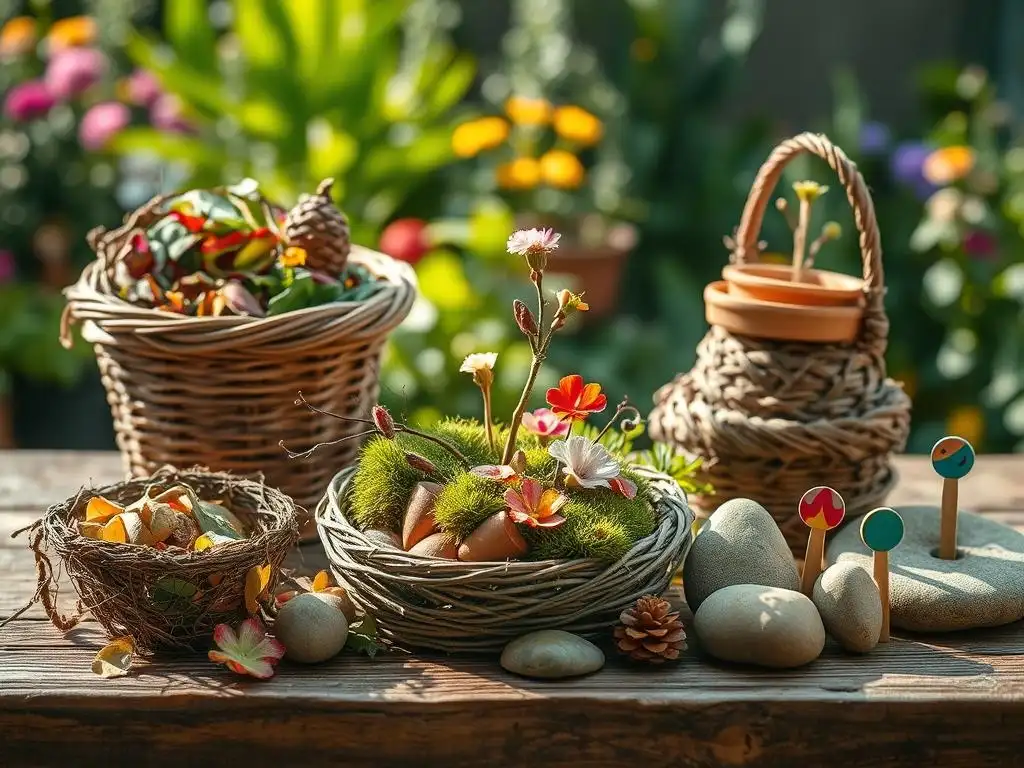
This section explores innovative ways to repurpose common garden waste, transforming what might otherwise end up in the bin into valuable resources for your garden. We'll focus on practical, sustainable methods to minimize waste and maximize the potential of your garden byproducts. Effectively repurposing garden waste creatively not only reduces landfill burden but also enriches your soil and protects your plants. Let's dive into some specific examples.
Repurposing Grass Clippings: Mulch, Compost, and Lawn Care
Grass clippings are often seen as a nuisance, but they're a fantastic resource. Instead of discarding them, consider these options:
- Mulching: Finely chopped grass clippings make excellent mulch. Applying a thin layer around plants helps retain moisture, suppress weeds, and regulate soil temperature. Avoid thick layers, which can lead to matting and anaerobic conditions. A layer of about 1-2 inches is ideal for most plants. This is a simple and effective way to repurpose garden waste creatively.
- Composting: Grass clippings are a key ingredient in a successful compost pile. Their high nitrogen content balances the carbon-rich materials like leaves and twigs. Aim for a carbon-to-nitrogen ratio of around 30:1 for optimal decomposition. Regularly turning the compost pile ensures proper aeration and speeds up the process.
- Lawn Care: For a healthy lawn, consider leaving grass clippings on the lawn after mowing ("grasscycling"). This returns nutrients to the soil, reducing the need for fertilizers and promoting a lusher, greener lawn. This method is particularly beneficial for organically managed lawns. This is a great example of how to creatively repurpose garden waste. Remember to avoid grasscycling if your clippings are excessively long or wet, as this could lead to thatching.
Transforming Vegetable Scraps: Nutrient-Rich Compost Tea and Soil Enhancers
Vegetable scraps, often discarded, are packed with nutrients that benefit your garden. Instead of sending them to the trash, consider these options:
- Compost Tea: Vegetable scraps can be used to create compost tea, a liquid fertilizer rich in beneficial microbes. Simply steep your scraps (avoiding diseased or pest-infested materials) in water for a few days, then dilute the resulting tea before applying it to your plants. This provides a natural boost to your plants' health and reduces the need for chemical fertilizers. This is a sustainable method to creatively repurpose garden waste.
- Soil Enhancers: Finely chopped or blended vegetable scraps can be directly incorporated into the soil as a natural soil amendment. This adds organic matter, improving soil structure, drainage, and water retention. This method is particularly beneficial for heavy clay soils. The nutrients released as the scraps decompose provide a slow-release fertilizer, nourishing your plants over time. Remember to avoid adding large, chunky pieces that may take too long to decompose.
Utilizing Fruit and Vegetable Peels: Natural Pest Deterrents and Soil Amendments
Fruit and vegetable peels, often overlooked, offer surprising benefits for your garden.
- Natural Pest Deterrents: Certain peels, like citrus peels, act as natural pest deterrents. Scattering them around plants can help repel some insects. For example, citrus peels can deter aphids and other common garden pests. The strong scent disrupts the insects' ability to locate the plants. However, remember that this is not a foolproof method and should be used in conjunction with other pest control strategies.
- Soil Amendments: Fruit and vegetable peels, like other organic matter, improve soil health when added to your compost pile or directly tilled into the soil. They add nutrients and improve soil structure, benefiting your plants' growth. Peels rich in potassium, such as banana peels, are particularly beneficial. Remember to chop the peels into smaller pieces for faster decomposition. This is a simple and effective method to repurpose garden waste creatively. This strategy contributes to a more sustainable and productive gardening practice.
This exploration of creative repurposing shows how seemingly insignificant garden waste can become valuable resources, contributing to a more sustainable and fruitful gardening experience. By implementing these techniques, you can significantly reduce waste and foster a healthier, more vibrant garden.
Creative Uses for Fallen Leaves: Mulch, Compost, and Leaf Mold
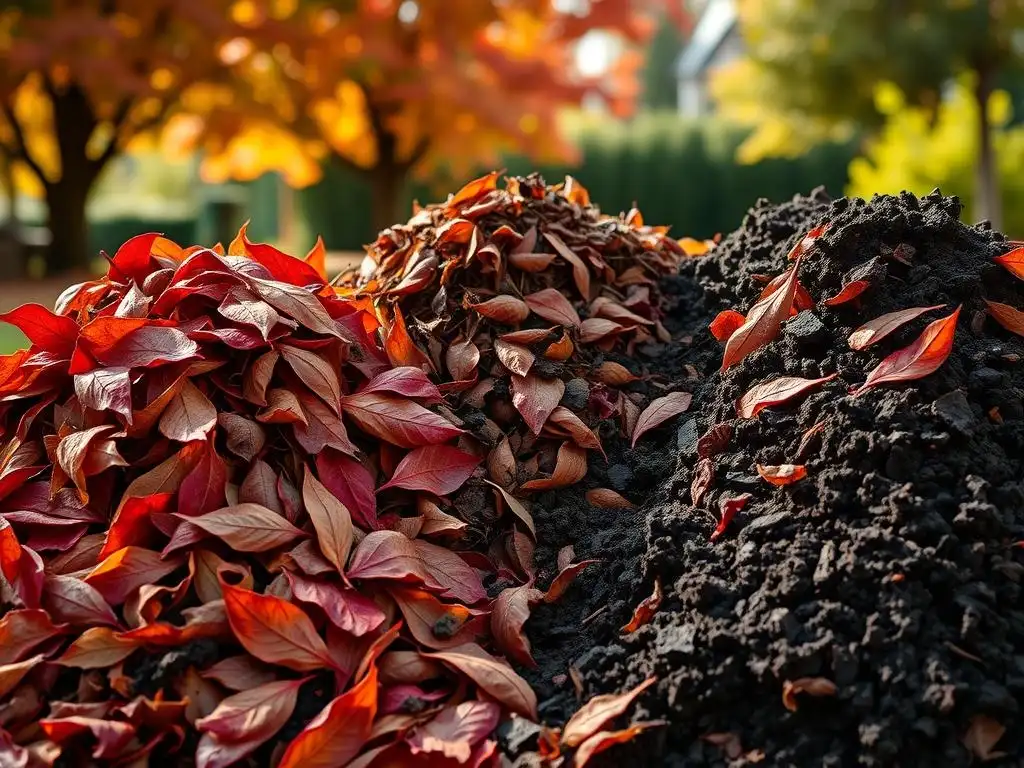
Fallen leaves, often seen as garden waste, are a gardener's goldmine! Instead of bagging them up and sending them to the landfill, consider these resourceful uses that benefit your garden and environment. Firstly, leaves make excellent mulch. A thick layer of shredded leaves placed around plants helps retain soil moisture, suppressing weeds, and regulating soil temperature.
This is particularly beneficial during winter, protecting plant roots from freezing temperatures and providing insulation. The decomposition process also gradually enriches the soil with nutrients. For best results, shred the leaves using a lawnmower or leaf shredder to increase their surface area and accelerate decomposition. Don't use leaves from diseased plants as mulch, though, to avoid spreading pathogens.
Secondly, leaves are a crucial component of compost. They provide the "brown" material necessary for a balanced compost pile, offering carbon to complement the "green" nitrogen-rich materials like grass clippings. Mixing leaves with other garden waste creates a nutrient-rich soil amendment that improves soil structure, drainage, and fertility. Ensure a proper carbon-to-nitrogen ratio (around 30:1) for optimal decomposition. Regularly turning the compost pile aids aeration and speeds up the process. The resulting compost can be used to enrich your garden beds, providing a sustainable and cost-effective way to improve soil health.
Finally, leaves can be used to create leaf mold, a rich, dark humus that's exceptionally beneficial for improving soil structure and water retention. To make leaf mold, simply pile leaves in a shady corner of your garden, covering them with a tarp or netting to keep them moist and prevent them from blowing away. Allow the leaves to decompose naturally over a year or two, occasionally turning the pile to ensure proper aeration.
The finished product resembles dark, crumbly soil and is perfect for amending potting mixes or adding to garden beds. This process provides a slow-release fertilizer that's gentle on plants and improves soil health over time. It's a fantastic way to utilize those plentiful autumn leaves for long-term soil improvement.
Repurposing Dead Flowers and Plants: Natural Dyes and Potpourri
Don't let the beauty of your spent flowers fade away unnoticed! Many flowers and plants can be repurposed to create beautiful and useful items. One fascinating application is natural dyeing. Certain flowers and plants contain pigments that can be used to dye fabrics, yarn, or even paper. For instance, marigolds produce a vibrant yellow dye, while red cabbage leaves create stunning blues and purples.
The process involves simmering the plant material in water to extract the dye, then soaking the fabric in the resulting solution. Experimentation is key, as the intensity of the color varies depending on the plant, the amount of plant material used, and the length of the dyeing process. This offers a sustainable alternative to commercially produced dyes and a fun creative outlet. 💐
Another creative use for dried flowers and plants is potpourri. Potpourri is a fragrant mixture of dried flowers, leaves, and herbs, often used to scent rooms naturally. Select fragrant flowers and herbs that are still relatively fresh, and carefully dry them by hanging them upside down in a cool, dark, and well-ventilated area. Once dry, combine them with fixatives such as orris root powder (to help retain the fragrance) and essential oils (for added scent).
Store the potpourri in an airtight container until ready to use. You can use decorative bowls or containers to display your handmade potpourri, adding a touch of natural beauty and fragrance to your home. This eco-friendly alternative to artificial air fresheners offers a delightful sensory experience and creatively repurposes otherwise wasted plant material. Consider adding cinnamon sticks, cloves, or dried citrus peels for added fragrance and visual interest.
Advanced Techniques for Repurposing Garden Waste
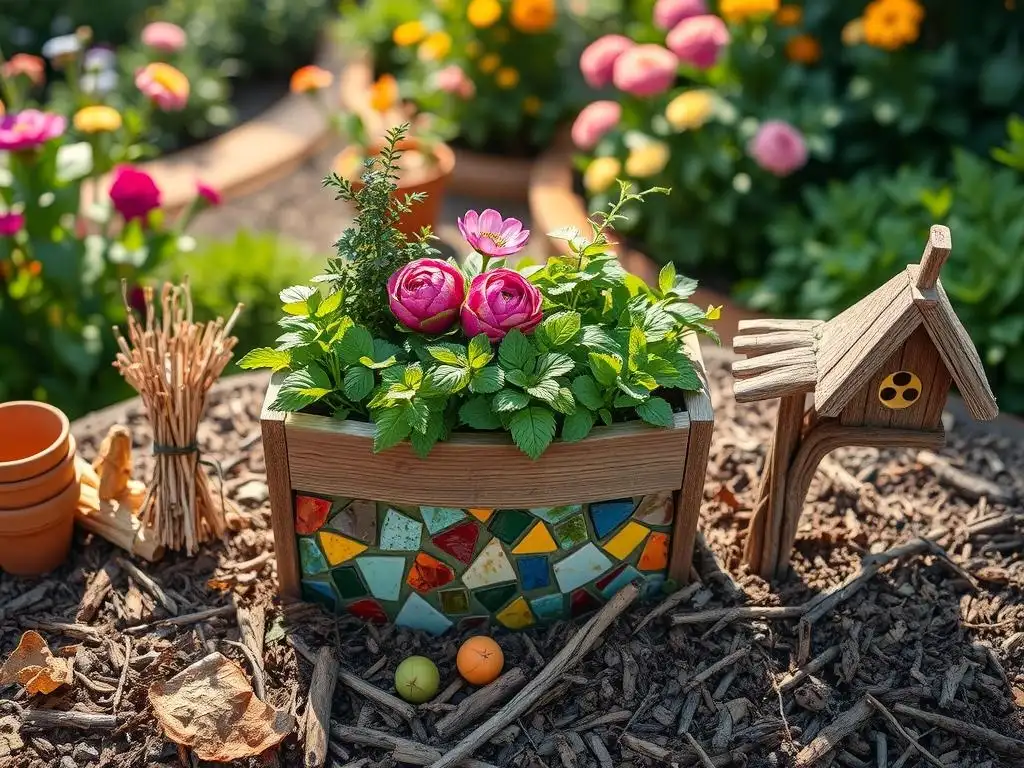
This section explores sophisticated methods to transform your garden waste into valuable resources, going beyond basic composting. We'll delve into techniques that maximize efficiency and yield, helping you cultivate a truly sustainable garden. Mastering these methods will allow you to creatively repurpose garden waste and minimize your environmental footprint. Remember, even seemingly insignificant scraps can be transformed into assets for your garden's health and productivity.
Creating a Worm Composting System for Efficient Waste Reduction
Worm composting, or vermicomposting, offers a highly efficient and effective way to repurpose kitchen and garden waste. Unlike traditional composting, vermicomposting uses worms – specifically red wiggler worms ( Eisenia fetida) – to break down organic matter. These worms are incredibly efficient decomposers, producing nutrient-rich castings that are excellent fertilizer. This method is particularly suitable for smaller spaces, as it requires less volume than traditional composting.
Creating a worm composting system is surprisingly simple. You'll need a container (a plastic bin works well), bedding material (shredded newspaper or coconut coir), and of course, red wiggler worms. Layer the bedding, add your food scraps (avoid meat, dairy, and oily foods), and introduce the worms. Keep the bedding moist but not soggy. Regularly turn the bedding to aerate it and ensure even decomposition.
The benefits are numerous: you significantly reduce your waste output, producing a high-quality fertilizer rich in nutrients that promotes vigorous plant growth. It's a cleaner, less odorous process than traditional composting, making it ideal for urban gardeners. The resulting worm castings are a fantastic soil amendment, improving soil structure, aeration, and water retention. This approach truly exemplifies creatively repurposing garden waste for optimal garden health.
Building a Compost Bin: A Step-by-Step Guide to Effective Composting
Building your own compost bin offers complete control over the composting process, allowing you to customize it to your specific needs and garden waste volume. You can create a simple three-bin system for efficient composting, managing different stages of decomposition simultaneously. This method is ideal for larger gardens generating substantial amounts of organic matter. Repurposing your garden waste effectively requires understanding the composting process.
Here's a step-by-step guide:
- Materials: You'll need untreated wood (e.g., cedar or redwood), screws, a drill, and a saw. Consider dimensions appropriate for your garden waste production.
- Construction: Construct three separate compartments, each roughly the same size. Ensure each bin has a bottom and a removable front panel for easy access.
- Operation: The first bin is for fresh green waste (grass clippings, vegetable scraps). As it fills, transfer the contents to the second bin, allowing it to decompose. Once the second bin is full, move it to the third bin for curing. The third bin contains mature compost ready for use. This system allows you to maintain a continuous composting cycle.
- Maintenance: Regularly turn the compost in each bin to aerate it and maintain moisture levels. Avoid adding too much nitrogen-rich material (green waste) at once, as this can lead to unpleasant odors.
A well-managed compost bin is key to effectively repurposing garden waste, transforming it into a valuable soil amendment. By building your own, you gain control over the process, contributing to a sustainable and productive garden. Remember to maintain a balance between "green" and "brown" materials for optimal decomposition.
Utilizing Homemade Compost: Enhancing Soil Fertility and Plant Growth
Homemade compost, whether from a worm composting system or a traditional compost bin, is far superior to commercial fertilizers. It's a natural, nutrient-rich soil amendment that improves soil structure, water retention, and overall plant health. This is the culmination of creatively repurposing garden waste – enriching your soil and promoting thriving plants.
Using your homemade compost is straightforward. Simply incorporate it into your garden beds before planting or as a top dressing around established plants. The nutrient content varies depending on the source materials, but generally, compost provides essential macro and micronutrients, improving soil fertility and stimulating plant growth.
Here's how to effectively utilize your compost:
- Topdressing: Spread a layer of compost around plants, avoiding direct contact with stems. This helps retain moisture and provides nutrients.
- Incorporating into soil: Mix compost into the soil before planting, improving soil structure and aeration. The ratio depends on the soil's existing condition. For heavy clay soils, a higher proportion of compost is beneficial.
- Seed starting: Mix compost into your seed starting mix to provide young seedlings with essential nutrients.
Using your homemade compost enhances the overall health and productivity of your garden, making it a truly sustainable and rewarding endeavor. It's a testament to the benefits of creatively repurposing garden waste and a cornerstone of sustainable gardening practices. By understanding the benefits and applying these methods, you'll witness a significant improvement in your garden's fertility and the overall health of your plants. 🌱
Beyond Composting: Innovative Uses for Garden Waste
Composting is a fantastic way to repurpose garden waste, but it's not the only option! Many garden byproducts offer surprising utility beyond enriching your soil. Let's explore creative and sustainable ways to minimize waste and maximize the resources from your garden. Repurposing garden waste creatively not only reduces landfill contributions but also provides valuable materials for your home and garden. This section focuses on transforming what you might consider trash into treasure.
DIY Natural Pest Control Sprays from Garden Waste
Many common garden weeds and plants possess natural insecticidal properties. Instead of discarding them, harness their power to create effective, eco-friendly pest control sprays. This approach reduces reliance on harmful chemical pesticides, protecting beneficial insects and the environment. Here are a few examples:
- Garlic Spray: Garlic is a powerful natural repellent for many pests. Blend several cloves of garlic with water, let it steep for a few hours, strain, and spray directly onto affected plants. This is particularly effective against aphids and spider mites. For enhanced effectiveness, add a teaspoon of liquid dish soap as a surfactant.
- Peppermint Spray: Peppermint oil is another potent deterrent. Combine a few drops of peppermint essential oil with water in a spray bottle. This spray is effective against ants, fleas, and other crawling insects. Remember to test a small area of your plants first to ensure there's no negative reaction.
- Neem Oil: While technically not derived directly from garden waste, neem oil is a natural byproduct and a highly effective broad-spectrum insecticide. It's readily available and can be used as a base for many DIY sprays or added to existing mixtures for increased potency.
The effectiveness of these sprays can vary depending on the pest and the plant. Regular application, typically every few days, is often necessary for optimal results. Remember to always label your sprays clearly and store them appropriately. The key is to experiment and find what works best in your garden.
Consider keeping a detailed journal of your pest control efforts, noting the types of pests, the sprays used, and their effectiveness. This will help you refine your approach over time and contribute valuable data to your understanding of natural pest control. This method of repurposing garden waste offers a sustainable and effective alternative to harmful chemical pesticides, allowing you to cultivate a healthy and thriving garden.
Creating Natural Fertilizers from Repurposed Garden Materials
Instead of discarding plant matter, transform it into nutrient-rich fertilizer to nourish your garden organically. This helps reduce waste and improves soil health. Several methods allow you to achieve this:
- Compost Tea: This liquid fertilizer is created by steeping compost in water. It's rich in beneficial microbes and nutrients that promote healthy plant growth. Simply soak your compost in water for a few days, strain, and dilute before applying to your plants. The ratio of compost to water can be adjusted depending on the desired concentration.
- Grass Clippings: Instead of sending grass clippings to the landfill, use them as a mulch or incorporate them into your compost pile. They are a rich source of nitrogen, a crucial nutrient for plant growth. Ensure that the grass clippings are free from any herbicides or pesticides before using them.
- Vegetable Scraps: Kitchen scraps, such as carrot tops, potato peels, and fruit rinds, can be added to your compost pile or used to create a liquid fertilizer. These provide various micronutrients that support plant health. Avoid adding meats or dairy products, which can attract pests.
Remember to always monitor your plants for any signs of nutrient deficiency or excess. Regular soil testing can help you determine the appropriate amount of fertilizer needed. By carefully managing and repurposing garden waste, you create a closed-loop system, minimizing waste and maximizing the resources available in your garden. This environmentally friendly approach will help you cultivate healthy and vibrant plants while minimizing your environmental impact. The process of creating natural fertilizers from repurposed garden materials is a rewarding way to reduce waste and improve the health of your garden.
Frequently Asked Questions
What can I do with my grass clippings besides composting?
Grass clippings make excellent mulch! Spread a thin layer around plants to retain moisture and suppress weeds. You can also add them to your compost pile, of course.
How can I use old fruit and vegetable scraps creatively?
Fruit and vegetable scraps are fantastic for making homemade fertilizer teas or adding directly to your compost. Dried peels can also be used in potpourris or added to bath salts for a natural scent.
Are there any uses for spent coffee grounds in my garden?
Yes! Spent coffee grounds are a great addition to your compost, and they also improve soil drainage and aeration. You can also use them as a natural pest deterrent for some insects.
Can I reuse wilted flowers and leaves in my garden?
Absolutely! Wilted flowers and leaves can be added to your compost pile to enrich your soil. You can also use them to create natural dyes for fabrics, depending on the plant type.
What's the best way to repurpose weeds from my garden?
Don't throw them away! Before they go to seed, weeds can be added to your compost. Some weeds, if properly dried, can also be used as natural mulch or even in crafts.
Final Reflection: Cultivating a Greener Future, One Compost Bin at a Time
The creative repurposing of garden waste isn't just a trendy hobby; it's a crucial step towards a more sustainable future. Our planet's resources are finite, and the sheer volume of organic waste ending up in landfills is alarming. By embracing innovative methods of repurposing, we can significantly reduce our environmental footprint and foster a deeper connection with the natural world.
The shift towards conscious consumption and mindful waste management is profoundly impacting our cultural landscape. We're seeing a resurgence of interest in traditional practices like composting and vermiculture, alongside the emergence of exciting new techniques for utilizing garden waste. This growing awareness reflects a broader societal shift towards environmental responsibility. The best way to predict the future is to create it.
- Abraham Lincoln. This quote resonates deeply, as our collective actions in repurposing garden waste directly contribute to a more sustainable future we can actively shape.
Now, consider your own garden, your own backyard. What seemingly insignificant scraps could be transformed into something beautiful, useful, or even nourishing? I invite you to explore the possibilities, to experiment with the techniques discussed in this article, and to share your own creative solutions. Let's cultivate a greener future, one compost bin, one repurposed plant pot, one worm-composting system at a time. The journey towards a more sustainable lifestyle begins with small, conscious choices—and the rewards are far greater than you might imagine.
Unleash Your Inner Gardener: Turn Waste into Wonder!
Thank you for exploring creative ways to repurpose your garden waste! You've learned valuable techniques to reduce waste and enrich your soil. Now, it's time to put your knowledge into practice.
Here's how to get started:
- Begin composting immediately: Start a compost bin today—even a simple one will make a difference! It's the most impactful way to minimize waste and create nutrient-rich soil.
- Share your composting success: Inspire friends and family to join you in transforming their garden waste.
- Explore advanced composting methods: Consider vermicomposting (worm composting) or bokashi composting for even more efficient waste reduction.
What innovative ways will you repurpose your garden waste this week?