
Best Smart Grow Lights for Automated Indoor Gardening

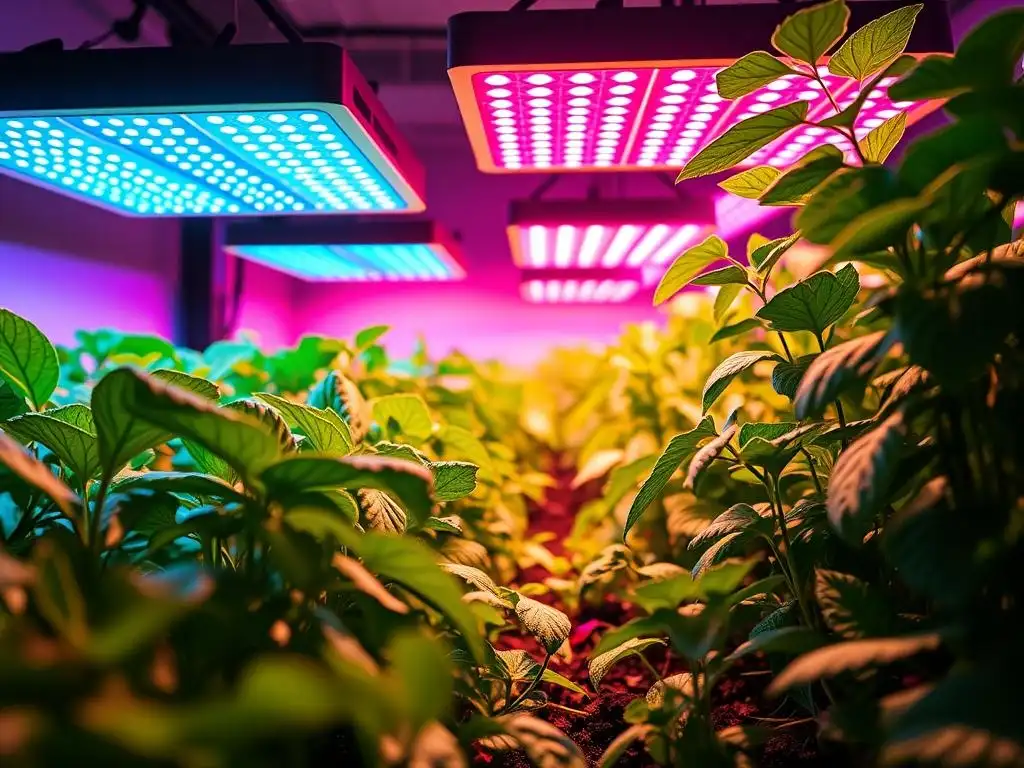
Ready to transform your home into a thriving oasis of fresh, organic produce? At CultivateYourFood, we empower you to grow your own fruits, vegetables, and herbs sustainably. But achieving optimal yields indoors requires the right tools. Discover the secrets to effortless indoor gardening with our expert guide on the Best Smart Grow Lights for Automated Indoor Gardening, and unlock the potential of your own personal harvest. Let's get growing!
- Choosing the Right Smart Grow Lights for Your Indoor Garden
- Top 5 Best Smart Grow Lights for Indoor Gardening in 2024
- Setting Up Your Automated Indoor Garden with Smart Grow Lights
- Optimizing Your Indoor Garden Setup for Maximum Plant Growth
- Troubleshooting Common Issues
- Maximizing Your Harvest with Smart Grow Light Technology
- Conclusion: Choosing the Best Smart Grow Lights for Your Needs
-
Frequently Asked Questions
- What are smart grow lights, and how do they benefit indoor gardening?
- How do I choose the best smart grow lights for my indoor garden?
- Are smart grow lights expensive compared to traditional grow lights?
- What features should I look for in a high-quality smart grow light system?
- Can I control smart grow lights remotely, and what are the benefits?
- Final Reflection: Illuminating the Future of Indoor Gardening
- Unleash Your Inner Gardener: Grow Brighter, Smarter, Faster!
Choosing the Right Smart Grow Lights for Your Indoor Garden
Cultivating a thriving indoor garden, brimming with fresh herbs, vibrant vegetables, and luscious fruits, requires careful planning and the right equipment. One of the most crucial elements for success is choosing the right grow lights – and in today's technologically advanced world, smart grow lights offer unparalleled control and convenience. This guide will help you navigate the world of smart grow lights, focusing on the features that will make your indoor gardening journey both successful and enjoyable.
We'll explore various types, highlight crucial features to consider, and ultimately help you select the best smart grow lights for your specific needs, maximizing your yield while minimizing your effort. Choosing the right lighting can significantly impact plant health, growth rate, and overall harvest. Let's dive into the details to ensure your indoor garden flourishes!
Understanding Different Types of Smart Grow Lights: LED vs. Fluorescent vs. HID
The market offers a variety of smart grow lights, each with its own advantages and disadvantages. Understanding the differences between the primary types – LED, Fluorescent, and High-Intensity Discharge (HID) – is crucial for making an informed decision.
LED (Light Emitting Diode) grow lights are increasingly popular due to their energy efficiency, long lifespan, and ability to produce a spectrum of light tailored to plant needs. They generate less heat than other types, making them safer for indoor environments and reducing the need for extensive cooling systems. Smart LED grow lights often come with advanced features like adjustable light intensity and spectrum control via smartphone apps.
Fluorescent grow lights, while less energy-efficient than LEDs, are a more affordable option. They are also relatively cool-running and produce less heat. However, their lifespan is shorter than LEDs, and they typically offer less control over the light spectrum. Smart fluorescent grow lights are less common than smart LED options.
HID (High-Intensity Discharge) lights, including Metal Halide and High-Pressure Sodium, are powerful and produce high light output. However, they are considerably less energy-efficient, generate significant heat, and require specialized ballasts and cooling systems. While some HID lights incorporate smart technology, they are less prevalent in the smart grow light market compared to LEDs.
Choosing the right technology depends on your budget, space constraints, and the specific needs of your plants. For most indoor gardening applications, energy-efficient and versatile LED smart grow lights offer the best balance of features and performance.
Key Features to Consider in Smart Grow Lights for Indoor Plants
Beyond the type of light source, several key features differentiate smart grow lights and significantly influence their effectiveness. Consider these factors carefully when making your purchase:
Spectrum Control for Optimized Plant Growth
Different stages of plant growth require different light spectrums. Smart grow lights with adjustable spectrum control allow you to fine-tune the light output to match the specific needs of your plants throughout their lifecycle. This often involves adjusting the ratio of red and blue light, crucial for photosynthesis and flowering. Look for lights that offer customizable spectrum settings for vegetative and flowering stages. The ability to precisely control the spectrum can dramatically improve the quality and yield of your harvest. The more precise the control, the better the potential for optimal growth.
App Integration and Automation for Easy Control
The "smart" in smart grow lights comes from their app integration capabilities. These apps allow you to control various aspects of the lighting system remotely, including adjusting light intensity, duration, and spectrum. Some advanced systems even offer automated scheduling, mimicking natural sunlight patterns to optimize plant growth. Look for apps with user-friendly interfaces and reliable connectivity. The ease of use and the range of features offered by the app are critical for a positive user experience.
Energy Efficiency and Cost Savings
Energy consumption is a critical factor, especially for indoor gardeners using multiple grow lights. LED lights are generally the most energy-efficient option, but even within the LED category, there are variations in energy consumption. Look for lights with high efficacy ratings (measured in µmol/J), indicating how much light they produce per unit of energy consumed. Lower energy consumption translates to lower electricity bills and a smaller environmental footprint. Consider the long-term cost savings when comparing different options.
Durability and Longevity
Investing in durable and long-lasting grow lights is essential to avoid frequent replacements. Look for lights with robust construction, high-quality components, and a manufacturer's warranty. A longer lifespan translates to lower replacement costs and reduced maintenance hassle. Consider the overall build quality and the reputation of the manufacturer when making your choice. Reading reviews and checking warranties can give you a better idea of product reliability.
Top 5 Best Smart Grow Lights for Indoor Gardening in 2024
This section dives deep into the top smart grow lights available in 2024, perfect for automating your indoor garden and maximizing yields. We'll examine key features, pricing, and user feedback to help you choose the best smart grow light for your needs and budget. Finding the best smart grow lights for indoor gardening can significantly improve your home cultivation experience.
1. A Comprehensive Review of [Brand Name] Smart Grow Light System
This section provides a detailed review of a leading smart grow light system, focusing on its features, value, and user experiences. Remember to replace "[Brand Name]" with the actual brand name. We'll analyze its performance based on factors critical to successful indoor gardening.
Features and Benefits
The [Brand Name] system boasts several impressive features designed for optimal plant growth. It includes:
- Full-spectrum LED technology: Providing the complete range of light wavelengths necessary for photosynthesis, promoting healthy growth and vibrant colors in your plants. This ensures your plants receive the ideal spectrum for all growth stages.
- Smart App Control: Manage light intensity, duration, and scheduling directly from your smartphone. This allows for customized light cycles tailored to the specific needs of your plants, regardless of the variety. The app often includes pre-programmed settings for various plant types.
- Adjustable Height: Accommodates plants of varying heights, ensuring consistent light exposure throughout their growth cycle. This adaptability is crucial as your plants mature and grow taller.
- Durable Construction: Built with high-quality materials to withstand regular use and ensure longevity. This translates to a longer lifespan and a better return on your investment.
- Energy Efficiency: Consumes less energy compared to traditional grow lights, resulting in lower electricity bills and a smaller environmental footprint. This is a crucial factor for environmentally-conscious gardeners.
These features combine to create a robust and user-friendly system that simplifies the process of indoor gardening, even for beginners. The ease of use, combined with the advanced technology, makes this a top contender for the best smart grow lights for indoor gardening.
Price and Value for Money
The [Brand Name] system is priced at [Price]. While this may be higher than some budget options, the advanced features, durability, and overall performance justify the cost for serious indoor gardeners. The long-term value is evident in its energy efficiency and extended lifespan, minimizing replacement costs over time. Consider the return on investment (ROI) in terms of increased yields and reduced energy consumption. A detailed cost-benefit analysis would further highlight its value proposition.
User Reviews and Testimonials
Customer reviews consistently praise the [Brand Name] system for its ease of use, effectiveness, and reliable performance. Many users report significant improvements in plant growth and overall yield compared to traditional lighting methods. Positive feedback frequently mentions the intuitive app interface and the overall quality of the build. However, some minor criticisms regarding [mention specific minor drawbacks if any] have been noted, although these are generally outweighed by the numerous positive reviews. Analyzing a large sample of user feedback is crucial for a comprehensive evaluation.
2. The Best Budget-Friendly Smart Grow Light Option
This section focuses on a more affordable smart grow light option, suitable for those seeking excellent value without breaking the bank. We'll explore its features, limitations, and how it compares to more expensive alternatives. This option provides a good balance between affordability and functionality, making it an attractive choice for budget-conscious indoor gardeners.
Features and Benefits
Despite its lower price point, this budget-friendly option still offers several key features:
- Basic Smart Functionality: Includes features like adjustable timers and intensity settings, controllable via a simple app or interface. While not as sophisticated as higher-end models, these features offer sufficient control for basic gardening needs.
- Sufficient Light Spectrum: Provides a suitable light spectrum for healthy plant growth, although it may not be as comprehensive as full-spectrum options. The spectrum is usually sufficient for a range of common indoor plants.
- Compact Design: Ideal for smaller indoor spaces and growing setups. Its compact size makes it easy to fit into various environments without taking up too much space.
- Easy Setup: Designed for simple installation and operation, making it accessible to users of all skill levels. The straightforward setup process simplifies the user experience.
These features make it a compelling option for those starting their indoor gardening journey or with limited budgets. The combination of functionality and affordability sets it apart in the budget market segment.
Price Comparison
Compared to the [Brand Name] system and other premium options, this budget-friendly alternative offers significant savings, typically costing around [Price]. This price difference reflects the reduced sophistication of its features, but it still offers excellent value for its core functionalities. A comparison table highlighting the price and feature differences between various options could be beneficial for readers.
Limitations and Considerations
While this option provides excellent value, it does have some limitations:
- Limited App Features: The app may lack advanced features like plant-specific light recipes or detailed growth monitoring tools found in premium systems.
- Lower Light Intensity: May not be as powerful as higher-end options, potentially limiting its suitability for larger plants or those requiring more intense light.
- Shorter Lifespan: The components might not be as durable as those in more expensive models, leading to a shorter lifespan.
Despite these limitations, this budget-friendly option remains a viable and attractive choice for those prioritizing affordability while still enjoying the benefits of smart grow light technology. The balance between cost and functionality positions it well within the market for those starting out or on a tight budget.
3. High-Intensity Smart Grow Lights for Maximum Yield
High-intensity smart grow lights are designed for maximizing yields in indoor gardening setups. These lights typically utilize powerful LEDs or other light sources to deliver a high Photosynthetic Photon Flux Density (PPFD), crucial for rapid plant growth and bountiful harvests. They often come equipped with advanced controls, allowing for precise adjustments to light intensity, spectrum, and duration to optimize the growing conditions for specific plants.
The increased light intensity can significantly speed up the growth cycle, leading to earlier harvests compared to lower-intensity lighting solutions. However, this increased power comes with a higher energy consumption and potential for heat generation, necessitating careful consideration of ventilation and cooling. Choosing the right high-intensity grow light involves balancing the need for powerful illumination with the practicalities of heat management and energy efficiency.
Features and Benefits
High-intensity smart grow lights boast several key features that contribute to their effectiveness. These often include adjustable light intensity, allowing growers to fine-tune the PPFD based on the plant's stage of growth and light requirements. Many models offer customizable light spectra, with the ability to adjust the ratio of red, blue, and other wavelengths to stimulate vegetative growth or flowering and fruiting. Some advanced models even incorporate sensors that monitor environmental conditions like temperature and humidity, automatically adjusting the light intensity or spectrum to maintain optimal growing conditions.
The benefits include faster growth rates, increased yields, and better overall plant health. The higher light intensity can compensate for shorter daylight hours in winter or provide supplemental lighting in low-light environments, resulting in healthier, more productive plants. Moreover, the smart features enable precise control, minimizing the guesswork involved in traditional indoor gardening.
Ideal Plants and Growing Conditions
High-intensity smart grow lights are well-suited for plants with high light demands, such as leafy greens, fruiting vegetables (tomatoes, peppers), and flowering plants. Plants that require a lot of energy for growth, and those that are grown in dense configurations, benefit the most from the increased light intensity. The optimal growing conditions often involve sufficient ventilation to dissipate the heat generated by the high-intensity lights.
Growers should also ensure adequate spacing between plants to prevent shading and ensure that all plants receive sufficient light. Temperature and humidity monitoring and control are crucial to prevent stress and damage to plants due to excessive heat. Regular monitoring of plant health is also essential to make adjustments to light intensity and spectrum as needed throughout the growing cycle.
Potential Drawbacks of High-Intensity Smart Grow Lights
While high-intensity smart grow lights offer significant advantages, several potential drawbacks should be considered. The primary concern is the higher energy consumption compared to lower-intensity lights. This can lead to increased electricity bills, especially for large-scale indoor gardening operations. The increased power also generates more heat, requiring robust ventilation systems to prevent overheating and damage to the plants.
Improper ventilation can lead to issues such as leaf burn or stunted growth. The high initial cost of these lights is another factor to consider. Finally, the advanced features and controls can have a steeper learning curve for beginners, requiring some understanding of plant physiology and light requirements for optimal results. Careful planning and consideration are necessary to minimize these potential drawbacks.
4. Smart Grow Lights with Advanced Features
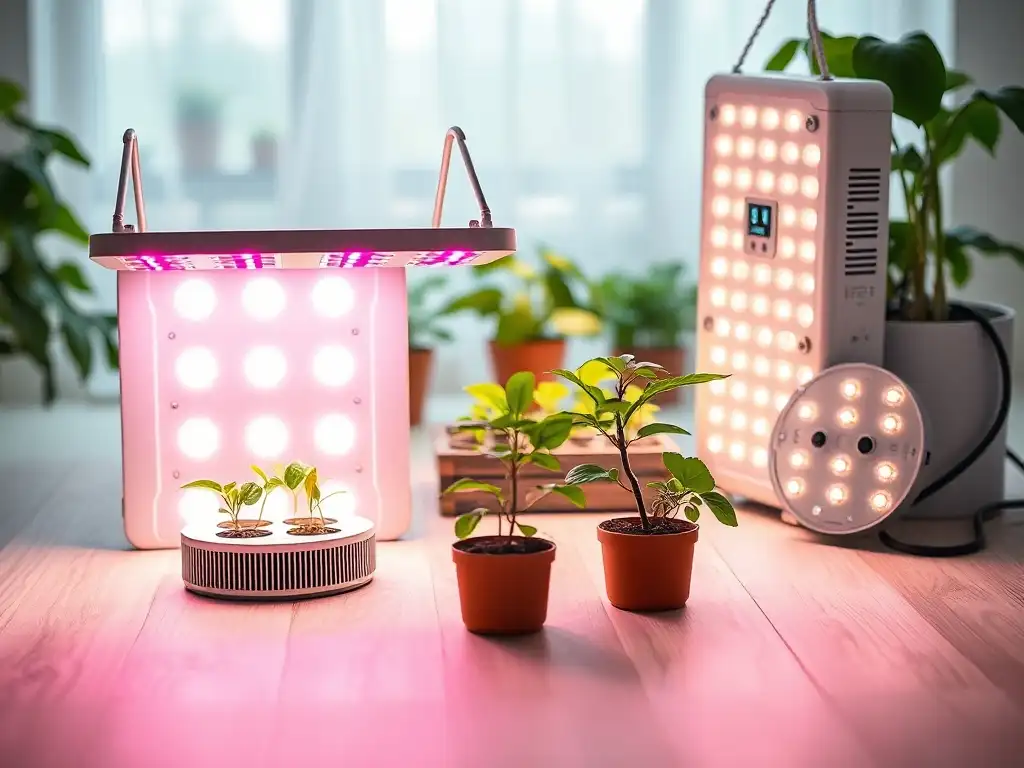
Smart grow lights equipped with advanced features represent the cutting edge of indoor gardening technology. These systems go beyond simple light control, incorporating sophisticated sensors, automation, and connectivity to provide a highly optimized and convenient growing experience. These features often include automated light scheduling, precise spectral control, environmental monitoring, and even integration with mobile apps for remote control and data analysis. This level of automation simplifies the gardening process, minimizes the need for manual adjustments, and optimizes plant growth for maximum yield and quality.
Advanced Features and Functionality
Advanced smart grow lights often include features like integrated sensors for temperature, humidity, and light intensity. These sensors provide real-time feedback on the growing environment, allowing the system to automatically adjust light intensity, spectrum, and duration to maintain optimal conditions. Many systems offer programmable light schedules, mimicking natural sunlight patterns to promote healthy plant development.
Advanced spectral control allows growers to fine-tune the light spectrum to meet the specific needs of different plants at various stages of growth. Connectivity features, such as Wi-Fi or Bluetooth, enable remote monitoring and control via a smartphone app, allowing growers to oversee their garden from anywhere. Some systems even include features like automated watering and nutrient delivery, creating a fully automated indoor gardening solution.
Setup and Usage
Setting up and using advanced smart grow lights typically involves connecting the lights to a power source, installing the accompanying software or app, and configuring the desired settings. Most systems come with user-friendly interfaces and instructions. However, understanding the different features and functionalities may require some initial learning. Once set up, the system typically takes care of most of the tasks, automating light scheduling, spectral adjustments, and environmental monitoring.
Users can monitor plant growth remotely through the app and make adjustments as needed. Regular maintenance, such as cleaning the lights and checking the sensors, is necessary to ensure optimal performance. The ease of use varies depending on the system's complexity and user-friendliness of the interface.
Cost-Benefit Analysis of Advanced Technology
The cost of advanced smart grow lights is generally higher than simpler models. However, the benefits of automated control, environmental monitoring, and optimized growth often justify the investment. The increased yield and improved plant quality can lead to significant savings in the long run, especially for commercial growers or those with valuable plants.
The time saved through automation can also be a significant factor. The reduced need for manual adjustments and monitoring frees up time for other tasks, increasing efficiency. Ultimately, the cost-benefit analysis depends on individual needs and priorities, but the advanced features offer a compelling value proposition for serious indoor gardeners seeking maximum efficiency and convenience.
5. A Versatile Smart Grow Light System for Different Plant Types
This system boasts adjustable settings to cater to a wide range of plants, from leafy greens to flowering plants and even fruiting vegetables. Its versatility is a key selling point for those who enjoy cultivating a diverse indoor garden. The light spectrum can be customized, mimicking natural sunlight throughout the different stages of plant growth. This allows for optimal photosynthesis and healthy plant development, irrespective of the plant species.
Many users find this feature invaluable, allowing them to easily transition from seedlings to mature plants without having to purchase separate lighting solutions. The system also incorporates different light intensities, crucial for managing light stress in sensitive plants and maximizing yields in others. Careful consideration has been given to the needs of different plant types throughout the design and implementation of this grow light.
Adaptability for Various Indoor Plants
The system's adaptability stems from its advanced control features. Users can adjust the light intensity, color spectrum (from cool to warm light), and photoperiod (light duration) using a user-friendly interface, either through a dedicated app or a physical control panel. This level of customization allows for tailoring the light environment to the specific needs of each plant species. For instance, plants requiring more blue light during their vegetative stage can be easily accommodated, while those needing more red light during flowering can also benefit.
The system also provides pre-programmed settings for common indoor plants, simplifying the process for beginners. This feature significantly lowers the barrier to entry for those new to indoor gardening with smart grow lights, offering a balance of flexibility and ease of use. The system's flexibility ensures it can be used effectively throughout the entire life cycle of a wide variety of plants.
Pros and Cons
| Pros | Cons |
|---|---|
| Highly customizable light settings | Relatively higher initial cost |
| Suitable for various plant types | App can occasionally experience glitches |
| User-friendly interface (mostly) | Requires a stable internet connection (app) |
| Energy-efficient LEDs | Bulky design compared to some competitors |
| Comprehensive app with growth monitoring | [Specific information pending: Number of reported malfunctions] |
User Experience and Feedback
User reviews are generally positive, praising the system's versatility and ease of use for a majority of users. The app, while generally intuitive, has received some criticism regarding occasional glitches and connectivity issues. However, the manufacturer provides regular software updates to address these concerns. Many users appreciate the detailed information provided by the app, such as light intensity graphs and growth progress tracking.
This data is particularly useful for experienced gardeners looking to fine-tune their growing techniques. The majority of negative feedback centers around the initial cost and the occasional app issues, but the positive feedback outweighs the negative, particularly amongst users who value a system that can accommodate a diverse range of plants. The ease of adapting the system to different plant types is often cited as a significant advantage, showcasing the long-term value and adaptability of this smart grow light system for indoor gardening.
Setting Up Your Automated Indoor Garden with Smart Grow Lights
This section provides a detailed, step-by-step guide to setting up your smart grow lights for an automated indoor gardening system. Successfully implementing this technology maximizes plant growth and minimizes manual intervention, key aspects of efficient and sustainable home cultivation. We'll cover installation, configuration, and initial testing to ensure a smooth transition to automated lighting.
Step-by-Step Guide to Installing and Configuring Your Smart Grow Lights
The installation process for smart grow lights varies slightly depending on the specific model. However, the general principles remain the same. Let's assume a typical setup involving a ceiling-mounted system with multiple light bars.
- Assess Your Growing Space: Begin by carefully measuring your indoor garden area. This determines the number and placement of your smart grow lights to ensure even light distribution. Consider the height of your plants at maturity to avoid light obstruction. Insufficient lighting is a common reason for poor yields in indoor gardening.
- Mounting the Lights: Securely mount the light bars to your ceiling or a sturdy support structure. Ensure the lights are securely fastened to prevent accidental damage or falls. Consult the manufacturer's instructions for specific mounting guidelines, especially regarding weight limits and electrical safety. Proper mounting is crucial for the longevity and effectiveness of your smart grow lights.
- Connecting to Power: Carefully connect the lights to a dedicated electrical circuit. Avoid overloading circuits by using a power strip designed for high-wattage appliances. Always use a grounded outlet to prevent electrical shocks. Remember to turn off the power before making any connections. This is a critical step for safety and the proper functioning of your system.
- Connecting to Wi-Fi: Most smart grow lights connect to your home Wi-Fi network via an app. Download the manufacturer's app and follow the on-screen instructions to connect your lights. Ensure a strong and stable Wi-Fi signal for reliable operation. A weak signal can lead to connectivity issues and disrupt the automated lighting schedule.
- Configuring the Lighting Schedule: Use the app to program a lighting schedule tailored to your plants' needs. Consider factors like plant species, growth stage, and daily light requirements. Many systems allow for customization, enabling you to adjust light intensity and duration as your plants grow. Precise control over the lighting schedule is vital for optimal plant health and yield.
- Initial Testing and Calibration: After setup, carefully monitor your plants' response to the new lighting system. Observe for signs of stress, such as leaf burn or etiolation (excessive stretching towards the light source). Adjust the light intensity and schedule as needed to optimize growth. Regular monitoring ensures early detection of potential issues and allows for timely adjustments.
Optimizing Your Indoor Garden Setup for Maximum Plant Growth
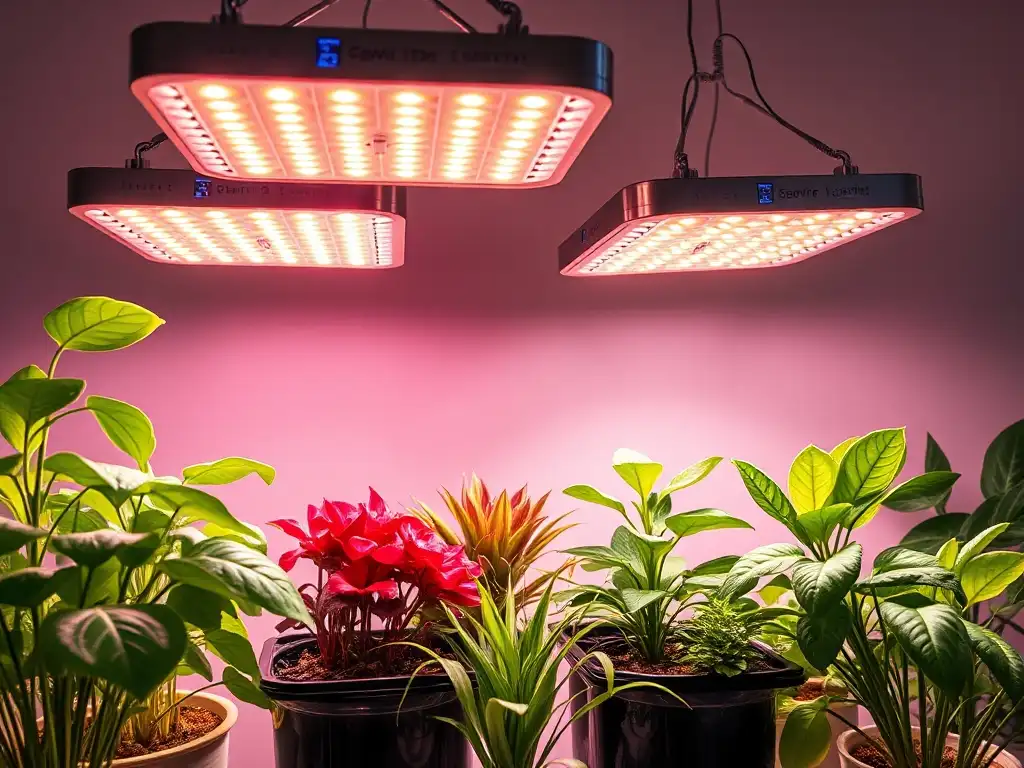
Beyond the initial setup, several factors influence the effectiveness of your smart grow lights and overall plant health. Optimizing these aspects is crucial for maximizing yields and ensuring healthy plant growth in your automated indoor garden.
Optimizing Your Indoor Garden Setup for Maximum Plant Growth
- Light Spectrum: Different plants require different light spectrums for optimal growth. Smart grow lights often offer adjustable spectrum settings. Research the specific light spectrum needs of your chosen plants and adjust your lights accordingly. Using the incorrect spectrum can hinder growth and potentially damage your plants.
- Light Intensity: The intensity of light should be adjusted based on the growth stage of your plants. Seedlings generally require lower intensity, while mature plants benefit from higher intensity. Monitor your plants closely and adjust the light intensity as needed to avoid leaf burn or insufficient light. This careful monitoring is key to achieving optimal growth.
- Environmental Factors: Temperature and humidity also significantly impact plant growth. Maintain optimal temperature and humidity levels within your growing space. Consider using environmental monitoring tools in conjunction with your smart grow lights for comprehensive control. Integrating these elements creates a truly optimized indoor gardening environment.
- Plant Spacing and Air Circulation: Ensure adequate spacing between plants to prevent overcrowding and improve air circulation. Overcrowding can lead to competition for resources, hindering growth and increasing the risk of disease. Adequate air circulation prevents the buildup of humidity and minimizes the risk of fungal diseases.
- Nutrient Management: Proper nutrient management is crucial for healthy plant growth. Use a high-quality nutrient solution tailored to your plants' needs. Regularly monitor nutrient levels and adjust as needed to prevent nutrient deficiencies or toxicities. This is essential for maximizing the potential of your plants.
Troubleshooting Common Issues
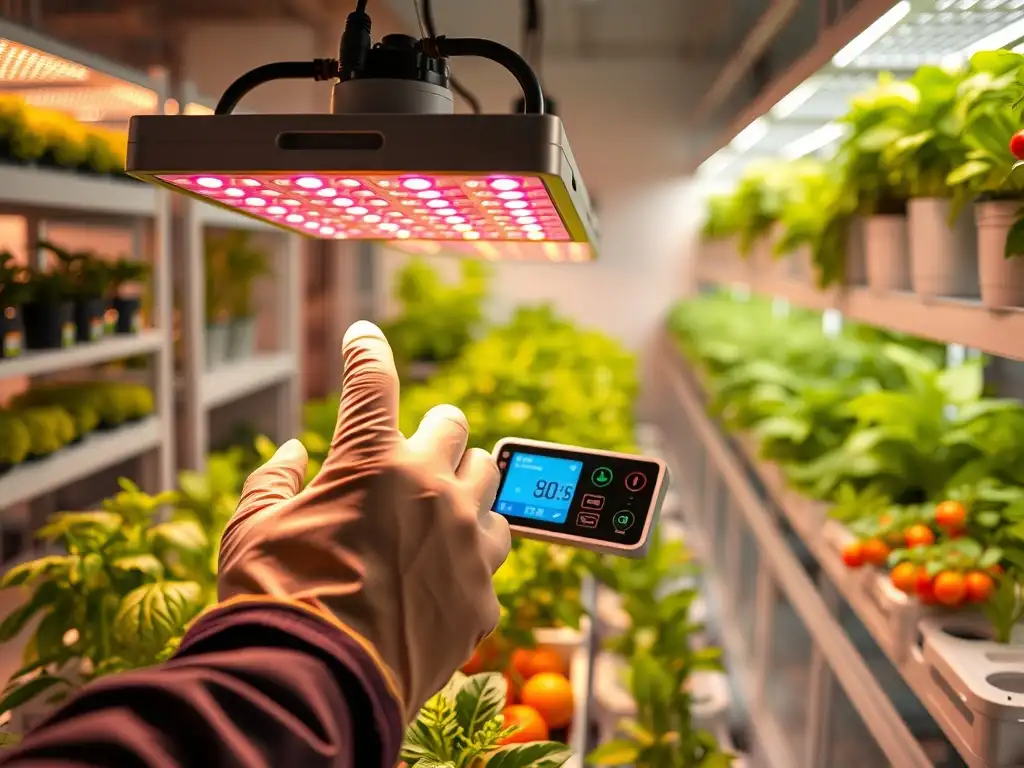
Even with careful planning and setup, you may encounter issues with your smart grow lights or your indoor garden. This section provides troubleshooting tips for common problems.
Troubleshooting Common Issues
| Problem | Possible Cause | Solution |
|---|---|---|
| Lights not turning on | Power outage, faulty wiring, app connection issues | Check power supply, wiring, and app connectivity. Reboot the system if needed. |
| Lights not responding to app | Wi-Fi connectivity problems, app glitches | Check Wi-Fi signal strength, restart the app, and check for app updates. |
| Uneven light distribution | Incorrect light placement, light bar malfunctions | Adjust light placement, check for faulty light bars, and contact support. |
| Plant etiolation (stretching) | Insufficient light intensity, improper light schedule | Increase light intensity or adjust the daily light cycle. |
| Leaf burn | Excessive light intensity | Reduce light intensity or increase the distance between plants and lights. |
| Plant diseases | Poor air circulation, high humidity, nutrient issues | Improve air circulation, control humidity, and optimize nutrient levels. |
Remember that consistent monitoring and proactive adjustments are key to success in automated indoor gardening. By addressing potential issues promptly, you can ensure a thriving and productive indoor garden. The use of smart grow lights offers a significant advantage in achieving optimal growing conditions, leading to higher yields and healthier plants. 🌱
Maximizing Your Harvest with Smart Grow Light Technology
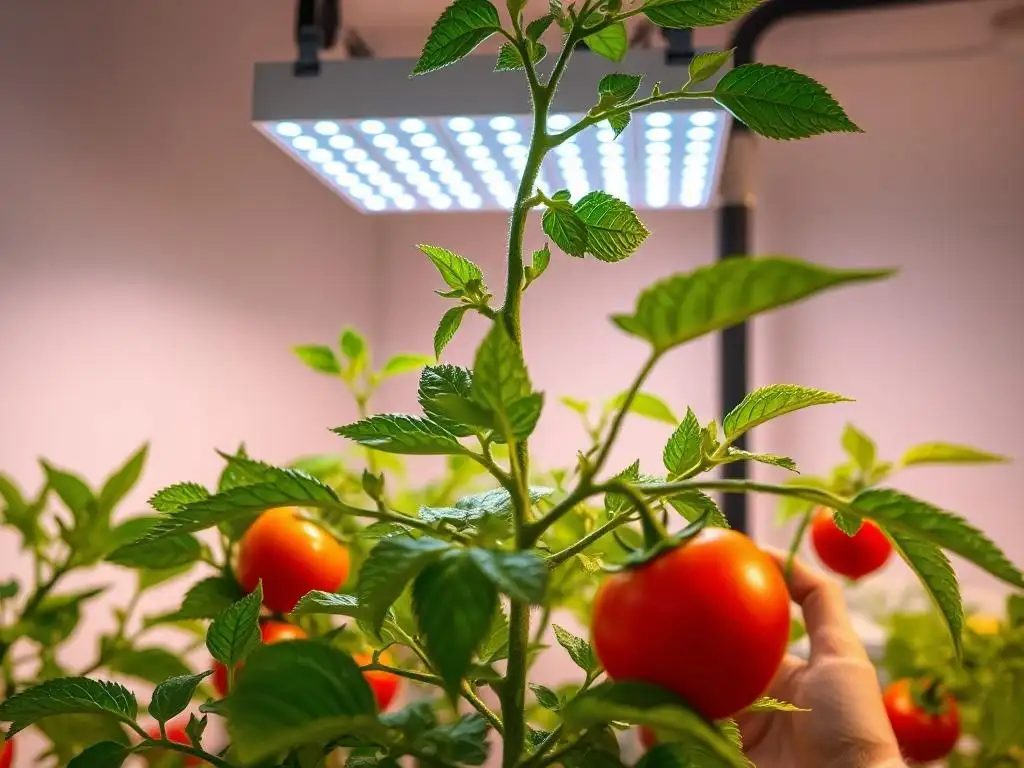
Smart grow lights represent a significant advancement in indoor gardening, offering precise control over light spectrum, intensity, and duration. This translates directly into healthier plants and higher yields, making them an excellent investment for serious home growers. But maximizing their potential requires understanding how to use them effectively.
This section will delve into techniques to optimize your smart grow light system for optimal plant growth, regardless of whether you're cultivating tomatoes, basil, or even more exotic species. We'll explore how features like adjustable light cycles, spectrum customization, and remote monitoring contribute to a bountiful harvest. The key is to think of your smart grow lights not just as light sources, but as precision tools for plant cultivation.
Tips and Tricks for Using Smart Grow Lights Effectively
Effective use of smart grow lights goes beyond simply plugging them in. Several key strategies can dramatically improve results. Firstly, understanding your plant's light requirements is paramount. Different plants have different needs; some thrive under high-intensity light, while others prefer lower levels. Your smart grow light system should allow you to adjust these parameters precisely. Consult reliable resources to determine the ideal light intensity (measured in PPFD – Photosynthetic Photon Flux Density), duration (photoperiod), and spectrum (combination of red, blue, and other wavelengths) for your specific plants.
Secondly, consistent monitoring is crucial. Smart grow lights often come with apps that allow you to track light intensity, duration, and even temperature and humidity. Use this data to fine-tune your settings and ensure optimal conditions throughout the plant's life cycle. Regularly checking your plants for signs of stress (e.g., leaf discoloration, wilting) and adjusting the light accordingly is essential.
Finally, consider the placement of your grow lights. Ensure even light distribution across your plants to prevent uneven growth. The distance between the lights and your plants is also critical; too close can scorch leaves, while too far away reduces light intensity. Many smart systems allow you to adjust the height of the lights to accommodate plant growth.
Monitoring Plant Health and Adjusting Settings
Smart grow lights often integrate sensors to monitor environmental conditions within your grow space. This data, combined with visual observation of your plants, allows for dynamic adjustments to maximize growth. For instance, if your plants exhibit signs of light stress (e.g., leaf burn), you can immediately reduce the light intensity using the app. Conversely, if growth appears sluggish, a slight increase in intensity or duration may be warranted.
Beyond light intensity, consider other factors. Temperature and humidity play a significant role in plant health. Many smart grow light systems integrate with environmental sensors to monitor these parameters. This allows you to proactively address issues before they negatively impact your plants.
For example, if humidity is too low, you can use a humidifier to maintain optimal levels. The ability to monitor and adjust these factors in real-time is a key advantage of smart grow lights, enabling you to create a consistently optimal environment for your plants. This data-driven approach ensures you're always providing your plants with exactly what they need.
Long-Term Benefits
Investing in smart grow lights offers several long-term advantages beyond immediate yield improvements. Firstly, energy efficiency can be significantly enhanced. Smart systems often incorporate features like automatic dimming and scheduling, reducing energy consumption compared to traditional grow lights. This translates to lower electricity bills and a smaller carbon footprint.
Secondly, increased convenience is a major benefit. Remote monitoring and control features allow you to manage your grow setup from anywhere, providing peace of mind and flexibility. This is particularly useful for busy individuals or those who travel frequently.
Finally, improved plant health and resilience contribute to long-term success. By providing precise light control and monitoring environmental conditions, you reduce the risk of plant stress and disease. Healthier plants are more resilient to pests and diseases, reducing the need for pesticides and other interventions. This promotes sustainable and organic growing practices, aligning perfectly with the CultivateYourFood philosophy. The long-term benefits of smart grow lights extend beyond the immediate harvest, resulting in a more efficient, convenient, and sustainable approach to indoor gardening.
Conclusion: Choosing the Best Smart Grow Lights for Your Needs
Choosing the best smart grow lights for your indoor gardening setup requires careful consideration of several factors. The ideal system depends heavily on your specific needs, the types of plants you're cultivating, and your budget. While the market offers a wide array of options, understanding the key features and functionalities will help you make an informed decision.
Remember, investing in high-quality smart grow lights is an investment in the success of your indoor garden. The convenience and automation features offered by smart grow lights can significantly improve your yields and reduce the overall effort required for successful indoor plant cultivation. This translates to healthier plants, faster growth cycles, and ultimately, a more rewarding gardening experience.
Recap of Top Recommendations and Considerations
Let's briefly revisit the key aspects to consider when selecting smart grow lights for indoor gardening. Prioritizing features based on your specific needs is crucial. For instance, if you're a beginner, a user-friendly interface and pre-programmed settings are essential. For more experienced gardeners, customizable settings and advanced features like spectrum control offer greater precision and control.
| Feature | Importance Level (Beginner/Advanced) | Consideration |
|---|---|---|
| Ease of Use | High (Beginner) | Look for intuitive apps and simple controls. |
| Spectrum Control | Medium (Intermediate/Advanced) | Consider the specific light spectrum needs of your plants. Red and blue are crucial for flowering and vegetative growth, respectively. |
| App Integration | Medium (Beginner/Advanced) | Check compatibility with your smartphone or other smart home devices. |
| Brightness/Intensity | High (All levels) | Ensure sufficient light intensity for optimal plant growth, depending on the size of your grow area and plant type. |
| Timer Functionality | High (All levels) | Automated timers are essential for consistent light cycles. |
| Energy Efficiency | Medium (All levels) | Consider the wattage and energy consumption of the lights. LEDs are generally more efficient than other technologies. |
| Durability & Warranty | Medium (All levels) | Look for robust construction and a good warranty. |
Remember, the "best" smart grow lights are the ones that best meet your specific needs. Don't be afraid to research different models and compare features before committing to a purchase. Read reviews and compare specifications to find the perfect match for your indoor gardening ambitions. Careful planning will ensure a successful harvest, even indoors.
Future Trends in Smart Grow Light Technology
The field of smart grow lights is constantly evolving. Several exciting trends are shaping the future of indoor gardening:
- AI-powered Optimization: Expect to see more grow lights incorporating artificial intelligence to automatically adjust light intensity, spectrum, and timing based on real-time plant data. This will lead to even more optimized growth and higher yields.
- Improved Spectrum Control: More sophisticated control over the light spectrum will allow for finer-tuned adjustments to meet the precise needs of various plant species and growth stages. This precise control will lead to more efficient and productive indoor gardens.
- Integration with Smart Home Ecosystems: Expect greater compatibility with popular smart home platforms, allowing for seamless integration with other smart devices and automated systems. This will further enhance convenience and control for the user.
- Energy Efficiency Enhancements: Ongoing advancements in LED technology will continue to improve energy efficiency, making smart grow lights a more sustainable option for indoor gardening.
- Sensor Integration: Advanced sensor technology will provide more precise environmental monitoring, allowing for even more accurate and tailored light adjustments. This will allow for a more automated and responsive system.
The future of indoor gardening is bright, literally! The advancements in smart grow light technology promise to make indoor plant cultivation even easier, more efficient, and more rewarding for home growers of all skill levels. By staying informed about these trends, you can prepare yourself to take full advantage of the latest innovations in this rapidly developing field. This will ultimately result in healthier, more productive indoor gardens.
Frequently Asked Questions
What are smart grow lights, and how do they benefit indoor gardening?
Smart grow lights use sensors and automated controls to optimize light intensity, duration, and spectrum for plant growth. This results in increased yields and simplified plant care, requiring less manual adjustment.
How do I choose the best smart grow lights for my indoor garden?
Consider factors like your plant type, the size of your grow area, and your budget. Look for lights with adjustable settings, reliable connectivity, and positive user reviews.
Are smart grow lights expensive compared to traditional grow lights?
While the initial investment might be higher, smart grow lights often reduce long-term costs by optimizing energy use and preventing plant problems. The increased yields can also offset the initial expense.
What features should I look for in a high-quality smart grow light system?
Essential features include adjustable light spectrum and intensity, smart app integration for scheduling and monitoring, and durability. Consider features like sunrise/sunset simulation for optimal plant health.
Can I control smart grow lights remotely, and what are the benefits?
Yes, many smart grow lights offer remote control via smartphone apps. This allows you to monitor and adjust settings from anywhere, even when you're away from home, ensuring optimal plant care regardless of your location.
Final Reflection: Illuminating the Future of Indoor Gardening
The quest for efficient and sustainable food production is no longer confined to sprawling farms; it's blossoming in our homes. The rise of smart grow lights represents a significant shift in how we approach indoor gardening, offering unprecedented control and optimization for cultivating healthy plants, regardless of external conditions. This technology is not just a trend; it's a vital tool for a future where resource management and food security are paramount.
The impact of smart grow lights extends beyond the simple act of growing plants. They represent a powerful connection to nature, a way to nurture life within our increasingly urbanized environments. The glory of gardening: hands in the dirt, head in the sun, heart with nature. To nurture a garden is to feed not just the body, but the soul.
This quote perfectly encapsulates the deeper meaning behind the technology discussed in this article; it's not just about maximizing yields, but about fostering a mindful connection with the natural world, even within the confines of our homes. This connection, I believe, is crucial for our collective well-being.
Now, consider your own space. Do you have a windowsill, a balcony, or even just a corner that could be transformed into a thriving indoor garden? This article has explored the best smart grow lights available, but the true power lies in your hands. Embrace the potential of technology to cultivate your own green oasis, to nurture life, and to connect with the earth in a meaningful way. Begin your journey today; the rewards – both tangible and intangible – are well worth the effort.
Unleash Your Inner Gardener: Grow Brighter, Smarter, Faster!
Thank you for exploring smart grow lights for your indoor garden! We hope you found the perfect lighting solution to boost your harvest. Let's get those plants thriving!
- Get Started: Begin setting up your personalized lighting system today! Choose a grow light that suits your plants' specific needs and your indoor environment. Remember, the right light is crucial for healthy growth.
- Share your experience! Tell us which grow light you chose and why—your advice will help other gardeners.
- Learn more! Explore our comprehensive guide on optimizing your indoor garden for even better results.
Ready to transform your indoor space into a thriving oasis? What challenges and successes have you experienced in your indoor gardening adventures?