
The Role of Worms in Organic Gardens: Nature's Recyclers

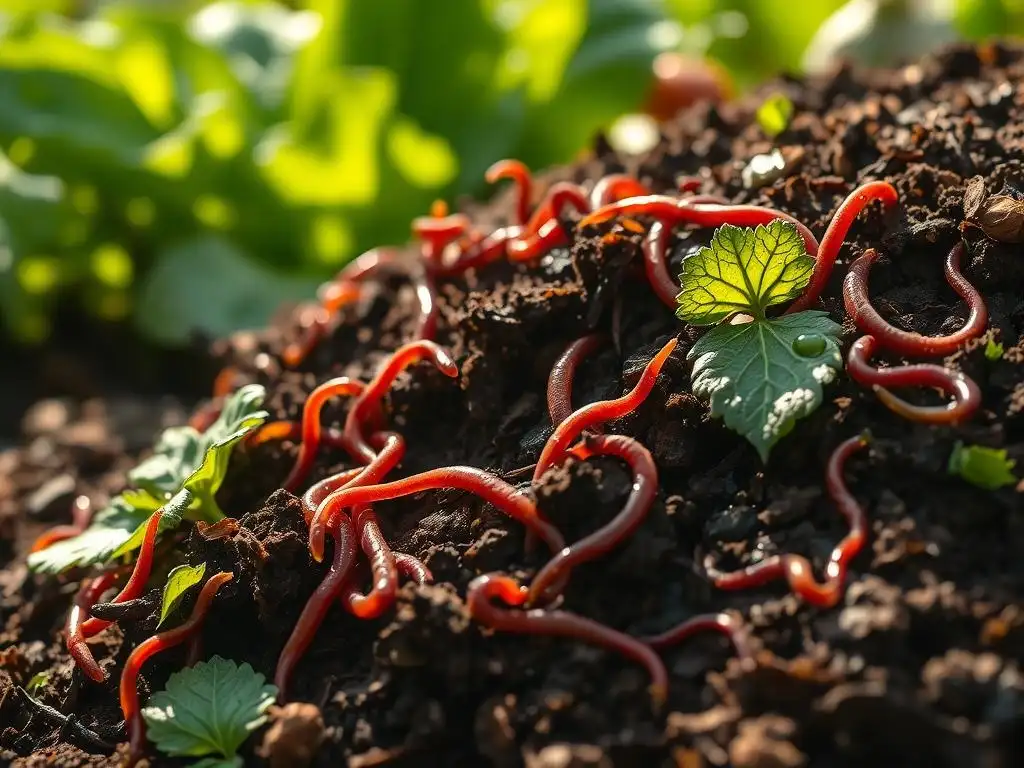
Welcome to CultivateYourFood, your guide to growing a thriving, sustainable garden! Are you ready to unlock the secrets to bountiful harvests while nurturing the planet? We delve into the fascinating world of organic gardening, and in this article, we explore the incredible power of organic gardening worm composting – nature's own recycling system. Discover how these amazing creatures can transform your garden waste into rich, life-giving compost, leading to healthier plants and a more vibrant ecosystem. Let's get started!
- Understanding the Importance of Worms in Organic Gardening
- Types of Worms Ideal for Organic Gardening Worm Composting
- Building and Maintaining a Worm Composting System
- Harvesting and Utilizing Worm Castings
- Worm Composting vs. Traditional Composting: A Comparison
- Worms and Pest Control in the Organic Garden
- Frequently Asked Questions
- Final Reflection: The Enduring Power of the Humble Worm
- Unleash the Power of Worms in Your Garden!
Understanding the Importance of Worms in Organic Gardening
Worms are unsung heroes in the world of organic gardening. Often overlooked, these humble creatures play a vital role in creating a thriving and healthy ecosystem within your garden beds, contributing significantly to soil fertility and plant growth. This article delves into the multifaceted benefits of incorporating worms into your organic gardening practices, focusing specifically on their contribution to worm composting and its impact on soil health.
We will explore how these amazing invertebrates enhance nutrient availability, improve soil structure, and ultimately, lead to more bountiful harvests. Understanding the role of worms in organic gardening is crucial for anyone committed to sustainable and productive home cultivation, and mastering the art of worm composting is a key step in achieving this goal. Let's uncover the magic that these tiny creatures bring to your garden.
The Benefits of Worm Composting for Soil Health
Worm composting, also known as vermicomposting, is a fantastic method of organic waste recycling that directly benefits your garden. By feeding worms kitchen scraps and other organic materials, you create a rich, nutrient-dense compost teeming with beneficial microorganisms. This compost, also known as worm castings, is far superior to regular compost in terms of its nutrient content and structure.
Worm castings are packed with essential plant nutrients, including nitrogen, phosphorus, and potassium, all crucial for robust plant growth. Furthermore, they contain beneficial bacteria and fungi that enhance soil microbial life, creating a vibrant and healthy soil ecosystem. The process itself is relatively simple and can be achieved in a variety of ways, from large-scale worm farms to smaller, home-based systems.
The resulting worm castings significantly improve soil health and contribute to the success of your organic garden. Consider this: a single worm can process its own weight in organic matter daily – imagine the collective power of a thriving worm population!
The benefits extend beyond nutrient content. Worm castings improve the soil's water retention capacity, ensuring plants have consistent access to moisture. This is particularly beneficial during periods of drought. Moreover, the castings improve soil aeration, allowing for better root development and oxygen uptake by plants. The improved drainage also reduces the risk of root rot, a common problem in poorly drained soils. This holistic approach to soil improvement, achieved through worm composting, is a cornerstone of truly successful organic gardening.
Enhancing Nutrient Availability with Worm Castings
Worm castings are not just a source of nutrients; they make existing nutrients in the soil more readily available to your plants. This is due to the unique chemical composition of the castings, which includes humic and fulvic acids. These acids act as chelating agents, meaning they bind to nutrient ions, making them soluble and easily absorbed by plant roots.
This increased nutrient bioavailability translates directly into healthier, more vigorous plants with improved yields. Unlike synthetic fertilizers that can burn plant roots or disrupt the delicate soil ecosystem, worm castings provide a slow-release, gentle source of nutrients, minimizing the risk of nutrient imbalances.
Imagine the difference: a plant struggling to absorb nutrients from compacted, depleted soil versus a plant thriving in a soil enriched with worm castings, where nutrients are readily available. The contrast is stark, highlighting the transformative power of these natural soil amendments. This gentle, yet highly effective, nutrient delivery system is a key component of successful organic gardening. The enhanced nutrient availability from worm castings contributes not only to increased yields but also to the overall health and resilience of your plants, making them better equipped to withstand pests and diseases.
Improving Soil Structure and Water Retention through Worm Activity
Worms themselves play a crucial role in improving soil structure. As they burrow through the soil, they create channels and tunnels that improve aeration and drainage. This activity is particularly beneficial in compact clay soils, where poor drainage can lead to waterlogging and root rot. The increased air circulation promotes the growth of beneficial soil microbes, further enhancing soil health.
Simultaneously, the worm castings themselves improve soil aggregation, creating a crumbly soil structure that holds moisture effectively. This improved water retention is vital for plants, especially during dry spells. The combination of improved aeration and water retention creates the ideal environment for strong root growth and healthy plant development, leading to increased yields and more resilient plants.
The impact of worms on soil structure is dramatic. Think of a poorly structured soil – compacted, hard, and lacking in drainage. Now imagine that same soil after months of worm activity – loose, aerated, and able to retain moisture effectively.
This transformation is a testament to the incredible power of nature's recyclers. The improved soil structure, resulting from the combined efforts of worm burrowing and worm casting deposition, is a fundamental aspect of successful organic gardening, ensuring healthy plant growth and high yields. This illustrates perfectly the synergistic relationship between worms and soil health in the context of organic gardening worm composting.
Types of Worms Ideal for Organic Gardening Worm Composting
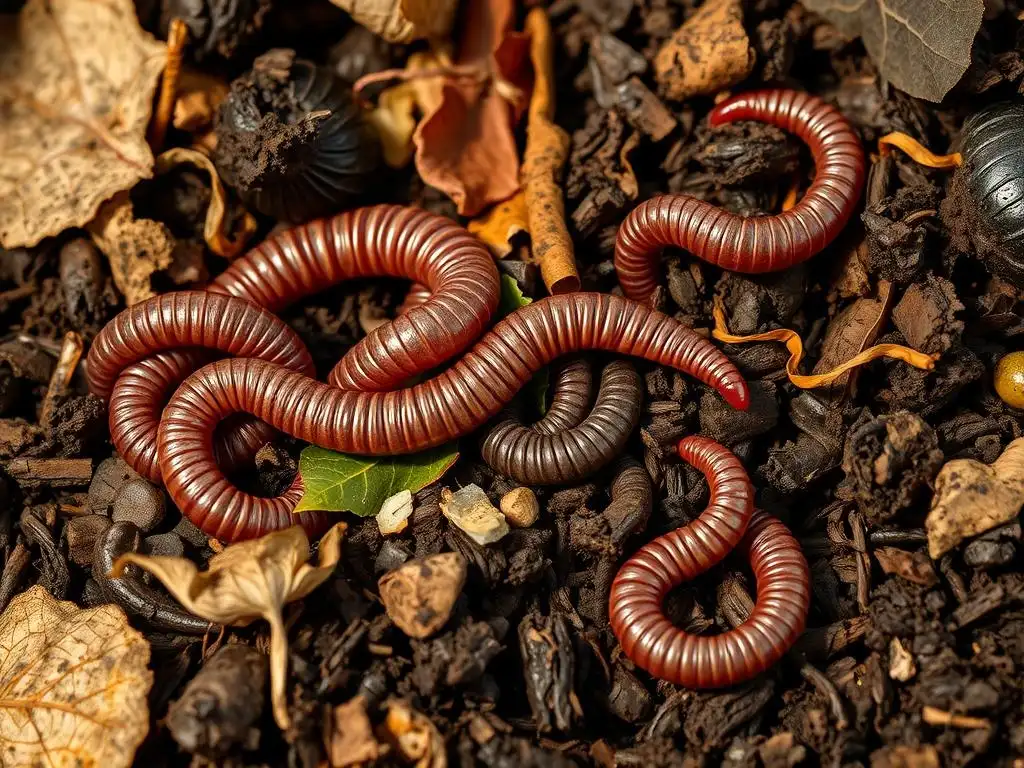
Choosing the right worm species is crucial for successful organic gardening worm composting. Not all worms are created equal when it comes to breaking down organic matter efficiently. Some species are better suited to the conditions of a worm bin, while others thrive in the soil itself. This section will explore the characteristics of worms best suited for composting, highlighting their benefits and helping you make an informed decision for your system. Understanding the nuances of worm species selection is key to optimizing your organic gardening practices and maximizing the benefits of worm castings.
Choosing the Right Species for Your Composting System
Several factors influence the selection of worms for your composting system. The most important consideration is the worm's ability to thrive in a confined, relatively moist environment with a constant supply of organic material. This eliminates many earthworm species found in the wild, which prefer a more dispersed environment. Furthermore, the rate of decomposition is a key factor; you want a species that efficiently processes your kitchen and garden waste.
Finally, the size and reproductive rate of the worms are important considerations. A larger population will process waste faster, leading to quicker production of valuable worm castings, a rich fertilizer prized in organic gardening. The ideal worm for composting is prolific, fast-working, and adaptable to the confines of a worm bin.
Red Wiggler Worms (Eisenia fetida): The Ultimate Composters
Red wiggler worms ( Eisenia fetida) are widely considered the best worm species for composting. Their relatively small size (2-3 inches long) allows them to navigate easily through decomposing material, maximizing their surface area contact and decomposition efficiency. Their high reproductive rate means a rapidly growing population, which is essential for processing large volumes of organic waste. They are incredibly adaptable, tolerating a wide range of temperatures and moisture levels within the typical worm bin environment.
This resilience contributes to their popularity and success in both small-scale home composting systems and larger-scale commercial operations. Red wigglers are surface dwellers, meaning they primarily feed and live near the surface of the compost, making them easy to harvest and manage. Their efficiency in breaking down organic matter contributes significantly to the creation of nutrient-rich worm castings, a cornerstone of organic gardening.
They excel at consuming a diverse range of organic waste, including fruit and vegetable scraps, coffee grounds, tea bags, and shredded paper. This wide-ranging diet makes them a highly effective solution for managing organic waste. The resulting castings are packed with beneficial microorganisms and nutrients, making them an excellent soil amendment.
Other Beneficial Worm Species for Your Garden
While red wigglers are the champions of worm composting, other worm species can contribute to a healthy garden ecosystem. These often play a more significant role in soil health than in the composting bin itself. For example, certain earthworm species, like those in the Lumbricus genus, are excellent at aerating the soil and improving drainage. These species may not be as effective in a confined composting environment but are vital components of a healthy soil ecosystem.
Their burrowing activity creates channels that improve water infiltration and root penetration, contributing to healthier plant growth. However, it's crucial to remember that these soil-dwelling worms are not typically suited for indoor worm composting bins. They prefer a less confined and often more moist environment.
The specific species best suited for your garden will depend on your soil type and climate. Understanding the diverse roles of different worm species allows for a more holistic approach to organic gardening, maximizing both the benefits of composting and soil health. The integration of various worm species can lead to a synergistic effect, optimizing the overall health and productivity of your garden.
Building and Maintaining a Worm Composting System
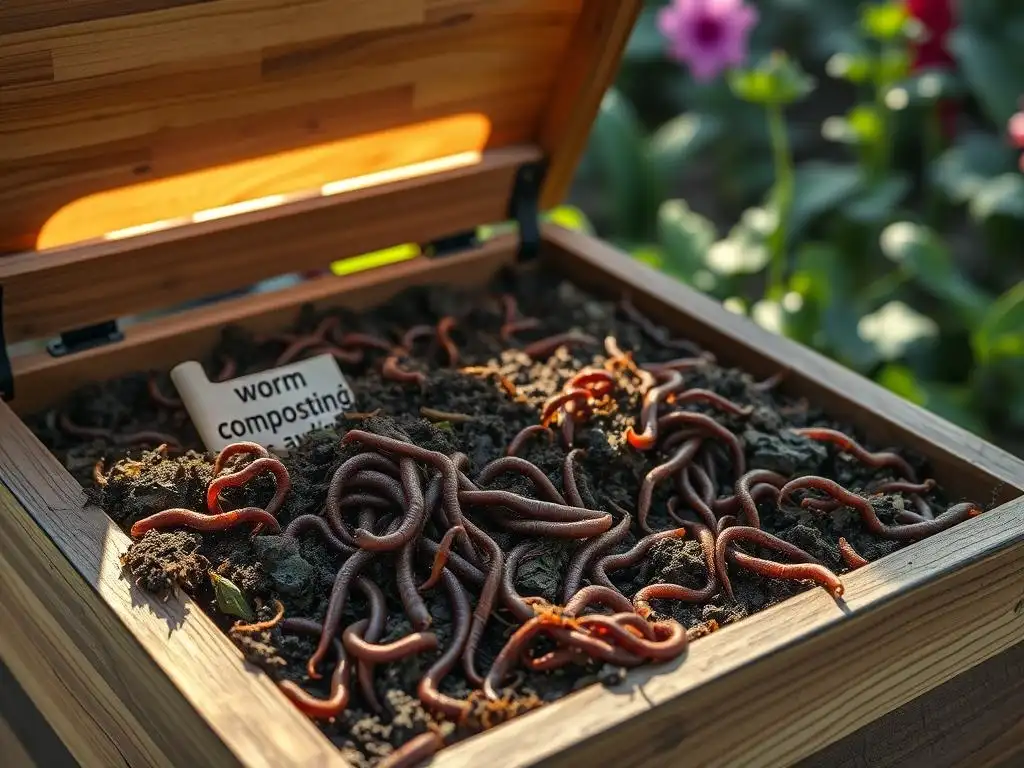
This section delves into the practical aspects of establishing and managing a thriving worm composting system, crucial for successful organic gardening worm composting. A well-maintained worm bin is the cornerstone of efficient organic waste recycling and provides nutrient-rich castings for your garden. Let's explore the key elements.
Setting Up Your Worm Bin: A Step-by-Step Guide
Creating a suitable environment for your worms is paramount. Several methods exist, from repurposing readily available containers to purchasing specialized worm bins. Regardless of your chosen method, several key steps ensure success:
- Container Selection: Choose a container with good drainage (to prevent waterlogging) and adequate ventilation (to ensure proper aeration). Plastic storage bins with drill holes for drainage and air circulation work well. The size should be appropriate for the number of worms you intend to keep; starting small is recommended.
- Bedding Preparation: The bedding provides a home for your worms and is crucial for their health and productivity. A suitable mix of shredded newspaper, cardboard (ink-free! ), and coconut coir offers a good balance of moisture retention and aeration. Avoid using glossy or colored paper, as the inks can be harmful to worms. The bedding should be damp, like a wrung-out sponge.
- Worm Introduction: Once the bedding is prepared, gently introduce your worms. Red wigglers ( Eisenia fetida) are the most popular choice for worm composting due to their voracious appetites and adaptability. Start with a modest number and gradually increase as your system matures.
- Moisture and Temperature Control: Maintaining optimal moisture and temperature is vital. The bedding should be consistently damp but not soggy. Ideal temperatures range from 55°F to 77°F (13°C to 25°C). Avoid placing the bin in direct sunlight or extreme temperatures.
- Regular Monitoring: Regularly check the moisture level of your bedding and adjust as needed. Observe your worms; their activity is a good indicator of the system's health. A healthy worm bin will have a pleasant, earthy smell. A foul odor suggests problems, such as excessive moisture or insufficient aeration.
Choosing the Right Bedding Material for Your Worms
The bedding material forms the foundation of your worm composting system, directly impacting worm health and decomposition efficiency. The ideal bedding is moisture-retentive, well-aerated, and provides a comfortable habitat for your worms. Here's a comparison of common bedding options:
| Bedding Material | Pros | Cons | Suitability for Organic Gardening Worm Composting |
|---|---|---|---|
| Shredded Newspaper | Readily available, inexpensive, absorbent | Can compact if not properly managed | Excellent |
| Cardboard (ink-free) | Readily available, inexpensive, absorbent | Can compact if not properly managed | Excellent |
| Coconut Coir | Highly absorbent, good aeration | Can be slightly more expensive | Excellent |
| Peat Moss | Excellent moisture retention | Can be acidic, may need pH adjustment | Good, but requires careful pH management |
| Straw | Good aeration | Can be difficult to maintain moisture levels | Fair, needs supplemental moisture |
Remember, always avoid using treated wood, plastic, or materials containing harmful chemicals. Experimentation might be needed to find the perfect bedding mix for your specific environment and worm species.
Feeding Your Worms: A Balanced Diet for Optimal Waste Processing
Proper feeding is essential for maintaining a healthy and productive worm composting system. Worms are natural recyclers, efficiently breaking down organic matter. However, providing a balanced diet ensures optimal waste processing and prevents issues like foul odors or slow decomposition.
The key is to provide a variety of food scraps, avoiding anything oily, meaty, dairy products, or citrus fruits. These items can attract pests, create foul odors, and potentially harm your worms. Here’s a guide to appropriate feeding practices:
- Chop food scraps: Smaller pieces decompose faster and are easier for worms to consume.
- Introduce food gradually: Avoid overwhelming your worms with large quantities of food at once.
- Monitor decomposition: Observe how quickly your worms process food. Adjust the amount and frequency of feeding accordingly.
- Avoid overfeeding: Overfeeding can lead to foul odors, attract pests, and create anaerobic conditions harmful to worms.
- Suitable food sources: Vegetable scraps, fruit peels (avoid citrus), coffee grounds, tea bags (remove staples), shredded paper, and cardboard are ideal food sources.
By following these guidelines and regularly monitoring your worm bin, you’ll establish a thriving worm composting system, providing valuable nutrient-rich castings for your organic garden – a testament to the power of organic gardening worm composting! 🐛
Monitoring Your Worm Composting System: Temperature and Moisture Control
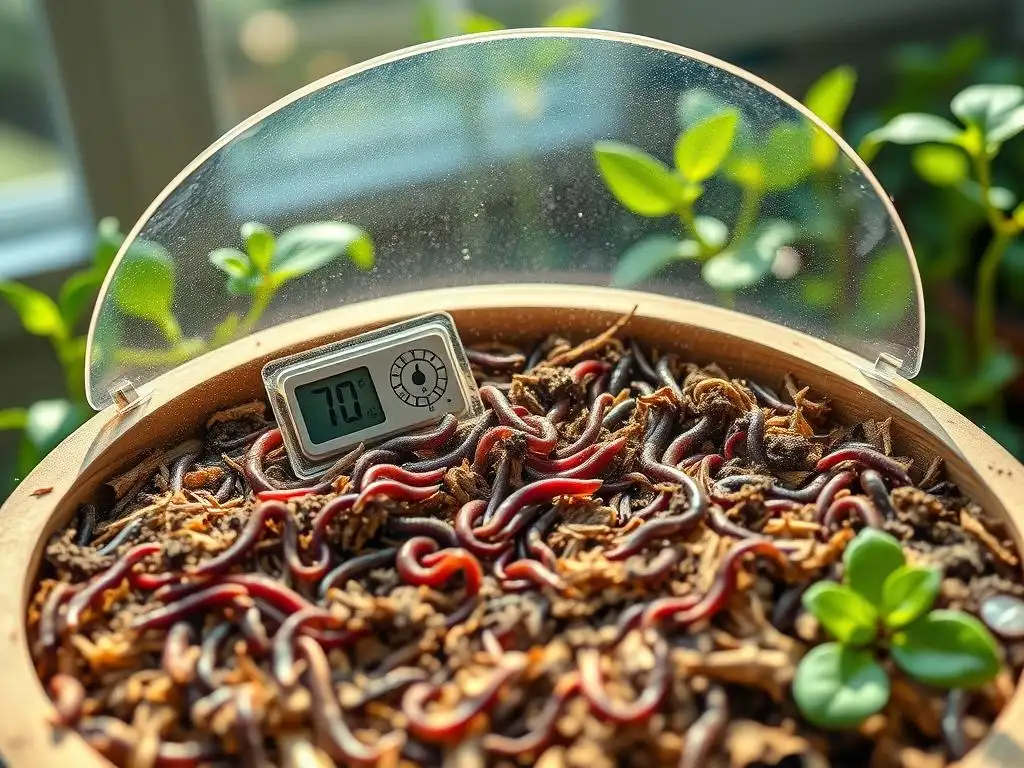
Maintaining the ideal environment for your worm composting system is crucial for successful organic gardening worm composting. Worms thrive in specific temperature and moisture ranges, and deviations can lead to problems like reduced worm activity, unpleasant odors, and even worm death. Regular monitoring is key.
Temperature plays a significant role. Ideally, your worm bin should maintain a temperature between 55°F and 77°F (13°C and 25°C). Temperatures outside this range can slow down or halt decomposition. Using a simple thermometer placed inside the bin allows you to track the temperature.
If it's too hot, you can add more bedding material to help insulate and cool the bin. Conversely, if it's too cold, consider moving the bin to a warmer location or adding some insulation around the outside. Remember that consistently high temperatures can be detrimental, potentially leading to the death of your worm population. Regular monitoring, perhaps once or twice a week, ensures that you can adjust as needed.
Moisture is just as important as temperature. The bedding material should be damp, like a wrung-out sponge. Too much moisture leads to anaerobic conditions, creating foul odors and potentially harming your worms. Too little moisture makes it difficult for the worms to move and feed. You can check the moisture level by squeezing a handful of bedding; if water drips out, it's too wet.
If it crumbles readily, it's too dry. Aim for a consistently damp, but not soggy, environment. Regularly adding water, usually every few days depending on your climate and bedding material, is often necessary. Observe the bedding's moisture level and adjust your watering accordingly. Overwatering is usually more problematic than underwatering, so err on the side of caution.
Consistent monitoring of both temperature and moisture is essential for optimal worm composting. It’s a simple process, but this routine observation allows for early detection of potential issues and enables you to make timely adjustments to maintain a healthy and productive worm composting system, ultimately benefiting your organic garden.
Dealing with Common Worm Composting Problems
Even with careful attention, problems can arise in worm composting. Understanding these common issues and their solutions is essential for successful organic gardening worm composting. Let's explore some of the most frequent challenges and how to address them.
One common problem is foul odors. This usually indicates anaerobic conditions, often caused by excessive moisture or insufficient aeration. Addressing this involves improving aeration – perhaps by turning the bedding more frequently – and allowing the bin to dry out slightly. Ensure adequate airflow within the bin to prevent the build-up of gases. If the odor persists, it might be time to add more bedding material to absorb excess moisture. A significant or persistent foul odor might signal a more serious problem, potentially requiring a complete system overhaul.
Another frequent challenge is fruit flies. These pests are attracted to decaying organic matter. Reducing the amount of exposed food scraps and covering the bin with a lid can significantly minimize this problem. You can also try using a layer of newspaper or cardboard on top of the food scraps to prevent fruit flies from accessing them directly. In severe cases, you may need to employ more drastic measures such as using fly traps.
Slow decomposition can be a sign of several issues, including low temperatures, insufficient moisture, or an imbalance in the carbon-to-nitrogen ratio in your bedding. Check the temperature and moisture levels, and adjust accordingly. Ensure a balance between “browns” (carbon-rich materials like dried leaves) and “greens” (nitrogen-rich materials like vegetable scraps). A properly balanced ratio is crucial for efficient decomposition. If decomposition remains slow despite adjustments, consider adding some red wiggler worms to boost the decomposition process.
Finally, escaping worms can occur if the bin isn't properly sealed or if the bedding is too dry and the worms are seeking moisture. Ensure your bin is securely sealed and maintain adequate moisture levels within the bedding. Regularly checking the bin for any gaps or cracks will help prevent escapes.
By proactively addressing these common problems, you can ensure the long-term health and productivity of your worm composting system, providing valuable compost for your organic garden year after year. Remember, prevention is key. Regular monitoring and timely adjustments will minimize the likelihood of encountering these issues.
Harvesting and Utilizing Worm Castings
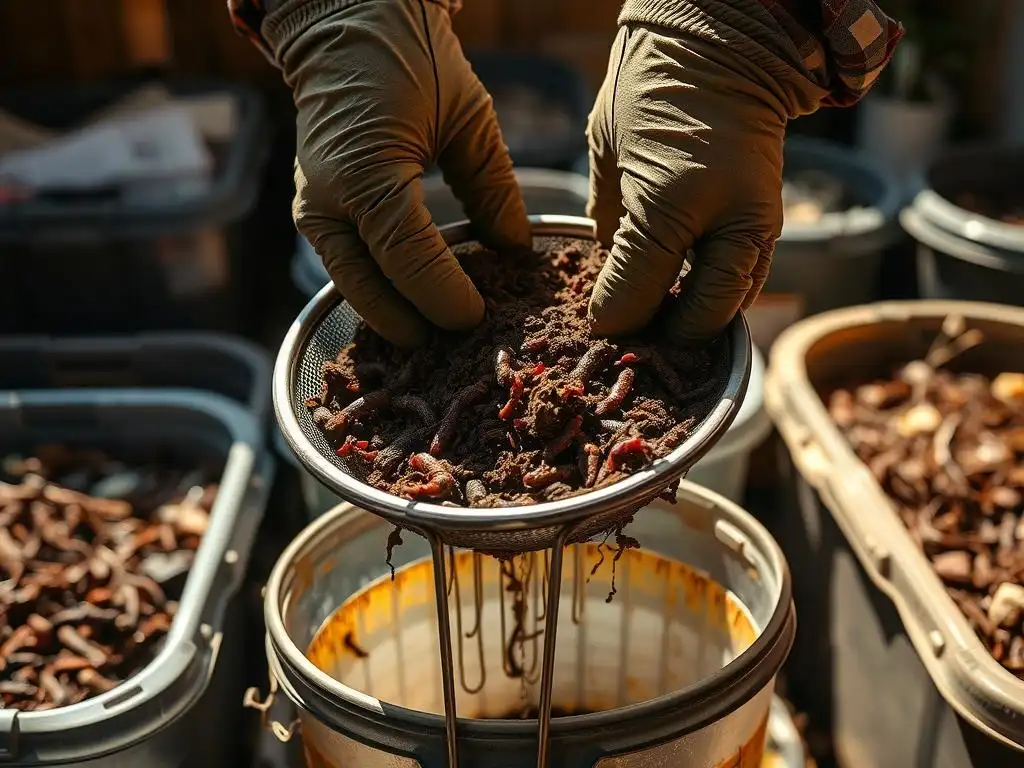
Worm castings, the byproduct of vermicomposting, are a treasure trove of nutrients for your organic garden. Rich in beneficial microorganisms and essential plant nutrients, they significantly improve soil health and plant growth. Harvesting and utilizing these castings effectively is crucial for maximizing the benefits of your worm composting system. This section details the best practices for harvesting and incorporating these valuable organic amendments into your garden. Understanding the process of organic gardening worm composting is key to unlocking the full potential of your homegrown produce.
Harvesting Worm Castings: Techniques and Timing
Harvesting worm castings is a relatively simple process, but timing is key to ensuring you obtain high-quality castings while minimizing disruption to your worm colony. The ideal time to harvest is when approximately half of the bedding material in your worm bin has been processed into castings. This usually occurs after several months, depending on the size of your bin, the amount of food waste added, and the size of your worm population. Several techniques can be employed:
- The "Layer Method": This is a non-destructive method. Carefully remove the top layer of castings, leaving the worms and partially composted bedding below undisturbed. This allows the worms to continue their work uninterrupted. You might need a fine-mesh sieve to separate any stray worms from the castings.
- The "Dump and Sort Method": This method involves emptying the entire bin's contents onto a tarp or large sheet. Manually separate the castings from the bedding and worms. While effective, it's more time-consuming and potentially stressful for the worms. This method requires patience and a gentle hand to avoid harming the worms.
- The "Worm Factory Style": Worm factories are designed with multiple trays that allow for the harvesting of castings from the bottom tray while leaving the worms in the upper trays to continue composting. This is a highly efficient method for larger-scale worm composting operations.
The frequency of harvesting depends on the size of your bin and the rate of composting. Regular, smaller harvests are generally preferred to large, infrequent ones, as this minimizes disruption to the worm colony and ensures a steady supply of high-quality castings for your garden. Remember, always leave enough bedding material for the worms to thrive.
Applying Worm Castings to Your Garden: Methods and Considerations
Once harvested, worm castings are ready to enrich your garden soil. Their application is straightforward, but some considerations can optimize their effectiveness:
- Direct Incorporation: Mix worm castings directly into the soil before planting. This method is particularly effective for improving overall soil structure and fertility. A typical application rate is 1-2 cups per square foot, but this can vary depending on soil conditions and plant needs. Think of it as a natural soil amendment, boosting organic matter.
- Topdressing: Spread a layer of worm castings on top of the soil around your plants. This method provides a slow-release fertilizer, gradually feeding your plants over time. This is a great option for established plants or as a mulch substitute.
- Seed Starting Mix: Incorporate worm castings into your seed starting mix to provide young seedlings with a nutrient-rich environment for healthy growth. The castings' fine texture also improves drainage and aeration in the seed starting mix.
It's crucial to avoid over-applying worm castings. While beneficial, excessive amounts can lead to nutrient imbalances. Start with a moderate application and observe your plants' response before adding more. Remember to always use organic gardening practices, and worm castings are a cornerstone of this sustainable approach.
Using Worm Tea as a Liquid Fertilizer
Worm tea, a liquid extract created by steeping worm castings in water, is a highly effective liquid fertilizer packed with beneficial microorganisms and nutrients. It's a fantastic way to deliver a potent dose of nutrients directly to your plants' roots.
Creating worm tea is simple:
- Place a handful of worm castings in a mesh bag or stocking.
- Submerge the bag in a container of water.
- Aerate the mixture (using an air pump is ideal) for 24-72 hours.
- Remove the bag and dilute the worm tea with water before application (a 1:10 ratio is a good starting point).
Worm tea is best applied as a foliar spray or directly to the soil around the base of your plants. Its liquid nature allows for quick nutrient uptake, providing a boost to plant health and vigor. Regular application can promote strong, healthy growth and increase yields. It's another example of how organic gardening worm composting provides multiple benefits for your garden. Using this "tea" is a natural approach to providing your plants with the nutrients they need, aligning with organic gardening principles and promoting sustainable practices.
Worm Composting vs. Traditional Composting: A Comparison
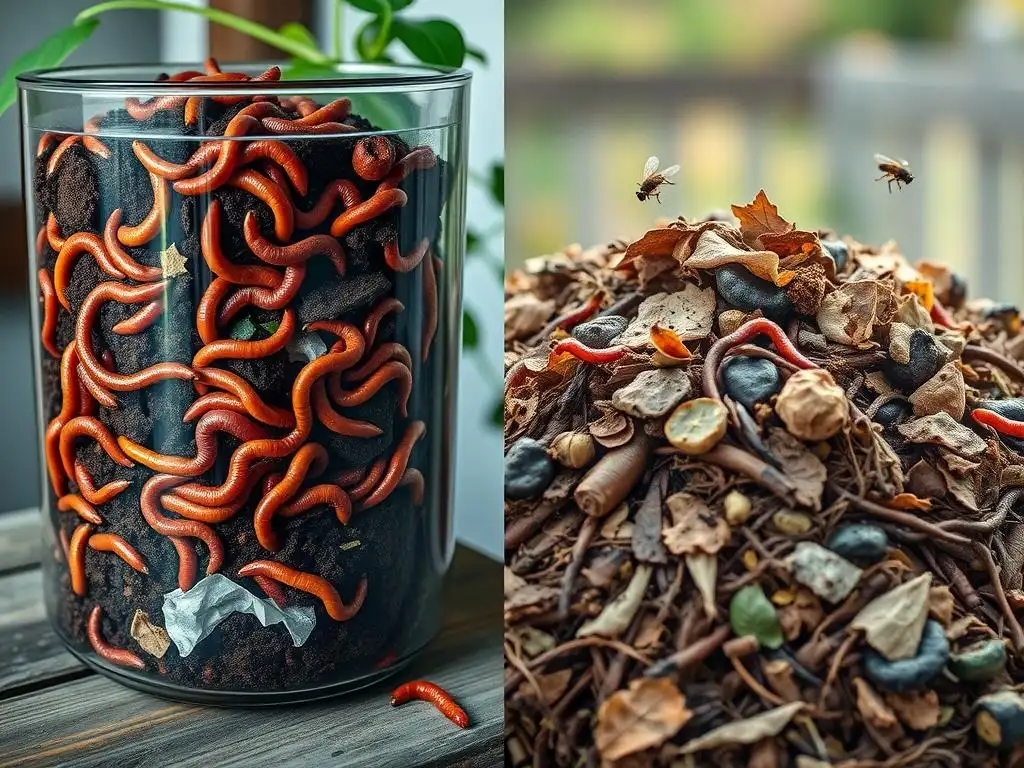
This section delves into the key differences between worm composting (vermicomposting) and traditional composting methods, highlighting their respective efficiencies and benefits within the context of organic gardening worm composting. Understanding these distinctions is crucial for selecting the optimal approach for your specific gardening needs and space constraints.
Comparing the Efficiency and Benefits of Both Methods
Vermicomposting, utilizing worms like Eisenia fetida (red wigglers), offers several advantages over traditional methods. Firstly, it's significantly faster. Red wigglers process organic waste at a much quicker rate than the microbial activity in a traditional compost pile. While a traditional compost pile might take months to fully decompose, vermicomposting can yield rich, nutrient-dense castings in as little as 8-12 weeks. This accelerated decomposition is a key benefit for those seeking rapid soil amendment for their organic gardening efforts.
Secondly, vermicomposting produces a higher-quality end product. Worm castings, the excrement of earthworms, are exceptionally rich in nutrients, possessing a higher concentration of essential plant nutrients—nitrogen, phosphorus, potassium—and beneficial microorganisms compared to traditional compost. This superior quality translates to healthier, more vigorous plant growth, a cornerstone of successful organic gardening worm composting.
| Feature | Vermicomposting | Traditional Composting |
|---|---|---|
| Speed | Fast (8-12 weeks) | Slow (several months) |
| End Product | High-quality worm castings, nutrient-rich | Compost, varying in nutrient density |
| Space Required | Relatively small (bin or container) | Larger space required (pile or bin) |
| Odor | Minimal odor | Can have strong odor, especially during early stages |
| Maintenance | Moderate (requires regular feeding & monitoring) | Less frequent attention required |
However, traditional composting also has its merits. It can handle larger volumes of organic waste, making it suitable for larger gardens or properties. Furthermore, while requiring less frequent attention, it’s a more passive process, ideal for gardeners with limited time. The composting process itself also contributes to soil health by reducing landfill waste and improving soil structure, which is an important aspect of sustainable organic gardening. The choice between the two often depends on the scale of your gardening operation and your personal preferences.
Choosing the Right Composting Method for Your Needs
The optimal composting method hinges on several factors. Consider the amount of organic waste you generate. A large household or commercial operation might benefit from a traditional composting system, capable of handling substantial volumes of yard waste and food scraps. Conversely, vermicomposting is better suited for smaller gardens or apartments, where space is at a premium.
Think about your available time and energy. Vermicomposting requires more consistent attention—regular feeding and monitoring—while traditional composting demands less frequent intervention. Your personal preference for a more hands-on or passive approach will influence your decision. Finally, assess your soil's existing nutrient levels.
If your soil is already fairly fertile, traditional composting might suffice. However, if you aim for a significant nutrient boost, the superior quality of worm castings from vermicomposting makes it a more attractive option for enhancing your organic gardening worm composting efforts. Ultimately, the best method is the one that aligns with your resources, lifestyle, and gardening goals. Careful consideration of these factors will guide you toward a successful and sustainable composting practice.
Worms and Pest Control in the Organic Garden
Organic gardening relies heavily on natural processes to maintain soil health and plant vigor. One often-overlooked, yet incredibly valuable, component of this ecosystem is the role of worms in pest control. While we often associate worms with composting (a crucial aspect of organic gardening worm composting), their contributions extend far beyond nutrient cycling. Many worm species actively contribute to suppressing pest populations, creating a more balanced and resilient garden environment. This section will explore how worms, particularly beneficial nematodes, contribute to natural pest control strategies within the context of organic gardening worm composting.
Beneficial Nematodes: Natural Pest Control with Microscopic Worms
Beneficial nematodes are microscopic roundworms that are incredibly effective in controlling a wide range of soilborne garden pests. These tiny warriors are natural predators, attacking and killing various insect larvae, including those of common garden pests like fungus gnats, cutworms, and white grubs. Their use represents a significant advancement in sustainable pest management within organic gardening worm composting practices.
Instead of relying on harmful chemical pesticides, gardeners can introduce beneficial nematodes directly into the soil. These nematodes are commercially available and can be applied easily, often mixed with water and applied via watering can. The nematodes seek out their prey, penetrating their bodies and releasing bacteria that quickly kill the pests. This process is highly specific, targeting only the pest insects and leaving beneficial insects and other soil organisms unharmed.
The effectiveness of beneficial nematodes varies depending on factors like soil temperature and moisture. Optimal conditions are crucial for their survival and efficacy. Detailed instructions on application and environmental conditions are usually provided by the supplier. It's important to carefully follow these instructions to maximize their impact and ensure successful pest control. Regular monitoring of pest populations is also essential to assess the effectiveness of the nematode application and to determine if further treatment is needed. Successful integration of beneficial nematodes into your organic gardening worm composting strategy can significantly reduce the need for chemical interventions.
Attracting Beneficial Worms to Your Garden: Creating a Worm-Friendly Environment
Beyond the targeted application of beneficial nematodes, fostering a diverse and thriving worm population in your garden is crucial for overall soil health and pest control. A healthy soil ecosystem, rich in organic matter, naturally attracts a variety of beneficial worms that contribute to nutrient cycling and pest suppression. Creating a worm-friendly environment involves several key practices integral to successful organic gardening worm composting.
- Maintaining Soil Health: Worms thrive in moist, well-aerated soil rich in organic matter. Regular composting and the addition of organic materials like leaf mold, aged manure, and shredded paper significantly improve soil structure and attract worms. Avoid practices that compact the soil, such as excessive tilling or walking on wet soil.
- Mulching: A layer of mulch helps retain soil moisture, regulate temperature, and suppress weeds – all factors that create a more favorable environment for worms. Organic mulches, such as straw, wood chips, or shredded leaves, are particularly beneficial.
- Avoiding Harmful Chemicals: The use of chemical pesticides and fertilizers can be detrimental to worm populations. These chemicals can directly kill worms or disrupt the delicate balance of the soil ecosystem, reducing worm diversity and activity. Sticking to organic practices is essential for creating a thriving worm community.
- Providing Food Sources: Worms feed on decaying organic matter. Regularly adding compost, kitchen scraps (avoiding meat and dairy), and other organic materials provides a continuous food source, attracting and supporting a larger worm population. This continuous supply of organic matter is a cornerstone of effective organic gardening worm composting.
By implementing these strategies, you can significantly enhance the worm population in your garden, leading to improved soil fertility, better plant growth, and a more natural and effective approach to pest control. The resulting healthy soil ecosystem will contribute to a more sustainable and resilient garden, minimizing the need for external interventions. Remember, a happy worm is a productive worm – and a productive worm is key to successful organic gardening worm composting.
Frequently Asked Questions
What is worm composting, and how does it relate to organic gardening?
Worm composting, or vermicomposting, is a sustainable method of composting using worms to break down organic waste. This creates nutrient-rich worm castings, an excellent organic fertilizer for your garden, supporting the principles of organic gardening.
What types of worms are best for vermicomposting?
Red wiggler worms (Eisenia fetida) are the ideal species for vermicomposting due to their high appetite and ability to thrive in a confined space. Other worms are less efficient at breaking down waste.
How do I start a worm composting bin at home?
You can start a worm bin using a plastic bin, adding bedding material (shredded newspaper or cardboard), and introducing your red wiggler worms. Maintain moisture and feed them consistently with organic kitchen scraps.
What are the benefits of using worm castings in my organic garden?
Worm castings are a natural fertilizer packed with nutrients that improve soil structure, water retention, and nutrient availability. They also improve the overall health of your soil and plants, leading to healthier and more robust growth.
Are there any drawbacks to worm composting?
While generally beneficial, worm composting can attract fruit flies if not managed properly. Also, the process takes time; you won't see significant amounts of castings for a few months. Consistent maintenance is key.
Final Reflection: The Enduring Power of the Humble Worm
The resurgence of interest in organic gardening practices, particularly worm composting, highlights a growing awareness of the interconnectedness between soil health and sustainable living. We are rediscovering the vital role that seemingly insignificant creatures, like earthworms, play in creating thriving ecosystems, right in our own backyards. This isn't just a trend; it's a fundamental shift towards a more responsible and harmonious relationship with the natural world.
The impact of worm composting extends far beyond the confines of our gardens. It represents a broader movement towards ecological consciousness, reminding us of the intricate beauty and power of natural processes. The earth is what we all have in common.
- Wendell Berry. This quote perfectly encapsulates the shared responsibility we have to nurture the soil, and the worms that tirelessly work within it, for the benefit of all. Understanding their role allows us to appreciate the delicate balance of nature and our place within it, fostering a deeper connection with the food we grow and the planet we inhabit.
You, the reader, now hold the key to unlocking the potential of your garden and contributing to a more sustainable future. Consider incorporating worm composting into your gardening practices. Observe the remarkable transformation in your soil, the increased yields, and the profound satisfaction of working in harmony with nature. Let the humble worm be your guide, reminding you of the simple yet powerful ways we can make a positive impact on the world, one compost bin at a time.
Unleash the Power of Worms in Your Garden!
Thank you for exploring the amazing world of worms and their vital role in organic gardening! You've discovered a key to healthier, more vibrant plants. Ready to put this knowledge into action?
- Start a worm composting bin: This is the most impactful step you can take to harness the power of worms. It's easier than you think!
- Share this article: Help spread the word about sustainable gardening practices among your fellow gardening enthusiasts!
- Experiment with different types of worm castings: Observe how various castings affect your specific plants to determine which works best for your garden.
What surprising benefits have you seen from using worms in your garden? Share your experiences in the comments below!