
Grafted vs. NonGrafted Fruit Trees: Which is Best for Your Garden?

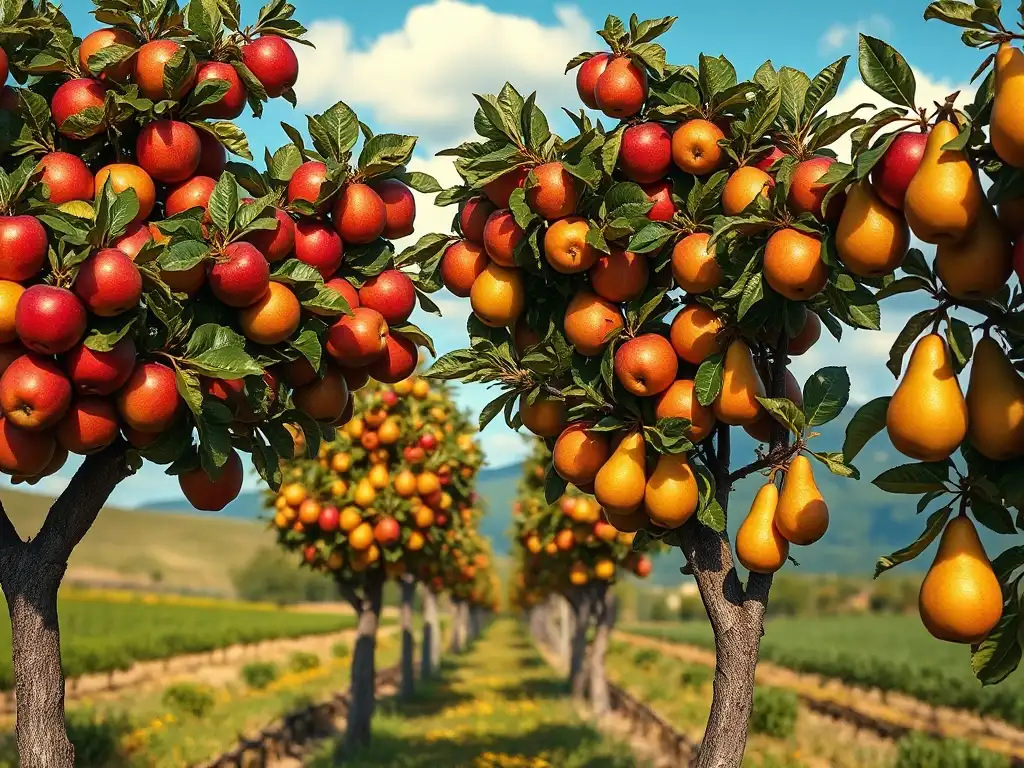
Welcome to CultivateYourFood, your guide to a thriving, sustainable home garden! Are you ready to unlock the secrets to bountiful harvests? We delve into the fascinating world of fruit tree cultivation, starting with a crucial decision: choosing between grafted and non-grafted fruit trees. Discover which best fruit tree graft type will yield the sweetest success in your garden—and much more! Let's get growing!
- Understanding Grafting in Fruit Trees: A Beginner's Guide
- Grafted Fruit Trees: Advantages and Considerations
- Non-Grafted Fruit Trees: Advantages and Considerations
- Grafted vs. Non-Grafted: A Direct Comparison for Home Gardeners
- Best Fruit Tree Graft Type for Home Gardens: Making the Right Choice
- Frequently Asked Questions
- Final Reflection: Choosing the Right Graft for a Bountiful Harvest
- Unlock Your Orchard's Potential: Grow the Perfect Fruit Tree!
Understanding Grafting in Fruit Trees: A Beginner's Guide
Choosing the right fruit tree for your home garden can significantly impact your harvest. This decision often involves considering whether to plant a grafted or non-grafted tree. While both options offer the potential for delicious homegrown fruit, understanding the differences between grafted and non-grafted fruit trees is crucial for making an informed choice that aligns with your gardening goals and the specific conditions of your growing space.
This guide will delve into the world of fruit tree grafting, explaining the process, its benefits, and helping you determine which type of tree is best suited for your needs and ultimately, helps you answer the question: what is the best fruit tree graft type for your garden? We'll explore the science behind grafting, examine common rootstock types, and weigh the advantages and disadvantages of each approach, equipping you with the knowledge to cultivate a thriving and productive orchard.
What is Grafting and Why is it Used?
Grafting is a horticultural technique where a section of stem or bud (the scion) from one plant is joined to the rootstock of another, creating a single plant. Think of it as a plant surgery! The scion provides the desired fruit characteristics – variety, flavor, and disease resistance – while the rootstock provides the foundation, influencing growth habit, size, and hardiness.
Why is grafting so prevalent in fruit tree cultivation? There are several compelling reasons:
- Improved Fruit Quality: Grafting allows growers to combine the best qualities of different varieties. For example, a delicious apple variety might be grafted onto a rootstock known for its disease resistance or dwarfing growth habit.
- Disease Resistance: Rootstocks can be selected for their resistance to specific soilborne diseases or pests, protecting the scion and the overall health of the tree.
- Controlled Tree Size: Dwarfing rootstocks are commonly used to produce smaller trees, ideal for smaller gardens or spaces with limited room. This also makes harvesting easier.
- Accelerated Fruit Production: Grafting can sometimes lead to earlier fruiting compared to growing a tree from seed.
- Propagation of Superior Varieties: Grafting efficiently replicates desirable traits of superior fruit varieties, ensuring consistent quality across multiple trees.
The Science Behind Successful Grafting Techniques
Successful grafting depends on the careful alignment of the cambium layers – the thin layer of actively dividing cells just beneath the bark – of both the scion and the rootstock. This is where the crucial union occurs. The cambium layers must be in close contact to allow for the growth of new tissues and the eventual fusion of the two parts. The success rate of grafting can be influenced by several factors including:
- Timing: Grafting is typically done during the dormant season (late winter or early spring) when the plant's sap flow is low.
- Compatibility: Not all scion and rootstock combinations are compatible. Certain species or varieties are more likely to successfully graft together than others. Extensive research and experience guide the selection process.
- Technique: Various grafting techniques exist, each with its own nuances and suitability for different plant species and situations. Proper technique is essential for successful union.
- Environmental Conditions: Temperature, humidity, and overall weather conditions can all affect the success of grafting.
Common Rootstock Types and Their Impact on Fruit Tree Growth
Rootstocks play a significant role in determining the final size, growth habit, and overall characteristics of the mature fruit tree. Different rootstocks are chosen based on specific needs and desired outcomes. Here are some examples:
| Rootstock Type | Characteristics | Impact on Tree Size | Disease Resistance |
|---|---|---|---|
| Malling series | Widely used for apples and pears; various sizes | Varies greatly | Often improved |
| Semi-dwarfing | Moderate growth; suitable for medium-sized gardens | Medium | Moderate to high |
| Dwarfing | Significantly reduces tree size; ideal for small gardens | Small | Can vary |
| Standard | Grows to full size; requires more space | Large | Varies |
Understanding the impact of different rootstocks is key to selecting the right grafted tree for your garden. Consider the space available, your desired tree size, and the specific needs of your chosen fruit variety when making your selection. Choosing the "best" fruit tree graft type ultimately depends on these factors and your individual gardening context.
Grafted Fruit Trees: Advantages and Considerations
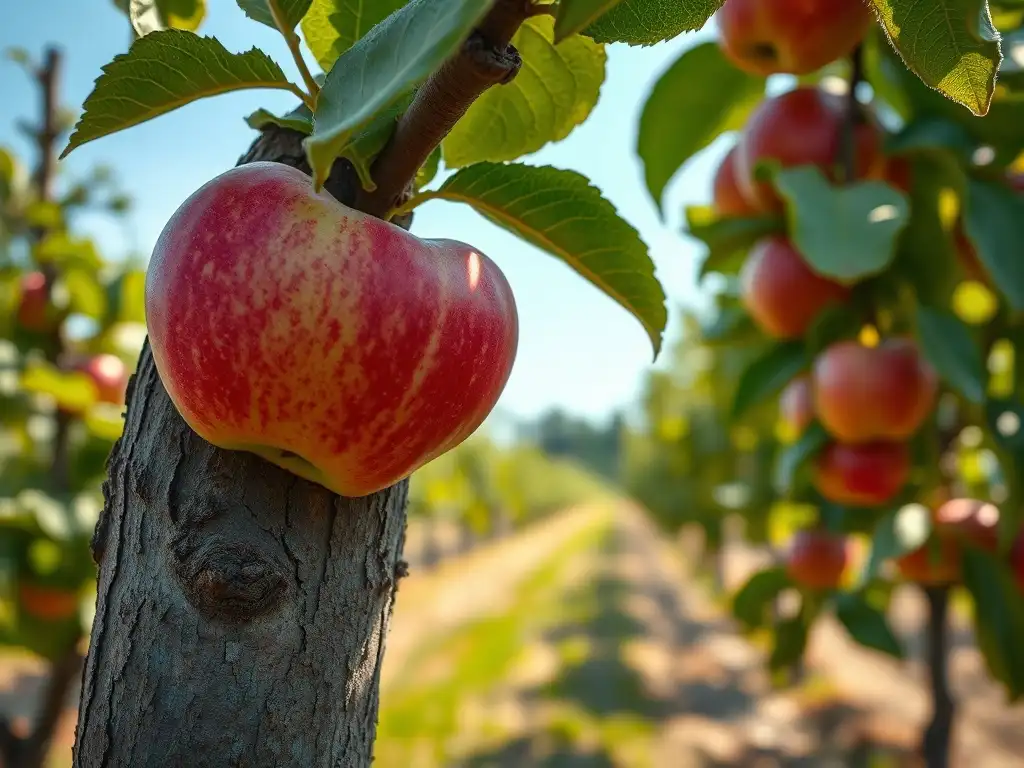
This section delves into the specific advantages of choosing grafted fruit trees over non-grafted ones, focusing on the improvements in fruit quality, disease resistance, and overall lifespan. Understanding these benefits will help you make an informed decision when selecting the best fruit tree graft type for your home garden.
Superior Fruit Quality and Production in Grafted Trees
Grafting allows for the combination of desirable traits from different rootstocks and scions. The scion, which is the upper part of the graft, provides the fruit-bearing characteristics, while the rootstock, the lower part, influences growth habit, disease resistance, and even fruit size. This targeted selection results in superior fruit quality compared to trees grown from seed. Seed-grown trees, while exhibiting genetic diversity, often produce inconsistent fruit quality, size, and flavor. Conversely, grafted trees consistently deliver predictable and high-quality fruit.
For instance, a particularly flavorful apple variety might be grafted onto a rootstock known for its dwarfing characteristics, resulting in a compact tree with abundant, delicious apples. This precise control over fruit characteristics is a major advantage of choosing grafted trees. Data from agricultural experiments consistently show higher yields and improved fruit size in grafted trees compared to seed-grown counterparts.
The difference can be quite significant, with grafted trees often producing 20-30% more fruit of superior quality. This translates to a more bountiful harvest and a more satisfying gardening experience. The uniformity in fruit size and shape is also advantageous for commercial growers and home gardeners alike, simplifying harvesting and storage.
Disease Resistance and Pest Control in Grafted Varieties
One of the most compelling reasons to opt for grafted fruit trees is their enhanced disease and pest resistance. Rootstocks can be carefully chosen for their inherent resistance to specific soilborne diseases and pests. This means that by selecting the right rootstock, you can significantly reduce the risk of common fruit tree ailments, minimizing the need for chemical interventions and promoting sustainable gardening practices.
Consider the case of fire blight, a devastating bacterial disease affecting many pome fruits. Many rootstocks possess a degree of natural resistance to fire blight, providing a significant advantage over seed-grown trees, which are often more susceptible. Similarly, certain rootstocks show resistance to root rot and other soilborne pathogens.
This improved resistance translates to healthier trees, requiring less maintenance and intervention, saving you time and resources while promoting a thriving ecosystem in your garden. Choosing a rootstock with inherent disease resistance is a crucial factor in selecting the best fruit tree graft type for your specific region and soil conditions. This proactive approach to disease management is key to long-term success in fruit tree cultivation.
Faster Fruit Bearing and Increased Lifespan with Grafting
Grafting significantly accelerates the fruiting process compared to trees grown from seed. Seed-grown trees typically take several years, sometimes even a decade, to produce their first fruit. In contrast, grafted trees, due to the mature scion wood used in the grafting process, often bear fruit within one to three years. This accelerated fruiting is a significant advantage for home gardeners eager to enjoy the fruits of their labor sooner.
Furthermore, while the lifespan of a fruit tree is influenced by numerous factors, including environmental conditions and care, appropriate grafting techniques can contribute to a longer lifespan. By selecting a vigorous rootstock, you are effectively providing a robust foundation for the scion, resulting in a tree better equipped to withstand environmental stresses and diseases.
This combination of faster fruit bearing and potentially extended lifespan contributes to a higher overall return on your investment and increased enjoyment from your fruit trees. Therefore, considering the best fruit tree graft type involves carefully weighing the benefits of faster maturation and potentially longer life, alongside other crucial factors like fruit quality and disease resistance.
The Cost Factor: Are Grafted Trees More Expensive?
Generally, grafted fruit trees command a higher price tag than their non-grafted counterparts. This increased cost reflects the specialized labor and expertise involved in the grafting process. Nurseries must invest in skilled personnel to perform the delicate grafting procedure, ensuring the scion (the desired fruit variety) and rootstock are successfully joined. Additionally, the grafting process often requires more meticulous care and attention during the tree's early development, leading to higher production costs.
However, the long-term benefits of a grafted tree, such as earlier fruiting and superior fruit quality, can often outweigh the initial higher expense. The price difference can vary significantly depending on the specific variety, the rootstock used, and the size of the tree at the time of purchase. While a small, ungrafted tree might cost a few dollars less, a larger, mature grafted tree will invariably be significantly more expensive.
Consider the overall cost of ownership: while the initial investment is higher, the potential for earlier harvests and increased yields might make grafted trees a more economical choice in the long run. Careful consideration of both short-term and long-term costs is essential when making this decision. Ultimately, the "best" choice depends on your budget and long-term gardening goals.
Choosing the Right Grafted Variety for Your Climate and Soil
Selecting the appropriate grafted variety is crucial for success. This involves careful consideration of your specific climate and soil conditions. The rootstock used in grafting significantly influences a tree's adaptability to different environments. For example, some rootstocks are known for their drought tolerance, making them ideal for arid regions. Others thrive in wet conditions or specific soil types.
Conversely, the scion (the fruiting part of the tree) has its own unique climate preferences, determining its hardiness and susceptibility to frost or heat stress. Choosing a combination of rootstock and scion that complements your local environment is paramount. Researching varieties suitable for your USDA Plant Hardiness Zone is essential. Furthermore, understanding your soil's pH, drainage capabilities, and nutrient content helps narrow down suitable choices.
For instance, a tree grafted onto a rootstock known for its tolerance to poorly-drained soil would be a better choice for areas prone to waterlogging. Consulting with local nurseries or experienced gardeners can provide valuable insights tailored to your specific geographic location and soil conditions. Ignoring these factors can lead to poor tree growth, reduced yields, and even tree failure. Therefore, careful selection of the grafted variety is a crucial step in ensuring the long-term health and productivity of your fruit trees.
Non-Grafted Fruit Trees: Advantages and Considerations
Non-grafted fruit trees, grown from seed or cuttings, offer a distinct approach to fruit tree cultivation, presenting both advantages and challenges compared to their grafted counterparts. Understanding these nuances is crucial for selecting the best fruit tree graft type for your specific needs and gardening goals. Choosing between grafted and non-grafted trees often hinges on your priorities – speed of fruit production versus genetic diversity and long-term adaptability.
The Natural Approach: Growing from Seed or Cuttings
Growing fruit trees from seed or cuttings represents a more natural and often less expensive method than purchasing grafted trees. This approach allows for a greater degree of genetic diversity within your orchard. Seed-grown trees, in particular, exhibit a wider range of genetic expression, potentially leading to variations in fruit size, flavor, and disease resistance.
This inherent variability can be a significant benefit in unpredictable climates or when facing evolving pest pressures. Propagation from cuttings, while less variable than seed-grown trees, still maintains more of the parent plant's genetic material than a grafted tree, leading to a more homogenous but still naturally occurring variation.
However, the process of growing from seed or cuttings requires more patience and expertise, as it often leads to slower growth and later fruit production compared to grafted trees. Furthermore, the characteristics of the fruit from seed-grown trees may not be identical to the parent tree, which can be a positive or negative depending on your goals.
Potential for Genetic Diversity and Adaptation
One of the most compelling arguments for choosing non-grafted trees is their inherent genetic diversity. Unlike grafted trees, which are essentially clones of a parent tree, seed-grown trees possess a unique genetic makeup, offering a broader spectrum of characteristics. This diversity can be invaluable in adapting to changing environmental conditions, such as increasingly erratic weather patterns or emerging diseases.
For instance, a seed-grown apple tree might exhibit greater tolerance to a specific fungal infection compared to a cloned variety, contributing to the resilience and longevity of your orchard. This natural selection process, inherent in growing from seed, is a key aspect of sustainable and organic gardening practices, promoting long-term stability and reducing reliance on external inputs. The potential for unique and superior fruit characteristics is another appealing aspect, offering the possibility of discovering novel flavors or textures.
Slower Growth and Fruit Production in Non-Grafted Trees
A significant drawback of non-grafted fruit trees is their slower growth rate and delayed fruiting compared to grafted trees. Seed-grown trees, in particular, may take several years – sometimes even a decade – before producing a significant fruit yield. This extended wait can be frustrating for gardeners seeking immediate gratification.
While cuttings can sometimes produce fruit faster than seed-grown trees, they still typically lag behind grafted varieties. The time investment required for non-grafted trees necessitates careful planning and patience. This slower growth also means that the tree requires more time to establish a strong root system, making it potentially more vulnerable to environmental stresses in its early years.
This prolonged juvenile phase is a critical factor to consider when evaluating the best fruit tree graft type for your garden's specific context and your personal timeline. Careful site selection and consistent care are essential to compensate for this slower development and maximize the chances of successful fruit production.
Increased Susceptibility to Diseases and Pests
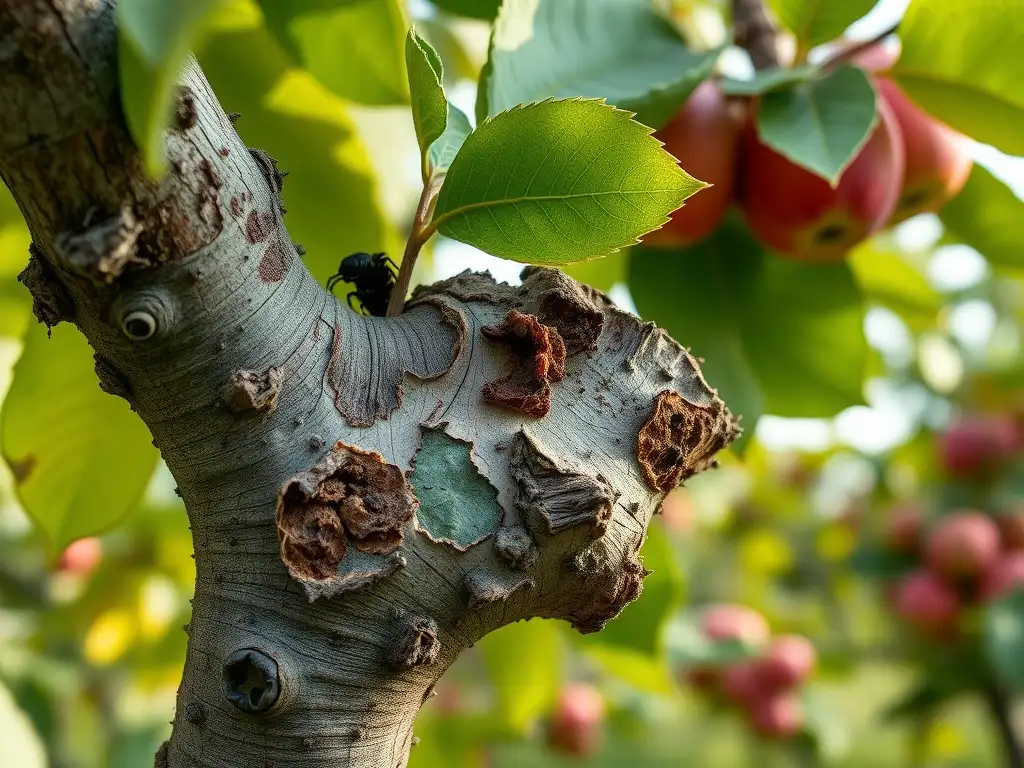
Non-grafted fruit trees, while offering certain advantages, often exhibit increased vulnerability to diseases and pests compared to their grafted counterparts. This heightened susceptibility stems from the inherent uniformity within a non-grafted tree's genetic makeup. A single disease or pest, once it finds a foothold, can rapidly spread throughout the entire tree, potentially causing significant damage or even death. Grafted trees, on the other hand, often incorporate rootstocks with disease resistance, acting as a buffer against widespread infection.
For example, a non-grafted apple tree might be susceptible to apple scab, a fungal disease that causes unsightly lesions on the fruit and leaves. The entire tree could be affected, leading to reduced yield and potentially the need for extensive chemical treatments – a practice often at odds with sustainable gardening principles. This increased susceptibility necessitates more vigilant monitoring and proactive pest and disease management strategies for non-grafted trees.
Regular inspections for signs of infection, coupled with timely interventions like pruning infected branches or employing organic pest control methods, are crucial for maintaining the health of your non-grafted fruit trees. Ignoring these preventative measures could lead to significant losses and compromise the overall success of your orchard. The choice between grafted and non-grafted therefore involves weighing the potential benefits against the increased management required to prevent disease and pest infestations.
Maintaining Genetic Purity in Non-Grafted Trees
Maintaining genetic purity in non-grafted fruit trees presents both opportunities and challenges for home gardeners. The primary advantage is the preservation of the original tree's unique characteristics. If you're cultivating a rare or heirloom variety, propagating it through seeds ensures its continued existence, preserving its specific flavor profile, fruit size, and other desirable traits. However, this also means that the offspring might not always replicate the parent plant's characteristics exactly.
Seed-grown trees exhibit greater variability, meaning that the fruits produced may vary in size, taste, and even ripening time. This unpredictability can be a significant drawback, especially for commercial growers aiming for consistency. Furthermore, maintaining genetic purity necessitates careful seed selection and planting techniques. One needs to ensure that pollination is controlled to avoid cross-pollination with other varieties, which could lead to a loss of the desired genetic traits.
Careful selection of the seeds, ensuring they are from a healthy parent tree, is also paramount. The process of maintaining genetic purity in non-grafted trees is more labor-intensive than simply planting a grafted tree, requiring a deeper understanding of plant genetics and breeding principles. However, for the dedicated gardener seeking to preserve specific heirloom varieties or simply enjoy the natural variation inherent in seed propagation, the effort can be richly rewarding. The unique characteristics of each resulting tree contribute to the biodiversity of your garden.
Grafted vs. Non-Grafted: A Direct Comparison for Home Gardeners
This section dives deep into the practical differences between grafted and non-grafted fruit trees, specifically focusing on what matters most to the home gardener: yield, disease resistance, and tree size. We'll explore which type offers the best fruit tree graft type for your specific needs and space constraints. Choosing the right tree is crucial for a successful and rewarding harvest.
Fruit Quality and Yield: A Side-by-Side Look
When considering the "best fruit tree graft type," fruit quality and yield are paramount. Grafted trees often win in this category. Why? Because grafting allows growers to combine the desirable fruiting characteristics of one variety (the scion) with the robust rootstock of another. This means you can enjoy superior fruit quality – larger, sweeter, and more flavorful apples, for example – from a tree that's also hardy and productive.
Non-grafted trees, grown from seed, are essentially genetic lotteries. While you might get lucky and produce excellent fruit, there's a significant chance the fruit will be smaller, less flavorful, and less consistent in size and ripening time compared to its grafted counterpart. Furthermore, the tree itself might not be as productive, resulting in a lower overall yield.
Let's illustrate with an example: Imagine comparing a grafted Granny Smith apple tree with a non-grafted apple tree grown from seed. The grafted tree will likely produce consistently large, tart Granny Smith apples year after year. The non-grafted tree, however, might yield smaller, less consistently tart apples, or even apples with completely different characteristics than expected. This unpredictability makes grafted trees a more reliable choice for the home gardener aiming for consistent quality and quantity. The superior fruit quality and higher yield often justify the slightly higher initial cost of a grafted tree.
Disease Resistance: Comparing Grafted and Non-Grafted Trees
Disease resistance is another critical factor in determining the best fruit tree graft type for your garden. Grafted trees can offer a significant advantage here. Nurseries carefully select rootstocks known for their resistance to specific diseases and pests common in your region. This provides a crucial buffer against common fruit tree ailments. A rootstock resistant to root rot, for example, will protect even a susceptible scion variety.
Non-grafted trees, lacking this inherent advantage, are more vulnerable to diseases and pests. Their susceptibility depends entirely on the tree's individual genetic makeup – a roll of the dice, much like fruit quality. This increased vulnerability can lead to significant losses in yield and even tree mortality, especially in challenging climates or soil conditions. The inherent robustness provided by disease-resistant rootstock in grafted trees is a significant factor to consider, particularly for beginners. Choosing the right rootstock for your region can significantly reduce the need for chemical interventions, aligning with sustainable gardening practices.
Tree Size and Growth Rate: Understanding the Differences
The size and growth rate of your fruit tree are also influenced by whether it's grafted or non-grafted. Grafting allows for better control over these aspects. Nurseries offer a wide variety of rootstocks that influence the mature size of the tree. This allows you to select a tree that's appropriately sized for your garden, whether you need a dwarf tree for a small backyard or a larger standard tree for a more expansive orchard. You can even select semi-dwarf varieties that offer a good balance between size and productivity.
Non-grafted trees, on the other hand, tend to grow more unpredictably. The mature size can vary greatly, potentially exceeding the space available in your garden. This lack of control over size can lead to overcrowding and competition for resources, negatively impacting fruit production and overall tree health. Therefore, when considering the best fruit tree graft type, the predictable size and growth rate offered by grafted trees are a significant benefit for home gardeners with limited space. Careful selection of the rootstock allows you to tailor the tree's size to your specific needs, optimizing yield within your available space.
Lifespan and Longevity: Which Type Lasts Longer?
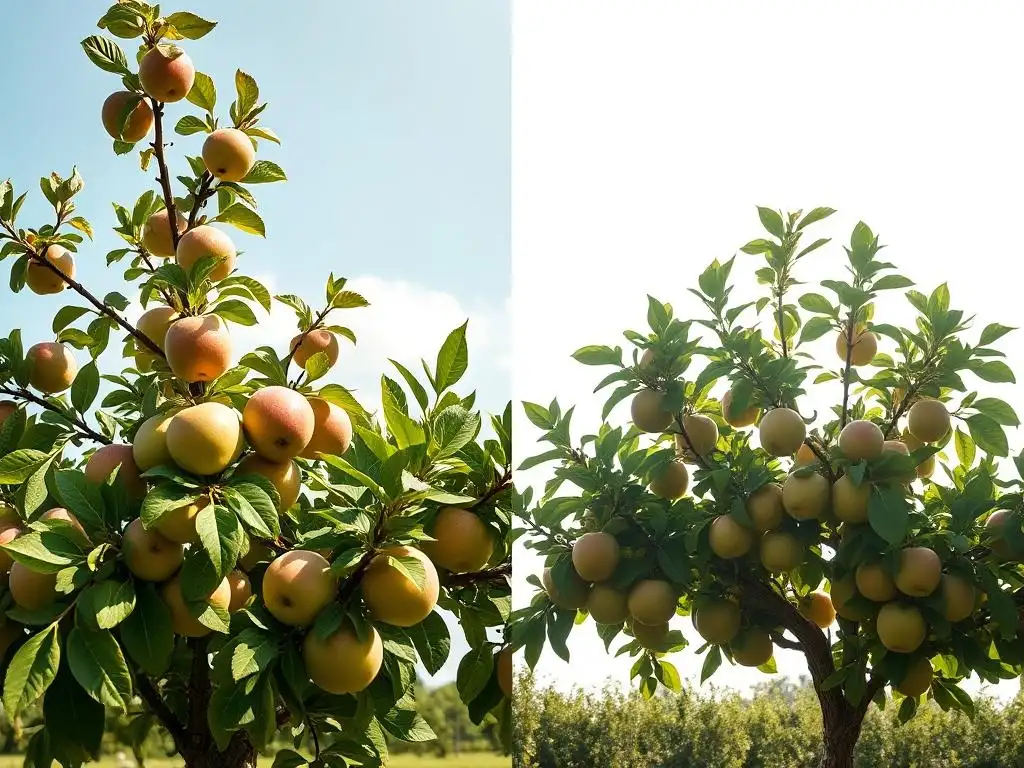
The lifespan of a fruit tree, whether grafted or non-grafted, is influenced by several factors including species, climate, soil conditions, and overall care. However, generally speaking, grafted fruit trees often exhibit a longer lifespan than their non-grafted counterparts. This is because the grafting process combines the desirable characteristics of two different trees—a rootstock known for its hardiness and disease resistance, and a scion known for its fruit quality and yield. The robust rootstock provides a stronger foundation, leading to a healthier and more long-lived tree.
Non-grafted trees, on the other hand, rely solely on their own genetic makeup. While some varieties are naturally hardy, they may be more susceptible to disease, pests, or environmental stresses, potentially shortening their lifespan. For example, a non-grafted apple tree might struggle with root rot in poorly drained soil, significantly impacting its longevity. A grafted apple tree, using a rootstock resistant to root rot, would be much more likely to thrive in the same conditions.
This difference in lifespan can translate to many years of additional fruit production. While a non-grafted tree might produce fruit for 15-20 years, a well-chosen grafted tree could easily extend that to 25-30 years, or even longer, depending on the species and care. This makes the initial investment in a grafted tree a more worthwhile long-term commitment. Proper pruning and disease management techniques will, of course, extend the lifespan of both types of trees.
Overall Cost and Long-Term Value: Weighing the Investment
The initial cost of a grafted fruit tree is typically higher than that of a non-grafted tree. This is due to the specialized labor involved in the grafting process. Nurseries often charge a premium for grafted trees because of the increased skill and time required to produce them successfully. However, this higher upfront cost translates to significant long-term value.
Consider the factors mentioned above regarding lifespan: a longer-living grafted tree will produce fruit for a considerably longer period, ultimately yielding a greater return on investment. While you might spend more initially on a grafted tree, you'll likely harvest significantly more fruit over its lifetime, potentially offsetting the initial price difference many times over. Furthermore, the superior fruit quality and yield often associated with grafted trees add to their overall value. Think of it like this: you could buy several cheaper non-grafted trees, but the chance of disease or poor yields could lead to a lower overall fruit production than a single, higher-quality grafted tree. Therefore, when considering the "best fruit tree graft type" for your garden, remember to factor in the long-term value of a grafted tree beyond its initial purchase price. The seemingly higher cost becomes a wise investment when considering the overall fruit production and tree longevity.
Best Fruit Tree Graft Type for Home Gardens: Making the Right Choice
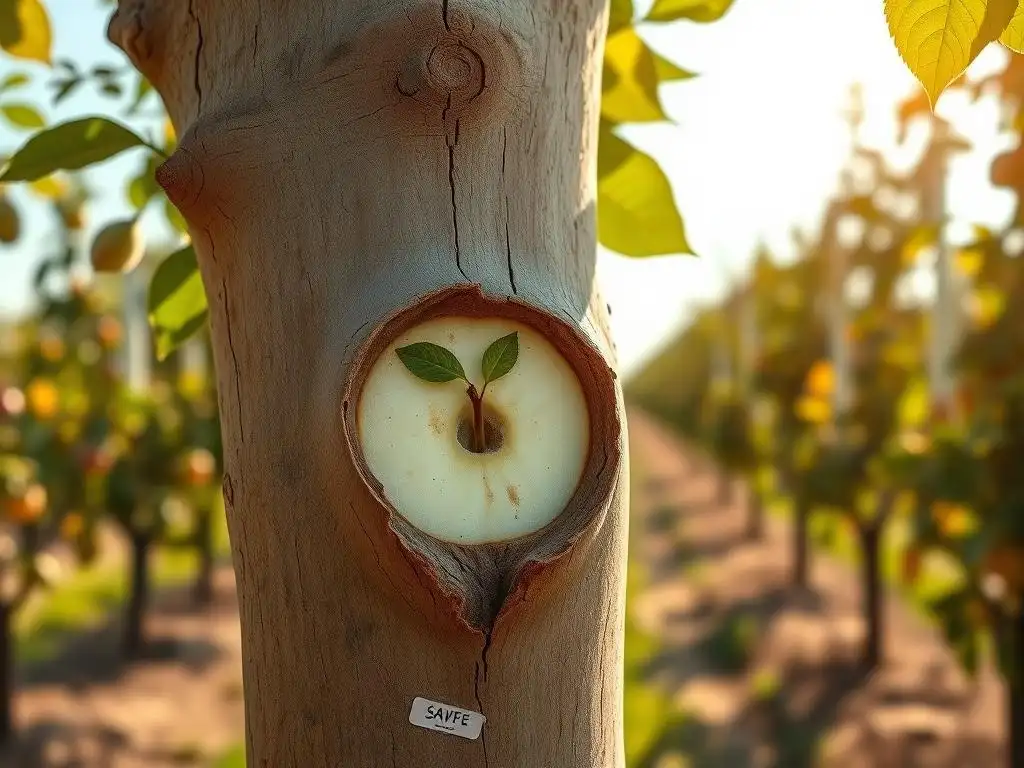
Choosing the best fruit tree graft type for your home garden hinges on understanding the interplay between rootstock, scion, and your specific growing conditions. The "best" isn't a one-size-fits-all answer; it's a personalized decision based on your needs and goals. This section will guide you through the key factors to consider when selecting the ideal grafted fruit tree for your space. Understanding these factors will significantly impact your harvest and the overall health of your trees. Successfully navigating this decision leads to bountiful harvests and a thriving home orchard.
Selecting the Ideal Rootstock for Your Needs
The rootstock forms the foundation of your grafted fruit tree, influencing its size, vigor, and disease resistance. Different rootstocks offer distinct characteristics, making the selection crucial for maximizing your yield and minimizing potential problems.
Several factors influence rootstock selection:
- Tree Size: Dwarfing rootstocks produce smaller trees, ideal for smaller gardens or spaces with limited sunlight. Semi-dwarfing rootstocks offer a compromise between size and yield, while standard rootstocks produce larger, more vigorous trees. Consider your available space carefully. A dwarf apple tree might only reach 8-10 feet, while a standard apple tree could easily grow to 20-30 feet.
- Disease Resistance: Certain rootstocks exhibit resistance to specific soilborne diseases, such as root rot or fire blight. If your area is prone to these diseases, choosing a resistant rootstock is paramount for the long-term health of your trees. This proactive approach can save you considerable time and effort in the long run.
- Soil Type: Some rootstocks thrive in specific soil conditions. For example, some perform better in well-drained soils, while others tolerate heavier clay soils. Understanding your soil type is essential to selecting a rootstock that will flourish. A soil test can provide valuable insights into your soil's composition and pH levels.
- Hardiness: Rootstock hardiness impacts the tree's ability to withstand cold temperatures. Selecting a rootstock appropriate for your USDA hardiness zone is critical for winter survival. Failure to do so can lead to tree death or severely stunted growth.
Considering Your Climate and Soil Conditions for Optimal Growth
The success of your grafted fruit tree is heavily reliant on its compatibility with your local climate and soil conditions. Ignoring these factors can lead to poor growth, reduced yields, and increased susceptibility to diseases.
Let's delve into the specifics:
- Climate: Consider your region's average temperatures, rainfall, and sunlight hours. Choose a fruit tree variety and rootstock combination that thrives in your specific climate. Extreme temperatures, prolonged droughts, or insufficient sunlight can severely impact the tree's health and productivity.
- Soil Drainage: Poorly drained soil can lead to root rot and other soilborne diseases. Ensure your soil drains well, or amend it to improve drainage if necessary. This is crucial, especially for rootstocks sensitive to waterlogged conditions.
- Soil pH: Different fruit trees have different pH preferences. A soil test will reveal your soil's pH, allowing you to select a tree that will thrive in your existing conditions. Adjusting your soil pH might be necessary to optimize growth.
- Sunlight: Fruit trees need ample sunlight, typically at least 6-8 hours per day. Consider the location of your planting site and ensure it receives sufficient sunlight. Shaded areas will lead to poor fruit production and increased susceptibility to diseases.
Choosing Fruit Tree Varieties Based on Your Preferences and Space
Once you've considered rootstock and environmental factors, the final piece of the puzzle is selecting the specific fruit tree varieties that align with your preferences and available space.
Here's a breakdown:
- Variety Selection: Consider factors such as fruit size, flavor, ripening time, and disease resistance when choosing your fruit tree varieties. Research various cultivars to find those best suited to your palate and growing conditions. Catalogs and local nurseries are excellent resources.
- Space Considerations: Dwarf and semi-dwarf trees are ideal for smaller gardens. Standard-sized trees require significantly more space. Accurate estimations of mature tree size are essential for proper spacing and to avoid overcrowding.
- Pollination Requirements: Many fruit trees require cross-pollination, meaning they need another compatible variety nearby to produce fruit. Research the pollination requirements of your chosen variety to ensure successful fruiting. Planting multiple compatible varieties increases your chances of a bountiful harvest.
- Harvest Time: Consider the ripening times of different varieties to ensure a staggered harvest throughout the growing season. This can extend your enjoyment of fresh fruit and minimize the need for large-scale preservation. Planning for a diverse harvest timeline enhances the overall experience.
Remember, selecting the best fruit tree graft type requires careful consideration of several interconnected factors. By thoughtfully evaluating your needs and resources, you can cultivate a thriving and productive home orchard. The result? Delicious, homegrown fruit! 🍎
Factors to Consider When Buying Grafted or Non-Grafted Trees
Choosing between a grafted or non-grafted fruit tree involves careful consideration of several factors. The optimal choice depends heavily on your gardening experience, the available space, your desired yield, and the specific fruit you're cultivating. Let's delve into the key aspects:
Firstly, experience level plays a significant role. Non-grafted trees, grown from seed, exhibit more genetic diversity, resulting in unpredictable fruit characteristics. This makes them a more challenging choice for novice gardeners. Experienced growers, however, might find the potential for unique fruit varieties appealing, even embracing the uncertainty as part of the gardening journey. Conversely, grafted trees offer the predictability of known fruit traits, making them a much safer bet for beginners. They guarantee specific fruit quality and yield, reducing the risk of disappointment.
Secondly, space constraints are crucial. Non-grafted trees often grow larger and more vigorously than their grafted counterparts. Therefore, if you have limited space, a grafted, dwarf or semi-dwarf variety might be the better option. These smaller trees are bred to stay compact, maximizing fruit production within a smaller footprint. This is particularly important for urban gardeners or those with smaller yards. Larger, non-grafted trees, while potentially offering a more abundant harvest, require significant space to fully develop and thrive.
Thirdly, desired yield directly impacts the decision. Grafted trees are generally known for earlier fruiting and higher yields compared to non-grafted trees. This is because the grafted scion (the upper part of the graft) is already a mature, fruiting variety. For those seeking a quick and abundant harvest, grafted trees are the clear winner. Non-grafted trees, on the other hand, may take several years to bear fruit, and the yield can be less consistent. Patience is key when choosing a non-grafted tree.
Finally, specific fruit type influences the decision. Certain fruit varieties are more readily available as grafts than others. For example, some heirloom apple varieties might only be accessible as non-grafted trees, requiring more effort and patience from the gardener. Researching the availability of your preferred fruit variety in both grafted and non-grafted forms is essential. Consider factors like disease resistance and adaptability to your local climate when making your choice. Understanding the specific needs of the chosen variety will inform whether a grafted or non-grafted option is more suitable.
Tips for Planting and Caring for Your Chosen Fruit Tree
Once you've selected your fruit tree – whether grafted or non-grafted – proper planting and ongoing care are crucial for a healthy and productive tree. Regardless of the type of tree, the fundamental principles of fruit tree cultivation remain consistent.
First, proper site selection is paramount. Choose a location that receives at least six to eight hours of sunlight per day. Ensure the soil is well-draining to prevent root rot. Consider the mature size of your tree and allow sufficient spacing around it for growth and air circulation, especially important in disease prevention. Poor drainage and inadequate sunlight can severely impact the tree's health and fruit production, regardless of whether it's grafted or not.
Second, planting technique should be meticulous. Dig a hole twice as wide and as deep as the root ball. Gently loosen the roots before placing the tree in the hole. Ensure the graft union (for grafted trees) is above the soil line. Backfill the hole with soil, gently firming it around the roots. Water thoroughly after planting. Correct planting depth is critical, especially for grafted trees; improper planting can lead to the graft union rotting.
Thirdly, consistent watering is key, especially during dry periods. Young trees require regular watering to establish a strong root system. Mulching around the base of the tree helps retain moisture and suppress weeds. Avoid overwatering, which can lead to root rot. Regular watering is crucial for both grafted and non-grafted trees to ensure optimal growth and fruit production.
Fourthly, fertilization provides essential nutrients. Use a balanced fertilizer specifically formulated for fruit trees, following the package instructions carefully. Over-fertilizing can be detrimental, so follow recommended application rates. The type of fertilizer doesn't depend on whether the tree is grafted or not, but the timing and amount should be tailored to the tree's age and growth stage.
Finally, pest and disease control is vital. Regularly inspect your tree for signs of pests or diseases. Take appropriate measures to control any problems promptly. Consider using organic pest control methods to maintain a healthy and sustainable garden. Early detection and intervention are crucial for both grafted and non-grafted trees to prevent significant damage and maintain fruit quality. Regular inspections are a fundamental part of responsible fruit tree care.
Frequently Asked Questions
What is the difference between a grafted and a non-grafted fruit tree?
A grafted fruit tree has a scion (desired fruit variety) grafted onto rootstock (a different tree root system). A non-grafted tree, or seedling, grows from seed and develops its own root system. This impacts fruit quality, size, and disease resistance.
What are the advantages of choosing a grafted fruit tree?
Grafting offers several benefits, including faster fruiting, predictable fruit quality, and increased disease resistance. You know exactly what type of fruit you'll get and when.
What are the advantages of choosing a non-grafted fruit tree?
Non-grafted trees are generally more adaptable to different soil conditions and often develop a stronger, more extensive root system. They can also be more resilient to harsh weather.
Which type of fruit tree is best for beginners?
For beginners, grafted fruit trees are often recommended due to their predictable growth and quicker fruiting. However, both types can be successful with proper care.
What is the "best" fruit tree graft type for my garden?
The "best" graft type depends on your specific climate, soil conditions, and desired fruit variety. Consult local nurseries or experts for recommendations tailored to your needs.
Final Reflection: Choosing the Right Graft for a Bountiful Harvest
The choice between grafted and non-grafted fruit trees significantly impacts not only the yield and quality of your harvest but also the long-term health and sustainability of your garden. Making an informed decision, based on understanding the nuances of each approach, is crucial for any aspiring or experienced gardener. The right choice can mean the difference between a fruitful paradise and a disappointing season.
The ongoing debate surrounding grafted versus non-grafted fruit trees highlights the enduring importance of understanding horticultural techniques. This isn't just about maximizing fruit production; it's about connecting with the natural world and appreciating the artistry involved in cultivating our food. The careful selection of a rootstock and scion, the delicate process of grafting itself – these are acts of creation that reflect our desire to nurture and improve upon nature's gifts. The glory of gardening: hands in the dirt, head in the sun, heart with nature. To nurture a garden is to feed not just the body, but the soul.
This quote perfectly encapsulates the deeper meaning behind choosing the best fruit tree for your garden.
Consider the implications of your choice. Will you prioritize disease resistance, early fruiting, or a specific fruit variety? The information presented in this article provides a foundation for making that decision. Now, it's your turn to take that knowledge and apply it to your own garden. Research the varieties best suited to your climate and soil conditions, and choose the grafting method that aligns with your gardening goals. Embrace the journey of cultivating your own fruit trees – the rewards of a bountiful harvest, both literal and metaphorical, are well worth the effort.
Unlock Your Orchard's Potential: Grow the Perfect Fruit Tree!
Thank you for exploring the world of grafted and non-grafted fruit trees with us! You now have the knowledge to make informed decisions for a thriving garden. Ready to put this knowledge into practice?
- Choose your perfect tree: Visit your local nursery and select a variety that thrives in your local climate and fits your available space. You're now equipped to make the right choice!
- Share your selection: Tell us which fruit tree you chose and why! We'd love to hear your plans in the comments below.
- Start planting and growing: Begin transforming your garden into a fruitful paradise – and don't forget to share your progress with our community!
What delicious fruit will you be harvesting this year?