
Mushroom Grow Kits: The Easiest Way to Cultivate Gourmet Fungi Indoors

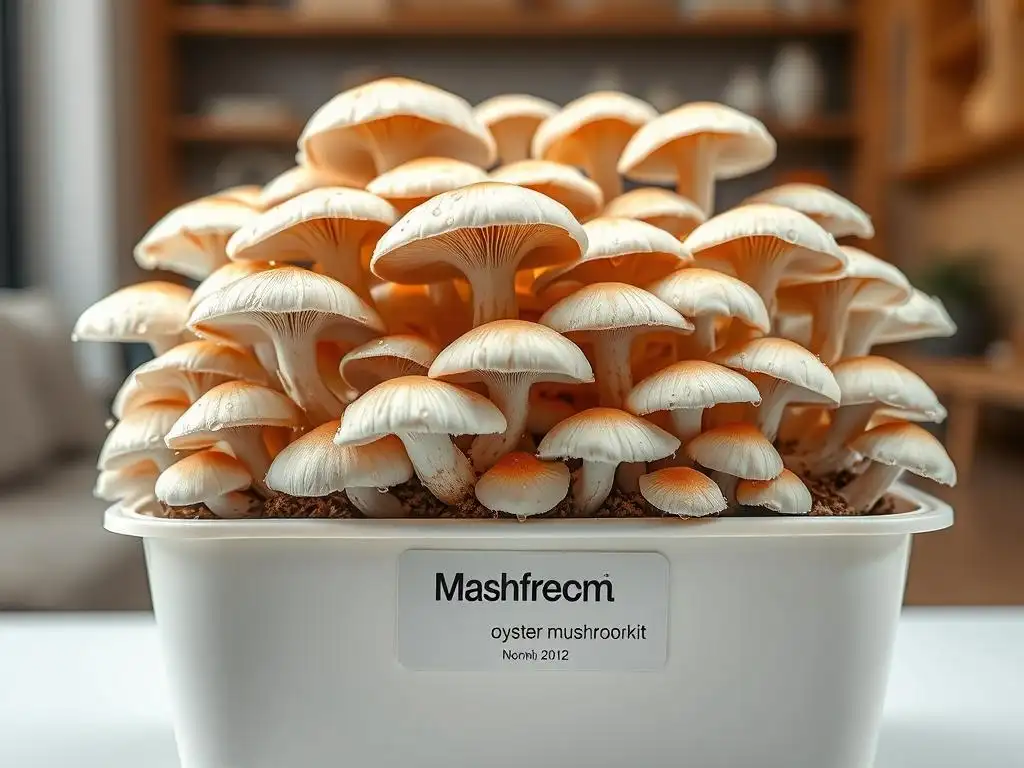
Ready to unlock the secrets of gourmet fungi cultivation? At CultivateYourFood, we empower you to grow your own delicious and healthy produce using sustainable methods. Forget foraging – our comprehensive Indoor Mushroom Grow Kit guide will guide you through every step, from setup to harvest, transforming your home into a thriving fungal paradise. Discover the ease and satisfaction of cultivating your own mushrooms – let's get started!
- Understanding Indoor Mushroom Grow Kits: A Beginner's Guide
- Setting Up Your Indoor Mushroom Growing Environment
- Step-by-Step Guide to Using a Mushroom Grow Kit
- Popular Mushroom Grow Kit Brands and Reviews
- Troubleshooting Common Indoor Mushroom Growing Problems
- Beyond the Kit: Expanding Your Indoor Mushroom Growing Capabilities
- Frequently Asked Questions about Indoor Mushroom Growing Kits
- Frequently Asked Questions
- Final Reflection: Cultivating More Than Just Mushrooms
- Unleash Your Inner Mycologist: Grow Your Gourmet Feast!
Understanding Indoor Mushroom Grow Kits: A Beginner's Guide
Cultivating gourmet mushrooms at home might sound daunting, but with the advent of readily available indoor mushroom grow kits, it's become surprisingly accessible. This guide delves into the world of indoor mushroom cultivation, focusing on the simplicity and effectiveness of grow kits as a perfect entry point for beginners eager to explore the fascinating world of fungi.
We'll cover everything from understanding how these kits function to selecting the right kit for your needs and ensuring a bountiful harvest of delicious, homegrown mushrooms. This comprehensive guide will empower you to easily add the unique flavors and nutritional benefits of gourmet mushrooms to your culinary repertoire, all from the comfort of your own home.
Learn how to harness the power of nature to cultivate your own fungi, and discover the joy of sustainable and organic indoor mushroom farming. This guide is your complete resource for mastering the art of growing mushrooms indoors using readily available kits, making it the ultimate "Indoor mushroom grow kit guide."
What are Mushroom Grow Kits and How They Work?
Mushroom grow kits offer a simplified approach to mushroom cultivation, eliminating much of the complex preparation typically associated with growing fungi from scratch. These kits essentially contain everything you need to cultivate mushrooms successfully indoors, minimizing the risk of contamination and maximizing your chances of a rewarding harvest. The process hinges on the pre-colonized substrate—a carefully prepared medium, usually made of grain or hardwood sawdust, already infused with the mycelium (the vegetative part of the fungus).
The kit typically includes a container with the colonized substrate, usually sealed to maintain a sterile environment. Once you receive your kit, you'll simply need to follow the manufacturer's instructions, which generally involve misting the substrate with water to maintain proper humidity levels and ensuring suitable temperature and light conditions. The mycelium will then begin to fruit, producing the mushrooms you'll eventually harvest. This streamlined process makes mushroom cultivation accessible even to those with limited gardening experience. Think of it as a "plug-and-play" system for gourmet fungi! 🍄
Choosing the Right Indoor Mushroom Grow Kit: Oyster, Shiitake, Lion's Mane
The beauty of indoor mushroom grow kits lies in the variety of species available. Among the most popular choices for beginners are Oyster, Shiitake, and Lion's Mane mushrooms. Each boasts unique flavor profiles and culinary applications:
- Oyster Mushrooms: Known for their delicate, slightly sweet flavor and oyster-like appearance, oyster mushrooms are relatively easy to cultivate and are highly adaptable to various growing conditions. They are a versatile culinary ingredient, suitable for sautéing, grilling, or adding to soups and stews.
- Shiitake Mushrooms: Highly prized for their earthy, umami-rich flavor, shiitake mushrooms are a staple in Asian cuisine. They are slightly more challenging to cultivate than oyster mushrooms but offer a richly rewarding experience. Their distinctive flavor enhances a wide array of dishes.
- Lion's Mane Mushrooms: These unique mushrooms, with their cascading, white mane-like appearance, are gaining popularity for their purported health benefits and subtly sweet flavor. While slightly more demanding in terms of growing conditions, the rewards of cultivating these visually striking and delicious mushrooms are well worth the effort.
Consider your culinary preferences and experience level when choosing your kit. Beginners might find oyster mushrooms the easiest to start with, while more experienced cultivators might enjoy the challenge of shiitake or lion's mane. Always check the manufacturer's instructions for specific growing requirements.
Essential Components of a High-Yield Mushroom Grow Kit: Substrate, Mycelium, and Packaging
The success of your mushroom cultivation journey hinges on the quality of the grow kit's components. Let's break down the key elements:
| Component | Description | Importance |
|---|---|---|
| Substrate | The growing medium (e.g., grain, hardwood sawdust) pre-colonized with mycelium. | Provides essential nutrients for mycelium growth and mushroom fruiting. A high-quality substrate is crucial. |
| Mycelium | The vegetative part of the fungus, responsible for nutrient absorption and growth. | Healthy, vigorous mycelium ensures a robust and abundant mushroom yield. |
| Packaging | The container holding the substrate, often designed to maintain humidity and sterility. | Proper packaging prevents contamination and ensures optimal growing conditions. |
A high-yield kit will prioritize the quality of these components. Look for kits from reputable suppliers using high-quality, sustainably sourced materials. The packaging should be robust and designed to maintain a stable environment for optimal mushroom growth. Remember, investing in a quality kit significantly increases your chances of a successful and abundant harvest.
Setting Up Your Indoor Mushroom Growing Environment
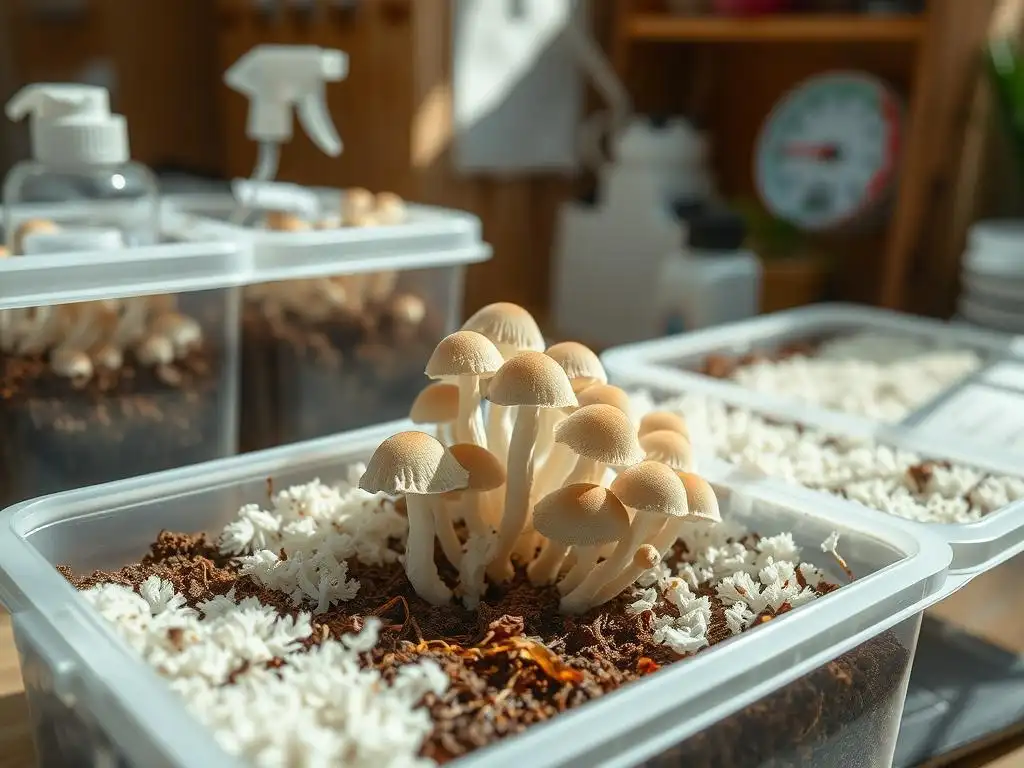
This section focuses on establishing the optimal environment for successful indoor mushroom cultivation using a grow kit. Remember, even with a pre-packaged kit, providing the right conditions is crucial for a bountiful harvest. We'll explore temperature, humidity, and light requirements, along with techniques for managing air circulation and creating a suitable microclimate. This guide will help you maximize your yield and enjoy the fruits (or rather, fungi!) of your labor. Proper environment control is key to a successful indoor mushroom grow kit guide.
Ideal Indoor Growing Conditions for Gourmet Mushrooms: Temperature, Humidity, and Light
Successfully growing gourmet mushrooms indoors hinges on replicating their natural habitat. Different mushroom species have varying needs, but generally, a consistent environment is key. Let's delve into the specifics:
- Temperature: Most gourmet mushroom varieties thrive in a temperature range between 55°F and 70°F (13°C and 21°C). Fluctuations outside this range can significantly impact growth and yield. Consistent monitoring with a reliable thermometer is vital. Consider using a thermostatically controlled heating pad or fan to maintain optimal temperatures, especially during colder months. Avoid placing your grow kit near heating vents or drafty windows.
- Humidity: High humidity is paramount for mushroom growth. Aim for a relative humidity (RH) of 90-95%. This can be challenging in typical indoor environments. Strategies for achieving and maintaining this level of humidity are covered in the next section. Regularly monitor humidity using a hygrometer. Too little humidity will result in stunted growth, while excessive humidity might lead to mold or bacterial contamination.
- Light: Unlike plants, mushrooms don't require light for photosynthesis. In fact, excessive light can be detrimental. A dimly lit or dark area is ideal. Avoid direct sunlight, which can cause the mycelium to dry out and the mushrooms to become weak. Indirect, low-intensity light is sufficient for monitoring growth. A simple LED grow light with a low-intensity setting can be used for observation purposes, but it should not be shone directly onto the mushroom kit.
Creating the Perfect Microclimate: Utilizing a Humidity Dome
Maintaining the high humidity levels necessary for optimal mushroom growth often requires creating a microclimate within your growing environment. A humidity dome, usually included with many mushroom grow kits, is a crucial tool for achieving this. Let's explore its importance:
The humidity dome creates a contained environment where moisture evaporating from the substrate is trapped, maintaining high humidity levels around the mushrooms. This prevents the substrate from drying out and encourages vigorous growth. However, proper ventilation is still crucial to prevent the buildup of harmful gases. Regularly misting the inside of the dome with sterile water can further boost humidity. Remember, always use sterile water to prevent introducing unwanted bacteria or fungi into your growing environment.
This is especially important when dealing with delicate gourmet mushrooms. Regularly inspect your mushroom kit for signs of mold or bacterial growth. If you observe any abnormal growth, take appropriate action to mitigate the problem. This might involve removing contaminated areas or starting a new kit.
Air Circulation and Ventilation for Healthy Mushroom Growth
While high humidity is essential, proper air circulation is equally important to prevent the buildup of harmful gases like carbon dioxide (CO2) and to reduce the risk of mold and bacterial contamination. This seemingly contradictory need highlights the delicate balance required for successful mushroom cultivation:
Sufficient air circulation helps to maintain a healthy environment for your mushrooms. While a humid environment is ideal, stagnant air can lead to the accumulation of CO2, which inhibits growth. A gentle airflow, without directly blowing on the mushrooms, is ideal. This can be achieved by placing a small fan at a distance from the grow kit, ensuring the airflow is indirect and doesn't directly desiccate the substrate.
Also, periodically lifting the humidity dome for short periods allows for air exchange without significantly reducing humidity. Always ensure that the air entering your setup is clean and free of contaminants. Consider using a HEPA filter in the room to improve air quality.
The balance between humidity and ventilation is crucial. Too much ventilation will dry out the substrate, while too little will lead to unhealthy conditions for your mushrooms. Observe your mushrooms closely, adjusting ventilation as needed to achieve the optimal balance.
Step-by-Step Guide to Using a Mushroom Grow Kit
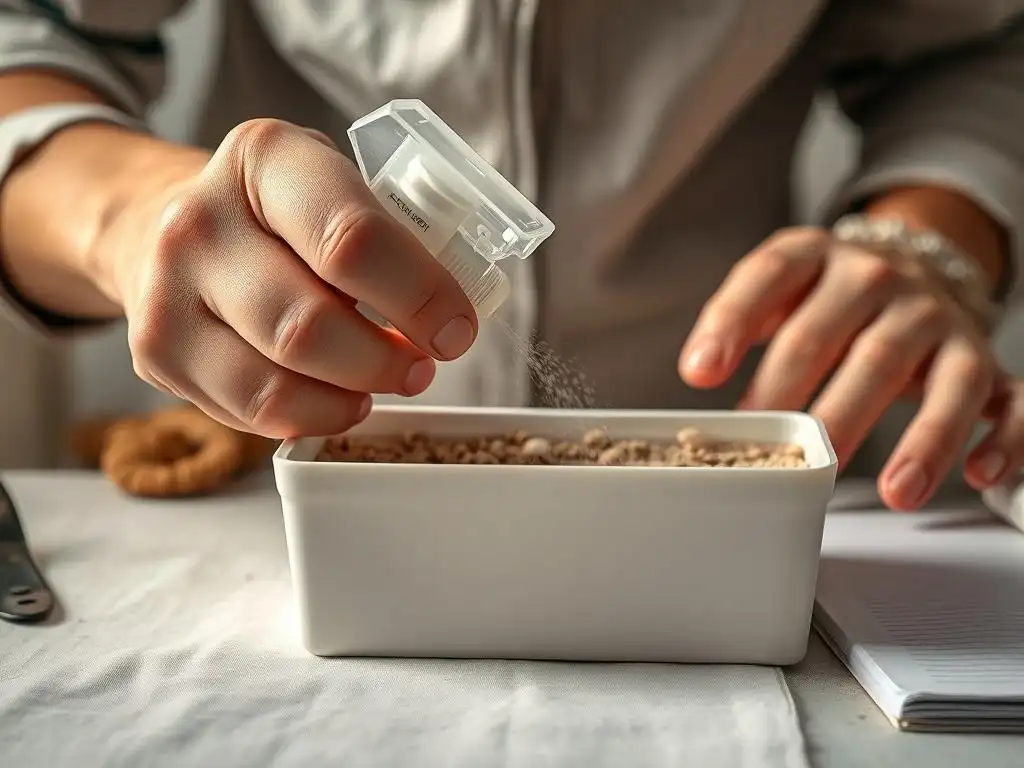
This section provides a detailed, step-by-step guide on how to successfully cultivate gourmet mushrooms using an indoor mushroom grow kit. We'll cover everything from the initial setup to harvesting your delicious bounty. This guide is your complete Indoor mushroom grow kit guide, ensuring a successful harvest.
Preparing Your Mushroom Grow Kit: Unboxing and Initial Setup
Upon receiving your mushroom grow kit, carefully unpack it. Examine the substrate—the growing medium—for any signs of damage or unusual discoloration. A healthy substrate will typically be firm, moist, and have a consistent color (depending on the mushroom species). Most kits come pre-colonized, meaning the mushroom mycelium (the vegetative part of the fungus) has already begun to grow.
Before proceeding, ensure you have a clean and well-ventilated area prepared. Avoid locations with direct sunlight or extreme temperature fluctuations. Ideal temperature ranges vary depending on the mushroom species; however, most gourmet mushrooms thrive in temperatures between 65-75°F (18-24°C). Consult the instructions included with your specific kit for optimal temperature requirements.
Once you've selected a suitable location, carefully remove the grow kit from its packaging. Many kits come with a clear lid or cover; this should be kept on until the first signs of pinheads (tiny mushroom primordia) appear. This helps maintain the appropriate humidity levels for optimal growth. Some kits may include additional instructions, such as pre-soaking the substrate, which must be followed meticulously. Remember, careful preparation is key to a successful mushroom cultivation journey. Following these steps will significantly boost your chances of a bountiful harvest.
Misting and Maintaining Humidity Levels for Optimal Growth: Frequency and Techniques
Maintaining the correct humidity levels is crucial for successful mushroom cultivation. Too little humidity, and the mycelium will dry out; too much, and it can lead to mold growth. The optimal humidity level is typically around 90-95%, which can be achieved through regular misting and the use of a humidity dome (if provided with your kit).
Misting should be done with sterilized water—tap water may contain contaminants that can harm your mushroom colony. Use a fine mist spray bottle to gently mist the surface of the substrate, avoiding direct spraying on the mycelium itself. Avoid over-misting, as this can lead to waterlogging and the growth of unwanted bacteria or fungi.
The frequency of misting depends on the environmental conditions. In drier environments, you may need to mist daily, or even twice a day. In more humid environments, misting every other day, or even less frequently, might suffice. Regularly monitor the substrate's moisture level; it should feel moist but not soggy. The best indicator of proper humidity is the healthy growth of your mushroom pins and the absence of mold. Careful observation and adjustments are essential for maximizing yield.
Harvesting Your Gourmet Mushrooms: Knowing When and How to Pick for Maximum Yield
Knowing when and how to harvest your gourmet mushrooms is vital for maximizing your yield and ensuring the health of your mushroom colony. Harvest mushrooms when their caps are fully expanded but before they begin to release spores. This is usually when the caps are slightly convex or flat, and the gills are clearly visible. Delaying harvesting may result in spore release and a reduction in yield.
Harvesting mushrooms is best done by gently twisting or cutting them at the base. Avoid pulling them up forcefully, as this can damage the mycelium. Use a clean, sharp knife or scissors for cutting. Once harvested, store your mushrooms in a well-ventilated container in the refrigerator to maintain their freshness. Always clean your harvesting tools thoroughly before and after each use to prevent contamination. Remember, proper harvesting techniques ensure the longevity and productivity of your mushroom grow kit, offering a rewarding and sustainable experience. 🍄
Storing and Preserving Your Harvested Mushrooms: Extending Shelf Life
Once you've harvested your delicious homegrown mushrooms, proper storage is key to maintaining their quality and extending their shelf life. Unlike many vegetables that benefit from refrigeration, mushrooms are best kept in a cool, dark, and slightly humid environment. Refrigerating mushrooms can actually cause them to lose their texture and flavor more quickly.
The ideal temperature for storing harvested mushrooms is between 33°F and 40°F (0°C and 4°C). However, if you don't have a dedicated cool storage area, a cool, dark pantry or cupboard will suffice, especially for short-term storage (1-2 days). Avoid placing mushrooms in airtight containers, as this can trap moisture and lead to spoilage. Instead, use a paper bag or a loosely covered container to allow for proper air circulation.
For longer-term preservation, several methods are effective:
- Drying: Drying mushrooms is a classic preservation technique that significantly extends their shelf life. You can air-dry them, using a string or mesh to hang them in a cool, dry, and well-ventilated area, or use a dehydrator for faster and more consistent results. Dried mushrooms retain their flavor and can be rehydrated before use. Remember to store dried mushrooms in an airtight container in a cool, dark, and dry place.
- Freezing: Freezing mushrooms is another excellent way to preserve them. Before freezing, it's best to blanch the mushrooms briefly by submerging them in boiling water for a minute or two, then immediately plunging them into ice water to stop the cooking process. This helps to maintain their texture and color. After blanching, allow them to dry completely before placing them in freezer bags or airtight containers. Properly frozen mushrooms can last for several months.
- Pickling: Pickling mushrooms adds a delightful tangy twist to their flavor and extends their shelf life considerably. Numerous pickling recipes are available, ranging from simple vinegar-based solutions to more complex combinations of spices and herbs. Pickled mushrooms are a delicious addition to salads, sandwiches, and other dishes.
Remember to always inspect your mushrooms before storing or preserving them. Discard any mushrooms that show signs of spoilage, such as slimy textures, discoloration, or unpleasant odors. By following these simple steps, you can enjoy your homegrown gourmet mushrooms for a longer time and minimize waste. Proper storage and preservation techniques are crucial for maximizing the yield and enjoyment of your indoor mushroom cultivation efforts. This is a key element in your overall indoor mushroom grow kit guide.
Popular Mushroom Grow Kit Brands and Reviews
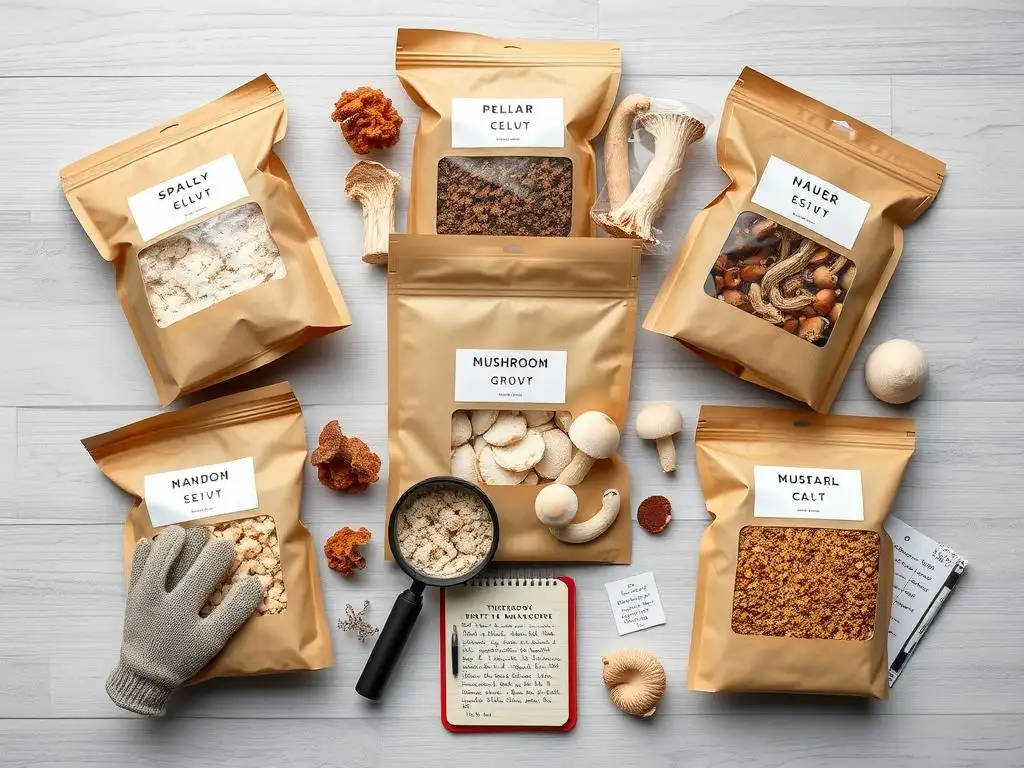
This section provides an in-depth look at some of the most popular indoor mushroom grow kit brands, highlighting their features, advantages, and disadvantages to help you make an informed decision for your home cultivation journey. Choosing the right kit is crucial for a successful harvest, so let's delve into the details. This guide will help you navigate the world of indoor mushroom grow kits and become a confident fungi farmer.
North Spore Mushroom Grow Kits: Features, Pros, and Cons
North Spore is a well-known brand among home mushroom cultivators, offering a variety of kits for different species. Their kits are often praised for their ease of use and high success rates. Let's examine their key features:
- Features: North Spore kits typically include a fully colonized substrate (the growing medium), clear instructions, and sometimes even a misting bottle. They focus on providing a simple, ready-to-grow experience, minimizing the preparation needed from the user. They offer a range of popular gourmet mushroom varieties.
- Pros:
- Ease of Use: Their straightforward instructions make them ideal for beginners. The pre-colonized substrate eliminates the complex and time-consuming process of making your own.
- High Success Rate: Many users report high yields with minimal effort, thanks to the quality of their substrate and clear instructions.
- Variety of Species: They offer kits for various mushroom species, allowing you to experiment with different flavors and textures.
- Excellent Customer Support: Known for their responsive and helpful customer service.
- Cons:
- Price: North Spore kits can be slightly more expensive than some competitors.
- Limited Customization: Because the substrate is pre-prepared, you have less control over the growing medium's composition.
- Availability: Demand can sometimes exceed supply, leading to occasional stockouts.
Fungi Perfecti Mushroom Grow Kits: A Comparison of Oyster and Shiitake Kits
Fungi Perfecti is another reputable brand offering a range of high-quality mushroom grow kits. They are particularly known for their oyster and shiitake mushroom kits. Let's compare these two popular options:
| Feature | Oyster Mushroom Kit | Shiitake Mushroom Kit |
|---|---|---|
| Species | Pleurotus ostreatus (and sometimes other varieties) | Lentinula edodes |
| Growth Rate | Relatively fast | Moderate to slow |
| Yield | Generally high | Can be high, depending on conditions |
| Ease of Growth | Considered easy | Slightly more challenging than oyster mushrooms |
| Flavor Profile | Mild, savory, slightly sweet | Earthy, umami, with a slightly chewy texture |
| Substrate Type | Usually straw-based | Often hardwood sawdust-based |
Both Fungi Perfecti kits share similar pros, including clear instructions, high-quality substrates, and a good success rate. However, the Oyster mushroom kit is generally considered easier for beginners due to its faster growth rate and less demanding environmental requirements.
Gourmet Mushrooms Grow Kits: Features and Price Comparison
Choosing a gourmet mushroom grow kit depends not only on the brand but also on the specific mushroom species you want to cultivate. Price can vary significantly depending on the species, the size of the kit, and the brand. While precise pricing is subject to change and retailer variations, we can provide a general overview:
- Oyster Mushrooms: These are generally among the least expensive gourmet mushroom kits, often appealing to beginners due to their ease of cultivation and fast growth. Expect prices to range from [price range pending]
- Shiitake Mushrooms: Shiitake kits typically fall within a mid-range price point, reflecting their slightly more challenging cultivation requirements and longer growth cycle. Expect prices to range from [price range pending]
- Lion's Mane Mushrooms: These medicinal mushrooms are often more expensive due to their slower growth and higher demand. Expect prices to range from [price range pending]
- Other Gourmet Varieties (e.g., King Oyster, Enoki): Prices for these less common varieties will vary depending on availability and demand. Expect prices to range from [price range pending].
Remember to always check the specific features and price of the kit before purchasing. Comparing different brands and species will help you find the perfect indoor mushroom grow kit to suit your needs and budget. Happy growing! 🍄
Troubleshooting Common Indoor Mushroom Growing Problems
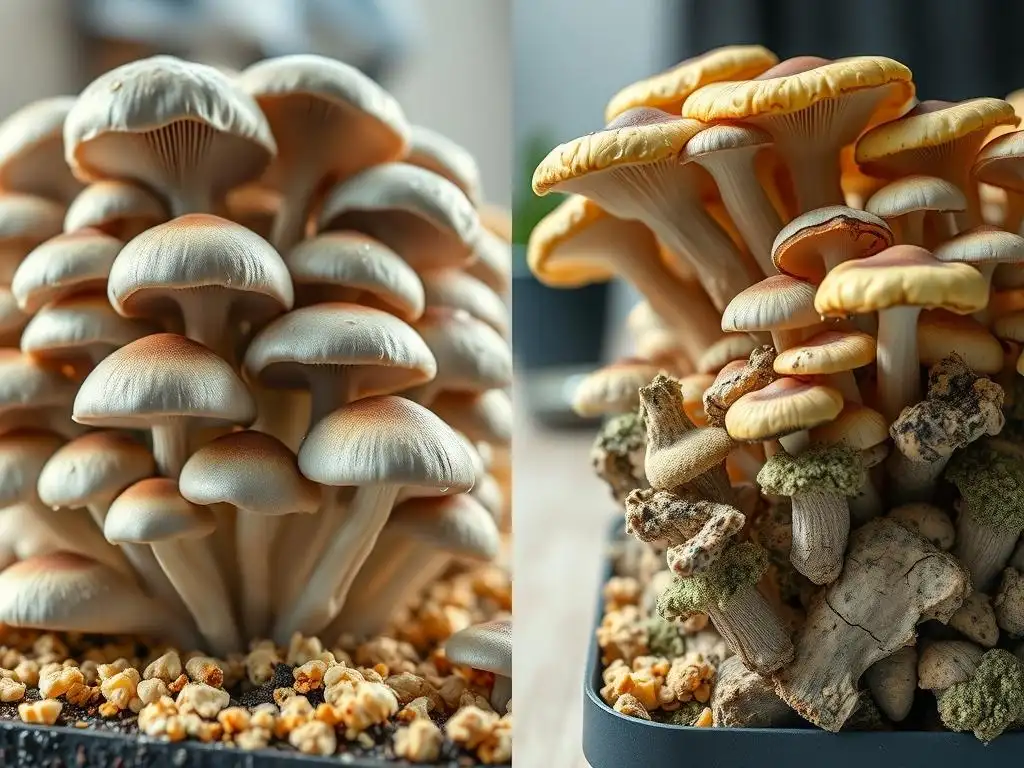
This section delves into the most common issues encountered when using indoor mushroom grow kits, providing practical solutions and preventative measures to maximize your harvest and ensure a successful growing experience. Remember, even with the best grow kits, understanding potential problems is key to successful indoor mushroom cultivation. This guide focuses on organic solutions, aligning with the CultivateYourFood ethos of sustainable practices.
Dealing with Contaminated Grow Kits: Prevention and Solutions
Contamination is a significant threat to indoor mushroom cultivation. Bacteria, mold, and other fungi can quickly overtake your grow kit, ruining your harvest. Preventing contamination starts before you even open the kit. Ensure your hands and workspace are meticulously clean. Use 70% isopropyl alcohol to sterilize surfaces before and after handling the kit. Avoid coughing or sneezing near the kit.
Once your kit is established, careful observation is crucial. Look for signs of unusual growth—fuzzy patches of different colors, slimy areas, or an unpleasant odor. These are all warning signs of contamination.
Here's a breakdown of how to address contamination:
- Prevention is key: Maintain a clean and sterile environment. Use a dedicated space for your grow kit, away from other plants or potential sources of contamination.
- Early Detection: Regular inspections (daily is ideal) are crucial to catch contamination early. The earlier you identify it, the greater your chances of saving the kit.
- Isolation: If contamination is detected, immediately isolate the affected kit to prevent it from spreading to other grow kits.
- Removal (if possible): If the contamination is localized, carefully remove the affected area using a sterile instrument (e.g., a sterilized knife or spoon).
- Discarding: If the contamination is widespread, unfortunately, the best course of action is often to discard the entire kit to avoid further problems. Dispose of it responsibly, following local guidelines for organic waste disposal.
| Contamination Type | Appearance | Solution |
|---|---|---|
| Bacterial | Slimy, foul odor | Usually requires discarding the entire kit. |
| Mold | Fuzzy, various colors | Often requires discarding the entire kit. |
| Competing Fungi | Different mushroom growth | Isolation and removal of competing growth (if possible). |
Remember, maintaining a clean and controlled environment is paramount to preventing contamination and ensuring a bountiful harvest of delicious gourmet mushrooms.
Addressing Low Yield Issues: Identifying and Fixing Environmental Factors
A low yield from your indoor mushroom grow kit can stem from several environmental factors. Let's explore the most common culprits and how to address them:
- Temperature: Mushrooms are sensitive to temperature fluctuations. Ensure your grow kit is kept within the ideal temperature range specified by the manufacturer (typically between 55-70°F or 13-21°C). Consistent temperature is crucial for optimal mycelium growth and fruiting. Using a thermometer is highly recommended.
- Humidity: Maintaining appropriate humidity levels is vital. Mushrooms require a humid environment to thrive. Regular misting might be necessary, particularly during the fruiting stage. A hygrometer will help you monitor humidity levels. Aim for 90-95% humidity during fruiting.
- Light: Mushrooms don't need direct sunlight; in fact, excessive light can hinder growth. Keep your grow kit in a dimly lit area, avoiding direct sunlight.
- Airflow: Good airflow is essential to prevent the build-up of moisture and CO2, which can lead to stunted growth and contamination. Ensure adequate ventilation without creating drafts.
- Substrate Moisture: The substrate (the growing medium) should be consistently moist but not waterlogged. Check the moisture level regularly and mist as needed. Overwatering can lead to anaerobic conditions, harming the mycelium.
Understanding and addressing these environmental factors will significantly improve your chances of a successful harvest. Remember to consult the specific instructions provided with your indoor mushroom grow kit.
Pest and Disease Management in Indoor Mushroom Cultivation: Organic Solutions
While indoor mushroom cultivation offers some protection from outdoor pests, some insects and diseases can still affect your grow kit. Focusing on preventative measures and employing organic solutions is crucial for maintaining a healthy and productive environment.
- Preventative Measures: Maintaining a clean and sterile environment is the first line of defense. Regularly inspect your grow kit for any signs of pests or diseases.
- Common Pests: Fruit flies, fungus gnats, and mites are common culprits. Sticky traps can help capture flying insects. For mites, consider introducing beneficial nematodes (microscopic worms that prey on mites), a completely organic solution.
- Disease Management: Maintaining optimal humidity and airflow significantly reduces the risk of fungal diseases. If disease is detected, isolate the affected kit immediately to prevent spread. Organic fungicides, such as neem oil diluted in water, can be used cautiously, always following the manufacturer's instructions. However, prevention is far more effective than treatment.
By focusing on prevention, early detection, and organic solutions, you can successfully cultivate healthy and delicious gourmet mushrooms indoors, even in the face of potential pests and diseases. Remember, a healthy growing environment is the best pest and disease deterrent.
Beyond the Kit: Expanding Your Indoor Mushroom Growing Capabilities
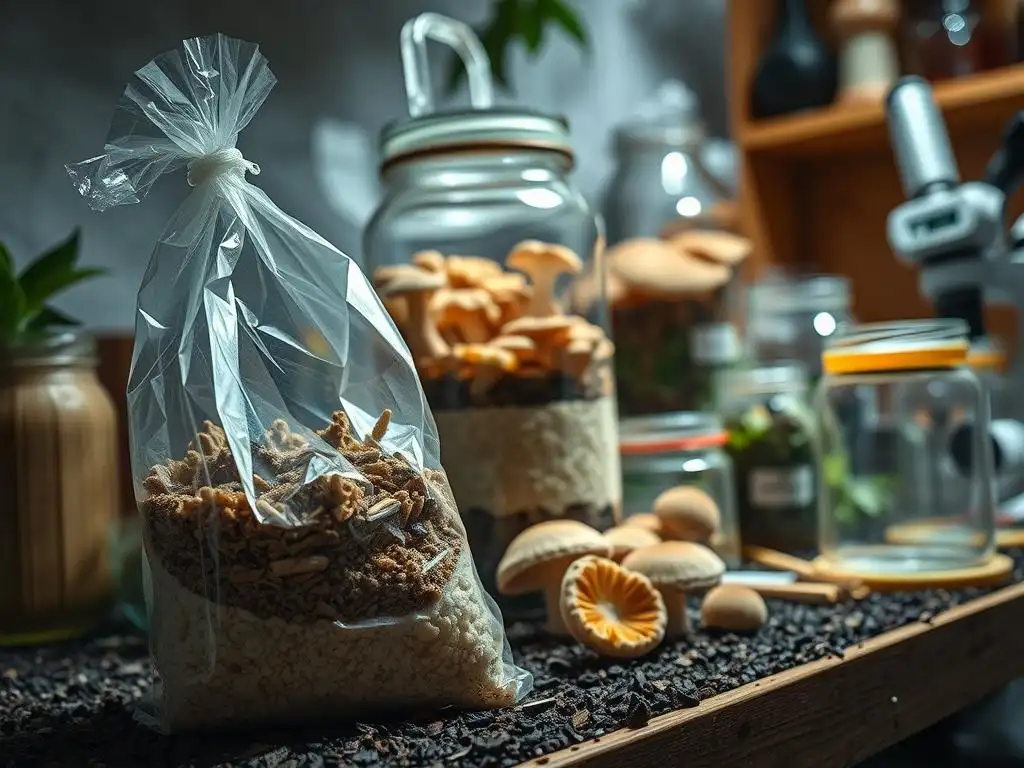
This section delves into the exciting possibilities that lie beyond the convenience of pre-packaged indoor mushroom grow kits. While kits offer a fantastic introduction to fungal cultivation, mastering the art of mushroom farming involves understanding the underlying principles and experimenting with different techniques. This empowers you to cultivate a wider variety of gourmet mushrooms and significantly boosts your yield. We'll explore how you can move beyond the limitations of pre-made kits and become a true indoor mycology expert. This guide focuses on expanding your indoor mushroom growing capabilities, ultimately enhancing your understanding of the "indoor mushroom grow kit guide".
Creating Your Own Mushroom Substrate: A Guide to DIY Growing
Creating your own mushroom substrate opens up a world of possibilities. Pre-made kits typically use a standardized substrate, limiting your choices. By learning to prepare your own, you can tailor the growing medium to specific mushroom species, optimizing their growth and yield. This DIY approach offers cost savings in the long run and enhances the learning experience.
Several factors influence substrate selection, including the target mushroom species. Oyster mushrooms, for instance, thrive on straw substrates, while shiitake mushrooms often prefer hardwood logs or sawdust. The process generally involves sterilizing the chosen material (to eliminate competing organisms) and then inoculating it with mushroom spawn (the mycelium – the vegetative part of the fungus).
Here's a simplified example using straw:
- Sterilization: Boil straw in water for at least one hour to kill bacteria and other contaminants. Thorough sterilization is crucial for successful cultivation.
- Cooling and Moisture: Allow the straw to cool completely before adding spawn. The moisture content should be around 60-70%.
- Inoculation: Mix the cooled straw with mushroom spawn, ensuring even distribution. Use sterile gloves and tools to prevent contamination.
- Incubation: Place the inoculated substrate in a dark, humid environment (around 70-80% humidity) at the optimal temperature for your chosen mushroom species (this varies greatly depending on the species).
- Fruiting: Once the mycelium has colonized the substrate (often indicated by a white, thread-like growth), adjust the environmental conditions to induce fruiting. This typically involves increasing airflow and light exposure.
This detailed process allows for precise control over the growing environment, leading to healthier and more productive mushroom crops. Remember to meticulously document your process, noting variations in temperature, humidity, and substrate composition to refine your technique over time. Experimentation is key to mastering the art of DIY mushroom substrate creation!
Advanced Mushroom Cultivation Techniques: Exploring Different Growing Methods
Beyond simple substrate preparation, several advanced techniques can significantly improve your indoor mushroom harvests. These methods offer increased control over environmental factors and allow for the cultivation of a broader range of mushroom species. Mastering these techniques is the next step in your journey as an indoor mushroom cultivator, taking you beyond the basic "indoor mushroom grow kit guide".
- Two-Stage Cultivation: This involves initially growing the mycelium in a separate container (like a grain-based substrate) before transferring it to a fruiting substrate. This promotes robust mycelium growth, leading to larger and more abundant harvests.
- Liquid Culture: This advanced technique involves growing the mycelium in a liquid nutrient solution, resulting in a high concentration of spawn. This is particularly useful for inoculating large quantities of substrate.
- Modified Atmosphere Packaging (MAP): This commercial technique uses specialized packaging to control the gas composition around the mushrooms, extending their shelf life and improving quality. While requiring specialized equipment, understanding the principles behind MAP can inform your approach to humidity and airflow control.
- Temperature and Humidity Control: Precise temperature and humidity regulation are critical for successful mushroom cultivation. Consider investing in monitoring equipment to ensure optimal conditions for your chosen species. Each species has specific requirements, and deviating from these can lead to stunted growth or failure.
Understanding these advanced techniques will allow you to cultivate more challenging species and optimize your yields, taking your indoor mushroom cultivation to the next level.
Resources for Further Learning: Books, Websites, and Online Communities
Expanding your knowledge is crucial for continuous improvement in mushroom cultivation. Numerous resources are available to support your journey, providing further insights beyond the basic information found in an "indoor mushroom grow kit guide".
- Books: Several excellent books delve into the intricacies of mushroom cultivation, covering topics such as substrate preparation, species-specific growing techniques, and pest control. Look for books specializing in indoor cultivation for the most relevant information.
- Websites: Many websites are dedicated to mycology, offering valuable information on mushroom identification, cultivation techniques, and troubleshooting common problems.
- Online Communities: Engaging with online communities of mushroom enthusiasts provides access to a wealth of practical advice, shared experiences, and support from seasoned cultivators. These forums are invaluable resources for learning from others' successes and failures.
By utilizing these resources, you can continually refine your skills, expand your knowledge of various mushroom species, and troubleshoot any challenges you encounter along the way. This continuous learning process is essential for achieving consistently high yields and enjoying the rewards of successfully cultivating your own gourmet mushrooms indoors.
Frequently Asked Questions about Indoor Mushroom Growing Kits
This section addresses common queries regarding indoor mushroom cultivation using grow kits, providing you with the knowledge to successfully nurture your gourmet fungi harvest. We'll delve into the specifics of growth timelines, substrate reusability, and ideal mushroom varieties for novice cultivators. This comprehensive guide will equip you with the confidence to embark on your indoor mushroom growing journey.
How long does it take to grow mushrooms from a kit?
The time it takes to see a harvest from your indoor mushroom grow kit depends heavily on the species of mushroom and the specific growing conditions. Generally, you can expect a first flush (the initial harvest) anywhere from 10 to 21 days after properly activating your kit. This activation process itself might take a few days, depending on the kit's instructions and the environmental conditions you provide.
However, this is just the beginning! Once the first flush is harvested, you'll likely experience subsequent flushes, each taking a bit longer than the previous one. Subsequent flushes can take anywhere from 10 to 30 days to develop, depending on the mushroom strain's fruiting cycle and the consistency of your environmental controls (temperature, humidity, and light).
Think of it like this:
| Mushroom Species | First Flush (approx.) | Subsequent Flushes (approx.) | Total Growing Period (approx.) |
|---|---|---|---|
| Oyster Mushrooms | 10-14 days | 14-21 days each | 6-8 weeks |
| Shiitake Mushrooms | 14-21 days | 21-30 days each | 8-12 weeks |
| Lion's Mane Mushrooms | 14-21 days | 21-30 days each | 8-12 weeks |
Remember, these are just estimates. Factors like ambient temperature fluctuations, inconsistent humidity levels, and even the specific batch of your grow kit can influence the overall timeline. Consistent monitoring and adherence to the kit's instructions are key to optimizing your harvest schedule. Patience is a virtue in mushroom cultivation! 🍄
Can I reuse the substrate after harvesting?
While some mushroom grow kits are designed for single use, others may offer the possibility of a second, or even third, harvest from the same substrate. However, this is not guaranteed and depends largely on the type of substrate used and how well you maintain the growing conditions.
The success of substrate reuse hinges on the remaining nutrients and the overall health of the mycelium (the mushroom's vegetative part). After a harvest, the substrate will be depleted of some nutrients. You'll also need to carefully remove any spent mushrooms and clean the surface of the substrate to prevent the growth of competing molds or bacteria.
Often, subsequent flushes will yield a smaller harvest than the first. You might also notice a decrease in the quality or size of the mushrooms. Therefore, while reusing the substrate is possible, it's not always practical or guaranteed to yield a substantial second or third harvest. Many growers find it more efficient to start a fresh kit for each harvest. This ensures optimal growing conditions and a reliable yield of high-quality mushrooms.
Ultimately, carefully read the instructions provided with your specific mushroom grow kit. Some kits explicitly state whether or not substrate reuse is recommended or even possible.
What are the best mushroom varieties for beginners?
For novice indoor mushroom cultivators, certain varieties are particularly well-suited due to their ease of cultivation and forgiving nature. These mushrooms are known for their relatively fast growth cycles, resilience to minor environmental fluctuations, and overall ease of care.
Some excellent choices for beginners include:
- Oyster Mushrooms: These are renowned for their fast growth and adaptability. They tolerate a wider range of temperatures and humidity levels compared to some other species, making them less demanding for beginners.
- Shiitake Mushrooms: Shiitake mushrooms are another popular choice for beginners. While they might require slightly more attention to humidity, they are still relatively straightforward to grow indoors.
- Pink Oyster Mushrooms: Known for their vibrant color and relatively easy cultivation, pink oyster mushrooms offer a visually appealing and rewarding experience for new growers.
Avoid more challenging varieties like Lion's Mane or Chanterelles initially. While these are delicious, they often require more precise environmental control and experience to cultivate successfully.
Starting with easier-to-grow varieties will build your confidence and provide a solid foundation for exploring more complex mushroom cultivation projects in the future. Remember, success breeds success, and starting with a win boosts your enthusiasm for this fascinating hobby! 🎉
Frequently Asked Questions
What is an indoor mushroom grow kit?
An indoor mushroom grow kit is a self-contained system containing all the necessary materials – mycelium, substrate, and a suitable environment – to grow gourmet mushrooms at home, indoors, with minimal effort. It simplifies the mushroom cultivation process significantly.
Are indoor mushroom grow kits difficult to use?
No, mushroom grow kits are designed for ease of use, even for beginners. Most kits require minimal maintenance, mostly involving maintaining proper humidity and temperature. Detailed instructions are typically included.
What types of mushrooms can I grow with a kit?
Grow kits commonly feature popular varieties like oyster mushrooms, shiitake mushrooms, and lion's mane mushrooms. The specific type will depend on the kit you purchase; always check the product description for details.
How long does it take to harvest mushrooms from a kit?
The time to harvest varies depending on the mushroom species and growing conditions, but you can typically expect your first harvest within 2-4 weeks. Subsequent flushes (harvests) will follow over several weeks.
How do I maintain the proper environment for my mushroom grow kit?
Maintaining consistent humidity and temperature is key. Most kits require a humid environment, often achieved through misting or placing the kit in a humid location. The ideal temperature range is usually specified in the kit's instructions.
Final Reflection: Cultivating More Than Just Mushrooms
The accessibility of indoor mushroom cultivation is revolutionizing our relationship with food, fostering a deeper connection to nature within the confines of our homes. This isn't just a hobby; it's a tangible step towards greater self-sufficiency and a more sustainable lifestyle, offering a powerful counterpoint to the complexities of modern food systems. The ease of use and rewarding nature of mushroom grow kits make them a gateway to a more mindful and enriching experience.
The quiet satisfaction of nurturing life from a simple kit, watching delicate mycelia unfurl and eventually yield a bountiful harvest, is profoundly impactful. It's a reminder of the interconnectedness of all living things and the inherent beauty in the natural world. The earth laughs in flowers.
This simple quote encapsulates the joy and wonder that cultivating mushrooms, even in a small indoor space, can bring. Beyond the delicious harvest, it's a journey of learning, patience, and a renewed appreciation for the processes that sustain us.
So, what will you cultivate? Consider the potential beyond the gourmet fungi. This journey into indoor mushroom growing is an invitation to explore your own potential for growth, resilience, and connection with the natural world. Take the leap, embrace the learning process, and discover the rewarding experience of nurturing life, one spore at a time. The journey begins with a single kit, but the rewards extend far beyond the harvest.
Unleash Your Inner Mycologist: Grow Your Gourmet Feast!
Thanks for exploring the fascinating world of indoor mushroom cultivation! You've just unlocked the secrets to growing delicious gourmet mushrooms right in your own home. Ready to take the next step?
- Start your own mushroom grow kit today! Imagine the satisfaction of harvesting your own fresh, flavorful mushrooms. This is your chance to experience the magic of cultivating fungi firsthand.
- Share your progress: Post a picture of your mushroom setup or your first harvest on social media using #CultivateYourFood and inspire others to grow their own!
- Join our online community: Connect with fellow mushroom enthusiasts, share tips, and ask questions about your growing process.
What delicious recipe will you use for your homegrown mushrooms? Let's discuss in the comments below!